Why Intentional Living Starts At Home
Home should be the one place that gives you energy back instead of draining it. In this article, we will explore how intentional living is built through small, practical decisions that shape how your space functions, feels, and supports your real life, without demanding a full renovation or a picture-perfect aesthetic.
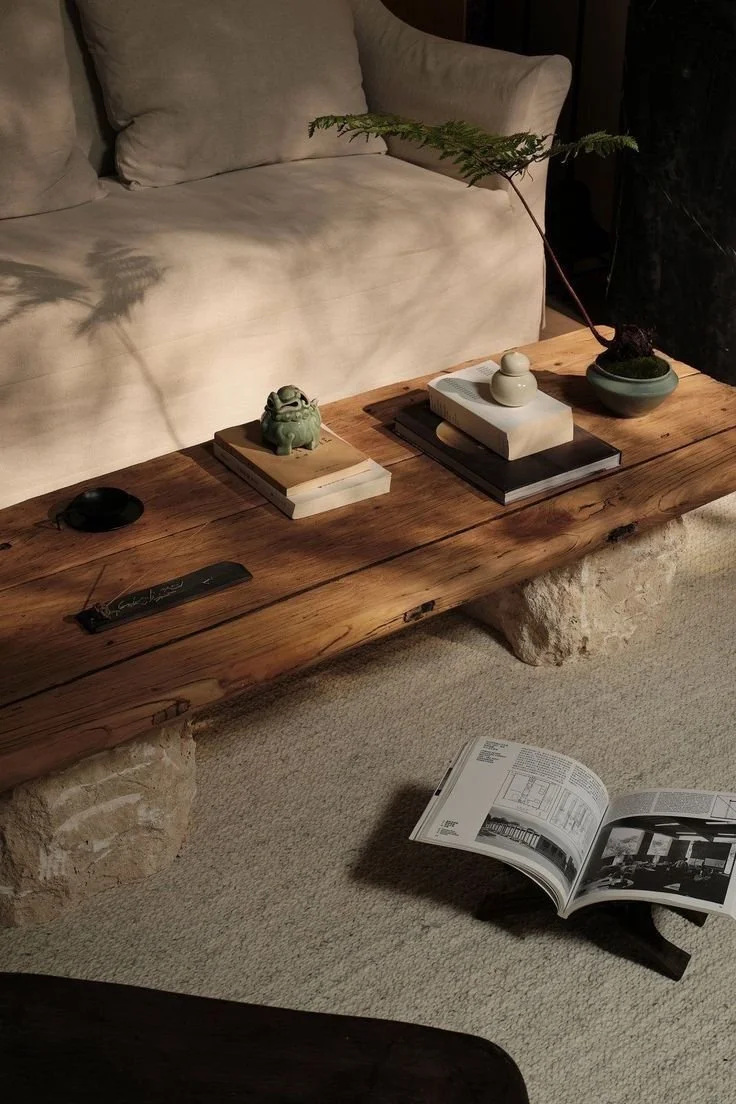
Intentional living at home is less about chasing an ideal and more about reducing friction. It means noticing what repeatedly causes stress, what quietly improves your mood, and what helps you move through your day with more ease. When your home aligns with your habits and values, you spend less time managing your environment and more time enjoying it.
What follows is a clear, actionable framework you can apply room by room. Each section includes specific examples and quick wins so you can make progress even with limited time, budget, or space.
No. 1
Creating an Environment That Reduces Everyday Stress
The state of your home has more influence over your mood than most people realise. A hallway cluttered with shoes and post, or a kitchen counter permanently buried under paperwork, can add to a sense of overwhelm before the day has even properly started. Research from the British Psychological Society has linked a strong attachment to one's home and possessions with greater psychological wellbeing, while excessive clutter was found to undermine that same sense of security.
A more intentional home reduces “micro-stressors,” the small recurring annoyances that chip away at patience and focus. You do not need a minimalist reset to get there; you need systems that match the way you actually live.
Identify your daily friction points
Start by pinpointing the moments when your space makes life harder. Look for bottlenecks in the times of day you are most rushed.
Morning pinch points
Crowded bathroom counters
No clear place for keys or bags
Clothes that are stored far from where they are worn
Evening reset problems
No landing zone for mail and packages
Toys or gear that lack a defined home
A kitchen workflow that forces extra steps
Household handoff issues
One person organizes items in a way that makes sense to them, but not to anyone else
Storage that requires two hands and ten minutes, so it never gets used
Build “one-touch” routines
A reliable home is one that can be put back in order quickly. Aim for systems that take a single motion to complete, because those are the ones people actually follow.
Add hooks at adult and child height near the door
Use a tray or shallow basket for keys, sunglasses, and earbuds
Store cleaning wipes where messes happen most, not where they look best
Keep a donation bag in a closet so decluttering becomes continuous, not seasonal
Something as simple as clearing an entryway or improving storage in one room can make daily routines feel noticeably calmer almost straight away. When you remove predictable stress, you create the mental space needed to live with more purpose.
No. 2
Choosing Quality Over Quick Fixes
It's tempting to patch things up with the quickest, cheapest fix, but that approach doesn’t hold up for long. Choosing well-made features over short-term solutions tends to pay off, both in everyday comfort and in how often you find yourself replacing the same thing a year or two later. The latest English Housing Survey findings, reported by RICS, show steady improvement in the energy performance of UK homes, a reminder that investing properly in the fabric of a house, rather than reaching for a quick fix, continues to pay dividends over time.
Intentional living benefits from durability because “maintenance debt” is real. Every flimsy bin, unstable shelf, or bargain fixture that fails too soon adds another task to your future. Quality upgrades reduce the frequency of repairs and help a home feel dependable.
Decide what deserves investment first
Not everything needs to be premium, but some choices pay you back daily. Focus on items you touch constantly or that protect your home.
High-impact investments
Lighting in work zones like kitchens and bathrooms
Seating and mattresses that support posture and sleep
Entryway flooring and rugs that handle weather and grit
Storage hardware that won’t bend or loosen
Places where “good enough” is fine
Decorative objects you might change often
Seasonal textiles
Trend-driven paint colors
Use a simple cost-per-year lens
A helpful way to avoid impulse fixes is to evaluate price across time.
If a $300 item lasts 10 years, it costs $30 per year
If a $120 item lasts 2 years, it costs $60 per year
The less durable “deal” is often the more expensive choice over time
Quality also improves your relationship with your home. When doors close properly, drawers glide smoothly, and storage does not topple, the space feels calmer and more capable. That confidence supports intentional living because you are not constantly reacting to minor breakdowns.
No. 3
Creating a Space to Slow Down and Reflect
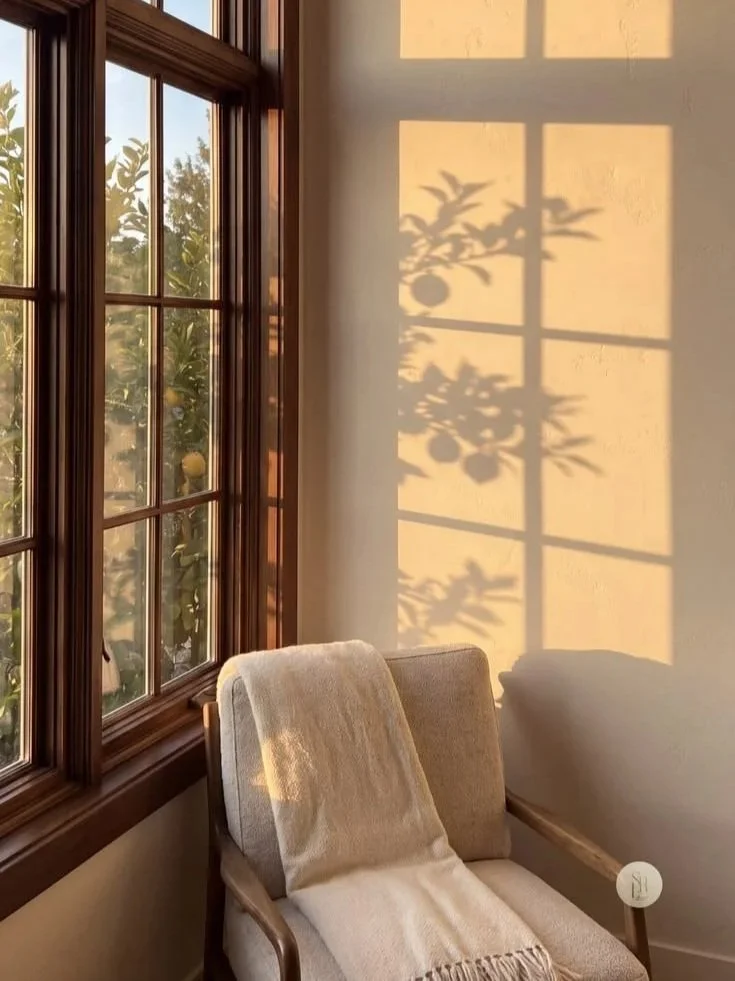
Everyone needs somewhere to pause. That might be a favourite armchair by a window, a quiet spot in the garden, or simply a room without a television in it. These spaces don't need to be grand to matter; what counts is that they offer a break from noise and demands.
Creating a “slow space” is one of the most underrated home upgrades because it improves how you recover from stress. Even five minutes in a dedicated calm corner can interrupt the loop of overstimulation and help you return to tasks with more clarity.
Design your pause space with intention
The goal is not luxury; it is usability. A reflective space should be easy to access and comfortable enough that you will use it.
Comfort basics
A supportive chair or cushion
A small surface for a book, tea, or notebook
Soft lighting for evenings
Sensory calm
A neutral scent (or none at all)
A blanket or texture that signals rest
Reduced visual clutter in your line of sight
Boundaries that protect the space
A rule that this corner stays device-free
A basket to hold a journal, puzzle, or meditation items
Headphones or a white-noise option if the home is busy
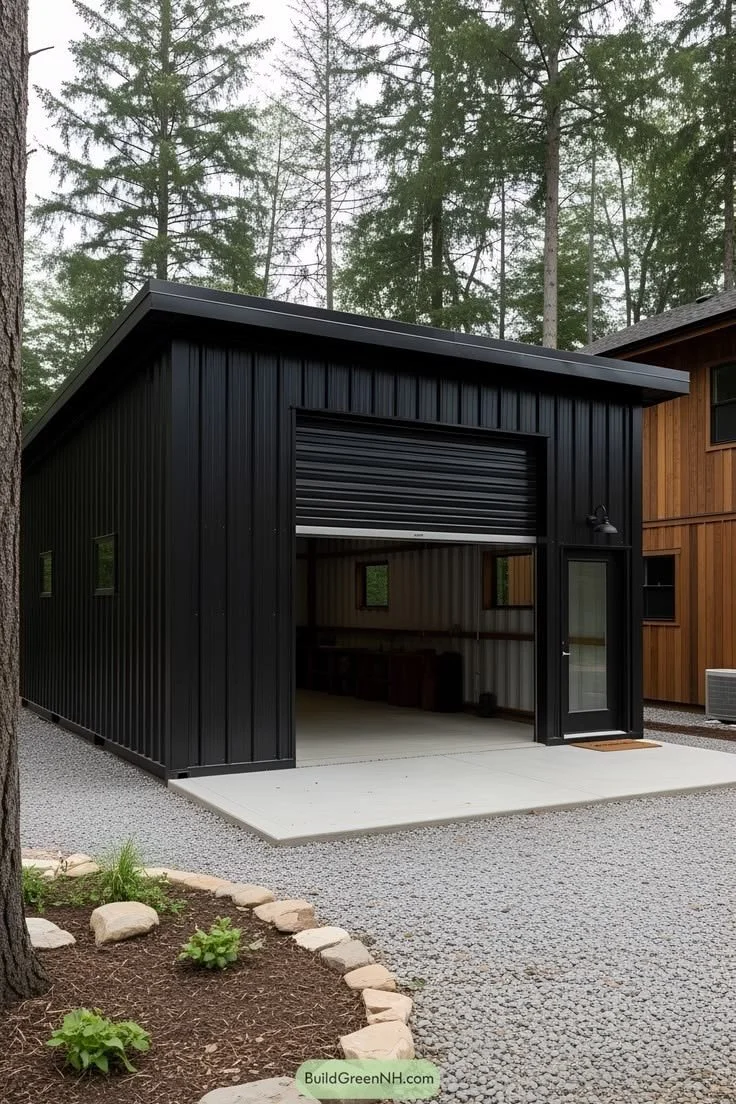
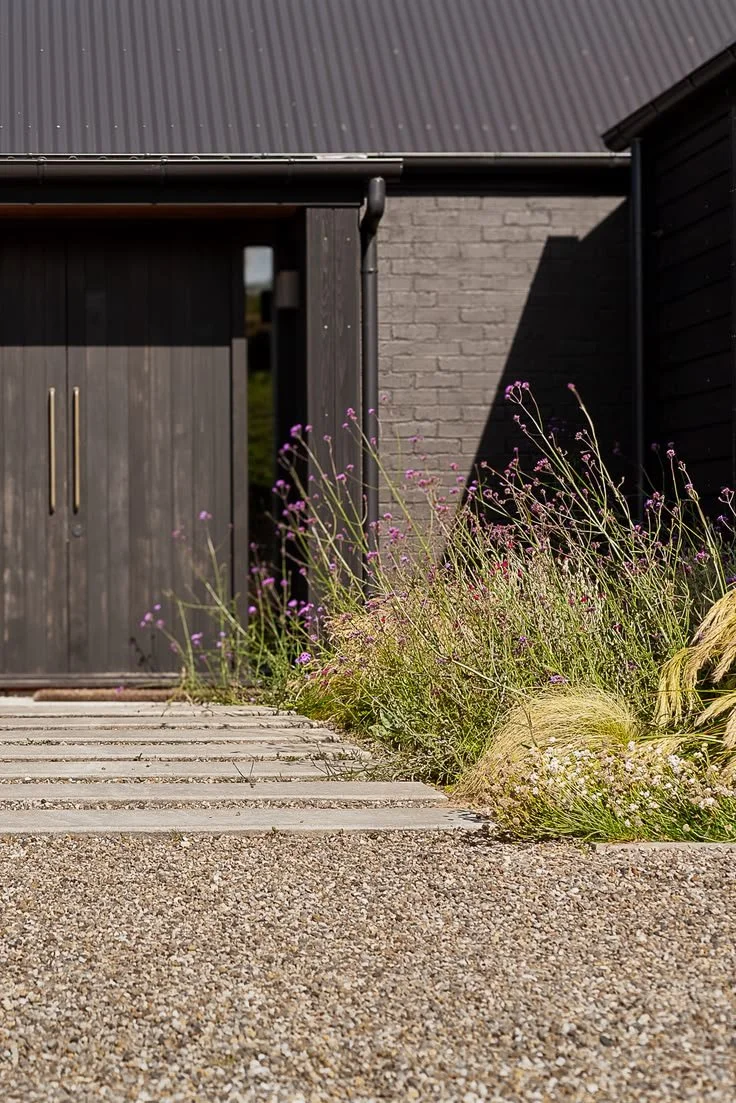
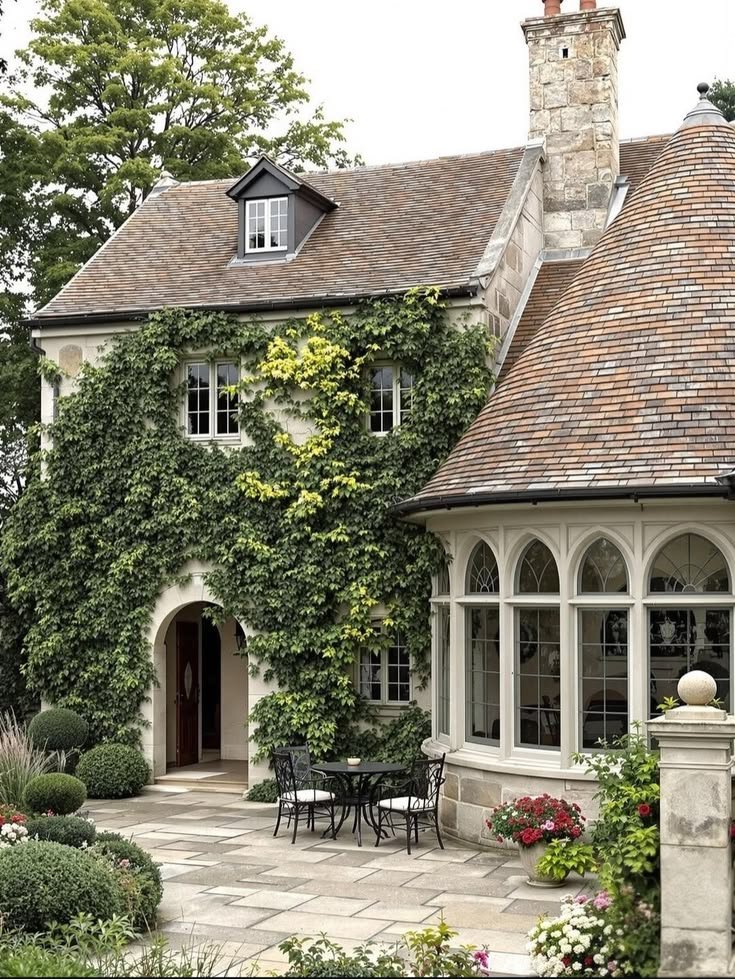
Even something as ordinary as replacing a tired, ill-fitting set of garage doors can lift the whole front of a property, making the entire home feel more cared for the moment you pull up outside after a long day. That feeling matters because the exterior is part of your everyday experience of “coming home,” and first impressions can either relax you or subtly keep you on edge.
When your home welcomes you with order and care, it becomes easier to slow down, reflect, and choose your next step deliberately instead of automatically.
No. 4
Building a Home That Grows With You
Life never stays still, and a home that suits you today may not suit you in five years' time. Children grow, routines shift and the way you use a spare room can change completely from one year to the next. Opting for adaptable furniture, flexible storage and features built to last makes it far easier for a home to keep pace with those changes, letting you improve things gradually instead of starting from scratch every time your circumstances shift.
Intentional living thrives in spaces designed for change. A home that can adapt reduces the need for constant buying, reorganizing, and upgrading under pressure.
Create flexible zones instead of fixed rooms
Many homes work better when rooms have “roles” rather than rigid identities.
Examples of flexible zones
A dining table that doubles as a homework and planning hub
A guest room that also functions as a workout or craft space
A hallway nook turned into a micro-office with floating shelves
Ways to make flexibility feel intentional, not messy
Use closed storage to hide supplies quickly
Choose furniture that can be moved by one person
Standardize bins and labels so items return easily
Plan storage around real life, not ideals
A home that stays organized is one where storage reflects actual behavior patterns.
Store items where they are used, not where they “should” go
Keep frequently used items between shoulder and knee height
Give every recurring category a dedicated home
Pet gear
Cords and chargers
Sports equipment
School supplies
Build gradually without losing momentum
Intentional living isn't about a single massive overhaul. It is built from smaller, considered choices, a calmer entrance here, and a well-made replacement there that add up to a home that genuinely supports the way you actually want to live.
A practical way to keep momentum is to pick one “anchor project” per quarter, then add small maintenance habits in between. That rhythm keeps your home improving without turning your life into a constant construction zone.
Takeaways
Intentional living starts at home because your environment shapes your energy, focus, and stress levels every day. When you reduce friction through simple systems and better storage, daily life becomes calmer and more predictable.
Choosing quality over quick fixes is not about perfection; it is about lowering the long-term burden of repairs and replacements. Durable, well-placed upgrades help your home feel reliable, which supports better routines and more thoughtful choices.
The most powerful changes are often the smallest, especially when they protect your ability to slow down and adapt as life evolves.
Looking for Home resources?
Looking to enhance your living space and create a sanctuary that supports your well-being? Explore our home partners who offer a wide range of resources to elevate your home environment.