Posts in home
How To Build A Shed In Three Easy Steps

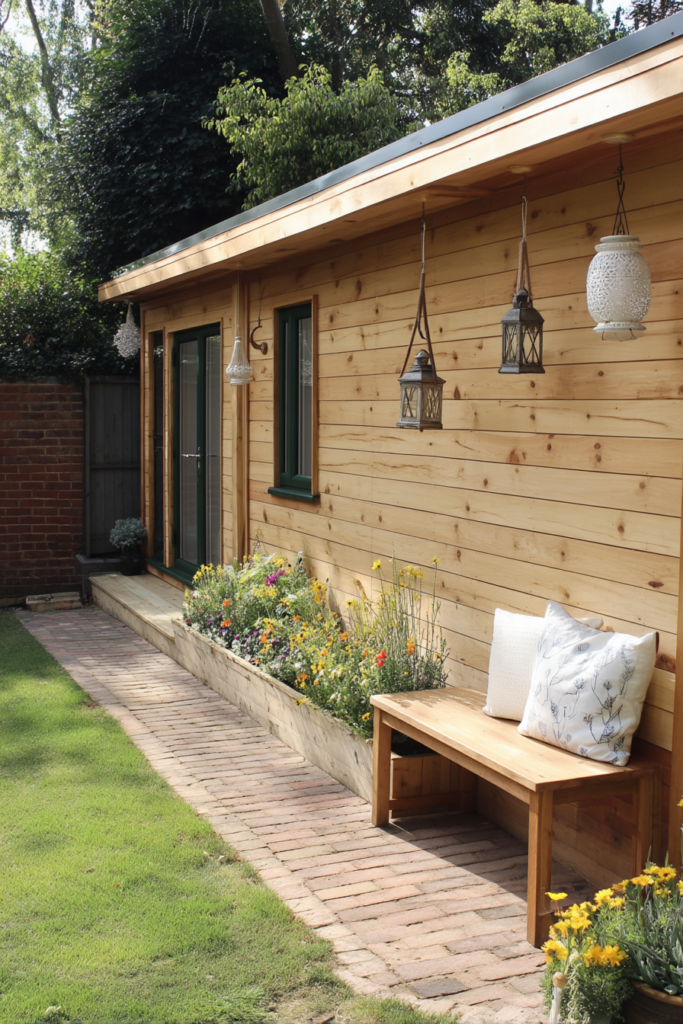
For many DIY enthusiasts, building a shed is the ultimate weekend DIY project. It’s a rewarding endeavor that strikes the perfect balance between complexity and practicality—challenging enough to be satisfying, yet accessible enough for those ready to graduate from shelving units and cabinet repairs.
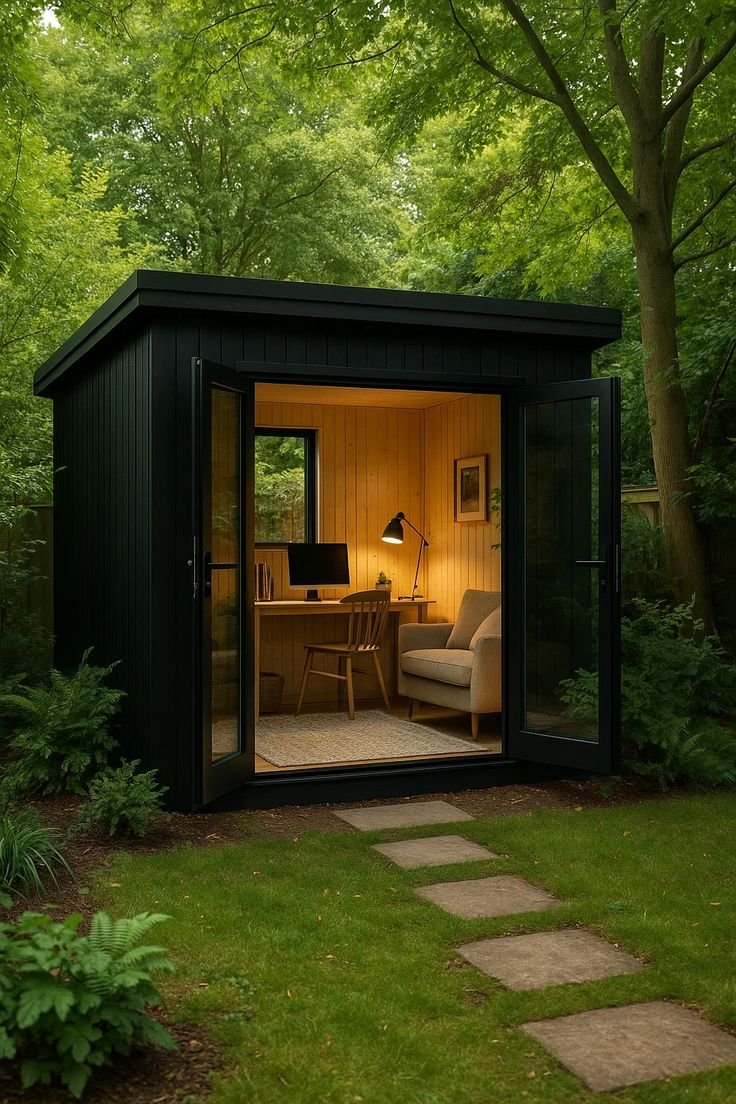


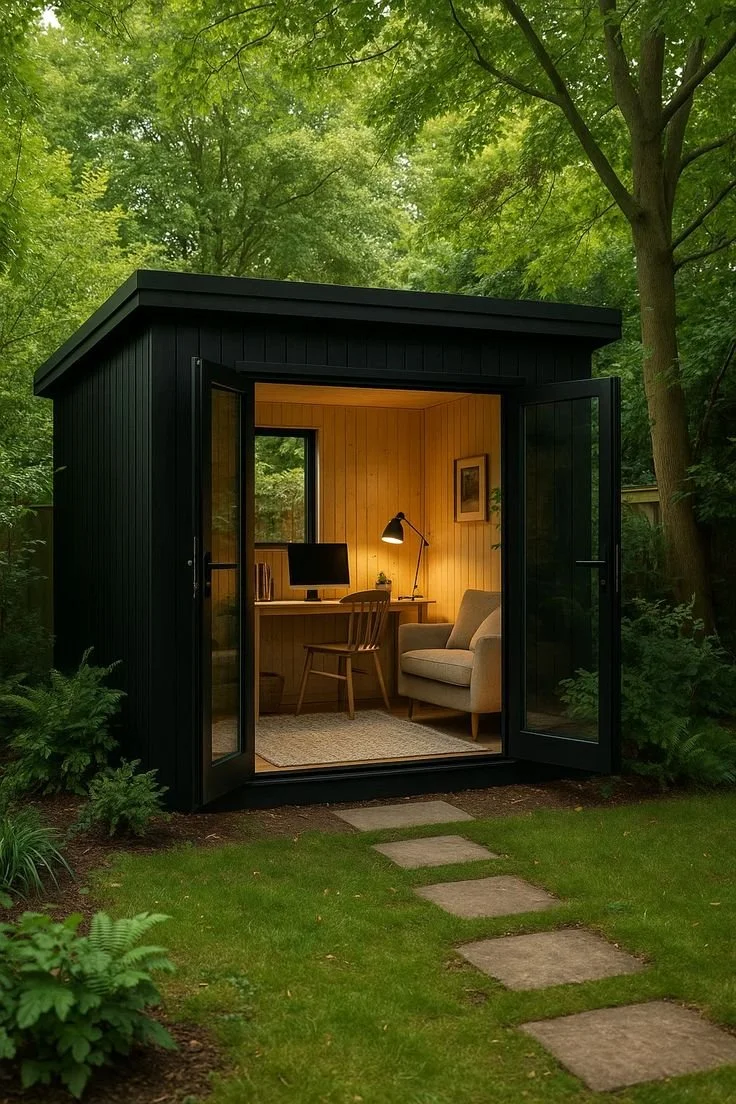
While there are countless great tutorials online that walk you through the process step-by-step, it’s important to understand the foundational principles before diving into construction. In this article, we break down the basics into three simple stages, giving you a solid overview of what to expect and how to prepare for building a shed. By the end, you’ll have a clear roadmap to guide your shed-building journey with confidence.

No. 1

The Planning Stage

As the old saying goes: “Fail to prepare, prepare to fail.” Nowhere is this more true than in shed construction. Planning is arguably the most critical phase of the entire project. The last thing you want is to get halfway through the build only to realize you’ve made a costly mistake—or worse, need to start over entirely.

Start by checking your local building regulations. Some areas have restrictions on the size, placement, or type of structure you can build. A quick call to your local authority will clarify what’s allowed.

Next, choose the shed model that suits your needs and skill level. Once you’ve selected a design, price out all the materials and tools you’ll need. Then, designate the area in your garden where the shed will be built. Carefully measure the space—always measure twice to avoid costly errors later.

No. 2

Set the Foundation

A solid foundation is the backbone of any durable shed. Even the most well-constructed walls and roof won’t hold up if they’re built on uneven or unstable ground.

Shed base plastic is often the best option for beginners. These bases are engineered to distribute the structure’s weight evenly and act as a protective barrier between the shed and the ground.

Before laying the base, level the ground thoroughly. Rake the area, tamp down the soil, and use a spirit level to ensure the surface is even. Once the ground is prepped, use stakes and string lines to outline the shed’s perimeter. This will guide you as you lay the base and begin construction.



Rejuvenation

Jumpstart your next home project with Rejuvenation's Home Project Guides!

Expert tips, inspiration, and resources to bring your vision to life. Start planning today!


No. 3

Building the Shed

Now comes the exciting part—building the shed itself. Start by installing the main joists in the positions you’ve marked with your string lines. These will serve as the structural framework for your shed.

Next, lay the shed flooring on top of the base. This step provides a stable platform for attaching the wall frames. Depending on your chosen model, there are several ways to secure the walls to the base frame. Follow the specific instructions provided with your shed kit or design.

Once the walls are firmly in place, it’s time to install the roof frame. This will later be covered with your chosen weatherproofing material—whether that’s shingles, metal panels, or waterproof sheeting.

Finally, install the windows and doors. If this is your first shed build, opt for pre-hung doors and easy-fit windows to simplify the process. These components are designed for straightforward installation and will save you time and frustration.

Takeaways

Building a shed is a fulfilling and practical DIY project that adds value to your property and satisfaction to your skillset. While this article doesn’t serve as a full tutorial, it gives you a clear overview of the essential steps: planning thoroughly, laying a solid foundation, and assembling the structure with care.

Take your time, follow the instructions for your specific model, and don’t be afraid to ask for help or consult more detailed guides as needed. With patience and preparation, you’ll not only build a shed—you’ll build confidence in your DIY abilities.

So grab your tools, roll up your sleeves, and enjoy the process. Happy building!

Looking for Home resources?

Looking to enhance your living space and create a sanctuary that supports your well-being? Explore our home partners who offer a wide range of resources to elevate your home environment.
Learn more


homeHLL x Editor


Make Transitions Easier With Speedy Home Sale Help In Sevierville

You're juggling a new job, unpacked boxes, and the ticking clock on your lease—selling your Sevierville home shouldn’t add more stress to the mix. In moments of major transition, the last thing you need is the hassle of showings, repairs, or financing delays. Fortunately, there are faster, simpler ways to sell your home that let you move forward on your terms.


hellolovelyliving professional home buyers


In this guide, we walk you through practical, proven steps to sell quickly in Sevierville—so your transition feels more like a guided hike than a scramble up Rocky Top on a humid morning.

No. 1

Secure a Cash Home Sale

When life changes are looming, listing your home can feel overwhelming. A direct cash sale offers speed, simplicity, and peace of mind—allowing you to focus on your next chapter, not endless showings.

Direct Cash Means Certainty

Traditional financing often collapses just days before closing. A verified cash offer, with funds already in escrow, eliminates last-minute surprises and ensures the transaction closes on your timeline.

No Agent Commissions

By working directly with the buyer, you avoid hefty listing commissions. That means more money in your pocket for moving expenses, new furnishings, or bolstering your savings.

Simplified Paperwork Process

Title companies manage all contracts, disclosures, and prorations. With digital signatures, you can review and sign documents from your phone—even during your lunch break.

No. 2

Why Choose Cash Offers

A cash buyer offers an immediate solution, removing the need for appraisals, inspections, and financing contingencies. Offers are based on transparent, local market data, ensuring fair pricing and a smooth process.

Time Equals Money in Sevierville

Cabin owners watching seasonal bookings vanish understand every vacant night costs revenue. Cash closings within seven days stop the bleeding and restore financial momentum.

Confidence in Experienced Investors

Reputable firms like All Pro Realtors provide references and purchase histories. You can verify their credibility through Better Business Bureau reports before handing over access codes or accepting earnest deposits.

Competitive Bidding Environment

Receiving multiple offers within 48 hours gives you leverage. You can negotiate for extra move-out time, storage reimbursement, or even a post-closing leaseback until your next home is ready.

No. 3

No Repairs Required

Forget hidden roof leaks, outdated wiring, or worn carpets. Cash buyers purchase your property exactly as-is—no costly contractor quotes or DIY weekends required.

  • Skip inspection anxieties: Buyers budget for future repairs, so peeling decks or fogged windows become their responsibility.

  • Save renovation cash: Keep your funds for your next home instead of spending on updates you’ll never enjoy.

  • Avoid permit headaches: Investors take on all regulatory requirements after the sale, so you can focus on moving, not municipal codes.

With these burdens lifted, your calendar clears for packing, address changes, and planning your next adventure—not chasing subcontractors or lumber deliveries.


hellolovelyliving houzz

Houzz

Make your home project a reality. Find inspiration, products, and the pros to make it happen - all in one place.


No. 4

Flexible Closing Dates

Every move has its own timeline. Professional home buyers accommodate your schedule, not the other way around.

  • Synchronize multiple moves: Align your sale with apartment availability, new construction, or school breaks to avoid storage fees and temporary housing.

  • Accelerate when emergencies strike: Facing foreclosure, probate deadlines, or job relocation? Some buyers can close in just 48 hours.

  • Delay for convenience: Need extra time for family reunions or to finish tourist season bookings? Buyers often include free leasebacks in the contract.

This kind of flexibility turns stressful deadlines into manageable plans shaped around your real-world needs.

No. 5

Solutions for Any Situation

Whether you're navigating divorce, probate, tenant issues, or medical bills, Sevierville investors craft offers tailored to your specific pain points.

Foreclosure Prevention

Investors can pay off arrears and liens at closing, stopping auctions, preserving your credit, and allowing a dignified exit—no court dates or sheriff notices.

Inherited Property Relief

Out-of-state executors avoid constant travel. Buyers handle clean-outs, donate belongings, and coordinate title releases with attorneys, easing emotional burdens.

Landlord Fatigue Solutions

Eviction backlogs, unpaid rent, and late-night maintenance calls disappear once a tenant-occupied cabin transfers. Investors manage leases or evictions post-sale.

No. 6

Fast Offer Timeline

Speed is everything when equity is on the line. Detailed cash offers often arrive within one business day, allowing you to act before market shifts or rising interest rates reduce your options.

  • 24-hour evaluations: Property photo reviews and analytics replace lengthy market analyses, delivering written offers—even on weekends.

  • Two-day closings available: With a clean title, some companies can wire funds and record deeds within 48 hours.

  • No financing delays: Private capital bypasses underwriting, so no appraiser shortages or lender red tape will delay your moving truck.

This rapid pace is invaluable when a dream home hits the market or a new opportunity arises.

No. 7

Stress-Free Property Exit

Leaving a beloved Smoky Mountain cabin can be emotional. A streamlined selling process minimizes fatigue, confusion, and neighborhood gossip.

  • Discrete transactions: No signs, open houses, or curious tourists wandering through your space.

  • Professional coordination: Teams schedule notaries, utility transfers, and mail forwarding—answering your questions every step of the way.

  • Complimentary clean-out: Unwanted furniture or appliances are removed post-closing, saving you time, money, and backaches.

By outsourcing the logistics, you preserve your energy for designing your next chapter—not dealing with dumpsters and final meter readings.

No. 8

Client Success Stories

Real neighbors. Real results. These Sevierville homeowners found peace of mind through fast, flexible sales.

Saving Retirement Dreams

A couple sold their cabin in seven days, using the proceeds to buy an RV and embark on a national parks tour—free from property taxes and repair bills.

Stopping a Courthouse Auction

A single mother, just 36 hours from foreclosure, contacted All Pro Realtors and closed by Friday afternoon—preserving her credit and securing relocation support.

Executing an Out-of-State Estate

Three siblings, scattered across the country, sold their inherited chalet remotely. Electronic notaries and wire transfers allowed them to close before attending their loved one’s memorial.

No. 9

Selling Methods Compared

Understanding your options empowers confident decisions.

Here’s how traditional listings, FSBO, and direct cash sales stack up:

Traditional Agent Listing

  • Pros: Potential for the highest price

  • Cons: Requires repairs, staging, showings, and 6% commissions; appraisal gaps may reduce final proceeds

For-Sale-By-Owner (FSBO)

  • Pros: No commission fees

  • Cons: Only 11% succeed, often netting 26% less than agent-assisted sales (source: Stop Foreclosure Sevier)

Direct Investor Sale

  • Pros: Fast, certain, no out-of-pocket costs; buyers cover closing and cleanup

  • Cons: Offers may be below peak retail value

Hybrid Listing Model

  • Pros: Dual offers from licensed broker-investors let you choose between MLS exposure or instant cash

No. 10

Choosing the Right Path

Start by identifying your priorities:

  • Do you need the highest price?

  • Do you need to move quickly?

  • Do you want the least hassle?

Match your goals with the method that best fits your current life circumstances. Remember—there’s no one-size-fits-all solution.

Takeaways

Now you know how cash buyers can simplify your home sale, eliminate repair worries, and adapt to your timeline. If you're still weighing your options, the market insights shared by trusted house buyers in Knoxville can help you compare value, timelines, and effort before making your decision.

Selling your Sevierville home doesn’t have to be stressful. With the right approach, you can move forward with clarity, confidence, and cash in hand—ready for whatever comes next.

Looking for Home resources?

Looking to enhance your living space and create a sanctuary that supports your well-being? Explore our home partners who offer a wide range of resources to elevate your home environment.

Learn more


homeHLL x Editor


Navigating Off-Market Real Estate: A Guide For Discerning Buyers

In the world of luxury real estate, the most exceptional homes are often the ones you’ll never see advertised. These exclusive properties—known as off-market or private listings—exist quietly behind the scenes, accessible only to a select network of discerning buyers and trusted agents.


For high-net-worth individuals seeking privacy, exclusivity, and access to rare assets, navigating the off-market space isn’t just a smart strategy—it’s often the only way to secure the most coveted residences. Whether you're in search of a historic estate, a trophy penthouse, or a discreet investment opportunity, understanding how off-market real estate works can open doors to properties that others will never know existed.

Here’s what you need to know to explore this elite segment of the market with confidence.

No. 1

What Is Off-Market Real Estate?

Off-market real estate refers to properties that are for sale but not listed on public platforms such as the MLS, real estate portals, or social media. Instead, these homes are quietly marketed through private networks of seasoned agents, developers, and affluent individuals.

Sellers often choose this route for several reasons:

  • Privacy: To avoid public exposure or media attention

  • Discretion: To test pricing confidentially without signaling to the market

  • Control: To limit foot traffic and maintain a sense of exclusivity

For buyers, this creates a rare opportunity to access extraordinary properties before they attract widespread interest or competitive bidding.

No. 2

Why Off-Market Matters to Luxury Buyers

In prime real estate markets, demand often exceeds supply. Off-market listings provide access to a hidden layer of inventory that is typically more refined, better located, and less subject to public scrutiny.

These properties may include:

  • Iconic penthouses with panoramic views

  • Historic estates with generational value

  • Architecturally significant homes

  • Private compounds and waterfront retreats

More importantly, off-market transactions often allow for:

  • Discreet negotiations

  • Faster, more flexible closings

  • Reduced competition

For luxury buyers, this means the chance to secure a truly unique asset—often before anyone else even knows it’s available.

No. 3

How to Access Off-Market Properties

Because off-market listings are not publicly advertised, access depends entirely on relationships and reputation. The most effective way to enter this exclusive space is by partnering with trusted luxury real estate agents who operate within these elite circles.

Top-tier agents maintain close ties with:

  • Property owners and developers

  • Private wealth managers

  • Family offices

  • Real estate attorneys and financial advisors

These professionals often receive early or exclusive notice of properties coming to market privately. By working with them, you gain access to curated opportunities that align with your goals—whether you're seeking a primary residence, vacation home, or investment property.


Luxury Escapes

Escape the ordinary. Discover extraordinary travel experiences with Luxury Escapes.


No. 4

Key Considerations for Off-Market Buyers

Buying off-market doesn't mean skipping due diligence. While off-market real estate offers many advantages, it also requires a strategic and well-prepared approach.

Here’s what to keep in mind:

  • Financial Readiness: Hard money lending can be a valuable tool to secure fast, flexible funding compared to traditional bank loans. Have proof of funds or pre-approval in place before engaging in serious discussions.

  • Clear Objectives: Know what you're looking for—location, size, architectural style, and intended use.

  • Swift Decision-Making: Off-market deals often move quickly. Be prepared to act decisively when the right opportunity arises.

  • Professional Representation: Your agent should be experienced in off-market transactions and capable of handling sensitive negotiations with discretion.

  • Advisory Team: Engage legal, tax, and financial advisors early, especially if the transaction involves complex ownership structures, trusts, or cross-border considerations.

No. 5

The Advantage of Expert Guidance

In the off-market arena, working with a seasoned luxury real estate advisor is not just helpful—it’s essential. These professionals do more than find properties; they act as trusted stewards of your privacy, wealth, and long-term vision.

A skilled advisor will:

  • Curate listings that align with your lifestyle and investment goals

  • Navigate complex negotiations with discretion

  • Coordinate with your legal and financial team

  • Protect your confidentiality at every stage of the process

If you're seeking ultra-prime real estate or looking to build a bespoke property portfolio, going off-market is often the most sophisticated and strategic way to secure the right assets.

Takeaways

The most extraordinary homes are rarely the most visible. Off-market real estate offers a world of opportunity for those who value discretion, exclusivity, and access to truly exceptional properties.

By partnering with the right professionals and preparing strategically, you can unlock a segment of the market that remains hidden from the public eye—one where privacy is respected, negotiations are streamlined, and the properties are nothing short of remarkable.

If you're ready to explore the world of off-market luxury real estate, take the first step by aligning with a trusted advisor who knows how to navigate this exclusive space. With the right guidance, your next extraordinary home may be closer—and quieter—than you think.

Looking for Home resources?

Looking to enhance your living space and create a sanctuary that supports your well-being? Explore our home partners who offer a wide range of resources to elevate your home environment.

Learn more


homeHLL x Editor


8 Soft Neutrals And Window Coverings That Turn Your Home Into A Sanctuary

Creating a calm, restorative home begins with intentional design choices—especially when it comes to color and light. The right combination of soft neutral tones and thoughtfully selected window treatments can instantly transform a space, inviting tranquility and clarity into your daily life. From creamy whites to muted grays and gentle greens, these understated hues pair beautifully with layered fabrics and tailored silhouettes to infuse warmth, elegance, and serenity into any room.


hellolovelyliving soft neutral roman shades
 
Two Pages - Isabella Roman Shade Cordless
 

As Michael from Sense Blinds wisely puts it, “Window treatments aren’t just functional; they frame how we experience our homes. Soft neutrals help quiet the mind, and the right shade can shift the entire mood of a space.”

Whether you're updating a bedroom, a cozy reading nook, or a home office, the following soft, sophisticated window covering styles offer timeless solutions for turning your home into a true sanctuary.

No. 1

Warm White Roman Shades

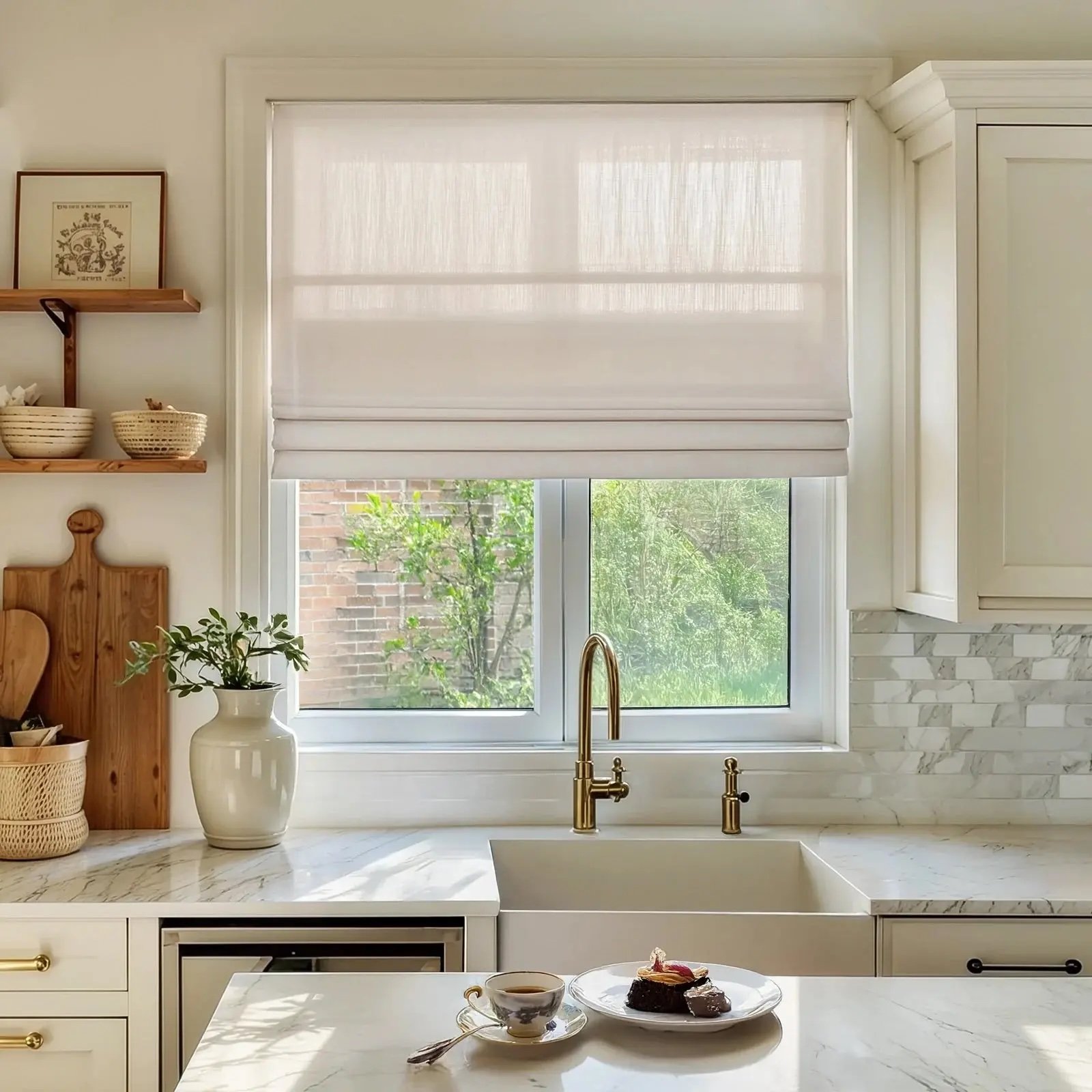
Warm white Roman shades offer a clean, calming aesthetic that softens any room. Their gentle hue diffuses natural light without feeling harsh or sterile, making spaces feel both inviting and serene.

Roman shades fold neatly when raised and provide privacy when lowered. Their crisp lines and versatile design work beautifully in modern, classic, or casual interiors.

Perfect for bedrooms, living rooms, or home offices, warm white Roman shades help create a cozy retreat where you can unwind and recharge after a long day.

No. 2

Linen Beige Roller Shades

Linen beige roller shades are an ideal choice for those seeking a soft, neutral backdrop. Their subtle tone complements a wide range of styles and materials, from wood accents to woven rugs and light-colored walls.

These shades allow soft daylight to filter through while maintaining a bright, airy ambiance. Their sleek, minimalist design is easy to operate and maintain, and they’re available in various light-filtering levels to suit your privacy needs.

Linen beige roller shades combine understated elegance with everyday functionality, helping you create a peaceful, well-organized home.

No. 3

Oyster Gray Drapery Panels

Oyster gray drapery panels introduce a refined, calming element to your interiors. Their versatile tone pairs effortlessly with warm or cool color palettes, making them a flexible choice for any room.

These panels allow soft light to enter while still offering privacy. Their lightweight fabric adds a sense of openness and freshness, especially when paired with natural materials like linen or cotton.

Install them using rod pockets or grommets for a clean, modern look. Let them pool slightly at the floor for a relaxed vibe, or layer with sheer curtains for added depth and elegance.


hellolovelyliving two pages curtains

Two Pages

Transform your space with Two Pages curtains, blinds, and shades.

Elegant designs meet functionality to enhance any room. Create the perfect ambiance while enjoying privacy and light control.

Elevate your decor today!


No. 4

Ivory Cellular Shades

Ivory cellular shades are a go-to for those seeking light control, energy efficiency, and timeless style. Their soft, neutral tone brightens a room without feeling stark, and their honeycomb structure helps regulate indoor temperatures.

These shades gently filter light, offering privacy while allowing natural brightness to fill the space. Ivory pairs beautifully with soft grays, warm woods, and gentle beiges, making them a versatile option for bedrooms, kitchens, and living areas.

Their close-to-window fit and neat appearance make them a smart choice for both traditional and contemporary homes.

No. 5

Greige Woven Wood Shades

Greige woven wood shades blend the warmth of beige with the coolness of gray, creating a balanced, earthy tone that complements a wide range of interiors.

The natural texture of woven wood adds depth and character to your windows. These shades softly filter light, creating a cozy, organic ambiance. Pair them with drapery panels for added privacy and a layered look.

Greige tones work well with whites, soft blues, creams, and wood finishes. Often made from sustainable materials like bamboo or grasses, these shades bring a touch of nature indoors.

No. 6

Mist Blue Sheer Curtains

Mist blue sheer curtains infuse your space with a gentle, cool calm. Their soft blue hue is soothing without being overpowering, making them ideal for bedrooms, living rooms, or quiet reading corners.

Sheer fabrics allow ample natural light to pass through while offering a degree of privacy. Their airy quality makes rooms feel open and serene.

Mist blue pairs beautifully with white, gray, and sandy neutrals. When sunlight filters through the fabric, the color softens even further, enhancing the peaceful ambiance.

These curtains are easy to layer with blackout panels or roller blinds for added functionality.

No. 7

Taupe Layered Drapes and Blinds

Layering taupe drapes over neutral blinds creates a polished, harmonious look. Taupe’s balanced tone complements most color schemes and adds a subtle sophistication to your windows.

Layering offers both aesthetic and functional benefits. Drapes provide softness and style, while blinds offer light control and privacy. Choose fabrics with a gentle drape and smooth texture for a refined finish.

Roman or roller blinds in coordinating shades enhance the cohesive feel. Window blinds can be a great way to have the ultimate control over your windows and the light levels that come into your home. This combination is ideal for living rooms, bedrooms, or home offices where you want both beauty and practicality.

No. 8

Pale Sage Roman Shades

Pale sage Roman shades bring a whisper of color to your space. This soft green hue evokes calm and freshness, making it ideal for creating a serene atmosphere in any room.

Roman shades allow for precise light control and privacy. Pale sage pairs beautifully with creams, whites, and natural wood tones, and works well in relaxed, comfortable settings.

These shades complement cozy throws, textured rugs, and other soft furnishings. Their timeless appeal ensures your space remains stylish and soothing for years to come.

FAQ

What are the leading trends in window treatments for 2025?

Natural materials like linen, woven woods, and cotton blends are dominating the scene. Greige woven wood shades and beige roller shades align perfectly with this trend.

Motorized and smart blinds are also gaining popularity, offering cordless, tech-friendly solutions that blend seamlessly into modern interiors.

Can you suggest some unique window covering ideas to enhance home sanctity?

Layering sheer drapery panels over cellular shades creates a soft, tranquil atmosphere. Warm white Roman shades with light-filtering fabric keep rooms bright while maintaining a gentle touch.

Oyster gray drapery panels and textured greige woven wood shades bring in soothing tones and an organic feel.

Which window treatments offer the best privacy while maintaining style?

Ivory cellular shades are excellent for privacy while still allowing light to filter through. Roman shades in linen or cotton can be lined for added privacy.

For flexible control, layer roller shades with sheer or blackout curtains.

How can I add elegance to my living room with window coverings?

Floor-length drapes in neutral tones like oyster gray or ivory provide a polished, tailored look. Opt for simple pleats or ripple-fold styles for a refined finish.

Combining rich fabrics with soft, understated colors adds elegance without feeling overly formal.

What types of window shades are most popular among interior design experts?

Roman shades in natural fabrics like linen or cotton are highly favored for their clean lines and timeless appeal.

Woven wood shades in greige or natural tones add warmth and texture, fitting a variety of design styles.

Which window covering options are considered timeless and elegant?

Warm white Roman shades never go out of style and always look fresh. Ivory cellular shades offer classic softness and versatility.

Simple roller shades in neutral tones and floor-length drapery panels continue to be enduring favorites for their elegance and adaptability.

Takeaways

Designing a peaceful, sanctuary-like home begins with the subtle power of soft neutrals and thoughtfully chosen window coverings. Whether you're drawn to the clean lines of Roman shades, the texture of woven wood, or the elegance of layered drapery, these styles offer a timeless way to enhance your space.

By focusing on calming colors, natural elements, and functional beauty, you can create rooms that feel both stylish and serene—spaces that support relaxation, clarity, and connection.

Ready to transform your home? Let these soft neutrals and elegant window treatments guide you toward a more tranquil, inspired living environment.

Looking for Home resources?

Looking to enhance your living space and create a sanctuary that supports your well-being? Explore our home partners who offer a wide range of resources to elevate your home environment.

Learn more


homeHLL x Editor


Small Home Design Updates That Make A Big Impact

You don’t need to knock down walls or commit to a full-scale renovation to breathe new life into your home. In fact, some of the most effective transformations come from the smallest changes. As more homeowners embrace the idea that it’s not about square footage but smart design, the focus has shifted to impactful, budget-friendly upgrades that make a space feel refreshed and reimagined.


From swapping out outdated lighting to adding sleek aluminum railings, these subtle design updates can dramatically elevate your home’s aesthetic and functionality. Whether you're looking to enhance curb appeal, modernize your interiors, or simply make your space feel more “you,” the following ideas are easy to implement and surprisingly transformative.

No. 1

A Fresh Entryway Makes a Real Difference

The front of your home is the first thing people see—and it sets the tone for how you feel every time you walk through the door.

Simple upgrades like a new porch light, a fresh doormat, or a newly painted front door can instantly elevate your home’s curb appeal. Swapping out old house numbers or installing a modern mailbox also adds a polished, intentional look.

If your entryway includes stairs or a small platform, consider replacing outdated or weathered handrails. Choosing sturdy, low-maintenance materials not only enhances safety but also keeps the space looking clean and inviting year-round.

No. 2

Aluminum Railing Adds Style and Structure

When it comes to combining safety with sleek design, aluminum railing is a standout choice. It’s durable, rust-resistant, and requires minimal maintenance—making it ideal for both indoor and outdoor use.

Aluminum railings are perfect for decks, balconies, and staircases. They come in a variety of colors and finishes, making it easy to match your home’s existing style, whether traditional or contemporary. For an even more open, modern look, consider incorporating glass or cable panels within the railing frame.

No. 3

Swap Out Lighting for a Clean Look

Outdated lighting can make even the most stylish room feel tired. Replacing a ceiling light, sconce, or pendant fixture is a quick and effective way to modernize your space.

Look for contemporary finishes like matte black, brushed brass, or crisp white. These work well in kitchens, hallways, bedrooms, and even outdoor areas.

Don’t forget to consider light temperature:

  • Warm light creates a cozy, inviting atmosphere—ideal for bedrooms and living rooms.

  • Cool white light is better for task-oriented spaces like kitchens and home offices.

A new fixture, paired with the right bulb, can completely shift the mood of a room.


hellolovelyliving rejuvenation home design services

Rejuvenation

Bring your dream space to life with Rejuvenation’s free design services!

From lighting to furniture, our experts are here to help you create a home you’ll love.


No. 4

Upgrade Cabinet Hardware Without Changing Cabinets

Cabinets take up a lot of visual real estate, especially in kitchens and bathrooms. But replacing them can be costly and time-consuming.

Instead, try updating the hardware. Swapping out knobs and handles is a simple DIY project that can make a big impact. Choose a finish that contrasts with your cabinets to create visual interest—think brass on dark wood or matte black on white.

All you need is a screwdriver and a little time. Even a small change like this can make your space feel more intentional and complete.

No. 5

Use Paint for Focus, Not Just Walls

Paint is one of the most powerful tools in your design arsenal—but you don’t have to repaint an entire room to make a statement.

A single painted surface can shift the entire mood.

Consider painting:

  • A bookshelf

  • Stair risers

  • An interior door

  • A hallway accent wall

Bold colors can add drama and depth, while soft tones can calm and soothe. If you’re unsure where to begin, start small. A subtle pop of color in an unexpected place can be both surprising and delightful.

No. 6

Add Texture and Warmth With Simple Decor Swaps

Sometimes, it’s not about adding more—it’s about adding better. Texture and layering can make a space feel more inviting and lived-in.

Try these easy swaps:

  • Replace throw pillows with ones in richer fabrics or bolder patterns

  • Add a new area rug to define a space

  • Swap heavy curtains for lighter, airier options

  • Introduce natural elements like wood, stone, or woven baskets

These changes don’t have to be expensive. Focus on removing anything that feels flat or worn, and replace it with pieces that bring depth, color, and warmth.

No. 7

Refresh Outdoor Living Areas

Your outdoor space deserves just as much attention as your interiors. Whether you have a deck, patio, or small balcony, a few thoughtful updates can make it feel brand new.

Start by cleaning the flooring and updating seating cushions. Add ambiance with string lights or lanterns.

Well-placed furniture and railing help define the space. Aluminum and steel railings are especially great for outdoor use—they resist rust, handle moisture well, and maintain their appearance over time.

Add planters, soft textiles, or a cozy outdoor rug, and suddenly your outdoor area becomes a place you’ll want to spend more time in.

Takeaways

You don’t need a massive budget or months of planning to transform your home. Small design updates—like refreshing your entryway, swapping out lighting, or upgrading cabinet hardware—can dramatically improve how your space looks and feels.

These changes are not only affordable and often DIY-friendly, but they also breathe new energy into your home without the disruption of a major renovation.

Start with just one update and see how it inspires the next. Your home doesn’t need more space—it simply needs a renewed sense of purpose and style.

Looking for Home resources?

Looking to enhance your living space and create a sanctuary that supports your well-being? Explore our home partners who offer a wide range of resources to elevate your home environment.
Learn more


homeHLL x Editor


Receive Immediate Offers For A Smooth Move In Glen Allen

Relocating is a whirlwind of emotions and logistics—packing lists, utility cut-offs, last-minute goodbyes, and the pressure of selling your home quickly. The idea of waiting weeks or even months for a buyer can feel overwhelming, especially when you're working against a tight timeline. Fortunately, if you're in the Glen Allen area, there's a faster, more efficient way to transition into your new life.


By working with local Glen Allen home buyers and trusted moving professionals, you can streamline the entire process—from receiving a rapid home offer to coordinating your move and securing flexible storage. Whether you're relocating across town or across the country, these services are designed to eliminate stress and delays, allowing you to focus on what matters most: starting your next chapter with confidence.

In this article, we explore how receiving immediate offers can significantly contribute to a smooth and seamless moving experience. By understanding the benefits of quick responses, you can reduce stress and ensure a more efficient transition to your new home.

No. 1

Rapid Offer Process

When time is of the essence, Glen Allen’s rapid-offer programs provide immediate clarity and control. Imagine knowing exactly what your home is worth before your coffee even cools. These programs combine smart data analytics with local market expertise to deliver fast, accurate valuations.

No. 2

How Instant Valuations Work

Advanced algorithms analyze recent sales, neighborhood demand, and property upgrades. Then, a local real estate specialist reviews the data and provides a firm, no-obligation cash offer—often on the same day.

No. 3

Why Speed Matters

Quick answers give you the power to coordinate movers, storage, and closing dates without the burden of juggling two mortgages or negotiating extended occupancy with impatient buyers.

No. 4

Negotiation Still Exists

Even with a fast offer, there’s still room for negotiation. You can discuss repair credits, closing dates, or other terms to ensure your needs are met—without slowing down the process.

No. 5

Closing in Days, Not Months

Forget waiting endlessly for inspections and paperwork. With Glen Allen home buyers, title work, inspections, and wire transfers are often completed within ten business days. That means you can move forward—literally and figuratively—without unnecessary delays.


hellolovelyliving houzz pros

Houzz

Make your home project a reality. Find inspiration, products, and the pros to make it happen - all in one place.


No. 6

Dedicated Moving Teams

Once the purchase contract is signed, it’s time to shift focus to the move itself. Heroes Moving & Storage in Glen Allen offers professional moving crews who treat every box like their own.

  • Local familiarity: Crews live nearby and understand Glen Allen’s traffic patterns, HOA gate codes, and hidden loading zones—ensuring a smooth, stress-free move.

  • Comprehensive menu: Residential, commercial, piano, gun-safe, and in-home shuffling services are all available on a single estimate—no need to coordinate multiple vendors.

  • Flexible scheduling: Evening and weekend slots reduce the need to take time off work. Coordinators sync with buyers, sellers, and leasing agents to meet tight elevator windows.

  • Transparent pricing: Digital quotes clearly outline labor, truck mileage, supplies, and valuation coverage—no hidden “miscellaneous” fees.

  • Community commitment: As proud Glen Allen residents, movers volunteer locally and sponsor school sports. That pride shows in the care they take with your belongings.

Reach them at 804-409-0429 or explore more at Heroes Moving & Storage Glen Allen for a custom written estimate within minutes.

No. 7

Flexible Storage Options

Sometimes, your new home isn’t ready when your old one sells—or you're staging for maximum value. Climate-controlled storage on Springfield Road offers a seamless solution.

  • Drive-up convenience: Ground-level units allow trucks to back directly to your roll-up door, minimizing labor and protecting heavy furniture.

  • Temperature control: 24/7 monitored HVAC systems protect sensitive items like artwork, instruments, or wine from Virginia’s humidity.

  • Digital gate access: Personal keypad codes log every entry, and midnight access means you can retrieve holiday décor or essentials whenever inspiration strikes.

  • Online management: Handle auto-pay, size upgrades, and move-out notices from your phone—no surprise admin fees, just clear monthly totals.

  • Local ownership: Extra Attic Mini Storage is Glen Allen-run, offering fast decisions and friendly service. Learn more or rent instantly at their Springfield Road facility.

No. 8

Secure Warehouse Facilities

For businesses or homeowners with long-term storage needs, secure off-site document storage is a smart solution.

  • HIPAA compliance: Facilities meet federal privacy standards, making them ideal for storing medical records or sensitive financial data.

  • Climate protection: Constant temperature and humidity safeguard ink, microfilm, and historical documents.

  • Barcode retrieval: Request files online and trained staff will locate, scan, or deliver them—no more digging through dusty basements.

  • Scalable space: Whether you have ten boxes or ten thousand, pricing is per-carton, so you only pay for what you use.

  • Disaster redundancy: Fire suppression systems, surveillance, and access controls protect your records even in emergencies.

To get started, fill out a quote form with Record Nations and schedule a pickup within the same week—freeing up valuable space in your home or office.

No. 9

Comprehensive Packing Services

Feeling overwhelmed by a mountain of cardboard? Professional packers can turn chaos into calm with industrial-strength supplies and proven systems.

  • Room-by-room strategy: Each space is packed individually, with every box labeled by destination and priority—so unpacking mirrors your home’s layout.

  • Specialty crating: High-value items like flat-screen TVs, chandeliers, and marble tops are secured in custom wood crates for safe transport.

  • Eco-friendly materials: Reusable wardrobe boxes, biodegradable peanuts, and recycled paper reduce waste without compromising protection.

  • Last-night essentials: A clear-tub “open first” kit includes toiletries, remote controls, and coffee filters—so your first morning feels like home, not a scavenger hunt.

No. 10

Specialized Senior Assistance

Helping aging parents downsize? Senior-focused move managers combine logistics with empathy to honor a lifetime of memories.

  • Consultation and sorting: Advisors help decide what to keep, donate, or digitize—respecting the emotional value of each item.

  • Age-friendly scheduling: Shorter workdays, midday meals, and extra seating ensure seniors never feel rushed or overwhelmed.

  • Coordination with caregivers: Partners like Visiting Angels assist with medication reminders and wellness checks during the move.

  • Safer new layouts: Movers arrange furniture to eliminate trip hazards, install grab bars, and create clear paths for wheelchairs or walkers.

No. 11

Safety First Procedures

A smooth move means nothing if safety is compromised. These teams prioritize protection for clients, crews, and cargo.

  • PPE adherence: Gloves, steel-toe boots, and back braces are standard to prevent injuries.

  • Pre-move walkthrough: Technicians identify and correct hazards like slippery rugs or low-hanging fixtures before loading begins.

  • Secure trucking: E-track straps and quilted pads keep items stable, even on bumpy roads.

  • Weather monitoring: Storm alerts trigger tarp deployment and route changes to avoid delays and damage.

  • Valuation options: Choose from expanded coverage plans that reimburse full replacement value—not just depreciated costs.

A culture of quarterly safety training keeps incident rates low and customer satisfaction high.

Takeaways

Relocating doesn’t have to mean chaos, delays, or financial surprises. By partnering with Glen Allen home buyers and trusted local moving services, you can sell your house as-is, move on your schedule, and protect your belongings every step of the way.

Evaluate each service carefully, align them with your timeline, and confirm safety protocols before making any commitments. Whether you're downsizing, upgrading, or simply starting fresh, these solutions are designed to keep your momentum strong and your transition seamless.

Ready to move forward? Sell your house as-is in Richmond and take the first confident step toward your next adventure.

Looking for Home resources?

Looking to enhance your living space and create a sanctuary that supports your well-being? Explore our home partners who offer a wide range of resources to elevate your home environment.

Learn more


homeHLL x Editor


Upgrade Your Home With Professional Residential Roofing Services

A roof is one of the most essential components of any home. It provides shelter, insulation, structural integrity, and protection from the elements. Yet, despite its importance, the roof is often overlooked—until a problem arises. Whether you're dealing with an aging structure, storm damage, or simply looking to enhance your home’s curb appeal and energy efficiency, investing in professional residential roofing services is a smart and proactive decision.


hellolovelyliving roofing services maintenance


In this article, we’ll explore why residential roofing matters, how to identify when it’s time for an upgrade, and what to expect from a professional roofing service. We’ll also highlight how residential roofing services by My Next Roof can help homeowners in Austin and surrounding areas make informed, confident decisions about their roofing needs.

No. 1

Why Your Roof Deserves Attention

Your roof does more than just sit atop your house. It plays a vital role in:

  • Protecting your home from weather: Rain, hail, wind, and sun all take a toll on roofing materials over time.

  • Maintaining energy efficiency: A well-insulated and properly ventilated roof can reduce heating and cooling costs.

  • Preventing water damage: Leaks can lead to mold, rot, and structural issues.

  • Enhancing property value: A new or well-maintained roof boosts curb appeal and resale value.

Ignoring roofing issues can lead to costly repairs down the line. That’s why regular inspections and timely upgrades are essential for long-term home health.

No. 2

Signs It’s Time to Upgrade Your Roof

Knowing when to repair or replace your roof is key to avoiding major damage. Here are some common signs that your roof may need professional attention:

  • Missing or damaged shingles: Shingles that are cracked, curled, or missing altogether expose your home to water infiltration.

  • Leaks or water stains: Water spots on ceilings or walls are often signs of a compromised roof.

  • Sagging roofline: This could indicate structural issues or trapped moisture.

  • Granules in gutters: Asphalt shingles shed granules as they age, which can reduce their effectiveness.

  • Moss or algae growth: These organisms retain moisture and can deteriorate roofing materials.

  • Age: Most roofs last 20–30 years. If yours is approaching or past this range, it’s time for an evaluation.

If you notice any of these issues, it’s wise to consult a roofing professional for an inspection and recommendation.

No. 3

The Value of Professional Roofing Services

While DIY solutions may seem tempting, roofing is a complex and potentially dangerous task. Professional residential roofing services provide:

  • Expertise: Trained technicians can accurately assess damage and recommend the best course of action.

  • Safety: Roofing work involves heights and specialized tools—professionals are equipped to handle both.

  • Quality materials: Reputable contractors use durable, weather-resistant materials suited to your region.

  • Warranty protection: Many roofing systems come with warranties that require professional installation.

  • Efficiency: Experienced crews can complete projects quickly and with minimal disruption.

Choosing a professional ensures that your roof is built or repaired to last, protecting your investment for years to come.


hellolovelyliving houzz find a pro

Houzz

Make your home project a reality. Find inspiration, products, and the pros to make it happen - all in one place.


No. 4

What to Expect from a Residential Roofing Project

A well-executed roofing project follows a clear, step-by-step process. With residential roofing services by My Next Roof, homeowners can expect a streamlined and transparent experience from start to finish.

1. Complimentary Inspection

The process begins with a thorough inspection to assess the current condition of your roof. This includes checking for visible damage, structural integrity, and potential problem areas.

2. Honest, Upfront Estimate

You'll receive a detailed cost breakdown that outlines materials, labor, and any additional services. Transparent pricing ensures there are no surprises.

3. Material Selection

Choose from a range of high-quality materials, including:

  • Asphalt shingles: Affordable and versatile.

  • Metal roofing: Durable and energy-efficient.

  • Tile roofing: Classic and long-lasting, ideal for warmer climates.

Each option is tailored to suit your home’s style, budget, and performance needs.

4. Expert Installation

Once approved, the roofing team gets to work. Professional installation ensures that every layer—from the underlayment to the final shingle—is applied with precision.

5. Final Inspection and Warranty

After installation, a final inspection ensures everything meets quality standards. A comprehensive warranty provides peace of mind and long-term protection.

No. 5

Roofing for Austin’s Unique Climate

Austin’s weather can be unpredictable, with scorching summers, sudden hailstorms, and heavy rains. That’s why it’s essential to choose roofing materials and services that are tailored to local conditions.

Local roofing specialists are specifically designed to handle the challenges of Central Texas weather. With over a decade of experience in the region, their team understands how to build roofs that stand up to the elements while maintaining energy efficiency and visual appeal.

No. 6

Maintenance: The Key to Longevity

Even the best roofs require regular maintenance to perform at their best.

Here are a few tips to extend the life of your roof:

  • Schedule annual inspections to catch issues early.

  • Clean gutters regularly to prevent water buildup.

  • Trim overhanging branches that could damage shingles.

  • Remove debris like leaves and twigs that trap moisture.

  • Address minor damage promptly to avoid bigger problems later.

Routine maintenance not only protects your roof but also helps maintain your home’s overall value and safety.

No. 7

Financing Your Roofing Project

Roofing upgrades can be a significant investment, but they don’t have to be financially overwhelming. Many professional roofing companies offer flexible financing options to help homeowners manage costs.

Residential roofing services by My Next Roof provide access to financing through Enhancify, allowing you to spread payments over time with low interest rates and no hidden fees. This makes it easier to invest in your home’s future without compromising your current budget.

Takeaways

Your roof is one of the most important elements of your home. It protects your family, enhances energy efficiency, and contributes to your property’s value. Whether you’re dealing with storm damage, an aging structure, or planning a new build, upgrading your roof with professional care is a decision that pays off in both the short and long term.

By choosing the right professionals, you gain access to local expertise, high-quality materials, and a team committed to delivering results that exceed expectations. With a clear process, transparent pricing, and a focus on customer satisfaction, you can feel confident that your home is in good hands.

Take the first step toward a safer, more efficient, and more beautiful home—because every great house starts with a great roof.

Looking for Home resources?

Looking to enhance your living space and create a sanctuary that supports your well-being? Explore our home partners who offer a wide range of resources to elevate your home environment.

Learn more


homeHLL x Editor


Power Your Home With Sustainable And Efficient Solar Roofing Solutions

In the face of rising energy costs and growing environmental concerns, homeowners are increasingly seeking smarter, more sustainable ways to power their homes. Among the most effective and accessible solutions is solar roofing—a technology that merges the protective function of a roof with the energy-generating capabilities of solar panels. This dual-purpose innovation not only contributes to a greener planet but also offers long-term financial and practical benefits for homeowners.


In this article, we explore the fundamentals of solar roofing, how it works, its environmental and economic advantages, and what to consider before making the switch. Whether you're new to solar energy or exploring more integrated options, understanding the value of solar roofing can help you make informed decisions for your home’s future.

No. 1

What Is Solar Roofing?

Solar roofing refers to the integration of photovoltaic (PV) technology into roofing materials. Unlike traditional solar panels that are mounted on top of an existing roof, solar roofing systems are designed to blend seamlessly into the structure of the roof itself. These systems can take the form of solar shingles, tiles, or integrated panels that serve both as roofing material and energy generators.

This approach not only maintains the visual appeal of a home but also maximizes the use of available roof space for solar energy production. As a result, solar roofing has become a popular choice for homeowners who want the benefits of solar power without compromising on aesthetics.

No. 2

How Does Solar Roofing Work?

At its core, solar roofing operates on the same principles as traditional solar panels. Photovoltaic cells embedded in the roofing material capture sunlight and convert it into electricity. This energy can be used to power household appliances, lighting, heating and cooling systems, and more.

The system typically includes:

  • Solar Roofing Panels or Shingles: These are the primary components that absorb sunlight.

  • Inverter: Converts the direct current (DC) electricity generated by the panels into alternating current (AC), which is used in most homes.

  • Monitoring System: Tracks energy production and usage.

  • Battery Storage (optional): Stores excess energy for use during cloudy days or at night.

When the system generates more electricity than the home consumes, the surplus can often be fed back into the grid, depending on local regulations and net metering policies.

No. 3

Environmental Benefits of Solar Roofing

One of the most compelling reasons to adopt solar roofing is its positive impact on the environment. Traditional electricity generation relies heavily on fossil fuels, which contribute to air pollution and greenhouse gas emissions. Solar energy, on the other hand, is clean, renewable, and abundant.

By switching to solar roofing, homeowners can:

  • Reduce their carbon footprint

  • Lower dependence on non-renewable energy sources

  • Support the broader transition to sustainable energy infrastructure

Moreover, solar roofing contributes to better air quality and helps mitigate the effects of climate change by reducing the demand for fossil fuel-based power.


Rock Solar

Eco-friendly portable power solutions for commercial use, homes, RVs, and campers and cabins. Harness clean energy, reduce your carbon footprint, and power your life sustainably.


No. 4

Financial Advantages of Solar Roofing

Beyond environmental impact, solar roofing offers significant economic benefits over time. While the upfront cost of installation can be substantial, the long-term savings often outweigh the initial investment.

Key Financial Benefits Include:

  • Lower Energy Bills: Generating your own electricity reduces monthly utility costs.

  • Tax Incentives and Rebates: Federal and state programs often provide financial incentives for solar installations, including the Federal Investment Tax Credit (ITC), which can cover a percentage of the installation cost.

  • Increased Property Value: Homes with solar energy systems tend to have higher resale values and sell more quickly.

  • Protection Against Rising Energy Costs: Solar roofing provides a hedge against fluctuating utility rates.

Over time, many homeowners find that their solar roofing system pays for itself through energy savings and incentives.

No. 5

Considerations Before Installing Solar Roofing

While solar roofing offers many advantages, it’s important to assess whether it’s the right fit for your home and lifestyle.

Here are some key factors to consider:

1. Roof Condition and Orientation

Solar roofing is most effective on roofs that are in good condition and have ample exposure to sunlight. South-facing roofs typically receive the most sun, but east- and west-facing roofs can also be viable.

2. Local Climate

While solar systems can function in a variety of climates, areas with more consistent sunlight will yield higher energy production. However, even in cloudy regions, solar roofing can be a worthwhile investment.

3. Energy Needs

Understanding your household’s energy consumption will help determine the size and capacity of the solar roofing system you need.

4. Budget and Financing Options

Although the cost of solar roofing has decreased in recent years, it remains a significant investment. Research available financing options, incentives, and long-term savings to make an informed decision.

5. Installation Expertise

Choosing a qualified and experienced installer is crucial for ensuring system performance and longevity. Solar roofing services by Town and Country offer certified installation and tailored solutions that align with your energy goals and architectural preferences.

No. 6

Maintenance and Longevity

Solar roofing systems are generally low-maintenance, especially when compared to other home energy systems. However, routine upkeep can help ensure optimal performance.

Maintenance Tips:

  • Regular Cleaning: Dust, leaves, and debris can reduce efficiency. Occasional cleaning helps maintain peak output.

  • Annual Inspections: A professional check-up can identify and address minor issues before they become major problems.

  • Monitoring Performance: Many systems come with apps or dashboards that allow homeowners to track energy production and usage in real time.

With proper care, solar roofing systems can last 25 years or more, making them a durable and reliable energy solution.

No. 7

The Future of Solar Roofing

As technology continues to advance, solar roofing is becoming more efficient, affordable, and accessible. Innovations in materials, design, and installation methods are making it easier for homeowners to adopt solar energy without compromising on style or performance.

Moreover, as more states and municipalities implement renewable energy goals, the demand for solar roofing is expected to grow. This trend not only supports the transition to clean energy but also encourages further innovation and cost reduction within the industry.

Takeaways

Solar roofing represents a powerful step toward a more sustainable and energy-efficient future. By integrating energy generation directly into the structure of your home, it offers a practical and elegant solution to modern energy challenges.

Whether your motivation is environmental responsibility, financial savings, or energy independence, solar roofing provides a path forward that aligns with long-term goals. With the right planning, materials, and professional support, homeowners can enjoy the benefits of clean energy while enhancing the value and resilience of their homes.

To explore your options and learn more about the process, professionals can provide expert guidance and customized solutions tailored to your specific needs.

Looking for Home resources?

Looking to enhance your living space and create a sanctuary that supports your well-being? Explore our home partners who offer a wide range of resources to elevate your home environment.

Learn more


homeHLL x Editor


Creative Flooring Choices: Design Trends And Tips For Today’s Homes

Flooring has evolved far beyond a purely functional element of home design. Today, it plays a central role in defining the character, comfort, and creativity of a space.


Bedrosians


As homeowners seek to personalize their interiors and invest in long-lasting materials, flooring trends have shifted to reflect both aesthetic preferences and practical needs. From eco-conscious choices to bold design statements, the modern flooring landscape is rich with options.

Whether you're planning a renovation or simply exploring new ideas, understanding the latest trends can help you make informed decisions. Many homeowners begin their search by typing phrases like “floor installation near me” to discover local professionals and explore trending materials.

In this article, we break down the key flooring movements shaping homes today, without overcomplicating the process.

No. 1

Flooring as a Design Statement

Flooring is no longer just a backdrop—it’s a bold feature. More homeowners are moving away from neutral, wall-to-wall carpeting and toward expressive materials that reflect their personal style. Wide-plank hardwoods, textured laminates, geometric tiles, and luxury vinyl are among the most sought-after options.

Design-forward choices like herringbone and chevron patterns, once reserved for grand historical estates, are now widely accessible and increasingly popular. These layouts add visual interest and movement, transforming floors into dynamic design elements. Architectural Digest notes that combining materials—such as tile in high-traffic areas and wood in living spaces—enhances both function and aesthetic appeal.

No. 2

Material Matters: Eco-Friendly and Durable Options

Sustainability is a top priority for modern homeowners. Materials like bamboo, cork, and reclaimed wood are gaining popularity for their environmental benefits and natural beauty.

  • Bamboo: Fast-growing and renewable, ideal for busy households.

  • Cork: Naturally insulated, soft underfoot, and mold-resistant.

  • Reclaimed wood: Adds character and reduces environmental impact.

According to the EPA, eco-friendly flooring also reduces indoor air pollutants like VOCs, making it a healthier choice for families and allergy sufferers.

Durability is equally important. Modern vinyl planks offer waterproof, scratch-resistant surfaces perfect for high-traffic zones. Porcelain and ceramic tiles remain go-to solutions for kitchens and bathrooms due to their resilience and low maintenance.

No. 3

Luxury and Comfort Merge in Modern Designs

Today’s flooring trends prioritize comfort as much as style. Luxury vinyl and engineered wood provide the warmth and elegance of traditional materials while offering added benefits like sound absorption and moisture resistance.

  • Water-resistant laminates are ideal for bathrooms and basements.

  • Floating floors allow for quick installation and flexibility.

  • Modern carpets now include built-in cushioning and spill-resistant technology, making them a practical yet cozy option for bedrooms and family rooms.

This fusion of comfort and durability allows homeowners to enjoy beautiful floors without sacrificing practicality.


Bedrosians

Elevate your home with Bedrosians' stunning flooring materials—where function meets flawless beauty.


No. 4

Patterns, Colors, and Personalization

In 2024, personalization is key. Flooring is becoming a canvas for creativity, with patterns like parquet, herringbone, and bold graphic tiles making a strong comeback.

  • Terrazzo: A resurfacing favorite, offering a playful yet sophisticated look.

  • Rich jewel tones: Replacing traditional beige and gray, these colors bring warmth and depth to interiors.

Designers encourage using flooring as a foundation for the entire room’s aesthetic. Whether you prefer earthy tones or vibrant patterns, today’s materials make it easier than ever to express your style.

No. 5

The Role of Technology in Flooring Innovation

Advancements in flooring technology have made it easier to achieve high-end looks with budget-friendly materials.

  • High-definition printing allows vinyl and laminate to mimic wood, stone, and concrete with impressive realism.

  • Antimicrobial finishes improve hygiene and longevity.

  • Click-lock planks and peel-and-stick tiles simplify installation, making upgrades accessible to DIYers and professionals alike.

These innovations reduce installation time and stress, making it easier to adapt your home to evolving needs and trends.

No. 6

Choosing the Right Floor for Your Lifestyle

Lifestyle is a crucial factor when selecting flooring. Large families and pet owners benefit from waterproof and scratch-resistant options that simplify cleaning. Those seeking luxury may prefer plush carpets or wide-plank engineered wood, especially in bedrooms and formal areas.

In multi-level homes or apartments, sound-dampening materials and underlays help maintain peace and privacy.

Think about how each room functions:

  • Kitchens and entryways: Easy-clean vinyl or tile

  • Home offices or dens: Elegant wood or low-pile carpet

  • Living rooms: Durable yet warm materials like luxury vinyl or engineered wood

Balancing upfront costs with long-term maintenance and durability ensures your flooring choice brings satisfaction for years to come.

No. 7

Key Considerations Before Making a Final Choice

Thoughtful planning leads to better results. Start by identifying which areas of your home need new flooring and consider factors like:

  • Foot traffic

  • Lighting conditions

  • Room function

  • Local climate

Request samples to see how materials look in different lighting throughout the day. Online platforms like Houzz offer real-life inspiration and user reviews that can guide your decision-making process.

Also, prioritize features that match your household’s needs:

  • Allergy-friendly finishes

  • Non-slip textures

  • Low-maintenance surfaces

Being thorough and upfront helps avoid costly regrets later.

No. 8

Smart Tips for Maintenance and Long-Term Value

Protecting your investment is just as important as choosing the right floor.

Here are a few maintenance tips to keep your flooring looking its best:

  • Sweep or vacuum multiple times a week to prevent scratches and buildup.

  • Clean spills promptly, especially on natural materials.

  • Use doormats and rugs in high-traffic areas to reduce wear.

  • Follow manufacturer guidelines for cleaning and sealing.

  • Schedule professional deep cleaning for specialty or high-end floors.

Consistent care not only preserves the beauty of your floors but also extends their lifespan, ensuring they remain a valuable part of your home.

Takeaways

Flooring trends today reflect a blend of style, sustainability, and smart functionality. Whether you're drawn to bold patterns, eco-conscious materials, or low-maintenance luxury, there’s never been a better time to explore your options.

By aligning your flooring choices with your lifestyle, aesthetic preferences, and long-term goals, you can create a home that feels both beautiful and practical. And with so many innovations and resources available, from digital inspiration to local experts found by searching "floor installation near me", updating your floors has never been more accessible.

Take your time, explore your options, and choose flooring that supports the way you live—today and in the years to come.

Looking for home resources?

Looking to enhance your living space and create a sanctuary that supports your well-being? Explore our home partners who offer a wide range of resources to elevate your home environment.
Learn more


homeHLL x Editor


Creating A Lovely Home: Why Reliable Appliances Are The Heart Of Family Life

When we speak of conscious living, our minds often turn to mindfulness practices, natural materials, and spiritual alignment. We visualize serene meditation corners, eco-friendly furnishings, and rituals that ground us in the present moment. Yet, there’s a foundational aspect of conscious living that often goes unnoticed—one that quietly supports our daily rituals and the harmony of our home: reliable appliance repair services and consistent maintenance.


hellolovelyliving modern appliance care


Just as our bodies require nourishment and care to support our higher selves, our homes need dependable systems to sustain the well-being of every person who enters. Appliances may not be the most glamorous part of the conscious living journey, but they are essential. They are the silent partners in our pursuit of peace, health, and intentional living.

The relationship between appliance reliability and family wellness runs much deeper than simple convenience. Think of family-friendly repair strategies as the invisible threads that weave together the fabric of daily life, allowing us to focus on what truly matters rather than constantly wrestling with mechanical failures. Just as choosing reliable appliance brands creates a foundation for stress-free living, maintaining our home's essential systems becomes an act of self-care and family preservation.

In this guide, we explore the profound connection between appliance reliability and holistic wellness. You’ll discover how mindful maintenance and thoughtful repair choices can elevate your home from a place of function to a sanctuary of flow, balance, and spiritual alignment.

No. 1

The Energy Flow of a Well-Functioning Home

Visualize your home as a living organism, where each appliance acts as a vital organ supporting the whole. When your refrigerator hums steadily, preserving fresh ingredients for nourishing meals, it’s not just keeping food cold—it’s enabling a lifestyle rooted in health and intention. When your washing machine runs smoothly, it frees your time and energy for meditation, creativity, or meaningful connection.

This is more than convenience—it’s about energy management. Every hour spent dealing with a malfunctioning dishwasher or waiting for a technician is energy diverted from your purpose. Studies show that households with reliable appliances experience lower stress levels and more time for the activities that matter most.

Reliable appliance repair becomes a tool for preserving your energy, allowing you to focus on spiritual growth, family bonding, and conscious living practices.

No. 2

Building Resilience Through Mindful Appliance Care

The path to appliance longevity mirrors the principles of conscious living. Just as we embrace preventive wellness through mindful eating and movement, our appliances thrive when we care for them consistently and intentionally.

Take the simple act of cleaning refrigerator coils every few months. This isn’t just a maintenance task—it’s a practice in mindfulness. It’s a moment to pause, to care, and to reflect on the interconnectedness of our living environment.

When we approach appliance care with gratitude rather than obligation, we shift our relationship with our home. We begin to see our appliances not as machines, but as allies in our pursuit of a balanced, intentional life.

Brands like Speed Queen, LG, and Whirlpool embody this philosophy. Their products are built for durability, efficiency, and minimal intervention—values that align beautifully with the conscious living ethos of sustainability, simplicity, and long-term thinking.

No. 3

The Hidden Wellness Benefits of Reliable Home Systems

Beyond the obvious convenience, reliable appliances offer a cascade of wellness benefits that support your conscious lifestyle:

  • Reduced Decision Fatigue: With dependable systems in place, your mental energy is preserved for higher-purpose decisions—whether in your career, relationships, or spiritual path.

  • Enhanced Sleep Quality: The subtle stress of unreliable appliances can disrupt rest. Trusting your home systems promotes deeper, more restorative sleep.

  • Improved Financial Wellness: Fewer breakdowns mean fewer surprise expenses. This financial stability supports peace of mind and long-term goals.

  • Stronger Family Bonds: When your appliances work, your family spends less time problem-solving and more time connecting. Children experience home as a place of safety and stability.

These benefits ripple outward, supporting not just your physical health, but your emotional and spiritual well-being.


hellolovelyliving chelsea green publishing

Chelsea Green Publishing

Since 1984, Chelsea Green has been the leading publisher of books about organic farming, gardening, homesteading, integrative health, natural building, sustainable living, socially responsible business, and more.


No. 4

Creating Sacred Space Through Functional Excellence

Sacred space isn’t limited to your spiritual practice space or altar. Your entire home becomes sacred when every element supports your highest good. Reliable appliances are the invisible infrastructure that allows this transformation to unfold.

A dependable water filtration system, for example, supports both physical health and environmental consciousness. An energy-efficient HVAC system maintains comfort while honoring sustainability. These are not separate from conscious living—they are integral to it.

When selecting new appliances, consider:

  • Energy efficiency

  • Longevity and repairability

  • The manufacturer's environmental practices

This mindful approach to appliance selection reflects the same intentionality you bring to your diet, your relationships, and your spiritual practices.

No. 5

Transforming Repair Challenges into Growth Opportunities

Even with the most reliable systems, occasional breakdowns happen. But within these moments lie opportunities for growth. Rather than viewing appliance issues as disruptions, see them as invitations to practice patience, problem-solving, and presence.

Learning basic maintenance can become a form of practical meditation. The focus required to troubleshoot, the satisfaction of a successful repair, and the deeper understanding of your home’s systems all contribute to your personal development.

When professional help is needed, choosing local, family-owned appliance repair services supports your community and often results in more personalized, caring service. This choice aligns with conscious living values of sustainability, connection, and mutual support.

No. 6

The Ripple Effect of Appliance Reliability

The impact of reliable appliances extends far beyond your home. When appliances last longer, fewer resources are consumed in manufacturing replacements. Repair-friendly designs support local technicians and reduce waste. Energy-efficient operation contributes to global environmental goals.

This ripple effect reflects the essence of conscious living: understanding how our personal choices influence the collective. By prioritizing appliance maintenance and repair, you’re participating in a more sustainable and compassionate way of living.

Your home is your sanctuary—a place for healing, growth, and connection. When its foundational systems operate reliably, you’re free to focus on what truly matters: your relationships, your purpose, and your inner peace.

Takeaways

In the journey toward conscious living, every detail matters. From the food you eat to the appliances you rely on, each choice contributes to the energy and harmony of your home. Reliable appliance repair and maintenance may not seem spiritual at first glance, but when approached with intention, it becomes a powerful act of self-care, sustainability, and sacred stewardship.

By embracing appliance reliability as part of your conscious lifestyle, you bridge the gap between the practical and the spiritual. You create a home that not only functions smoothly but also supports your highest aspirations.

Let your appliances be more than machines—let them be allies in your journey toward a more mindful, meaningful life.

For more conscious living insights and holistic home care tips, explore our blog.

Looking for Home resources?

Looking to enhance your living space and create a sanctuary that supports your well-being? Explore our home partners who offer a wide range of resources to elevate your home environment.
Learn more


homeHLL x Editor


Creating Sacred Spaces: How Mindful Planning Transforms Your Home Renovation Dreams Into Reality

In the journey toward conscious living, few transformations are as profound as those that begin within the walls of our own homes. Whether you're expanding a room, designing a wellness sanctuary, or simply seeking to align your living space with your values, the foundation of any meaningful renovation lies in mindful preparation.


At the heart of this process are detailed and comprehensive building permit drawings—the technical blueprints that bridge your personal vision with community safety standards. Far from being a bureaucratic formality, these documents are sacred tools that translate your dreams into reality, ensuring your renovation unfolds in harmony with both your inner world and the external environment.

In this guide, we explore how building permit drawings serve as the energetic and structural framework for conscious renovation. When approached with intention, they become more than just paperwork—they become sacred geometry, guiding your transformation with clarity, wisdom, and grace.

No. 1

The Energetic Blueprint of Conscious Renovation

Conscious renovation begins long before the first hammer swings. It starts with reflection—on how your space supports your well-being, your rituals, and your connection to the world around you. Just as you wouldn’t begin a practice without setting an intention, beginning a home transformation without proper building permit drawings invites unnecessary stress and disruption.

These technical plans are not obstacles; they are instruments of alignment. They ensure your renovation respects both the natural environment and the collective wisdom embedded in safety codes. Much like indigenous builders who honored land and community before constructing sacred spaces, modern permit drawings ensure your project is grounded in respect—for the earth, your neighbors, and future generations.

Approaching the planning phase with what mindfulness teachers call “beginner’s mind” allows you to see your space anew. Where does the morning light fall? How does energy move between rooms? These questions become the foundation of your drawings, turning legal documents into spiritual blueprints for intentional living.

No. 2

Sustainable Planning as a Spiritual Practice

Creating comprehensive building permit drawings is an act of mindfulness. It’s a practice rooted in sustainability, clarity, and respect. By taking the time to plan thoroughly, you reduce waste, avoid costly mistakes, and ensure that every element of your renovation serves a purpose.

Professional drafting services approach this process like skilled herbalists crafting a remedy—each line, each measurement, each material choice is made with care and intention. These experts help you understand how structural changes affect not only aesthetics but also energy flow, natural light, and the subtle rhythms of your daily life.

Moreover, these drawings protect your financial investment. Like healthy boundaries in relationships, they provide legal clarity and prevent unexpected complications that could drain the resources meant for creating beauty and peace in your home.

No. 3

The Art of Intentional Space Creation

Your home is more than a structure—it’s a sacred container for your growth, healing, and spiritual practice. Thoughtful building permit drawings help manifest this vision into physical form, ensuring that every change you make supports your deeper intentions.

Consider how teachers emphasize the importance of a dedicated practice space. Your renovation planning serves a similar purpose: it’s where you define how your space will support your daily rituals, family connections, and personal evolution.

These plans also offer opportunities to incorporate sustainable materials, energy-efficient systems, and biophilic design principles that align with conscious living. Whether it’s optimizing natural light, improving air quality, or selecting eco-friendly building materials, professional drafting services help you create a space that nourishes both body and spirit.


hellolovelyliving architecture designs

Architecture Designs

Build your dream home from the ground up.

Explore stunning architecture designs and purchase house floor plans online with ease. Your perfect home starts here.


No. 4

Navigating Regulations with Grace and Wisdom

Working with experienced drafting professionals transforms the often-intimidating world of building codes into a collaborative, empowering process. Building permit drawings become a bridge between your personal vision and the collective safety standards of your community.

Think of building regulations as the ethical guidelines of the physical world. They exist not to restrict, but to protect—to ensure that your renovation supports not only your well-being but also that of your neighbors and future occupants.

Professional drafters speak the language of both creativity and compliance. Their expertise allows you to focus on the soulful aspects of your project while they handle the technical intricacies with precision and care.

No. 5

Creating Harmony Between Vision and Reality

The most successful renovations are those that balance inspired vision with grounded practicality. Building permit drawings help you navigate this balance, integrating your spiritual and functional needs into a cohesive, actionable plan.

Experienced drafting professionals act as guides, helping you discern which elements of your vision will most enhance your daily life and which may need adjustment to fit within budget or regulatory frameworks. This process mirrors the wisdom of spiritual teachers who help students refine their aspirations into grounded, sustainable practices.

Patience is a virtue in conscious renovation. The time you invest in thoughtful planning cultivates mindfulness, trust, and a deeper connection to your space. It’s a reminder that true transformation unfolds not in haste, but through deliberate, heart-centered action.

No. 6

Investment in Long-term Well-being

Choosing to invest in professional building permit drawings is a declaration of your commitment to long-term well-being. While it may be tempting to skip this step, doing so often leads to complications that disrupt the peace and intention you’re trying to cultivate.

These drawings offer clarity on costs, helping you avoid financial stress and ensuring your resources are used wisely. They also ensure your renovation complies with safety standards—protecting your family, your neighbors, and your future.

Most importantly, they help ensure your renovation truly supports the lifestyle changes you seek. Whether you're creating space for yoga, expanding your kitchen for mindful cooking, or adding a garden room for seasonal reflection, professional plans verify that your vision is both structurally sound and spiritually aligned.

No. 7

The Sacred Geometry of Home

In many spiritual traditions, sacred spaces are designed according to principles that honor both function and meaning. Modern building permit drawings serve a similar purpose: they ensure your renovation honors your personal vision while aligning with the collective wisdom of building codes and safety regulations.

The process of drafting these documents often reveals insights about your true priorities—insights that might not emerge through casual planning. Professional drafters help you clarify which elements of your renovation will most deeply support your well-being and spiritual practice.

When approached with intention, renovation planning becomes a sacred act. Building permit drawings are not just technical tools—they are the geometry of transformation, guiding your project from dream to reality with clarity, integrity, and grace.

Takeaways

In the realm of conscious living, every choice becomes an opportunity for alignment. Renovating your home is no exception. By embracing the power of professional building permit drawings, you lay a foundation not just for structural change, but for soulful transformation.

These documents bridge the gap between vision and reality, between personal intention and communal responsibility. They ensure your renovation supports your well-being, respects your environment, and contributes to the collective safety of your community.

Let your renovation be a reflection of your values. Let your planning be as intentional as your practice. And let your home become a sanctuary where every wall, window, and walkway supports the life you’re consciously creating.

For more insights on mindful design and conscious renovation, explore our blog.

Looking for Home resources?

Looking to enhance your living space and create a sanctuary that supports your well-being? Explore our home partners who offer a wide range of resources to elevate your home environment.

Learn more


homeHLL x Editor


Protect Your Property With Reliable Roofing Services

A roof is more than just a structural necessity—it’s your home or business’s first line of defense against the elements. Whether it’s shielding your family from a summer storm or preserving the integrity of your commercial property during a Colorado winter, your roof plays a vital role in maintaining comfort, safety, and long-term value.


Yet, despite its importance, roofing is often overlooked until a problem arises. By the time leaks, missing shingles, or storm damage become visible, the underlying issues may have already compromised the structure. That’s why understanding the value of reliable roofing services is essential for every property owner.

In this article, we’ll explore the key components of effective roofing, the signs that indicate your roof may need attention, and how to ensure your roofing system remains strong and dependable for years to come.

No. 1

The Role of Roofing in Property Protection

Roofs do far more than simply cover a structure. They provide insulation, regulate temperature, and protect against water intrusion, wind, UV rays, and debris. A well-maintained roof contributes to energy efficiency, indoor air quality, and even noise reduction.

For homeowners, a reliable roof means peace of mind. For business owners, it ensures uninterrupted operations and protects valuable assets. In both cases, proactive roofing care is an investment in the property’s longevity and resilience.

No. 2

Common Roofing Challenges in Colorado

In regions like Northern Colorado, where weather patterns can be unpredictable and sometimes extreme, roofing systems face unique challenges.

Some of the most common threats include:

  • Hailstorms: Hail can crack shingles, dent metal, and damage underlayment.

  • Heavy Snowfall: Accumulated snow can stress the roof’s structure and lead to ice dams.

  • High Winds: Strong gusts can lift shingles, expose flashing, or dislodge gutters.

  • UV Exposure: Prolonged sun exposure can degrade roofing materials over time.

These environmental factors make it essential to have a durable, weather-resistant roofing system and access to responsive repair services when needed.

No. 3

Signs Your Roof May Need Attention

While some roofing issues are obvious, others can go unnoticed until they cause significant damage. Regular inspections and awareness of warning signs can help you catch problems early.

Look out for:

  • Water stains on ceilings or walls

  • Missing, curling, or cracked shingles

  • Granules collecting in gutters

  • Sagging rooflines

  • Moss or algae growth

  • Leaks during or after rainfall

  • Increased energy bills (due to poor insulation)

If you notice any of these signs, it’s wise to consult a professional for an inspection. Delaying repairs can lead to more extensive—and expensive—damage.


hellolovelyliving rejuvenation home project guide

Rejuvenation

Jumpstart your next home project with Rejuvenation's Home Project Guides!

Expert tips, inspiration, and resources to bring your vision to life. Start planning today!


No. 4

The Importance of Professional Roofing Services

While DIY repairs may seem tempting, roofing is a complex and potentially hazardous job that requires specialized knowledge, tools, and safety protocols.

Professional roofing services offer several key advantages:

  • Accurate Diagnosis: Trained experts can identify both visible and hidden issues.

  • Proper Installation: Ensures that materials are applied correctly to prevent future problems.

  • Warranty Protection: Many manufacturers require professional installation for warranty validity.

  • Compliance with Local Codes: Professionals are familiar with regional building regulations.

  • Safety: Roofing work involves heights and tools that can pose risks to untrained individuals.

Choosing a qualified contractor ensures that your roof is built or repaired to last.

No. 5

Comprehensive Roofing Solutions

Effective roofing services go beyond just installation. A well-rounded approach includes:

1. Roof Inspections

Routine inspections help detect minor issues before they escalate. These assessments are especially important after storms or seasonal changes.

2. Roof Repairs

From sealing leaks to replacing damaged shingles, timely repairs can extend the life of your roof and prevent structural damage.

3. Roof Replacement

When a roof reaches the end of its lifespan—or suffers extensive damage—replacement may be the most cost-effective option. Modern materials offer improved durability, energy efficiency, and aesthetic appeal.

4. Emergency Services

Unexpected damage from storms or accidents requires immediate attention. Emergency tarping and temporary repairs can prevent further harm until permanent solutions are in place.

5. Gutter and Drainage Solutions

Gutters play a crucial role in directing water away from your roof and foundation. Clogged or damaged gutters can lead to leaks and erosion.

No. 6

Roofing Materials: Choosing the Right Fit

The type of roofing material you choose will impact durability, appearance, and maintenance requirements. Popular options include:

  • Asphalt Shingles: Affordable and widely used, with a variety of styles and colors.

  • Metal Roofing: Long-lasting and resistant to fire, wind, and pests.

  • Clay or Concrete Tiles: Durable and energy-efficient, ideal for certain architectural styles.

  • Slate Roofing: Elegant and extremely long-lasting, though heavier and more costly.

  • Eco-Friendly Options: Recycled materials and cool roofs that reflect heat and reduce energy use.

Each material has its pros and cons, so it’s important to consider your climate, budget, and aesthetic preferences.

No. 7

Financing and Insurance Considerations

Roofing projects can be a significant financial undertaking. Fortunately, many reputable contractors offer flexible financing options, including low-interest plans and deferred payments.

Additionally, if your roof was damaged by a storm or other covered event, your homeowner’s insurance may help cover the cost of repairs or replacement. Working with a contractor experienced in insurance claims can simplify the process and ensure you receive the compensation you’re entitled to.

No. 8

Maintaining Your Roof for Long-Term Value

Once your roof is installed or repaired, ongoing maintenance is key to maximizing its lifespan.

Here are some simple tips:

  • Schedule annual inspections to catch issues early.

  • Clean gutters regularly to prevent water buildup.

  • Trim overhanging branches that could damage shingles.

  • Remove debris like leaves and moss that retain moisture.

  • Address small problems promptly before they worsen.

A proactive approach can save you thousands of dollars over time and keep your property protected year-round.

No. 9

Local Expertise Matters

When it comes to roofing, local knowledge is invaluable. Contractors who understand regional weather patterns, building codes, and material performance in your area are better equipped to provide lasting solutions.

Roofing services by Lion Roofing & Gutters are tailored to meet the specific needs of Northern Colorado homeowners and businesses. With over 26 years of experience and a commitment to quality, their team offers a wide range of services—from emergency repairs to full roof replacements—designed to keep your property safe and secure.

Takeaways

Your roof is one of the most important components of your property, and maintaining it should never be an afterthought. From protecting your home against the elements to enhancing energy efficiency and property value, a reliable roofing system is essential.

By staying informed, scheduling regular inspections, and working with trusted professionals, you can ensure that your roof continues to perform its critical role for years to come.

To learn more about how to safeguard your property with expert care, explore more of our blog and discover the value of proactive, professional roofing support.

Looking for Home resources?

Looking to enhance your living space and create a sanctuary that supports your well-being? Explore our home partners who offer a wide range of resources to elevate your home environment.

Learn more


homeHLL x Editor


5 DIY Backyard Improvement Projects To Boost Your Home’s Value

A well-designed backyard is more than just a visual upgrade—it’s a lifestyle enhancement and a smart financial move. Outdoor improvements can significantly increase your home’s curb appeal, market value, and livability.


The best part? You don’t need to hire a professional or spend a fortune to make a big impact. With a few well-planned DIY projects, you can transform your outdoor space into a functional, stylish retreat that’s perfect for relaxation and entertaining.

Among the most rewarding upgrades is the addition of a hot tub gazebo—a luxurious yet practical feature that serves as both a visual anchor and a year-round oasis. In this guide, we’ll walk you through five budget-friendly DIY backyard improvement projects, with a special focus on building your own hot tub gazebo. Each project is designed to be beginner-friendly, cost-effective, and high-impact, helping you create a backyard that’s as beautiful as it is valuable.

Why Invest in DIY Backyard Improvements?

Backyard upgrades are one of the smartest investments you can make as a homeowner. According to real estate studies, outdoor improvements such as patios, decks, and water features can offer a return on investment (ROI) of 50–80% when it comes time to sell.

DIY projects, in particular, are cost-effective because they eliminate labor expenses—often 30–50% of a professional landscaping budget. More importantly, a thoughtfully designed backyard enhances curb appeal, attracts buyers, and provides a personal haven for everyday enjoyment.

The following five projects, especially the hot tub gazebo, strike the perfect balance between affordability, functionality, and visual appeal—making them ideal for homeowners looking to elevate their outdoor space without overspending.

Project 1

Build a Hot Tub Gazebo

The hot tub gazebo is the crown jewel of backyard upgrades. It offers privacy, weather protection, and a spa-like ambiance that instantly boosts your home’s appeal. This project creates a stunning focal point while extending the usability of your hot tub throughout the year.

Materials Needed

  • Pressure-treated lumber (4x4 posts, 2x4 beams, 2x2 slats): $300–$500

  • Concrete mix for post anchors: $50

  • Galvanized screws and nails: $20

  • Outdoor stain or sealant: $30–$50

  • Optional: UV-resistant curtains ($50–$100), lattice panels ($50–$100), climbing plants ($20–$50)

  • Tools: Post hole digger, level, drill, saw, paintbrush

Steps

  1. Plan and Measure
    Choose a level area near your hot tub. A 10x10-foot gazebo fits most standard hot tubs (6–8 feet in diameter). Check local building codes for permits or restrictions.

  2. Set the Foundation
    Dig four 2-foot-deep post holes at the corners of a 10x10-foot square. Fill with concrete and insert 4x4 posts. Ensure they’re level and allow to cure for 48 hours.

  3. Build the Frame
    Attach 2x4 beams across the top of the posts to form a square. Secure with galvanized screws. Add diagonal braces for added stability.

  4. Create the Roof
    Use 2x2 lumber spaced 6 inches apart to form a slatted roof for partial shade. Alternatively, install lattice panels for a decorative finish.

  5. Finish and Decorate
    Sand and apply outdoor stain or sealant. Add UV-resistant curtains or lattice panels for privacy. Plant climbing vines like clematis for a natural touch.

  6. Add Lighting
    String solar-powered lights ($10–$30) around the frame for a cozy evening glow.

Cost and Time

  • Estimated Cost: $500–$800

  • Time Required: 2–3 weekends

  • Value Boost: Can increase home value by 5–10%, especially when paired with a hot tub

Tips

  • Use pressure-treated or cedar wood to resist rot

  • Leave 2–3 feet of clearance around the hot tub for access

  • Add a bench or small table for towels and drinks

Project 2

Create a Gravel Patio

A gravel patio is an affordable, low-maintenance way to create a designated seating or dining area in your backyard.

Materials Needed

  • Landscape fabric: $30–$50

  • Pea gravel or crushed stone (1–2 tons): $100–$200

  • Edging (metal or plastic): $50–$100

  • Tools: Shovel, rake, tamper

Steps

  1. Mark the Area
    Outline a 10x12-foot patio using spray paint or stakes.

  2. Prepare the Ground
    Remove grass and level the soil. Lay landscape fabric to prevent weed growth.

  3. Install Edging
    Place edging around the perimeter to contain the gravel.

  4. Add Gravel
    Spread 3–4 inches of gravel evenly. Rake smooth and tamp down.

  5. Furnish
    Add outdoor furniture like a bistro table or lounge chairs.

Cost and Time

  • Estimated Cost: $180–$350

  • Time Required: 1 weekend

  • Value Boost: Up to 70% ROI

Tips

  • Choose light-colored gravel for a modern look

  • Add a fire pit for added functionality

  • Maintain by raking and topping off gravel annually

Project 3

Install a Vertical Garden

A vertical garden enhances privacy and adds lush greenery—perfect for small yards or as a backdrop to your hot tub gazebo.

Materials Needed

  • Wooden pallets or wall-mounted planters: $20–$100

  • Potting soil: $20–$40

  • Plants (succulents, herbs, ferns): $30–$80

  • Tools: Drill, screws, optional paint

Steps

  1. Choose a Structure
    Repurpose a pallet or purchase vertical planters.

  2. Prep the Base
    Sand and paint the pallet. Mount it on a fence or gazebo wall.

  3. Add Soil and Plants
    Line with landscape fabric, fill with soil, and plant low-maintenance greenery.

  4. Water and Maintain
    Use a drip irrigation system or water manually.

Cost and Time

  • Estimated Cost: $100–$270

  • Time Required: 1 day

  • Value Boost: 50–60% ROI

Tips

  • Use drought-tolerant plants

  • Place near the hot tub for added privacy

  • Add solar lights for nighttime ambiance


hellovelyliving rejuvenation outdoor hardware and decor

Rejuvenation

Rejuvenation believes in the power of thoughtful design - explore their extensive range of outdoor hardware, including stylish accessories that add character and charm to your home's exterior.


Project 4

Build a Fire Pit

A fire pit adds warmth, ambiance, and a social focal point to your backyard.

Materials Needed

  • Fire pit ring or bricks: $50–$150

  • Gravel or sand: $20–$50

  • Paving stones (optional): $50–$100

  • Tools: Shovel, level

Steps

  1. Select a Location
    Choose a spot at least 10 feet from structures.

  2. Create the Base
    Dig a 3-foot-diameter, 6-inch-deep circle. Fill with gravel or sand.

  3. Build the Pit
    Stack bricks or insert a fire ring.

  4. Add a Surround
    Place paving stones around the pit for a finished look.

  5. Test Safely
    Start a small fire to ensure airflow and stability.

Cost and Time

  • Estimated Cost: $120–$300

  • Time Required: 1–2 days

  • Value Boost: Up to 70% ROI

Tips

  • Check local fire codes

  • Add Adirondack chairs for seating

  • Keep a fire extinguisher nearby

Project 5

Add a DIY Water Feature

A bubbling fountain or small waterfall adds tranquility and pairs beautifully with your hot tub gazebo.

Materials Needed

  • Submersible pump: $30–$80

  • Large ceramic pot or stones: $20–$100

  • Tubing and fittings: $10–$20

  • Tools: Drill, waterproof sealant

Steps

  1. Choose a Design
    Opt for a bubbling pot or stacked stone fountain.

  2. Assemble the Base
    Place the pot or stones near the gazebo. Drill a hole for tubing.

  3. Install the Pump
    Position the pump, connect tubing, and test water flow.

  4. Test and Seal
    Fill with water, test the pump, and seal any gaps.

  5. Decorate
    Add river rocks or aquatic plants.

Cost and Time

  • Estimated Cost: $60–$200

  • Time Required: 1 day

  • Value Boost: 50% ROI

Tips

  • Use a solar-powered pump

  • Place near the hot tub for a spa-like feel

  • Clean the pump monthly

Budget Breakdown

ProjectEstimated CostHot Tub Gazebo$500–$800Gravel Patio$180–$350Vertical Garden$100–$270Fire Pit$120–$300Water Feature$60–$200Total$960–$1,920

Tips for Maximizing Value

  • Shop Smart: Buy materials during off-season sales for up to 50% savings

  • Plan for Durability: Use weather-resistant materials

  • Stage for Buyers: Decorate the gazebo with throws and cushions

  • Combine Projects: Create a cohesive design by integrating multiple features

  • Maintain Regularly: Clean, prune, and reseal annually

Why the Hot Tub Gazebo Stands Out

The hot tub gazebo is the standout project because it blends luxury, privacy, and practicality. It protects your hot tub investment, enhances year-round usability, and serves as the visual and functional centerpiece of your backyard. Unlike other projects that serve a single purpose, the gazebo ties everything together, transforming your outdoor space into a cohesive, high-end retreat.

Takeaways

These five DIY backyard improvement projects—especially the hot tub gazebo—offer a powerful way to increase your home’s value and enjoyment without exceeding your budget. With a total investment under $2,000, you can create a stunning, functional outdoor space that appeals to both current homeowners and future buyers.

Start with the hot tub gazebo as your anchor, then build around it with complementary features like a gravel patio, vertical garden, fire pit, and water feature. The result? A backyard oasis that’s as relaxing as it is rewarding.

For more expert DIY tips and outdoor living inspiration, visit our blog and start planning your dream backyard today.

Looking for Home resources?

Looking to enhance your living space and create a sanctuary that supports your well-being? Explore our home partners who offer a wide range of resources to elevate your home environment.

Learn more


homeHLL x Editor


From Purchase To Improvements: Resources For New Homebuyers

Embarking on the journey of buying a new home is one of life’s most exciting—and often overwhelming—milestones. From navigating financial options to customizing your living space, the process involves a series of crucial decisions that shape your future. Whether you're buying your first home or transitioning into a new one, understanding the steps involved and accessing the right resources can make the difference between a stressful experience and a seamless transition.


This guide is designed to equip aspiring homeowners with the tools, insights, and support systems they need to make informed, confident decisions. Below, we explore the essential resources every new homebuyer should have in their toolkit—from financing and inspections to personalization and long-term maintenance.

No. 1

Understanding Home Financing: Tools and Resources for Securing a Mortgage

For most buyers, the homeownership journey begins with securing a mortgage—a process that can feel daunting without the right guidance. Start by reviewing your credit score, which plays a major role in determining your loan eligibility and interest rates. A strong credit profile can unlock better terms, so it’s wise to check your credit report early and address any discrepancies.

Use online mortgage calculators to estimate monthly payments and determine how much home you can comfortably afford. These tools help set realistic expectations and prevent overextending your budget.

Getting pre-approved for a mortgage is a smart move. It not only clarifies your price range but also signals to sellers that you're a serious buyer. Understand the differences between fixed-rate and adjustable-rate mortgages, and compare offers from multiple lenders. Remember, the lowest rate doesn’t always mean the best deal—fees, terms, and flexibility matter too.

For personalized guidance, connect with mortgage broker Jeff DiLorenzo, who can help you navigate your options and secure a loan that aligns with your financial goals.

No. 2

Customizing Your New Home: Ideas for Personalization and Upgrades

Turning a house into a home requires more than just moving in—it’s about making the space your own. Begin by listing the upgrades you’d like to make, and tackle one room at a time to stay organized and avoid feeling overwhelmed.

Simple changes such as fresh paint, updated flooring, or new lighting can dramatically enhance your space. Choose timeless styles and durable materials that reflect your personality while standing the test of time.

Don’t overlook smart home and outdoor upgrades. Adding modern features like LiftMaster garage and gate systems enhances both convenience and security. Meanwhile, personalized landscaping, ambient lighting, or a cozy garden can elevate your outdoor living experience and boost curb appeal.

No. 3

Navigating the Homebuying Process: Essential Steps for New Buyers

The homebuying process can be complex, but breaking it down into manageable steps helps keep things on track.

Start by identifying your must-have features—such as the number of bedrooms, proximity to schools or work, and neighborhood amenities. Then, partner with a knowledgeable real estate agent who can provide access to local listings, market insights, and negotiation expertise.

When you find a property that fits your needs, make a competitive yet reasonable offer based on market data. During the escrow period, be prepared to submit documentation and meet contingencies like financing approval and home inspection.

Stay organized and responsive to avoid delays. Finally, during closing, you’ll sign key legal documents and pay closing costs. Take time to understand each document and don’t hesitate to ask questions—this is your investment, and clarity is crucial.


hellolovelyliving rejuvenation home renovation

Rejuvenation

Jumpstart your next home project with Rejuvenation's Home Project Guides!

Expert tips, inspiration, and resources to bring your vision to life. Start planning today!


No. 4

Home Inspection and Appraisal: Ensuring You Make a Sound Investment

A thorough home inspection is one of the most important steps in the buying process. It evaluates the property’s structure, systems, and potential problem areas, helping you make an informed decision. Inspections can uncover issues that may not be visible during a walk-through, such as plumbing leaks, electrical faults, or roof damage.

An appraisal, on the other hand, determines the market value of the home based on recent sales and local trends. This ensures the property is worth the loan amount and protects both you and the lender.

If the inspection reveals major issues or the appraisal comes in lower than expected, you can use this information to renegotiate the price or request repairs. Always hire certified professionals for these evaluations to ensure objectivity and accuracy.

Understanding your inspection and appraisal reports gives you peace of mind and confidence in your investment.

No. 5

Maintaining Your Property: Resources for New Homeowners on Upkeep and Improvements

Owning a home comes with ongoing responsibilities. Regular maintenance not only preserves your property’s value but also prevents costly repairs down the line.

Schedule routine inspections for major systems such as HVAC, roofing, and plumbing. These checks can catch small issues before they become major problems.

Join local homeowners' associations or online community groups to connect with vetted contractors, share tips, and even borrow tools. These networks are invaluable for first-time homeowners seeking reliable support.

Stay informed about home improvement trends and technologies. Energy-efficient upgrades, smart appliances, and sustainable materials not only enhance your home’s functionality but can also reduce utility costs and environmental impact.

Remember, maintenance is an opportunity to improve your space. By balancing upkeep with thoughtful upgrades, you’ll ensure your home remains both comfortable and valuable.

Takeaways

The journey from homebuyer to homeowner is filled with discovery, decision-making, and personal growth. While the process may seem complex at first, the right resources can make all the difference. From securing a mortgage and navigating inspections to customizing your space and maintaining your investment, each step brings you closer to creating a home that reflects your lifestyle and values.

By leveraging expert advice, planning strategically, and staying informed, you can transform the homebuying experience into a rewarding and empowering chapter of your life. With the tools outlined in this guide, you’re not just buying a house—you’re building a future.

Looking for Home resources?

Looking to enhance your living space and create a sanctuary that supports your well-being? Explore our home partners who offer a wide range of resources to elevate your home environment.

Learn more


homeHLL x Editor


Fixing Cracked Concrete With Overlays: A Comprehensive Guide

In every beautiful home—whether it features a sleek modern driveway or a charming textured patio—cracked concrete can quickly become an eyesore and a safety hazard. While many homeowners hesitate to address the issue due to concerns about cost, complexity, or downtime, there’s a highly effective solution that doesn’t require tearing everything out: concrete overlays.


Concrete masonry services specialize in transforming cracked, aging surfaces into strong, visually appealing areas using advanced overlay systems. These professionals understand the nuances of surface preparation, material selection, and finishing techniques to deliver results that are both durable and attractive—without the need for full slab replacement.

In this guide, we’ll explore why overlays are ideal for cracked concrete, how they work, and what you need to know to make the most of this cost-effective solution.

No. 1

Why Overlays Are Ideal for Cracked Concrete

Less Invasive Than Replacement

Overlay systems—thin layers of bonding agents, polymers, or decorative coatings—can be applied directly over existing slabs, typically between 1⁄8" to 3⁄8" thick. These systems repair cracks, hide stains, and reinforce the surface, all without the disruption of demolition.

Unlike full slab replacement, overlays preserve your landscaping and hardscaping, making them a more convenient and less intrusive option.

Versatility in Aesthetics & Function

From stamped concrete that mimics brick or stone to color-tinted sealers and spa-grade finishes, overlays offer a wide range of design possibilities. They can also include non-slip textures for added safety.

Custom scoring, stenciling, and layered color techniques allow homeowners to personalize their surfaces while enhancing curb appeal.

Cost-Effective and Time-Saving

Overlay treatments typically cost 30–50% less than full concrete replacement. In most residential settings, the entire process can be completed within 1–3 days, minimizing disruption and allowing for a quick return to normal use.

No. 2

Key Causes of Concrete Cracks

Structural vs. Surface Cracks

  • Structural cracks may signal deeper issues such as foundation settlement, poor subgrade preparation, or drainage problems. These require targeted repairs before overlay application.

  • Surface hairline cracks are often caused by shrinkage and can usually be concealed with overlays or filled with appropriate materials.

Common Causes of Cracking

  • Freeze-thaw cycles

  • Chemical erosion (e.g., road salts)

  • Heavy load stress

  • Poor finishing techniques

  • Lack of control joints

  • Tree root intrusion and soil expansion

Understanding the root cause of your concrete issues is essential for selecting the right repair and overlay strategy.

No. 3

Surface Preparation Is Everything

A successful overlay begins with meticulous surface preparation. According to the U.S. Bureau of Reclamation’s “Best Practices for Preparing Concrete Surfaces Prior to Repairs and Overlays,” proper techniques such as shot blasting, diamond grinding, and pressure washing are critical for removing debris, old coatings, and laitance to ensure strong bonding.

As the report states:

“Regardless of material quality, surface prep often determines whether a repair project is a success or failure.”

Five Prep Best Practices:

  • Patch deep cracks (≥1/8”) with epoxy or polymer resin

  • Diamond grind high spots to level the surface

  • Blow and wash off all dust and debris

  • Fill and feather repair areas for a smooth finish

  • Allow the substrate to fully dry before applying the overlay


hellolovelyliving rejuvenation outdoor hardware

Rejuvenation

Rejuvenation believes in the power of thoughtful design - explore their extensive range of outdoor hardware, including stylish accessories that add character and charm to your home's exterior.


No. 4

Overlay Options Explained

Polymer-Modified Cement Overlays

Durable and versatile, these overlays resist cracking and can be stamped or colored. Ideal for patios, walkways, and driveways.

Acrylic Sealers

Perfect for thin enhancements (<1⁄8"), acrylic sealers are decorative and best suited for indoor surfaces or light-use outdoor areas.

Epoxy/Methacrylate Overlays

Extremely durable and chemical-resistant, these overlays are ideal for high-traffic areas such as garage floors, commercial kitchens, or warehouses.

Epoxy Terrazzo or Decorative Polymer Blends

These high-end finishes mimic natural stone and offer exceptional durability, making them perfect for interior design-focused renovations.

Each option varies in terms of texture, installation time, and cost. Choosing the right overlay depends on your project’s goals, expected foot traffic, weather exposure, and budget.

No. 5

Choosing the Right Material

When selecting an overlay, consider the following:

  • Project use: Patios, driveways, and pool decks each have unique requirements.

  • Durability needs: Consider freeze-thaw resistance versus general wear and tear.

  • Aesthetic goals: Think about color, texture, and whether you want a stamped finish.

  • Budget and timeline: Options range from quick acrylic applications to multi-day polymer installations.

Consulting a professional contractor can help you narrow down the best material for your needs. Ask for mock-ups or samples to visualize the final result.

No. 6

Proper Crack Treatment Before Overlays

Crack Injection

Epoxy or polyurethane injections fill structural cracks and restore the slab’s integrity. These methods bond the concrete internally, creating a monolithic surface.

Routing & Sealing

For wider cracks, routing and sealing with flexible sealants allow for expansion and contraction. This involves widening the crack with a saw or grinder before applying the sealant.

Bond Breakers

Used during injection to reduce stress and prevent surface cracking. Proper joint spacing and bond-breaking techniques help mitigate future issues.

No. 7

Step-by-Step Overlay Process

  1. Repair cracks and deteriorated joints

  2. Thoroughly prepare the surface

  3. Prime with a bonding agent

  4. Apply the overlay—trowel, spray, or stamp as needed

  5. Cure properly (usually 1–2 days)

  6. Seal the surface for protection and longevity

  7. Conduct a final inspection and touch-ups

Following these steps ensures a strong bond and a uniform finish. Skipping any step can result in delamination or aesthetic inconsistencies.

No. 8

Preventative Tips After Installation

  • Seal the overlay to protect against stains, water damage, and UV degradation

  • Ensure proper drainage with grading and guttering to prevent slab movement

  • Use expansion joints to manage thermal stress

  • Clean regularly and reseal every 2–5 years depending on usage

  • Avoid harsh chemicals, especially during winter—opt for concrete-safe deicing products

Proper maintenance will help your overlay retain its beauty and performance for years to come.

No. 9

When to Call the Pros

While DIY kits are available, complex crack patterns, structural concerns, or large surface areas are best handled by professionals. Qualified concrete masonry services have the tools, expertise, and warranties to ensure flawless, long-lasting results.

Professionals also ensure compliance with local building codes—especially important in high-traffic or commercial areas. They can assess subgrade integrity, recommend the best materials, and apply finishes that may not be accessible to homeowners.

For technical resources, visit the National Ready Mixed Concrete Association (NRMCA), which offers comprehensive documentation on surface repairs, overlays, and concrete performance.


Cost Breakdown at a Glance


No. 10

Why Overlays Make Sense

Concrete overlays are a smart, cost-effective solution for revitalizing cracked slabs—without the mess, cost, or downtime of full replacement. When done properly, with meticulous surface preparation and high-quality materials, overlays enhance safety, curb appeal, and structural durability for years to come.

Partnering with experienced concrete masonry services ensures expert craftsmanship and peace of mind. By following guidance from trusted sources like the FHWA and the Bureau of Reclamation, homeowners can make informed decisions and enjoy beautiful, long-lasting surfaces.

Takeaways

Cracked concrete doesn’t have to mean major disruption or expense. With the right overlay system and professional expertise, you can restore your surfaces to their former glory—or even better. Overlays offer a practical, affordable, and visually stunning alternative to full slab replacement.

By investing in overlays, you protect your property’s value, reduce long-term maintenance costs, and enjoy the satisfaction of a refreshed outdoor space. Whether you're dealing with a cracked driveway, worn patio, or aging walkway, overlays provide a long-lasting solution that blends form and function beautifully.

Looking for Home resources?

Looking to enhance your living space and create a sanctuary that supports your well-being? Explore our home partners who offer a wide range of resources to elevate your home environment.

Learn more


homeHLL x Editor


How To Design A Cozy Light-Filled Home That Feels Like A Sanctuary

Your home should be more than just a place to rest your head—it should be a sanctuary. A space that grounds you, calms your mind, and nurtures your well-being. In today’s fast-paced world, creating a home environment that feels both cozy and filled with natural light may seem like a contradiction. But with the right design approach, you can beautifully blend warmth and brightness.


Whether you're embarking on a full renovation or simply refreshing your interiors, this guide will show you how to transform your living space into a serene, light-filled haven. From choosing the right color palette to incorporating natural textures and maximizing daylight with a roof light, every detail matters.

In this article, let’s explore how to create a home that not only looks beautiful but also feels like a true retreat.

No. 1

Embrace a Soft, Natural Color Palette

Color is one of the most powerful tools in home design. To strike the perfect balance between cozy and bright, opt for a palette of soft neutrals such as creamy whites, warm beiges, sage greens, and pale greys. These hues reflect natural light while maintaining a warm and inviting ambiance.

Introduce richer tones like terracotta, navy, or forest green as accents in textiles or decorative elements. These deeper shades add depth and a cocooning effect, especially comforting during colder months.

No. 2

Maximize Natural Light Through Strategic Openings

Natural light is essential to creating an uplifting and spacious atmosphere. Maximize daylight by incorporating large windows, glass doors, and roof openings. One of the most effective and increasingly popular ways to flood a space with sunlight—especially in bungalows or upper floors—is by installing a roof light.

Roof lights not only enhance the amount of daylight but also make rooms feel more expansive and connected to the outdoors. Position them thoughtfully in areas like stairwells, kitchens, bathrooms, or hallways to create focal points of light where artificial illumination is often relied upon.

No. 3

Layer Warm Lighting for Evening Comfort

While daylight is vital, your lighting scheme after sunset is what truly transforms your space into a sanctuary. Avoid relying solely on harsh overhead lights. Instead, layer your lighting using a mix of ambient (general), task (functional), and accent (mood) lighting.

Incorporate table lamps with warm-toned bulbs, wall sconces for soft glows, and floor lamps to illuminate cozy corners. Dimmer switches are a great addition, allowing you to adjust the ambiance throughout the day and evening with ease.


hellolovelyliving maiden home minimalist interior design

Maiden Home

Embrace simplicity with Maiden Home: Discover timeless, minimalist furniture and decor that brings effortless elegance to every space.


No. 4

Choose Natural Materials and Textures

A sanctuary-style home is rooted in nature. Incorporate natural materials such as wood, linen, wool, rattan, and clay to add tactile comfort and visual warmth. These materials age beautifully and offer a timeless, grounding aesthetic.

Textural variety is key to preventing bright rooms from feeling cold or sterile. Pair light oak floors with chunky knit throws, linen curtains, and a jute rug to create inviting layers that appeal to the senses.

No. 5

Keep It Clutter-Free, But Not Bare

While minimalism promotes peace, a truly cozy space needs personality. Rather than filling your home with unnecessary items, be intentional with your decor. Keep surfaces clean, but don’t shy away from displaying meaningful objects—a few framed family photos, a well-loved stack of books, or a vase of dried grasses can add warmth and character.

Use clever storage solutions like baskets, built-in cabinetry, or ottomans with hidden compartments to maintain a tidy environment without sacrificing comfort or function.

No. 6

Create Soft Zones for Rest and Reflection

To feel like a sanctuary, your home should offer spaces to pause and unwind. Think about where you naturally slow down—perhaps a window seat, reading nook, or meditation corner.

Furnish these areas with oversized cushions, padded benches, or soft throws. Position them near natural light sources to boost your mood and create a peaceful retreat within your home.

No. 7

Add Life With Greenery

Indoor plants are more than just a trend—they’re essential to creating a vibrant, sanctuary-like space. Greenery softens interiors, purifies the air, and strengthens your connection to nature.

Low-maintenance options like pothos, snake plants, or peace lilies are great for beginners. In well-lit areas with roof lights, consider adding small indoor trees like fiddle-leaf figs or olive trees for a dramatic, organic touch.

No. 8

Bring in Personal Touches

What truly makes a home feel like a sanctuary is the personal story it tells. Incorporate objects, art, and heirlooms that carry emotional significance.

This might be your grandmother’s quilt draped over the guest bed, a painting from your travels, or a handmade ceramic dish by the entryway. These personal elements create emotional connections and make your space uniquely yours.

No. 9

Prioritize Calm and Quiet

Sound is just as important as sight when designing a serene home. Use soft furnishings like thick rugs, floor-length curtains, and plush sofas to absorb sound and reduce echo.

If your space has hard floors or minimal upholstery, consider adding acoustic wall panels or textured artwork to dampen noise. Create quiet zones by placing furniture away from busy streets or using soft background sounds like nature recordings or ambient music to foster tranquility.

No. 10

Open Up to the Outdoors

If your home connects to a garden, patio, or balcony, make this extension part of your sanctuary. Large glass doors—such as French or bi-fold doors—blur the boundary between indoors and out, allowing natural light to pour in and inviting you to spend more time in nature.

Even small outdoor areas can be transformed with a couple of chairs, fairy lights, and potted herbs. These outdoor pockets of peace expand your living space and offer fresh air and calm.

No. 11

Balance Function With Comfort

Practicality doesn’t have to come at the expense of comfort. Invest in quality pieces that serve dual purposes—like a beautiful armchair that’s both ergonomic and inviting, or a dining table that doubles as a workspace.

Consider the flow and function of each room. A sanctuary-style home supports your lifestyle in a soothing, thoughtful way. It’s not about eliminating productivity—it’s about enhancing it with comfort and calm.

Takeaways

Designing a cozy, light-filled home that feels like a sanctuary is all about intentional choices—balancing brightness with warmth, function with feeling, and simplicity with personality.

Whether you're maximizing natural light with a thoughtfully placed roof light or curating calming corners with soft textures and greenery, every detail contributes to a space that nurtures your well-being.

With care, creativity, and a focus on what truly brings you peace, your home can become the restful, rejuvenating retreat you deserve. Let your space reflect not just your style, but your spirit.

Looking for Home resources?

Looking to enhance your living space and create a sanctuary that supports your well-being? Explore our home partners who offer a wide range of resources to elevate your home environment.

Learn more


homeHLL x Editor


How Can You Utilize Large Sheds On Your Residential Property?

When most people think of sheds, they picture a simple space for storing lawnmowers, rakes, and old boxes. But the truth is, a well-designed shed—especially a large one—can be so much more than just a storage unit. With the right layout, features, and a little creativity, a big shed can become one of the most versatile and valuable spaces on your property.


Whether you're looking to declutter your home, launch a side hustle, or create a private retreat, a spacious shed can be transformed to meet your needs. In this article, we share five smart and practical ways to make the most out of your shed investment.

No. 1

Use It as a Secure Storage Hub

Sheds often don’t get the credit they deserve. But when clutter starts taking over your home—boxes piling up, garden tools leaning against every wall—you quickly realize the need for a proper storage solution.

That’s where a big shed truly shines. It handles the overflow so your house doesn’t feel like a storage unit.

If you’re creating a minimalist garden or a tidy outdoor space, getting your gear out of sight is half the battle. Rakes, pots, power tools, and seasonal items can all disappear behind a solid, weather-sealed roller door. Just ensure the shed is lockable and moisture-resistant to keep everything dry, safe, and organized.

No. 2

Create a Home-Based Business Space

Working from the kitchen table might be manageable for a week or two, but it’s far from ideal in the long run. If you're starting a home business, you’ll need a dedicated space to stay productive and focused.

A large shed can easily be converted into a functional business hub, giving you the separation you need from the distractions of home life. Whether you're running an online store, offering consulting services, or crafting handmade goods, a shed provides the breathing room to grow your business without sacrificing your living space.

No. 3

Set Up a Fully Functional Workshop

If you're into DIY projects, woodworking, or restoring an old motorcycle, you know how quickly the garage can fill up—and how messy it can get. A big shed offers the perfect solution: a dedicated workshop where you can make noise, create dust, and leave your tools exactly where you want them.

Solid steel walls can handle the wear and tear of serious projects. You’ll have space to install a workbench, hang tools, add ventilation, and even suspend power cords from the ceiling. Want to build a grinding station or a custom tool wall? With a shed, you can design the workshop of your dreams—tailored to your workflow and preferences.


hellolovelyliving ikea home storage solutions

Ikea

Transform your space with IKEA's clever home storage solutions! Maximize organization and style, making every inch count for a clutter-free home.


No. 4

Build a Multi-Purpose Recreational Room

Not every shed needs to serve a practical purpose. Sometimes, you just need a space to unwind, recharge, or enjoy your hobbies without interruption.

A large shed can become your personal sanctuary—a games room, mini gym, music studio, or even a quiet reading nook. Add insulation, a small heater or cooling unit, and some comfortable furniture, and you’ve got a year-round retreat that doesn’t take over your home’s interior.

And if the paint doesn’t match the house perfectly? That’s the beauty of it—it’s your space. You can decorate it exactly how you like, without worrying about matching anyone else’s taste.

No. 5

Store and Maintain Large Vehicles or Equipment

If you own a boat, caravan, or trailer that doesn’t fit under your carport, you know how quickly the elements can wear them down. While covers offer some protection, they’re no substitute for proper shelter.

A wide-span shed provides the coverage you need to keep your larger equipment protected and in good condition. Drive straight in without tight maneuvering, perform maintenance in a safe and weatherproof environment, and enjoy the convenience of easy access whenever you need it.

Installing automatic roller doors can make things even more seamless, especially if you’re frequently moving in and out. It’s not just about protecting your investment—it’s about simplifying your life.

Takeaways

A big shed is more than just a place to stash your tools. With a little planning and creativity, it can become a secure storage hub, a productive business space, a fully equipped workshop, a personal retreat, or a safe haven for your vehicles and equipment.

Whatever your lifestyle or goals, a large shed offers flexibility, functionality, and long-term value.

Ready to upgrade your space? Get in touch with Best Sheds to explore high-quality shed options at some of the most competitive prices in Australia. Whether you're storing, building, relaxing, or working—there’s a shed that’s perfect for you.

Looking for Home resources?

Looking to enhance your living space and create a sanctuary that supports your well-being? Explore our home partners who offer a wide range of resources to elevate your home environment.

Learn more


homeHLL x Editor


Why You Should Always Consider Your Lifestyle When Buying A Home

When it comes to buying a home, most people focus on the obvious elements—price, size, number of bedrooms, and location. While these are certainly crucial factors, there's another key consideration that often gets overlooked: your lifestyle.


hellolovelyliving buying a new home


Your home isn’t just a financial investment; it’s the backdrop to your daily life, your routines, your hobbies, and your future goals. Choosing a property that aligns with how you live—and how you want to live—can significantly impact your long-term happiness and overall satisfaction.

In this article, we’ll explore why lifestyle should be at the heart of your home-buying decision, and how working with local professionals, such as Bristol estate agents, can help you find a home that’s not just a good deal, but a perfect fit.

No. 1

Your Home Should Reflect How You Live

Everyone has a unique rhythm to their life. Some people thrive in the hustle and bustle of the city, while others crave the quiet serenity of the countryside. If you're someone who enjoys dining out, going to concerts, or meeting friends for coffee, living in a central urban area might be ideal.

On the other hand, if you prefer long walks in nature, gardening, or space for your pets to roam, a suburban or rural setting could be a better fit.

Ignoring these lifestyle needs can lead to buyer's remorse. For example, a young couple who love socialising might feel isolated in a quiet village. Similarly, a remote worker may struggle with productivity in a noisy, congested neighbourhood.

It’s essential to align your living environment with your everyday life. Your home should complement your habits, not conflict with them.

No. 2

Consider Your Commute and Daily Routine

Commuting is one of the biggest time-consumers in modern life. If you're buying a home far from work, school, or frequently visited places, you could end up spending several hours a day in traffic.

Not only is this frustrating, but it also consumes time that could be spent with family or on activities you enjoy.

Think about how your new home will impact your daily routine:

  • Is there a gym nearby?

  • Are there parks for your children or pets?

  • Is the local infrastructure convenient for grocery shopping or healthcare?

These may seem like small things, but they add up to shape the quality of your life. A well-located home can make your day-to-day experience smoother, more enjoyable, and less stressful.

No. 3

Plan for the Future

Lifestyle isn’t static—it evolves. Your current needs may revolve around nightlife and proximity to the office, but in a few years, you might prioritise schools, community safety, or outdoor space.

It’s wise to think ahead and choose a home that can adapt to future changes.

Buying a home that aligns with both your current and anticipated lifestyle can save you from the expense and hassle of moving again too soon.

Consider questions like:

  • Will this home still suit me in five or ten years?

  • Can it accommodate a growing family or a shift to remote work?

  • Is the neighbourhood likely to change in ways that support my goals?

Long-term thinking can turn a good purchase into a great one.


hellolovelyliving two pages curtains

Two Pages

Transform your space with Two Pages curtains, blinds, and shades.

Elegant designs meet functionality to enhance any room. Create the perfect ambiance while enjoying privacy and light control.

Elevate your decor today!


No. 4

Work with Local Experts

Navigating the housing market with your lifestyle in mind requires local knowledge. That’s why it’s beneficial to work with professionals who understand the nuances of the neighborhoods you’re considering.

If you're looking in the Bristol area, connecting with experienced Bristol estate agents can help you find a property that matches your lifestyle—not just your budget.

They’ll provide valuable insights into:

  • Local amenities

  • Transport links

  • Community vibes

  • Future developments

This kind of insider knowledge can make all the difference in finding a home that truly supports your way of life.

Takeaways

Buying a home is one of the most significant decisions you'll ever make. While financial considerations are important, don’t underestimate the value of lifestyle compatibility.

A house can be beautifully designed and affordably priced, but if it doesn’t support your way of living, it won’t feel like home.

Take the time to evaluate how a potential property fits into your daily life. Think beyond the walls and floors—consider the community, the commute, the conveniences, and the future.

And remember, you don’t have to do it alone. Lean on the expertise of local professionals like Bristol estate agents to help guide you toward a home that’s not just a smart investment, but a place where you can truly thrive.

Your dream home isn’t just about where you live—it’s about how you live. Make sure your next move reflects that.

Looking for Home resources?

Looking to enhance your living space and create a sanctuary that supports your well-being? Explore our home partners who offer a wide range of resources to elevate your home environment.
Learn more


homeHLL x Editor


Save Now or Pay Later: The Real Cost Of Skipping Gutter Cleaning

As a homeowner, it's easy to let certain maintenance tasks slip through the cracks—especially when everything appears to be functioning smoothly. One such task that often gets overlooked is gutter cleaning. While it may seem minor, neglecting your gutters can lead to serious and costly consequences.


In a region like Minnetonka, MN, where seasonal weather brings heavy rain, snow, and falling leaves, keeping your gutters clean is not just a matter of curb appeal—it’s a matter of protecting your home’s structural integrity. If you're looking for a practical, cost-effective way to safeguard your investment, routine gutter cleaning in Minnetonka, MN should be at the top of your list.

In this article, we share why it’s crucial to safeguard your gutters in order to avoid potentially costly repairs and complications down the line.

Why Gutter Cleaning Is Crucial

Gutters play a vital role in directing rainwater away from your roof, walls, foundation, and landscaping. In a climate like Minnetonka’s, where the seasons bring everything from spring downpours to autumn leaf fall and winter snowmelt, gutters can quickly become clogged. When that happens, water has nowhere to go—except into places it absolutely shouldn’t.

Without proper maintenance, clogged gutters can result in the following costly issues:

No. 1

Foundation Cracks and Water Damage

When water overflows from blocked gutters, it often pools around the base of your home. Over time, this weakens the surrounding soil and can lead to foundation cracks or shifts. In severe cases, foundation repairs can cost anywhere from $5,000 to $15,000 or more.

No. 2

Roof Leaks and Structural Rot

Clogged gutters cause water to back up onto your roof, leading to wood rot, mold growth, and interior leaks. These problems can require extensive repairs to your roof and drywall, with costs ranging from $1,500 to $10,000, depending on the extent of the damage.

No. 3

Basement Flooding

Improper water drainage often results in seepage into your basement. Cleaning up a flooded basement—especially one affected by mold—can cost $3,000 to $8,000 and may also result in the loss of valuable belongings.


hellolovelyliving rejuvenation gutter cleaning

Rejuvenation

Rejuvenation believes in the power of thoughtful design - explore their extensive range of outdoor hardware, including stylish accessories that add character and charm to your home's exterior.


No. 4

Siding Damage and Paint Peeling

Overflowing gutters allow water to run down your exterior walls, damaging siding, peeling paint, and encouraging mold growth. These issues not only affect your home’s appearance but also reduce its value and curb appeal.

No. 5

Increased Pest Activity

Debris-filled gutters create standing water—an ideal breeding ground for mosquitoes, birds, and rodents. Once pests settle near your roofline, it’s only a matter of time before they find their way into your attic or walls, leading to further complications.

The Smart Choice: Preventative Gutter Maintenance

Routine gutter cleaning in Minnetonka, MN is a small investment that yields significant returns. Most homeowners spend between $100 and $250 per cleaning, a fraction of the cost of even the most minor repairs.

Professional gutter cleaners don’t just remove debris—they also inspect your system for signs of wear, sagging, or leaks. This proactive approach gives you peace of mind and helps prevent future issues.

In Minnesota’s climate, experts recommend cleaning your gutters at least twice a year:

  • Spring: To clear out snowmelt debris and prepare for seasonal rains

  • Fall: After the leaves have dropped to prevent winter blockages

For homes surrounded by large trees, more frequent cleanings may be necessary to maintain optimal performance.

TAkeaways

When it comes to home maintenance, ignoring your gutters is a mistake that can cost you dearly. The good news? It’s entirely preventable. With routine gutter cleaning in Minnetonka, MN, you can protect your home’s structure, preserve its market value, and avoid costly repairs down the line.

In the long run, spending a little now will save you a lot later. Don’t wait until water damage, mold, or pests become a problem. Schedule your gutter cleaning today and make a smart investment in your home’s future.

Your gutters may not be glamorous, but they are essential. Treat them with the care they deserve, and they’ll protect your home for years to come.

Looking for Home resources?

Looking to enhance your living space and create a sanctuary that supports your well-being? Explore our home partners who offer a wide range of resources to elevate your home environment.

Learn more


homeHLL x Editor


7 Ways To Make Your Home Office Feel Like A Boutique Hotel

Working from home has become more than just a trend—it’s a lifestyle. As our homes increasingly double as our workplaces, the importance of having a space that is both productive and comforting cannot be overstated. A thoughtfully designed home office can do more than just house your laptop and paperwork; it can uplift your mood, spark creativity, and help you stay focused throughout the day.


Etsy - Inked foliage wallpaper


Rather than settling for a bland desk in the corner, why not transform your workspace into a haven that feels as inviting and inspiring as a boutique hotel? With a few intentional touches, your home office can become a place you genuinely enjoy spending time in—one that reflects your personal style while supporting your professional goals.

In this article, let’s look at seven elegant and practical ways to elevate your home office experience.

No. 1

Upgrade Your Desk Accessories with Elegant Touches

We can create a more inviting office space by choosing desk accessories that look good and function well. Simple items like a leather desk pad or a gold pen holder can add a sense of calm and style to our work area.

A small tray for paperclips or a pretty notebook can make our daily routine feel special. Swapping out plastic organizers for natural materials, like wood or metal, brings warmth and quiet luxury to our desks.

“Beautiful tools inspire beautiful work,” says Michael from Giraffy Co.

This reminds us that even small upgrades help us feel more focused and inspired.

Adding a vase with fresh flowers can brighten our mood and make the space feel more inviting and personal. When we choose accessories carefully, our home office starts to reflect our own unique style.

No. 2

Keep a Signature Scent Nearby

A pleasing aroma changes the way we feel in our space. A signature scent can remind us to pause, breathe, and feel calm during our busy workdays.

We can use diffusers, candles, or even a small bowl of dried lavender to create this effect. Scented oils and room sprays also work well. It’s best to pick one fragrance and stick with it so our office always smells familiar.

We may want to try scents like citrus or eucalyptus for energy. Lavender or vanilla can help us feel more relaxed. The right scent can lift our mood in small but important ways.

Let’s avoid strong or artificial smells that might become distracting. Instead, we can choose clean, gentle scents that help our minds stay clear. Bringing a favorite scent into our workspace gives it a personal and welcoming touch.

No. 3

Choose a Beautiful Mug for Your Daily Brew

We start our mornings with a cup of coffee or tea, so the mug we use matters. A beautiful mug can make our desk feel special and help us slow down for a mindful moment. It’s one small upgrade that brings a touch of comfort to our daily routine.

When we choose a mug, we can look for colors and designs that make us smile. A unique mug, whether handmade or with a favorite pattern, adds personality to our workspace. Every time we reach for it, we bring a bit of joy to our day.

Ceramic or stoneware can feel warm and sturdy. We treat ourselves to our best mug, not just the plain one at the back of the shelf.

A beautiful mug isn’t just practical—it’s a reminder to pause and enjoy the little things as we work. It can even become a conversation piece during video calls or visits. Our workspace feels more inviting with personal touches like this.


hellolovelyliving bouqs flower delivery

Bouqs

Bouqs has farm-fresh flowers for every type of moment including monthly subscriptions


No. 4

Add a Soft, Layered Lighting

Lighting can change the way we feel in a space. To give our home office a boutique hotel touch, we should use soft, layered lighting instead of just one bright light.

We can mix desk lamps, floor lamps, and wall sconces to brighten dark corners and create a cozy mood. Adding a warm-toned bulb helps keep things soft and welcoming.

A small table lamp or string lights can bring a gentle glow to our work area. Dimmers are a good choice, too, as they let us easily adjust the light for reading, working, or relaxing.

Using a mix of light sources gives our office a warmer, more welcoming feel. These small changes help us feel calm and comfortable while we work.

No. 5

Display a Fresh Floral Arrangement or Greenery

Adding flowers or a touch of greenery to our desk makes the room feel more alive. We don’t need a huge bouquet—even a single stem in a glass jar can brighten the space.

When we include fresh plants or flowers, the air feels cleaner and our minds are more at ease. Simple greenery, like a small potted plant or a vase of eucalyptus, brings a boost of freshness.

We can choose flowers that are in season or snip a few sprigs from our garden if we have one. If we prefer something low-maintenance, a succulent or a small snake plant works well and lasts a long time.

Even one natural element on our desk can make the workspace feel special. It can remind us to take a deep breath and enjoy the little moments during the workday.

No. 6

Use a Planner or Notepad You Actually Love

A beautiful planner or notepad can make a real difference in how we feel about our workday. Instead of reaching for scraps of paper or using a plain notebook, we can choose something that feels special to us. This might be a journal with a lovely cover or a notepad with playful designs.

Having a planner we truly enjoy using encourages us to keep track of our goals and daily tasks. It also helps us stay organized and clear-headed. When our tools are attractive and thoughtfully chosen, planning our day becomes something we look forward to.

Let’s pick a planner or notepad that matches our style. Whether that means neutral tones or a bold print, what matters is that it fits our personality. It’s a small touch, but it adds a bit of charm and joy to our workspace.

No. 7

Keep It Clutter-Free with Hidden Storage

We all know how quickly a home office can get messy. Small stacks of paper, cables, or extra pens can add up fast. Choosing furniture with hidden storage helps keep the work area calm and tidy.

A desk with built-in drawers gives us space for supplies without leaving them out. Storage ottomans or baskets under the desk are great for holding things we don’t use every day. Cabinet doors or boxes let us hide away clutter, making the room feel more organized.

Clean spaces are easier on the eyes and help us focus better. When everything has a place out of sight, our home office begins to look and feel like a boutique hotel—sleek, peaceful, and inviting.

We don’t need to buy expensive organizers. Repurposing pretty boxes, baskets, or trays works well, too. With a little effort, we can keep the surfaces free and the room feeling spacious.

FAQ

How do we create a boutique hotel feeling at home?

We create a boutique hotel feeling at home by mixing high-quality décor, lovely scents, cozy textiles, and personalized touches that reflect our style. Careful choices in furniture, color, and lighting make our workspaces feel inviting and fresh.

What design elements can transform a small home office into an inviting boutique hotel-like space?

We focus on small details, like switching standard desk organizers for elegant trays or containers. A plush area rug can warm the floor, while framed artwork or a photo gallery adds character. Mirrors also help, making the space feel larger and brighter.

How do you achieve the luxurious yet personal touch of a boutique hotel in a home office setting?

We select a signature scent, such as a high-quality candle or diffuser, to create a pleasant atmosphere. Using a favorite ceramic mug or luxurious stationery brings in personal comfort. Mixing in items collected from our travels or meaningful keepsakes adds that unique, personal vibe.

What are some creative ways to infuse a sense of coziness and warmth into a home office?

We add soft textiles like throw blankets or velvet pillows to our chairs. Fresh flowers, leafy plants, or a small bouquet add a natural touch. Layering a few lighting sources, such as a table lamp and a floor lamp, makes the space feel even more inviting.

How can lighting be optimized in a home office to encapsulate the bright ambiance of a gorgeous boutique hotel?

We use adjustable lamps with soft white bulbs to avoid harsh glare. Placing a stylish desk lamp for focused work and a floor lamp or wall sconce for ambient lighting helps. If possible, we keep curtains airy to let in natural daylight.

What key pieces of furniture can give a home office the stylish flair of a boutique hotel?

We choose a comfy, upholstered office chair and a solid wood or marble-topped desk for style and function. An accent chair or a side table holds books or drinks. Even a small bookshelf or chic storage cabinet makes the office space feel more finished.

How can one use color and texture in a home office to reflect the sophisticated charm of a boutique hotel?

We pick two or three calm, coordinating colors for a unified look. Textures matter—linen curtains, a soft wool throw, or a leather chair each bring depth. Metallic accents, like gold or bronze desk accessories, add just a hint of luxury without going overboard.

TAkeaways

Your home office should be more than a functional workspace—it should be a sanctuary that inspires creativity, focus, and calm. By incorporating elegant desk accessories, a signature scent, soft lighting, and personal touches, you can transform your office into a space that feels as luxurious and welcoming as a boutique hotel.

These thoughtful upgrades don’t require a massive budget—just a bit of intention and creativity. Whether it’s a beautiful mug, a favorite planner, or a vase of fresh flowers, each detail contributes to a workspace that reflects your personality and supports your productivity.

So go ahead—elevate your home office, and make every workday feel like a stay at your favorite boutique retreat.

Looking for Home resources?

Looking to enhance your living space and create a sanctuary that supports your well-being? Explore our home partners who offer a wide range of resources to elevate your home environment.

Learn more


homeHLL x Editor