5 Tips To Boost Your Gardening Skills
Gardening is often seen as a natural talent—something you're either born with or not. You may look at a seasoned gardener with lush flowerbeds and thriving vegetables and wonder how they make it look so effortless. The truth is, no one is born with superior gardening skills. Like any other craft, gardening is a learned skill that develops through experience, observation, and a willingness to get your hands dirty.

Whether you've just moved into your first home with a garden, purchased an allotment, or simply want to transform your outdoor space into something beautiful and productive, it’s normal to feel overwhelmed at first. There’s a lot to learn—but with the right mindset and a step-by-step approach, you’ll be amazed at how quickly your skills grow.
In this article, we’ll explore five essential tips to help you build your gardening skills gradually and sustainably. These beginner-friendly strategies are designed to boost your confidence, minimize frustration, and set you on the path toward becoming a capable and passionate gardener.
No. 1
Start Small
One of the most important principles for beginner gardeners is to start small. It’s easy to get carried away with big plans and ambitious projects, but taking on too much too soon can lead to disappointment.
Why Starting Small Matters:
Allows you to focus on learning the basics
Reduces the risk of burnout or frustration
Increases your chances of early success
Begin with a single flowerbed, a few containers, or a small section of your yard. This manageable space will give you the opportunity to practice essential skills like planting, watering, pruning, and soil care without feeling overwhelmed. As your confidence and knowledge grow, you can gradually expand your garden.
No. 2
Make a Plan
Before you start digging or planting, take time to create a clear plan for your garden. Having a vision helps guide your decisions and keeps your efforts focused.
Ask Yourself:
What is the main purpose of your garden?
Do you want to grow vegetables, attract pollinators, or create a relaxing retreat?
How much time can you realistically dedicate to maintenance?
Whether your goal is to grow your own food, support local wildlife, enhance your home’s curb appeal, or simply enjoy a peaceful outdoor space, defining your objectives will help you choose the right plants and layout. A well-thought-out plan also helps you avoid costly mistakes and ensures your garden evolves in a way that suits your lifestyle.
No. 3
Do Your Research
Gardening may seem like a trial-and-error process, but there’s a wealth of information available to help you make informed decisions. From books and blogs to video tutorials and online forums, you’ll find guidance on virtually every aspect of gardening.
Top Ways to Learn:
Read gardening books and magazines for seasonal tips and plant care advice
Watch YouTube tutorials for visual, step-by-step instructions
Join online gardening communities to ask questions and share experiences
Use mobile apps that help identify plants, track watering schedules, and plan layouts
Need to grow a certain type of vegetable or build a limestone gravel path in your backyard? Want to build a raised bed or install a drip irrigation system? There’s a tutorial out there for it. Over time, you’ll become more self-reliant and confident in your gardening decisions.
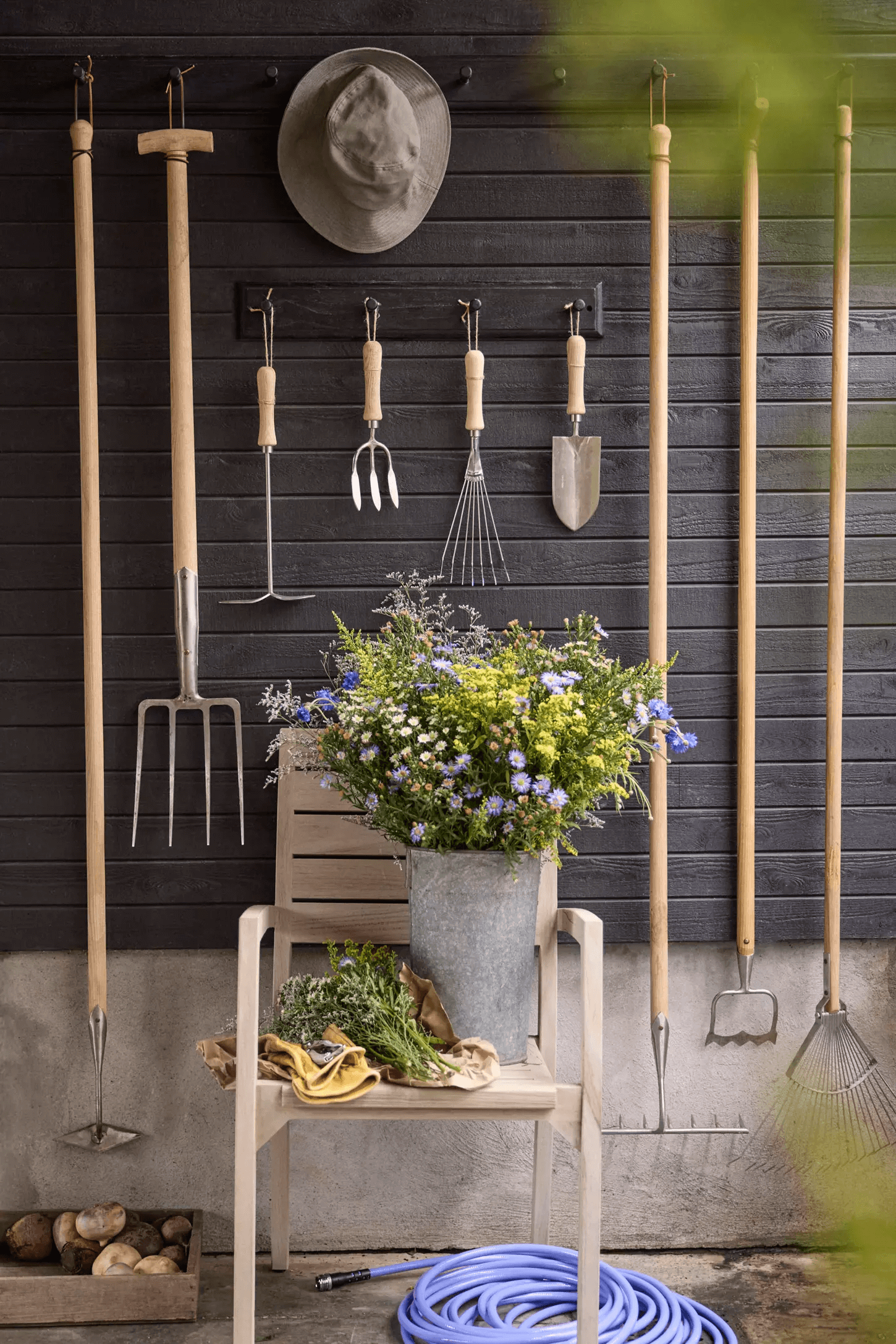
Terrain
Grow your love for nature with Terrain’s premium garden supplies! From tools to décor, they have everything you need to nurture your garden and your passion.
No. 4
Visit Garden Centers
Your local garden center is more than just a place to buy plants—it’s a valuable learning resource. Regular visits can help you become familiar with different plant varieties, gardening tools, and seasonal trends.
Benefits of Visiting Garden Centers:
See plants in various stages of growth
Learn how plants are grouped and labeled
Get expert advice from knowledgeable staff
Discover new tools and products that make gardening easier
Simply walking through a garden center can be an educational experience. Observe how different plants are displayed, read the care instructions on labels, and don’t hesitate to ask questions. The more you immerse yourself in the gardening world, the more confident you’ll become.
No. 5
Keep Practicing
Gardening is a journey, not a destination. Even the most experienced gardeners face setbacks—plants die, pests invade, and weather can be unpredictable. The key is to keep practicing and learning from your mistakes.
Tips for Ongoing Improvement:
Keep a gardening journal to track what works and what doesn’t
Take photos of your garden’s progress through the seasons
Reflect on your successes and failures to refine your approach
Celebrate small victories, like your first bloom or harvest
Every mistake is a learning opportunity. Over time, you’ll develop a deeper understanding of your garden’s unique needs and how to respond to challenges. Be patient with yourself and stay committed—your efforts will pay off in the form of a thriving garden and a valuable new skillset.
Takeaways
As we've discussed in this article, becoming a skilled gardener doesn’t require natural talent—it requires curiosity, consistency, and a willingness to learn. By starting small, making a thoughtful plan, tapping into available resources, engaging with your local gardening community, and practicing regularly, you’ll build a strong foundation for long-term success.
Gardening is not only a rewarding hobby but also a meaningful way to connect with nature, reduce stress, and create something beautiful. Whether you're growing vegetables, flowers, or simply cultivating a peaceful space to relax, the skills you develop will serve you for a lifetime.
So grab your gloves, pick up a trowel, and take the first step. Your garden—and your green thumb—are waiting to grow.
For more gardening insights, seasonal tips, and beginner-friendly advice, be sure to explore the rest of our blog. Happy gardening!
Looking for Home resources?
Looking to enhance your living space and create a sanctuary that supports your well-being? Explore our home partners who offer a wide range of resources to elevate your home environment.