How To Prep An Abandoned House To Sell
Selling an abandoned house is a unique challenge—one that requires a blend of vision, strategy, and a strong stomach. Much like preparing for a blind date, you're trying to make a questionable situation look irresistible, ideally without revealing just how much effort went into the transformation.
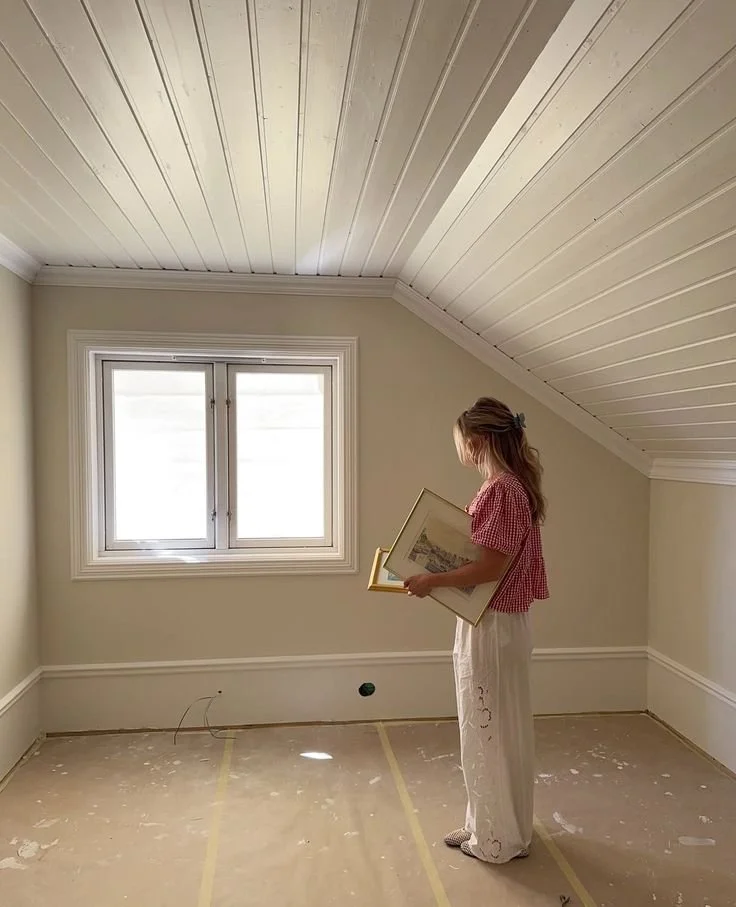
In this article, we’ll walk through the essential steps to turn a long-forgotten property into a market-ready gem. Whether you’re a seasoned real estate investor or the surprised new owner of Aunt Mildred’s dusty cottage in the woods, this guide will help you navigate the process with humor, practicality, and a touch of flair.
No. 1
Call in the Professionals
An abandoned house for sale is a lot like getting ready for a blind date. You're trying to make a questionable situation look as irresistible as possible—ideally without anyone noticing how much work went into the transformation.
Whether you're a seasoned investor or you've suddenly inherited Aunt Mildred's long-forgotten cottage in the woods, the first step is almost always the same: call in property clearing services. Your broom-wielding enthusiasm will only take you so far when the house has been empty since the days of dial-up internet.
Once the professionals have whisked away the debris, the true personality of the house begins to emerge. Sometimes that personality is vintage and charming. Other times, it's a family of raccoons who’ve been throwing decade-long raves in the attic. Either way, your next task is a full visual assessment.
No. 2
Conduct a Thorough Walkthrough
Now that the clutter is gone, it’s time to channel your inner homebuyer. Walk through every single room and pretend you’re the pickiest buyer on the market. Ask yourself:
Is the paint flaking like it’s trying to reveal its tragic past?
Are the floors sagging in a way that suggests a dramatic backstory?
Does the bathroom look like a time capsule from 1974?
Take detailed notes. Bonus points if you wear a headlamp—it makes you look both prepared and mildly heroic.
This walkthrough isn’t just about aesthetics. It’s about identifying the non-negotiables that need fixing before the house can be shown to potential buyers.
No. 3
Prioritize Structural Repairs
You don’t need to transform the house into a glossy magazine spread, but you do need to address the issues that scream “run away.” Focus on the core structural elements:
Roof: If it leaks, fix it. Water damage is a deal-breaker.
Electrical Systems: If they crackle ominously, call an electrician.
Plumbing: If it behaves like an unpredictable toddler, it’s time for an upgrade.
Fixing these essentials not only boosts buyer confidence but also increases the home’s appraisal value. Nothing kills a sale faster than a home inspector emerging from the basement with the expression of someone who’s just seen the ghost of real estate mistakes past.

Houzz
Make your home project a reality. Find inspiration, products, and the pros to make it happen - all in one place.
No. 4
Cosmetic Touch-Ups That Matter
Once the major repairs are handled, you can move on to the fun part: cosmetic upgrades. Think of this as giving the house a makeover—something that highlights its best features while downplaying its flaws.
Easy Cosmetic Fixes That Make a Big Impact:
Fresh Paint: Neutral tones allow buyers to project their own style.
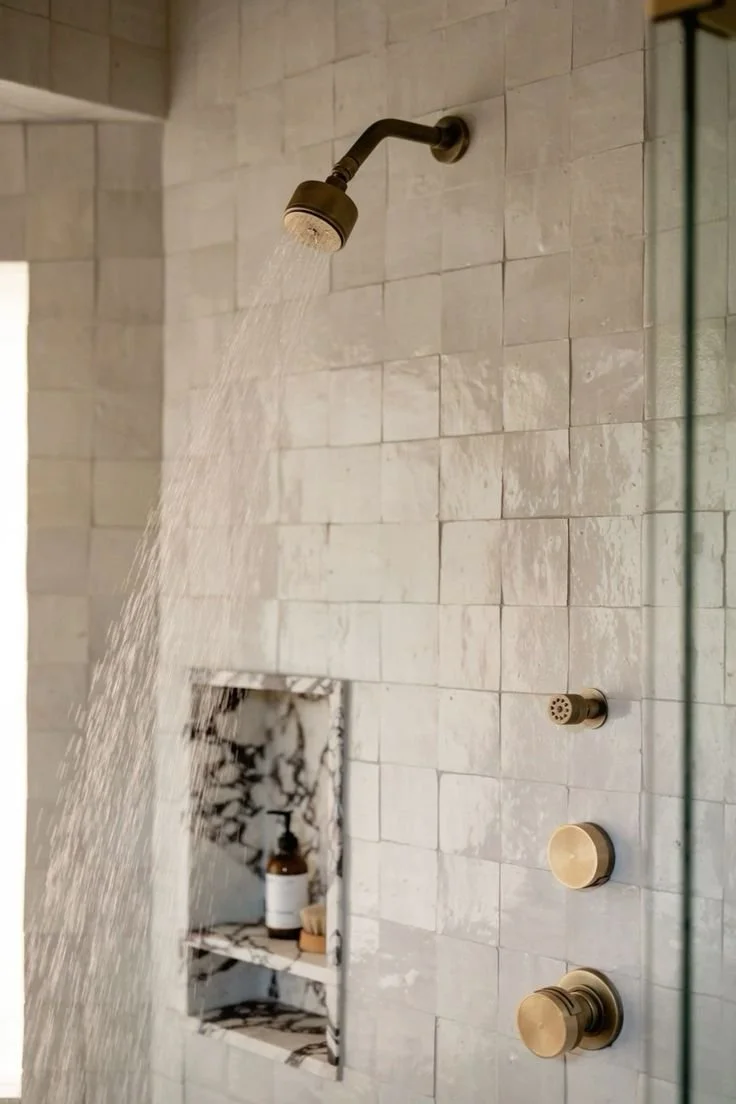
Updated Fixtures: Swap out outdated knobs, handles, and faucets.
Modern Lighting: Bright, warm lighting makes every room feel more inviting.
Wall Repairs: Patch up holes and cracks left behind by decades-old picture frames.
Think of paint as makeup for walls—only far less judgmental and much more forgiving.
No. 5
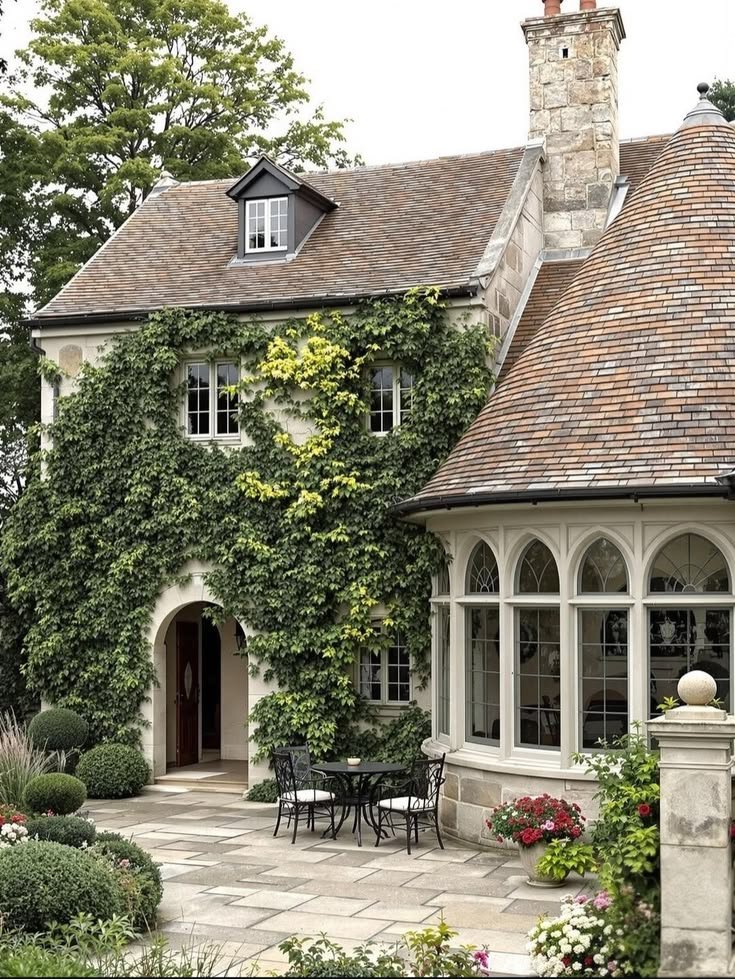
Boost Curb Appeal
First impressions matter—especially when selling a home that’s been “napping” for a few decades. Once the interior is in shape, turn your attention to the exterior.
Curb Appeal Checklist:
Trim Overgrown Shrubs: Buyers shouldn’t feel like they’re entering a botanical labyrinth.
Mow the Lawn: A tidy lawn signals care and maintenance.
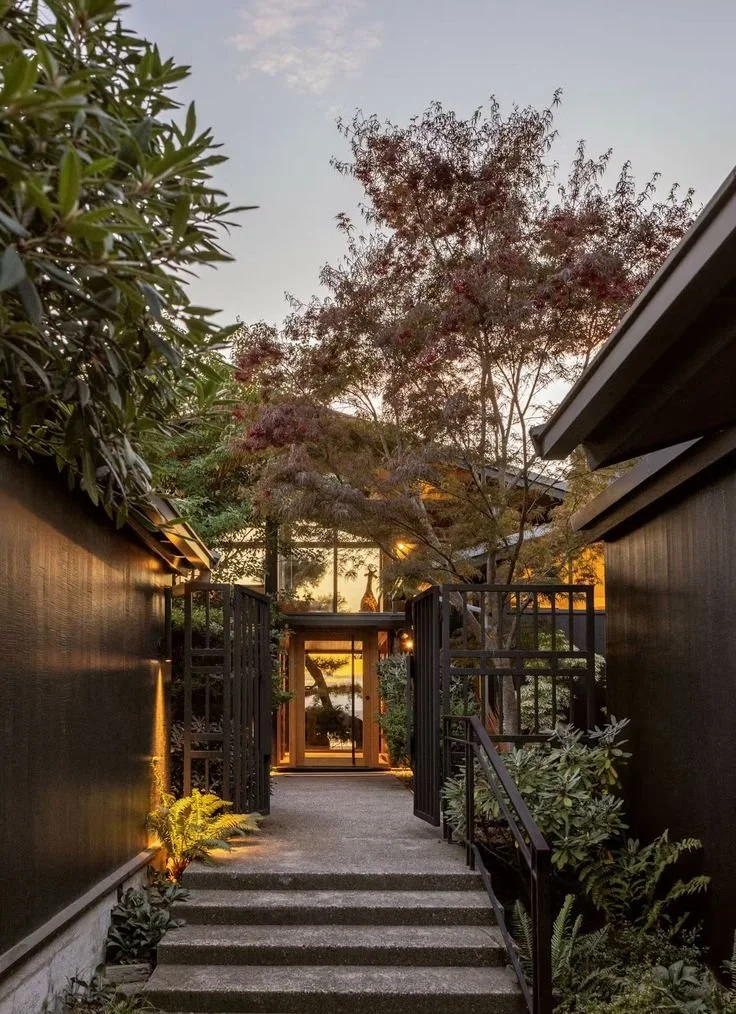
Clear Walkways: Make sure the path to the door is clean and inviting.
Revive the Porch: If it looks like a horror movie set, give it some love with paint, plants, or new lighting.
Curb appeal is your secret weapon. It sets the tone before buyers even step inside.
No. 6
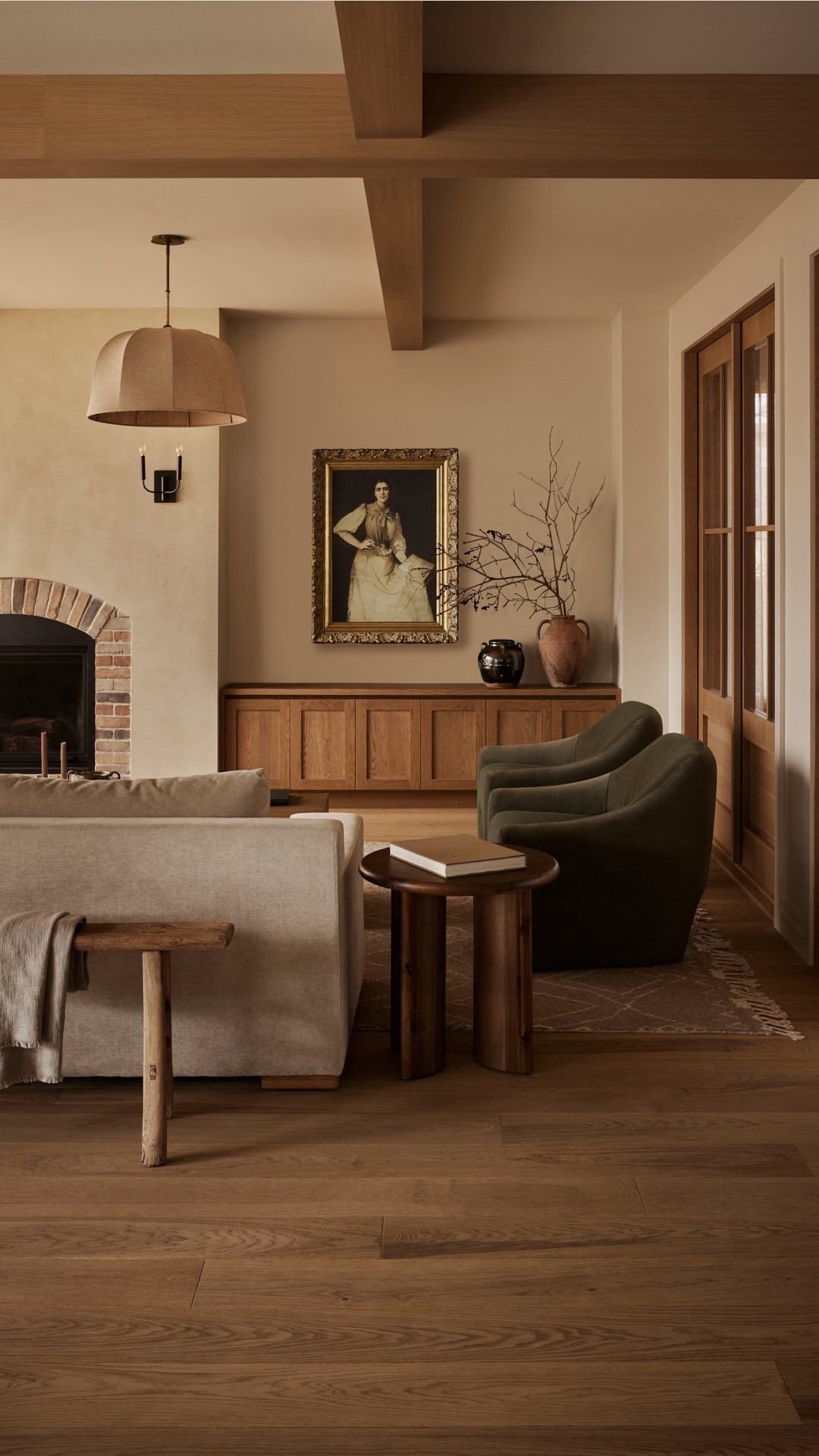
Stage for Storytelling
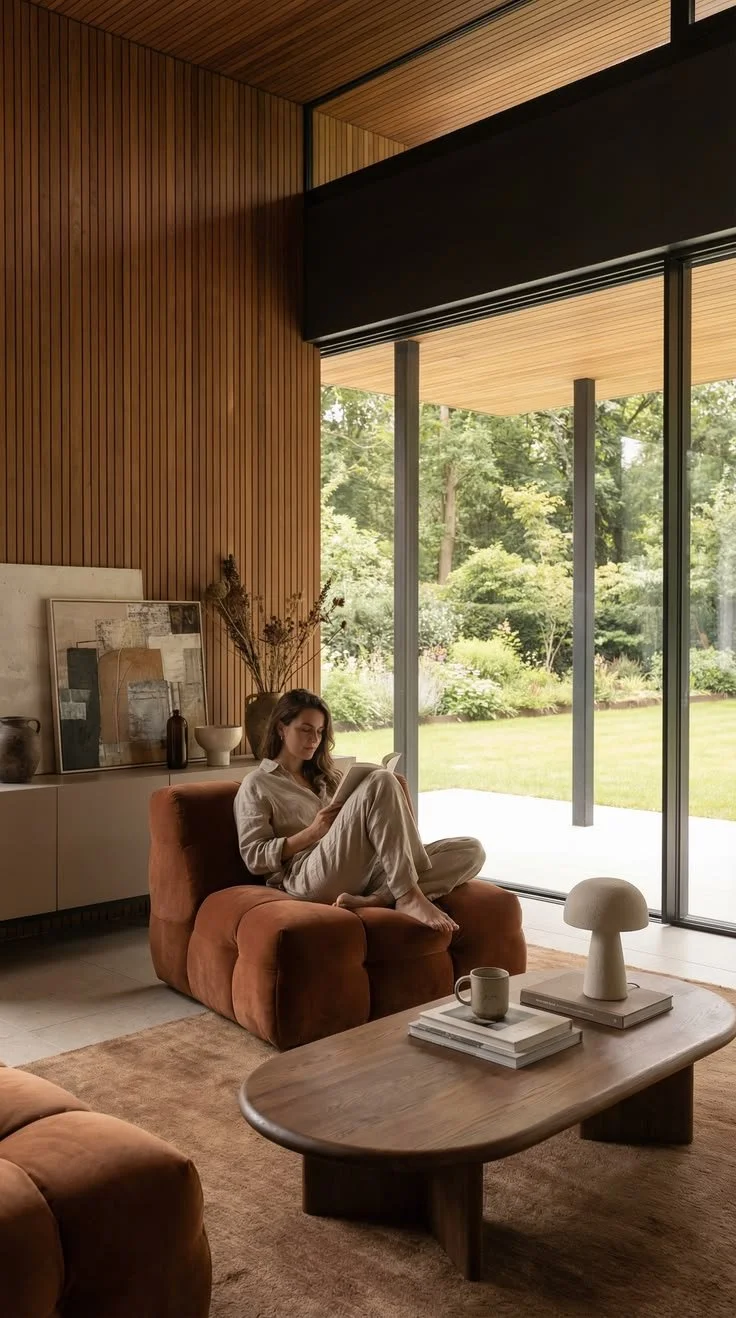
The final touch is staging—not to deceive, but to inspire. A well-staged home helps potential buyers imagine their lives unfolding within those walls.
You don’t need to fill every room with furniture, but a few thoughtfully placed pieces can breathe life into the space.
Staging Tips:
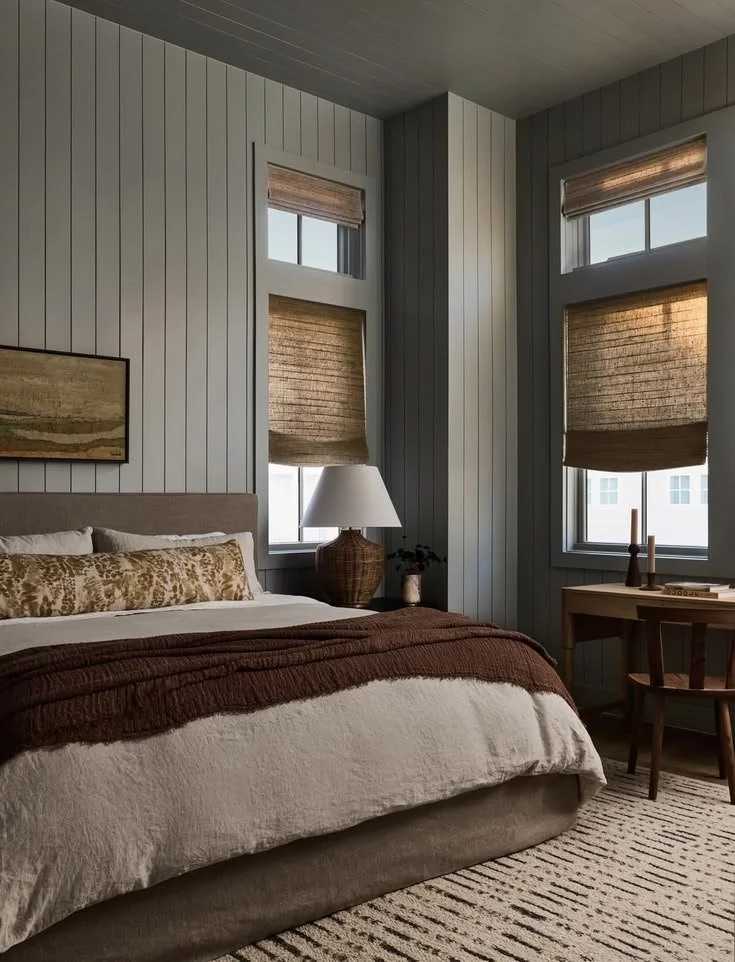
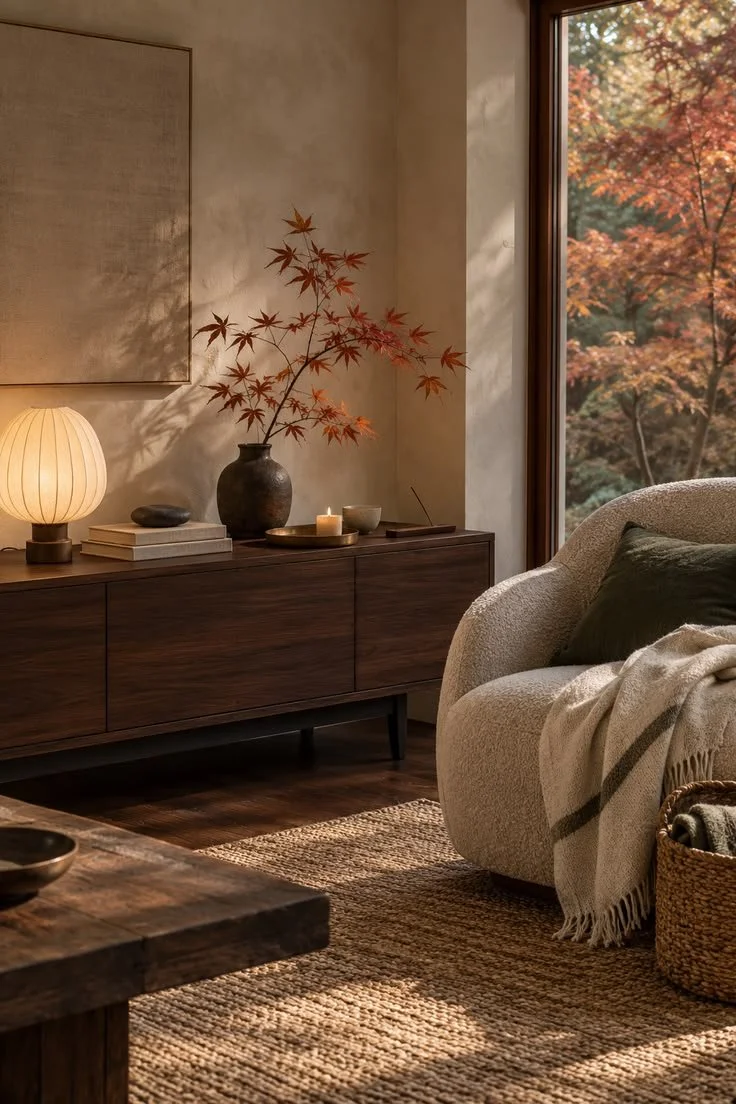
Use Cozy Lighting: Lamps and warm bulbs create a welcoming atmosphere.
Add Hints of Personality: A throw blanket here, a vase of flowers there.
Keep It Simple: Too much clutter distracts; aim for clean and inviting.
Staging isn’t about perfection—it’s about sparking imagination. You want buyers to walk in and think, “I could live here.”
Takeaways
Selling an abandoned house may seem daunting at first, but with the right approach, it can become a rewarding and even enjoyable project. In this article, we’ve walked through the essential steps: from calling in the pros and assessing the damage to making smart repairs, boosting curb appeal, and staging with intention.
The key is to focus on what matters most—safety, structure, and the emotional appeal of a welcoming space. With a little elbow grease and strategic planning, even the most neglected property can charm its way into a quick and profitable sale.
So grab your headlamp, roll up your sleeves, and get ready to turn that forgotten fixer-upper into someone’s dream home. Because behind every abandoned house is a story waiting for a new chapter—and you just might be the one to write it.
Looking for Home resources?
Looking to enhance your living space and create a sanctuary that supports your well-being? Explore our home partners who offer a wide range of resources to elevate your home environment.