The Long-Term Dangers Of Humidity In The Home
Depending on where you live, humidity might be an unavoidable part of daily life. Whether it’s the sticky heat of summer or the damp air of winter caused by constant indoor heating, excess moisture in your home can lead to more than just discomfort—it can cause serious, long-term damage to your property and even affect your health.
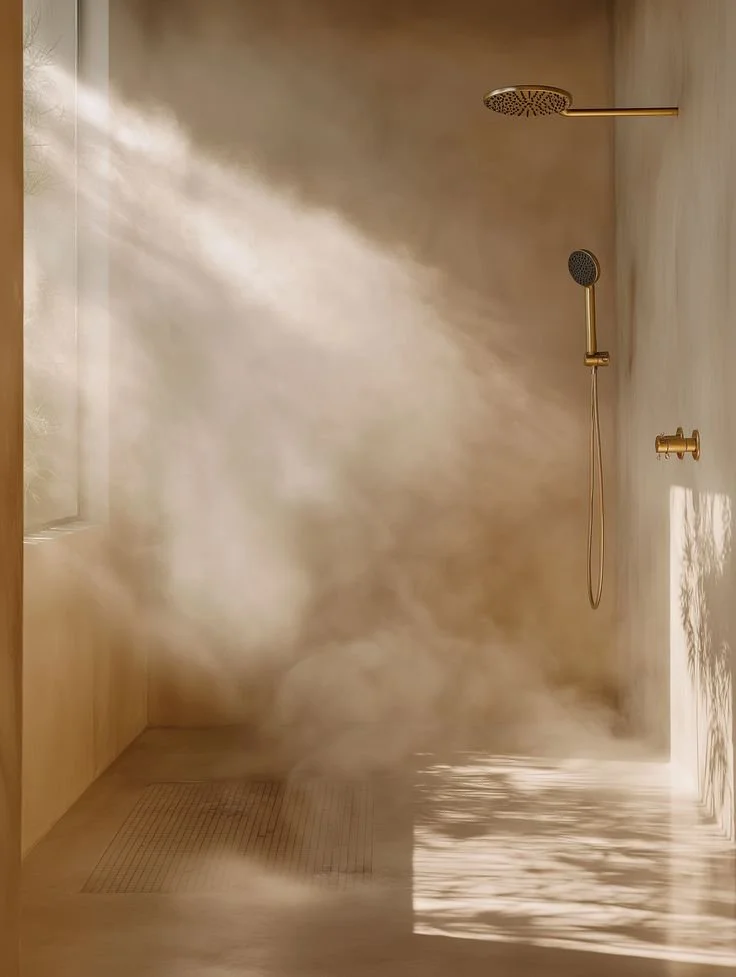
In this article, we’ll explore the hidden dangers of high humidity in your home. From structural deterioration to mold growth and health concerns, we’ll break down the key problems that can arise—and provide insight into how to prevent or mitigate them before they lead to costly repairs.
No. 1
It Can Rot Your Home From the Inside
When moisture levels rise indoors, one of the first victims is your home’s wooden framework. Wood is a porous material, and when it absorbs water, it begins to degrade over time.
How Moisture Damages Wood
Rotting: Prolonged exposure to humidity weakens wood fibers, leading to rot.
Warping: Floors may become uneven, and doors may stick or fail to close properly.
Structural Weakness: Over time, compromised wood can lose its load-bearing capacity, increasing the risk of cracks or collapse.
Even if you seal wooden components, moisture can still infiltrate behind walls, under floors, and into hidden cavities. Once inside, it’s difficult to detect until the damage is done.
No. 2
It Can Stress Your Foundation
Humidity doesn’t just stay in the air—it eventually settles, and gravity pulls moisture downward. This makes basements and crawl spaces particularly vulnerable.
Foundation Risks from Humidity
Soil Expansion and Contraction: Moisture causes the soil around your foundation to shift, putting pressure on walls and footings.
Concrete Deterioration: Persistent dampness weakens concrete and erodes mortar joints.
Visible Warning Signs: Musty odors, damp patches, and white powdery residue (efflorescence) on basement walls are all red flags.
Unchecked humidity in these lower areas can compromise the integrity of your entire home. If you notice any of these signs, it’s crucial to take action to manage moisture levels.
No. 3
It Grows Mold and Mildew
Even if moisture isn’t visibly damaging your home’s structure, it can still create the perfect environment for mold and mildew to thrive—especially in dark, poorly ventilated areas.
Where Mold Hides
Behind drywall and wallpaper
Inside ceilings and insulation
In corners of bathrooms, kitchens, and basements
Within crawl spaces and attic voids
Once mold takes hold, it spreads quickly. Remediation can be expensive and invasive, often requiring the help of mold restoration specialists. Worse still, if the underlying humidity issue isn’t resolved, mold will likely return.
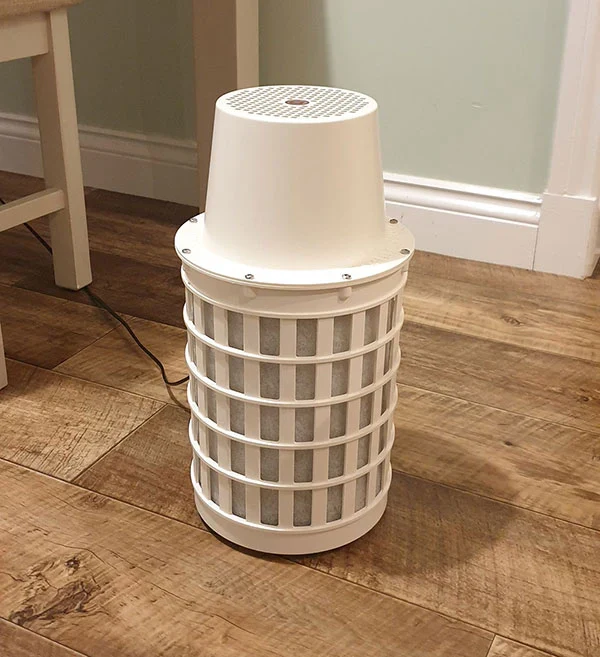
Smell Away
Say goodbye to stubborn odors with the Smell Away® Odor Neutralizing Machine! Perfect for homes, it eliminates pet smells, cooking odors, dampness, and more—leaving your space fresh and inviting.
Shop now for cleaner, healthier air!
No. 4
It Can Affect Your Health
Excess humidity doesn’t just harm your home—it can also impact your well-being. Moist environments promote the growth of mold spores, bacteria, and dust mites, all of which can compromise indoor air quality.
Health Risks Linked to High Humidity
Respiratory issues such as asthma and chronic coughing
Allergic reactions including sneezing, itchy eyes, and sinus irritation
Fatigue and general discomfort
Increased risk of infections in those with weakened immune systems
Children, the elderly, and individuals with pre-existing health conditions are especially vulnerable to the effects of poor indoor air quality caused by high humidity.
No. 5
How to Reduce Humidity in Your Home
Fortunately, there are several effective strategies for controlling indoor humidity and protecting both your home and your health.
Improve Ventilation
Install or upgrade exhaust fans in bathrooms, kitchens, and laundry rooms.
Open windows when weather permits to allow fresh air to circulate.
Use ceiling fans to keep air moving and prevent moisture buildup.
Use Dehumidifiers
Place portable dehumidifiers in high-moisture areas like basements or bedrooms.
Consider a whole-house dehumidifier if humidity is a widespread issue.
Empty and clean the units regularly to maintain efficiency.
Seal Entry Points
Inspect windows, doors, and vents for leaks.
Use weather stripping and caulk to seal gaps.
Ensure your attic and crawl spaces are properly insulated and ventilated.
Maintain Your HVAC System
Replace filters regularly to ensure optimal airflow.
Schedule annual maintenance to keep your system running efficiently.
Consider adding a humidity control feature to your thermostat.
Address Water Intrusion
Check for plumbing leaks and repair them promptly.
Ensure gutters and downspouts direct water away from your foundation.
Grade landscaping to slope away from the home.
Takeaways
Humidity might seem like a minor inconvenience, but as we’ve outlined in this article, it can lead to serious consequences if left unchecked. From rotting wood and foundation stress to mold growth and health hazards, excess moisture has the potential to damage your home from the inside out.
The good news is that with the right preventative measures—improving ventilation, sealing leaks, using dehumidifiers, and maintaining your HVAC system—you can keep humidity under control and protect your living environment.
Don’t wait until you see visible damage or feel the effects on your health. Take proactive steps now to ensure your home stays dry, safe, and comfortable all year long.
Looking for Home resources?
Looking to enhance your living space and create a sanctuary that supports your well-being? Explore our home partners who offer a wide range of resources to elevate your home environment.