Posts in home
From Yard Waste To Compost: How Removal Services Recycle Naturally

As sustainability becomes a global priority, communities are rethinking how they handle organic waste. What was once seen as a burden—piles of leaves, grass clippings, and branches—is now being transformed into nutrient-rich compost. 


Across neighborhoods and cities, eco-conscious companies are finding smarter, greener ways to turn waste into renewal. Among the most impactful innovations are professional yard waste removal services that focus on recycling nature itself.

These services don’t just clear clutter from your garden—they help close the loop in the natural ecosystem. By transforming organic debris into compost, they reduce landfill waste, cut carbon emissions, and return valuable nutrients to the soil. It’s an elegant, sustainable cycle that benefits everyone—from homeowners to the planet.

In this article, we’ll explore how professional yard waste removal services are revolutionizing natural recycling. You’ll discover how these services reduce landfill waste, support soil health, and contribute to a more sustainable future. Whether you're a homeowner looking to clean your garden responsibly or a city planner seeking scalable green solutions, this guide will illuminate the powerful role composting plays in environmental stewardship.

No. 1

The Growing Role of Yard Waste Removal in a Sustainable World

The global shift toward environmental responsibility has reshaped how people think about outdoor cleanup. Instead of dumping garden debris into landfills, modern waste removal services ensure that organic materials are repurposed and reused. This approach not only saves space in already overflowing dumpsites but also prevents harmful methane emissions that occur when yard waste decomposes in tightly packed landfill environments.

Professional services handle everything from collection to composting, ensuring the waste is processed properly and safely. Many even collaborate with local composting facilities to transform leaves, grass, and branches into valuable soil enhancers. Here’s how sustainable yard waste programs make a difference:

  • Collecting leaves, branches, and grass clippings for composting.

  • Preventing harmful gases from being released in landfills.

  • Reducing transportation emissions through efficient routes.

  • Converting organic waste into nutrient-rich soil.

  • Supporting eco-friendly gardening and landscaping efforts.

This green approach not only keeps communities cleaner but also contributes to a healthier, more resilient environment.

No. 2

From Waste to Worth: The Power of Natural Recycling

Composting is one of nature’s most efficient recycling systems. 

Through controlled decomposition, organic materials like leaves, twigs, and food scraps break down into humus—a rich, earthy material packed with nutrients. When spread over lawns, gardens, or farms, compost improves soil structure, boosts plant growth, and reduces the need for chemical fertilizers. The process is both simple and powerful. 

Once collected by removal services, organic waste is shredded, aerated, and left to decompose under carefully monitored conditions. Microorganisms work their magic, breaking down materials naturally until what remains is fertile, sustainable compost.

This transformation reduces dependence on synthetic soil enhancers and promotes biodiversity. It also helps combat climate change by locking carbon into the soil rather than releasing it into the atmosphere. Composting, in many ways, is nature’s way of giving back. Benefits of composting include:

  • Enriching soil with vital nutrients.

  • Reducing landfill waste and methane emissions.

  • Enhancing water retention in soil.

  • Supporting plant growth without chemicals.

  • Creating a closed-loop environmental system.

No. 3

How Composting Services Are Changing Urban Landscapes

Urban areas are often the biggest contributors to waste buildup—but they’re also where innovation thrives. Many cities have adopted municipal composting programs that partner with private companies to handle organic waste more efficiently. 

By integrating composting into waste management systems, these cities are reducing landfill dependency while supplying local gardens, parks, and farms with eco-friendly fertilizer.

For residents, this means easier cleanup and a chance to participate in a larger environmental mission. Businesses benefit too, as sustainable practices often enhance their public image and reduce disposal costs.

Modern composting services now use advanced sorting and tracking technologies to ensure every load of organic material is processed responsibly. Whether for residential neighborhoods or large-scale landscaping projects, these initiatives help keep cities cleaner and greener. Examples of urban composting success stories include:

  • Citywide compost bins for residents to dispose of organic waste.

  • Community gardens are supplied with locally produced compost.

  • Partnerships between municipalities and green waste companies.

  • Reduction of urban landfill overflow and pollution.

  • Educational programs teaching citizens how to compost at home.

Through collaboration, cities are showing that sustainability and modern living can thrive side by side.


hellolovelyliving crowd farming

Crowd Farming

Adopt a tree to support a farmer and receive your harvest at home throughout the season.


No. 4

The Science Behind Turning Waste into Compost

Behind the seemingly simple act of composting lies a fascinating scientific process. When organic waste is gathered and properly managed, natural bacteria, fungi, and insects begin breaking it down. Heat, moisture, and oxygen accelerate the process, resulting in a nutrient-dense product that can be used to enrich soil and promote plant health.

Unlike landfill decomposition, which happens without oxygen and releases methane, composting occurs in aerobic conditions. This ensures a cleaner, faster, and more sustainable outcome. The result is a soil enhancer that supports carbon capture, water filtration, and long-term fertility.

Composting success depends on maintaining a balanced mix of “greens” (like grass clippings and vegetable scraps) and “browns” (like leaves and branches). The right balance ensures healthy microbial activity and prevents unpleasant odors. Scientific benefits of composting include:

  • Decreasing greenhouse gas emissions through aerobic decomposition.

  • Supporting microbial diversity in the soil.

  • Improving soil structure for better water absorption.

  • Reintroducing carbon and nutrients into the ecosystem.

  • Reducing reliance on chemical fertilizers.

No. 5

Why Natural Recycling Matters

When we think of recycling, we often picture glass, plastic, or paper. Yet, natural recycling through composting is equally crucial. Organic matter makes up a large portion of household waste, and when not managed properly, it can have severe environmental consequences.

By choosing composting services, homeowners and businesses can significantly reduce their ecological footprint. Every bag of leaves or bundle of branches that’s composted instead of trashed contributes to a cleaner, more sustainable planet.

These small, everyday choices make a big difference. When multiplied across thousands of homes and businesses, they can lead to meaningful environmental change and a reduction in global waste.

Takeaways

Sustainability starts in our backyards—literally. Every homeowner who participates in responsible garden cleanup contributes to a larger cycle of renewal and regeneration. By working with eco-conscious services, you can ensure that your organic waste doesn’t just disappear—it transforms into something valuable.

Through composting, natural materials return to the earth as nourishment, closing the loop in an endless cycle of growth and renewal. Choosing professional waste removal isn’t just about keeping your property clean; it’s about making a small yet powerful choice for a sustainable planet.

In the end, embracing environmentally responsible removal is a step toward a cleaner tomorrow. When we recycle naturally, we don’t just manage waste—we create life from it, turning what’s unwanted into something the earth can celebrate once again.

This post is sponsored.

Looking for Home resources?

Looking to enhance your living space and create a sanctuary that supports your well-being? Explore our home partners who offer a wide range of resources to elevate your home environment.
Learn more


home, sustainabilityHLL x Editor


What You Need To Know Before Scheduling A Junk Pick-up Service

Decluttering feels amazing—until you’re staring down a garage of mystery boxes, a lumpy sofa that’s outstayed its welcome, and a calendar that’s already full. Calling a professional junk pick up service can turn that chaos into curb-side calm, sparing you multiple trips, heavy lifting, and disposal guesswork. With a bit of planning, you’ll cut costs, avoid day-of surprises, and make sure your stuff is handled responsibly from doorstep to destination.


hellolovelyliving junk removal service


In this article, we’ll walk you through everything you need to know before scheduling a junk removal appointment. From understanding what items are accepted to comparing pricing models, prepping your space, and choosing a sustainable provider, this comprehensive guide will help you make informed decisions and ensure a smooth, efficient experience. Whether you're cleaning out a single room or managing a large estate, the right planning can turn your cluttered chaos into clean, organized calm.

No. 1

Know what they take—and what they don’t

Most providers will remove common household cast-offs: furniture, mattresses, appliances, grills, yard waste, electronics, and general debris. Fewer will accept renovation rubble, hot tubs, pianos, or anything that requires special equipment or disassembly. Nearly all draw a hard line on hazardous materials—paint, solvents, pesticides, automotive fluids, propane tanks, and certain batteries—which demand specialized disposal.

Before you book, request the company’s current “yes/no” list. 

For borderline items (refrigerators with refrigerant, oversized TVs, exercise equipment, or play sets), ask whether prep is required—defrosting, disconnecting, draining fuel, or partial disassembly. A five-minute call can save a failed appointment.

Smart move: Text photos of unusual items during the quote. Visual confirmation leads to accurate pricing and fewer day-of refusals.

No. 2

Demystify pricing so the quote matches the bill

Junk removal pricing typically follows one of three models:

  • Volume-based: You pay by how much of the truck you fill (eighth, quarter, half, three-quarters, full).

  • Item-based: Set prices for a sofa, mattress, refrigerator, etc.

  • Time and labor: An hourly rate for complex clean-outs or on-site sorting.

To compare apples to apples, clarify:

  • What’s included: loading, transport, disposal fees, basic labor, and sweep-up.

  • What costs extra: stairs or long carries, demolition/disassembly, heavy items, weekend/same-day service, or after-hours pickups.

  • How quotes are finalized: on-site estimates versus photo estimates, and the tolerance for load changes.

  • Payment: accepted methods, deposits, and when you’re charged.

Two companies can look identical on headline price but differ dramatically on surcharges, professionalism, and care for your property. Ask how they protect floors, walls, and doorframes—and whether they carry the right insurance.

No. 3

Prep to save time—and money

A bit of pre-work can shave both minutes and dollars:

  • Stage items together: The closer to your driveway or entry, the faster the load. Clear hallways, roll up rugs, and prop doors for quick access.

  • Sort by destination: Keep donation-ready items (clean, functional) separate from true junk; recycling and donations can reduce disposal fees.

  • Disassemble selectively: Remove table legs, flatten boxes, and break down bed frames. Keep hardware in a taped bag.

  • Unplug and drain: Defrost freezers, disconnect washers, and empty gas-powered tools to prevent leaks.

  • Protect your privacy: Shred papers, wipe hard drives, and remove SIM cards from electronics.

Prefer a hands-off approach? Many teams offer full-service “point and it’s gone.” It costs more, but the convenience can be worth it—especially on tight timelines.


hellolovelyliving houzz

Houzz

Make your home project a reality. Find inspiration, products, and the pros to make it happen - all in one place.


No. 4

Choose a provider that diverts, not just dumps

Sustainable removal isn’t just good optics; it can be good economics. 

Ask how the company sorts for donation and recycling, which local partners they use, and whether they provide donation receipts. Well-established haulers maintain relationships with charities, refurbishers, and recycling facilities—keeping reusable items out of landfills and sometimes reducing your disposal costs.

For anything the hauler cannot legally accept, check your municipality’s guidelines or consult a high-authority source on safe handling. 

For example, the U.S. Environmental Protection Agency explains best practices for household hazardous waste and lists common items requiring special care. Building disposal into your plan—from paint to pesticides—prevents last-minute scrambling.

No. 5

Verify credentials, insurance, and professionalism

You’re inviting a crew into your space. Vet them like you would any contractor:

  • Insurance: Request proof of general liability and workers’ compensation.

  • Licensing and permits: Requirements vary by city or county; reputable firms know the rules.

  • Equipment and appearance: Clean trucks, uniforms, safety gear, and floor/wall protection signal professional standards.

  • Team size and experience: A larger, well-coordinated crew works faster, which matters for big jobs.

  • Reputation: Scan reviews for themes—punctuality, communication, care in tight spaces, and accuracy of estimates.

If your building needs a certificate of insurance (COI) or has elevator reservations, confirm the provider can supply documents and accommodate time windows.

No. 6

Plan the logistics so “pickup day” runs smoothly

A little choreography avoids stress:

  • Access and parking: Reserve curb space, notify your HOA, and confirm loading dock hours if applicable.

  • Elevators and stairs: Book elevator windows, and tell the crew about stair-only access or tight turns.

  • Pets and kids: Keep them safely away from open doors and pathways.

  • Walk-throughs: Do a quick tour with the crew lead before loading begins to prioritize items, and a final lap after to confirm nothing was missed.

  • Paperwork and receipts: Confirm final volume or item counts, request donation receipts, and keep a record of the invoice for taxes or reimbursement.

No. 7

Match the service to the job

Not every project requires the same approach:

  • Single items: A sofa or mattress pickup may qualify for a lower minimum if scheduled alongside nearby jobs—ask about “route-based” pricing.

  • Room or garage clean-outs: Consider a two-phase plan: donations first, landfill second. Freeing space early speeds the final sweep.

  • Estate or hoarding situations: Look for providers with specialized training, protective equipment, and sensitivity to family dynamics.

  • Post-renovation debris: Verify acceptance of construction waste and whether a debris bag or temporary dumpster would be more cost-effective.

When you’re on a deadline—moving, listing a home, or prepping for contractors—book as early as possible. If you need speed, ask about standby lists and same-day windows.

No. 8

Safety, damages, and your peace of mind

Accidents are rare with a skilled crew, but safeguards matter:

  • Pathway protection: Request floor runners, corner guards, and door jamb protectors for tight spaces.

  • Load management: Pros use lifting straps and dollies; they won’t “muscle” items at the expense of safety.

  • Weather plans: Rain happens—confirm how they’ll protect items and your floors.

  • Claims process: Ask how damages are reported and resolved, and how quickly you can expect updates.

Good companies will walk you through their protocol before the first box moves.

No. 9

Timing and seasonality: when to schedule

Spring and summer are peak seasons for moves and clean-outs, so appointments fill fast. If you’re flexible, midweek and mid-month slots are often easier to snag. 

When aligning with other services—house cleaning, painters, carpet installers—schedule removal before the refresh so crews aren’t working around piles. For relocations, aim to schedule junk pick up at least a week ahead; for estate or multi-space projects, consider holding two windows a few days apart to handle donations and hold-outs without stress.

No. 10

A quick comparison checklist

Use this side-by-side list to pick the right provider:

  • Accepts all your items—or has clear referrals for what they don’t.

  • Transparent pricing, with surcharges disclosed in advance.

  • Donation and recycling partners named, with receipts available.

  • Proof of insurance and any required licenses on request.

  • Professional communication: confirmations, ETA texts, and a named lead on arrival.

  • Clear pathways, protection for floors/walls, and a sweep-up before departure.

  • Accurate, respectful handling of special requests or building rules.

Takeaways

A reliable junk pick-up service should simplify your life—not complicate it. By confirming what’s included, prepping your space, verifying credentials, and choosing a provider committed to sustainability, you’ll ensure a smooth experience from start to finish.

The right crew will handle your clutter with care, keep reusable items in circulation, and leave your space cleaner, clearer, and more functional. Whether you’re downsizing, renovating, or just reclaiming your garage, a well-planned junk removal can make all the difference.

So the next time you’re ready to declutter, remember: you’re not just clearing space—you’re making room for peace of mind and a more sustainable future.

This post is sponsored.

Looking for Home resources?

Looking to enhance your living space and create a sanctuary that supports your well-being? Explore our home partners who offer a wide range of resources to elevate your home environment.

Learn more


homeHLL x Editor


The Ultimate Guide To Decluttering Your Home

Do you find that your home is overflowing with clutter? If so, you're not alone. Clutter can slowly creep into every corner of our lives, making our homes feel chaotic and overwhelming. But here’s the good news—it doesn’t have to stay that way.


In this article, we’ll explore simple, effective strategies to help you declutter your home without feeling stressed or overwhelmed. From organizing by category to developing a sustainable system, these methods are designed to help you take control of your space and create a more peaceful, functional environment. Whether you’re tackling a single drawer or your entire house, these tips will guide you every step of the way.

No. 1

Declutter by Category, Not by Room

One of the most common mistakes people make when decluttering is trying to go room by room. While this may seem logical, it often leads to burnout and frustration. Instead, try decluttering by category—a method popularized by Marie Kondo, which allows you to focus on one type of item at a time.

Why Decluttering by Category Works:

  • Helps you see the full scope of what you own

  • Prevents decision fatigue by narrowing your focus

  • Makes it easier to identify duplicates and unnecessary items

Start with something manageable, like clothing. Go through every coat, jacket, and pair of jeans—whether they’re in the hallway closet, your bedroom, or the laundry room. Once you’ve tackled one category, move on to the next, such as books, kitchenware, or sentimental items.

If the clutter feels overwhelming, consider hiring a junk removal service to help you clear out large or unwanted items quickly and efficiently.

No. 2

Work with Your Heart, Not Just Your Head

When deciding what to keep and what to let go of, it’s important to engage your emotions—not just your logic. Ask yourself: Do I truly like this item? Does it bring me joy or serve a meaningful purpose? If the answer is no, it may be time to let it go.

Common Emotional Barriers to Decluttering:

  • Fear of waste or contributing to landfills

  • Worry about needing the item in the future

  • Sentimental attachment to gifts or inherited items

A helpful rule of thumb: if you haven’t used or worn something in the last six months, it’s probably safe to donate, recycle, or discard it. To ease guilt about waste, consider donating to local charities or using eco-friendly disposal services that prioritize recycling and reuse.

Once you decide to part with something, remove it from your space immediately. The longer it lingers, the more likely you are to second-guess your decision.


hellolovelyliving the container store

The Container Store

Your ultimate destination for innovative storage and organization solutions for home or office—offering everything from stylish bins and shelves to custom closet systems.


No. 3

Develop a Decluttering System That Works for You

You might think that having a system sounds restrictive, but in reality, it can be incredibly freeing. A good system turns decluttering into a habit rather than a one-time event. It helps you stay organized and prevents clutter from creeping back into your life.

Elements of an Effective Decluttering System:

  • The One-In, One-Out Rule: For every new item you bring into your home, remove one.

  • Weekly Reset: Set aside 15–30 minutes each week to tidy up and reassess clutter hotspots.

  • Donation Station: Keep a box or bin in a closet where you can place items to donate as you come across them.

  • Labeling and Storage: Use clear bins, labels, and drawer organizers to keep everything in its place.

By making decluttering part of your routine, it becomes second nature—something you do instinctively rather than something you dread.

Takeaways

As we’ve discussed in this article, decluttering your home isn’t just about creating a cleaner space—it’s about creating a more peaceful, intentional life. By organizing by category, making emotionally sound decisions, and developing a system that works for you, you can transform your home into a sanctuary of calm and clarity.

Remember, you don’t have to do it all at once. Start small, stay consistent, and celebrate your progress. Whether you’re clearing out a single drawer or your entire garage, every step you take brings you closer to a home that truly supports your well-being.

Helpful Resources for Decluttering Success

Start today—because a clutter-free home is just the beginning of a more peaceful, joyful life.

Looking for Home resources?

Looking to enhance your living space and create a sanctuary that supports your well-being? Explore our home partners who offer a wide range of resources to elevate your home environment.
Learn more


homeHLL x Editor


How To Make Gardening Joyful Again

Gardening has long been celebrated as a therapeutic escape—a space where time slows down, the mind quiets, and the soul reconnects with nature. For many, it’s not just about cultivating plants, but about cultivating peace. However, even the most passionate green thumbs can find themselves overwhelmed, exhausted, or disconnected from the joy they once felt digging in the dirt.


In this article, we’ll explore practical, heart-centered ways to make gardening joyful again. From enlisting the help of professionals to using the right tools and techniques, we’ll show you how to reclaim gardening as a source of happiness, not stress. Whether you're managing physical limitations, battling burnout, or simply want to fall in love with your garden all over again, these tips will help you nurture not just your plants—but yourself.

No. 1

Gardening: More Than Just a Hobby

Gardening is more than a weekend activity—it’s a form of self-care. Studies have shown that spending time in the garden can significantly reduce stress, improve mood, and even boost physical health. The act of planting, nurturing, and watching life grow offers a sense of accomplishment and connection that’s hard to replicate elsewhere.

But like any hobby, gardening must remain enjoyable to be beneficial. When it starts to feel like a chore, its therapeutic benefits begin to fade. That’s why it’s essential to approach gardening in a way that feels manageable, sustainable, and—most importantly—joyful.

No. 2

Let Go of the “Perfect Gardener” Myth

It’s easy to fall into the trap of thinking that to be a “real gardener,” you must do everything yourself. But that mindset can quickly turn a joyful activity into a burden. The truth is, you don’t need to do it all alone—and you don’t need to be perfect to reap the healing benefits of gardening.

If mobility issues, time constraints, or mental fatigue are getting in the way, there’s nothing wrong with asking for help. In fact, getting support can free you up to focus on the parts of gardening that truly bring you joy—whether that’s planting flowers, harvesting herbs, or simply sitting in your garden with a cup of tea.

No. 3

Work With Someone Who Can Keep Your Soil Healthy

Healthy soil is the foundation of a thriving garden. But maintaining it can be more complex and time-consuming than many hobbyists realize. From balancing nutrients and adjusting pH levels to refreshing mulch and improving texture, a quality soil supply requires consistent attention.

Why Soil Health Matters:

  • It determines how well your plants absorb water and nutrients

  • It affects plant growth, resilience, and bloom quality

  • Poor soil can lead to disease, pests, and stunted growth

Working with a local soil expert can take the guesswork out of the equation. They can help you test your soil, recommend the right amendments, and ensure your garden bed is primed for success. With their guidance, you can focus on the fun parts—like choosing what to grow and watching it flourish.


hellolovelyliving terrain

Terrain

Indoor and outdoor living, garden, and entertaining essentials that are well-designed, lasting, and beautiful.


No. 4

Work With a Lawn Expert

Let’s be honest—mowing the lawn is rarely the highlight of anyone’s gardening experience. It’s repetitive, time-consuming, and often the very task that makes your garden feel like a list of chores rather than a sanctuary.

Benefits of Hiring a Lawn Care Professional:

  • Keeps your grass healthy and well-trimmed

  • Frees up your time for more enjoyable gardening tasks

  • Enhances the overall look and feel of your outdoor space

A professional lawn care service can help maintain your yard so that when you step outside, you’re greeted by a peaceful, inviting space—not a to-do list. This small shift can make a big difference in how you experience your garden.

No. 5

Work With the Right Tools—or Someone Who Has Them

Some gardening tasks are soothing—like planting, watering, and pruning. Others, like reshaping uneven terrain or improving drainage, require heavy-duty equipment and technical know-how.

And that’s okay.

You don’t need to own a shed full of machinery to be a gardener. If you’re facing larger projects or physical limitations, it’s perfectly reasonable to call in a professional who has the right tools and experience.

When to Call in the Pros:

By outsourcing the heavy lifting, you can create a more functional garden space that’s easier to maintain—and more enjoyable to spend time in.

No. 6

Reclaim the Joy: Focus on What You Love

Ultimately, the key to joyful gardening is focusing on what you love most. Maybe it’s the smell of fresh soil, the satisfaction of harvesting your own vegetables, or the beauty of blooming flowers. Whatever it is, make that your priority.

Ways to Reconnect With the Joy of Gardening:

  • Create a small sensory garden with fragrant herbs and colorful blooms

  • Start a container garden for easier access and less maintenance

  • Invite friends or family to garden with you—it’s more fun together

  • Keep a garden journal to track progress and celebrate small wins

  • Take breaks and simply enjoy your space—no tasks required

Gardening doesn’t have to be all-or-nothing. Even small moments of connection with your garden can bring peace and pleasure.

Takeaways

As we've explored in this article, gardening should be a source of joy—not stress. Whether you’re a seasoned green thumb or a beginner with a few pots on the balcony, the key is to make it work for you. That means letting go of perfection, embracing help when needed, and focusing on the parts of gardening that light you up inside.

By working with experts, using the right tools, and simplifying where you can, you create space to reconnect with the reasons you started gardening in the first place. You’re not just growing plants—you’re growing peace, purpose, and presence.

So take a deep breath, step into your garden, and remember: this is your sanctuary. Let it be a place of healing, joy, and renewal—one bloom at a time.

Helpful Resources for Joyful Gardening

Let gardening be your joy again—because you deserve a space that nurtures you, just as much as you nurture it.

Looking for Home resources?

Looking to enhance your living space and create a sanctuary that supports your well-being? Explore our home partners who offer a wide range of resources to elevate your home environment.

Learn more


homeHLL x Editor


The Landscaping Secrets The Pros Will Never Tell You About

If you’ve ever admired a beautifully manicured garden or a perfectly balanced outdoor space, chances are it was the work of a professional landscaper. Their creations often seem effortless—lush lawns, vibrant flower beds, and artful arrangements that feel both natural and refined. But what’s the secret behind these picture-perfect landscapes?


In this article, we’ll uncover the insider techniques professional landscapers use to achieve stunning results—many of which they rarely share. From smart planting strategies to clever soil enrichment methods, these tips will help you elevate your outdoor space and bring a touch of professional polish to your own garden.

No. 1

They Make Their Own Mulch

One of the first secrets many professional landscapers won’t openly share is that they often make their own mulch. Rather than buying it from costly suppliers, they repurpose garden waste from their projects.

How They Do It:

  • They invest in a chipper or shredder.

  • Garden waste—especially strongbark and twigs—is shredded into fine material.

  • This recycled mulch is then used to nourish soil, suppress weeds, and retain moisture.

It’s a sustainable and cost-effective approach that not only reduces waste but also enhances the health of the garden.

No. 2

They Plant in Ways That Mimic Nature

Another landscaping secret is the naturalistic planting style many pros adopt. Instead of rigid rows or symmetrical layouts, they mimic the randomness found in nature.

Why It Works:

  • Irregular clusters and staggered rows create visual interest.

  • Natural arrangements improve airflow and reduce disease spread.

  • The garden feels more organic and welcoming.

While it may seem counterintuitive, this method results in a more harmonious and aesthetically pleasing landscape.

No. 3

They Use Much More Hardscaping Than You Ever Would

Professional landscapers know that hardscaping—the use of non-plant elements like stone, gravel, and pavers—is essential for creating balance and structure in a garden. They’re not afraid to make the most of paving and gravel when it makes sense, especially if you need something low-maintenance. 

Common Hardscaping Features:

  • Gravel walkways

  • Stone patios

  • Retaining walls

  • Decorative edging

These elements reduce maintenance, improve drainage, and provide contrast to softscaping (plants and greenery). Don’t be afraid to incorporate more hardscaping into your design—it can dramatically enhance both function and form.


hellolovelyliving terrain

Terrain

Grow your love for nature with Terrain’s premium garden supplies! From tools to décor, they have everything you need to nurture your garden and your passion.


No. 4

They Layer Bulbs

One of the most magical effects in a professional garden is the continuous bloom of flowers throughout the season. The secret? Layering bulbs.

How It’s Done:

  • Plant bulbs in layers based on their bloom times.

  • Early bloomers like crocuses go on top, followed by tulips, then late bloomers like alliums.

  • As one layer fades, the next emerges, ensuring constant color.

This technique requires planning and knowledge of bloom cycles, but the payoff is a dynamic, ever-changing garden display.

No. 5

They Let Tree Wounds Heal Naturally

There’s a common misconception that tree wounds need to be painted or sealed. However, most professional landscapers know that trees are best left to heal on their own.

Why Natural Healing Works:

  • Trees form a protective barrier called callus tissue.

  • Painting wounds can trap moisture and promote rot.

  • Open air allows the wound to dry and close naturally.

Unless advised otherwise by an arborist, it’s best to let nature take its course when it comes to tree injuries.

No. 6

They Sprinkle Compost on Lawns

Instead of overseeding, many professionals opt to top-dress lawns with a thin layer of compost. This enriches the soil and promotes healthier, greener grass.

Benefits of Compost Top-Dressing:

  • Adds essential nutrients directly to the soil.

  • Improves soil structure and water retention.

  • Encourages microbial activity and root growth.

This method is especially effective for lawns that appear dull or patchy due to nutrient deficiencies rather than a lack of seeds.

No. 7

They Mow High

Another lesser-known trick is mowing grass at a higher setting and leaving the clippings behind.

Why Mowing High Works:

  • Taller grass shades the soil, reducing water evaporation.

  • It promotes deeper root systems and stronger turf.

  • Grass clippings decompose quickly, returning nutrients to the soil.

This technique, known as “grasscycling,” not only improves lawn health but also reduces the need for fertilizers.

Takeaways

Professional landscapers have a wealth of knowledge that goes far beyond planting flowers and trimming hedges. As we’ve revealed in this article, their success lies in thoughtful strategies, sustainable practices, and a deep understanding of how nature works.

Key takeaways:

  • Make your own mulch to save money and reduce waste.

  • Mimic natural planting patterns for a more organic and beautiful garden.

  • Use hardscaping to add structure and minimize maintenance.

  • Layer bulbs for continuous blooms throughout the season.

  • Let tree wounds heal naturally to avoid rot and promote recovery.

  • Top-dress your lawn with compost instead of overseeding.

  • Mow high and leave clippings to nourish your lawn naturally.

By adopting these professional techniques, you can transform your outdoor space into a thriving, low-maintenance landscape that looks like it was designed by an expert. Whether you’re starting from scratch or enhancing an existing garden, these secrets will help you achieve stunning results with confidence.


Looking for Home resources?

Looking to enhance your living space and create a sanctuary that supports your well-being? Explore our home partners who offer a wide range of resources to elevate your home environment.
Learn more


homeHLL x Editor


Hidden Home Dangers, And How To Solve Them

Many of us like to believe that our homes are sanctuaries—places of safety, comfort, and peace. However, the reality is that even the most well-kept homes can harbor hidden dangers that pose serious health and safety risks. From invisible gases to outdated materials, these threats often go unnoticed until it’s too late.


In this article, we’ll uncover some of the most common hidden hazards found in homes today and provide practical solutions to mitigate them. Whether you're a homeowner, renter, or property manager, understanding these risks is the first step toward creating a healthier, safer living environment for you and your loved ones.

No. 1

Radon Gas

One of the most serious yet often overlooked threats in the home is radon gas. This naturally occurring radioactive gas seeps into homes through cracks in the foundation and can accumulate to dangerous levels.

Why It’s Dangerous:

Radon is the second leading cause of lung cancer after smoking. According to the U.S. Environmental Protection Agency (EPA), it causes tens of thousands of lung cancer deaths each year.

How to Fix It:

  • Test your home using a radon test kit, available online or at most hardware stores.

  • Install a mitigation system if levels are high. These systems typically involve a vent pipe and fan to redirect radon gas outside.

  • Cost-effective solutions are available, and many homeowners find that mitigation systems are relatively inexpensive compared to the health risks.

No. 2

Carbon Monoxide

Another invisible and odorless gas that poses a serious threat is carbon monoxide (CO). Often dubbed the “silent killer,” CO can accumulate in homes due to faulty appliances, particularly gas boilers or heaters.

Symptoms of CO Exposure:

  • Headaches

  • Dizziness

  • Nausea

  • Confusion

  • In severe cases, unconsciousness or death

What You Can Do:

  • Install a carbon monoxide detector on every floor of your home, especially near sleeping areas.

  • Have your boiler and gas appliances inspected regularly by a certified technician.

  • Act immediately if your detector goes off—evacuate and call emergency services.

No. 3

Lead Paint Dust

If your home was built before 1978, there’s a chance it contains lead-based paint. Over time, this paint can deteriorate and release toxic dust into the air.

Health Risks:

  • Lead exposure is particularly dangerous for children, potentially causing developmental delays and reduced IQ.

  • Adults may experience high blood pressure, kidney damage, and reproductive issues.

How to Address It:

  • Hire certified lead abatement professionals to safely remove or seal lead paint.

  • Avoid DIY removal, as improper techniques can spread lead dust throughout your home.

  • Repaint with lead-free paint once the area is cleared.


hellolovelyliving energy muse

Energy Muse

In a world that’s constantly pulling us away from ourselves, the 7.83Hz Earth Frequency Generator offers a gentle invitation to return—to calm, to clarity, to the natural rhythm our bodies were designed to follow.


No. 4

Dryer Vent Fires

Dryer vent fires are an often underestimated hazard. Lint and debris can accumulate in the dryer vent, creating a highly flammable environment.

Warning Signs:

  • Clothes take longer to dry

  • The dryer feels unusually hot

  • Burning smell during operation

Preventive Measures:

  • Clean your dryer vent at least once a year.

  • Hire a professional for dryer vent cleaning if the vent is long or difficult to access.

  • Check the lint trap before every load to reduce buildup.

For more information on dryer safety, visit the U.S. Fire Administration.

No. 5

Asbestos in Insulation

Asbestos was commonly used in insulation and other building materials up until the 1980s. When disturbed, asbestos fibers become airborne and can be inhaled, leading to severe health conditions.

Health Risks:

  • Mesothelioma

  • Lung cancer

  • Asbestosis

What You Should Do:

  • Do not disturb suspected asbestos-containing materials.

  • Hire licensed asbestos removal professionals to test and, if necessary, remove the material.

  • Never attempt DIY asbestos removal, as it poses serious health risks.

No. 6

Pesticide Overspray

Using pesticides on your lawn or garden can inadvertently introduce harmful chemicals into your home. These substances can cling to shoes and clothing, or drift indoors through open windows and doors.

Potential Health Effects:

  • Respiratory irritation

  • Hormonal disruption

  • Neurological effects, especially in children

How to Protect Your Home:

  • Remove shoes before entering your home to avoid tracking in pesticides.

  • Use HEPA filters in your HVAC system or air purifiers to reduce airborne contaminants.

  • Vacuum regularly with a HEPA-filter vacuum cleaner to capture lingering particles.

For more guidance, check out the National Pesticide Information Center.

Takeaways

While our homes should be places of comfort and protection, hidden dangers can compromise our health and safety without warning. As we've explored in this article, threats like radon gas, carbon monoxide, lead paint, dryer vent fires, asbestos, and pesticide overspray are real—but they’re also manageable with the right knowledge and precautions.

Key takeaways:

  • Test for invisible gases like radon and carbon monoxide.

  • Inspect older homes for lead paint and asbestos.

  • Maintain appliances and clean vents regularly.

  • Be mindful of chemical use both inside and outside your home.

By staying informed and proactive, you can significantly reduce these risks and create a healthier, safer environment for you and your family. Don’t wait for a warning sign—take action today to safeguard your home from these hidden hazards.

Looking for Home resources?

Looking to enhance your living space and create a sanctuary that supports your well-being? Explore our home partners who offer a wide range of resources to elevate your home environment.

Learn more


homeHLL x Editor


3 Steps To Manage Home Renovations With Your Newborn In The House

Having a newborn is one of the most exhausting, transformative, and heartwarming experiences life has to offer. Between sleepless nights, feeding schedules, and endless diaper changes, your entire world shifts to revolve around this tiny new life. It’s beautiful—but undeniably overwhelming.


Now, imagine adding home renovations into that already chaotic mix. Whether you’ve recently purchased a fixer-upper or discovered urgent repairs that can’t wait, managing both a newborn and a renovation project can feel like a Herculean task. If you’re not feeling at least a little stressed, you might just have the emotional resilience of an astronaut.

In this article, we’ll guide you through practical, sanity-saving strategies to help you navigate home renovations while caring for your newborn. With the right approach, you can protect your baby’s well-being, maintain your peace of mind, and still get the work done.

No. 1

Schedule Work Around Your Baby's Routine

Your newborn’s sleep schedule is sacred—and any reputable contractor should understand that. Before hiring your renovation team, have a conversation about your baby’s daily routine. Ask them to plan the noisiest tasks during times when your baby is awake or when you can leave the house for a walk or errands.

Tips to consider:

  • Protect morning naps – These are often the longest and most restorative for your baby.

  • Communicate openly – Let your contractors know you may need them to pause during feedings or when your baby finally drifts off after a fussy spell.

  • Set clear boundaries – You’re not being difficult; you’re being a parent.

Most contractors have families of their own and will likely be more than willing to accommodate your needs. Just be upfront from the beginning and don’t hesitate to speak up if something isn’t working.

No. 2

Create a Safe, Sealed-Off Space

Renovations can kick up a surprising amount of dust and debris—something you definitely don’t want near a newborn with developing lungs. That’s why it’s crucial to create a completely separate, sealed-off area in your home where your baby can sleep, feed, and play safely.

Here’s how to protect your baby’s environment:

  • Seal doorways with plastic sheeting to prevent dust from spreading.

  • Use air purifiers in your baby’s room to improve air quality.

  • Keep windows closed near the renovation zone to avoid airborne particles.

If your renovation is extensive and sealing off an area isn’t feasible, consider staying with family or friends during the messiest phases. For example, if you're working with a contractor like Mr. Remodel for a major roof replacement, it might be wise to plan a short getaway while the work is being done.

Be realistic—if your kitchen is being demolished, it’s not fair to expect contractors to eliminate all dust. But you can expect them to clean up after themselves and respect your space.


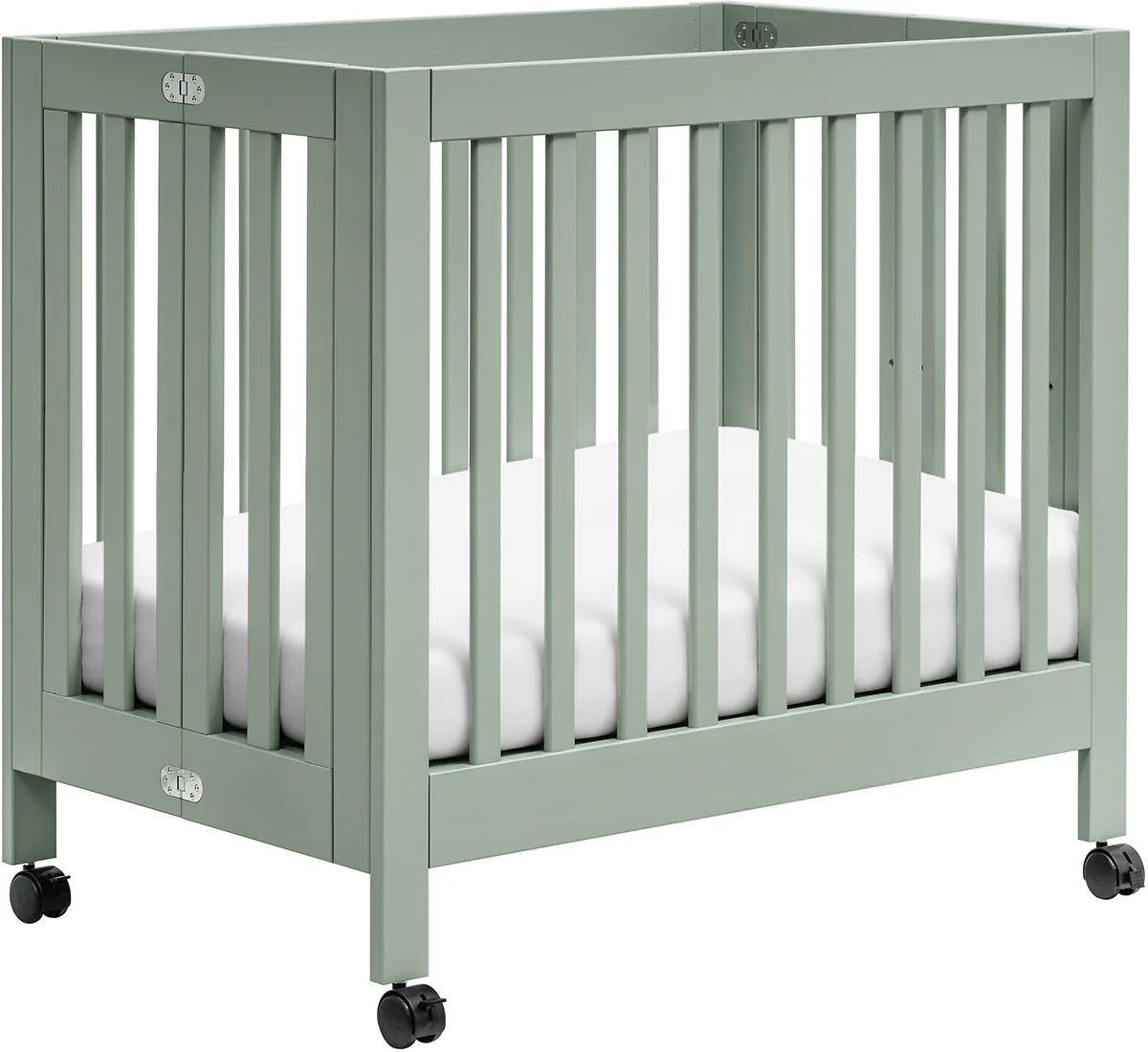
hellolovelyliving albeebaby

Albeebaby

Sweet dreams start here.
Explore Babyletto cribs at Albee Baby—where style, safety, and comfort come together for your little one’s perfect nursery.


No. 3

Talk Through Your Non-Negotiables Clearly

When you’re juggling a newborn and a renovation, clarity is your best friend. Don’t assume your contractors will intuitively know what you need—spell it out clearly and early.

Make your expectations known before the project starts:

  • Designate entrances – If you want workers to use a specific door to avoid tracking dirt through the house, tell them.

  • Set quiet hours – Let them know which times are off-limits for noisy work.

  • Outline safety concerns – Whether it’s tools being left out or doors being left open, make your concerns known.

Contractors are professionals, but they’re not mind readers. The more specific you are about your needs, the smoother the process will be for everyone involved.

Takeaways

Navigating home renovations while caring for a newborn may sound like a recipe for chaos, but with thoughtful planning and clear communication, it’s entirely doable. In this article, we’ve covered key strategies to help you manage both responsibilities without sacrificing your sanity—or your baby’s comfort.

To recap:

  • Coordinate work around your baby’s schedule to protect their sleep.

  • Create a sealed-off, safe space to shield your newborn from dust and noise.

  • Communicate your non-negotiables clearly and confidently with your renovation team.

With these tips in place, you’ll be well-equipped to handle the demands of both parenting and property improvement. And remember—this phase, like all things with babies, is temporary. Soon enough, the renovations will be complete, and you’ll be enjoying your upgraded home with your growing little one in peace.

Let the hammering commence—quietly, of course.

Looking for Home resources?

Looking to enhance your living space and create a sanctuary that supports your well-being? Explore our home partners who offer a wide range of resources to elevate your home environment.

Learn more


homeHLL x Editor


Why A Quality Roof Adds So Much Value To Your Home

When it comes to enhancing your home, there are countless areas to consider—from interior remodels to landscaping upgrades. However, one of the most impactful and often underestimated improvements is upgrading your roof. A high-quality, well-maintained roof does far more than just protect your home from the elements—it also boosts curb appeal, increases energy efficiency, and significantly raises your property value.


In this article, we’ll explore the key reasons why investing in a new or upgraded roof is a smart move for any homeowner. Whether you're preparing to sell or simply want to improve your living space, a roof renovation offers both immediate and long-term benefits that are hard to ignore.

No. 1

Positive First Impressions

When approaching a home, one of the first elements that catches the eye is the roof. If it appears worn, damaged, or outdated, that impression lingers. On the other hand, a clean, modern roof creates a welcoming and polished appearance that enhances the overall aesthetic of your property.

  • A well-maintained roof helps your home stand out in the neighborhood.

  • It contributes to strong curb appeal, which is crucial whether you're selling or simply taking pride in your home.

  • A new roof signals that the property is cared for, setting the tone for what buyers or guests can expect inside.

A visually appealing roof is more than just a cosmetic improvement—it’s a statement of quality and care.

No. 2

Long-Term Durability

While many people view a roof upgrade as purely aesthetic, its functional benefits are even more critical. Your roof is your home’s first line of defense against the elements, and a compromised roof can lead to a host of problems, including:

  • Water damage

  • Mold growth

  • Structural issues

By investing in a durable, high-quality roof, you’re safeguarding your home from these potential hazards. It also means fewer repairs and less maintenance over time, saving you money and stress in the long run.

Hiring a local roofer who understands your region’s specific weather challenges ensures your new roof is built to withstand whatever nature throws at it. This kind of strategic investment preserves your home’s integrity and value for years to come.

No. 3

Enhanced Property Value

Upgrading almost any part of your home can increase its value, but some improvements offer a higher return on investment than others. A new roof is one of those high-impact upgrades that can significantly boost your property’s worth.

  • A visually appealing roof suggests that the entire home is well-maintained.

  • Potential buyers are more likely to make strong offers when they know the roof won’t need immediate attention.

  • A modern, energy-efficient roof can be a key selling point in competitive markets.

In short, a roof that performs well and looks great can be a major asset when it comes time to sell. It gives buyers peace of mind and adds a layer of value that’s both visible and practical.


hellolovelyliving rejuvenation

Rejuvenation

Jumpstart your next home project with Rejuvenation's Home Project Guides! Expert tips, inspiration, and resources to bring your vision to life.

Start planning today!


No. 4

Energy Efficiency

When thinking about energy efficiency, most homeowners focus on appliances, windows, or insulation. However, your roof plays a surprisingly important role in maintaining a comfortable indoor climate.

Modern roofing materials are designed to:

  • Reflect sunlight and reduce heat absorption

  • Improve insulation, keeping warm air in during winter and cool air in during summer

  • Lower your energy bills by reducing the need for heating and cooling

A roof built with energy-efficient materials can make your home more comfortable year-round while also reducing your carbon footprint. This is especially appealing to eco-conscious buyers and anyone looking to cut down on utility expenses.

Takeaways

Upgrading your roof is one of the most valuable improvements you can make to your home. As we’ve outlined in this article, a new or renovated roof offers a wide range of benefits—from enhancing curb appeal and increasing property value to improving durability and boosting energy efficiency.

Whether you're planning to sell your home or simply want to enjoy a more comfortable and efficient living space, a roof upgrade is a smart, forward-thinking investment. It’s not just about aesthetics—it’s about protection, performance, and long-term value.

So, if you're considering your next home improvement project, don’t overlook the roof. It might just be the upgrade that delivers the biggest return.

Looking for Home resources?

Looking to enhance your living space and create a sanctuary that supports your well-being? Explore our home partners who offer a wide range of resources to elevate your home environment.

Learn more


homeHLL x Editor


Three Changes To Make Your Property More Appealing

Are you considering making improvements to your property but unsure where to begin? Whether you're preparing to sell, looking to increase value, or simply want to enjoy your space more, there are countless ways to enhance your home. The key lies in identifying the changes that offer the most impact based on your budget, lifestyle, and goals.


Many people prefer to start with their interiors and upgrade the most used rooms, such as the kitchen or the bathroom. Others will change the outside of their property and make improvements to their garden or upgrade their roof. It depends on the type of property you own and when you last made changes to certain areas.

In this article, we’ll explore three effective and inspiring upgrades that can significantly boost your property’s appeal—both inside and out. From modernizing your kitchen to refreshing your garden and interiors, these ideas are designed to help you fall in love with your home all over again.

No. 1

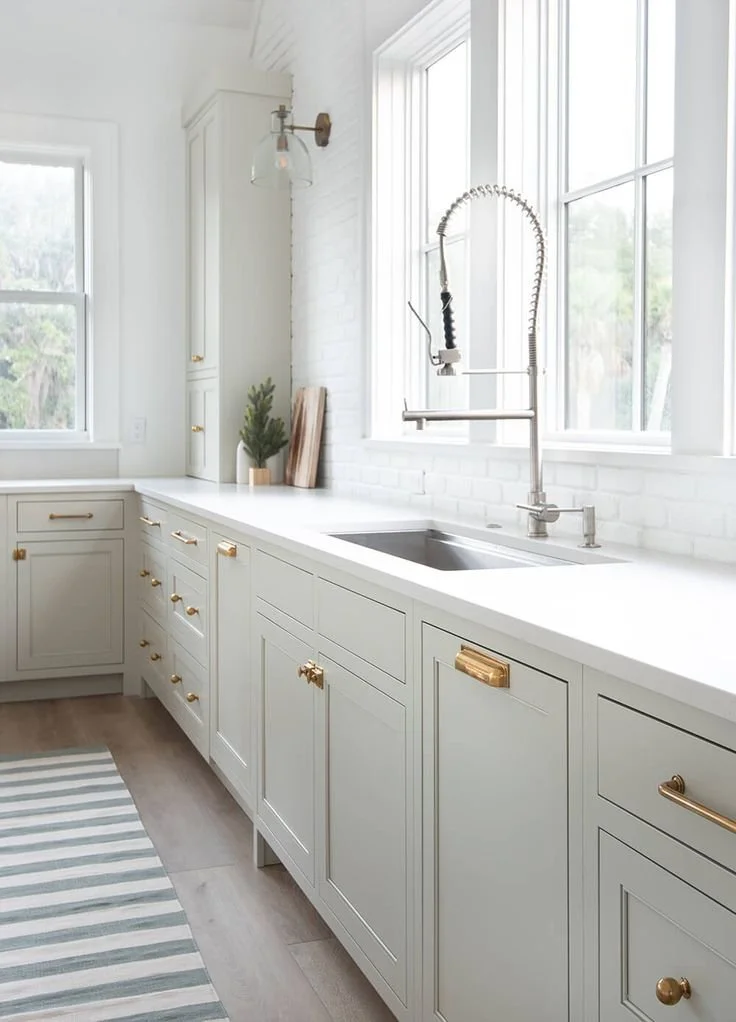
Upgrade Your Kitchen

One of the most popular—and rewarding—places to start is the kitchen. As the heart of the home, it’s where meals are prepared, conversations are had, and memories are made. Because of its central role, upgrading your kitchen can greatly enhance both functionality and aesthetics.

Here are a few impactful ways to improve your kitchen:

  • Upgrade old appliances like your oven with energy-efficient models

  • Upgrade countertops to granite, quartz, or butcher block

  • Install new cabinetry or repaint existing ones

  • Add a stylish backsplash for a modern touch

Even small changes—like new lighting fixtures or updated hardware—can make a big difference. A visit to your local home improvement store can spark ideas and help you visualize the transformation.

No. 2

Improve Your Garden

When was the last time you truly invested in your garden? While regular maintenance is important, making structural or design changes can turn your outdoor space into a true extension of your home.

Consider the following upgrades:

  • Add a deck or patio to create a dedicated entertaining space

  • Install outdoor lighting for ambiance and safety

  • Incorporate raised beds or planters for a touch of greenery

  • Invest in quality outdoor furniture for comfort and style

Decking, in particular, is a fantastic way to define your garden space. It provides a focal point and a practical area for hosting BBQs, lounging, or enjoying your morning coffee. With the right setup, your garden can become a year-round haven.


Terrain

Indoor and outdoor living, garden, and entertaining essentials that are well-designed, lasting, and beautiful.


No. 3

Redecorate Your Interiors

If you're working with a tighter budget, redecorating your interiors is a cost-effective yet powerful way to breathe new life into your home. Over time, walls can become dull, and outdated color schemes can make your space feel tired.

Here’s how to refresh your interiors:

  • Apply a fresh coat of paint to brighten and modernize rooms

  • Experiment with bold colors like deep green, navy, or mustard yellow

  • Update soft furnishings such as curtains, cushions, and rugs

  • Rearrange furniture to improve flow and functionality

You don’t have to commit to a full renovation to make a noticeable difference. Even a simple color change can dramatically alter the mood and energy of a room. Don’t be afraid to step outside the neutral palette—bold colors, when used thoughtfully, can add personality and warmth.

Takeaways

We hope this guide has inspired you to think creatively about how to enhance your property. Whether you choose to upgrade your kitchen, revamp your garden, or redecorate your interiors, each of these changes has the potential to significantly increase your home’s appeal and functionality.

In this article, we’ve focused on three key areas that offer both aesthetic and practical benefits. The best part? You can tailor each suggestion to fit your budget and personal style.

So, what changes are you planning to make to your property? Which of these ideas do you think will have the biggest impact? Is there a tip or suggestion you feel we missed? Let us know in the comments—we’d love to hear from you and continue the conversation on making your home the best it can be.

Looking for Home resources?

Looking to enhance your living space and create a sanctuary that supports your well-being? Explore our home partners who offer a wide range of resources to elevate your home environment.

Learn more


homeHLL x Editor


Stop The Chill: Surprising Ways Your Home Loses Heat

Winter has a way of reminding us just how essential a warm, cozy home truly is. Yet, if you’ve ever found yourself cranking up the thermostat only to still feel a lingering chill, you’re certainly not alone. Many homes lose heat through unexpected and often overlooked areas—causing discomfort and driving up energy bills.


In this article, we’ll explore some surprising and lesser-known ways your home may be losing heat. From your garage to your basement window wells—and even your indoor air quality—we’ll uncover how these hidden culprits affect your comfort and what you can do to fix them. The good news? Most of these solutions are simple, affordable, and incredibly effective.

No. 1

The Garage: A Hidden Heat Drain

If your home has an attached garage, it could be one of the biggest contributors to heat loss. Because garages are typically not insulated to the same standard as the rest of the house, cold air can easily seep through shared walls and into adjacent rooms. Every time the garage door opens, a rush of frigid outdoor air enters—forcing your heating system to work harder to maintain a comfortable temperature.

Key issues include:

  • Gaps around the garage door

  • Thin, outdated doors

  • Uninsulated garage walls

Over time, this constant exposure to cold air not only affects your comfort but can also significantly increase your heating costs. Fortunately, there are effective solutions:

These simple improvements can dramatically reduce heat loss and make your home warmer and more energy-efficient.

No. 2

Basement Window Wells: A Cold Air Gateway

Homes with basements often have window wells—recessed openings that allow natural light and ventilation into below-ground spaces. While they serve practical purposes, especially in colder climates like the Midwest, Northeast, and Mountain states, they can also be a major source of heat loss in winter.

Why? Because:

  • Window wells sit close to cold soil and outdoor air, allowing frigid temperatures to transfer through the basement windows.

  • Cold air seeps into the basement, then spreads throughout the home.

A simple and effective solution is to install a window well cover. These covers:

  • Seal out drafts, snow, and rain

  • Improve insulation

  • Enhance safety without blocking natural light

By addressing this often-overlooked area, you can prevent cold air from creeping in and keep your basement—and the rest of your home—much warmer.


hellolovelyliving arhaus fire pit

Arhaus

Cozy up under the stars with Arhaus fire pits. The perfect blend of warmth, style, and timeless design for your outdoor space.


No. 3

You Need More Lüften: The German Secret to a Warmer Home

In Germany, the practice of lüften—opening windows wide for a few minutes each day—is a time-honored tradition, even in the coldest months. At first glance, it might seem counterintuitive to open windows in winter when you’re trying to retain heat. However, this method can actually help your home stay warmer.

Here’s how it works:

  • Stale, polluted indoor air is harder to heat than fresh air.

  • Fresh air heats up more quickly, making your heating system more efficient.

  • Short bursts of ventilation (5–10 minutes) refresh the air without significantly dropping indoor temperatures.

By incorporating lüften into your daily routine, you can improve air quality, reduce humidity, and make your heating system more effective—all without sacrificing warmth.

Takeaways

Naturally, there are many factors that can make it difficult to keep your home warm, such as poor insulation or an aging heating system. But once you’ve addressed the usual suspects, these lesser-known tips can make a surprising difference.

In this article, we’ve highlighted three unexpected sources of heat loss:

  • The garage, with its uninsulated walls and drafty doors

  • Basement window wells, which act as gateways for cold air

  • Indoor air quality, where practices like lüften can improve heating efficiency

By tackling these hidden heat drains, you can enjoy a cozier, more energy-efficient home all winter long—without the need for major renovations. Sometimes, it’s the smallest changes that bring the biggest warmth.

Looking for Home resources?

Looking to enhance your living space and create a sanctuary that supports your well-being? Explore our home partners who offer a wide range of resources to elevate your home environment.

Learn more


homeHLL x Editor


Why Your Attic Still Smells Damp After Getting New Insulation

Many homeowners assume that simply renovating their attic with fresh insulation will eliminate that persistent damp smell. However, this approach often fails—and in some cases, it can even make the issue worse. Damp odors in the attic are usually symptoms of deeper, underlying problems that insulation alone cannot resolve.


In this article, we’ll explore the most common reasons why your attic might still smell damp even after insulation has been installed. From hidden roof leaks to poor ventilation and missing vapor barriers, we’ll break down the root causes and offer practical solutions to help you restore a dry, fresh-smelling attic space.

No. 1

Hidden Roof Leaks

One of the most frequent culprits behind attic dampness and the main reason people get damp smells in their attics is hidden roof leaks. Even if your roof appears intact from both the inside and outside, usually, the main issue is that small cracks or gaps can allow water to seep in over time, saturating the internal structure and creating a musty odor.

Common causes include:

  • Tiny cracks in shingles or underlayment

  • Ice dams forming during winter

  • Faulty flashing around chimneys or vents

These issues often go unnoticed until the damage becomes significant. The best course of action is to hire a professional roofing contractor who can inspect the roof thoroughly and recommend appropriate repairs. Addressing these leaks at the source is essential to eliminating the damp smell for good.

No. 2

Bathroom and Kitchen Vents Dumping Into the Attic

Another major contributor to attic moisture is improper venting from bathrooms and kitchens. Some builders, in an effort to cut costs, route HVAC and exhaust vents directly into the attic instead of outside the home.

This setup leads to:

  • Excess humidity being trapped in the attic

  • Increased risk of mold and mildew

  • Persistent damp odors

To resolve this, vents should be relocated or rerouted to expel air directly outside—ideally through the nearest exterior wall or roof outlet. This change can dramatically reduce moisture accumulation and improve overall attic air quality.

No. 3

Poor Ventilation

Inadequate attic ventilation is another common reason for lingering damp smells. Without proper airflow, moisture becomes trapped, creating a humid environment that fosters mold and mildew growth.

To improve ventilation:

  • Install soffit and ridge vents to allow consistent airflow

  • Use two-way vents to create cross-breezes

  • Ensure vents aren’t blocked by insulation or debris

Proper ventilation helps regulate humidity levels and allows moist air to escape before it can cause damage. In many cases, simply increasing airflow can significantly reduce or eliminate damp odors.


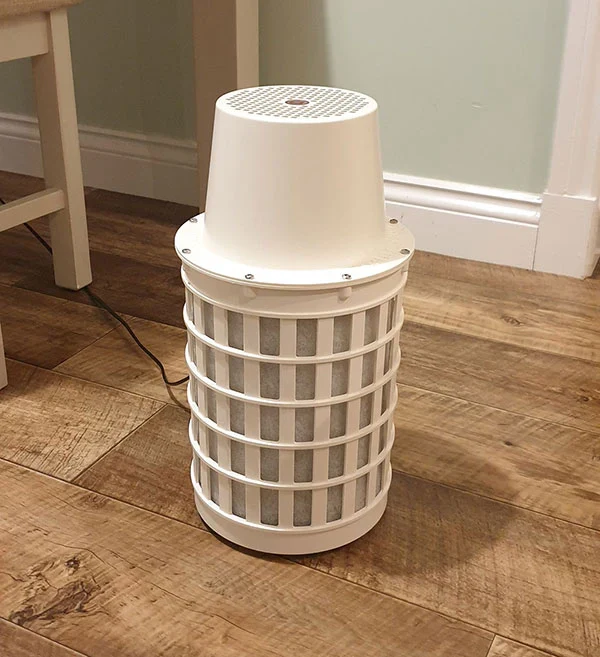
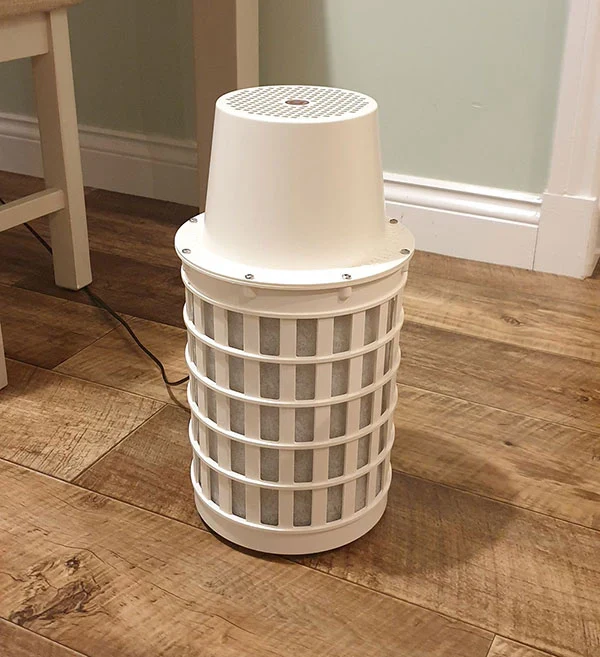
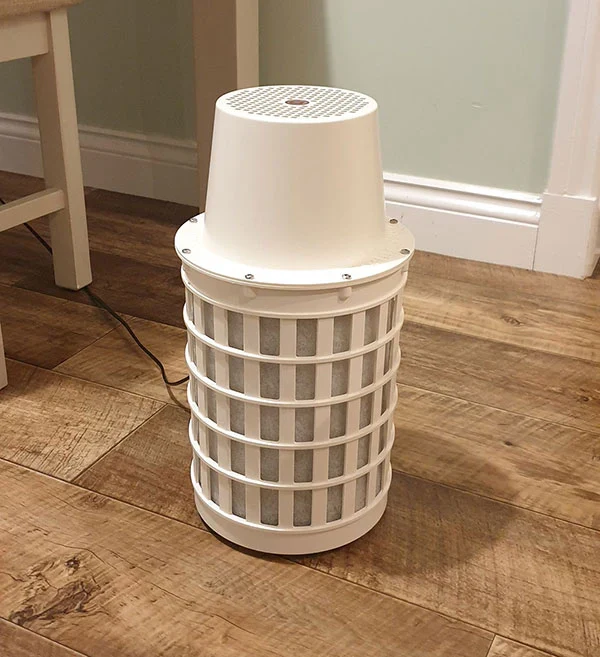
hellolovelyliving smell away

Smell Away

Say goodbye to stubborn odors with the Smell Away® Odor Neutralizing Machine! Perfect for homes, it eliminates pet smells, cooking odors, dampness, and more—leaving your space fresh and inviting.

Shop now for cleaner, healthier air!


No. 4

Improper Insulation Installation

Even with new insulation, improper installation can exacerbate dampness. If insulation is placed over wet materials or installed without addressing existing moisture issues, it can trap water and worsen the smell.

Warning signs include:

  • Wet or soggy insulation

  • Visible mold or moss behind insulation layers

  • A musty odor that persists despite recent upgrades

To check for this issue, carefully pull back a section of insulation and inspect the area behind it. If you find moisture or mold, you’ll need to remove the affected material, dry the area thoroughly, and possibly replace the insulation with new, dry material.

No. 5

No Vapor Barrier

A vapor barrier is a critical component in preventing moisture buildup in attics. Without it, warm, moist air from the living spaces below can rise into the attic, condense on cooler surfaces, and create an environment ripe for mold and mildew.

Without a vapor barrier, you may experience:

  • Condensation during cooler temperatures

  • Increased humidity levels

  • Persistent damp smells

Installing a proper vapor barrier helps block moisture from entering the attic in the first place. This barrier should be placed on the warm side of the insulation (typically facing the interior of the home) to effectively prevent condensation.

Takeaways

If your attic still smells damp after adding insulation, it’s likely that the underlying issue hasn’t been resolved. Insulation alone cannot fix problems like hidden leaks, poor ventilation, or improper vapor control.

In this article, we’ve explored the most common reasons why damp odors persist in attics and provided actionable solutions to address each one. By identifying the true source of the moisture—whether it’s a leaking roof, misdirected vents, or missing vapor barriers—you can take targeted steps to eliminate the smell and protect your home from further damage.

Ultimately, a dry, fresh-smelling attic isn’t just about comfort—it’s about maintaining the structural integrity and health of your entire home. With the right approach, you can ensure your attic remains a clean, dry, and functional space for years to come.

Looking for Home resources?

Looking to enhance your living space and create a sanctuary that supports your well-being? Explore our home partners who offer a wide range of resources to elevate your home environment.

Learn more


homeHLL x Editor


Extend The Life Of Your Home With These Tips

There are countless compelling reasons to want your home to stand the test of time. Beyond the obvious financial benefits—such as preserving and even increasing your property’s value—a well-maintained home is simply a better place to live. It functions more efficiently, looks more appealing, and provides a sense of pride and security that’s hard to quantify.


In this article, we’ll explore essential strategies to help extend the life of your home. From regular inspections and moisture control to HVAC maintenance and foundation protection, these practical tips will help you ensure your home remains a safe, beautiful, and valuable space for years to come.

No. 1

Regular Inspections

One of the simplest yet most effective ways to preserve your home is by conducting regular inspections. This proactive habit allows you to identify and address minor issues before they escalate into costly repairs.

Focus your inspections on key areas such as:

  • Roofing: Look for missing shingles, leaks, or signs of wear.

  • Foundation: Check for cracks or water pooling.

  • Plumbing: Monitor for leaks, corrosion, or low water pressure.

  • Electrical systems: Ensure wiring and outlets are safe and up to code.

Aim to inspect these areas at least twice a year to keep your home in optimal condition. Making this a routine part of your home care will pay dividends over time.

No. 2

Maintain Your Roof & Gutters

Your roof is your home’s first line of defense against the elements, and your gutters play a critical role in directing water away from the structure. Together, they protect everything beneath them.

To keep them in top shape:

  • Clean gutters regularly to prevent blockages and water damage.

  • Inspect for missing or damaged shingles and repair them promptly.

  • Check for signs of leaks both inside and outside the home

Addressing these issues early can prevent extensive water damage and structural deterioration. While some tasks can be DIY, don’t hesitate to hire professionals to carry out an early roof repair before it gets any worse.

No. 3

Control Moisture Levels

Moisture is one of the most underestimated threats to a home’s longevity. Left unchecked, it can lead to mold, rot, and even structural damage.

To manage moisture effectively:

  • Fix leaks immediately, whether from plumbing or the roof.

  • Ventilate high-humidity areas like bathrooms and kitchens.

  • Use dehumidifiers in basements or damp-prone rooms.

These simple actions can dramatically reduce the risk of moisture-related damage and help your home stay healthier and more resilient.


Rejuvenation

Rejuvenation believes in the power of thoughtful design - explore their extensive range of outdoor hardware, including stylish accessories that add character and charm to your home's exterior.


No. 4

Maintain Your HVAC Systems

Your heating, ventilation, and air conditioning (HVAC) systems work hard to keep your home comfortable year-round. Proper maintenance not only extends their lifespan but also improves energy efficiency and indoor air quality.

Here’s how to care for your HVAC systems:

  • Replace filters regularly (typically every 1–3 months).

  • Schedule annual professional inspections to ensure optimal performance.

  • Clean vents and ducts to maintain airflow and reduce allergens.

By investing a little time and effort into HVAC maintenance, you’ll enjoy a more comfortable home and avoid costly repairs down the line.

No. 5

Protect the Foundation

The foundation is literally what your home is built on—so protecting it is non-negotiable. Water is the biggest threat here, as it can erode and weaken the structure over time, which can damage the foundation.

To safeguard your foundation:

  • Ensure proper drainage by grading landscaping away from the house.

  • Inspect for cracks or signs of settling and address them promptly.

  • Install or maintain gutters and downspouts to direct water safely away.

If you notice any warning signs, consult a professional to assess the situation. Early intervention can prevent major structural issues and preserve your home’s integrity.

No. 6

Maintain Exterior Surfaces

Caring for your home’s exterior isn’t just about aesthetics—it’s also about protection. Paint, siding, and trim shield your home from weather damage and wear.

To keep your exterior in top shape:

  • Repaint or reseal surfaces as needed to maintain a protective barrier.

  • Inspect for signs of wear, such as peeling paint or cracked siding.

  • Perform touch-ups promptly to prevent small issues from escalating.

Regular upkeep of your home’s exterior will not only enhance curb appeal but also extend the life of the materials and structure beneath.

Takeaways

Extending the life of your home doesn’t require massive renovations or constant upgrades. Instead, it’s about consistent, thoughtful maintenance and a proactive approach to small issues before they become major problems.

By following the strategies outlined in this article—from regular inspections and moisture control to HVAC and foundation care—you’ll be well on your way to preserving your home’s value, functionality, and beauty for many years to come.

Whether you’re planning to stay in your home for decades or simply want to protect your investment, these practices will help you create a living space that’s not only long-lasting but also a true source of pride.

Looking for Home resources?

Looking to enhance your living space and create a sanctuary that supports your well-being? Explore our home partners who offer a wide range of resources to elevate your home environment.

Learn more


homeHLL x Editor


How To Properly Winterize A Desert Home

When people think of states like Arizona, Nevada, or New Mexico, the image that usually comes to mind is one of scorching sunshine, palm trees, endless cacti, and dry heat. Thanks to pop culture portrayals like Breaking Bad, many assume that a light jacket is all you’ll ever need. And sure, in the summer, when triple-digit temperatures are the norm, that assumption makes sense.


But here’s the reality check: winter still exists in the desert—and it’s colder than you think.

In this article, we’ll debunk the myth that desert homes don’t need winterizing, explain why the cold hits differently in arid climates, and walk you through simple, effective ways to keep your desert home warm and comfortable during the colder months. Whether you're a full-time resident or a seasonal snowbird, these tips will help you avoid the all-too-common mistake of underestimating the desert chill.

No. 1

Desert Homes Aren’t Exactly Built for the Cold

Here’s the thing many newcomers don’t realize: desert homes are designed to beat the heat, not the cold. Their architecture is focused on staying cool during those blistering summer days. That means:

  • Tile floors that stay cool underfoot

  • High ceilings that promote airflow

  • Minimal insulation

  • Drafty sliding doors and windows

All of these features are fantastic when it’s 105°F outside—but once winter hits, they can turn your home into an icebox. That moment when you step out of a warm bed onto a freezing tile floor? In the desert, that’s not just a moment—it’s the whole house.

And depending on the age of your home, your heating options might vary wildly. Some older homes don’t have heaters at all. Others might have outdated systems in need of repair, while newer builds may include HVAC systems or even wood stoves. Some residents rely solely on space heaters, which can be effective but come with their own limitations.

No. 2

Desert Cold Just Hits Different

So why does a 45-degree night in the desert feel colder than the same temperature elsewhere?

It’s all about the dry air and rapid temperature drop. In humid climates, moisture in the air can act as a buffer, slowing down how quickly your body loses heat. But in the desert, the dry air allows heat to escape from your body faster, making the cold feel sharper and more penetrating. It’s not just chilly—it’s bone-deep.

That’s why desert locals often say, “It’s a different kind of cold.” And they’re not wrong.


hellolovelyliving rock solar

Rock Solar

Eco-friendly portable power solutions for commercial use, homes, RVs, and campers and cabins. Harness clean energy, reduce your carbon footprint, and power your life sustainably.


No. 3

But How Can You Make Your Desert Home Warmer?

The good news? You don’t need to go full cabin-in-the-woods mode with firewood stacked outside and thermal curtains on every window (although if you have a real fireplace, that’s a cozy bonus).

Instead, here are simple, practical ways to winterize your desert home without a major renovation:

1. Add Rugs to Tile Floors

Tile is great for summer, but in winter, it’s a heat-sapping nightmare. Lay down thick area rugs or runners in high-traffic areas and bedrooms to keep your feet warm and reduce heat loss.

2. Use Heavier Curtains

Swap out your light, breezy summer drapes for thermal or blackout curtains. These help insulate your windows and keep the warmth inside—especially at night when temperatures drop quickly.

3. Seal Drafts Around Doors and Windows

Desert homes often have older sliding doors or single-pane windows that let cold air seep in. Use weatherstripping, draft stoppers, or caulk to seal gaps and prevent heat from escaping.

4. Upgrade Bedding and Sleepwear

Trade in your thin summer sheets for a thick comforter or duvet. Add flannel sheets, wear fuzzy socks, and keep an extra blanket nearby. These small changes make a big difference on cold desert nights.

5. Inspect and Maintain Heating Systems

If your home has a central heating system, wood stove, or space heaters, make sure they’re in good working order before winter hits. Schedule a heater repair service if needed, and consider upgrading to a more efficient system if your current one is outdated.

Takeaways

Just because you live in the desert doesn’t mean you’re immune to winter. In fact, the cold in arid regions can be surprisingly intense—especially at night. The architecture of desert homes, while perfect for summer, often lacks the insulation and heating infrastructure needed for colder months.

By taking a few simple steps—like adding rugs, sealing drafts, and swapping out your bedding—you can make your home significantly warmer and more comfortable. And if you’re a snowbird or new to the area, don’t make the rookie mistake of assuming you won’t need a coat. You will.

Winterizing your desert home isn’t about overhauling your lifestyle—it’s about making smart, seasonal adjustments that keep you cozy when the desert chill sets in. So go ahead, pull out those fuzzy socks and thermal curtains—your bones will thank you.

Looking for Home resources?

Looking to enhance your living space and create a sanctuary that supports your well-being? Explore our home partners who offer a wide range of resources to elevate your home environment.

Learn more


homeHLL x Editor


Why Your Home Still Smells Like Dog After Cleaning

You know that moment—you walk in the door, take a deep breath, and think, “Okay… why does it smell like dog again?” It’s not always obvious to you, but it’s definitely there. Some people notice it right away, while others—especially dog owners—become so accustomed to it that they forget it exists. That is, until someone comes over and politely makes a remark. And let’s be honest, it’s embarrassing. It makes you feel like you’ve somehow neglected your cleaning routine, all because of a stubborn smell that just won’t quit.


hellolovelyliving blue fawn pitbull musa

Hello Lovely Living’s Blue Fawn Pitbull, Musa


But here’s the thing—you know for a fact you’re not dirty. You know you’re not unclean, and you know for a fact that you do a good job cleaning up the house. You vacuum almost daily. You’ve got a Roomba doing laps while you’re at work. You mop. You’ve lit every candle Bath & Body Works has ever made. And still, there it is—that faint, undeniable dog smell. It’s not offensive exactly, just... there. And that’s the problem—it feels permanent.

Like your dog has somehow merged with your home on a molecular level. Okay, maybe that’s a bit dramatic, but not entirely wrong. Dogs are practically scent machines. Think about it—they roll in grass, sleep on the couch, and shed like it’s their job. Their fur traps odors, and their paws track in dirt. So yeah, it makes total sense why they smell. But let’s dive deeper into the why—because understanding the science behind it is the first step toward finally tackling it.

In this article, we explore the persistent issue of lingering dog odor in the home, even when regular cleaning routines are in place.

No. 1

Dog Smell Is Basically Science

Let’s get technical for a second—because yes, nearly everything can be explained by science. Dogs produce natural oils that help keep their coats healthy and their skin moisturized. But those oils? They’re basically odor magnets. And yes, that sounds gross—because it kind of is.

These oils cling to everything: your furniture, your curtains, your rugs, your clothes—basically anything soft and absorbent. Add in a little drool, some tracked-in outdoor grime (dirt, feces, pollen, and more), and suddenly your home has developed its own custom scent. And not the good kind. This also explains that infamous wet dog smell when it rains—moisture activates all those trapped odors and releases them into the air.

No. 2

Here’s Why Regular Cleaning Just Isn’t Enough

And this is the most frustrating part. You can vacuum until your arm falls off, but unless your vacuum has the suction power of a small tornado, it’s probably missing most of what’s buried deep in your carpet.

So what exactly is hiding in there? Dirt, oils, hair, and dander—all of it gets embedded deep into the actual fibers of your carpet. And it’s not just carpets. The smell is hiding in every soft surface in your home: sofas, curtains, mattresses, throw blankets—you name it.

That’s why it might be time to take things a step further and look into healthy carpet cleaning. Not only does it make your home look and feel fresher, but it also helps eliminate the bacteria and odor-causing agents that are trapped deep within your fabrics.


hellolovelyliving smell away

Smell Away

Say goodbye to stubborn odors with the Smell Away® Odor Neutralizing Machine! Perfect for homes, it eliminates pet smells, cooking odors, dampness, and more—leaving your space fresh and inviting.

Shop now for cleaner, healthier air!


No. 3

You Can Keep It Fresh

Here’s the good news: the goal isn’t to make your home smell like it’s never had a dog in it. That’s impossible—and honestly, kind of sad. The real goal is balance. Yeah, it’s the most generic answer in the world, but it’s true. You want your home to smell fresh without feeling like you’re fighting a losing battle.

That means being realistic and proactive:

  • Toss out old, smelly toys

  • Wash the blankets your dog sleeps on

  • Wipe down their beds regularly

  • Give your dog a bath (with a gentle, odor-neutralizing shampoo)

  • Brush them often to reduce shedding

  • Clean their paws after walks

Will it eliminate every trace of dog smell? No. But it will make a noticeable difference—and that’s what matters.

Takeaways

Let’s be real—dogs are messy. They’re adorable, loyal, and full of love, but they’re also walking, shedding, drooling scent machines. That doesn’t mean your home has to smell like a kennel. You’re doing your best, and that deserves credit. But if you want to finally win the battle against that lingering dog smell, it’s time to go beyond surface cleaning.

Understand the science behind the scent. Target the soft surfaces. Use the right tools. And most importantly, don’t beat yourself up. You’re not failing—you’re just living with a dog. And now, you’ve got the knowledge to take control of the odor without sacrificing the comfort of your home or the joy of your furry companion.

Because let’s face it—your home should smell like you, not your dog.

Looking for Home resources?

Looking to enhance your living space and create a sanctuary that supports your well-being? Explore our home partners who offer a wide range of resources to elevate your home environment.

Learn more


homeHLL x Editor


3 Telltale Signs Your Home Needs A Deep Clean

A clean home is more than just a visual delight—it’s a sanctuary for your health, productivity, and peace of mind. But even the tidiest-looking spaces can harbor hidden grime, allergens, and clutter that slowly chip away at your comfort. Often, the signs that your home needs a deep clean aren’t glaringly obvious. They sneak up subtly, disguised as everyday annoyances or minor inconveniences that are easy to overlook.


The truth is, many nice-looking homes that appear neat on the surface are only superficially clean. Beneath the polished countertops and vacuumed carpets, there may be layers of dust, allergens, and disorganization quietly building up. If you’ve been feeling off in your own space, or if your home just doesn’t feel quite right lately, it might be time to dig a little deeper.

In this guide, we’ll walk you through three unmistakable signs that your home is overdue for a deep clean. If any of these sound familiar, it’s time to grab the gloves, pull out the disinfectant, and give your space the attention it deserves.

No. 1

You’re Sniffly and Sneezing a Lot

If your nose is constantly running or you’re sneezing more than usual, don’t be so quick to blame seasonal allergies or a passing cold. The culprit might be closer than you think—your home.

When dust, pet dander, hair, and other allergens are allowed to accumulate, your respiratory system is often the first to react. Your eyes may itch, your nose may run, and you might find yourself sneezing uncontrollably—even when the windows are closed.

In some cases, the issue goes beyond dust. You could be reacting to rodent or insect allergens. Dust mites are common, but if there’s evidence of mice, rats, or even ants nesting under floorboards or behind walls, their droppings and dander can trigger serious allergic reactions.

If your symptoms persist or worsen, it’s worth doing a little detective work. And if you suspect pests are part of the problem, don’t hesitate to search for a reliable pest control near me service to handle the issue professionally and safely.

No. 2

You Can Never Find Anything

How long does it take you to locate a pen when you need one? What about that stapler or pair of scissors you know you bought recently, but now seem to have vanished into thin air?

If your daily routine involves rummaging through drawers, overturning cushions, or emptying out cabinets just to find basic items, it’s a clear sign that your home is not functioning efficiently—and that a deep clean is long overdue.

Deep cleaning isn’t just about scrubbing baseboards or disinfecting countertops. It’s also about restoring order to your space. A cluttered environment makes it harder to stay organized, which in turn leads to more clutter, more stress, and more wasted time.

By decluttering and deep cleaning, you create a more functional, livable space where everything has its place—and you can finally stop tearing the living room apart every time you need a pen.


hellolovelyliving aircraft

Aircraft

Achieve spotless floors with Aircraft hard floor cleaners! Designed for efficiency and effectiveness, their products ensure a clean and safe environment for everyone.

Elevate your home or office cleanliness today!


No. 3

You Feel Uncomfortable When Looking Around

Sometimes, the most telling sign is simply how your home feels. Maybe there are crumbs under the toaster that you can’t remember the origin of. Perhaps there are mysterious marks on the floor near the door, or your sofa cushions are looking a little too deflated and out of place.

If you find yourself glancing around your home and feeling a sense of discomfort or dissatisfaction, it’s time to listen to that instinct. That uneasy feeling is your brain’s way of telling you that your environment isn’t supporting your well-being.

Feeling uncomfortable in your own space is one of the clearest indicators that a deep clean is needed. It’s not just about appearances—it’s about regaining control of your environment and creating a home that feels fresh, welcoming, and aligned with your lifestyle.

Takeaways

When your home is in need of a deep clean, the signs often creep in quietly. A sniffle here, a missing item there, a vague sense of unease when you look around—these are all your home’s way of asking for attention. And while it’s easy to dismiss them as minor annoyances or part of everyday life, ignoring them only allows the problem to grow.

By recognizing these subtle cues and taking action, you can transform your space from a source of stress into a place of comfort and clarity. So if you’ve been sneezing more than usual, constantly misplacing items, or just feeling off in your own home, don’t wait. Break out the cleaning supplies, roll up your sleeves, and give your home the deep clean it deserves. Your health, your happiness, and your future self will thank you.

Looking for Home resources?

Looking to enhance your living space and create a sanctuary that supports your well-being? Explore our home partners who offer a wide range of resources to elevate your home environment.

Learn more


homeHLL x Editor


How To Make Your Home A Safe And Secure Sanctuary

We all strive to live in a home that brings us joy, comfort, and a deep sense of security. Our living spaces should be sanctuaries—places where we can unwind, recharge, and feel protected. However, even the most beautifully designed and peaceful homes can conceal hidden dangers. From physical hazards to invisible threats like poor air quality or harmful gases, ensuring your home is truly safe requires proactive effort.


In this comprehensive guide, we’ll walk you through essential steps to transform your home into a secure haven. Whether you're a homeowner, renter, or someone simply looking to enhance your living environment, these practical tips will help you identify risks, implement safety measures, and enjoy greater peace of mind in your everyday life.

No. 1

Carry Out a Risk Assessment

When we hear the term “risk assessment,” we often associate it with workplaces or public venues. However, applying the same principles to your home can be incredibly beneficial. A home risk assessment involves a thorough walkthrough of your living space to identify potential hazards that could compromise your safety or well-being.

Common Household Hazards to Look For:

  • Trailing wires or cords that could cause trips and falls

  • Obstructions in hallways or staircases

  • Loose rugs or mats that may slip underfoot

  • Unsecured cupboards containing medications or cleaning supplies—especially dangerous if you have children or pets

  • Poor lighting in high-traffic areas

Once you've compiled a list of potential dangers, take action to address them. This might involve rearranging furniture, installing childproof locks, or simply tidying up cluttered areas. The goal is to eliminate or minimize risks before they lead to accidents or injuries.

No. 2

Explore Testing Services

Even the most vigilant homeowners can overlook hidden threats. Some of the most dangerous risks are invisible, like carbon monoxide or radon gas. These substances can accumulate without any noticeable signs, making professional testing services an essential part of home safety.

Radon Testing and Mitigation

Radon is a naturally occurring radioactive gas that can seep into homes through cracks in foundations or walls. Long-term exposure to high radon levels is a leading cause of lung cancer among non-smokers. Fortunately, professional radon testing can detect elevated levels, and radon mitigation systems can be installed to reduce them effectively.

Carbon Monoxide Detection

Carbon monoxide (CO) is a colorless, odorless gas that can be lethal in high concentrations. Common sources include gas stoves, fireplaces, and furnaces. Symptoms of CO poisoning include:

  • Severe headaches

  • Dizziness and weakness

  • Nausea

  • Shortness of breath

  • Lethargy

To protect your household, install carbon monoxide detectors on every floor, especially near sleeping areas. Test them regularly and replace batteries as needed.

No. 3

Test the Air Quality

The quality of the air you breathe inside your home plays a critical role in your overall health—especially if you suffer from allergies, asthma, or other respiratory conditions. Poor indoor air quality can lead to chronic symptoms and discomfort, but the good news is that it's manageable with the right tools and habits.

How to Improve Indoor Air Quality:

  • Use HEPA filters in your HVAC system and vacuum cleaners

  • Clean frequently to reduce dust, pet dander, and allergens

  • Ventilate your home by opening windows and using exhaust fans

  • Add air-purifying plants like peace lilies or snake plants

  • Invest in an air purifier with a high Clean Air Delivery Rate (CADR)

Regular air quality testing can help you determine whether your efforts are effective and guide you in making further improvements.


hellolovelyliving smell away

Smell Away

Say goodbye to stubborn odors with the Smell Away® Odor Neutralizing Machine!

Eliminate odors and create a clean, welcoming environment for your customers and employees.Shop now for cleaner, healthier air!


No. 4

Boost Security

Home safety isn’t just about preventing accidents—it’s also about feeling secure and protected from external threats. Enhancing your home’s security measures can provide invaluable peace of mind, whether you’re home alone, away on vacation, or simply sleeping at night.

Smart Ways to Enhance Home Security:

  • Install doorbell cameras to monitor visitors and deliveries

  • Use CCTV systems for real-time surveillance of your property

  • Set up smart alarm systems that alert you and authorities in case of intrusion

  • Add motion-sensor lights around entrances and dark corners

  • Secure doors and windows with high-quality locks and reinforcements

  • Use timers for lights and electronics to make it appear as if someone is always home

  • Keep valuables out of sight from windows and entryways

Even simple steps—like locking doors consistently and trimming overgrown bushes near windows—can make a significant difference in deterring potential intruders.

Takeaways

Your home should be more than just a place to live—it should be a sanctuary that nurtures your well-being and offers a sense of peace and protection. While it’s easy to assume that your home is safe, hidden hazards and overlooked details can compromise your security and health.

By taking proactive steps—such as conducting regular risk assessments, addressing physical hazards, utilizing professional testing services for radon and carbon monoxide, improving indoor air quality, and upgrading your home security—you can create a living space that truly supports your safety and serenity.

Remember, safety isn't a one-time task; it's an ongoing commitment. With a little diligence and the right tools, you can ensure that your home remains a safe, secure, and welcoming environment for you and your loved ones.

Looking for Home resources?

Looking to enhance your living space and create a sanctuary that supports your well-being? Explore our home partners who offer a wide range of resources to elevate your home environment.

Learn more


homeHLL x Editor


The Sacred Art Of Creating Your Year-Round Home Sanctuary

Have you ever walked into a space and immediately felt your shoulders drop, your breath deepen, and your entire being exhale with relief? That sensation isn't accidental. It's the result of harmonious environmental elements working together to support your well-being. When considering upgrades like residential new furnace installation or exploring energy-efficient heating system installation options, you're not just making a mechanical decision. You're choosing to honor the sacred space where you live, breathe, and evolve into your highest self.


The journey toward conscious living extends far beyond mindfulness practices and healthy eating habits. It encompasses every element of our environment, including the invisible systems that regulate our home's atmosphere. Just as we wouldn't compromise on the quality of food we nourish our bodies with, we shouldn't settle for anything less than optimal when it comes to the air we breathe and the comfort that surrounds us daily. Understanding home comfort transformation stories from others who have prioritized their living environments can illuminate the profound impact these choices have on daily wellness. Similarly, Better Homes & Gardens energy efficiency insights provide practical wisdom for creating spaces that support both personal and planetary health.

The relationship between our physical environment and our mental, emotional, and spiritual well-being forms an intricate dance. When our homes maintain consistent, comfortable temperatures throughout changing seasons, we create a stable foundation that allows us to focus on what truly matters: personal growth, meaningful connections, and the pursuit of our authentic purpose.

In this guide, we’ll explore how modern climate control systems, mindful maintenance, and sustainable technologies can transform your home into a sanctuary that nurtures every aspect of your being—physical, emotional, mental, and spiritual.

No. 1

Understanding the Energetic Flow of Home Climate

Think of your home's heating and cooling systems as the breath of your living space. Just as pranayama breathing techniques regulate our internal energy, properly functioning climate control maintains the vital flow throughout your sanctuary. When this flow becomes disrupted or imbalanced, the effects ripple through every aspect of daily life.

Temperature regulation directly influences sleep quality, which serves as the foundation for cognitive function, emotional stability, and physical restoration. Research consistently demonstrates that optimal sleeping environments maintain temperatures between 60 and 67 degrees Fahrenheit, allowing our bodies to enter deeper, more restorative sleep cycles. When our homes cannot maintain these ideal conditions, we compromise one of the most fundamental aspects of holistic wellness.

Beyond sleep, ambient temperature affects our ability to maintain focus during meditation, enjoy movement practices like yoga, and create spaces conducive to creative expression. A home that's too warm promotes sluggishness and mental fog, while excessive cold creates tension and distraction. The sweet spot of perfect climate control allows us to exist in flow states more readily, accessing deeper levels of consciousness and productivity.

No. 2

The Holistic Benefits of Modern Climate Solutions

Contemporary heating and cooling technology has evolved far beyond simple temperature adjustment. Today's systems integrate seamlessly with conscious living principles, offering benefits that extend into multiple dimensions of well-being.

Air quality management has emerged as a critical component of home wellness systems. Advanced filtration removes not only visible particles like dust and pollen but also microscopic pollutants, volatile organic compounds, and even certain bacteria and viruses. For individuals with respiratory sensitivities, allergies, or compromised immune systems, these enhanced filtration capabilities can dramatically improve daily comfort and long-term health outcomes.

Humidity regulation represents another often-overlooked aspect of home climate that profoundly impacts wellness. Excessive humidity creates environments where mold and mildew thrive, triggering respiratory issues and creating musty, uncomfortable spaces. Insufficient humidity, particularly during winter months, leads to dry skin, irritated sinuses, and increased susceptibility to respiratory infections. Modern climate control systems maintain optimal humidity levels automatically, creating the balanced environments our bodies naturally thrive within.

Energy efficiency considerations align perfectly with the values of conscious consumption and environmental stewardship. When we invest in high-efficiency systems, we simultaneously reduce our carbon footprint while lowering operational costs. This dual benefit allows us to allocate resources toward other wellness priorities while honoring our commitment to planetary health.

No. 3

Seasonal Transitions and Home Harmony

The Canadian climate presents unique challenges that require thoughtful approaches to year-round comfort. The dramatic temperature swings between summer heat and winter cold demand systems capable of maintaining consistent internal environments regardless of external conditions.

Spring and fall shoulder seasons often prove most challenging, as daily temperature fluctuations require frequent adjustments between heating and cooling modes. Smart climate control systems address this challenge through adaptive learning algorithms that anticipate needs based on weather patterns, time of day, and household routines. This intelligent automation removes the constant manual adjustment burden while optimizing energy consumption.

Winter months in Canadian climates test heating systems most severely. Sustained periods of sub-zero temperatures require reliable, efficient heating that can maintain comfortable indoor environments without creating excessive dryness or energy consumption spikes. Modern heating solutions address these demands through variable-speed operation that adjusts output to match real-time needs rather than cycling constantly between full power and complete shutdown.

Summer cooling needs, while perhaps less extreme than winter heating demands in many Canadian regions, still require capable systems that can manage humidity alongside temperature control. The combination of warm temperatures and high humidity creates uncomfortable, sticky environments that interfere with sleep, productivity, and overall comfort. Efficient cooling systems remove excess moisture while lowering temperatures, creating the crisp, refreshing indoor environments we associate with optimal comfort.


hellolovelyliving hilu

Hilu

Ensure you and your loved ones enjoy a deeper, more restful sleep with the only blanket that actively adapts to keep your temperature perfect


No. 4

Creating Zone-Based Comfort for Individual Needs

One of the most transformative advances in home climate technology involves zone-based control systems that allow different areas to maintain distinct temperature settings simultaneously. This capability proves particularly valuable in households where different family members have varying comfort preferences or where certain spaces serve specialized functions.

Bedrooms can maintain cooler temperatures ideal for restorative sleep while living areas remain at comfortable levels for waking activities. Home offices can be kept cooler to promote alertness and focus, while yoga or meditation spaces maintain slightly warmer temperatures that support flexibility and relaxation. This customization allows each space to fulfill its intended purpose optimally.

Zone-based systems also deliver significant energy savings by reducing heating or cooling in unused spaces. Guest rooms, storage areas, and other occasionally-used spaces don't need to maintain the same comfort levels as primary living areas. By directing climate control resources where they're actually needed, these systems reduce waste while enhancing comfort in high-use zones.

No. 5

The Investment in Long-Term Wellness

When we reframe climate control upgrades as wellness investments rather than mere equipment purchases, the value proposition shifts dramatically. Yes, modern systems require upfront investment, but the returns manifest across multiple dimensions of life quality.

Improved sleep quality alone justifies climate control investment for many individuals. Better sleep supports immune function, cognitive performance, emotional regulation, and physical recovery. The compounding benefits of consistent, restorative sleep over months and years cannot be overstated.

Enhanced air quality reduces allergy symptoms, respiratory irritation, and sick days. Families with young children or elderly members particularly benefit from the improved air quality that modern filtration provides. The reduction in airborne irritants and pathogens creates healthier environments that support rather than challenge our immune systems.

Energy efficiency delivers ongoing cost savings that accumulate substantially over system lifespans. The difference between aging, inefficient systems, and modern high-efficiency equipment can amount to hundreds or even thousands of dollars annually. These savings can be redirected toward other wellness priorities: organic food, fitness memberships, educational opportunities, or experiences that enrich our lives.

No. 6

Mindful Selection and Installation Practices

Approaching climate control decisions with the same mindfulness we bring to other life choices ensures optimal outcomes. Rather than defaulting to the cheapest option or the most aggressive sales pitch, conscious selection involves researching options, understanding personal needs, and choosing solutions that align with both practical requirements and deeper values.

Professional assessment provides crucial insights into appropriate system sizing, optimal equipment selection, and installation considerations specific to your home's unique characteristics. Undersized systems run constantly without achieving comfortable conditions, while oversized equipment cycles inefficiently and fails to properly manage humidity. Proper sizing calculations account for square footage, insulation quality, window characteristics, sun exposure, and local climate patterns.

Installation quality matters as much as equipment selection. Even premium systems underperform when installed incorrectly. Seeking qualified contractors with strong reputations, proper licensing, and solid warranties protects your investment and ensures the system performs as designed. Don't hesitate to ask for references, verify credentials, and compare multiple proposals before making final decisions.

No. 7

Maintenance as Ritual Practice

Just as we maintain our bodies through movement, nutrition, and rest, our home climate systems require regular care to perform optimally. Establishing maintenance routines transforms necessary tasks into mindful practices that support our living environments.

Filter changes represent the most basic yet crucial maintenance task. Clean filters allow proper airflow while capturing particles that would otherwise circulate through living spaces. Setting regular replacement schedules based on manufacturer recommendations and your home's specific conditions ensures consistent performance. Some households benefit from monthly changes, while others can extend to quarterly intervals depending on factors like pet presence, outdoor air quality, and system usage levels.

Annual system inspections by qualified technicians catch minor issues before they escalate into major problems. These tune-ups typically include cleaning, calibration, refrigerant level checks, and performance testing that optimize efficiency while identifying components that may need attention soon. The modest cost of preventive maintenance pales in comparison to emergency repair expenses or premature system replacement.

Outdoor unit care involves keeping the surrounding areas clear of debris, vegetation, and obstructions that impede airflow. Regularly checking that nothing blocks intake or exhaust ensures proper operation while preventing damage to components. In Canadian climates, protecting outdoor units from severe winter weather through proper covers or seasonal shutdown procedures extends equipment lifespan.

No. 8

Technology Integration for Enhanced Living

Smart home technology has revolutionized climate control, offering unprecedented convenience, efficiency, and customization. Modern thermostats learn household patterns, adjust automatically for optimal comfort, and provide remote access through smartphone applications.

This connectivity allows adjustment from anywhere, ensuring you return to perfectly comfortable environments without wasting energy heating or cooling empty spaces all day. Geofencing capabilities detect when household members leave or return, automatically adjusting settings to match actual occupancy. Over time, these systems optimize performance based on your unique patterns, delivering increasingly refined comfort with minimal manual intervention.

Integration with broader smart home ecosystems creates powerful synergies. Climate systems can coordinate with window treatments, automatically lowering blinds during peak sun hours to reduce cooling loads. They can communicate with air quality monitors, increasing ventilation when indoor air quality drops below optimal levels. Voice control through virtual assistants adds convenience, allowing temperature adjustments without interrupting meditation, yoga practice, or other focused activities.

No. 9

Embracing Sustainable Climate Solutions

Conscious living inherently involves considering the environmental impacts of our choices. Modern climate control technology offers numerous opportunities to reduce carbon footprints while maintaining or even enhancing comfort levels.

Heat pump technology has advanced dramatically, now offering efficient heating even in cold Canadian climates where earlier models struggled. These systems move heat rather than generating it through combustion, resulting in substantially lower energy consumption and emissions. Cold-climate heat pumps specifically designed for northern regions can operate efficiently even when outdoor temperatures drop well below freezing.

Geothermal systems tap into the earth's consistent underground temperatures, providing highly efficient heating and cooling with minimal environmental impact. While installation costs exceed conventional systems, operational savings and environmental benefits make geothermal increasingly attractive for homeowners committed to sustainable living.

Solar integration represents another frontier, with photovoltaic panels generating electricity to power climate control systems. Battery storage solutions allow captured solar energy to provide climate control even during evening hours or cloudy periods. As technology improves and costs decline, solar-powered climate control becomes increasingly accessible.

Creating comfortable, healthy home environments year-round represents a fundamental aspect of conscious living. When we honor our need for physical comfort while aligning choices with values of efficiency, sustainability, and wellness, we craft spaces that truly support our highest potential. The investment in quality climate control systems pays dividends in improved sleep, enhanced health, reduced environmental impact, and the simple daily pleasure of existing in perfectly comfortable spaces. Your home becomes more than a shelter; it transforms into a sanctuary that nurtures your journey toward wholeness and awakening.

Takeaways

Creating a year-round sanctuary is not just about temperature control—it’s about cultivating an environment that supports your highest self. From residential new furnace installation to energy-efficient heating system installation, every decision you make about your home’s climate is an opportunity to align with your values, enhance your well-being, and deepen your connection to the world around you.

When you invest in modern, efficient systems, you’re not just upgrading equipment—you’re elevating your life. You’re choosing restful sleep, vibrant health, and a peaceful home that reflects your commitment to conscious living. You’re reducing your environmental footprint while increasing your personal comfort. Most importantly, you’re creating a space that holds you, heals you, and inspires you—season after season.

Your home is more than a structure. It is your sanctuary. Treat it as sacred. Let it breathe with you, grow with you, and support your journey toward wholeness, balance, and awakening.

Looking for Home resources?

Looking to enhance your living space and create a sanctuary that supports your well-being? Explore our home partners who offer a wide range of resources to elevate your home environment.

Learn more


homeHLL x Editor


Energy-Saving Appliance Hacks Every Household Should Know

The universe has a funny way of teaching us lessons, and mine arrived on a Tuesday morning when my refrigerator decided to stage a silent protest. That subtle clicking sound I'd been ignoring for weeks? It turned into a full-blown breakdown that required urgent washer and appliance repair services.


As I watched the technician work, something shifted in my awareness. This wasn't just about fixing a broken machine; it was about recognizing the interconnectedness of how we treat our appliances and how they, in turn, affect our energy consumption, our wallets, and ultimately, our environmental footprint. That experience with emergency washer repair and maintenance became my gateway into conscious appliance care.

Think of your home's appliances as the chakras of your living space. When one is blocked or misaligned, the entire energy system suffers. Just as we wouldn't ignore persistent pain in our bodies, we shouldn't dismiss those odd sounds or performance hiccups from our machines. The 24-hour rule isn't just practical advice; it's a mindfulness practice for your home.

This article explores a series of practical, energy-saving appliance hacks that every household should know. But beyond the technical tips lies a deeper message: that mindful maintenance and intentional usage can lead to a more harmonious, cost-effective, and environmentally responsible lifestyle. Whether you're dealing with unexpected washer and appliance repair or simply looking to optimize your home’s energy use, these insights will empower you to make smarter, more conscious choices—one appliance at a time.

No. 1

The Refrigerator: Your Kitchen's Meditation Teacher

Your refrigerator runs 24/7/365, making it the single biggest energy consumer in most households. But here's where conscious living meets practical wisdom: this workhorse can become significantly more efficient with just a few intentional shifts.

Start by checking the door seals. Close the door on a dollar bill; if it slides out easily, you're literally watching your energy (and money) escape into the ether. Replace those gaskets. It's like setting boundaries in relationships, except in this case, you're protecting the cold air from mingling with the warm.

The coils at the back of your fridge are like lungs that need to breathe. Vacuum them twice yearly. Dust buildup forces the compressor to work harder, consuming more energy. It's the appliance equivalent of trying to meditate in a cluttered room versus a serene space.

Here's something that might surprise you: fill empty freezer space with containers of frozen water. An empty freezer works harder to maintain temperature than a full one. Think of it as surrounding yourself with supportive energy rather than trying to sustain yourself in a void.

No. 2

The Dishwasher's Secret Language

Most modern dishwashers are actually more water-efficient than hand washing, but only if you use them wisely. Skip the pre-rinse cycle entirely. Contemporary machines are designed to handle food particles. By pre-rinsing, you're essentially washing dishes twice, which defeats the purpose of conscious consumption.

Run full loads exclusively. Partial loads waste water, energy, and your appliance's lifespan. It's like showing up half-present to a yoga class; you're going through the motions without maximizing the benefit.

Choose the air-dry setting instead of heat-dry. Those extra few hours of drying time translate to significant energy savings over a year. Patience, as in most aspects of personal growth, yields unexpected rewards.

According to Consumer Reports, most of the energy dishwashers consume comes from heating water, so lowering your water heater temperature to 120°F creates a ripple effect of efficiency throughout your home.

No. 3

The Washing Machine's Transformational Power

Cold water washing is perhaps the single most impactful change you can make. Modern detergents work brilliantly in cold water, and you'll reduce energy consumption by up to 90% per load. It's like choosing the path of least resistance, not because you're lazy, but because it's actually more effective.

Wait for full loads before running the machine. Half loads use more than half the resources when you calculate wear and tear on the machine itself. This practice mirrors the principle of right timing in life: sometimes waiting for the complete picture serves us better than rushing ahead with incomplete information.

Spin speed matters more than you think. Higher spin speeds extract more water, reducing dryer time significantly. That extra minute of spinning saves fifteen minutes of drying, conserving both energy and your clothing's integrity.


hellolovelyliving two pages

Two Pages

Transform your space with Two Pages curtains, blinds, and shades.

Elegant designs meet functionality to enhance any room. Create the perfect ambiance while enjoying privacy and light control.

Elevate your decor today!


No. 4

The Dryer: Learning to Let Go

Here's an uncomfortable truth: your dryer is an energy vampire. Consider it the attachment that keeps showing up in your life, demanding attention and resources.

Clean the lint filter before every load. This simple act improves efficiency by up to 30%. It's like clearing mental clutter before meditation; the practice works better when there's space for energy to flow.

Better yet, embrace air-drying whenever possible. A drying rack or clothesline costs nothing to operate and extends clothing life considerably. There's something deeply satisfying about sun-dried sheets; it's aromatherapy, energy conservation, and mindful living wrapped into one practice.

When you must use the dryer, add wool dryer balls. They separate clothes, allowing hot air to circulate more efficiently and reducing drying time by 25%. It's the appliance hack equivalent of finding the right community; things just work better with proper support.

No. 5

The Stove and Oven: Efficient Transformation

Match your cookware size to your burner size. Using a small pan on a large burner wastes up to 40% of the heat generated. It's like trying to fill a cup with a firehose; there's an appropriate tool for every task.

Keep oven doors closed while cooking. Every peek drops the temperature 25 degrees, forcing the oven to work harder to recover. Trust the process. Trust the timer. Practice patience.

Microwave and toaster ovens use significantly less energy than conventional ovens for small meals. A toaster oven uses about half the energy of a regular oven. Sometimes the smaller, simpler tool is precisely what's needed.

No. 6

The Wisdom of Maintenance

Regular maintenance isn't just about preventing breakdowns; it's about honoring the tools that serve you daily. When appliances run efficiently, they consume less energy, last longer, and perform better. This isn't materialism; it's stewardship.

Check refrigerator temperature settings seasonally. Summer requires colder settings than winter. Adjusting accordingly saves energy while maintaining food safety. It's adapting to natural rhythms rather than fighting against them.

Replace old appliances strategically. That refrigerator from 2005 might still work, but it's consuming three times the energy of a modern, efficient model. Sometimes letting go of what no longer serves us, even when it still functions, creates space for something better aligned with our current values.

No. 7

The Ripple Effect of Small Changes

Each of these practices alone might seem insignificant. Collectively, they represent a profound shift in how we interact with our living spaces and the planet. Energy saved is carbon emissions reduced. Money conserved creates financial freedom for experiences that genuinely nourish us.

The beauty of conscious appliance care is that it extends beyond utility bills. It cultivates awareness, patience, and intentionality. Every time you clean those refrigerator coils or wait for a full load of laundry, you're practicing mindfulness. You're acknowledging that small, consistent actions create meaningful change.

Your appliances are more than machines; they're partners in your journey toward conscious living. Treat them with the attention and care they deserve, and they'll support your path to a more sustainable, intentional, and awakened life. The energy you save radiates outward, contributing to the collective shift toward a more conscious world.

And when something does go wrong, because occasionally it will, address it promptly. That clicking refrigerator I mentioned? The repair cost was one-third what replacement would have been. More importantly, the experience taught me that paying attention to subtle signals prevents major disruptions, whether we're talking about appliances, relationships, or our own well-being.

This is the intersection where practical living meets spiritual growth: in the daily choices we make about how we care for the tools that serve us, how we conserve resources, and how we honor our commitment to living with greater awareness and purpose.

Takeaways

In the quiet hum of your refrigerator, the rhythmic spin of your washer, and the gentle warmth of your oven lies a deeper truth: your home is a living, breathing ecosystem. The way you care for your appliances mirrors the way you care for your environment, your finances, and yourself. These energy-saving hacks are more than just clever tricks—they’re daily rituals of mindfulness, stewardship, and intentional living.

By embracing these small yet powerful changes, you not only reduce your carbon footprint and utility bills but also cultivate a home that supports your values. Every cleaned coil, every avoided pre-rinse, every air-dried shirt is a step toward a more conscious, empowered lifestyle. Let your appliances become allies in your journey—not just tools of convenience, but instruments of transformation. Because when we live with intention, even the most ordinary routines become sacred acts of care.

Looking for Home resources?

Looking to enhance your living space and create a sanctuary that supports your well-being? Explore our home partners who offer a wide range of resources to elevate your home environment.
Learn more


homeHLL x Editor


How To Select The Perfect Front Doors For Your Home

When homeowners browse through quality front doors for sale or start researching premium entry front doors for sale, the decision often feels overwhelming, like choosing a signature piece of jewelry that will define your entire aesthetic for years to come. Your front door serves as the opening statement of your home's story, setting expectations before anyone steps foot inside while reflecting the carefully curated lifestyle you've created within those walls.


hellolovelyliving front door


Think of your entry door as the handshake between your home and the world. Windows and doors as design elements that transform houses into homes demonstrate how these architectural features create the framework for your entire design vision, while front door design guidance from Homes & Gardens reveals how thoughtful door selection influences everything from curb appeal to interior light flow, proving that this single element carries remarkable power in shaping both exterior charm and interior atmosphere.

In this comprehensive guide, we’ll walk you through the essential considerations for selecting the perfect front door. From architectural harmony and material choices to color psychology, energy efficiency, and security features, every detail matters. Discover how to make a confident, informed decision that enhances curb appeal, complements your home’s design, and creates a warm, inviting experience from the very first glance.

No. 1

Understanding Your Home's Architectural Language

Every house speaks a design language, whether whispered through subtle details or shouted through bold architectural statements. Your front door should fluently speak this same language, creating visual harmony that makes your home feel cohesive and intentionally designed rather than randomly assembled.

Traditional homes with historical details benefit enormously from doors honoring their architectural heritage. Classic paneled doors, perhaps with divided glass inserts, acknowledge the craftsmanship and attention to detail that define period architecture. These choices don't mean sacrificing modern conveniences like energy efficiency or security features; they simply mean wrapping contemporary performance in aesthetically appropriate packaging.

Contemporary homes embrace cleaner lines and minimalist aesthetics that call for different door personalities. Sleek designs featuring large glass panels, horizontal elements, or even pivot mechanisms create the sophisticated simplicity that modern architecture celebrates. These doors make bold statements through restraint, proving that sometimes less truly delivers more impact.

No. 2

Material Matters More Than You Realize

The material you select for your front door affects far more than initial aesthetics. Different materials age distinctively, require varying maintenance commitments, and perform differently across changing seasons and weather conditions. Understanding these practical implications helps you choose doors that will delight you years from now, not just during installation week.

Wood doors possess timeless beauty and unmatched natural warmth that make homes feel instantly welcoming. The grain patterns create organic visual interest that synthetic materials struggle to replicate, while the material's inherent strength allows for intricate details and custom designs. However, wood demands regular maintenance, including periodic refinishing to protect against weather exposure and maintain optimal performance.

Fiberglass options offer remarkable versatility for homeowners seeking wood's appearance without its maintenance requirements. Modern manufacturing techniques create realistic wood grain textures and accept stains beautifully, while the material's composition provides superior insulation and weather resistance. These doors particularly shine in climates with extreme temperature fluctuations or high humidity levels, where natural wood might struggle.

Steel doors deliver unmatched security and durability, making them excellent choices for households prioritizing these practical considerations. Contemporary steel door designs have evolved far beyond the utilitarian options of previous generations, now offering sophisticated aesthetics that work beautifully with various architectural styles. The material's exceptional insulation properties also contribute to energy efficiency and interior comfort.

No. 3

Color Psychology at Your Threshold

Front door color creates immediate emotional responses that subconsciously influence how visitors perceive your home before they consciously process other details. This psychological impact makes color selection one of your most powerful tools for crafting the welcome experience you desire.

Classic colors like deep navy, forest green, or rich burgundy convey sophistication and timeless elegance that never feels dated or trendy. These choices work beautifully across various architectural styles while photographing exceptionally well for those inevitable moments when you want to share your beautiful home with others.

Bolder colors like vibrant red, sunny yellow, or electric blue make joyful statements that reflect confident personal style. These choices work particularly well for homeowners whose interior design embraces color and pattern, creating visual continuity between exterior and interior aesthetics. The key involves choosing saturations that enhance rather than overwhelm your home's overall appearance.

Neutral colors, including black, white, and various grays, create clean canvases that allow other design elements to shine. These sophisticated choices never compete for attention, instead providing elegant backdrops that make landscaping, architectural details, and seasonal decorations pop beautifully.


hellolovelyliving rejuvenation

Rejuvenation

Elevate your door design with Rejuvenation's exquisite hardware - where style meets functionality.


No. 4

Glass Elements That Transform Spaces

The amount and placement of glass in your front door dramatically affect both exterior aesthetics and interior ambiance. These decisions influence natural light flow, privacy levels, and energy efficiency while creating opportunities for decorative elements that showcase personality.

Full glass doors or designs featuring extensive glazing flood entryways with natural light, creating bright, welcoming spaces that feel larger and more inviting. These options work beautifully for homes where privacy isn't a primary concern or where strategic landscaping provides natural screening from street views.

Partial glass options balance light admission with privacy protection, offering versatility that suits various situations. Transom windows above doors or sidelights flanking entries provide natural illumination without compromising security or privacy at the door level. These configurations also create opportunities for decorative glass featuring interesting patterns or textures that add character without revealing interior details.

Opaque or minimal glass designs prioritize privacy and insulation while creating opportunities for beautiful, solid door designs to shine. These choices work particularly well in urban settings or for homeowners who prefer interior spaces that feel more enclosed and protected from external visibility.

No. 5

Hardware That Completes Your Vision

Door hardware serves as jewelry that either elevates or undermines your overall design. These details might seem minor during selection processes, but they create lasting impressions during every single interaction with your front door.

Traditional hardware featuring brass, bronze, or antique finishes complements classic architecture while adding warmth and character. These choices age gracefully, developing patinas that enhance rather than detract from their appearance. The substantial feel of quality traditional hardware also conveys the solid craftsmanship that makes houses feel like well-built homes.

Contemporary hardware in chrome, brushed nickel, or matte black creates sleek, modern aesthetics that align with minimalist design preferences. These finishes maintain their appearance with minimal maintenance while providing the clean, uncluttered look that contemporary architecture celebrates.

Statement hardware, including oversized handles, unique knockers, or decorative hinges, transforms functional necessities into design features. These bold choices work particularly well on otherwise simple door designs where hardware becomes the primary decorative element.

No. 6

Energy Efficiency That Protects Comfort

Modern front doors offer impressive energy performance that extends far beyond reducing utility bills. Consistent indoor temperatures protect your carefully chosen furnishings, maintain comfortable living environments, and demonstrate environmental responsibility through reduced energy consumption.

Quality insulation prevents drafts that make entryways feel uncomfortable while protecting adjacent interior spaces from temperature fluctuations. This stability means your beautifully designed entry stays welcoming year-round rather than becoming spaces to rush through during extreme weather.

Weather-stripping quality makes or breaks door performance regardless of construction quality. Effective seals prevent air infiltration while blocking moisture that could damage surrounding materials or create maintenance headaches. Investing in quality weather-stripping pays dividends through decades of reliable performance.

No. 7

Security Considerations That Provide Peace

Beautiful doors must also protect the homes and families they welcome. Modern security features integrate seamlessly with attractive designs, proving that safety and style can coexist beautifully.

Multi-point locking systems provide superior security compared to traditional single-lock mechanisms while remaining easily operable for legitimate users. These systems distribute security across multiple points, making forced entry significantly more difficult without creating complicated daily operations.

Impact-resistant construction protects against both intentional intrusion attempts and accidental damage from severe weather or errant delivery packages. These features provide peace of mind that allows you to truly relax and enjoy your beautiful, secure home.

Smart lock technology offers convenient keyless entry while providing remote monitoring capabilities for security-conscious homeowners. These systems integrate beautifully with contemporary door designs while adding modern functionality that enhances daily living experiences.

No. 8

Proportions That Create Visual Harmony

Door size significantly affects your home's overall appearance, with proper proportions creating balanced facades that feel intentionally designed. Undersized doors make homes appear cramped, while oversized options can overwhelm modest architecture.

Standard door sizes work perfectly for many homes, but custom proportions might better serve unique architectural situations. Wider doors create grander entrances that suit larger homes or properties where impressive first impressions serve important functions. Taller doors add vertical emphasis that makes homes appear more substantial while creating opportunities for decorative transoms or sidelights.

The relationship between door size and surrounding architectural elements requires thoughtful consideration. Doors should feel proportionate to the overall facade scale, window sizes, and porch dimensions. When these relationships feel balanced, your entire home exterior appears more cohesive and thoughtfully designed.

No. 9

Maintenance Realities Worth Considering

Different door materials and finishes require varying maintenance commitments that affect long-term satisfaction beyond initial aesthetic appeal. Understanding these realities helps you choose options that fit your lifestyle rather than creating ongoing frustration.

Low-maintenance options, including fiberglass and steel, require minimal attention beyond occasional cleaning. These choices work beautifully for busy households where elaborate maintenance routines feel burdensome rather than satisfying. Modern manufacturing creates attractive options within these categories that rival traditional materials aesthetically while requiring far less care.

Higher-maintenance choices like natural wood reward invested effort with unmatched beauty and character. For homeowners who find satisfaction in caring for beautiful things, this maintenance becomes an enjoyable ritual rather than a tedious chore. The key involves honestly assessing your relationship with home upkeep before committing to materials requiring regular attention.

No. 10

Making choices That Last

Selecting the perfect front door involves balancing immediate aesthetic impact with long-term performance and satisfaction. These aren't purchases you'll replace frequently, making thoughtful initial selection crucial for decades of daily delight.

Consider how chosen doors will photograph for those moments when you want to share your beautiful home with others. Quality doors create impressive focal points that make entire facades appear more polished and intentional.

Think about how your choice reflects the welcoming, conscious lifestyle you've cultivated inside your home. Your front door literally and figuratively opens your world to others, making it worth choosing options that authentically represent the beauty and intention you've created within.

Takeaways

Your front door is the first chapter in your home’s story—a powerful symbol of welcome, personality, and protection. From the materials that define its strength and style to the colors that evoke emotion and the hardware that adds a finishing touch, every detail contributes to a cohesive and inviting experience. By thoughtfully considering architectural alignment, energy efficiency, security, and maintenance, you ensure that your door not only enhances curb appeal but also supports the lifestyle and aesthetic you've cultivated inside.

Whether you’re drawn to the timeless elegance of wood, the low-maintenance versatility of fiberglass, or the robust security of steel, the perfect front door is out there—waiting to become the signature element of your home’s exterior. Let your entryway reflect the warmth, beauty, and intention that define your space. After all, first impressions matter—and your front door is the one that opens them.

Looking for Home resources?

Looking to enhance your living space and create a sanctuary that supports your well-being? Explore our home partners who offer a wide range of resources to elevate your home environment.

Learn more


homeHLL x Editor


How Smart Climate Care Enhances Your Aesthetic

When designing the home of your dreams, the focus naturally gravitates toward visible elements like paint colors, furniture arrangements, and decorative accents. Yet one of the most crucial components of a truly beautiful home operates quietly behind the scenes. Strategic central AC installation planning and thoughtful ductless AC installation placement can make the difference between a space that merely looks lovely and one that feels absolutely enchanting year-round. The secret to maintaining that picture-perfect aesthetic lies not just in the initial setup, but in the seasonal care that keeps your climate systems performing beautifully.


hellolovelyliving hvac


Think of your HVAC system as the invisible staff maintaining a five-star hotel. Guests never see them, but their work ensures everything feels perfect. Similarly, when your heating and cooling systems receive proper seasonal attention, they preserve the comfort and beauty of your carefully curated spaces without ever stealing the spotlight. The payoff extends beyond temperature control to protect your decor, enhance your home's ambiance, and maintain the investment you've made in creating spaces that reflect your personal style.

This article explores how seasonal HVAC maintenance is not just a technical necessity but an essential part of your design strategy. From spring refreshes to winter wellness, we’ll uncover how proactive climate care enhances your aesthetic, protects your investment, and ensures every room in your home remains as inviting as it looks. Discover how smart, seasonal attention to your heating and cooling systems can elevate your home’s beauty from the inside out.

No. 1

Spring Refresh: Preparing Your Home for Warmer Days

Spring represents the perfect moment to shift your HVAC focus from heating to cooling, much like swapping heavy winter throws for lighter linen textures. This seasonal transition deserves the same thoughtful attention you'd give to refreshing your decor palette. Start by scheduling your AC installation check-up or system servicing before the first heat wave arrives. Waiting until you desperately need cooling often means discovering problems at the worst possible moment.

During spring maintenance, technicians clean components that accumulated dust during winter hibernation, check refrigerant levels, and ensure electrical connections remain secure. This proactive approach prevents the heartbreak of watching your beautifully styled spaces become uncomfortably warm just as you're ready to throw open the windows and welcome fresh air. Clean AC systems also improve indoor air quality, which protects those gorgeous curtains, upholstered pieces, and artwork from dust accumulation that dulls their beauty over time.

The aesthetic benefits of spring HVAC maintenance extend to humidity control, too. Properly functioning air conditioning systems don't just cool; they dehumidify, preventing that sticky feeling that makes even the most charming rooms feel oppressive. This moisture management protects wood furniture from warping, keeps fabrics fresh, and prevents musty odors from developing in closets and storage areas. Your carefully chosen pieces deserve an environment that preserves their beauty, and seasonal maintenance delivers exactly that.

No. 2

Summer Vigilance: Protecting Your Sanctuary During Peak Demand

Summer places the highest demands on your cooling system, similar to how hosting season tests your entertaining spaces. Just as you'd prepare your home before guests arrive, your AC needs attention before extreme temperatures hit. Monthly filter changes become non-negotiable during peak cooling months. Think of filters as the gatekeepers protecting your home's air quality and your system's efficiency simultaneously.

Clogged filters force your system to work harder, increasing energy costs while reducing effectiveness. More importantly for design enthusiasts, restricted airflow can create temperature inconsistencies that make certain rooms less enjoyable. That stunning reading nook you styled so perfectly becomes unusable if it's perpetually 10 degrees warmer than the rest of your home. Regular HVAC care ensures every space you've lovingly designed remains equally comfortable and inviting.

Outdoor condenser units also need summer attention, though their aesthetic impact often gets overlooked. These components can become clogged with leaves, grass clippings, and pollen, reducing efficiency dramatically. Many homeowners creatively screen these necessary but not-exactly-beautiful units with strategic landscaping or decorative panels. Whatever your approach, ensure any camouflage doesn't restrict airflow. Beauty and function can coexist, but the latter must never be compromised for the former.

No. 3

Fall Preparation: Transitioning Gracefully to Heating Season

Autumn brings cooler temperatures and the perfect opportunity to shift focus from cooling to heating systems, paralleling how you might swap lightweight throws for cozier blankets. This transitional season offers a window to address maintenance before winter's chill arrives. Schedule furnace inspections and heating system servicing while technicians aren't overwhelmed with emergency calls from homeowners whose heat failed overnight.

Fall maintenance typically includes cleaning burners, checking heat exchangers, testing safety controls, and ensuring proper venting. These technical tasks might sound disconnected from creating beautiful homes, but consider the alternative. A furnace failure in January doesn't just mean discomfort; it can lead to frozen pipes, water damage, and destruction of the carefully designed spaces you've created. Preventive maintenance protects both your immediate comfort and your long-term investment in your home's beauty.

This season also presents opportunities to assess how your climate systems integrate with your decor. Are supply vents positioned behind furniture, restricting airflow? Could return air vents benefit from decorative covers that complement your design aesthetic? Small adjustments during transitional seasons can significantly improve both function and appearance without requiring major renovations or disrupting your daily life.


hellolovelyliving aroma retail

Aroma Retail

The Scent Machine Pro is an efficient whole-home and whole-business solution for safe aromatics—ready to diffuse free-standing or ported into HVAC.

Scent your entire home or business up to 10,000 sq. ft. on a timer and on-demand via an app in less than 5 minutes.


No. 4

Winter Wellness: Maintaining Comfort in Your Cozy Retreat

Winter transforms homes into cozy refuges from harsh weather, making reliable heating absolutely essential to that snug sanctuary feeling. Your heating system works hardest during these months, similar to how your favorite winter coat sees the most use. Regular attention during this high-demand season ensures consistent comfort without unexpected failures that disrupt both warmth and peace of mind.

Monitor your heating system's performance throughout winter, listening for unusual sounds, watching for inconsistent temperatures between rooms, and staying alert to any changes in energy consumption. These indicators often signal developing problems that, when caught early, can be resolved before causing major disruptions. Imagine your perfectly styled bedroom becoming frigid because the heating system failed overnight. Vigilant monitoring prevents these scenarios that compromise both comfort and the enjoyment of your beautiful spaces.

Humidity management becomes crucial during the winter months, too, though for opposite reasons than summer. Heating systems can dry indoor air excessively, causing static electricity, dried-out wood furniture, and general discomfort. Whole-home humidifiers integrated with your HVAC system can maintain optimal moisture levels that preserve both your health and your home's aesthetic elements. Proper humidity prevents hardwood floors from gapping, keeps musical instruments from warping, and maintains the integrity of artwork and photographs displayed throughout your home.

No. 5

The Invisible Thread Connecting Climate and Design

Here's something many design enthusiasts don't initially realize: your HVAC system directly impacts the longevity and appearance of virtually every decorative element in your home. Temperature fluctuations cause wood to expand and contract, potentially damaging furniture, flooring, and architectural details. Excessive humidity encourages mold growth that can ruin textiles, wallpaper, and even painted surfaces. Insufficient humidity dries out and cracks leather, wood, and other natural materials.

Seasonal HVAC maintenance creates the stable environment your beautiful belongings need to remain beautiful. That vintage dresser you lovingly refinished? It thrives in consistent temperatures and humidity levels. Those linen curtains that frame your windows so perfectly? They resist mildew and maintain their fresh appearance when air quality stays optimal. Even paint colors can appear different under varying humidity conditions, as moisture affects how light reflects off surfaces.

This connection between climate control and aesthetic preservation explains why historic homes and museums invest heavily in sophisticated HVAC systems. They understand that protecting beautiful objects requires more than just displaying them tastefully. The environment surrounding these pieces fundamentally affects their condition and longevity. Your home deserves the same thoughtful approach, treating HVAC maintenance as an essential component of your overall design strategy rather than merely a mechanical necessity.

No. 6

Creating Cohesive Design Around Climate Systems

One challenge facing homeowners who prioritize aesthetics involves integrating necessary HVAC components without compromising their design vision. Vents, thermostats, and outdoor units can feel like awkward additions to otherwise cohesive spaces. However, with thoughtful planning and seasonal maintenance that keeps systems running efficiently, these functional elements can blend seamlessly or even enhance your design.

Modern thermostat technology offers beautiful options that function as design elements rather than eyesores. Smart thermostats with sleek interfaces can complement contemporary aesthetics while providing precise climate control. For traditional spaces, classic thermostat covers and decorative housing options allow climate control to fade into the background. The key is viewing these components as opportunities for thoughtful integration rather than necessary evils to be tolerated.

Vent covers and grilles also offer surprising design potential. Available in countless styles from minimalist modern to ornate Victorian, these functional necessities can either complement existing decor or make subtle design statements. Seasonal maintenance ensures these components remain clean and attractive, preventing the dust buildup that transforms even beautiful grilles into unsightly elements. Regular cleaning during seasonal HVAC service keeps these visible components looking intentional rather than neglected.

No. 7

The Financial Wisdom of Seasonal Maintenance

Investing in regular HVAC maintenance might feel like an unnecessary expense when systems seem to be working fine. However, this perspective overlooks both the financial wisdom and the design benefits of preventive care. Seasonal maintenance typically costs a fraction of emergency repairs, extends equipment lifespan, and maintains efficiency that keeps energy costs reasonable. These financial benefits free up budget for the decorative elements and design projects that bring you joy.

Consider the true cost of HVAC neglect beyond just repair bills. Emergency failures often occur during extreme weather when replacement parts are scarce and service calls command premium prices. The disruption to your home's comfort and your family's routines creates stress that affects how you experience your beautifully designed spaces. Water damage from condensation issues or frozen pipes can destroy finishes, furniture, and decorative elements worth thousands of dollars. Seasonal maintenance prevents these cascading problems before they start.

The energy efficiency maintained through regular service also contributes to environmental responsibility, aligning with growing interest in sustainable design practices. Homes that operate efficiently consume fewer resources, reducing environmental impact while lowering utility costs. This efficiency allows you to enjoy your beautiful spaces guilt-free, knowing you're maintaining both comfort and responsibility simultaneously.

No. 7

Practical Steps for Seasonal HVAC Success

Implementing an effective seasonal HVAC maintenance routine doesn't require technical expertise, just consistent attention and willingness to schedule regular service. Create a calendar reminder system tied to seasonal transitions. As you swap summer clothes for fall wardrobes or store away holiday decorations, schedule corresponding HVAC maintenance. This mental linking makes seasonal care feel like a natural part of home management rather than an additional burden.

Develop relationships with reliable HVAC service providers who understand your priorities extend beyond just mechanical function to encompass your home's overall aesthetic and comfort. Technicians who appreciate this broader perspective tend to work more carefully, respecting your spaces and offering insights about how climate systems can better serve your design goals. Many companies offer maintenance agreements that bundle seasonal service at reduced rates while providing priority scheduling and discounts on repairs.

Between professional service visits, maintain awareness of your system's performance. Listen for changes in operating sounds, notice any rooms that feel consistently warmer or cooler than others, and monitor energy consumption patterns. These observations help you catch developing problems early while providing valuable information to share with technicians during service appointments. This collaborative approach between homeowner awareness and technical expertise delivers the best results for both function and aesthetics.

Takeaways

Creating truly beautiful homes requires looking beyond surface aesthetics to the systems supporting comfortable living. Your HVAC equipment might not appear in styled photos or earn compliments from guests, but its proper function makes every other design element more enjoyable. Seasonal maintenance ensures this invisible infrastructure continues supporting the visible beauty you've worked so hard to create.

The next time you admire your perfectly arranged bookshelf, appreciate the comfortable temperature that makes that reading spot inviting. When you sink into your thoughtfully selected sofa, recognize that consistent climate control helps maintain its fabric and structure. As you drift off to sleep in your serene bedroom sanctuary, thank the quietly humming system that keeps temperatures optimal for rest. These connections between climate control and daily enjoyment of beautiful spaces make seasonal HVAC maintenance an essential component of the lovely living you're creating.

Your home represents more than assembled furniture and coordinated colors. It's a complete sensory experience where temperature, air quality, humidity, and comfort intertwine with visual aesthetics to create spaces that truly feel like home. Seasonal HVAC maintenance protects this holistic experience, ensuring every element works together harmoniously. That's not just smart home management; it's the foundation of beautiful, comfortable, picture-perfect living that goes beyond appearance to embrace the full experience of spaces you love.

Looking for Home resources?

Looking to enhance your living space and create a sanctuary that supports your well-being? Explore our home partners who offer a wide range of resources to elevate your home environment.

Learn more


homeHLL x Editor