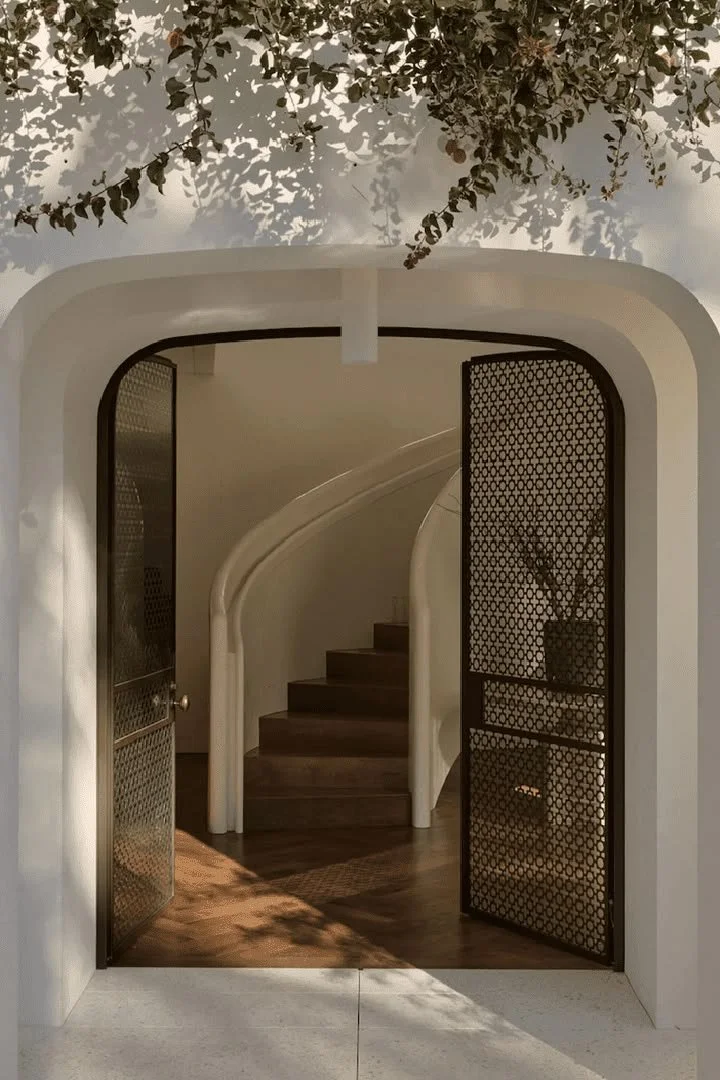
6 Stylish And Durable Flooring Ideas For Indoor Stairs At Home
Staircases take more abuse than almost any other surface in the home, yet they are often treated as an afterthought during renovation decisions. That is understandable, because most people plan flooring room by room and then choose stair materials simply to match what is already installed. The problem is that stairs concentrate foot traffic onto the same narrow landing zones, add impact at the nosing, and introduce a slip risk that flat floors rarely create.
In this article, we will explore six flooring ideas for indoor stairs that balance aesthetics, traction, longevity, and day-to-day practicality. Homeowners across Harrisburg, PA, face the same tension between wanting a staircase to look polished and needing it to be safe, quiet, and durable. The options below cover classic materials, modern performance products, and a few less obvious choices that can outperform expectations in the right setting.
No. 1
Solid Hardwood With a Matte Finish
Hardwood remains the default for good reason, and the finish matters more than the species. High-gloss lacquer looks striking and becomes genuinely slippery in socks, which is the most common way people come unstuck on wooden stairs, especially on the leading edge where a foot lands first.
A matte or satin finish provides noticeably more grip while showing wear less obviously than gloss does. Hardwood also refinishes, which matters over decades since stair treads wear faster than surrounding floors. The trade-off is cost and the need to keep it dry, since standing water at the nosing eventually causes problems.
No. 2
Engineered Wood for Dimensional Stability
Engineered boards use a hardwood veneer over a plywood core, which resists the expansion and contraction that solid wood undergoes with humidity changes. On stairs, that stability is genuinely useful, since movement causes squeaks and gaps at the nosing.
The appearance is essentially identical to solid wood, and better-quality engineered products carry a veneer thick enough to be refinished at least once. The limitation is that thin-veneer budget options cannot be refinished at all, which shortens their useful life on a surface that wears as quickly as stairs do.
No. 3
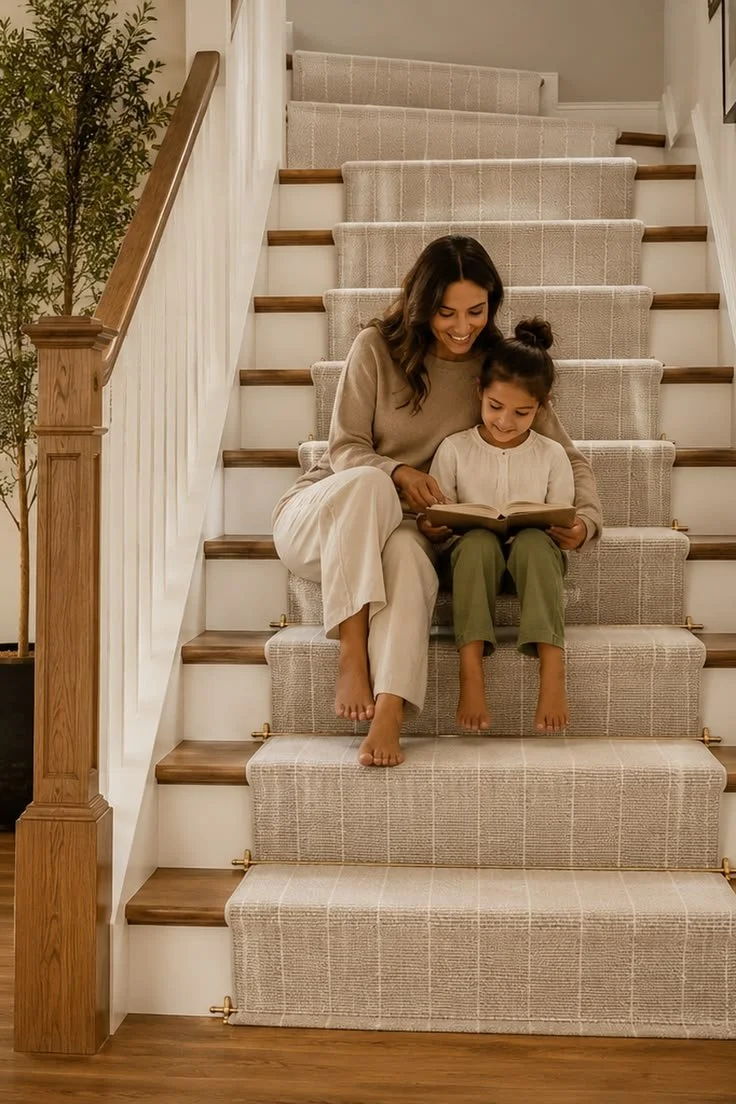
Carpet Runners Over a Hard Surface
This combination addresses the safety question more directly than any single material. A runner provides grip and sound absorption while leaving the wood visible at the edges, which happens to satisfy something regulators recommend. The U.S. Access Board's stairway guidance advises providing visual contrast roughly two inches wide on nosings or at the leading edges of treads, since a clearly defined step edge is easier to read for anyone with low vision.
The critical detail is fixed. A runner that shifts is considerably more dangerous than bare wood, so proper installation with rods or adhesive backing is not optional. Runners also wear in the center and can be replaced without touching the stairs underneath.
No. 4
Luxury Vinyl Plank Designed for Stair Use
Vinyl has improved substantially and now offers a realistic wood appearance with genuine water resistance and a softer surface underfoot. It's become a genuinely credible alternative to hardwood, particularly for households prioritizing durability and easy maintenance over the traditional look and feel of solid wood.
This is exactly the kind of detail worth confirming when researching flooring ideas for indoor stairs, since nosings determine whether the finished look is professional or improvised. Suppliers such as Harrisburg Wall & Flooring stock nosings and trim alongside plank products for this reason. Vinyl suits households with children, pets, or basement stairs where moisture is a factor, and the main caution is that thinner products can feel hollow underfoot on stairs in a way they don't on a subfloor.
No. 5
Natural Fibre Options Like Sisal or Seagrass
Woven natural fibers bring texture that neither wood nor vinyl offers, and the surface provides good grip by virtue of the weave itself. Visually, they suit both traditional and contemporary interiors, adding warmth and visual interest that harder surfaces often lack.
Durability is genuinely strong, which is why these materials have been used on stairs for a long time. The limitations are practical: most natural fibers stain readily and dislike moisture, which rules them out for households where spills are likely. They're also firmer underfoot than carpet, which some people prefer, and others don't.
No. 6
Cork for Comfort and Sound Absorption
Cork is the least obvious option and worth considering for specific situations. It's soft underfoot, absorbs sound noticeably, and provides good traction without needing an added surface, making it a genuinely distinctive choice compared to the more conventional materials most people default to.
It also handles impact well, which matters on stairs where things get dropped. The trade-offs are that cork dents under sustained pressure, fades with strong sunlight, and needs sealing to resist moisture. For a staircase in a quiet part of a house, particularly one used by older residents or young children, the comfort and grip are genuine advantages.
Takeaways
The best stair flooring is rarely whatever matches the hallway, since stairs face demands a flat floor doesn't. Prioritise grip over appearance where the two conflict, because a slippery staircase is a genuine hazard rather than an inconvenience. Check that matching nosings exist for whatever product you're considering, since that single component determines how finished the result looks.
Think about who uses the stairs most, as a household with young children or older residents has different priorities than one without. And if you're drawn to hardwood, choose the matte finish over the gloss. It looks nearly as good, wears more gracefully, and is considerably less likely to send someone down the stairs in socks.
Looking for Home resources?
Looking to enhance your living space and create a sanctuary that supports your well-being? Explore our home partners who offer a wide range of resources to elevate your home environment.