Small Design Choices That Make A House Feel Like Home
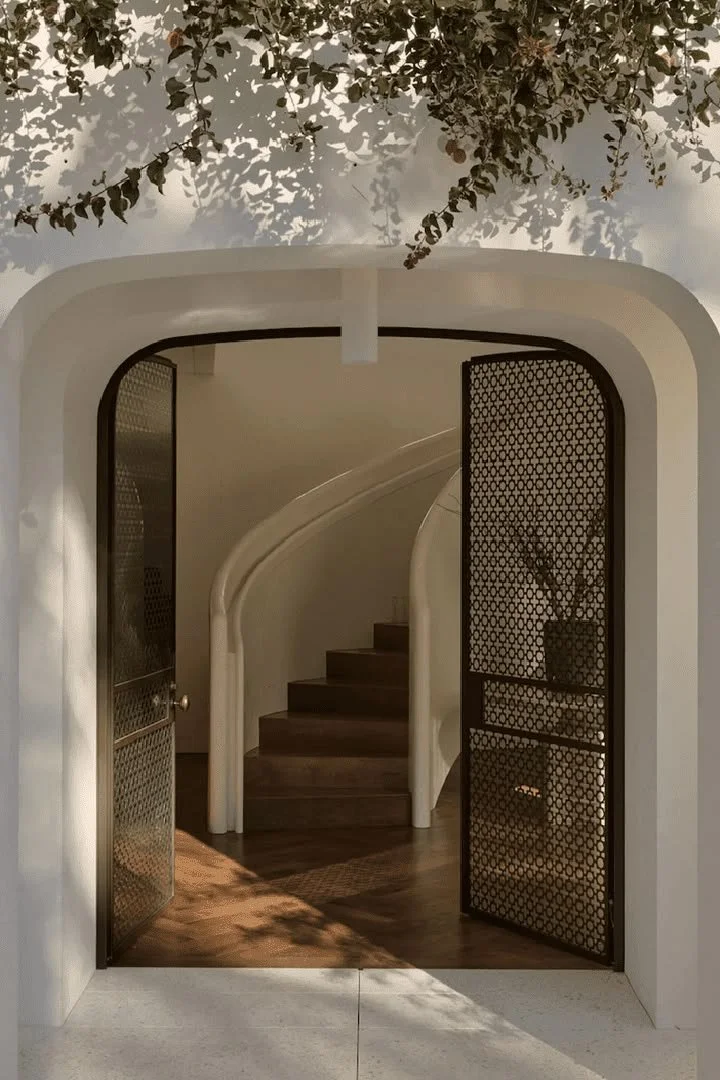
A home rarely earns its sense of warmth and belonging through one dramatic renovation. More often, it happens gradually, through small, intentional decisions that reflect who you are and how you want to live. A favourite colour on a wall, a familiar scent in the hallway, and a shelf of well-loved objects can quietly shift a space from looking “finished” to feeling personal.
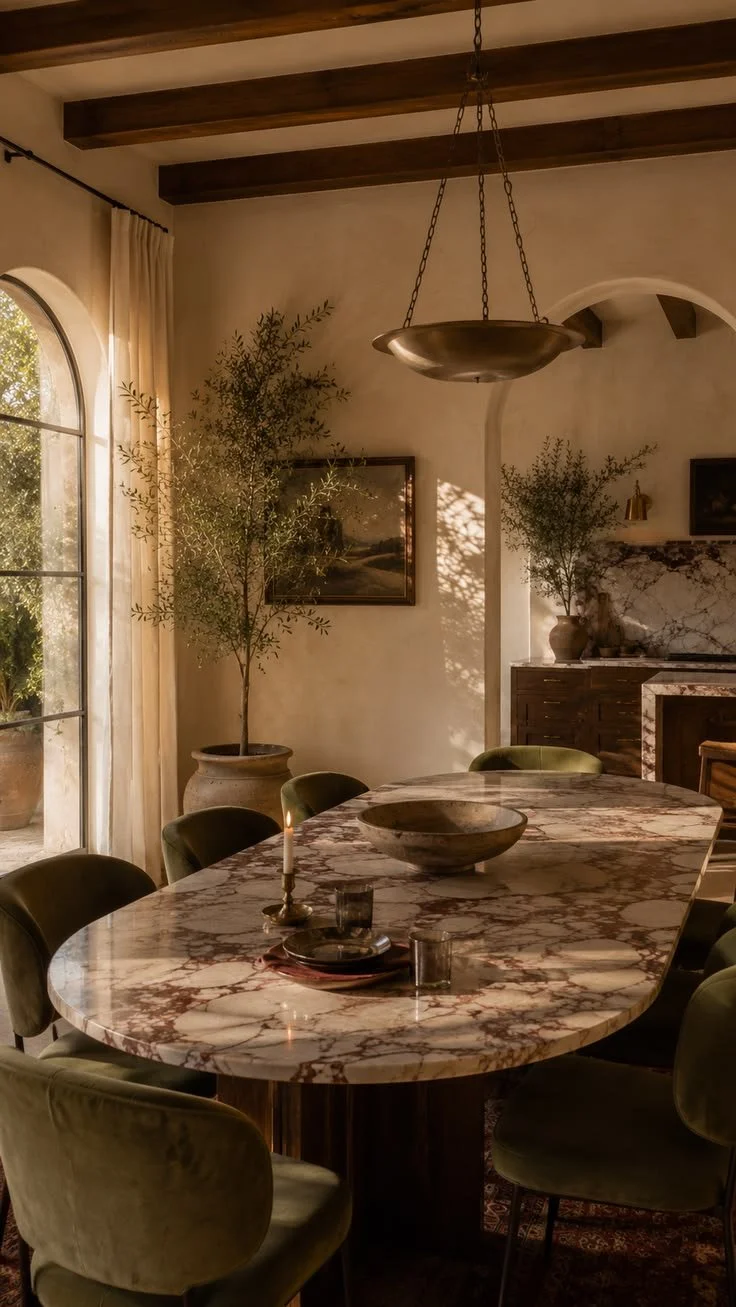
In this article, we will explore the subtle design choices that build emotional comfort over time, from personal touches and practical layout decisions to meaningful décor and the advantages of starting fresh in a new build. These ideas are designed to be approachable, flexible, and realistic, whether you are decorating a single room or settling into an entire house.
No. 1
The Power of Personal Touches
Personalisation is not just decorative; it is psychological. When a space reflects your identity, it becomes easier to relax because your surroundings feel familiar and affirming. Even small additions can create that effect quickly, especially in rooms you use every day.
Photos on the wall, a treasured keepsake on the mantelpiece, and textiles in colours you actually love: these details do more emotional heavy lifting than most people realise. Personalisation genuinely affects how people feel about where they live, too: the IKEA Life at Home Report found that 57% of people whose home reflects their identity report feeling genuine enjoyment there, well above the average. A single meaningful object can change how a room feels almost instantly, at practically no cost at all.
High-impact personal touches to start with
A small gallery wall of family photos, travel snapshots, or personal artwork
A framed print that reminds you of a place, a person, or a goal
Books you truly love displayed where you naturally reach for them
A bowl, tray, or dish that collects daily items and reduces visual clutter
Textiles in colours that make you feel calm or energised, depending on the room
How to keep personalisation from feeling cluttered
Choose a few “anchor pieces” per room rather than decorating every surface
Group small objects in threes or fives so they look intentional
Leave negative space on shelves so favourite items can stand out
Rotate seasonal pieces instead of displaying everything all year
The most effective personal touches are the ones you would miss if they were gone. If an item makes you feel something, it earns its place.
No. 2
New Build Homes: Starting With a Blank Canvas
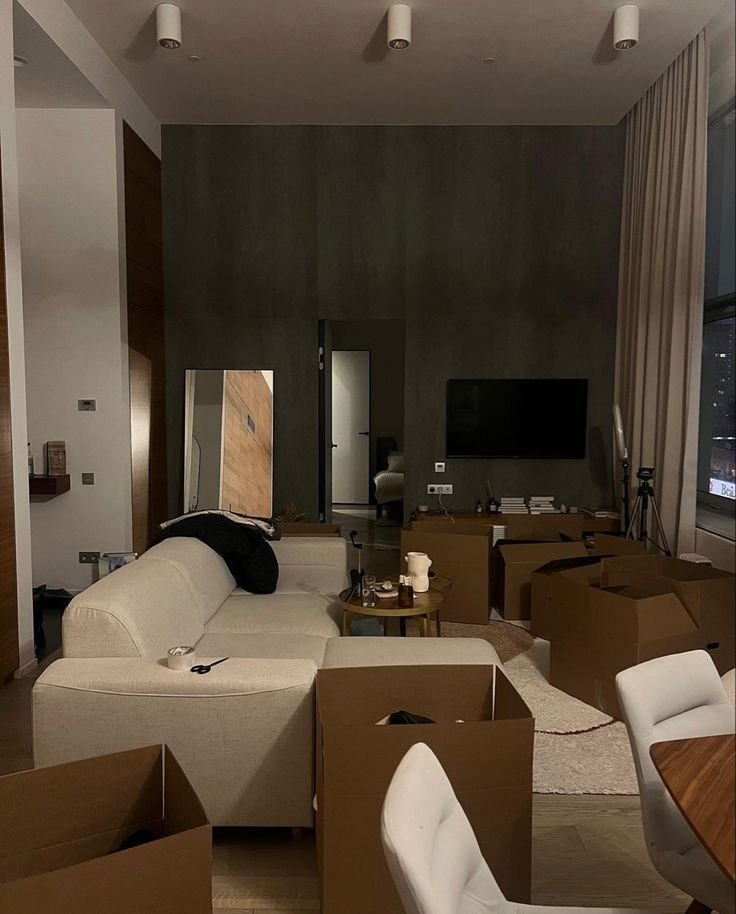
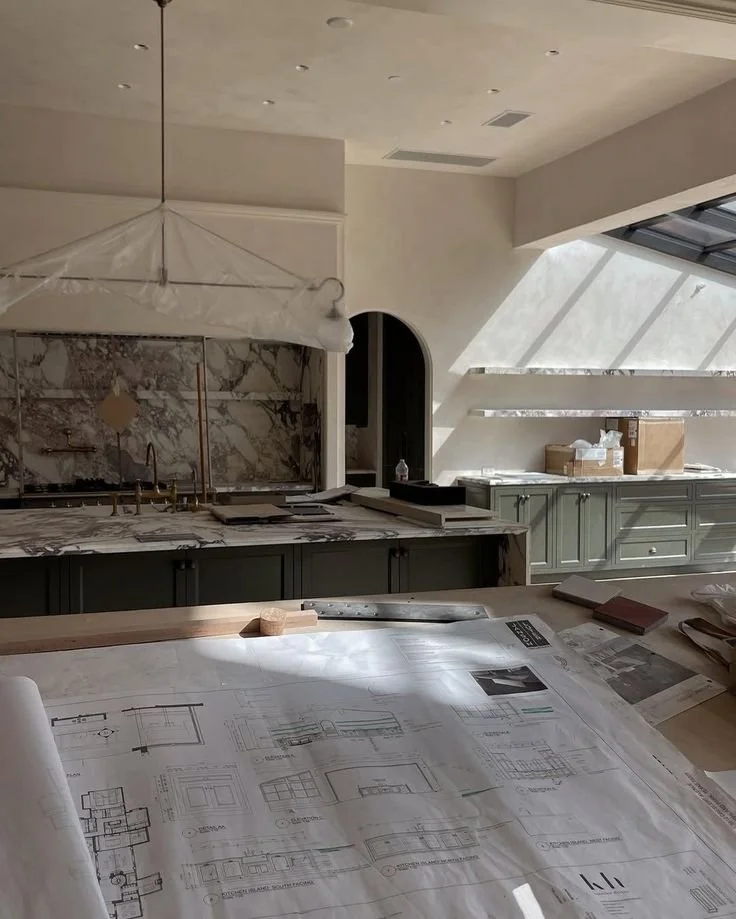
A new build can feel stark at first, but that simplicity is an advantage. Without heavy mouldings, dated finishes, or awkward room divisions, you can shape each space around your routines instead of inheriting someone else’s choices. Rather than seeing it as a blank slate to fear, treat it as an open invitation to define the mood of your home deliberately.
An empty new house is an open invitation rather than a blank slate to fear. Subtle choices, a warm paint colour, layered lighting, and furniture arranged to encourage conversation transform a space far more than most people expect. New homes offer exactly this kind of fresh start, with modern layouts that make personalising each room really straightforward from day one, without the compromises that come with an older property.
First decisions that make a new home feel settled faster
Paint selection that adds warmth
Even a soft off-white or warm neutral can remove the “show home” feel.Window treatments that soften light
Curtains, Roman blinds, or simple shades instantly make rooms feel lived-in.Lighting that creates atmosphere
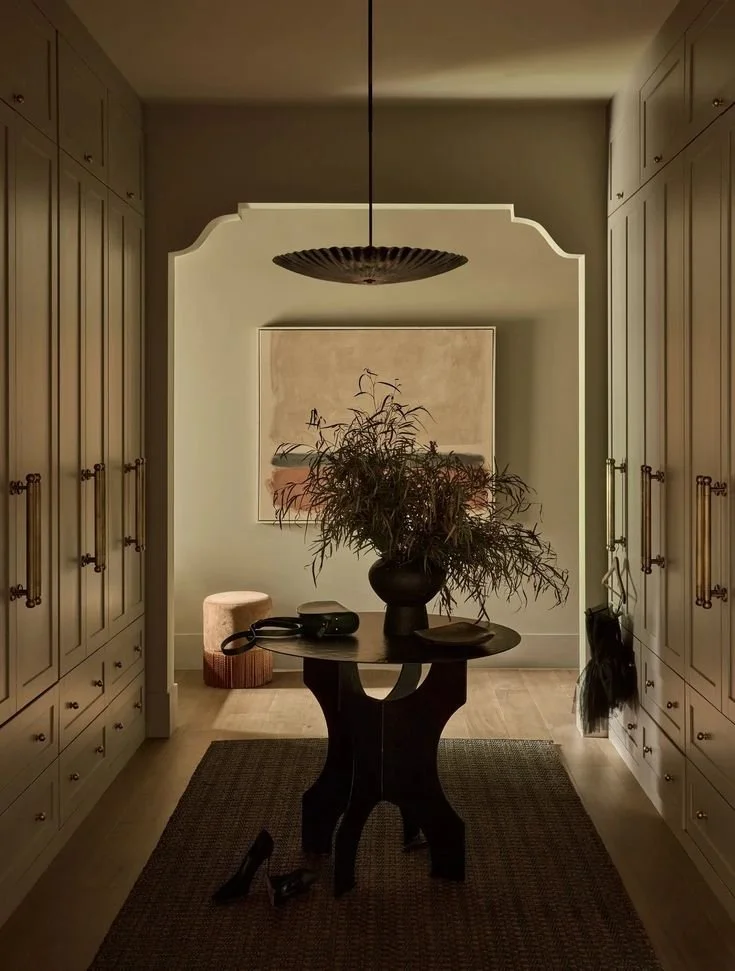
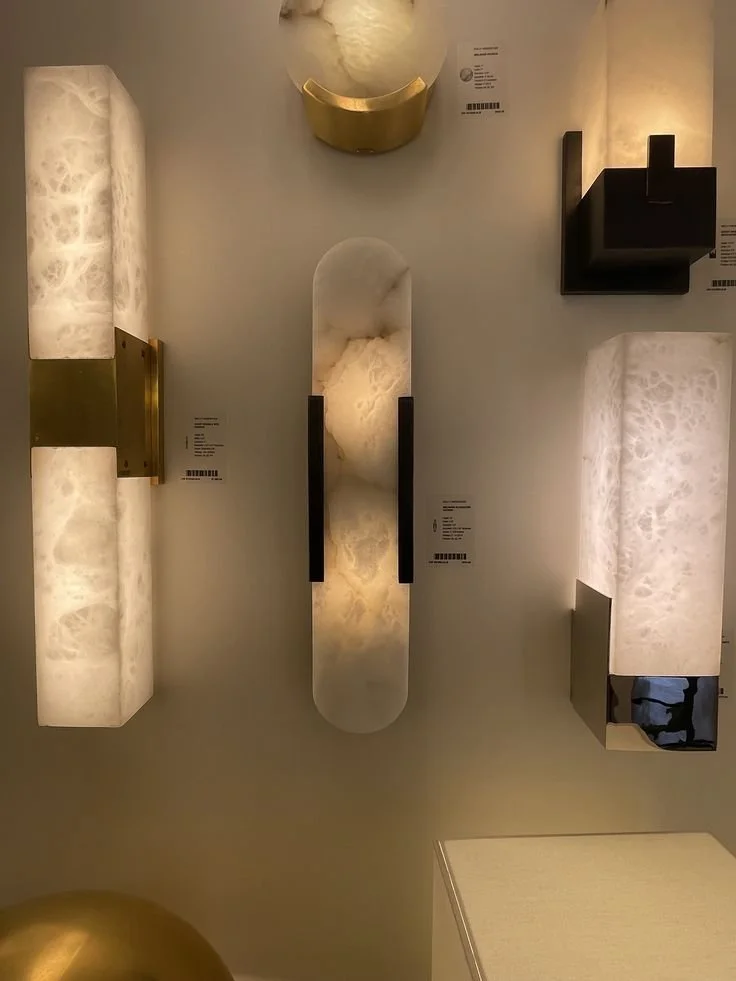
Mixing overhead lighting with table lamps and floor lamps improves comfort immediately.A “landing zone” by the door
Hooks, a bench, and a tray make everyday life easier and cut down on clutter.
A room-by-room approach that prevents overwhelm
Start with the spaces you use the most: living room, kitchen, bedroom
Decide on one unifying element, such as a colour palette or wood tone
Add pieces slowly, prioritising function first and decoration second
Give each room one focal point to build around, such as art, a rug, or a sofa
New builds can look polished quickly, but the goal is not perfection. The goal is to create familiarity, and that comes from choices that mirror your daily life.
No. 3
Creating Comfort Through Everyday Choices
Comfort is often the result of small, practical decisions repeated across a home. A room can be beautifully styled and still feel unwelcoming if it does not support how you actually live. The most inviting homes typically make common actions easy: sitting down with a coffee, charging a phone, finding a blanket, or dimming the lights without getting up.
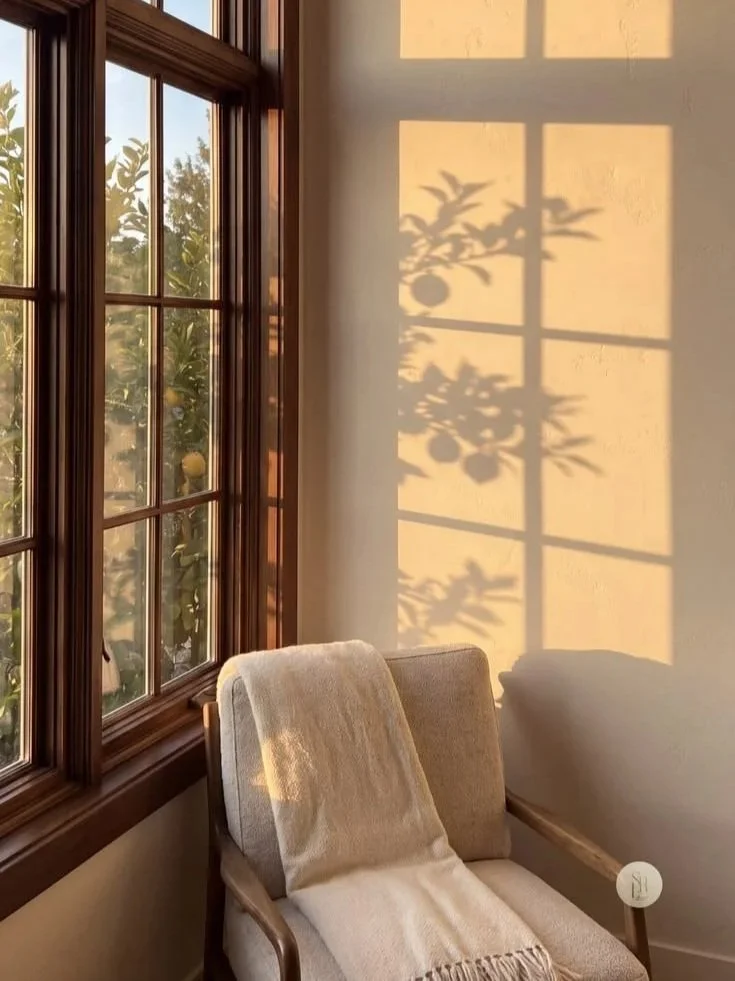
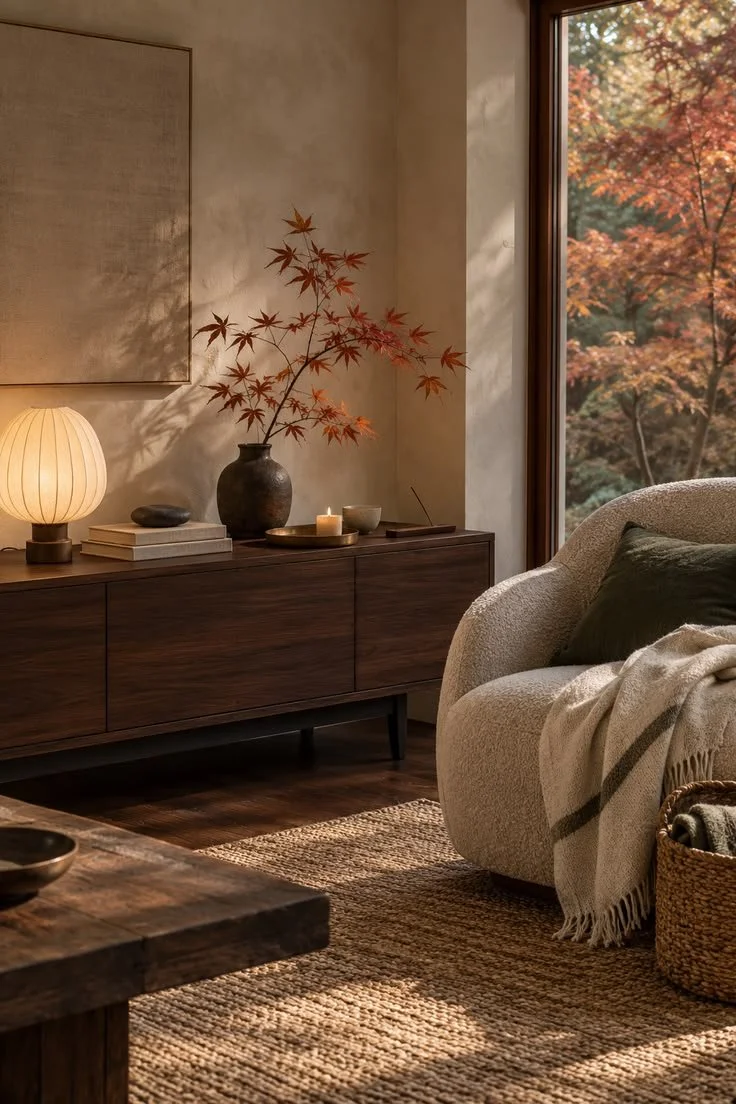
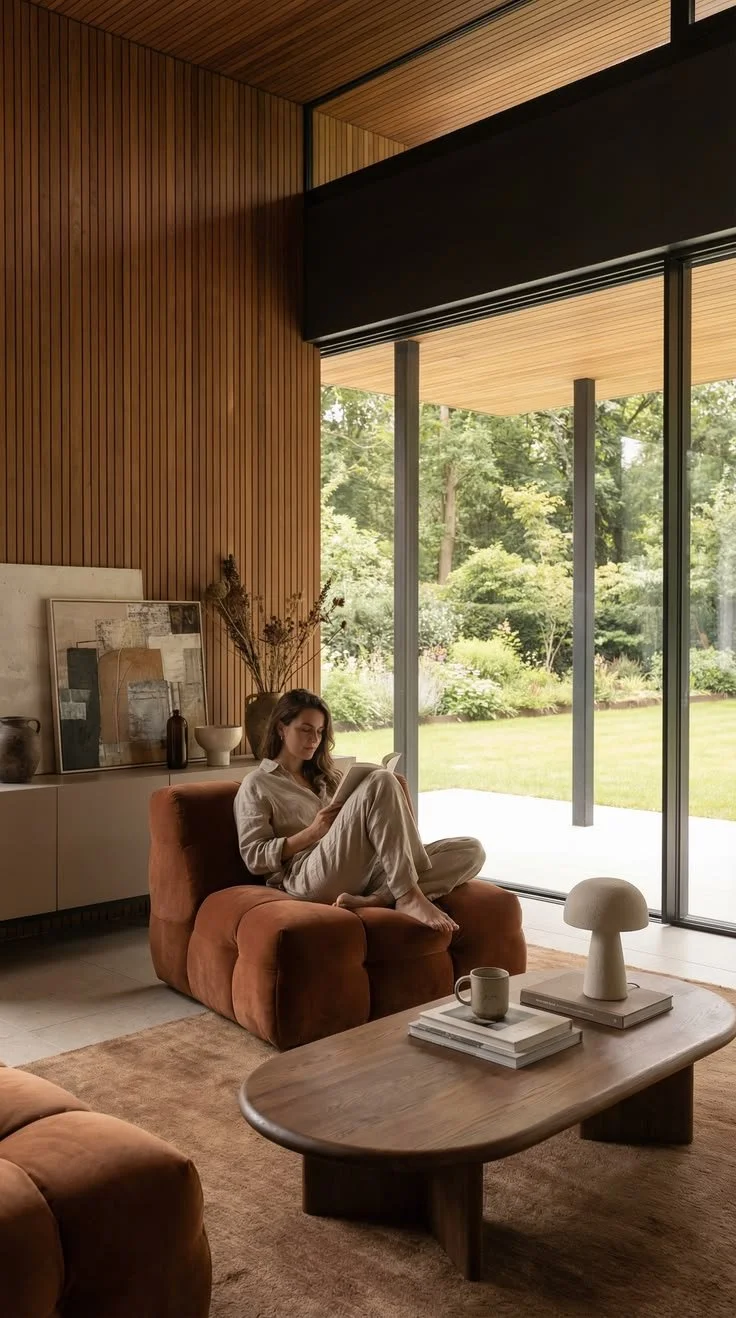
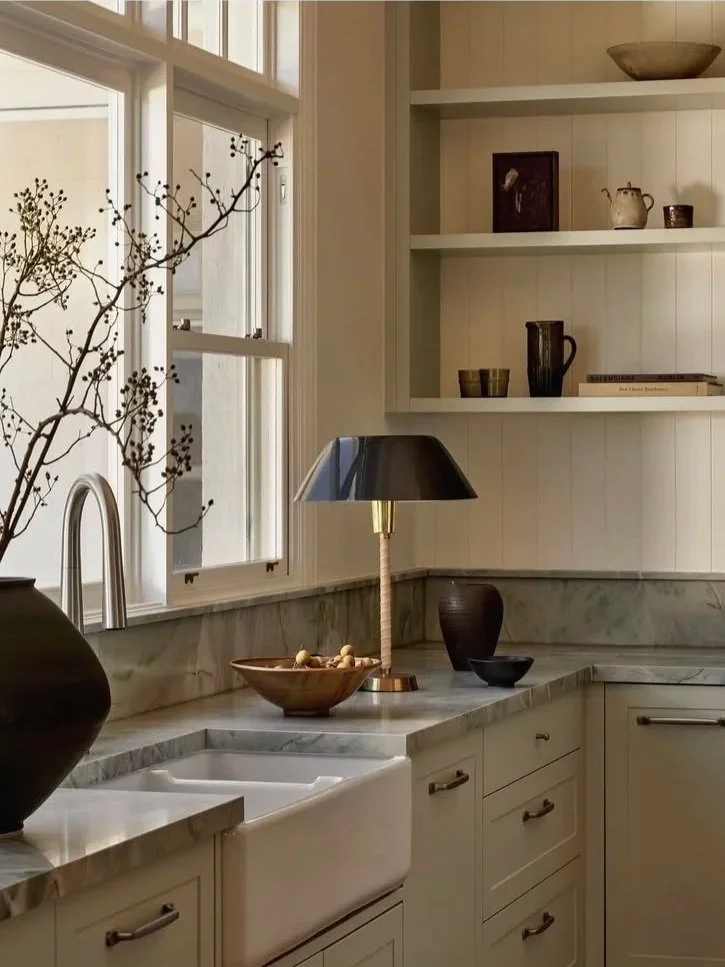
Comfort often comes down to small, practical decisions instead of a single big-ticket purchase. Arrange furniture around how a room is actually used, not how it looks in a showroom. A cosy reading corner, a soft throw within reach, a candle or diffuser in a favourite scent: these details cost little but add up quickly, turning a functional room into one you actually want to spend time in.
Everyday comfort upgrades that cost little
Place a small side table next to every main seat for drinks and books
Add a throw blanket where you actually sit, not folded for display
Keep a basket for slippers or spare blankets near the sofa
Use a candle or diffuser with a scent you associate with relaxation
Add a rug to reduce echo and make footsteps quieter
Introduce a plant to soften hard lines and add a sense of life
Layout habits that make rooms feel more welcoming
Create clear walking paths so rooms feel calm and easy to move through
Angle chairs toward each other to encourage conversation
Avoid pushing all furniture against walls if it makes the centre feel empty
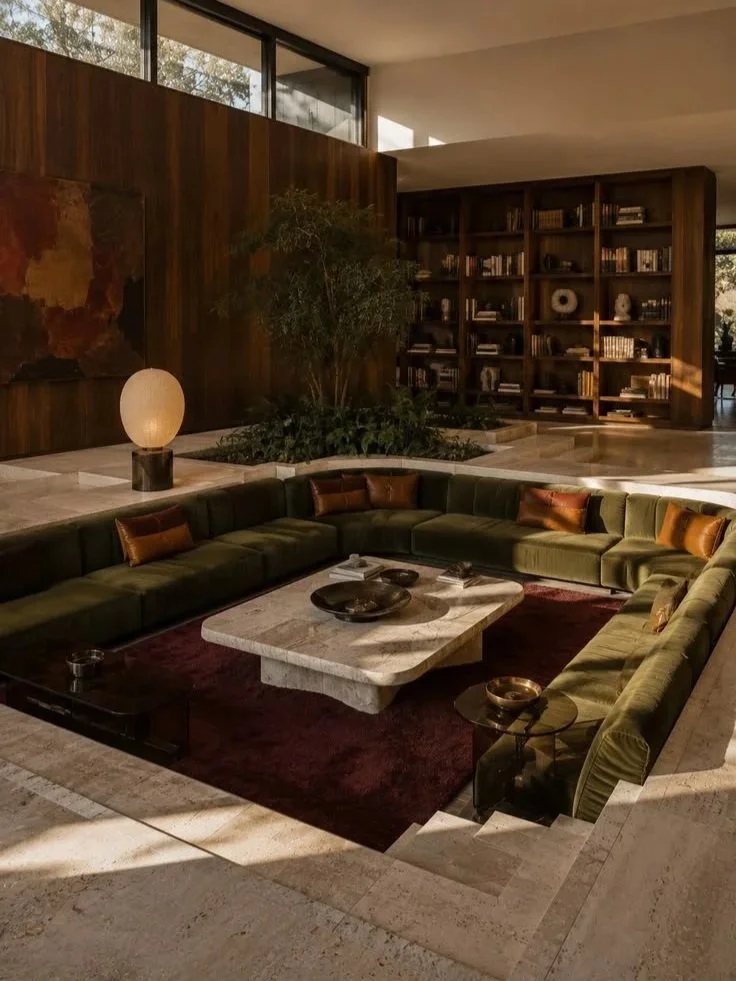
Use furniture to define zones in open-plan spaces, such as reading, dining, and lounging
Simple DIY projects like repainting a piece of furniture or hanging shelving are affordable ways to make a space feel considered without a major outlay or a weekend lost to hassle. Even small upgrades, like swapping harsh bulbs for warmer tones, can change how a room feels at night.
No. 4
Meaningful Décor for Lasting Impact
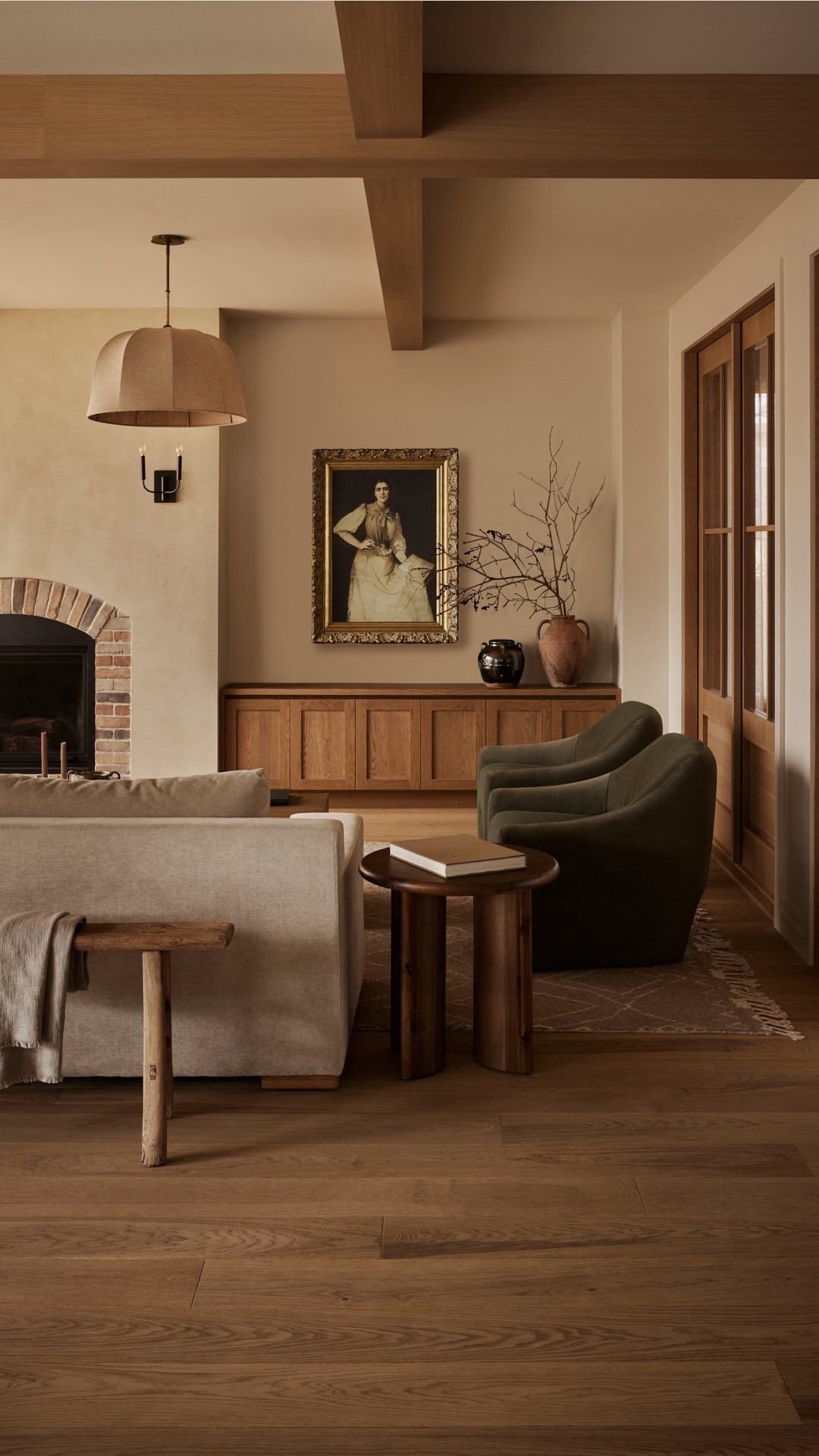
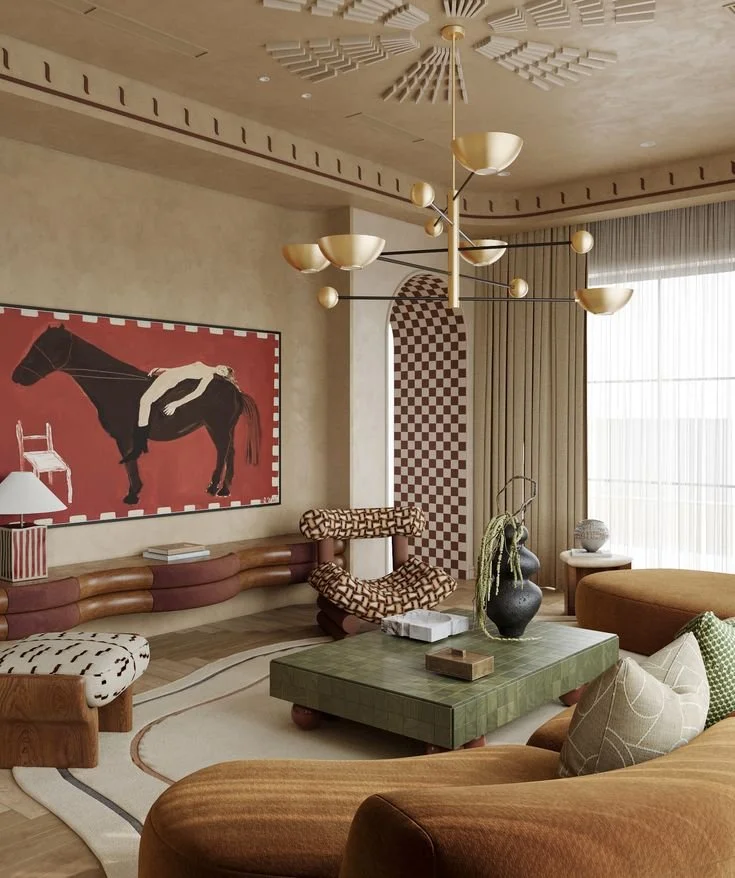
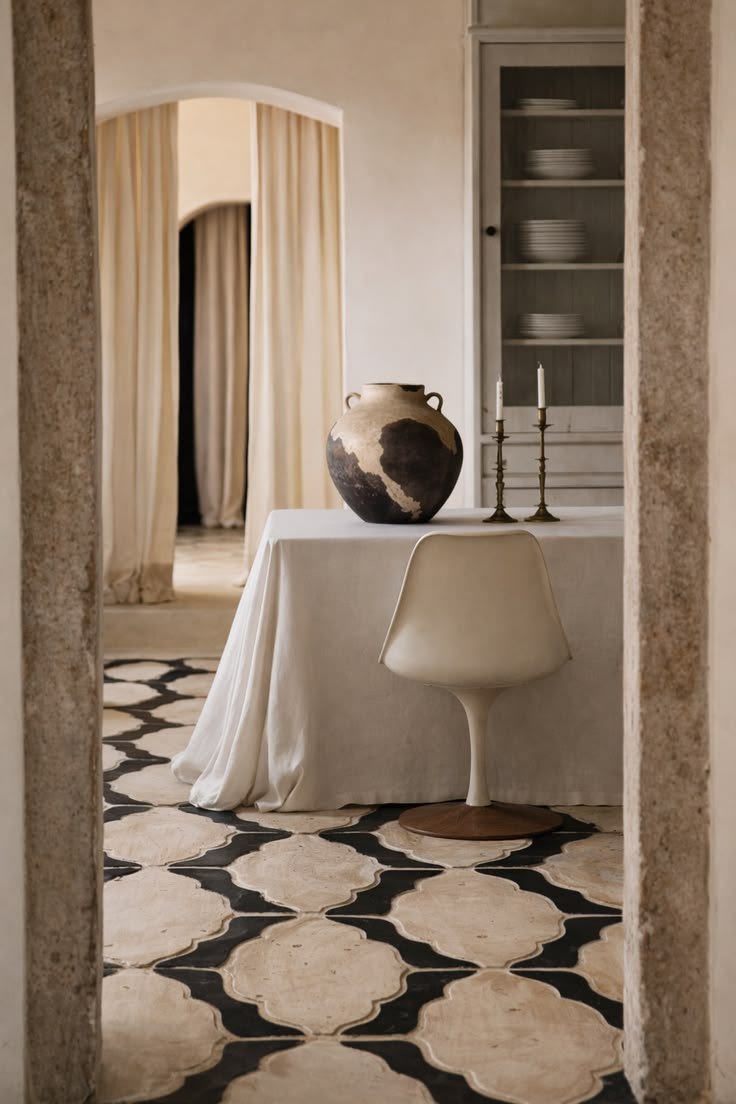
Décor has the strongest emotional effect when it has meaning, not when it simply fills space. A room full of trendy accessories can still feel anonymous, while one heirloom, one vintage piece, or one artwork you truly connect with can make a home feel instantly distinct. The difference is intention.
Art, plants, and inherited objects all add depth that mass-produced decor simply can't replicate. Choose pieces that really reflect your taste and values instead of following trends for their own sake; a single heirloom or a well-loved painting often says more than a room full of matching accessories.
What “meaningful décor” can include
Artwork from local makers or prints tied to personal memories
Inherited objects that bring history into a modern space
Handmade ceramics, textiles, or wood pieces with visible craftsmanship
Travel items that remind you of experiences rather than purchases
Plants that improve mood, soften a room, and create a sense of care
How to make décor feel cohesive without matching everything
Repeat one or two colours throughout the room in small ways
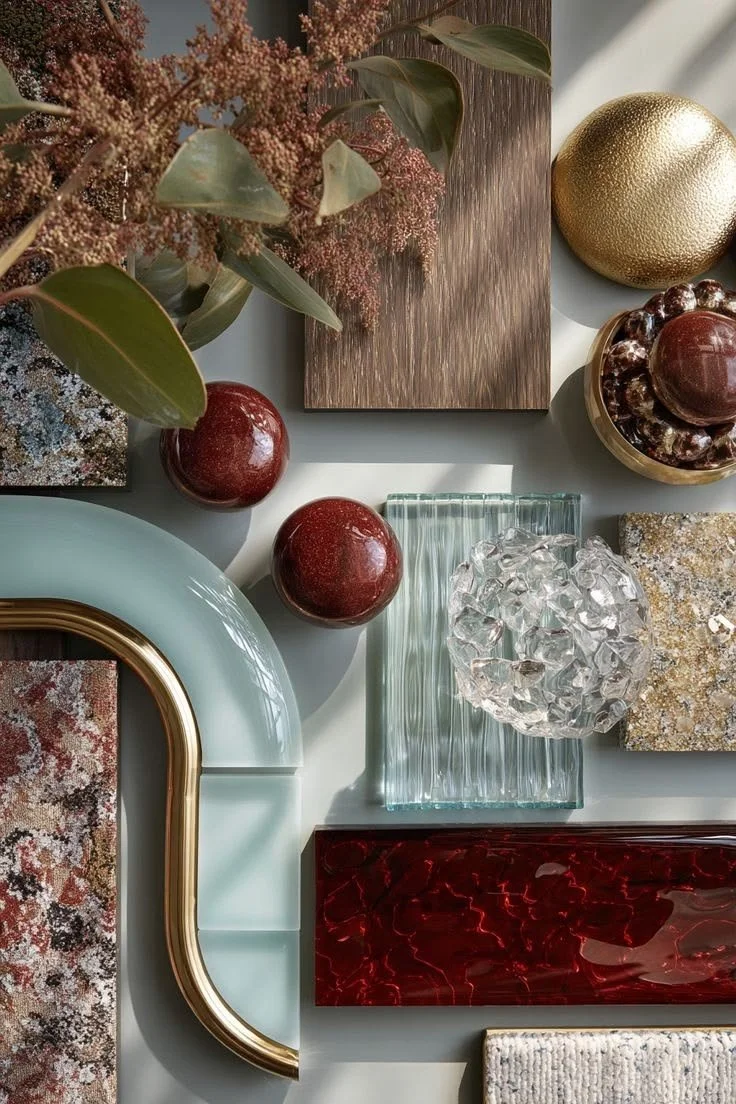
Mix materials intentionally, such as wood, metal, linen, and ceramic
Choose frames and finishes that relate, even if the art styles differ
Use a consistent style of lighting to unify mixed décor choices
Keep the scale balanced, pairing large pieces with smaller accents
Let your space evolve gradually too, since a home that keeps growing with you tends to feel far more genuine than one finished all at once. When décor is collected over time, it naturally tells a story, and that story is what makes a space feel like yours.
No. 5
Your Home, Your Story: One Choice at a Time
One of the most reassuring truths about home design is that it does not need to be completed on a deadline. The pressure to have everything “done” can lead to rushed purchases that do not reflect your taste or lifestyle. A home that feels right is usually built through layers: function first, then comfort, then personality.
Every small, thoughtful decision adds another layer to your home's story. There's no need to get it all right immediately; the details can, and should, keep evolving as your tastes and life change over the years.
A simple method for making decisions you will not regret
Start with how you want each room to feel
Calm, energising, cosy, focused, social, or restorative.Identify the one daily activity that matters most in that space
Reading, hosting, cooking, sleeping, or working.Make one improvement that supports that activity
Better lighting, a more comfortable chair, clearer storage, or softer textiles.Add one personal element that reflects you
A photograph, a favourite colour, a piece of art, or a sentimental object.
Small steps that create momentum
Choose one wall to paint rather than repainting an entire room
Upgrade cushion covers or curtains before replacing major furniture
Edit what you already own, keeping what you love and donating the rest
Move furniture for better flow before buying anything new
Start with whatever feels most natural, a single photo, or a favourite colour, and let the rest follow in its own time. When you allow your home to grow alongside you, it becomes more than a styled space; it becomes a record of your life.
Takeaways
Small design choices have a disproportionate impact on how a home feels, because they shape daily comfort and emotional connection. Personal touches, meaningful objects, and familiar scents create belonging faster than expensive renovations.
New-build homes benefit from intentional warmth through paint, lighting, textiles, and practical entryway organisation. Comfort also comes from arranging rooms around real routines, using simple upgrades like rugs, throws, and layered lighting.
The most lasting décor reflects personal meaning rather than trends, and the best homes evolve over time. Make one thoughtful choice at a time, and your space will gradually become a home that feels unmistakably yours.
Looking for Home resources?
Looking to enhance your living space and create a sanctuary that supports your well-being? Explore our home partners who offer a wide range of resources to elevate your home environment.