Energy-Saving Appliance Hacks Every Household Should Know

The universe has a funny way of teaching us lessons, and mine arrived on a Tuesday morning when my refrigerator decided to stage a silent protest. That subtle clicking sound I'd been ignoring for weeks? It turned into a full-blown breakdown that required urgent washer and appliance repair services.



As I watched the technician work, something shifted in my awareness. This wasn't just about fixing a broken machine; it was about recognizing the interconnectedness of how we treat our appliances and how they, in turn, affect our energy consumption, our wallets, and ultimately, our environmental footprint. That experience with emergency washer repair and maintenance became my gateway into conscious appliance care.

Think of your home's appliances as the chakras of your living space. When one is blocked or misaligned, the entire energy system suffers. Just as we wouldn't ignore persistent pain in our bodies, we shouldn't dismiss those odd sounds or performance hiccups from our machines. The 24-hour rule isn't just practical advice; it's a mindfulness practice for your home.

This article explores a series of practical, energy-saving appliance hacks that every household should know. But beyond the technical tips lies a deeper message: that mindful maintenance and intentional usage can lead to a more harmonious, cost-effective, and environmentally responsible lifestyle. Whether you're dealing with unexpected washer and appliance repair or simply looking to optimize your home’s energy use, these insights will empower you to make smarter, more conscious choices—one appliance at a time.

No. 1

The Refrigerator: Your Kitchen's Meditation Teacher

Your refrigerator runs 24/7/365, making it the single biggest energy consumer in most households. But here's where conscious living meets practical wisdom: this workhorse can become significantly more efficient with just a few intentional shifts.

Start by checking the door seals. Close the door on a dollar bill; if it slides out easily, you're literally watching your energy (and money) escape into the ether. Replace those gaskets. It's like setting boundaries in relationships, except in this case, you're protecting the cold air from mingling with the warm.

The coils at the back of your fridge are like lungs that need to breathe. Vacuum them twice yearly. Dust buildup forces the compressor to work harder, consuming more energy. It's the appliance equivalent of trying to meditate in a cluttered room versus a serene space.

Here's something that might surprise you: fill empty freezer space with containers of frozen water. An empty freezer works harder to maintain temperature than a full one. Think of it as surrounding yourself with supportive energy rather than trying to sustain yourself in a void.

No. 2

The Dishwasher's Secret Language

Most modern dishwashers are actually more water-efficient than hand washing, but only if you use them wisely. Skip the pre-rinse cycle entirely. Contemporary machines are designed to handle food particles. By pre-rinsing, you're essentially washing dishes twice, which defeats the purpose of conscious consumption.

Run full loads exclusively. Partial loads waste water, energy, and your appliance's lifespan. It's like showing up half-present to a yoga class; you're going through the motions without maximizing the benefit.

Choose the air-dry setting instead of heat-dry. Those extra few hours of drying time translate to significant energy savings over a year. Patience, as in most aspects of personal growth, yields unexpected rewards.

According to Consumer Reports, most of the energy dishwashers consume comes from heating water, so lowering your water heater temperature to 120°F creates a ripple effect of efficiency throughout your home.

No. 3

The Washing Machine's Transformational Power

Cold water washing is perhaps the single most impactful change you can make. Modern detergents work brilliantly in cold water, and you'll reduce energy consumption by up to 90% per load. It's like choosing the path of least resistance, not because you're lazy, but because it's actually more effective.

Wait for full loads before running the machine. Half loads use more than half the resources when you calculate wear and tear on the machine itself. This practice mirrors the principle of right timing in life: sometimes waiting for the complete picture serves us better than rushing ahead with incomplete information.

Spin speed matters more than you think. Higher spin speeds extract more water, reducing dryer time significantly. That extra minute of spinning saves fifteen minutes of drying, conserving both energy and your clothing's integrity.
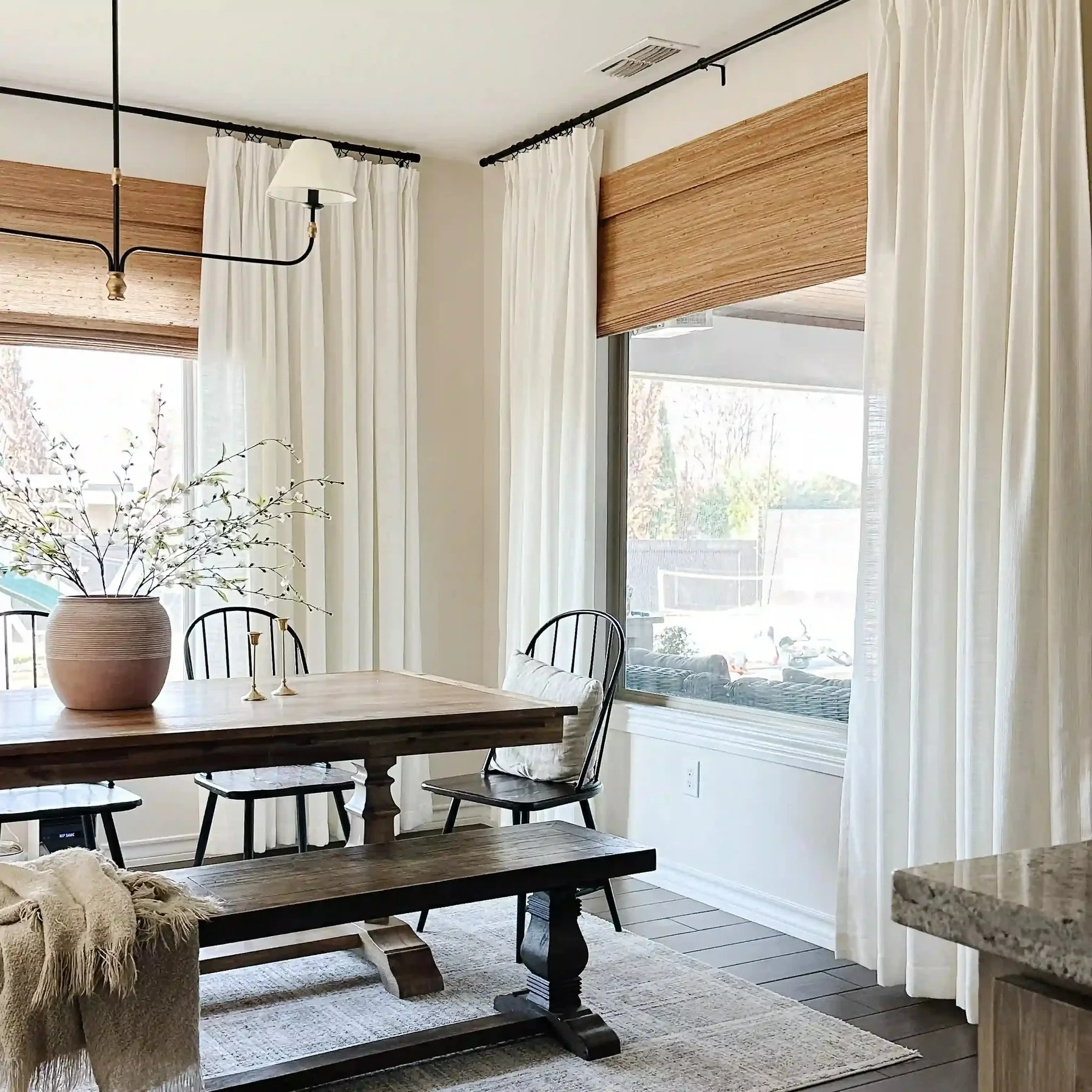
 
 
hellolovelyliving two pages

Two Pages

Transform your space with Two Pages curtains, blinds, and shades.

Elegant designs meet functionality to enhance any room. Create the perfect ambiance while enjoying privacy and light control.

Elevate your decor today!


No. 4

The Dryer: Learning to Let Go

Here's an uncomfortable truth: your dryer is an energy vampire. Consider it the attachment that keeps showing up in your life, demanding attention and resources.

Clean the lint filter before every load. This simple act improves efficiency by up to 30%. It's like clearing mental clutter before meditation; the practice works better when there's space for energy to flow.

Better yet, embrace air-drying whenever possible. A drying rack or clothesline costs nothing to operate and extends clothing life considerably. There's something deeply satisfying about sun-dried sheets; it's aromatherapy, energy conservation, and mindful living wrapped into one practice.

When you must use the dryer, add wool dryer balls. They separate clothes, allowing hot air to circulate more efficiently and reducing drying time by 25%. It's the appliance hack equivalent of finding the right community; things just work better with proper support.

No. 5

The Stove and Oven: Efficient Transformation

Match your cookware size to your burner size. Using a small pan on a large burner wastes up to 40% of the heat generated. It's like trying to fill a cup with a firehose; there's an appropriate tool for every task.

Keep oven doors closed while cooking. Every peek drops the temperature 25 degrees, forcing the oven to work harder to recover. Trust the process. Trust the timer. Practice patience.

Microwave and toaster ovens use significantly less energy than conventional ovens for small meals. A toaster oven uses about half the energy of a regular oven. Sometimes the smaller, simpler tool is precisely what's needed.

No. 6

The Wisdom of Maintenance

Regular maintenance isn't just about preventing breakdowns; it's about honoring the tools that serve you daily. When appliances run efficiently, they consume less energy, last longer, and perform better. This isn't materialism; it's stewardship.

Check refrigerator temperature settings seasonally. Summer requires colder settings than winter. Adjusting accordingly saves energy while maintaining food safety. It's adapting to natural rhythms rather than fighting against them.

Replace old appliances strategically. That refrigerator from 2005 might still work, but it's consuming three times the energy of a modern, efficient model. Sometimes letting go of what no longer serves us, even when it still functions, creates space for something better aligned with our current values.

No. 7

The Ripple Effect of Small Changes

Each of these practices alone might seem insignificant. Collectively, they represent a profound shift in how we interact with our living spaces and the planet. Energy saved is carbon emissions reduced. Money conserved creates financial freedom for experiences that genuinely nourish us.

The beauty of conscious appliance care is that it extends beyond utility bills. It cultivates awareness, patience, and intentionality. Every time you clean those refrigerator coils or wait for a full load of laundry, you're practicing mindfulness. You're acknowledging that small, consistent actions create meaningful change.

Your appliances are more than machines; they're partners in your journey toward conscious living. Treat them with the attention and care they deserve, and they'll support your path to a more sustainable, intentional, and awakened life. The energy you save radiates outward, contributing to the collective shift toward a more conscious world.

And when something does go wrong, because occasionally it will, address it promptly. That clicking refrigerator I mentioned? The repair cost was one-third what replacement would have been. More importantly, the experience taught me that paying attention to subtle signals prevents major disruptions, whether we're talking about appliances, relationships, or our own well-being.

This is the intersection where practical living meets spiritual growth: in the daily choices we make about how we care for the tools that serve us, how we conserve resources, and how we honor our commitment to living with greater awareness and purpose.

Takeaways

In the quiet hum of your refrigerator, the rhythmic spin of your washer, and the gentle warmth of your oven lies a deeper truth: your home is a living, breathing ecosystem. The way you care for your appliances mirrors the way you care for your environment, your finances, and yourself. These energy-saving hacks are more than just clever tricks—they’re daily rituals of mindfulness, stewardship, and intentional living.

By embracing these small yet powerful changes, you not only reduce your carbon footprint and utility bills but also cultivate a home that supports your values. Every cleaned coil, every avoided pre-rinse, every air-dried shirt is a step toward a more conscious, empowered lifestyle. Let your appliances become allies in your journey—not just tools of convenience, but instruments of transformation. Because when we live with intention, even the most ordinary routines become sacred acts of care.

Looking for Home resources?

Looking to enhance your living space and create a sanctuary that supports your well-being? Explore our home partners who offer a wide range of resources to elevate your home environment.


Learn more


homeHLL x Editor


How To Select The Perfect Front Doors For Your Home

When homeowners browse through quality front doors for sale or start researching premium entry front doors for sale, the decision often feels overwhelming, like choosing a signature piece of jewelry that will define your entire aesthetic for years to come. Your front door serves as the opening statement of your home's story, setting expectations before anyone steps foot inside while reflecting the carefully curated lifestyle you've created within those walls.


hellolovelyliving front door


Think of your entry door as the handshake between your home and the world. Windows and doors as design elements that transform houses into homes demonstrate how these architectural features create the framework for your entire design vision, while front door design guidance from Homes & Gardens reveals how thoughtful door selection influences everything from curb appeal to interior light flow, proving that this single element carries remarkable power in shaping both exterior charm and interior atmosphere.

In this comprehensive guide, we’ll walk you through the essential considerations for selecting the perfect front door. From architectural harmony and material choices to color psychology, energy efficiency, and security features, every detail matters. Discover how to make a confident, informed decision that enhances curb appeal, complements your home’s design, and creates a warm, inviting experience from the very first glance.

No. 1

Understanding Your Home's Architectural Language

Every house speaks a design language, whether whispered through subtle details or shouted through bold architectural statements. Your front door should fluently speak this same language, creating visual harmony that makes your home feel cohesive and intentionally designed rather than randomly assembled.

Traditional homes with historical details benefit enormously from doors honoring their architectural heritage. Classic paneled doors, perhaps with divided glass inserts, acknowledge the craftsmanship and attention to detail that define period architecture. These choices don't mean sacrificing modern conveniences like energy efficiency or security features; they simply mean wrapping contemporary performance in aesthetically appropriate packaging.

Contemporary homes embrace cleaner lines and minimalist aesthetics that call for different door personalities. Sleek designs featuring large glass panels, horizontal elements, or even pivot mechanisms create the sophisticated simplicity that modern architecture celebrates. These doors make bold statements through restraint, proving that sometimes less truly delivers more impact.

No. 2

Material Matters More Than You Realize

The material you select for your front door affects far more than initial aesthetics. Different materials age distinctively, require varying maintenance commitments, and perform differently across changing seasons and weather conditions. Understanding these practical implications helps you choose doors that will delight you years from now, not just during installation week.

Wood doors possess timeless beauty and unmatched natural warmth that make homes feel instantly welcoming. The grain patterns create organic visual interest that synthetic materials struggle to replicate, while the material's inherent strength allows for intricate details and custom designs. However, wood demands regular maintenance, including periodic refinishing to protect against weather exposure and maintain optimal performance.

Fiberglass options offer remarkable versatility for homeowners seeking wood's appearance without its maintenance requirements. Modern manufacturing techniques create realistic wood grain textures and accept stains beautifully, while the material's composition provides superior insulation and weather resistance. These doors particularly shine in climates with extreme temperature fluctuations or high humidity levels, where natural wood might struggle.

Steel doors deliver unmatched security and durability, making them excellent choices for households prioritizing these practical considerations. Contemporary steel door designs have evolved far beyond the utilitarian options of previous generations, now offering sophisticated aesthetics that work beautifully with various architectural styles. The material's exceptional insulation properties also contribute to energy efficiency and interior comfort.

No. 3

Color Psychology at Your Threshold

Front door color creates immediate emotional responses that subconsciously influence how visitors perceive your home before they consciously process other details. This psychological impact makes color selection one of your most powerful tools for crafting the welcome experience you desire.

Classic colors like deep navy, forest green, or rich burgundy convey sophistication and timeless elegance that never feels dated or trendy. These choices work beautifully across various architectural styles while photographing exceptionally well for those inevitable moments when you want to share your beautiful home with others.

Bolder colors like vibrant red, sunny yellow, or electric blue make joyful statements that reflect confident personal style. These choices work particularly well for homeowners whose interior design embraces color and pattern, creating visual continuity between exterior and interior aesthetics. The key involves choosing saturations that enhance rather than overwhelm your home's overall appearance.

Neutral colors, including black, white, and various grays, create clean canvases that allow other design elements to shine. These sophisticated choices never compete for attention, instead providing elegant backdrops that make landscaping, architectural details, and seasonal decorations pop beautifully.


hellolovelyliving rejuvenation

Rejuvenation

Elevate your door design with Rejuvenation's exquisite hardware - where style meets functionality.


No. 4

Glass Elements That Transform Spaces

The amount and placement of glass in your front door dramatically affect both exterior aesthetics and interior ambiance. These decisions influence natural light flow, privacy levels, and energy efficiency while creating opportunities for decorative elements that showcase personality.

Full glass doors or designs featuring extensive glazing flood entryways with natural light, creating bright, welcoming spaces that feel larger and more inviting. These options work beautifully for homes where privacy isn't a primary concern or where strategic landscaping provides natural screening from street views.

Partial glass options balance light admission with privacy protection, offering versatility that suits various situations. Transom windows above doors or sidelights flanking entries provide natural illumination without compromising security or privacy at the door level. These configurations also create opportunities for decorative glass featuring interesting patterns or textures that add character without revealing interior details.

Opaque or minimal glass designs prioritize privacy and insulation while creating opportunities for beautiful, solid door designs to shine. These choices work particularly well in urban settings or for homeowners who prefer interior spaces that feel more enclosed and protected from external visibility.

No. 5

Hardware That Completes Your Vision

Door hardware serves as jewelry that either elevates or undermines your overall design. These details might seem minor during selection processes, but they create lasting impressions during every single interaction with your front door.

Traditional hardware featuring brass, bronze, or antique finishes complements classic architecture while adding warmth and character. These choices age gracefully, developing patinas that enhance rather than detract from their appearance. The substantial feel of quality traditional hardware also conveys the solid craftsmanship that makes houses feel like well-built homes.

Contemporary hardware in chrome, brushed nickel, or matte black creates sleek, modern aesthetics that align with minimalist design preferences. These finishes maintain their appearance with minimal maintenance while providing the clean, uncluttered look that contemporary architecture celebrates.

Statement hardware, including oversized handles, unique knockers, or decorative hinges, transforms functional necessities into design features. These bold choices work particularly well on otherwise simple door designs where hardware becomes the primary decorative element.

No. 6

Energy Efficiency That Protects Comfort

Modern front doors offer impressive energy performance that extends far beyond reducing utility bills. Consistent indoor temperatures protect your carefully chosen furnishings, maintain comfortable living environments, and demonstrate environmental responsibility through reduced energy consumption.

Quality insulation prevents drafts that make entryways feel uncomfortable while protecting adjacent interior spaces from temperature fluctuations. This stability means your beautifully designed entry stays welcoming year-round rather than becoming spaces to rush through during extreme weather.

Weather-stripping quality makes or breaks door performance regardless of construction quality. Effective seals prevent air infiltration while blocking moisture that could damage surrounding materials or create maintenance headaches. Investing in quality weather-stripping pays dividends through decades of reliable performance.

No. 7

Security Considerations That Provide Peace

Beautiful doors must also protect the homes and families they welcome. Modern security features integrate seamlessly with attractive designs, proving that safety and style can coexist beautifully.

Multi-point locking systems provide superior security compared to traditional single-lock mechanisms while remaining easily operable for legitimate users. These systems distribute security across multiple points, making forced entry significantly more difficult without creating complicated daily operations.

Impact-resistant construction protects against both intentional intrusion attempts and accidental damage from severe weather or errant delivery packages. These features provide peace of mind that allows you to truly relax and enjoy your beautiful, secure home.

Smart lock technology offers convenient keyless entry while providing remote monitoring capabilities for security-conscious homeowners. These systems integrate beautifully with contemporary door designs while adding modern functionality that enhances daily living experiences.

No. 8

Proportions That Create Visual Harmony

Door size significantly affects your home's overall appearance, with proper proportions creating balanced facades that feel intentionally designed. Undersized doors make homes appear cramped, while oversized options can overwhelm modest architecture.

Standard door sizes work perfectly for many homes, but custom proportions might better serve unique architectural situations. Wider doors create grander entrances that suit larger homes or properties where impressive first impressions serve important functions. Taller doors add vertical emphasis that makes homes appear more substantial while creating opportunities for decorative transoms or sidelights.

The relationship between door size and surrounding architectural elements requires thoughtful consideration. Doors should feel proportionate to the overall facade scale, window sizes, and porch dimensions. When these relationships feel balanced, your entire home exterior appears more cohesive and thoughtfully designed.

No. 9

Maintenance Realities Worth Considering

Different door materials and finishes require varying maintenance commitments that affect long-term satisfaction beyond initial aesthetic appeal. Understanding these realities helps you choose options that fit your lifestyle rather than creating ongoing frustration.

Low-maintenance options, including fiberglass and steel, require minimal attention beyond occasional cleaning. These choices work beautifully for busy households where elaborate maintenance routines feel burdensome rather than satisfying. Modern manufacturing creates attractive options within these categories that rival traditional materials aesthetically while requiring far less care.

Higher-maintenance choices like natural wood reward invested effort with unmatched beauty and character. For homeowners who find satisfaction in caring for beautiful things, this maintenance becomes an enjoyable ritual rather than a tedious chore. The key involves honestly assessing your relationship with home upkeep before committing to materials requiring regular attention.

No. 10

Making choices That Last

Selecting the perfect front door involves balancing immediate aesthetic impact with long-term performance and satisfaction. These aren't purchases you'll replace frequently, making thoughtful initial selection crucial for decades of daily delight.

Consider how chosen doors will photograph for those moments when you want to share your beautiful home with others. Quality doors create impressive focal points that make entire facades appear more polished and intentional.

Think about how your choice reflects the welcoming, conscious lifestyle you've cultivated inside your home. Your front door literally and figuratively opens your world to others, making it worth choosing options that authentically represent the beauty and intention you've created within.

Takeaways

Your front door is the first chapter in your home’s story—a powerful symbol of welcome, personality, and protection. From the materials that define its strength and style to the colors that evoke emotion and the hardware that adds a finishing touch, every detail contributes to a cohesive and inviting experience. By thoughtfully considering architectural alignment, energy efficiency, security, and maintenance, you ensure that your door not only enhances curb appeal but also supports the lifestyle and aesthetic you've cultivated inside.

Whether you’re drawn to the timeless elegance of wood, the low-maintenance versatility of fiberglass, or the robust security of steel, the perfect front door is out there—waiting to become the signature element of your home’s exterior. Let your entryway reflect the warmth, beauty, and intention that define your space. After all, first impressions matter—and your front door is the one that opens them.

Looking for Home resources?

Looking to enhance your living space and create a sanctuary that supports your well-being? Explore our home partners who offer a wide range of resources to elevate your home environment.

Learn more


homeHLL x Editor


How Smart Climate Care Enhances Your Aesthetic

When designing the home of your dreams, the focus naturally gravitates toward visible elements like paint colors, furniture arrangements, and decorative accents. Yet one of the most crucial components of a truly beautiful home operates quietly behind the scenes. Strategic central AC installation planning and thoughtful ductless AC installation placement can make the difference between a space that merely looks lovely and one that feels absolutely enchanting year-round. The secret to maintaining that picture-perfect aesthetic lies not just in the initial setup, but in the seasonal care that keeps your climate systems performing beautifully.


hellolovelyliving hvac


Think of your HVAC system as the invisible staff maintaining a five-star hotel. Guests never see them, but their work ensures everything feels perfect. Similarly, when your heating and cooling systems receive proper seasonal attention, they preserve the comfort and beauty of your carefully curated spaces without ever stealing the spotlight. The payoff extends beyond temperature control to protect your decor, enhance your home's ambiance, and maintain the investment you've made in creating spaces that reflect your personal style.

This article explores how seasonal HVAC maintenance is not just a technical necessity but an essential part of your design strategy. From spring refreshes to winter wellness, we’ll uncover how proactive climate care enhances your aesthetic, protects your investment, and ensures every room in your home remains as inviting as it looks. Discover how smart, seasonal attention to your heating and cooling systems can elevate your home’s beauty from the inside out.

No. 1

Spring Refresh: Preparing Your Home for Warmer Days

Spring represents the perfect moment to shift your HVAC focus from heating to cooling, much like swapping heavy winter throws for lighter linen textures. This seasonal transition deserves the same thoughtful attention you'd give to refreshing your decor palette. Start by scheduling your AC installation check-up or system servicing before the first heat wave arrives. Waiting until you desperately need cooling often means discovering problems at the worst possible moment.

During spring maintenance, technicians clean components that accumulated dust during winter hibernation, check refrigerant levels, and ensure electrical connections remain secure. This proactive approach prevents the heartbreak of watching your beautifully styled spaces become uncomfortably warm just as you're ready to throw open the windows and welcome fresh air. Clean AC systems also improve indoor air quality, which protects those gorgeous curtains, upholstered pieces, and artwork from dust accumulation that dulls their beauty over time.

The aesthetic benefits of spring HVAC maintenance extend to humidity control, too. Properly functioning air conditioning systems don't just cool; they dehumidify, preventing that sticky feeling that makes even the most charming rooms feel oppressive. This moisture management protects wood furniture from warping, keeps fabrics fresh, and prevents musty odors from developing in closets and storage areas. Your carefully chosen pieces deserve an environment that preserves their beauty, and seasonal maintenance delivers exactly that.

No. 2

Summer Vigilance: Protecting Your Sanctuary During Peak Demand

Summer places the highest demands on your cooling system, similar to how hosting season tests your entertaining spaces. Just as you'd prepare your home before guests arrive, your AC needs attention before extreme temperatures hit. Monthly filter changes become non-negotiable during peak cooling months. Think of filters as the gatekeepers protecting your home's air quality and your system's efficiency simultaneously.

Clogged filters force your system to work harder, increasing energy costs while reducing effectiveness. More importantly for design enthusiasts, restricted airflow can create temperature inconsistencies that make certain rooms less enjoyable. That stunning reading nook you styled so perfectly becomes unusable if it's perpetually 10 degrees warmer than the rest of your home. Regular HVAC care ensures every space you've lovingly designed remains equally comfortable and inviting.

Outdoor condenser units also need summer attention, though their aesthetic impact often gets overlooked. These components can become clogged with leaves, grass clippings, and pollen, reducing efficiency dramatically. Many homeowners creatively screen these necessary but not-exactly-beautiful units with strategic landscaping or decorative panels. Whatever your approach, ensure any camouflage doesn't restrict airflow. Beauty and function can coexist, but the latter must never be compromised for the former.

No. 3

Fall Preparation: Transitioning Gracefully to Heating Season

Autumn brings cooler temperatures and the perfect opportunity to shift focus from cooling to heating systems, paralleling how you might swap lightweight throws for cozier blankets. This transitional season offers a window to address maintenance before winter's chill arrives. Schedule furnace inspections and heating system servicing while technicians aren't overwhelmed with emergency calls from homeowners whose heat failed overnight.

Fall maintenance typically includes cleaning burners, checking heat exchangers, testing safety controls, and ensuring proper venting. These technical tasks might sound disconnected from creating beautiful homes, but consider the alternative. A furnace failure in January doesn't just mean discomfort; it can lead to frozen pipes, water damage, and destruction of the carefully designed spaces you've created. Preventive maintenance protects both your immediate comfort and your long-term investment in your home's beauty.

This season also presents opportunities to assess how your climate systems integrate with your decor. Are supply vents positioned behind furniture, restricting airflow? Could return air vents benefit from decorative covers that complement your design aesthetic? Small adjustments during transitional seasons can significantly improve both function and appearance without requiring major renovations or disrupting your daily life.


hellolovelyliving aroma retail

Aroma Retail

The Scent Machine Pro is an efficient whole-home and whole-business solution for safe aromatics—ready to diffuse free-standing or ported into HVAC.

Scent your entire home or business up to 10,000 sq. ft. on a timer and on-demand via an app in less than 5 minutes.


No. 4

Winter Wellness: Maintaining Comfort in Your Cozy Retreat

Winter transforms homes into cozy refuges from harsh weather, making reliable heating absolutely essential to that snug sanctuary feeling. Your heating system works hardest during these months, similar to how your favorite winter coat sees the most use. Regular attention during this high-demand season ensures consistent comfort without unexpected failures that disrupt both warmth and peace of mind.

Monitor your heating system's performance throughout winter, listening for unusual sounds, watching for inconsistent temperatures between rooms, and staying alert to any changes in energy consumption. These indicators often signal developing problems that, when caught early, can be resolved before causing major disruptions. Imagine your perfectly styled bedroom becoming frigid because the heating system failed overnight. Vigilant monitoring prevents these scenarios that compromise both comfort and the enjoyment of your beautiful spaces.

Humidity management becomes crucial during the winter months, too, though for opposite reasons than summer. Heating systems can dry indoor air excessively, causing static electricity, dried-out wood furniture, and general discomfort. Whole-home humidifiers integrated with your HVAC system can maintain optimal moisture levels that preserve both your health and your home's aesthetic elements. Proper humidity prevents hardwood floors from gapping, keeps musical instruments from warping, and maintains the integrity of artwork and photographs displayed throughout your home.

No. 5

The Invisible Thread Connecting Climate and Design

Here's something many design enthusiasts don't initially realize: your HVAC system directly impacts the longevity and appearance of virtually every decorative element in your home. Temperature fluctuations cause wood to expand and contract, potentially damaging furniture, flooring, and architectural details. Excessive humidity encourages mold growth that can ruin textiles, wallpaper, and even painted surfaces. Insufficient humidity dries out and cracks leather, wood, and other natural materials.

Seasonal HVAC maintenance creates the stable environment your beautiful belongings need to remain beautiful. That vintage dresser you lovingly refinished? It thrives in consistent temperatures and humidity levels. Those linen curtains that frame your windows so perfectly? They resist mildew and maintain their fresh appearance when air quality stays optimal. Even paint colors can appear different under varying humidity conditions, as moisture affects how light reflects off surfaces.

This connection between climate control and aesthetic preservation explains why historic homes and museums invest heavily in sophisticated HVAC systems. They understand that protecting beautiful objects requires more than just displaying them tastefully. The environment surrounding these pieces fundamentally affects their condition and longevity. Your home deserves the same thoughtful approach, treating HVAC maintenance as an essential component of your overall design strategy rather than merely a mechanical necessity.

No. 6

Creating Cohesive Design Around Climate Systems

One challenge facing homeowners who prioritize aesthetics involves integrating necessary HVAC components without compromising their design vision. Vents, thermostats, and outdoor units can feel like awkward additions to otherwise cohesive spaces. However, with thoughtful planning and seasonal maintenance that keeps systems running efficiently, these functional elements can blend seamlessly or even enhance your design.

Modern thermostat technology offers beautiful options that function as design elements rather than eyesores. Smart thermostats with sleek interfaces can complement contemporary aesthetics while providing precise climate control. For traditional spaces, classic thermostat covers and decorative housing options allow climate control to fade into the background. The key is viewing these components as opportunities for thoughtful integration rather than necessary evils to be tolerated.

Vent covers and grilles also offer surprising design potential. Available in countless styles from minimalist modern to ornate Victorian, these functional necessities can either complement existing decor or make subtle design statements. Seasonal maintenance ensures these components remain clean and attractive, preventing the dust buildup that transforms even beautiful grilles into unsightly elements. Regular cleaning during seasonal HVAC service keeps these visible components looking intentional rather than neglected.

No. 7

The Financial Wisdom of Seasonal Maintenance

Investing in regular HVAC maintenance might feel like an unnecessary expense when systems seem to be working fine. However, this perspective overlooks both the financial wisdom and the design benefits of preventive care. Seasonal maintenance typically costs a fraction of emergency repairs, extends equipment lifespan, and maintains efficiency that keeps energy costs reasonable. These financial benefits free up budget for the decorative elements and design projects that bring you joy.

Consider the true cost of HVAC neglect beyond just repair bills. Emergency failures often occur during extreme weather when replacement parts are scarce and service calls command premium prices. The disruption to your home's comfort and your family's routines creates stress that affects how you experience your beautifully designed spaces. Water damage from condensation issues or frozen pipes can destroy finishes, furniture, and decorative elements worth thousands of dollars. Seasonal maintenance prevents these cascading problems before they start.

The energy efficiency maintained through regular service also contributes to environmental responsibility, aligning with growing interest in sustainable design practices. Homes that operate efficiently consume fewer resources, reducing environmental impact while lowering utility costs. This efficiency allows you to enjoy your beautiful spaces guilt-free, knowing you're maintaining both comfort and responsibility simultaneously.

No. 7

Practical Steps for Seasonal HVAC Success

Implementing an effective seasonal HVAC maintenance routine doesn't require technical expertise, just consistent attention and willingness to schedule regular service. Create a calendar reminder system tied to seasonal transitions. As you swap summer clothes for fall wardrobes or store away holiday decorations, schedule corresponding HVAC maintenance. This mental linking makes seasonal care feel like a natural part of home management rather than an additional burden.

Develop relationships with reliable HVAC service providers who understand your priorities extend beyond just mechanical function to encompass your home's overall aesthetic and comfort. Technicians who appreciate this broader perspective tend to work more carefully, respecting your spaces and offering insights about how climate systems can better serve your design goals. Many companies offer maintenance agreements that bundle seasonal service at reduced rates while providing priority scheduling and discounts on repairs.

Between professional service visits, maintain awareness of your system's performance. Listen for changes in operating sounds, notice any rooms that feel consistently warmer or cooler than others, and monitor energy consumption patterns. These observations help you catch developing problems early while providing valuable information to share with technicians during service appointments. This collaborative approach between homeowner awareness and technical expertise delivers the best results for both function and aesthetics.

Takeaways

Creating truly beautiful homes requires looking beyond surface aesthetics to the systems supporting comfortable living. Your HVAC equipment might not appear in styled photos or earn compliments from guests, but its proper function makes every other design element more enjoyable. Seasonal maintenance ensures this invisible infrastructure continues supporting the visible beauty you've worked so hard to create.

The next time you admire your perfectly arranged bookshelf, appreciate the comfortable temperature that makes that reading spot inviting. When you sink into your thoughtfully selected sofa, recognize that consistent climate control helps maintain its fabric and structure. As you drift off to sleep in your serene bedroom sanctuary, thank the quietly humming system that keeps temperatures optimal for rest. These connections between climate control and daily enjoyment of beautiful spaces make seasonal HVAC maintenance an essential component of the lovely living you're creating.

Your home represents more than assembled furniture and coordinated colors. It's a complete sensory experience where temperature, air quality, humidity, and comfort intertwine with visual aesthetics to create spaces that truly feel like home. Seasonal HVAC maintenance protects this holistic experience, ensuring every element works together harmoniously. That's not just smart home management; it's the foundation of beautiful, comfortable, picture-perfect living that goes beyond appearance to embrace the full experience of spaces you love.

Looking for Home resources?

Looking to enhance your living space and create a sanctuary that supports your well-being? Explore our home partners who offer a wide range of resources to elevate your home environment.

Learn more


homeHLL x Editor


Beautiful And Functional: Styling Around Essential Appliances After Repairs

There's something oddly satisfying about a freshly repaired kitchen appliance. Maybe it's the quiet hum of efficiency returning, or perhaps it's knowing you've extended the life of something valuable. But after your oven repair service visit wraps up and that technician drives away, you're left with a functioning appliance that might look a bit out of place in your carefully curated space. Here's the truth nobody talks about: kitchen oven repair and maintenance isn't just about getting things working again. It's about reimagining how these essential workhorses can actually enhance your home's aesthetic rather than detract from it.


Think of your repaired appliances like rescued vintage furniture. They've been through something, they've got character, and now they deserve to be showcased properly. The best approach to maintaining appliance value and home aesthetics involves treating these pieces as integral design elements rather than necessary eyesores. Meanwhile, Better Homes & Gardens experts recommend treating appliances as design anchors that can actually define your space's personality when styled thoughtfully.

In this article, we explore how the often-overlooked moment after an appliance repair—when your oven hums back to life or your dishwasher runs smoothly again—can become a powerful opportunity to elevate your kitchen’s aesthetic and energy. Rather than seeing repaired appliances as utilitarian necessities to be hidden, this piece reframes them as design anchors that can enhance your space when styled with intention. From creating visual harmony through texture and tone to embracing seasonal vignettes that keep your kitchen feeling fresh, we dive into the art of integrating functionality with beauty.

You'll discover how post-repair styling isn't just about appearances—it's about honoring the story of your space, celebrating the longevity of your appliances, and creating a kitchen that supports both your lifestyle and your design sensibilities. Whether you're working with stainless steel, matte black, or vintage finishes, this article offers conscious, creative strategies to transform your repaired appliances into statement pieces that blend seamlessly into your home’s evolving narrative.

No. 1

The Art of Appliance Camouflage (Without Actually Hiding)

Your oven doesn't need to skulk in the corner like it's done something wrong. After a repair, it's actually the perfect time to rethink its visual relationship with your kitchen. Consider creating what designers call a "landing zone" around your appliances. This means styling the surrounding countertop space with intentional elements that draw the eye while complementing the appliance itself.

For instance, place a beautiful wooden cutting board against the wall beside your oven, add a ceramic utensil holder filled with wooden spoons, and perhaps a small potted herb. Suddenly, your oven isn't standing alone; it's part of a composed vignette. The key is choosing items that share a common thread with your appliance's finish. Stainless steel ovens love the company of marble, white ceramics, and natural wood. Black appliances? They're begging for brass accents, warm terracotta, and rich textiles.

No. 2

Creating Visual Harmony After Repairs

Post-repair styling is about more than just making things pretty. It's about creating a sense of intentionality that makes your whole kitchen feel more cohesive. Start by examining your appliance's new lease on life. Maybe that oven repair included replacing the door seal, giving you cleaner lines to work with. Or perhaps your refrigerator's compressor replacement means it's running quieter, allowing you to place decorative items on top without worrying about vibration.

Use these improvements as inspiration. A quieter appliance means you can now add delicate glass containers or ceramic pieces nearby. Cleaner seals and surfaces invite you to play with contrasting textures. Place a soft linen runner on the counter adjacent to your stainless steel dishwasher. The juxtaposition of hard and soft creates visual interest while making your appliances feel more integrated into your living space.

No. 3

The Power of Purposeful Placement

Here's where conscious design meets practical living. After an appliance repair, you have the perfect excuse to reorganize your entire kitchen workflow. Maybe your oven repair service technician mentioned that your appliance needs better ventilation. Use this as an opportunity to clear the surrounding area and create a more minimalist aesthetic that actually helps your appliance perform better.

Consider the French approach to kitchen design: every item visible should be both beautiful and functional. Replace plastic storage containers with glass jars. Swap out that pile of mismatched dish towels for a curated selection in complementary colors. These small changes create a ripple effect that makes your repaired appliances look refreshed, too.


hellolovelyliving bedrosians

Bedrosians

Elevate your kitchen's style with Bedrosians' stunning backsplash designs—where function meets flawless beauty.


No. 4

Embracing the Patina of Life

Your recently repaired appliances have stories to tell. Instead of trying to make everything look brand new, embrace what designers call "lived-in luxury." This means accepting that your appliances show signs of use while ensuring they're impeccably maintained and thoughtfully styled.

Add elements that celebrate this philosophy. A well-worn wooden bread box next to your oven. A vintage copper kettle on your stovetop. These pieces acknowledge that your kitchen is a working space while elevating its aesthetic appeal. The goal isn't perfection; it's purposeful beauty that honors both form and function.

No. 5

Seasonal Styling Strategies

One clever approach to post-repair styling is treating your appliance areas as seasonal vignettes. In summer, surround your oven with fresh herbs in terracotta pots and light linens. Come fall, switch to dried wheat stalks in a tall vase and rich, warm textiles. This approach keeps your kitchen feeling fresh and intentional year-round while drawing attention away from the appliances themselves and toward the overall composition.

This seasonal rotation also serves a practical purpose. It gives you regular opportunities to deep clean around your appliances, ensuring they stay in good working order longer. Think of it as preventive maintenance disguised as decorating.

No. 6

The Finishing Touches

After your oven repair, resist the urge to immediately fill every surface. Good design breathes. Leave some negative space around your appliances to let them stand with dignity. Then, add one or two statement pieces that tie everything together. Perhaps a beautiful olive oil dispenser that echoes your oven's handle design. Or a set of matching canisters that create visual rhythm across your countertop.

Remember, the goal isn't to hide your appliances or pretend they don't exist. It's to integrate them so seamlessly into your design scheme that they become part of the beauty rather than a distraction from it. Your repaired appliances deserve to be celebrated for their renewed functionality and their potential as design elements in your conscious living space.

Takeaways

A repaired appliance is more than a fixed machine—it’s a renewed opportunity to bring intention, beauty, and balance into your home. By styling around these essential pieces with care and creativity, you not only honor their function but also elevate their presence within your space. Whether it’s a vintage oven with a new lease on life or a dishwasher that now hums quietly in the background, your appliances can become design allies rather than visual intrusions.

Through thoughtful placement, seasonal updates, and a touch of lived-in charm, your kitchen transforms into a harmonious blend of utility and elegance. In the end, conscious design is about more than aesthetics—it’s about creating a home that reflects the rhythm, resilience, and beauty of your everyday life.

Looking for Home resources?

Looking to enhance your living space and create a sanctuary that supports your well-being? Explore our home partners who offer a wide range of resources to elevate your home environment.

Learn more


homeHLL x Editor


Mindful Home Renovation: Creating Space For What Matters Most

Here's a truth that might surprise you: choosing the right experienced demolition contractor and skilled demolition contractor team isn't just about removing walls and cabinets. It's about creating the energetic and physical space you need to align with your highest self. Think of it as the ultimate act of conscious living, where you're literally clearing away what no longer serves you to make room for transformation. Your home, after all, is more than four walls and a roof. It's the container for your entire life experience, your personal sanctuary where growth happens and truth unfolds.


Every spiritual teacher talks about releasing what no longer serves you, but few discuss how this applies to the literal structures around us. That outdated kitchen layout keeping you from gathering with loved ones? The cramped bathroom that makes your morning routine feel like an obstacle course? These aren't just inconveniences. They're physical manifestations of stuck energy, barriers between you and the life you're meant to live. Mindful space transformation starts with honoring the truth that your external environment directly mirrors and influences your internal landscape.

In this article, we explore the profound relationship between personal growth and the physical spaces we inhabit, revealing how conscious renovation can become a mirror of inner transformation. As we evolve emotionally, spiritually, and energetically, our homes must evolve with us—shedding outdated layouts, releasing stagnant energy, and making room for expansion. This piece delves into how working with mindful contractors can turn demolition into a sacred act of renewal, where removing a wall symbolizes the clearing of energetic blockages and the invitation of light, flow, and connection.

No. 1

The Energy of Empty Space

When you work with contractors who understand the deeper meaning of their craft, something magical happens. They're not just tearing things down; they're creating possibility. It's like when you finally clean out that junk drawer that's been weighing on your consciousness for months. The physical act of clearing creates mental and emotional breathing room you didn't even know you needed.

Empty space holds tremendous potential. In Buddhist philosophy, there's a concept called "sunyata" or emptiness, which isn't about nothingness but rather infinite possibility. When demolition specialists clear your space thoughtfully and intentionally, they're giving you a blank canvas. No more working around someone else's vision from 1985. No more compromising your dreams to fit into outdated structures. Just pure, open potential waiting for your conscious choices.

No. 2

Releasing Without Regret

There's something deeply therapeutic about watching old structures come down, especially when you understand it as a metaphor for personal growth. That wall separating your kitchen from your dining room? Maybe it represents the barriers you've been unconsciously maintaining between nourishment and community. The dated fixtures that never quite worked right? Perhaps they mirror the outdated beliefs you've been holding onto simply because they're familiar.

Quality demolition work becomes a form of active meditation when approached mindfully. Instead of rushing through with a wrecking ball mentality, thoughtful contractors move through space with intention and awareness. They understand that every structure being removed once served a purpose, and they honor that while making way for what's next. Creating foundations for renewal isn't just construction terminology; it's a philosophy of conscious transformation.

No. 3

The Emotional Journey of Transformation

Let's be real for a moment. Renovation can feel overwhelming, like you're living in chaos while simultaneously making a thousand decisions. But when you approach it as a spiritual practice rather than just a home improvement project, everything shifts. Suddenly, choosing contractors isn't about finding the cheapest option or the fastest timeline. It's about finding people whose energy aligns with your vision for transformation.

Think about it like this: you wouldn't hire just anyone to guide you through a meditation retreat or facilitate your healing journey, right? The same discernment applies when selecting who will literally reshape the container of your daily life. Look for contractors who listen, who ask about how you actually live in your space, who seem genuinely interested in supporting your vision rather than imposing their own.


hellolovelyliving rejuvenation

Rejuvenation

Bring your dream space to life with Rejuvenation’s free design services! From lighting to furniture, experts are there to help you create a home you’ll love.


No. 4

Creating Space That Supports Your Evolution

Your home should evolve as you do. That layout that worked perfectly five years ago might feel constraining now because you're not the same person you were then. Growth requires space, literally and figuratively. When you remove walls, outdated fixtures, or cramped configurations, you're making a powerful statement to the universe: I'm ready for expansion. I'm claiming space for my authentic self.

The beauty of working with conscious contractors lies in their ability to see beyond the physical. They recognize that removing a wall isn't just about creating an open floor plan; it's about facilitating better energy flow, more natural light, and spaces that invite connection rather than isolation. They understand that the elimination phase isn't destructive but rather clarifying, stripping away what's unnecessary to reveal the home's true potential.

No. 5

Honoring What Was While Embracing What's Coming

There's wisdom in acknowledging that your old kitchen, bathroom, or living space served you well for its time. Gratitude practice doesn't stop at journaling; it extends to appreciating the shelter and function your home has provided, even in its outdated state. Skilled contractors can help you preserve meaningful elements while clearing away what needs to go. Maybe those original hardwood floors deserve restoration rather than removal. Perhaps that vintage tile could be repurposed as an artistic accent elsewhere.

This approach to renovation mirrors the spiritual practice of non-attachment. You're not clinging desperately to what was, nor are you carelessly discarding everything. Instead, you're making conscious, intuitive choices about what stays and what goes, guided by your vision for the future rather than fear of change.

No. 6

The Practical Meets the Spiritual

Here's where conscious living gets practical: hiring experienced contractors protects your investment and your peace of mind. When demolition work is handled properly, you avoid structural surprises, ensure safety protocols are followed, and create a stable foundation for everything that comes next. It's like how a solid spiritual practice provides the foundation for navigating life's challenges. You need both the ethereal vision and the grounded expertise to create lasting transformation.

Quality contractors bring invaluable knowledge about what lies beneath surfaces, potential hazards, and building codes that keep your home safe and legally sound. They can spot issues you'd never notice, saving you from costly mistakes down the road. This isn't just about avoiding problems; it's about creating a home that truly supports your wellbeing on every level.

No. 7

Trusting the Process

Renovation requires a deep trust in the process, much like any journey of personal transformation. There will be moments when your space looks worse before it looks better, when you question your decisions, when the dust seems overwhelming. But trust that clearing away the old is necessary for the new to emerge. Your contractors become partners in this journey, holding space for your vision while handling the technical complexities you don't need to manage.

The most transformative renovations happen when homeowners embrace the temporary discomfort as part of the journey. It's uncomfortable living without a functioning kitchen or navigating around construction zones, yes. But discomfort often precedes breakthrough. Every spiritual tradition acknowledges this truth: growth happens at the edge of your comfort zone.

No. 8

Manifesting Your Vision Into Reality

When you approach home renovation as a conscious, intentional act of creation, you're not just building rooms; you're manifesting the life you want to live. The contractors you choose become collaborators in bringing your vision from the energetic realm into physical form. They take your dreams, your needs, your aesthetic preferences, and translate them into actual structures that support your daily existence.

This is where the practical and spiritual beautifully merge. Your new kitchen isn't just about cooking; it's about nourishing yourself and gathering your community. Your renovated bathroom isn't merely functional; it's a personal spa where daily rituals of self-care unfold. These spaces you're creating become the stages where your highest self performs the beautiful, ordinary acts of conscious living.

Takeaways

Every decision you make during renovation creates ripples. Choosing contractors who treat their workers fairly and pay living wages aligns your project with your values. Selecting sustainable materials honors your commitment to the planet. Creating spaces that facilitate connection rather than isolation impacts everyone who enters your home. This is conscious living in action, where your home renovation becomes an expression of your deepest beliefs about how we should treat each other and the world we share.

Your choice to approach this transformation mindfully rather than just practically changes the entire energy of the project. It shifts renovation from a stressful ordeal into a meaningful journey of co-creation. And when the dust settles and your beautiful new space emerges, you'll inhabit it with the awareness that it was created intentionally, built on a foundation of conscious choices that honor both practical needs and spiritual growth.

Looking for Home resources?

Looking to enhance your living space and create a sanctuary that supports your well-being? Explore our home partners who offer a wide range of resources to elevate your home environment.
Learn more


homeHLL x Editor


How Conscious Door Design Awakens Your Home's Energy

The moment someone approaches your home, energy begins its dance. Long before a hand touches a doorknob or a foot crosses the threshold, your entryway speaks volumes about the consciousness dwelling within. For those awakening to the power of intentional living, choosing a custom front door with sidelights becomes less about curb appeal and more about creating an energetic gateway that honors both protection and openness.


hellolovelyliving door design


The decision to install a designer front door with sidelights transcends mere aesthetics, instead becoming a declaration of how you welcome light, energy, and possibility into your sanctuary. Think of it like selecting crystals for your home: the right choice resonates with your frequency and amplifies the intentions you've set for your living space.

Creating an entrance that aligns with your highest self requires moving beyond conventional design thinking into a space where form and function serve your spiritual journey. Modern entrance doors transform your home's interior story by establishing energetic patterns from the very first moment of arrival, setting the tone for every experience that unfolds within your walls. Meanwhile, entryway design professionals emphasize the psychological impact of thoughtfully crafted entrances that balance beauty with purpose.

In this article, we explore how the design of your front door—particularly when enhanced with thoughtfully chosen sidelights—serves as a powerful expression of conscious living.

No. 1

The Sacred Geometry of Light and Space

Sidelights aren't merely decorative additions to your front door; they're portals for natural light to enter your home with intention and grace. In many wisdom traditions, light represents consciousness itself, the divine illumination that awakens understanding and clarity. When you incorporate sidelights into your entryway design, you're essentially creating channels for this higher energy to flow freely into your living space throughout the day's natural rhythms.

The positioning and design of these glass panels influence how energy moves through your entrance. Clear glass invites unfiltered connection with the outside world, perfect for those who thrive on openness and community interaction. Frosted or textured glass maintains privacy while still allowing light to filter through, much like how meditation helps us process external stimuli without becoming overwhelmed by them. The key lies in choosing what serves your personal energy field rather than simply following design trends that may not resonate with your authentic self.

Consider how morning sunlight streaming through eastern-facing sidelights can become part of your awakening ritual, naturally supporting your circadian rhythms and connecting you to solar energy cycles that our ancestors understood intuitively. This isn't coincidence but conscious design working in harmony with natural law, creating spaces that support rather than disrupt our inherent connection to earth's rhythms.

No. 2

Materials That Hold Intention

Every material carries its own vibrational signature, its own story written in molecular patterns that sensitive souls can feel even if they can't articulate why certain spaces make them feel more grounded or expansive. Wood doors connect us to the living wisdom of trees, each grain pattern representing years of growth, resilience, and adaptation to changing seasons. When choosing a wooden door with sidelights, you're inviting this ancient energy to guard your threshold, bringing patience and stability to your home's energetic foundation.

Fiberglass and steel options, while seeming less "natural," offer their own benefits for conscious living. They require fewer resources to maintain over their lifetime, aligning with values of sustainability and minimal environmental impact. This practical aspect of conscious design recognizes that being awakened doesn't mean rejecting modern materials but rather choosing them mindfully, understanding how our selections ripple outward, affecting planetary wellbeing alongside personal sanctuary.

Glass itself carries profound metaphysical properties. It's created through transformation by fire, emerging from heat and pressure as something transparent and luminous. This alchemical process mirrors our own spiritual journeys, making glass-enhanced entryways particularly meaningful for those actively engaged in personal transformation. The light passing through your sidelights has traveled through this transformed material, subtly carrying its energy of change and clarity into your space.

No. 3

Color Psychology and Energetic Resonance

Your door color isn't just a design choice; it's an energetic announcement to the universe about what you're calling into your life. Red doors traditionally represent welcome and protection, their bold presence declaring confidence and vitality. Blue tones bring calming energy, creating transitions from external chaos to internal peace that feel natural and soothing. Green connects us to heart-centered living and growth, perfect for homes focused on healing and evolution.

The chakra system offers beautiful guidance for door color selection. A solar plexus yellow empowers personal will and confidence as you step in and out of your sanctuary. Heart chakra green or pink invites love and compassion to flow freely across your threshold. Throat chakra blue supports authentic communication and truth-telling within your home. These aren't arbitrary color assignments but energetic principles that yogis and energy workers have observed for thousands of years.

Black doors might seem heavy to some, but they can represent the void of infinite possibility, the dark moon energy where new intentions are planted before they emerge into visible manifestation. White doors symbolize purity and new beginnings, creating blank canvases upon which each day's energy can be freshly painted. The consciousness you bring to color selection transforms simple paint into intentional, energetic design.


hellolovelyliving realcraft

RealCraft

Open the door to endless possibilities with RealCraft.

Handcrafted, custom doors designed to bring your vision to life and elevate your space.


No. 4

Hardware as Spiritual Practice

Even the smallest details of your entryway design carry opportunities for mindfulness and intention. Door handles become daily touchpoints, literal connections between your physical body and your home's energy field. Choosing handles that feel good in your hand, that operate smoothly without resistance, creates dozens of positive micro-interactions each day that subtly influence your overall well-being.

Smart lock technology might seem antithetical to spiritual living, but it actually offers interesting opportunities for conscious security. Programming access codes that hold numerological significance, setting lighting that supports circadian rhythms, or receiving alerts that allow you to be present wherever you are, rather than anxiously wondering about home security, all these features can support rather than distract from mindful living when implemented thoughtfully.

Traditional brass hardware develops a patina over time, aging gracefully and telling the story of your home's journey. This acceptance of natural aging processes aligns beautifully with conscious living principles that honor change and impermanence rather than fighting against them. Alternatively, stainless steel maintains its appearance with minimal intervention, supporting lifestyles focused on simplicity and ease.

No. 5

The Sacred Pause Between Outside and Inside

Your entryway functions as a transitional space, a threshold between the external world's demands and your internal sanctuary's peace. Front doors with sidelights enhance this transition by creating moments of visual connection before physical entry. You can see into your home before entering, giving yourself a breath to shift energies, to consciously leave behind what no longer serves before crossing into sacred space.

This transition time becomes especially powerful when you establish rituals around it. Pausing at your doorway to take three conscious breaths, touching your door with gratitude, or saying a quick blessing as you enter, these small practices transform mundane arrivals into meaningful moments of presence. Your entryway design either supports or hinders these practices, making physical space design an essential component of spiritual practice rather than separate from it.

Sidelights also allow you to screen visitors before opening your door, not from fear but from discernment. Conscious living requires healthy boundaries, knowing when to welcome others in and when to protect your energy for deeper work. This isn't antisocial but self-aware, recognizing that not all interactions serve our highest good or arrive at times when we have the capacity to engage authentically.

No. 6

Natural Light as Daily Medicine

The strategic use of sidelights transforms artificial lighting dependency into natural illumination that shifts throughout the day, connecting interior spaces to solar cycles that our bodies recognize at cellular levels. Morning light through eastern sidelights supports cortisol awakening responses that energize us naturally. Afternoon light from southern exposures provides vitamin D synthesis even while we're inside. Evening light fading through western glass helps trigger melatonin production for better sleep.

This isn't pseudoscience but documented photobiology, the study of how light affects living organisms. Conscious entryway design leverages these natural processes rather than working against them. Homes that rely heavily on artificial lighting disrupt circadian rhythms, contributing to sleep disorders, mood imbalances, and decreased vitality. Sidelights offer simple architectural solutions to these complex well-being challenges.

The quality of light entering through textured versus clear glass also matters. Textured glass diffuses light, creating softer, more ambient illumination that feels gentle and nurturing. Clear glass allows direct sun rays that can be invigorating but sometimes harsh. Understanding your own sensitivity to light helps guide these design choices in ways that support rather than challenge your nervous system's natural preferences.

No. 7

Feng Shui Wisdom for Modern Thresholds

Ancient feng shui principles offer profound guidance for entryway design that remains relevant in contemporary conscious living. The front door represents the "mouth of chi," where energy enters your home and influences everything within. Sidelights that allow clear views of what's directly in front of your door help avoid blocking this energy flow, while also preventing stagnant chi from accumulating in dark or cramped entryways.

The commanding position principle suggests that being able to see who approaches your door without opening it creates a psychological sense of safety and control. Sidelights naturally provide this advantage, allowing you to assess situations before engaging. This isn't paranoia but wisdom, recognizing that conscious living includes being streetwise and aware, not naively open to all energies regardless of their nature.

Mirror placement near entryways requires careful consideration in feng shui, with some practitioners warning against mirrors directly facing doors as they can push chi back out before it fully enters. However, strategically placed mirrors that reflect light from sidelights deeper into your home can multiply the beneficial effects of natural illumination, spreading this positive energy throughout interior spaces rather than concentrating it solely in entry areas.

No. 8

Seasonal Shifts and Entryway Evolution

Conscious living embraces rather than resists natural cycles, recognizing that what serves us in winter differs from summer's needs. Doors with sidelights adapt beautifully to seasonal changes, allowing more light during darker months when we crave the sun's energy, while curtains or shades can be added during summer when we might prefer cooler, dimmer interior spaces.

Creating small seasonal rituals around your entryway deepens your connection to nature's wisdom. Winter solstice might invite decorating sidelights with candles or luminaria, celebrating the return of increasing light. The spring equinox could bring fresh flowers to greet new growth energy. These practices aren't frivolous but meaningful ways to mark time's passage and our participation in cosmic cycles that continue regardless of our awareness.

Your relationship with your front door also evolves as you do. What felt right when you first moved in might shift as your consciousness expands, your family changes, or your life purpose clarifies. Remaining open to these shifts, being willing to update or modify your entryway as needed, demonstrates the flexibility that conscious living requires. We're not seeking perfection but appropriate alignment with present-moment truth.

No. 9

Investment in Long-term Sanctuary

Quality doors with well-designed sidelights represent significant financial investments, but conscious living reframes this as investing in your sanctuary rather than merely spending on your house. The door you choose will greet you thousands of times over the years or decades, making it worth selecting something that truly resonates rather than accepting whatever's cheapest or most readily available.

This doesn't necessarily mean the most expensive option serves you best. Sometimes simpler, more sustainable choices align better with the values of conscious consumption and environmental stewardship. The key lies in making choices that feel authentically yours rather than following external pressures about what your home "should" look like to impress others whose opinions ultimately don't matter to your spiritual journey.

Consider the lifecycle of the materials you choose. Doors requiring frequent repainting or refinishing demand ongoing chemical inputs that affect both personal and planetary health. Low-maintenance options might cost more initially, but honor your time and energy for more meaningful pursuits than endless home maintenance. This practical spirituality recognizes that being conscious includes wise resource management across all life domains.

takeaways

Ultimately, designing an entryway with conscious intention means listening to your own inner guidance rather than following prescribed rules from any source, including this article. What calls to your soul? What colors, materials, and configurations feel like home to your highest self? Trust these intuitions over external authorities, recognizing that you're the expert on your own energy and what supports your evolution.

Your front door with sidelights becomes a daily reminder that you're living intentionally, that every choice in your sanctuary reflects your values and supports your awakening. Each time you cross that threshold, you're practicing presence, acknowledging the sacred nature of the space you've created and the consciousness you bring to every aspect of your life.

The homes we create mirror the inner landscapes we're cultivating. When we approach something as seemingly mundane as door selection with consciousness and care, we're really practicing showing up fully for all of life, finding the sacred in the ordinary, and building environments that support who we're becoming rather than who we were.


Looking for Home resources?

Looking to enhance your living space and create a sanctuary that supports your well-being? Explore our home partners who offer a wide range of resources to elevate your home environment.

Learn more


homeHLL x Editor


How Modern Interlocking Transforms Young Homeowner Spaces

Picture this: you're scrolling through Instagram at 7 AM with your coffee, and suddenly you stop dead in your tracks. There it is – that perfect outdoor space that makes your heart skip a beat. The geometric patterns seem to dance in the morning light, each line painting service detail creating visual harmony that speaks directly to your soul.


hellolovelyliving modern interlocking


Modern homeowners aren't just choosing line painting contractors for functionality anymore; they're discovering how strategic driveway line painting and pavement marking services can transform ordinary concrete into Instagram-worthy masterpieces that reflect their conscious living values.

The intersection of mindful design and modern aesthetics has never been more relevant for young homeowners seeking to create outdoor sanctuaries that nurture both body and spirit. Today's smart homeowner transformation strategies embrace the idea that every line, every pattern, every geometric element contributes to a larger story of intentional living. When combined with sustainable landscaping approaches, these design choices become powerful tools for self-expression and mindful connection with our outdoor environments.

This article explores how modern line work, enhanced by smart technology and strategic design thinking, is redefining the way we experience our outdoor environments. From LED-integrated pathways to budget-conscious layouts that evolve over time, discover how geometric interlocking is shaping the future of outdoor living for a new generation of mindful homeowners.

No. 1

The Psychology Behind Geometric Harmony in Outdoor Spaces

There's something deeply satisfying about perfect lines and symmetrical patterns that goes beyond mere aesthetics. When you create geometric interlocking designs in your outdoor space, you're essentially crafting a visual meditation that calms the nervous system while inspiring creativity. The clean edges and precise angles work like a reset button for busy minds, offering the kind of visual order that makes everything feel more manageable.

Young homeowners are discovering that herringbone patterns and straight-line designs aren't just trendy – they're therapeutic. These geometric arrangements create what design psychologists call "visual rhythm," a repetitive pattern that helps reduce anxiety while boosting focus and concentration. It's like having a zen garden right outside your door, except this one doubles as a functional pathway that can handle everything from morning yoga sessions to weekend dinner parties.

The beauty of modern interlocking lies in its ability to bridge the gap between structured design and organic living. Unlike traditional landscaping that might feel too manicured or overly natural, geometric patterns create a perfect middle ground that appeals to young homeowners who want spaces that feel both sophisticated and approachable.

No. 2

Creating Instagram-Worthy Patterns That Actually Make Sense

Let's be honest – we all want that outdoor space that makes friends stop mid-conversation to take photos. But the magic happens when beautiful design meets practical function, creating spaces that photograph beautifully while serving real-life needs. Modern interlocking patterns achieve this balance by combining visual impact with weather resistance and easy maintenance.

Circular patterns and mosaic insets have become particularly popular among young homeowners because they create natural gathering spots while adding artistic flair. Think of your outdoor space as a canvas where each interlocking piece contributes to a larger story about who you are and how you want to live. These patterns work especially well around fire pits, seating areas, or as transition zones between different outdoor "rooms."

The key is choosing patterns that reflect your personality while considering how you actually use your space. If you love hosting intimate gatherings, cobblestone random patterns create cozy, cottage-like atmospheres that encourage lingering conversations. For those who prefer sleek, modern aesthetics, geometric shapes and bold line work create stunning backdrops for minimalist outdoor furniture and contemporary plantings.

No. 3

Sustainable Beauty: Making Conscious Choices in Design

Modern young homeowners aren't just thinking about how their outdoor spaces look today – they're considering the long-term impact of their design choices on both their wallets and the environment. Permeable pavers and eco-friendly interlocking systems have revolutionized outdoor design by offering beautiful aesthetics while addressing practical concerns like drainage and environmental sustainability.

These conscious design choices align perfectly with the broader wellness trend that's reshaping how we think about outdoor living. When you choose sustainable interlocking materials, you're not just creating a beautiful space – you're investing in solutions that support local ecosystems while reducing long-term maintenance costs. It's the kind of decision that feels good both aesthetically and ethically.

Climate-adaptive landscaping has become a crucial consideration for young homeowners who want outdoor spaces that thrive in changing weather patterns. Modern interlocking systems offer flexibility and durability that traditional materials simply can't match, making them ideal for creating resilient outdoor spaces that remain beautiful through seasons and years.


hellolovelyliving rejuvenation

Rejuvenation

Upgrade your space with Rejuvenation's path and deck lighting – where functionality meets timeless design.


No. 4

Technology Meets Tradition in Modern Line Work

The integration of smart technology with traditional line painting techniques has opened up exciting possibilities for creating dynamic outdoor environments. LED-integrated pathways and smart lighting systems built into geometric patterns create spaces that transform throughout the day, offering different moods for different activities.

Young homeowners are embracing these technological enhancements because they add functionality without compromising aesthetic appeal. Automated lighting systems can highlight geometric patterns during evening gatherings while providing practical illumination for daily use. Heated interlocking systems extend the usability of outdoor spaces throughout colder months, making them truly year-round retreats.

This technology integration reflects a broader trend toward creating outdoor spaces that function as seamlessly as indoor rooms. When line painting and interlocking design incorporate smart features, they become part of a larger ecosystem of conscious living that supports both daily routines and special occasions.

No. 5

Seasonal Strategies for Year-Round Visual Impact

Creating geometric patterns that remain visually compelling throughout changing seasons requires strategic thinking about color, texture, and plant integration. The most successful young homeowner installations consider how their chosen patterns will interact with seasonal elements like falling leaves, snow accumulation, and changing light angles.

Mixed material approaches work particularly well for creating seasonal interest while maintaining geometric integrity. Combining warm-toned pavers with cooler accents creates visual depth that photographs beautifully in both summer sunshine and winter snow. Strategic plant placement can soften geometric edges during growing seasons while allowing clean lines to dominate during dormant periods.

The goal is to create patterns that enhance rather than compete with seasonal changes. When geometric interlocking works in harmony with natural cycles, it creates outdoor spaces that feel fresh and engaging throughout the year rather than static installations that quickly become background noise.

No. 6

Budget-Conscious Approaches to High-Impact Design

Creating stunning geometric outdoor spaces doesn't require unlimited budgets – it requires strategic thinking about where to invest for maximum visual and functional impact. Young homeowners are discovering that thoughtful planning and phased implementation can create magazine-worthy results without breaking the bank.

DIY-friendly geometric patterns like simple grid layouts or alternating color schemes provide excellent starting points for budget-conscious installations. These patterns can be enhanced over time with additional elements like borders, insets, or integrated lighting as finances allow. The key is creating a foundation that supports future enhancements rather than limiting future possibilities.

Prioritizing high-impact areas like entryways, seating zones, or transition spaces ensures that initial investments create maximum visual return. These focal points can then be connected with simpler patterns or traditional materials, creating cohesive designs that appear more expensive than their actual cost.

The beauty of geometric interlocking lies in its scalability – small installations can create a significant impact when positioned strategically, while larger projects can be phased to spread costs over time.

No. 7

Maintenance Magic: Keeping Geometric Patterns Picture-Perfect

One of the biggest advantages of well-designed geometric interlocking is how easy it becomes to maintain those crisp, clean lines that make spaces photograph beautifully. Unlike traditional materials that might stain, crack, or weather unevenly, quality interlocking systems age gracefully while retaining their geometric integrity.

Regular maintenance routines become almost meditative when working with geometric patterns. The clear lines and defined edges make it easy to identify areas that need attention while providing satisfying visual feedback when maintenance tasks are completed. Young homeowners often find that caring for their geometric outdoor spaces becomes part of their mindfulness practice rather than just another chore.

Weather resistance built into modern interlocking systems means that geometric patterns maintain their crisp appearance through various weather conditions. This durability is particularly important for young homeowners who want outdoor spaces that consistently photograph well while requiring minimal ongoing investment.

Takeaways

Creating conscious outdoor spaces through strategic geometric interlocking represents a perfect marriage of conscious living principles and contemporary design trends. When young homeowners choose these approaches, they're not just following aesthetic trends – they're creating outdoor environments that support mindful living while expressing personal style. The combination of visual impact, functional durability, and sustainable practices makes geometric interlocking an ideal choice for young homeowners seeking to create meaningful outdoor spaces that reflect their values while serving their lifestyle needs.

These design approaches offer endless possibilities for self-expression while providing practical solutions for modern outdoor living. Whether you're drawn to bold geometric statements or subtle pattern integration, the key lies in choosing approaches that align with both your aesthetic preferences and your commitment to conscious, mindful living.


Looking for Home resources?

Looking to enhance your living space and create a sanctuary that supports your well-being? Explore our home partners who offer a wide range of resources to elevate your home environment.

Learn more


homeHLL x Editor


To Avoid Water Damage, Swift Action Minimizes Long-Term Costs

Water damage is one of the most common—and costly—issues homeowners face. Whether caused by a burst pipe, a leaking roof, or a natural disaster, water intrusion can wreak havoc on your property in a matter of hours. While it may be tempting to delay action or attempt a quick DIY fix, doing so can lead to far more serious problems down the line.


hellolovelyliving water damage repair


The true cost of water damage often lies beneath the surface. What appears to be a minor leak can quickly escalate into structural damage, mold growth, and expensive repairs. That’s why immediate, professional intervention is not just recommended—it’s essential.

In this comprehensive guide, we’ll explore why swift action is critical in minimizing long-term costs, how professional restoration services make a difference, and what steps you can take to protect your home and finances from the hidden dangers of water damage.

No. 1

Understanding the True Cost of Water Damage

Water damage isn't just about the visible mess. It seeps into floors, walls, and even the foundation. What looks like a small leak can quickly become a major issue. The initial damage might be obvious—ruined furniture or soaked carpets—but the real cost often comes later.

Hidden moisture can lead to:

  • Wood rot

  • Electrical hazards

  • Structural instability

These problems are not only expensive to fix but can also compromise your home’s safety. If you’re facing such a situation, reaching out to a trusted local expert like Paul Davis for water damage restoration near me ensures that hidden damage is identified and repaired before it worsens, helping restore your home safely and efficiently.

Acting fast is crucial. Ignoring water damage allows it to spread and worsen. The longer water sits, the more destruction it causes—leading to higher repair costs and longer recovery times.

No. 2

Preventing Secondary Damage and Mold Growth

One of the most serious threats after water damage is mold. Mold can begin growing within 24 to 48 hours in damp environments and spreads quickly.

Mold not only damages your property further but also poses serious health risks, including:

  • Respiratory issues

  • Allergic reactions

  • Chronic health conditions

Beyond mold, unchecked moisture can cause materials like drywall, insulation, and wood to warp, weaken, or decay. These secondary damages are often more expensive to repair than the initial water damage itself.

Professional restoration teams use proper drying techniques and equipment to prevent these issues—making their role critical in the recovery process.

No. 3

The Financial Impact of Delayed Restoration

Delaying professional water damage restoration can lead to a cascade of financial consequences. What could have been a simple repair may escalate into a full-scale renovation.

While insurance deductibles might seem high, the cost of extensive repairs due to delay can far exceed that amount. Homeowners often end up paying significantly more out-of-pocket when they wait too long.

For example:

  • A small ceiling stain might cost a few hundred dollars to patch.

  • Left untreated, it could lead to sagging drywall, mold in the attic, and damaged insulation—totaling thousands.

Professionals work efficiently to stop the damage early, saving you money and stress in the long run. Their goal is to restore your property correctly the first time.


hellolovelyliving houzz

Houzz

Make your home project a reality. Find inspiration, products, and the pros to make it happen - all in one place.


No. 4

Professional Expertise Accelerates Recovery

Comprehensive Damage Assessment

When water damage strikes, a surface inspection won’t reveal the full extent of the issue. Professionals bring a trained eye and specialized tools to assess the situation thoroughly.

They identify:

  • Hidden moisture

  • Affected materials

  • Potential structural risks

This comprehensive evaluation is the foundation of an effective restoration plan. Without it, critical areas may be missed, leading to more costly repairs later.

Advanced Equipment for Efficient Drying

Forget about opening windows and hoping for the best. Professional services use industrial-grade equipment:

  • High-powered dehumidifiers

  • Specialized air movers

  • Moisture meters and thermal imaging tools

These tools ensure rapid and thorough drying, preventing mold growth and further structural damage. This level of efficiency is a hallmark of professional water damage restoration.

Streamlined Restoration Process

Dealing with water damage is overwhelming. Professionals bring structure and clarity to the process:

  1. Water extraction

  2. Drying and dehumidification

  3. Cleaning and sanitization

  4. Repairs and reconstruction

Their experience ensures that each step is executed efficiently, minimizing disruption to your life and accelerating recovery.

No. 5

Navigating Insurance Claims with Professional Support

Accurate Documentation for Claims

Filing an insurance claim after water damage can be daunting. Restoration professionals simplify the process by providing:

  • Detailed damage reports

  • Photographs and notes

  • Clear documentation for adjusters

This thorough record-keeping helps prevent disputes and supports a smoother claims process.

Maximizing Insurance Benefits

Restoration companies understand what insurance providers look for. They help you:

  • Present your claim effectively

  • Include all covered damages

  • Avoid underpayment or denial

Their expertise ensures you receive the full benefits you’re entitled to.

Reducing Out-of-Pocket Expenses

By working efficiently and correctly the first time, professionals help reduce your overall costs. They also:

  • Prevent further damage

  • Speed up insurance approvals

  • Minimize financial strain

Their goal is to make the process as affordable and stress-free as possible.

No. 6

Avoiding Costly DIY Mistakes

The Risks of Inadequate Equipment

Household fans and wet-vacs may seem helpful, but they lack the power to remove deep moisture. This leaves behind dampness that can:

  • Cause mold growth

  • Weaken structures

  • Lead to long-term damage

Professional-grade equipment is essential for proper drying.

The Importance of Thorough Drying

Moisture can hide in:

  • Walls

  • Floors

  • Insulation

If not dried completely, these areas become breeding grounds for mold. Professionals use moisture meters and thermal imaging to detect and eliminate hidden dampness.

Identifying and Addressing Hidden Moisture

DIY efforts often miss concealed water damage. Without the right tools and training, it's easy to overlook:

  • Behind-the-wall moisture

  • Subfloor saturation

  • Leaking pipes or fixtures

Professionals ensure every affected area is addressed, preventing future problems.

No. 7

Ensuring Safety and Health During Restoration

Recognizing Safety Hazards

Water damage can compromise:

  • Electrical systems

  • Structural integrity

  • Air quality

Professionals are trained to identify and manage these risks, ensuring a safe environment.

Professional Handling of Contaminated Water

Not all water is clean. Floodwaters and sewage backups can carry harmful pathogens. Restoration experts use:

  • Personal protective equipment (PPE)

  • Disinfectants and sanitizers

  • Safe disposal methods

This protects both the cleanup crew and your household.

Creating a Safe Living Environment

After cleanup, professionals focus on:

  • Thorough drying

  • Mold prevention

  • Air quality improvement

They restore your home to a healthy, livable condition and offer guidance for maintaining it.

Key Priorities Include:

  • Electrical safety

  • Water contamination control

  • Structural assessments

  • Mold prevention

  • Ventilation and filtration

No. 8

Finding Reliable Water Damage Restoration Near You

The Value of Certifications and Experience

Look for companies with certifications from recognized industry bodies. These credentials indicate:

  • Proper training

  • Up-to-date techniques

  • Reliable service standards

Experience also matters. A seasoned company has likely handled a wide range of scenarios and knows how to respond effectively.

Choosing a Company with a Proven Track Record

Check for:

  • Client testimonials

  • Online reviews

  • References

A company with a strong reputation is more likely to deliver quality results.

Importance of Clear Communication and Quotes

A trustworthy restoration company will:

  • Explain the process clearly

  • Answer your questions patiently

  • Provide a written, detailed quote

This transparency helps manage expectations and prevents surprises.

Takeaways

Water damage can strike without warning, but how you respond makes all the difference. Swift, professional action not only minimizes long-term costs but also protects your health, home, and peace of mind.

While DIY fixes may seem cost-effective, they often miss critical steps that lead to greater expenses later. By choosing experienced professionals, you gain access to advanced tools, expert knowledge, and efficient processes that restore your property the right way—quickly and safely.

Whether you're dealing with a minor leak or a major flood, don’t wait. Reach out to a trusted service and take the first step toward a full recovery.

Protect your home. Protect your investment. Act fast—and save more in the long run.

Looking for Home resources?

Looking to enhance your living space and create a sanctuary that supports your well-being? Explore our home partners who offer a wide range of resources to elevate your home environment.
Learn more


homeHLL x Editor


Enhance Quality Of Life With Compassionate Assisted Living

Aging is a natural part of life, but it should never mean sacrificing dignity, joy, or connection. For many seniors, the transition to assisted living can feel uncertain—but when done with compassion, it becomes a beautiful chapter filled with support, friendship, and renewed purpose.


hellolovelyliving assisted living


Compassionate assisted living offers more than just care—it provides a nurturing environment where independence is respected, emotional well-being is prioritized, and every individual is treated with love and respect. It’s a place where seniors can thrive, not just exist.

In this article, we’ll explore how assisted living, when rooted in empathy and kindness, can enhance quality of life in ways that go far beyond the basics. From meaningful relationships to holistic care, discover how the right environment can make all the difference.

No. 1

What Compassionate Care Means

Compassionate care is not just about meeting physical needs—it’s about recognizing the person behind those needs. It’s about listening, understanding, and showing love in the smallest of gestures.

Caregivers who treat seniors with dignity and empathy transform routine tasks into moments of connection. They see the whole person—not just their limitations or medical conditions.

This approach builds deep trust and emotional safety. It turns care into comfort and makes every resident feel valued, respected, and genuinely cared for. In a compassionate assisted living setting, kindness becomes a daily language—one that heals, uplifts, and brings peace to every moment.

No. 2

Keeping Independence Alive

One of the most empowering aspects of assisted living is the balance it strikes between support and independence. Seniors are encouraged to make choices about how they spend their time—whether it’s reading a favorite book, tending to a garden, or participating in group activities.

  • Personal choice reinforces autonomy and confidence.

  • Flexible routines allow residents to maintain their individuality.

  • Supportive assistance ensures safety without sacrificing freedom.

This blend of freedom and care ensures that seniors remain active participants in their own lives. When compassion leads the way, independence doesn’t fade—it flourishes.

No. 3

Finding Friendship and Belonging

Loneliness is one of the most common challenges faced by older adults. But in a compassionate assisted living community, connection is always close at hand.

Shared meals, group games, and daily conversations create a sense of camaraderie and belonging. Residents form friendships that bring joy, laughter, and emotional support.

  • Social engagement reduces isolation and boosts mental health.

  • Community events foster a sense of family and shared purpose.

  • Meaningful relationships provide comfort and companionship.

In this environment, no one has to face the day alone. The community becomes a source of strength, and every resident knows they are seen, heard, and cherished.


hellolovelyliving hilu

Hilu

Ensure you and your loved ones enjoy a deeper, more restful sleep with the only blanket that actively adapts to keep your temperature perfect


No. 4

Caring for Mind, Body, and Spirit

True wellness goes beyond physical health—it encompasses emotional, mental, and spiritual well-being. Compassionate assisted living homes understand this and offer a holistic approach to care.

  • Nutritious meals support physical vitality.

  • Gentle exercise programs keep the body active and agile.

  • Hobbies and quiet time nurture the mind and soul.

Emotional care is just as important. A kind word, a shared memory, or a listening ear can uplift the spirit and bring comfort in difficult moments. When every aspect of a person is honored and supported, healing and happiness naturally follow.

No. 5

Choosing the Right Assisted Living Home

Selecting the right assisted living home is a deeply personal and important decision. The ideal environment should feel warm, welcoming, and safe from the very first visit. Find quality assisted living care that prioritizes compassion.

Look for signs of genuine compassion:

  • Caregivers who smile and listen attentively

  • Clean, inviting spaces that feel like home

  • Programs and activities that reflect residents’ interests and needs

For those seeking a place where compassion is at the heart of care, explore options that prioritize emotional connection as much as physical support. The best assisted living communities feel less like institutions and more like families—places where love and comfort live side by side.

No. 6

A Life That Still Shines

Aging should never dim the light within. In compassionate assisted living, seniors don’t just receive care—they experience connection, purpose, and joy.

Each day is filled with moments that matter:

  • A warm conversation over coffee

  • A walk in the garden with a friend

  • A gentle hand offering help when needed

Because true care is more than assistance—it’s love in action. And in a place where love guides every interaction, life continues to shine with hope, dignity, and grace.

This is where aging feels gentle. Where every smile tells a story. And where every heart, no matter the age, finds peace and belonging.

Takeaways

Compassionate assisted living is more than a service—it’s a philosophy of care that honors the whole person. It’s about creating a space where seniors feel empowered, supported, and truly at home.

From preserving independence and fostering friendships to nurturing the mind, body, and spirit, assisted living rooted in empathy transforms the aging experience into one of dignity, joy, and connection.

If you or a loved one are exploring assisted living options, remember: the right home isn’t just about care—it’s about compassion. And when compassion leads, life continues to bloom beautifully at every stage.

Looking for Wellness resources?

Are you looking to enhance your wellness routine? Explore our wellness partners who offer a wide range of resources to support your journey toward holistic living and well-being.

Learn more


wellnessHLL x Editor


The Hidden Benefits Of Traditional Education You Might Not Know

In an age where online learning and alternative education models are gaining popularity, it's easy to overlook the enduring value of traditional education. Yet, the classic classroom setting—complete with structured schedules, face-to-face instruction, and a community of peers—offers a wealth of benefits that often go unnoticed.


hellolovelyliving education


Traditional education has long been the foundation of academic and personal development for generations. It provides a clear, consistent framework for learning while fostering discipline, social interaction, and a sense of belonging. Beyond textbooks and tests, it cultivates essential life skills that prepare students for the challenges of adulthood.

In this article, we explore the lesser-known advantages of traditional education and why it remains a powerful and effective approach to learning.

No. 1

Strong Academic Foundation

Traditional education provides students with a solid academic base that supports lifelong learning. Lessons are delivered in a structured, sequential manner, allowing students to build knowledge step by step. Repetition of key concepts reinforces understanding, while teachers closely monitor progress and offer targeted support when needed.

  • Structured curriculum ensures that each subject builds logically on previous lessons.

  • Textbooks and guided instruction provide consistency and clarity.

  • Teacher oversight helps identify and address learning gaps early.

This methodical approach strengthens comprehension and boosts confidence, enabling students to tackle more complex subjects with ease as they advance.

No. 2

Social Skill Development

Daily classroom interactions offer invaluable opportunities for students to develop social skills. Working with peers teaches cooperation, empathy, and effective communication. Teachers play a crucial role in guiding students through conflicts and encouraging respectful behavior.

  • Group projects promote teamwork and listening skills.

  • Class discussions enhance verbal expression and critical thinking.

  • Friendships foster patience, understanding, and emotional intelligence.

These interpersonal skills extend far beyond the classroom, proving essential in both professional and personal relationships throughout life.

No. 3

Consistent Discipline and Routine

A structured school day instills discipline and creates a reliable routine that helps students stay focused and organized. Consistent schedules reduce anxiety, promote time management, and encourage responsibility.

  • Daily routines help students feel secure and prepared.

  • Homework and deadlines teach perseverance and accountability.

  • Classroom rules reinforce self-control and respect for others.

These habits become second nature and serve students well into adulthood, where discipline and routine are key to success in work and personal life.


hellolovelyliving skillshare

Skillshare

Explore thousands of creative classes on one of the leading online learning platforms for creatives with 1 month free!


No. 4

Access to Qualified Teachers

One of the greatest assets of traditional education is direct access to trained, experienced educators. Teachers are skilled in delivering lessons, identifying student needs, and providing immediate feedback.

  • In-person instruction allows for real-time clarification of doubts.

  • Personalized support helps struggling students stay on track.

  • Encouragement and mentorship from teachers build confidence and motivation.

A good teacher does more than impart knowledge—they inspire growth, curiosity, and resilience in their students.

No. 5

Exposure to Extracurricular Activities

Traditional schools often offer a wide range of extracurricular programs that enrich the educational experience. From sports and music to clubs and leadership opportunities, these activities allow students to explore interests beyond academics.

  • Athletics and arts promote creativity, discipline, and teamwork.

  • Clubs and competitions encourage leadership and goal-setting.

  • Balanced development supports both mental and emotional well-being.

These programs help students discover new passions, build friendships, and create lasting memories—all while developing valuable life skills.

No. 6

Community and Tradition

A strong sense of community is one of the most cherished aspects of traditional education. Schools foster a spirit of belonging through shared traditions, events, and values.

  • School events bring students, teachers, and families together.

  • Traditions create a sense of identity and pride.

  • Supportive environments help students feel safe and valued.

Programs like those found at legacytraditional.org highlight how school traditions can enhance the overall educational experience. Being part of a school community nurtures confidence, connection, and a sense of purpose.

No. 7

Traditional Education Offers Many Benefits

Traditional education offers far more than academic instruction. It nurtures the whole student—intellectually, socially, and emotionally. Through structured learning, supportive teaching, and a vibrant school community, students gain the tools they need to thrive in all areas of life.

  • Academic strength through structured, progressive lessons

  • Social development through daily peer interaction

  • Discipline and routine for lifelong success

  • Access to expert teachers who guide and inspire

  • Enrichment opportunities through extracurricular activities

  • Community and tradition that foster belonging and pride

Choosing traditional education means choosing a well-rounded, time-tested path that prepares students not just for exams, but for life.

Takeaways

While modern learning alternatives have their place, the hidden strengths of traditional education should not be underestimated. It provides a comprehensive framework that supports academic excellence, personal growth, and social development.

From the classroom to the playground, from structured lessons to cherished traditions, traditional education shapes students into capable, confident individuals ready to face the world.

If you're considering the best educational path for your child—or reflecting on your own educational journey—remember that traditional schooling offers a rich, balanced experience that continues to stand the test of time.

Looking for resources?

At Hello Lovely Living, we aim to empower you to earn and save money and time while benefiting from our expansive network of home, life, wellness, travel, work-from-home, career, and business resources and opportunities. Discover a wealth of tools to support your journey.

Learn more


lifestyleHLL x Editor


Simple Upgrades That Make Daily Living More Comfortable

Creating a more comfortable home doesn’t always require large-scale renovations or costly overhauls. In fact, some of the most impactful changes are the simplest—small upgrades that enhance your everyday experience, improve functionality, and bring a sense of ease to your living space.


Whether you're settling into a new home or looking to refresh your current one, thoughtful improvements can significantly elevate your quality of life. From better lighting to smarter storage, these practical enhancements are designed to make your home more efficient, inviting, and enjoyable.

In this article, we explore a range of simple yet effective upgrades that can transform your daily routines and help you feel more at ease in your space.

No. 1

Improve Lighting for Better Ambiance and Functionality

Lighting plays a crucial role in shaping how a space feels and functions. Poor lighting can make everyday tasks more difficult and leave rooms feeling dim or uninviting.

Upgrading to LED lighting offers brighter, more natural illumination while reducing energy consumption. Installing dimmable switches allows you to adjust brightness levels to suit different moods—shift seamlessly from focused work to cozy relaxation.

Consider adding accent lighting, such as under-cabinet lights in the kitchen or reading lamps in living areas, to introduce warmth and practicality. For even greater convenience, smart lighting systems enable control via smartphone or voice commands, offering hands-free flexibility.

Improved lighting not only enhances comfort but also contributes to the overall aesthetic and functionality of your home.

No. 2

Upgrade Plumbing Fixtures for Convenience and Efficiency

Outdated plumbing fixtures can be inefficient, wasteful, and inconvenient. Replacing them with modern alternatives improves both performance and comfort.

High-efficiency showerheads deliver satisfying water pressure while conserving water. Touchless faucets enhance hygiene and ease of use, especially in high-traffic areas like the kitchen.

If you're dealing with inconsistent water temperature or long wait times for hot water, consider installing a tankless water heater. These systems provide hot water on demand and eliminate the need for bulky storage tanks.

Routine maintenance is also essential to ensure long-term functionality. For expert assistance, visit a trusted specialist like Counsil Plumbing for reliable plumbing upgrades that enhance daily convenience.

No. 3

Enhance Temperature Control for Year-Round Comfort

Maintaining a comfortable indoor temperature throughout the year is key to a pleasant living environment. Smart thermostats learn your habits and automatically adjust heating and cooling to match your preferences, helping you stay comfortable while saving on energy costs.

To further improve efficiency, insulate windows and doors to prevent drafts and reduce strain on your HVAC system.

Ceiling fans are another simple yet effective upgrade. In summer, they help circulate cool air, and in winter, reversing the fan direction pushes warm air downward, enhancing comfort during colder months.

These adjustments ensure a consistently cozy home environment, regardless of the season.


hellolovelyliving rejuvenation

Rejuvenation

Jumpstart your next home project with Rejuvenation's Home Project Guides! Expert tips, inspiration, and resources to bring your vision to life.

Start planning today!


No. 4

Add Storage Solutions to Reduce Clutter

Clutter can create stress and disrupt daily routines. Adding smart storage solutions is one of the easiest ways to restore order and improve comfort.

  • Floating shelves and storage benches provide extra space without crowding a room.

  • Modular closet systems help organize clothing and accessories efficiently.

  • In kitchens, pull-out drawers and cabinet organizers make it easier to access items.

  • Entryway solutions like hooks, cubbies, and baskets keep shoes, bags, and keys neatly arranged.

A well-organized home promotes calm, clarity, and smoother daily living.

No. 5

Invest in Comfortable Furniture and Textiles

Furniture plays a vital role in how your home feels. Investing in ergonomic chairs, supportive mattresses, and plush seating can significantly enhance your comfort.

Introduce soft textures with throw blankets, pillows, and area rugs to create a cozy, welcoming ambiance. Rearranging furniture to create open, functional layouts can also improve flow and relaxation.

Opt for natural fabrics like cotton, linen, and wool, which offer better breathability and comfort compared to synthetic materials. These small changes can transform your space into a true sanctuary.

No. 6

Create Relaxing Outdoor Spaces

Even small outdoor areas can become peaceful retreats with the right touches. Whether it’s a patio, balcony, or garden, enhancing your outdoor space encourages more time spent in nature and promotes relaxation.

Simple additions like:

  • Comfortable seating

  • Shade structures (umbrellas, pergolas)

  • String lights or solar lanterns

  • Potted plants or vertical gardens

  • A small water feature for soothing sound

These upgrades require minimal investment but offer substantial returns in comfort, mood, and lifestyle enjoyment.

No. 7

The Value of Thoughtful Upgrades

Small, thoughtful home improvements can have a powerful impact on your daily life. Whether it’s upgrading your lighting, improving temperature control, or creating a cozy outdoor nook, each change contributes to a more functional and enjoyable living experience.

These upgrades don’t need to be expensive or time-consuming. Often, it’s the little things—like better lighting, smarter storage, or a more comfortable chair—that make the biggest difference.

Takeaways

Comfort in daily living is often found in the details. By making simple upgrades to your home, you can significantly enhance your quality of life without the need for major renovations.

From energy-efficient lighting and modern plumbing fixtures to smart thermostats and inviting outdoor spaces, each improvement adds a layer of ease, functionality, and joy to your everyday routines.

Start with one or two changes and build from there. Over time, these small enhancements will create a home that feels more aligned with your needs—a space that supports your well-being and makes daily life more comfortable, efficient, and enjoyable.

Looking for Home resources?

Looking to enhance your living space and create a sanctuary that supports your well-being? Explore our home partners who offer a wide range of resources to elevate your home environment.

Learn more


homeHLL x Editor


How To Reconnect With Your Body When Life Feels Overwhelming

In the whirlwind of modern life, it's incredibly common to feel disconnected from yourself. Whether it's due to lack of sleep, poor nutrition, overstimulation, or simply the weight of endless to-do lists, this sense of disconnection can creep in quietly and settle deeply. You may feel mentally scattered, physically tense, or emotionally drained—without even realizing how you got there.


This kind of fatigue and restlessness can make even the simplest tasks feel overwhelming. Often, we don’t notice how far we’ve drifted from ourselves until we’re already deep in the fog. But the good news is: you can find your way back.

This guide offers gentle, pressure-free ways to reconnect with yourself—starting with small, meaningful actions that restore your sense of presence, ease, and self-awareness.

No. 1

Start With Simple Movement

When you're feeling overwhelmed or disconnected, there's no need to jump into a rigorous workout routine. Instead, focus on gentle movement that reminds you your body is yours and that it deserves care.

A short walk, light stretching in the morning, or a few minutes of deep breathing can make a world of difference. These small actions help release tension and reestablish a connection between your mind and body.

If your muscles feel stiff or achy—like tight hips from sitting too long or neck pain from screen time—it may be a sign that some muscles are overcompensating while others are underused. Movement helps reset these patterns.

For those who find recurring discomfort or tension, working with a professional can be incredibly beneficial. Physical therapy services aren’t just for injuries—they’re also for learning how to move more efficiently, reduce strain, and become more aware of how your body functions. A physical therapist can help you identify overworked areas and guide you toward more balanced movement patterns.

No. 2

Bring Awareness to Everyday Moments

Many people associate mindfulness with sitting cross-legged on a cushion for 30 minutes, but mindfulness is really about paying attention—without judgment—to what’s happening right now.

You can practice mindfulness in the smallest, most ordinary moments.

  • In the shower, notice the temperature of the water, the sound it makes, and the feel of the floor beneath your feet.

  • When drinking your morning coffee, focus on the warmth of the cup, the aroma, and the taste.

These small actions of awareness help you anchor yourself in the present. If formal meditation feels like too much, try simply sitting without your phone, listening to the sounds around you, or observing your breath.

These quiet check-ins help you return to yourself, gently and consistently.

No. 3

Rebuild Rest as a Daily Practice

Most people only rest once they’ve completely run out of energy—but rest isn’t something you earn after exhaustion. It’s something you should build into your day, every day.

Start by identifying what drains your energy. Is it constant noise? Multitasking? Emotional labor? Once you know your energy drains, you can begin to protect your reserves.

Rest doesn’t always mean sleep. It can be:

  • Sitting in your car for five minutes before going inside

  • Closing your eyes between meetings or calls

  • Lying on the floor with your legs elevated on a couch or cushion

  • Practicing slow breathing with one hand on your stomach

These small acts of rest help regulate your nervous system. In fact, rest is like strength training for your stress response—the more you practice it, the more resilient and calm your body becomes over time.


hellolovelyliving intelligent change

Intelligent Change

Join over 2 Million people starting every day happier with products that elevate daily life.

GET 10% OFF YOUR ORDER

Use code: CRISTINAA10


No. 4

Pay Attention to What You Consume

Wellness isn’t just about what you eat—it’s also about what you consume mentally and emotionally. This includes:

Ask yourself: What leaves you feeling drained? Maybe it’s doom-scrolling through negative news or engaging in conversations that leave you feeling depleted.

You don’t have to delete every app or isolate yourself. Instead, become more intentional about how and when you engage. Choose inputs that uplift and ground you.

  • Listen to music that soothes you

  • Read a book before bed instead of scrolling

  • Follow social media accounts that inspire rather than exhaust

Of course, food and hydration matter too—but not as a source of guilt or restriction. Choose nourishing meals that give you energy and satisfaction. Drink water before your morning coffee or tea. And most importantly, let go of pressure. Your body is already doing so much for you—it deserves kindness, not criticism.

Takeaways

Reconnecting with yourself doesn’t require a massive lifestyle overhaul. It’s not about changing everything all at once—it’s about returning to small, steady habits that gently bring you back to presence.

Move a little each day. Pay attention to what you consume—whether that’s food, media, or conversation. Build rest into your routine before burnout hits.

The more often you check in with yourself, the easier it becomes to stay grounded. And when life inevitably gets busy again, you’ll know exactly how to find your way back to yourself—with grace, gentleness, and intention.

Start small. Start now. And trust that every mindful moment brings you closer to home.

Looking for Wellness resources?

Are you looking to enhance your wellness routine? Explore our wellness partners who offer a wide range of resources to support your journey toward holistic living and well-being.

Learn more


wellnessHLL x Editor


Four Elements Of Home Maintenance Most People Forget About

Owning a home is a rewarding milestone—but it also comes with a fair share of responsibilities. While most homeowners stay on top of basic cleaning and visible repairs, there are several overlooked areas that can quietly deteriorate over time, leading to costly damage or even safety hazards.


Home maintenance isn’t just about keeping things tidy. It’s about being proactive, preventing issues before they arise, and ensuring your home remains a safe, efficient, and comfortable place to live. From hidden fire risks to sneaky water leaks, some tasks are easy to forget amidst the daily chaos of life.

In this article, we’ll explore four often-neglected elements of home maintenance that deserve your attention. Addressing these areas can save you time, money, and stress in the long run.

No. 1

Chimneys and Fireplaces

In many modern homes, chimneys and fireplaces are more decorative than functional. Gone are the days when open fires were the primary source of heat. As a result, these features are frequently overlooked during routine cleaning and maintenance.

While the surrounding area may get a quick dusting, few homeowners take the time to thoroughly clean the fireplace interior or inspect the chimney. This neglect can lead to serious issues. Chimneys can become blocked with debris, soot, or even the remains of small animals.

Maintenance Tip:

  • Hire a professional chimney sweep at least once a year.

  • Every few months, clean the visible parts of your fireplace to prevent buildup.

Neglecting this area isn’t just an aesthetic concern—it can pose a real safety risk. Regular maintenance ensures your chimney is clear and safe, whether it’s used regularly or not.

No. 2

Drainage Systems

Drainage systems are the epitome of “out of sight, out of mind.” Most people don’t think about them until something goes wrong—and when it does, the consequences can be messy and expensive.

Clogged drains can lead to water backups, foul odors, and even structural damage if left unchecked. Fortunately, a little preventative care can go a long way.

Maintenance Tip:

  • Regularly inspect outdoor drain grills to ensure they’re free of leaves and debris.

  • Clean your indoor sinks, bathtubs, and toilets with appropriate products to reduce the risk of blockages.

By staying ahead of potential issues, you can avoid the unpleasant task of dealing with a major drainage failure.

No. 3

Dryer Vents

Many homeowners are unaware that lint and dust buildup in dryer vents is one of the leading causes of home fires. It’s a simple problem to prevent, yet it’s often overlooked.

Each time you use your dryer, small particles of lint accumulate in the lint trap and in the vent pipe. While the lint tray is easy to clean after each use, the vent pipe requires a bit more attention.

Maintenance Tip:

  • Clean the lint trap after every drying cycle.

  • At least once a year, disconnect and thoroughly clean the dryer vent pipe.

Taking these steps drastically reduces fire risk and improves your dryer’s efficiency, saving energy and extending the life of the appliance.


hellolovelyliving rejuvenation

Rejuvenation

Jumpstart your next home project with Rejuvenation's Home Project Guides! Expert tips, inspiration, and resources to bring your vision to life.

Start planning today!


No. 4

Weather Sealing

When people think of water damage, they often imagine dramatic floods. In reality, most water-related issues stem from small, unnoticed leaks that worsen over time. One of the most common culprits? Poor weather sealing.

Gaps around windows and doors can allow moisture to seep in, leading to mold, rot, and structural damage. Fortunately, this is an easy fix with a big payoff.

Maintenance Tip:

  • Once a year, inspect the caulking around all windows and doors.

  • If the sealant is cracked or worn, reapply it yourself using a high-quality weatherproof caulk.

This small task can prevent major issues and improve your home’s energy efficiency by keeping drafts out and heat in.

Takeaways

Home maintenance doesn’t have to be overwhelming or expensive. In fact, it’s often the small, consistent actions that make the biggest difference. By paying attention to these four commonly forgotten areas—chimneys and fireplaces, drainage systems, dryer vents, and weather sealing—you can prevent costly repairs and keep your home safe and comfortable year-round.

Remember, the key to effective home maintenance is staying proactive. Don’t wait for something to go wrong—take the time to inspect, clean, and repair before minor issues become major problems. With just a little effort, you’ll protect your investment and enjoy peace of mind in your well-maintained home.

Looking for Home resources?

Looking to enhance your living space and create a sanctuary that supports your well-being? Explore our home partners who offer a wide range of resources to elevate your home environment.

Learn more


homeHLL x Editor


Get Your Lawn Winter-Ready: Proven Fall Care Tips That Work

As the crisp autumn air settles in and the leaves begin to change, your lawn enters a crucial transition period. While it may be tempting to wind down your yard work for the year, fall is actually the most important time to invest in your lawn’s health. Proper preparation during these cooler months sets the stage for a vibrant, lush lawn when spring returns.


With the right fall lawn care strategy, you can strengthen root systems, prevent seasonal damage, and ensure a healthy comeback after the snow melts. Whether you’re a seasoned gardener or a first-time homeowner, these expert tips will guide you through the essential steps to get your lawn winter-ready.

In this article, we share a comprehensive guide on how to prepare your yard for the colder months—featuring proven methods that truly work.

No. 1

Start with a Clean Slate: Rake and Remove Debris

Before diving into deeper maintenance, begin by clearing away leaves, twigs, and other debris. While a colorful carpet of leaves may look picturesque, it can smother your grass by blocking sunlight and trapping moisture—creating an ideal environment for mold, pests, and fungal diseases.

Tips:

  • Rake your yard regularly to maintain airflow.

  • Use a mulching mower to shred leaves into fine pieces that decompose and enrich the soil.

Keeping your lawn clean promotes better air circulation and sets the foundation for healthy winter dormancy.

No. 2

Mow One Last Time — But Not Too Short

As temperatures drop, many homeowners stop mowing prematurely. However, continuing to mow until the grass ceases growth is key to maintaining lawn health.

Best Practice:

  • Gradually lower your mower blade for the final cut—aim for a height of 2 to 2.5 inches for most grass types.

Cutting too short can expose roots to frost, while leaving grass too long encourages matting and disease. A properly timed final mow helps your lawn conserve energy and resist snow mold throughout winter.

No. 3

Aerate the Soil for Stronger Roots

Compacted soil restricts the absorption of oxygen, water, and nutrients. Fall aeration is a game-changer—it breaks up thatch, loosens the soil, and promotes deep root development.

How to Aerate:

  • Use a core aerator to extract small plugs of soil.

  • Focus on high-traffic areas where compaction is most severe.

The holes left behind allow essential nutrients and moisture to penetrate deeply before the ground freezes, boosting your lawn’s resilience year-round.


hellolovelyliving terrain fall shop

Terrain

Embrace the season with Terrain: Discover cozy décor, warm hues, and autumn entertaining essentials.


No. 4

Feed Your Lawn: Apply a Fall Fertilizer

Fertilizing in the fall is one of the most effective ways to prepare your lawn for winter dormancy. A high-quality, slow-release fertilizer with elevated potassium levels helps grass store vital nutrients and develop stronger roots.

When to Apply:

  • Apply fertilizer in late fall, before the first frost.

This “last meal” helps your lawn recover from summer stress and primes it for a vibrant spring revival.

No. 5

Overseed Thin or Bare Spots

Fall’s cooler temperatures and consistent moisture make it the ideal time to overseed your lawn. This process fills in thin patches, crowds out weeds, and enhances overall turf density.

Steps for Success:

  • Choose a seed blend that matches your existing grass.

  • Lightly rake the seed into the soil after aeration for optimal contact.

  • Water consistently to promote strong germination before winter sets in.

Overseeding now ensures a thicker, healthier lawn come spring.

No. 6

Water Deeply Before the Ground Freezes

Even as temperatures cool, your lawn still requires hydration. Deep watering in fall ensures that roots remain nourished and strong through the dry winter months.

Watering Tips:

  • Water deeply once or twice a week until the ground freezes.

  • Avoid shallow, frequent watering—it encourages weak root systems.

Proper hydration now helps your lawn withstand winter stress and bounce back quickly in spring.

No. 7

Control Weeds Before They Go Dormant

Weeds don’t stop growing just because it’s fall. Applying a pre-emergent herbicide or spot-treating with a post-emergent can eliminate weeds before they take root and spread in spring.

Target Weeds:

  • Dandelions

  • Crabgrass

  • Clover

Be mindful not to overuse herbicides if you’ve recently overseeded, as this can interfere with new grass growth.

No. 8

Mulch and Protect Delicate Plants

Your lawn isn’t the only area that needs attention—garden beds and plant borders also require protection.

Protective Measures:

  • Apply a layer of mulch to insulate plant roots and retain moisture.

  • Wrap young trees and shrubs with burlap or tree guards to prevent frost cracks and animal damage.

These simple steps help shield delicate plants from freezing temperatures and reduce soil erosion during the winter months.

No. 9

Clean and Store Lawn Equipment Properly

After completing your fall lawn care routine, don’t forget to care for your tools and equipment.

Maintenance Checklist:

  • Drain fuel or add a stabilizer to your mower.

  • Clean off dirt, grass clippings, and debris.

  • Sharpen mower blades and store tools in a dry, protected space.

Proper maintenance extends the lifespan of your equipment and ensures a smooth start when spring arrives.

No. 10

Consider Professional Help for Best Results

If you want to ensure your lawn receives the best seasonal care, hiring affordable lawn care services can save time and deliver expert results.

Why Go Pro?

  • Professionals have access to specialized tools and fertilizers.

  • They bring local expertise to protect your lawn from harsh winter conditions.

  • Services are scheduled and executed with precision, removing the guesswork.

Whether it’s aeration, fertilization, or weed control, professional support guarantees your lawn gets exactly what it needs—when it needs it.

Takeaways

Preparing your lawn for winter doesn’t have to be overwhelming. With a well-planned fall care routine—including aeration, fertilization, overseeding, and consistent watering—you can make a dramatic difference in your lawn’s health and appearance come spring.

Whether you take the DIY approach or enlist the help of affordable lawn care services, acting now ensures your yard remains resilient through the cold months and flourishes when the warm weather returns.

So don’t wait—start your fall lawn care today and lay the groundwork for a lush, green, and thriving outdoor space all year long.

Looking for Home resources?

Looking to enhance your living space and create a sanctuary that supports your well-being? Explore our home partners who offer a wide range of resources to elevate your home environment.

Learn more


homeHLL x Editor


Find True Harmony: 4 Ways To Balance Your Mind, Body, And Spirit

In today’s fast-paced world, harmony is not something that simply falls into place—it’s something you must consciously seek and cultivate. With constant demands on your time, attention, and energy, it’s easy to feel pulled in a dozen directions at once. Amid this chaos, the need to restore inner equilibrium becomes not just important, but essential.


Unfortunately, we live in a world that demands a lot from you and pulls your focus in many different directions. Because of this, we all must restore our equilibrium. If you can take control of your health, you can spark significant change in your life.

True peace doesn't come from external circumstances—it arises from within. When your mind, body, and spirit are aligned, you unlock a deeper sense of clarity, resilience, and purpose.

In this article, we’ll explore practical and soulful ways to cultivate balance in your life. From mindful stillness to emotional awareness, these strategies are designed to help you reconnect with yourself and create a life of grounded harmony.

No. 1

Use Mindful Stillness

We live in a world that moves at lightning speed. Notifications, deadlines, and distractions are constant, and many of us feel compelled to be in a perpetual state of motion or stimulation. But stillness—intentional, mindful stillness—is a powerful antidote to this noise.

Practices such as meditation, deep breathing, or simply sitting still can help you reconnect with the present moment. Even just five or ten minutes of calm can transform your day from chaotic to centered.

Benefits of Mindful Stillness:

  • Sharpened mental clarity

  • Reduced stress and anxiety

  • Increased emotional regulation

  • Greater self-awareness

By making stillness a consistent part of your routine, you train your mind to detach from external chaos and develop inner confidence. Over time, this practice becomes a sanctuary—a space where you can return to yourself, no matter what the world throws your way.

No. 2

Reviving Energy With Physical Care

Your physical health is the foundation of your emotional and mental well-being. While it’s tempting to compartmentalize these areas, they are deeply interconnected. When your body is out of sync, your mind and spirit often follow.

Prioritizing movement, rest, and body awareness in equal measure allows energy to flow freely and naturally throughout your system. Holistic practices such as chiropractic acupuncture, or massage therapy can help release tension and realign your body’s natural rhythms.

Ways to Reconnect With Your Body:

  • Gentle stretching or yoga

  • Regular physical activity that you enjoy

  • Adequate rest and quality sleep

  • Holistic treatments to relieve physical discomfort

By addressing physical discomfort early and consistently, you create a solid foundation for vitality and alignment. When your body feels supported, your mind becomes clearer, and your spirit feels more at ease.

No. 3

Emotional Awareness

Suppressing emotions is a common coping mechanism—often born from fear, shame, or the desire not to burden others. However, unacknowledged emotions don’t disappear; they linger, creating internal blockages that manifest as stress, fatigue, or even physical illness.

Developing emotional awareness means giving yourself permission to feel. Whether through therapy, journaling, or open conversations with trusted individuals, expressing your emotions in a safe, constructive way is essential for inner balance.

Practices for Emotional Clarity:

  • Daily journaling to process thoughts and feelings

  • Speaking with a therapist or counselor

  • Practicing self-compassion and non-judgment

  • Engaging in creative outlets like art or music

As you build emotional resilience, you’ll find yourself more compassionate toward your own experiences. This self-kindness not only improves your mental health but also positively impacts your physical well-being.


hellolovelyliving intelligent change

Intelligent Change

Join over 2 Million people starting every day happier with products that elevate daily life

GET 10% OFF YOUR ORDER

Use code:CRISTINAA10


No. 4

Nourishing the Spirit

The spirit is often the most overlooked aspect of well-being, yet it is the core of who you are. Without a sense of purpose, joy, and connection, the spirit cannot thrive. Nourishing your spirit means engaging in activities that make you feel alive—those that remind you of your essence beyond daily responsibilities.

Whether it’s the serenity of nature, the rhythm of music, or the quiet joy of solitude, these moments reconnect you with your inner truth. They ground you in gratitude and help you find meaning in the everyday.

Ways to Nourish Your Spirit:

  • Spend time in nature or engage in outdoor activities

  • Listen to or create music that moves you

  • Practice gratitude daily

  • Connect with spiritual or philosophical teachings that resonate with you

  • Participate in community or volunteer work that aligns with your values

When you nurture your spirit, you cultivate a broader perspective and a deeper sense of belonging. This connection becomes a wellspring of strength, especially during challenging times.

Takeaways

In this life, harmony doesn't arrive by chance—it’s something you must intentionally create. In this article, we’ve explored how aligning your mind, body, and spirit can lead to a more peaceful, empowered existence.

By embracing mindful stillness, physical care, emotional awareness, and spiritual nourishment, you lay the groundwork for a life that feels balanced, meaningful, and authentically yours. These practices aren’t about perfection—they’re about presence.

Start small. Be consistent. And most importantly, be gentle with yourself. True harmony is not a destination—it’s a daily practice, a way of being that honors every part of who you are.

Looking for Wellness resources?

Are you looking to enhance your wellness routine? Explore our wellness partners who offer a wide range of resources to support your journey toward holistic living and well-being.

Learn more


wellnessHLL x Editor


Small Adjustments That Make Daily Life Healthier And Less Stressful

When most people think about getting healthy, they often imagine dramatic transformations—strict diets, daily gym sessions, or a complete lifestyle reboot. While these changes may seem impressive, they’re rarely sustainable. The truth is, lasting health and wellness are built on small, manageable adjustments that fit into your existing life—not ones that force you to create an entirely new one.


Hurom - Slow juicing machine
 

Whether you're managing a demanding job, raising a family, or simply trying to navigate your day with less stress and more ease, small, consistent improvements can lead to significant results. In this guide, we’ll explore practical ways to enhance your well-being without the pressure of perfection.

No. 1

Rethink Your Morning Routine

How you begin your day can set the tone for everything that follows. If your mornings are rushed, chaotic, or dominated by screens, you’re likely carrying that tension into the rest of your day. The goal isn’t to craft a flawless routine—it’s to create one that works better for you.

Simple Morning Tweaks That Make a Difference:

  • Wake up 10–15 minutes earlier to give yourself time to breathe, stretch, or hydrate

  • Avoid reaching for your phone first thing—instead, enjoy a few quiet moments

  • Start with a glass of water or cold-pressed juice made at home to rehydrate and gently wake up your system

  • Incorporate light movement like stretching or yoga to ease into the day

These small acts help calm your nervous system before the demands of the day begin, creating a more grounded and focused mindset. You don’t need a perfect morning—you just need a better one.

No. 2

Make Movement More Practical

You don’t need to hit 10,000 steps a day or spend hours at the gym to stay active. The key is to incorporate movement into your daily routine in ways that feel natural and achievable.

Easy Ways to Add Movement to Your Day:

  • Walk during phone calls

  • Stretch while watching TV

  • Take the stairs instead of the elevator

  • Do light chores or gardening to stay active without overexertion

If you live with limited mobility or a chronic health condition, movement is still essential—but it must be supported. Many people don’t realize they may qualify for assistance, such as an accessible parking permit evaluation.

If mobility challenges are affecting your quality of life, speak with your healthcare provider about an accessible parking permit evaluation. It’s not just about parking closer—it’s about conserving your energy for the moments that matter most.


hellolovelyliving hurom

Hurom

Experience the power of slow juicing with Hurom – fresh, nutritious, and full of flavor!


No. 3

Lower the Mental Load

Physical wellness often begins with mental clarity. When your mind is overloaded with tasks, appointments, and background stress, it can leave you feeling drained—even before you’ve moved a muscle.

Strategies to Lighten Your Mental Load:

  • Use a digital calendar with reminders to stay organized

  • Keep a running grocery list on your phone to avoid last-minute stress

  • Designate one day a week for errands to streamline your schedule

  • Batch similar tasks together to reduce decision fatigue

Creating systems that work for you—rather than relying on memory or scattered notes—can dramatically reduce mental clutter. This frees up energy and focus for the things that truly support your well-being.

Takeaways

You don’t need a complete life overhaul to feel healthier, happier, and more in control. By making small, intentional changes to your morning routine, daily movement, and mental organization, you can create a lifestyle that supports your health in a sustainable way.

Start small. Be consistent. And most importantly, be kind to yourself. These manageable shifts—when practiced regularly—can lead to meaningful improvements in your physical and emotional well-being.

Your journey to better health doesn’t have to be overwhelming. It just has to begin.

Looking for Wellness resources?

Are you looking to enhance your wellness routine? Explore our wellness partners who offer a wide range of resources to support your journey toward holistic living and well-being.

Learn more


wellnessHLL x Editor


How To Reduce Mental Health Stigma Among Seniors

Mental health is a vital part of overall well-being at any age, yet for many older adults, it remains a topic shrouded in silence. Despite facing unique emotional and psychological challenges—such as grief, isolation, or chronic illness—many seniors avoid discussing their mental health. Why? Often, the answer lies in fear, shame, or deeply rooted stigma.


In this article, we explore the reasons behind this silence and offer practical, compassionate strategies to help break the stigma. By encouraging open dialogue, providing accurate information, and fostering supportive communities, we can empower seniors to seek the help they deserve and live fuller, healthier lives.

No. 1

Why Do Seniors Avoid Talking About Mental Health?

Many older adults grew up in a time when mental health was misunderstood or even feared. Psychological struggles were often seen as personal failings rather than medical conditions. This cultural backdrop has left lasting impressions, making it difficult for some seniors to speak openly about their emotions.

Common Barriers Include:

  • Fear of being judged or misunderstood

  • Belief that mental illness is a sign of weakness

  • Lack of awareness about mental health conditions

  • Limited access to mental health resources

  • Generational stigma and outdated stereotypes

These barriers can prevent seniors from seeking the support they need, leading to untreated depression, anxiety, and other mental health issues that significantly impact quality of life.

No. 2

Encourage Open Conversations

One of the most effective ways to combat stigma is through honest, compassionate conversations. When seniors feel safe to express their emotions without fear of judgment, they’re more likely to seek help and support.

How to Foster Open Dialogue:

  • Ask gentle, open-ended questions about how they’re feeling

  • Listen actively and without interruption

  • Validate their experiences rather than minimizing them

  • Avoid using dismissive language, such as “It’s just part of getting old”

Even small, consistent conversations can normalize mental health discussions and make seniors feel seen and heard. Over time, these interactions can reduce shame and build trust.

No. 3

Provide Accurate Information

Misconceptions about mental health are widespread, especially among older generations. Many seniors may not realize that conditions like depression or anxiety are treatable, or they may confuse symptoms with normal aging.

Ways to Share the Facts:

  • Distribute easy-to-read pamphlets or brochures at community centers

  • Recommend trusted websites or online resources with senior-friendly language

  • Host informational sessions at local libraries or senior centers

  • Encourage healthcare providers to discuss mental health during routine checkups

By replacing myths with facts, we empower seniors to make informed decisions about their mental well-being. Accurate knowledge also helps caregivers and family members respond with empathy and understanding.


hellolovelyliving hilu

Hilu

Ensure you and your loved ones enjoy a deeper, more restful sleep with the only blanket that actively adapts to keep your temperature perfect


No. 4

Promote Community Support

Isolation is a major risk factor for poor mental health in older adults. Community engagement can provide a sense of purpose, connection, and belonging—key ingredients for emotional resilience.

Community-Based Solutions:

  • Join support groups for seniors dealing with grief, illness, or loneliness

  • Participate in group activities like art classes, book clubs, or walking groups

  • Volunteer opportunities that allow seniors to give back and feel valued

  • Attend local events or workshops focused on wellness and connection

When seniors feel part of a community, they’re more likely to open up about their struggles and seek help when needed. Strong social ties can dramatically improve mental health outcomes.

No. 5

Train Caregivers and Staff

Caregivers, nurses, and senior living staff are often the first to notice changes in behavior or mood. With proper training, they can become powerful allies in reducing stigma and encouraging mental health care.

Key Training Topics:

  • Recognizing signs of depression, anxiety, or cognitive decline

  • Communicating with empathy and without judgment

  • Knowing when and how to refer seniors to mental health professionals

  • Creating a safe and supportive environment for open discussion

When caregivers are educated and compassionate, seniors feel more comfortable discussing their mental health. This trust can lead to earlier interventions and better outcomes.

No. 6

Celebrate Mental Health Awareness

Public awareness campaigns and events can help reduce senior mental health stigma. and show seniors that they are not alone.

Ideas for Raising Awareness:

  • Host Mental Health Awareness Month events tailored to older adults

  • Share stories of recovery and resilience from fellow seniors

  • Create bulletin boards or newsletters with mental health tips and resources

  • Invite guest speakers—such as therapists or peer advocates—to share insights

Celebrating mental health not only educates but also inspires. It sends a clear message: seeking help is a sign of strength, not weakness.

No. 7

Building a Kinder Community

Ultimately, reducing mental health stigma among seniors requires a collective effort. When families, caregivers, healthcare providers, and communities come together, we can create an environment where older adults feel safe, respected, and supported.

Simple Ways to Make a Difference:

  • Talk openly about mental health with the seniors in your life

  • Offer a listening ear without trying to “fix” everything

  • Encourage professional help when needed

  • Celebrate small victories in mental health awareness

A kinder community is one where no one feels ashamed to ask for help. By fostering empathy and understanding, we can help seniors live with dignity, confidence, and emotional well-being.

Takeaways

Older adults should never feel ashamed or afraid to talk about their mental health. Yet for many, stigma and outdated beliefs still stand in the way of healing. By encouraging open conversations, providing accurate information, promoting social support, and training caregivers, we can break down these barriers.

Mental health is just as important in later life as it is at any other age. Together, we can create a compassionate, informed community where seniors feel safe to speak, seek help, and thrive.

Let’s work toward a future where every older adult knows: it’s okay to not be okay—and it’s more than okay to ask for help.

Looking for Wellness resources?

Are you looking to enhance your wellness routine? Explore our wellness partners who offer a wide range of resources to support your journey toward holistic living and well-being.

Learn more


wellnessHLL x Editor


Small Space Living: How To Maximize Style In Minimal Rooms

As urban living becomes the norm and square footage continues to shrink, the true challenge of interior design isn’t just about fitting everything in—it’s about creating a space that feels open, calm, and uniquely yours. Whether you're working with a studio apartment or a compact guest room, the goal is to make every inch count without sacrificing style or comfort.


hellolovelyliving small space living


The good news? With thoughtful decisions around scale, color, light, and storage, even the smallest rooms can feel expansive and refined. In this article, we’ll walk you through a designer’s playbook for maximizing not just space, but also personality and function in minimal interiors.

No. 1

Keep It Minimal (But Not Bare)

Editing is your most powerful design tool. Focus on fewer, high-quality pieces that serve multiple purposes. Multi-functional furniture is your best friend:

  • A sofa bed for hosting guests

  • A nesting coffee table that separates for entertaining

  • An ottoman with hidden storage for stashing blankets or books

Choose furniture with open bases—think slim legs and airy frames—to allow light to pass through and keep the floor visible. This visual “breathing room” helps the space feel larger and more open.

No. 2

Use Mirrors to Expand Sightlines

Mirrors are a classic trick for making small spaces feel bigger. They reflect natural light, extend views, and create the illusion of depth.

  • Place a full-length mirror opposite a window or in a bright corner to maximize daylight.

  • Use a round or arched mirror above a console to soften harsh angles and add a focal point.

  • Opt for slim frames to maintain a clean, modern aesthetic.

Strategically placed mirrors can double the perceived size of a room—without taking up any floor space.

No. 3

Embrace Vertical Space

When floor space is limited, think vertically. Use your walls to add function and draw the eye upward:

  • Float shelves above doorways or windows

  • Run cabinets to the ceiling for extra storage

  • Install wall-mounted hooks or rails for coats, bags, or kitchen tools

A tall bookcase or étagère adds height and visual interest. In compact kitchens, a magnetic knife strip or pegboard can free up drawer space. In bedrooms, wall sconces replace bulky nightstands and free up precious floor area.


hellolovelyliving maiden home

Maiden Home

Embrace simplicity with Maiden Home: Discover timeless, minimalist furniture and decor that brings effortless elegance to every space.


No. 4

Let Art Lead the Room

Even in minimalist spaces, a single bold artwork can define the entire room. One large piece above the sofa or bed creates a focal point and eliminates the need for excess décor.

For ready-to-hang, scale-appropriate options, explore curated large-format pieces at tryartwork.com. Once you’ve chosen your art, pull two or three colors from it and echo them in your textiles—think cushions, throws, or rugs—to create a cohesive and intentional palette.

No. 5

Choose Light (and Low-Contrast) Colors

Light, low-contrast color schemes help dissolve boundaries and make rooms feel more open and airy. Consider tones such as:

  • Warm whites

  • Soft greiges

  • Pale sage

  • Misty blues

Keep large surfaces—walls, rugs, and major furniture pieces—in similar light values to avoid visual “stopping points.” Add depth through texture rather than bold patterns:

  • Linen

  • Bouclé

  • Matte ceramics

A few subtle accents in black or bronze can provide contrast and definition without overwhelming the space.

No. 6

Maximize Natural and Layered Light

Natural light is the ultimate space enhancer. Keep windows clear of heavy treatments and opt for:

  • Sheer panels

  • Roller shades that disappear during the day

At night, layer your lighting to maintain a sense of openness:

  • A ceiling fixture for ambient light

  • A floor lamp to brighten dark corners

  • A task lamp for reading or work

Install dimmers to adjust brightness and flatten shadows—this softens the room and makes it feel more expansive and restful.

No. 7

Get Creative with Storage (Every Inch Counts)

Smart storage solutions are essential to maintaining a minimalist look without sacrificing functionality. Consider these space-saving ideas:

  • Under-bed drawers

  • Storage ottomans

  • Benches with lift-up lids

In entryways, a slim cabinet with baskets can corral shoes, bags, and mail. Use clear acrylic bins in closets to keep contents visible, and shelf risers to double vertical space.

Adopt a one-in, one-out policy to prevent clutter from accumulating and to keep surfaces clean and serene.

No. 8

Scale, Proportion, and Flow

In small spaces, right-sized furniture is more important than more furniture. Choose pieces that suit the scale of the room:

  • A loveseat instead of a bulky sectional

  • A narrow console instead of a deep media unit

  • A round dining table to ease circulation

Maintain comfortable clearances to ensure easy movement:

  • 90 cm (36 in) for main walkways

  • 35–45 cm (14–18 in) between a sofa and coffee table

These measurements help maintain flow and prevent the room from feeling cramped.

No. 9

Style with Intent, Not Excess

Think of your décor like a capsule wardrobe—curated, versatile, and seasonally refreshed. Keep styling intentional and uncluttered:

  • Group objects in odd numbers on a tray

  • Limit books and accessories to a tight edit

  • Let negative space speak for itself

Add life with plants, but choose upright varieties that emphasize height without sprawling:

  • Fiddle-leaf fig

  • Olive tree

  • Snake plant

These choices add warmth and softness while keeping the floor clear.

Takeaways

Maximizing a small living space isn’t about squeezing in more—it’s about choosing better. With a thoughtful approach to scale, color, lighting, and storage, even the most compact rooms can feel bright, open, and deeply personal.

Edit ruthlessly. Reflect light. Build upward. Let one strong piece of art guide your palette. With a restrained color scheme and clever design choices, minimal rooms can live large—offering not just functionality, but also a sense of calm, character, and style that’s unmistakably yours.

Looking for Home resources?

Looking to enhance your living space and create a sanctuary that supports your well-being? Explore our home partners who offer a wide range of resources to elevate your home environment.

Learn more


homeHLL x Editor


Active Living For Seniors: Tips To Stay Healthy And Engaged

Do you want to stay healthy, energized, and independent as you grow older? Embracing an active lifestyle is one of the most effective ways for seniors to enhance their physical health, mental clarity, and emotional well-being. The good news is that staying active doesn’t require intense workouts or major life changes—small, consistent actions can lead to lasting benefits.


hellolovelyliving pickleball seniors


Whether it’s a daily walk, a hobby you love, or connecting with others in your community, these simple habits can help you feel stronger, happier, and more fulfilled. In this guide, we’ll explore practical tips and ideas to help seniors stay active and fully engaged in life—physically, mentally, and socially.

No. 1

Benefits of Exercise

Regular exercise is essential for maintaining strength, mobility, and independence in older age. Exercise supports nearly every system in the body and contributes to a higher quality of life.

Key Benefits Include:

  • Improved heart and lung function

  • Increased energy levels throughout the day

  • Better balance and flexibility, reducing the risk of falls

  • Enhanced joint health and mobility

  • Boosted mood and reduced stress levels

  • Improved sleep quality and mental clarity

Staying active also helps seniors maintain confidence in their daily routines, allowing them to remain independent and engaged in the activities they enjoy.

No. 2

Daily Activity Ideas

You don’t need a gym membership to stay active. Simple, enjoyable activities can keep your body moving and your mind engaged.

Easy Ways to Stay Active Every Day:

  • Take a walk around your neighborhood

  • Practice light stretching or gentle yoga

  • Tend to a garden—a great way to enjoy nature while staying active

  • Do household chores like vacuuming, dusting, or organizing

  • Dance to your favorite music—fun and energizing

  • Swim or try water aerobics, which are gentle on the joints

  • Join a local exercise or hobby group for social and physical engagement

  • Play games or solve puzzles to keep your mind active while seated

The key is consistency. Even small bursts of movement throughout the day can significantly improve strength, flexibility, and energy.

No. 3

Eating Well

Nutrition plays a vital role in maintaining health and vitality as we age. A balanced diet supports physical activity, boosts immunity, and helps prevent chronic conditions.

Tips for Healthy Eating:

  • Include a variety of fruits and vegetables for essential vitamins and minerals

  • Choose whole grains to support digestion and provide lasting energy

  • Incorporate lean proteins like fish, poultry, beans, or tofu to maintain muscle mass

  • Drink plenty of water to stay hydrated and support overall health

  • Limit processed foods and added sugars to reduce inflammation and fatigue

  • Enjoy healthy fats from sources like nuts, seeds, and olive oil for heart health

Planning meals ahead of time can make it easier to stick to healthy choices. Pairing good nutrition with regular activity creates a strong foundation for long-term wellness.


hellovelyliving terrain

Terrain

Grow your love for nature with Terrain’s premium garden supplies! From tools to décor, they have everything you need to nurture your garden and your passion.


No. 4

Social Interaction

Staying socially connected is just as important as staying physically active. Social interaction helps prevent loneliness, boosts mood, and contributes to mental sharpness.

Ways to Stay Socially Engaged:

  • Spend time with friends and family—even a phone call can lift your spirits

  • Join clubs, hobby groups, or community classes to meet new people

  • Attend local events or workshops to stay involved in your community

  • Volunteer to give back and find a sense of purpose

  • Participate in group exercise classes for fitness and fun

  • Share meals or coffee with neighbors or loved ones

  • Use technology like video calls to stay in touch from home

Regular social interaction promotes emotional health and helps seniors feel valued and connected to the world around them.

No. 5

Keeping the Mind Sharp

Just like the body, the brain needs regular stimulation to stay strong. Mental activity helps improve memory, focus, and overall cognitive function.

Activities That Support Brain Health:

  • Read books, newspapers, or magazines

  • Solve puzzles, crosswords, or play brain games

  • Learn a new skill or hobby, such as painting or knitting

  • Write in a journal or compose letters to stimulate creativity

  • Play musical instruments or listen to music mindfully

  • Engage in meaningful conversations and discuss new ideas

Utilizing resources for understanding wellness for seniors that focus on senior health can also provide valuable insights. Staying mentally active reduces the risk of cognitive decline and supports a more independent, fulfilling life.

No. 6

Learn More About Living for Seniors

Staying active and engaged is the key to aging well. Regular movement, healthy eating, and social interaction all work together to support a vibrant lifestyle. Keeping the mind sharp through mental exercises and creative activities further enhances independence and confidence.

Small, consistent habits can lead to big improvements in how seniors feel every day. Whether it’s a walk in the park, a shared meal with friends, or a new book to enjoy, each action contributes to a healthier, happier life.

Takeaways

Aging doesn’t mean slowing down—it means embracing new ways to stay active, connected, and fulfilled. By incorporating simple daily activities, nourishing your body with healthy foods, engaging socially, and keeping your mind sharp, you can enjoy a vibrant and independent lifestyle well into your golden years.

Remember, it’s never too late to start making positive changes. Every step you take toward a healthier routine brings more energy, joy, and confidence into your life.

Looking for Wellness resources?

Are you looking to enhance your wellness routine? Explore our wellness partners who offer a wide range of resources to support your journey toward holistic living and well-being.

Learn more


wellnessHLL x Editor


The Hidden Benefits Of Acupuncture For Fertility

Infertility affects approximately 48.5 million couples worldwide, defined as the inability to conceive after 12 months of regular, unprotected intercourse. This challenge causes emotional suffering comparable to receiving a cancer diagnosis. We understand this struggle, which is why acupuncture for fertility has become increasingly popular, with at least 1 in 4 couples turning to this ancient practice when trying to conceive.


hellolovelyliving acupuncture fertility


Studies suggest acupuncture potentially improves fertility in several important ways. Research indicates it may increase live birth rates by 34% and clinical pregnancy rates by 43% compared to control groups. Additionally, acupuncture can balance hormones, increase blood flow to reproductive organs, and significantly reduce stress levels that often accompany fertility challenges. While some research shows promising results, especially for couples undergoing IVF treatments, it's worth noting that other studies have found no conclusive evidence that acupuncture directly treats infertility.

In this comprehensive guide, we'll explore how acupuncture supports reproductive health, outline its key benefits, examine the scientific evidence behind its effectiveness, and explain when and how often you should schedule treatments for optimal results. Whether you're considering natural conception or supplementing medical fertility treatments, this article will help you understand if acupuncture might be the right addition to your fertility journey.

No. 1

How acupuncture supports reproductive health

Acupuncture operates through several key mechanisms that directly influence reproductive health. In traditional Chinese medicine, this ancient practice works by balancing qi (pronounced "chi"), an energy force flowing through pathways called meridians. When fine, sterile needles are inserted at specific acupuncture points, they trigger your body's natural healing response, particularly targeting reproductive organs.

Regulating female reproductive hormones

Research demonstrates that acupuncture effectively regulates female sex hormones crucial for fertility. Studies show it increases estradiol, progesterone, and prolactin levels. This hormonal regulation helps normalize menstrual cycles and create optimal conditions for conception. Furthermore, acupuncture can significantly suppress high estradiol levels induced by fertility medications, better preparing the body for embryo implantation.

The effects on gonadotropins (FSH and LH) are particularly notable:

  • Acupuncture helps restore normal FSH/LH ratios in women with hormonal imbalances

  • It can decrease elevated LH levels that often interfere with regular ovulation

Improving blood flow to ovaries and uterus

One of acupuncture's most powerful fertility-enhancing mechanisms involves increasing blood circulation to reproductive organs. Clinical studies confirm that acupuncture reduces the pulsatility index (a measure of blood vessel resistance) in uterine arteries both immediately after treatment and 10-14 days following treatment. Consequently, improved blood flow nourishes the ovaries and uterus, enhancing egg quality and creating a more receptive endometrial lining.

Transcutaneous electrical acupoint stimulation (TEAS) specifically improves ovarian blood supply and responsiveness in women with poor ovarian reserve. This increased circulation helps deliver oxygen and nutrients essential for reproductive function.


hellolovelyliving our ritual

Our Ritual

Strengthen your connection with expert-guided relationship therapy at Our Ritual – because every bond deserves care.


Balancing the endocrine system

Acupuncture effectively regulates the hypothalamus-pituitary-ovarian axis, which controls reproductive function. It accomplishes this primarily by affecting β-endorphin levels, which in turn influence gonadotropin-releasing hormone (GnRH) secretion. This cascade effect helps normalize the release of FSH and LH from the pituitary gland, restoring proper ovulation patterns.

Moreover, by stimulating the endocrine system, acupuncture helps regulate the secretion function of both the hypothalamus-pituitary-ovarian axis and hypothalamus-pituitary-adrenal axis. This dual regulation is particularly beneficial for women with diminished ovarian reserve or hormonal imbalances that affect fertility.

No. 2

Key benefits of acupuncture for fertility

Research demonstrates that acupuncture offers substantial fertility benefits beyond its regulatory effects. Clinical studies reveal specific improvements in reproductive outcomes for both women and men seeking to conceive.

Enhancing egg quality and ovarian response

Acupuncture significantly improves ovarian function in women with poor ovarian response. Studies show it corrects serum hormone imbalances and reduces abnormal apoptosis in ovarian granulosa cells. This improvement is particularly beneficial for women over 37 and those undergoing multiple IVF cycles, as acupuncture increased the number of retrieved mature oocytes.

The benefits extend to ovarian health markers. After acupuncture treatment, researchers observed increased ovarian wet weight, improved ovarian index, and higher numbers of oocytes. Importantly, mitochondria (essential for egg quality) showed structural improvements and increased numbers following acupuncture.

Improving sperm count and motility

Men experiencing fertility challenges also benefit from acupuncture. Studies indicate acupuncture increases:

  • Percentage of sperm with rapid progression (mean difference of 6.35)

  • Sperm concentration (mean difference of 6.42)

  • Overall sperm motility and vitality

Transcutaneous electrical acupoint stimulation at specific points (BL23, ST36, CV4) improved sperm motility and the percentage of grade a+b sperm in men with asthenozoospermia. The mechanism appears related to improved testicular blood flow and reduced testicular temperature.

Supporting embryo implantation

Acupuncture enhances embryo implantation by improving endometrial receptivity. Studies found acupuncture increased clinical pregnancy rates (CPR) and biochemical pregnancy rates (BPR) compared to non-acupuncture groups. Likewise, women receiving acupuncture before embryo transfer showed higher implantation rates than control groups.

The implantation benefits stem from acupuncture's ability to decrease uterine artery resistance and enhance endometrial-subendometrial blood flow distribution. Furthermore, acupuncture reduces sympathetic nervous system activity, helping patients feel more relaxed during fertility treatments.

Reducing miscarriage risk

Perhaps most notably, acupuncture has been linked to decreased miscarriage rates. In a study of women undergoing IVF treatment, those receiving acupuncture showed significantly reduced miscarriage rates compared to control groups. Additionally, women with threatened miscarriage who received acupuncture experienced significant reductions in common miscarriage symptoms including cramping, back pain, and bleeding.

Beyond symptom relief, acupuncture treatments before conception and during the first trimester appear to stabilize pregnancies at risk. This protective effect likely relates to acupuncture's ability to modulate stress hormones such as cortisol and prolactin.

No. 3

Scientific evidence and success rates

Clinical studies examining acupuncture's impact on fertility outcomes show mixed but promising findings. Research in this area continues to evolve as scientists explore optimal protocols and applications.

What studies say about acupuncture and IVF

Research on acupuncture and IVF has yielded varied results. In some studies, acupuncture performed on embryo transfer day improved pregnancy rates compared to control groups, while others found no significant differences. Nevertheless, one published analysis revealed women who received 13-15 acupuncture sessions during their IVF cycles were twice as likely to have a baby compared to those who did IVF alone. Indeed, when treatments exceeded three sessions per cycle, acupuncture improved clinical pregnancy rates by 50-60%.

Comparing true vs. sham acupuncture

The comparison between true and sham acupuncture presents an intriguing picture. A systematic review found no statistically significant difference in clinical pregnancy rates between true and sham acupuncture groups. However, one randomized controlled trial showed positive Beta-HCG was detected in 63.9% of the acupuncture group versus 33.3% of the control group. Unexpectedly, similar effects often appear in both true and sham conditions, suggesting psychological factors may play a role.

Acupuncture for fertility success rates

Success rates vary based on several factors. Meta-analyzes indicate acupuncture increases clinical pregnancy rates by 28-32% and live birth rates by 30% compared to no treatment. Timing matters too - studies show a 17% increase in clinical pregnancy rates when acupuncture was provided before embryo transfer. Additionally, women with previously failed cycles experienced a 42% increase in live birth rates with acupuncture. Although encouraging, some large-scale studies, including one with 824 women, found no significant difference in live birth rates between acupuncture (18.3%) and control groups (17.8%).

Timing and frequency of acupuncture treatments

The optimal timing of acupuncture treatments plays a crucial role in maximizing fertility outcomes. Strategic scheduling can substantially improve your chances of conception, regardless of whether you're trying naturally or through assisted reproductive technologies.

No. 4

When to get acupuncture for fertility

For natural conception, the most beneficial times for acupuncture treatments align with key phases of your menstrual cycle:

  • During the follicular phase (days 5-8 of your cycle)

  • Around ovulation (day before, day of, or day after)

  • During implantation (6-10 days after ovulation)

If you're undergoing IVF, research indicates specific timing is vital. Acupuncture during controlled ovarian hyperstimulation significantly increases clinical pregnancy rates (33% improvement). For frozen embryo transfers, acupuncture before the procedure enhances both clinical pregnancy rates (71% improvement) and live birth rates (140% increase).

How often should you do acupuncture for fertility

Generally speaking, once weekly treatments provide optimal results, except during menstruation. Essentially, this translates to 3-4 sessions monthly for most women. In fact, research suggests 9-12 acupuncture sessions prior to IVF significantly improves live birth rates. For specific conditions like thin uterine lining, twice-weekly treatments might be recommended.

Why early treatment matters

Starting acupuncture 3-6 months before conception is ideal. This timing matters primarily because eggs begin developing three months before ovulation. Accordingly, early intervention allows time to address underlying conditions that may interfere with conception, particularly beneficial for PCOS or endometriosis.

Takeaways

Acupuncture offers a promising complementary approach for couples facing fertility challenges. Throughout this article, we've explored how this ancient practice supports reproductive health by regulating hormones, enhancing blood flow to reproductive organs, and balancing the endocrine system. Subsequently, these mechanisms contribute to improved egg quality, better sperm parameters, enhanced embryo implantation, and reduced miscarriage risk.

While scientific evidence remains mixed, numerous studies demonstrate significant benefits, especially when acupuncture sessions exceed three treatments per cycle. Most compelling evidence suggests couples who commit to consistent acupuncture treatments see substantially better outcomes, with some research showing doubled chances of successful conception compared to conventional treatments alone.

Timing and frequency certainly matter for maximizing acupuncture's effectiveness. Weekly treatments provide optimal results for most people, though specific fertility challenges might require more frequent sessions. Additionally, starting acupuncture 3-6 months before attempting conception allows sufficient time to address underlying conditions and prepare your reproductive system.

Undoubtedly, acupuncture represents just one tool among many available fertility options. Therefore, we recommend consulting with both your reproductive specialist and a qualified acupuncturist before beginning treatment. Together, they can create a personalized plan that complements any medical interventions you might be pursuing.

Fertility journeys often feel overwhelming and emotionally taxing. However, acupuncture offers not only physical benefits but also stress reduction and emotional support. After all, this holistic approach addresses the whole person, not just reproductive function. Whether you choose acupuncture as a standalone treatment or as part of a comprehensive fertility plan, this ancient practice might be the missing piece that helps complete your family-building puzzle.

Looking for Wellness resources?

Are you looking to enhance your wellness routine? Explore our wellness partners who offer a wide range of resources to support your journey toward holistic living and well-being.

Learn more


wellnessHLL x Editor