Green Grasscloth Wallpaper: How To Choose The Right Type
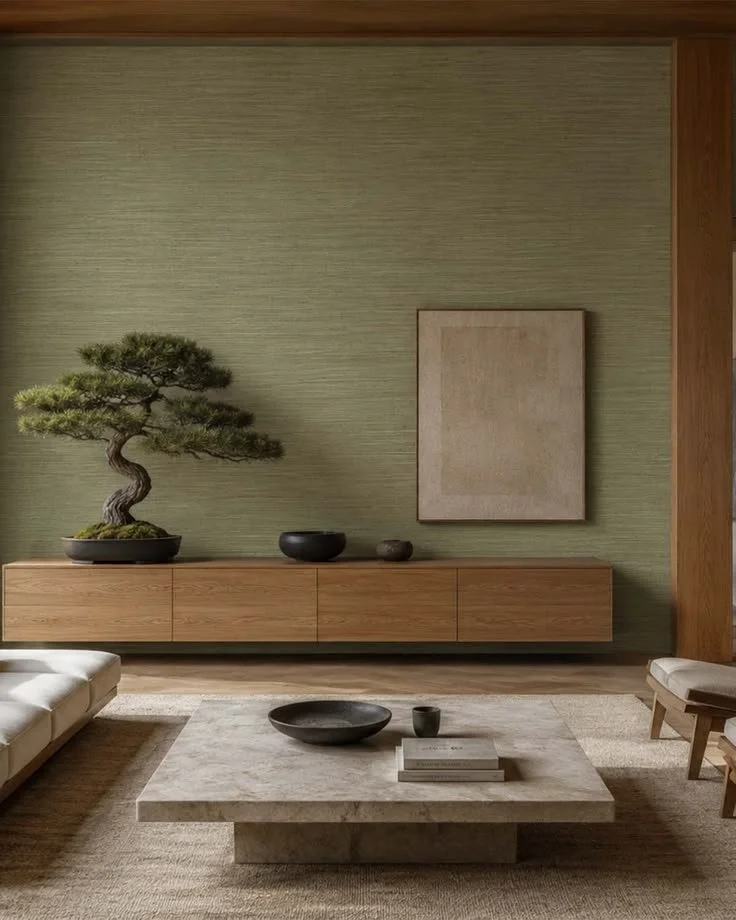
A home feels grounded when it includes something natural, and few wallpaper treatments do that as quietly as grasscloth. Its woven texture adds depth and warmth that flat paint can't match. Green versions go a step further by bringing in a color associated with gardens and calm.
Before you fall for a swatch, it helps to understand what you're choosing between. So, which type of green grasscloth wallpaper should I choose? The answer depends on three things: the material, the room, and how much natural variation you're comfortable with.
In this article, we will explore the three main types of grasscloth, the rooms where each one works best, and the practical details to check before you buy. We'll also look at one natural green option in detail and share tips for choosing a shade that suits your space.
No. 1
The Three Main Types of Grasscloth
Not all grasscloth is made the same way. Each type has its own look, care needs, and level of durability. Knowing the differences up front makes the rest of your decision much easier.
Natural Grasscloth
According to House Digest, grasscloth is a woven wall covering made from natural fibers like seagrass, hemp, reed, or jute. Because each roll is handmade, no two rolls are exactly alike.
Better Homes & Gardens adds that traditional natural grasscloth uses seagrass strands and cotton thread on a light backing, typically rice paper. It also notes that most natural versions need a non-staining paste.
Key features of natural grasscloth include:
Woven from plant fibers such as seagrass, hemp, reed, or jute
Handmade, so each roll has its own variation
Typically backed with a light material like rice paper
Usually installed with a non-staining paste
Faux Grasscloth
Better Homes & Gardens notes that faux versions can be used in more places than natural ones. Vinyl-based faux grasscloth can also be cleaned with soapy water and a soft sponge.
Faux grasscloth is a good fit if you want:
The look of woven texture without natural fibers
A more uniform appearance from roll to roll
A surface you can wipe clean
More flexibility in where you can use it
Peel-and-Stick Faux Grasscloth
The same article says peel-and-stick faux versions are easier to install and remove. That makes them worth considering for renters or anyone who likes to change things up often.
Peel-and-stick options appeal to people who want:
A simpler installation without separate paste
Easier removal when it's time for a change
A lower-commitment way to try a green wall
A practical choice for rental homes
No. 2
Where Each Type Works Best
The right grasscloth depends as much on the room as on the material. A wall covering that looks beautiful in a quiet dining room may struggle in a busy hallway. Thinking about how you use each space will help you avoid costly mistakes.
Best Rooms for Natural Grasscloth
Natural grasscloth does best in calm, low-traffic spaces. Better Homes & Gardens suggests several places where it really shines:
Formal dining rooms
Accent walls
Ceilings
Small areas like cabinet panels
Recessed nooks
These spaces show off the texture of natural fibers without exposing them to much wear. A green grasscloth ceiling, for example, can make a room feel cozy and enclosed in a pleasant way.
Spaces to Avoid With Natural Grasscloth
Better Homes & Gardens advises against using natural grasscloth in certain areas. These include:
Hallways with lots of foot traffic
Kitchens that get splattered
Humid bathrooms
In these rooms, a faux or vinyl-based version is usually the more practical choice. You can still get the look you want without worrying about damage.
Caring for Natural Grasscloth
House Digest adds that grasscloth doesn't resist humidity and shouldn't be cleaned with water. Regular upkeep is limited to light dusting and vacuuming.
Those care limits are good reasons to think about how you live in a room before choosing a natural covering. A home with young children, pets, or frequent spills may be better suited to a wipeable faux option.
No. 3
A Closer Look at One Natural Option
Astek Home's Rural Green Grasscloth Wallpaper, part of its From Nature With Love collection, shows how those general points apply to a specific product. Looking closely at one listing can help you know what to look for when comparing others.
What Makes It Distinctive
The product page describes the wallpaper as handmade and handcrafted by artisans in Asia. It notes that unique variations and irregularities in texture and color are natural qualities of its handmade products.
That variation is exactly what draws many people to natural grasscloth. Each wall ends up with a one-of-a-kind look that machine-made coverings can't fully copy.
Practical Details Worth Knowing
The listing also includes practical details to know before you plan a room around it:
Size: Rolls are 36 inches wide and 8 yards long, with a random match.
Adhesive: The recommended adhesive is a premixed, low-water-content, clear adhesive.
Seams: The page says the seams between panels will be visible after installation.
Care: Washability is listed as light vacuum, and colorfastness is listed as good.
Removal and safety: The product is described as strippable with a Class A fire rating.
A random match means you don't need to line up a repeating pattern between panels. However, the visible seams mean careful planning still matters for a polished result.
Checking Availability
Stock and lead times change, so check the product page for current availability before you commit. Handmade products can take longer to restock, so ordering all the rolls you need at once is a smart move.
No. 4
How to Choose Your Green
Green is one of the most versatile colors in interior design, but it can look very different depending on the light and the room. A shade that feels fresh in a sunny kitchen may seem darker in a north-facing bedroom. Taking your time at this stage pays off.
Shades of Green to Consider
Green grasscloth comes in a wide range of tones, and each one creates a different mood:
Sage: Soft and muted, ideal for a relaxed, airy feel
Olive: Earthy and warm, pairs well with wood and leather
Moss: Rich and organic, adds depth without feeling heavy
Emerald: Bold and elegant, suited to dramatic accent walls
Forest: Deep and moody, creates a cozy, enveloping space
Tips for Making the Right Choice
Keep these tips in mind as you narrow down your options:
Start with a sample. View it in morning light and again in the evening, since green can shift from soft sage to deep forest.
Plan your panels. House Digest advises thinking about panel placement so there are no harsh transitions between rolls.
Match the room to the material. Choose a natural fiber for a quiet bedroom or dining room, and consider a faux version for busier areas.
Welcome the variation. Handmade rolls vary, and that's part of the character you're paying for.
Pairing Green Grasscloth With Your Decor
Green grasscloth works well with natural materials like wood, rattan, linen, and stone. Brass and other warm metals can add a touch of polish against deeper greens. Crisp white trim helps lighter shades look fresh and clean.
No. 5
Making the Decision Feel Easy
If you're still torn, remember that there's no single right answer. Instead of chasing perfection, choose the version that fits the way you live.
A natural green covering like Astek Home's Rural Green suits a calm room where you appreciate texture. A faux or peel-and-stick version is better for a busy household or a space that needs frequent cleaning.
Either way, trust the details you can verify: the material, the care instructions, and how the seams will look. A home that feels like yours is built from small, intentional choices, and a wall in a color you love is a good place to start.
Takeaways
Green grasscloth comes in three main types: natural, faux, and peel-and-stick. Natural versions offer handmade texture, while faux and peel-and-stick options are easier to clean, install, and remove.
Natural grasscloth works best in calm spaces like dining rooms, accent walls, and ceilings, and it should stay away from humid or high-traffic areas. Always check product details such as roll size, adhesive, seam visibility, and care instructions before you buy.
Test samples in different lighting so you can see how your chosen green looks throughout the day. Choose the material that fits your lifestyle, and embrace the natural variation that makes grasscloth special.
Looking for Home resources?
Looking to enhance your living space and create a sanctuary that supports your well-being? Explore our home partners who offer a wide range of resources to elevate your home environment.