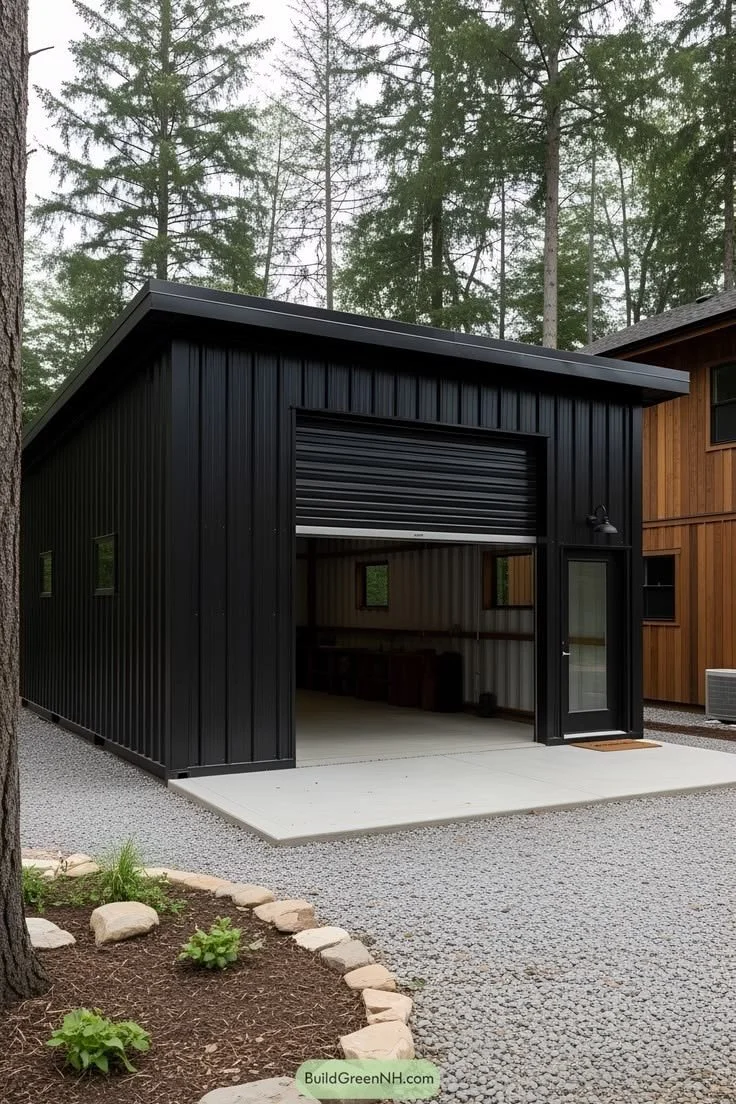
Portable Garage vs. Built Garage: Which Makes More Sense?
A garage does more than keep rain off your car. It protects vehicles, tools, and equipment from snow, UV exposure, theft risk, and the gradual wear that comes from storing valuable items outdoors. But building a traditional garage from scratch can quickly strain your timeline, budget, and available yard space, especially when you factor in permits, site work, and contractor scheduling.

In this article, we will explore whether a portable garage is a smart alternative to building a permanent one by comparing real-world considerations such as cost control, installation speed, durability, site requirements, flexibility, compliance rules, and long-term value. The goal is to help you make a decision that fits your property, your lifestyle, and your future plans without overbuilding or under-planning.
No. 1
Cost and Budget Control
Traditional garage construction is often underestimated because the “garage” is really a bundle of projects: site work, foundation, framing, roofing, doors, electrical, and finishing. Even a simple detached structure can turn expensive when conditions are not ideal, or when material prices and labor availability fluctuate.
A portable garage here can be appealing because it offers a more predictable purchase experience. Instead of paying for multiple phases that may expand over time, homeowners often get a defined scope: a specific structure, a specific size, and a known delivery and installation process.
What drives the cost of a traditional built garage
Even when the design seems straightforward, the final invoice can change due to:
Excavation and grading needs
Concrete slab thickness and reinforcement requirements
Drainage solutions and runoff management
Framing complexity and roofline choices
Electrical rough-in, lighting, outlets, and subpanel upgrades
Siding, trim, gutters, and exterior finish matching
Insulation and drywall if you want conditioned space
Inspection fees and permit costs
Because each of these components can be priced separately, homeowners can experience “budget creep” as the project evolves.
Why a portable structure can offer clearer pricing
For homeowners comparing similar options, a portable garage for sale can provide upfront clarity because structure, floor system, doors, and delivery are defined before purchase. That makes it easier to plan and reduces the chance of surprise expenses.
Portable units can also reduce soft costs, such as:
Design and drafting fees
Extended labor schedules
Multiple contractor bids and coordination
Repeated delivery charges for materials over time
That said, portable does not always mean “cheap.” Larger sizes, upgraded doors, heavier-duty floor systems, and premium exterior materials can raise the price, but the advantage is often that you can see those upgrades itemized before committing.
When building still makes more financial sense
A property that needs living space, plumbing, or a finished shop can still benefit from a site-built garage. If you are planning a long-term workshop with insulation, HVAC, extensive wiring, or integrated storage systems, permanent construction may provide better lifetime utility and stronger appraisal alignment.
Still, many owners do not need all that. If your main need is secure parking and storage, a large custom structure may not return enough practical value to justify the additional cost.
No. 2
Speed and Disruption
Time is a real cost in construction. A permanent garage can take weeks or months from initial planning to final inspection, especially when you factor in permit review cycles, contractor availability, and seasonal weather.
Portable garages can significantly shorten that timeline because many are built off site and then delivered and installed once the location is prepared. For homeowners who need storage before winter, before a move, or before a vehicle sits exposed for another season, speed can be the deciding factor.
Typical delays that slow down permanent construction
Permanent projects commonly run long due to:
Permit backlogs and inspection scheduling
Weather delays during excavation, concrete pours, or roofing
Subcontractor coordination (concrete, framing, electrical)
Material lead times for garage doors, windows, or trusses
Change orders after work begins
During that period, the yard can become a work zone with equipment, materials, and crews moving in and out.
How portable installation reduces disruption
While site preparation still matters, portable setups tend to reduce daily interruption because:
Most construction happens off site
Installation is usually concentrated into a shorter time window
There is less debris, cutting, and staging on your property
You avoid a long “open project” period where progress happens in slow phases
Site prep still matters for long-term performance
Even the best portable garage can underperform if it is installed on a poor base. A level foundation improves:
Door operation and alignment
Floor longevity and load handling
Moisture management and drainage
Structural stability over time
Common base options include:
Compacted gravel pads that drain well and are cost-effective
Concrete pads, which can be highly durable but increase cost
Other engineered bases depending on local standards
Local rules may also require setbacks from lot lines, driveways, easements, or drainage areas. Verifying those details early prevents last-minute relocation or redesign.
No. 3
Durability and Protection
A portable garage should not be evaluated like a light-duty shed. If you plan to store a vehicle, riding mower, tools, or hobby equipment, you need a structure that holds up to repeated use and local weather patterns.
Durability depends on the materials, the build quality, and the way the structure is anchored and maintained.
Features that influence durability
When comparing options, look closely at:
Floor framing strength and joist spacing
Treated lumber or moisture-resistant components at ground contact points
Siding quality and weather resistance
Roofing system and shingle grade
Door type and track hardware durability
Ventilation (especially if storing gas tools or damp equipment)
Door size matters more than many buyers expect. It is not just about whether a car fits; you also need clearance for mirrors, roof racks, and the turning angle when you enter.
Match the structure to your climate
Climate should guide the decision:
In snowy regions, confirm roof load ratings and consider snow-shedding roof designs
In windy areas, anchoring, placement, and exposure matter more than aesthetics
In wet climates, drainage and ground moisture management become critical
In high-sun areas, UV exposure affects paint, siding, and roofing lifespan
Also consider the surroundings. Shade from trees, runoff patterns, and nearby sprinklers can increase moisture exposure and wear, even if the structure itself is well made.
Permanent construction usually wins on maximum lifespan and integration. It can be attached to the home, insulated heavily, and wired for advanced workshop use. Still, a well-built portable structure can serve for many years when sized correctly and maintained with basic care such as roof inspections, repainting, and keeping the base well-drained.
No. 4
Flexibility and Property Planning
One of the strongest arguments for choosing a portable garage is flexibility. Needs change. Families grow, hobbies expand, vehicles change size, and property layouts get updated over time.
Portable garages give homeowners a way to add enclosed storage without locking in a permanent footprint.
Why flexibility can matter more than square footage
A portable garage can often be placed where it is most convenient today, then moved later if:
You change driveway layout or add a new parking area
You plan future landscaping, a patio, or an addition
You want to reposition storage closer to a workshop or garden
You anticipate selling and want optionality
This can be especially useful for homeowners who are not ready to commit to a major construction project or who suspect they may relocate in the next several years.
Avoid overbuilding by right-sizing the structure
Portable garages also help owners avoid building more than they need. A small car, lawn tractor, motorcycle, or seasonal equipment may not require a full two-car garage.
Right-sizing can help you:
Preserve yard space and maintain a more open property feel
Reduce maintenance time (less exterior to repair or repaint)
Avoid paying for unused space
Keep the storage solution aligned with actual daily use
Know the limits: neighborhood and zoning requirements
Flexibility does not eliminate compliance. Some neighborhoods restrict detached structures by:
Maximum square footage
Total height or roof pitch
Exterior siding type and color
Roof style and shingle requirements
Required distance from lot lines and easements
Homeowner groups may require approval before delivery. Checking these rules early prevents delays and helps buyers choose a design that fits local expectations.
No. 5
Resale and Long-Term Value
The “best” choice is not only about today. It is also about how the decision affects future buyers, property value, and your own long-term use.
Permanent construction may add stronger resale appeal in markets where enclosed parking is expected.
Buyers often value:
Attached access to the home
Finished interiors
Matching exterior materials
Electrical and lighting already in place
A garage that feels like an integrated part of the property
That value can offset part of the higher building cost, particularly in neighborhoods where garages are standard.
Portable garages create value in a different way. They solve an immediate storage problem without locking the owner into a major addition, and in some cases the structure can move with the owner or be sold separately. Portability reduces risk before long-term needs are clear, which can be an advantage if you are unsure whether you will stay in the home or if you expect your storage needs to evolve.
Questions to ask before deciding for the long haul
Use these prompts to clarify which option is likely to “pay off” for you:
Will you use the space daily, or seasonally?
Do you need electrical, insulation, or workshop-level utilities?
Is the structure primarily for vehicle protection, or for project work?
How long do you expect to stay in the home?
What do comparable homes in your area typically offer?
Takeaways
A portable garage can be a smart substitute for building a permanent one when your main goals are practical protection, faster setup, and clearer cost control. It is especially useful when you need enclosed storage quickly without taking on a full construction timeline.
Permanent garage construction is usually the better fit when you want a fully integrated structure with heavy utilities, extensive insulation, or a long-term workshop buildout. It can also deliver stronger resale appeal in markets where attached or finished garages are expected.
The best decision comes from matching the building type to your actual daily use, local rules, and future site plans. By evaluating budget, installation speed, durability needs, and long-term flexibility, you can choose a solution that protects your vehicles and equipment without unnecessary complexity.
Looking for Home resources?
Looking to enhance your living space and create a sanctuary that supports your well-being? Explore our home partners who offer a wide range of resources to elevate your home environment.