Skincare Manufacturing: From Formula Approval To Delivery
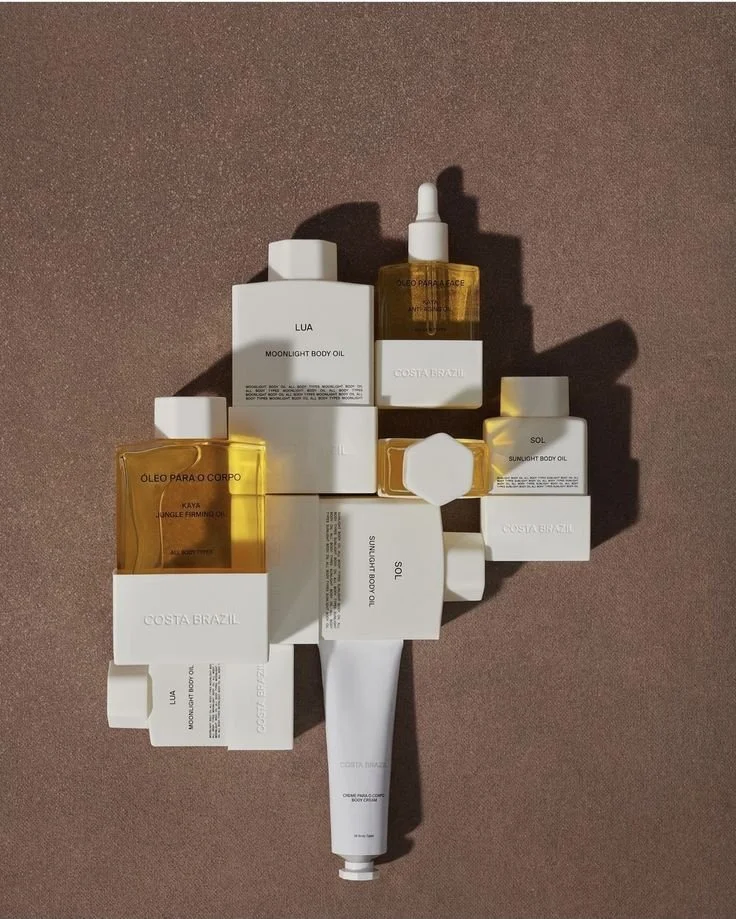
A skincare sample can look ready for sale long before the first retail bottle exists. The cream feels right, the fragrance works, and the founder can already picture it on a store shelf.
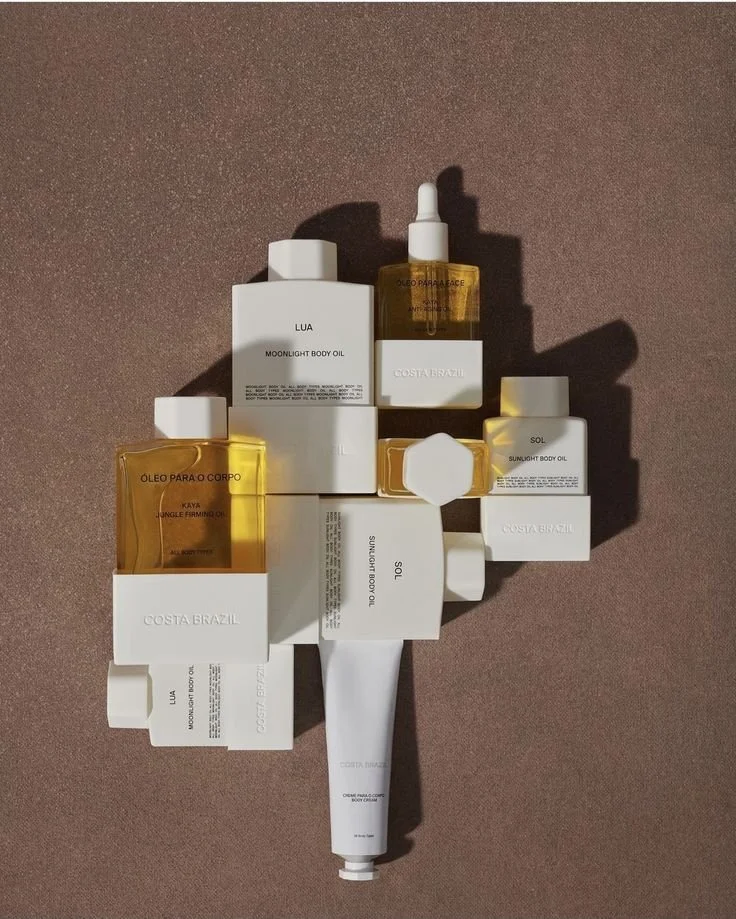
Then the questions start. Which ingredients need to be ordered? Will the formula behave the same way in a larger batch? Has the final pump been tested with the product inside it, and who decides whether the finished goods can ship?
These steps rarely show up in a brand's launch photos, but they shape the experience customers eventually get. Working with a private label skincare manufacturer can simplify parts of the process, but it doesn't make the decisions go away.
In this article, we will explore what happens after sample approval, from sourcing materials and scaling up production to quality checks, filling, packaging, and final release. Knowing these stages helps a brand set realistic expectations, ask better questions, and avoid mistaking a production date for a guaranteed delivery date.
No. 1
Approval Is a Starting Point, Not a Shipping Instruction
When a brand approves a sample, it usually means the product has reached an agreed stage of development. That approval still has to be turned into a precise record of what will be made. A casual note saying "use the creamy version" isn't enough to guide a repeatable production run.
What Working Specifications May Cover
The working specifications often address measurable criteria such as:
The exact formula version approved
Target appearance, color, and texture
Scent profile and fragrance source
Packaging components, including containers, closures, and pumps
Fill quantity per unit
Other measurable criteria that fit the product
What belongs in these records depends on the product and the requirements that apply to it. The manufacturing agreement should also say who approves changes and how those changes are documented.
Confirm What the Sample Represents
A useful question to ask is whether the approved sample matches the formula and presentation that will actually be produced. If a fragrance, container, or ingredient source changes afterward, the team may need to revisit the relevant assessments. It's risky to assume the earlier approval still covers everything.
No. 2
Materials Have to Arrive Before a Batch Can Begin
Ingredients aren't always sitting in a warehouse the moment an order is placed. A production team may need to source materials, confirm specifications, check documentation, and assess incoming shipments according to its procedures.
Common Sources of Delay
Several material-related factors can stretch a timeline:
Raw ingredients with long supplier lead times
Packaging components that come from separate suppliers
Custom pumps, closures, or decorations that are temporarily unavailable
Missing or incomplete supplier documentation
Incoming materials that need assessment before use
An attractive bottle can become the longest part of the schedule if its pump or decoration isn't available. Packaging deserves the same planning attention as the formula itself.
Why Substitutions Need Review
An ingredient substitution shouldn't be treated as a harmless purchasing shortcut. Even materials that sound equivalent can differ in ways that matter to a formula. Any change should go through appropriate review and authorization.
The Order of Decisions Matters
Picture a brand that finalizes its artwork before checking how much label space the chosen container actually has. A late packaging change may force the designer to redo the layout, which can delay printing. Another brand might order cartons before confirming the final bottle dimensions.
Neither problem starts with the skincare formula, yet both can hold up finished inventory. That's why a practical project timeline tracks several moving parts instead of one general "manufacturing" milestone.
A brand should know which approvals are needed before it can commit to:
Ingredients and raw materials
Primary containers and closures
Printed labels
Outer cartons and secondary packaging
No. 3
Moving From Sample Size to Production Size Takes Control
A sample may be mixed in a small laboratory vessel. A commercial batch uses different equipment, larger quantities, and different operating conditions, so making more of the same formula isn't always as simple as multiplying every number in the recipe.
Process Variables That Influence Results
Several factors can affect the finished product during scale-up:
The order in which ingredients are added
Heating and cooling temperatures
Mixing speed and processing time
Equipment design and characteristics
An emulsion, for example, needs the right process to reach its intended consistency. A written production procedure helps operators make batches in a controlled, repeatable way.
What Brands Should Understand
The goal isn't to make every jar look identical by eye. It's to meet defined quality criteria using documented methods.
Brands don't need to run the equipment themselves. However, they should understand which production stages their partner controls and what happens if results fall outside the agreed limits.
No. 4
Quality Checks Occur at More Than One Point
People sometimes picture quality control as a final inspection of boxes before shipment. In practice, relevant checks can happen much earlier in the process.
Stages Where Checks May Take Place
Depending on the agreed testing program, quality activities can involve:
Incoming raw materials
Work in progress during manufacturing
Bulk product before filling
Packaging components
Finished goods
The exact scope depends on the formula, manufacturing controls, applicable rules, and the agreed testing program. A batch may be assessed for characteristics such as appearance, pH, viscosity, or other suitable specifications.
Distinct Types of Evaluation
Microbiological controls and testing may also be relevant, particularly for products that are prone to contamination. Several other activities serve separate purposes:
Stability evaluation, which looks at how a product holds up over time
Preservative effectiveness testing, which assesses how well a formula resists microbial growth
Product safety assessments, which consider whether the product is suitable for its intended use
One of these doesn't automatically replace another. Brands should clarify which evaluations have been done and which are still needed.
What If Something Does Not Match?
Imagine a lotion that's noticeably thinner than its approved specification. The answer shouldn't be to fill the bottles and hope shoppers don't notice.
The deviation needs to be evaluated under the manufacturer's procedures. Possible outcomes include using the material, adjusting it, investigating further, or rejecting it.
Brands can ask their private label skincare manufacturer how departures from specifications are documented and communicated. The point isn't to demand an impossible promise of zero variation. It's to understand how problems get caught and handled before they turn into customer complaints.
No. 5
Filling and Packaging Create Their Own Challenges
A formula can pass bulk checks and still run into trouble on the filling line. Thick creams, foaming cleansers, and thin liquids all behave differently when they're transferred into containers, so equipment settings and filling procedures need to suit both the product and the package.
Packaging Details That Require Attention
The packaging stage involves more than putting on a label.
Key considerations include:
Compatibility between the formula and its container and closure
Accurate fill quantities
Secure closure fit to prevent leaks
Clear lot identification for traceability
Correct and complete label information
A poorly matched pump may struggle to dispense the product even when the formula itself is fine. Testing the final package with the actual product helps catch these problems early.
The Importance of Label Version Control
It also matters which version of the label gets applied. A design might have changed after the original artwork was approved.
Clear version control lowers the risk of printing outdated directions, ingredient declarations, or other required information. Brands remain responsible for understanding the rules that apply to the products they sell, including the claims they make.
No. 6
Finished Does Not Always Mean Released
Once the bottles are filled and packed, there may still be records and checks to complete before the goods are cleared for distribution. As part of its release procedures, a manufacturer may review production documentation, test results, packaging information, and any deviations.
Why This Distinction Matters for Launch Planning
"Production completed" and "inventory ready to ship" aren't necessarily the same date. Freight arrangements, warehouse receiving, and any additional requirements can add more steps before customers can buy the products.
Questions to Ask About Lead Times
When discussing schedules with Rainshadow Labs or any other manufacturing partner, a brand can ask what a quoted lead time includes.
Useful questions include:
Does the lead time start after final artwork and materials are approved?
Does it end at batch completion, product release, or shipment?
What events could pause or extend the timeline?
How will schedule changes be communicated?
Clear definitions keep two teams from working toward different expectations.
No. 7
The Brand Still Has Decisions to Own
Outsourcing production doesn't remove the need for internal coordination. Someone on the brand's side should own the details and serve as the main point of contact.
Responsibilities to Track Internally
That person should keep track of:
Approved product versions and specifications
Final artwork and label versions
Purchase orders and expected delivery dates
Customer-facing claims and the evidence behind them
Contacts to reach if a component changes or a question comes up
Preparing for a First Order
For a first order, it helps to request a simple milestone schedule and confirm responsibilities in writing. Ask what information the manufacturer needs, which approvals could hold up work, and what evidence will support the product's intended claims.
Avoid making marketing promises based only on how a sample feels. Claims should rest on appropriate support, not first impressions.
Planning for What Happens After Delivery
It also pays to plan for what happens after the goods arrive.
The team needs systems to:
Identify and track product lots
Store inventory according to directions
Respond to customer complaints
Investigate issues that come up later
A launch isn't the end of product stewardship. It's the start of the product's life with customers.
No. 8
A Better Launch Begins With Fewer Surprises
The period between sample approval and delivery is where a promising skincare idea becomes a controlled physical product. Materials have to be available, procedures followed, packaging matched to the formula, and finished goods cleared under the appropriate release requirements.
A brand that understands these stages can ask sharper questions and plan around real dependencies. Instead of treating manufacturing as a hidden step between design and marketing, it can treat production as an essential part of delivering the product customers were promised.
Takeaways
Sample approval is the start of production planning, not a shipping instruction. Detailed specifications and documented change controls make sure the approved product is the one that actually gets made.
Material sourcing, packaging lead times, and the order of decisions can affect a schedule as much as the formula itself. Scale-up and quality checks at several stages help each batch meet defined criteria in a controlled, repeatable way.
Filling, labeling, and release procedures add steps between production and shipping. Brands that clarify lead times, own internal coordination, and plan for life after launch can avoid costly surprises.
Looking for Business resources?
Are you seeking ways to elevate your business to new heights? Dive into the array of resources provided by our esteemed business partners designed to empower your ventures.