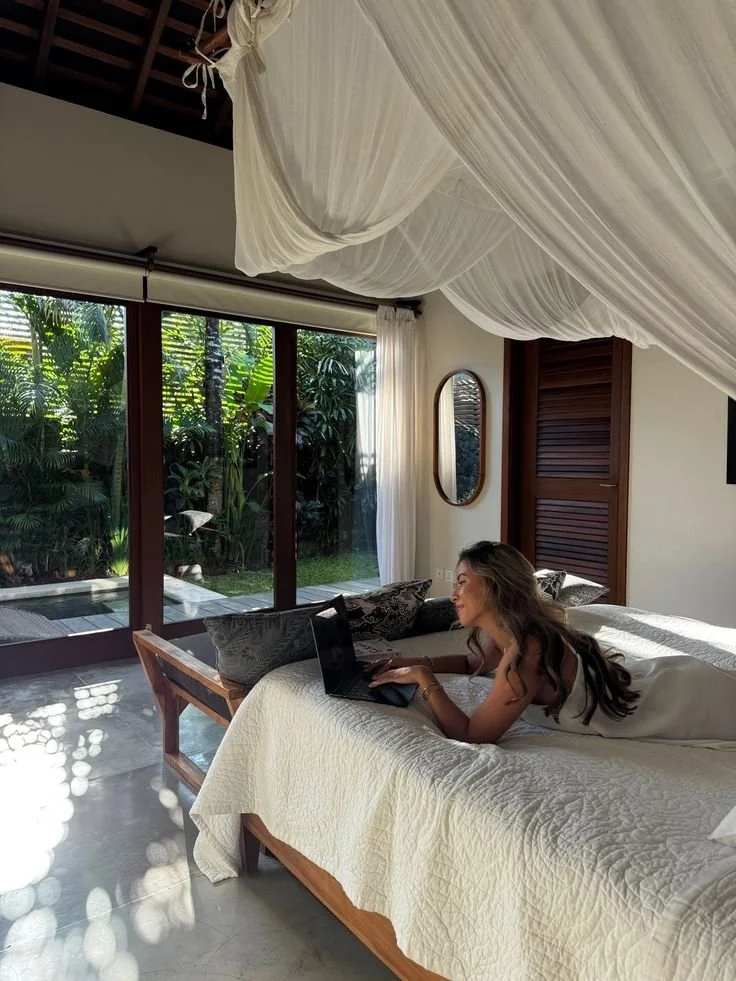
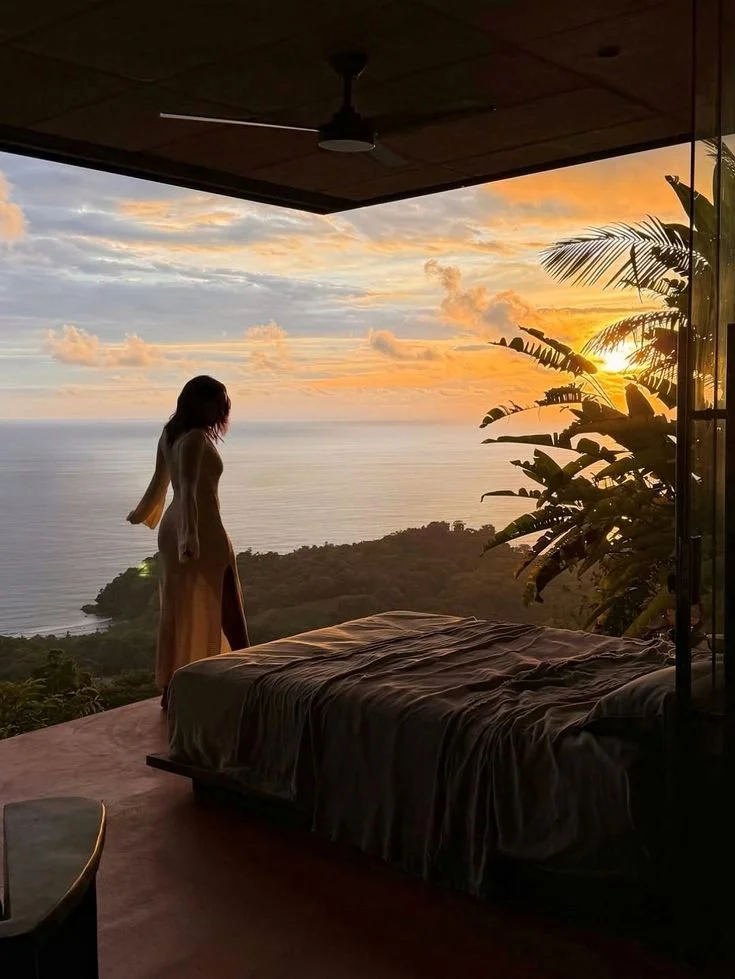
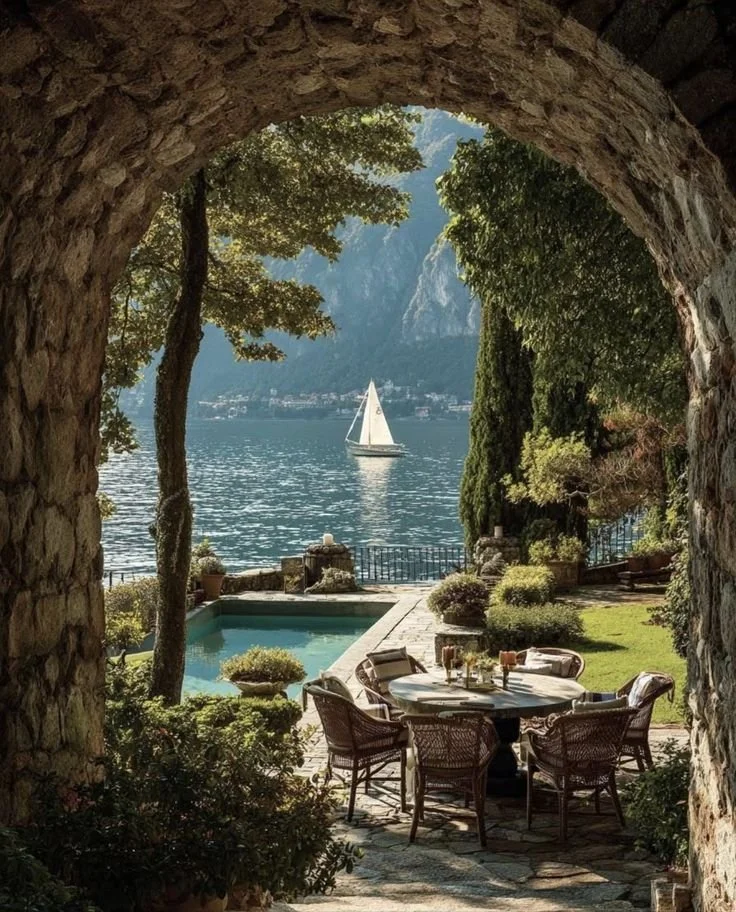
Rediscovering Luxury Travel - What Makes Boutique Hotels Special
When you are planning a trip, choosing where to stay shapes everything that follows: your schedule, your mood, your sense of comfort, and even how connected you feel to the destination. For decades, the default options were fairly narrow, either a mega-resort built to keep you on-property or a familiar chain hotel designed to feel the same no matter what city you land in.

Boutique hotels have steadily changed that equation. They offer a more intimate, design-forward, experience-led approach to hospitality, one that treats the hotel as part of the journey instead of just a place to sleep.
In this article, we will explore what defines a boutique hotel, why service feels different, how design and atmosphere become part of the value, and what you should look for when deciding if a boutique stay matches your travel style.
No. 1
So, What Is a Boutique Hotel?
There is no single universal rulebook, but boutique hotels tend to share a recognizable set of traits that separate them from large chains and sprawling resorts. Most are smaller properties, often with fewer than 100 rooms, and many are independently owned or part of a small collection rather than a global brand.
This smaller scale influences nearly everything, from staffing to design decisions to how quickly the hotel can adapt to guest preferences.
Common Characteristics of Boutique Hotels
Smaller room count and more intimate public spaces
A distinct identity, often built around a theme, story, or sense of place
A deliberate design point of view rather than standardized decor
An emphasis on guest experience and personalization
A stronger connection to the surrounding neighborhood
Because the goal is not uniformity, you will rarely see identical rooms repeated floor after floor. Instead, boutique properties often lean into the quirks of the building's history or local culture, making the stay feel more like discovery than routine.
No. 2
Personalized Service That Feels Genuinely Human
One of the first differences most travelers notice is service. In a high-volume, 5-star hotel chain, staff may be professional and efficient, but interactions can feel transactional because the system is built for speed and standardization. Boutique hotels typically have fewer guests at any given time, which creates more space for staff to be attentive, flexible, and proactive.
This does not necessarily mean boutique hotels offer more service in a formal sense. Instead, the service often feels more tailored and less scripted, with small gestures that show staff are paying attention.
What Personalized Service Often Looks Like in Practice
Remembering your name and preferences after check-in
Offering recommendations based on your interests, not just a generic list
Adjusting check-in or check-out logistics when possible
Noticing special occasions and adding small touches
Helping you plan a day that fits your pace, budget, and priorities
A thoughtful concierge suggestion can easily beat a long list of generic “top 10 attractions,” especially in cities where the best experiences are not always the most famous ones. When the staff are empowered to be flexible, the hotel becomes a partner in your trip rather than simply a place that hands you a key.
No. 3
One-of-a-Kind Design and a Strong Sense of Atmosphere
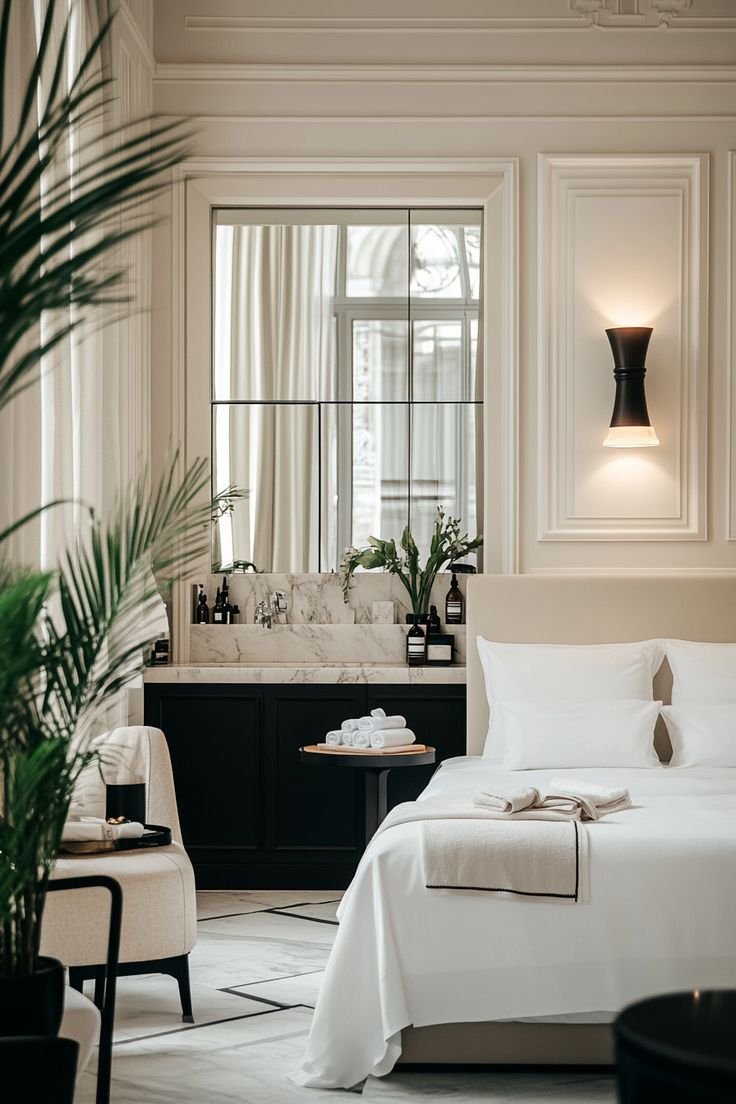
Boutique hotels are widely associated with design, and that reputation is earned. Design is not treated as a background feature; it is often a central pillar of the brand. Everything from lighting temperature to music selection to the scent of the lobby can be curated to reinforce a specific mood.
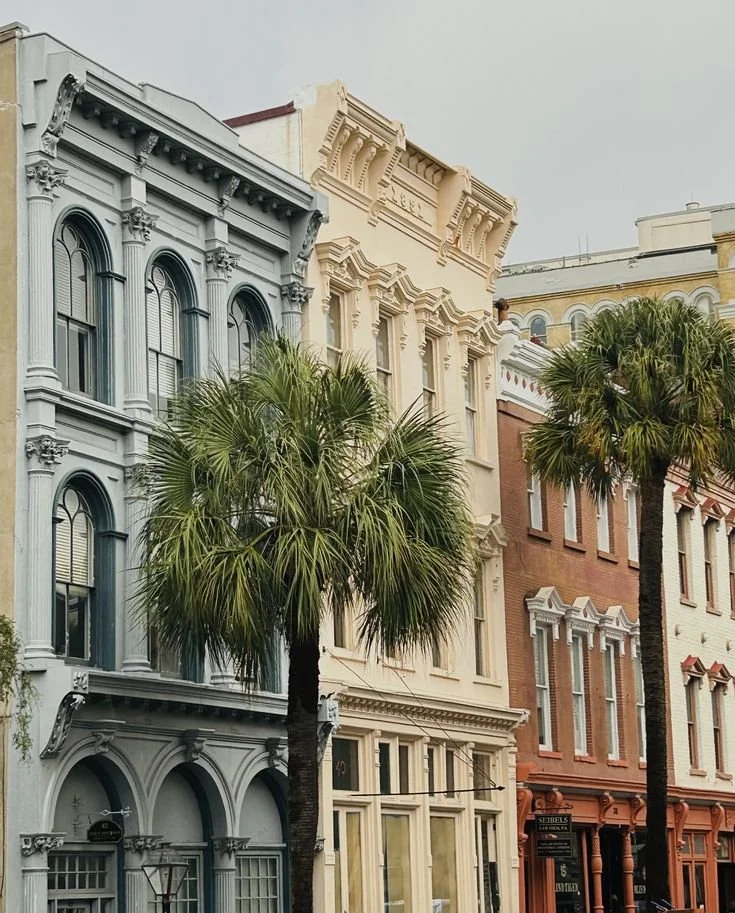
Many boutique properties also live in buildings with architectural character, such as historic townhouses, converted warehouses, or restored mansions. The building itself becomes part of the storytelling, which can make the experience feel layered and immersive.
Design Elements That Often Define Boutique Properties
Distinct room layouts rather than a standardized floor plan
Locally inspired materials, colors, and textures
Curated artwork, frequently from regional artists
Details that feel intentional, such as custom furniture or unique fixtures
A cohesive aesthetic that carries from lobby to rooms to amenities
For travelers who care about ambiance, boutique design can make downtime feel like part of the vacation. Instead of returning to a generic room that could be anywhere, you return to a space that reinforces the destination and the tone of your trip.
No. 4
A Deeper Connection to Local Culture
Large hotel chains can sometimes feel insulated from their surroundings, even when they sit in the center of a lively neighborhood. Boutique hotels tend to do the opposite by intentionally building ties with local culture, local businesses, and local creative communities.
This connection often appears in the dining program, partnerships, events, and even staffing. In many cases, boutique hotels aim to be a place where locals also want to spend time, not just travelers.
Ways Boutique Hotels Often Reflect Their Location
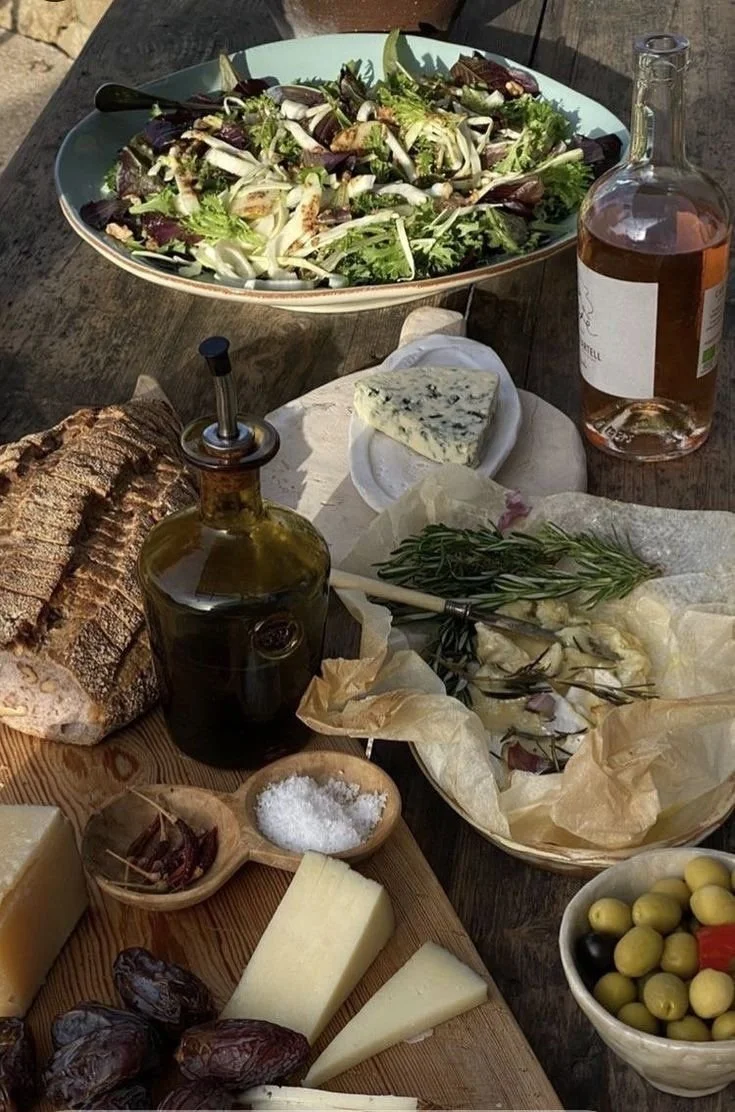
Restaurants that source ingredients from nearby farms and producers
Lobby bars and cafes that attract local regulars
Art programs that feature local galleries or emerging artists
Collaborations with neighborhood businesses for tours or experiences
Retail corners with regional products rather than generic souvenirs
For guests, this translates into a stay that feels more anchored. You are not just observing the destination from a comfortable bubble; you are interacting with it in a way that feels more organic.
No. 5
More Than Just a Place to Sleep: Experience-Led Hospitality
A boutique hotel stay is often defined by the small experiences that make the trip feel personal. These hotels tend to focus less on sheer quantity of amenities and more on thoughtful, memorable touches that suit their identity.
That can mean a hotel that feels quiet and restorative, a hotel that feels like a cultural hub, or a hotel that feels like a private club without the exclusivity.
Examples of Boutique-Style Experiences
Curated neighborhood walking routes with recommendations
Private tastings, cooking classes, or chef-led events
Guided history tours tied to the building or area
Rotating live music, readings, or art exhibitions
Complimentary rituals such as evening wine hours or morning espresso service
These offerings can be especially valuable if you want your hotel to help set the rhythm of your trip. Instead of feeling like you have to work to “find” the destination, the hotel can function as an easy entry point to what makes the place distinct.
No. 6
Who Boutique Hotels Are Best For, and When to Choose a Different Option
Boutique hotels are not automatically better than large hotels. They are simply optimized for different priorities. If you know what you value most, it becomes easier to pick the right stay and avoid disappointment.
Boutique Hotels Often Make Sense If You Value
A quieter, less crowded environment
Design, aesthetics, and a strong atmosphere
Personalized service and flexible problem-solving
A sense of place and local flavor
Unique experiences over predictable standardization
A Chain Hotel or Resort May Be Better If You Need
Extensive on-site facilities, such as multiple pools or large kids’ clubs
Highly standardized room layouts and amenities
Large conference infrastructure or complex business services
Loyalty program benefits and consistent brand expectations
A predictable, familiar setup across many cities
A helpful way to think about it is this: boutique hotels often maximize character and attention, while large properties often maximize infrastructure and predictability. Neither is inherently superior, but one may match your trip better.
No. 7
Practical Tips for Booking the Right Boutique Hotel
Because boutique hotels vary widely, you will get the best results by reading beyond the headline descriptions. A property can call itself boutique while still operating like a small conventional hotel, so it helps to look for signals that the experience is truly curated.
What to Look For Before You Book
Photos that show a consistent design language across public spaces and rooms
Clear information about room differences, since layouts may vary more than in chains
Details on experiences, partnerships, or neighborhood integration
Restaurant and bar information, including whether locals actually visit
Policies on noise, events, and quiet hours if calm matters to you
Questions Worth Asking
Are all rooms the same layout, or do sizes and views vary significantly?
Is there a 24-hour front desk, or does staffing change overnight?
What is the vibe on weekends: quiet, social, or event-driven?
Are there local partnerships for tours, dining, or transportation?
What is included in the rate that might not be obvious, such as breakfast or experiences?
A boutique stay is often at its best when the hotel’s personality aligns with your own preferences. The more you understand the property’s identity, the more likely it is to feel like a perfect fit rather than simply a nice room.
Takeaways
Boutique hotels offer a smaller-scale, experience-driven alternative to chain hotels and mega-resorts, often defined by distinctive design, stronger service, and a clear sense of identity. They can make the hotel itself feel like part of the destination rather than a neutral place to sleep.
Personalized service and local connection are core advantages, but boutique properties vary widely, so it pays to look for concrete signals like curated experiences, consistent aesthetics, and real neighborhood integration. Matching the hotel’s vibe to your travel style is the easiest way to ensure the stay feels special rather than merely different.
If you want character, calm, and thoughtful details, boutique hotels can deliver a kind of luxury that feels personal instead of standardized. If you prioritize extensive facilities, loyalty perks, or predictable uniformity, a larger brand may be the smarter choice for that trip.
Looking for Travel resources?
Looking to embark on a transformative journey to discover new cultures, expand your horizons, and reconnect with yourself? Explore, learn, and awaken your wanderlust with our travel partners designed to support you on your next getaway.