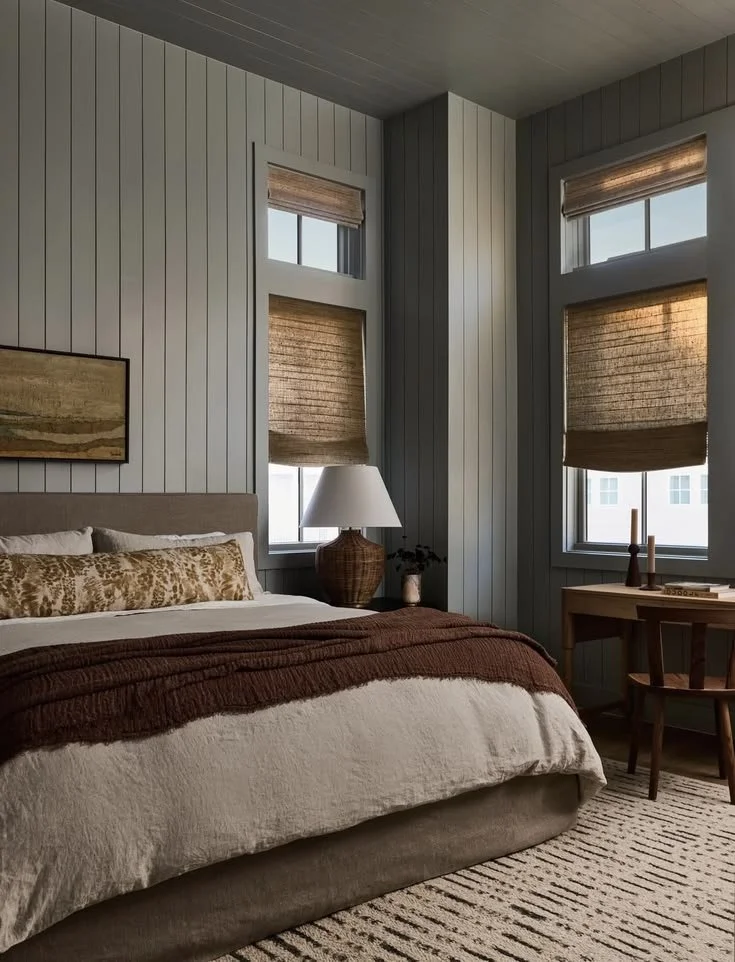
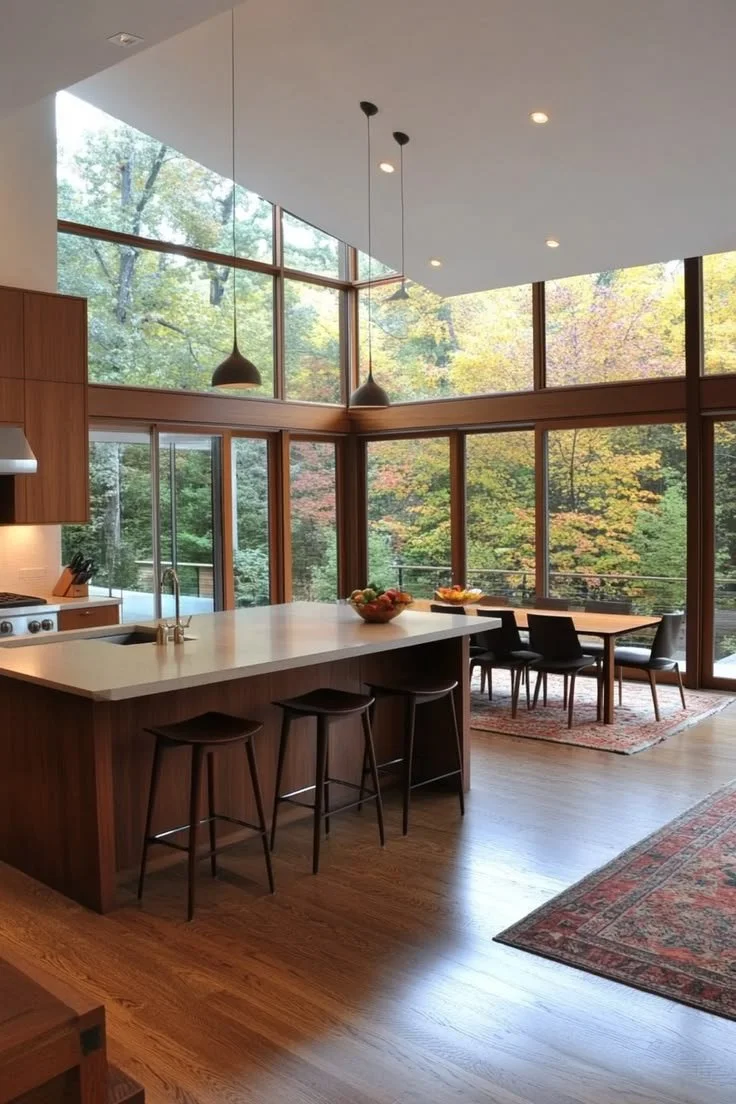
How To Design A Calm Home For Sensory-Sensitive People
Your home should feel comfortable, but the same space can affect people in very different ways. You may be used to the bright lights, background noise, busy patterns, and crowded surfaces in your home. Visiting guests, though, may find these details distracting or even overwhelming.
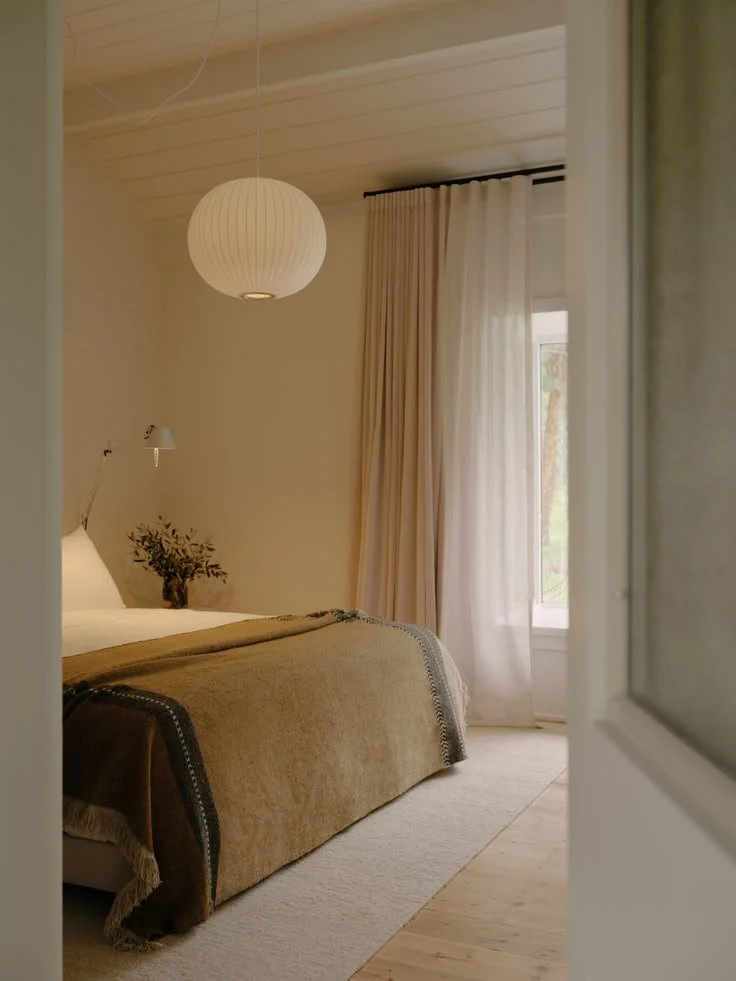
If you're the one who is sensitive to your surroundings, rethinking your space matters even more. Thoughtful interior design can help you create a home that feels more manageable, restful, and enjoyable.
In this article, we will explore how to find the sensory demands in your home, use light and color with intention, and cut down on noise. We'll also cover storage ideas and how to build a home that can change along with you.
No. 1
Start With the Sensory Demands
Before you change anything, figure out what's causing discomfort. Walk through your home and note anything that immediately affects your mood or leaves you feeling overloaded.
Questions to Ask in Each Room
As you move from room to room, ask yourself:
Are there harsh overhead bulbs or lights that flicker?
Can you hear street traffic, appliances, or a humming refrigerator?
Do bold patterns or bright colors pull your eye in every direction?
Are surfaces crowded with objects, paperwork, or cords?
Does the room feel too warm, too cold, or stuffy?
Are there strong smells from cooking, cleaning products, or air fresheners?
Check at Different Times of Day
Visit each room in the morning, afternoon, and evening to see how it changes. Shifting sunlight, glare on screens, and neighborhood activity like school pickups or rush-hour traffic can all change how a space feels.
Keep a simple list of what you notice. A few days of notes will often reveal patterns you'd otherwise miss.
Start Small
Don't try to overhaul everything at once. Instead, tackle the single most disruptive problem in the room where you spend the most time, so you have a calm retreat while you work on the rest.
If you share your home with family members or roommates, compare notes early. Sensitivities differ from person to person, so your changes should respect everyone's comfort levels.
No. 2
Use Light and Color With Intention
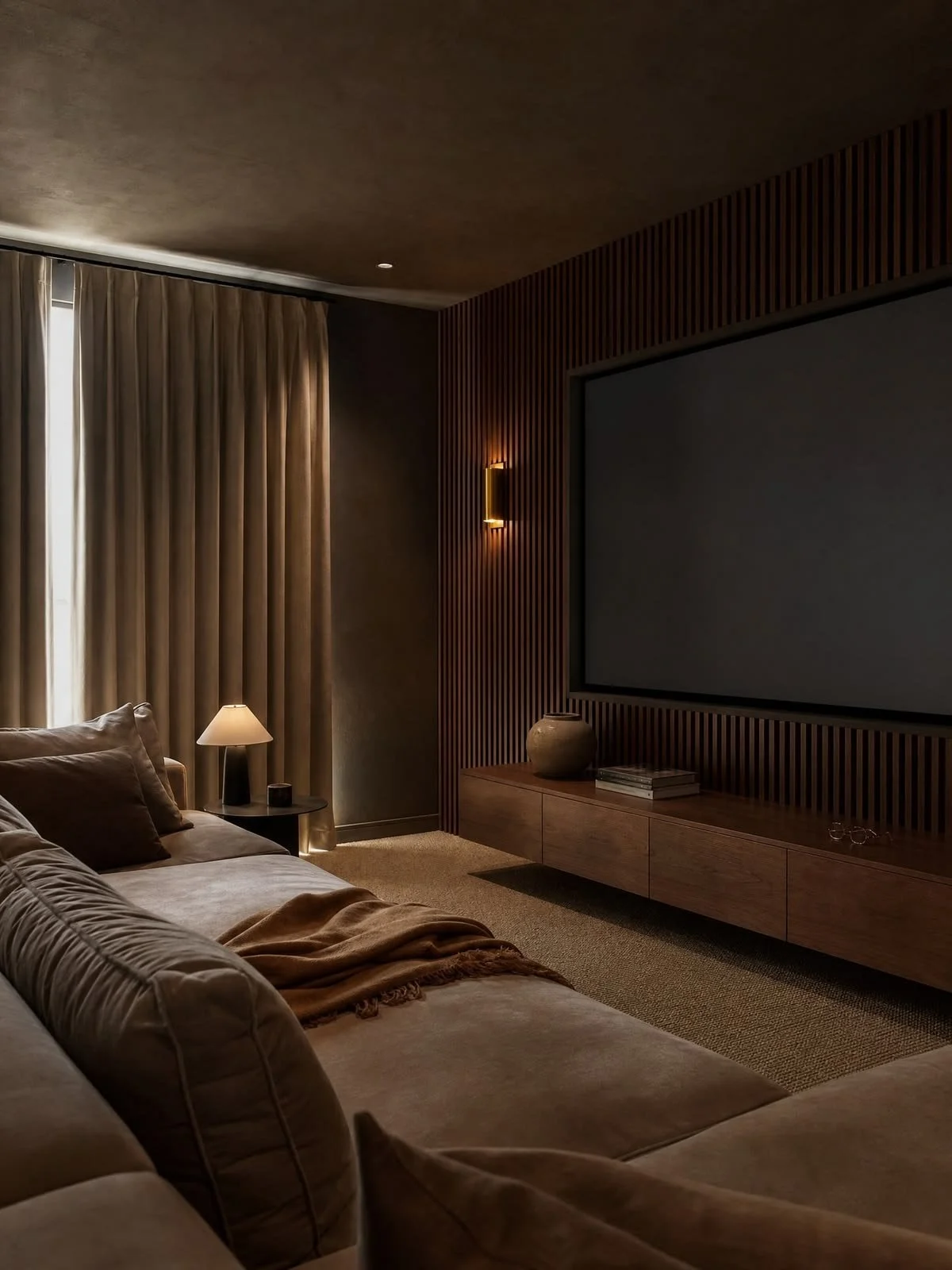
Lighting can make a huge difference in how a home feels. A single bright ceiling fixture tends to fill a room with unforgiving glare, while layered lighting lets you control the atmosphere.
Layer Your Lighting
Combine several light sources so you only light the areas you're actually using:
Floor lamps for soft, general light
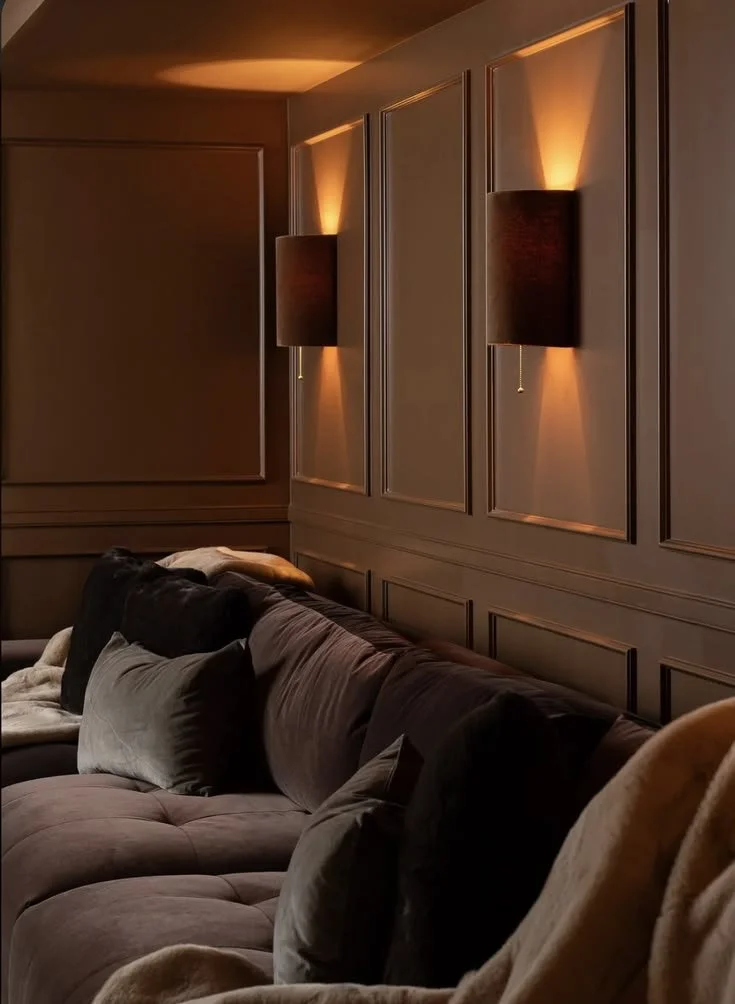
Table lamps for a warm glow near seating
Adjustable task lights for reading, cooking, or desk work
Under-cabinet or shelf lighting for gentle accent light
Move your lamps around until you find the right balance. Shades made of fabric or frosted glass soften the light even more.
Control Brightness and Daylight
A few simple upgrades give you more control over light throughout the day:
Install dimmer switches so you can lower the brightness in the evening.
Choose warm bulbs, around 2700K to 3000K, for a softer glow.
Look for flicker-free LED bulbs that work with your dimmers.
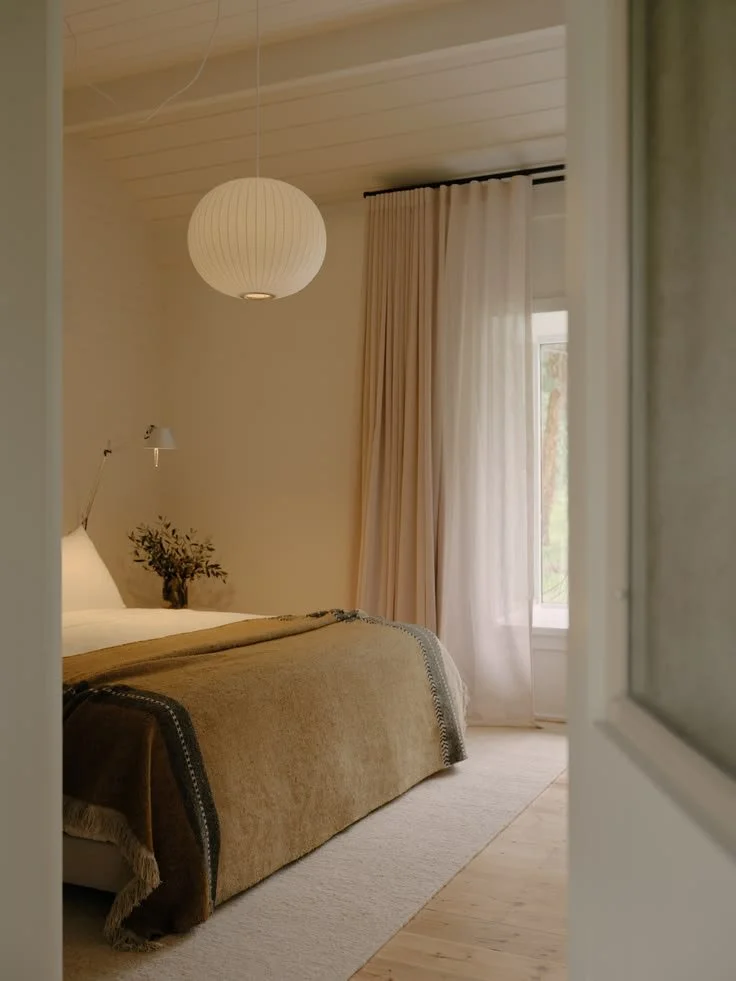
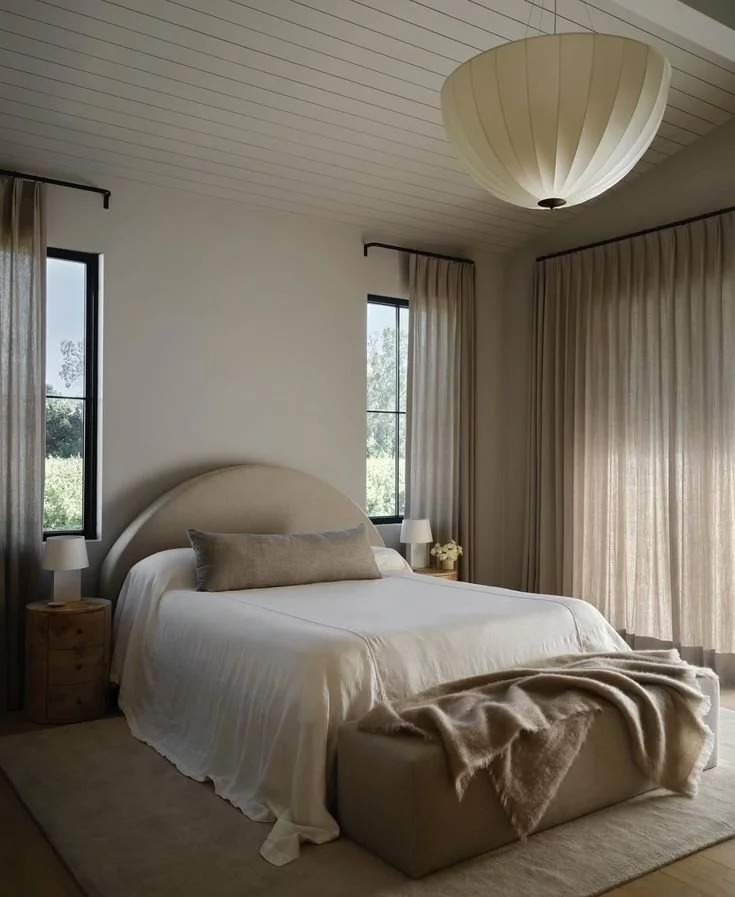
Hang sheer curtains to soften harsh daylight.
Use blackout shades in bedrooms to make rest easier.
These changes help you tone down intense sunlight and ease into the evening.
Choose a Soothing Color Palette
Color and contrast play a big part in making a room comfortable. A neutral palette doesn't have to mean stark white walls, which can feel cold and reflect a lot of glare.
Consider these calming choices:
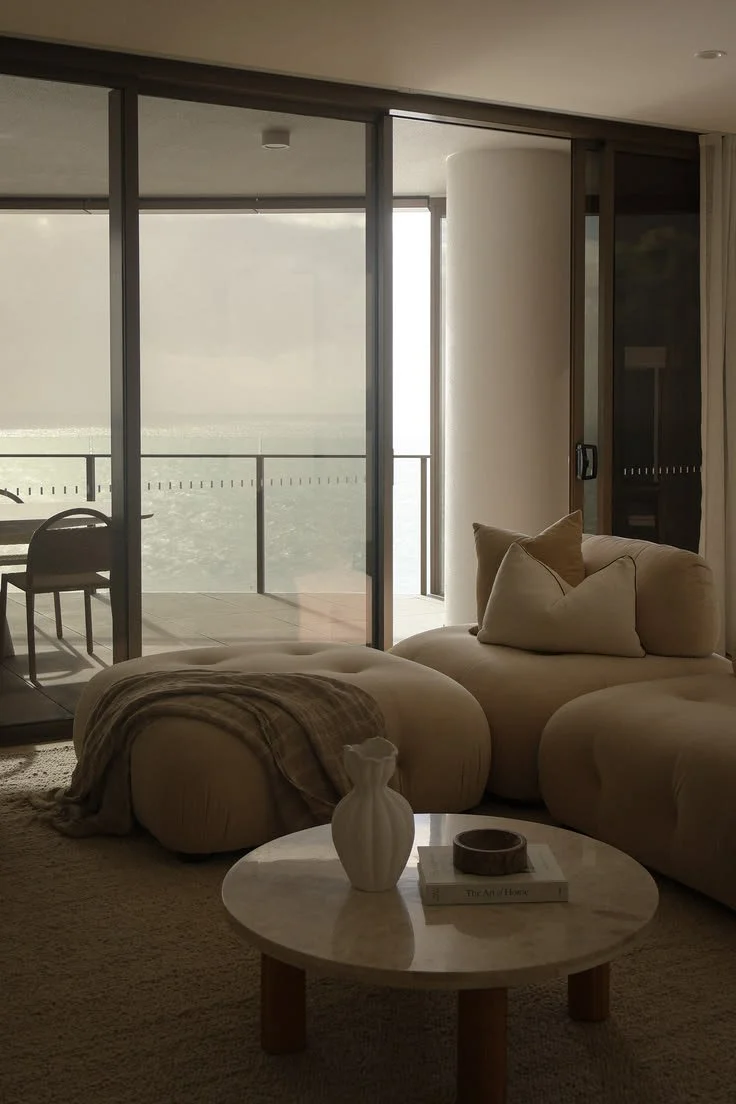
Warm, honeyed neutrals and soft beige as a base
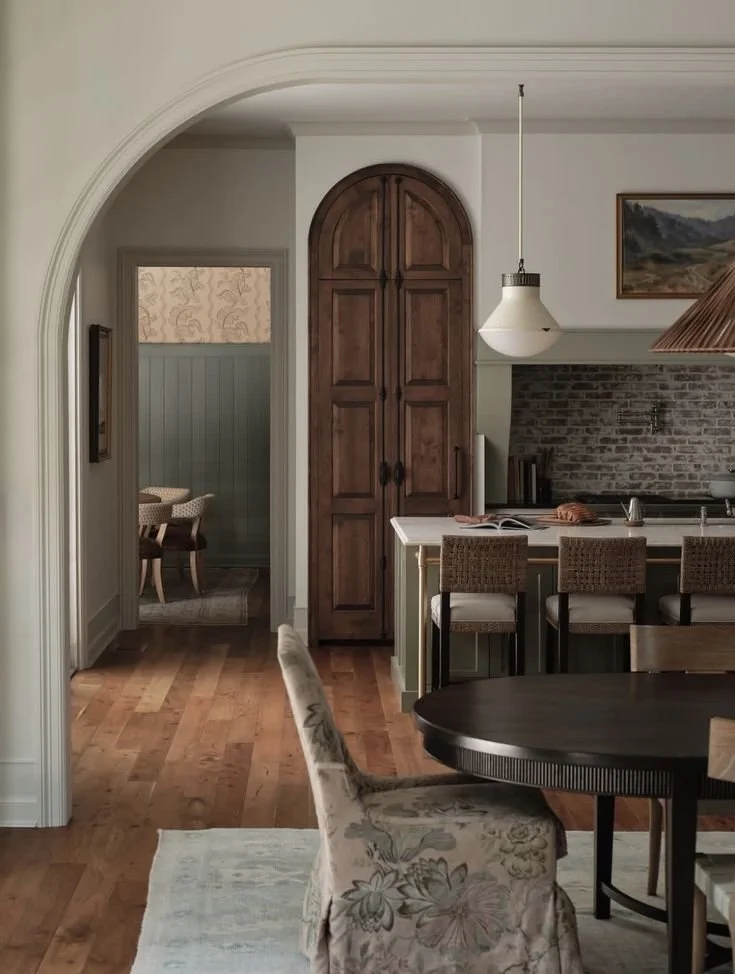
Muted greens that bring a sense of nature indoors
Warm, dusty blues for a restful feel
Earthy terracottas to ground the space
Pair these colors with matte or low-sheen paint. Flat finishes spread light softly instead of bouncing it around the room, which cuts down on glare. Limiting strong contrast and busy patterns also gives the eye a chance to settle.
No. 3
Think Beyond What a Room Looks Like
A calm home is about more than looks. Think about how a room sounds and how it feels underfoot and to the touch.
Soften Everyday Sounds
Bare hardwood floors and empty walls can turn everyday footsteps and conversation into echoes. Soft furnishings absorb much of that extra noise.
Try adding:
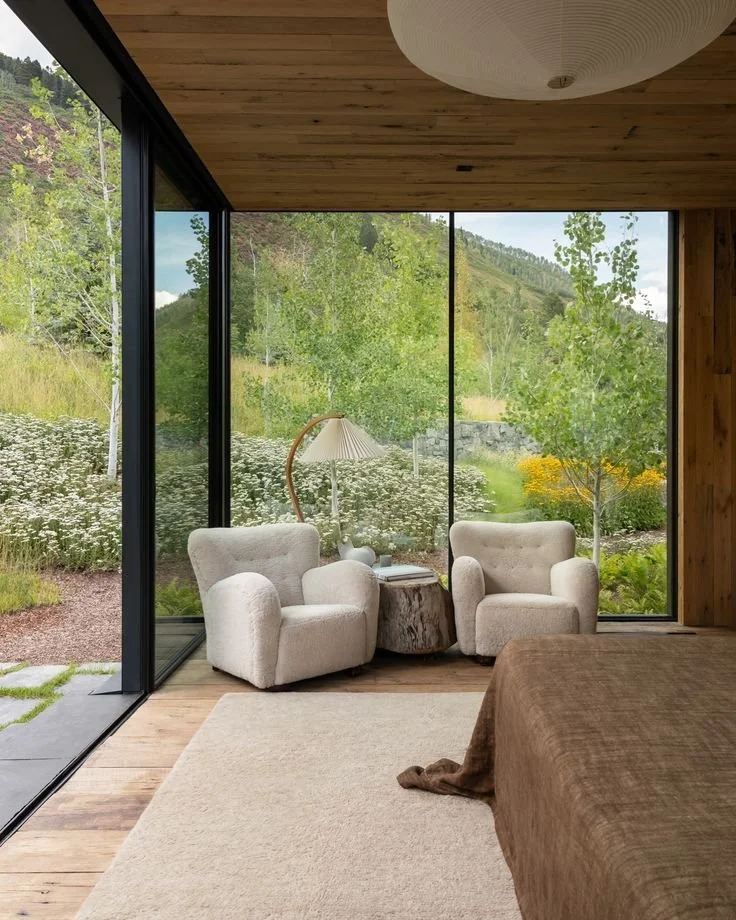
Thick wool rugs with a felt or rubber pad underneath
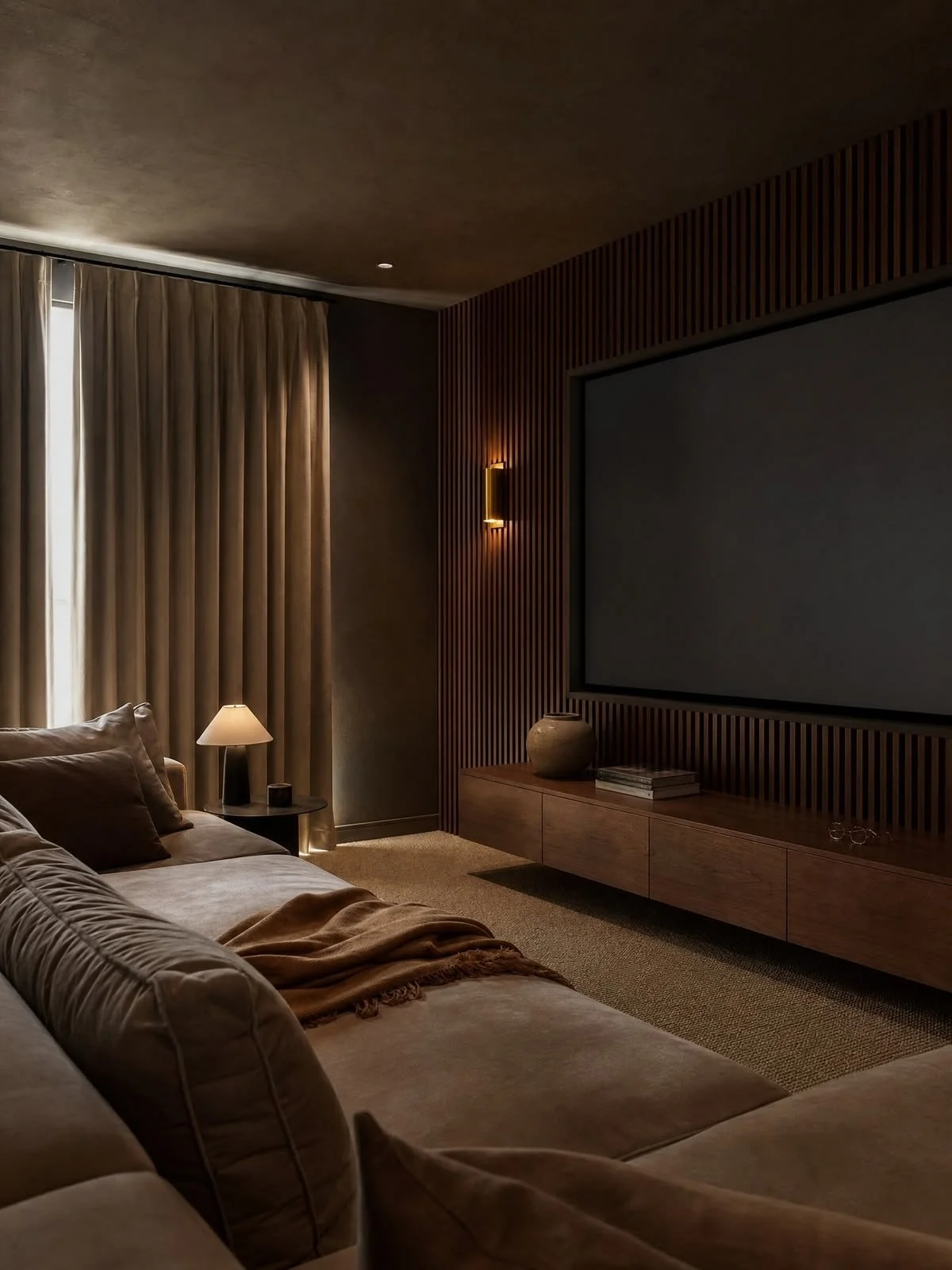
Heavy fabric curtains on large windows
Upholstered furniture and floor cushions
Full bookshelves along shared walls
Felt pads under chair and table legs
Weatherstripping around doors and windows to block outside noise
A fan or white noise machine can also cover up unpredictable sounds, such as traffic or neighbors, especially at night.
Consider Texture and Touch
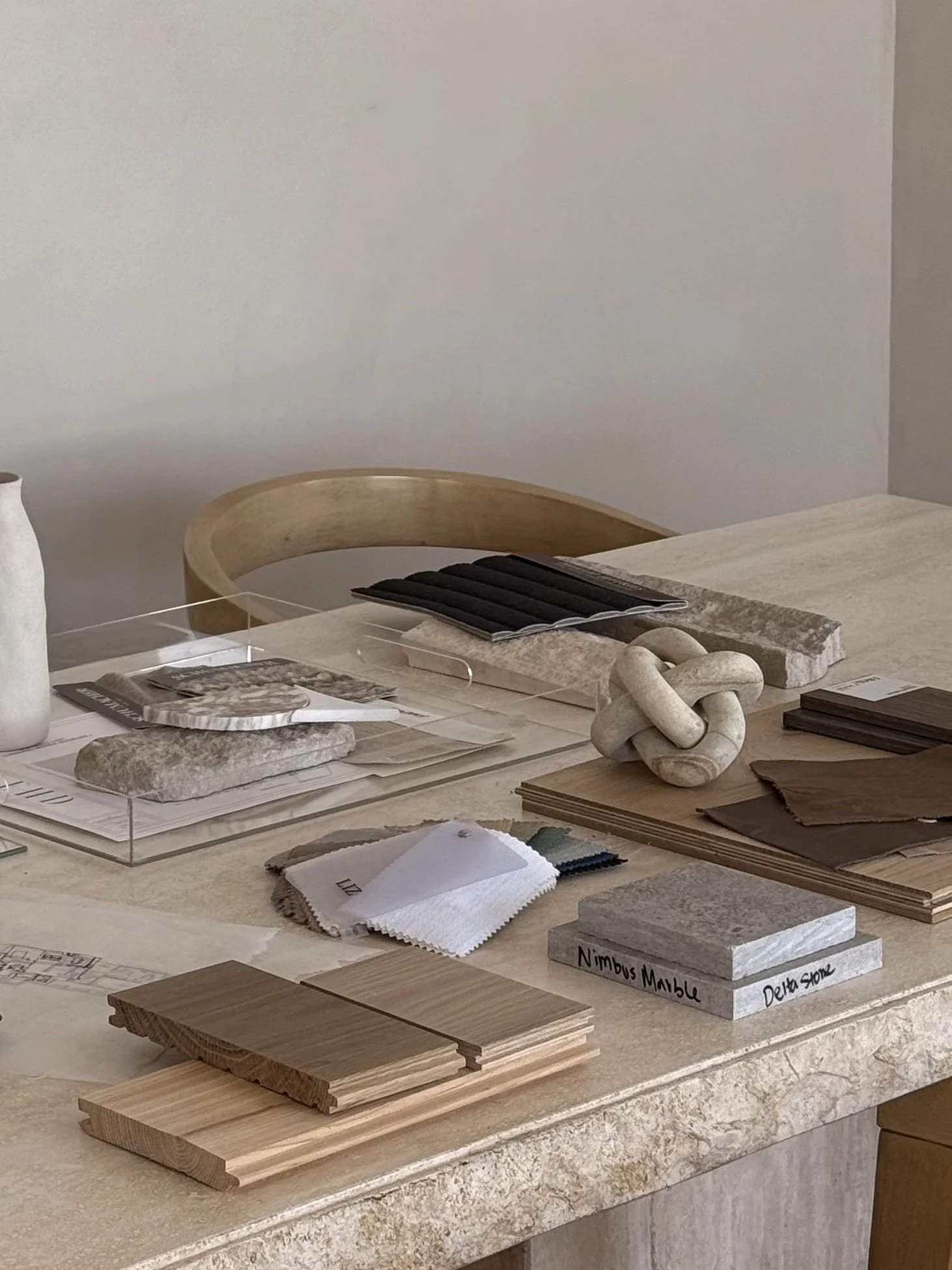
How surfaces feel matters too. Choose soft, natural fabrics like cotton, linen, and wool for throws, cushions, and bedding, and avoid materials that feel scratchy or stiff.
Pay attention to temperature and airflow as well. A stuffy or drafty room can be as distracting as a loud one, and unscented cleaning products can help if strong smells bother you.
Plan for a Larger Renovation
If you're planning bigger changes, some building choices can help keep sound from traveling between rooms:
Acoustic insulation inside interior walls and ceilings
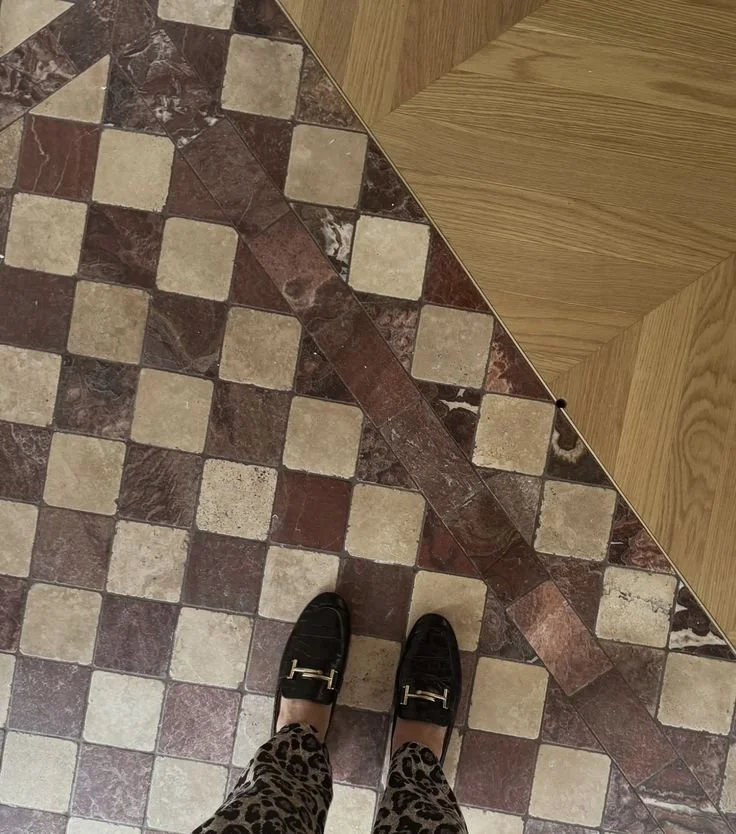
Cushioned underlayment beneath hard flooring
Solid-core doors instead of hollow ones
Soundproofing and drywall board also help block sound in bedrooms or home offices.
Talk with your contractor about these options early. They're easiest to add while the walls and floors are already open.
No. 4
Give Everyday Belongings Somewhere to Go
Clearing away clutter lets you relax without a constant reminder of the tidying that needs to be done. Good storage hides the mess while keeping your home warm and inviting.
Mix Closed and Open Storage
A balance of hidden and visible storage works well in most homes:
Closed cabinets for everyday items you don't need to see
Woven baskets for blankets, toys, or chargers
Solid drawers for paperwork and small items
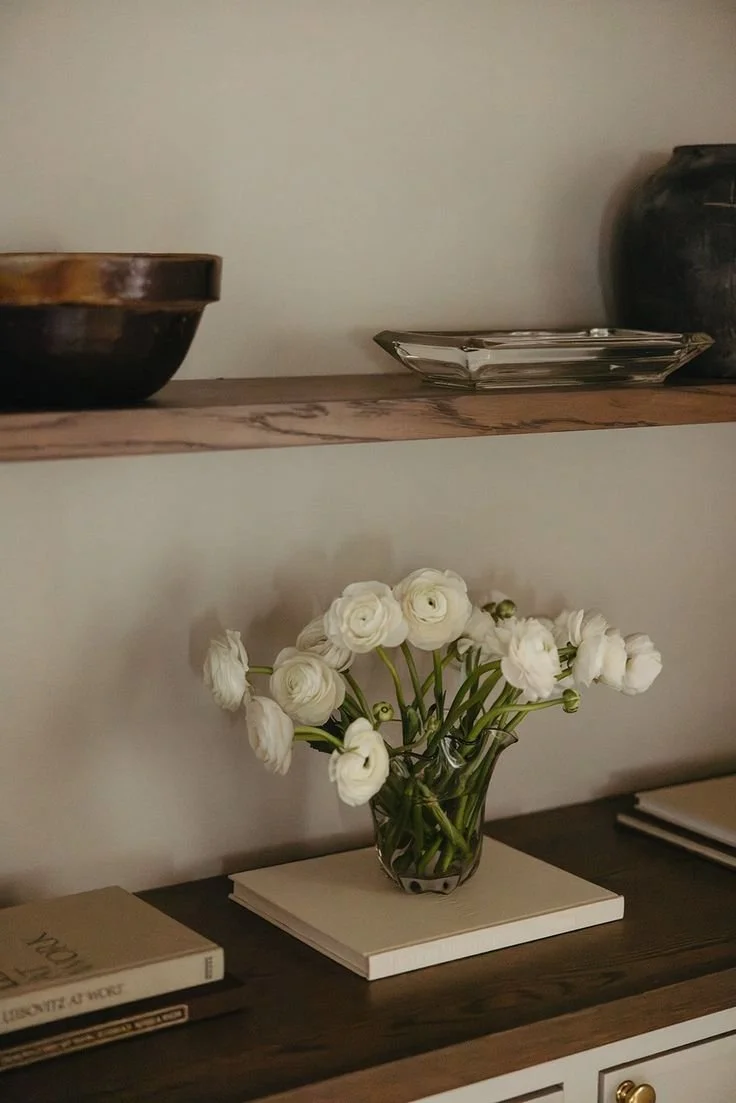
A few open shelves for meaningful books, photos, or art
This way, you can tuck away tangled cords and mail while still showing off the pieces you love.
Create Simple Systems
Storage works best when it's easy to use every day.
Consider:
A drop zone near the entry for keys, bags, and mail
Cord organizers or boxes to hide charging cables
Labeled bins so everyone knows where things belong
A quick reset of surfaces before bed
Mostly clear surfaces give the eye a place to rest. When every item has a home, tidying becomes faster and less stressful.
No. 5
Create a Home That Can Change With You
Treat calm interior design as an ongoing experiment rather than a one-time project. Make one change at a time and notice how it makes you and your family feel.
Test One Change at a Time
Small adjustments can have a big impact.
You might:
Swap a harsh bulb for a warmer one
Clear a crowded console table
Move a reading chair away from a noisy window
Add a rug to a room that echoes
After each change, notice how your body responds. Do you feel more relaxed, more focused, or more rested?
Adapt as Life Changes
As routines and seasons change, your rooms can change with them. Winter may call for warmer lighting and heavier fabrics, while summer may call for lighter fabrics and more ways to block bright sun.
Check in on your rooms again after a few months or a year to see how you feel. Over time, these small check-ins will help you find the right balance for your household.
Takeaways
A calm home starts with noticing what causes discomfort, from harsh lighting to street noise. Fix the most disruptive problem in the room you use most, and include everyone who shares the space.
Layered lighting, dimmers, warm bulbs, and soft, matte colors help create a soothing atmosphere. Rugs, curtains, and soft textures reduce noise and make rooms more comfortable to spend time in.
Smart storage keeps clutter out of sight while leaving room for the things you love. Treat calm design as an ongoing experiment, and adjust your home as your routines and the seasons change.
Looking for Home resources?
Looking to enhance your living space and create a sanctuary that supports your well-being? Explore our home partners who offer a wide range of resources to elevate your home environment.