From City Lights To Starry Nights: How To Escape The Ordinary
Many of us wonder how to escape the routine of daily life. City breaks hum with the energy of crowds, busy restaurants, and a skyline that never goes dark. In other places, the loudest thing after sunset is the wind.

Getting away means different things to different people. The destination matters, but so does the kind of place you choose, because it can change the pace and even the texture of your whole trip.
In this article, we will explore why quieter destinations can make a trip more memorable, how adventure comes in many sizes, and why the night sky deserves a place in your plans. We'll also share practical tips to help you choose the escape that suits you best.
No. 1
Sometimes the Scenery Is the Whole Point
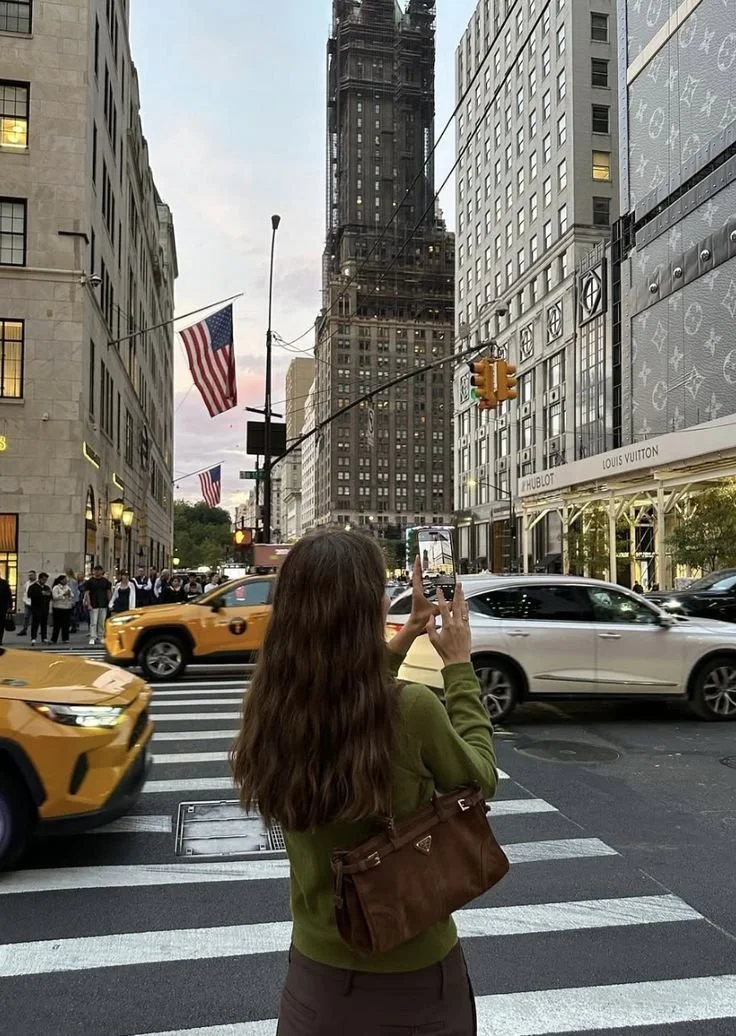
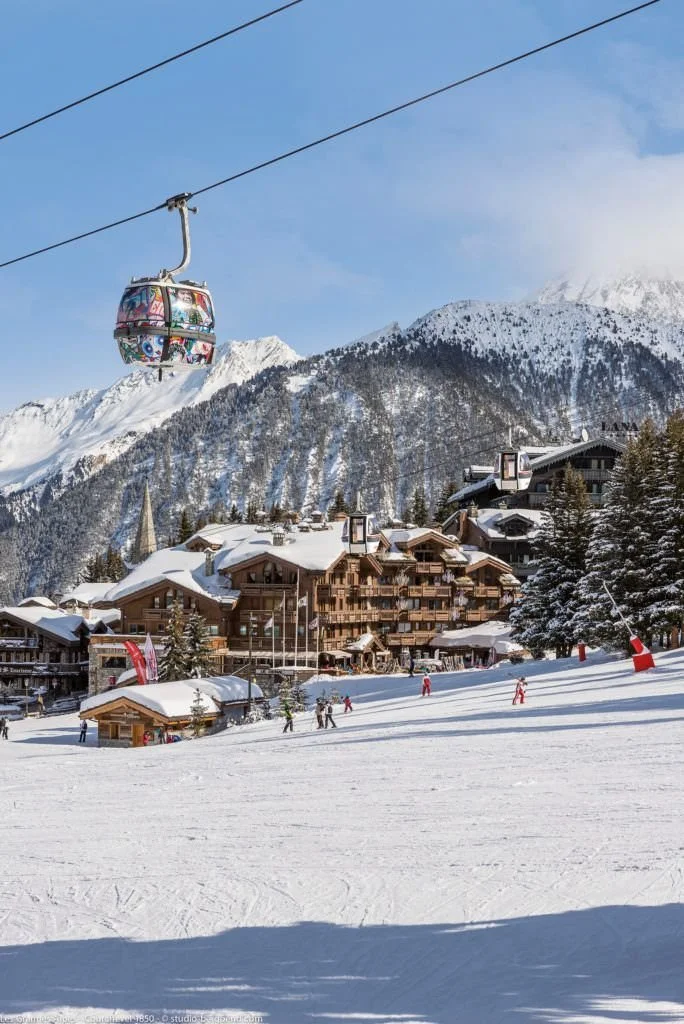
A city break has plenty going for it. There are landmarks to see, museums to explore, and tables to book. But after enough long weekends in one big city after another, even a great skyline can start to blur together.
There's another way to look at travel. Some trips feel more memorable when there's less on the schedule and more space around you.
What a City Break Does Well
Cities are hard to beat for certain experiences, including:
Famous landmarks and architecture
World-class museums, galleries, and theaters
A wide range of restaurants and nightlife
Easy public transportation and short travel times
What a Quieter Trip Offers
Trips to open landscapes offer something different.
You can expect:
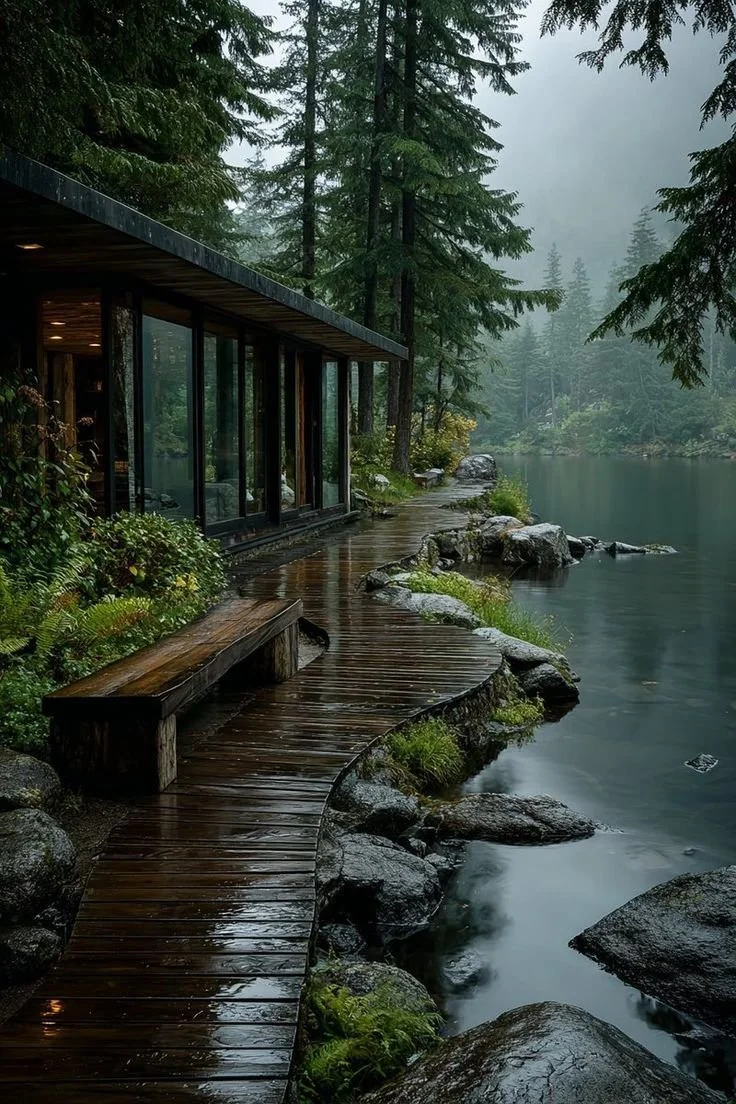
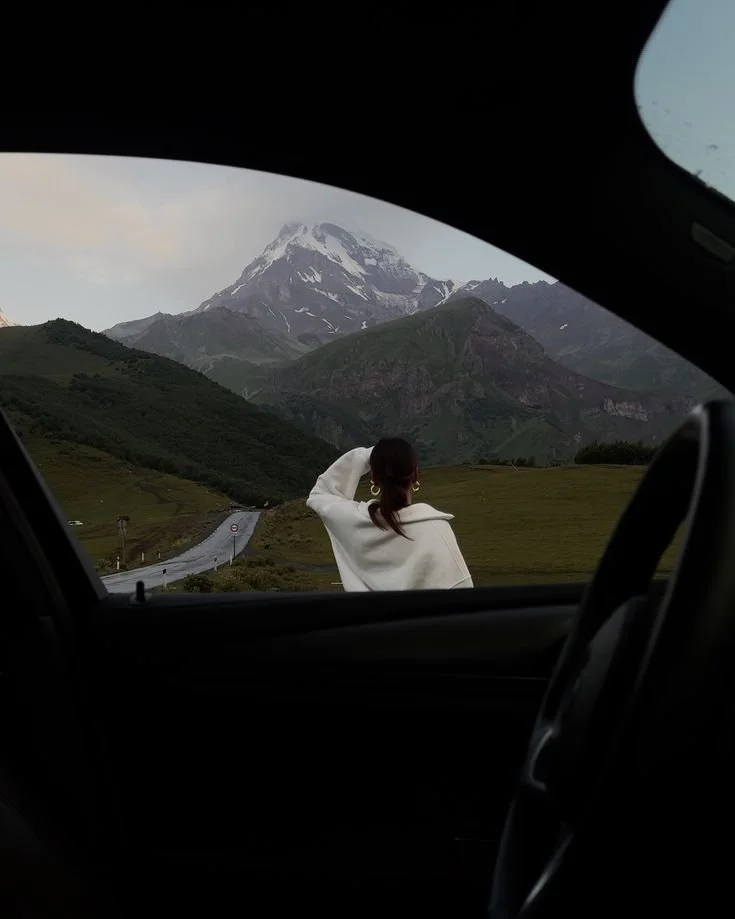
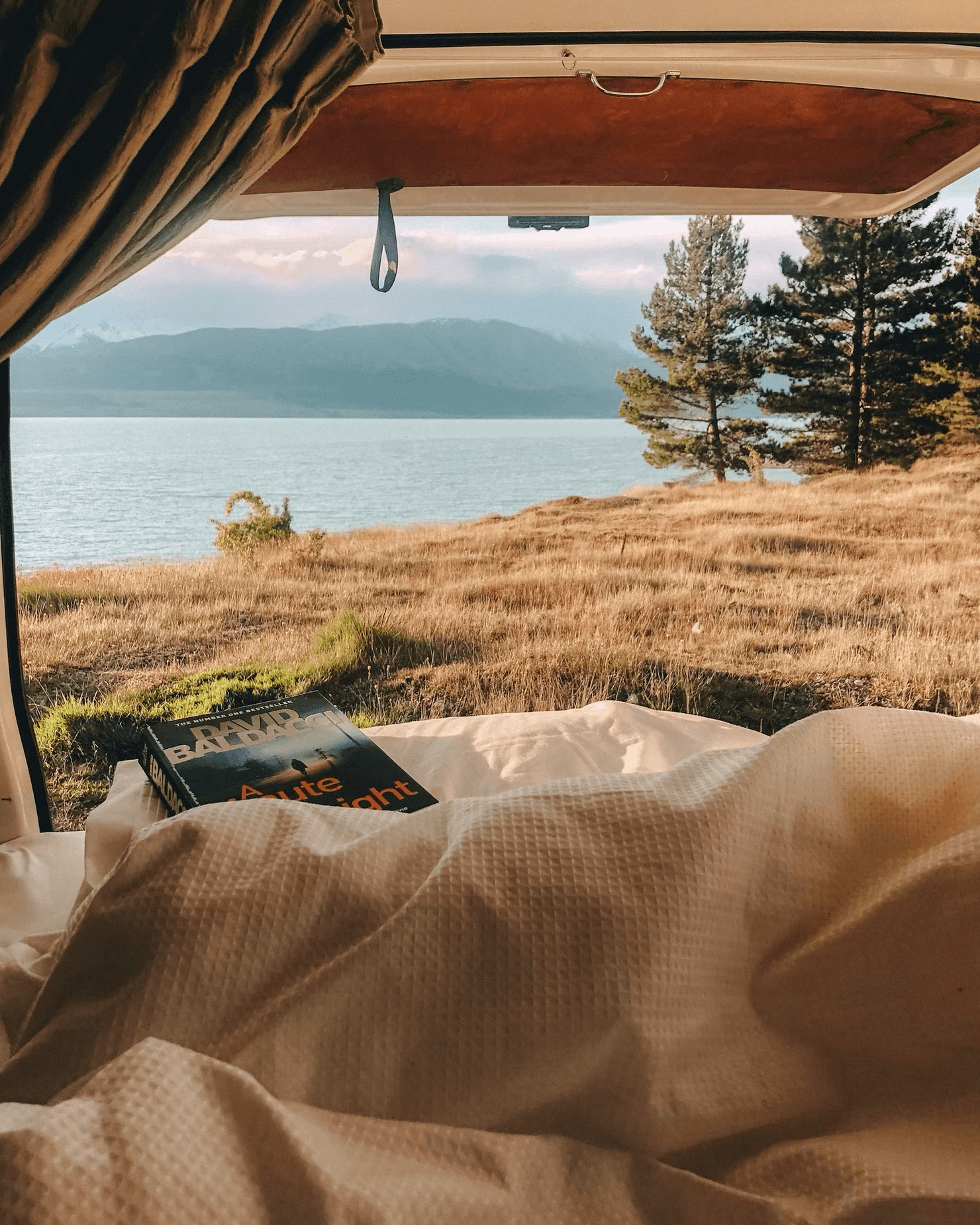
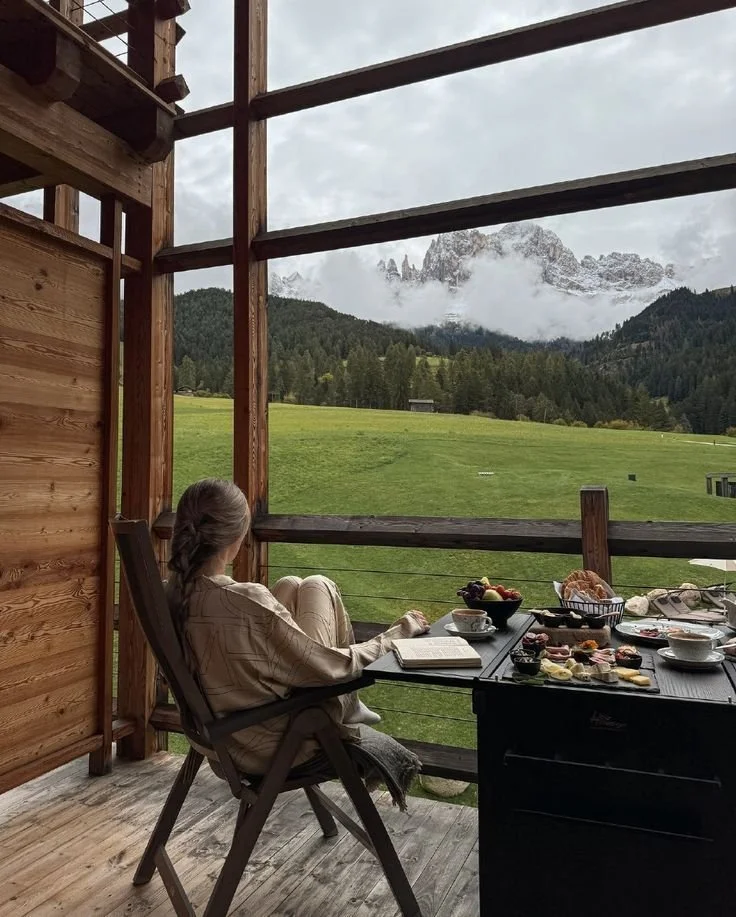
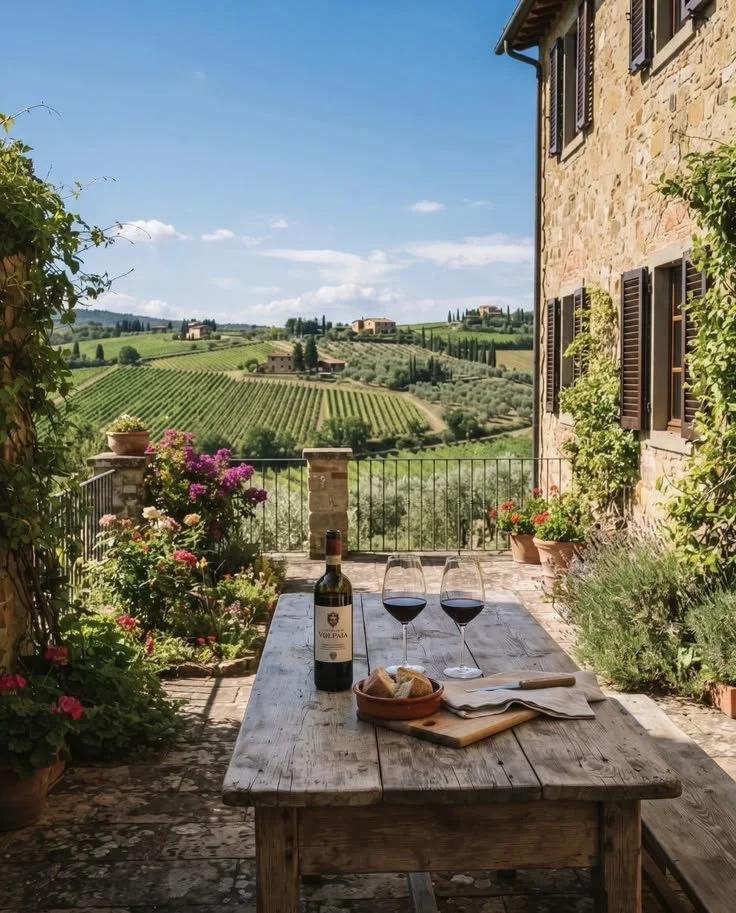
Wide views of mountains, deserts, forests, or coastlines
A slower pace with fewer plans to keep up with
Fresh air and time outdoors
Quiet evenings and darker skies
It's About Variety
Neither style is better than the other. What matters is variety and the pleasure of discovering something new.
That sense of discovery looks different for everyone. It also doesn't have to be extreme.
No. 2
Adventure Comes in More Than One Size
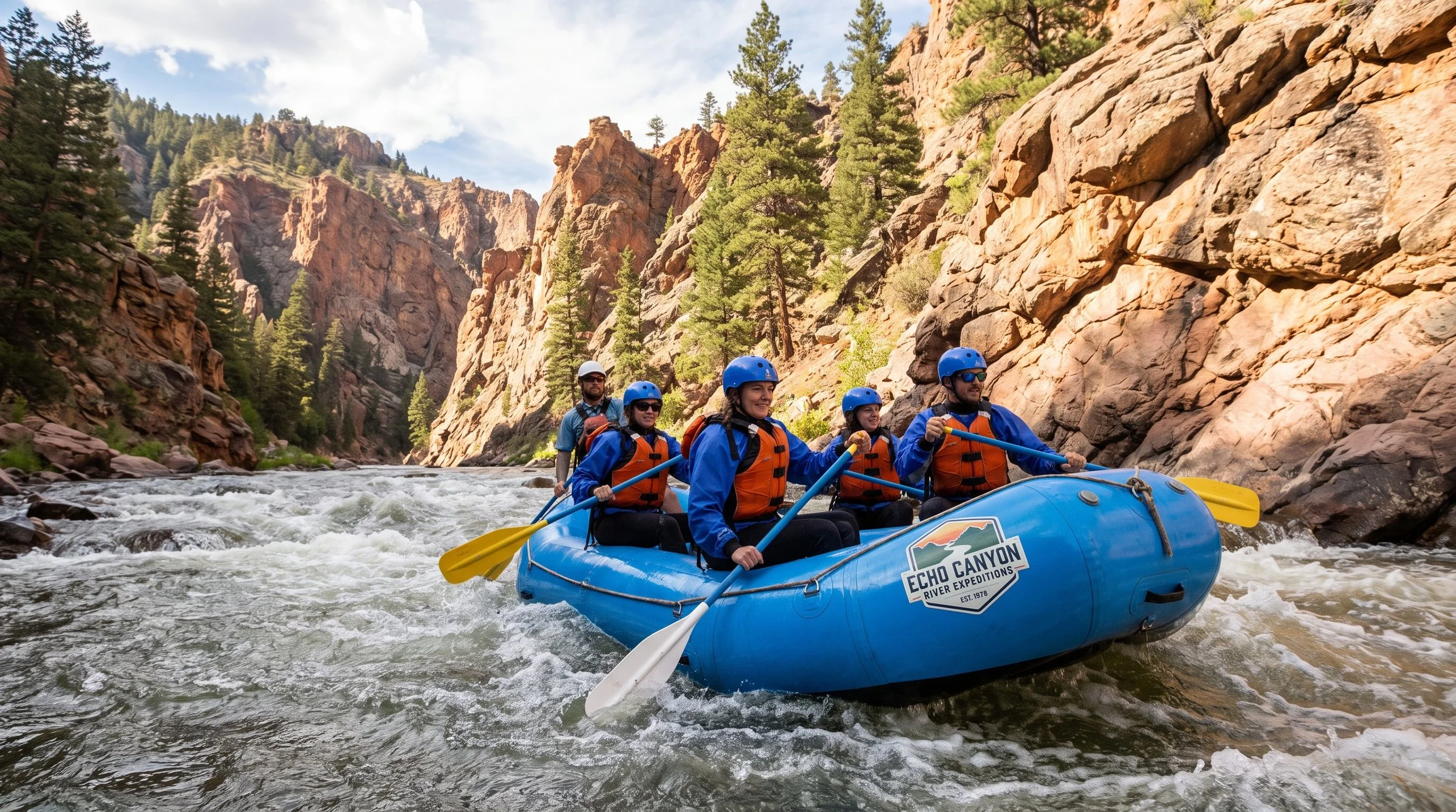
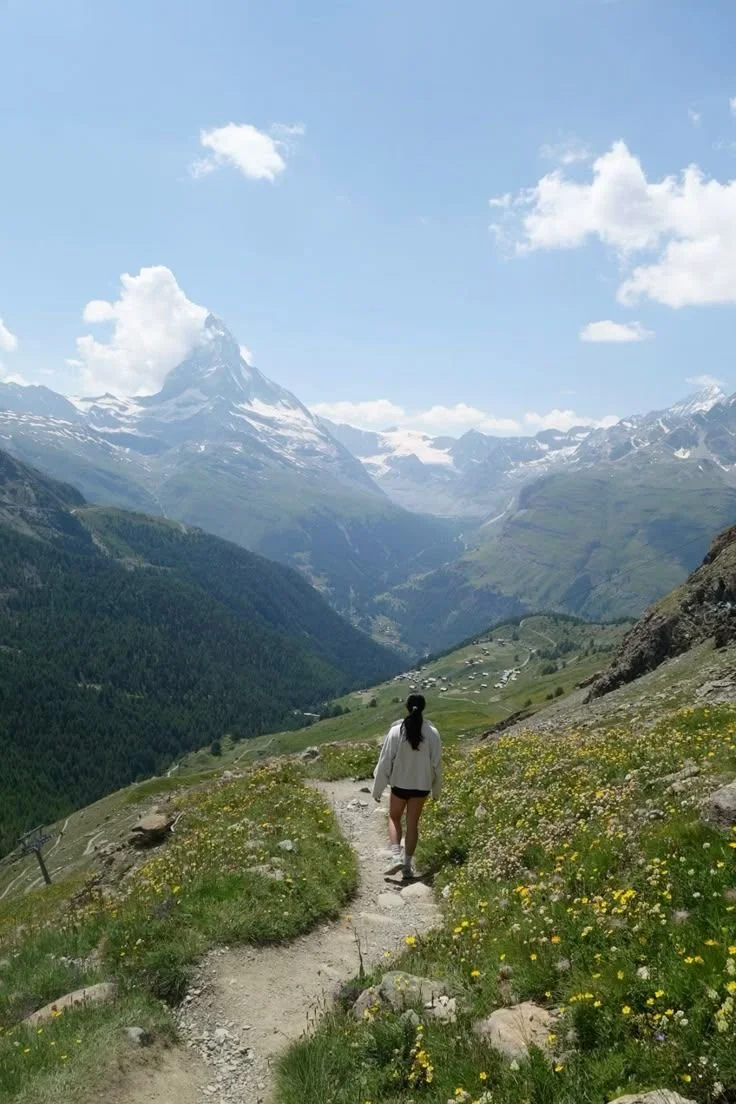
Hiking a mountain ridge counts as adventure, but so does cycling a country road or watching wildlife at dawn. Plenty of adventure vacations are made of moments like these, not on record-breaking feats. You don't need special training to have an experience you'll remember.
Everyday Adventures Worth Trying
If you're new to outdoor travel, start with something simple, such as:
Walking a well-marked nature trail
Paddling a calm lake in a kayak or canoe
Cycling quiet back roads or a rail trail
Joining a guided wildlife or birding tour
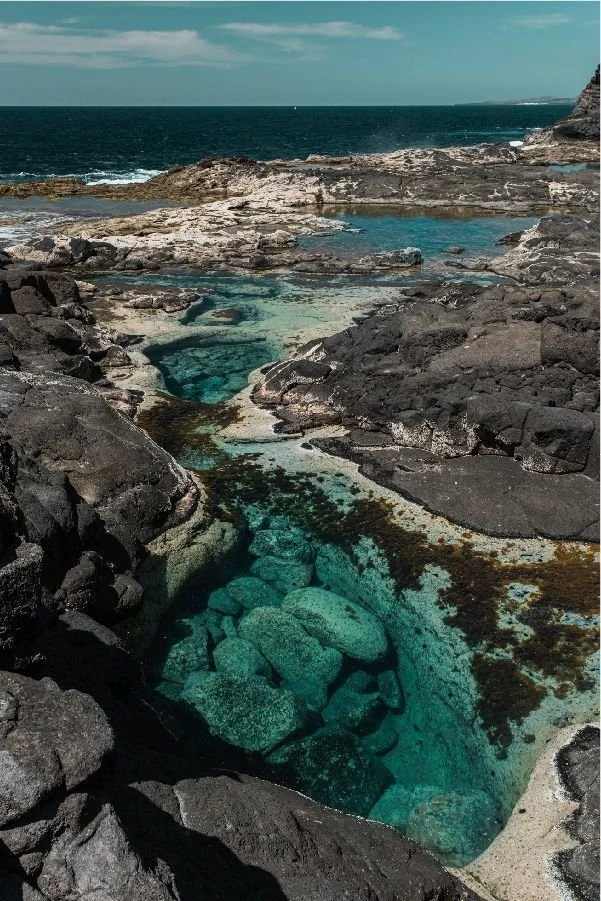
Exploring tide pools along a rocky coast
Taking a scenic drive with stops at overlooks
Finding Your Comfort Zone
The best adventure is one that fits your interests, your preferred pace, and how comfortable you are outdoors.
Before you choose an activity, consider:
Your fitness level and how far you want to walk or ride
Whether you'd rather explore on your own or with a guide
How you handle heat, cold, altitude, or long days outside
Whether you're traveling with children or older relatives
Starting small is perfectly fine. Many travelers find that one easy trip gives them the confidence to try something more ambitious next time.
No. 3
Then the Sun Goes Down
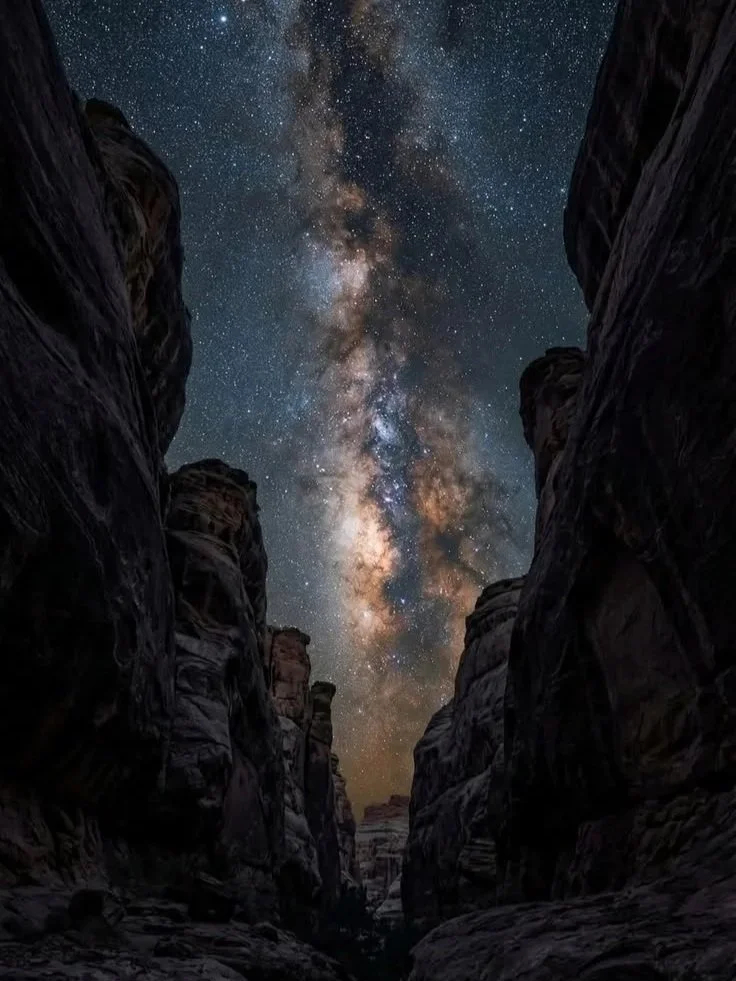
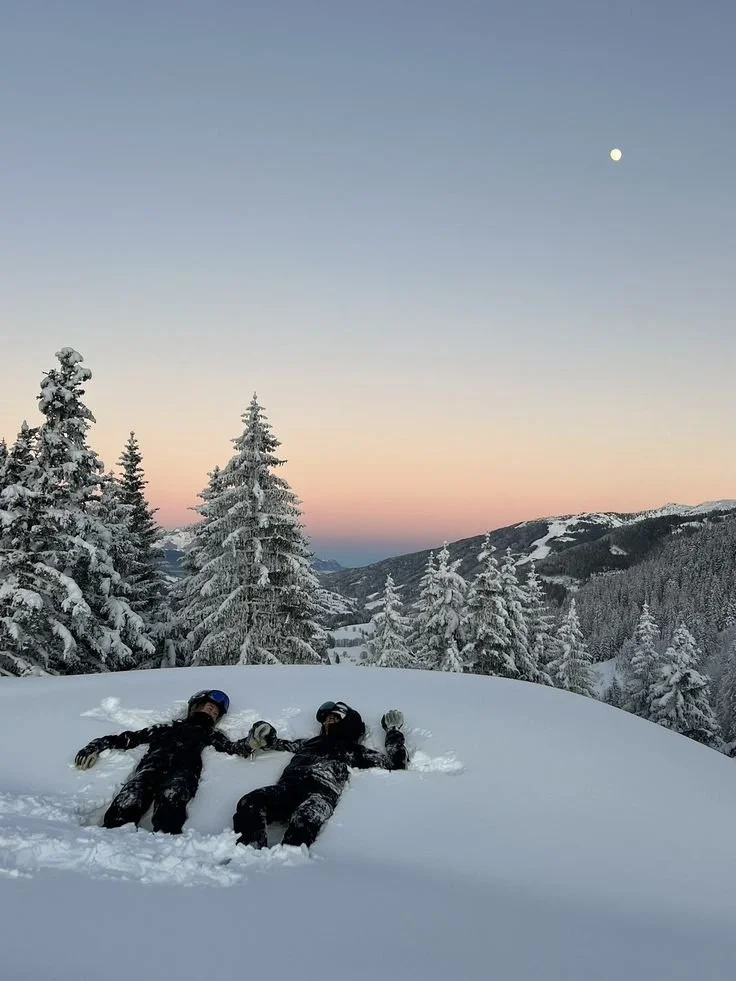
Once you get far enough from brightly lit cities, the sky darkens. Stars that were washed out at home begin to appear, and on clear nights, you may even see the Milky Way stretch overhead.
Where to Find Dark Skies
Many mountains, deserts, and national parks offer excellent stargazing. To find the best spots, look for International Dark Sky Places. DarkSky International certifies these parks, reserves, and communities for protecting their night skies.
Other good options include:
Remote national and state parks
Desert regions with dry, clear air
High-elevation areas above haze and humidity
Rural areas far from major highways and towns
The National Park Service shares plenty of information about night skies. It also encourages visitors to stay up late and discover the parks after dark.
How to Make the Most of a Night Sky
A little preparation makes stargazing more rewarding.
Try these tips:
Check the moon phase, since the darkest skies come near a new moon.
Give your eyes 20 to 30 minutes to adjust to the dark.
Use a red flashlight so you don't lose your night vision.
Bring warm layers, because desert and mountain nights can get cold quickly.
Pack a blanket or folding chair so you can lie back and look up comfortably.
Ask about ranger-led astronomy programs or local stargazing events.
Plan Your Evenings, Too
Evenings deserve a place in your plans, not just the downtime between dinner and bed. A night spent under a clear, starry sky can become the highlight of the whole trip. That leads to a practical question: how do you choose the right place?
No. 4
Pick the Escape That Fits You
The right trip starts with knowing what you want from it. A few honest answers early on can save you from a vacation that feels too rushed, too remote, or too uncomfortable.
Questions to Ask Yourself
Start with how active you want to be. Then think through:
How long you can be away
What kind of landscape draws you in
What time of year you plan to travel
How far you're willing to drive or fly
What kind of budget you have
Be Honest About Where You'll Sleep
Your lodging can shape the whole experience. If you know you won't enjoy sleeping in a tent, book somewhere with a proper bed.
Common choices include:
Campgrounds for travelers who want to be close to nature
Glamping sites with comfortable beds and basic amenities
Rustic cabins for privacy and a cozy feel
Park lodges or small inns for full comfort near the scenery
Do Your Research Before You Book
A little research goes a long way. Check the weather, terrain, equipment needs, and local guidance before you make any reservations.
The National Park Service's trip planning guide recommends that visitors:
Look up regulations, permits, and reservation requirements.
Pack the essentials, such as water, food, layers, and navigation tools.
Have a backup plan in case of closures, crowds, or bad weather.
Popular parks and campgrounds can fill up months in advance. Booking early, or planning a trip in the off-season, can make your escape easier and more peaceful.
No. 5
Next Time, Look Somewhere Different
The next time you start planning, try skipping the usual searches. Instead, look at the quiet places on the map, the ones without a skyline or a long list of landmarks.
Where to Start Looking
Some good starting points include:
National forests and lesser-known state parks
Small towns near mountains, lakes, or deserts
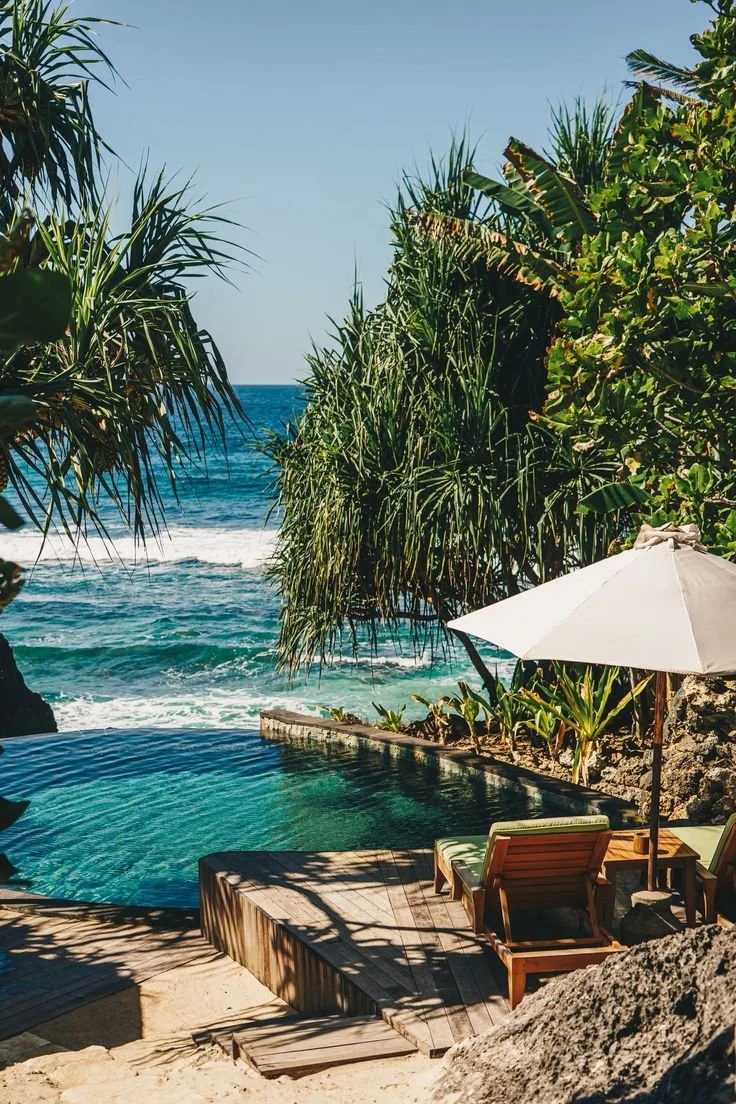
Remote stretches of coastline
Dark sky parks and reserves
Scenic byways and rural backroads
You don't have to give up city trips for good. Mixing in a quieter getaway now and then can make every kind of travel feel fresh again.
The trip you remember most might be the one you never would have thought to look for. Sometimes escaping the ordinary simply means looking up.
Takeaways
City breaks offer energy and landmarks, while quieter destinations offer space, scenery, and a slower pace. Choosing between them is about variety and the joy of discovering something new.
Adventure doesn't have to be extreme, and the night sky can become a highlight of your trip. Look for International Dark Sky Places, check the moon phase, and give your evenings a place in your plans.
Pick an escape that fits your activity level, comfort, and budget, and research permits and conditions before you book. Next time, look beyond the skyline, because the most memorable trip might be in a place you'd never have thought to search.
Looking for Travel resources?
Looking to embark on a transformative journey to discover new cultures, expand your horizons, and reconnect with yourself? Explore, learn, and awaken your wanderlust with our travel partners designed to support you on your next getaway.