What To Do When Your Parents Start Needing A Little Extra Help

As time passes, our bodies and minds naturally begin to slow down. Tasks that once seemed effortless can become challenging, and for many, this transition can be both physically and emotionally difficult. Watching your parents go through this stage of life is never easy—but it’s also a profound opportunity to give back, to show love, and to ensure they live their later years with comfort, dignity, and joy.



In this article, we’ll explore thoughtful and practical ways to support your aging parents. From assessing their independence to having meaningful conversations about their wishes, these suggestions will help you approach this stage of life with empathy, respect, and preparedness. Whether your parents are still active or beginning to need more hands-on care, these tips can guide you in making the best decisions for their well-being.

No. 1

Look at What They Can Manage by Themselves

Every individual ages differently. Some seniors remain active and independent well into their later years, while others may face mobility or cognitive challenges that require additional support. Before making any decisions, take time to assess your parents’ current capabilities.

Key Considerations:

  • Can they move around the house safely?

  • Are they able to cook, clean, and manage medications?

  • Do they need help with transportation or errands?

If mobility is an issue, consider installing assistive devices like grab bars, stairlifts, or non-slip flooring. For more advanced needs, exploring a senior living community may be the best option. These facilities offer varying levels of care and can provide a safe, supportive environment tailored to their needs.

No. 2

Ask Them What Their Wishes Are

Although it can be an uncomfortable topic, discussing your parents’ future wishes is one of the most respectful and loving things you can do. These conversations ensure that their preferences are honored and that you’re not left guessing during difficult times.

Topics to Discuss:

  • End-of-life care preferences

  • Funeral costs and arrangements, and burial or cremation wishes

  • Financial planning and estate matters

  • Medical directives and power of attorney

Approach these discussions with empathy and patience. Let your parents lead the conversation when possible, and reassure them that your goal is to honor their dignity and autonomy.

No. 3

Open Up Your Home

If placing your parents in a care facility isn’t financially feasible—or simply doesn’t feel right—you might consider welcoming them into your home. This option allows you to provide hands-on support while keeping them close.

Things to Keep in Mind:

  • You may need to modify your home to improve accessibility (e.g., adding ramps or converting a room into a ground-floor bedroom).

  • Establish clear boundaries and routines to maintain harmony in the household.

  • Consider creating a private space for your parents, such as a basement suite or guesthouse, to give them a sense of independence.

This arrangement can be deeply rewarding, but it also requires planning and open communication to ensure everyone’s needs are met.


hellolovelyliving houzz

Houzz

Make your home project a reality. Find inspiration, products, and the pros to make it happen - all in one place.


No. 4

Make More Time for Them

Not all elderly parents need physical assistance—but many do suffer from loneliness and isolation, which can be just as damaging to their health. Even if your parents are still relatively independent, making time for them can significantly improve their emotional well-being.

Simple Ways to Stay Connected:

  • Invite them for dinner regularly – A consistent routine gives them something to look forward to.

  • Take them shopping or out for coffee – Everyday errands can become cherished bonding moments.

  • Bring the grandchildren over – Time with family, especially young ones, often brings immense joy.

  • Call them often – A short phone call can brighten their day more than you might realize.

These small gestures go a long way in showing your parents that they are still an important and valued part of your life.

Takeaways

Aging is a natural part of life, and so is the increasing need for support as we grow older. By taking proactive steps—assessing your parents’ needs, having honest conversations, and spending quality time with them—you can help ensure that their later years are filled with comfort, respect, and love.

In this article, we’ve shared practical and heartfelt ways to support your elderly parents with compassion. Whether you’re helping them navigate mobility issues, making room in your home, or simply being present, remember that these moments are precious. Life is too short to overlook the people who raised you, and your care today can make all the difference in their tomorrow.

Looking for Wellness resources?

Are you looking to enhance your wellness routine? Explore our wellness partners who offer a wide range of resources to support your journey toward holistic living and well-being.


Learn more


wellnessHLL x Editor


Managing A Busy Appointment Schedule

Do you often feel overwhelmed by the constant need to make, manage, and remember business appointments? If so, you're not alone. Many professionals find themselves buried under a mountain of meetings, follow-ups, and scheduling conflicts—leaving little time for what truly matters: growing the business.


In this article, we’ll explore practical, time-tested strategies to help you streamline your appointment management process. From leveraging smart scheduling tools to mastering time-blocking techniques, these tips will help you regain control of your calendar and boost your productivity. Whether you're a solopreneur or managing a team, these methods can transform the way you approach your daily schedule.

No. 1

Leverage a Solution

The first step in mastering your schedule is to leverage a solution that simplifies appointment management. Trying to manually handle every booking, reminder, and reschedule can quickly drain your time and energy. Worse, it can lead to missed opportunities and reduced operational efficiency.

A smart scheduling tool can automate many of these tasks, allowing you to:

  • Set up recurring appointments effortlessly

  • Send automatic reminders to clients or team members

  • Sync your calendar across platforms

  • Avoid double bookings and time conflicts

If you haven’t yet explored scheduling software yet, then using the AI-powered appointment setter Bookora is a good option. It offers seamless integration with your existing tools and provides intelligent automation that adapts to your workflow. With a solution like this, you’ll spend less time managing your calendar and more time focusing on high-impact tasks.

No. 2

Time Blocking

Another powerful technique to optimize your day is time blocking. This method involves dividing your day into dedicated blocks of time, each assigned to a specific task or group of related activities.

Benefits of Time Blocking:

  • Brings structure and clarity to your day

  • Helps you stay focused and avoid multitasking

  • Enables you to batch similar tasks for efficiency

  • Puts you in control of how your time is spent

For example, you might block off:

  • 8:00–9:00 AM for checking emails

  • 9:00–11:00 AM for client meetings

  • 11:00–12:00 PM for administrative work

By assigning each hour a purpose, you reduce decision fatigue and ensure that your day flows with intention. Time blocking also makes it easier to identify and eliminate time-wasting habits.


hellolovelyliving monday.com

Monday.com

Your go-to work platform - streamline workflows and gain clear visibility across teams to make strategic decisions with confidence.


No. 3

Prioritize

When your calendar is full, prioritization becomes essential. Not every appointment or task deserves equal attention. Learning to evaluate the importance and urgency of each item on your schedule allows you to make smarter decisions about what to accept, delay, or delegate.

Tips for Prioritizing Effectively:

  • Identify high-impact tasks that align with your business goals

  • Evaluate urgency: What needs immediate attention? What can wait?

  • Set realistic deadlines based on your actual capacity

  • Say no to low-value meetings or requests that don’t serve your objectives

By prioritizing wisely, you’ll be able to slot in appointments that truly matter, ensuring your time is spent on activities that drive results. Remember, your schedule should reflect your business priorities—not just your availability.

Takeaways

Managing appointments doesn't have to feel like a full-time job. With the right tools and strategies, you can streamline your scheduling process, reduce stress, and free up time for what matters most.

In this article, we’ve covered three essential steps to help you regain control of your calendar:

  • Leverage smart scheduling solutions like Bookora to automate and simplify

  • Use time blocking to structure your day with purpose

  • Prioritize wisely to focus on tasks that align with your goals

By implementing these practices, you’ll not only improve your operational efficiency but also create more space for creativity, growth, and strategic thinking. Don’t let your calendar run your life—take charge of your time and design a schedule that works for you.

Looking for Business resources?

Are you seeking ways to elevate your business to new heights? Dive into the array of resources provided by our esteemed business partners designed to empower your ventures.

Learn more


businessHLL x Editor


4 Ways To Relieve Stress That You Should Know And Try

In today’s fast-paced world, stress is an unavoidable part of life—but how you respond to it can make all the difference. You’ve likely seen countless articles, social media posts, and videos offering advice on how to reduce stress. And while it’s great to have access to these resources, the real question is: Have you truly embraced any of them to find lasting relief?


In this article, we’ll explore four powerful and practical methods you can start using today to manage stress more effectively. These techniques go beyond quick fixes—they’re about building a sustainable approach to emotional and physical well-being. Whether you’re dealing with daily pressures or navigating a particularly challenging season, these strategies can help you feel more grounded, present, and in control.

No. 1

Professional Massage Therapy: For When You Need Help

Massage is more than just a luxury—it’s a therapeutic tool that supports healing, stress relief, and pain management. Whether your muscles are tight from tension or you're simply feeling emotionally drained, a session with a registered RMT massage therapist can work wonders.

But here’s the thing: you don’t have to wait until you’re overwhelmed to schedule a massage. Regular sessions can serve as proactive self-care, helping you stay balanced even when life feels chaotic. Human touch has a powerful calming effect on the nervous system, and massage therapy is a safe, effective way to reconnect with your body and mind.

Tip: Add massage to your monthly wellness routine. Think of it as maintenance for your mental and physical health—not just a reaction to stress.

No. 2

Progressive Muscle Relaxation: Use It Anywhere

Progressive Muscle Relaxation (PMR) is a simple yet highly effective technique that can be used anytime, anywhere. Whether you're stuck in traffic, sitting in a tense meeting, or calming a toddler meltdown, PMR helps you release tension and become more aware of your body.

How It Works:

  • Focus on one muscle group at a time.

  • Tense the muscle (e.g., your thigh) for a few seconds.

  • Release the tension slowly and notice the difference.

  • Move to the next muscle group and repeat.

By systematically working through your body, PMR helps you interrupt the stress response and regain a sense of calm. It’s especially helpful for people who carry stress physically, such as in the neck, shoulders, or jaw.

Bonus: PMR is discreet and doesn’t require any equipment, making it perfect for on-the-go stress relief.


hellolovelyliving myfitnesspal

MyFitnessPal

Your health journey starts here!

Track your meals, workouts, and progress with MyFitnessPal.


No. 3

Prioritize Yourself: Learn What Matters

You are important. You probably know that intellectually—but do your daily actions reflect it?

Stress often stems from neglecting your own needs in favor of pleasing others or meeting unrealistic expectations. Start by tuning into how you feel in different situations. If certain interactions leave you feeling drained or diminished, it’s time to set boundaries and protect your emotional energy.

Ways to Prioritize Yourself:

  • Practice self-awareness: Notice how people and environments affect your mood.

  • Set healthy boundaries: Saying “no” is a form of self-respect.

  • Seek support: A therapist can help you develop coping strategies and reinforce your self-worth.

Want a quick mindset shift? Watch this insightful video by Mel Robbins on the “Let Them” method, a powerful approach to letting go of what you can’t control:


No. 4

Exercise: When You Need to Sweat It Out

There’s a reason exercise is one of the most recommended stress-relief methods—it works. Physical activity releases endorphins, the body’s natural mood boosters, and helps burn off the adrenaline and cortisol that build up during stressful moments.

Whether it’s a brisk walk, a high-intensity workout, or a calming yoga session, moving your body can shift your mindset and restore your energy.

Tips for Making Exercise a Habit:

  • Schedule it like a meeting—put it on your calendar.

  • Choose activities you enjoy so it doesn’t feel like a chore.

  • Start small: even 10 minutes a day can make a difference.

When stress hits hard, your instinct might be to curl up and do nothing. But pushing through and getting active can reset your entire system.

Takeaways

Life doesn’t stop. Stressors will continue to appear, often when you least expect them. But you don’t have to be at their mercy. By incorporating these four strategies—massage therapy, progressive muscle relaxation, self-prioritization, and exercise—you can build resilience and reclaim your peace.

In this article, we’ve explored practical stress-relief tools that you can start using right now. The key is to take action. Don’t wait for stress to overwhelm you—be proactive, listen to your body, and treat your well-being as a priority.

Because here’s the truth: you matter. And taking care of yourself isn’t selfish—it’s essential.

Looking for Wellness resources?

Are you looking to enhance your wellness routine? Explore our wellness partners who offer a wide range of resources to support your journey toward holistic living and well-being.

Learn more


wellnessHLL x Editor


Safety Is Paramount In All Businesses

In today’s fast-paced and competitive business landscape, safety is not just a regulatory requirement—it’s a moral and operational imperative. Whether you’re running a small office or managing a large industrial site, ensuring the safety of your employees and clients should be a non-negotiable priority. Unfortunately, some companies still treat safety as an afterthought, only addressing it after an incident occurs. Worse, some deny responsibility altogether.


In this article, we’ll explore how businesses can proactively foster a culture of safety, reduce risk, and demonstrate accountability. From understanding the fundamentals to evolving your procedures, these strategies will help you create a safer, more trustworthy workplace.

No. 1

Understanding the Basics of Safety

At its core, safety is about preventing harm—both physical and digital. It’s about creating an environment where employees can perform their duties without fear of injury, and where clients can engage with your services confidently.

Key Areas of Business Safety:

  • Physical Safety: This includes everything from proper signage and equipment maintenance to emergency exits and ergonomic workspaces.

  • Cybersecurity: Protecting sensitive data from breaches, phishing, and malware is essential in the digital age.

  • Emotional and Psychological Safety: A safe workplace also means a respectful, inclusive, and harassment-free environment.

If your business operates in a most dangerous industries—such as construction, manufacturing, or logistics—your safety protocols must be even more robust. In these environments, even minor oversights can lead to serious injuries or fatalities.

Why It Matters:

  • Reduces liability and legal exposure

  • Builds trust with clients and employees

  • Enhances productivity and morale

  • Protects your brand reputation

No. 2

Evaluating Your Safety Procedures and Training

Safety isn’t a one-time checklist—it’s an ongoing commitment. One of the most effective ways to uphold that commitment is through regularly evaluating your safety procedures and employee training.

Steps to Strengthen Your Safety Framework:

  • Audit Your Current Procedures
    Identify gaps, outdated practices, or areas where compliance is lacking. Use checklists, incident reports, and employee feedback to guide your review.

  • Update Training Programs
    Even if employees “know the basics,” never assume they’re fully prepared. Comprehensive training should be mandatory for all new hires—and existing staff should receive regular refreshers.

  • Simulate Real-World Scenarios
    Conduct drills and role-play exercises to ensure employees know how to respond in emergencies, whether it’s a fire, data breach, or medical incident.

  • Make Training Ongoing
    Safety knowledge evolves. Your training should evolve with it. Incorporate new regulations, technologies, and industry best practices into your programs.

Common Training Topics:

  • Fire safety and evacuation

  • Workplace ergonomics

  • Cybersecurity awareness

  • First aid and CPR

  • Equipment handling and PPE usage


hellolovelyliving ergonofis

Ergonofis

Office furniture and accessories designed in Canada. Discover high-end standing desks equipped with groundbreaking Swipe technology.


No. 3

Constantly Evolving Safety Procedures

Complacency is the enemy of safety. What worked a year ago may not be sufficient today. That’s why your safety procedures must be dynamic and responsive to new risks, technologies, and regulations.

How to Keep Safety Procedures Up to Date:

  • Monitor Industry Trends
    Stay informed about new laws, standards, and innovations in your sector. Subscribe to industry publications and attend relevant safety conferences or webinars.

  • Conduct Regular Risk Assessments
    Evaluate your workplace for new hazards, especially after changes in layout, equipment, or staffing.

  • Involve Employees in the Process
    Frontline workers often spot risks that management overlooks. Encourage them to report concerns and participate in safety planning.

  • Hire a Safety Consultant
    Bringing in a professional can provide an objective perspective and ensure you’re meeting (or exceeding) compliance standards.

Benefits of Evolving Procedures:

  • Prevents accidents before they happen

  • Demonstrates due diligence in legal matters

  • Boosts employee confidence and engagement

  • Reduces downtime and insurance costs

Takeaways

Safety is not optional—it’s a foundational pillar of a successful, sustainable business. Whether you’re managing a team of five or five hundred, your responsibility is clear: protect your people, your clients, and your reputation.

In this article, we’ve discussed the importance of understanding safety basics, the need for thorough training, and the value of continuously evolving your procedures. By taking these steps, you’re not just avoiding accidents—you’re building a culture of care, accountability, and excellence.

Remember: the cost of prevention is always less than the cost of negligence. Invest in safety today, and you’ll safeguard your business for years to come.

Looking for Business resources?

Are you seeking ways to elevate your business to new heights? Dive into the array of resources provided by our esteemed business partners designed to empower your ventures.

Learn more


businessHLL x Editor


Living Room Design: Tips For Creating A Warm And Inviting Space

Your living room is more than just a place to sit—it’s where life unfolds. It’s where you welcome guests, relax after a long day, and connect with loved ones. That’s why designing a warm and inviting living room is about more than just aesthetics—it’s about creating a space that feels like home.


In this article, we’ll explore how to transform your living room into a cozy, stylish, and welcoming environment. From choosing the right furniture to adding thoughtful accessories, every detail matters. Whether you’re starting from scratch or refreshing your current setup, these tips will help you create a space that’s both functional and full of character.

No. 1

The Essentials of a Warm Living Room

A warm and inviting living room starts with a few foundational elements that set the tone for the entire space.

Lighting

Lighting is one of the most powerful tools in interior design. To create a cozy atmosphere:

  • Use layered lighting: Combine overhead lights with floor lamps, table lamps, and wall sconces.

  • Choose warm-toned bulbs (2700K–3000K) for a soft, ambient glow.

  • Consider dimmable lights to adjust the mood throughout the day.

Color Palette

Warmth can also be achieved through color. Opt for tones that evoke comfort and calm:

  • Earthy hues: Terracotta, olive green, and warm browns

  • Neutrals with depth: Cream, beige, taupe, and soft greys

  • Accent colors: Mustard yellow, rust, or deep navy for contrast

Layout and Flow

The layout of your furniture should encourage conversation and comfort:

  • Arrange seating to face each other or around a focal point like a fireplace or TV.

  • Leave enough space for easy movement—avoid overcrowding.

  • Use rugs to define zones, especially in open-plan areas.

No. 2

The Central Role of the Sofa in the Living Space

No piece of furniture defines a living room quite like the sofa. It’s the anchor of the space, both visually and functionally. As highlighted in an article by Euro Weekly News, the sofa is the central element of the living room, shaping the flow of the space and reflecting your personal style.

Choosing the Right Sofa

When selecting a sofa, consider:

  • Shape: L-shaped corner sofas are great for large families or entertainers, while traditional two- or three-seaters suit smaller spaces.

  • Material: Velvet adds luxury, corduroy offers durability, and leather brings timeless elegance.

  • Functionality: Look for options with built-in storage, reclining features, or even sofa beds for added utility.

Your sofa should not only look good but also support your lifestyle. Whether you’re hosting movie nights or curling up with a book, it should invite you to relax and stay awhile.

No. 3

How to Coordinate Your Sofa with Armchairs and Accessories

Creating a cohesive living room means thinking beyond the sofa. Your armchairs, coffee tables, and accessories should complement one another without being overly matchy.

Tips for Harmonious Coordination:

  • Mix, don’t match: Choose armchairs in a complementary color or texture rather than identical to your sofa.

  • Balance proportions: Pair a large sectional with more delicate chairs, or vice versa.

  • Unify with accents: Use cushions, throws, or artwork to tie different pieces together through color or pattern.

  • Consider symmetry: Placing two armchairs opposite your sofa can create a balanced, welcoming layout.

Adding a statement chair or a contrasting ottoman can also bring personality and depth to the room.


hellolovelyliving lulu and georgia

Lulu and Georgia

At Lulu and Georgia, you'll find exclusive designer collaborations, uniquely curated collections, and one-of-a-kind vintage pieces to bring your home to life


No. 4

Small Details, Big Ambiance: Rugs, Cushions, and Throws

It’s often the little things that make a space feel truly lived-in and loved. Thoughtful accessories can elevate your living room from functional to fabulous.

Rugs

  • Define your seating area and add texture.

  • Choose a rug large enough to fit under the front legs of all major furniture pieces.

  • Opt for warm tones or layered patterns for added coziness.

Cushions

  • Mix sizes, shapes, and fabrics for a curated look.

  • Use them to introduce color, pattern, or seasonal themes.

  • Don’t overdo it—3 to 5 cushions per sofa is usually enough.

Throws

  • Drape a soft throw over the back or arm of the sofa for instant warmth.

  • Choose materials like wool, knit, or faux fur for extra texture.

  • Throws are also a great way to add a pop of color or tie in your room’s palette.

These small touches not only enhance comfort but also allow you to refresh your space easily and affordably.

Takeaways

Designing a warm and inviting living room is all about balance—between function and style, comfort and elegance, personality and practicality. Your sofa, as the central element of the living room, plays a starring role in this balance, anchoring the space and setting the tone for everything else.

By choosing the right lighting, colors, layout, and accessories, you can create a space that welcomes you home every day. Whether you’re entertaining guests or enjoying a quiet evening alone, your living room should be a place where you feel completely at ease.

So take your time. Choose pieces that speak to you. Layer in warmth through textures and tones. And remember: the best living rooms aren’t just beautiful—they’re full of life, comfort, and memories waiting to be made.

Looking for Home resources?

Looking to enhance your living space and create a sanctuary that supports your well-being? Explore our home partners who offer a wide range of resources to elevate your home environment.

Learn more


homeHLL x Editor


Saving Is Hard, But Unaffordable Unexpected Expenses Are Harder

We understand—saving money can feel like an uphill battle. For some, the issue is a lack of income. For others, it’s overspending or not knowing where to begin. Regardless of your situation, the truth remains: building a financial cushion is essential. Without savings, unexpected expenses—like emergency repairs, medical bills, or legal fees—can throw your entire life off balance.


In this article, we’ll explore practical, personalized strategies to help you save consistently and effectively. Whether you're just starting out or trying to rebuild your savings habits, these tips will help you move from financial stress to financial security.

No. 1

Work Out How to Save in the Best Way for You

One of the biggest mistakes people make when trying to save is following a method that doesn’t suit their lifestyle or income. The key to successful saving is customization—finding a system that works for you and sticking with it.

Here Are a Few Options to Consider:

  • Fixed Monthly Contributions
    Set a specific amount to transfer into your savings account each month. Automate the process so it becomes a non-negotiable part of your budget.

  • Percentage-Based Saving
    Save a percentage of your income (e.g., 10%). This works well for those with variable income, such as freelancers or commission-based workers.

  • End-of-Month Rollover
    Transfer any leftover money at the end of the month into your savings. Even small amounts add up over time.

  • Round-Up Apps
    Use banking tools or apps that round up your purchases and deposit the difference into your savings account.

Even if you can only save a few dollars each month, consistency is more important than quantity. Over time, these small contributions will grow into a meaningful safety net.

No. 2

Don’t Borrow from Your Savings If You Can Help It

This is a tough but crucial rule: once money goes into your savings account, consider it off-limits. Treat your savings like a locked vault—not a revolving door.

Why You Should Avoid Dipping into Savings:

  • You break the habit: Borrowing from your savings creates a cycle that’s hard to escape.

  • You risk being unprepared: If an emergency arises and you’ve already spent your savings, you may find yourself in a worse situation.

  • You delay your goals: Every time you withdraw, you set back your progress toward financial independence or major life goals.

If you absolutely must use your savings, make it a priority to replace what you took as soon as possible. But ideally, build a small emergency fund separate from your long-term savings to cover minor, unexpected costs.


hellolovelyliving acorns

Acorns

Start building your future today with Acorns. Save, invest, build your emergency fund, and watch your money grow effortlessly.

Sign up now and get a $5 investment as a first step toward financial freedom!


No. 3

Know What You Could Be Saving For

Having a clear goal gives your savings purpose. It transforms the act of saving from a chore into a motivated mission. When you know what you're working toward, it’s easier to stay disciplined.

Common Saving Goals Include:

  • A dream vacation

  • A down payment on a home

  • A new car

  • Education or career development

  • Emergency fund for unexpected expenses

But perhaps the most important reason to save is to create a financial safety net. Life is unpredictable, and having money set aside can help you handle:

When you visualize what your savings can protect you from—or help you achieve—it becomes easier to resist the temptation to spend.

Takeaways

Let’s be honest: saving money isn’t always easy. It requires discipline, planning, and sometimes sacrifice. But the peace of mind and financial freedom it offers are well worth the effort.

In this article, we’ve walked through several strategies to help you save smarter—from choosing a method that fits your lifestyle to resisting the urge to dip into your savings prematurely. We’ve also looked at the importance of having a clear goal to stay motivated.

Start small, stay consistent, and remember: every dollar saved is a step toward a more secure and empowered future. With time, patience, and a little planning, you’ll build a savings habit that lasts—and protects you when life throws the unexpected your way.

Looking for resources?

At Hello Lovely Living, we aim to empower you to earn and save money and time while benefiting from our expansive network of home, life, wellness, travel, work-from-home, career, and business resources and opportunities. Discover a wealth of tools to support your journey.

Learn more


Understanding Third‑Party Liability In Construction Accidents

Workplace injuries can be life-altering, affecting not only your physical health but also your financial stability and future career prospects. While workers’ compensation is often the first line of support for injured employees, it may not always provide the full relief you need—especially when another party, outside of your employer, played a role in the incident.


In this article, we’ll explore the concept of third-party liability in the context of work-related injuries. You’ll learn what it means, why it matters, how to identify when a third party may be at fault, and what steps you can take to seek additional compensation. By understanding your rights and legal options, you can take control of your recovery and pursue the justice you deserve.

No. 1

What Is Third-Party Liability?

Third-party liability refers to a situation where someone other than your employer is legally responsible for your workplace injury. This opens the door for you to pursue additional compensation beyond what’s typically available through workers’ compensation.

On most job sites, various entities are present, including contractors, manufacturers, suppliers, engineers, and governmental inspectors, which can potentially cause harm to employees if they fail to follow established safe working practices. If one of these third parties causes harm to you, then you have the option to pursue them for responsibility beyond your employer's responsibilities.

For example, if a subcontractor, equipment manufacturer, or outside vendor contributed to your injury through negligence or unsafe practices, they may be held liable. This allows you to file a third-party personal injury claim in addition to receiving workers’ compensation benefits.

No. 2

Who Is Considered a Third Party at Fault?

On many job sites—particularly in construction, manufacturing, or industrial settings—multiple entities are present.

These may include:

  • Contractors and subcontractors

  • Equipment rental companies

  • Manufacturers and suppliers

  • Engineers and architects

  • Governmental inspectors or agencies

Each of these parties has a responsibility to follow safety protocols and industry standards. If their negligence leads to your injury, they may be held accountable.

Example Scenario:

Imagine a forklift operator employed by a rental company crashes into scaffolding provided by your employer. If the operator was improperly trained or acting recklessly, the rental company could be liable for your injuries—not just your employer.

No. 3

Why Third-Party Claims Are Important

Workers’ compensation is designed to provide quick financial relief for medical expenses and lost wages.

However, it comes with limitations:

  • It typically does not cover pain and suffering

  • It may limit the total amount of compensation

  • It often prevents you from suing your employer

By pursuing a third-party claim, you may be able to:

  • Recover additional damages, including emotional distress and long-term disability

  • Hold negligent parties accountable

  • Receive compensation that reflects the full scope of your losses

In jurisdictions that allow it, you can file both a workers’ compensation claim and a third-party liability claim, maximizing your recovery options.


hellolovellyliving upwork

Upwork

Finding talent doesn’t have to be a chore. Post a job and hire the best—without breaking the bank.


No. 4

How to Prove a Third Party Was Responsible for Your Injury

To successfully establish third-party liability, you must prove three key elements:

  1. Duty of Care
    The third party had a legal obligation to act in a way that ensured your safety.

  2. Breach of Duty
    They failed to uphold that obligation through negligence, recklessness, or omission.

  3. Causation and Damages
    Their actions (or inaction) directly caused your injury, resulting in measurable damages such as medical bills, lost income, or emotional distress.

Tips for Strengthening Your Case:

  • Document the scene: Take photos of the equipment, location, and any visible injuries.

  • Collect witness statements: Get contact information and written accounts from anyone who saw the incident.

  • Preserve records: Maintain logs of equipment usage, service reports, and safety inspections.

  • Hire an expert: A professional assessment of the site or equipment can provide critical evidence.

No. 5

Navigating Your Options and Seeking Recovery

Once you suspect a third party may be responsible, it’s time to explore your legal options.

Ask yourself:

  • Who owned or operated the equipment involved?

  • Were regular safety inspections conducted?

  • Could a design or manufacturing flaw have contributed?

You may be eligible for compensation for construction accidents beyond what standard workers’ compensation offers. The aim here is a full recovery from the right people.

Types of Compensation You May Be Eligible For:

  • Medical expenses (past and future)

  • Lost wages and reduced earning capacity

  • Pain and suffering

  • Rehabilitation and therapy costs

  • Punitive damages (in cases of gross negligence)

Legal professionals who specialize in workplace or construction injuries can help you:

  • Determine whether your jurisdiction allows dual claims

  • Identify all liable parties

  • Understand how insurance coverage applies

  • Navigate settlement negotiations or litigation

No. 6

Taking a Positive Step Forward

Experiencing a workplace injury is undoubtedly a serious and often traumatic event—but it doesn’t have to define your future. By exploring third-party liability, you take a proactive approach to your recovery. You empower yourself with knowledge, legal support, and the tools to pursue full and fair compensation.

Steps to Take Immediately:

  • Seek medical attention and follow all treatment recommendations

  • Report the incident to your employer and document everything

  • Consult a qualified attorney experienced in third-party claims

  • Stay organized with all paperwork, photos, and witness accounts

Holding all responsible parties accountable not only helps you heal financially and emotionally—it also promotes safer practices across industries, potentially preventing future injuries for others.

Takeaways

Understanding and pursuing third-party liability is a powerful step in reclaiming control after a workplace injury. While workers’ compensation provides essential support, it may not fully address the scope of your losses—especially when another party’s negligence is involved.

In this article, we’ve outlined how to identify third-party responsibility, why it matters, and how to build a strong case for additional compensation. With the right legal guidance and thorough documentation, you can transform a painful setback into a path toward justice, healing, and financial stability.

Don’t settle for less than you deserve. Explore every avenue of recovery, hold negligent parties accountable, and take charge of your future with clarity and confidence.

Looking for Business resources?

Are you seeking ways to elevate your business to new heights? Dive into the array of resources provided by our esteemed business partners designed to empower your ventures.

Learn more


businessHLL x Editor


The Best Ways To Ensure That Your Elderly Parents Get The Care They Need

As our parents age, the roles often begin to reverse. The people who once cared for us may now need our help, and making decisions about their care can be emotionally complex and deeply personal. It’s not always easy to acknowledge that your elderly parents require more support than you can provide on your own—but recognizing this is a vital step toward ensuring their safety, comfort, and dignity.


In this article, we’ll explore some of the most effective and compassionate ways to ensure your aging parents receive the care they need. From choosing the right facility to staying actively involved in their well-being, these strategies will help you navigate this important chapter with confidence and empathy.

No. 1

Being in a Dedicated Facility

One of the most significant decisions you may face is whether your parents should move into a dedicated care facility. These facilities are designed to provide specialized support for seniors, especially those dealing with chronic health conditions, mobility issues, or cognitive decline.

What to Consider:

  • Assess their needs: Do they require round-the-clock medical care, assistance with daily tasks, or memory support?

  • Research facilities: Look for licensed, well-reviewed care homes in your area that match your parents' needs.

  • Involve them in the decision: If your parents are mentally capable, it’s important to include them in the conversation. Respect their autonomy and preferences.

Yes, these conversations can be difficult. It’s never easy to suggest a major life change to someone you love. But honesty, patience, and empathy go a long way. Explain that the goal is to ensure they’re safe, well-cared for, and surrounded by professionals who can meet their evolving needs. In many cases, remaining at home without adequate support can become dangerous.

No. 2

Watching Over Their Care

Once your parents are in a care facility, your role doesn’t end—it simply evolves. While you may not be able to oversee their care 24/7, staying involved is essential.

How to Stay Vigilant:

  • Visit regularly: Frequent visits not only uplift your parents’ spirits but also allow you to observe their care firsthand.

  • Build relationships with staff: Get to know the caregivers and nurses. Open communication fosters transparency and trust.

  • Watch for red flags: While most facilities are filled with compassionate professionals, it’s wise to stay alert for signs of neglect or abuse. These may include unexplained bruises, sudden mood changes, or poor hygiene.

If you notice anything concerning, don’t hesitate to speak up. Report issues to the facility’s management or appropriate authorities. Your involvement can help prevent nursing home abuse and ensure your parents are treated with the respect and dignity they deserve.

That said, don’t let fear deter you from seeking facility care. The vast majority of care homes are staffed by dedicated individuals who genuinely want to help. With your continued oversight, you can ensure your parents are in good hands.


hellolovelyliving luminette

Luminette

Boost your energy. Optimize your sleep.

With the Luminette® light therapy glasses, experience year-round energy boost and improve your sleep patterns.

Save with code: STINA12


No. 3

Being There to Support Them

Perhaps the most important thing you can do is simply be there to support them. Emotional support is just as crucial as physical care. This transition can be overwhelming for your parents, and your presence can provide comfort, reassurance, and a sense of continuity.

Ways to Show Support:

  • Visit often: Even short visits can make a big difference.

  • Stay engaged: Bring books, photos, or favorite snacks. Share stories and laughter.

  • Be patient: Aging can be frustrating, and your parents may express fear, sadness, or resistance. Listen without judgment.

  • Celebrate milestones: Birthdays, holidays, and small victories deserve recognition.

Balancing your own life with caregiving responsibilities isn’t easy, but even small gestures of love and attention can have a profound impact on your parents’ well-being.

Takeaways

We hope you’ve found this article helpful in understanding how to navigate the often challenging journey of caring for aging parents. Ensuring they receive the right support—whether through a dedicated facility, vigilant oversight, or emotional presence—is one of the most meaningful acts of love you can offer.

Remember, this is not about taking something away from your parents—it’s about giving them the care, safety, and dignity they deserve in their later years. By staying informed, involved, and compassionate, you can help them live their golden years with comfort, respect, and peace of mind.

Looking for Wellness resources?

Are you looking to enhance your wellness routine? Explore our wellness partners who offer a wide range of resources to support your journey toward holistic living and well-being.

Learn more


wellnessHLL x Editor


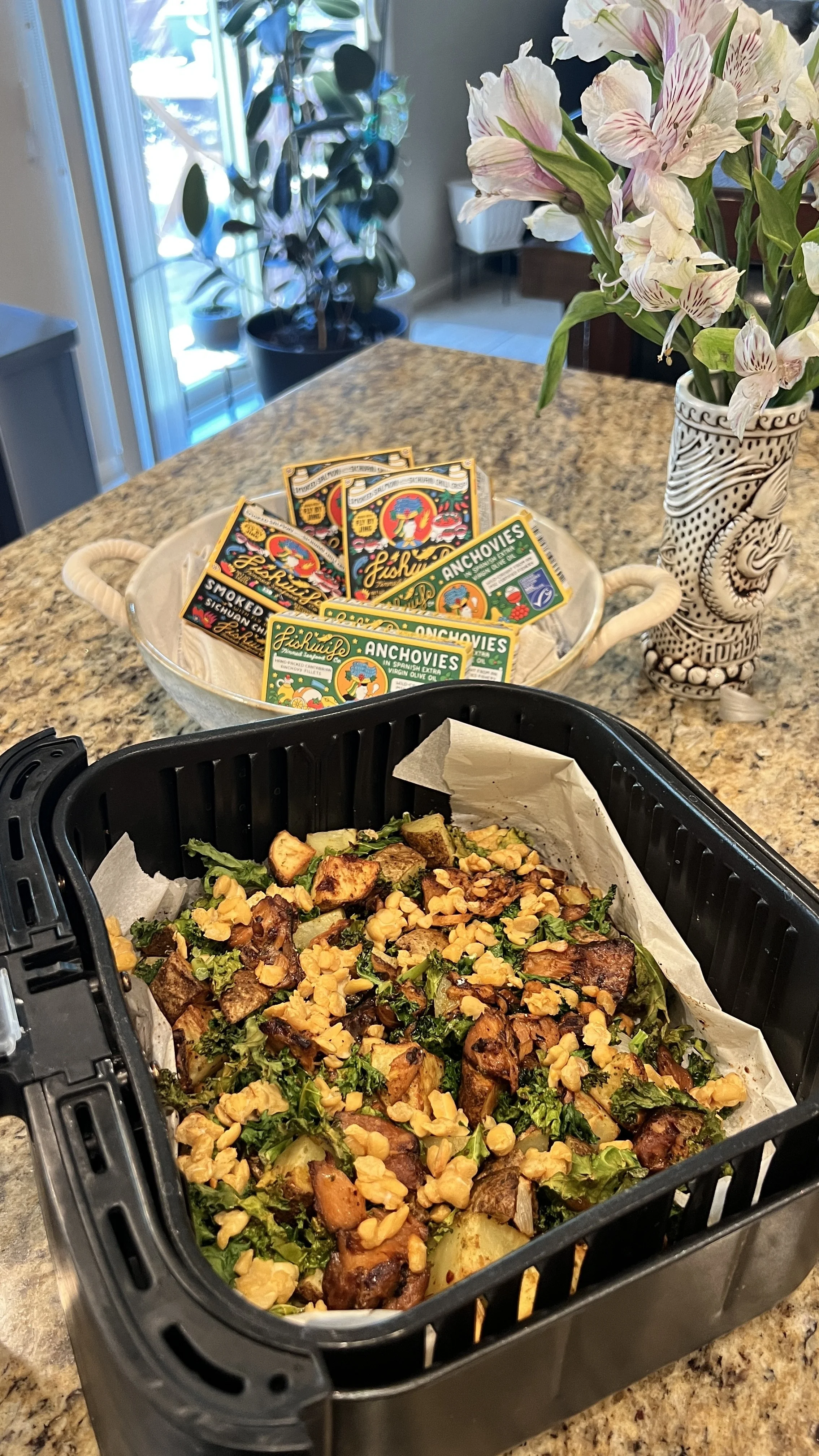
Air Fryer Recipe: High-Protein Power Bowl With Fishwife Smoked Salmon

Looking for a quick, high-protein meal that’s as flavorful as it is satisfying? This Air Fryer Roasted Potatoes, Chickpeas, Kale, and Smoked Salmon Bowl is your new go-to. Packed with plant-based protein from chickpeas and tempeh, nutrient-dense kale, and the bold, smoky richness of Fishwife Smoked Salmon in Sichuan Chili Crisp, this dish is a powerhouse of flavor and nutrition—all ready in under 30 minutes.


hellolovelyliving air fryer protein bowl


Whether you're meal-prepping for the week or need a post-workout dinner that doesn’t skimp on taste, this air fryer recipe delivers. Plus, it’s gluten-free, fiber-rich, and loaded with anti-inflammatory spices.

Why You’ll Love This Recipe

  • High in protein: Thanks to chickpeas, tempeh, and Fishwife salmon

  • Anti-inflammatory: With kale, olive oil, and chili crisp

  • Quick & easy: Done in under 30 minutes

  • Crispy & satisfying: Thanks to the air fryer and cornstarch magic

  • Flavor-packed: Smoky, spicy, savory, and just a touch of heat


Air Fryer Roasted Potatoes, Chickpeas, Kale, and Smoked Salmon Bowl


Servings: 4 servings
Prep: 10 mins
Cook: 24 mins
Total time: 34 mins

Ingredients

  • 4 russet potatoes, cut into 1” cubes
  • ½ white onion, cubed
  • 1 cup cooked chickpeas (canned or homemade)
  • 2 Tbsp olive oil
  • 2 tsp parsley and red pepper seasoning
  • ½ tsp black pepper
  • ½ tsp salt
  • ¼ tsp cayenne pepper (optional for heat)
  • 2 tsp cornstarch (for crispiness)
  • ½ cup tempeh, cubed
  • black pepper
  • 2 cups chopped kale
  • 1 tin Fishwife Smoked Salmon in Sichuan Chili Crisp

Instructions

  1. Prep the Base - In a large mixing bowl, combine: cubed potatoes, onions, chickpeas, olive oil, seasonings (parsley & red pepper, black pepper, salt, cayenne), and cornstarch Toss until everything is evenly coated. The cornstarch helps create that irresistible crispy texture in the air fryer.
  2. Air Fry the Veggies - Preheat your air fryer to 400°F (200°C). Add the potato mixture to the air fryer basket in a single layer (work in batches if needed). Air fry for 12 minutes. Shake the basket to redistribute, then air fry for another 12 minutes.
  3. Add Protein & Greens - For the final 4 minutes of cooking: Add the tempeh, chopped kale, and Fishwife smoked salmon directly into the basket. Gently mix to combine with the roasted veggies. Return to the air fryer and cook for 4 more minutes. The kale will crisp up beautifully, the tempeh will get golden edges, and the salmon will warm through, releasing its spicy, smoky aroma.
  4. Serve hot, straight from the air fryer, or over a bed of quinoa or brown rice for extra carbs. Top with: A squeeze of lemon juice, a dollop of Greek yogurt or tahini, or fresh herbs like parsley or cilantro. This dish is perfect as a meal prep bowl, a quick weeknight dinner, or a protein-packed lunch.

Notes

  • Don’t overcrowd the basket: For the crispiest results, cook in batches if needed.
  • Customize the heat: Adjust cayenne if you prefer a milder flavor.
  • Use pre-cooked chickpeas: Canned chickpeas work great, just rinse and dry them well.
 

Takeaways

This Air Fryer Roasted Potato & Smoked Salmon Bowl is more than just a quick meal—it’s a celebration of bold flavors, nourishing ingredients, and effortless cooking. With the smoky heat of Fishwife’s Sichuan Chili Crisp Salmon, crispy chickpeas, hearty potatoes, and vibrant kale, every bite is a perfect balance of texture and taste.

Whether you're fueling up post-workout or just want a delicious, protein-rich dinner in a flash, this recipe is your new weeknight hero.

Looking for Wellness resources?

Are you looking to enhance your wellness routine? Explore our wellness partners who offer a wide range of resources to support your journey toward holistic living and well-being.

Learn more


wellnessHLL x Editor


How To Recover Mentally And Physically After An Injury

Suffering an injury can be a deeply jarring experience—one that affects far more than just your physical health. Whether it’s a minor accident or a life-altering trauma, the aftermath can ripple into every area of your life, from your emotional well-being to your ability to work and even your confidence in doing the things you once took for granted.


In this article, we’ll explore practical and empowering strategies to help you navigate the recovery process—both physically and mentally. From seeking medical attention to confronting your fears and maintaining a positive mindset, these steps are designed to guide you toward a full and balanced recovery. Healing is not just about mending bones or treating bruises—it’s about regaining control, rebuilding your confidence, and restoring your sense of self.

No. 1

Consult Your GP First

Many people make the mistake of skipping a visit to the doctor after an injury, assuming they’ll recover on their own. However, this can be a dangerous oversight. Even seemingly minor accidents can result in hidden injuries that may worsen over time if left untreated.

For example, if you fall in a parking lot and feel only mild discomfort, you might assume you’re fine. But without a proper medical evaluation, you could miss signs of:

  • Internal injuries

  • Hairline fractures

  • Soft tissue damage

Consulting your GP ensures that you receive the appropriate diagnosis and treatment plan. It’s the first and most crucial step in safeguarding your long-term health and preventing complications.

No. 2

Consider Compensation

Accidents often occur due to circumstances beyond your control—slippery floors, faulty equipment, or negligent drivers. If your injury was caused by someone else’s actions or negligence, you may be entitled to financial compensation.

While money can’t undo the pain or trauma, it can:

  • Cover medical bills and rehabilitation costs

  • Offset lost income from time off work

  • Fund accessibility tools or home modifications

  • Provide peace of mind during recovery

Consult a reputable legal expert, such as Peterson Law Office, to explore your options. A qualified attorney can help determine whether you have a valid claim and guide you through the legal process with compassion and clarity.

No. 3

Face Your Fears Head-On

It’s completely natural to develop fears or anxieties after an injury—especially if the incident was traumatic. However, avoiding the source of your fear can hinder your emotional recovery and prolong your distress.

Instead, try to gradually reintroduce yourself to the activity or environment that caused the injury.

For example:

  • If you were injured while driving, consider taking short, supervised drives to rebuild confidence.

  • If you fell while hiking, start with easier trails and work your way up.

By confronting your fears in a controlled and supportive way, you can begin to reclaim your independence and shift your mindset from fear to empowerment. See your recovery not as a crisis, but as a new health challenge—one that you’re capable of overcoming.


hellolovelyliving circles

Circles

A safe place to share
or listen anonymously.

Listen, relate and connect with others
in an audio-only setting that shows
only your first name.


No. 4

Allow Yourself Some Time

Every injury is unique, and so is every recovery timeline. One of the most important things you can do is give yourself permission to heal at your own pace.

While it may be tempting to rush back to work or resume your normal activities, doing so prematurely can lead to setbacks or re-injury. Instead, recognize that:

  • Rest is productive—your body needs time to repair.

  • Mental recovery matters just as much as physical healing.

  • Pushing yourself too hard can delay progress.

We live in a culture that often equates productivity with self-worth, but healing requires a different mindset. Embrace the idea that rest and recovery are essential parts of your journey—not obstacles to it.

No. 5

Keep Your Morale High

Maintaining a positive outlook during recovery can be challenging, especially if you’re dealing with pain, mobility limitations, or emotional distress. However, your mindset plays a powerful role in your healing process.

Tips to Stay Motivated and Mentally Strong:

  • Follow your treatment plan diligently—attend therapy sessions, take prescribed medications, and listen to your healthcare providers.

  • Practice positive self-talk—replace negative thoughts with affirmations of strength and progress.

  • Celebrate small victories—every step forward, no matter how small, is worth acknowledging.

  • Stay connected—lean on friends, family, or support groups for encouragement and understanding.

Even if you’re struggling with anxiety or depression, taking care of your mental health is just as important as physical therapy. Don’t hesitate to seek professional help if needed.

Takeaways

Recovering from an injury is not just about physical rehabilitation—it’s a holistic journey that encompasses emotional resilience, mental strength, and self-compassion. The road to recovery may be long and filled with challenges, but with the right mindset and support, it’s entirely possible to emerge stronger and more self-aware than before.

By consulting your doctor, exploring legal options, confronting your fears, allowing yourself time to heal, and nurturing a positive outlook, you can take control of your recovery and rebuild your life with confidence.

Remember: healing isn’t linear, and setbacks are part of the process. Be kind to yourself, stay committed to your progress, and trust that you have the strength to overcome whatever lies ahead.

Looking for Wellness resources?

Are you looking to enhance your wellness routine? Explore our wellness partners who offer a wide range of resources to support your journey toward holistic living and well-being.

Learn more


wellnessHLL x Editor


Caring For Someone With A Spinal Injury: Grace, Patience, And Support

A spinal injury is one of the most profound and life-altering events a person can experience. Depending on the severity and location of the damage, recovery may be partial—or, in some cases, not possible at all. For individuals living with a spinal cord injury, the path forward is often filled with physical, emotional, and psychological challenges. But they’re not alone on this journey.


Caregivers—whether family members, friends, or professionals—play a pivotal role in supporting recovery and maintaining quality of life. However, caregiving is not without its own set of difficulties. It requires patience, empathy, knowledge, and emotional resilience.

In this article, we’ll explore the daily challenges faced by those living with spinal injuries, offer strategies for caregivers to provide effective and compassionate support, and highlight essential resources that can ease the caregiving journey. Whether you're new to this role or have been providing care for some time, this guide is designed to support both you and your loved one.

No. 1

Understanding Their Daily Challenges Without Losing Empathy

Living with a spinal injury often means adapting to a completely new way of life. From physical limitations to emotional upheaval, the individual may experience a wide range of challenges. As a caregiver, your ability to understand and empathize with these struggles is essential.

Educate Yourself

Knowledge is power—especially when it comes to caregiving.

Take the time to:

  • Learn about the specific type and severity of the spinal injury.

  • Understand potential complications such as pressure sores, infections, or muscle spasms.

  • Explore rehabilitation options and adaptive technologies.

  • Discover coping strategies and psychological impacts.

By educating yourself, you not only become a more effective caregiver but also a more compassionate one. Your loved one will feel more supported when they know you truly understand their condition.

Practice Active Listening

Sometimes, the most powerful support you can offer is simply being present and listening.

Active listening means:

  • Giving your full attention without distractions.

  • Using open body language to show engagement.

  • Allowing your loved one to express frustrations without offering immediate solutions.

  • Validating their feelings without judgment.

This form of communication builds trust and shows that you see them as more than just a patient—you see them as a person.

Focus on the Person, Not Just the Injury

It’s easy to let the injury become the central focus of your interactions, but it’s crucial to remember that your loved one is more than their diagnosis.

Make time for:

  • Shared hobbies or interests.

  • Conversations that don’t revolve around the injury.

  • Celebrating small victories and milestones.

By focusing on the individual’s personality, passions, and identity, you help maintain their sense of self-worth and dignity.

Seek Professional Support When Required

There may come a time when professional help is necessary.

This can include:

  • Legal support for spinal injury victims, especially in cases involving negligence or accidents.

  • Support groups for both the injured individual and caregivers.

  • Mental health professionals to help process trauma and emotional stress.

Connecting with others who are navigating similar experiences can provide a sense of community and reduce feelings of isolation.

No. 2

Resources That Ease the Caregiving Journey

Being a caregiver doesn’t mean you have to do it all alone. Numerous organizations and services are available to provide assistance, guidance, and relief.

Recommended Resources:

  • The Caregiver Action Network – Offers free resources, peer support, and educational materials.

  • Home Health Services – Skilled nursing, physical therapy, and personal care assistance delivered at home.

  • National Organizations and Non-Profits – Groups like the Christopher & Dana Reeve Foundation provide education, advocacy, and support.

  • Legal and Advocacy Services – Help navigate insurance claims, disability rights, and compensation.

  • Financial Assistance Programs – Aid with medical bills, home modifications, and caregiving expenses.

These resources can lighten your load and ensure your loved one receives the comprehensive care they deserve.


hellolovelyliving intelligent change

Intelligent Change

Join over 2 Million people starting every day happier with products that elevate daily life.

GET 10% OFF YOUR ORDER

Use code:

CRISTINAA10


No. 3

Why Self-Care for Caregivers Is Not Selfish

Caregivers often pour every ounce of energy into supporting others, frequently at the expense of their own well-being. But here’s the truth: you cannot care for someone else effectively if you’re running on empty.

Self-Care Strategies for Caregivers:

  • Schedule regular breaks to rest and recharge.

  • Stay connected with friends, family, or support groups.

  • Engage in activities that bring you joy and relaxation.

  • Seek counseling if you’re feeling overwhelmed or emotionally drained.

  • Set boundaries to protect your mental and physical health.

Taking care of yourself isn’t selfish—it’s essential. A well-rested, emotionally balanced caregiver is better equipped to provide compassionate and effective support.

Takeaways

Caring for someone with a spinal injury is a journey that requires strength, empathy, and ongoing education. While the road may be challenging, it’s also filled with opportunities for connection, growth, and resilience.

By understanding the daily realities of spinal injury, practicing active listening, focusing on the individual rather than the injury, and utilizing available resources, you can make a meaningful difference in your loved one’s life. And by prioritizing your own well-being, you ensure that you can continue to offer the care and support they need.

Remember: caregiving is not just about managing tasks—it’s about nurturing hope, dignity, and humanity in the face of adversity. You are not alone, and with the right tools and mindset, you can navigate this journey with strength and compassion.

Looking for Wellness resources?

Are you looking to enhance your wellness routine? Explore our wellness partners who offer a wide range of resources to support your journey toward holistic living and well-being.

Learn more


wellnessHLL x Editor


7 Quirky Exercise Trends For A Weird And Wonderful Workout

Tired of the same old treadmill trots and predictable plank holds? You're not alone. While traditional workouts certainly have their place, they can quickly become monotonous and uninspiring. The good news is that fitness doesn't have to be boring—or conventional. In fact, some of the most effective and enjoyable workouts are the ones that break the mold entirely.


In this article, we’ll explore a variety of unconventional, quirky, and downright fun exercise trends that are gaining popularity around the world. These alternative workouts not only add variety to your routine but can also help you achieve better results, improve motivation, and even fit exercise more naturally into your lifestyle.

Ready to shake things up? Let’s dive into these offbeat fitness trends that just might become your new obsession.

No. 1

Animal Flow

Animal flow workouts involve crawling on all fours in the style of various animals. These exercises consist of different traveling forms like the ‘crab’ and the ‘ape’. Yes, this all sounds completely loony, but bear with me (speaking of bears, there’s also a form where you crawl like a bear, appropriately named ‘beast’).

While it may look a little strange, animal flow provides an incredibly effective full-body workout. It’s excellent for improving coordination, flexibility, and core strength, and it’s increasingly being incorporated into group fitness classes by professional trainers. Animal sounds are optional—but highly encouraged for fun.

No. 2

Infrared Exercise

Want to turn up the heat—literally? Infrared exercise is a rising trend that involves working out in studios equipped with infrared lighting, such as those offered by HOTWORX. Unlike traditional saunas, infrared light heats your body directly rather than the surrounding air, allowing for intense sweat sessions without the suffocating atmosphere.

This type of workout can:

  • Increase calorie burn

  • Improve circulation

  • Enhance detoxification

It’s intense, so hydration is key. Think of it as exercising in a personal sauna—but with breathable air and better results.

No. 3

Plogging

Combine fitness with environmentalism through plogging—a Swedish-inspired trend that blends jogging with litter collection. The term comes from “plocka upp,” meaning “to pick up,” and that’s exactly what you do: jog while picking up trash along your route.

Often practiced in groups, plogging turns your run into a purposeful mission.

It’s a great way to:

  • Stay active

  • Clean up your community

  • Add variety to your cardio

Plus, the added squats and bends from picking up trash give your lower body an extra workout.


hellolovelyliving orgain

Orgain

Fuel your fitness journey with Orgain Protein!

Clean, delicious, and packed with the nutrients you need to crush your goals.


No. 4

VR Indoor Cycling

Let’s face it—riding a stationary bike in your living room can feel like watching paint dry. Enter VR indoor cycling, a game-changing innovation that turns your workout into a virtual adventure. By wearing a VR headset, you can cycle through scenic landscapes, futuristic cities, or even fantasy worlds.

Apps like Zwift and others gamify the experience with:

  • Challenges

  • Leaderboards

  • Points and rewards

It’s immersive, motivating, and far more exciting than staring at a blank wall. This guide at Road.cc explains more.

No. 5

Hill Running

If you’re short on time but want maximum results, hill running might be your new best friend. This intense workout involves repeatedly running up and down hills, which burns significantly more calories than running on flat ground.

Benefits of hill running include:

  • Improved cardiovascular endurance

  • Stronger leg muscles

  • Enhanced stamina

It’s a tough workout, but the payoff is worth it—especially if you’re looking to build strength and speed in a short amount of time.

No. 6

Baby Yoga

New moms, rejoice! You don’t have to choose between bonding with your baby and getting in a workout. Baby yoga allows you to do both. This gentle form of yoga incorporates your baby into the poses, turning them into a natural weight for resistance training.

Benefits include:

  • Postnatal recovery

  • Increased flexibility

  • Quality bonding time

It’s also a great way to ease back into exercise without needing childcare or leaving the house.

No. 7

Deskercise

If your 9-to-5 job keeps you glued to your chair, deskercise is the solution you didn’t know you needed. These are simple exercises you can perform right from your office chair, helping you stay active throughout the workday.

Examples of deskercises:

  • Seated leg lifts

  • Chair squats

  • Shoulder rolls

  • Desk push-ups

Incorporating short bursts of movement into your day can improve circulation, reduce stiffness, and boost productivity. Encourage your coworkers to join in and make it a team effort!

Takeaways

Exercise doesn’t have to be a chore—or follow a strict formula. As these quirky and creative fitness trends show, there are countless ways to stay active that go beyond the gym. Whether you’re crawling like a crab, sweating it out under infrared lights, or jogging with a trash bag in hand, the key is to find something that keeps you moving and makes you feel good.

By exploring alternative workouts like animal flow, infrared fitness, VR cycling, and more, you can break free from the monotony of traditional routines and discover new ways to challenge your body and mind.

So go ahead—ditch the treadmill (at least for a day) and try something different. Your body, your brain, and maybe even the planet will thank you.

Looking for Wellness resources?

Are you looking to enhance your wellness routine? Explore our wellness partners who offer a wide range of resources to support your journey toward holistic living and well-being.

Learn more


wellnessHLL x Editor


Preventing Bathroom Mold From Hitting Your Healthy Home

One of the most persistent and widespread issues in modern homes—regardless of size, age, or location—is mold. While it may start as a small, unsightly spot in a corner, mold can quickly become a serious problem. Beyond its unpleasant appearance, it poses health risks and can spread rapidly, leading to costly damage and the need for professional remediation.


The bathroom, with its constant exposure to humidity and moisture, is one of the most common breeding grounds for mold. That’s why it’s essential to take proactive steps to prevent its growth before it becomes a major issue.

In this article, we’ll walk you through practical, effective strategies to keep your bathroom mold-free. From smart cleaning habits to improving ventilation and monitoring plumbing, these tips will help you maintain a healthier, safer, and more comfortable home.

No. 1

Clean Regularly

Few things attract mold more than neglected, cluttered spaces. Dust and grime build up in corners and on shelves, creating the perfect environment for moisture to settle—and mold to thrive.

Tips for Mold-Resistant Cleaning:

  • Declutter surfaces: Keep towels, washcloths, and toiletries off counters when not in use.

  • Use mold-resistant cleaners: Focus on corners, grout lines, and hard-to-reach areas.

  • Wipe down soap scum: Mold feeds on soap residue, so clean it off as soon as it appears.

  • Dry wet items: Don’t leave damp towels or clothes in the bathroom.

A consistent cleaning routine is your first line of defense against mold growth.

No. 2

Prioritize Proper Ventilation

Bathrooms are naturally humid, but without proper airflow, moisture lingers—and mold follows. Ensuring your bathroom is well-ventilated can significantly reduce the risk of mold buildup.

Ventilation Best Practices:

  • Run the exhaust fan: Keep it on for at least 20 minutes after every shower or bath.

  • Open windows or doors: Allow fresh air to circulate and moisture to escape.

  • Wipe down damp surfaces: Use a dry cloth on mirrors, tiles, and walls.

  • Install a dehumidifier: Especially in bathrooms without windows or with poor airflow.

By keeping the air moving and moisture levels low, you make it much harder for mold to take hold.

No. 3

Always Keep an Eye on Your Plumbing

Even a small leak can lead to a big mold problem. Moisture from faulty plumbing can seep into walls, floors, and hidden spaces, creating the perfect conditions for mold to spread unnoticed.

Plumbing Maintenance Tips:

  • Inspect pipes and faucets: Look for signs of leaks, such as water stains or discoloration.

  • Check seals and joints: Ensure there’s no moisture buildup around tubs, sinks, or toilets.

  • Schedule professional inspections: A plumbing expert, such as Bluefrog Plumbing, can catch hidden leaks before they escalate.

Addressing plumbing issues early not only prevents mold but also protects the structural integrity of your home.


hellolovelyliving rejuvenation

Rejuvenation

Elevate your space with Rejuvenation's timeless bathroom plumbing fixtures – where style meets functionality.


No. 4

Get Smart About Drying the Space

Daily habits make a big difference in mold prevention. Creating a routine that prioritizes dryness and cleanliness will help keep mold at bay.

Smart Drying Habits:

  • Hang towels and washcloths: Avoid leaving them in piles or on the floor.

  • Store toiletries on dry surfaces: Moisture under bottles can lead to mold growth.

  • Use moisture-resistant materials: Consider mildew-proof paint, vinyl wallpaper, or waterproof baseboards.

These small changes can have a big impact on your bathroom’s long-term cleanliness and health.

No. 5

Inspect and Repair

Even with the best prevention strategies, mold can still find a way in. That’s why regular inspections are key to catching it early—before it spreads.

Inspection Checklist:

  • Check corners and grout lines: Mold often starts in hidden or overlooked areas.

  • Look behind toilets and under sinks: These spots are especially prone to hidden moisture.

  • Inspect around bathtubs and showers: Cracked caulking or loose tiles can harbor mold.

If you spot mold, a simple vinegar and lemon spray might do the trick for small patches. However, for larger infestations, don’t hesitate to call in professional mold remediation services.

takeways

Mold may be a common household issue, but it’s far from harmless. Left unchecked, it can damage your home and jeopardize your health. Fortunately, with a proactive approach, you can keep your bathroom mold-free and maintain the comfort and safety of your living space.

By cleaning regularly, ensuring proper ventilation, monitoring plumbing, adopting smart drying habits, and conducting routine inspections, you’ll drastically reduce the risk of mold taking hold in your home.

Remember: prevention is always better than cure. The sooner you start implementing these habits, the easier it will be to protect your home from mold in the long run.

Looking for Home resources?

Looking to enhance your living space and create a sanctuary that supports your well-being? Explore our home partners who offer a wide range of resources to elevate your home environment.

Learn more


homeHLL x Editor


Getting Peace Of Mind With Your Travels

If you're someone who travels frequently—whether for business, leisure, or adventure—you already understand how important it is to feel calm, secure, and in control. Travel is meant to be enriching and enjoyable, but without proper planning and precautions, it can quickly become overwhelming or even risky.


In this article, we’ll explore simple yet effective ways to achieve greater peace of mind while traveling. From securing the right insurance to choosing the right travel companions, these strategies will help you feel confident and prepared no matter where your journey takes you.

No. 1

Get Insured

One of the most essential steps to achieving peace of mind while traveling is to get insured. Regardless of whether it’s a short weekend getaway or a long international trip, having travel insurance is a smart and necessary move.

There are countless unpredictable factors that can disrupt your plans—flight cancellations, lost luggage, medical emergencies, or even natural disasters. A comprehensive travel insurance policy can protect you financially and emotionally in these situations.

Travel insurance from providers like Generali is affordable and can save you thousands in unexpected costs, making it a small investment for a significant return in peace of mind.

No. 2

Plan Ahead

While spontaneity can be part of the fun, planning ahead is one of the best ways to reduce stress during your travels. This doesn’t mean you need a minute-by-minute itinerary, but having a general sense of your schedule, accommodations, and transportation can make a huge difference.

Benefits of Planning Ahead:

  • Anticipate potential issues and prepare solutions

  • Reduce decision fatigue during the trip

  • Maximize your time and experiences

  • Avoid common travel pitfalls

Whether it’s booking your accommodations in advance or researching local customs and safety tips, a little preparation goes a long way in ensuring a smoother, more enjoyable trip.

No. 3

Use a Travel Agency

If you want to take your peace of mind to the next level, consider working with a travel agency. While not essential, travel agencies offer a level of support and expertise that can be incredibly reassuring—especially for complex or international trips.

Why Use a Travel Agency?

  • Access to exclusive deals and packages

  • Professional assistance with bookings and logistics

  • Help in emergencies or unexpected changes

  • Personalized recommendations based on your preferences

Having a travel expert handle the details allows you to focus on the experience itself, rather than worrying about the behind-the-scenes arrangements.


hellolovelyliving hopper

Hopper

The #1 most downloaded travel app in North America. Save up to 40% on travel costs + earn free travel rewards.

GET A $25 HOPPER TRAVEL VOUCHER

Use coupon code:
HELLOLOVELYLIVING


No. 4

Travel with People You Trust

Who you travel with can make or break your experience. That’s why it’s so important to travel with people you trust. Whether it's family, close friends, or a partner, being with someone reliable and supportive can significantly reduce stress and increase your sense of safety.

The Value of Trustworthy Travel Companions:

  • Shared responsibilities and decision-making

  • Emotional support in unfamiliar environments

  • Increased safety and security

  • More enjoyable and memorable experiences

When you’re surrounded by people who have your back, you’ll naturally feel more at ease—no matter where you are in the world.

Takeaways

Traveling is one of life’s greatest pleasures, but it can also come with its fair share of stress and uncertainty. The good news? With a few thoughtful steps, you can dramatically improve your peace of mind and truly enjoy the journey.

By securing travel insurance, planning ahead, considering the benefits of a travel agency, and surrounding yourself with trustworthy companions, you set yourself up for a smoother, safer, and more fulfilling experience.

So the next time you pack your bags, don’t just think about where you’re going—think about how you’re going to feel once you get there. With the right preparation, your travels can be as peaceful as they are exciting.

Looking for Travel resources?

Looking to embark on a transformative journey to discover new cultures, expand your horizons, and reconnect with yourself? Explore, learn, and awaken your wanderlust with our travel partners designed to support you on your next getaway.

Learn more


travelHLL x Editor


Caring For Loved Ones At Home Without Losing The Comfort You Love

There may come a time in your life when the roles shift, and you find yourself responsible for the care of your parents or another aging loved one. Whether they were once fiercely independent or are now in need of daily assistance, stepping into the role of caregiver is a profound act of love—and one that comes with its own set of challenges.


While providing care at home can help preserve your loved one’s independence and dignity, it’s important not to overlook your own needs and the functionality of your living space. Sharing your home doesn’t mean sacrificing your comfort, peace, or personal time.

In this article, we’ll explore how to care for your loved ones within your own home while maintaining a space that is both beautiful and practical. From design tips to emotional boundaries, we’ll guide you through creating a balanced environment that supports everyone involved.

No. 1

Balancing Beauty with Practicality in Caregiving Spaces

When your home becomes a caregiving space, it’s essential to strike a balance between functionality and aesthetics. You want your home to remain a place of comfort and personality, not feel like a sterile facility.

Design Tips for a Comfortable and Functional Space:

  • Use soothing colors and soft lighting: These elements create a calming atmosphere that benefits both you and your loved one.

  • Incorporate biophilic design: Bringing nature indoors—through plants, natural light, and garden views—can reduce stress and promote well-being.

  • Keep pathways clear and accessible: Ensure furniture placement allows for easy movement, especially if mobility aids are in use.

  • Add personal touches: Decorate with items that reflect your loved one’s interests and memories, alongside your own, to create a shared, meaningful space.

By thoughtfully designing your home, you can make it a nurturing environment that supports caregiving without compromising your style or comfort.

No. 2

Tips for Maintaining Peace and Privacy

Living with and caring for a loved one can blur the lines between personal space and shared responsibilities. That’s why it’s crucial to establish boundaries and routines that protect your mental and emotional well-being.

1. Set Clear Boundaries

Boundaries are essential for both the caregiver and the person receiving care. Discuss expectations openly and respectfully.

For example:

  • Define quiet hours or private times during the day

  • Set limits on shared spaces and personal belongings

  • Clarify caregiving duties versus personal time

Mutual respect and communication go a long way in maintaining harmony.

2. Have a Private Space

Even if it's just a small room or a cozy corner, having a designated area where you can retreat is vital. This space should be:

  • Off-limits to others unless invited

  • Designed for relaxation or hobbies

  • A place to decompress and recharge

This sanctuary can help you reset emotionally, especially after a long or difficult day.


hellolovelyliving tripaneer

Tripaneer

Explore Top Health & Wellness Retreats on the world’s leading marketplace to explore and book unforgettable travel experiences.


3. Make Time for Yourself

Caregiving can be all-consuming, but it’s important to carve out time for your own life. Whether it’s a morning walk, a weekly hobby, or simply reading a book uninterrupted, these moments are essential for your well-being.

Remember: You can’t pour from an empty cup. Prioritizing yourself isn’t selfish—it’s necessary.

4. Seek Support When Needed

You don’t have to do it all alone. There are many resources available to help lighten the load:

  • Home health care services

  • Respite care programs

  • Support groups for caregivers

  • Community services for seniors

Asking for help isn’t a sign of weakness—it’s a smart and healthy choice that benefits both you and your loved one.

Takeaways

Caring for a loved one at home is a deeply meaningful experience, but it doesn’t have to come at the cost of your comfort or peace. With thoughtful planning, open communication, and the right support systems, you can create a home that nurtures everyone under its roof.

By balancing beauty with practicality, setting clear boundaries, and making time for yourself, you’ll be better equipped to handle the responsibilities of caregiving while still enjoying the sanctuary of your own space.

Remember: your home should be a place of love, not stress. With the right approach, you can care for your loved ones without losing the home comforts you cherish.

Looking for Wellness resources?

Are you looking to enhance your wellness routine? Explore our wellness partners who offer a wide range of resources to support your journey toward holistic living and well-being.

Learn more


wellnessHLL x Editor


How To Go All Out For Every Season Without The Mess

Okay, so let’s be real—seasonal decorating has officially evolved from a casual holiday tradition into a full-blown lifestyle. Scroll through TikTok, YouTube Shorts, or Instagram, and you’ll see it everywhere: curated autumn mantels, spooky Halloween villages, pastel Easter tablescapes (yes, complete with Easter trees), and even entire summer lemon-themed kitchens. It’s no longer just about hanging a wreath at Christmas—it’s about transforming your entire home with the changing seasons.


Terrain - Fall Shop
 

It’s basically a year-round sport now—and honestly? It’s fun. Maybe it leans a little too far into overconsumption at times, but for many, seasonal decorating brings genuine joy. It sparks creativity, adds personality to your space, and lets you celebrate the little moments throughout the year. Whether it’s cozy fall vibes, twinkling winter lights, or pastel spring blooms, there’s something magical about transforming your home to match the season.

That said, let’s not ignore the elephant in the room: clutter.

Going for that charming, Hallmark-movie aesthetic is delightful—but it comes with a price. With every new season comes new décor, and with new décor comes the challenge of storing, organizing, and rotating everything without turning your home into a maze of bins, boxes, and overflowing totes. Sure, there are plenty of organization tips floating around online, but to truly master the art of year-round decorating without the mess, you might need to take it a step further.

So, how can you enjoy a beautifully decorated home for every season and holiday—without drowning in clutter? That’s exactly what we’ll explore in this article. We’re diving into how you can fully enjoy the magic of seasonal decorating—without letting it take over your space. From smart storage solutions to mastering the art of décor rotation, we’ll help you keep your home festive and functional all year long.

No. 1

A Few Decorations Can Turn into a Whole Thing

It always starts innocently enough. Maybe you pick up a few pumpkins in October or string some twinkly lights in December. Totally normal, right? But then it snowballs. One day, you’re opening a tote labeled Fall, only to discover five more labeled Fall 2, Fall Misc, and Fall Breakables. Before you know it, you’re one Amazon order away from living inside a full-blown Hobby Lobby display.

The truth is, seasonal decorating can escalate quickly. And while there's nothing wrong with going all-in for the holidays, it becomes a problem when your décor starts to compete with your living space. That’s when it’s time to rethink your approach.

No. 2

Sometimes, Home Storage Won’t Cut It

Most people stash their seasonal décor in garages, basements, or closets. And while that works for a while, eventually you may find yourself running out of room—or worse, sacrificing valuable living space just to house your growing collection of seasonal cheer.

If your home is starting to feel more like a storage unit than a sanctuary, it might be time to get creative with your storage solutions. One option worth considering is self storage. It’s surprisingly affordable and offers a way to keep your seasonal items safe, organized, and out of the way until you need them.

Benefits of Using Self Storage for Seasonal Decor:

  • Frees up space in your home

  • Keeps items safe from damage or clutter

  • Makes it easier to rotate décor by season

  • Allows for better organization and labeling

  • Reduces stress and visual clutter in your living areas

While it’s not the right solution for everyone, it’s definitely worth exploring—especially if you’re committed to decorating year-round.

No. 3

Just Master the Art of Rotation

Technically, you’re already rotating your décor every few months—swapping spring florals for summer citrus, or Halloween pumpkins for Thanksgiving turkeys. But the key isn’t just about when you rotate—it’s about how you do it.

If you’re just tossing everything into bins and hoping future-you will figure it out, spoiler alert: future-you is going to be very annoyed.

Tips for Seamless Seasonal Rotation:

  • Sort by season: Keep items grouped by holiday or theme to make swapping easier.

  • Label everything clearly: Use color-coded bins or detailed labels for quick access.

  • Chronological order: Store bins in the order you’ll need them throughout the year.

  • Declutter before packing: Don’t store what you won’t use next year.

  • Use clear bins: So you can see what’s inside without opening everything.

By creating a rotation system that’s intuitive and organized, you’ll save time, reduce stress, and actually enjoy the process of decorating each season.


hellolovelyliving terrain

Terrain

Embrace the season with Terrain: Discover cozy décor, warm hues, and autumn entertaining essentials.


No. 4

Know What to Retire Gracefully

Let’s face it—not all décor is meant to last forever. Especially with the rise of mass-produced, cheaply made seasonal items, it’s easy to accumulate things that don’t hold up over time. And while it’s tempting to keep everything “just in case,” that mindset leads to clutter.

Make it a habit to review your collection each season. If something is broken, faded, or no longer fits your style, it’s okay to let it go.

What to Do With Retired Decor:

  • Donate gently used items to local shelters, schools, or thrift stores

  • Upcycle or repurpose broken pieces for DIY projects

  • Recycle materials where possible

  • Trash items that are beyond repair

Letting go of items that no longer serve you creates space—both physically and mentally—for new inspiration and creativity.

Takeaways

Seasonal decorating is a joyful, creative way to celebrate the rhythm of the year. It brings warmth to your home, marks special moments, and adds a touch of magic to everyday life. But like anything, it’s best enjoyed in moderation—and with a plan.

By being intentional with your décor, organizing your storage, and rotating items with care, you can fully embrace the fun of seasonal decorating without letting it overrun your space. Whether you’re a minimalist with a flair for subtle touches or a maximalist who loves going all out, the key is to find a system that works for you.

So go ahead—hang the twinkle lights, set up the Easter tree, and bring out the summer lemons. Just make sure you’ve got a plan for where it all goes when the season ends.

Your home should feel festive—but also functional. With a little strategy and a lot of heart, you can have both.

Looking for Home resources?

Looking to enhance your living space and create a sanctuary that supports your well-being? Explore our home partners who offer a wide range of resources to elevate your home environment.

Learn more


homeHLL x Editor


10 Things To Think About Before You Relocate

Relocating can be one of the most transformative decisions you make in your life. It often brings a mix of excitement and uncertainty—offering the promise of new beginnings while also demanding careful planning and emotional readiness. Whether you're moving across the country or to a new continent, it's a decision that requires more than just logistics—it calls for clarity, intention, and alignment with your life’s bigger picture.


In this article, we’ll walk you through ten essential factors to consider before relocating. These insights are designed to help you evaluate your motivations, prepare for the practicalities, and ensure that your move supports your long-term goals. From understanding your life vision to managing moving costs, this guide will help you make a confident, informed decision about your next chapter.

No. 1

Your Life Goals

The very best place to start here is to make sure that you're considering your life goals. When it comes to any big decision in life, particularly with where you live or the idea of moving, you need to ensure that it fits in with what you actually want in life. So if you're not sure what it is that you want or what you're working towards, you need to get clear on this first before making any big decisions.

No. 2

The Lifestyle You Want

As a step on from that, you also need to think about the type of lifestyle that you want. This is closely related to the idea of your goals, but is also more focused on the idea of how you actually want to live. Relocating can really influence the way you live your life. So, you need to think about the way of life in the area that you're considering and whether that works with what you want.

No. 3

The Reason Behind the Move

Another thing for you to focus on here is the reason behind the move. This one sounds quite obvious, but it can be easy to forget about too. You need to make sure that it's for the right reasons. Now, a lot of the time we relocate for work, or it's because we're looking for a better quality of life. So you just need to make sure that the reason you want to move and why you're considering it really fits with what you're trying to do with your life. Ultimately, you need to decide if it's worth it.


hellolovelyliving the container store

The Container Store

Your ultimate destination for innovative storage and organization solutions for home or office—offering everything from stylish bins and shelves to custom closet systems.


No. 4

The Logistics of Moving

Relocation involves more than just packing boxes. The logistics can be complex and time-consuming, especially if you're moving long-distance or internationally. Consider hiring a reputable moving company, organizing your belongings in advance, and creating a detailed timeline. Planning ahead will reduce stress and help the process go smoothly. Don’t underestimate the value of a well-organized move—it can make all the difference.

No. 5

The Cost of Moving

Moving can be expensive, and hidden costs often arise. From selling your current home to hiring movers and covering travel expenses, it’s essential to create a detailed budget. Get quotes, compare services, and factor in unexpected costs. Having a financial plan in place will help you avoid last-minute stress and ensure that your relocation is both feasible and financially sound.

No. 6

The Living Costs in Your New Area

Beyond the cost of the move itself, consider the ongoing cost of living in your new location. Will your income support the same standard of living? Are housing, groceries, transportation, and healthcare more expensive? Researching these factors ahead of time will help you make a realistic assessment of whether the move is financially sustainable in the long run.

No. 7

Finding Your Dream Home

One of the most exciting aspects of relocating is finding a new place to call home. Whether you're buying or renting, take the time to explore your options and prioritize what matters most—location, size, amenities, or proximity to work and schools. If necessary, consider temporary housing while you search for the perfect fit. Feeling comfortable and happy in your new space is key to a successful transition.

No. 8

Settling Into the New Area

Once you’ve arrived, settling into your new neighborhood is the next big step. This can be especially challenging if the new area is vastly different from what you're used to. Make an effort to explore your surroundings, meet your neighbors, and get involved in the community. The sooner you feel connected, the easier it will be to adjust and feel at home.

No. 9

Whether It’s Right for Your Family

If you're relocating with a partner or children, their well-being is a top priority. Consider how the move will affect their lives—education, career opportunities, social connections, and emotional health. Open communication and involving them in the decision-making process can ease the transition and ensure that everyone feels heard and supported.

No. 10

If Your Heart’s in It

At the end of the day, the most important question is: Does this move feel right? Trust your intuition. If you feel excited, hopeful, and aligned with the decision, it’s likely the right path. But if you’re filled with doubt or unease, take a step back and reassess. Your inner voice is a powerful guide—listen to it.

Takeaways

Relocation is more than a change of address—it’s a life shift. It can open doors to new opportunities, fresh perspectives, and personal growth. But to make the most of it, you need to approach the decision with clarity, intention, and preparation.

By reflecting on your goals, assessing the practicalities, and tuning into your heart, you’ll be better equipped to make a move that truly supports your journey. Whether you decide to pack up or stay put, the most important thing is that your choice feels right for you and your future.

So take your time, do your research, and trust the process. If everything aligns and you feel ready—go for it. Your next adventure awaits.

Looking for Home resources?

Looking to enhance your living space and create a sanctuary that supports your well-being? Explore our home partners who offer a wide range of resources to elevate your home environment.

Learn more


homeHLL x Editor


Simple Ways To Boost Your Health And Wellness Every Day

Living a vibrant, healthy life doesn’t have to mean overhauling your entire routine. In fact, the most sustainable wellness transformations often begin with small, mindful changes. With countless fitness trends, diet plans, and self-care strategies available, it’s easy to feel overwhelmed by the options. But the truth is, lasting health is built on daily habits that nourish both your body and your mind.


In this article, we’ll explore practical, approachable ways to enhance your wellness journey—without the pressure of perfection. From finding the right workout environment to optimizing your nutrition and managing stress, these simple strategies are designed to help you feel better, move more, and live with intention. Whether you’re just beginning or refining your routine, these tips will support your path to a more balanced and energized life.

No. 1

Discover the Perfect Workout Routine

Maintaining a consistent fitness routine can be challenging, especially without the right environment or encouragement. That’s where joining a gym near me with classes can be a game-changer. Group fitness sessions offer a structured, social, and motivating atmosphere that helps you stay committed and inspired.

Why Group Fitness Works:

  • Classes cater to all levels—from beginners to seasoned athletes

  • Trained instructors ensure proper form and safety

  • A supportive community keeps you accountable

  • Variety in workouts prevents boredom and plateaus

  • Programs target strength, flexibility, cardio, and stress relief

Surrounding yourself with like-minded individuals in a positive setting can make your fitness journey more enjoyable and sustainable. Whether you prefer yoga, HIIT, spin, or strength training, there’s a class that aligns with your goals and energy levels.

By committing to a regular schedule and engaging in workouts that you genuinely enjoy, you’ll build endurance, improve mood, and create a lasting foundation for physical wellness.

No. 2

Nutrition: The Foundation of Lasting Wellness

Exercise alone isn’t enough to achieve true health. Your body thrives when fueled with nutrient-rich foods that support energy, recovery, and immune function. A balanced diet can reduce fatigue, boost mood, and even improve sleep quality.

When building a healthy eating plan, focus on moderation rather than restriction. Incorporate a colorful variety of fruits, vegetables, lean proteins, and whole grains. 

Limit processed foods and sugary drinks, which can lead to energy crashes and inflammation.

Here are a few easy nutrition strategies to apply daily:

  • Plan your meals: Preparing ahead helps you make better choices and avoid impulsive eating.

  • Stay hydrated: Drinking enough water supports digestion, muscle function, and focus.

  • Eat mindfully: Pay attention to hunger cues and enjoy each bite slowly to prevent overeating.

  • Don’t skip breakfast: A balanced morning meal kickstarts your metabolism and sets the tone for your day.

  • Add variety: Experiment with new recipes to keep your meals exciting and nutritious.

Good nutrition fuels every aspect of your life—from your physical performance to your mental clarity. When paired with a solid workout routine, it creates the perfect foundation for long-term wellness.

No. 3

Stress Management and Mental Wellness

In today’s fast-paced world, mental wellness is just as crucial as physical fitness. 

Chronic stress can impact sleep, digestion, focus, and even immune strength. Learning to manage stress effectively is one of the best things you can do for your health.

There are many ways to reduce stress, and the key is finding what works best for you. Mindfulness practices, hobbies, and self-care routines all contribute to better emotional balance and resilience.

Try incorporating some of these techniques into your daily life:

  • Practice mindfulness: Deep breathing, meditation, or yoga can calm the mind and body.

  • Get enough rest: Quality sleep restores energy and helps regulate mood and hormones.

  • Spend time outdoors: Nature has a proven effect on reducing anxiety and improving happiness.

  • Stay connected: Regular social interactions boost your sense of belonging and emotional well-being.

  • Unplug regularly: Limit screen time and take breaks from constant digital engagement.

When your mind is calm and focused, your physical health naturally improves too. 

Stress management is a core part of a balanced wellness routine, helping you stay productive and positive in all areas of life.


hellolovelyliving myfitnesspal

MyFitnessPal

Your health journey starts here!

Track your meals, workouts, and progress with MyFitnessPal.


No. 4

Finding Balance and Enjoying the Journey

Wellness isn’t a destination—it’s a lifelong journey. There will be days when you feel unstoppable and others when rest is the best choice. Embracing both is key to sustainable health.

The most effective wellness routines blend structure with flexibility. Allow yourself to enjoy your favorite treats, take breaks when needed, and celebrate your progress—no matter how small.

Keys to a Balanced Wellness Lifestyle:

  • Focus on consistency over intensity

  • Set realistic, achievable goals

  • Celebrate small victories

  • Be kind to yourself during setbacks

  • Keep your routine fun and adaptable

Health is about how you feel, not just how you look. When you approach wellness with compassion and curiosity, you’ll find more joy in the process and greater success in the long term.

Takeaways

True wellness is about more than just workouts and salads—it’s about creating a life that supports your physical, emotional, and mental well-being. By incorporating simple, consistent habits into your daily routine, you can build a lifestyle that feels good and functions well.

Whether you're starting small with a morning walk, trying a new recipe, or setting aside time to meditate, every choice matters. And when those choices align with your values and goals, they become powerful tools for transformation.

At Hello Lovely Living, we’re here to support your journey toward a more conscious, balanced, and joyful life. Explore our wellness blog and resources for more inspiration, and remember: wellness starts with you.

This post is sponsored.

Looking for Wellness resources?

Are you looking to enhance your wellness routine? Explore our wellness partners who offer a wide range of resources to support your journey toward holistic living and well-being.

Learn more


wellnessHLL x Editor


From Yard Waste To Compost: How Removal Services Recycle Naturally

As sustainability becomes a global priority, communities are rethinking how they handle organic waste. What was once seen as a burden—piles of leaves, grass clippings, and branches—is now being transformed into nutrient-rich compost. 


Across neighborhoods and cities, eco-conscious companies are finding smarter, greener ways to turn waste into renewal. Among the most impactful innovations are professional yard waste removal services that focus on recycling nature itself.

These services don’t just clear clutter from your garden—they help close the loop in the natural ecosystem. By transforming organic debris into compost, they reduce landfill waste, cut carbon emissions, and return valuable nutrients to the soil. It’s an elegant, sustainable cycle that benefits everyone—from homeowners to the planet.

In this article, we’ll explore how professional yard waste removal services are revolutionizing natural recycling. You’ll discover how these services reduce landfill waste, support soil health, and contribute to a more sustainable future. Whether you're a homeowner looking to clean your garden responsibly or a city planner seeking scalable green solutions, this guide will illuminate the powerful role composting plays in environmental stewardship.

No. 1

The Growing Role of Yard Waste Removal in a Sustainable World

The global shift toward environmental responsibility has reshaped how people think about outdoor cleanup. Instead of dumping garden debris into landfills, modern waste removal services ensure that organic materials are repurposed and reused. This approach not only saves space in already overflowing dumpsites but also prevents harmful methane emissions that occur when yard waste decomposes in tightly packed landfill environments.

Professional services handle everything from collection to composting, ensuring the waste is processed properly and safely. Many even collaborate with local composting facilities to transform leaves, grass, and branches into valuable soil enhancers. Here’s how sustainable yard waste programs make a difference:

  • Collecting leaves, branches, and grass clippings for composting.

  • Preventing harmful gases from being released in landfills.

  • Reducing transportation emissions through efficient routes.

  • Converting organic waste into nutrient-rich soil.

  • Supporting eco-friendly gardening and landscaping efforts.

This green approach not only keeps communities cleaner but also contributes to a healthier, more resilient environment.

No. 2

From Waste to Worth: The Power of Natural Recycling

Composting is one of nature’s most efficient recycling systems. 

Through controlled decomposition, organic materials like leaves, twigs, and food scraps break down into humus—a rich, earthy material packed with nutrients. When spread over lawns, gardens, or farms, compost improves soil structure, boosts plant growth, and reduces the need for chemical fertilizers. The process is both simple and powerful. 

Once collected by removal services, organic waste is shredded, aerated, and left to decompose under carefully monitored conditions. Microorganisms work their magic, breaking down materials naturally until what remains is fertile, sustainable compost.

This transformation reduces dependence on synthetic soil enhancers and promotes biodiversity. It also helps combat climate change by locking carbon into the soil rather than releasing it into the atmosphere. Composting, in many ways, is nature’s way of giving back. Benefits of composting include:

  • Enriching soil with vital nutrients.

  • Reducing landfill waste and methane emissions.

  • Enhancing water retention in soil.

  • Supporting plant growth without chemicals.

  • Creating a closed-loop environmental system.

No. 3

How Composting Services Are Changing Urban Landscapes

Urban areas are often the biggest contributors to waste buildup—but they’re also where innovation thrives. Many cities have adopted municipal composting programs that partner with private companies to handle organic waste more efficiently. 

By integrating composting into waste management systems, these cities are reducing landfill dependency while supplying local gardens, parks, and farms with eco-friendly fertilizer.

For residents, this means easier cleanup and a chance to participate in a larger environmental mission. Businesses benefit too, as sustainable practices often enhance their public image and reduce disposal costs.

Modern composting services now use advanced sorting and tracking technologies to ensure every load of organic material is processed responsibly. Whether for residential neighborhoods or large-scale landscaping projects, these initiatives help keep cities cleaner and greener. Examples of urban composting success stories include:

  • Citywide compost bins for residents to dispose of organic waste.

  • Community gardens are supplied with locally produced compost.

  • Partnerships between municipalities and green waste companies.

  • Reduction of urban landfill overflow and pollution.

  • Educational programs teaching citizens how to compost at home.

Through collaboration, cities are showing that sustainability and modern living can thrive side by side.


hellolovelyliving crowd farming

Crowd Farming

Adopt a tree to support a farmer and receive your harvest at home throughout the season.


No. 4

The Science Behind Turning Waste into Compost

Behind the seemingly simple act of composting lies a fascinating scientific process. When organic waste is gathered and properly managed, natural bacteria, fungi, and insects begin breaking it down. Heat, moisture, and oxygen accelerate the process, resulting in a nutrient-dense product that can be used to enrich soil and promote plant health.

Unlike landfill decomposition, which happens without oxygen and releases methane, composting occurs in aerobic conditions. This ensures a cleaner, faster, and more sustainable outcome. The result is a soil enhancer that supports carbon capture, water filtration, and long-term fertility.

Composting success depends on maintaining a balanced mix of “greens” (like grass clippings and vegetable scraps) and “browns” (like leaves and branches). The right balance ensures healthy microbial activity and prevents unpleasant odors. Scientific benefits of composting include:

  • Decreasing greenhouse gas emissions through aerobic decomposition.

  • Supporting microbial diversity in the soil.

  • Improving soil structure for better water absorption.

  • Reintroducing carbon and nutrients into the ecosystem.

  • Reducing reliance on chemical fertilizers.

No. 5

Why Natural Recycling Matters

When we think of recycling, we often picture glass, plastic, or paper. Yet, natural recycling through composting is equally crucial. Organic matter makes up a large portion of household waste, and when not managed properly, it can have severe environmental consequences.

By choosing composting services, homeowners and businesses can significantly reduce their ecological footprint. Every bag of leaves or bundle of branches that’s composted instead of trashed contributes to a cleaner, more sustainable planet.

These small, everyday choices make a big difference. When multiplied across thousands of homes and businesses, they can lead to meaningful environmental change and a reduction in global waste.

Takeaways

Sustainability starts in our backyards—literally. Every homeowner who participates in responsible garden cleanup contributes to a larger cycle of renewal and regeneration. By working with eco-conscious services, you can ensure that your organic waste doesn’t just disappear—it transforms into something valuable.

Through composting, natural materials return to the earth as nourishment, closing the loop in an endless cycle of growth and renewal. Choosing professional waste removal isn’t just about keeping your property clean; it’s about making a small yet powerful choice for a sustainable planet.

In the end, embracing environmentally responsible removal is a step toward a cleaner tomorrow. When we recycle naturally, we don’t just manage waste—we create life from it, turning what’s unwanted into something the earth can celebrate once again.

This post is sponsored.

Looking for Home resources?

Looking to enhance your living space and create a sanctuary that supports your well-being? Explore our home partners who offer a wide range of resources to elevate your home environment.

Learn more


home, sustainabilityHLL x Editor


Eco-Friendly Junk Hauling: How Companies Help Reduce Waste

In a world increasingly focused on environmental preservation, waste management has become more than just a necessity—it’s a responsibility. As individuals and businesses look for greener solutions, one industry is quietly leading the charge: hauling junk. Eco-friendly junk hauling services are redefining how we handle waste, emphasizing recycling, repurposing, and responsible disposal over traditional dumping practices.


hellolovelyliving eco-friendly junk removal


From decluttering homes to clearing commercial properties, these companies are proving that cleaning up can be done with a conscience. The shift toward sustainability is not only better for the planet but also beneficial for local economies and communities.

In this article, we’ll explore how eco-conscious junk hauling companies are leading the charge toward a greener future. You’ll discover how these businesses are reducing landfill waste, supporting local communities, integrating innovative technologies, and helping customers make environmentally responsible choices. Whether you're a homeowner, business owner, or sustainability advocate, this guide will show you how the right junk hauling service can make a meaningful impact on both your space and the planet.

No. 1

Sustainable Practices That Define Modern Hauling Junk Companies

Today’s environmentally conscious consumers demand more than just efficiency—they expect responsibility. Modern hauling junk companies have responded by transforming their business models to reduce environmental impact while maintaining top-tier service standards.

Rather than simply collecting and discarding items, these businesses focus on sustainable disposal methods that minimize waste and maximize reuse. Their efforts are shaping a cleaner future and helping individuals adopt eco-friendly habits in their everyday lives. Here’s how they’re making a difference:

  • Sorting materials to identify items that can be recycled or reused.

  • Donating functional furniture, electronics, and appliances to charities.

  • Partnering with recycling centers for safe material recovery.

  • Reducing landfill contributions through strategic waste diversion.

  • Using fuel-efficient trucks to cut down on carbon emissions.

Each of these initiatives plays a critical role in reducing the environmental footprint of waste management while encouraging a circular economy where resources are continually reused and repurposed.

No. 2

Turning Trash into Treasure: The Recycling Revolution

One of the most impactful ways junk hauling companies are supporting sustainability is through recycling. Items that were once destined for landfills—like metal, plastic, wood, and paper—are now being given a second life through innovative recycling programs.


Recycling not only conserves natural resources but also reduces the energy needed to produce new materials. For example, recycling metals and plastics uses significantly less energy than creating them from raw resources. This results in fewer emissions and less pollution.

Junk hauling professionals understand the importance of sorting and processing waste correctly. Their expertise ensures that recyclable materials end up in the right places, reducing contamination and improving recovery rates. Key recycling benefits include:

  • Conserving raw materials and reducing deforestation.

  • Cutting down on energy consumption across industries.

  • Lowering greenhouse gas emissions.

  • Extending the lifespan of valuable resources.

  • Supporting a cleaner and healthier planet.

By prioritizing recycling, these companies prove that waste management can align with global sustainability goals while still delivering exceptional service.

No. 3

The Community Impact of Eco-Friendly Junk Hauling

Beyond environmental benefits, green hauling initiatives have a direct, positive effect on local communities. When junk hauling companies commit to sustainable practices, they not only reduce landfill waste but also contribute to local charities, small businesses, and social causes.

Instead of disposing of reusable goods, many companies donate them to families in need or organizations that refurbish and redistribute them. This simple act of giving back fosters a cycle of goodwill that strengthens community ties and reduces overall waste. Community-driven hauling efforts often include:

  • Donating furniture, appliances, and electronics to shelters.

  • Partnering with schools for recycling education programs.

  • Supporting nonprofit organizations through reusable goods collection.

  • Hosting neighborhood clean-up drives and awareness events.

  • Encouraging customers to participate in sustainable practices.

Through these initiatives, eco-friendly junk hauling businesses not only clean up spaces but also help build stronger, more connected communities.


hellolovelyliving retold

Retold Recycling

Declutter sustainably with Retold Recycling – your easy solution for textile recycling.



No. 4

Technology and Innovation in the Junk Hauling Industry

Technology plays an increasingly vital role in making junk removal more sustainable. 

From route optimization software that reduces fuel consumption to digital tracking systems that monitor recycling progress, innovation is helping companies refine their operations for efficiency and eco-friendliness.

These advancements are also improving transparency. 

Many businesses now provide customers with detailed reports showing where their waste goes—how much was recycled, donated, or responsibly disposed of. This level of accountability fosters trust and encourages more people to choose green alternatives. Examples of technology-driven sustainability include:

  • GPS tracking for efficient fuel usage and reduced emissions.

  • Data analytics to measure recycling and waste diversion rates.

  • Online booking systems that reduce paper waste.

  • Smart sorting technologies that improve recycling accuracy.

  • Electric or hybrid vehicles are replacing older gas-powered models.

By investing in innovation, junk hauling companies are ensuring that sustainability remains at the forefront of their growth strategies.

No. 5

Why Choosing the Right Partner Matters

Not all junk hauling services are created equal. 

While many companies advertise eco-friendly practices, only a few truly commit to sustainability in every aspect of their operations. As a consumer, choosing the right provider can make a world of difference—not just for your property, but for the planet.

A responsible partner will handle your unwanted items with care, ensuring that reusable goods are donated and recyclable materials are processed correctly. This approach not only aligns with ethical values but also supports the greater environmental good. When selecting an eco-conscious junk removal service, consider these factors:

  • Verify that they partner with certified recycling centers.

  • Ask about their donation and community programs.

  • Review their fuel efficiency and sustainability policies.

  • Check for transparency in disposal reporting.

  • Read reviews to confirm their environmental credibility.

Making an informed choice ensures that your cleanup contributes to sustainability rather than waste.

Takeaways

As global waste continues to grow, the importance of sustainable junk removal cannot be overstated. Through recycling, community involvement, and innovative technology, eco-friendly hauling companies are proving that cleaning up doesn’t have to mean harming the environment.

Their commitment to green practices helps reduce landfill waste, conserve energy, and create stronger, more sustainable communities. By working with a professional hauling junk company, individuals and businesses alike can take an active role in protecting the planet while maintaining clean, organized spaces.

In the end, sustainability starts with small choices that add up to big change. Partnering with an environmentally responsible hauling provider allows you to declutter your life while contributing to a cleaner, brighter, and greener future for generations to come.

This post is sponsored.

Looking for Business resources?

Are you seeking ways to elevate your business to new heights? Dive into the array of resources provided by our esteemed business partners designed to empower your ventures.

Learn more