9 Steps For A Low Maintenance Home
As we age, our priorities shift—especially when it comes to our living spaces. The sleek, high-maintenance features that once excited us may now feel burdensome. Instead, we begin to value simplicity, comfort, and ease of upkeep. Fortunately, creating a home that aligns with these evolving needs is entirely possible.
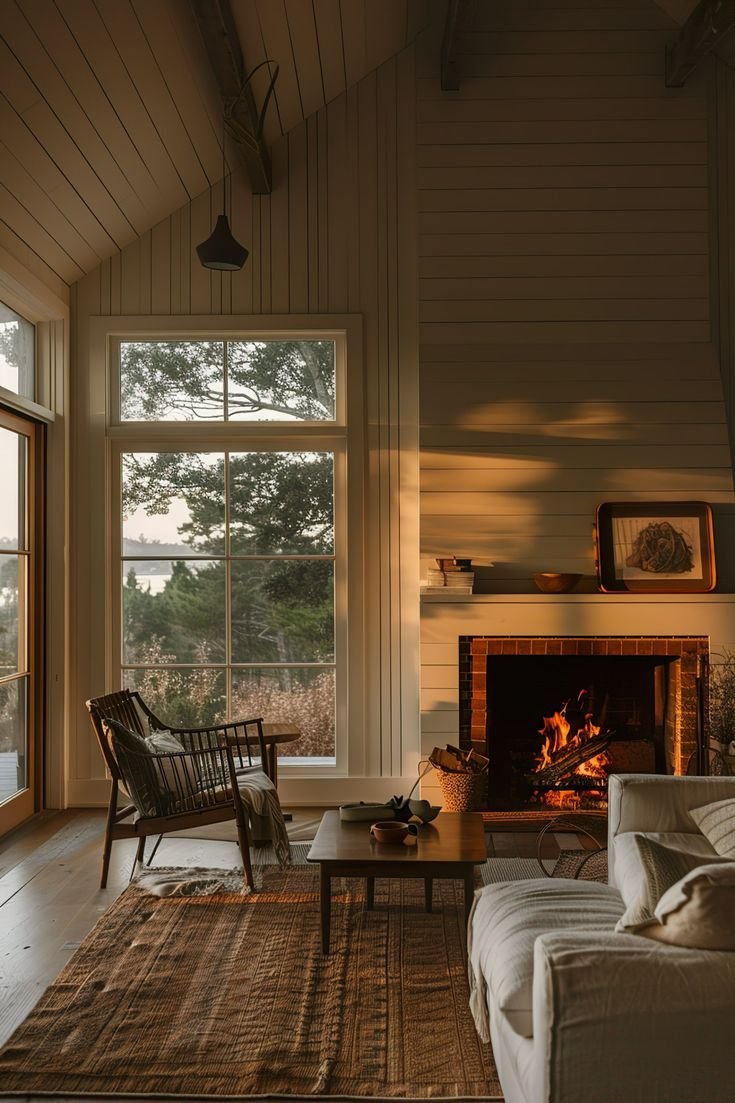
In this article, we’ll explore practical, stylish, and sustainable ways to transform your home into a more manageable and enjoyable space as you grow older. From smart flooring choices to tech upgrades and garden simplification, these tips will help you design a home that supports your lifestyle today—and in the years to come.
No. 1
Flooring: Simplify for Cleanliness and Comfort
One of the most labor-intensive elements of any home is the flooring. If your home is still carpeted—especially after years of family life—it may be showing signs of wear and tear. Carpets can trap dust, allergens, and stains, making them difficult to maintain.
Consider These Alternatives:
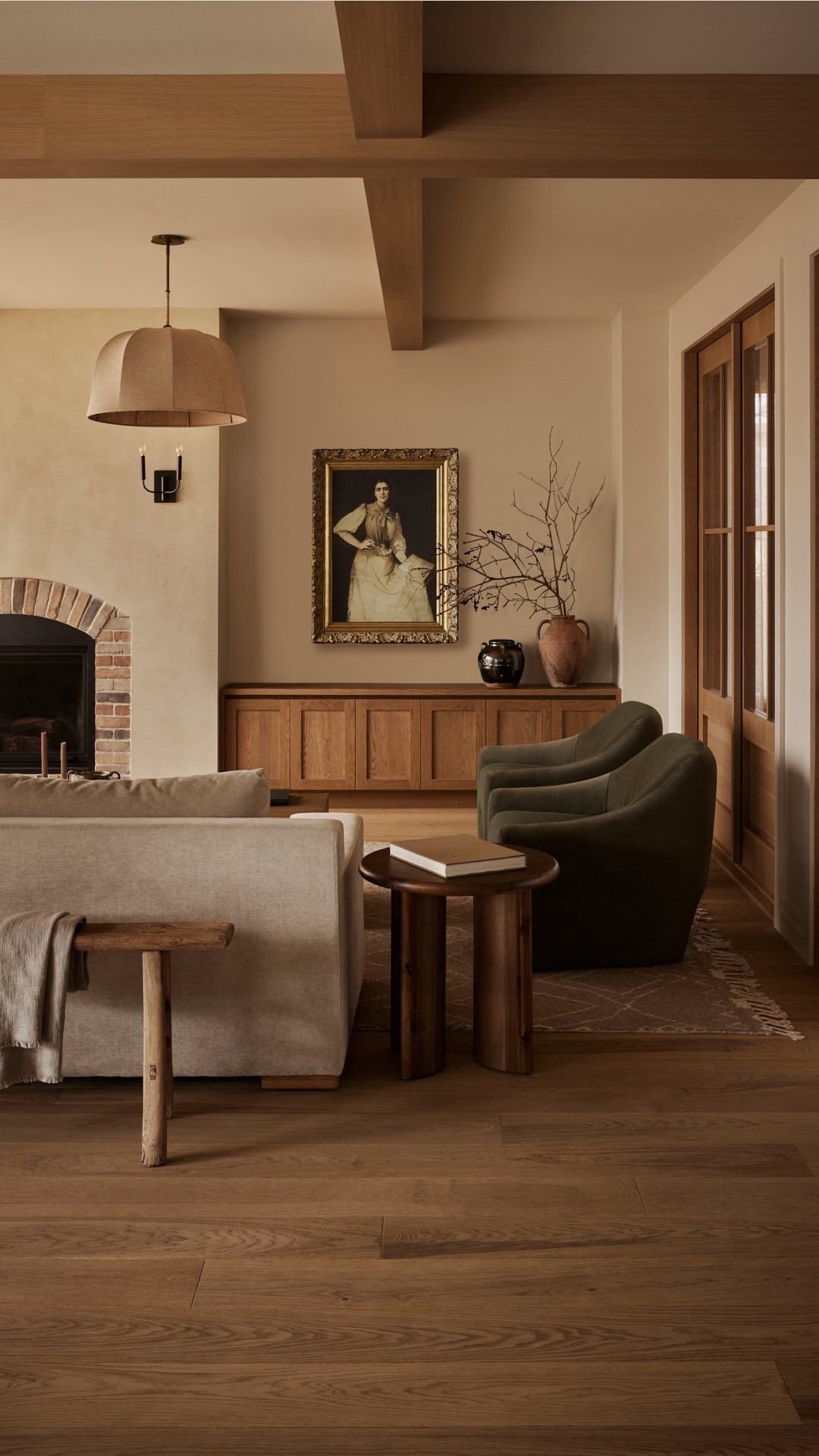
Mixing tile and wood floors: Durable, easy to clean, and timeless in style.
Vinyl plank flooring: A budget-friendly, low-maintenance option that mimics the look of wood.
Area rugs: Add warmth and comfort without the upkeep of wall-to-wall carpeting.
Opting for flooring that can be easily wiped or swept clean will drastically reduce your daily maintenance tasks.
No. 2
Artificial Turf: A Low-Maintenance Lawn Alternative
Maintaining a lush, green lawn can be time-consuming and physically demanding. If gardening is becoming more of a chore than a joy, artificial turf may be the solution.
Benefits of Artificial Turf:
No mowing or watering required
Always looks pristine
Durable and weather-resistant
To ensure a natural look and proper installation, consult a professional landscaper. They can help you design a yard that’s both beautiful and effortless to maintain.
No. 3
Smart Technology: Automate Your Home for Ease
Modern technology offers a wide range of tools to make home management easier and more efficient.
Smart Upgrades to Consider:
Robotic vacuum cleaners: Keep your floors tidy with minimal effort.
Heat induction hob: Safer and more energy-efficient than traditional stovetops.
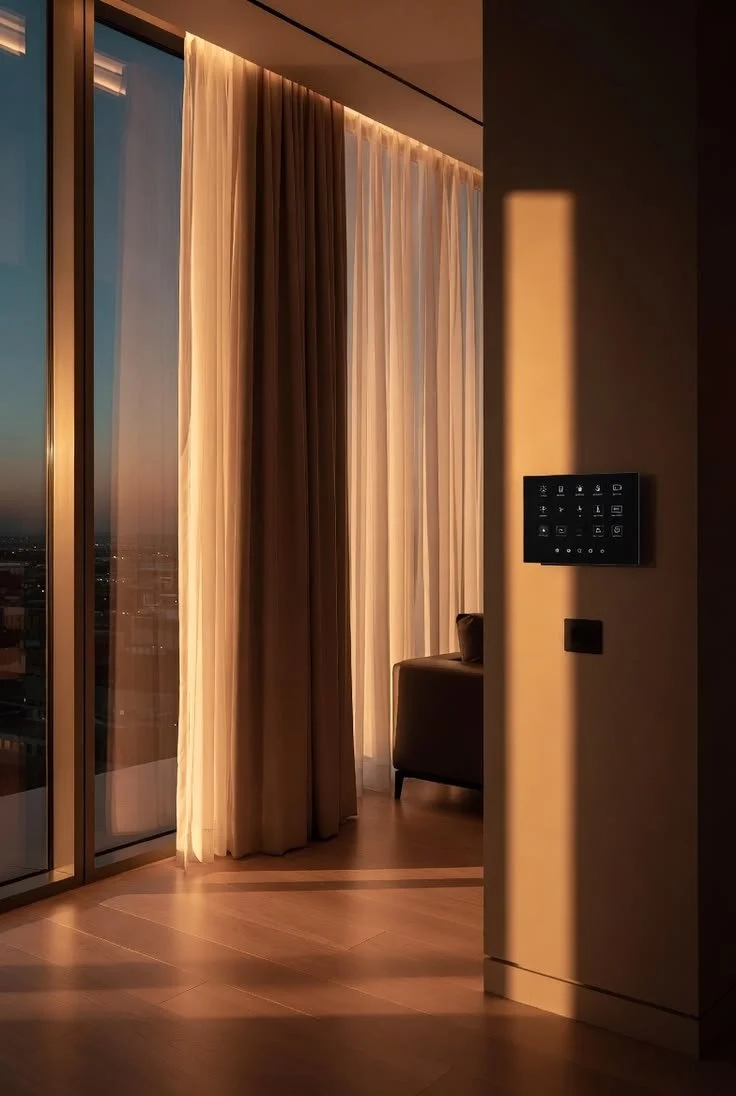
Smart thermostats and lighting: Automate temperature and lighting control for comfort and energy savings.
These upgrades not only reduce your workload but also enhance safety and help lower utility costs—an important consideration as you plan for the future.

Thrive Market
Healthy living made easy!
Shop Thrive Market for organic groceries, sustainable products, and everyday essentials—all delivered to your door.
Save money, live well.
No. 4
Bungalow Living: Eliminate the Need for Stairs
While stairs may not be a problem now, they can become a significant obstacle later in life. Transitioning to a bungalow-style home is a proactive step that can prevent mobility issues from becoming daily frustrations.
Advantages of Single-Level Living:
Improved accessibility
Reduced risk of falls
Easier navigation for mobility aids
If relocating isn’t an option, consider installing a stairlift or converting a ground-floor room into a bedroom.
No. 5
Downsize the Garden: More Enjoyment, Less Work
A sprawling garden may have once been your pride and joy, but it can become overwhelming to maintain. Fortunately, there are several ways to reduce the workload without sacrificing outdoor enjoyment.
Garden Simplification Ideas:
Reduce lawn space: Replace with patios, gravel, or raised beds.
Install low-maintenance plants: Opt for native species that require less care.
Create a wild garden zone: Embrace a natural look that supports local wildlife.
You can also extend your home into the garden with a sunroom or patio, adding functional indoor-outdoor living space while reducing yard maintenance.
No. 6
Avoid High-Maintenance Design Choices
While unique home features may seem appealing, they often come with hidden upkeep costs. As you age, simplicity becomes a virtue.
Features to Avoid:
Indoor or outdoor water features: Require constant cleaning and maintenance.
Complex lighting systems: Can be difficult to repair and replace.
Unusual materials: May need special care or frequent upkeep.
Instead, choose classic, timeless designs that are easy to maintain and won’t become burdensome over time.
No. 7
Professional Upgrades: Invest in Expert Help
You don’t have to take on every home improvement project yourself. Hiring professionals can ensure quality results and save you time and energy.
Why Hire a Pro:
Expertise ensures longevity and safety
Saves time and reduces stress
Increases property value
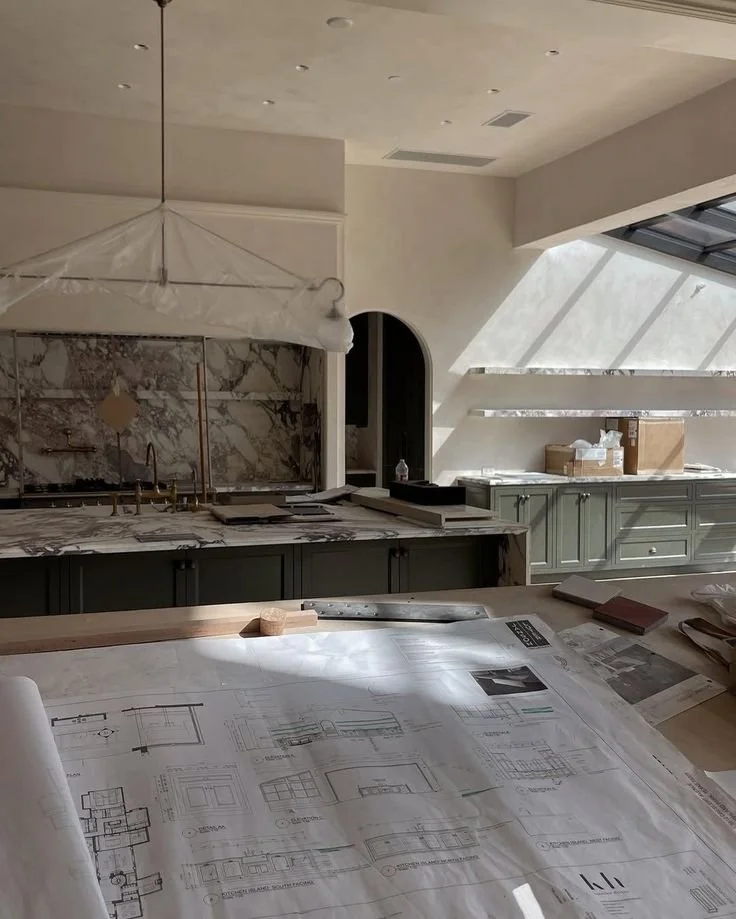
Whether it's installing new flooring, updating your kitchen, or redesigning your garden, professional help can make all the difference in achieving a home that works for you—not against you.
No. 8
Schedule Regular Home Maintenance Checks
Preventative maintenance is key to avoiding costly repairs down the line. Don’t wait until something breaks—stay ahead of issues with routine inspections.
Areas to Monitor:
Roof and gutters
Plumbing and electrical systems
Heating and cooling units
Foundation and insulation
Scheduling annual or bi-annual checks can help you catch small problems before they become major expenses.
No. 9
Go Green: Sustainable Choices for Long-Term Benefits
Eco-friendly upgrades not only benefit the environment but also reduce your home’s operating costs and increase its value.
Green Options to Explore:
Solar panels: Generate your own electricity and reduce utility bills.
Energy-efficient windows and insulation: Improve comfort and reduce heating/cooling costs.
Rainwater harvesting systems: Conserve water for gardening and outdoor use.
These sustainable choices are more affordable than ever and can be tailored to fit most budgets. They also offer long-term savings and may qualify for tax incentives or rebates.
Takeaways
As your lifestyle evolves, so should your home. By making thoughtful, strategic changes today, you can create a living space that not only reflects your current needs but also anticipates future ones.
In this article, we’ve covered practical steps to help you design a low-maintenance, age-friendly home—from smart flooring and garden solutions to tech upgrades and sustainable choices. These improvements will make your home easier to manage, safer to live in, and more enjoyable every day.
Remember, aging doesn’t mean giving up on style or comfort—it means embracing a smarter way to live. With the right adjustments, your home can continue to be a sanctuary of ease, beauty, and independence for years to come.
Looking for Home resources?
Looking to enhance your living space and create a sanctuary that supports your well-being? Explore our home partners who offer a wide range of resources to elevate your home environment.