What To Look For When You’re Comparing Different Home Styles
When people talk about comparing home styles, the conversation often drifts toward surface-level preferences—rooflines, siding, porch size. While these elements are certainly part of a home’s character, they are not where the real differences lie. A home style is more than a visual statement; it is a framework that shapes how life unfolds within its walls, long after the novelty fades.
In this article, we’ll explore the deeper dimensions of home design—how space is used, how architecture sets emotional tone, how light and materials evolve over time, and how a home’s structure supports or resists change. These are the elements that truly matter when choosing a home style that aligns with your lifestyle, values, and long-term comfort.
Rather than relying on trendy talking points or predictable checklists, this guide invites you to look beneath the surface and consider how form, space, and intent influence the way you want to live.
No. 1
How Space Is Meant to Be Used
Every home style carries an implicit philosophy about movement and interaction. Some designs encourage openness and flow, while others emphasize separation and intentional transitions. This isn’t about square footage—it’s about how space communicates permission.
Open layouts foster overlap. Conversations spill across rooms, sound travels freely, and privacy becomes a conscious choice rather than a given.
Compartmentalized styles prioritize boundaries. They create mental pauses between activities and offer natural zones for focus and solitude.
When comparing home styles, observe how rooms relate to one another. Pay attention to:
Sightlines between spaces
Door placement and circulation paths
How walls guide or restrict movement
A floor plan may appear efficient on paper but feel awkward in daily life. Style influences these spatial relationships more than most people realize.
No. 2
The Emotional Tone of Architecture
Architecture sets the emotional tone before a single piece of furniture enters the space. Elements like ceiling height, window placement, and room proportions affect how a home feels—whether energized, grounded, expansive, or intimate.
Some styles lean into drama, using vertical emphasis and bold volumes.
Others feel settled and human-scaled, offering comfort through proportion and restraint.
Ask yourself: How does the structure make me feel when I imagine moving through it slowly—not entertaining guests, but simply living?
A home that feels impressive may also feel exhausting over time. One that seems understated might become increasingly comforting. This emotional resonance is difficult to quantify, but it is often the most enduring factor in long-term satisfaction.
No. 3
Light as a Design Philosophy
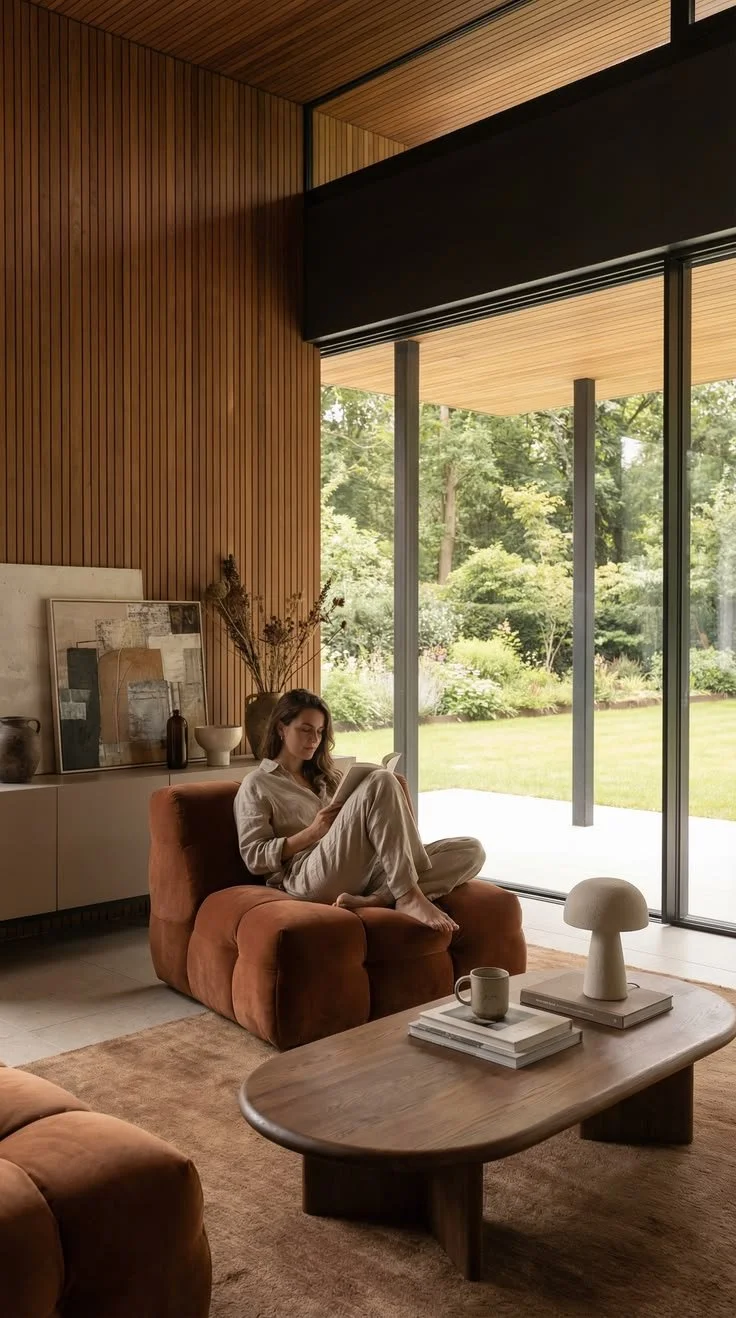
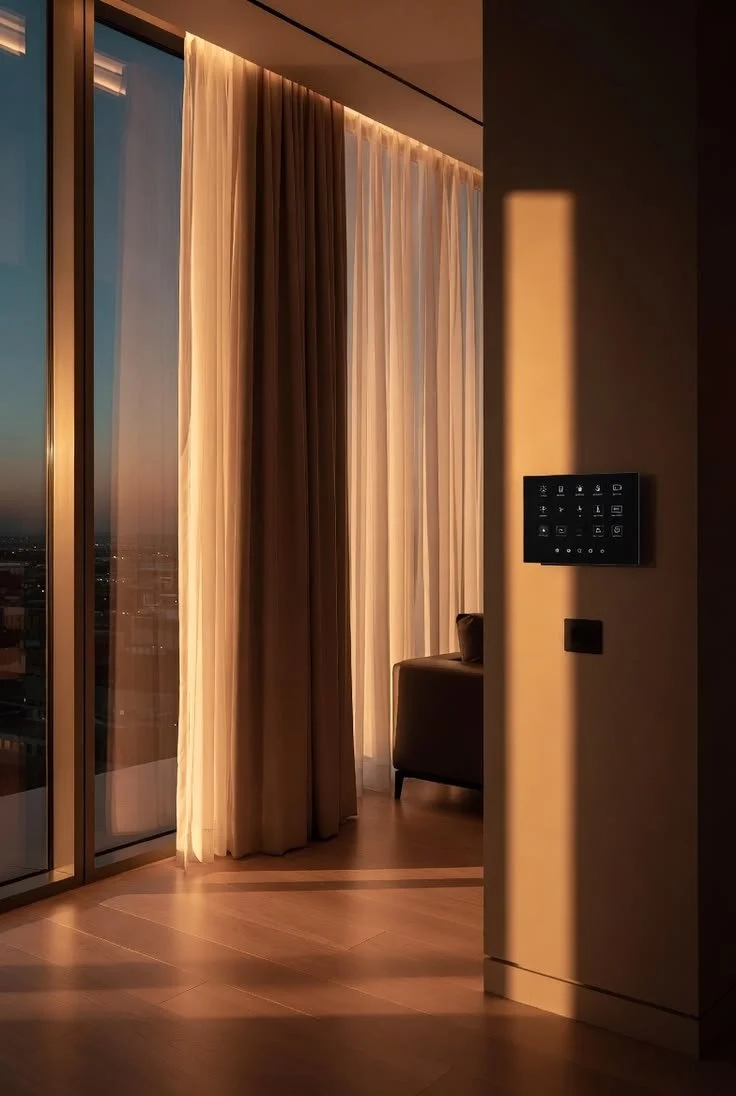
Natural light is not distributed equally across home styles. Some designs treat light as a central feature, while others use it more selectively.
Light-centric styles shape rooms around windows and orientation, maximizing daylight throughout the day.
Contrast-driven styles create interplay between bright and subdued areas, offering moments of visual rest.
Consider:
How light enters at different times of day
Whether the style favors symmetry (which can limit flexibility with sunlight)
How light supports energy, rest, and mood
Viewing light as a design philosophy reveals how a home style supports your rhythms without saying a word.

Houzz
Make your home project a reality. Find inspiration, products, and the pros to make it happen - all in one place.
No. 4
Storage Without Clutter
Storage is often overlooked in style discussions, yet it profoundly shapes daily life. Some architectural styles integrate storage seamlessly into the structure, while others treat it as an afterthought.
Look beyond closet counts. Ask:
Where would everyday items live?
How are shoes, coats, tools, and seasonal gear accommodated?
Does the style anticipate your needs, or does it rely on furniture to solve storage problems?
Styles that respect storage contribute to a sense of calm. Those that don’t can lead to visual noise and disorganization over time.
No. 5
How Materials Age Over Time
Every home style has a relationship with aging. Some are designed to develop character as materials wear. Others aim to maintain a pristine, uniform appearance.
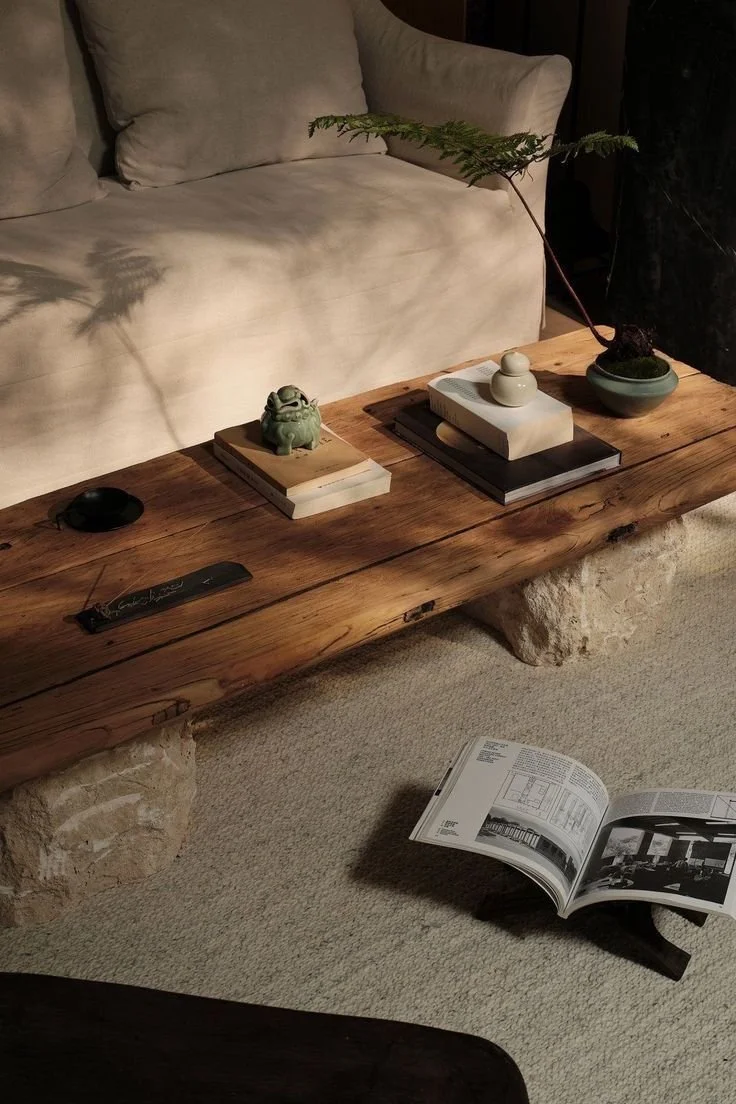
Natural materials like wood and stone gain depth and patina.
Smooth, synthetic finishes may show wear more quickly and unevenly.
Think about:
How surfaces will change with daily use
Your tolerance for visible aging and imperfection
Whether the style embraces or resists the passage of time
This isn’t about maintenance anxiety—it’s about choosing a style that aligns with your values. A home that demands constant perfection can create stress. One that allows for aging can feel forgiving and lived-in.
No. 6
Flexibility for Change
Life evolves. A strong home style leaves room for that evolution without losing its identity.
Highly specific styles may feel rigid, making future alterations disruptive.
Flexible styles act as frameworks that adapt easily to new needs.
Ask:
Can the style accommodate future additions or layout changes?
How would it handle different uses for existing spaces?
Does it support growth, or does it resist it?
A flexible home style absorbs change gracefully, supporting your life as it unfolds.
No. 7
The Relationship Between Interior and Exterior
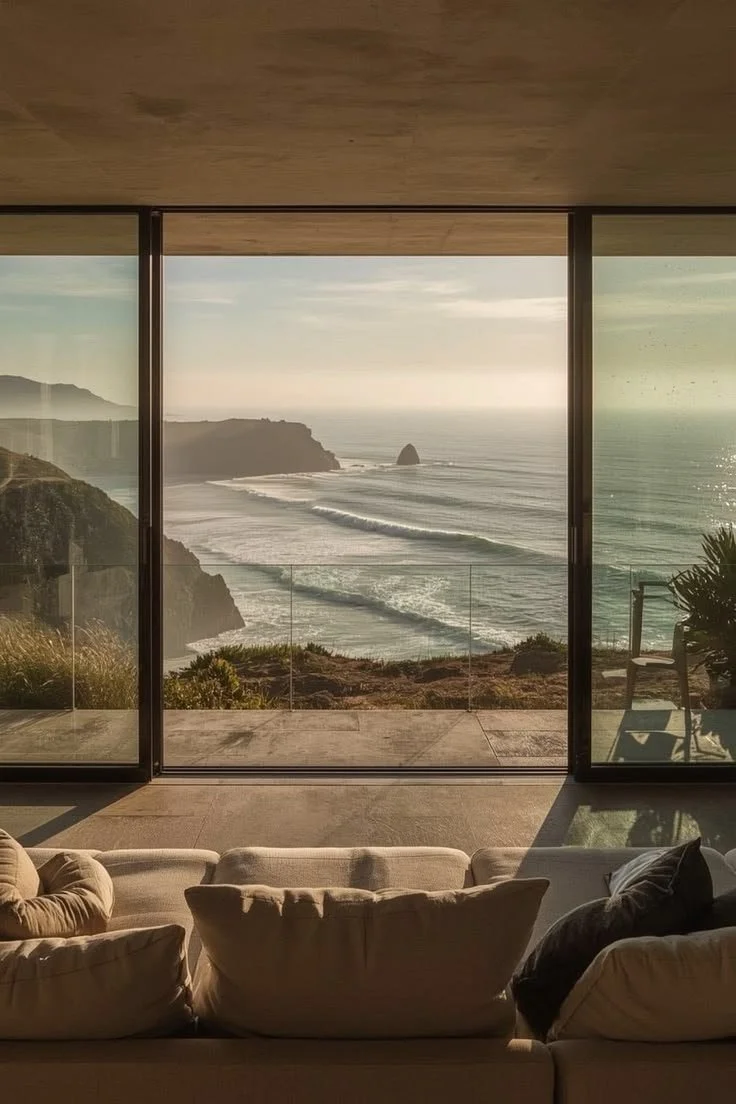
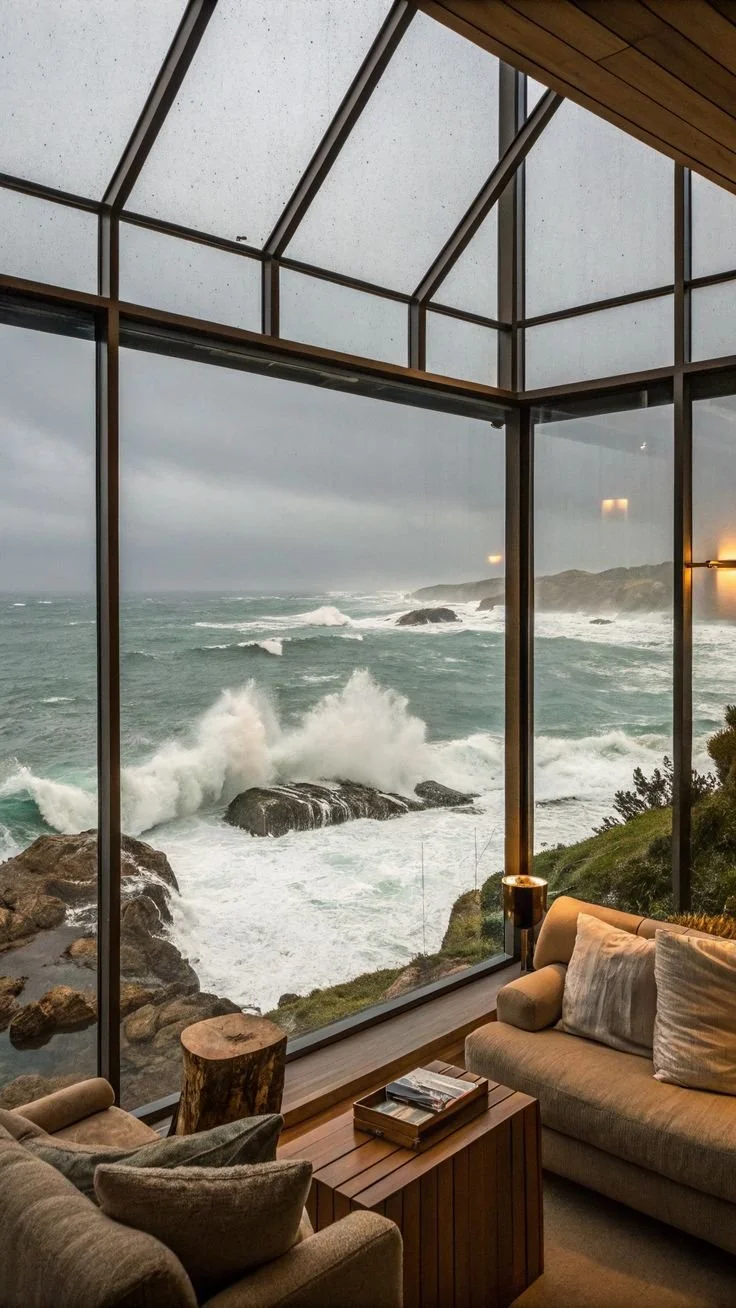
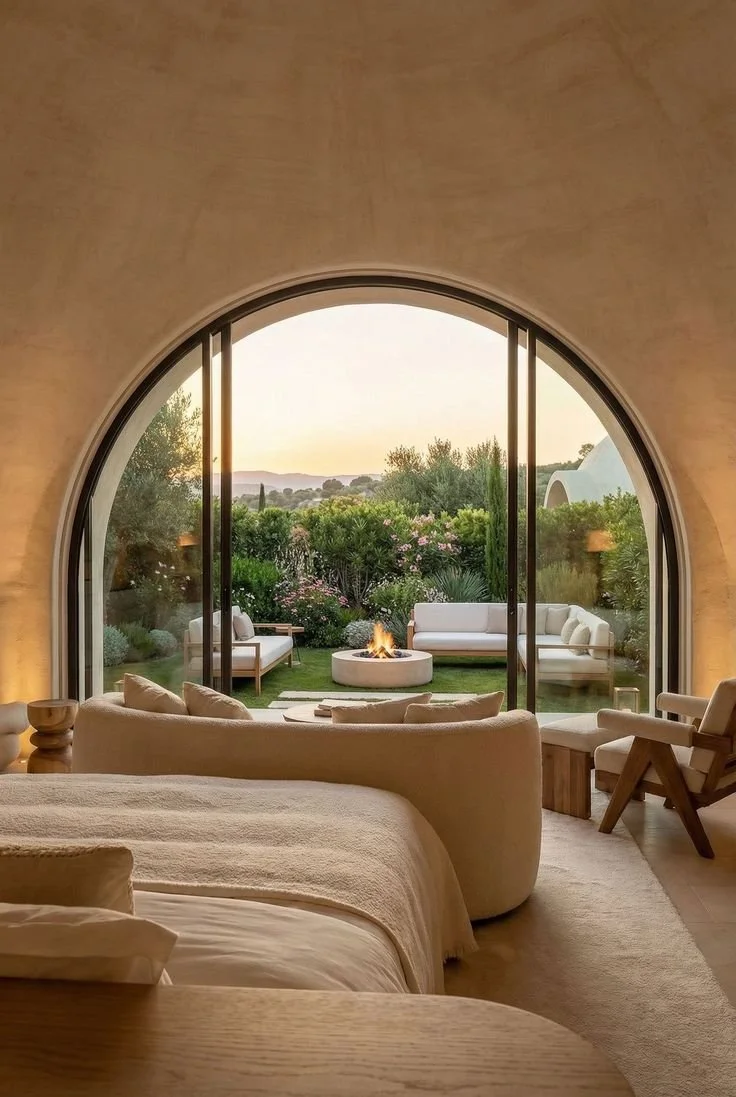
A home doesn’t end at the front door. Some styles blur the line between inside and outside, creating continuity. Others emphasize enclosure and shelter.
Consider:
How outdoor spaces connect to interior rooms
Whether the transition is gradual or abrupt
If the style invites you outward or keeps focus inward
This relationship affects how you experience the seasons and how often outdoor areas become part of daily living rather than occasional extras.
No. 8
Scale and Presence
Scale refers to how a home relates to the human body. Presence refers to how it occupies visual space. A home can be large but feel approachable—or modest but feel imposing.
Pay attention to:
Door and window proportions
Ceiling transitions
How the home feels when you stand inside it
Styles that respect human scale often feel more comfortable, even when expansive. Those that ignore it can feel cold or overwhelming. Once noticed, this subtle quality becomes impossible to ignore.
No. 9
Construction Logic Beneath the Style
Every home style is built on a construction philosophy. Some prioritize simplicity and repetition; others celebrate complexity and detail.
This affects:
Build timelines
Future modifications
Long-term maintenance
A style with straightforward structural logic is easier to adapt and sustain. One with intricate detailing may offer beauty but require more care and expertise over time.
No. 10
Personal Identity Without Performance
A home style works best when it feels natural—not performative. The most appealing designs support how you actually live, not how you want to appear.
Ask yourself:
Which styles feel comfortable to imagine on an ordinary day?
Which ones feel like they’re trying too hard to impress?
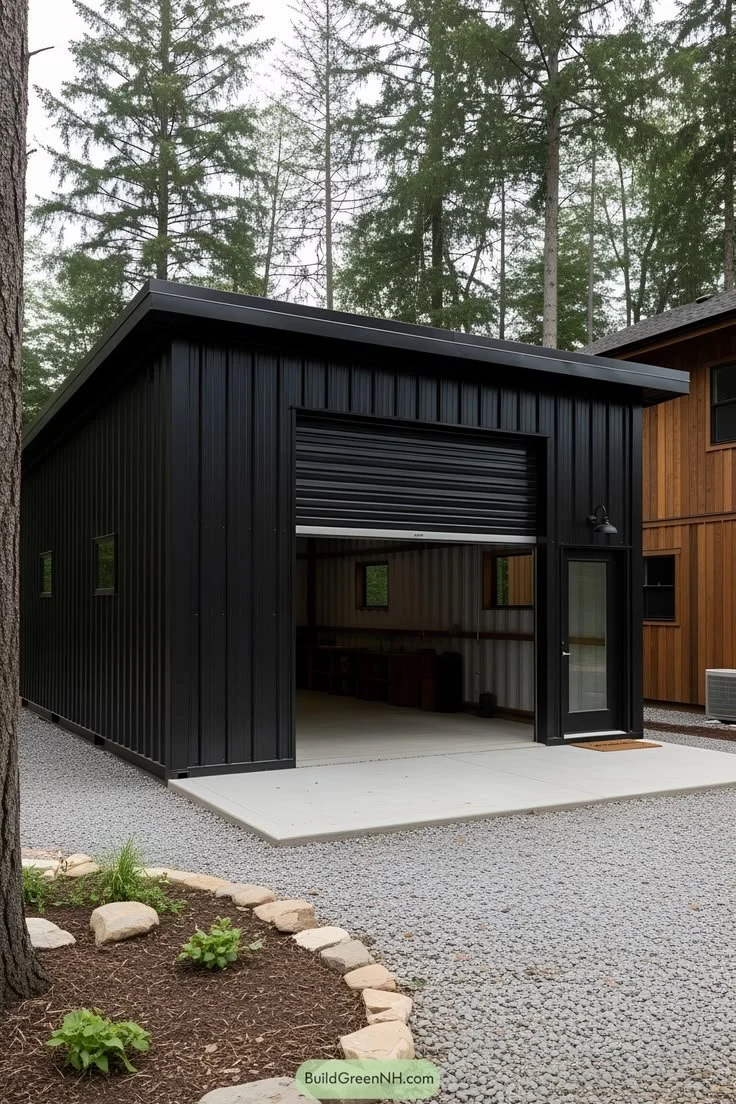
That’s why many people are drawn to exclusive barndominium plans. These designs offer honesty, flexibility, and a refreshing approach to space. They prioritize function, openness, and ease over image, making them a compelling alternative to more traditional or ornate styles.
Takeaways
Comparing home styles isn’t about finding the “best” one. It’s about discovering which design philosophy fits your life without friction.
In this article, we’ve looked beyond aesthetics to examine how home styles handle space, light, aging, flexibility, and emotion. These deeper considerations reveal the true character of a home—how it supports your habits, your energy, your growth.
The right style doesn’t demand attention. It earns appreciation slowly, through daily interactions that feel effortless and intuitive. And that’s usually the one worth choosing.
Looking for Home resources?
Looking to enhance your living space and create a sanctuary that supports your well-being? Explore our home partners who offer a wide range of resources to elevate your home environment.