Strategies for Efficient Packing
Begin packing early to avoid last-minute rush. Start with items you use less often, like seasonal clothes or decor. Pack room by room to stay organized. Use smaller boxes for heavy items like books, and bigger ones for lighter things like pillows.
Label each box with its contents and the room it belongs in. This will make unpacking much easier. Make an inventory list as you go—it'll help you keep track of your stuff.
Don't forget to clean items before packing them. It's nice to unpack clean things in your new home!
Special Considerations for Fragile Items
Wrap each of your breakables individually in bubble wrap or packing paper to ensure maximum protection. Utilize dish packs that come equipped with dividers specifically designed for safely storing glasses and dishes. Additionally, fill any empty spaces in your boxes with packing peanuts or crumpled paper to effectively prevent shifting during transit.
For mirrors and framed artwork, it's best to use special picture boxes or, as an alternative, make an X with strong tape across the glass before wrapping them securely. Always pack these items vertically rather than flat to avoid damage. Remember to label fragile boxes clearly on all sides to alert movers and anyone else handling them.
Finally, be sure to place these fragile boxes on top of other boxes—never stack heavy items on top of them—to safeguard their integrity. With thoughtful care and attention, your delicate items will arrive safely and soundly at your new home.
No. 4
Preparing for Moving Day
Getting ready for the big day takes some planning. A few key steps will help make your move go smoothly. Let's look at what you'll need to do.
Essentials for the Moving Day Kit
Pack a box with things you'll need right away. Include toiletries, a change of clothes, and important papers. Don't forget phone chargers and any medicines you take. Throw in some snacks and water bottles too. You'll be glad to have these handy.
Make sure you have cleaning supplies ready. You might want to wipe things down in your new place. Pack some trash bags, paper towels, and all-purpose cleaner.
Keep your moving checklist where you can see it. This will help you stay on track during the busy day.
Managing Utilities and Services
Call utility companies at least a week before you plan to move into your new home. It’s important to set up essential services such as electricity, water, and heating to ensure a smooth transition. If you wish to have internet and cable TV to stay connected and entertained, don't forget to arrange those services too.
If you’re moving to an entirely new city or location, you might want to look at changing cable tv providers, too. This will mean setting up with a new company in advance, but one that can service you where you need it.
Additionally, remember to stop all services at your old residence by picking a date that is just after you move out. This strategic approach helps you avoid unnecessarily paying for utilities you no longer need.
To make the transition even smoother, create a comprehensive list of places and entities that require your new address. This should include important institutions such as banks, your workplace, and schools.
Finally, send out change-of-address forms promptly to ensure you continue receiving your mail without interruptions.
Handling Children and Pets
To minimize stress, plan engaging activities to keep kids busy on moving day. Consider packing a special box filled with their favorite toys and beloved books to provide comfort. This thoughtful gesture can help them feel more at ease in what may otherwise be a chaotic environment. If possible, ask a trusted friend or family member to watch your kids. This arrangement allows you to focus entirely on the move without the added worry of entertaining little ones.
For pets, it’s essential to set up a quiet room equipped with their food, water, and some familiar comfort items. Keep them in this safe space while the movers are coming in and out to help ensure they stay calm and secure during the busy transition. Make sure to pack a bag with pet food, tasty treats, and any necessary medicines they require for the day. Additionally, don’t forget to include their leash and favorite toy, as these familiar items can provide comfort during the journey to your new home.
No. 5
Finalizing Your Move
The final steps of moving involve tying up loose ends and ensuring a smooth transition. You'll need to update important information, leave your old home in good condition, and double-check your new place.
Updating Legal and Financial Information
Start by promptly notifying your bank and credit card companies about your new address to ensure that all your financial communications are sent to the correct location.
Additionally, it is essential to update your driver's license and vehicle registration with the new address to comply with local regulations. Don't forget to change your address with the United States Postal Service (USPS), either online through their website or by visiting your local post office in person.
Furthermore, contact your insurance providers to transfer your existing policies or inquire about obtaining new ones that reflect your current address. Remember to update your voter registration as well, and notify your children's schools about the move to keep their records accurate.
Finally, make a comprehensive list of all subscriptions and services that require your new address information. This should include not just magazines, but also streaming services, online shopping accounts, and any other pertinent subscriptions that may need updating.
Cleaning and Repairing Your Old Home
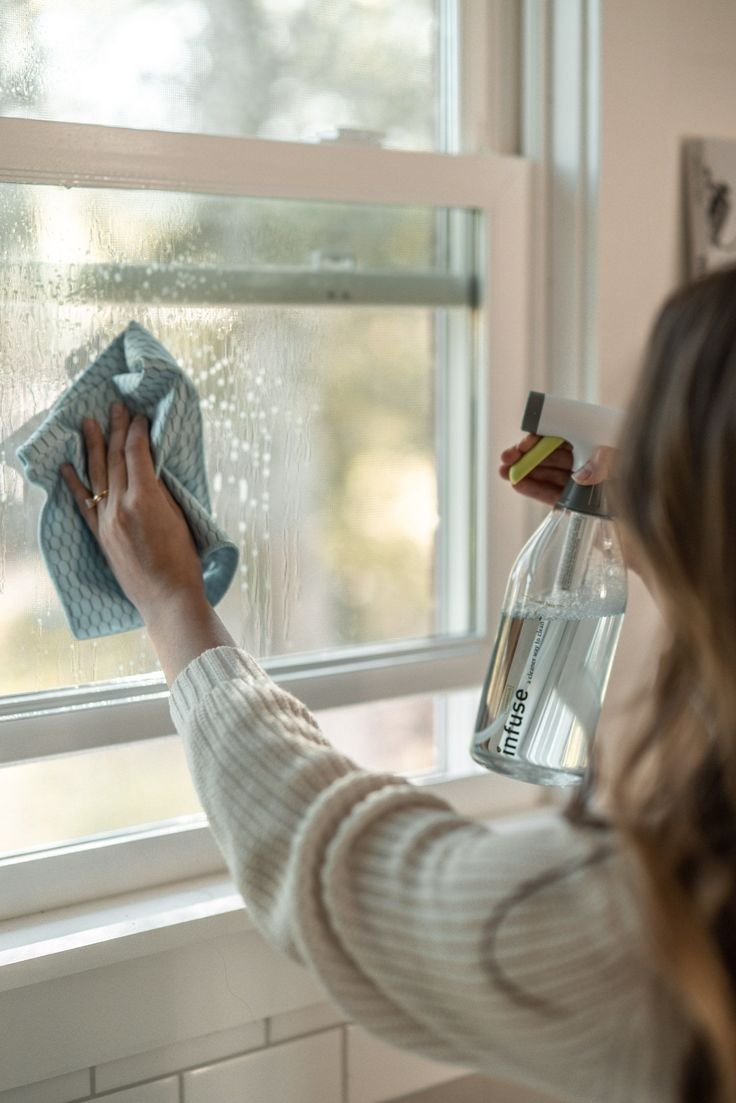
Clean your old home thoroughly to ensure you receive your security deposit back in full. Make sure to fix any damage you might have caused, such as nail holes, scuffs on the walls, or any other imperfections that may have arisen during your stay.
Additionally, don't forget to:
Take pictures of the clean, repaired home as proof of its condition when you leave.
Conducting a Final Walk-Through
Before moving day arrives, take the time to do a thorough final check of your new home. This step is crucial to ensure that any agreed-upon repairs have been completed satisfactorily. As part of this process, it’s important to test all appliances, lights, and faucets to confirm they are functioning well.
Additionally, check that all electrical outlets work correctly and that doors lock properly for your security and peace of mind. Taking these precautions can help make your transition smoother and more enjoyable.
Look for any signs of damage that weren't present during your initial visit to the property. If you discover any issues or concerns, be sure to contact your landlord or realtor without delay to address them promptly.
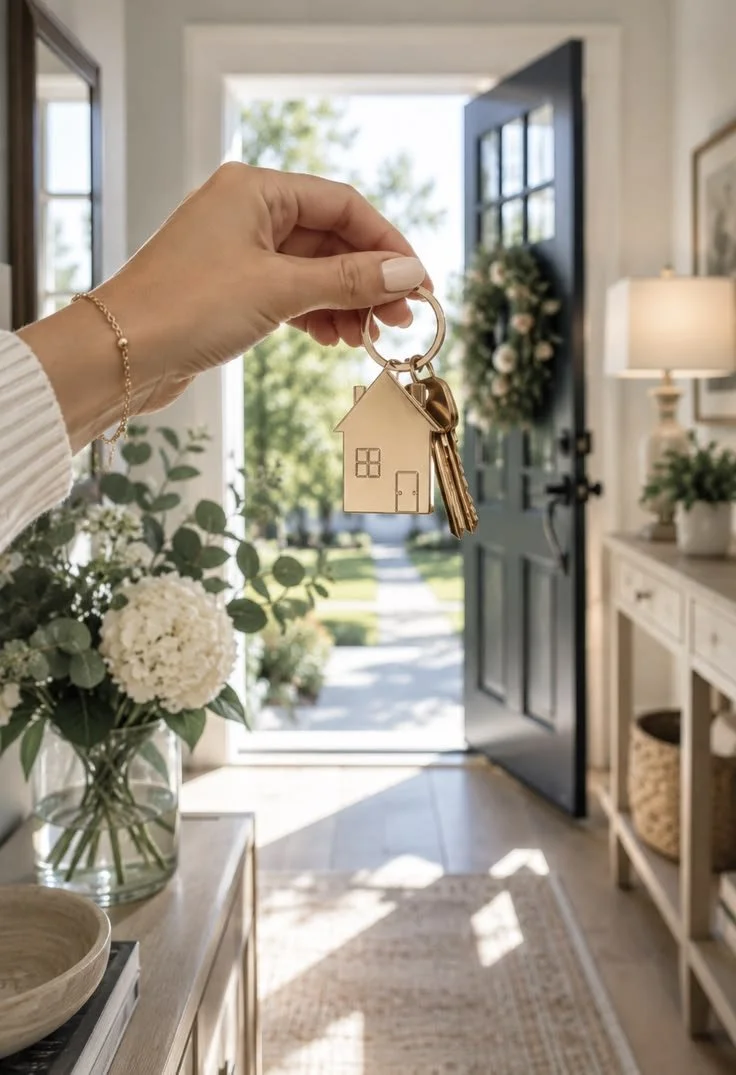
Don't forget to gather all the necessary keys, secure your garage door openers, and obtain entry codes for your new place to ensure a smooth transition.
No. 6
Settling into Your New Home
Moving into a new space truly marks the beginning of creating an environment that feels like home. Getting everything set up efficiently and discovering your rhythm in this fresh setting are essential steps in this rewarding process. Embracing these initial stages can significantly contribute to your overall sense of comfort and belonging as you settle into your new life.
Unpacking and Organizing
Start by unpacking the essential basics you need right away to settle into your new space comfortably. Begin by setting up your bed first, as it provides you with a cozy and peaceful place to rest and recharge after a long day. Next, focus on unpacking your kitchen items so that you can quickly prepare and enjoy nutritious meals, making your new house feel like home.
Put clothes away in closets and dressers, taking a moment to organize them by type or color for easy access. Set up your bathroom thoughtfully with toiletries and neatly arranged towels for a refreshing atmosphere. As you unpack each item, take the time to consider where things should go for maximum efficiency and harmony in your space. Use boxes and bins to keep small items tidy and prevent clutter, making your environment feel both serene and well-organized.
Find ideal spots for your furniture and decor to ensure a harmonious and functional layout. Don't rush the process—take your time to thoughtfully figure out what works best for your space and lifestyle. Consider utilizing storage units for items you’re not quite ready to unpack yet, as this can help you maintain an organized environment while you settle in.
Establishing a New Routine
Create a thoughtful plan for how you will structure your days in your new home. Begin by setting up a dedicated spot for your keys and mail by the front door to ensure they are easily accessible. Additionally, make a comprehensive grocery list, and take the time to stock your pantry with essential items that will support your cooking and meal preparation needs.
Set up your essential utilities and home services to ensure a smooth transition into your new living space. Don’t forget to change your address for all your subscriptions and bills to avoid any disruptions in service. Take the time to meet your new neighbors and familiarize yourself with the area to help you feel more at home and connected in your community.
Make your bed each morning and take the time to tidy up daily. Establishing this simple routine helps your new place feel more like home, creating a sense of comfort and order. Additionally, make an effort to try new things in your neighborhood, whether it's a quaint café or a local park, to truly immerse yourself and feel more settled in your surroundings.
It takes time to fully settle in and feel completely at home in your new environment. Be patient with yourself as you navigate the adjustments to your new space and routine. Embrace this transition period as an opportunity for growth and self-discovery.
Takeaways
A well-organized moving essentials checklist is the key to a smooth and stress-free relocation. By carefully planning and prioritizing your tasks, you can alleviate the anxiety often associated with moving. Remember to tailor your checklist to your unique needs and circumstances, ensuring you cover everything from packing to setting up your new space.
Embracing this structured approach not only helps you stay focused but also allows you to enjoy the excitement of new beginnings. With the right preparation, your transition can lead to a fulfilling experience in your new home.
Looking For Home Resources?
Looking to enhance your living space and create a sanctuary that supports your well-being? Explore our home partners who offer a wide range of resources to elevate your home environment.