Posts in home
How To Design A Patio That Feels Like An Extension of Your Home

A patio should never feel like a separate add-on. When it’s designed thoughtfully, it becomes a natural continuation of your living space—a place where indoor comfort meets outdoor freedom. It’s where mornings begin with fresh air, where evenings slow down, and where everyday moments feel more connected to nature.


In this article, you’ll learn how to design a patio that blends seamlessly with your lifestyle and your interior space by focusing on flow, comfort, materials, lighting, and the small details that make outdoor living feel truly “at home.”

Here is how to create a patio that merges naturally with the way you live.

No. 1

Start With How You Live

Before choosing materials or layouts, think about how you want to use your patio. Ask yourself:

  • Will this be a place to relax or to entertain?

  • Do you want quiet mornings or social evenings?

  • Will you eat outside often?

  • Do you want space for children or pets?

Your patio should support your daily rhythm, not just look beautiful. When design reflects lifestyle, the space becomes both meaningful and functional.

No. 2

Create Visual Flow From Indoors to Outdoors

The best patios feel connected because they mirror the style and energy of the interior. Use similar colours, textures, or design themes so the transition feels natural.

For example:

  • If your home is modern, use clean lines and simple materials.

  • If your home is warm and rustic, choose stone, wood, and softer finishes.

  • If your interior uses neutral tones, extend that palette outdoors.

When the visual language stays consistent, your patio becomes a true extension of your home.

No. 3

Use Doors and Openings as Design Anchors

Your patio begins where your home opens. Large sliding doors, bi-fold doors, or French doors create a strong visual and physical connection.

Design your patio around these entry points so the space feels inviting the moment the doors open. This connection encourages movement between inside and outside without interruption.
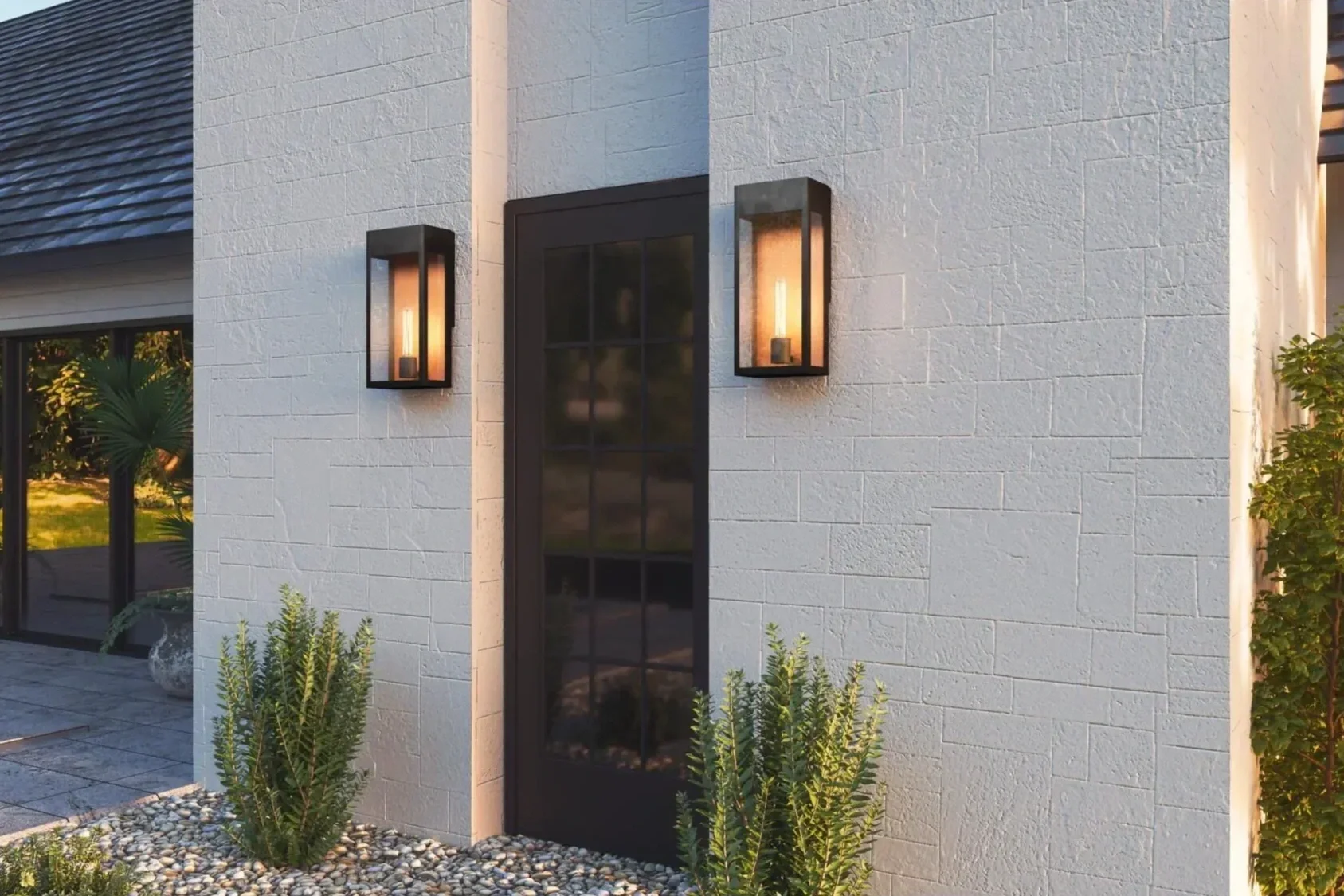
 
 
hellolovelyliving 1-800 lighting

1-800 Lighting

Transform your exterior into a welcoming, well-lit oasis with stylish outdoor lighting fixtures—wall lights, post lamps, landscape, and security options for curb appeal, safety, and ambiance.


No. 4

Choose Materials That Feel Natural Underfoot

Comfort starts with what you touch. Stone, pavers, and textured surfaces should feel solid, warm, and welcoming. Materials that reflect nature make the space feel grounded and timeless.

Professional patio construction ensures that your patio is not only visually beautiful but also structurally sound and built to last. A well-built foundation supports long-term comfort and confidence in your space.

No. 5

Design for Comfort First

Just like your living room, your patio should invite people to stay. Choose seating that feels supportive and relaxed. Add cushions, throws, or outdoor rugs to soften the space.

Think about:

  • Comfortable chairs or loungers

  • Shaded areas for warm days

  • Space to stretch out or gather together

Comfort is what transforms a patio from a feature into a destination.

No. 6

Bring Indoor Details Outdoors

Small design details make a big difference. Adding elements that are typically found indoors creates familiarity and warmth.

Consider:

  • Side tables

  • Soft lighting

  • Decorative planters

  • Outdoor artwork

  • Fire features or heaters

These details blur the line between interior and exterior living.

No. 7

Use Plants as Natural Walls

Plants create privacy, softness, and structure. Instead of hard boundaries, use greenery to shape your space.

You can:

  • Frame the patio with shrubs

  • Add tall planters for intimacy

  • Use climbing plants for vertical interest

Plants make your patio feel enclosed without making it feel closed in.

No. 8

Think About Lighting as Mood

Lighting shapes the atmosphere. Soft lighting helps your patio feel welcoming after sunset and encourages you to use the space longer.

Use:

  • Warm string lights

  • Pathway lighting

  • Wall-mounted fixtures

  • Lanterns or solar lights

Gentle lighting keeps the space calm and inviting.

No. 9

Allow for Natural Movement

Just like inside your home, your patio should have flow. Leave enough space to walk comfortably. Create clear zones for seating, dining, and movement. Avoid overcrowding the area with too many features.

Open space allows energy to move naturally and helps the patio feel calm, functional, and easy to enjoy.

No. 10

Make It Personal

Your patio should reflect you. Add elements that carry emotional meaning:

  • Favourite plants

  • Handmade décor

  • Family seating zones

  • Colours that make you feel relaxed

Personal touches turn structure into a sanctuary.

No. 11

Let Nature Be Part of the Design

Wind, light, and seasonal change are part of the experience. Choose materials and layouts that work with nature rather than against it.

Position seating to enjoy sunsets, breezes, or garden views. Let the environment participate in the design.

Takeaways

Designing a patio that feels like an extension of your home is ultimately about connection. It’s about creating a space where indoor comfort flows naturally into outdoor calm. With thoughtful planning, quality construction, and intentional design choices, your patio becomes more than a surface—it becomes a living space filled with warmth, presence, and possibility.

When your patio reflects how you live and how you relax, it becomes a place you return to again and again—not simply because it’s outside, but because it truly feels like home.

Looking for Home resources?

Looking to enhance your living space and create a sanctuary that supports your well-being? Explore our home partners who offer a wide range of resources to elevate your home environment.
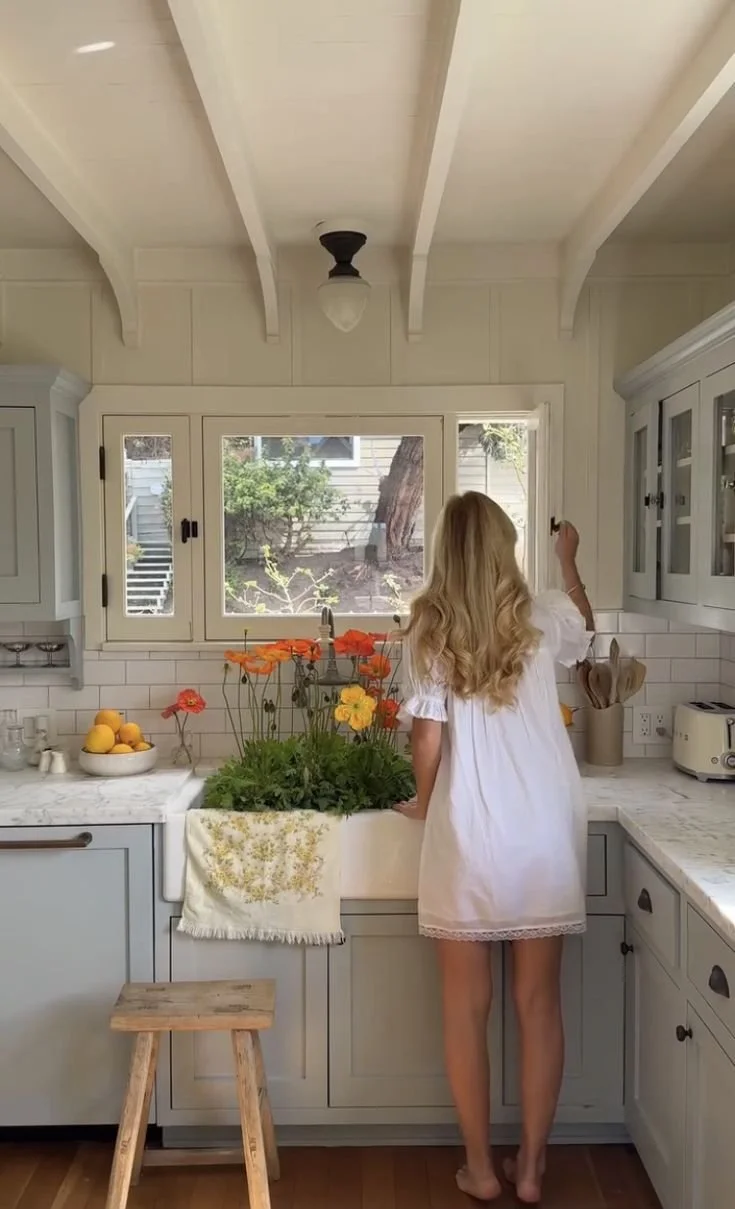



homeHLL x Editor


Signs Of Hidden Mold In Walls

Mold is often imagined as a visible black or green patch spreading across walls or ceilings. But some of the most dangerous mold problems occur where you can’t see them — inside your walls. Left undetected, mold can quietly damage your property’s structure and pose a serious risk to your health.


In this article, we'll expose the common causes and subtle signs of hidden mold, explain how it spreads behind drywall, and outline exactly what to do if you suspect a problem. Armed with this knowledge, you’ll be better equipped to catch mold early, take appropriate action, and protect your home and your family.

No. 1

Signs of Hidden Mold in Walls

Mold doesn’t always appear out in the open. In many cases, it thrives silently behind drywall, spreading after unnoticed leaks or prolonged exposure to high humidity. By the time visible signs emerge, the issue may already be deep-rooted. Below are 10 telltale indications of mold lurking behind your walls.

1. Persistent Musty Odor

A musty or earthy smell that won’t go away is often the first red flag. It may resemble the scent of damp cardboard, old books, or wet fabric. Mold releases microbial volatile organic compounds (MVOCs) that produce that telltale unpleasant smell — even when the fungus is completely hidden.

Hotspot indicator: The odor may intensify in areas near bathrooms, basements, or after heavy rainfall.

If fresh air, ventilation, or air fresheners do nothing to resolve the smell, mold could be active behind the walls.

2. Unexplained Indoor Allergy Symptoms

Mold spores can circulate through your home, even if invisible. If you or your family start to experience:

  • Sneezing

  • Nasal congestion

  • Coughing or throat irritation

  • Itchy or watery eyes

And these symptoms improve when you leave the house, there’s a chance mold is to blame.

Children, elderly individuals, and those with asthma or autoimmune issues are particularly susceptible to indoor mold exposure.

3. Peeling Paint or Bubbling Wallpaper

Moisture buildup behind drywall can weaken adhesives, causing:

  • Bubbling wallpaper

  • Flaking or cracking paint

  • Blistered or curling edges

This isn’t just a cosmetic problem — those bubbles are often the result of water pushing through from behind the surface, potentially acting as a breeding ground for mold. If the damage recurs in the same spot, further investigation may be necessary.


hellolovelyliving houzz

Houzz

Looking for professional mold removal service? Discover top-rated experts on Houzz today!


4. Warped or Stained Drywall

Wall stains, especially yellow, brown, or dark patches that grow larger over time, signal water damage — and water damage is mold’s best friend.

Also watch for:

  • Soft, swollen, or bulging drywall

  • Walls that give slightly when pressed

  • Cracking textures that worsen over weeks or months

This points to prolonged hidden moisture and potentially long-term mold growth inside the wall cavity.

5. Discoloration Without a Clear Source

Unexpected spots or streaks — black, green, gray, or even pink — that persist or return after cleaning might be mold escaping from behind the wall.

Pro tip: If bleach or paint temporarily conceals it but spots come back, you're likely masking — not eliminating — a deeper issue.

Visible discoloration almost always means there’s more going on beneath the surface.

6. Frequent Respiratory Issues

Aside from common allergy symptoms, mold exposure can lead to:

  • Asthma flare-ups

  • Chronic nasal congestion

  • Recurrent sinus infections

  • Wheezing or difficulty breathing

For sensitive individuals, hidden mold can quickly impact daily quality of life. If breathing becomes easier when away from home, consider the hidden mold factor.

7. Elevated Humidity in Certain Rooms

Consistently humid rooms can indicate poor ventilation — and trapped moisture behind walls. Identifiers include:

  • Condensation on windows

  • A damp feeling even without visible wetness

  • Mildew smell intensifying over time

Frequently affected spaces include bathrooms, kitchens, basements, and laundry rooms. Using a digital hygrometer to monitor indoor humidity (aim for under 50%) is a smart preventative step.

8. History of Water Damage

Has your home experienced any of the following?

  • Leaky pipes or plumbing issues

  • Roof leaks

  • Flooding or damp basements

  • Improperly dried drywall

Even when the surface appears dry, residual moisture can remain trapped inside insulation or framing, where mold quietly thrives. Proper remediation means using professional-grade dehumidification equipment after any water incident.

9. Deteriorating Caulk or Grout in Wet Areas

Small breaches in waterproof seals can allow moisture to infiltrate wall cavities unnoticed.

Look for:

  • Cracked or shrinking caulk around tubs, sinks, and windows

  • Missing grout between tiles

  • Water pooling or dripping behind fixtures

Even minor leaks behind cabinets or fixtures can trigger mold within days.

10. Unwanted Pest Activity Near Certain Walls

Mold attracts moisture-loving insects, such as:

  • Termites

  • Cockroaches

  • Carpenter ants

  • Silverfish

If you're seeing new pest intrusions near particular spots — especially alongside any of the signs listed above — there may be water damage inside your wall that’s also fueling mold growth.

No. 2

Health Symptoms Linked to Hidden Mold

Prolonged exposure to indoor mold can lead to:

  • Headaches and fatigue

  • Throat irritation and coughing

  • Skin rashes

  • Breathing difficulty

  • Lightheadedness or dizziness

Individuals with asthma, allergies, or weakened immune systems are at higher risk for severe reactions. If health issues worsen at home and improve outside, mold should be considered a likely culprit.

No. 3

How Professionals Detect Hidden Mold in Walls

Experts use non-invasive techniques to locate moisture and mold with precision:

  • Moisture meters assess dampness behind walls

  • Thermal imaging cameras reveal temperature changes caused by water leaks

  • Air sampling tests detect airborne spores

  • Borescope cameras inserted through small holes allow visual inspection inside wall cavities

These methods prevent unnecessary destruction while accurately diagnosing the problem.

No. 4

What to Do If You Suspect Hidden Mold

Important: Do NOT cut into walls yourself.

Opening walls without containment can cause mold spores to spread and contaminate other areas of your home.

Professional Response Steps:

  1. Hire a licensed mold inspector to conduct a thorough evaluation.

  2. Identify and correct the moisture source — roof, plumbing, humidity, or ventilation.

  3. Use a professional mold remediation Bohemia, NY to remove contaminated materials and restore air quality.

  4. Confirm all affected areas are properly insulated and sealed to avoid recurrence.

No. 5

When Hidden Mold Demands Immediate Action

  • A strong, musty odor that spreads throughout the home

  • Widespread surface damage (peeling paint, warping drywall)

  • Visible mold paired with soft or crumbling walls

In these situations, mold growth may be extensive — possibly affecting insulation, wall studs, or flooring. Swift action prevents escalated structural repairs and long-term health risks.

No. 6

Tips for Preventing Hidden Mold in the Future

  • Fix leaks as soon as they’re discovered, even minor ones.

  • Use exhaust fans in kitchens, bathrooms, and laundry areas.

  • Keep indoor humidity levels below 50%.

  • Dry out wet materials within 24–48 hours.

  • Inspect for condensation and water pooling around windows and appliances.

  • Ensure areas behind walls or appliances have adequate ventilation.

Being proactive — and consistent — is the best way to prevent mold from ever developing behind your walls in the first place.

Takeaways: Don’t Let Hidden Mold Take Hold

While hidden mold inside walls can be tricky to detect, it’s far from harmless. Often beginning with moisture that seems minor or insignificant, mold can evolve into a serious issue that affects your property’s structure, indoor air quality, and overall health.

In this article, you've learned how to identify the warning signs, understand the causes, and take safe and effective action. Whether it’s an odd smell, staining on drywall, or recurring health symptoms, it’s essential not to ignore the clues your home gives you.

When in doubt, consult a trained professional. Acting early could save you thousands in repair costs — and protect the well-being of everyone under your roof.

Looking for Home resources?

Looking to enhance your living space and create a sanctuary that supports your well-being? Explore our home partners who offer a wide range of resources to elevate your home environment.



homeHLL x Editor


Mold In the Home: What Homeowners Need To Know

It’s easy to dismiss mold as a minor nuisance — something that exists only in poorly maintained homes or damp basements. But mold is far more insidious than it appears on the surface. It poses threats that strike at the core of what every homeowner holds dear: the structural integrity of their property, its resale value, and most importantly, the health and well-being of the people who live there.


While it may not always be visible, mold can silently undermine your home and health. That’s why understanding mold — how it forms, how to prevent it, how to detect it, and how to treat it — is crucial for responsible homeownership.

In this article, we break down everything you need to know about mold, from early warning signs to prevention methods, treatment options, and the often-overlooked areas where mold can grow unchecked. With this knowledge, you’ll be equipped to protect your home and everyone living in it.

No. 1

Mold Is More Common Than You Think

Discovering mold in your home can be distressing, but if you take comfort in numbers, here’s some perspective: mold is incredibly common. In fact, studies show that nearly 50% of residential properties in the United States harbor mold to some degree.

Properties in humid states — such as Florida, New Jersey, South Carolina, and Arkansas — are particularly vulnerable, but no region is entirely mold-proof. Warmth, moisture, and poor ventilation are the only ingredients mold needs to thrive — all of which can exist in homes anywhere in the country.

Why This Matters:

  • You’re not alone — it’s a common issue faced by millions.

  • The problem is typically not personal fault, but environmental.

  • Since it's widespread, professional help is readily available.

Knowing how prevalent mold truly is can reduce the shame or stress homeowners often associate with its presence — and allow for more rational, proactive action.

No. 2

Preventive Measures Are Always Better Than a Cure

You’ve likely heard the saying: “An ounce of prevention is worth a pound of cure.” That wisdom couldn’t be truer when it comes to mold. While there are effective ways to eliminate mold once it’s established, it’s always cheaper, easier, and healthier to prevent mold before it forms.

Prioritize These Preventative Measures:

  • Maintain good ventilation, especially in high-moisture areas like kitchens, bathrooms, and basements.

  • Use dehumidifiers to keep indoor humidity levels between 30%–50%.

  • Install or upgrade extractor fans in regularly humid areas.

  • Open windows daily, even briefly, to allow fresh airflow.

  • Dry wet areas immediately, especially after spills or leaks.

A consistent approach to managing moisture and airflow dramatically reduces the chances of ever battling mold in the first place.

No. 3

Yes, Even New Homes Are at Risk

It’s a common misconception that mold is a byproduct of age and neglect. But many modern, brand-new homes are fertile ground for mold due to poor ventilation and construction oversights.

Why Mold Develops in New Homes:

  • Building materials may be exposed to rain before the home is weatherproofed, locking in moisture.

  • Early high-humidity activities (showering, cooking, laundry) introduce moisture before the home is fully dried.

  • Modern homes are tightly sealed, limiting natural airflow that would otherwise help regulate humidity.

Even in quality builds, mold can form if these factors go unaddressed. It’s a reminder that mold is less about a home’s age and more about its internal environment.


hellolovelyliving houzz

Houzz

Looking for professional mold removal service? Discover top-rated experts on Houzz today!


No. 4

Early Detection Makes a Big Difference

The key to stopping mold in its tracks? Catch it early. Mold is manageable and often easy to remove when detected in the beginning stages. But the longer it grows, the more it spreads, damages structures, and compromises indoor air quality.

How to Identify Mold Early:

  • Look for musty odors, even if no mold is visible.

  • Watch for discoloration on walls, ceilings, or floors (black, green, or even white patches).

  • Note any worsening allergy-like symptoms in household members.

Confirming Mold Presence:

  • A professional mold inspection can detect hidden mold and potential breeding grounds.

  • Mold testing services identify the exact type of mold, which can inform appropriate treatment.

Investing in expert assessments can prevent extensive repairs and give you peace of mind.

No. 5

Mold Exposure Can Affect Your Health

While small levels of mold may go unnoticed, higher concentrations—or prolonged exposure—can cause physical side effects, especially among vulnerable groups.

Common Health Symptoms Associated with Mold Exposure:

  • Eye irritation and watery eyes

  • Persistent coughing or sneezing

  • Throat irritation

  • Rashes or skin irritation

  • Sinus congestion

  • Frequent headaches

Those with asthma, allergies, or weakened immune systems are at greater risk. If symptoms improve when you leave the home, that’s a clear sign to investigate further.

No. 6

Your HVAC System Could Be Spreading Mold

Even with clean and dry visible spaces, mold may be hiding — and spreading — through your HVAC system. If moisture or microbial growth infiltrates air ducts or filters, mold spores can be dispersed throughout your home, contaminating every room and triggering health issues.

Proactive Steps to Prevent HVAC Mold:

  • Change air filters regularly, at least every 60–90 days.

  • Schedule professional HVAC cleanings, especially in humid environments.

  • Use high-efficiency air filters (HEPA) that trap spores.

  • Inspect air ducts for dust, debris, and moisture accumulation.

Proper HVAC maintenance goes a long way in keeping mold localized—and ideally, non-existent.

No. 7

Energy-Efficient Homes Are More Vulnerable Than You Think

While energy-efficient, airtight homes keep utility bills down and temperature stable, they also pose a unique risk: limited natural ventilation. These homes are insulated against heat loss—but also against fresh air exchange.

Ventilation Strategies for Airtight Homes:

  • Invest in mechanical ventilation systems like HRVs (heat recovery ventilators).

  • Install exhaust fans in bathrooms, kitchens, and laundry rooms.

  • Use dehumidifiers to compensate for naturally higher moisture content.

  • Regularly open windows when possible, especially after activities that introduce moisture.

The trade-off between efficiency and ventilation must be balanced to keep mold from gaining a foothold.

Takeaways: Stay One Step Ahead of Mold for a Happier, Healthier Home

Mold might be out of sight, but it should never be out of mind. As we’ve outlined in this guide, it’s not just an aesthetic nuisance — it’s a threat to your health, your property’s durability, and its market value.

From new builds to old homes, from HVAC ducts to humid bathrooms, mold can take root anywhere if conditions allow. But here’s the good news: with a solid understanding of how mold functions and proactive strategies to manage moisture, you can protect your home and those living inside it.

Remember:

  • Mold is incredibly common — but manageable.

  • Ventilation and humidity control are your best defenses.

  • Early detection saves time, money, and stress.

  • Health symptoms should not be ignored — they could be a warning sign.

  • No home is immune, but every home can be protected.

So keep mold awareness on your mental homeowner checklist. Because a clean, dry, mold-free home isn’t just better for your walls — it’s better for your well-being.

Looking for Home resources?

Looking to enhance your living space and create a sanctuary that supports your well-being? Explore our home partners who offer a wide range of resources to elevate your home environment.



homeHLL x Editor


How To Give Your Home's Exterior A New Lease of Life

You’ve spent time and energy making the inside of your home feel warm, inviting, and stylish — but every time you pull into the driveway, something feels… off. The exterior seems tired, even a little neglected. Maybe you're noticing chipped paint, a sagging gate, or landscaping that looks like it's given up.


Here’s the truth: no matter how beautiful your interiors are, your home's curb appeal sets the stage. It's the first impression friends, family, and neighbors get. If your home’s exterior looks dated or worn down, it can discredit everything else you've worked so hard to create inside.

In this article, we’ll take you through the most common culprits that drag down a home's exterior design — from dirty driveways to faulty gutters — and provide practical, straightforward solutions to revive your home’s appearance quickly and affordably.

Let’s take the guesswork out of it and help your home shine from the outside in.

No. 1

Old, Chipped Paint or Stained Render

This one tops the list for a reason. A fresh coat of paint is hands-down one of the easiest ways to breathe new life into your home’s exterior. Over time, exposure to sun, wind, rain, and pollution leads to peeling, fading, or staining — all of which age your home prematurely.

Whether it's stained render from years of rainfall or paint that’s cracked and flaking, these surface imperfections instantly make your home look unloved.
A solution?

  • Repaint with a classic neutral or

  • Choose a bold color for a modern twist

Yes, painting can sound like a major undertaking or expense, but there are few home upgrades that offer such immediate and noticeable results. You’ll often feel like you’re looking at a brand-new home.

Quick Tips:

  • Wash the walls first to remove mildew or grime

  • Use exterior-grade, weatherproof paints

  • Consider repainting trims and doors for a full refresh

No. 2

Poorly Made Repairs

We get it — you tried fixing the broken gate or patching up the fence yourself. And while we admire the initiative, not all repairs are created equal. Bodge jobs might work temporarily, but visibly poor repairs tend to stick out (and not in a good way).

Think:

  • A sagging gate clumsily tied together

  • Crooked fence posts

  • Makeshift path repairs

While the intent was to save time or money, these quick fixes end up making your home look less cared for.

If the repair is in a high-traffic area or part of your home’s visible front — think gates, fencing, doors — don’t cut corners. Call in a construction professional to not only fix the issue but elevate the space at the same time.

Bonus: Sometimes these repairs offer the opportunity for upgrades. That run-down gate? Replace it with a modern one to instantly uplift your whole curb appeal.

No. 3

Damaged or Leaky Guttering

Here’s a detail that many overlook — until it’s causing serious issues.

Broken gutters or leaky downspouts are not only unsightly, they can lead to foundational damage, damp issues, or even mold growth if left unchecked. Acidic rainwater overflow stains your walls, moss grows at connection points, and soon you’re dealing with more than just an aesthetic problem.

Functionality and form both matter. Properly maintaining or upgrading your gutters does more than improve the look — it protects the value of your home.

Why it matters:

  • Clean, aligned guttering elevates your property line

  • It prevents long-term damp and mold issues

  • Improves resale value and buyer confidence

If your guttering is clogged, cracked, rusted, or simply hanging on for dear life, don’t wait. Get it looked at before it becomes a bigger (and more expensive) job.


hellolovelyliving terrain

Terrain

Indoor and outdoor living, garden, and entertaining essentials that are well-designed, lasting, and beautiful.


No. 4

An Old or Worn-Out Garage Door

This one often sneaks up on homeowners. You’ve freshened up the garden, painted the trim, but your garage door winks at passersby like a relic from the last century.

Rusted metal. Rotting wood. Peeling paint. A creaking or crooked opening mechanism. All of these instantly drag down your otherwise attractive facade.

Replacing your garage door with a modern door is surprisingly impactful — clean lines, modern materials, and improved function are just the beginning.

Upgrade Options:

  • Sleek metal designs

  • Faux wood panels with better durability

  • Motion-sensor lighting built in

  • Smart openers for convenience and security

While you're there, show the rest of your garage some love. A tidy garage exterior often reflects pride in your home — making your curb appeal soar.

No. 5

Lack of Landscaping or Garden Maintenance

Think of your front garden or yard as more than just outdoor space — it's the visual introduction to your home. And sadly, many let it fall to the bottom of the maintenance list.

Overgrown grass. Weeds. Lifeless shrubs. These may seem like minor details, but they dramatically affect how inviting your home looks from the street.

Fortunately, a front garden makeover doesn’t need to be extravagant or expensive.

Easy Landscaping Enhancements:

  • Mow the lawn regularly for a neat, fresh look

  • Add colorful wildflowers or perennials along the borders

  • Place potted plants or small trees (like olives or boxwoods) near the entrance

  • Trim back any excess growth around windows or walls

The result? A cared-for, refined presence that immediately lifts your home's mood and value.

No. 6

A Dirty, Mud-Covered Driveway

You probably don’t even notice how muddy or moss-covered your driveway or paved patio has become over time — until one day you really look. What used to be light grey is now murky brown. There’s a fine layer of grime that makes everything feel... heavy.

But this is one of the easiest wins on this list.

Solution: Jet Washing

A solid hour (or even 30 minutes) with a power washer can completely makeover your driveway — lifting years of moss, dirt, and tire marks. It’s deeply satisfying to watch and creates a brighter, cleaner approach to your front door.

Better yet, it’s one of the most affordable ways to upgrade the look of your home. You’ll probably have neighbors asking if you got a brand-new drive installed.

Takeaways: Restore Your Curb Appeal with Small, Strategic Changes

If your home’s exterior is bringing the whole mood down, know this: you’re not alone, and you’re not stuck with it.

Most homes — especially older homes — accumulate visual wear or quick fixes that detract from their charm. But as you’ve seen in this guide, with a few thoughtful improvements, even the most faded facade can be made fresh again.

Ask yourself:

  • Is the chipped paint aging your beautiful home?

  • Does your garden feel lifeless?

  • Are you ignoring guttering and garage doors when they’re shouting for attention?

Whatever the weak spot is, there’s a solution — and it doesn’t have to cost a fortune or take weeks.

Start with just one change this weekend. Repaint the front door. Trim some branches. Power-wash the drive. As your exterior starts to regain its confidence, you’ll notice a shift not just in your home’s look, but in how you feel coming home to it.

Because your house deserves to feel as good on the outside as it does on the inside — and so do you.

Which issue is letting your home down right now? Make a note, make a plan, and tackle it one step at a time. You’ll be amazed at the difference even a small update can make.

Looking for Home resources?

Looking to enhance your living space and create a sanctuary that supports your well-being? Explore our home partners who offer a wide range of resources to elevate your home environment.



homeHLL x Editor


Common Mistakes People Make When Planning A Home Extension

Extending your home is one of the most exciting renovation projects you can take on. Whether it’s to create more breathing room, accommodate a growing family, or increase market value, a well-planned extension can completely transform how you live in your space.


But amid the anticipation of layout ideas and Pinterest mood boards, one critical step often gets overlooked: proper planning.

In this article, we’ll walk you through the most common mistakes people make when planning a home extension—and how to avoid them. Skipping these essential details can lead to overspending, design regrets, and even legal trouble. But with the right approach, you’ll turn your vision into reality—with fewer headaches and a much smoother experience.

No. 1

Mistake 1: Not Defining the Purpose of Your Extension

One of the most common slip-ups homeowners make is jumping into design mode without first identifying why they’re extending their home in the first place.

Simply saying, “We need more room,” isn’t enough.

Yes, additional square footage sounds like a universal fix—but if the space doesn't serve a clear function, chances are it’ll feel awkward, disconnected, or underused in the long run.

Ask yourself:

  • Are you extending to create a larger kitchen or open-plan family space?

  • Do you need a dedicated home office, extra bedroom, or a spacious playroom for the kids?

  • Is the goal to bring in more natural light or improve the flow between indoor and outdoor areas?

Clarity about function lays the foundation for great design. When you truly understand how the new space will fit into your everyday life, the layout will support your lifestyle—not just your square footage goals.

No. 2

Mistake 2: Skipping Professional Input

Many homeowners get caught up in inspiration and try to map out their extension plans independently, thinking they can consult a professional later. Unfortunately, that approach can lead to design flaws, inefficient layouts, and extra costs when things inevitably have to change.

Here’s what can go wrong without expert consultation:

  • Doorways and windows may be placed in awkward spots

  • Unanticipated structural limitations can derail your ideas

  • Space flow between rooms becomes disrupted

  • Budget estimates are inaccurate or incomplete

Bringing in design professionals—such as the trusted team at CBI Design Professionals—early in the process is essential. Their insight can help you:

  • Understand what’s structurally feasible

  • Maximize your available space creatively

  • Avoid costly alterations once building starts

Think of professional input as prevention rather than repair.

Initial consultations may cost you upfront, but they’ll likely save you from expensive changes once walls are being built. You’ll walk into the process with confidence knowing your dreams are practical—and possible.

No. 3

Mistake 3: Overlooking Planning Permissions and Building Regulations

While it’s true that not all home extensions require formal planning permission, assuming you can skip local building regulations altogether is a recipe for disaster.

Each municipality has its own [zoning laws],[height limits], setback requirements, and building codes that dictate what can and can’t be done. Failing to meet these conditions could result in:

  • Fines and legal penalties

  • Delays in your project

  • In extreme cases, being forced to partially or fully dismantle the extension

Always check:

  • Whether your extension falls under Permitted Development or requires a full planning application

  • Any height, boundary, or visibility restrictions specific to your property

  • Party wall agreements if your home shares structural boundaries with neighbors

When you work with a qualified architect or builder, you gain peace of mind knowing these issues are addressed proactively. They'll help you navigate the red tape, ensuring you secure the right approvals before any major spending or construction takes place.


hellolovelyliving houzz

Houzz

Make your home project a reality. Find inspiration, products, and the pros to make it happen - all in one place.


No. 4

Mistake 4: Designing Based on Budget Instead of Feasibility

Naturally, budget plays a big role in any renovation project. But basing your entire design on how much you think (or hope) something should cost creates risky constraints—especially before understanding feasibility.

If you try to fit ambitious ideas into a limited budget without professional input, you may face:

  • Multiple redesigns down the line when it becomes clear the original plan is too ambitious

  • Having to downgrade finishes, remove features, or reduce square footage

  • Frequent pauses in planning due to financial inconsistencies

A smarter approach:

  1. Start with feasibility, not fantasy. Consult with structural engineers or designers first.

  2. Understand the real factors that impact costs—materials, labor, complexity, and hidden works like plumbing and foundation changes.

  3. Build a realistic baseline budget from those insights.

  4. Leave a contingency buffer (10–20%) for unexpected expenses.

Budgeting based on feasibility creates fewer surprises and allows your project to progress with minimal friction. Instead of designing only what you can afford, you’ll spend money where it matters most, and more efficiently.

Takeaways: Build Smarter with Planning, Not Panic

Embarking on a home extension offers an exciting opportunity to reimagine how your home works for you. But behind every successful, smooth-running renovation is a solid planning process that covers more than paint colors and furniture ideas.

In this article, we explored the four most common home extension planning mistakes—and how to avoid them:

  • Failing to define the purpose of the new space

  • Overlooking professional guidance early in the process

  • Ignoring local regulations and building codes

  • Designing according to budget instead of structural feasibility

Getting these decisions right before construction begins will save you time, money, and countless headaches. You'll enjoy a finished space that not only looks great but truly functions the way your family needs it to.

Invest in the planning now, and your extension will reward you for years to come. With the help of qualified professionals and purposeful design, you can turn your dream home into a living, breathing reality—without the common regrets that so often follow rushed decisions.

Because when it comes to home extensions, the magic is in the details.

Looking for Home resources?

Looking to enhance your living space and create a sanctuary that supports your well-being? Explore our home partners who offer a wide range of resources to elevate your home environment.
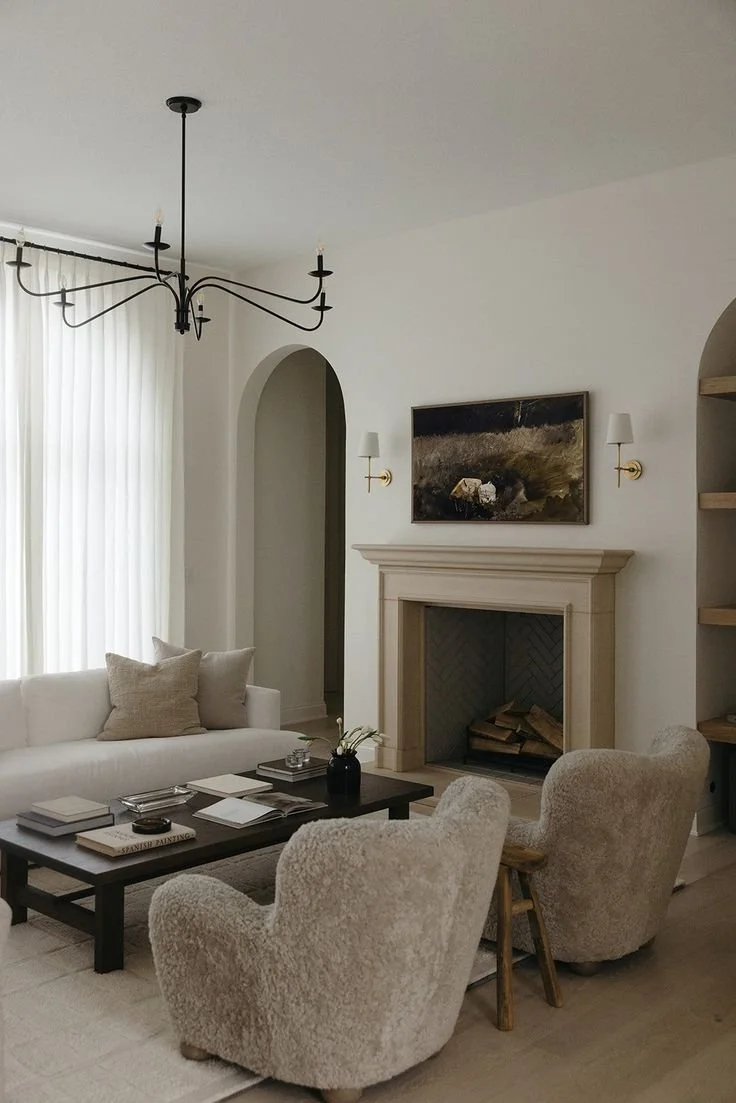


homeHLL x Editor


The First Five Years: What Really Happens After A Garden Build

A freshly completed garden carries a distinctive energy—clean lines, defined paths, and neatly planted beds all hint at the potential to come. Young trees stand with quiet promise, and every shrub or perennial is deliberately placed for both aesthetic and ecological harmony. For many, this is seen as the final chapter in garden creation—a beautiful conclusion after months of planning and hard work. But the truth is far more interesting.


In this article, we explore why a newly built garden is not the end, but the stirring beginning of a living, breathing journey. Over the first five years, design transforms into relationship; arrangement becomes rhythm, and space slowly evolves into place. A garden matures not through speed but through seasons, stewardship, and subtle progress.

These early years mark the most defining phase in a garden’s long life—and understanding what happens from year one to year five is key to appreciating the full value of thoughtful landscape design.

No. 1

Year One: Establishment and Adjustment

The first year is all about adjustment below the surface. While the above-ground garden design may appear modest, plant roots are hard at work anchoring into new soil, adapting to unfamiliar microclimates, and beginning the gradual process of settlement.

Gaps between plants may appear too wide or inconsistent—but this is by design. Room to grow ensures long-term health and prevents future overcrowding. A garden crowded too early may flourish in appearance only to suffer from fungal issues, stunted growth, or expensive removals down the line.

Priorities in Year One:

  • Focused root establishment

  • Gentle pruning and shaping for early form

  • Regular, mindful watering and mulching

  • Observation to identify initial adaptation issues

During this phase, the garden’s structure is on full display. Paths, terracing, retaining walls, and hard edges provide a visual framework—a kind of scaffold—onto which green life will slowly layer over time.

No. 2

Year Two: Early Growth and Emerging Character

The second year ushers in a noticeable shift—plants begin to emerge with increasing confidence. Shrubs and perennials start to take up more space, and overall texture becomes richer and more inviting. The skeletal frame begins to gain muscle and skin.

You’ll see changes between seasons more distinctly now: spring shoots burst more quickly into bloom, summer beds feel fuller, and autumn structure becomes clearer and more coherent.

Key developments:

  • Expanded foliage coverage and bloom cycles

  • Minor plant repositioning or replacements

  • Signs of ecological interaction—bees, butterflies, soil life

  • The beginning of informal maintenance routines

Not everything will go exactly as planned. A species that once looked perfect on paper may underperform, while another might surprise you with exceptional vigor. This is where thoughtful editing becomes both art and necessity.

No. 3

Year Three: Balance and Belonging

By the third growing season, something remarkable takes place: the garden starts to feel settled. Planting choices that once appeared scattered begin to knit together. Transitions between paths, seating areas, and beds soften and merge.

Hallmarks of this phase:

  • Stronger branching in trees and shrubs

  • Hedging begins to act as true structure

  • Ground covers suppress weed population naturally

  • Maintenance becomes more relaxed and refined

The experience of being in the garden changes, too. There’s less visual tension. Movement feels easier. Whether you're hosting guests or quietly walking with morning coffee, there's a lasting sense that the space has begun to find itself.


hellolovelyliving terrain

Terrain

Discover the beauty of nature with Terrain’s curated selection of plants. From lush greenery to blooming florals, find the perfect touch for your home or garden!


No. 4

Year Four: Maturity in Motion

The fourth year is where confidence turns into presence. Shrubs offer privacy. Trees form canopies. Flowering plants develop seasonal cadence, peaking and retreating with intentional elegance.

You may notice a more robust ecosystem forming. Birds visit regularly, insects have made a habitat, and the garden has become less an arrangement and more a community.

At this stage:

  • Maintenance is more about timing than frequency

  • Dividing perennials helps guide continued vigor

  • Selective pruning replaces formative training

  • Foot traffic and human interaction feel second nature

Even as it begins to look mature, the garden is still in motion. Every tweak you make—as a designer, steward, or homeowner—affects not just the coming year, but sets the trajectory for the next decade.

No. 5

Year Five: A Garden Comes Into Its Own

Five years in, a thoughtfully constructed garden no longer feels “new.” It feels inevitable—as if it has always been there. Trees are now subtle anchors in the space. Beds are full, layered, generous. There’s an overarching sense of peace.

It is at this point that the garden becomes truly responsive to its location:

  • It provides shade, privacy, and structure without feeling imposed.

  • It feels lived in, yet never overgrown.

  • It reflects seasonal rhythms while supporting daily life in meaningful ways.

The sensation of walking through a five-year-old garden, well-tended and wisely built, is one of quiet completeness. It doesn't shout. It whispers generously.

And yet—this is not the end of growth, only the wisdom phase of it.

No. 6

Why Patience Is Part of the Design

Too often, clients or homeowners perceive the completion of a garden build as the finish line. In reality, it's just the first step in a slow, rewarding process of becoming.

Success in a landscape doesn't depend solely on design or installation. It depends on how time is honored during those crucial first five years. Trying to rush nature—through overplanting, early reshaping, or hurried expectations—inevitably undermines both beauty and functionality.

By contrast, a garden that grows with patience, care, and curiosity becomes something far more enduring. It weaves into its place, grows in intimacy, and allows both people and plants to co-evolve across the seasons.

Takeaways: The Living Journey of Landscape Design

In this article, we've charted the profound transformation that occurs in the five years following a garden’s creation. From subtle beginnings below ground to full maturity above, a well-designed garden does more than fill space—it matures into a living companion that reflects care, discipline, and long-range thinking.

The greatest gardens aren’t installed. They’re allowed to emerge.

To take the long view in garden-making is to embrace a partnership with nature, time, and change. And in doing so, we build not just beautiful outdoor places—but spaces of resonance, rest, and renewal for years to come.

Looking for Home resources?

Looking to enhance your living space and create a sanctuary that supports your well-being? Explore our home partners who offer a wide range of resources to elevate your home environment.
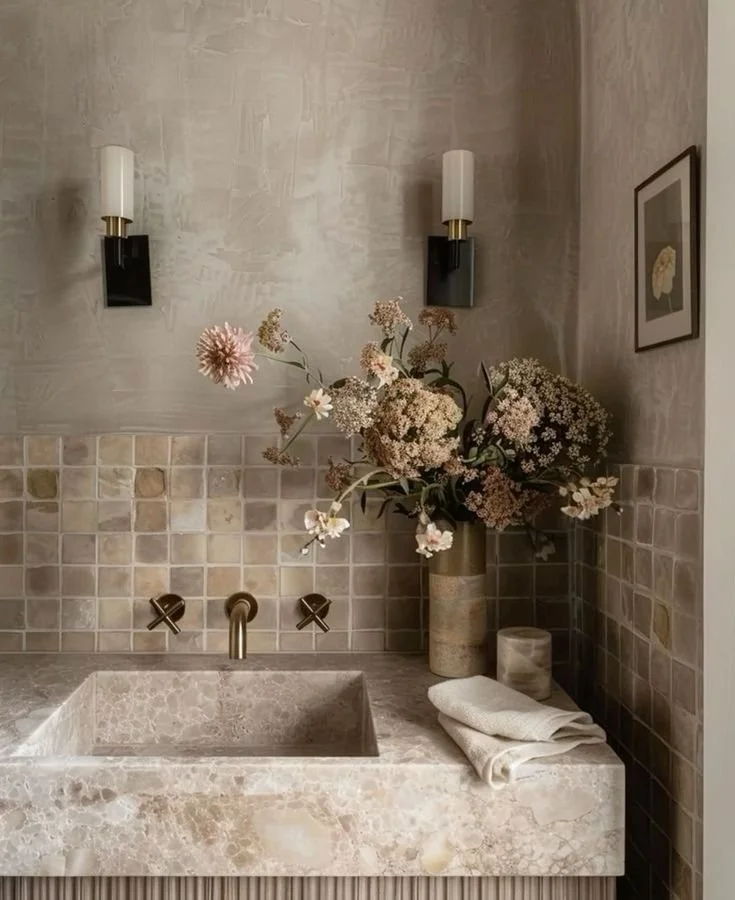


homeHLL x Editor


What To Check After A Storm To Catch Roof Damage Early

Storms are among the leading causes of property damage across the United States. From blowing patio furniture across the yard to uprooting trees, downing power lines, and even inflicting structural harm, their impact can be both immediate and long-lasting. Each year, the U.S. experiences roughly 12 named storms, with at least three escalating into serious hurricanes—reminding homeowners just how vulnerable their properties, particularly their roofs, truly are.


The roof is your home’s first line of defense against the elements. When compromised, it doesn’t take long before water infiltration and structural issues start accumulating. For homeowners, even minor roof damage after a storm can lead to costly and avoidable repairs.

In this article, we'll walk you through the critical areas to inspect following a storm to ensure your roof remains sound and your home protected. These inspections can be performed both post-storm and proactively beforehand. By knowing what to look for—from shingle displacement and granule loss to interior attic checks—you can better determine the health of your roof and take quick action when needed.

No. 1

Shingles and Roofing Surface: The First Line of Defense

Your first check should always start with the shingles, as that’s where the most common storm-related damage occurs. While missing shingles are easy to spot, they’re not the only issues to watch out for—and sometimes not even the most dangerous.

What to Look For:

  • Lifted or curled edges: Wind can loosen shingles without tearing them off completely. Even subtle lifts compromise their protective seal.

  • Misaligned rows: If shingles no longer sit flush, water can seep in unnoticed.

  • Shadowed or raised sections: These visual cues often mean the shingle has bent under pressure and did not return to its original position.

  • Crease lines: Straight or slightly curved lines across shingles indicate they were flexed by high winds and have sustained structural damage.

  • Exposed underlayment: Visible synthetic material beneath shingles is a surefire sign of diminished water protection.

Although you can observe some of these red flags from the ground, a thorough inspection usually requires getting up on the roof—a task best left to professional roofing contractors. Trained experts can detect hidden issues and advise on immediate corrective measures to minimize risk.

No. 2

Granules in Gutters or Around the Base of the Home

Granules play a vital yet often overlooked role in shingle durability. They shield the shingles from harmful UV rays and weather exposure. After a storm, rapid granule loss is a clear indicator that your roof may have suffered significant impact or abrasion damage.

How to Spot It:

  • Check gutters, downspouts, and ground near your home for accumulated dark, gritty material.

  • Compare granule runoff with any visible changes in shingle color or texture.

  • Remember: Minor shedding is normal, but large patches or consistent buildup signal damage.

While this doesn’t cause immediate leaks, granule loss accelerates shingle aging. Left unchecked, it will eventually lead to leaks and premature roof failure, making early intervention essential.

No. 3

Flashing Around Chimneys, Vents, and Roof Edges

Flashing is installed around joints and roof penetrations to prevent water from seeping into the home. It’s designed to flex with temperature fluctuations—but aggressive winds and driving rain can push it far beyond its limits.

Post-Storm Flashing Inspection Checklist:

  • Examine flashing around chimneys, vent pipes, and skylights for bent sections or lifted corners.

  • Ensure flashing material lies flush against roofing surfaces; gaps invite water entry.

  • Inspect sealant lines—cracks, separation, or washed-away areas are signs it's no longer watertight.

  • Check the roof edges: Damaged or loose edge flashing facilitates leaks into shingles and into interior ceiling systems.

Flashing damage, though easy to overlook, often leads to serious internal water damage over time if not addressed promptly.


hellolovelyliving houzz

Houzz

Looking for professional roof repair services? Discover top-rated experts on Houzz today!


No. 4

Fascia, Soffits, and Siding Near the Roofline

The roof isn’t the only area exposed during storms. Components like fascia boards, soffits, and adjacent siding can also take a hit—particularly when wind-driven rain targets small exterior flaws.

Signs of Damage:

  • Loose or detached fascia boards

  • Swollen, cracked, or exposed wood

  • Warped or missing soffit panels

  • Peeling paint or soft spots around the roofline

These areas may seem secondary, but they serve as essential barriers against moisture intrusion. Once water infiltrates, it promotes mold growth and wood rot—resulting in expensive repairs and compromising indoor air quality.

Being proactive in examining and repairing these areas ensures your roof system remains sealed and structurally sound.

No. 5

Attic and Interior Assessments Are Equally Important

It’s easy to focus entirely on the exterior, but the inside of your home provides valuable clues about post-storm roof health. Heading into your attic or upper floors is a must after any substantial weather event.

Key Areas for Indoor Inspections:

  • Insulation: Look for damp areas, discoloration, or compression. Wet insulation is not only ineffective—it accelerates decay in surrounding wood framing.

  • Light, drafts, or unusual noises: These signs signal a breach in the roof or gaps in the structure.

  • Ceiling stains and wall discoloration: Especially near chimneys or external walls

  • Musty odors: Smells often appear before visible damage and shouldn’t be dismissed.

Attic inspections serve as the final line of defense in catching leaks or weaknesses caused by storm damage. Acting on these early warnings limits repair costs and prevents health concerns linked to long-term mold exposure.

Takeaways: Early Detection Protects Your Home and Wallet

Storms are inevitable—but unexpected and costly roof damage doesn’t have to be. By understanding what to look for after a major weather event, you can take calculated steps to protect your home’s most vital structure: its roof.

In this article, we've guided you through a detailed checklist of what to examine post-storm—from the condition of your shingles, underlayment, and flashing, to interior red flags like wet insulation and ceiling stains. These insights empower homeowners to identify vulnerabilities early and work with roofing professionals when needed.

The good news? Preventing widespread damage doesn’t require guesswork—just a bit of diligence and know-how. Regular inspections, particularly after heavy storms, go a long way in safeguarding your property, family, and investment in the years to come.

Looking for Home resources?

Looking to enhance your living space and create a sanctuary that supports your well-being? Explore our home partners who offer a wide range of resources to elevate your home environment.
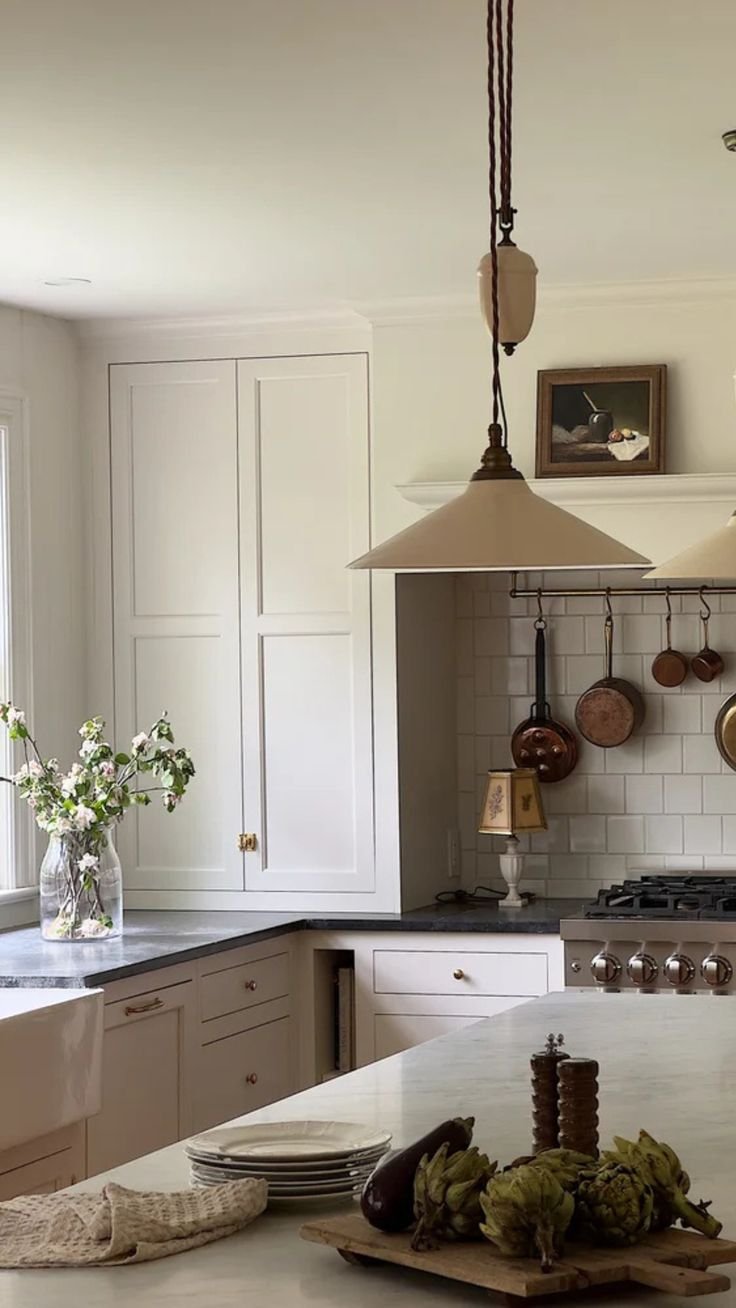


homeHLL x Editor


Why Slate Roofing Remains A Practical Choice For American Homes

When considering home improvement projects with long-term impact, few decisions can equal the importance of your roof. Acting as a protective shield and aesthetic centerpiece, your roof contributes immensely to your home’s structural integrity, energy efficiency, comfort, and overall value. Among the many materials available today, a choice for slate roofing stands out as a premium solution that marries beauty with longevity.


While many U.S. homeowners first grapple with the decision between a quick fix or a long-term investment, those seeking enduring performance and aesthetic value often find that slate offers a compelling case. Its reputation for enduring decades—often over a century—alongside its timeless aesthetic and environmental advantages has made it a preferred choice for those building or restoring high-caliber homes.

In this article, we explore the many reasons why slate roofing continues to captivate American homeowners. From stunning curb appeal and extreme durability to energy savings and environmental responsibility, read on to discover the full spectrum of benefits that make slate worth every dollar.

No. 1

Natural Beauty That Defies Trends

As a natural stone, slate offers a depth, texture, and richness no synthetic product can replicate. Each tile carries the subtle variations of Mother Nature, delivering an organic aesthetic that seamlessly integrates with surrounding landscapes and architectural styles.

Whether you own a Colonial revival, French country home, farmhouse, or a modern minimalist design, slate’s timeless beauty enhances curb appeal without falling victim to fleeting trends.

Why Natural Slate Stands Out:

  • Authentic look with geological variations

  • Enhances both historic and contemporary architecture

  • Boosts visual harmony with outdoor elements

  • Ages gracefully, developing character over time

If your goal is to elevate your home’s exterior with a material that exudes timeless sophistication, slate is a clear frontrunner.

No. 2

Exceptional Longevity That Spans Generations

Whereas standard roofing materials may require replacement every 10 to 15 years, a properly installed slate roof can last 75 to 100 years—or even longer. This extraordinary lifespan transforms your roofing investment into a long-term asset. Ultimately, climate protection starts with the choices we all make at home, and your roof is a big part of it.

The Case for Slate's Durability:

  • Resistant to cracking, curling, and warping

  • Maintains structural integrity under extreme weather

  • Fewer replacements = less waste and lower lifetime costs

  • Reduces environmental impact of future resource extraction

Slate isn’t just built to last—it’s built to endure for decades with minimal upkeep. That level of reliability makes it ideal for homeowners investing in sustainability and generational value.

No. 3

Minimal Maintenance, Maximum Performance

One of the most attractive features of slate roofing is its low maintenance nature. Unlike wood shakes or asphalt shingles that degrade over time, slate resists rot, mold, and moisture damage.

Maintenance Advantages of Slate:

  • Doesn’t absorb water like porous materials

  • Highly resistant to fungi, algae, and pests

  • Withstands varying temperatures and weather cycles

  • Reduces frequency and cost of repairs over time

In countless climates—whether exposed to rain, snow, heat, or high winds—slate maintains its structure and beauty, giving homeowners lasting peace of mind.


hellolovelyliving houzz

Houzz

Looking for professional slate roofing installation? Discover top-rated experts on Houzz today!


No. 4

Design Versatility That Elevates Architecture

While slate is undeniably natural, it also offers generous design possibilities. Homeowners can choose from a palette of natural shades including gray, green, purple, black, blue-gray, and weathered blends, allowing for both contrast and cohesiveness in exterior design.

Flexible, Yet Timeless:

  • Match or contrast with exterior walls, gutters, or accents

  • Natural hues don’t fade over decades

  • No need for paint, coatings, or chemical finishes

  • Enhances both symmetry and variety in roof layout

Whether you're preserving heritage architecture or building a bespoke modern home, slate can be customized to enhance your vision without compromising its integrity.

No. 5

Superior Sound Dampening for a Calmer Interior

Noise reduction isn’t often a top-of-mind roofing concern, yet it’s an important quality-of-life factor—especially in urban or high-traffic areas. The natural density of slate muffles external noises, allowing for a more restful indoor environment.

Sound-Reducing Benefits Include:

  • Quieter rainfall and hail impact

  • Muted wind turbulence

  • Less auditory intrusion from nearby activity

For families with young children, remote workers, or light sleepers, the acoustic benefits of slate can significantly improve indoor tranquility without the need for expensive insulation systems.

No. 6

Energy Efficiency That Supports Year-Round Comfort

Slate’s density doesn’t only reduce noise; it also contributes to thermal stability. During both hot and cold months, slate helps minimize energy transfer, reducing workload on HVAC systems.

Slate Boosts Energy Performance By:

  • Reflecting heat and regulating thermal gain in summer

  • Retaining indoor warmth in colder temperatures

  • Supporting insulation to reduce heating and cooling costs

Slate roofing, paired with proper attic insulation and ventilation, creates a home envelope that feels comfortable year-round while reducing energy bills and carbon emissions.

No. 7

Naturally Fire-Resistant for Safer Living

In an era of increasing climate volatility and wildfire risk, selecting a non-combustible roofing material becomes a wise safety consideration. Slate is a stone—it does not burn, and it offers exceptional fire resistance that far surpasses traditional asphalt.

Key Safety Features:

  • Rated Class A for fire resistance (highest possible rating)

  • No flammable coating or additives needed

  • Reduces structural fire spread risk

  • Ideal for fire-prone zones or insurance savings

Installing a non-combustible roof may even lead to lower insurance premiums, depending on your state or region.

No. 8

Perfectly Suited for Historic and Character Homes

Slate roofs have been trusted for centuries, making them a natural fit for historic restorations and character properties. They preserve period authenticity without sacrificing modern performance.

Slate Supports:

  • Preservation of architectural heritage

  • Seamless integration with period-specific colors and profiles

  • Durable construction suited for restored or listed buildings

Whether you’re a preservationist or restoring a family estate, slate upholds architectural integrity while upgrading durability to modern standards.

No. 9

Strong ROI and Boost in Property Value

Slate has a higher initial cost than many roofing options, but it also delivers incomparable long-term return on investment. Its durability, performance, and beauty make it a high-value feature for homeowners—and buyers.

Financial Upsides:

  • Adds distinctive curb appeal for premium listings

  • Reduces lifetime costs due to rare replacements

  • Appeals to eco-conscious buyers and luxury markets

  • Signals craftsmanship and thoughtful property care

For resale or appraisal purposes, a well-maintained slate roof enhances both perceived and actual property value, giving it strong staying power in competitive real estate markets. While Americans are famously hands-on and enthusiastic about DIY projects, roofing is one area where professional expertise truly matters.

Takeaways: Slate Roofing Is a Legacy Investment with Lasting Rewards

When it comes to selecting a roofing material that balances performance, aesthetics, sustainability, and long-term savings, few options rival slate. Its timeless appearance, natural durability, environmental responsibility, and return on investment all contribute to its reputation as the gold standard of roofing materials.

In this article, we’ve explored why more American homeowners are turning to slate—from its sound-dampening peace to its historical authenticity and energy efficiency. Whether you're building your dream home or upgrading a beloved one, slate should be seen not as a cost—but as a legacy investment, one that pays off for generations.

That said, while the benefits are clear, slate roofing requires expert installation. Unlike synthetic shingles, slate is heavy, precise, and demands skilled craftsmanship. Always hire experienced roofing professionals who understand the technical needs and structural reinforcements required for slate installation.

Invest wisely. Choose slate. And give your home a roof that enhances its life, value, and legacy—for decades to come.

Looking for Home resources?

Looking to enhance your living space and create a sanctuary that supports your well-being? Explore our home partners who offer a wide range of resources to elevate your home environment.



homeHLL x Editor


Storage Solutions: How To Find A Unit That Fits Your Needs

When your home becomes too cluttered, the garage has no more room, and extra belongings begin to pile up, it’s time to find a solution that offers both relief and organization. Whether you're downsizing, planning a move, storing seasonal gear, or simply need more space, a storage unit can be a practical and flexible way to safeguard your possessions.


But with so many options available—ranging from basic self-storage to climate-controlled spaces and specialty vehicle storage—finding the right unit requires careful consideration. Before choosing, it’s helpful to visit storage places near me to check unit sizes, accessibility, lighting, and overall cleanliness in person. Not all storage is created equal, and the wrong choice could lead to unnecessary costs, security vulnerabilities, or even damage to valuable items.

In this article, we’ll walk you through everything you need to know about choosing a storage unit that best fits your personal situation. From understanding the types of storage available to evaluating security, size, environmental needs, and cost comparisons, this guide is packed with actionable tips to help you make an informed, stress-free decision.

No. 1

Understanding Different Types of Storage Units and Their Purposes

Storage units come in a variety of forms, each designed to meet specific storage needs. Selecting the right type ensures your belongings remain intact and accessible, no matter how long they’re stored.

Common Types of Storage Units:

  • Standard Self-Storage – Best for general household items, boxes, clothes, and furniture. These are the most readily available and affordable.

  • Climate-Controlled Units – Maintains consistent temperature and humidity. Ideal for sensitive items like electronics, musical instruments, artwork, antiques, and photographs.

  • Vehicle Storage – Designed for cars, motorcycles, RVs, and boats. These come in indoor, covered outdoor, or open lot solutions.

  • Portable Storage Units – Delivered to your home, loaded on-site, and stored or relocated. Great for moving and renovation needs.

Before making your decision, visit storage facilities near you to inspect the unit types in person. Check for cleanliness, lighting, access hours, parking, and user-friendly loading areas. Seeing the space firsthand will give you confidence in your choice.

No. 2

Evaluating Size and Space Requirements for Your Storage Needs

Choosing the right size storage unit is just as important as selecting the type. A unit that’s too small may leave you scrambling for space, while one that’s too large may be unnecessarily expensive.

Quick Tips for Assessing Storage Space:

  • Inventory all items you intend to store before you start comparing units

  • Use size guides provided by facilities (e.g., 5x5 for boxes, 10x15 for furniture, 10x30 for whole-home storage)

  • Allow room to walk inside or add shelves if you’ll need regular access

  • Account for future storage plans, if more items might be added later

  • Stack boxes vertically to save space, but ensure heavy items stay on the bottom

  • Contact staff for custom recommendations based on your inventory list

Facilities often provide virtual sizing tools or consultation services. When in doubt, err slightly on the larger size to maintain ease of access.

No. 3

Security Features to Consider When Selecting a Storage Unit

Security should never be an afterthought. You’re entrusting a facility with your possessions, so robust protection should be a top priority.

Key Security Features to Look For:

  • 24/7 video surveillance with clearly visible cameras

  • Gated access with individual security codes or badges

  • Well-lit premises, especially near unit doors and parking areas

  • On-site staff or security patrols

  • Individual alarms for each unit or door-entry notifications

  • Strong, tamper-resistant locking mechanisms

It’s also wise to visit the facility during off-hours to see how secure the environment feels. Ask about robbery protocols and whether there's insurance for specific incidents. Some providers even offer coverage bundles so that your items are protected against theft, fire, flooding, or other regional risks.


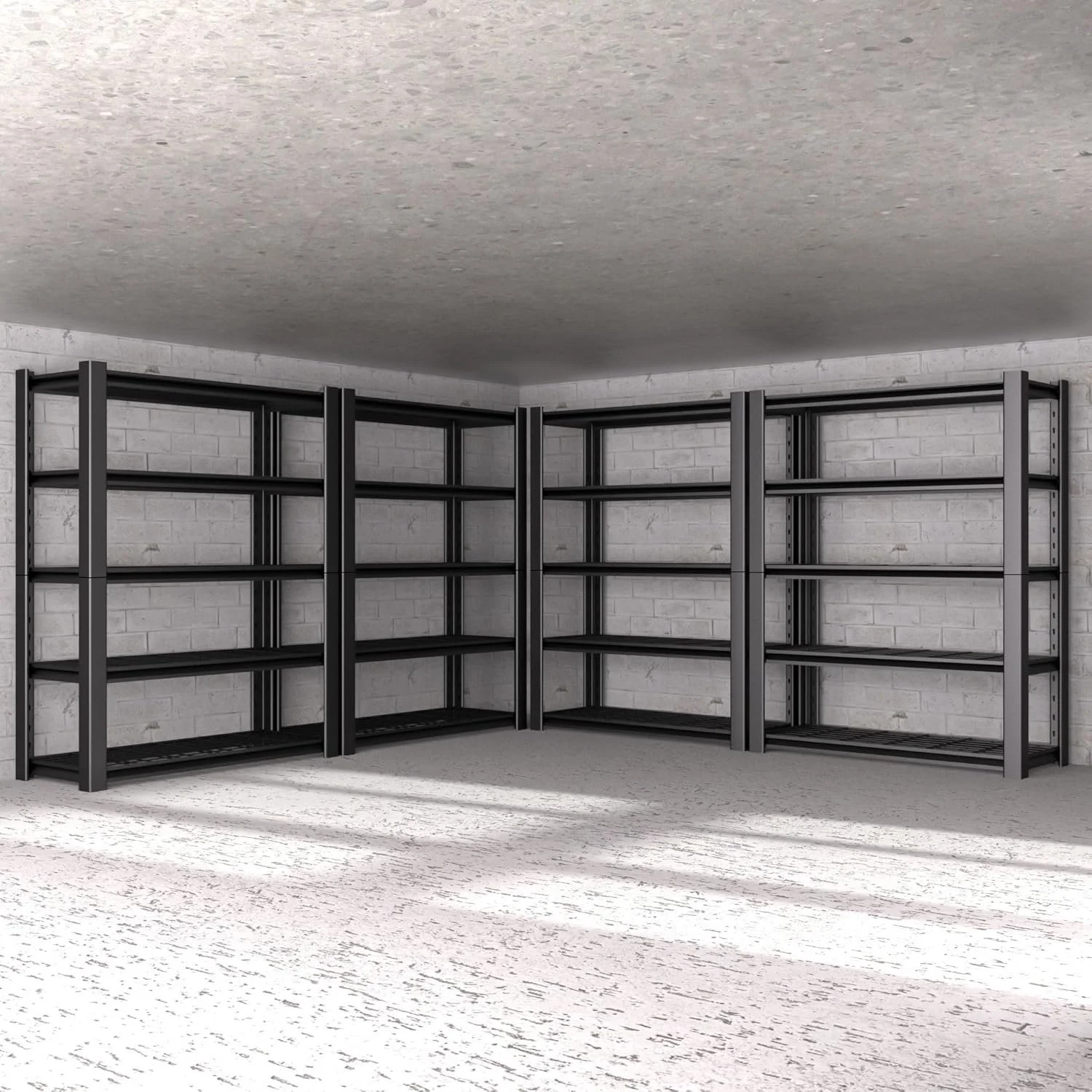
hellolovelyliving the container store

The Container Store

Your ultimate destination for innovative storage and organization solutions for home or office—offering everything from stylish bins and shelves to custom closet systems.


No. 4

Climate Control in Storage Units: Is It Necessary for Your Items?

If you're storing anything valuable, sensitive, or irreplaceable, climate-controlled units are often worth the investment.

These units protect against damage from temperature shifts, humidity, and moisture, which can wreak havoc on electronics, wood, paper, and fabric.

Items That Benefit from Climate Control:

  • Wooden furniture (to avoid warping or cracking)

  • Artwork and photograph collections (to prevent discoloration)

  • Electronics such as TVs, computers, and A/V equipment

  • Clothing, especially designer apparel and vintage wear

  • Musical instruments

  • Documents, books, and vinyl records

Also consider your geographic location. If you live in a region with high humidity, freezing winters, or scorching summers, climate control helps protect your belongings from mold, mildew, or thermal stress. It may cost more upfront, but it pays off in long-term preservation.

No. 5

Comparing Costs and Contracts: Finding the Best Deal on Storage Units

Storage unit rates can vary wildly—even between facilities in the same city. Understanding market prices and reading the fine print ensures you get fair value and aren’t caught off guard with added fees.

How to Get the Best Deal:

  • Compare multiple nearby facilities for size, price, and features

  • Take note of promotional offers for first-time renters or long-term contracts

  • Ask about discounts for pre-paying or signing up online

  • Carefully read rental agreements to uncover add-on fees:

    • Administrative charges

    • Late payment penalties

    • Fees for extended access or special services

Also consider contract flexibility. Month-to-month rentals are typically the most versatile, particularly if you're unsure how long you'll need the unit. Review cancellation terms and notice periods, and be clear on cleanout procedures to avoid retention fees.

Takeaways: A Smart Storage Strategy Simplifies Life

Finding the perfect storage unit is more than just a logistical chore—it’s a chance to create space, reduce stress, and preserve the things that matter most. But it requires smart planning, careful comparison, and a clear understanding of your storage goals.

In this article, we’ve walked through the five key areas for making the right decision:

  • Understanding the different types of units available

  • Evaluating your size and storage requirements

  • Prioritizing security and access control

  • Deciding whether climate control is necessary for your items

  • Comparing costs, contracts, and flexibility before you commit

By approaching the storage selection process methodically, you’ll ensure your items are stored safely, affordably, and conveniently—giving you clarity and peace of mind.

Whether you’re storing for a month or a year, with the right steps, your belongings will remain in perfect condition, patiently awaiting the day they’re needed again.

Looking for Home resources?

Looking to enhance your living space and create a sanctuary that supports your well-being? Explore our home partners who offer a wide range of resources to elevate your home environment.



homeHLL x Editor


How Environmental Cleaning Elevates Your Daily Routine

Creating a home that feels like a soft exhale—a haven rather than a holding space—is an intentional process. In our modern world, where overstimulation is the norm and clutter often creeps in quietly, the environment we live in shapes not only our productivity but also our peace. Many of us settle for quick surface fixes week after week, wiping countertops and lighting scented candles, without realizing that our home's energy may be clogged with invisible pollutants, allergens, and visual noise.


In this article, we delve into the transformative power of environmental cleaning—not just as a task, but as a holistic wellness practice. You’ll learn how deep house cleaning, especially when paired with eco-conscious methods, can rejuvenate your space, uplift your mental wellbeing, and optimize your daily habits. From subtle psychological shifts to strategic cleaning rituals, this is your guide to curating a sanctuary that supports your soul, one deep-cleaned surface at a time.

No. 1

The Power of a Deep Clean: More Than Just a Chore

Many people associate cleaning with chores—just another to-do before the weekend ends. But when home becomes a burden rather than a retreat, it's often because we’ve fallen behind on maintaining its subtle energy ecosystem. Standard cleaning methods may give a temporary visual lift, but they rarely address the pollutants, grime, and spiritual stagnation that accumulate over time.

This is where high-quality deep cleaning services make their mark. Unlike superficial tidying, deep environmental cleaning treats your living space as a living organism—one that breathes, collects energy, and reflects your inner state. Investing in specialized, eco-friendly cleaning services ensures that every corner of your home supports restorative living, with floors that shine, air that invigorates, and surfaces that invite serenity.

Breathing in clean air should feel like a morning in the mountains, not like a sneeze waiting to happen. Dust mites, pet dander, and chemical residues thrive more easily than we care to admit. Through professional environmental resets, we reclaim wellness at a structural level—making space not just for cleaner air, but for calmer minds.

No. 2

A Cluttered Environment Disrupts a Clear Mind

The environment we live in affects us constantly, often at a subconscious level. A neglected room becomes a psychological trigger, making us restless, unfocused, and mentally burdened.

Picture this: you walk into a kitchen where the counters are sticky and crumbs litter the floor. Can you focus on preparing a nourishing breakfast? Compare that with a space that has been deeply cleaned—a shining sink, a lemon-fresh scent, and natural light reflecting through sparkling windows. The latter doesn’t just improve your surroundings; it transforms your mindset.

Professional environmental cleaning doesn’t merely move dirt—it paves the way for creativity, clarity, and balance. Calm begins at home, and home begins with intention.

No. 3

Think of Your Home as a Device Needing a Reset

In the same way our smartphones slow down from too much cached data, homes become sluggish under layers of dust, allergens, and tasks left undone. A thorough environmental reset is like hitting "Factory Restore" on your space.

By choosing to breathe easier and improve indoor air quality, especially during the heightened indoor months of winter, you're giving your home—and yourself—a powerful head start toward clarity. As echoed by wellness experts at Yoga Journal, your external environment operates as a direct reflection of your internal state. Clean space, clean mind.


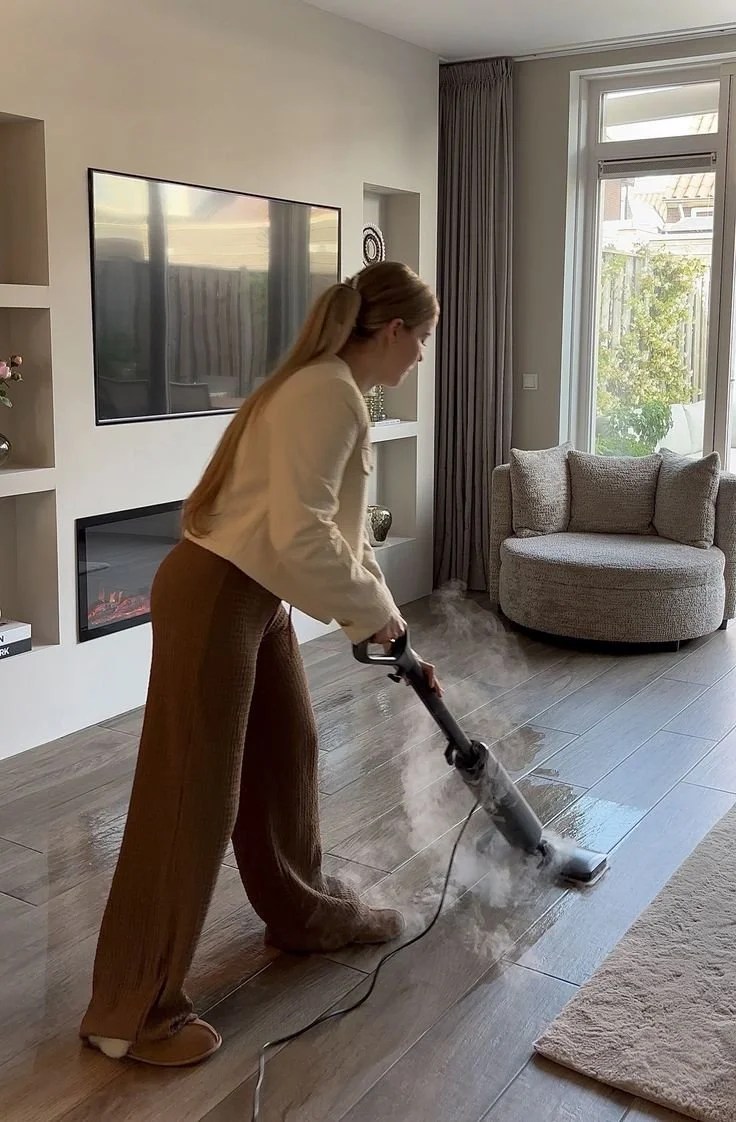
hellolovelyliving aircraft

Aircraft

Achieve spotless floors with Aircraft hard floor cleaners! Designed for efficiency and effectiveness, their products ensure a clean and safe environment for everyone.

Elevate your home or office cleanliness today!


No. 4

The Psychology of the Scoured Surface

There's a quiet yet powerful mental reset that occurs when a room is sparkling clean. It's hard to enjoy even the simplest pleasures—a hot tea, an evening journal entry, or a mindful meditation—when your subconscious is distracted by a dusty ledge or a streaked mirror.

Why Cleanliness Impacts Psychology:

  • A clean room reduces mental overwhelm by lowering visual distractions.

  • Clean environments have been linked to increased dopamine and serotonin levels.

  • Deep-cleaned spaces act as a canvas for new ideas, goals, and intentions.

A scented candle may offer ambiance, but it cannot disguise the energetic heaviness of a room that hasn’t had a proper scrub in six months. True luxury isn’t found in excess—it’s found in the absence of unnecessary stress.

No. 5

The 3 Pillars of an Intentional Cleaning Routine

1. The Low-Profile Audit

Most of the grime that affects mood and air quality hides in places we rarely look:

  • Tops of cabinets and doorframes

  • Behind appliances and inside floor vents

  • Window tracks and fan blades

These "low-profile" zones trap dust, allergens, and stale energies that contribute to fatigue and irritability. Deep cleaning services target these hidden zones, refreshing not just your space, but the very air you breathe.

2. High-Touch Sanitization—Without Harsh Chemicals

Sanitizing your home shouldn’t mean infusing it with synthetic fumes. Conscious cleaning prioritizes:

  • Steam-based disinfecting

  • Botanical and enzymatic cleaners

  • Natural-material safe solutions suitable for wood, granite, and textiles

The result? Surfaces you can safely touch moments after cleaning—and a home that breathes with freshness, not chemical residue.

3. The Ritual of Air Quality

Air is the unseen nourishment of every space. Cleaner air = sharper focus, deeper sleep, and enhanced mood.

No. 6

Ways to Enhance Indoor Air Quality

  • Wash or replace fabric curtains and throw pillows every season

  • Clean ceiling fans and ducts monthly

  • Use HEPA-grade air purifiers

  • Keep windows spotless to let natural light naturally disinfect

Clean air, like clean energy, should move freely—and sunlight dancing off pristine surfaces is one of the easiest (and most beautiful) ways to uplift your surroundings.

No. 7

Actionable Advice for the Mindful Homeowner

Maintaining your conscious sanctuary isn’t about staying spotless—it’s about creating a system that honors your time, energy, and wellbeing. Here are a few practical steps to stay ahead between deep cleans:

Adopt the Micro-Cleaning Mindset

Instead of waiting for messes to mount:

  • Keep a gentle vinegar-and-essential-oil spray bottle near high-use zones (like the kitchen or bathroom)

  • Wipe water marks, smudges, or crumbs daily, before they become stains.

Audit the Forgotten Textiles

Curtains, cushion covers, and throw blankets act like massive passive air filters. If it hasn’t been washed in the last three months, it’s probably adding allergens to your home.

View Cleaning Services as Wellness Investments

Hiring a deep cleaning service isn't about being "too busy"—it’s about recognizing that true environmental rejuvenation requires:

  • Expert tools

  • Trained eyes for detail

  • Strategic protocols for areas that DIY often misses

Think of it like hiring a personal trainer for your home. Professionals notice and cleanse what you can’t see—and their craft transforms your everyday routines.

Takeaways: Nurture the Space that Nurtures You

Your home should be more than a shelter—it should be your sanctuary. In an increasingly overstimulated world, environmental cleaning is a radical act of self-care, mindfulness, and energy alignment. From targeting the hidden dust that clouds your clarity to introducing gentle, chemical-free methods of purification, cleaning becomes less about chores and more about elevating the everyday.

In this article, we explored the compelling intersection of deep cleaning and conscious living—from understanding how a clean environment improves mental wellness to implementing actionable routines that extend the benefits of a professional service.

Ultimately, when your space is clear, so is your mind. A clean home doesn’t just support your lifestyle—it enhances it. Investing in deep, environmental cleaning is a commitment to living with intention, breathing with ease, and showing up fully in a world that needs your calm, creative, and grounded presence.

Welcome to the conscious sanctuary—it begins at home.

Looking for Home resources?

Looking to enhance your living space and create a sanctuary that supports your well-being? Explore our home partners who offer a wide range of resources to elevate your home environment.



homeHLL x Editor


How Same-Day Appliance Solutions Protect Your Daily Rituals

There’s a hidden structure to intentional living—an invisible blueprint of habits and environments that support peace, presence, and purpose. It’s in the morning tea brewed without hurry, the post-work meditation uninterrupted by clutter, and the carefully crafted meals that nourish both body and soul. Yet, this delicate architecture can quickly collapse under an unexpected disruption, such as a broken dishwasher.


When dishwasher repair needs suddenly invade your carefully balanced life, the ripple effects extend far beyond dirty dishes piling up on the counter. Function gives way to frustration, and what once was a sanctuary becomes a site of accumulating tasks and visual stress. And while dirty dishes may seem a small inconvenience, the psychological weight created by disrupted routines can be far more impactful.

The connection between appliance functionality and mental wellness runs deeper than surface-level annoyance. A broken dishwasher doesn't just create extra work; it fractures the rhythm of daily life in ways that cascade through everything else. As appliance health becomes increasingly recognized as fundamental to home wellness, the speed of restoration matters enormously. Every day spent without a functioning dishwasher is a day where evening routines get compressed, morning peace gets sacrificed to kitchen cleanup, and the mental burden of "one more thing" accumulates like unwashed plates.

In this article, we explore how the functionality of home appliances—especially your dishwasher—intersects with mental wellness, environmental harmony, and the philosophy of intentional living. You'll discover how same-day repair services do more than fix a machine; they protect the flow of your daily rituals, preserve the integrity of your space, and reinforce the values that shape a life of presence and intention.

No. 1

When the Invisible Cracks Appear

A dishwasher breakdown might seem insignificant when measured purely in tasks. But to anyone practicing a mindful lifestyle, it creates an emotional and energetic fracture. That once-calm kitchen—designed for creativity, reflection, and community—now hosts clutter, interruptions, and mounting chores.

Suddenly, your evening wind-down routine includes 45 minutes of hand-washing and drying. Your morning prep becomes a mad dance around a cluttered sink. And that deep breath you usually take before cooking? Replaced by a sigh of logistical overwhelm.

This is where wellness intersects with function. A working kitchen supports both your physical and mental well-being. A malfunctioning one erodes it, slowly but persistently.

No. 2

The Hidden Cost of Disrupted Rhythms

Those who practice intentional living know that a routine is more than a habit—it’s a sacred vessel. When it breaks, everything inside is affected.

Consequences of a Broken Appliance:

  • Sense of disorganization: Visual clutter, piles of dishes, disarray

  • Emotional energy drain: Ongoing low-grade stress and decision fatigue

  • Compromised nutrition: Shifting from home-cooked meals to takeout or processed foods

  • Loss of time: Rituals replaced with labor and planning workarounds

It's not just about plates. It's about presence. Minor disruptions, when prolonged, chip away at the lifestyle you've consciously built.

No. 3

Mental Load: The Unseen Weight You Carry

A broken appliance introduces what psychologists call cognitive load—the accumulation of unresolved, low-priority stress. Every action related to the kitchen becomes mentally taxing.

You now have to:

  • Recalculate meals around available clean dishes

  • Time sink usage to cycle through washing everything by hand

  • Negotiate space in a kitchen that's no longer streamlined

According to Real Simple's research on domestic stressors, appliance failure ranks highly—not just for its practical toll, but for its disruption of mental clarity and peace.


hellolovelyliving lowes

Lowe’s

Transform your home with confidence! From tools to materials, Lowe’s has everything you need to tackle your next project.


No. 4

Why Same-Day Repair Is a Wellness Practice

Legacy appliance repair models operate on the assumption that your routine can bend to the wait. Schedule a technician. Wait five days. Book another appointment. Order the parts. Wait some more. This traditional timeline is incompatible with the high-functioning domestic environments we've come to rely on—especially in wellness-focused homes.

Same-day repair acts as emotional first aid. It's the fast intervention that shores up your space before stress seeps in too deeply. Rather than tolerate dysfunction, you restore order quickly—and preserve the environments that provide restorative calm.

No. 5

Restoring the Ritual: Flow States and Domestic Harmony

Same-day dishwasher repair isn’t just practical; it’s symbolic. It honors your commitment to calm, your pursuit of peace. In a well-maintained kitchen, flow is possible—those immersive, easeful moments where you lose sense of time during a meaningful activity.

Compare that to a cluttered kitchen laden with dishes, detritus, and disruption. The energy shifts. The emotional tone declines. You can cook, sure, but rarely with joy. Repair becomes not just about washing dishes—but about restoring the conditions in which creativity, family connection, and quiet joy can reemerge.

No. 6

The Economics of Timely Intervention

The monetary logic behind same-day repair is compelling—but often overlooked.

Here’s Why It Matters:

  • Prevent secondary damage: A seemingly minor glitch, like poor drainage, can lead to mold, warped cabinetry, or floor damage if left too long.

  • Reduce repair complexity: Addressing an issue before it spreads keeps repairs simpler and less costly.

  • Avoid premature replacement: Delay often shortens appliance lifespan, pushing people toward unnecessary replacements.

What begins as a $150 part replacement can quickly inflate into a $500 repair and ultimately a $1,000 — $1,500 replacement due to neglect. Timely action isn’t impulsive—it’s intelligent, preventive stewardship.

No. 7

Minimalism Meets Maintenance: Avoiding Waste

Prolonged inaction leads to deeper costs—financial, environmental, and philosophical. In the pursuit of minimal, sustainable living, early repair supports maximal longevity.

Think of it this way:

  • Replacing a perfectly usable machine due to preventable damage generates waste

  • Constant part replacements due to mounting neglect challenge your low-consumption ethos

  • Allowing breakdowns to linger often leads to system-wide dysfunction, not isolated issues

Do more with what you already have. Care for your appliances the way you do yourself: with attentiveness, respect, and timely check-ins.

No. 8

Practical Strategies for Same-Day Success

Getting same-day repair isn’t just about calling anyone and hoping for the best. It requires intentional preparation.

Set Yourself Up for Success:

  • Diagnose in advance: List symptoms like "not draining," "strange noise," or "cycle not starting." This helps technicians come prepared.

  • Schedule early: Morning appointments increase flexibility for part runs or extended repairs.

  • Choose the right service: Local, independent repair teams often offer better responsiveness and can stock more common parts.

Research Repair Providers:

  • Look for businesses that stock inventory on hand

  • Read recent reviews emphasizing speed and communication

  • Call and ask directly: “Do you offer same-day service, and what’s your parts availability today?”

The goal is taking swift, informed action—just like you would with any other aspect of your health and wellness routine.

No. 9

Home Systems as Self-Care Infrastructure

When you begin to view your home as a sanctuary, you naturally begin to care for its systems as extensions of yourself. A faulty appliance becomes more than broken machinery—it’s a signal that something in your environment isn’t aligned.

Appliance maintenance as self-care means:

  • Taking proactive steps before things fail

  • Normalizing immediate response, instead of “waiting to see”

  • Framing functional living as a tool for emotional freedom

You wouldn’t ignore chronic pain in your back. So why ignore the nagging dysfunction of a major household system?

Takeaways: Protecting Peace Through Swift Action

Intentional living isn't about controlling life’s every detail—it's about cultivating conditions where your best rhythms can thrive. Your rituals aren’t fluff, they’re foundation. Your dishwasher isn’t just an appliance. It’s part of a delicate ecosystem designed to support your peace, presence, and productivity.

In this article, we’ve explored:

  • The impact of broken appliances on daily mental and emotional rhythms

  • How same-day repair supports both wellness and sustainability

  • Practical strategies for same-day service success

  • A reframing of maintenance as an act of self-care

Ultimately, fixing a dishwasher today isn’t about perfection. It's about preservation: of your peace, your routine, your energy, and your values. The wellness of order is fragile, yet fiercely worth protecting. And when disruption knocks at your door, sometimes your best act of self-care is calling the repair technician right now.

Looking for Home resources?

Looking to enhance your living space and create a sanctuary that supports your well-being? Explore our home partners who offer a wide range of resources to elevate your home environment.



homeHLL x Editor


The 2026 Orlando Data-Driven Guide To Modern Dryer Lifespans

Standing in front of a silent dryer with a basket of damp towels is like being stood up on a first date. You’ve invested time, energy, and quarters (or worse, braced for your next electricity bill), only to be left hanging. And in Orlando, where high humidity makes moisture a mold-magnet, a broken dryer is more than a minor inconvenience—it’s a hygiene hazard. Should you invest in dryer repair services or simply cut your losses and replace the entire unit?


In this article, we’ll take a hard look at whether repairing your dryer is a savvy investment or a sinking ship. Backed by 2026 consumer appliance data and Orlando-specific climate considerations, you’ll learn how to evaluate your appliance’s age, repair costs, and energy efficiency to make the most financially sound decision.

From red flags that scream “it’s over” to repair scenarios that make perfect sense, this guide will help you navigate the frustrating space between breakdown and breakthrough.

No. 1

The Brutal Truth About Modern Dryer Longevity

Remember when appliances lasted decades? Back in the ‘90s, dryers were hardy machines, often serving households for 15 to 20 years without breaking a sweat. But modern models? They’re more akin to consumer electronics: sleek, efficient, and not built for the long haul.

According to 2026 consumer appliance reliability reports, dryers built after 2018 average a life expectancy of just 10–13 years—a significant drop from their more durable predecessors. The decline stems from a perfect storm of engineering choices favoring digital over mechanical parts and industry standards designed around planned obsolescence.

What This Means for You:

  • A 6-year-old dryer is borderline middle-aged.

  • A 10-year-old dryer is in its twilight years.

  • Anything older? You’re living on borrowed time.

No. 2

What’s Actually Killing Your Dryer Faster?

Ironically, energy efficiency may be the main culprit. While newer dryers consume less power, they do so using delicate components like moisture sensors, digital control boards, and motorized internals that wear out faster than old-school mechanical dials.

Common Fragile Components in Post-2018 Dryers:

  • Moisture sensors prone to corrosion in humid climates

  • Electronic control boards susceptible to surges or malfunctions

  • Lightweight heating elements that degrade quickly under stress

Think of it this way: we're trading simple longevity for smart convenience—and paying the price in repair frequency.

No. 3

The 50% Rule: Your Financial North Star

Here’s the bottom line rule:
If the repair cost exceeds 50% of the replacement value, you should replace it.

It sounds simple, but there’s nuance.

Let’s Run the Numbers:

  • Average dryer repair (Orlando): $150–$400

  • New mid-range dryer (2026): $600–$1,200

If your quote sits above $300–$600, it’s already in the replacement danger zone. But age matters:

 
hellolovelyliving modern dryer lifespans


hellolovelyliving houzz

Houzz

Make your home project a reality. Find inspiration, products, and the pros to make it happen - all in one place.


No. 4

Red Flags That Scream “Replace, Don’t Repair”

Just like cars at 200,000 miles, there’s a point where repairs stop making sense—especially when multiple issues pile up, or corrosion has set in deep.

Top Warning Signs Your Dryer Is Past the Point of No Return:

  • Multiple Simultaneous Failures
    (Heating element + belt + timer = walk away)

  • Rust or Corrosion on Drum or Housing
    Accelerated by Florida humidity, rust spreads quickly and weakens structural integrity.

  • Inconsistent Heat or Long Dry Times
    Possible sign of worsening inefficiency or airflow obstruction

  • Frequent Circuit Breaker Trips or Electrical Glitches
    Often indicative of internal electrical failure

  • Burning Smell or Overheating
    Not just repair territory—this is a safety issue

If you check more than one of these symptoms, repair could easily cascade into a money pit.

No. 5

The Hidden Cost of Clinging to Old Appliances: Energy Efficiency

Even if the repair costs seem manageable, long-term operating costs are likely higher with older dryers.

Here’s Why It Matters:

  • A 2014 dryer may consume 20–30% more electricity than a 2024 Energy Star model.

  • In humid Orlando, where dryers run more frequently, that difference can cost you $200–$400 over five years.

So while a $200 repair might seem cheaper now, it could cost more in energy than investing in a new, high-efficiency model.

No. 6

When Dryer Repair Actually Makes Perfect Sense

Now, let’s be clear—not every dryer issue spells doom. Just as homeowners are learning that appliance maintenance can extend, dryers also benefit from strategic intervention.

Ideal Conditions for Repair:

  • The dryer is under 6 years old

  • Specific, diagnosable issue (e.g., broken belt, faulty thermostat)

  • The repair estimate is well under 50% replacement cost

These types of failures are akin to changing the tires on a car—not buying a new engine.

Common Affordable Repairs:

  • Belt replacement: $120–$180

  • Thermostat replacement: $150–$220

  • Drum rollers or bearings: $150–$250

  • Clogged vent cleanout: $90–$150

Quick turnaround, low cost, extended lifespan—it’s the smart play if and only if the dryer is still within its effective service window.

No. 7

The Orlando-Specific Factor: Your Climate is Tough on Dryers

Living in tropical, humidity-loving Central Florida brings its own drying complications. Appliances here age differently.

Humidity-Warped Problems You Can’t Ignore:

  • Moisture-laden air makes drying cycles longer, straining heating elements.

  • Corrosion forms faster on metal parts like drum seams and venting systems.

  • Sensor malfunctions are more common due to persistent dampness.

Translation? A 6-year-old dryer in Orlando could be just as functionally “old” as an 8-year-old unit in a drier climate like Colorado.

No. 8

The Bottom Line: Logic Over Emotion

Appliances are not family. They don’t love you back. So when your dryer starts stalling out, ditch the nostalgia and do the math.

Before Repairing, Ask:

  1. How old is the unit?

  2. What’s the exact cost of repair?

  3. How many more years can I realistically expect?

  4. Could I save more long-term by improving energy efficiency?

Use this rule of thumb:

"If you're spending more to keep your dryer undead than it would cost to own a new, energy-saving model, it’s time to pull the plug."

Takeaways: Don’t Let a Dead Dryer Hold You Hostage

You’ve got better things to worry about in life than whether that beach towel will ever dry.

In this article, we’ve broken down how to make a confident, data-backed decision between repairing or replacing your dryer in 2026—especially here in Orlando’s climate.

To recap:

  • Newer dryers have shorter lifespans due to complex electronics

  • Use the 50% rule plus age to gauge repair worth

  • Factor in local humidity and energy efficiency

  • Recognize red flags vs. simple repair wins

Your grandmother’s dryer might have lasted three decades, but that was another time. Today’s appliances require smarter, faster decisions.

So when that next breakdown happens mid-cycle, don’t panic—just pause, calculate, then proceed with confidence.

Looking for Home resources?

Looking to enhance your living space and create a sanctuary that supports your well-being? Explore our home partners who offer a wide range of resources to elevate your home environment.



homeHLL x Editor


The Coastal-Living Maintenance Guide To Preventing Salt-Air Corrosion

For those fortunate enough to live beside the sea, the lifestyle is undeniably idyllic—morning walks along the shoreline, sweeping ocean views, and fresh, salty air with every breeze. Yet behind this tranquil image lies a persistent and often underestimated foe: salt-air corrosion. Metal rusts faster, appliances fail more frequently, and maintaining your home becomes not just a chore, but a strategy.


In this article, we explore how to safeguard your home, appliances, and systems from the quiet but relentless assault of coastal air. From understanding how salt particles attack metal to preventive maintenance strategies and the economics of timely replacements, this guide is your all-in-one resource for maintaining and maximizing your property’s longevity along the coast.

No. 1

The Hidden Cost of Coastal Charm

Living steps from the ocean delivers unmatched beauty and lifestyle benefits—until salt air begins transforming everything metallic into a chemistry experiment gone wrong. What starts as a subtle haze on fixtures quickly evolves into full-blown corrosion. Coastal homeowners soon realize that expert fridge repair is no longer an occasional annoyance, but a recurring necessity as salt-laden air infiltrates side panels and coils.

The impact extends far beyond aesthetic damage. Appliances break down more frequently, outdoor furniture deteriorates at record speeds, HVAC systems falter, and even door hardware weakens over time. Consider salt-laden air the charming houseguest who overstays their welcome—and systematically damages your valuables when you’re not watching.

No. 2

When Inconvenience Becomes Financial Drain

Salt corrosion isn't just irritating—it’s expensive. The constant degradation of metal parts, electrical components, and surfaces can lead to a rotating door of service visits and premature replacements.

Commonly Affected Appliances:

  • Refrigerators (coils, seals, internal wiring)

  • Washing Machines (drum bearings, electrical connections)

  • Dryers (heating elements, lint screens)

  • Dishwashers (metal racks, hinges, and pumps)

Appliance downtime costs more than you think. Think of it this way: every time your refrigerator loses efficiency due to clogged or corroded coils, it consumes more energy, risks food spoilage, and pushes you closer to a full breakdown. Understanding how modern appliance technology interacts with coastal conditions helps you plan better maintenance schedules and smarter replacements.

No. 3

Understanding the Salt-Air Attack Pattern

Salt particles in coastal air are anything but passive. Carried by the breeze, they settle on metal and attract ambient moisture—creating tiny microclimates perfect for electrochemical corrosion. This isn’t surface-deep damage; it infiltrates appliances at the structural level, often invisibly until failure is imminent.

How Salt Attacks:

  • Surface pitting: Undermines strength and appearance

  • Internal corrosion: Hidden damage to coils, panels, and connections

  • Short circuits: Salt deposits act as conductive bridges in electrical systems

By the time you hear the grinding noise from your washing machine or feel your refrigerator losing coolness, it’s often too late—repair costs are already climbing past what routine prevention would have avoided.


hellolovelyliving rejuvenation

Rejuvenation

Jumpstart your next home project with Rejuvenation's Home Project Guides! Expert tips, inspiration, and resources to bring your vision to life.

Start planning today!


No. 4

The Distance Equation: Why Proximity Matters

Just how much damage salt air can do depends on how close you are to the ocean:

  • Within 1,000 feet of the shoreline: extreme exposure; requires aggressive, ongoing protection

  • 1,000 to 3,000 feet from water: moderate exposure; still necessitates proactive maintenance

  • Beyond 3,000 feet, especially inland during onshore wind events, occasional salt intrusion still justifies a plan

In addition to geographic closeness, prevailing wind patterns heavily influence how much salt air reaches your home. Structures exposed to ocean-side winds need more advanced protection than their wind-protected neighbors.

No. 5

Refrigerator-Specific Protection Strategies

When battling corrosion, your refrigerator deserves top priority. The condenser coils, often hidden at the back or beneath the unit, are highly susceptible to salt buildup, which reduces airflow and cooling efficiency over time.

Best Practices:

  • Quarterly Coil Cleaning: Use coil brushes and salt-safe cleaning products

  • Gasket Maintenance: Wipe down door seals monthly to prevent salt buildup

  • Seal Replacements: If you live within 1,000 feet of the coast, replace every 3–4 years

A refrigerator running on compromised coils or damaged seals consumes more energy, shortens its lifespan, and risks spoilage. Preventive maintenance, though time-consuming, pays for itself.

No. 6

Whole-Home Strategies That Make a Difference

Protecting your coastal home means thinking beyond single appliances. Whole-home strategies deliver broader, long-term defense against salt-air intrusion.

1. Air Filtration Systems

  • Install HEPA filters to trap salt particles before they circulate

  • Position portable units near frequently used appliances or electronics for localized protection

2. Humidity Control

  • Use dehumidifiers to keep relative humidity at 40–50%, slowing down corrosion rates

  • Monitor indoor moisture levels with smart sensors, especially in basements, garages, and laundry rooms

When you manage both the salt and the moisture it depends on, you dramatically slow down corrosion development throughout the home.

No. 7

The Power of Protective Coatings and Compounds

If you live in a salt-saturated environment, coatings are your secret weapon. Modern protective formulas, many of which were developed for the marine industry, now offer homeowners next-level defense against corrosion.

Key Tools:

  • Marine-grade spray coatings: Ideal for outdoor HVAC units, appliance panels, exterior lighting

  • Dielectric grease: Apply to electrical connections during standard maintenance to prevent salt conductivity

  • Galvanic corrosion inhibitors: Useful for older homes with mixed-metal hardware or plumbing

These solutions won’t eliminate corrosion entirely, but they act as a delay mechanism—pushing expensive repairs further into the future.

No. 8

When to Replace: The Economics of Coastal Living

In a coastal setting, appliance lifespan is simply shorter—often by 30–50% compared to inland homes. That means timing your replacements wisely and understanding when a repair no longer makes economic sense is key.

When to Replace:

  • If repair costs exceed 50% of the replacement value

  • When facing multiple salt-related failures in quick succession

  • If older models lack protective coatings or components designed for marine conditions

Note: Even stainless-steel appliances will corrode over time. Only marine-grade stainless steel (316 alloy) offers strong resistance, and this level of durability is rarely used in residential appliances.

No. 9

Don’t Forget Outdoor Equipment

Outdoor systems bear the full force of the elements—and thus need heavy-duty attention.

HVAC Units:

  • Monthly rinsing with fresh water

  • Quarterly inspections for pitting and component wear

  • Protective coil covers that block spray without blocking airflow

Outdoor Kitchens & Furniture:

  • Opt for marine-specific appliances where possible. They cost more but last far longer.

  • Regularly apply UV-protective and anti-corrosion treatments

  • Cover furniture and appliances when not in use—even during mild weather

No. 10

Owning the Maintenance Mindset

Living at the coast isn’t just about location—it’s about accepting the rhythm of maintenance-as-lifestyle. Success lies in preparation, vigilance, and the reduction of reactive repairs through thoughtful protection.

Budget Considerations:

  • Expect to spend 20–30% more annually on maintenance and replacements

  • Schedule seasonal deep-cleanings and inspections—before corrosion manifests

  • Invest in higher-quality materials and appliances engineered for harsh environments

The reward? Morning coffee with ocean mist, afternoon dips in saltwater surf, and a home that remains beautiful and functional for years to come.

Takeaways: Salt Air Is Unstoppable—But Manageable

Coastal living offers a dreamlike existence, but that dream comes with the price of proactive, disciplined maintenance. From salt air creeping invisibly into crevices to the relentless attack on metal, electronics, and HVAC systems, the challenge is real—but not insurmountable.

In this article, we’ve explored the science behind corrosion, how proximity affects your home’s exposure, and the specific strategies that can extend the life of your appliances and home systems. From refrigerator coils to HVAC protectors, and from dielectric grease to stainless-steel expectations, you've now seen the blueprint for staying ahead of the salt.

When managed well, coastal living provides years of joy—and your home, protected and prepared, remains the shell that holds all the wonder the sea has to offer. The salt will keep coming—but you’ll meet it head-on, armed with tools, tactics, and the right mindset.

Looking for Home resources?

Looking to enhance your living space and create a sanctuary that supports your well-being? Explore our home partners who offer a wide range of resources to elevate your home environment.


homeHLL x Editor


Making Your Home Cheaper And Easier To Run

If you feel like your home is becoming increasingly expensive to run, or if you're simply looking for practical ways to cut costs and improve efficiency, you're not alone. Many homeowners are searching for manageable, budget-friendly solutions that don’t require a complete lifestyle overhaul. The good news? There are plenty of small, strategic changes you can make that will have a significant impact on your household expenses and daily convenience.


In this article, we’ll explore a range of actionable tips—from using energy-efficient appliances to reducing waste and optimizing your home’s functionality. These ideas are designed to help you save money, reduce energy consumption, and make your home life easier without sacrificing comfort or quality.

No. 1

Use an Air Fryer to Cut Energy Costs and Cooking Time

One of the most effective and underrated ways to reduce kitchen-related energy costs is by switching to an air fryer. If you haven’t yet discovered the convenience and efficiency of this appliance, now is the perfect time to make the change.

Air fryers consume significantly less energy than traditional ovens and stovetops, and they cook food faster, too. This means you’ll not only save on your electricity bill but also spend less time in the kitchen. For even greater efficiency, opt for a model that allows you to cook multiple items at once. This will help you streamline meal prep and reduce the need for additional appliances.

Benefits of Using an Air Fryer:

  • Lower energy consumption

  • Faster cooking times

  • Less heat is generated in the kitchen

  • Easy cleanup and maintenance

  • Versatile cooking options (bake, roast, grill, and fry)

Making this one small change can have a ripple effect on your overall kitchen efficiency and monthly utility costs.

No. 2

Use ChatGPT to Plan Meals and Reduce Waste

Another smart way to save money and minimize food waste is by using ChatGPT to help you plan meals. With the ability to analyze your pantry inventory, suggest recipes, and even create a grocery list, ChatGPT can become your personal kitchen assistant.

By inputting the ingredients you already have, you can generate meal ideas that prevent unnecessary purchases and reduce spoilage. You can also customize recipes to suit your preferences or dietary needs, making it easier to stick to your budget and eat well.

How ChatGPT Can Help:

  • Generate recipes based on available ingredients

  • Create weekly meal plans

  • Reduce food waste by maximizing what you already have

  • Customize meals for dietary restrictions or preferences

  • Track grocery spending and avoid overbuying

You can even input your grocery list and track what you’ve thrown away to identify patterns and adjust your shopping habits. This level of insight can significantly reduce your food expenses over time.

No. 3

Bundle Home Repairs to Save Time and Money

If your home has multiple repairs that need attention, bundling them together can be a cost-effective strategy. Hiring a professional to handle several tasks in one visit can reduce labor costs, minimize disruption, and help you stay on top of maintenance before small issues become expensive problems.

Smart Repair Strategies:

  • Group minor repairs into a single service call

  • Prioritize urgent repairs to prevent further damage

  • Schedule regular maintenance to avoid costly surprises

  • Get multiple quotes to ensure competitive pricing

Delaying necessary repairs often leads to more extensive damage and higher costs. Addressing issues promptly, especially when bundled, can save you both time and money in the long run.


hellolovelyliving our place

Our Place

Where cooking meets connection. Discover beautifully designed cookware for every table – only at Our Place.


No. 4

Invest in Water Storage for Emergency Preparedness

If you live in an area where the water supply is unreliable or prone to disruption, investing in a 55 gallon water storage barrel is a wise move. Not only does this provide peace of mind, but it also ensures you have access to clean water during emergencies or shortages.

Benefits of Water Storage:

  • Emergency preparedness during outages or natural disasters

  • Reduces dependency on bottled water

  • Can be used for drinking, cooking, or hygiene

  • Helps you manage water usage more efficiently

Having a reliable backup water source can make a significant difference in your household’s resilience and reduce the stress of unexpected supply issues.

No. 5

Use an Electric Blanket to Lower Heating Costs

Heating your entire home during colder months can be expensive. A more energy-efficient alternative is to use an electric blanket, which allows you to stay warm without turning up the thermostat.

Electric blankets are inexpensive to run and provide targeted warmth, making them ideal for chilly nights. Whether you're lounging on the couch or heading to bed, this simple solution can help you stay comfortable while keeping your energy bills in check.

Why Electric Blankets Are a Smart Choice:

  • Cost-effective alternative to central heating

  • Provides instant warmth

  • Energy-efficient and low power usage

  • Available in various sizes and heat settings

Investing in a quality electric blanket can enhance your comfort and reduce your reliance on costly heating systems.

No. 6

Ditch Single-Use Wipes for Reusable Alternatives

Single-use wipes and plastic-based cleaning cloths may offer convenience, but they’re costly over time and harmful to the environment. Switching to reusable microfiber cloths is a simple yet impactful way to reduce household waste and save money.

Microfiber cloths are durable, washable, and effective at cleaning a wide range of surfaces. They also eliminate the need for constant repurchasing, making them a more sustainable and economical choice.

Advantages of Reusable Cloths:

  • Cost savings over time

  • Reduced environmental impact

  • Effective for various cleaning tasks

  • Easy to wash and reuse

By making this small switch, you’ll contribute to a cleaner planet and a more efficient home.

Takeaways: Small Changes, Big Impact

Improving your home’s efficiency doesn’t require a massive investment or a complete lifestyle overhaul. Often, it’s the small, intentional changes that make the biggest difference. From using energy-efficient appliances and planning meals more effectively to bundling repairs and reducing waste, each step you take contributes to a more affordable, sustainable, and comfortable living space.

In this article, we covered practical strategies to help you:

  • Cut energy costs with an air fryer and an electric blanket

  • Reduce food waste and grocery bills using ChatGPT

  • Save on repairs by bundling home maintenance tasks

  • Prepare for emergencies with water storage solutions

  • Minimize waste by replacing single-use items with reusable alternatives

By implementing even a few of these suggestions, you’ll begin to notice improvements in both your budget and your day-to-day life. The key is to start small, stay consistent, and remain open to new ways of enhancing your home’s efficiency. With a little effort and the right tools, you can create a home that works better for you — both now and in the future.

Looking for Home resources?

Looking to enhance your living space and create a sanctuary that supports your well-being? Explore our home partners who offer a wide range of resources to elevate your home environment.


homeHLL x Editor


Choosing Fixtures That Blend Style And Function

When you’re designing or updating a space, the fixtures you choose can make a world of difference. Fixtures are the finishing touches that bring a room together, and selecting ones that balance both style and function ensures your space not only looks great but works well for your lifestyle.


Whether you’re updating your kitchen, bathroom, living area, or entryway, thoughtful fixture choices elevate your home’s design while improving everyday usability. In this article, we’ll walk through how to choose fixtures that seamlessly blend aesthetics with practicality.

No. 1

Understand the Role of Fixtures in a Space

Fixtures are more than decorative elements—they serve essential functions. Lighting fixtures illuminate rooms, faucets and showerheads control the flow of water, and cabinet hardware makes storage easy to access. When these elements are chosen with both form and function in mind, they can enhance comfort and usability without sacrificing beauty.

Before selecting fixtures, take a moment to consider how you use the space. In high-traffic areas like kitchens and bathrooms, durability and ease of maintenance should be top priorities. In living spaces and bedrooms, fixtures might be more about creating ambiance and enhancing style. No matter the room, start by identifying your needs and preferences.

No. 2

Strike the Right Balance Between Aesthetics and Practicality

One of the biggest challenges in choosing fixtures is balancing how they look with how they perform. A stunning chandelier might be eye-catching, but if it doesn’t provide adequate light for your dining area, it’s not serving its purpose. Likewise, a high-tech faucet with tons of features might be impractical if it’s complicated to use or difficult to clean.

Ask yourself a few key questions as you evaluate options:

  • Does this fixture meet functional needs? For lighting, does it offer enough brightness? For faucets, does it deliver the flow and control you need?

  • Is the fixture easy to maintain? Consider how often you clean and whether the finish will show fingerprints or water spots.

  • Does the style complement the overall design of the room? Fixtures should fit with your color palette and architectural style.

No. 3

Lighting: The Foundation of Function and Style

Lighting is one of the most impactful types of fixtures in any home. The right lighting can set the mood, enhance productivity, and make a space feel larger and more inviting. When choosing lighting fixtures, think about the purpose of the room and the type of light you need.

For example, layered lighting—combining ambient, task, and accent lighting—ensures a room has versatility. Ambient lighting provides overall illumination, task lighting helps with specific activities like reading or cooking, and accent lighting highlights architectural features or artwork.

When it comes to selecting specific pieces, options like pendant lights from City Lights offer both visual appeal and practical lighting solutions. Pendant lights are especially great over kitchen islands, dining tables, or entryways, adding character while directing light exactly where you need it.


hellolovelyliving rejuvenation

Rejuvenation

Rejuvenation believes in the power of thoughtful design - explore their extensive range of home decor, including stylish accessories and hardware that add character and charm to your home. Get free design services when you book an appointment.


No. 4

Hardware and Plumbing Fixtures: Small Details, Big Impact

While lighting often steals the show, hardware and plumbing fixtures are just as important. Cabinet pulls, drawer handles, and door knobs might seem small, but they contribute to the overall feel of a room. Choose finishes and styles that match your design theme—sleek matte black for a modern kitchen, warm brass for a traditional bathroom, or brushed nickel for an understated look.

For plumbing fixtures like faucets and showerheads, consider water efficiency and ease of use alongside style. Single-handle faucets are easy to operate with one hand, while pull-down sprayer faucets in the kitchen offer extra flexibility. In bathrooms, rainfall showerheads create a spa-like experience, but be sure your water pressure and plumbing can accommodate them.

No. 5

Think About Scale and Proportion

Fixtures should be proportionate to the space they’re in. A tiny chandelier in a large living room will look lost, while oversized lights in a small bathroom can overwhelm the space. When evaluating scale, use measurements to guide your decisions—measure the room and visualize how big a fixture will look before committing.

Ceiling height also matters. Low ceilings benefit from flushmount or semiflushmount lighting, while high ceilings can handle more dramatic fixtures that draw the eye upward. For pendant lights, consider the length of the drop so they don’t hang too low or look disjointed from other design elements.

Takeaways: Bringing Style and Function Together

Choosing fixtures that blend style and function doesn’t have to be daunting. By understanding your needs, thinking about how each piece works within the space, and coordinating finishes with your overall design theme, you can create a cohesive and functional environment. Whether you’re drawn to bold statement pieces or prefer understated classics, the right fixtures will enhance both the beauty and usability of your home.

Looking for Home resources?

Looking to enhance your living space and create a sanctuary that supports your well-being? Explore our home partners who offer a wide range of resources to elevate your home environment.



homeHLL x Editor


Seasonal Home Improvements That Prevent Costly Repairs

Maintaining a home throughout the year can feel overwhelming, especially when life gets busy. However, seasonal home improvements are not just about aesthetics—they are crucial for preserving your property’s value, preventing costly repairs, and ensuring a safe and comfortable living environment. Whether you're a first-time homeowner or a seasoned property investor involved in property management, staying proactive with your home maintenance routine can save you significant time, money, and stress in the long run.


In this article, we’ll guide you through a comprehensive, season-by-season breakdown of essential home improvements. These practical tips will help you protect your investment, boost your property’s appeal, and ensure your home remains functional and efficient all year long.

No. 1

Spring: Fresh Starts and Early Prevention

As winter fades and warmer weather approaches, spring is the ideal time to assess your home for any damage caused by harsh conditions. It’s also the perfect season to tackle preventative maintenance tasks that will prepare your home for the months ahead.

Key Spring Maintenance Tasks:

  • Inspect and repair roofing: Look for missing shingles, leaks, or damage from snow and ice. Early detection helps prevent costly water damage.

  • Clean gutters and downspouts: Remove debris to avoid water buildup, which can lead to leaks or foundation issues.

  • Service HVAC systems: Ensure your air conditioning is running efficiently before the summer heat arrives.

  • Check exterior paint and siding: Repair cracks or peeling paint to protect your home from moisture and pests.

By addressing these issues early, you maintain your home’s structural integrity and avoid expensive repairs later in the year.

No. 2

Summer: Enhancing Comfort and Efficiency

Summer is the season of sunshine, outdoor living, and high energy consumption. Your focus should shift to improving comfort, maintaining outdoor spaces, and ensuring your home runs efficiently during the hottest months.

Essential Summer Improvements:

  • Inspect windows and doors: Seal gaps and replace worn weatherstripping to improve energy efficiency and reduce cooling costs.

  • Maintain lawn and landscaping: Trim trees and shrubs to prevent damage to your home and enhance curb appeal.

  • Clean and treat outdoor living areas: Sand, stain, or seal decks, patios, and porches to protect against weather damage.

  • Service appliances and plumbing: Check outdoor faucets, sprinkler systems, and ensure all appliances are functioning properly.

These upgrades not only improve comfort but also help you avoid high energy bills and prevent damage from neglect.

No. 3

Fall: Preparing for Winter’s Challenges

As temperatures begin to drop, fall is the time to fortify your home against the harsh conditions of winter. A little preparation now can prevent major problems when the cold sets in.

Crucial Fall Maintenance Steps:

  • Inspect heating systems: Service your furnace and replace filters to ensure efficient operation during colder months.

  • Check insulation: Proper insulation in attics and basements helps retain heat and reduce energy costs.

  • Seal cracks and leaks: Weatherproof windows, doors, and foundations to prevent drafts and heat loss.

  • Clean chimneys and fireplaces: Remove soot and blockages to reduce fire hazards and ensure safe use.

Fall is also ideal for inspecting basements and crawl spaces for moisture issues. Addressing these early can prevent costly water damage and mold growth.


hellolovelyliving rejuvenation

Rejuvenation

Jumpstart your next home project with Rejuvenation's Home Project Guides! Expert tips, inspiration, and resources to bring your vision to life.

Start planning today!


No. 4

Winter: Safety and Emergency Readiness

While winter may not seem like the best time for home improvement, it’s critical for ensuring your home remains safe, warm, and functional. Focus on emergency preparedness and indoor maintenance projects that can be done during the colder months.

Winter Home Improvement Checklist:

  • Monitor roofs and gutters: Prevent ice dams by safely removing snow buildup and ensuring proper drainage.

  • Check emergency systems: Test smoke detectors, carbon monoxide alarms, and backup generators to ensure they’re working.

  • Protect pipes from freezing: Insulate exposed pipes to prevent them from bursting during freezing temperatures.

  • Plan indoor projects: Use this time for painting, flooring, or other minor renovations that don’t require outdoor access.

These measures help you avoid winter-related emergencies and keep your home running smoothly during the most challenging season.

No. 5

Property Investment Considerations

For property owners and real estate investors, seasonal maintenance is more than a routine—it’s a strategic advantage. Homes that are well-maintained throughout the year tend to have:

  • Higher resale value

  • Fewer emergency repairs

  • Greater tenant satisfaction

  • Improved rentability

Regular upkeep ensures your property remains attractive to buyers and renters alike. It also reduces long-term maintenance costs and protects your investment from depreciation.

Whether you manage a single-family home or a portfolio of rental properties, implementing a seasonal maintenance plan is a proactive step to sell your property and maximize your return on investment.

Takeaways: Proactive Maintenance Is the Key to Long-Term Value

Home improvements are not just seasonal chores—they are a strategic and ongoing process of protecting your investment, enhancing your comfort, and avoiding expensive repairs. By breaking down your maintenance tasks by season, you can stay organized and ensure your home is always in top condition.

In this article, we’ve explored how each season presents unique opportunities to care for your home:

  • Spring: Focus on roof inspections, gutter cleaning, and HVAC servicing

  • Summer: Improve energy efficiency, maintain outdoor spaces, and service appliances

  • Fall: Prepare for winter with insulation, heating checks, and weatherproofing

  • Winter: Prioritize safety, emergency readiness, and indoor improvements

A well-maintained home is a valuable home. By staying proactive and planning ahead, you’ll enjoy peace of mind, lower costs, and a property that continues to serve you well year after year.

No matter the season, your home deserves attention. Start your seasonal maintenance plan today and build a safer, smarter, and more sustainable future for your property.

Looking for Home resources?

Looking to enhance your living space and create a sanctuary that supports your well-being? Explore our home partners who offer a wide range of resources to elevate your home environment.



homeHLL x Editor


Simple Ways To Let More Natural Light Into Your Home

Natural light has an extraordinary ability to transform a space. It makes rooms feel larger, colors appear more vibrant, and interiors come alive with warmth and energy. Whether you live in a compact apartment or a spacious house, increasing the amount of daylight in your home can dramatically improve its ambiance and functionality.


In this article, we’ll explore practical, non-invasive ways to enhance the natural light in your living space—without the need for major renovations or costly upgrades. From rethinking window treatments to using reflective surfaces strategically, these small yet powerful changes can help you create a brighter, more inviting home.

Letting in more light isn’t about tearing down walls—it’s about working smarter with what you already have.

No. 1

Start with What’s Blocking the Light

One of the most common reasons a room feels darker than it should is due to physical obstructions. Heavy curtains, dark blinds, or even large furniture placed near windows can significantly reduce the amount of daylight that enters your space.

Simple adjustments to consider:

  • Replace thick drapes with sheer curtains that allow light to filter through while maintaining privacy.

  • Use adjustable window shades that can be pulled up or down depending on the time of day.

  • Reposition bulky furniture that may be blocking windows or casting unnecessary shadows.

Even when curtains are open, dense fabrics can absorb light rather than letting it pass through. Swapping them out for lighter materials can have an immediate and noticeable effect.

No. 2

Clean Makes a Bigger Difference Than Expected

It may seem obvious, but cleaning your windows is essential for maximizing natural light. Over time, dust, dirt, and water spots accumulate—often without us noticing—and can significantly dull the brightness of a room.

Quick tips for brighter windows:

  • Clean both the interior and exterior glass regularly.

  • Wipe down window frames and sills, which can also collect grime.

  • Use a streak-free cleaner or a vinegar-water solution for a crystal-clear finish.

This simple task can instantly enhance the clarity and brightness of your windows, allowing more sunlight to pour in and illuminate your space.

No. 3

Use Light-Reflecting Surfaces Wisely

While it’s important to consider how light enters a room, it’s equally vital to think about how it moves within the space. Natural light is dynamic—it shifts throughout the day, and how it interacts with surfaces can either amplify or diminish its impact.

Ways to reflect and distribute light:

  • Hang mirrors opposite or adjacent to windows to bounce light deeper into the room.

  • Choose lighter wall colors, such as soft whites, creams, or pastels, which reflect rather than absorb light.

  • Incorporate glossy or semi-gloss finishes on walls, furniture, or décor to help scatter light more effectively.

You don’t need to redecorate your entire home in white, but opting for finishes that reflect rather than absorb light can make a room feel significantly brighter and more open.


hellolovelyliving lulu and georgia

Lulu & Georgia

Lulu and Georgia provides a thoughtfully curated collection of modern light fixtures perfect for your home, beautifully blending form and function.


No. 4

Think About Light Throughout the Day

Because the sun moves across the sky, the quality and quantity of natural light in your home will change throughout the day. Some rooms may be bathed in morning light but feel dim by afternoon, while others may only come alive in the evening. Small changes add up, and the benefits of natural light go beyond how a space looks, helping homes feel calmer, more comfortable, and more enjoyable to live in.

How to make the most of shifting sunlight:

  • Observe how light enters each room at different times of day.

  • Adjust window treatments accordingly to maximize light when it’s available.

  • Move plants or workspaces to sunnier spots during peak daylight hours.

  • Use translucent partitions or open shelving to allow light to flow between rooms.

By becoming more aware of your home’s natural light patterns, you can make small adjustments that help you use available sunlight more effectively—no renovations required.

Takeaways: Brighten Your Home, Brighten Your Life

Letting more daylight into your home doesn’t have to be complicated or expensive. Often, it’s the smallest changes—like cleaning your windows, switching out curtains, or repositioning a mirror—that make the biggest difference. And the benefits go far beyond aesthetics.

In this article, we’ve covered several easy, actionable strategies to increase natural light in your home:

  • Remove or adjust light-blocking elements like heavy curtains and furniture

  • Keep your windows clean to allow maximum light transmission

  • Use reflective surfaces and light colors to distribute light more evenly

  • Pay attention to how sunlight shifts throughout the day and adapt accordingly

Natural light doesn’t just brighten your space—it elevates your mood, boosts your energy, and enhances your overall well-being.

With a few thoughtful tweaks, your home can feel lighter, brighter, and more welcoming—no construction crew required.

Looking for Home resources?

Looking to enhance your living space and create a sanctuary that supports your well-being? Explore our home partners who offer a wide range of resources to elevate your home environment.


homeHLL x Editor


How To Feel Fully Confident Where You Live As A Renter

Finding the perfect place to live is about so much more than square footage, trendy finishes, or clever kitchen storage for your ever-growing crockery collection. It’s about how a space makes you feel once you’ve unpacked your last box and settled into your new routine. Whether you’re new to the area, living alone, or simply looking for a fresh start, your home should be a sanctuary—safe, cozy, and free from unnecessary stress.


In this article, we’ll explore practical and thoughtful ways to help you feel fully confident and content in your rental home. From paying attention to the finer details of your building to creating a relaxing environment and ensuring you’re well-informed, these tips will empower you to make smart, satisfying decisions about where you live.

Because peace of mind isn’t just a luxury—it’s a necessity when it comes to loving where you live.

No. 1

Focus on the Finer Details

When searching for a new rental, it’s easy to get swept up in the big-picture features: natural light, parking availability, outdoor space, and whether the building is pet-friendly. Proximity to a great coffee shop or your favorite grocery store can also be a bonus. But while these elements certainly matter, your day-to-day happiness often hinges on the smaller, less visible details.

Consider the following:

  • Building maintenance: Is the property clean, safe, and well-kept?

  • Responsiveness of management: Do they address issues promptly and professionally?

  • Noise levels: Are the walls thin? Are neighbors respectful?

  • Past tenant experiences: What do reviews or public records reveal?

Even the most beautiful apartment can lose its appeal if leaky faucets go unfixed or maintenance requests are ignored. That’s where tools like StreetSmart apartment background check come in handy. This free resource provides public access to building violations, tenant complaints, and landlord histories—giving you valuable insight before you sign a lease. With this kind of transparency, you can make informed decisions and avoid unpleasant surprises.

No. 2

Create a Relaxing Space

Your home should be your personal retreat—a place where you can recharge, entertain friends, and enjoy restful sleep. The environment you create within your space plays a major role in your overall well-being, especially if you’re navigating a new city or adjusting to a different lifestyle.

Tips for cultivating calm:

  • Use soft lighting and calming colors to create a peaceful ambiance.

  • Incorporate plants or natural elements to bring life and serenity indoors.

  • Keep clutter to a minimum to maintain mental clarity.

  • Designate zones for work, rest, and play—even in a small space.

When your home supports your lifestyle and reflects your personality, everything else feels easier. From hosting a casual dinner to enjoying a quiet evening in, your space should feel like a true extension of you.

No. 3

Secure, Cozy, and Supported

Modern renters are looking for more than just a pretty space—they’re seeking a sense of security, support, and confidence in their living environment. Feeling at ease in your home begins with understanding both the building and the surrounding community.

What contributes to a secure and supported home life?

  • Knowing your landlord’s reputation and how they handle tenant concerns

  • Understanding the safety of the neighborhood through local crime reports or community forums

  • Having access to reliable maintenance services and clear communication channels

  • Feeling connected to your neighbors or local community, even in small ways

When you’re well-informed and supported, you can fully enjoy your home—from lazy Sunday mornings to lively family dinners—without second-guessing your decision to live there.


hellolovelyliving two pages

Two Pages

Transform your space with Two Pages curtains, blinds, and shades.

Elegant designs meet functionality to enhance any room. Create the perfect ambiance while enjoying privacy and light control.

Elevate your decor today!


No. 4

Balance Beauty with Practicality

A truly lovely home is one that combines aesthetic appeal with everyday functionality. It’s easy to be inspired by beautifully staged apartments or trendy design elements, but true comfort comes from knowing your space works for you.

When searching for your next rental, ask yourself:

  • Does this space fit my lifestyle and daily needs?

  • Are the amenities and features worth the rent?

  • Can I see myself feeling at peace and productive here?

  • Is the location convenient for work, errands, and leisure?

By balancing inspiration with transparency, you can find a rental that not only looks good but also feels right. A home should be more than a place to sleep—it should support your goals, protect your peace, and enhance your quality of life.

Takeaways: Confidence Begins at Home

Choosing where to live is one of the most personal and impactful decisions you can make. As a renter, you deserve to feel confident, secure, and completely at ease in your space. That confidence doesn’t come from square footage alone—it comes from thoughtful choices, reliable information, and a space that truly supports your lifestyle.

In this article, we’ve explored how to:

  • Focus on the finer details that shape your daily experience

  • Create a relaxing and restorative space

  • Ensure your home is secure, cozy, and well-supported

  • Balance beauty with practicality for long-term satisfaction

When you combine intuition with insight, you’ll find a rental that feels like home in every sense of the word.

So take your time, do your research, and trust your instincts. The right home is out there—and with the right tools and mindset, you’ll find a place where you can truly thrive.

Looking for Home resources?

Looking to enhance your living space and create a sanctuary that supports your well-being? Explore our home partners who offer a wide range of resources to elevate your home environment.



homeHLL x Editor


The Right Time To Schedule Floor Refinishing To Protect Hardwood

Hardwood floors are a timeless feature that bring natural warmth, elegance, and charm to any interior space. However, even the most durable wood flooring is not immune to the effects of time, wear, and environmental conditions. Over the years, foot traffic, sunlight, and moisture can dull their finish and compromise their structural integrity.


In this article, we’ll guide you through the essential considerations for determining the right time to refinish your hardwood floors. From recognizing early signs of wear and understanding how seasons affect the refinishing process to choosing the right professionals and maintaining your floors afterward, this comprehensive guide will help you protect your investment and keep your floors looking their best for decades.

No. 1

Recognizing Signs of Wear

Hardwood floors often exhibit visible signs when they’re due for refinishing. These indicators are your floor’s way of asking for attention before minor issues escalate into major damage.

Common signs include:

  • Scratches and scuff marks

  • Dull or faded areas

  • Worn or uneven coloration

If routine cleaning no longer restores the floor’s original shine, it’s a clear signal that a deeper treatment is necessary. Regular inspections—either by homeowners or professionals—can help detect these changes early. By acting promptly, you can prevent more extensive repairs down the line.

For those in metropolitan areas, opting for floor refinishing in Chicago ensures access to experienced professionals who understand the local climate's impact on wood flooring, delivering results that are both beautiful and long-lasting.

No. 2

Seasonal Considerations

Timing is everything when it comes to refinishing hardwood floors. The season you choose can significantly influence the quality and durability of the finish.

Ideal seasons for refinishing:

  • Spring and Fall: Moderate temperatures and stable humidity levels allow finishes to cure evenly and adhere properly.

Extreme weather conditions—whether hot and humid or cold and dry—can cause the finish to dry too quickly or not at all, leading to uneven surfaces or poor adhesion. Scheduling your refinishing project during mild weather ensures optimal results and a smoother application process.

No. 3

Frequency of Refinishing

How often should you refinish your hardwood floors? The answer depends on several factors, including usage, maintenance habits, and the type of finish applied.

General guidelines:

  • High-traffic areas (e.g., living rooms, hallways): Every 3–5 years

  • Low-traffic areas (e.g., guest rooms): Every 7–10 years

Preventive measures such as regular cleaning, using area rugs, and placing protective pads under furniture can significantly extend the time between refinishing sessions. The better you care for your floors, the longer they’ll maintain their beauty and integrity.


hellolovelyliving bedrosians

Bedrosians

Elevate your home with Bedrosians' stunning flooring materials—where function meets flawless beauty.


No. 4

Preventing Permanent Damage

Delaying refinishing can lead to irreversible damage. Once the protective seal wears off, your floors become vulnerable to moisture, stains, and structural issues.

Warning signs of deeper damage:

  • Gray patches or discoloration

  • Deep gouges or scratches

  • Water stains or warping

These symptoms indicate that the wood is exposed and susceptible to further deterioration. Moisture infiltration can lead to mold growth or warping, which may require full board replacement. Scheduling refinishing at the first sign of trouble preserves the floor’s condition and avoids costly repairs.

No. 5

Preparing for Refinishing

The success of a refinishing project lies in proper preparation. A clean, empty, and controlled environment ensures the finish adheres correctly and cures without interference.

Preparation checklist:

  • Remove all furniture and rugs from the area

  • Thoroughly clean the floor to eliminate dust and debris

  • Schedule downtime for the space to remain unused during curing

Whether you’re a homeowner or managing a commercial space, planning ahead allows the refinishing team to work efficiently and ensures a flawless final result.

No. 6

Choosing the Right Professional

Refinishing hardwood floors is a specialized task that requires skill, experience, and the right equipment. Hiring a qualified professional ensures the job is done correctly and safely.

What to look for in a refinishing expert:

  • Positive reviews and testimonials

  • Years of experience in hardwood refinishing

  • Use of professional-grade tools and materials

  • Clear communication about timelines and expectations

An experienced technician will deliver a smooth, even finish while minimizing dust and disruption. Professionalism and transparency throughout the process help build trust and ensure satisfaction.

No. 7

Benefits of Timely Care

Refinishing your floors before significant wear sets in offers numerous long-term benefits beyond aesthetics.

Advantages of prompt refinishing:

  • Restores natural beauty and enhances the wood’s grain

  • Protects against future damage from moisture and impact

  • Improves indoor air quality by sealing out allergens

  • Increases property value and appeal

Regular care and timely refinishing extend the life of your hardwood floors, making it a smart investment that pays off in both function and appearance.

No. 8

Maintaining Floors After Refinishing

Once your floors have been refinished, proper maintenance is essential to preserve their new look and protect the finish.

Maintenance tips:

  • Sweep or vacuum regularly to remove dirt and grit

  • Use entrance mats to trap debris before it reaches the floor

  • Avoid wet mops and harsh chemicals that can degrade the finish

  • Clean spills immediately to prevent staining or warping

By following these simple practices, you can prolong the life of your refinished floors and keep them looking pristine.

No. 9

Knowing When to Schedule Again

Even the best-maintained floors will eventually show signs of wear. Being proactive about monitoring their condition allows you to schedule refinishing before major issues arise.

Signs it’s time to refinish again:

  • Loss of shine or luster

  • Visible scratches or scuffs

  • Uneven coloration or dull patches

Quick action not only preserves the floor’s appearance but also prevents deeper damage that could require more extensive—and expensive—repairs.

Takeaways

Maintaining hardwood floors goes beyond routine cleaning—it requires strategic planning and timely refinishing to preserve their beauty and structural integrity. Understanding when and how to refinish your floors is key to extending their lifespan and enhancing your living environment.

In this article, we’ve covered the critical aspects of hardwood floor maintenance:

  • Recognizing early signs of wear

  • Choosing the right season for refinishing

  • Determining how often refinishing is needed

  • Preparing your space and selecting a qualified professional

  • Maintaining your floors post-refinishing

By staying informed and attentive, you can ensure your hardwood floors remain a stunning, durable feature in your home for generations to come. With the right timing and care, your investment will continue to shine—literally and figuratively—for years ahead.

Looking for Home resources?

Looking to enhance your living space and create a sanctuary that supports your well-being? Explore our home partners who offer a wide range of resources to elevate your home environment.


homeHLL x Editor


5 Things To Look For In A Professional Junk Removal Service

In today’s fast-paced world, clutter can accumulate quickly—whether in homes, offices, or commercial spaces. When the time comes to clear it out, hiring a professional junk removal service can make the process efficient, safe, and environmentally responsible. However, not all junk removal companies are created equal. The provider you choose can significantly impact the quality of service, the cleanliness of your space, and even your peace of mind.


In this article, we’ll explore the top five qualities to look for in a professional junk removal service. From reliability and transparent pricing to environmental responsibility and customer service, understanding these key characteristics will help you make a confident and informed decision.

No. 1

Reliability and Punctuality

One of the primary reasons for hiring a junk removal service is to save time and reduce hassle. That’s why reliability and punctuality are essential traits in any reputable provider. A dependable company will show up on time, fully equipped, and ready to complete the job efficiently.

What to Expect from a Reliable Junk Removal Company:

  • Clear communication regarding arrival times

  • Prompt updates in case of delays or changes

  • A commitment to fulfilling promises and timelines

Delays can disrupt daily routines or business operations, so working with a company that values your time is crucial. For instance, choosing the best junk removal company Los Angeles ensures a balance of speed, safety, and eco-conscious practices—all delivered with professionalism.

No. 2

Transparent Pricing Structure

No one likes unexpected fees. A trustworthy junk removal service should offer a clear and upfront pricing model that outlines exactly what you’re paying for.

Key Elements of Transparent Pricing:

  • Flat-rate or volume-based pricing

  • Detailed quotes that specify what’s included

  • No hidden fees or surprise add-ons

A straightforward pricing structure builds trust and allows clients to budget with confidence. Companies that are honest about their rates demonstrate integrity and respect for their customers.

No. 3

Proper Disposal and Environmental Responsibility

In an age of growing environmental awareness, how a company disposes of your junk matters. The best junk removal services go beyond simply hauling items away—they prioritize eco-friendly practices such as recycling, donating, and minimizing landfill waste.

Environmentally Responsible Practices Include:

  • Sorting materials for recycling or donation

  • Partnering with local charities for usable items

  • Following state and federal disposal regulations

A company committed to sustainability not only protects the environment but also supports the community. Clients increasingly favor providers who take environmental stewardship seriously.


hellolovelyliving the container store

The Container Store

Your ultimate destination for innovative storage and organization solutions for your garage—offering everything from boxes and sports organization to custom shelving systems


No. 4

Comprehensive Services and Proper Equipment

A professional junk removal company should be equipped to handle a wide range of items and situations. Whether it’s old furniture, construction debris, or electronic waste, the team should have the tools and expertise to manage it all safely and efficiently.

Look for Companies That Offer:

  • Services for both residential and commercial properties

  • Specialized equipment like trucks, safety gear, and lifting tools

  • Solutions for hazardous or bulky materials

One-stop providers simplify the process by addressing multiple needs in a single visit. This adaptability makes the experience more convenient and stress-free for clients.

No. 5

Professionalism and Customer Service

A courteous, respectful, and well-trained team can make a lasting impression. From your first inquiry to the final sweep-up, professionalism and customer service should be evident at every stage.

Signs of Excellent Customer Service:

  • Prompt responses to questions or concerns

  • Clear communication about procedures and timelines

  • Respect for your property and personal space

A professional team listens to your needs, handles your belongings with care, and ensures that the removal process is smooth and damage-free. This level of service often leads to repeat business and glowing referrals.

No. 6

Insurance and Safety Measures

While it may not be the first thing you think about, insurance and safety protocols are vital. Accidents can happen, and you want to be sure that both your property and the workers are protected.

What to Expect from a Safety-Conscious Provider:

  • Liability insurance to cover potential damages

  • Trained staff who follow safety guidelines

  • Well-maintained equipment to reduce risks

A company that prioritizes safety demonstrates responsibility and professionalism. It also gives you peace of mind knowing that the job will be completed without incident.

No. 7

Positive Reputation and Reviews

A company’s reputation is one of its most valuable assets. Before hiring a junk removal service, take time to research their online reviews, customer testimonials, and industry ratings.

How to Evaluate Reputation:

  • Check platforms like Google, Yelp, or Better Business Bureau

  • Look for consistent mentions of punctuality, professionalism, and quality

  • Ask friends or neighbors for word-of-mouth recommendations

A strong track record of satisfied clients is a reliable indicator of what you can expect. Positive reviews are often the result of consistent, high-quality service.

Takeaways

Hiring a junk removal service is more than just finding someone to haul away unwanted items—it’s about choosing a partner who values your time, your space, and your peace of mind. The best providers combine reliability, transparent pricing, and eco-conscious practices with a commitment to customer satisfaction and safety.

In this article, we’ve highlighted the top five (plus two bonus!) traits to look for in a professional junk removal company:

  • Reliability and punctuality

  • Transparent pricing

  • Environmental responsibility

  • Comprehensive services and equipment

  • Professionalism and customer service

  • Insurance and safety measures

  • Positive reputation and reviews

By keeping these qualities in mind, you’ll be well-equipped to make an informed decision. The result? A cleaner, more organized space—and the satisfaction of knowing you chose a service that truly delivers.

Looking for Home resources?

Looking to enhance your living space and create a sanctuary that supports your well-being? Explore our home partners who offer a wide range of resources to elevate your home environment.


homeHLL x Editor