Posts in travel
Alternative Travel Trip Ideas For Adventure-Loving Getaways

It can be refreshing to take a simple city break—museums, cafés, walkable neighborhoods, and a predictable itinerary. But every now and again, travelers at heart want something with more momentum: a trip that feels a little wilder, a little more immersive, and a lot more memorable.
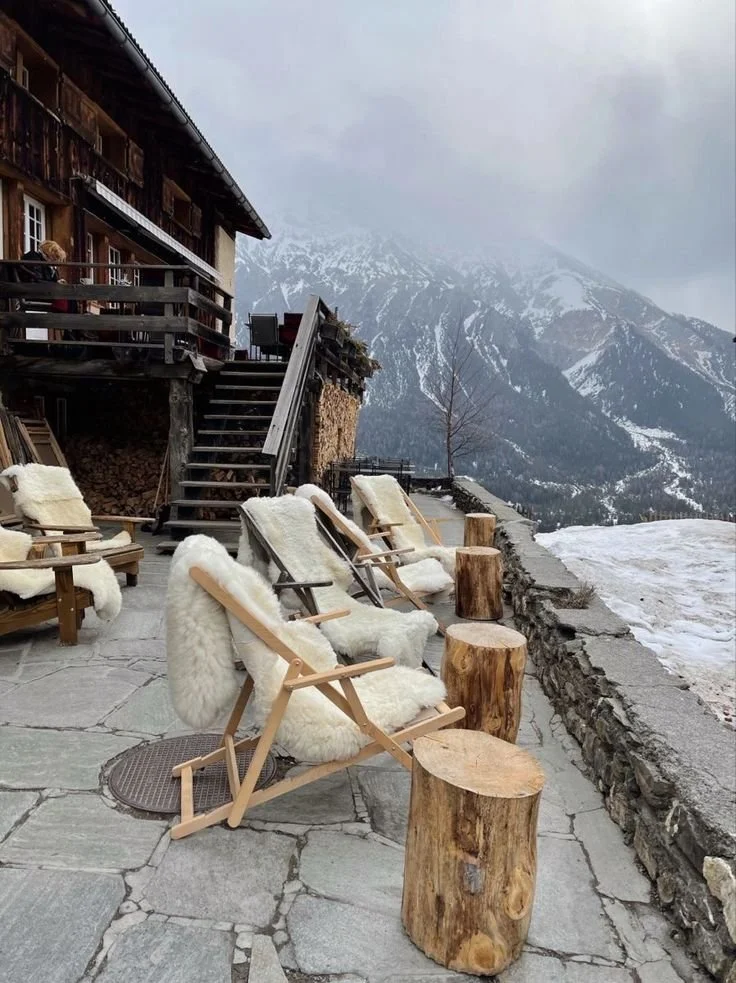


If that sounds like you, you’re in the right place. There’s no shortage of alternative travel ideas that deliver the kind of excitement that breaks routine and resets your sense of adventure. Whether you’re craving snowy peaks, the freedom of the open road, the romance of rail travel, or the calm expanse of the sea, the best trips don’t just change your location—they change your perspective.

In this article, you’ll find a curated set of adventurous getaway styles—each with a clear overview of what makes it special, who it’s best for, and how to plan it well. Consider this your inspiration list for upgrading your next vacation from “nice” to genuinely unforgettable.

No. 1

Winter Sports Getaways (Ski, Snowboard, Soak, Repeat)

Never been on a skiing or snowboarding vacation? Then take this as your sign. A winter sports getaway is one of the most rewarding ways to combine adrenaline with comfort, because the fun isn’t limited to what happens on the slopes. Yes, skiing and snowboarding are the headline—but the surrounding experience is what turns a trip into a tradition.

Why winter resorts are more than just a sport

A great mountain resort offers a full ecosystem of experiences:

  • Scenic gondola rides and panoramic viewpoints, even for non-skiers

  • Spa and wellness facilities (and, in the cold mountain air, hot tubs feel even better)

  • Apres-ski culture—warm lounges, hearty meals, fire pits, and that cozy “earned it” feeling

  • Winter activities beyond skiing, like snowshoeing, sledding, ice skating, and guided hikes

“But I don’t ski”—why beginners still love it

A common misconception is that winter trips are only for experienced skiers. In reality, most resorts are built to welcome first-timers. Lessons are readily available and surprisingly effective. Many people reach a basic, confidence-building level within a day—especially if they take a morning lesson and practice on beginner runs afterward.

Beginner-friendly planning tips:

  • Book lessons early (peak season fills fast).

  • Choose a resort known for wide beginner terrain.

  • Rent equipment on-site for convenience, or reserve in advance for better pricing.

  • Pace yourself—fatigue is part of the learning curve, and that’s normal.

Who this getaway is best for

Winter sports trips are ideal if you want:

  • A physically active vacation with built-in structure

  • A social atmosphere (resorts are naturally communal)

  • A blend of adventure and comfort (activity + relaxation)

If you’re craving a trip that feels energetic by day and restorative by night, this is one of the best formats you can choose.

No. 2

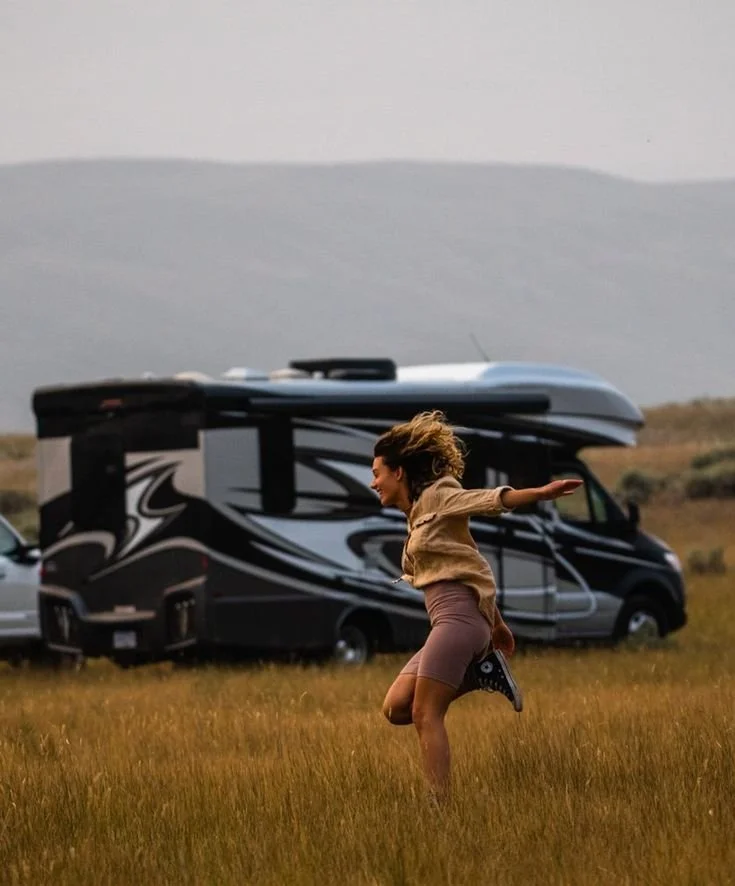
RV Adventures (The Freedom of a Road Trip, With the Comfort of “Home”)

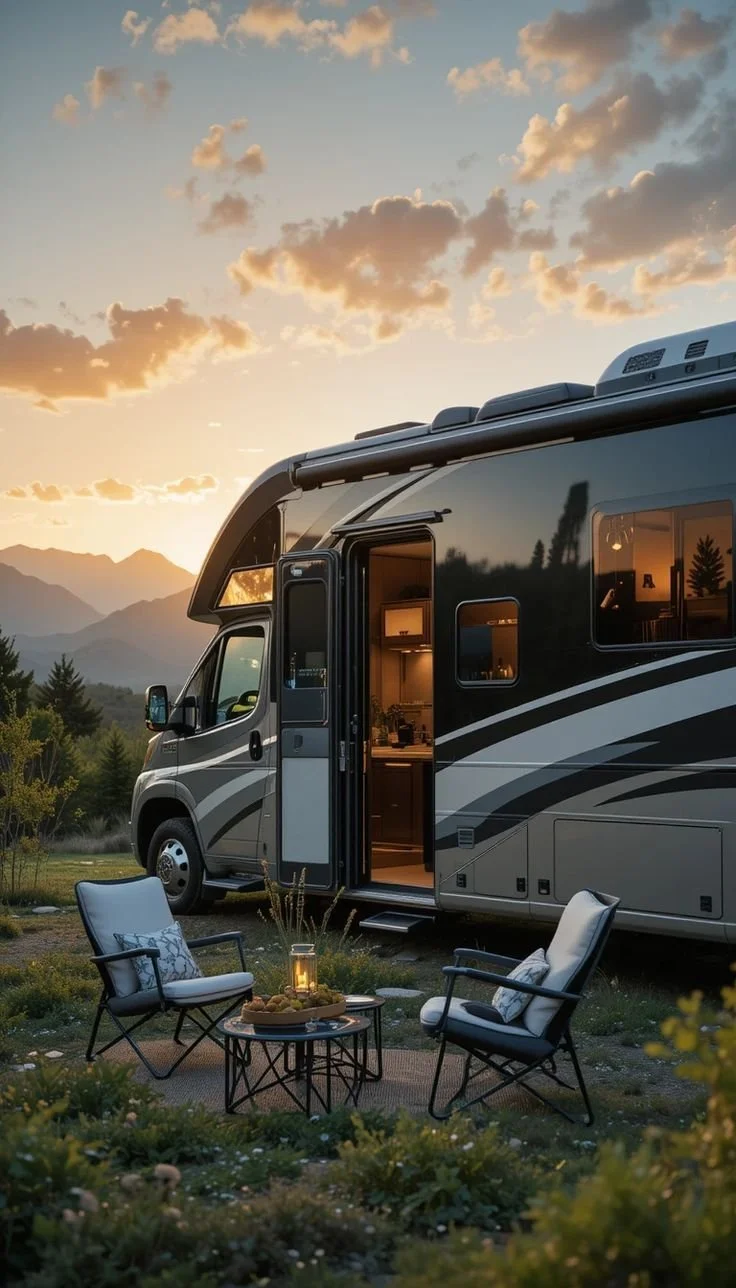
If you’ve ever taken a road trip and loved the feeling of possibility—new landscapes, spontaneous stops, and the open road—then an RV getaway will likely feel like a major upgrade. The reason is simple: you get the flexibility of travel without constantly packing, unpacking, and checking in and out of hotels.

RV travel is also wonderfully scalable. You can make it rugged and outdoorsy, or comfortable and amenity-rich. It can be a quick weekend reset or a multi-week exploration.

What makes RV travel so appealing

An RV adventure blends exploration and relaxation in a way few vacations can match:

  • You can change scenery whenever you want without changing your “base.”

  • Meals are easier (and cheaper) when you have your own kitchen setup.

  • You can travel with more gear—bikes, kayaks, hiking equipment—without logistical stress.

  • The journey becomes part of the vacation, not just a means to an end.

Choose the right RV park experience

A great RV park can make the difference between a stressful trip and a seamless one. Many parks provide the essentials needed for a comfortable stay—such as full hookup RV sites that provide electricity, water, and a sewer connection—plus amenities that feel closer to a resort than a campsite.

Depending on where you stay, you may also find:

  • Showers and laundry facilities

  • Wi-Fi and co-working-friendly lounges

  • Pools, dog parks, and playgrounds

  • On-site stores, planned events, and local tour access

Who RV trips are best for

RV travel suits:

  • Families who want convenience without sacrificing adventure

  • Couples who want a scenic, slow-paced escape

  • Remote workers looking for a change of environment

  • Anyone who values independence over rigid itineraries

And yes—after your first great RV trip, it’s common to start imagining what the RV lifestyle might feel like long-term. Even if you never go full-time, it’s an incredible way to travel more personally.


No. 3

Train Journeys (A Slower, Richer Way to See the World)

Tired of airports but still want to explore? You’re not alone. With air travel often feeling more crowded, more delayed, and less enjoyable, train travel has surged in popularity—and for good reason. Trains bring back an element of travel that flying has largely removed: the feeling of transition, scenery, and story.

Train journeys are about more than getting from A to B. They’re an experience in themselves.

What makes train travel feel different (in the best way)

  • You actually see the landscape change, mile by mile

  • Stations often drop you directly into city centers—no long airport transfers

  • There’s room to move, stretch, read, work, or simply watch the world

  • Many routes are iconic for their views: coastlines, mountains, countryside, and forests

Consider sleeper trains for maximum impact

Some of the best rail experiences happen overnight. Sleeper trains allow you to travel long distances while still getting genuine rest—turning transport time into accommodation time. For travelers who like efficiency but hate airport stress, this is one of the most satisfying alternatives.

Practical planning tips:

  • Book sleeper cabins early, especially for popular routes and seasons.

  • Pack light but smart: layers, snacks, and a small “overnight kit” are useful.

  • Choose routes with daylight scenic segments if views are a priority.

Who this is best for

Train travel is ideal for:

  • Travelers who want romance, comfort, and scenery

  • People who enjoy the journey as much as the destination

  • Those who prefer low-stress travel without strict baggage rules and security lines

It’s a perfect option when you want adventure that feels calm, not chaotic.

No. 4

On the Seven Seas (Ferry Voyages and Sea-Based Escapes)

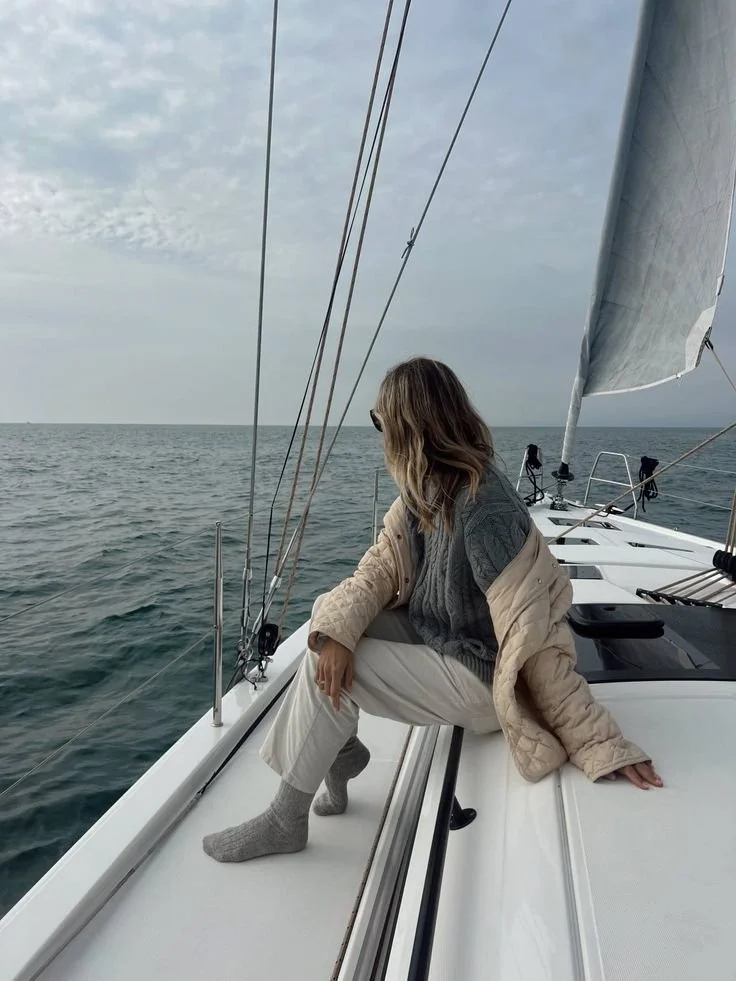
If your idea of adventure includes getting away from noise, crowds, and constant notifications, then traveling by sea can feel like a reset button. A great ferry trip offers something that’s increasingly rare: distance from daily life, paired with the gentle rhythm of the water.

Unlike flights, sea voyages restore a sense of classic travel—watching coastlines approach, feeling weather shift, and arriving gradually rather than abruptly.

Why ferry journeys are an underrated travel style

A good ferry route can deliver a lot in a single trip:

  • Multiple destinations without multiple bookings

  • On-board amenities that may include lounges, dining, cabins, and viewing decks

  • A sense of travel history—how people explored long before cheap flights

  • Unique coastal scenery that you simply can’t experience from inland roads

A standout route to consider

If you’re looking for an exceptional voyage, the Bergen to Kirkenes trip in Norway is often cited as one of the most memorable. It’s scenic, dramatic, and full of the kind of coastline views that make you forget what day it is—in the best possible way.

Who sea travel is best for

This style is perfect for:

  • Travelers who want a slower pace and scenic immersion

  • People who love coastlines, ports, and maritime culture

  • Anyone craving a “big reset” without needing extreme adventure sports

It can be peaceful, cinematic, and surprisingly energizing.


No. 5

How to Choose the Right “Alternative” Trip for Your Next Vacation

Adventurous travel doesn’t have to mean risky or exhausting. The best alternative trip is simply the one that matches your personality, energy level, and what you need right now.

Use these quick prompts to choose:

  • If you want adrenaline + coziness, choose a winter sports resort.

  • If you want freedom + flexibility, go the RV route.

  • If you want scenery + comfort, plan a train journey.

  • If you want escape + calm, take to the sea.

And remember: you don’t need to do the most extreme version of any of these. A beginner ski trip, a short RV weekend, one iconic rail route, or a single ferry voyage can deliver the “something different” you’ve been craving.

Takeaways

Adventure doesn’t have to mean crossing the globe or planning a complex, multi-stop itinerary. Sometimes, the most memorable trips are simply the ones that break your routine and invite you into a different pace of life.

In this article, we covered several alternative getaways that deliver exactly that—winter sports escapes that pair adrenaline with cozy mountain comfort, RV adventures that combine road-trip freedom with home-like ease (especially when staying at full hookup RV sites that provide electricity, water, and a sewer connection), train journeys that make the ride part of the reward, and sea-based travel that restores you through calm, scenic distance.

Now it’s just a matter of choosing the style of adventure that fits you best—and giving yourself permission to make the journey just as meaningful as the destination.


Looking for Travel resources?

Looking to embark on a transformative journey to discover new cultures, expand your horizons, and reconnect with yourself? Explore, learn, and awaken your wanderlust with our travel partners designed to support you on your next getaway.



travelHLL x Editor


Why Italian Language Trips Are The Best Way To Learn and Experience Italy

Learning a language is one of the most satisfying investments you can make—but how you learn determines how far you’ll go. Apps, online courses, and classroom lessons can build a solid foundation, yet many learners hit the same wall: they understand Italian on paper, but freeze when it’s time to speak. Fluency requires more than knowledge; it requires use, repetition, cultural context, and the confidence that comes from navigating real conversations.


Italy is uniquely suited to this kind of learning. The language is woven into daily life—heard in cafés, markets, museums, train stations, and evening passeggiate. When you combine structured teaching with daily real-world practice, you stop treating Italian as a subject and start experiencing it as a living tool.

In this article, you’ll learn what Italian language trips are, why immersion works so well, what benefits you can expect beyond language progress, how to choose the right programme and location, and how to maximize your results once you arrive—so you return home with stronger skills and a deeper connection to Italy.

No. 1

What Are Italian Language Trips?

Italian language trips are immersive programmes that combine formal instruction with cultural experiences and everyday communication opportunities. Instead of limiting learning to textbooks and controlled classroom drills, you practice Italian continuously—in context—while living in Italy.

Most programmes are designed to support you whether you’re:

  • A complete beginner building essential survival Italian

  • An intermediate learner aiming to speak with fewer pauses and more confidence

  • An advanced student polishing nuance, pronunciation, and local idioms

The defining feature is not only “studying abroad,” but the intentional blend of lessons + cultural integration + daily usage.

A balanced learning approach (classroom + life)

A typical language trip includes:

  • Daily Italian classes with qualified instructors

  • Conversation-focused activities (role plays, dialogue practice, listening drills)

  • Cultural experiences such as cooking, art, history tours, or local workshops

  • Free time structured around exploration—where the city becomes your practice lab

This mix prevents the common problem of learners knowing grammar rules but lacking real conversational agility.

No. 2

Why Immersion Is So Effective for Learning Italian

Immersion isn’t a buzzword. It works because it mirrors how humans learn language best: by hearing patterns repeatedly, responding in real time, and attaching words to real experiences.

Real-life practice turns knowledge into ability

The biggest challenge in language learning is transferring what you “know” into what you can actually do. In Italy, you practice Italian in practical scenarios every day:

  • Ordering coffee and learning the rhythm of polite requests

  • Asking for directions and understanding rapid native replies

  • Shopping in markets and picking up numbers, measurements, and food vocabulary

  • Booking tickets, reading signs, and navigating public transport

Each interaction becomes a mini-lesson, and repetition builds automaticity.

Faster progress through constant exposure

Immersion accelerates learning because your brain adapts to the environment.

You are exposed to Italian:

  • In conversations around you

  • In signage, menus, announcements, and advertisements

  • In your host family or shared accommodation

  • In the classroom and in daily errands

This steady input improves listening comprehension and trains your brain to recognise familiar patterns faster, which directly supports better speaking.

Cultural context makes language “stick”

Language and culture are inseparable. When you learn Italian alongside Italian customs and daily habits, vocabulary becomes tied to memory. You’re not just learning the word pane—you’re remembering the bakery, the smell, the exchange, the gesture, and the place. That kind of multi-sensory learning is powerful.


No. 3

The Key Benefits of Italian Language Trips

Yes, you’ll improve your Italian—but these trips also deliver benefits that traditional learning rarely matches.

Increased confidence (the missing ingredient for many learners)

Confidence comes from exposure. The more you speak, the less you fear mistakes.

Over time, you learn that:

  • Mispronunciations are survivable

  • Italians generally appreciate effort

  • Communication is about clarity, not perfection

That mindset shift is often what unlocks real progress.

Practical communication skills you can use immediately

Classroom learning can lean heavily on grammar. A good language trip teaches grammar too—but it prioritises real usage.

You learn:

  • How to speak naturally in everyday contexts

  • Which phrases Italians actually use (not just what textbooks teach)

  • How to ask follow-up questions, clarify, and keep a conversation moving

In other words, you develop functional fluency—the ability to get things done with the language.

Memorable experiences that reinforce learning

Because your learning is tied to experiences, it becomes easier to retain.

You might remember a verb tense because you used it during:

  • A guided tour of historic streets

  • A conversation with a shop owner

  • A cooking class where you followed instructions in Italian

This turns language progress into something enjoyable rather than purely academic.

Personal growth that lasts beyond Italy

Living and learning in a new environment develops:

  • Independence and decision-making

  • Social skills across cultures

  • Adaptability and resilience

  • Curiosity and confidence when travelling

These outcomes remain valuable long after the trip ends.

No. 4

What to Expect on an Italian Language Trip

While programmes differ by school and region, most follow a structure that balances learning with lifestyle.

Structured lessons tailored to your level

You’ll often take a placement test before beginning.

Classes commonly focus on:

  • Listening and speaking (often the priority)

  • Vocabulary expansion and pronunciation

  • Grammar explained clearly, then applied in conversation

  • Reading and writing for practical comprehension

A strong programme keeps classes interactive and relevant to daily life.

Cultural activities that support language learning

Cultural components vary, but commonly include:

  • Guided tours of landmarks and neighbourhoods

  • Cooking lessons featuring traditional regional dishes

  • Museum visits, art workshops, or history walks

  • Trips to markets where you practice real vocabulary in context

These experiences create natural prompts for conversation and new vocabulary.

Social interaction with fellow learners (a supportive environment)

A major advantage is community. You’ll often study with international participants who share the same goal.

That makes it easier to:

  • Practice without fear of being judged

  • Try new phrases repeatedly

  • Build friendships that keep you speaking Italian outside of class

Many schools also arrange language exchanges with locals, which can be a game-changer.


No. 5

Choosing the Right Programme: What Matters Most

Not every language trip is the same. Choosing well can be the difference between “a nice holiday with classes” and a true immersion leap.

Match the program to your level and goals

Ask:

  • Does the school offer beginner-friendly pacing or advanced conversation practice?

  • Are classes focused on speaking, or primarily grammar?

  • Is there a clear progression plan if you stay multiple weeks?

If your goal is confidence in conversation, prioritise schools with strong speaking practice and small class sizes.

Choose the right location for your learning style

Different Italian cities offer different learning environments:

  • Florence: art, history, walkability, and a strong student atmosphere

  • Rome: big-city energy, endless cultural sites, and constant real-life practice

  • Bologna: celebrated food culture and a lively, authentic feel

  • Smaller towns: slower pace, potentially more interaction with locals, fewer “English-default” moments

If you want fewer distractions and more organic Italian exposure, a smaller city can be ideal. If you want variety and constant stimulation, a major city may suit you better.

Check the balance: lessons, activities, and free time

You want structure, but you also need space to explore and practice independently.

Look for:

  • A consistent class schedule (often mornings work best)

  • Optional afternoon activities

  • Enough free time for self-directed practice (cafés, errands, museums)

Also, confirm accommodation options—host families can dramatically increase immersion, while shared apartments offer independence.

No. 6

Tips to Make the Most of Your Italian Language Trip

Progress during immersion depends on what you do between lessons. The goal is to turn your day into a gentle, constant practice loop.

Speak early and often (even if you feel “not ready”)

The fastest way to improve is to start speaking immediately. Use simple sentences. Ask for clarification. Repeat what you heard. Fluency grows through reps, not perfection.

Build daily rituals that force Italian into your routine

Try:

  • Ordering breakfast in Italian every morning

  • Visiting the same market stall and making small talk

  • Asking one question a day to a local (directions, recommendations, opinions)

  • Keeping a short daily journal of new words and phrases

Small habits create consistent gains.

Engage with locals beyond transactions

Transactional Italian is useful (ordering, paying, booking). But conversational Italian is where confidence grows.

Join:

  • A local tour where you can ask questions

  • A cooking class that encourages dialogue

  • Language exchanges or community events

  • Guided activities where discussion is part of the experience

Embrace the culture instead of translating it

Some phrases and customs don’t translate neatly. Learn them as they are. Notice tone, gestures, and social rhythm. This is where your Italian starts sounding less “studied” and more natural.

FAQ

What are Italian language trips?

They are immersive programmes that combine Italian lessons with cultural experiences in Italy, helping learners practice Italian in real-life situations daily.

Do I need prior knowledge of Italian?

No. Many programmes welcome complete beginners and provide structured pathways for intermediate and advanced learners as well.

How long do these trips usually last?

They can range from one week to several months. Two to four weeks is a popular choice for noticeable improvement, while longer stays deliver deeper fluency gains.

Are these trips suitable for adults and professionals?

Yes. Many schools offer adult-focused classes, flexible schedules, and specialised modules (conversation, business Italian, exam preparation).

Will I become fluent after one trip?

Fluency varies by starting level and duration. However, immersion typically produces significant gains in listening, speaking confidence, pronunciation, and everyday vocabulary—often faster than home-based study alone.

Takeaways

Italian language trips work because they combine structured teaching with continuous real-world practice, turning Italian from an academic subject into an everyday tool.

In this article, we covered what these programmes include, why immersion speeds up listening and speaking progress, and how cultural context makes learning more meaningful and memorable. We also explored the biggest benefits—confidence, practical communication, and personal growth—along with what to expect day to day, how to choose the right programme and location, and simple habits that maximize results.

If your goal is not only to learn Italian but to experience Italy through the language, an immersive trip is one of the most effective and enjoyable paths you can take.


Looking for Travel resources?

Looking to embark on a transformative journey to discover new cultures, expand your horizons, and reconnect with yourself? Explore, learn, and awaken your wanderlust with our travel partners designed to support you on your next getaway.


travelHLL x Editor


The Ultimate Guide To Luxury Superyacht Charter Experiences

Luxury superyacht charters sit at the apex of high-end travel because they deliver something even the finest resorts and first-class cruises struggle to match: complete control over space, pace, and privacy. Instead of being bound to a fixed itinerary, shared amenities, or crowded ports, charter guests shape each day around their own preferences—whether that means a sunrise swim off a quiet cove, a long lunch in a tucked-away harbour, or an evening arrival timed perfectly for a waterfront reservation.


In this article, you’ll learn what truly defines a luxury superyacht charter experience, how to choose the right yacht category for your group, which planning decisions matter most (timing, crew, amenities, destinations, and budgets), and how to turn a “great trip” into a seamless, once-in-a-lifetime voyage.

No. 1

Why Superyacht Charters Captivate Affluent Travelers

Superyacht charters appeal to discerning travelers because they remove the compromises that often come with traditional luxury holidays.

Freedom without a fixed itinerary

Hotels and cruises can be exceptional, but they’re inherently structured. A charter, by contrast, offers flexibility that feels closer to owning a private floating villa—without the year-round maintenance or logistics. Guests can:

  • Adjust routes based on weather, sea conditions, and mood

  • Linger longer in destinations they love

  • Avoid crowded ports at peak hours

  • Balance high-energy days with restorative, slow-paced cruising

This flexibility transforms travel from a purchased “package” into a bespoke experience curated in real time.

Privacy as a true luxury

Privacy is not merely a preference for many charter clients; it’s a priority. Unlike luxury resorts where common spaces are shared, a superyacht is exclusive by design. Your guests, your crew, your schedule—no outside foot traffic. This appeals especially to:

  • High-profile individuals seeking discretion

  • Business leaders combining leisure with private meetings

  • Families wanting uninterrupted time together

  • Groups celebrating milestones without public visibility

Service that feels effortless (because it’s expertly engineered)

Fully-crewed charters are built around anticipatory hospitality. When the crew is exceptional, everything feels natural: cabins refreshed at the right moment, meals appearing at perfect times, water toys set up without you asking, and shore experiences arranged with the kind of access only professionals can secure.

No. 2

Understanding Superyacht Charter Classifications

Not all “yacht charters” are equal, and understanding classifications helps you match the experience to your expectations.

Size ranges and what they mean in practice

Superyachts begin around 24 metres, though most charter yachts sit roughly between 30 and 150 metres. That difference is more than a number—it changes the entire onboard lifestyle:

  • Around 30–40 metres: typically 6–10 guests, intimate atmosphere, excellent for close families or small groups

  • Around 50–70 metres: more expansive deck space, multiple lounges, higher crew-to-guest ratio, stronger amenity packages

  • 80 metres and above: resort-calibre features, large guest capacity, multiple deck levels, and highly specialised entertainment zones

Larger yachts may also offer greater stability in open water—an important comfort factor for guests sensitive to motion.

Operational style: bareboat, skippered, fully crewed

Charters generally fall into three operational categories:

  • Bareboat charters: yacht only—guests supply their own crew and navigation expertise (rare in the true luxury superyacht segment)

  • Skippered charters: a professional captain (and sometimes a smaller team), offering more independence for capable groups

  • Fully crewed charters: the luxury standard—captain, deck crew, stewards, and a chef (and on larger yachts, spa therapists, instructors, or concierge-style guest teams)

For most travelers seeking a “superyacht” experience, a fully crewed experience is the expectation because it unlocks the service, safety, and logistical ease that define this category.


No. 5

The Luxury Superyacht Charter Experience: What to Expect Onboard

The essence of a superyacht charter is orchestration without friction. Guests feel relaxed because the crew handles complexity discreetly.

Pre-charter preference setting

Before boarding, you’ll typically complete a preference sheet covering:

  • Allergies, dietary preferences, and favourite cuisines

  • Preferred meal times (or a “no schedule” approach)

  • Wines, spirits, cocktails, and coffee/tea standards

  • Activity preferences (watersports, hiking, beach clubs, museums)

  • Special occasions and desired surprises

This information shapes provisioning, menu design, and itinerary suggestions.

Crew roles and service flow

On fully crewed yachts, service is layered:

  • Captain: route planning, safety, anchoring decisions, and port logistics

  • Chef: tailored menus, local sourcing, and presentation

  • Stewards/stewardesses: housekeeping, table service, guest comfort details

  • Deck crew: water toys, tenders, docking, and exterior upkeep

The best crews combine professionalism with emotional intelligence—knowing when to be present and when to disappear.

No. 6

Destination Highlights and Signature Experiences

A superyacht charter turns geography into a curated sequence of experiences—balancing iconic ports with quiet anchorages.

Mediterranean cruising: culture + coastline

Mediterranean charters often blend heritage, gastronomy, and scenery. Typical highlights include:

  • Greek island hopping with crystalline bays

  • The Italian Riviera’s coastal villages and culinary stops

  • Croatia’s Dalmatian coastline with historic towns and sheltered anchorages

  • The French Riviera for glamour, beach clubs, and boutique shopping

The Med is ideal for travelers who want both relaxation and cultural immersion—often in the same day.

Caribbean cruising: water-first luxury

Caribbean charters are built around warm seas and effortless swimming. They commonly include:

  • Virgin Islands anchorages with postcard-clear water

  • Reef snorkelling and diving days

  • Beach picnics set up by the crew

  • Easy transitions between quiet bays and lively shore scenes

For guests who prioritise watersports, casual barefoot luxury, and constant ocean access, the Caribbean remains a classic choice.

No. 7

Cost Considerations and the Value Proposition

Superyacht pricing varies dramatically based on size, pedigree, season, and itinerary. Weekly rates commonly range from £80,000 to £500,000+.

What the base rate usually covers

While terms differ by contract, charter fees typically account for:

  • Use of the yacht and its onboard amenities

  • Crew salaries

  • Standard insurance

  • Basic operational costs

Additional costs to plan for

Most charters also involve variable expenses such as:

  • Fuel (can be substantial, depending on distance and speed)

  • Port fees and marina charges

  • Food and beverage provisioning (especially premium wines/spirits)

  • Shore experiences, special events, or high-ticket excursions

  • Crew gratuities (customary in many regions)

Despite the price point, many groups see strong value—particularly when costs are shared among 8–12 guests and compared with booking multiple suites at top-tier resorts plus private experiences, transportation, and dining.

FAQ

What is the minimum charter duration?

Many yachts prefer week-long bookings, especially in peak season. Some may offer shorter charters (five days or long weekends) depending on timing, repositioning schedules, and demand.

How far in advance should I book?

For peak season and top yachts, aim for 6 to 12 months in advance. Shoulder seasons may allow 3 to 6 months. Last-minute opportunities exist, but they reduce selection and negotiating leverage.

What happens if the weather turns bad?

Safety is non-negotiable. Captains may modify routes to find protected anchorages, change cruising order, or move to alternative ports. Most charter agreements allow itinerary flexibility when weather requires it.

Are superyacht charters suitable for families with children?

Yes—often exceptionally so. With the right yacht and crew, families benefit from privacy, flexible schedules, and child-friendly water activities. Many crews are experienced at creating safe, age-appropriate fun.

What separates an outstanding charter from an average one?

Three factors most consistently define excellence:

  • The crew’s professionalism and emotional intelligence

  • A yacht whose condition matches its promises (maintenance matters)

  • Strong alignment between guest expectations and the yacht’s real strengths

Takeaways

A luxury superyacht charter is the ultimate expression of personalised maritime travel: private, flexible, and shaped entirely around your preferences.

In this article, we covered why charters attract affluent travelers, how yacht classifications affect space and service, and why planning—especially broker guidance, seasonality, and amenity selection—determines the quality of the experience. We also explored signature Mediterranean and Caribbean cruising styles, outlined cost structures beyond the base weekly rate, and highlighted what makes the difference between a pleasant trip and a truly unforgettable voyage.

When approached thoughtfully, a superyacht charter doesn’t just replace a holiday—it redesigns what luxury travel can feel like.


Looking for Travel resources?

Looking to embark on a transformative journey to discover new cultures, expand your horizons, and reconnect with yourself? Explore, learn, and awaken your wanderlust with our travel partners designed to support you on your next getaway.


travelHLL x Editor


How To Explore A New Place Properly - Without Turning Your Trip Into A Blur

Arriving somewhere new is a thrill—fresh scenery, unfamiliar streets, and the feeling that anything could happen. It’s also the moment when many travelers make the same mistake: trying to do everything at once. You may even build a detailed itinerary before you leave, packing your days with nonstop sightseeing.


The problem is that an overly structured trip can quickly become stressful, rushed, and strangely forgettable. When every hour is scheduled, experiences start to merge together, and the destination becomes a checklist rather than a place you actually feel.

In this article, you’ll find practical, calming ways to explore a destination more deeply—without sacrificing fun. These tips are designed to help you slow down, notice more, connect with people, and return home with clearer memories and a stronger sense of what made the place special.

No. 1

Don’t Have a Strict Plan (Use a “Loose Framework” Instead)

Having a general idea of what you want to see is helpful. A rough list of priorities can prevent decision fatigue and ensure you don’t miss something you truly care about. However, packing every hour with activities often creates the opposite of what travel is meant to provide: freedom.

When your schedule is too tight, a few things happen:

  • You stop noticing details: You’re always thinking about the next stop rather than what’s in front of you.

  • Delays feel like disasters: A long line, unexpected weather, or slow public transport can throw everything off.

  • You spend more time “transitioning” than experiencing: Moving between locations eats into the day more than most people anticipate.

  • You feel pressure to maximize every minute: That pressure can erase spontaneity—the thing that often makes trips memorable.

A better approach is to use a loose framework. Choose one main activity for the morning, one anchor plan for the afternoon, and keep the rest of the day open for discoveries. This gives you structure without turning your trip into a race.

A simple, flexible planning method

Try planning each day with:

  • One “must-do” (something you’d be disappointed to miss)

  • One “nice-to-do” (optional, based on energy and timing)

  • One open slot (for wandering, resting, or unexpected opportunities)

This method helps you stay present. It also makes room for the best part of travel: the surprises you can’t schedule.

No. 2

Walk as Much as You Can (It’s the Best Way to Actually See a Place)

Walking is one of the most effective ways to understand a destination—especially in cities, coastal towns, historic districts, and small communities where the charm is in the details. When you walk, you see the “in-between” moments that taxis, subways, and tour buses erase.

On foot, you’re more likely to notice:

  • Architecture styles and small design details

  • Street art, murals, and local signage

  • Corner cafés, bakeries, and independent shops

  • Parks, viewpoints, quiet streets, and hidden courtyards

  • The natural rhythm of daily life—how people actually live

Walking also slows time down in the best way. Instead of rushing between highlights, you experience the atmosphere: the sounds, the scents, the light, the texture of the place.

Make walking easier (and more enjoyable)

To get more out of walking without wearing yourself out:

  • Start early when streets are quieter and temperatures are cooler

  • Wear shoes you can walk in for hours (not just something that looks good)

  • Plan “micro breaks” (coffee stops, benches, short detours)

  • Choose one neighborhood at a time instead of crossing the entire city repeatedly

  • Walk with a purpose sometimes—then wander without one later

The goal isn’t to walk nonstop. It’s to use walking as a tool to absorb the destination more naturally.


No. 3

Talk to People (Small Conversations Create Big Memories)

A destination becomes more meaningful when it stops being anonymous. Talking to locals—even briefly—can completely change how you see a place. People who live there often offer insights you won’t find in guidebooks: a viewpoint that’s better at sunset, a peaceful street that tourists miss, a family-run restaurant, or a local event happening that night.

The best part is: you don’t need long, complicated conversations. A few words can be enough to open a door.

Easy ways to connect (without feeling awkward)

If you’re shy or unsure where to start, try:

  • Asking, “What’s your favorite place to eat around here?”

  • Asking baristas or shop staff what they recommend nearby

  • Complimenting something simple (“This neighborhood is beautiful—do you have a favorite spot here?”)

  • Joining a small group tour early in the trip (you’ll get tips plus confidence)

When you interact with people, the destination feels less like a backdrop and more like a community. That sense of welcome can transform your entire trip.

No. 4

Give Yourself Time to Settle (Staying Put Can Be the Smartest Move)

Many travelers assume that moving around more means experiencing more. Sometimes it does. But often, frequent relocation creates stress: check-out times, luggage logistics, transport schedules, and the mental drain of repeatedly learning new routines.

Spending more time in one base can make your trip feel calmer and richer. It gives you time to return to a favorite café, revisit a street at a different time of day, or explore nearby places without the constant disruption of packing and moving.

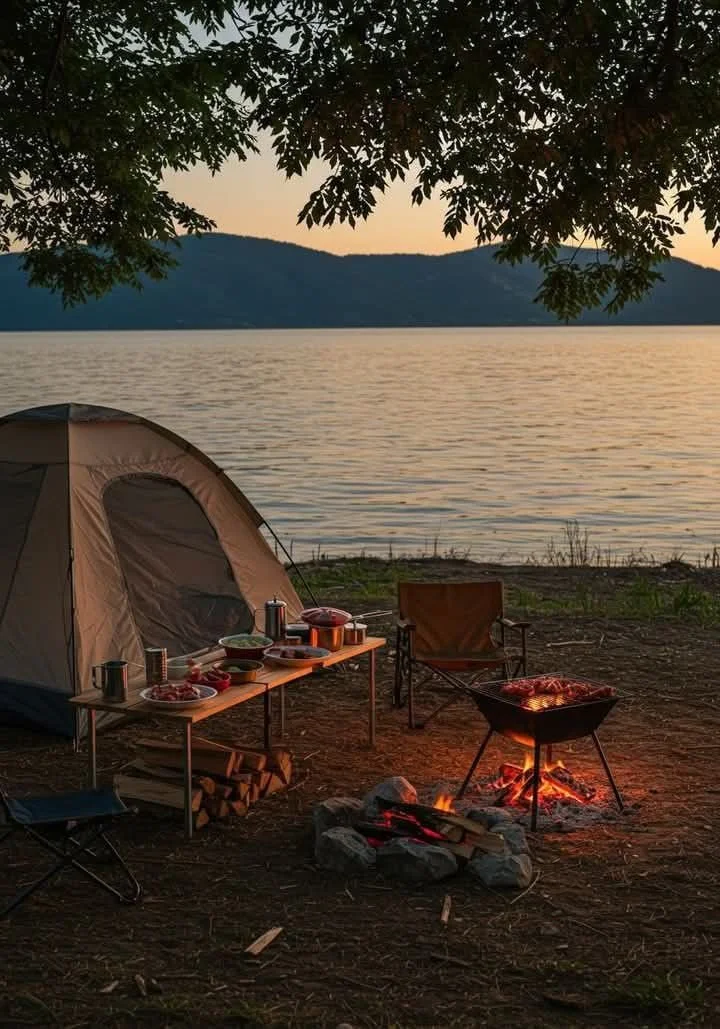
Staying somewhere relaxed—like a family campground—can be a surprisingly effective way to slow down. It gives you a comfortable home base where you can unwind between outings, spend evenings quietly, and start each day without feeling rushed.

Benefits of choosing one “base”

When you settle into one place, you gain:

  • More energy (less transit, fewer logistics)

  • Better familiarity (you stop feeling lost and start feeling oriented)

  • More spontaneity (you can decide last-minute plans more easily)

  • Stronger memories (each day feels distinct, not scrambled together)

If your goal is to explore properly—not just collect photos—give yourself permission to stay put.


No. 5

Try Local Experiences (Go Beyond the “Top 10”)

Exploring deeply means doing things that are specific to the place you’re visiting. Iconic attractions can be wonderful, but they’re only one layer of the destination. The deeper layer—the one you remember—is often found in local experiences.

Local experiences might include:

  • Regional food you can’t easily find elsewhere

  • Small markets, community fairs, or neighborhood festivals

  • Outdoor activities tied to the landscape (coastal walks, forest trails, lake swimming)

  • Local crafts, workshops, or cultural demonstrations

  • Live music in a small venue rather than a major tourist show

These experiences create a stronger connection. They help you understand not just what a place looks like, but what it feels like.

Choose quality over quantity

It’s important to remember: you don’t have to do everything. In fact, you probably shouldn’t.

Pick one or two local experiences that genuinely excite you, and do them well—without rushing. A single meaningful activity can be more memorable than five rushed stops.

A good rule is:

  • One standout local meal

  • One cultural or community moment

  • One nature-based experience (if available)

That combination often gives a trip balance and depth.

No. 6

Build Rest Into Your Trip (So You Don’t Burn Out)

Rest is not wasted time—rest is what makes experiences enjoyable. When you’re exhausted, you’re less patient, less curious, and less able to absorb what you’re seeing. Without rest, even the most beautiful destination can start to feel like work.

Rest can be simple:

  • A slow breakfast without checking your phone

  • An afternoon break back at your accommodation

  • Sitting in a park and watching daily life

  • A quiet evening instead of forcing one more activity

If you treat rest as part of the plan, you’ll have more energy for the moments that matter.

No. 7

Keep Your Evenings Simple (That’s When the Day “Settles” in Your Mind)

One reason trips turn into a blur is that there’s no time to process them. If you rush from morning until late night, your brain doesn’t get a chance to file memories properly. A calmer evening can help the day feel complete.

Consider:

  • A relaxed dinner close to where you’re staying

  • A short walk after sunset

  • Reviewing photos or journaling a few lines

  • Planning only the first part of tomorrow, not the whole day

These small habits help your experiences become distinct rather than blending together.

Takeaways

In this article, we explored how to enjoy a destination more deeply by slowing down and making space for real discovery. A strict, hour-by-hour itinerary can create stress and turn your trip into a checklist. Instead, use a flexible plan with one or two priorities per day, then leave room for surprises.

Walking helps you notice the character of a place—its details, atmosphere, and everyday rhythm. Talking to locals, even briefly, can lead you to experiences you’d never find on your own.

Giving yourself time to settle—especially by choosing a calm base like a family campground—reduces burnout and makes each day more memorable. Finally, trying local experiences (without trying to do everything) helps you form a stronger connection to where you are.

If you want your trip to be more than a blur, the best strategy is simple: do less, notice more, and let the destination unfold at a human pace.


Looking for Travel resources?

Looking to embark on a transformative journey to discover new cultures, expand your horizons, and reconnect with yourself? Explore, learn, and awaken your wanderlust with our travel partners designed to support you on your next getaway.


travelHLL x Editor


Can’t Afford A Hotel? Try These Alternatives

Finding affordable lodging can be frustrating when accommodations swallow a large part of your travel budget. In many destinations, nightly hotel rates rise faster than food or transportation costs—turning what should be an exciting trip into an ongoing math problem.


The good news is that expensive hotels are no longer your only path to comfort, convenience, and safety. With a little creativity, you can reduce lodging costs dramatically while gaining more memorable experiences than a standard hotel stay can offer.

In this article, we’ll explore practical, budget-friendly lodging alternatives to hotels—options that range from social and community-driven stays to flexible road-trip solutions and work-exchange programs. You’ll learn what each option is best for, how to use it safely, and how to choose the right fit based on your travel style, privacy needs, and itinerary.

No. 1

Snuggle up in hostels (modern, affordable, and surprisingly comfortable)

Hostels have made a major comeback in recent years, and today’s hostel experience is often far more polished than many travelers expect. While dormitory rooms remain a key feature, many hostels now offer private rooms, ensuite bathrooms, female-only dorms, upgraded security, and stylish common areas designed for comfort—not just cost-cutting.

Hostels are especially appealing if you want to stay in central neighborhoods without paying premium hotel rates. They also offer a built-in social environment, which can transform a solo trip into a shared adventure.

Why hostels are a strong alternative to hotels

  • Lower nightly costs, especially in high-demand cities

  • Central locations that reduce transport expenses

  • Shared kitchens that help you save on meals

  • Social spaces and events that make meeting people easy

  • Tour desks and local partnerships that can reduce activity costs

Tips for choosing the right hostel

  • Prioritize properties with consistently recent reviews mentioning cleanliness and security

  • Check whether lockers are available and whether you need to bring a lock

  • Look for details on noise (quiet hours matter if you are a light sleeper)

  • Consider smaller dorms (4–6 beds) for comfort and better rest

  • If you want privacy, compare the price of a hostel private room to budget hotels—you might be surprised

For travelers who want community without sacrificing sleep, a private hostel room offers an excellent middle ground: you keep your own space while still enjoying the hostel atmosphere.

No. 2

RV camping adventures (combine accommodation and transportation)

If you are traveling across multiple destinations—especially with family or friends—RV camping can be one of the most practical ways to reduce overall costs. An RV combines lodging and transportation, which is valuable when hotel rates and rental car costs are both high.

Beyond savings, RV travel gives you control: your own bed, your own schedule, and the ability to cook on the go. This is particularly helpful for longer trips, remote destinations, or travelers who want to avoid constantly packing and unpacking.

Why RV camping can be budget-friendly

  • Fewer hotel nights (often the largest travel expense)

  • Lower food costs thanks to onboard cooking

  • Flexible routing without needing to rebook lodging constantly

  • Comfort and familiarity, especially for kids or long stays

Costs to plan for

  • Fuel (often higher than a standard car)

  • Campground fees (varies based on location and amenities)

  • Insurance, deposits, and cleaning fees

  • Optional hookups (water/electricity) or dump station costs

When RV travel makes the most sense

  • Road trips with multiple stops rather than one fixed destination

  • Group trips where the cost is shared across several people

  • Destinations with good campground infrastructure

  • Itineraries that blend cities with nature-based locations

If your idea of a great trip includes national parks, coastal drives, or quieter rural areas, RV camping can be both economical and genuinely memorable.


No. 3

Experience local living with vacation rentals (space, kitchens, and flexibility)

Vacation rental platforms such as Airbnb and Vrbo have changed how people travel by making it easier to book rooms, apartments, and full homes in neighbourhoods that hotels often do not serve. For travelers who want more space—or those staying longer—vacation rentals can offer strong value, particularly when you factor in the ability to cook meals and do laundry.

A well-chosen vacation rental can also feel more “lived-in” than a hotel, giving you a local rhythm: morning coffee in a real kitchen, shopping at nearby markets, and returning to a comfortable base that feels like home.

Benefits of vacation rentals

  • More space than hotels at the same price point (often)

  • Kitchen access for affordable meals and snacks

  • Laundry options that reduce packing needs on long trips

  • Better suitability for families or groups

  • A more authentic neighborhood experience

How to avoid common pitfalls

  • Read the full price breakdown—cleaning and service fees can change the value equation

  • Confirm essentials like Wi‑Fi reliability, air conditioning/heating, stairs/elevator access, and parking

  • Pay attention to check-in requirements and host responsiveness

  • Look for recent reviews that mention the accuracy of listing photos and noise levels

Vacation rentals are especially cost-effective when you stay several nights, because you can spread fixed fees (like cleaning) across more days.

No. 4

House sitting or pet sitting (stay for free in exchange for care)

If you want the lowest possible lodging costs and do not mind responsibility, house sitting can be an outstanding option. The concept is simple: you stay in someone’s home while they travel, and in exchange, you care for the property—often including pets.

TrustedHousesitters is an app that connects travelers with homeowners looking for a reliable sitter. Done well, this can provide comfortable, home-like accommodation in residential areas—often with amenities like a full kitchen, laundry, and a quieter environment than tourist districts.

Why house sitting can be a game-changer

  • Accommodation can be free (or close to it, depending on membership fees)

  • Longer stays are common, which supports slow, affordable travel

  • Home comforts: kitchens, laundry, and more space

  • Pets can provide companionship, especially for solo travelers

Important considerations

  • Be realistic about pet care commitments (walking schedules, medications, behavior)

  • Clarify expectations in writing: routines, emergency contacts, house rules

  • Check transport needs—some sits require a car

  • Always have a backup plan in case schedules change

House sitting is best for travelers with flexible dates, remote workers, and anyone who prefers calm, routine-friendly stays.


No. 5

Couchsurfing for social travelers (connection plus local insight)

Couchsurfing appeals to travelers who value human connection as much as the destination itself. It allows you to stay with locals—sometimes on a couch, sometimes in a spare room—and often includes conversation, cultural exchange, and insider tips you won’t find in guidebooks.

It is not just about saving money; it is about transforming travel into a more personal experience. That said, it requires maturity, good judgment, and clear boundaries.

Why Couchsurfing can be worthwhile

  • Very low-cost lodging

  • Authentic local perspectives on the city

  • Social connection, especially for solo travelers

  • Often leads to unique experiences and friendships

Safety and etiquette essentials

  • Choose hosts with strong references and complete profiles

  • Communicate expectations clearly (arrival times, privacy, house rules)

  • Respect the host’s space and treat the experience like a visit, not a free hotel

  • Keep an emergency fund and backup accommodation option available

For the right traveler, Couchsurfing can be one of the most memorable ways to experience a destination.

No. 6

Work-for-stay opportunities (trade effort for accommodation)

Work-for-stay programs are ideal if you want to travel longer while keeping costs low. You contribute a set number of hours per day in exchange for lodging (and sometimes meals). The work can range from helping at hostels to farm support through WWOOF.

The biggest benefit is that your accommodation costs drop significantly while your trip becomes more immersive. You are not just passing through—you are participating.

Common work-for-stay options

  • Hostel reception, cleaning, or event support

  • Farm stays and sustainable living projects

  • Eco-lodges and rural guesthouses

  • Community-based volunteering programs

What to clarify before committing

  • Exact hours, days off, and duties

  • Accommodation details (privacy, cleanliness, facilities)

  • Meal arrangements (included or not)

  • Location and transport access

  • Whether the commitment matches your energy level and travel goals

This option suits travelers who enjoy structure, want cultural immersion, and are comfortable with responsibility.

No. 7

Take advantage of last-minute deals (for flexible, spontaneous trips)

If you enjoy traveling with flexibility, last-minute booking tools like HotelTonight can sometimes uncover excellent deals—particularly in cities where hotels discount unsold rooms. While last-minute deals are not guaranteed, they can be useful as part of a broader strategy.

When last-minute deals work best

  • Off-peak seasons and weekdays

  • Major cities with many competing hotels

  • Short stays where you can adapt to what’s available

How to avoid “cheap but disappointing” bookings

  • Check total cost, including taxes and fees

  • Review cancellation rules (discounted rates can be strict)

  • Prioritise location and ratings over the lowest price

  • Confirm essentials like Wi‑Fi, check-in times, and the safety of the area

Used thoughtfully, last-minute deals can help you splurge occasionally without breaking your budget.

Takeaways

Affordable travel is not about settling for less—it is about choosing lodging that matches your priorities and your budget.

In this article, we explored hotel alternatives that offer real comfort and value: hostels for social, low-cost stays in central areas; RV camping for flexible road trips that combine transport and accommodation; vacation rentals for space, kitchens, and a local feel; house sitting through TrustedHousesitters for potentially free, home-style lodging; Couchsurfing for connection-driven travel with locals; work-for-stay programs like WWOOF for longer trips with lower costs; and last-minute deals via tools like HotelTonight for travelers who can have a spontaneous stay.

The best option depends on what you value most—privacy, community, flexibility, or maximum savings. With the right approach, your accommodation can become part of the adventure rather than the expense that limits it.


Looking for Travel resources?

Looking to embark on a transformative journey to discover new cultures, expand your horizons, and reconnect with yourself? Explore, learn, and awaken your wanderlust with our travel partners designed to support you on your next getaway.


travelHLL x Editor


How To Plan A Cozy Family Getaway Without Overcomplicating It

A family getaway sounds like it should be restful by definition, but many trips become stressful before you even leave the driveway. Between coordinating schedules, choosing a destination that everyone agrees on, budgeting, packing, and trying to make the experience “worth it,” the pressure can turn a vacation into another project. Even when the planning goes well, a high-energy itinerary can leave parents and kids returning home more tired than when they left.


The good news is that a cozy family getaway is absolutely achievable without making it complicated. In fact, the most relaxing trips often come from doing less, not more. When you focus on comfort, ease, and togetherness, the getaway starts to deliver what you actually want: a chance to slow down, reconnect, and feel genuinely refreshed.

In this article, you will learn how to plan a cozy family getaway with minimal stress, from choosing home-like accommodations and simplifying your itinerary to streamlining logistics, creating a warm atmosphere, and keeping travel days calm. The goal is not to “do it all,” but to create a trip that feels good while you are living it.

No. 1

Choose cozy and functional accommodations

Where you stay shapes the entire tone of the getaway. If the accommodation feels cramped, inconvenient, or too “hotel-like” for a family rhythm, you may find yourselves constantly managing small frustrations: nowhere to spread out, limited food options, awkward bedtimes, and a feeling that you need to be out doing activities to justify the cost.

For a cozy getaway, it helps to choose a place that feels like a home away from home. Many families find that when they choose a cabin, holiday rental, or RV resort, it naturally supports a slower, more comfortable pace. Instead of relying on restaurants for every meal and trying to entertain kids in a single room, you can settle into a space that lets everyone relax.

Look for features that support comfort and ease:

  • A fully equipped kitchen so you can make simple meals and snacks

  • A dining table or casual living area for relaxed breakfasts and family games

  • Separate sleeping spaces, if possible, for easier bedtime routines

  • Laundry access, which can be a lifesaver with children

  • Outdoor space such as a porch, patio, or small yard for fresh air and low-effort play

It also pays to prioritise “cozy” amenities that encourage rest. These are not essential, but they make a big difference to how restorative the trip feels:

  • A fireplace or wood stove for quiet evenings

  • A large common area for board games, puzzles, or movie nights

  • A hot tub or soaking tub for relaxing at the end of the day

  • Scenic views, whether it is a lake, mountains, forest, or countryside

  • Walkable access to nature trails or a nearby shoreline

One of the simplest ways to reduce vacation stress is to choose accommodation where staying in feels like a treat, not a compromise. If the space is comfortable and inviting, you will not feel the need to keep everyone busy with constant outings.

How to choose the right stay for your family’s style

Not every “cozy” getaway looks the same. Before booking, ask what kind of comfort your family actually needs.

Consider:

  • If naps are still part of your routine, prioritise quiet spaces and separate rooms

  • If your kids wake early, look for places where early risers can play without waking everyone

  • If you have picky eaters, a kitchen is often more relaxing than restaurant hopping

  • If you want true downtime, choose a setting where nature is close and entertainment is simple

When the accommodation matches your family rhythm, everything becomes easier.

No. 2

Simplify your itinerary to protect your energy

A cozy getaway is not the time for a packed schedule. Overplanning is one of the most common reasons family trips become exhausting. When every hour has an activity attached, the day becomes a race: get everyone ready, get to the next place on time, manage hungry moods, and push through fatigue because “we already booked it.”

Instead, aim for an itinerary that creates space.

A reliable guideline is one main activity per day. That could be something like a short hike, a museum visit, a beach afternoon, or a scenic drive with a relaxed stop for hot chocolate. Beyond that, let the day unfold.

Ways to keep the schedule light without feeling bored:

  • Choose one “anchor plan” each day and keep the rest optional

  • Build in downtime after lunch, when energy often dips

  • Leave room for naps, quiet reading, or slow walks

  • Avoid scheduling early mornings and late nights on the same day

  • Create a shortlist of nearby options instead of pre-booking everything

It also helps to choose activities that match your family’s pace rather than trying to hit every tourist attraction. If you have young children, that pace might be slower and more repetitive than you expect. A “successful” day might be a playground, a simple trail, and a calm evening around a fire. That can be just as meaningful as a full day of sightseeing, often more so.

A simple planning method that prevents overscheduling

Try planning your getaway using three categories:

  • Must-do: one or two things you genuinely care about

  • Nice-to-do: options if everyone feels rested and interested

  • Rest defaults: what you will do if you need a quiet day (movies, board games, nature walks)

This removes pressure because every day has a satisfying version that does not require high energy.


No. 3

Streamline planning and logistics

Planning can become stressful when it all sits on one person’s shoulders. If multiple adults are travelling, share the load. Even small task assignments reduce mental clutter and help everyone feel invested.

Examples of tasks you can split:

  • One person handles accommodation research and booking

  • Another manages travel plans and routes

  • Someone else plans meals and groceries

  • Another adult coordinates packing lists for shared items (first aid, games, kitchen basics)

Meals are another area where stress can quietly build. Restaurants can be fun, but eating out with kids can also create pressure: waiting times, unfamiliar menus, overstimulation, and the challenge of keeping everyone content. For a cozy getaway, it is often easier to keep meals simple.

Low-stress food strategies include:

  • Planning easy breakfasts at your accommodation

  • Packing picnic-style lunches for flexibility

  • Choosing a few local takeout options for relaxed dinners

  • Grocery shopping early in the trip so you are not constantly “figuring out food”

  • Keeping snacks on hand to prevent hunger-related meltdowns

Finally, book early if comfort and location matter. The coziest places often fill up first, especially cabins and well-rated rentals. Early booking also gives you more choice in layout, amenities, and proximity to the activities you want.

The “good enough” rule for family vacation planning

You do not need the perfect plan. You need a plan that is good enough to remove friction.

Aim for:

  • A clear place to stay

  • A simple travel plan

  • A food approach that works for your family

  • A light list of activities

Everything else can be flexible.

No. 4

Create a cozy atmosphere with simple rituals

A cozy getaway is not only about location. It is also about how the trip feels. One of the easiest ways to make it feel warm and memorable is to bring small comforts from home and create a few simple rituals you repeat each day.

Consider packing:

  • A favorite blanket for the sofa or outdoor seating

  • Books for quiet reading time

  • Board games or card games for evenings

  • Slippers or comfy clothes reserved for “cozy time”

  • A small speaker for calm background music, if that suits your family

Then build a few low-effort traditions:

  • Hot drinks in the morning with a slow start

  • A family walk after breakfast or before dinner

  • A movie night with snacks

  • A game night around the table

  • Storytelling, stargazing, or quiet chat time by a fire

These rituals matter because they create connection without needing constant entertainment. Kids often remember the small repeated moments more than big-ticket attractions, especially when those moments feel relaxed and focused.

Cozy does not mean doing nothing

A cozy getaway is not about staying inside all day. It is about choosing activities that feel nourishing rather than draining.

Cozy activities can include:

  • Gentle nature walks

  • Easy scenic drives

  • Browsing a local bookstore

  • Visiting a bakery or café

  • Short, child-friendly hikes with plenty of stopping points

The defining feature is the pace, not the activity.


No. 5

Keep travel low-stress from the start

Travel days can set the emotional tone for the entire getaway. If the trip begins with long hours on the road, heavy traffic, and rushed departures, you may spend the first day simply recovering.

To keep things calm, choose a closer destination when possible. A shorter drive reduces fatigue and makes it more likely that everyone arrives in a good mood. It also makes the getaway feel more accessible, which can encourage you to take these trips more often.

Other ways to reduce travel stress:

  • Travel on off-peak days to avoid traffic and crowds

  • Leave earlier than you think you need to, so you are not rushing

  • Plan one comfortable stop on longer drives, such as a park or café

  • Pack a small “car essentials” bag: wipes, snacks, water, chargers, and a spare outfit for kids

  • Keep the first day light so you can settle in instead of immediately starting activities

If you can, treat the first evening as a transition into rest. Unpack, eat something simple, and let everyone decompress. That is often the difference between a trip that feels restorative and one that feels like a sprint.

A calm arrival plan that makes everything smoother

A simple arrival routine can prevent chaos:

  • Check in, unload, and set up sleeping spaces first

  • Do a quick grocery run or unpack snacks

  • Take a short walk to explore the immediate area

  • Have an easy dinner and an early night

This creates a sense of safety and comfort right away, especially for younger children.

Takeaways

A cozy family getaway is less about finding the most exciting destination and more about designing a trip that supports rest, connection, and ease. In this article, we covered how choosing functional, home-like accommodations can make staying in feel just as enjoyable as going out.

We looked at how simplifying your itinerary protects your energy and reduces the pressure to constantly “make the most of it.” We also explored how streamlining logistics, sharing planning tasks, and keeping meals simple can remove many common stress points. Finally, we discussed the power of creating a cozy atmosphere with small comforts and rituals, and how keeping travel days low-stress helps the entire getaway feel restorative from the start.

If you focus on comfort, flexibility, and a slower pace, your family getaway can do what a vacation is meant to do: help everyone return home feeling closer, calmer, and genuinely refreshed.


Looking for Travel resources?

Looking to embark on a transformative journey to discover new cultures, expand your horizons, and reconnect with yourself? Explore, learn, and awaken your wanderlust with our travel partners designed to support you on your next getaway.


travelHLL x Editor


Plan A Camping Trip - The Whole Family Will Love With These Helpful Tips

Family life can feel chaotic. Between work, school routines, laundry, dishes, and the constant need to keep everything moving, it is easy to feel as though you are always catching up. Many parents carry a quiet guilt, too: even when you are doing everything for your family, it can still feel like you are not spending enough quality time with the kids. If that sounds familiar, you are not alone.


Camping is one of the simplest ways to reset that dynamic. A family camping trip creates a natural pause in the schedule and removes many of the everyday distractions that compete for attention at home. Instead of squeezing “quality time” between chores, you get a dedicated space where being together is the main activity. That said, camping goes best when you prepare thoughtfully. Comfort, safety, and simple entertainment matter, especially when kids are involved.

In this article, you will find practical, realistic tips to plan a family camping trip that feels fun rather than stressful. You will learn how to choose a location that keeps everyone happy, what campsite amenities are worth prioritising, and how to pack the right gear so the whole family can enjoy screen-free adventure outdoors.

No. 1

Pick the perfect location for your family’s needs

The best camping destination is not always the most remote or the most “impressive” on a map. When you are camping with kids, the right location is the one that matches your family’s energy, experience, and interests.

You might be perfectly happy to relax by the tent with a book and a warm drink, but many children need variety to stay engaged. A great family-friendly campsite offers both space to slow down and enough nearby activities to keep boredom from taking over.

One smart strategy is to choose a campsite near major transport routes. That tends to reduce travel time, which matters more than many parents realise. A long, complicated journey can drain everyone’s patience before the trip even begins. Easier access also gives you flexibility if you need to pop out for supplies, adjust plans due to weather, or handle unexpected issues.

Beyond convenience, try to find a campsite that has multiple things to do within a short drive. This does not mean you need to schedule a packed itinerary. It simply means you will have options, such as:

  • Short hiking trails suitable for kids

  • Calm swimming spots or a lakefront area

  • Visitor centres or nature programs

  • Family-friendly attractions nearby for a change of pace

  • Towns close enough for an easy meal or a quick resupply

When you choose a location with built-in flexibility, your trip stays enjoyable even if someone gets tired, the weather changes, or you discover that your kids love one activity far more than the others.

Questions to ask before you book

A few simple questions can help you narrow down the best place:

  • How long can your kids realistically handle in the car?

  • Do you want a quieter, nature-heavy trip or a mix of outdoors and nearby attractions?

  • Are you tent camping, using a campervan, or travelling by RV?

  • Do you need easy access to toilets, showers, and drinking water?

  • What is your backup plan if it rains for a full day?

Answering these upfront makes it much easier to choose a campsite that suits your family rather than one that looks good online but feels difficult in real life.

No. 2

Check the campsite’s amenities before you commit

Camping is different from staying in a hotel, but that does not mean it needs to be uncomfortable. Amenities can make a big difference to how smooth the trip feels, especially when you are camping with younger children or trying camping for the first time.

The right amenities reduce friction. They help you cook more easily, sleep better, stay cleaner, and keep the mood up when everyone is tired. Think of amenities as the quiet support system of your trip: not glamorous, but crucial.

Here are the best campsite features to look for, depending on your camping style:

  • Shaded sites to reduce heat and glare during the day

  • Picnic benches, so meals are easier and cleaner

  • Fire rings for safe campfire cooking and evening gatherings

  • Private bathrooms or well-maintained restrooms for comfort and hygiene

  • Electric hookups if you are travelling by RV or need power access

It can also be worth checking for:

  • Potable water access, ideally not too far from your site

  • Quiet hours and family-friendly rules, especially if you have early sleepers

  • Flat tent pads, which improve sleep quality more than people expect

  • On-site staff or a ranger station for extra peace of mind

  • Waste disposal points and recycling facilities, which make cleanup simpler

Amenities do not replace the outdoor experience; they make it more sustainable for families. When fewer tasks feel difficult, you have more energy for the enjoyable parts of camping: exploring, laughing, cooking together, and relaxing.

Comfort is not “cheating” at camping

Some parents worry that choosing a campsite with amenities makes the trip less authentic. In reality, comfort helps everyone enjoy the outdoors more. If your kids sleep poorly, struggle with bathroom access, or feel overheated all day, they are less likely to love camping. A positive first experience often matters more than proving you can “rough it.”

If your long-term goal is to do more nature trips as a family, making this one comfortable is a smart investment.


No. 3

Get equipped for fun and adventure

A common camping mistake is arriving at a beautiful place and realising you do not have what you need to enjoy it. Families often pack the basics, but forget the simple gear that turns a campsite into an adventure base.

You do not need expensive equipment, but you do need the right tools for the activities you are likely to do. A little preparation makes it easier for everyone to join in, which is where the best family memories tend to happen.

Start with activity-focused essentials:

  • Hiking boots or sturdy walking shoes so you can explore trails comfortably

  • Weather-appropriate clothing, including layers for cooler evenings

  • Waterproofs, because rain is easier to handle when you are prepared

  • Swimwear and towels, if there is a safe swimming area nearby

  • Daypacks, water bottles, and snacks for short outings

Then consider the “camp life” items that keep things running smoothly:

  • A simple first-aid kit with plasters, antiseptics, and any regular medications

  • Headlamps or torches for each person, especially kids

  • A basic camp kitchen setup if you plan to cook: utensils, a pan, a cooler, and washing-up supplies

  • Extra blankets or sleeping layers for colder nights

  • A few low-effort games for downtime, such as cards, a frisbee, or a ball

The goal is not to bring everything. The goal is to bring what makes participation easy. When kids can hike without sore feet, stay warm at night, and play without needing screens, the trip naturally becomes more enjoyable.

Build screen-free fun into your packing list

Camping is a great chance to reduce technology without turning it into a strict rule. If you pack engaging alternatives, you will not need to fight about phones or tablets. A few simple ideas include:

  • Nature scavenger hunts (you can write your own list before you go)

  • A notebook for drawing leaves, birds, or campsite scenes

  • Binoculars for spotting wildlife

  • Glow sticks for evening games

  • A shared family book for reading aloud at night

These activities are simple, but they create exactly what many families are missing at home: shared attention and unhurried time together.

No. 4

Set expectations and keep the plan simple

Even though camping is relaxing in principle, it can feel like a lot of work if the days are too full or expectations are unrealistic. Setting a simple, family-friendly rhythm can prevent friction.

Try planning each day around a few predictable anchors:

  • A slow morning with breakfast and light cleanup

  • One main activity, such as a hike, a beach visit, or a nearby attraction

  • Afternoon downtime back at the campsite

  • An early evening meal followed by a campfire or a quiet wind-down

This approach reduces decision fatigue and prevents kids from getting overtired, which is often when conflicts start. It also gives you enough structure to feel organised without turning the trip into another schedule to manage.

It can help to talk about a few basics before you go:

  • What chores will be shared (collecting water, tidying, helping with meals)

  • What rules matter for safety (staying within sight, campfire boundaries)

  • What you will do if it rains (games, sheltered areas, car trips nearby)

Clear expectations reduce stress because everyone knows what to expect and what is expected of them.

Leave room for the best parts to happen naturally

Some of the best camping memories are unplanned: spotting a deer near the trail, watching the sky change colours at sunset, laughing at a slightly burnt marshmallow, or hearing your kids invent a game with sticks and stones. You do not need to “create” those moments. You just need to leave enough space for them to appear.


Takeaways

Camping can be one of the most rewarding ways to reclaim quality family time, especially when everyday life feels like a constant cycle of chores and responsibilities. In this article, we covered how to choose a location that balances relaxation with kid-friendly entertainment, why campsite amenities matter for comfort and ease, and how the right gear can turn a basic stay outdoors into a fun, screen-free adventure. We also looked at the value of setting simple expectations and keeping your daily plan light so everyone has room to relax.

A great family camping trip is not defined by perfection. It is defined by togetherness, comfort that supports good moods, and just enough structure to keep things running smoothly. Choose a location that fits your family, pack for the activities you actually want to do, and let the outdoors do what it does best: slow everyone down and bring you back together.


Looking for Travel resources?

Looking to embark on a transformative journey to discover new cultures, expand your horizons, and reconnect with yourself? Explore, learn, and awaken your wanderlust with our travel partners designed to support you on your next getaway.


travelHLL x Editor


Tips For An Unforgettable Minnesota Road Trip

Minnesota is one of those destinations that does not always get the recognition it deserves. Often overshadowed by flashier road trip states, it is, in reality, an underrated gem that delivers the kind of variety travelers hope for when they hit the open road. Known as the “Land of 10,000 Lakes,” Minnesota blends scenic drives with charming towns, outdoor adventures, and genuinely memorable food stops. Whether you are planning a weekend escape or building a longer loop across the state, Minnesota makes it easy to create a trip that feels both exciting and refreshing.


In this article, you will find practical guidance for planning a Minnesota road trip that feels adventurous without becoming stressful. From mapping a flexible route and soaking up the state’s natural beauty to making time for local food and traveling at a comfortable pace, these tips will help you build an itinerary you will actually enjoy while you are living it, not just after you get home.

No. 1

Plan your route, but keep it flexible

Minnesota is bigger than many people expect, and once you start listing the places you want to see, it becomes clear that a little structure will make your trip smoother. A rough route helps you avoid backtracking, manage drive times, and ensure you can fit in the highlights that matter most to you.

Many first-time visitors gravitate toward a few classic areas:

  • The North Shore of Lake Superior for dramatic shoreline scenery and iconic stops

  • The Twin Cities for museums, restaurants, and neighbourhood exploring

  • Scenic byways such as the Great River Road for relaxed driving and river views

Even if you only choose one region, you can still make the trip feel full and satisfying. For example, a North Shore-focused itinerary can easily fill three to five days without feeling rushed, especially if you build in time for hikes, overlooks, and lakeside towns.

That said, the best part of a road trip is spontaneity. Minnesota rewards the traveler who leaves room for detours. You may spot a sign for a scenic overlook, a roadside shop, a short trail, or a small-town café that looks too inviting to pass up. If your schedule is packed down to the hour, those moments become frustrating rather than fun.

To keep your plan structured but open, try this approach:

  • Pick one “must-do” per day, not a full-day checklist

  • Identify two or three optional stops you can choose based on mood and weather

  • Build buffer time into every driving day for unplanned discoveries

  • Keep at least one morning or afternoon completely open on longer trips

A flexible route is not a lack of planning. It is a strategy for enjoying the trip while staying realistic about energy, weather changes, and the fact that some places deserve more time than you expect.

How to choose the right road trip style for Minnesota

Before you lock in your loop, decide what kind of road trip experience you want. Minnesota can support several styles, and your trip will feel more cohesive if you choose a primary theme.

Common Minnesota road trip styles include:

  • Scenic and outdoorsy: state parks, overlooks, waterfalls, and shoreline drives

  • Food and small towns: diners, local bakeries, main streets, and local events

  • City-plus-nature: a few days in Minneapolis–Saint Paul followed by a quieter outdoor stretch

  • Cabin-and-lake living: slower days centred on swimming, paddling, reading, and sunsets

When you know your style, it becomes easier to say no to detours that do not fit, and yes to the stops that will make the trip feel like yours.

No. 2

Take in the natural beauty

One of the biggest reasons Minnesota excels as a road trip destination is the scenery. It is not just that there are lakes everywhere; it is the range. Waterfalls, dense forests, rocky cliffs, expansive views, and quiet stretches of shoreline create a landscape that feels both calming and dramatic, depending on where you go.

If you are traveling the North Shore, you will find standout stops that feel iconic for a reason. Places like Gooseberry Falls and Split Rock Lighthouse are favourites because they offer that “only in Minnesota” blend of rugged shoreline and wide-open views. Even if you do not consider yourself a serious hiker, many of these areas have short paths and overlooks that deliver big payoffs without requiring a full day on the trail.

If you prefer something quieter, Minnesota’s state parks are an easy win. They give you the chance to hike, picnic, or simply sit still and enjoy the surroundings. Quiet nature time is also a great way to balance out the driving and keep your trip from feeling like you are constantly “on the move.”

To make the most of the outdoors, pack for comfort and changing conditions. A few essentials go a long way:

  • Comfortable walking shoes you can wear for hours

  • Waterproof layers, because the weather can change quickly

  • A reusable water bottle and snacks for longer drives

  • Bug spray in warmer months, especially near wooded or wet areas

  • A light daypack so you can stop for short hikes without reorganising everything

Minnesota’s natural beauty is not something to squeeze between activities. It is the main event. Treat it that way, and your road trip will instantly feel richer.

Simple ways to experience more scenery without exhausting yourself

Not every traveler wants a road trip full of long hikes, and you do not need that to enjoy Minnesota. You can experience a surprising amount of nature with a “low-effort, high-reward” approach.

Consider mixing in:

  • Scenic overlooks and short trails that take 15–45 minutes

  • Lakeside walks in town, so nature and amenities are both nearby

  • Picnic lunches with a view, which doubles as rest time

  • Sunrise or sunset stops, which make even familiar scenery feel special

This keeps your energy steady and helps the trip feel restorative rather than demanding.


No. 3

Make time for local food stops

A great road trip is not just about where you go; it is also about what you taste along the way. Minnesota has plenty to offer, from cosy diners and small-town bakeries to lakeside cafés where the view is part of the meal. Food stops also serve a practical purpose: they break up drive time, give you a reason to explore a town you might otherwise pass through, and add texture to your itinerary.

When planning meals, aim for a balance between “destination dining” and convenience. It is fun to research a few places you are excited about, but it is also important not to turn every meal into a mission. Sometimes you will be tired after a full day of driving, hiking, or exploring. On those evenings, easy and satisfying is exactly what you need.

That is when it can be a great idea to order pizza in coon rapids from Chanticlear Pizza Grill and enjoy a relaxed evening wherever you are staying. Mixing local dining experiences with convenient options helps keep the trip enjoyable and stress-free, especially when your priority is exploring rather than constantly planning your next meal.

To build food into your trip without overcomplicating it, try these simple ideas:

  • Choose one “special” meal per day, and keep the others flexible

  • Keep snacks in the car so you are not forced into rushed stops

  • Try local spots in small towns, where the best finds are often unexpected

  • Treat lakeside cafés and diners as part of the travel experience, not just fuel

Food is one of the easiest ways to make your road trip feel personal. A great meal in the right place becomes a memory, not just a stop.

A low-stress approach to eating well on the road

If you want to enjoy Minnesota’s food scene without spending your entire trip searching for restaurants, use a simple system:

  • Bookmark a handful of options in each region you will pass through

  • Pick places that are close to your route so meals do not add extra driving time

  • Keep at least one “easy night” open for something simple and familiar

This keeps you flexible and prevents meal planning from becoming a daily burden.

No. 4

Travel at a comfortable pace

It is tempting to try to see everything, especially when Minnesota offers so many worthwhile stops. But rushing from place to place can drain the fun out of the experience. When you move too quickly, you spend more time in the car, more time checking maps, and more time watching the clock than actually enjoying where you are.

A more comfortable pace often creates a better road trip. It gives you time to notice the details: the feel of a lakeside breeze, the charm of a small downtown, the quiet of an early morning walk, or the surprise of a viewpoint you did not expect. It also gives you room to follow curiosity—something that is difficult to do when your itinerary is packed.

If you want your trip to feel satisfying and not stressful, focus on a few key areas and explore them properly. Spending more time in each location allows you to relax, discover hidden gems, and fully appreciate what each stop has to offer.

A slower pace tends to lead to a richer experience because:

  • You reduce decision fatigue and constant navigation

  • You have time for spontaneous stops without throwing off the day

  • You are more likely to rest well, which makes the trip more enjoyable

  • You can revisit a spot you love instead of immediately moving on

In other words, a memorable Minnesota road trip is not about collecting as many locations as possible. It is about creating days that feel good while you are living them.

Practical pacing tips for a smoother Minnesota road trip

If you are not sure what “comfortable” looks like in practice, these guidelines can help:

  • Limit major drive days to a manageable length, especially if you want time outdoors

  • Schedule one slower day after two busier days

  • Avoid stacking long drives and long hikes on the same day

  • Build in early nights occasionally, so you can enjoy mornings more

These small decisions add up and can be the difference between a trip that feels energising and one that feels like a marathon.


Takeaways

Minnesota is an outstanding road trip destination precisely because it offers variety without requiring you to chase it. In this article, we covered how to plan a route with enough structure to hit the highlights while leaving space for spontaneous detours.

We looked at why Minnesota’s natural beauty, especially around the North Shore, is worth prioritizing, and how a few smart packing choices can make outdoor exploring more comfortable. We also highlighted the value of building food stops into your itinerary, including balancing local dining with easy options like ordering pizza from Chanticlear Pizza Grill when you want a relaxed evening. Finally, we focused on pace: the simplest way to make your trip more memorable is often to slow down and spend more time in fewer places.

If you travel with flexibility, give yourself time to enjoy the scenery, and let the journey be part of the experience, you will quickly see why Minnesota deserves far more credit than it gets. Have an amazing Minnesota adventure.


Looking for Travel resources?

Looking to embark on a transformative journey to discover new cultures, expand your horizons, and reconnect with yourself? Explore, learn, and awaken your wanderlust with our travel partners designed to support you on your next getaway.


travelHLL x Editor


How To Enjoy A Peaceful Vacation

A peaceful vacation sounds easy in theory. Vacations are supposed to help you unwind, slow down, and return home feeling refreshed. Yet it is surprisingly common for trips to become as busy as everyday life. Packed itineraries, early starts, long travel days, and the pressure to “see everything” can quickly turn your time away into a checklist. Instead of restoring you, the trip drains you—so when you finally get home, you feel like you need another break to recover.


The good news is that a calmer trip is not about luck, and it does not require an expensive upgrade or a remote destination. It is mostly about how you design the experience. Small, intentional choices—where you stay, how you structure your days, what you commit to, and what you intentionally leave out—make a significant difference.

In this article, you’ll learn practical ways to create a genuinely peaceful vacation. You’ll see how to choose a calmer location, keep plans flexible without feeling unprepared, focus on simple activities that soothe rather than stimulate, and set healthy boundaries with digital distractions so you can be present for your own life again.

No. 1

Choose a calm location that does the relaxing for you

Where you stay can determine how the entire trip feels. Busy city centres and crowded tourist areas can be thrilling, but they are not always restful. Noise, traffic, queues, nightlife, and constant movement can keep your nervous system on high alert. Even if you are enjoying yourself, your mind may not get the quiet it needs to truly reset.

A peaceful vacation is easier when the environment supports calm by default. That often means choosing places with more space and fewer demands on your attention—somewhere with access to nature, open skies, walking paths, or simply a quieter pace of life.

A good way to think about it is this: your accommodation is not just a place to sleep. It is your base, your recovery zone, and the atmosphere you return to after everything else. If your base is hectic, it is harder to feel rested, even if your activities are minimal.

What to look for when choosing a calmer place to stay

Start by identifying what “calm” means for you. It might be silence, privacy, greenery, water views, walkability, or a slower local culture. Then look for accommodation and locations that naturally provide that.

Some practical features that tend to support a more peaceful trip include:

  • Proximity to natural spaces such as beaches, forests, lakes, or parks

  • A quieter neighborhood rather than a central nightlife district

  • Outdoor space like a patio, balcony, deck, or picnic area

  • Easy access to essentials so you are not driving constantly

  • A setting where mornings and evenings feel pleasant, not rushed or noisy

Staying in an RV park is one option that can work particularly well because it offers flexibility and tranquillity at the same time. You have your own space, you are usually surrounded by nature, and there is often less noise than in more traditional accommodation. That combination makes it easier to switch off, especially if your daily life is already crowded with responsibilities and stimulation.

A simple mindset shift: choose less “convenient” and more “restful”

Many people pick accommodation based on convenience alone—closest to attractions, closest to the “main area,” closest to everything. But peaceful vacations often improve when you choose restful over central. A slightly quieter location may mean fewer restaurants within walking distance, but it also means better sleep, slower mornings, and less sensory overload. That trade is often worth it if your primary goal is to unwind.

No. 2

Keep plans flexible so your vacation can match your energy

Overplanning is one of the fastest ways to lose the peaceful feeling you are trying to create. It is understandable: you want to make the most of your time, especially if you do not get away often. But when every hour is scheduled, your trip starts to feel like a job. You become a manager of logistics instead of a person on holiday.

Flexibility does not mean having no plan at all. It means creating a structure that supports calm rather than pressure. Some days you may want to explore and be active. Other days you may want to read, walk slowly, linger over lunch, or do very little. When you allow your plans to change based on how you feel, the vacation becomes restorative rather than demanding.

Plan with anchors, not a packed itinerary

A helpful approach is to plan one or two “anchors” per day and leave the rest open. Anchors are the things you care about most, and everything else becomes optional.

For example:

  • One activity or outing you genuinely want to do

  • One good meal you want to enjoy

  • One scenic spot you want to visit at an unhurried pace

Then let the rest of the day happen naturally. This reduces decision fatigue because you are not constantly negotiating what comes next, and it reduces time pressure because you are not trying to squeeze too much into a limited window.

Give yourself permission to change your mind

Many people feel guilty for resting on vacation, especially if they spent money or time planning the trip. But rest is not a waste. If you are traveling to unwind, then a slow afternoon is not a failure—it is the point.

If you can adapt to how you feel each day rather than sticking to a strict itinerary, you reduce pressure and enjoy the moment far more. You also tend to make better decisions: you choose what actually feels good instead of what looks good on paper.


No. 3

Focus on simple activities that calm your mind

Peaceful vacations often revolve around simple pleasures: a morning walk, sitting outside with coffee, watching the sunset, taking a gentle swim, or reading without interruption. These activities may sound “small,” but they are powerful because they give your brain space to breathe. They reduce constant stimulation and help you reconnect with your environment in a way that high-intensity schedules often prevent.

Trying to fit multiple attractions into a short time frame can be fun, but it rarely feels calm. It creates rushing, crowds, and a constant sense of “next.” A simpler approach gives you something better than productivity: presence.

Examples of peaceful activities that still feel meaningful

If you want ideas that feel intentional but not hectic, consider building your days around experiences like these:

  • Slow breakfasts outdoors, especially if the weather allows

  • Short, scenic walks rather than long, exhausting hikes

  • Visiting one local café and staying long enough to truly enjoy it

  • A picnic with no agenda afterward

  • A quiet swim or time near water

  • Browsing a local market without needing to “buy something”

  • Sunset watching as the main event of the evening

These slower activities tend to involve little planning, which means the trip does not start to feel like a chore. They also help you notice details: the way the air smells in the morning, how the light changes, the sounds at night, and the subtle differences in daily life that make travel feel refreshing.

Create a gentle daily rhythm (without turning it into a schedule)

Some people relax best with a bit of structure. If that is you, aim for rhythm rather than rigid plans.

For instance:

  • Morning: slow start, light movement, calm breakfast

  • Midday: one optional outing or exploration window

  • Afternoon: rest, reading, or quiet time outdoors

  • Evening: simple meal, sunset, wind-down routine

This keeps you from feeling aimless while still protecting the calm you came for.

No. 4

Limit digital distractions so you can actually unwind

It is difficult to feel peaceful if your phone keeps pulling you back into everyday life. Notifications, social media, constant messaging, and habitual scrolling interrupt the atmosphere you are trying to build. Even if you are physically away, your attention stays tethered to work, news, and other people’s expectations.

Setting boundaries with screen time—even for part of the day—can make an immediate difference. This is not about going completely offline unless you want to. It is about reducing interruptions enough that your mind can settle.

Practical ways to reduce screen time without feeling disconnected

If you want calm without cutting yourself off entirely, try one or two of these:

  • Turn off non-essential notifications for the duration of the trip

  • Set two check-in windows for messages and email (for example, midday and early evening)

  • Keep your phone out of reach during meals and quiet moments

  • Use airplane mode during morning routines or sunset time

  • Replace “default scrolling” with a calming alternative like walking, stretching, reading, or journaling

The goal is to be more in the moment. When you limit digital noise, you create space for the kind of quiet that makes vacations feel restorative.

Protect the calmest parts of the day

If you only change one thing, protect mornings and evenings. These are naturally quieter times, and they shape how the day feels. Checking your phone first thing can instantly bring back stress. Scrolling late at night can interfere with sleep and keep your mind buzzing. Treat those time windows as sacred, and the entire trip often feels calmer without much additional effort.


Takeaways

Peaceful vacations do not happen automatically just because you are away from home. They happen when you design your trip around calm instead of cramming in as much as possible. In this article, we focused on four foundations: choosing a calmer location that supports relaxation, keeping plans flexible so your days match your energy, centering your trip around simple activities that restore you, and limiting digital distractions so you can be present.

If you want to come home feeling genuinely refreshed, aim for less intensity and more ease. Choose a base that feels quiet, plan fewer “must-dos,” protect your mornings and evenings, and let rest be part of the purpose. When you travel that way, you do not just visit a place—you actually experience it, and you return with the kind of calm that lasts beyond the trip itself.


Looking for Travel resources?

Looking to embark on a transformative journey to discover new cultures, expand your horizons, and reconnect with yourself? Explore, learn, and awaken your wanderlust with our travel partners designed to support you on your next getaway.



travelHLL x Editor


Why RV Camping Is The Ultimate Adventure

RV camping has become one of the most rewarding ways to explore nature without giving up the comforts that make travel feel easy. It blends the freedom of the open road with a sense of stability: your bed, your kitchen, your routine, and your personal space move with you. For experienced campers, that means more range and flexibility. For newcomers, it removes many of the barriers that can make traditional tent camping feel intimidating.


It also fits the way many people want to travel now. Instead of rushing through airports and building an itinerary around check-in times, RV travel encourages a calmer pace and a deeper connection to where you are. You can wake up next to a lake, spend the afternoon on a trail, and end the day with a warm meal in your own space—without the constant packing and unpacking that comes with hotel-hopping.

In this article, we’ll explore why RV camping stands out as a powerful travel option: the freedom it offers, the comfort it provides, the ways it can reduce costs, how it helps you reconnect with nature, and why it creates the kind of memories that stick with you for years.

No. 1

Freedom to roam: travel without rigid schedules

The defining feature of RV camping is freedom—real freedom, not the “you can choose between two pre-set options” kind. An RV becomes your mobile base camp, giving you the ability to travel on your terms. You are not tied to hotel availability, strict check-in times, or a fixed itinerary that forces you to move on before you’re ready.

That flexibility changes how a vacation feels from the start. Instead of racing to reach a destination, you can let the journey be part of the experience. If you find a viewpoint worth lingering at, you can stay. If the weather shifts, you can reroute. If you discover a small town festival or a quiet beach road, you can build the day around that surprise rather than ignoring it to stay on schedule.

This “roam-first” style of travel makes RV camping especially appealing for people who want to explore beyond the obvious highlights. National parks, local campgrounds, coastal roads, mountain routes, and remote backroads are all within reach. Each stop becomes a chapter of the trip, not just a place you slept before moving on.

Ways to make the most of RV freedom:

  • Plan a loose route rather than a minute-by-minute itinerary.

  • Leave buffer days so you can extend a stay when you find somewhere special.

  • Aim for fewer driving hours per day to keep the journey enjoyable.

  • Treat unexpected discoveries as part of the plan, not distractions from it.

  • Alternate popular destinations with quieter, lesser-known stops for balance.

When you travel this way, the vacation stops feeling like a checklist. It becomes a story you’re actively writing as you go.

No. 2

Comfort meets adventure: the outdoors, with a better night’s sleep

One reason RV camping continues to grow in popularity is simple: it makes the outdoors more accessible. Many people love nature but don’t love discomfort. They want the quiet, the scenery, the fresh air, and the adventure—without sleeping on the ground, fumbling with wet tents, or turning every meal into a complicated task.

Recreational vehicles are designed to bridge that gap. A typical RV setup can include comfortable beds, a functional kitchen, a bathroom, climate control, and storage for gear. Some rigs also feature entertainment systems and seating areas that make downtime genuinely restful, especially after a long day outside.

This matters because comfort changes how long you can sustain the trip. If you sleep well, stay warm (or cool), and can cook or shower easily, you’re far more likely to enjoy the outdoors rather than merely endure it. RV camping allows you to push into adventure during the day and recover properly at night.

Practical comfort advantages that improve the overall experience:

  • Consistent sleeping conditions, regardless of weather

  • Easier meal planning with a fridge, stove, and pantry space

  • A private bathroom that reduces stress at busy campgrounds

  • A place to dry wet clothes and store muddy gear

  • A safe, familiar base for kids, pets, or anxious travelers

For many travelers, this is what makes RV camping feel like the “best of both worlds.” You get the wildness of nature and the stability of home at the same time.


No. 3

A cost-effective way to travel (with smart planning)

RV travel can be surprisingly economical, particularly for families, longer trips, or travelers who like visiting multiple locations in one vacation. While it is true that RVs can be a significant upfront investment, the ongoing savings often add up quickly when compared with traditional travel costs.

Where the savings typically come from:

  • Campground fees are often less expensive than hotels, especially for multi-night stays.

  • Cooking in your RV reduces restaurant spending and makes meals more flexible.

  • You avoid airfare, baggage fees, rental car costs, and many local transport expenses.

  • Your accommodation stays consistent as you move through multiple destinations.

  • Group travel becomes more affordable when costs are shared.

That said, RV travel is not automatically cheap. Fuel costs, maintenance, and campground pricing vary widely. The key is planning with clarity rather than assumptions.

Tips for keeping RV travel budget-friendly:

  • Choose a route that reduces long driving distances and fuel-heavy detours.

  • Stay longer in fewer locations to reduce fuel use and setup fatigue.

  • Mix premium RV resorts with simpler campgrounds to balance comfort and cost.

  • Stock up on groceries in larger towns where prices are often lower.

  • Track your daily costs for the first few trips so you learn what your real budget looks like.

With a little strategy, RV camping can deliver a high-quality experience without the constant “vacation spending” pressure that many travelers feel when every meal and activity is purchased individually.

No. 4

A stronger connection with nature, without giving up ease

There is a particular kind of calm that comes from sleeping near open water, waking to birdsong, and spending your day under wide skies. RV camping offers calmness in a way that is often more comfortable and consistent than tent camping, especially for people who want nature but still value convenience.

Many campgrounds are located in stunning environments: forested regions, mountain valleys, desert landscapes, lakeside clearings, and beachfront enclaves. That means your “hotel view” is often a trailhead, a sunrise, or a quiet stretch of trees.

And because you’re already in the environment, nature becomes part of your daily rhythm rather than something you commute to. Morning coffee outside feels different when the air is crisp and the only sounds are wind and wildlife. Even a simple evening walk becomes memorable when you’re surrounded by scenery.

Common nature-based activities that pair perfectly with RV travel:

  • Hiking and walking trails for every fitness level

  • Fishing in rivers, lakes, or coastal areas

  • Kayaking, paddleboarding, or canoeing

  • Cycling scenic routes without urban traffic

  • Wildlife viewing and stargazing away from city lights

Beyond activities, there’s the mental benefit. Time in nature is often associated with reduced stress, better sleep, and improved mood. RV camping creates more opportunities for that effect because it places you in the environment for longer stretches, not just for a few hours between drives.


No. 5

RV camping creates memories that feel personal and lasting

Many vacations are enjoyable at the moment but fade quickly because they follow predictable patterns: check in, eat out, visit attractions, sleep, repeat. RV camping often feels different because it invites participation. You’re building the trip as you go, and that creates stronger emotional ownership of the experience.

The memories tend to come from simple, shared moments:

  • Road trip conversations that don’t happen in everyday life

  • Meals cooked together after a day outdoors

  • Campfire stories and quiet evenings under the stars

  • Discovering a hidden lake road or an unexpected viewpoint

  • Watching kids (or adults) play outside without screens and schedules

These experiences strengthen relationships because they slow everyone down and create space for connection. Even the small routines—making breakfast, setting up chairs, planning a trail—become part of the story.

If you travel with family, RV camping can be especially powerful. It creates an environment where everyone is together, but not trapped in one room the way they might be in a hotel. There is a sense of shared space with room to breathe, which is often the sweet spot for group travel.

No. 6

Adaptable travel: adventure when you want it, tranquillity when you need it

One of the most underrated strengths of RV camping is how adaptable it is. You can make it active and adventurous or slow and restful, and you can shift between the two without changing your entire plan.

For example, one trip can include:

  • a few days of hiking and exploring

  • a scenic drive day with short stops

  • a quiet campground stay focused on rest, reading, and simple meals

  • a lively RV park with amenities and family activities

This flexibility makes RV camping suitable for many travel styles and life stages. It can be social, solitary, rugged, or comfortable. It can be a short weekend reset or a long, multi-week journey. Your RV remains your steady base throughout, which makes transitions smoother and reduces decision fatigue.

Takeaways

RV camping stands out because it combines two things travelers often struggle to find together: freedom and comfort. It gives you the ability to roam without rigid schedules, adjust your plans to match weather and mood, and discover places you might never reach with traditional travel. At the same time, it offers a dependable base with practical comforts—sleep, food, shelter, and privacy—that make outdoor travel easier and more enjoyable.

With smart planning, RV camping can also be cost-effective, especially for longer trips or group travel. Most importantly, it places you close to nature in a way that encourages mindfulness, reduces stress, and makes daily life feel simpler. Whether you’re chasing adventure, seeking tranquillity, or looking for meaningful time with the people you love, RV camping delivers the kind of memories that last—one campsite at a time.


Looking for Travel resources?

Looking to embark on a transformative journey to discover new cultures, expand your horizons, and reconnect with yourself? Explore, learn, and awaken your wanderlust with our travel partners designed to support you on your next getaway.



travelHLL x Editor


Fresh Vacation Ideas When You’re Tired of the Same Trip Every Year

Do you tend to find yourself booking the same type of vacation every year? Familiar trips can be genuinely enjoyable: you already know what to pack, where to stay, and what the rhythm of the days will feel like. That sense of predictability is comforting, especially when life is busy.


But familiarity can also quietly turn into repetition. If you’re starting to feel like you’re stuck in a rut, it may not be that you dislike traveling—it may simply be that your travel style needs a refresh. The good news is that trying something new doesn’t have to mean planning an intimidating, expensive, or overly complicated adventure. Often, it’s about choosing a different format for your time away.

In this article, you’ll find five vacation styles that can instantly change the scenery, reset your mindset, and help you fall back in love with traveling—whether you want culture, adrenaline, freedom, luxury, or simplicity.

No. 1

City break: swap routine for culture, food, and atmosphere

A city break is one of the easiest ways to change your travel experience without reinventing your whole approach. When people think about vacations, they often default to beach resorts or the same family-friendly destination they always return to. Cities, however, offer a different kind of energy: they’re ideal for short, high-impact trips where you can see and do a lot without needing a long time off work.

City travel is especially rewarding if you enjoy culture and variety. In a single weekend, you can combine museums, neighbourhood walks, local markets, iconic sights, and memorable meals. You also get the subtle pleasure of being surrounded by daily life that feels different from your own—cafés, commutes, evening promenades, and the rhythms of a place that isn’t built solely for tourists.

To make a city break feel smoother and less rushed, consider these planning tips:

  • Pick a neighbourhood-based itinerary instead of trying to cover the entire city.

  • Choose one major attraction per day and let everything else be flexible.

  • Book accommodation close to the areas you’ll spend the most time in.

  • Build in “wandering time” for cafés, parks, and unexpected discoveries.

  • Consider traveling in the shoulder season for better prices and fewer crowds.

Whether you choose a local city you’ve never truly explored or one of the best European cities, the appeal is the same: cities offer layered experiences. Even if you return one day, you’ll rarely feel like you’re repeating the exact same trip.

No. 2

Active vacation: change the pace and create stronger memories

If your usual vacations are restful and slow, an active trip can be the reset you didn’t realise you needed. This style of travel is about doing something physical and immersive—often outdoors—so your mind gets a break from the usual mental noise.

An active vacation doesn’t have to mean intense athletic challenges. It can be as simple as choosing a destination where movement is built into the day: hiking trails, cycling routes, kayaking, skiing, snorkelling, paddleboarding, or guided adventure tours. Many travelers find that the combination of exertion and fresh air produces a deeper sense of relaxation later. You’re tired in a satisfying way, not a drained way.

Benefits of active trips often include:

  • a more vivid sense of accomplishment

  • fewer hours spent scrolling or thinking about work

  • stronger “I did something” memories

  • natural bonding if you’re traveling with friends or family

  • a healthier balance between indulgence and movement

To avoid the most common mistake—overdoing it—aim for a pace you can sustain. A helpful structure is to alternate “big” days with lighter days—for example, one long hike followed by a half-day activity and a relaxed dinner. The goal is to feel energised by the end of the trip, not like you need a second vacation to recover.


No. 3

RV vacation: reclaim freedom with a road trip lifestyle

If you love the idea of a road trip, an RV vacation can be one of the most refreshing changes you can make. It’s especially appealing if you feel boxed in by rigid hotel schedules or if you want to explore multiple places without constantly packing and unpacking.

The beauty of traveling by RV is that the journey becomes part of the vacation, not just the time between destinations. You can follow a popular route with planned highlights, or you can keep things loose and let curiosity lead the way. Either approach tends to feel more personal than a standard “fly in, check in, fly out” trip.

An RV trip can work well for couples, families, and even solo travelers because it gives you:

  • flexible start and end times for each day

  • a consistent base (your own space, your own routines)

  • easy access to nature

  • the ability to stop spontaneously

  • more control over meals and downtime

A smart way to plan is to map your route around the best RV parks, so you always have access to the facilities you need and nearby activities such as hiking. This also reduces stress, because you’re not improvising essentials every night.

If you’re new to RV travel, keep the first trip simple. Choose a short route with fewer stops, stay longer in each location, and prioritise comfort over distance. RV travel is at its best when you’re not rushing.

No. 4

Island paradise: plan a once-in-a-lifetime luxury escape

Sometimes, the change you need isn’t a different pace—it’s a different level of experience. That’s where an island paradise vacation comes in. Whether it’s one of the luxurious islands in the Maldives, a trip to the Seychelles, or a far-flung escape to Fiji, this style of travel is designed to feel extraordinary.

These trips tend to be less about ticking off landmarks and more about atmosphere: warm ocean air, calm mornings, slow afternoons, and the kind of scenery that makes everyday life feel far away. For many travelers, the appeal is emotional as much as visual. It’s a genuine reset, especially if you’re burned out or you’ve been postponing rest for years.

To make a luxury island trip feel truly worth it:

  • Plan early to secure better rates and better accommodation options.

  • Choose the island based on the experience you want (seclusion, nightlife, diving, wellness).

  • Stay long enough to unwind; short luxury trips can feel like a tease.

  • Mix relaxation with one or two meaningful activities (reef tour, spa, cultural visit).

  • Factor in travel time so the journey doesn’t overshadow the destination.

If you’ve been waiting for the “right time,” consider that the right time is often when you decide to plan it. A pinch-me vacation doesn’t need to be impulsive; it can be intentional.


No. 5

Staycation: do something different without going far

Doing something different doesn’t always require doing something big. A staycation can be one of the most satisfying resets, particularly if your life has been hectic and you want a calmer pace. It also works well if you have limited vacation days, a tight budget, or you simply want to reduce travel stress.

A staycation can mean staying in your own home with planned activities, or it can mean booking a local hotel, cottage, or nearby retreat. It can also involve exploring a local town or a part of your region you’ve always overlooked.

Staycations are often more relaxing because they remove the friction points of travel:

  • no long flights

  • fewer packing decisions

  • no jet lag

  • easier planning

  • more flexibility to change your mind

To make a staycation feel special (and not like a normal week at home), treat it like a real trip:

  • Put an out-of-office on and protect the time.

  • Choose two or three “anchor” activities (a new restaurant, a museum, a nature walk).

  • Try a different routine (slow mornings, afternoon café time, evening sunsets).

  • Avoid chores that make it feel like a work week in disguise.

  • Consider spending one night away locally to create a clear mental break.

Sometimes the best vacation isn’t the one with the longest distance—it’s the one with the most genuine rest.

Takeaways

If your vacations are starting to feel repetitive, the solution is often to change the format, not necessarily the destination. In this article, we explored five ways to refresh your travel routine: a city break for culture and variety, an active vacation to change your pace, an RV vacation for freedom and flexibility, an island paradise for a once-in-a-lifetime luxury reset, and a staycation for a low-stress change of scenery.

Pick the style that matches what you’re missing right now—energy, calm, novelty, comfort, or simplicity. When your vacation style aligns with what you actually need, traveling stops feeling like habit and starts feeling exciting again.


Looking for Travel resources?

Looking to embark on a transformative journey to discover new cultures, expand your horizons, and reconnect with yourself? Explore, learn, and awaken your wanderlust with our travel partners designed to support you on your next getaway.



travelHLL x Editor


Why Your Camping Trips Never Feel Like A Real Vacation

There’s something uniquely frustrating about returning from a camping trip and realizing you still feel tired. You planned to unplug, breathe fresh air, and come home restored. Instead, you’re unpacking dusty gear, catching up on laundry, and wondering why “getting away” somehow felt like managing a second household outdoors.


The problem is rarely the destination. Most of the time, it’s the way the trip is structured: too much setup, too many moving parts, and too many small tasks that quietly pile up until they take over the experience.

In this article, you’ll learn how to reshape your camping trip so it feels like genuine time off. The goal isn’t to remove everything that makes camping camping. It’s to reduce the unnecessary effort, create a smoother rhythm, and choose an environment that supports rest rather than constant management.

No. 1

Recognize when camping stops being restorative

Many camping trips start with good intentions. You arrive excited, the scenery is beautiful, and the first few hours feel like a reset. Then, at some point, it hits you: camping as a vacation doesn’t feel like a break. It feels like a list of tasks in a different location.

That feeling often comes from the same cycle:

  • you set up camp

  • you organize gear

  • you cook, clean, and pack things away

  • you repeat the process the next day

  • you start thinking ahead to the pack-down before you’ve even enjoyed the moment

When the trip becomes a loop of preparation and cleanup, your brain never fully switches off. You might be outdoors, but you’re still “on.”

A helpful shift is to treat rest as something you design for, not something that automatically happens because you left home. A vacation doesn’t require doing nothing, but it does require the mental space to stop managing everything.

No. 2

Reduce the workload by simplifying your systems

Camping becomes draining when every small need requires effort. You get thirsty and have to find the cooler under three bags. Dinner means a complicated cooking plan. Clean-up requires multiple trips to a water source. None of these tasks are terrible on their own, but together they can dominate the day.

Simplification doesn’t mean buying expensive gear. It means creating systems that reduce friction.

Here are practical ways to make that happen:

  • Pack in “modules” instead of loose items (kitchen kit, sleep kit, hygiene kit).

  • Keep frequently used items accessible, not buried (headlamps, snacks, wipes, water).

  • Use a one-pot or two-meal rotation rather than trying to cook like you’re at home.

  • Choose meals that generate minimal dishes.

  • Set up one “drop zone” for everyone’s everyday items so things don’t scatter.

If you camp often, you can go one step further and keep a ready-to-go camping box at home. That way, you’re not rebuilding the entire trip from scratch every time. Less decision-making before the trip means you arrive with more energy.


No. 3

Make setup easier so it doesn’t consume the best part of the day

One of the biggest reasons camping can feel exhausting is that the most energetic part of your day gets spent on setup. Pitching tents, inflating sleeping pads, organizing bedding, finding missing pegs, re-packing the car because you can’t find the stove—it adds up.

If you’re arriving late in the afternoon, the problem intensifies. You rush to get camp ready before it gets dark, and relaxation becomes something you plan to do “after everything is sorted.” Often, that moment never really comes.

To make setup less dominant:

  • Arrive earlier when possible, even if it means leaving home sooner.

  • Do a quick gear check the day before, not the morning of.

  • Practise setting up your tent once at home so it’s not a puzzle on arrival.

  • Keep a small “first hour” kit accessible (lamp, chairs, water, snacks).

  • Set up only what you need at first, then add comfort items later if you feel like it.

This approach protects the best window of the day. When setup becomes smoother, the trip starts to feel like it has space in it again.

No. 4

Plan rest on purpose, not as an afterthought

A lot of people unconsciously replicate their normal routines while camping: wake up, do tasks, stay busy, make meals, clean up, then sleep. That can be satisfying in a “productive” way, but it doesn’t always restore you.

If your goal is to feel refreshed, you need rest built into the day in a way that’s hard to push aside.

Try planning one rest anchor each day, such as:

  • a slow breakfast with no agenda afterward

  • a midday quiet hour (reading, napping, journaling)

  • a single long walk without “achieving” anything

  • a calm evening routine that starts before you’re exhausted

Rest is often less about time and more about permission. When you treat it as a real part of the plan, it actually happens.


No. 5

Align expectations when travelling with others (especially family)

Group camping can fail for a simple reason: people arrive with different visions of what the trip should feel like. One person wants total downtime. Another wants hikes, activities, and constant movement. Neither is wrong, but the mismatch creates tension and decision fatigue.

This is where camping with kids can feel harder than expected. Children may need stimulation, snacks, bathrooms, and a steady sense of what happens next. Adults may want quiet and fewer interruptions. If you try to satisfy everyone without any structure, you become the “trip manager,” which is the opposite of rest.

Small alignment conversations can prevent this:

  • Decide on one daily “must-do” and keep everything else optional.

  • Split the day into active time and slow time so both needs are met.

  • Rotate responsibilities (meals, cleanup, packing the day bag).

  • Give everyone a simple role (even young kids can help with small tasks).

The key is to remove constant negotiation. When the day has a predictable rhythm, the trip becomes calmer for everyone.

No. 6

Choose an environment that supports ease, not constant problem-solving

Where you stay shapes your experience more than most people expect. A beautiful location can still be exhausting if the campsite setup is awkward, facilities are far away, or the environment forces you to solve basic needs all day long.

A well-designed family campground reduces friction because it provides structure you don’t have to build yourself. Facilities are already in place. Spaces are designed to work. There’s a natural flow to how days operate, and that makes it easier to relax.

Benefits often include:

  • easier access to bathrooms and showers

  • designated cooking or picnic areas

  • better layouts that reduce noise and stress

  • kid-friendly spaces that don’t require constant improvising

  • a general sense that you’re supported rather than “making it work”

This doesn’t mean you need luxury. It means you choose a place where the baseline needs are simple. When you don’t have to manage every detail, you finally get the mental quiet you were looking for.

No. 7

Keep comfort items that genuinely improve recovery

Some camping advice glorifies discomfort as if it’s the point. But if your goal is to come home rested, comfort is not a weakness. It’s a tool.

The most important comfort items are the ones that improve sleep and reduce daily friction:

  • a warmer sleeping setup than you think you’ll need

  • a sleeping pad that supports your body properly

  • a reliable light source that doesn’t require fumbling

  • layers that keep you comfortable across temperature swings

  • a simple seating setup so you’re not always crouching or standing

Sleep is the foundation. If you’re sleeping poorly, everything else feels harder. If you sleep well, even basic camping feels lighter.

No. 8

End the trip in a way that doesn’t erase the benefits

Many camping trips become tiring again right at the end. Packing is rushed, gear goes back dirty, and you arrive home facing a backlog. That final push can undo the calm you built.

A better approach is to treat your departure like part of the vacation, not a stressful exit.

You can make that easier by:

  • packing a little the evening before

  • keeping “clean gear” separate from “needs washing” gear

  • bringing a laundry bag and a trash bag so mess stays contained

  • planning a simple final meal (so you’re not cooking a big cleanup)

  • leaving a small buffer day at home if possible, even half a day

The goal is to return without immediately entering recovery mode.

Takeaways

Camping doesn’t automatically equal rest. It becomes restorative when the trip is designed to reduce friction, protect your energy, and support downtime instead of constant management. The biggest improvements usually come from simplifying your systems, making setup faster, planning rest on purpose, and aligning expectations with the people you travel with.

Most importantly, choose a setting that makes everyday needs easy to meet. A well-run family campground can remove a surprising amount of effort because facilities, layout, and built-in options reduce the need for you to manage every detail. With a few thoughtful changes, camping stops feeling like a project and starts feeling like what it was meant to be: genuine time off.


Looking for Travel resources?

Looking to embark on a transformative journey to discover new cultures, expand your horizons, and reconnect with yourself? Explore, learn, and awaken your wanderlust with our travel partners designed to support you on your next getaway.


travelHLL x Editor


Why More Travelers Are Swapping Hotels For Luxury RV Trips

Hotel trips can start to blur together after a while. It’s often the same check-in routine, the same corridor-to-room experience, and the same subtle sense that you’re fitting your downtime into someone else’s system. Hotels are convenient and familiar, but that sameness can become obvious after the first day or two—especially if you’re traveling with family, sharing a room, or hoping the trip will feel genuinely restorative.


So it makes sense that many travelers are looking for something that feels different without becoming more complicated. Luxury RV travel fits that gap surprisingly well. It offers comfort, privacy, and structure when you want it, but also freedom when you don’t.

In this article, you’ll learn why luxury RV trips are becoming a popular alternative to traditional hotel stays, how they change the rhythm of travel, and what makes the experience feel more personal, flexible, and relaxing.

No. 1

Hotel routines get old faster than you expect

The first night in a hotel can feel great: crisp sheets, a clean bathroom, and that “vacation has started” feeling. But for many people, the shine wears off quickly. By day two or three, the experience can become repetitive in ways you don’t notice until you’re already living it.

Common friction points tend to stack up:

  • fixed check-in and check-out windows that shape the whole trip

  • busy breakfast areas where “relaxing” means queueing

  • noisy hallways and thin walls that make downtime feel interrupted

  • constant packing and unpacking, even on short stays

  • the feeling that you’re always moving through shared spaces rather than settling in

Even when the destination is excellent, the daily pattern can start to feel like you’re repeating the same day in a different place. That’s often when a trip can begin to resemble a boring family vacation rather than something that feels energizing.

Luxury RV travel changes the structure. You control when the day starts and how it unfolds. You can wake up in a quiet spot, make breakfast at your own pace, and leave when you’re ready rather than when the hotel timetable requires it. That flexibility doesn’t just make logistics easier; it changes your mood. It creates breathing room, which is often what people are actually craving when they book time away.

No. 2

You get real space instead of just a place to sleep

Hotels are often designed as efficient resting spaces: a bed, a bathroom, maybe a small desk, and limited storage. That works well for solo travelers or quick business trips. But for longer breaks—or any trip involving more than one person—space becomes the difference between “fine” and genuinely comfortable.

Anyone who has tried to unwind in a single hotel room with multiple people knows the reality:

  • there’s limited room to move without stepping around bags

  • storage is minimal, so clutter builds quickly

  • privacy is hard to find, even when you need a moment

  • indoor time can feel cramped if the weather turns bad

  • meals can become expensive or repetitive when you rely on restaurants

A luxury RV, by contrast, is designed to be lived in. You’re not just sleeping there; you’re traveling with a space that supports your day-to-day comfort. That means you can unpack properly, organise your things, cook simple meals when you want to, and settle into a space that feels more personal than temporary.

The sense of space often extends beyond the vehicle, too. When you pull into an RV resort with small-town charm, you’re not confined to a lobby, elevator, and a room number. You typically gain outdoor breathing room, a calmer pace, and a setting that feels less crowded. You can sit outside, slow down, and enjoy the environment without feeling surrounded by constant foot traffic.

This shift matters because comfort isn’t just about luxury finishes. It’s about how easy it is to live in the space without friction. When a trip feels easy in that way, you stop counting the days until you get home to your routine. You start enjoying the routine you’ve built on the road.


No. 3

The journey becomes part of the fun

One of the biggest differences between hotel-based travel and RV travel is where the enjoyment begins. With a hotel trip, the journey is often treated like a barrier between your normal life and the “real” vacation. You get through the flight, manage the transfer, arrive, check in, and then you can finally relax.

With an RV road trip, the travel itself becomes the experience. You’re not rushing through the “getting there” part because you’re already in your own space. Your essentials are with you, the pace is yours, and every stretch of road has the potential to become a memory rather than a delay.

That’s where RV travel wins people over: it restores spontaneity without creating chaos.

Instead of locking everything into a fixed plan, you can adapt based on what you discover:

  • a scenic viewpoint that wasn’t in the itinerary

  • a local market you want to explore

  • a quieter lake road instead of a crowded highway route

  • an extra day somewhere that feels unexpectedly perfect

  • a detour because the weather is better in a different direction

This kind of flexibility is difficult with hotels because accommodation is often booked tightly, cancellations can be costly, and changing locations adds extra logistical effort. With an RV, your base comes with you. That makes it easier to follow curiosity.

And for many travelers, curiosity is what creates the best stories. You’re not only collecting highlights; you’re collecting moments you didn’t plan for.

No. 4

It feels more relaxed without trying so hard

A hotel trip can quietly encourage overplanning. When you’re paying for a limited number of nights in one location, it’s easy to feel like you should fill every day with activities to “make it worth it.” That mindset can turn a break into something that resembles a schedule.

It usually looks like this:

  • booking excursions back-to-back

  • trying to fit in every restaurant recommendation

  • rushing out early because the day feels “wasted” otherwise

  • navigating crowds because you’re following peak-time patterns

  • ending the day exhausted, then repeating it again tomorrow

Luxury RV travel tends to reduce that pressure. Because your space, food options, and comforts are always with you, you can slow down without feeling like you’re missing out. You can choose a big sightseeing day, but you can also choose a quiet one without it feeling like a failure.

This is one of the most underrated benefits: the trip becomes easier to live in.

When you want a simple day, it can be simple:

  • a slow breakfast without a timetable

  • a short drive to somewhere calm

  • reading or napping without interruptions

  • cooking something familiar instead of searching for options

  • an early night without noise from the next room

The relaxed feeling isn’t forced. It happens naturally because the environment supports it. And that’s often what people mean when they say they want a “real break.” Not a different kind of busyness—just space to reset.


No. 5

You can personalize the trip without sacrificing comfort

Some travelers assume RV trips are only for people who are happy to “rough it.” That might be true for certain styles of travel, but luxury RV experiences are built around comfort. The point is not to downgrade; it’s to change what comfort looks like.

Hotels deliver comfort in a standardised way. It’s reliable, but it’s also uniform.

RV travel lets you customize:

  • your daily pace

  • your meals

  • your environment

  • your privacy

  • your mix of nature and convenience

You can make the trip feel social or quiet, structured or spontaneous, active or restful. And because you’re traveling with your own space, you don’t have to compromise as much when preferences differ between travelers.

This can be especially valuable for:

  • families balancing adults’ rest with children’s energy

  • couples who want privacy without feeling isolated

  • travelers who like nature but still want a comfortable bed

  • anyone who values flexibility more than luxury branding

No. 6

It often creates better connection, not just better photos

Hotels can be beautiful, but they can also encourage people to pass through rather than connect. You arrive, you consume the destination’s highlights, and you leave. RV travel tends to slow the experience down and make it feel more grounded.

Because you spend more time in between places, you often:

  • notice smaller towns you would have skipped

  • spend more time outdoors without planning a whole “outing”

  • have more unstructured conversation time with your travel group

  • engage with local spaces in a more natural way

That doesn’t mean every moment is magical, but it does mean the trip has more texture. It feels less like a checklist and more like a lived experience.

Takeaways

Luxury RV trips are gaining popularity because they solve a problem many travelers feel but don’t always name: hotel travel can become repetitive, structured, and slightly restrictive after the novelty fades. An RV changes the rhythm. It gives you control over your schedule, real space to live in rather than simply sleep in, and the freedom to treat the journey as part of the holiday rather than an obstacle.

Just as importantly, RV travel often feels more relaxing because it removes the pressure to overplan. You bring your essentials with you, you can slow down without guilt, and you can shape each day based on energy, weather, and curiosity. For travelers who want comfort with autonomy, swapping hotels for a luxury RV experience can make a trip feel like a genuine break again.


Looking for Travel resources?

Looking to embark on a transformative journey to discover new cultures, expand your horizons, and reconnect with yourself? Explore, learn, and awaken your wanderlust with our travel partners designed to support you on your next getaway.



travelHLL x Editor


Top Mistakes New Boat Owners Make

Buying your first boat is a milestone. It represents freedom, adventure, and the promise of unforgettable weekends on the water—whether that means quiet mornings fishing, family outings, or longer coastal cruises. At the same time, new ownership comes with responsibilities that can surprise even enthusiastic beginners. Boats demand proactive care, and small oversights can quickly become expensive repairs—or worse, genuine safety risks.


In this article, you’ll learn the most common mistakes new boat owners make and how to avoid them with practical, realistic habits. The goal isn’t perfection; it’s building a routine that protects your investment, keeps passengers safe, and ensures your time on the water stays enjoyable rather than stressful.

No. 1

Not Maintaining the Boat Properly

Few things sink new-owner excitement faster than preventable problems: corrosion, dead batteries, stiff steering, clogged lines, or an engine that refuses to start at the dock. Many of these issues trace back to one core cause—maintenance that is delayed, inconsistent, or skipped entirely.

Start with safe transport and handling

Proper care begins before the boat even reaches the water. If your boat needs relocating—especially over long distances—using professional boat movers can help prevent damage during transport and launching. Scraped hulls, damaged propellers, and stress fractures can happen more easily than most people expect when a boat is being loaded, unloaded, or shifted in tight marina spaces.

Get a full inspection—especially for second-hand purchases

If you bought your boat used, a thorough inspection is essential. Even if the vessel looks clean and well-presented, hidden problems can exist below deck or inside mechanical systems.

At minimum, you’ll want to confirm the condition of:

  • the hull (including any signs of blistering, cracks, or repairs)

  • through-hull fittings and seacocks (for leaks and corrosion)

  • bilge pumps and float switches

  • steering and throttle controls

  • the battery, electrical system, and fuse panels

  • fuel lines and clamps

  • the engine and cooling system

If you’re not experienced, paying for a marine survey or professional mechanic inspection can be one of the smartest first-year expenses you make.

Build a simple maintenance schedule you will actually follow

Maintenance becomes manageable when it’s predictable. A practical approach is to break tasks into “before every trip,” “monthly,” and “seasonal.”

Before every trip:

  • check oil (if applicable) and look for leaks

  • inspect belts/hoses visually

  • confirm battery charge and electrical basics

  • test bilge pump operation

  • ensure safety gear is onboard and accessible

Monthly (or every few outings):

  • inspect fuel lines and connections

  • clean battery terminals and check mounting

  • lubricate key moving parts (as recommended by your manual)

  • check for corrosion on fittings and connectors

Seasonal:

  • engine service (oil, impeller, filters—per manufacturer schedule)

  • hull inspection and cleaning

  • anti-fouling considerations (if stored in water)

  • winterisation or recommissioning (depending on climate)

Don’t overlook storage—it’s part of maintenance

The right boat storage is not an optional extra; it is a form of protection. Poor storage accelerates wear through UV damage, moisture intrusion, mould growth, and corrosion.

Good storage practices include:

  • using a properly fitted cover (not a loose tarp that traps moisture)

  • ventilating enclosed spaces to reduce mildew

  • removing valuables and electronics when appropriate

  • keeping batteries maintained (charger/maintainer as needed)

  • flushing engines (especially after saltwater use)

When your boat is stored well, it starts more reliably, smells fresher, stays cleaner, and costs less over time.

No. 2

Overloading the Boat

Overloading is one of the easiest mistakes to make because it often begins innocently: “Let’s just bring a few extra drinks,” “We might need that cooler,” “Toss the inflatable on too.” The issue is that boats respond far more dramatically to weight than cars, especially smaller crafts.

Understand capacity limits and what they really mean

Your boat’s maximum weight capacity includes everything:

  • passengers

  • fuel

  • water (if applicable)

  • coolers and ice

  • fishing or water-sports gear

  • anchors, chains, and spare parts

  • luggage and food

Capacity is not merely a guideline. Exceeding it can lead to reduced stability, poor handling, and increased risk in choppy water.

Pack with stability in mind, not just convenience

Even within weight limits, distribution matters. If too much weight is concentrated on one side or toward the stern, the boat may list, take waves poorly, or struggle to get on plane.

Use these habits:

  • keep heavy items low and centred

  • avoid stacking weight high (it raises the centre of gravity)

  • balance passengers side-to-side

  • secure loose gear so it doesn’t shift underway

When in doubt, bring less. Comfort and safety improve dramatically when the boat isn’t burdened.


No. 3

Getting Lost (Or “Not Knowing Exactly Where You Are”)

On land, getting lost usually means a wrong turn and a minor delay. On the water, it can mean drifting into restricted zones, running aground, getting caught in worsening weather, or burning far more fuel than you planned.

Plan your route before you leave

Even for short trips, map your intended course in advance.

Know:

  • your launch point and return point

  • major landmarks and channel markers

  • areas with shallow water, sandbars, or hazards

  • tides and currents (if relevant)

  • weather patterns for the time window you’ll be out

A little pre-planning reduces stress and makes you far more confident when conditions change.

Don’t rely on a single navigation method

Phones can overheat, lose signal, or run out of battery. GPS units can fail. Paper charts can be hard to interpret if you’ve never used them.

The safest approach is redundancy:

  • a charged phone with offline maps (in a waterproof case)

  • a dedicated marine GPS/chartplotter if you boat often

  • basic familiarity with buoys and markers

  • a paper chart as a backup (especially in remote areas)

Carry communication gear you can trust

If something goes wrong, you need a way to call for help that isn’t dependent on cell service. An emergency radio is strongly recommended—particularly if you’re boating in coastal areas or places with patchy reception. Practise using it before you need it.

No. 4

Running a Dry Engine (Cooling System Neglect)

Many marine engines depend on a constant supply of cooling water. If the cooling system is compromised—by blocked intakes, a failed impeller, or incorrect operation—you can overheat the engine quickly, sometimes causing severe damage.

Know the warning signs

Problems can present as:

  • overheating alarms

  • reduced performance

  • unusual smells (hot rubber or burning)

  • steam or excessive heat from the engine compartment

  • weak or absent “tell-tale” water flow (on many outboards)

If you suspect an overheating issue, shut down and investigate rather than “pushing through.”

Prevent the problem before it starts

Key prevention habits include:

  • checking water intakes for weeds/debris

  • servicing the impeller on schedule

  • flushing the engine after saltwater use

  • verifying cooling water flow at startup

  • avoiding running the engine out of water unless explicitly supported by proper flushing equipment

Because the engine is so central to safe boating, cooling-system care should be treated as non-negotiable.


No. 5

Running Out of Gas

Running out of fuel sounds simple, but it remains a common—and avoidable—mistake. It becomes more dangerous the farther you are from shore, and more stressful when weather conditions worsen or daylight fades.

Use the “rule of thirds”

A widely used safety guideline is:

  • one-third of your fuel for the trip out

  • one-third for the return

  • one-third in reserve for detours, currents, weather, or emergencies

This isn’t overly cautious; it reflects the reality that conditions on the water can change fast, and fuel consumption can be higher than expected.

Track fuel consumption realistically

Fuel gauges can be unreliable, especially on older boats.

Where possible:

  • log engine hours and fuel used

  • refuel earlier than you think you need to

  • account for headwinds, currents, and higher speeds (all increase burn)

If you’re planning a longer outing, identify marinas or fuel docks on your route before leaving.

No. 6

Skipping Basic Safety Preparation (The Mistake Behind Many Others)

While the earlier issues are common, many incidents escalate because safety basics weren’t in place.

Before you depart, make sure you have:

  • properly sized life jackets for every passenger (and that people will wear them when needed)

  • a first aid kit

  • a throwable flotation device

  • a fire extinguisher

  • navigation lights (working)

  • an anchor setup appropriate for your boating area

  • a simple float plan shared with someone on land (where you’re going and when you’ll return)

Safety preparation isn’t about expecting disaster—it’s about making sure small problems stay small.

Takeaways

New boat ownership is exciting, but it’s also a responsibility that rewards consistency. Maintain your boat properly from day one—starting with careful handling (including professional boat movers when needed), thorough inspections, and a realistic maintenance schedule. Store it correctly with the right boat storage approach to reduce wear, prevent moisture damage, and protect your investment.

On the water, avoid overloading, plan routes in advance, carry dependable communication tools, protect your engine by monitoring cooling systems, and manage fuel conservatively so you never get stranded. With these habits in place, you’ll spend less time troubleshooting and more time enjoying what you bought the boat for in the first place: safe, confident, memorable days on the water.


Looking for Travel resources?

Looking to embark on a transformative journey to discover new cultures, expand your horizons, and reconnect with yourself? Explore, learn, and awaken your wanderlust with our travel partners designed to support you on your next getaway.



travelHLL x Editor


How To Plan A Stress-Free RV Trip With Your Family

An RV holiday can be one of the most rewarding ways to travel as a family. You get the freedom of the open road, the comfort of having your essentials with you, and the chance to build real quality time into the journey—not just the destination. At the same time, an RV trip can go from exciting to exhausting if you underestimate how much coordination it takes to keep everyone comfortable, safe, and happy (especially with children on board).


The good news is that most RV-trip stress is preventable. A few smart decisions—made before you leave and reinforced while you travel—can turn your holiday into the kind of experience you’ll want to repeat.

In this article, you’ll learn how to plan a smooth, enjoyable RV trip with your family by using technology wisely, booking the right RV parks, and packing games and entertainment that actually work on the road. You’ll also find extra planning tips that help you avoid common pitfalls, reduce travel-day tension, and create a rhythm that feels like a holiday for everyone.

No. 1

Use Tech to Plan Your Journey (But Don’t Follow It Blindly)

Technology can be your best travel companion—if you use it thoughtfully. The biggest advantage of modern navigation apps and GPS systems is that they reduce uncertainty. They can tell you how long your route will take, where traffic is building up, and what alternative roads are available. That’s invaluable in an RV, where last-minute turns, tight streets, and limited parking can quickly become stressful.

Rely on GPS, not paper maps—yet double-check RV suitability

Traditional maps can be difficult to use on the go, and they don’t help you respond to real-time issues like accidents, closures, or congestion. A GPS or navigation app is the sensible choice. However, you should avoid following it blindly.

Some routes may be technically “faster” but completely unsuitable for a large vehicle.

You might be sent down:

  • narrow country lanes with limited passing space

  • steep gradients that put strain on your RV

  • low bridges or restricted-height tunnels

  • roads with weight limits

  • city-centre shortcuts with tight turns and dense traffic

If you’re travelling with hungry, tired kids in the car, that’s the last situation you want. To prevent that, make a habit of checking your route before you set off each day.

Build a simple daily route, routine

A practical routine takes only a few minutes and can save hours:

  • review the full route in advance (not just the next turn)

  • confirm that your chosen roads are RV-friendly

  • note at least one alternative route in case of diversions

  • identify fuel stops and rest stops along the way

  • check arrival time against your family’s energy levels (and meal times)

This way, if you hit a diversion, you can make an educated decision instead of reacting under pressure.

Use technology to reduce family travel stress

Tech isn’t only for navigation. It can also help you manage the realities of family travel. Consider using:

  • weather apps (to plan activities and driving conditions)

  • campground/RV park apps (to find availability and amenities)

  • offline maps (in case of poor signal)

  • a shared notes app for packing lists and schedules

  • audiobooks or music streaming for calmer driving time

The key is to use tech as a support system, not a substitute for judgment. Your RV is not a standard car—and your family’s comfort matters as much as speed.

No. 2

Book an RV Park (Freedom Is Great—But Structure Helps)

One of the smartest moves you can make on a family RV trip is to include planned stops at an RV park. While spontaneous travel sounds romantic, constant uncertainty can be exhausting with kids—especially when you’re trying to find a place to park, access facilities, and settle down at the end of a long day.

Why an RV park makes family travel easier

An RV park provides something that’s easy to underestimate until you’re on the road: a reliable base where everyone can reset. Most family travel friction comes from fatigue—children getting restless, adults feeling rushed, and everyone needing food, a shower, or space to unwind. RV parks help with that.

Depending on the location, you may get access to:

  • electrical hookups and water supply

  • shower and toilet facilities

  • laundry access (a major win on longer trips)

  • playgrounds or open spaces for children

  • on-site shop basics or nearby amenities

  • a safe, designated place to park and sleep

Not only does this help you recharge, but it also gives your kids room to “let loose” in a safe environment—something they often need after long hours sitting in the RV.

Book in advance—especially for peak dates

If you want specific dates, school holiday periods, or a popular area, booking an RV Park ahead is wise. If you leave it too late, you may find there’s no availability, or you’ll be forced into a stop that doesn’t match your route, budget, or comfort needs. That can throw off your whole schedule and create stress you could have avoided.

Even if your trip includes spontaneous days, try to anchor the journey with a few pre-booked stops. That small amount of structure can make the entire holiday feel calmer and more predictable.

Choose RV parks based on your family’s priorities

Not every RV park is the same. Before booking, check:

  • drive-in access (tight entrances can be stressful in a larger RV)

  • quiet hours and family suitability

  • play areas or kid-friendly facilities

  • proximity to the activities you care about

  • reviews that mention safety, cleanliness, and helpful staff

A good RV park doesn’t just provide a place to sleep—it becomes part of the holiday experience.


No. 3

Take Games (Because Together-Time Needs a Plan)

An RV trip is a rare chance for genuine family connection. You’re away from the usual routines, and you’re sharing long stretches of time together. That can be wonderful—if you create the right conditions. Without a plan for entertainment, though, children can become restless quickly, and travel days can feel much longer than they need to.

Pack games for both driving time and evenings

Games are not just for passing time—they’re a way to create shared moments. They encourage conversation, laughter, and simple togetherness, which is often what families want most from a holiday.

Bring options that work in different contexts:

For the RV (evenings and downtime):

  • compact card games

  • travel-sized board games

  • drawing pads, colouring books, puzzle books

  • “would you rather” prompts or conversation cards

For the road (safe, non-distracting):

  • audiobooks the whole family can enjoy

  • music playlists everyone helped choose

  • word games like “I Spy,” alphabet games, or category challenges

  • storytelling games (“each person adds one sentence”)

Try to include a mix of quick games and longer ones. Quick games are ideal when kids have short attention spans or when you’re waiting for meals. Longer games are great for evenings when you want to slow down and reconnect.

Use games to support routine (not just fill silence)

One of the best ways to reduce stress on an RV trip is to create predictable rhythms for children.

Games can become part of that:

  • a road-trip game after breakfast

  • an audiobook “quiet hour” in the afternoon

  • a family card game after dinner

This makes the holiday feel both exciting and secure—especially for younger children who thrive on consistency.

No. 4

Add a Realistic Family Driving Plan (The Hidden Key to a Smooth RV Holiday)

Many first-time RV families overestimate how much ground they can cover in a day. An RV drives differently from a car, and traveling with children naturally includes more stops. If you plan for long driving days back-to-back, everyone will arrive tired—and tiredness is where stress multiplies.

Keep driving days shorter than you think you “should”

A simple way to make your RV trip more enjoyable is to keep daily driving distances realistic.

Build time for:

  • bathroom breaks

  • snack stops

  • traffic delays

  • scenic stops (because the journey is the point)

  • getting settled before dark

Arriving earlier gives you time to set up calmly, eat without rushing, and let kids play. That alone can shift the mood of the entire trip.

Plan stops that help kids burn energy

Children cope better with long drives when they have chances to move. Where possible, choose breaks that include:

  • parks and playgrounds

  • short walking trails

  • viewpoints or nature areas

  • open spaces where they can run safely

These stops don’t need to be elaborate. Even 20 minutes of movement can make the next hour in the RV far easier.


No. 5

Pack With Comfort and Safety in Mind (Not Just “Essentials”)

Packing for an RV trip is different from packing for a hotel stay. You’re carrying your home with you, which is convenient—but it also means clutter can build fast. The goal is to pack deliberately: enough to stay comfortable, but not so much that you lose organisation and space.

Focus on comfort multipliers

A few items can dramatically improve daily life on the road:

  • refillable water bottles

  • a small first-aid kit (including motion-sickness supplies if needed)

  • easy-access snacks (stored where you can reach them quickly)

  • layers for changing weather

  • wet wipes and hand sanitiser

  • a small torch/flashlight for evenings

These are not glamorous, but they prevent many of the tiny discomforts that cause big mood changes—especially with kids.

Keep the RV organized from day one

Organisation reduces stress.

Consider:

  • separate bags or containers for each child

  • one “travel day” bin with snacks, wipes, chargers, and games

  • a laundry bag to stop clothes from spreading everywhere

  • a clear system for shoes and outdoor gear

When everyone knows where things go, you spend less time searching and more time enjoying the trip.

Takeaways

A family RV trip can be an incredible adventure—provided you plan it with realism and comfort in mind. The most successful trips blend freedom with just enough structure to prevent decision fatigue and last-minute stress.

Use technology to plan your route, monitor traffic, and prepare alternative options—but always double-check that your roads are RV-friendly. Book at least some RV park stays in advance so you have reliable places to rest, reset, and let the kids play safely. Pack games and shared entertainment so together time doesn’t rely on screens or improvisation, and keep driving days manageable so everyone arrives with energy left to enjoy the destination.

When you combine smart planning with flexibility, your RV holiday becomes what it should be: relaxed, memorable, and genuinely enjoyable for the whole family.


Looking for Travel resources?

Looking to embark on a transformative journey to discover new cultures, expand your horizons, and reconnect with yourself? Explore, learn, and awaken your wanderlust with our travel partners designed to support you on your next getaway.



travelHLL x Editor


From Hotels To RVs: A Guide For First-Time RV Travelers Who Want Comfort And The Outdoors

If you typically vacation in hotels, the idea of an RV trip can feel both exciting and slightly intimidating. Hotels are designed for convenience: you check in, drop your bags, and someone else handles the cleaning, the bed-making, and the daily logistics. RV travel, on the other hand, offers something very different—more independence, more nature, and a stronger sense of adventure, but also a little more responsibility.


That difference is exactly why so many hotel lovers feel drawn to the “Call of the Wild.” An RV can take you to places where hotels simply don’t exist: lakeside mornings, quiet forest roads, dark-sky stargazing, and destinations where the journey is just as meaningful as the arrival.

In this article, you’ll learn how to transition from hotel-style travel to RV travel without losing comfort or confidence. We’ll cover mindset shifts, packing strategies, basic setup skills, how to choose a great RV site, and how to fully embrace the outdoor experience—while still keeping your trip relaxing, clean, and enjoyable.

No. 1

Adjust Expectations (RVs Aren’t Hotels—And That’s the Point)

Comparing hotels and recreational vehicles is a bit like comparing apples and oranges: they serve different purposes, and they shine in different ways. If you approach RV travel expecting a hotel on wheels, you may feel disappointed. If you approach it as a simpler, more flexible way to travel—one that keeps you close to nature—you’ll likely find it surprisingly rewarding.

Expect simplicity, not constant luxury

Many RVs are comfortable, well-designed, and stocked with essentials, but they’re not built to replicate a full-service resort. Living space is smaller, storage is limited, and you may need to do everyday tasks yourself, such as:

  • wiping down surfaces and keeping the space tidy

  • handling waste and water responsibly

  • setting up camp (hookups, leveling, outdoor gear)

  • managing power usage and conserving resources

That said, “simple” does not mean “uncomfortable.” Plenty of RVs have excellent beds, climate control, solid kitchens, and cosy living areas. The comfort comes less from luxury amenities and more from having everything you need in your own space—always available, always familiar.

Trade gyms and spas for nature and calm

Hotels often provide extras like gyms, spas, and room service. RV travel replaces those with a different kind of value:

  • waking up in quieter environments

  • spending time outdoors naturally (without scheduling it)

  • enjoying views from your “front door”

  • feeling less rushed and more grounded

Many travelers find that being surrounded by nature is both relaxing and energising—especially when the pace of the trip allows for genuine rest rather than constant activity.

Embrace the mindset shift: you’re not “checking in,” you’re “setting up”

In a hotel, the trip starts when you’re handed a key card. In an RV, the trip starts when you park, level, connect, and create your little home base. That hands-on element can feel unfamiliar at first, but it often becomes part of the enjoyment: you’re not just staying somewhere—you’re actively shaping your experience.

No. 2

Pack Smarter, Not Heavier (Space Is Your New Currency)

Packing for an RV trip is not the same as packing for a hotel. In a hotel, you can bring more “just in case” items because your luggage stays in a room, and storage is rarely a problem. In an RV, every extra item takes up valuable space—and clutter can make the entire experience feel cramped and stressful.

Choose multipurpose essentials

You may need a few additional items compared to a hotel stay (for cooking, outdoor time, and self-sufficiency), but you don’t need to bring everything. A smarter method is to focus on versatile items that do more than one job.

Useful examples include:

  • lightweight layers instead of bulky single-use outfits

  • a compact rain jacket rather than multiple outer layers

  • quick-dry towels that work for showers and swimming

  • one durable pair of shoes for walking and camp tasks

Soft bags beat hard suitcases

Soft bags are generally better than hard-shell suitcases because they compress, fold, and fit into awkward storage spaces. Once unpacked, they can often be rolled up and stored neatly—something you can’t easily do with rigid luggage.

Plan outfits by day (and by activity)

Overpacking is one of the biggest first-timer mistakes. Instead, plan outfits realistically:

  • one main daytime outfit per day

  • one warmer layer for evenings

  • one “messy” outfit for setup, fire-building, or hiking

  • minimal extras

This keeps your RV organized and makes mornings easier, especially if you’re travelling with family.

Stock simple food staples

One of the greatest advantages of RV travel is having your own kitchen. To make that kitchen useful from day one, bring a small stock of basics that can become quick meals even in remote areas.

Solid staples include:

  • pasta or rice

  • eggs

  • bread, butter, and spreads

  • canned tomatoes or sauces

  • coffee/tea and breakfast basics

  • a few snacks for the road

This reduces reliance on expensive convenience stops and helps you stay comfortable even when shops are far away.


No. 3

Learn Basic RV Setup (A Little Practice Prevents a Lot of Stress)

An RV trip becomes dramatically more enjoyable when you understand a few essential setup tasks. You don’t need to become an expert mechanic—but you do want to feel calm and capable when you arrive at your site.

Practice parking and leveling

Parking and leveling your rig is one of the most important skills because it affects:

  • sleep quality (nobody enjoys sliding toward one side of the bed)

  • appliance performance (some fridges work best when level)

  • general stability and comfort

If possible, practice in an empty parking lot before your trip. Even one session can reduce anxiety and make your arrival smoother.

Understand hookups: power, water, and waste

Many RV sites offer hookups, and knowing how to connect quickly makes everything feel easier.

Before you travel, learn:

  • how shore power works (and what you can run safely)

  • how to connect fresh water

  • how to manage grey water and black water

  • what to do if you have partial hookups only

A quick walkthrough video from your rental provider (or the RV owner) can be invaluable. If you’re renting, ask for a checklist and a short demonstration—most providers are happy to help.

Make a “first 15 minutes” arrival routine

Hotel travelers are used to a frictionless start. To recreate that ease, create a simple arrival routine, such as:

  • park in position

  • level the RV

  • connect power and water (if available)

  • do a quick interior check (fridge, lights, vents)

  • set up outdoor seating

This helps you feel settled quickly and reduces that “what do we do now?” feeling that can happen on the first day.

No. 4

Find a Good Site (The RV Park Matters as Much as the RV)

Just as choosing the right hotel can shape the quality of your trip, choosing the right RV site can make or break your experience. The best RV parks make life easier: they’re well-maintained, clearly organized, and designed to support both comfort and outdoor fun.

Research like you would for a hotel

Before booking, look for:

  • strong reviews from recent campers

  • clean restrooms and showers (even if your RV has its own)

  • clear check-in procedures

  • quiet hours and family/pet policies

  • site layout (space, privacy, shade, proximity to amenities)

Evaluate amenities that match your travel style

Not every amenity matters to every traveler. Decide what’s genuinely important to you, such as:

  • full hookups (water, sewer, electric)

  • laundry facilities (especially for longer trips)

  • Wi-Fi or cell service (if you need it)

  • a camp store for basics

  • playgrounds or open areas for children

  • pet-friendly rules and designated areas

Example of a well-located option

For instance, a site like Bearded Buffalo Resort is described as offering comfortable accommodations, being family-friendly and pet-friendly, and being well-positioned for outdoor activities such as canoeing, hiking, and fishing. It’s also close to nearby attractions such as Hermosa and Newcastle, which can be ideal if you want a balance of nature and local exploration.

The key idea: don’t just book the first available site. The right RV park can provide comfort, convenience, and a better overall atmosphere—especially if it’s your first RV trip.


No. 5

Embrace the Outdoor Experience (That’s Where the Real Upgrade Happens)

If you want the RV experience to feel like a true getaway—and not just “a smaller room you have to clean”—the outdoors needs to become part of your daily rhythm.

Spend time outside every day

One of the easiest ways to enjoy RV travel is to create small outdoor rituals:

  • morning coffee outside

  • a short walk after breakfast

  • reading under an awning

  • sunset viewing from your site

  • stargazing after dinner

These moments are often the highlights because they’re simple, restorative, and hard to replicate in hotel travel.

Try easy outdoor activities (no extreme adventure required)

You don’t need to be an expert hiker or outdoorsperson. Start with low-pressure activities such as:

  • gentle hikes or nature trails

  • cooking outdoors (even one meal)

  • fishing, canoeing, or swimming (where available)

  • visiting local scenic viewpoints

These activities tend to be low-cost, family-friendly, and satisfying without being exhausting.

Disconnect a little to reconnect more

It can also help to take a break from constant technology. RV parks often create natural opportunities to socialise with fellow campers and enjoy a slower pace of life. Even a partial digital break—like limiting social media scrolling—can make your holiday feel longer, calmer, and more meaningful.

Takeaways

Switching from hotel vacations to RV travel is less about downgrading comfort and more about upgrading freedom. The experience works best when you adjust expectations, pack intentionally, learn a few basic setup skills, and choose a well-reviewed RV site that supports the kind of trip you want.

Most importantly, RV travel rewards those who embrace the outdoors. When you step outside more, slow the schedule, and let nature become part of your daily routine, you get the true benefit of the RV lifestyle: flexibility, simplicity, and the kind of calm that doesn’t come from luxury services—but from waking up exactly where you want to be.


Looking for Travel resources?

Looking to embark on a transformative journey to discover new cultures, expand your horizons, and reconnect with yourself? Explore, learn, and awaken your wanderlust with our travel partners designed to support you on your next getaway.



travelHLL x Editor


How To Make Your Very First RV Road Trip A Success

An RV road trip is one of the most rewarding ways to explore a country. It combines the freedom of the open road with the comfort of having your own space wherever you go—your bed, your kitchen, your bathroom, and your everyday essentials traveling with you. For many people, RV travel feels like bringing a small version of home along for the journey, which can make long distances, remote destinations, and spontaneous detours far more enjoyable.


That said, first-time RV travel comes with a learning curve. Driving a larger vehicle, navigating unfamiliar routes, managing power and water systems, and finding reliable overnight stops can feel daunting if you leave everything to chance. A little preparation goes a long way—not only to prevent avoidable problems, but also to make the experience genuinely relaxing.

In this article, you’ll learn how to prepare for your very first RV road trip with confidence. We’ll cover how to practise before departure, how to plan routes that suit RV travel, and why booking RV parks in advance can make your journey smoother. You’ll also find additional advice on safety, packing, budgeting, and daily routines—so your first trip becomes a journey you remember for the right reasons.

No. 1

Practice Before You Hit the Road

It’s easy to imagine yourself effortlessly cruising down the highway, coffee in hand, with stunning scenery outside the window. In reality, the first hour behind the wheel of an RV can feel very different from driving a standard car—especially if you’re in a larger Class A motorhome, towing a vehicle, or handling crosswinds on open roads.

Get comfortable with driving and handling

Before you set off on a multi-day trip, give yourself time to build confidence in low-pressure conditions. If possible:

  • practice in an empty car park to understand turning radius and reversing

  • test braking distances (an RV takes longer to stop)

  • learn how the RV responds to wind and large passing vehicles

  • rehearse lane changes and mirror use

  • practice parking within marked bays to judge width and length

If you’re traveling with someone else, decide early who will drive in which conditions. Some people prefer highways, while others feel more comfortable taking the wheel in smaller towns.

Learn the essential systems (so nothing surprises you later)

Driving is only half the equation. A successful RV trip also depends on knowing how to operate the vehicle’s living systems—especially when you arrive tired after a long day and just want everything to work.

Before departure, make sure you understand:

  • how to connect to shore power (and what adapters you need)

  • how to charge the RV and monitor battery levels

  • how the freshwater system works (filling, pump operation, conserving water)

  • how to connect and secure sewer hoses at dump points

  • how to empty and flush black/grey tanks safely

  • how to operate slide-outs (if your RV has them)

  • how to level the RV at a pitch (manual blocks or auto-leveling systems)

Knowing these fundamentals in advance prevents the classic beginner mistake: arriving at night, in bad weather, unsure how to hook up power or handle waste. That kind of stress can sour the experience quickly—whereas confidence makes everything feel easy.

No. 2

Plan Your Trip With Care (Routes, Stops, and Realistic Driving Days)

Once you’re comfortable driving and operating the RV, the most enjoyable part begins: planning where you want to go. The difference between a smooth RV trip and a stressful one often comes down to route choices and pacing—not ambition.

Choose a route suitable for RVs

RV travel requires more caution than car travel because certain roads can be physically impossible—or risky—to navigate.

A thoughtful route helps you avoid:

  • low bridges and height-restricted underpasses

  • narrow lanes and tight city streets

  • steep grades that strain engines and brakes

  • tunnels with restrictions (especially for propane)

  • sharp switchbacks and difficult mountain passes

  • dangerous roads with limited pull-offs or few services

Where possible, plan routes that keep you on RV-friendly highways and well-maintained roads. If you’re heading into mountainous or rural areas, check road conditions ahead of time and confirm height/weight limits.

Build a pace that matches the reality of RV driving

A common first-trip mistake is planning driving days as if you’re in a car. RV travel is slower: fuel stops take longer, breaks are more frequent, and you may want daylight for parking and hookups.

A more comfortable approach is to:

  • limit driving time to a realistic number of hours per day

  • plan rest days (especially on trips longer than a week)

  • avoid arriving at your destination late in the evening

  • schedule fuel and grocery stops before you reach remote areas

A road trip becomes dramatically more enjoyable when you’re not constantly racing the clock.

Include “buffer time” in your itinerary

Even well-planned trips face unexpected delays:

  • roadworks or detours

  • weather changes

  • long waits at dump stations

  • slower-than-expected mountain driving

  • last-minute repairs or supply runs

If you build your itinerary too tightly, small issues become major stressors. If you leave space, those same issues become minor inconveniences.


No. 3

Book RV Parks in Advance (Especially for Your First Trip)

Spontaneity is part of the RV lifestyle, but for your first road trip, advance booking can be the difference between an easy evening and a frustrating one. After hours of driving, you want certainty—a safe place to park, reliable hookups, and facilities that match your needs.

Why booking ahead makes the trip smoother

Booking an RV parks (or RV resort) in advance helps you:

  • guarantee a spot in popular regions and peak seasons

  • confirm access to power, water, and sewer hookups

  • check whether there is WiFi (if you work remotely or need navigation support)

  • ensure you can recharge devices and run appliances comfortably

  • plan your driving days with clear start and end points

  • reduce stress when arriving tired or in poor weather

It also allows you to choose the type of site you prefer—pull-through vs. back-in, shaded vs. open, quiet zones vs. family areas.

Check what “full hookup” really includes

Not all parks define services the same way.

Before confirming, verify:

  • amp level (30-amp vs 50-amp)

  • whether the sewer hookup is at your pitch or at a shared dump station

  • water pressure and potable water availability

  • if WiFi is strong enough for video calls (often it isn’t)

  • quiet hours, generator rules, and pet policies

  • shower and laundry facilities (useful even if your RV has its own)

If you’re traveling in a larger rig, also confirm the maximum length and whether the roads inside the park are suitable for your vehicle.

No. 4

Pack and Stock Smart (So You Don’t Overload or Forget Essentials)

Packing for an RV is different from packing for a hotel trip. You have more space, but you also have weight limits—and everything moves while you drive.

Keep weight and balance in mind

Overpacking can affect handling, fuel efficiency, and safety. Aim to bring what you’ll genuinely use, and store heavier items low and evenly distributed.

Helpful packing principles include:

  • secure cupboards and drawers with latches (or add them)

  • use non-slip liners in cabinets

  • store heavy items low and near the centre of the RV

  • keep frequently used items accessible (torch, first aid kit, basic tools)

A practical first-trip checklist (essentials)

You don’t need to buy everything at once, but these basics reduce stress:

  • water hose (potable-rated), pressure regulator, and filter

  • power adapters (depending on region/park standards)

  • leveling blocks and wheel chocks

  • sewer hose, gloves, and tank treatment

  • basic tool kit, a tyre pressure gauge, and duct tape

  • first aid kit and any regular medication

  • torch/headlamp and spare batteries

  • roadside safety items (warning triangle, reflective vest)

For comfort:

  • weather-appropriate bedding

  • outdoor chairs and a small table

  • simple cooking tools you actually like using

  • reusable water bottles and snack containers


No. 5

Make Safety and Maintenance Non-Negotiable

The most memorable RV trips are the ones where nothing “dramatic” happens—because you prevented problems before they started.

Do a pre-departure inspection

Before each driving day, check:

  • tyre pressure (including spares)

  • lights and indicators

  • mirrors and cameras

  • fluid levels (as applicable)

  • that slide-outs and awnings are fully secured

  • that loose items inside are stowed safely

Know your RV’s dimensions

Write down and keep visible:

  • height

  • length

  • width

  • weight (and towing capacity, if relevant)

This helps you make quick decisions when you see signage about low clearances or weight restrictions—without guessing.

No. 6

Plan for Comfort: Routines, Downtime, and “Small Wins”

A first RV trip can feel like constant setup: parking, leveling, hooking up, cooking, cleaning, and dumping tanks. The trick is to build simple routines that keep the trip enjoyable.

Create an easy daily flow

Many RV travellers find success with a rhythm like:

  • arrive before dark

  • set up hookups in a consistent order

  • cook simple meals on driving days

  • save bigger sightseeing days for when you’re already settled

  • build in quiet evenings to recharge

Those “small wins”—arriving early, being organised, keeping meals simple—add up to a holiday that feels calm instead of chaotic.

Takeaways

An RV road trip offers a rare combination of freedom and comfort—but your first one is most enjoyable when you prepare properly. Practice driving and reversing before you leave, learn the essential systems (power, water, and waste) so you’re not troubleshooting far from home, and plan routes that suit RV dimensions and handling. Most importantly, pace your trip realistically: shorter driving days, buffer time, and planned stops make the journey feel like an adventure rather than a grind.

Booking RV parks in advance—especially early in your RV experience—adds certainty at the end of each day. With reliable hookups, a safe place to park, and facilities you can count on, you’ll be free to focus on what matters: seeing new places, traveling at your own pace, and enjoying the unique satisfaction of bringing your “home” along for the ride.


Looking for Travel resources?

Looking to embark on a transformative journey to discover new cultures, expand your horizons, and reconnect with yourself? Explore, learn, and awaken your wanderlust with our travel partners designed to support you on your next getaway.
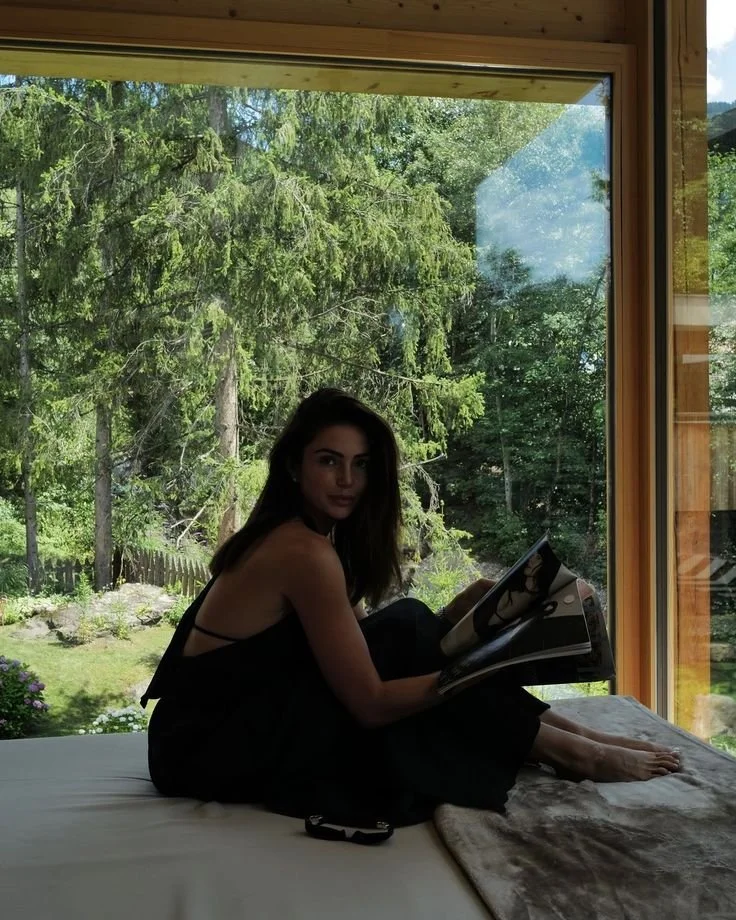


travelHLL x Editor


4 Smart Strategies For Budget-Friendly Travel

Travel is an essential part of life for many people. A well-planned trip can help you step away from work pressures, reset your routine, and return home feeling mentally refreshed. It can also broaden your perspective—introducing you to new cultures, new landscapes, and the kind of experiences that become lifelong memories.


Yet, for many travelers, cost is the main barrier. International flights, accommodation, meals, local transport, and activities can add up quickly. It’s easy to assume that meaningful travel is only possible with a big budget—but that simply isn’t true. With the right approach, you can dramatically reduce costs while still enjoying comfort, authenticity, and memorable experiences.

In this article, you’ll learn practical, reliable strategies for budget-friendly travel that don’t feel restrictive. Instead of “going without,” the goal is to make smart decisions: choosing the right timing, selecting affordable places to stay, cutting transport expenses, and eating well without overspending. These methods work whether you’re planning a weekend away, a family holiday, or a longer international adventure.

No. 1

Be Flexible With Your Plans (Timing, Destination, and Duration)

Flexibility is one of the most powerful tools for saving money on travel. The more rigid your dates, destination, or itinerary, the more likely you are to pay premium prices—especially in places where demand surges during school holidays or peak tourist season.

Travel in shoulder seasons to save money and avoid crowds

Travel operators, airlines, and hotels raise prices when demand is high. If you can travel outside peak periods, you can often get the same experience at a fraction of the cost—plus you’ll enjoy quieter attractions and shorter queues.

Consider traveling during:

  • Spring (shoulder season in many destinations)

  • Autumn (often cheaper, with comfortable weather)

  • early weekdays rather than weekends

  • off-peak school term times (if your situation allows)

In many countries, shoulder season weather is still pleasant, especially compared to mid-summer heat or winter extremes. You may also find that local people have more time for visitors, creating a more welcoming and less “tourist-saturated” feel.

Choose less touristy destinations for better value

Big-name cities and famous resorts tend to come with inflated prices. Alternative destinations—nearby towns, smaller islands, or less-hyped regions—often deliver a richer, more authentic experience for far less money.

To find better-value destinations, you can:

  • look for “second cities” (the nation’s second- or third-largest city often costs less)

  • search for places within 1–2 hours of major tourist hubs

  • prioritise regions with strong public transport and free attractions

  • compare prices using travel deal and comparison platforms

Use comparison tools and deal alerts strategically

Comparison sites can be useful, but they’re most effective when paired with flexibility. Try searching with “flexible dates” enabled, and set alerts for price drops when possible. Even adjusting your trip by a day or two can sometimes reduce flight costs significantly.

Keep your itinerary light to reduce hidden spending

Overplanning often leads to unnecessary expenses: rushed taxi rides, pricey convenience meals, and costly “we don’t have time to find a cheaper option” decisions. A calmer schedule gives you time to choose local transport, shop at markets, and find budget-friendly experiences.

No. 2

Find Affordable Accommodation (Without Feeling Like You “Settled”)

For many trips, accommodation is the single biggest expense—often even more than flights. The good news is that the accommodation market is broader than ever, and you can often find options that are affordable, comfortable, and better suited to real travel than a standard hotel room.

Use platforms with price filters and map tools

Websites such as Booking.com or AirBnb allow you to filter stays by budget, property type, location, and amenities. This makes it easier to decide what matters most—whether that’s a kitchen, walkability, parking, or family space.

When searching, look beyond the nightly rate and check for:

  • cleaning fees

  • deposits

  • local taxes

  • parking charges

  • extra costs for additional guests

  • Wi-Fi fees (rare now, but still appears in some places)

A place that looks cheap at first glance can become expensive once fees are added—so always calculate the true total.

Prioritize self-catering when it fits your travel style

Self-catering accommodation can drastically reduce meal spending because it gives you the option to prepare breakfast, pack lunches, and enjoy simple dinners at “home.” You don’t have to cook every meal for this to be worthwhile—just having the flexibility to eat in sometimes can make a major difference.

Self-catering also helps with:

  • dietary requirements

  • children who prefer familiar foods

  • avoiding the pressure of finding restaurants every day

  • cutting down on impulse spending

Consider alternative stays: campsite, cabin, or RV park

Hotels and resorts aren’t the only options. Depending on your destination and comfort preferences, you might find excellent value in:

  • a campsite (especially if you enjoy nature-based travel)

  • a cabin (often family-friendly and spacious)

  • an RV park (which can combine affordability with community facilities)

An RV park can be particularly cost-effective because it may give you access to practical amenities and a convenient base—especially for road trips or longer stays. It can also reduce the everyday costs of traveling, since you may be able to prepare food and keep your routine simpler.

Explore housesitting for a free stay

If you have flexibility and enjoy slower travel, housesitting can reduce accommodation costs to zero. In exchange for caring for someone’s home (and sometimes pets), you can stay for free—often in desirable areas. It won’t suit every traveler, but it’s a powerful option for longer trips or remote working while traveling.


No. 3

Save on Transport Costs (Before You Leave and Once You Arrive)

Transport is the second major expense category for many travelers, and it’s also one of the easiest to optimise. With a few strategic decisions, you can reduce costs without making travel uncomfortable.

Book flights with a plan—either early or opportunistic

There are two approaches that often work:

  • Book early if you know your dates and destination, especially during popular travel periods.

  • Book last-minute if you’re flexible and willing to travel wherever the deal is best.

To increase your chances of finding affordable flights:

  • compare different airlines and routes

  • consider flying into a nearby airport and using local transport

  • pack light to avoid baggage fees

  • travel midweek if possible

  • check whether a slightly longer layover dramatically lowers the fare

Consider alternatives to flying

Not every great trip requires a plane. Depending on where you live, you might be able to plan an amazing holiday using:

  • a road trip

  • train travel (often scenic and lower stress)

  • coach or bus routes

  • regional ferries

Staying within your own country can be a budget-friendly way to travel more often. It also reduces time lost to airports and makes it easier to bring what you need without excess luggage fees.

Use local transport instead of taxis

Once you arrive, transport costs can sneak up quickly—especially if you rely on taxis or ride-hailing apps for short trips. In many destinations, walking and public transport are part of the experience, not a compromise.

To keep spending under control:

  • walk when attractions are close together

  • use local buses or metro systems

  • purchase day passes or travel cards where available

  • choose accommodation with good transport links

As a bonus, using local transport often gives you a more authentic feel for the destination—more street-level detail, more spontaneous discoveries, and fewer “tourist bubble” moments.

No. 4

Plan Meals Wisely (Eat Well, Try Local Food, Spend Less)

Food is one of the great joys of travel. Trying local dishes and discovering new flavours can be a highlight of any trip. The key is to spend intentionally—so you can enjoy great meals without draining your budget.

Avoid tourist traps and eat where locals eat

Restaurants near major attractions often charge more for lower quality, because they rely on one-time visitors.

To find better value:

  • walk a few streets away from main tourist areas

  • look for places filled with locals

  • check menus for transparent pricing

  • ask accommodation hosts where they eat

  • consider lunch specials, which are often cheaper than dinner

This approach doesn’t just save money—it often improves your meals. Local restaurants tend to deliver better flavour, better atmosphere, and a more genuine connection to the culture.

Use markets and street food for value and authenticity

Local markets and street food stalls can offer the best balance of affordability and cultural interest. You can sample local specialities, try a variety of foods, and keep costs predictable.

Good budget-friendly food options include:

  • market fruit, pastries, and snacks

  • street food dishes made fresh on the spot

  • small family-run cafés

  • bakeries for breakfast and lunch

  • grocery stores for picnic supplies

A picnic lunch—especially in a scenic spot—can feel like an experience, not a compromise.

Set a daily spending budget (and make room for one “splurge”)

A simple daily budget helps you stay on track without feeling restricted. It can also reduce decision fatigue because you know what you can comfortably spend.

A helpful approach is:

  • plan for affordable breakfasts (self-catering if possible)

  • choose one main meal out per day

  • keep snacks on hand to avoid expensive convenience purchases

  • allow for one special meal or “splurge” during the trip

This creates balance: you enjoy local cuisine, but you’re not paying restaurant prices every day.


No. 5

Bonus Tips That Make Budget Travel Easier (and More Enjoyable)

While the four strategies above cover the biggest savings, a few extra habits can make budget travel feel even smoother.

Travel insurance can save money in the long run

It’s tempting to skip travel insurance, but unexpected disruptions—delays, illness, cancellations, lost luggage—can become extremely expensive. Insurance protects your budget from the costs you can’t predict.

Build your trip around free and low-cost activities

Some of the best travel experiences are free:

  • beaches, parks, and hiking trails

  • museums with free entry days

  • historic neighbourhood walks

  • local festivals and markets

  • viewpoints and scenic routes

When you mix free experiences with a few paid activities, your trip feels full without feeling expensive.

Pack smart to avoid last-minute purchases

Forget one key item—like a charger, raincoat, or swimwear—and you’ll often pay inflated tourist prices to replace it. A simple packing checklist can prevent those avoidable costs.

Takeaways

Budget travel isn’t about restricting yourself—it’s about making smarter choices so you can travel more often and enjoy the experience without financial stress. By staying flexible with timing and destination, choosing affordable accommodation (including options like a campsite, cabin, or RV park), cutting transport costs through strategic booking and public transit, and planning meals with intention, you can dramatically reduce the price of your trip without compromising the fun.

If you adopt even one or two of these strategies, you’ll likely notice an immediate difference in your travel budget—and a surprising boost in how relaxed and confident you feel while traveling. The result is what matters most: meaningful experiences, lasting memories, and the freedom to explore without worrying about your bank balance.


Looking for Travel resources?

Looking to embark on a transformative journey to discover new cultures, expand your horizons, and reconnect with yourself? Explore, learn, and awaken your wanderlust with our travel partners designed to support you on your next getaway.
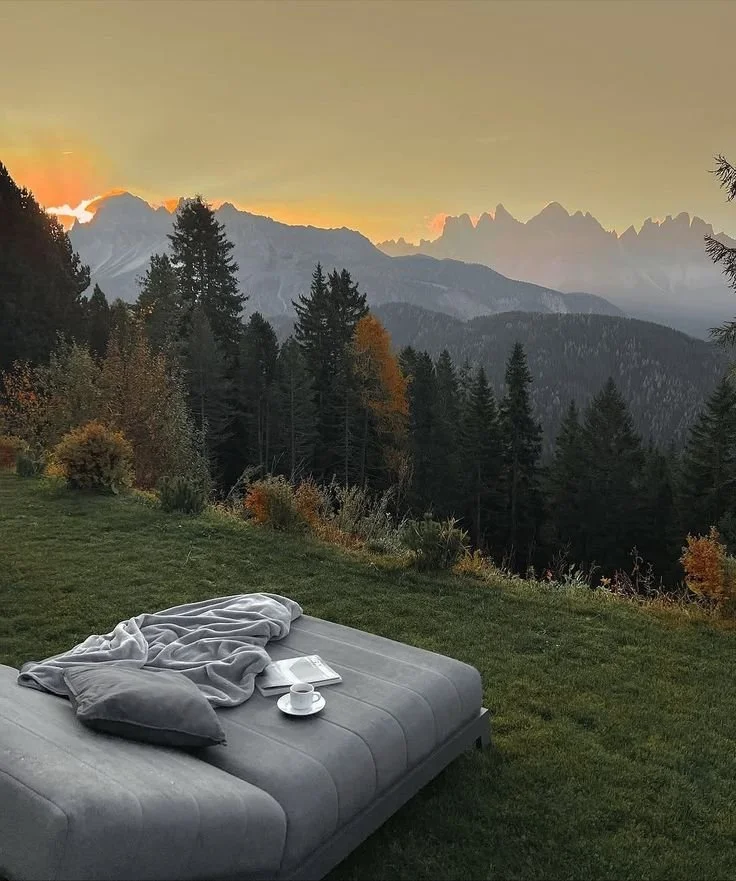


travelHLL x Editor


How To Plan A Family Holiday Without Overdoing It

Planning a family holiday is one of those life moments that can feel thrilling and overwhelming at the same time. On one hand, you’re picturing the memories you’ll make—shared meals, new places, and the kind of laughter that doesn’t always fit into a busy week. On the other hand, you may also be thinking about logistics: costs, travel time, children’s needs, packing lists, and the pressure to make everything “worth it.”


The truth is that a successful family trip rarely comes from trying to cram in too much. Overplanning often leads to stress, fatigue, and disappointment—especially when travelling with children, who can be less interested in ticking off attractions and more interested in feeling comfortable, rested, and included.

In this article, you’ll learn how to plan a family holiday in a way that balances excitement with simplicity. We’ll cover how to choose a destination that works for everyone, how to budget with confidence, and how to reduce stress while still creating a trip that feels special. The goal is not perfection—it’s a holiday that your family genuinely enjoys from start to finish.

No. 1

Choosing a Good Destination

The destination you choose sets the tone for the entire holiday. A great location can make the trip feel effortless, while the wrong choice—no matter how beautiful—can turn even a short break into something that feels like hard work. When you’re travelling as a family, it’s not just about where you want to go, but where you can realistically thrive as a group.

Think “family-fit,” not just “popular”

It’s easy to be influenced by social media, travel trends, or recommendations from friends. But the best destination is the one that suits your family’s energy, preferences, and needs.

Consider questions like:

  • How long can your children comfortably travel in one day?

  • Do they do better with active days or slower, relaxed schedules?

  • Is the destination stroller-friendly (if relevant), and does it have accessible facilities?

  • Are there child-friendly meal options nearby?

  • What’s the climate like, and will it affect naps, sleep, or general comfort?

A beach holiday might sound perfect—until you realise your child dislikes sand, hates heat, or struggles with unfamiliar sleeping arrangements. Likewise, a city break might be exciting, but if your kids are too young for long walking days, it can quickly become exhausting.

Don’t neglect your own needs

Parents often plan around children (understandably), but your needs matter too. If the destination doesn’t offer any enjoyment for the adults, the trip can feel like work in a different location—especially when you’re managing tired kids, unfamiliar routines, and the constant “what next?” decision-making.

Try to find a destination that includes:

  • at least a few activities you genuinely enjoy

  • comfortable accommodation (sleep is everything)

  • easy access to food and essentials

  • downtime opportunities for everyone

It’s worth remembering that the parts of travel that feel like a chore at home can feel even heavier when you’re away—laundry, constant spending, packing/unpacking, and navigating unfamiliar places. The more your destination supports ease, the more enjoyable the holiday becomes for everyone.

Plan a few child-friendly activities—but leave breathing room

When you’re on the road with kids, it helps to have a loose plan, especially for travel days and the first day of arrival. Children often settle more easily when they know what to expect and have something to look forward to.

A simple approach is to plan:

  • one “anchor activity” per day (zoo, beach, pool, playground, easy hike)

  • flexible time around it for snacks, rest, and spontaneous choices

This reduces the risk of boredom while also avoiding the trap of trying to do too much. A holiday that feels spacious is often the one everyone remembers most fondly.

No. 2

Budget Wisely (So You Don’t Pay for the Holiday Twice)

Budgeting can be the least glamorous part of planning, but it’s one of the most important. If you’ve ever returned from a trip feeling financially stretched, you’ll know how quickly post-holiday stress can cancel out the joy you just experienced.

A realistic budget protects your trip in two major ways:

  1. It prevents overspending and regret.

  2. It gives you clarity—so you can relax and enjoy yourself while you’re away.

Start with the full picture of costs

Many families budget for accommodation and transport but underestimate the smaller costs that add up quickly. To avoid surprises, build your budget around categories such as:

  • Transport: flights, fuel, parking, tolls, taxis, public transport

  • Accommodation: nightly rates, resort fees, deposits, and cleaning fees

  • Food: groceries, snacks, eating out, coffee stops, “emergency” convenience purchases

  • Activities: entry tickets, tours, rentals, experiences, rainy-day backups

  • Travel insurance: essential for peace of mind and unexpected disruptions

  • Extras: souvenirs, tips, photos, laundry, childcare add-ons

Once you can see the whole picture, you can make better choices—like choosing a destination where activities are low-cost (beaches, parks, walking trails), or selecting accommodation that reduces your daily spending.

Reduce reliance on eating out

One of the fastest ways to blow a travel budget is constant eating out—especially with children, who often want snacks more frequently and may not always eat a full restaurant meal. While dining out can absolutely be part of the fun, it’s rarely necessary for every meal.

A practical strategy is to balance it:

  • eat out once per day (or every other day)

  • keep breakfasts simple at your accommodation

  • pack snacks for outings to avoid overpriced impulse buys

  • choose one “special” family meal to look forward to

Consider an RV park for flexibility and savings

If you want an option that can significantly reduce costs without reducing enjoyment, consider staying at an RV park. This can make a major difference, particularly for families who want more control over meals, more space to unwind, and an easier day-to-day routine.

An RV park setup can help because:

  • you can often prepare food “at home,” reducing restaurant spending

  • there’s typically space for kids to play, explore, and burn energy

  • many locations are near outdoor activities, trails, and family-friendly attractions

  • the atmosphere is often relaxed and community-oriented, which suits families well

The financial benefit is only part of it. When you simplify meals and create a base where everyone can comfortably recharge, the entire holiday tends to run more smoothly. You may also find that planning becomes less stressful because you’re not trying to coordinate every meal and every moment.

Build in a buffer (because something always comes up)

Even a well-planned trip will have extras: a rainy day activity, a last-minute change, or a “we need this now” purchase. A small buffer helps you avoid stress when the unexpected happens.

A good rule is to set aside a percentage of your budget—whatever feels realistic—to cover:

  • sudden changes in weather

  • extra fuel or transport

  • pharmacy items (plasters, pain relief, motion sickness support)

  • an unplanned treat that makes the day better

When you have a buffer, you’re less likely to feel like every purchase is a threat to your finances, and more likely to stay present and enjoy the trip.


No. 3

Keep Planning Simple so the Holiday Stays Enjoyable

A common mistake in family holiday planning is trying to design an “ideal” trip, rather than a realistic one. Children may get tired, plans may change, and energy levels may fluctuate. That’s normal. Planning with flexibility makes the difference between a stressful holiday and a restorative one.

Focus on what makes your family feel good

Every family has different needs. Some love busy schedules and new experiences; others feel best with calm mornings, familiar routines, and plenty of downtime. A simple way to plan effectively is to identify your family’s “non-negotiables,” such as:

  • consistent sleep and meal times (as much as possible)

  • daily outdoor time (or daily quiet time)

  • short travel distances between activities

  • a comfortable base to return to

When you build around these, your holiday becomes easier to enjoy, and you reduce the likelihood of meltdowns, arguments, and exhaustion.

Use a light structure rather than a strict itinerary

Instead of scheduling every hour, try planning your days like this:

  • Morning: one main activity

  • Afternoon: rest, free play, flexible options

  • Evening: easy dinner and something calm

This rhythm works well for most families because it respects energy levels. It also creates the feeling of “we did something,” without the pressure of doing everything.


Takeaways

A family holiday should feel exciting—but it shouldn’t feel like a project that drains you before you even leave. The best trips come from thoughtful simplicity: choosing a destination that truly fits your family, budgeting in a way that protects your peace of mind, and planning just enough structure to keep things smooth without overloading the schedule.

If you want to make your next holiday genuinely enjoyable, start by doing less—but doing it better. Pick a destination that meets both children’s and adults’ needs, build a realistic budget that includes hidden costs, and consider options like an RV park to reduce spending while increasing comfort and flexibility. With the right balance, you’ll come home with what matters most: shared memories, lighter stress, and a family that actually feels refreshed.


Looking for Travel resources?

Looking to embark on a transformative journey to discover new cultures, expand your horizons, and reconnect with yourself? Explore, learn, and awaken your wanderlust with our travel partners designed to support you on your next getaway.
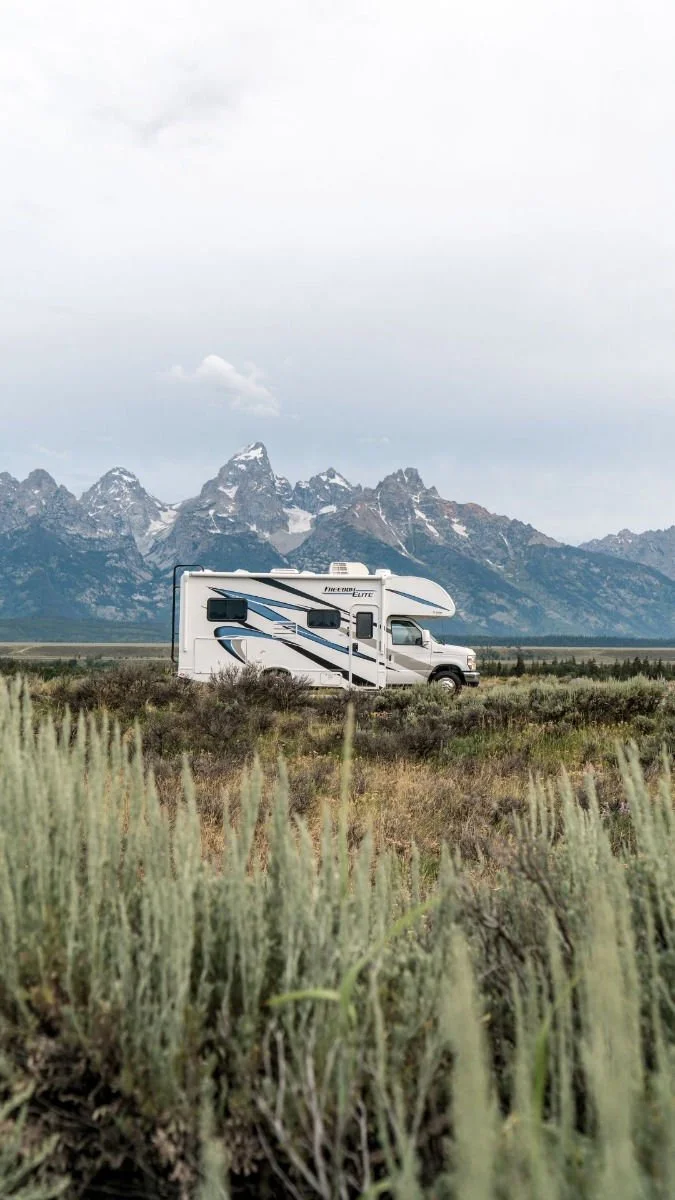


travelHLL x Editor


Exclusive Travel Experiences For Special Occasions

Special occasions deserve more than a standard celebration. Whether you’re honoring a milestone birthday, an anniversary, a graduation, an engagement, or a long-awaited reunion, the way you mark the moment matters. A typical dinner reservation can be lovely—but pairing your celebration with a thoughtfully chosen trip elevates it into an experience with texture, anticipation, and a sense of “we’ll remember this forever.”


Travel changes the emotional weight of a date on the calendar. New scenery pulls you out of routine. Shared discovery makes the celebration feel vivid and specific. And the destination itself becomes part of the story—something you’ll reference for years with a smile: “Remember where we were when…?”

In this article, you’ll find polished ideas for exclusive travel experiences designed around life’s biggest moments. We’ll cover romantic getaways for couples, milestone birthday trips, destination proposals, luxury group travel for family celebrations, adventure-forward experiences for thrill seekers, and practical ways to capture memories that last long after the bags are unpacked.

No. 1

Why Special-Occasion Travel Feels So Meaningful

A special trip does more than provide entertainment—it creates a clean break from everyday responsibilities. Even short journeys can feel significant because they shift the setting, pace, and priorities. You give the occasion your full attention instead of squeezing it between errands and notifications.

Exclusive travel doesn’t always mean “expensive.” It means intentional: choosing a destination, itinerary, and style of experience that matches the moment you’re celebrating.

The most unforgettable trips often share a few common elements:

  • A setting that feels distinct from your normal life (coastal air, mountain views, historic cities, remote islands)

  • A pace that fits the occasion (slow and romantic, energetic and social, adventurous and bold)

  • One or two signature moments (a private dinner, a sunrise excursion, a surprise proposal spot, a group outing)

  • Comfort and ease, so you can focus on connection instead of logistics

With that mindset, you can design a celebration that feels elevated—without turning it into a production.

No. 2

Romantic Getaways Designed for Couples

Few experiences feel as effortless and memorable as escaping to a beautiful destination with someone you love. Romantic travel is a classic choice for anniversaries, engagements, vow renewals, “just because” weekends, and relationship milestones that deserve dedicated time.

Choosing the right romantic setting

Many couples gravitate toward destinations known for:

  • peaceful beaches and warm weather

  • charming coastal towns with walkable streets

  • dramatic ocean views or cliffside lookouts

  • quiet resorts with privacy and slow mornings

These environments naturally encourage relaxation and closeness. They also reduce decision fatigue—when the scenery is gorgeous and the rhythm is calm, you don’t have to “work” to make the trip feel romantic.

The most memorable moments are often simple

A romantic getaway doesn’t need an overbuilt itinerary. In fact, many couples remember the quiet moments most:

  • watching the sunrise with coffee in hand

  • walking a quiet shoreline after dinner

  • taking a boat ride that turns into a long conversation

  • sharing a candlelit meal with an ocean view

These experiences are powerful precisely because they’re unhurried. They create a calm intimacy that everyday life often interrupts.

Shared novelty strengthens connection

Exploring unfamiliar places together builds shared memories—inside jokes, discoveries, and little traditions. That novelty can strengthen bonds because it invites teamwork and presence: navigating a new town, finding a hidden beach, or trying a new cuisine becomes part of your relationship’s story.


No. 3

Celebrating Milestone Birthdays in Style

Milestone birthdays tend to inspire a bigger, bolder kind of celebration. Turning thirty, forty, fifty, sixty—or any “new chapter” age—often comes with reflection and renewed energy. It’s a natural time to choose an experience that feels like a reward and a reset.

According to Tropic Ocean Airways, a private charter in West Palm Beach, “Instead of hosting a traditional party, celebrating a milestone birthday while traveling adds an adventurous twist. Imagine spending the day exploring scenic coastlines, relaxing on pristine beaches, or enjoying a private dinner with friends overlooking the ocean. These experiences make the celebration feel extraordinary.”

Why group travel works so well for birthdays

Group trips are especially popular for milestone birthdays because they combine celebration with connection. Rather than a short gathering at home, you get unstructured time together—breakfasts, beach afternoons, late-night conversations, and spontaneous laughter.

To keep group travel enjoyable (instead of exhausting), it helps to plan:

  • one anchor activity per day (boat tour, special dinner, guided experience)

  • built-in free time so people can rest or explore independently

  • a shared home base (villa, boutique hotel block, or resort area close to activities)

Make the destination match the person

The most successful milestone trips feel personal. Consider choosing experiences that reflect the guest of honor’s interests:

  • Nature lover: coastal landscapes, marine life excursions, scenic trails

  • Food-focused traveler: cooking classes, tastings, restaurant-driven destinations

  • Culture enthusiast: music, museums, historic sites, local festivals

  • Wellness-minded: spa days, yoga by the water, slow mornings and early nights

When the trip matches someone’s personality, the celebration feels authentic—not generic.

No. 4

Destination Proposals That Create Magical Memories

For many couples, a proposal is one of life’s most emotionally charged moments. The location you choose can add meaning, privacy, and a sense of cinematic beauty—without needing anything extravagant beyond thoughtful planning.

Why destination proposals feel so powerful

Destination proposals are popular because they blend intimacy and adventure. You’re already outside routine, which makes the moment feel heightened. A breathtaking setting—secluded beach, scenic coastal cliff, peaceful island, mountaintop overlook—frames the proposal with beauty and focus.

The role of surprise (and simplicity)

The element of surprise often makes destination proposals especially memorable. A well-planned “normal” outing can become extraordinary at the right moment:

  • a sunset walk that turns into a proposal

  • a boat ride with a quiet stop at a secluded shoreline

  • a dinner reservation that includes a private viewpoint beforehand

  • a casual day trip that ends with a planned moment

The key is to keep the experience emotionally centered. The destination is the stage; the relationship is the reason.

Practical tip: plan for the aftermath

A proposal is not just the question—it’s what comes next. Consider planning a celebratory “next step” that keeps the moment from feeling rushed:

  • champagne or dessert waiting back at the hotel

  • a private dinner reservation

  • a photo session the following morning

  • a low-key activity that lets you both decompress and enjoy the new chapter


No. 5

Luxury Group Travel for Family Celebrations

Family celebrations—reunions, anniversaries, retirements, and multi-generational trips—become more meaningful when everyone can spend real time together. Travel creates that time naturally, because you’re sharing meals, surroundings, and experiences across several days rather than a few hours.

Why a destination gathering works better than “hosting at home”

At home, the host often carries the burden of planning, cleaning, cooking, and coordinating. On a trip, that workload can be shared—or outsourced—so the focus shifts back to togetherness.

Luxury group travel, in particular, offers comfort and convenience:

  • spacious accommodations with common areas

  • easier meal planning (chef, resort dining, or catered options)

  • activities that can be tailored to different ages and energy levels

  • privacy and downtime built into the day

Choose destinations with variety

For multi-generational groups, flexibility is everything. Look for locations that offer a broad menu of options, such as:

  • beaches for swimming and relaxation

  • scenic landscapes for easy sightseeing

  • walkable areas for casual exploring

  • cultural attractions for those who prefer museums, music, or local history

This allows each person to enjoy the trip without forcing one “perfect itinerary” on everyone.

No. 6

Adventure Experiences for Thrill Seekers

Not every celebration is meant to be slow and quiet. Some people want to mark a special occasion with adrenaline, discovery, and stories they can’t stop retelling. Adventure travel can be the ideal format for birthdays, graduations, bachelor/bachelorette trips, and “we finally did it” milestones.

What makes adventure celebrations unforgettable

Adventure creates memory through intensity. When you try something new—especially alongside people you trust—the experience bonds the group and sharpens the moment.

Adventure-focused travel might include:

  • snorkeling in clear waters and exploring marine life

  • hiking scenic coastal trails with panoramic views

  • kayaking through hidden coves

  • boat excursions to remote beaches

  • guided wildlife encounters or nature tours

These experiences often feel meaningful because they require presence. You can’t multitask your way through them.

The emotional payoff of doing something hard (and fun)

For many travelers, celebration isn’t only about comfort—it’s about proving something to yourself. Completing a challenging hike, trying a new water activity, or pushing past fear can turn the trip into a personal milestone, not just a social one.

No. 7

Capturing Moments That Last a Lifetime

One of the most beautiful aspects of special-occasion travel is how long it lives in your memory. The trip ends, but the photos, stories, and shared references remain. Capturing those moments doesn’t require professional production—just intention. Simple snapshots of a sunset, a group dinner, or a quiet moment by the ocean can tell a powerful story about the celebration. These images often become treasured reminders of the trip.

Simple ways to preserve the story

Often, the best memory-keepers are small:

  • a sunset photo at the same spot each evening

  • a quick snapshot of the group dinner table

  • a candid moment during an excursion

  • a short video clip of laughter, ocean waves, or a toast

These “ordinary” images become extraordinary later because they hold emotion, not perfection.

Journals and digital keepsakes

Many travelers also like to document their trips through:

  • short daily journal entries

  • shared albums for friends and family

  • social media posts that highlight the best moments

Writing even a few lines about what made the day special can preserve details that photos can’t: a quote, a joke, a feeling, a small surprise that made the trip yours.

Takeaways: Make the Occasion the Memory, Not Just the Date

A special occasion is more than a reason to celebrate—it’s a chance to create a lasting memory that reshapes how you remember that season of your life. Exclusive travel experiences do this beautifully because they combine connection, novelty, and intentional time. Whether you’re planning a romantic escape, a milestone birthday trip, a destination proposal, a family reunion, or an adventure-forward celebration, the best trips share one trait: they are designed with purpose.

If you choose a destination that matches the moment—and leave space for both signature experiences and simple, quiet joy—you won’t just celebrate the occasion. You’ll turn it into a story you’ll be glad you lived.


Looking for Travel resources?

Looking to embark on a transformative journey to discover new cultures, expand your horizons, and reconnect with yourself? Explore, learn, and awaken your wanderlust with our travel partners designed to support you on your next getaway.
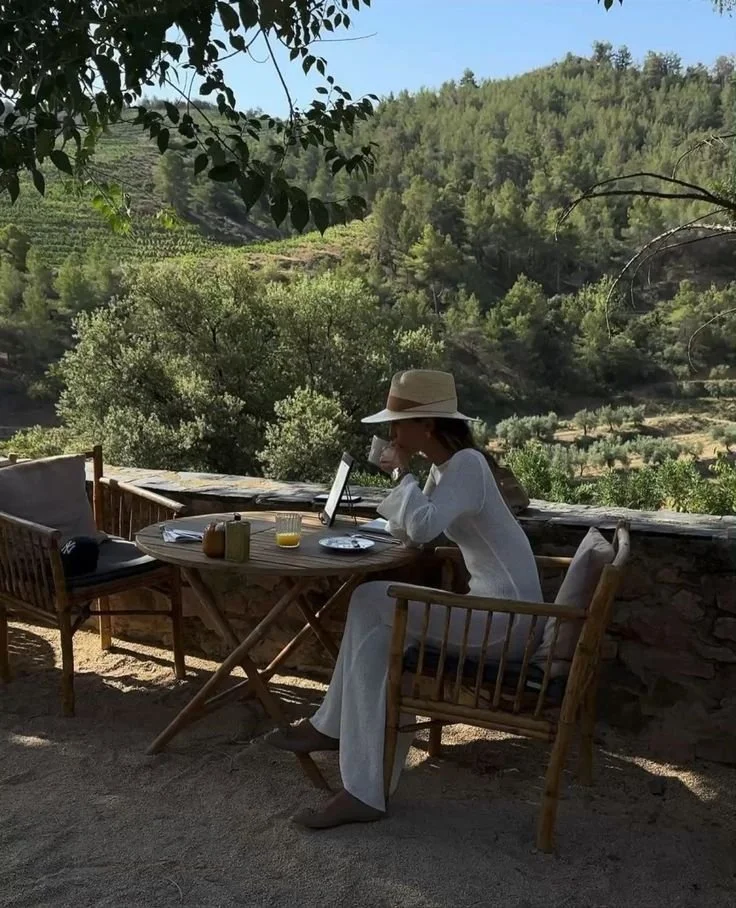


travelHLL x Editor