Posts in travel
Peak Season Travel: How To Avoid Stress And Delays

Peak season travel is easy to romanticize when it is still just a tab open on a laptop. The weather is usually at its best, the photos look vibrant, and the cities, beaches, and small towns you have been daydreaming about feel alive in a way they often do not during the off-season. There is a reason so many people aim for the busiest months: conditions are appealing, schedules line up with school holidays, and popular travel destinations are operating at full speed.


The catch is that everyone else is thinking the same thing. During peak season, popular routes sell out quickly, prices climb, and small disruptions can snowball into major problems. A minor delay can trigger missed connections, a fully booked hotel can turn a simple check-in into a last-minute scramble, and a crowded attraction can transform a relaxed afternoon into hours of waiting.

In this article, we will explore the most common peak season travel pain points and the practical steps you can take to reduce risk, protect your itinerary, and preserve your time and budget when demand is at its highest.

No. 1

A Delay Can Mess with More than Just the Schedule

A delayed flight or train is always frustrating, but during peak season, it can feel especially disruptive because backup options may be limited. The next train might be full, the next flight might not be until the following day, and the car rental desk may have nothing left besides a printed policy and an apology. When inventory is tight, you have far less flexibility to recover.

Peak season delays also tend to come from multiple sources, sometimes layered on top of each other. Airports and rail networks operate closer to capacity, which means there is less slack in the system when something goes wrong.

Common causes of peak season delays

Delays are rarely due to one clean, predictable reason. During the busiest months, they often stem from:

  • Weather disruptions that ripple across multiple cities and routes

  • Mechanical or technical issues that require safety checks or equipment swaps

  • Overbooking that triggers reassignments and gate changes

  • Crew scheduling limits that prevent an on-time departure

  • Airport or station congestion that slows takeoff slots and platform availability

  • Passenger disruptions that force rerouting, deplaning, or security delays

When these events happen at scale, travelers are often left competing for the same limited rebooking options.

How to reduce the impact of delays

You cannot prevent every disruption, but you can plan in a way that makes delays less damaging.

  • Book early departures when possible

    • Morning flights and trains are less likely to be affected by delays that accumulate throughout the day.

  • Build buffer time into connections

    • If you must connect, choose longer layovers and avoid the tightest legal connection times during peak travel windows.

  • Avoid the last flight or the last train of the day

    • If you miss it, you may be stuck overnight with fewer alternatives.

  • Keep essentials in your personal item

    • Include chargers, medication, a change of clothes, and basic toiletries so you can manage an unexpected overnight or long wait.

  • Buy travel insurance online as a backup plan

    • Many travelers skip it to save money, but during peak season, a single disruption can be more expensive than the policy itself. Travel insurance can help cover eligible costs tied to delays, missed connections, or certain unexpected events, depending on the plan.

No. 2

Your Booking Confirmation Can Be Canceled

A folder full of confirmation emails feels reassuring, but during peak season, a booking is not always as final as it looks. Flights can be overbooked and passengers can be bumped. Hotels can overbook, too, sometimes relying on historical no-show rates that do not apply during high-demand periods.

Short-term rentals can be an even bigger wildcard. Airbnb host cancellations happen year-round, but the consequences hit harder during peak season because replacement options are often either unavailable or dramatically more expensive.

Why cancellations are more painful during peak season

When demand is high, the market becomes less forgiving:

  • Alternative accommodations are scarce

  • Prices surge due to last-minute demand

  • “Good enough” options disappear quickly

  • Transportation schedules fill up, limiting your ability to relocate easily

  • Customer service lines and response times slow down because providers are overwhelmed

A cancellation the day before check-in is stressful at any time, but during peak season, it can force you into a costly and exhausting scramble that affects the entire trip.

How to protect your reservations

A few preventative steps can reduce the odds of a surprise cancellation and make recovery easier if it happens.

  • Reconfirm key bookings before departure

    • For hotels and rentals, send a short message 48–72 hours in advance confirming check-in time and arrival details.

  • Understand the cancellation policy in plain language

    • Know what happens if the provider cancels, not just what happens if you cancel.

  • Keep proof accessible

    • Store confirmations, screenshots, and receipts offline in case you lose signal or need quick documentation.

  • Book accommodations with reliable support channels

    • Properties with 24/7 front desks, established customer service, or clearly defined escalation processes are often better at resolving issues under pressure.

  • Create a shortlist of backup options

    • Even a quick list of two or three alternative hotels in nearby neighborhoods can save time if something falls through.


No. 3

Crowds Can Turn Simple Plans into All-Day Projects

If you are an early riser and you start your day before most people have finished breakfast, peak season might feel manageable. If you prefer slow mornings and spontaneous plans, crowds can quickly become your biggest source of friction.

Peak season has a way of stretching time. What would normally be a 20-minute activity can become a two-hour ordeal once you factor in lines, security checks, ticket collection, and full restaurants near major sites. Even moving through a busy train station or popular neighborhood can take longer than you expect.

Where crowds cause the most delays

Crowding does not only affect famous landmarks. It affects the entire travel ecosystem, including:

  • Attractions with timed entry windows that sell out early

  • Museums and landmarks with security screening bottlenecks

  • Boat tours and day trips that require early check-in and limited seating

  • Restaurants in central areas that fill up before prime meal hours

  • Public transportation during commute-like surges in tourist zones

  • Popular viewpoints and photo spots where lines form for a single picture

Crowd avoidance strategies that actually work

Avoiding crowds is less about luck and more about planning.

  • Use timed-entry tickets when available

    • Booking a specific slot can reduce uncertainty and prevent wasted time.

  • Visit major attractions at off-peak hours

    • The first hour after opening and the final hour before closing are often the quietest.

  • Shift meals earlier or later

    • Eating lunch at 11:00 or 14:00 can help you avoid long waits and rushed service.

  • Build your day around neighborhoods, not checklists

    • Staying within one area reduces transit time and makes the day feel calmer even when the city is busy.

  • Choose secondary sites with similar appeal

    • Many destinations have lesser-known museums, beaches, or viewpoints that deliver a comparable experience with fewer lines.

No. 4

Prices Rise Fast, and Small Costs Add Up

Peak season pricing is not limited to flights and hotels. It touches almost every line item in your travel budget, including transportation, tours, meals in tourist centers, and even basics like luggage storage or last-minute mobile data.

This is one of the most overlooked stressors of peak travel: you may think you planned a realistic budget, but the destination is operating at its most expensive level.

Typical peak season budget traps

Travelers often get hit by:

  • Higher daily rates for accommodations, plus stricter cancellation terms

  • Surge pricing for rideshares and taxis at busy times

  • Limited availability for trains and ferries that forces pricier alternatives

  • Markups for tours and activities, especially those with small group caps

  • Convenience spending when you are tired, hungry, or out of options

Ways to keep spending under control

You do not need to eliminate fun to manage costs; you need a strategy.

  • Lock in transportation early

    • Booking trains, ferries, and key routes in advance often saves money and prevents sellouts.

  • Prioritize high-value experiences

    • Choose a few memorable activities and skip the expensive “filler” that adds cost without adding much enjoyment.

  • Plan for peak pricing in your buffer

    • Build a realistic contingency fund into your budget so you are not forced into bad decisions when something changes.

  • Use flexible, refundable options selectively

    • For the most critical bookings, paying a little more for flexibility can protect you from much larger losses later.


No. 5

A Practical Peak Season Game Plan

Peak season travel does not have to be miserable. The goal is not to control every variable, but to reduce avoidable risk and make your trip resilient when the destination is operating at maximum demand.

A simple checklist before you go

  • Book core logistics early

    • Flights, accommodations, and major intercity transport should be prioritized.

  • Add time buffers

    • Leave room in your schedule for delays, lines, and slower movement through crowded areas.

  • Confirm your reservations

    • Recheck details close to departure, especially for accommodations and timed activities.

  • Keep documents organized

    • Store confirmations offline and make sure you can access them without Wi-Fi.

  • Plan your days around reality

    • Expect crowds and build itineraries that give you breathing room rather than forcing you to sprint from one place to the next.

Takeaways

Peak season delivers great weather and energy, but it also amplifies disruption, scarcity, and cost. The smartest approach is to assume the system will be crowded and build flexibility into your schedule.

Delays and cancellations are more difficult to recover from when everything is sold out, so preparation matters. Early departures, buffer time, reconfirming bookings, and a clear backup plan can prevent a small issue from becoming a trip-defining problem.

Crowds and peak pricing can drain both time and budget if you rely on spontaneous decisions. A few targeted strategies, including timed entries, off-peak visits, and realistic contingency budgeting, will help you keep control of your experience.


Looking for Travel resources?

Looking to embark on a transformative journey to discover new cultures, expand your horizons, and reconnect with yourself? Explore, learn, and awaken your wanderlust with our travel partners designed to support you on your next getaway.




travelHLL x Editor


How To Plan A Trip That Never Feels Boring

A boring trip is rarely the destination’s fault. More often, it happens when the days feel unstructured, decision fatigue sets in, and you end up defaulting to the easiest option: wandering without a plan, eating whatever is nearby, and scrolling your phone in your accommodation because you are not sure what to do next.


That said, it is completely normal to feel a little anxious about your next getaway, especially if your last trip fell flat. When something feels disappointing once, it is easy to assume it will happen again.

In this article, we will explore practical, realistic ways to make your next trip more engaging, smoother, and far more memorable by planning with intention while still leaving room for spontaneity. The goal is not to over-schedule every minute, but to set yourself up so you always have good options available.

No. 1

Look Up Tips Online

One of the simplest ways to improve a trip is to learn from people who have already been there. Online travel tips help you avoid predictable mistakes, discover experiences you would not otherwise find, and understand what requires booking.

Some travelers love showing up with no plan and figuring it out as they go. That can be fun if you are naturally spontaneous and comfortable with uncertainty. However, if you tend to feel bored without structure, doing some research ahead of time is not “overplanning”; it is a strategy for enjoying yourself.

What to research before you go

A quick but focused research session can dramatically improve your itinerary.

Look up:

  • The best time of day to visit major attractions to avoid crowds

  • Seasonal weather patterns and what to pack accordingly

  • Local transportation options and typical costs

  • Areas to avoid for safety or convenience reasons

  • Regional food specialties worth trying

  • Which activities require reservations, permits, or timed entry

Where to find reliable travel information

Not all advice online is equally useful.

Prioritize sources that are current and experience-based:

  • Official tourism and park websites for rules, closures, and permits

  • Recent blog posts updated within the last year

  • Forums where travelers share real-time conditions and practical details

  • Short-form videos for quick visuals of what experiences are actually like

  • Digital maps and saved lists to build a realistic daily flow

Planning basics that prevent boredom and stress

Many “boring trip” complaints are actually “logistics trip” problems.

A few fundamentals make everything easier:

  • Book flights in advance when possible to reduce cost and time pressure

  • Identify the top neighborhoods or areas you want to spend time in

  • Save your must-see locations on a map so you can group them efficiently

  • Build a simple daily structure: one anchor activity in the morning and one in the afternoon

Research does not remove spontaneity. It removes the uncertainty that leads to wasted time and missed opportunities.

No. 2

Find Out Where To Stay

Where you stay shapes how your entire trip feels. A poorly located accommodation can quietly drain energy through long commutes, limited food options, or the sense that everything is “far away.” On the other hand, the right base makes it easier to explore, rest well, and keep your days interesting without overthinking every move.

If you do not book ahead, you may end up spending your first day stressed, overpaying, or settling for a place that does not match your comfort level. That pressure can turn a promising trip into a frantic one.

How to choose the right location

Before selecting a hotel, rental, or campground, decide what matters most to you:

  • Proximity to key attractions and trailheads

  • Walkability to restaurants, shops, or viewpoints

  • Quiet vs. nightlife, depending on your preferences

  • Parking availability if you are renting a car

  • Access to public transport if you are not driving

  • Cell service and Wi-Fi if you need to work or navigate

Match your accommodation to your travel style

A common mistake is choosing a place that looks good in photos but does not support how you actually travel.

Consider what helps you recharge:

  • If you like slow mornings, pick a place with breakfast options or a kitchen

  • If you want early starts, stay closer to your main activity zone

  • If you are traveling with others, prioritize space and separate sleeping areas

  • If you are outdoors-focused, look for laundry access and easy gear storage

For example, if you’re planning to visit somewhere like Zion National Park, a quick search beforehand for where to stay near zion national park is going to be in your best interests. Even a basic location comparison can prevent long daily drives and help you spend more time enjoying the park instead of sitting in traffic.

A simple checklist before you book

Use this short list to avoid regret:

  • Confirm cancellation policies and check-in time windows

  • Read recent reviews for cleanliness, noise, and maintenance issues

  • Verify distance to your priority locations, not just the city name

  • Check parking costs and resort fees if applicable

  • Make sure your accommodation supports your schedule (early mornings, late arrivals, etc.)

When your home base is right, it becomes easier to be adventurous during the day because you know you have a comfortable place to return to.


No. 3

Plan Activities

If you want your trip to feel exciting, you need more than a destination. You need experiences. Planning activities is how you ensure your days have momentum, variety, and moments you will actually remember.

This does not mean building a rigid itinerary that leaves no room to breathe. It means selecting a handful of high-value experiences and then organizing your time so you can enjoy them without rushing.

Choose a mix of activity types

Trips feel boring when every day looks the same.

Build variety by mixing:

  • One signature experience you cannot do at home

  • One cultural activity, such as a museum, local market, or historic site

  • One outdoor activity, such as a hike, bike rental, or scenic drive

  • One food-focused experience, such as a notable restaurant or local specialty

  • One low-effort option for when you are tired, like a viewpoint or casual stroll

Book what sells out, leave the rest flexible

Many top activities require reservations, timed entry, or limited capacity. If you wait until you arrive, you may end up with no spots available and a lot of wasted time.

Prioritize booking:

  • Tours with limited group size

  • Popular restaurants in peak travel seasons

  • Park permits, shuttles, or guided hikes

  • Tickets for performances, events, or seasonal experiences

Then keep flexible blocks for spontaneity, like exploring a neighborhood you did not plan for or following a local recommendation.

Plan your days around energy, not just time

Boredom can happen when you are exhausted and cannot enjoy what you planned. Build an itinerary that fits your natural rhythm:

  • Put physically demanding activities earlier in the day

  • Schedule a long break midday if you are traveling in the heat or with kids

  • Keep evenings simple if mornings start early

  • Avoid stacking too many “must-dos” back-to-back

Build a backup list for slow moments

One of the most effective ways to prevent boredom is to create a short “if we have time” list. That way, when you finish something early, or the weather changes your plans, you have ready-made options instead of defaulting to nothing.

Include:

  • A café you want to try

  • A scenic spot for sunset

  • An easy walking route

  • A small museum or gallery

  • A local shop or market area

The best trips usually balance structure and freedom. Planning activities gives you the structure, and leaving gaps gives you the freedom.

No. 4

Make Space for Spontaneity Without Losing Direction

Planning is essential, but trips become unforgettable when you leave room for surprises. The key is to plan enough that you are never stuck, while staying open enough that you can pivot when something better appears.

Ways to stay spontaneous strategically

You can keep your schedule loose while still feeling organized:

  • Choose one main activity per day as your anchor, then build around it

  • Leave at least one “open” half-day for exploring without a plan

  • Ask locals what they recommend, and be willing to adjust

  • Follow your curiosity when you find a neighborhood, trail, or viewpoint you love

Avoid the most common spontaneity trap

The trap is arriving with no plan, then spending hours debating what to do.

To avoid that:

  • Save 10 to 15 ideas in a map before you travel

  • Keep a short shortlist of “easy wins” that require no booking

  • Decide in advance how far you are willing to travel each day

This approach preserves the fun of freedom without the boredom of indecision.


No. 5

Prepare for Comfort, Convenience, and Energy

Trips often feel dull when you are hungry, tired, or uncomfortable. Your experience is shaped by basic needs, and addressing them proactively makes it easier to enjoy everything else.

Pack and prep for smoother days

A few small items and habits reduce friction dramatically:

  • Comfortable shoes that you have already broken in

  • A reusable water bottle, especially for outdoor destinations

  • Portable charger for long days of navigating and taking photos

  • Layers to handle temperature swings

  • Simple snacks to avoid “hangry” decision-making

Build habits that protect your energy

Boredom is sometimes a symptom of burnout, not a lack of activities.

Protect your energy with:

  • Adequate sleep, even if it means fewer late nights

  • Real meals, not just convenience snacks

  • A realistic pace that fits your fitness and interest level

  • Rest time that is intentional, not accidental

When your body is supported, your mind is more present, and the trip feels more vivid.

Takeaways

Planning is the fastest way to prevent a boring trip because it reduces wasted time and helps you discover experiences you would otherwise miss. Start with online research and build a simple daily structure that includes one or two anchor activities.

Where you stay matters more than most people think, since location and comfort directly affect how much you can do without feeling drained. Booking accommodations in advance, especially near key destinations like Zion, can make the entire trip smoother and more enjoyable.

A great itinerary balances booked experiences with flexible time so you can be spontaneous without losing direction. With a short backup list, a smart activity mix, and a comfort-focused approach, your next trip can feel engaging from day one to the moment you head home.


Looking for Travel resources?

Looking to embark on a transformative journey to discover new cultures, expand your horizons, and reconnect with yourself? Explore, learn, and awaken your wanderlust with our travel partners designed to support you on your next getaway.


travelHLL x Editor


Best Restaurants In Bangkok: Top Picks For Food Lovers

Bangkok is one of the world’s most exciting cities to visit, and its dining scene is a major reason why. From high-end tasting menus in luxury hotels to local favorites by the river, the Thai capital offers an unmatched range of flavors, formats, and experiences.


In this article, we will explore the best restaurants to visit in Bangkok and the must-try food experiences that belong on any well-planned itinerary. Whether you are celebrating a special occasion or building a day around street food, this list will help you choose venues that deliver both memorable meals and a true sense of place.

No. 1

Chef’s Table: A Two-MICHELIN-Star Dining Experience

If your Bangkok trip includes even one fine-dining night, Chef’s Table deserves serious consideration. As shown on https://lebua.com/, Chef’s Table is a two-star MICHELIN restaurant set within one of Bangkok’s most prestigious luxury destinations, and you can reserve a table even if you are not staying on-site. The experience is designed to feel immersive and theatrical, with an open-kitchen concept that brings you close to the craft behind each course.

Chef’s Table is often associated with modern French cuisine presented at an exceptionally high level, with careful attention to technique, pacing, and service. It is the type of meal that becomes an event, not just dinner, making it ideal for anniversaries, milestone birthdays, or a “once on this trip” splurge.

What to expect from the experience

Chef’s Table is not a quick bite or a casual reservation. Plan for a structured evening where each detail is intentional, including:

  • A multi-course tasting format rather than à la carte dining

  • An open kitchen environment where you can watch the team at work

  • A premium hospitality style with precise timing and presentation

  • A setting that feels elevated, quiet, and occasion-worthy

Tips for planning your visit

A little preparation can help you get the most value from a premium dining experience:

  • Reserve ahead of time, especially for peak travel periods

  • Arrive early to avoid feeling rushed and to enjoy the atmosphere

  • Consider your personal preferences regarding tasting menus and pacing

  • Treat it as a centerpiece event, not something to squeeze between activities

If you appreciate fine dining as performance and craft, Chef’s Table is one of the most compelling “Bangkok only” experiences you can book.

No. 2

Rongros: Thai Cuisine with Riverside Views

Bangkok’s food culture is built on bold flavors, regional variety, and the kind of hospitality that makes you want to linger at the table. Rongros captures that spirit by focusing on local food and a strong sense of authenticity. The restaurant’s tagline, “eat like a local,” sets the tone for a menu designed to celebrate Thai cuisine rather than dilute it.

One of Rongros’ biggest advantages is its location. A riverside setting naturally creates a more memorable dining atmosphere, particularly at golden hour, when the city softens into a mix of warm light and moving water. If you are looking for a dinner that feels unmistakably Bangkok, this is the kind of place that delivers.

Why this restaurant stands out

Rongros is a strong choice when you want something that feels both rooted and special.

It typically offers:

  • A menu centered on Thai flavors and familiar local comfort dishes

  • A presentation style that makes dishes feel celebratory rather than ordinary

  • A setting that works beautifully for sunset dinners and relaxed evenings

  • A “bring visitors here” energy without losing its Thai identity

How to approach a Thai-focused menu in Bangkok

If you want to get beyond the basics and experience Thai food the way locals often do, keep a few points in mind:

  • Order a balance of flavors: spicy, sour, salty, sweet, and bitter

  • Include a mix of textures: crispy, saucy, grilled, and fresh components

  • Share dishes family-style when possible to try more variety

  • Ask about house specialties and seasonal ingredients

If you have tried Thai food outside Thailand, Rongros can be a reset moment. It shows how layered and refined Thai cuisine can be when it is prepared for people who know exactly how it should taste.


No. 3

Chop Chop Cook Shop: Street Food Energy, Bangkok Style

Bangkok street food is not a single category; it is an entire ecosystem of techniques, influences, and regional variations. Thai cooks often borrow ideas from neighboring cuisines and reinterpret them with distinctly Thai ingredients and seasoning profiles. You can see this clearly in dishes with Chinese influence, particularly noodle stir-fries and wok-based cooking.

That is why Chop Chop Cook Shop earns a spot on this list. It is a great place to try a Bangkok street food staple in a setting that still feels energetic and casual, but with consistency that travelers often appreciate.

What makes noodle stir-fries a must-try

In Thailand, wok cooking is about speed, heat, and balance. A great stir-fry is not just “noodles with sauce”; it is a dish where timing, texture, and heat management matter.

When you try stir-fry noodles in Bangkok, you are tasting:

  • High-heat wok technique that creates depth and aroma

  • Sauces built on layered seasoning rather than one-note sweetness

  • A mix of chewy noodles, crisp vegetables, and savory proteins

  • Food designed to be satisfying at any time of day

When to visit for the best experience

Chop Chop Cook Shop is ideal when you want something delicious, informal, and dependable. It fits naturally into a Bangkok itinerary:

  • Lunch between sightseeing stops

  • A late-afternoon bite after shopping

  • A post-drinks meal that feels comforting rather than heavy

  • A casual dinner when you want something fast without sacrificing flavor

For travelers, the appeal is simple: you get the spirit of street food with a little more structure, which makes it easy to recommend and easy to repeat.

No. 4

Kodtalay The Riverfront Seafood Buffet: Freshness at Great Value

Bangkok’s proximity to coastal regions and its role as a major food distribution hub make it an excellent city for seafood. While fine-dining seafood exists, there is something especially satisfying about an abundant buffet when you want to explore variety and eat to your heart's content.

Kodtalay The Riverfront Seafood Buffet is positioned as an all-you-can-eat destination for seafood lovers, offering a wide spread of options at prices that feel remarkably accessible for the amount of food you can try. If your travel style includes “try everything,” this is a fun, high-value way to do it.

Why seafood belongs on your Bangkok food list

Seafood is one of the most rewarding categories to explore in Thailand, especially because freshness and seasoning tend to work together beautifully. A good seafood meal in Bangkok often delivers:

  • Clean, ocean-forward flavors that do not need heavy masking

  • Grilled, steamed, and chilled preparations that highlight texture

  • Sauces and dips that add heat, brightness, and balance

  • A sense of abundance that suits group dining

How to get the most out of a seafood buffet

Buffets can be overwhelming, so a simple strategy helps you enjoy more without burning out early:

  • Start with smaller portions so you can sample broadly

  • Prioritize the items that look freshest and are being replenished often

  • Mix lighter options with richer bites to avoid palate fatigue

  • Pace yourself, especially if you plan to continue exploring after the meal

If you love seafood, this stop can feel like a reward day on your itinerary, especially after long walks, temple visits, or shopping.


No. 5

How to Plan a Bangkok Food Itinerary That Feels Balanced

Bangkok offers too many great meals to treat food as an afterthought. A little planning helps you experience variety without overscheduling, and it also ensures you include at least one meal that becomes a highlight of the entire trip.

A simple structure for your dining schedule

To get a full spectrum of Bangkok dining, aim for a mix like this:

  • One fine-dining night, such as Chef’s Table, for a milestone experience

  • One riverside Thai meal, such as Rongros, for local flavor and atmosphere

  • One street-food-style stop, such as Chop Chop Cook Shop, for fast, satisfying comfort

  • One seafood-focused meal, such as Kodtalay The Riverfront Seafood Buffet, for freshness and variety

Quick reminders that improve the experience

Small decisions can make a big difference in a city as busy as Bangkok:

  • Build in travel time; traffic can be unpredictable

  • Avoid booking intense activities immediately after a long tasting menu

  • Hydrate well if you are eating spicy food throughout the day

  • Take note of opening hours and walk-in expectations before you go

Bangkok rewards curiosity. The more you mix formats, neighborhoods, and styles, the more the city’s food identity becomes clear.

Takeaways

Bangkok is a top-tier destination for travelers who plan their days around food, offering everything from luxury tasting menus to casual local favorites. In this article, we explored a well-rounded set of restaurants that represent multiple sides of the city’s dining culture.

Chef’s Table offers a rare, two-MICHELIN-star experience that feels like a special event from start to finish. Rongros provides a local Thai focus with a standout riverside atmosphere, while Chop Chop Cook Shop captures the satisfying energy of Bangkok’s street-food tradition.

Kodtalay The Riverfront Seafood Buffet rounds out the list with a high-value seafood experience that is ideal for groups and adventurous appetites. If you want your Bangkok trip to feel complete, plan for variety and include at least one meal that is as memorable as the city itself.


Looking for Travel resources?

Looking to embark on a transformative journey to discover new cultures, expand your horizons, and reconnect with yourself? Explore, learn, and awaken your wanderlust with our travel partners designed to support you on your next getaway.


travelHLL x Editor


How To Enjoy A Slow And Intentional Coastal Getaway

Modern travel can feel like a race to “do it all,” but a truly satisfying coastal escape requires a deliberate shift in rhythm. A slower coastal getaway is not about doing less for the sake of it. It is about choosing experiences that restore your attention and deepen your connection to place.


Activities such as Charleston boat tours naturally support this mindset, offering a sea-scented viewpoint that anchors you in the moment. Rather than hustling through crowded streets and tight schedules, you can drift past historic forts and tidal estuaries, letting the water set an unhurried, restorative pace for your trip.

In this article, we will explore how to experience a seaside destination at a slower, more intentional pace, so you can trade frantic sightseeing for genuine presence. When you slow down on purpose, you start noticing the finer points of the shoreline: the sway of marsh grasses in the breeze, the sharp freshness of salt in the air, and the quiet dignity of waterfront architecture that has endured for decades.

No. 1

Curating Your Ideal Maritime Itinerary

A slow trip is guided more by what feels meaningful than by what looks impressive on a checklist. Instead of cramming your days with nonstop activities, build an itinerary that leaves room for weather, mood, and unexpected discoveries. Coastal destinations are especially rewarding when you allow the environment to lead: tides change, light shifts across the water, and wildlife appears when conditions are right.

Choose the right on-the-water experience

To make your maritime plans feel intentional rather than over-structured, start by selecting the type of excursion that matches your energy and curiosity. Many travelers default to the biggest, most advertised options, but smaller-scale experiences often create more calm and more comfort.

Consider experiences such as:

  • Sunset cruises for a quiet, scenic close to the day

  • Early morning trips when waterways are calmer and wildlife is more active

  • Sailing outings, if you enjoy a more classic, wind-driven pace

  • Private charters, if you want flexibility without a fixed group itinerary

Private charters and sailing trips can be a strong choice when you want the experience to feel unforced. The best outings provide just enough guidance to keep you informed, without turning the trip into a lecture. You can ask questions, observe the shoreline, and enjoy the ride without feeling pressured to “perform” as a tourist.

Build a rhythm that leaves room for nature

If you are nature-minded, eco-conscious trips through marshlands can be an ideal fit for slow travel. These excursions often include purposeful pauses so guides or naturalists can interpret what you are seeing, from the delicate role marsh grass plays in coastal resilience to the feeding behaviors of local birds.

To deepen your appreciation without adding more “to do,” focus on learning themes rather than chasing sightings:

  • How barrier islands protect inland areas from storm surge

  • Why salt marsh ecosystems function as natural nurseries for marine life

  • The seasonal patterns of migratory coastal birds

  • How dolphins, crabs, and shorebirds interact with shifting tides

This approach enriches your experience while keeping your schedule light, which is exactly what a slower getaway is meant to achieve.

No. 2

Navigating Logistics for a Seamless Experience

Slow travel feels effortless on the surface, but it often depends on smart planning behind the scenes. A few careful choices can protect your trip from crowds, weather disruptions, and unnecessary stress.

Time your trip for comfort and clarity

If possible, plan your coastal visit for spring or fall. These seasons typically offer more moderate temperatures and a calmer pace in many destinations. Summer travel can be rewarding too, but it often comes with heavier heat, higher humidity, and a greater risk of sudden storms that can delay or cancel excursions.

To keep the experience smooth, aim for:

  • Midweek departures rather than weekends

  • Morning start times for cooler air and softer light

  • Shoulder-season travel windows for fewer crowds and better availability

Select the right vessel and operator

The type of boat you choose affects the tone of your experience more than most people expect. Smaller boats can feel quieter and less hectic, while larger vessels may be louder, busier, and more structured.

When comparing options, consider:

  • Smaller boats, such as schooners, if you prefer a calmer atmosphere

  • Larger catamarans if stability and onboard amenities are priorities

  • Operators that clearly explain routes, duration, and what is included

  • Tours with deck access so you can spend time outdoors rather than behind glass

Confirm details before booking

Slow travel depends on confidence that the basics are handled. Before you book, look closely at the practical policies and accessibility details that shape comfort on the day.

Check for:

  • Weather and cancellation policies, including rescheduling options

  • Safety protocols and crew experience

  • Boarding process and physical access considerations

  • Restroom availability, especially for longer outings

  • Maximum group size, which affects noise level and personal space

Making these decisions in advance helps you arrive calm and ready to enjoy the coastline rather than troubleshoot logistics at the dock.


No. 3

Cultivating Mindfulness and Presence Onboard

Once you step onto the deck, the practice of slow travel becomes real. Reputable operators will cover safety briefings and navigation with professionalism, allowing you to settle into the sensory experience without distraction. The goal is not to document every moment, but to inhabit it.

Pack for comfort so you can stay present

A few simple items can prevent small discomforts from pulling you out of the moment. Coastal conditions change quickly, and being prepared lets you relax into the experience.

Bring:

  • Binoculars to scan the horizon and estuaries for birds and marine life

  • A light windproof layer, even on warm days

  • Sunglasses and sunscreen for open-deck exposure

  • Water and a small snack if the operator allows it

  • A phone, only as needed, ideally kept away between photos

When you feel physically comfortable, it becomes easier to notice details: the way the water shifts color, the quiet pulse of the boat against the tide, and the patterns of movement along the shoreline.

Observe wildlife with quiet intention

Watching wildlife is one of the most naturally grounding experiences on the water. Herons, ospreys, and other coastal birds often appear when the boat slows near shallows, and fiddler crabs may be visible along mudflats at low tide.

To preserve both serenity and safety:

  • Keep your voice low, especially near nesting or feeding areas

  • Avoid sudden movements that can startle wildlife

  • Give others space at the railings so everyone can observe

  • Follow crew guidance about where and when to look

This kind of etiquette supports a calmer atmosphere for fellow passengers and minimizes disturbance to the environment you came to appreciate.

Disconnect from devices to deepen the experience

Coastal travel is uniquely suited to digital quiet. As you drift past significant historic coastal landmarks and wide-open waterways, consider setting aside your phone for stretches of time. Focus instead on the physical experience: salt spray in the air, wind against your skin, and the steady rocking of the hull. These are the moments that tend to stay with you long after the trip, even more than the photos.

No. 4

Extending the Experience Beyond the Water

A slow coastal getaway does not end when you step back onto the dock. The most rewarding trips carry the unhurried mindset into the rest of the day, shaping how you eat, walk, browse, and interact with the town.

Explore the shoreline on foot

Walking is one of the simplest ways to keep your pace intentional. Coastal towns often reveal their character in quiet corners rather than busy main strips. When you explore on foot, you are more likely to notice small details: shaded side streets, hidden gardens, and unexpected views through alleyways that open toward the water.

Try:

  • A morning walk along the waterfront before shops get busy

  • A low-tide shoreline stroll if the area allows safe access

  • A self-guided architecture wander to notice older homes and docks

  • A stop-and-sit approach, pausing on benches without an agenda

Choose local spaces that reward lingering

Slow travel is reinforced by places that invite you to stay. Locally owned cafés, small galleries, and independent shops often offer a better sense of place than high-traffic tourist zones. If you have time, strike up a conversation with a barista, shop owner, or guide; local recommendations often lead to quieter beaches, less-crowded overlooks, or the best time of day to visit a popular spot.

Make meals part of the coastal rhythm

Dining can become a continuation of the coastal experience when you treat it as an occasion rather than an interruption. Opt for fresh, simply prepared seafood and eat without rushing. Let the flavors mirror the environment you have just immersed yourself in, and choose settings that encourage conversation and calm rather than noise and turnover.

To keep meals aligned with intentional travel:

  • Prioritize seasonal dishes and local catches

  • Choose earlier dining times for quieter service

  • Walk to dinner when possible to maintain a relaxed pace

  • Keep your itinerary open afterward so the evening does not feel rushed

By resisting the urge to move immediately to the next activity, you allow the water’s calm to shape your day, deepening the sense of rest and connection that defines mindful coastal travel.


No. 5

Returning to the Shore Refreshed

Getting out on the water is about far more than collecting the perfect photograph. At its best, it is an invitation to reconnect with the natural world and with your own attention. When you select an excursion that fits your interests and respect the ocean’s unhurried pace, a typical vacation begins to feel like something more restorative and memorable.

Experiences like Charleston boat tours can help you take in history, ecology, and local culture without the fatigue that comes from over-scheduling. Seeing the coastline from the water naturally reduces the impulse to rush, because the environment itself encourages patience and quiet observation.

When you return to the docks, the change is often subtle but real. You feel less scattered, more grounded, and more aware of what you actually enjoy. The steady rhythm of tides becomes a takeaway you carry home: a reminder that the most satisfying trips are not always the busiest ones.

Takeaways

Slow coastal travel works best when you intentionally trade packed itineraries for experiences that encourage presence, such as time on the water and unstructured exploration. By letting the shoreline set the pace, you notice more and feel more connected to where you are.

Thoughtful planning supports a seamless trip, especially when you consider seasonality, crowds, and vessel type before booking. Small choices like midweek mornings, smaller boats, and clear weather policies can protect the calm you are trying to create.

The benefits of an intentional getaway extend beyond the boat ride when you continue the slower rhythm through walking, dining, and local discovery. When you return home, you bring back more than photos; you bring back a genuinely restorative sense of ease.


Looking for Travel resources?

Looking to embark on a transformative journey to discover new cultures, expand your horizons, and reconnect with yourself? Explore, learn, and awaken your wanderlust with our travel partners designed to support you on your next getaway.


travelHLL x Editor


Pack These Beauty Essentials For A Weekend In The Countryside

Country weekends often sound incredibly romantic until delicate skin meets the harsh reality of cold wind, abrasive wood smoke, mineral-heavy hard water, and a rustic guesthouse pillowcase. That is the undeniable reality of rural travel for many unsuspecting holidaymakers.


If travelers pack an overnight bag as though heading to a luxurious, climate-controlled city hotel, their face and hair will certainly show signs of distress by Saturday night. In this article, this guide will explore the precise strategies and essential products required to curate a highly functional, weather-resistant beauty routine that thrives in the unpredictable countryside environment.

No. 1

Start with skin that can handle wind, dust and a dodgy pillowcase

The very first piece of advice experts give travelers preparing for a rural getaway is to immediately stop overpacking unnecessary products and start packing for pure function and environmental defense. Individuals absolutely do not need a complex, twelve-step skincare routine for two simple nights away from home.

Instead, visitors need a gentle cleanser that will not strip the skin of its natural oils, a deeply nourishing moisturiser with some serious structural backbone, and a reliable sunscreen that can be reapplied throughout the day. That curated selection forms the unbreakable core of a successful travel routine.

Many people have made the unfortunate mistake of taking lightweight, water-based summer skincare on a regional trip in the dead of winter. It is always a monumental error in judgment that leads to severe dermal discomfort.

By the second day of such a trip, cheeks often feel uncomfortably tight, noses turn bright red from the wind chill, and carefully applied makeup sits on top of dehydrated skin like bad theatrical paint. Since those uncomfortable experiences, savvy travelers have permanently switched to a barrier-focused, deeply hydrating routine for any trip that involves open paddocks, roaring fireplaces, or long scenic drives with the car air conditioning running on high.

This targeted approach works flawlessly every single time, regardless of the specific destination. It ensures the complexion remains protected, radiant, and comfortable throughout the entire weekend getaway.

Essential Skincare Packing List

  • Gentle Cleanser: A rich cream or soothing milk cleanser effectively removes stubborn sunscreen and environmental dust without leaving the skin feeling squeaky or tight. This ensures the delicate moisture barrier remains completely intact after a long day outdoors.

  • Barrier-Repairing Moisturiser: A robust moisturiser formulated with barrier-repairing ingredients such as ceramides, glycerin, or plant-derived squalane is absolutely essential. These powerful ingredients lock in hydration and shield the face from biting rural winds.

  • Broad-Spectrum Sunscreen: A high-quality, broad-spectrum SPF 50+ sunscreen must be included, because the harsh sun certainly does not care that the sky appears cloudy or overcast. Ultraviolet rays easily penetrate thick cloud cover and cause significant damage to unprotected skin.

  • Emollient Lip Balm: A plain, deeply emollient lip balm should be packed, preferably an inexpensive one that will not cause distress if accidentally lost in the bottom of a canvas tote bag. Constant exposure to the elements quickly leads to painful, cracked lips without this constant protection.

  • Hydrating Serum: A basic hydrating serum helps immensely if the skin naturally runs dry or reactive, keeping in mind that hyaluronic acid is only effective if immediately sealed in with a thicker moisturiser. Without that necessary occlusive layer, the serum simply evaporates and leaves the face feeling even drier than before.

No. 2

Don’t let your makeup bag become dead weight

Most people tend to pack their travel makeup for the glamorous person they imagine they will be on their holiday, rather than the practical person they actually are. Then, predictably, they end up wearing nothing more than a sheer tinted moisturiser, a quick coat of mascara, and a single reliable lip product for the entire duration of the weekend.

It is incredibly important for individuals to be completely honest with themselves about their actual daily habits. For countryside trips, cosmetics should easily survive a bit of unexpected sweat, a significant amount of physical movement, and highly variable, patchy lighting conditions.

Travelers might find themselves transitioning from a casual morning bakery stop to a bustling pub lunch, and finally to an outdoor wedding photo session, all within the span of about four hours. The face needs to be able to cope with these rapid transitions gracefully without requiring constant, fussy touch-ups in tiny bathroom mirrors.

The Streamlined Makeup Edit

  • Lightweight Skin Tint: A hydrating tinted moisturiser or lightweight skin tint offers decent, long-lasting wear without looking heavy or cakey. This provides a beautiful, natural finish that perfectly suits a relaxed countryside aesthetic.

  • Creamy Concealer: A reliable, creamy concealer specifically chosen for brightening under-eyes and neutralizing any sudden wind-induced redness is a vital inclusion. It instantly makes tired eyes look awake after a long evening beside a smoky campfire.

  • Multipurpose Cream Blush: A versatile cream blush seamlessly doubles as a flattering, low-maintenance lip colour for quick applications. Multipurpose items like this drastically reduce the overall weight and clutter of a travel cosmetic bag.

  • Strong-Hold Brow Gel: A strong-hold brow gel keeps arches looking groomed and polished even in blustery, unpredictable weather. Well-tamed eyebrows effortlessly frame the face and provide a finished look with minimal effort.

  • Waterproof Mascara: A tubing or waterproof mascara absolutely will not smudge or flake if the cold wind suddenly starts watering the eyes. This prevents the dreaded raccoon-eye effect during brisk morning walks across open fields.

  • Pressed Powder: A finely milled pressed powder lightly dusted over the complexion helps if the skin tends to get shiny through the T-zone as the day progresses. It eliminates unwanted glare in photographs without completely dulling the skin's natural, healthy glow.

Professional makeup artists often ruthlessly cut a client's sprawling travel bag down from eighteen individual products to a highly curated seven. This drastic reduction causes morning preparation time to drop from thirty-five minutes to a mere twelve minutes.

Furthermore, the skin actually looks significantly better by the second day because it is not constantly smothered under unnecessary cosmetic nonsense and underlying dehydration. Less product almost always equals a much better, more natural result for weekend travelers.

Additionally, makeup brushes should only be packed if they are actually used on a daily basis at home. If clean fingers usually do the job perfectly well, they should absolutely be trusted on the road.


No. 3

Hair needs a weather plan, not wishful thinking

Country air can easily go one of two ways, and sometimes it manages to do both in the exact same weekend just to keep things incredibly interesting. It can be bone dry and incredibly dusty, or it can be damp, heavy, and extremely frizz-inducing.

If a standard hair routine heavily depends on achieving perfect atmospheric humidity and finding an electrical outlet in the exact right spot, frustration is inevitable. Travelers truly only need three fundamental things to survive a weekend away with their hair intact.

A high-quality dry shampoo absorbs excess oil, a nourishing leave-in treatment combats environmental dryness, and one reliable styling product miraculously rescues whatever unfortunate hair situation turns up that morning. For those with fine hair, that hero product might be a gritty texture spray to add volume, while thick hair benefits from a rich smoothing cream.

The Realistic Haircare Kit

  • Nourishing Hair Oil: A travel-sized, lightweight hair oil smooths down dry, frayed ends after a long day spent exploring the outdoors. Just a few drops instantly restore shine and manageability to weather-beaten locks.

  • Sturdy Hair Accessories: A sturdy claw clip or a set of decent, snag-free hair ties quickly pulls the hair back when the wind aggressively picks up. Having these accessories readily accessible prevents painful tangles and prolonged styling battles.

  • Compact Detangling Tool: A compact folding brush or a wide-toothed comb allows for gentle detangling without taking up precious luggage space. Regular brushing distributes natural oils and keeps the hair looking relatively neat and presentable.

  • Protective Silk Scrunchie: A gentle silk scrunchie loosely ties the hair up to help an expensive salon blow-dry last overnight without creasing. This simple addition preserves a polished look for a second day with virtually zero morning effort.

Absolutely no one in a relaxed country town cares if beachy waves are perfectly symmetrical or if a blowout has fallen slightly flat. They only care if visitors look polished enough to have made a respectful effort without looking overly contrived.

Additionally, if dealing with rural tank water or mineral-heavy hard water, the hair will likely feel noticeably different and much heavier after washing. Skipping a full, laborious hair wash and relying entirely on clever styling refreshers saves precious time and unnecessary fuss.

No. 4

Your body care matters more than your fifth lipstick

Painfully dry hands, rough shins, deeply cracked lips, and sore feet can quickly ruin an otherwise lovely and relaxing weekend getaway. Body care routinely gets ignored during the packing process because it simply is not as glamorous as color cosmetics or high-end facial serums.

However, maintaining bodily comfort still matters immensely to the overall enjoyment of the trip. A deeply hydrating hand cream must be packed, as country weekends almost always mean significantly more frequent hand washing and exposure to biting wind.

The Body Care Essentials

  • Intensive Body Lotion: A small, travel-friendly tube of intensive body lotion or a rich, soothing body balm prevents the skin from becoming uncomfortably ashy. Applying this immediately after a warm shower locks in essential moisture for the entire day.

  • Clinical-Strength Deodorant: A clinical-strength deodorant that actually performs under pressure is far superior to a natural one that merely boasts subtle botanical notes. Reliable odor protection is crucial when moving between brisk outdoor walks and heavily heated indoor spaces.

  • Repairing Foot Balm: A thick, repairing foot balm massaged into the heels provides immense relief when wearing heavy leather walking boots all day long. This simple evening ritual prevents painful blisters and keeps the feet ready for another day of exploration.

  • Fragrance-Free Body Wash: A gentle, fragrance-free body wash is necessary if sensitive skin reacts poorly to heavily perfumed hotel or guesthouse amenities. Bringing a trusted formula prevents sudden allergic reactions or severe dryness caused by unfamiliar, harsh soaps.

This specific area is also exactly where clothing choices and beauty routines heavily overlap and influence one another. If you’re wearing Barbour jackets for a crisp morning walk or a market run, think about what sits underneath and around the collar. Waxy outerwear, thick woolen scarves, and tight high necklines can easily rub carefully applied skincare products right off the jawline.

Simultaneously, these heavy garments trap sweat, dirt, or thick sunscreen around the delicate skin of the neck. Keeping that specific area meticulously clean and lightly moisturised prevents those incredibly annoying little breakouts that always seem to show up at the worst times.


No. 5

Tools that earn their place

Travel beauty tools should always solve a very specific, immediate problem to justify their space in a weekend bag. If they do not serve a clear and present purpose, they should be left sitting in the bathroom drawer at home.

The most effective travel tools are often incredibly boring, which is exactly why they work so flawlessly every single time. A mini LED travel mirror is highly rated for getting ready in places with notoriously terrible lighting.

Rustic farm stays and charming old heritage guesthouses do not always offer flattering or functional bathroom conditions for applying makeup. Bringing a reliable lighting fix allows travelers to quickly prepare for the day and simply move on to more enjoyable activities.

The Utilitarian Tool Kit

  • Precision Tweezers: A pair of precision tweezers easily handles stray hairs or unexpected splinters acquired during outdoor adventures. This tiny tool takes up zero space but provides immense relief in minor emergency situations.

  • Sturdy Nail File: A sturdy nail file quickly smooths down annoying snags before they become painful, deep tears in the nail bed. Maintaining neat nails prevents catching them on heavy woolen sweaters or thick scarves.

  • Cotton Buds: A small handful of cotton buds allows for precise makeup cleanup around the delicate eye area. They easily erase accidental mascara smudges without ruining the rest of the carefully applied concealer.

  • Strong Hair Pins: A couple of strong hair pins secure emergency updos when the weather suddenly turns uncooperative. They quickly transform a messy, wind-blown style into a chic, intentional look.

  • Compact Mirror: A clear, distortion-free compact mirror provides the perfect solution for quick cosmetic checks on the go. It easily slips into a pocket or a small handbag for convenient access throughout the afternoon.

  • Gentle Cleansing Wipes: A small, sealed pack of gentle cleansing wipes strictly handles sticky hands or sudden makeup disasters. They should never be used as a primary evening cleanser, but they remain invaluable for quick messes.

Furthermore, travelers must take the time to decant their liquid products properly into secure, travel-sized containers. Throwing massive, full-size bottles into a flimsy bag often leads to disastrous leaks and ruined clothing.

No. 6

Fragrance should stay subtle

This is the exact category where well-meaning people consistently get carried away when packing for a trip. A relaxing countryside weekend absolutely does not need an aggressive, room-clearing perfume trail following a person everywhere they go.

Small enclosed spaces, shared passenger cars, breezy outdoor lunches, and the natural scent of wood smoke simply do not mix well with heavy, overpowering designer scents. Travelers should take one single fragrance at most, ensuring it is clean, soft, and incredibly easy to wear in close quarters.

A scent that sits very close to the skin and only reveals itself during a hug is the ideal choice. Alternatively, skipping liquid perfume entirely and using a beautifully fragranced body lotion after a morning shower works exceptionally well.

In cooler, damper rural settings, strong synthetic scent tends to aggressively cling to heavy knits, woolen scarves, and thick jackets. If a chosen perfume is far too strong on Friday night, it will stubbornly hang around long after the wearer is completely tired of it.

No. 7

The bag should be edited by Sunday-morning you

A foolproof test for finalizing a packing list involves imagining the tired, slightly under-caffeinated Sunday-morning version of the traveler. If that future self would not actually use a specific product without needing a lengthy motivational pep talk, it should not be packed.

The clear winners of weekend travel always pack significantly less and choose their multi-purpose items much better. They finally stop pretending they will happily execute a full, luxurious spa routine in a freezing country bathroom before breakfast.

The Ultimate Sunday-Approved Checklist

  • Non-Stripping Cleanser: A gentle, non-stripping facial cleanser ensures the skin is properly washed without feeling tight or uncomfortable. It effectively removes the day's grime while respecting the natural lipid barrier.

  • Hydrating Moisturiser: A barrier-repairing, deeply hydrating moisturiser provides the necessary defense against harsh rural climates. It plumps the skin and prevents the flakiness associated with cold wind exposure.

  • SPF 50+ Sunscreen: A reliable, broad-spectrum SPF 50+ sunscreen protects the face from invisible, damaging ultraviolet rays. Daily application remains crucial regardless of the actual temperature or cloud cover.

  • Nourishing Lip Balm: A nourishing, plain lip balm easily fits into a pocket for constant reapplication throughout the day. It prevents the painful cracking that often ruins a pleasant outdoor experience.

  • Long-Wearing Skin Tint: A lightweight, long-wearing skin tint evens out the complexion without feeling heavy or masking natural freckles. It provides a healthy, radiant glow that perfectly matches a relaxed weekend vibe.

  • Brightening Concealer: A brightening, creamy concealer strategically hides dark circles and minor blemishes with minimal effort. It instantly refreshes the face after a late night spent socializing around a fire pit.

  • Multi-Use Blush: A multi-use cream blush or lip-and-cheek colour adds a youthful flush to the face in seconds. It saves immense space in the makeup bag while delivering a beautifully cohesive look.

  • Water-Resistant Mascara: A smudge-proof, water-resistant mascara withstands watery eyes caused by biting winds or sudden temperature changes. It defines the lashes beautifully without leaving dark marks on the brow bone.

  • Oil-Absorbing Dry Shampoo: A high-quality, oil-absorbing dry shampoo instantly revitalizes unwashed hair and adds necessary volume at the roots. It extends the life of a blowout and saves precious time in the morning.

  • Protective Leave-In Treatment: A smoothing, protective leave-in hair product tames frizz and seals dry ends against the harsh elements. It keeps the hair looking healthy and manageable despite the challenging environmental conditions.

  • Rich Hand Cream: A rich, protective hand cream soothes dry skin caused by frequent washing and outdoor activities. Regular application keeps the hands feeling soft and prevents painful hangnails.

  • Reliable Deodorant: A clinical-strength, reliable deodorant provides necessary confidence during active days spent exploring the countryside. It effectively neutralizes odor and manages sweat during brisk walks or hikes.

  • Practical Tools: A highly curated selection of practical, problem-solving tools handles minor emergencies with ease. These small items take up minimal space but provide maximum utility on the road.

That curated list effectively covers skin, hair, necessary cosmetic touch-ups, and the harsh realities of being outside in the elements. It achieves all of this without turning a simple overnight bag into a chaotic, heavy chemistry lab.

Takeaways

Packing for a rural weekend requires a strategic shift away from complex, multi-step cosmetic routines toward highly functional, barrier-protecting essentials. By prioritizing deeply hydrating skincare, multi-use makeup products, and practical hair and body care, travelers ensure their routine remains manageable. Ultimately, a streamlined toiletry bag saves precious time and prevents the frustration of dealing with unnecessary, heavy products.

The environment of the countryside, characterized by biting winds, pervasive dust, and mineral-heavy hard water, demands products that actively soothe and protect. Leaving behind fragile formulations and overpowering fragrances allows individuals to blend seamlessly into the relaxed setting while maintaining a polished appearance. Embracing this practical approach guarantees that the skin and hair remain healthy and radiant from arrival until departure.

Success in travel beauty ultimately comes down to radical honesty about actual habits and the realistic conditions of the destination. Curating a bag with the mindset of a tired, Sunday-morning self ensures that every single item carried serves a distinct, valuable purpose. When travelers pack less and choose better, they free themselves to fully enjoy the weekend experience without being tethered to a high-maintenance regimen.


Looking for Travel resources?

Looking to embark on a transformative journey to discover new cultures, expand your horizons, and reconnect with yourself? Explore, learn, and awaken your wanderlust with our travel partners designed to support you on your next getaway.


travelHLL x Editor


Travel Smarter With The Right Gear And Setup

Travel efficiency comes down to preparation and control. Most road frustrations are not caused by the destination, but by preventable problems like poor packing, disorganized gear, and last-minute decision-making. The right setup reduces friction at every stage, from moving through airport security to finding what you need quickly in a new city.


In this article, we will explore how to travel smarter by choosing functional gear, building a packing system that reduces rummaging, minimizing what you carry, and maintaining an organized setup that adapts to changing environments. The goal is to make travel more predictable, faster to manage, and less mentally taxing.

No. 1

Choose Gear Based on Function, Not Style

Many travelers buy bags and accessories based on how they look, then pay the price in discomfort and inefficiency. A travel bag is a working tool, and it should be evaluated like one: durability, weight distribution, storage layout, and accessibility matter more than aesthetics.

What to evaluate before you commit to a bag

A good bag should reduce strain, protect your essentials, and make it easy to access items without creating a mess. When any of these elements fail, you lose time and add stress, especially during long transit days.

Key features to look for:

  • Durable fabric that holds up to repeated handling and rough surfaces

  • Reinforced stitching at stress points such as strap anchors and handles

  • Comfortable straps with adjustability to fit your frame and load

  • A back panel that stays comfortable during long walks

  • A layout that matches how you access items in real life, not just in a showroom

Backpacks are often the most efficient option for mobility. High-quality options like Condor backpacks are built for load stability and compartmentalized storage, which helps when carrying electronics, documents, and daily essentials across multiple environments.

Match the bag to your travel style, not your aspirational itinerary

A common planning mistake is choosing gear for a trip you imagine, rather than the trip you are actually taking. If you will be walking city blocks, carrying a laptop, or moving through busy transit hubs, prioritize comfort and access over extra capacity.

Consider your most frequent scenarios:

  • Airport-heavy trips where quick access and stability matter

  • City travel where walking comfort and anti-theft awareness matter

  • Mixed trips where you need a bag that shifts from transit to day use easily

No. 2

Build a Packing System That Reduces Movement

Packing is not about fitting everything into a bag. It is about reducing how often you need to search, unpack, or reorganize. A structured system saves time and helps you avoid common mistakes like leaving items behind in hotel rooms or missing essentials at checkpoints.

Divide items by function and frequency of use

The fastest travelers are not necessarily the lightest packers; they are the most organized. When you know exactly where something is, you avoid rummaging, repacking, and decision fatigue.

A practical packing structure includes:

  • Top layer: travel documents, wallet, and items needed during transit

  • Middle layer: clothing packed by day or activity

  • Bottom layer: rarely used items or backup supplies

To strengthen this system, group items into small “modules” so you can grab what you need without disturbing everything else.

Common modules to create:

  • Charging kit (power bank, cables, adapters)

  • Hygiene kit (toothbrush, toothpaste, deodorant, wipes)

  • Health kit (medications, bandages, allergy relief)

  • Work kit (laptop accessories, notebook, pens)

Design your packing around touchpoints

A touchpoint is any moment you must access specific items quickly. If your packing does not support touchpoints, it will fail under pressure.

Typical travel touchpoints include:

  • Check-in and boarding

  • Security screening

  • Customs or document checks

  • Transportation changes (train to taxi, taxi to hotel)

  • Daypack transitions (hotel room to city exploration)

Packing with touchpoints in mind keeps your movement smooth and reduces delays.


No. 3

Minimize What You Carry Without Losing Readiness

Overpacking creates inefficiency. Every extra item adds weight, slows movement, and increases the chance of losing something. It also creates clutter inside your bag, which makes every retrieval slower.

Use versatility as your core packing rule

Versatile items earn their space because they serve more than one purpose. They reduce both volume and decision-making.

Choose items that:

  • Layer well across temperature changes

  • Work in casual and slightly formal settings

  • Dry quickly or resist odor over multiple wears

  • Pair with multiple outfits rather than one specific look

A practical rule: if you are unsure whether you will use something, leave it out. Most travel problems are solved with fewer items, not more.

Build outfits as combinations, not individual pieces

Instead of packing “tops and bottoms,” pack complete combinations you can rotate. This prevents the classic issue of bringing pieces that do not actually work together.

A helpful approach:

  • Pick 2 to 3 main colors

  • Choose 1 outer layer that works with all outfits

  • Pack shoes based on function (walking, versatile, optional)

No. 4

Organize for Fast Access and Fewer Mistakes

Access speed matters more than storage capacity. If you need to unpack half your bag every time you want a charger, medication, or toiletries, your setup is not working.

Assign fixed locations to high-use items

Consistency is what eliminates guesswork. When every item has a fixed location, you spend less time searching and more time moving.

High-use items to place in predictable locations:

  • Identification and travel documents

  • Wallet and keys

  • Phone charger and power bank

  • Earbuds or headphones

  • Hand sanitizer, wipes, or tissues

  • Medications you may need during transit

Use internal compartments and small organizers to group related items. The objective is not maximum separation; it is quick, repeatable access.

Make your bag easy to identify in crowded areas

In shared or high-traffic environments, bag mix-ups are more common than people expect. Personal identification reduces that risk and makes your gear easier to spot quickly.

Adding custom patches for backpacks makes your bag easier to recognize and reduces the chance of mix-ups in transit areas. It also speeds up retrieval when you are placing your bag in overhead storage, a luggage rack, or a shared vehicle.


No. 5

Prepare for Transit Points and Security Bottlenecks

Airports, train stations, and checkpoints are where most delays happen. Even a good packing system can fall apart if it is not optimized for inspections and quick transitions.

Set up your bag for fast screening

The goal at checkpoints is simple: remove what you must, present what is required, and repack quickly without creating disorder.

Key preparation steps include:

  • Keep travel documents in a single, easy-access pocket

  • Store electronics in a separate section for quick removal

  • Limit loose items that need individual handling

Avoid packing in a way that forces you to expose everything to retrieve one item. A checkpoint-friendly layout preserves privacy, reduces stress, and keeps your pace steady.

Build a small “transit buffer” into your carry

Transit points are unpredictable, and your bag should support minor disruptions without forcing a full repack.

A useful transit buffer might include:

  • A compact snack

  • A small water bottle (or an empty one for refilling)

  • A light layer for cold terminals or trains

  • A pen for forms when needed

No. 6

Adapt to Different Environments Without Repacking Everything

Travel often means moving between environments with different needs: urban areas, outdoor locations, varied weather, and transit systems. Your gear should adapt without requiring a full reset.

Use a flexible access strategy

Your priorities change throughout the day, so your access should change with them. Items needed during the day should be more accessible, while less critical items stay secured.

A simple daily adjustment strategy:

  • Morning: move day essentials to quick-access zones

  • Midday: consolidate receipts, tickets, and small items into one pocket

  • Evening: reset the bag so tomorrow starts clean

Balance security and accessibility

The more accessible something is, the easier it is to reach quickly, but also the easier it can be to lose. High-value items should be accessible enough to manage efficiently, but secure enough to protect in crowds.

Smart placement examples:

  • Passport and backup cards in a secure inner pocket

  • Phone and wallet in a consistent location that you can check quickly

  • Charging kit in a zippered pouch that you can remove in seconds

No. 7

Maintain Your Gear During Travel

Gear performance drops when it is not maintained. Small issues like broken zippers, worn straps, or messy contents can quickly become larger problems, especially when you have tight connections or long days.

Do a quick daily “end-of-day reset”

Maintenance does not take much time. A few minutes at the end of the day prevents friction tomorrow.

A simple reset checklist:

  • Remove trash, receipts, and packaging

  • Put high-use items back in their assigned locations

  • Repack clothing or modules that drifted out of order

  • Check for wear: zippers, straps, and seams

  • Charge power bank and devices so you start ready

Prevent small failures that create big delays

Travel is when gear gets stressed the most. Addressing minor problems early keeps them from escalating when you are on the move.

Examples of quick fixes to handle immediately:

  • Tighten a loose strap before it affects comfort

  • Reposition heavy items to improve weight distribution

  • Replace a worn cable before it fails mid-transit

No. 8

Focus on Efficiency Over Convenience

Convenience often leads to overpacking and poor organization. Efficiency comes from deliberate choices about what you carry and how you use it.

Build a setup that reduces decisions

A well-structured setup lowers mental load. You spend less time thinking about what to pack, where things are, or what to do next.

An efficiency-first mindset looks like this:

  • Pack fewer items, but higher-utility ones

  • Assign every essential a consistent location

  • Optimize for transit touchpoints, not just hotel living

  • Reset your bag regularly so that disorder does not accumulate

Measure your system by how it performs under pressure

Your packing system is only as good as it is when you are tired, rushed, or dealing with unexpected changes. If you can find what you need quickly, move through checkpoints smoothly, and avoid repacking constantly, your setup is working.

Takeaways

Travel becomes easier when your gear is chosen for function, comfort, and durability rather than appearance alone. A reliable bag, such as Condor backpacks, paired with a logical layout, reduces strain and keeps essentials accessible.

A strong packing system minimizes rummaging by organizing items by purpose and frequency of use, while reducing overall load through versatility. Fast access, clear modules, and visual identifiers like custom patches for backpacks help prevent delays and mix-ups.

Efficiency improves when you plan for transit bottlenecks, adapt your access to changing environments, and perform quick daily maintenance. With a consistent setup, you spend less time managing your belongings and more time focused on the journey.


Looking for Travel resources?

Looking to embark on a transformative journey to discover new cultures, expand your horizons, and reconnect with yourself? Explore, learn, and awaken your wanderlust with our travel partners designed to support you on your next getaway.



travelHLL x Editor


New York Trip Planning In 2026: 5 Key Things To Know

New York is a city like no other. Most places market themselves as having something for everyone, but that sentiment has never been truer than it is here.


From the beauty of Central Park to the dizzying array of world-class museums and spectacular shows, your issue won’t be finding things to do, but determining what to prioritize. New York isn’t just for show, either – it’s a living, working city. While you’ll find it difficult not to spend most of your time looking up at the jaw-dropping skyscrapers, you mustn’t forget to take notice of the rich social network around you; dozens of cultures intertwine here to bring some of the most interesting stores, cafes, and restaurants you’ve ever seen.

Of course, given the size of the place, you might be feeling a little anxious about planning your trip. Things get especially complex if you have a family, with each member wanting to do their own thing.

In this article, we will explore five of the most important things to consider when planning a stress-free visit to New York in 2026, from timing and budgeting to neighborhoods, transportation, and local etiquette. The goal is not to over-plan every minute, but to make the key decisions early so you can relax once you arrive and spend your energy experiencing the city.

No. 1

Choosing the Perfect Time to Visit

Your first big challenge is deciding when to go. New York deals in extremes when it comes to weather, with the summers being very hot and the winters famously freezing cold. If you want to travel in the Goldilocks zone, spring and autumn represent your best times.

That said, “best time to visit” depends on what you want New York to feel like. A winter trip can be magical if you love festive energy, cozy interiors, and iconic seasonal scenes. A summer trip can be intense, but it also comes with long days, outdoor events, and a version of the city that feels especially alive.

What each season is best for

Use this quick guide to match your interests with the time of year:

  • Spring (March to May)

    • Comfortable walking weather for neighborhoods and parks

    • A great time for museums, observation decks, and day-to-night itineraries

    • Popular period, so booking early is still important

  • Summer (June to August)

    • Central Park in the summer is a sight to behold

    • Outdoor films, rooftop dining, and long sightseeing days

    • Expect heat, humidity, and higher hotel rates

  • Autumn (September to November)

    • Crisp weather, strong restaurant season, and excellent walking conditions

    • Great for photography, markets, and exploring multiple boroughs

    • Often a sweet spot between peak pricing and peak weather

  • Winter (December to February)

    • There’s nothing quite like New York at Christmas time

    • Ideal for shows, museums, and indoor attractions

    • Cold weather adds complexity, especially for families

Plan around events and peak periods

It’s also important to take into account any events or annual holidays that might be taking place. Unless you want to see something specific, it’s best to avoid these times. You’ll experience a much more crowded city, and you may also find that accommodation and travel prices increase.

If you cannot avoid peak periods, you can still reduce stress by:

  • Booking accommodations earlier than you normally would

  • Reserving key attractions in advance

  • Planning major sightseeing for weekday mornings

  • Building in downtime so crowds do not exhaust you

No. 2

Budgeting

If you’ve done any research at all, no one needs to tell you that a trip to New York is expensive. You’re going to need to be as thorough as you can when figuring out your budget, accounting for everything from your travel expenses to must-see events and attractions.

Budgeting is not about limiting your fun; it is about protecting it. When you have a realistic plan, you spend less time worrying about money and more time enjoying the city.

Categories to include in your New York budget

To avoid surprises, build your budget around the costs that tend to sneak up on visitors:

  • Transportation

    • Airport transfers

    • Subway and bus rides

    • Occasional taxis or ride-shares

  • Accommodation

    • Base nightly rate

    • Taxes and fees

    • Potential security deposits (for some rentals)

  • Food and drink

    • Quick breakfasts and coffees

    • Sit-down meals

    • Snacks while sightseeing

  • Attractions and experiences

    • Museums and special exhibits

    • Broadway or other shows

    • Observation decks or guided tours

  • Shopping and “unplanned finds”

    • Neighborhood boutiques, bookstores, markets, and souvenirs

  • Tips

    • Restaurant and bar tipping culture (more on this below)

Use a system that keeps you honest

The best way to go about this is by using one of the many available travel budgeting apps. As opposed to pen and paper, these allow you to neatly categorize everything you need in an easy-to-read format right from your phone.

A simple approach that works well for families and groups:

  • Set a baseline daily budget for food and transit

  • Create a separate “experiences” fund for big-ticket items

  • Add a buffer for spontaneity so you can say yes without guilt

While you need to be meticulous, you shouldn’t try to plan everything to the last cent, as you want at least some room for spontaneity. It’s also impossible to account for absolutely everything, so do what you can so that you have a solid idea, and the rest will work itself out.


No. 3

Accommodation: Type and Locations

Where you stay is going to be a crucial component of having a pleasant trip. This is the case with all vacations, of course, but it’s particularly true in New York. For every beautiful part of the city, there’s also somewhere you really don’t want to find yourself in, so it’s key to stick to locations that cater specifically to tourists wanting to navigate the city center. These will be the safest and most convenient.

Beyond safety and convenience, your accommodation choice influences your entire daily rhythm. A well-chosen base reduces commute time, simplifies logistics, and makes it easier to take breaks, which is essential if you are traveling with children or older relatives.

Choose a neighborhood based on your priorities

There are dozens of traditional hotels you could choose from – it all depends on what area you’re most interested in exploring.

Common traveler profiles and good location matches:

  • First-time visitors who want classic landmarks

    • Midtown Manhattan is often the most practical home base

  • Theater fans and show-focused itineraries

  • Couples and creative travelers

    • If you’re a couple wanting to check out the nightlife and creative scene, a SoHo-based location would be ideal

  • Families who want calmer evenings

    • Consider areas with easier access to parks and less late-night noise

Compare accommodation types realistically

New York accommodations vary widely in room size, pricing, and amenities. Choose what supports your trip style rather than what looks best online.

Options to consider:

  • Traditional hotels

    • Best for short stays, convenience, and daily housekeeping

    • Often stronger front desk support for navigation and logistics

  • Short-term apartment rentals

    • If you have the budget, you could also consider short-term apartment rentals (these are best if you’re staying more than a few weeks)

    • Useful if you want a kitchen, laundry access, and more space

Practical booking tips that reduce stress

Before you finalize a booking, it helps to check:

  • Distance to a subway station (walking convenience matters)

  • Reviews that mention noise, elevators, and cleanliness

  • Whether the room includes a mini-fridge, if you want to store snacks

  • Cancellation terms, especially if your 2026 schedule might change

No. 4

Understanding Transportation

New York has a fantastic public transport system, but for the uninitiated, it can be quite overwhelming.

Transportation is one of the biggest anxiety points for visitors, yet it becomes manageable quickly once you understand a few basics. The key is to keep your plan simple: use the subway for speed, walk for neighborhood exploration, and save taxis for specific situations.

Learn the subway basics before you arrive

The subway system will be your best friend for zipping around the city easily, but it’s essential to familiarize yourself with the map and how it works to prevent any floundering once you get there.

To build confidence fast:

  • Look at a subway map and identify lines near your hotel

  • Learn the difference between uptown and downtown directions

  • Know that local trains stop at more stations, while express trains skip some

  • Expect stairs and occasional service changes, especially on weekends

You could pay in advance to get a travel card, but these days, most people just pay via contactless smartphone payments.

Use taxis strategically

There are also taxis to consider, and with these, it’s best to avoid rush hour, which is between 6 AM and 10 AM and 4 PM and 8 PM.

Taxis and ride-shares are often most useful when:

  • You have luggage and do not want to navigate stairs

  • You are traveling late at night and prefer door-to-door convenience

  • Weather makes walking unpleasant

  • You are traveling with young children who need a quicker reset

Understand street layout to reduce confusion

Finally, it pays to have a rough understanding of how the street names and signage work here.

A few helpful orientation principles:

  • Many Manhattan streets are numbered, which can make navigation more intuitive

  • Avenues typically run in one direction, streets in the other

  • Distances that look short on a map can take time due to crowds and stoplights


No. 5

The Local Etiquette

As is the case when travelling anywhere, it’s essential to bear in mind New York’s local culture and etiquette.

New Yorkers are often direct, fast-moving, and highly aware of shared space. This can feel intense at first, but it is also part of the city’s efficiency and personality. If you match the pace and stay considerate, you will find most interactions are straightforward and helpful.

Understand tipping culture early

First and foremost, you’ll need to make yourself aware of tipping culture. If you’re from Europe, the UK, or virtually any other place in the world, you won’t be used to this, but for restaurants, bars, and taxis, it’s customary to tip 15-20% in America.

To make it easier, plan for tipping as a line item in your daily budget rather than treating it as an extra surprise.

Learn local phrases and common communication styles

It can also help to learn a few local phrases. Even if you wouldn’t feel comfortable using these yourself, it’s a good idea for the sake of not awkwardly having to ask what someone means or for them to repeat themselves (check out this resource for more information).

Beyond slang, it helps to remember that people may speak quickly. If you need clarification, a simple “Sorry, could you say that again?” is normal and usually well received.

Practice “shared space” habits

Other than these things, everything else essentially comes down to common sense. Even though you’ll be packed together on the subway and in other forms of public transport, try your best to be mindful of people’s personal space. If you’re out with some friends who have had a few drinks, take care to minimize the amount of noise you’re making in quieter areas, as residents will be trying to sleep.

A few habits that make you instantly more comfortable in the city:

  • Stand to the side if you need to check your phone, especially on busy sidewalks

  • Let people exit the subway before you step in

  • Keep bags close to your body on crowded trains

  • Move with purpose in high-traffic areas, even if you are sightseeing

Takeaways

Planning a New York trip in 2026 is easier when you focus on the decisions that shape everything else, starting with timing. Spring and autumn offer the most comfortable weather, while summer and winter can be worth it if you plan around seasonal advantages and crowds.

A realistic budget and a smart accommodation choice will do more for your peace of mind than overstuffing your itinerary. Decide what you want to prioritize, leave room for spontaneity, and choose a location that simplifies transportation and daily resets.

Finally, transportation and etiquette are the two skills that help you feel like you belong in the city. Learn the subway basics, avoid rush-hour taxi traps when possible, and respect shared space and tipping norms for a smoother, more enjoyable visit.


Looking for Travel resources?

Looking to embark on a transformative journey to discover new cultures, expand your horizons, and reconnect with yourself? Explore, learn, and awaken your wanderlust with our travel partners designed to support you on your next getaway.



travelHLL x Editor


Make Your Next RV Trip Better: 6 Practical Upgrades

There is something undeniably satisfying about hitting the road in an RV: the freedom to roam, the comfort of bringing your own familiar space, and the ability to change plans on a whim. Still, even the best trips can be improved with a bit more intention, smarter planning, and a few comfort-focused choices that reduce stress on travel days.


In this article, we will explore practical, high-impact ways to make your next RV trip smoother, more enjoyable, and more memorable, without turning planning into a full-time job. The goal is not to create a rigid itinerary or pack your RV like a survival bunker. Instead, it is to build a simple travel framework that gives you flexibility while protecting your time, energy, and budget.

No. 1

Plan Your Route (But Keep It Flexible)

A rough route is one of the easiest ways to reduce decision fatigue while traveling. When you know your general direction and likely stopping points, you spend less time scrambling for fuel, campsites, or food at the end of a long driving day.

At the same time, the magic of RV travel often comes from the unexpected. Overplanning can undermine the very freedom that makes RVing special, so the best approach is to plan enough to feel secure, then leave space for detours and discoveries.

Build a “framework route” instead of a strict itinerary

A framework route gives you structure without locking you into exact times and stops.

Include:

  • A start point and an end point for each travel day

  • One or two primary overnight options, plus at least one backup

  • A realistic driving range based on your comfort, not the maximum you can tolerate

  • Key services along the way (fuel, groceries, dump stations, propane)

Use travel-day rules to reduce stress

Many RV travelers enjoy the trip more when driving days are predictable.

Helpful travel-day guidelines:

  • Aim to arrive before dark whenever possible

  • Keep driving days shorter when towing or traveling with children

  • Stop earlier if the weather changes or fatigue sets in

  • Schedule “rest days,” so your trip does not become a constant setup and teardown

Plan for weather and road conditions

Wind, storms, extreme heat, and icy conditions can quickly turn an easy drive into a difficult one. Checking weather and road advisories before you leave each day is a small habit with a big payoff.

A simple routine:

  • Check the forecast for your route and destination each morning

  • Avoid high-wind travel if you are in a tall rig or towing

  • Keep a buffer day in your schedule for unexpected delays

No. 2

Choose the Right Campsites

Where you stay can make or break an RV trip. A great campsite helps you relax, sleep better, and enjoy your destination. A frustrating site can add stress through noise, cramped pads, poor facilities, or unreliable hookups.

If you plan to stay at RV sites and campgrounds along the way, choose with your priorities in mind. The “best” campground is not always the most expensive; it is the one that supports how you want to travel.

Decide what matters most before you book

Different trips call for different campground styles. A one-night stopover has different needs than a week-long family stay.

Common priorities include:

  • Full hookups versus partial hookups

  • Quiet atmosphere versus social, activity-based parks

  • Shade and privacy versus open pads and easy maneuvering

  • Proximity to water, trails, towns, or attractions

  • Pet-friendly rules and access to walking areas

Look for family-friendly features when traveling with kids

If children are joining you, convenience becomes more important. Parks that combine nature with amenities tend to reduce complaints, improve sleep, and make the day flow more smoothly.

Family-friendly campground features:

  • Playgrounds and open green space

  • Pools or splash areas in warm climates

  • Clean restrooms and showers

  • Laundry facilities for longer stays

  • Organized events or easy access to local attractions

Choose comfort and location when it makes sense

Sometimes the best upgrade is simply staying somewhere that makes it easy to enjoy your destination. For example, places like Wake and Lake RV Resort near Kingsland, Texas, offer a mix of comfort and location, making it easier to relax and enjoy your surroundings.

When comparing campground options, consider:

  • How far it is from the activities you plan to do

  • Whether check-in and setup will be easy for your rig size

  • Reviews that mention noise, cleanliness, and staff helpfulness

  • Site photos that show pad levelness, spacing, and shade


No. 3

Pack Smart, Not Heavy

RVs can tempt you to pack everything “just in case,” especially when you have storage bays and cabinets. The downside is clutter, wasted time searching for items, and added weight that can affect fuel economy and handling.

Packing smart means packing for how you actually travel, not how you imagine you might travel.

Use a simple packing system that stays organized

A consistent system makes packing faster for every trip after this one.

Practical ways to organize:

  • Assign zones (kitchen, outdoor gear, tools, hygiene, kids, pets)

  • Use labeled bins so items return to the same place every time

  • Keep a small “arrival kit” accessible (gloves, flashlight, leveling blocks, hookups)

  • Store frequently used items at the easiest-to-reach height

Prioritize multi-purpose items

Multi-use gear reduces clutter and keeps storage manageable.

Examples:

  • One good pan that works on a stove and over a fire

  • Microfiber towels that dry quickly and take up less space

  • Collapsible bowls or buckets for dishes, rinsing gear, or cleaning

  • Layered clothing that adapts to temperature swings

Avoid common overpacking traps

If you want a clutter-free RV, skip the items that rarely earn their keep.

Things that often get packed but seldom used:

  • Too many duplicate kitchen gadgets

  • Excess decorative items that fall during transit

  • “Just in case” outfits that never leave the closet

  • Bulky hobby gear you do not actually have time for on the trip

No. 4

Make Comfort a Priority

Your RV is both transport and home, which means comfort is not a luxury; it is part of what makes the trip restorative. Small touches can dramatically improve sleep, mood, and your willingness to slow down and enjoy where you are.

Comfort is also preventive. When you sleep well and your space functions smoothly, you are less likely to get irritated by small inconveniences.

Upgrade the basics that affect daily life

If you want the biggest comfort return, focus on items you use every day.

High-impact comfort upgrades:

  • Quality bedding and pillows that feel like home

  • A mattress topper if your RV mattress is too firm or thin

  • Window coverings that block light and help regulate temperature

  • A good outdoor mat to reduce dirt tracked inside

  • Hooks and small organizers to keep essentials within reach

Make your RV feel familiar quickly

A cozy setup helps you settle in faster at every stop.

Easy ways to add “home” without clutter:

  • One or two personal items, like a favorite mug or blanket

  • A simple, consistent nighttime routine (tea, reading, lights down)

  • Soft lighting instead of relying only on overhead LEDs

Keep the kitchen ready for real use

A well-stocked kitchen reduces meal stress and prevents constant convenience-store runs.

Kitchen essentials worth prioritizing:

  • Salt, pepper, oil, and a few reliable spices

  • Containers for leftovers and snacks

  • A small set of trusted utensils and one sharp knife

  • Cleaning basics so the space resets quickly after meals


No. 5

Plan Simple Meals

Cooking on the road does not need to be complicated. In fact, simpler meals usually make RV trips better because they save time, reduce cleanup, and keep you flexible when plans change.

Meal planning is not about strict menus; it is about having a realistic food plan that matches your itinerary and energy levels.

Build meals around a few “core templates”

Templates prevent decision fatigue and reduce ingredient waste.

Easy RV meal formats:

  • One-pan meals (protein, vegetables, seasoning)

  • Tacos or wraps with mix-and-match fillings

  • Pasta or rice bowls with pre-cooked protein

  • Breakfast-for-dinner when you want minimal cleanup

Stock reliable snacks to avoid expensive stops

Snacks can quietly blow up your budget when you buy them one stop at a time.

Smart road snacks:

  • Fruit, trail mix, and yogurt

  • Sandwich ingredients for quick lunches

  • Electrolyte packets and refillable water bottles

  • Simple treats that feel special without being pricey

Make cleanup part of the routine

A clean kitchen makes the entire RV feel calmer. A two-minute reset after each meal prevents mess from becoming a bigger job later.

No. 6

Embrace the Outdoors

One of the greatest benefits of RV travel is that nature becomes part of your daily rhythm. It is easy to spend too much time inside the rig, especially if you are tired from driving or caught up in planning the next stop. The best trips, however, often come down to simple outdoor moments that do not cost anything.

Plan for small, repeatable outdoor rituals

Outdoor time feels more natural when it is built into the day in small ways rather than saved for one big event.

Ideas that fit most destinations:

  • Morning coffee outside, even if it is just 10 minutes

  • A short walk after dinner to explore the campground

  • A sunset sit with a warm drink and no screens

  • A casual nature scavenger hunt if you are traveling with kids

Choose activities that match your energy

Not every day needs a major hike or a packed schedule. Alternating active days with slower days helps you avoid burnout and appreciate the destination more.

Low-cost outdoor activities:

  • Swimming, wading, or lakeside picnics

  • Easy trails and scenic drives

  • Fishing, paddling, or wildlife watching

  • Reading outdoors under the shade

Bring the right gear, not all the gear

A few thoughtful items can make outdoor time more comfortable.

Helpful basics:

  • Folding chairs that are easy to set up

  • Bug spray and sunscreen

  • A headlamp for evenings

  • A lightweight jacket for temperature drops

Takeaways

The best RV trips balance planning and freedom, using a flexible route framework to reduce stress while still leaving space for spontaneous stops. A little structure goes a long way when it helps you arrive earlier, drive less frantically, and enjoy more of each destination.

Campsite choice and everyday comfort are two of the biggest trip multipliers. When you prioritize the right campground features, pack with intention, and keep meals simple, your RV starts to feel like a relaxing home base instead of a moving checklist.

Finally, the most memorable parts of RV travel are often the simplest: fresh air, quiet mornings, and unhurried time outside. When you build your days around small outdoor moments, the entire trip feels richer, calmer, and more rewarding.


Looking for Travel resources?

Looking to embark on a transformative journey to discover new cultures, expand your horizons, and reconnect with yourself? Explore, learn, and awaken your wanderlust with our travel partners designed to support you on your next getaway.



travelHLL x Editor


How To Save Money Without Sacrificing Your Vacations

Vacations are more than a luxury; they are often the reset button that helps us return to daily life with more energy, perspective, and patience. When money feels tight, travel is frequently the first thing to go, even though time away can improve relationships, reduce stress, and give children valuable experiences that extend beyond the classroom.


In this article, we will explore practical ways to keep taking meaningful vacations while still making real progress toward your savings goals. The strategy is not about pretending travel is free or eliminating comfort entirely. Instead, it is about saving with intention, choosing trip styles that naturally cost less, and making a few planning decisions that prevent overspending before, during, and after you go.

The strategy is not about pretending travel is free or eliminating comfort entirely. Instead, it is about saving with intention, choosing trip styles that naturally cost less, and making a few planning decisions that prevent overspending before, during, and after you go.

No. 1

Save With Intention

If you want to keep traveling without derailing your finances, the foundation is how you save. The most important step is to treat savings as a system, not as whatever happens to be left at the end of the month. A dedicated savings account is the bare minimum, but the best approach is to match the type of account to the purpose of the money.

Choose the right savings “bucket” for each goal

Different savings goals benefit from different levels of access and structure. If your travel money is mixed in with your emergency fund, it becomes harder to stay disciplined and easier to justify withdrawals that were never part of the plan.

Common savings buckets to consider:

  • Vacation fund for planned trips and annual travel

  • Emergency fund for unexpected car repairs, medical bills, and job disruptions

  • Short-term savings for predictable expenses like holidays, birthdays, or back-to-school costs

  • Long-term savings for major goals such as a home down payment

Set a monthly target that fits your reality

A clear monthly goal turns saving into a habit rather than a hope. Even small contributions add up quickly when they are consistent.

Ways to make your monthly target easier to hit:

  • Start with a number you can maintain for 12 months, not an idealized figure

  • Increase your amount by a small step after every raise or paid-off bill

  • Use “micro-savings” on low-spend weeks to build momentum

Pick an account structure that supports your behavior

Some accounts are designed to encourage steady saving by limiting withdrawals or capping monthly contributions, while others maximize flexibility. The best choice depends on whether you are saving for a specific trip date or building a general buffer.

Options that can support different saving styles:

  • High-interest accounts that reward regular deposits

  • Fixed accounts you cannot access for a set period, which can prevent impulsive spending

  • Open-access savings accounts for emergency funds and flexible travel plans

Save little and often to reduce friction

If saving feels painful, it becomes inconsistent. Smaller, frequent deposits are often more sustainable than large monthly transfers, especially if your income varies or your expenses fluctuate.

Simple ways to save without overthinking it:

  • Save a small amount daily or weekly

  • Transfer the “difference” when you come in under budget on groceries or fuel

  • Round up purchases and move the spare change into savings if your bank supports it

No. 2

Cheaper Vacation Ideas That Still Feel Like a Real Break

If vacations are the pressure point in your budget, you do not have to give them up entirely. You may need to adjust the style of travel, the length of the trip, or the expectations around luxury, but you can still plan vacations that feel refreshing and memorable.

A budget-friendly vacation works best when it lowers your biggest cost categories:

  • Transportation

  • Lodging

  • Food

  • Activities

The following approaches reduce one or more of these categories without turning the trip into something you “endure” rather than enjoy.


No. 3

RV Travel and Camping

RVs themselves can be expensive upfront, but they can also be a long-term value play if you use them consistently. The reason is simple: you are essentially prepaying for accommodations, and once you own the RV, future trips often cost far less than traditional vacations.

Why RV travel can reduce total vacation costs

With an RV, lodging costs become more predictable, and you regain control over food spending because you can cook. Many families also find they spend less on activities because nature-based travel provides built-in entertainment.

Typical RV trip expenses include:

  • Fuel

  • Groceries and basic supplies

  • RV park or campground fees

  • Maintenance and occasional repairs

How to keep RV vacations affordable

If you are trying to reduce costs, the goal is to avoid turning RV ownership into a hobby that constantly requires upgrades. Comfort matters, but constant additions can erase the financial benefit.

Cost-control tips for RV travel:

  • Rent an RV for a trip or two before buying to confirm it fits your lifestyle

  • Choose campgrounds that match your needs, not the most expensive option available

  • Cook most meals and treat restaurant visits as occasional highlights

  • Travel in the shoulder season when rates are lower and parks are less crowded

Camping as a lower-cost alternative

Camping offers many of the same benefits as RV travel at a fraction of the cost. It is particularly strong for weekend trips or short school-break getaways, and it can become a family tradition that feels special without being expensive.

Ways to make camping more comfortable and budget-friendly:

  • Borrow or buy used gear before investing in premium equipment

  • Start with one-night or two-night trips to learn what your family needs

  • Plan simple meals that travel well and minimize cleanup

  • Choose campgrounds with bathrooms and showers if you are new to camping

No. 4

Road Trips

Road trips are one of the most reliable ways to travel on a budget because you control the pace, the route, and the spending. While gas is more expensive than it used to be, exploring by road is often cheaper than flying, especially for families who would otherwise pay for multiple plane tickets, luggage fees, airport meals, and airport transportation.

Why road trips often cost less than flying

Road travel reduces “fixed costs” that are hard to negotiate, such as airfare and baggage. It also gives you flexibility to adjust the trip if you find better deals or want to stay longer somewhere without paying change fees.

Advantages that can protect your budget:

  • No flight costs or baggage fees

  • More flexibility with departure times and route changes

  • Easier to bring snacks, coolers, and supplies

  • More opportunities to discover free scenic stops and local attractions

How to plan a road trip that stays on budget

Road trip overspending typically comes from convenience purchases: constant fast food, last-minute lodging, and impulse stops. A plan does not need to be rigid, but it should cover the basics.

A simple road trip budget checklist:

  • Estimate fuel cost based on distance and your vehicle’s mileage

  • Plan 1 to 2 “anchor stops” and keep the rest flexible

  • Book key nights in advance if you are traveling during peak season

  • Pack snacks and refillable water bottles to reduce roadside spending

Low-cost road trip activities that still feel special

The best road trips are not built on expensive attractions. They are built on variety, scenery, and the feeling of movement.

Ideas that keep costs low:

  • National and state parks

  • Scenic byways and overlooks

  • Beach days, lake days, and picnic stops

  • Walking tours in small towns

  • Free museums or low-cost local festivals on certain days


No. 5

Voucher Experiences and Travel Deals

Voucher sites can sometimes offer meaningful savings on experiences and even full all-inlcusive vacations. These deals often work best for shorter trips, off-peak travel, or destinations that are trying to attract guests during quieter periods.

What voucher deals can do well

Voucher-based travel can reduce costs in categories that usually consume the biggest chunk of your budget, such as accommodation and activities. The key is to read terms carefully so the deal stays a deal.

You may save money on:

  • Hotel stays

  • Bundled experiences such as spa days, tours, or dining credits

  • Midweek travel packages

  • Seasonal promotions that include extras at no additional cost

How to avoid common voucher pitfalls

A low price is not always the lowest total cost. Make sure you understand what is included and what fees could be added later.

Before purchasing, verify:

  • Whether there are blackout dates or limited booking windows

  • Resort fees, parking fees, or mandatory gratuities

  • Transportation costs to and from the destination

  • The true value of included “extras” you may not use

No. 6

Group Travel

Group travel can significantly reduce the per-person cost of a vacation, especially when you choose lodging styles that scale well, such as cottages and AirBnBs. When you split a larger property, you can often create a “luxury feel” for a moderate price, particularly if the home includes a kitchen, outdoor space, and shared entertainment areas.

Why group trips can be so cost-effective

The savings usually come from the biggest budget line items: lodging and food. A shared kitchen also allows you to replace multiple restaurant meals with a few planned group meals.

Cost benefits often include:

  • Lower lodging cost per person when you share a larger space

  • Shared transportation or carpooling options

  • Reduced dining costs when you cook together

  • Ability to choose a better location for the same total budget

How to plan group travel without frustration

Group trips can save money, but they require coordination. The most successful group vacations are structured so expectations are clear and people have flexibility.

Group planning best practices:

  • Agree on a realistic budget range before choosing a destination

  • Select lodging with enough bathrooms and common space to avoid tension

  • Decide which meals will be shared and which will be “everyone does their own thing”

  • Create a short list of must-do activities, then leave open time for rest

  • Assign one person to manage booking and another to track shared expenses

Takeaways

Saving money without sacrificing vacations is achievable when you treat savings as an intentional system rather than an afterthought. Creating dedicated savings buckets and choosing account structures that match your goals makes it easier to stay consistent.

Budget-friendly travel works best when you reduce the biggest costs: transportation, lodging, and food. RV travel, camping, road trips, voucher deals, and group vacations can all deliver memorable experiences with more predictable spending.

The most sustainable approach is to align your vacation style with your real life, not an idealized version of it. When you plan around your budget and your family’s preferences, vacations remain a source of joy instead of financial stress.


Looking for Travel resources?

Looking to embark on a transformative journey to discover new cultures, expand your horizons, and reconnect with yourself? Explore, learn, and awaken your wanderlust with our travel partners designed to support you on your next getaway.


travelHLL x Editor


RV Ownership In 2026: Benefits, Costs, And Freedom

Did you know that more than 16.9 million households own an RV? Ownership surged in the post-COVID era, with Millennials and Gen Z in particular drawn to the freedom of having what is essentially a bed on wheels, plus the flexibility to travel without building every trip around hotel availability.


If you have been thinking about joining the RV movement yourself, timing may be on your side. Inventory in many markets is broader than it was a few years ago, and buyers are increasingly able to compare models, features, and price points without feeling pressured into a single “perfect” option. In this article, we will explore why RV ownership is more popular than ever, what practical advantages it offers, and how to think through the decision so it works for your lifestyle and budget.

No. 1

There Are Affordable Options

Ever looked at the price of an RV and thought, "That rules me out?” That reaction is common, especially if you have mainly seen brand-new models or peak-market listings. While new RVs can be expensive, the overall landscape is different today, especially compared to the tight used market of a few years ago.

Many people bought RVs around 2020, used them for a handful of seasons, and are now looking to sell. That shift has helped create more variety in the used market, including entry-level travel trailers, compact camper vans, and older but well-maintained motorhomes.

Where affordability often shows up

Affordable does not always mean “cheap.” It often means getting the right RV for your goals without paying for extra square footage or features you will rarely use.

Common lower-cost paths include:

  • Used travel trailers, particularly smaller single-axle models

  • Older Class C motorhomes with solid maintenance records

  • Pop-up campers for occasional weekend use

  • Lightweight “micro” trailers designed for smaller tow vehicles

Costs to consider beyond the sticker price

A smart RV budget accounts for ongoing ownership costs. These can vary significantly depending on whether you buy a motorhome or a towable RV, where you store it, and how often you travel.

Build a realistic cost picture by planning for:

  • Insurance and registration fees

  • Storage fees if you cannot keep it at home

  • Regular maintenance and winterization

  • Tires, batteries, and roof sealing over time

  • Fuel costs for motorhomes or increased fuel use when towing

  • Campground or RV park fees

How to shop more effectively

If you want the best value, patience matters. You may also need to travel to find the right unit at the right price, especially if you live near high-demand destinations.

Use a process that protects your wallet:

  • Compare at least 3 to 5 models to understand typical pricing

  • Request service records and ask how often it was used

  • Inspect for water intrusion, soft spots, and roof condition

  • Test electrical, water, propane, and slide-outs before purchasing

  • Avoid rushing into add-ons that can be negotiated later

No. 2

There Are Amazing Places to Stay

Once you own an RV, you unlock a style of travel that blends comfort with spontaneity. Instead of planning every trip around hotel availability, you can choose parks and campgrounds that suit your pace, your budget, and your preferred level of amenities.

The best RV parks make it easy to settle in quickly and focus on the experience. Many offer full hookup sites, amenities like laundry and wifi, and convenient access to nearby attractions. You can stay for a couple of nights or for months at a time, depending on your schedule and how you like to travel.

What “full hookups” typically include

Full hookups are one of the biggest quality-of-life upgrades for longer stays. While offerings vary by park, full hookups generally mean you can live more like you would at home.

Typical hookups include:

  • Electricity (commonly 30-amp or 50-amp service)

  • Water connection

  • Sewer connection

Amenities that make travel easier

If you plan to travel often, amenities can reduce daily friction. They may also help you stay comfortable during extreme weather or when you are working remotely.

Look for parks that offer:

  • Reliable wifi and strong cellular reception

  • Clean showers and restrooms as a backup to your onboard system

  • Laundry facilities for longer trips

  • On-site propane refill or nearby service access

  • Well-maintained roads and level pads for easier setup

  • Quiet hours and clear policies if you value rest

Matching your stay to your travel style

Not every trip requires a resort-style park. Many RV owners enjoy mixing convenience stays with more nature-forward options depending on the goal of the trip.

A practical approach might look like:

  • One “reset” stop with full hookups to do laundry, charge up, and refill tanks

  • A few nights closer to hiking, lakes, or scenic drives

  • A final easy-access park near a city for supplies and a smoother departure


No. 3

It Allows for Pet-Friendly Travel

For many households, the hardest part of travel is deciding what to do with a pet. Boarding can be expensive, pet sitters can be hard to book, and leaving a dog behind can take the joy out of the trip.

RV travel can make vacations more inclusive because many RV parks allow dogs, and you can bring your pet along as part of the routine. For families, that often means less stress and fewer logistics, particularly for longer trips.

How to plan pet-friendly RV trips

Pet-friendly does not always mean “no rules.” Most parks have requirements around leashes, noise, and designated areas.

Before you arrive, plan for:

  • Proof of vaccinations, if required by the park

  • Leash and waste disposal expectations

  • Breed or size restrictions in certain locations

  • Temperature management so your pet stays safe inside the RV

Must-have items for traveling with a dog

A small kit can make the difference between a smooth trip and constant improvisation.

Consider packing:

  • A collapsible water bowl and extra water supply

  • A travel crate or seatbelt harness for safe driving

  • Paw wipes and a towel for muddy days

  • Familiar bedding to reduce anxiety in new environments

  • Basic first-aid supplies and any medications

Creating a comfortable routine on the road

Pets typically do best when the routine feels familiar. Even if your scenery changes daily, you can keep feeding times, walks, and bedtime consistent so your dog settles faster in each new place.

No. 4

It’s Conducive to Remote Work

Remote work has changed what travel can look like. Instead of waiting for a week off, many people are structuring travel around their schedules, working during the day and exploring in the evenings or on weekends.

With many RV parks offering reliable wifi and solid cellular coverage, it is increasingly realistic to work from the road. The biggest benefit is that you are not limited to a single home office view. When the workday ends, you step outside into a new location, often near nature, trails, water, or scenic drives.

What a work-ready RV setup needs

Working remotely from an RV requires a bit more planning than working from home. The goal is to make your workday stable and predictable, even when the environment changes.

A practical setup includes:

  • A dedicated workspace, even if it is a small table

  • Comfortable seating that supports posture for longer sessions

  • A power plan, including surge protection and extra charging options

  • A connectivity plan that includes backup options

Connectivity tips for working from RV parks

Wifi quality varies widely. Even parks that advertise “fast wifi” can struggle when many guests are online at the same time.

To protect your work hours:

  • Test wifi speeds upon arrival, not after a critical meeting starts

  • Use your phone’s hotspot as a backup if signal is strong

  • Schedule large uploads or updates during off-peak times

  • Choose longer stays if your job requires consistency and fewer disruptions

Balancing work and adventure

One of the most satisfying parts of RV life is that you can enjoy travel without turning every day into a packed itinerary. A simple rhythm can work well: focused work hours, a short break outside, and a low-effort activity after work such as a walk, a local meal, or a scenic drive.


No. 5

RVs Last a Long Time

It is exciting to plan an RV adventure this season. It is even more encouraging to know that, with proper care, an RV can support years of travel rather than being a short-lived purchase.

Well-maintained RVs can last between 15 and 30 years, and sometimes longer, depending on build quality, climate exposure, storage conditions, and how promptly issues are addressed. Even if you buy a unit that is several years old, you can still have plenty of time to enjoy it, as long as you commit to preventative upkeep.

What “maintenance” really means for RV longevity

RVs are part vehicle, part small home. That means they require attention to systems most car owners never deal with, such as roof seals, plumbing lines, propane systems, and interior humidity control.

Longevity habits include:

  • Inspecting and resealing the roof as recommended

  • Checking for water leaks and addressing them immediately

  • Winterizing properly in cold climates to avoid pipe damage

  • Maintaining tires based on age as well as tread depth

  • Exercising slide-outs and stabilizers to keep mechanisms healthy

Signs of a well-cared-for RV

If you are buying used, longevity depends more on condition than on age alone. A clean, consistently maintained RV can outlast a newer unit that has been neglected.

Look for positive indicators such as:

  • Dry, odor-free interior with no soft spots on floors or walls

  • Clean sealant lines on roof edges and around windows

  • Service records for appliances and mechanical systems

  • No visible mold, staining, or warped panels near corners and vents

Why long life improves overall value

The longer you can comfortably use your RV, the better your economics tend to look. Spreading the purchase cost over more seasons and more trips usually reduces your cost per night compared with frequent hotel stays, especially for families or longer vacations.

Takeaways

RV ownership continues to grow because it delivers flexibility, comfort, and a sense of control over travel costs and logistics. In this article, we explored why that appeal is not just a trend, but a practical response to how people live and work today.

Affordability is increasingly achievable through a stronger used market, but smart buying requires budgeting for ongoing ownership costs. Choosing the right parks and amenities can also dramatically improve comfort, whether you travel for weekends or stay for months.

For many owners, the biggest benefits are lifestyle-based: pet-friendly travel, remote work freedom, and years of repeatable adventures. With consistent maintenance and thoughtful planning, an RV can remain a reliable gateway to travel for well over a decade.


Looking for Travel resources?

Looking to embark on a transformative journey to discover new cultures, expand your horizons, and reconnect with yourself? Explore, learn, and awaken your wanderlust with our travel partners designed to support you on your next getaway.



travelHLL x Editor


How To Go On A Road Trip That Makes You Feel Like A Real Adventurer

When you’re craving an adventure, a road trip—whether it takes you across the state or to the other side of the country—can feel like the perfect answer. And it is. Few travel formats offer the same blend of freedom, discovery, and momentum that comes with chasing the horizon on your own schedule.


However, not every road trip automatically delivers that explorer feeling. It’s surprisingly easy to plan a drive that becomes a string of highways, predictable stops, and nights spent in identical rooms—comfortable, yes, but not exactly the kind of journey that makes you feel like you’ve found something new.

That’s why it’s worth slowing down before you lock in routes and bookings. What kind of road trip would actually satisfy your wanderlust? What would make you feel curious again—like you’re following the road instead of managing a checklist?

In this article, you’ll learn how to shape a road trip around adventure: choosing the right vehicle, reclaiming spontaneity by stepping away from your phone, and building the outdoors into your itinerary so the journey feels raw, real, and memorable.

No. 1

Take the Right Vehicle (Freedom Starts With What You Drive)

You don’t have to road trip in your car. In fact, you don’t have to road trip in a car at all. If the feeling you’re chasing is “intrepid explorer,” then the vehicle you choose can either reinforce that vibe—or flatten it into something ordinary.

Why an RV can instantly make your trip feel more adventurous

If you hire an RV, you’re not just renting transport—you’re bringing a portable basecamp. You have shelter, a kitchen, storage, and the ability to stop without worrying about whether the nearest town has a vacancy. That changes how you travel.

With an RV behind you, you can:

  • Pull over at a scenic overlook and actually stay awhile

  • Make a proper meal instead of relying on fast food

  • Sleep close to the landscapes you came to see (lakes, forests, coastlines)

  • Extend your trip more easily if you discover a place worth lingering in

There’s also something psychologically powerful about it: an RV makes the trip feel self-contained and self-directed, like you’re traveling on your terms rather than fitting into someone else’s schedule.

Match the vehicle to the terrain and your comfort level

Adventure doesn’t mean discomfort for the sake of it. The best vehicle is the one that supports your preferred balance of rugged and relaxed.

A quick guide:

  • Small campervan: Great for couples, easier parking, more nimble for cities and coastal roads.

  • Mid-size RV: Comfortable for longer trips, more storage, better for mixed destinations.

  • Larger RV: Best for families or extended travel, but requires more planning for routes and parking.

If you prefer to keep it simple and still feel adventurous, you can also consider a standard car paired with a camping setup. The key is ensuring your vehicle enables spontaneous stops rather than limiting them.

No. 2

Put Your Phone Down (Let the Road Surprise You Again)

Modern road trips often come with a hidden problem: they’re over-optimized. When your maps are open constantly, and you look up every attraction, restaurant, and viewpoint before you arrive, the trip becomes pre-decided. Efficient, yes—but not very exploratory.

To make your road trip feel like a real adventure, you need to create space for uncertainty—just enough to let discovery happen.

What you gain by not Googling everything

You don’t need your maps open at all times. You don’t need to read reviews for every diner you pass “just in case.” And you don’t need to research every landmark before you’ve even seen it with your own eyes.

When you put the phone down, you regain:

  • Serendipity: the feeling of finding something you didn’t plan for

  • Presence: you notice more when you’re not constantly checking screens

  • Confidence: you learn to trust your instincts and choices

  • Stories: the best memories are often the unplanned detours

How to stay safe without micromanaging the experience

“Less phone” shouldn’t mean “no common sense.” A good middle ground is to plan a few key anchors and keep everything else flexible.

Try this approach:

  • Download offline maps for the region (for emergencies)

  • Save your overnight stops or campgrounds

  • Keep a paper map in the glove box (it’s surprisingly fun)

  • Set a “check-in” rhythm (e.g., verify route only at fuel stops)

Ask locals—because Google can’t replicate local knowledge

One of the fastest ways to upgrade your road trip is to get talking to some locals. Whether you’re in a restaurant, a bar, a roadside store, or a campground, locals know the place in a way an algorithm never can.

Ask questions like:

  • “If you only had one afternoon here, where would you go?”

  • “What’s the best viewpoint that tourists usually miss?”

  • “Any scenic roads worth taking instead of the highway?”

  • “Where do you go when you want a quiet walk?”

Local recommendations tend to be more specific, more honest, and far more memorable than search results.


No. 3

Camp Out (Because Hotels Don’t Feel Like a Quest)

Nothing says adventure like sleeping outdoors. If you stay in hotels and private rentals every night, your trip can start to feel like any other vacation—comfortable, polished, and predictable. That may be exactly what you want sometimes, but if your goal is adventure, camping changes the tone immediately.

Why camping makes the trip feel different

Camping brings you closer to the landscapes you’re traveling through. It also encourages slower evenings: sunsets, shared meals, early mornings, and natural quiet. Even if you’re not a wilderness expert (and you don’t need to be), being outside helps the trip feel more alive.

Camping adds:

  • Atmosphere: stars, fresh air, natural sounds

  • Simplicity: fewer distractions, fewer “indoor routines”

  • Variety: every night feels distinct based on the environment

  • Connection: campgrounds naturally create small moments of community

Choose the right level of “back to basics”

You don’t have to go full survival mode. Camping can be tailored to your comfort level.

Options include:

  • RV parks and campgrounds: Great for convenience and amenities

  • State/national park campgrounds: Often more scenic and nature-forward

  • Dispersed camping (where allowed): More remote, requires more preparation

  • Glamping: A nice bridge if you want outdoor vibes without the rough edges

If you’re traveling by RV, a proper RV park and campground lets you settle in, reset, and enjoy the outdoors without needing to rough it.

No. 4

Build Your Route Around Curiosity (Not Just Efficiency)

A common mistake is designing a road trip around the fastest route between two points. That may be practical, but it’s rarely adventurous. Adventure routes are shaped by what makes you curious—scenic byways, lesser-known towns, strange museums, hidden trails, regional food, roadside history.

A better way to plan your itinerary

Instead of planning every hour, plan in layers:

Layer 1: Non-negotiables (the anchors)

  • 2–4 “must-see” places across the whole trip

  • A rough start and end date

  • A budget range for fuel, food, and stays

Layer 2: Flexible highlights

  • A list of scenic roads

  • Interesting small towns along the way

  • A few nature stops (lakes, trailheads, viewpoints)

Layer 3: Discovery space

  • At least 1–2 hours per day unplanned

  • A “detour allowance” for spontaneous stops

  • Permission to stay longer somewhere if it feels right

The goal is to avoid turning your road trip into a race. If you’re always trying to “make time,” you’ll miss the very moments that make a road trip worth taking.


No. 5

Pack Like an Adventurer (Practical, Light, and Ready)

Packing for an adventure road trip is different from packing for a city break. You want to be ready for weather changes, muddy terrain, and spontaneous activities—without bringing so much stuff that your vehicle becomes chaotic.

Essentials that make road trips easier

  • Layers for warmth and changing conditions

  • Waterproof jacket and comfortable walking shoes

  • Headlamp/flashlight (crucial for campsites)

  • First-aid kit and basic tools

  • Reusable water bottles and snacks

  • A “grab bag” for quick stops (sunscreen, hat, bug spray)

If you’re using an RV, you can be a bit more generous with gear—but still keep your space organized. Nothing drains the excitement faster than constantly searching for essentials in clutter.

Takeaways

An adventure road trip doesn’t happen by accident—you create it through the choices you make before and during the journey.

In this article, we explored how the right vehicle (especially an RV) can expand your freedom, why putting your phone down helps you rediscover spontaneity, and how camping shifts the entire feel of the trip from “vacation” to “quest.”

Add in a curiosity-driven route, a little unplanned time each day, and practical packing, and you’ll end up with a road trip that delivers what you actually came for: discovery, momentum, and the unmistakable feeling that something new is waiting just around the next bend.


Looking for Travel resources?

Looking to embark on a transformative journey to discover new cultures, expand your horizons, and reconnect with yourself? Explore, learn, and awaken your wanderlust with our travel partners designed to support you on your next getaway.



travelHLL x Editor


Alternative Travel Trip Ideas For Adventure-Loving Getaways

It can be refreshing to take a simple city break—museums, cafés, walkable neighborhoods, and a predictable itinerary. But every now and again, travelers at heart want something with more momentum: a trip that feels a little wilder, a little more immersive, and a lot more memorable.


If that sounds like you, you’re in the right place. There’s no shortage of alternative travel ideas that deliver the kind of excitement that breaks routine and resets your sense of adventure. Whether you’re craving snowy peaks, the freedom of the open road, the romance of rail travel, or the calm expanse of the sea, the best trips don’t just change your location—they change your perspective.

In this article, you’ll find a curated set of adventurous getaway styles—each with a clear overview of what makes it special, who it’s best for, and how to plan it well. Consider this your inspiration list for upgrading your next vacation from “nice” to genuinely unforgettable.

No. 1

Winter Sports Getaways (Ski, Snowboard, Soak, Repeat)

Never been on a skiing or snowboarding vacation? Then take this as your sign. A winter sports getaway is one of the most rewarding ways to combine adrenaline with comfort, because the fun isn’t limited to what happens on the slopes. Yes, skiing and snowboarding are the headline—but the surrounding experience is what turns a trip into a tradition.

Why winter resorts are more than just a sport

A great mountain resort offers a full ecosystem of experiences:

  • Scenic gondola rides and panoramic viewpoints, even for non-skiers

  • Spa and wellness facilities (and, in the cold mountain air, hot tubs feel even better)

  • Apres-ski culture—warm lounges, hearty meals, fire pits, and that cozy “earned it” feeling

  • Winter activities beyond skiing, like snowshoeing, sledding, ice skating, and guided hikes

“But I don’t ski”—why beginners still love it

A common misconception is that winter trips are only for experienced skiers. In reality, most resorts are built to welcome first-timers. Lessons are readily available and surprisingly effective. Many people reach a basic, confidence-building level within a day—especially if they take a morning lesson and practice on beginner runs afterward.

Beginner-friendly planning tips:

  • Book lessons early (peak season fills fast).

  • Choose a resort known for wide beginner terrain.

  • Rent equipment on-site for convenience, or reserve in advance for better pricing.

  • Pace yourself—fatigue is part of the learning curve, and that’s normal.

Who this getaway is best for

Winter sports trips are ideal if you want:

  • A physically active vacation with built-in structure

  • A social atmosphere (resorts are naturally communal)

  • A blend of adventure and comfort (activity + relaxation)

If you’re craving a trip that feels energetic by day and restorative by night, this is one of the best formats you can choose.

No. 2

RV Adventures (The Freedom of a Road Trip, With the Comfort of “Home”)

If you’ve ever taken a road trip and loved the feeling of possibility—new landscapes, spontaneous stops, and the open road—then an RV getaway will likely feel like a major upgrade. The reason is simple: you get the flexibility of travel without constantly packing, unpacking, and checking in and out of hotels.

RV travel is also wonderfully scalable. You can make it rugged and outdoorsy, or comfortable and amenity-rich. It can be a quick weekend reset or a multi-week exploration.

What makes RV travel so appealing

An RV adventure blends exploration and relaxation in a way few vacations can match:

  • You can change scenery whenever you want without changing your “base.”

  • Meals are easier (and cheaper) when you have your own kitchen setup.

  • You can travel with more gear—bikes, kayaks, hiking equipment—without logistical stress.

  • The journey becomes part of the vacation, not just a means to an end.

Choose the right RV park experience

A great RV park can make the difference between a stressful trip and a seamless one. Many parks provide the essentials needed for a comfortable stay—such as full hookup RV sites that provide electricity, water, and a sewer connection—plus amenities that feel closer to a resort than a campsite.

Depending on where you stay, you may also find:

  • Showers and laundry facilities

  • Wi-Fi and co-working-friendly lounges

  • Pools, dog parks, and playgrounds

  • On-site stores, planned events, and local tour access

Who RV trips are best for

RV travel suits:

  • Families who want convenience without sacrificing adventure

  • Couples who want a scenic, slow-paced escape

  • Remote workers looking for a change of environment

  • Anyone who values independence over rigid itineraries

And yes—after your first great RV trip, it’s common to start imagining what the RV lifestyle might feel like long-term. Even if you never go full-time, it’s an incredible way to travel more personally.


No. 3

Train Journeys (A Slower, Richer Way to See the World)

Tired of airports but still want to explore? You’re not alone. With air travel often feeling more crowded, more delayed, and less enjoyable, train travel has surged in popularity—and for good reason. Trains bring back an element of travel that flying has largely removed: the feeling of transition, scenery, and story.

Train journeys are about more than getting from A to B. They’re an experience in themselves.

What makes train travel feel different (in the best way)

  • You actually see the landscape change, mile by mile

  • Stations often drop you directly into city centers—no long airport transfers

  • There’s room to move, stretch, read, work, or simply watch the world

  • Many routes are iconic for their views: coastlines, mountains, countryside, and forests

Consider sleeper trains for maximum impact

Some of the best rail experiences happen overnight. Sleeper trains allow you to travel long distances while still getting genuine rest—turning transport time into accommodation time. For travelers who like efficiency but hate airport stress, this is one of the most satisfying alternatives.

Practical planning tips:

  • Book sleeper cabins early, especially for popular routes and seasons.

  • Pack light but smart: layers, snacks, and a small “overnight kit” are useful.

  • Choose routes with daylight scenic segments if views are a priority.

Who this is best for

Train travel is ideal for:

  • Travelers who want romance, comfort, and scenery

  • People who enjoy the journey as much as the destination

  • Those who prefer low-stress travel without strict baggage rules and security lines

It’s a perfect option when you want adventure that feels calm, not chaotic.

No. 4

On the Seven Seas (Ferry Voyages and Sea-Based Escapes)

If your idea of adventure includes getting away from noise, crowds, and constant notifications, then traveling by sea can feel like a reset button. A great ferry trip offers something that’s increasingly rare: distance from daily life, paired with the gentle rhythm of the water.

Unlike flights, sea voyages restore a sense of classic travel—watching coastlines approach, feeling weather shift, and arriving gradually rather than abruptly.

Why ferry journeys are an underrated travel style

A good ferry route can deliver a lot in a single trip:

  • Multiple destinations without multiple bookings

  • On-board amenities that may include lounges, dining, cabins, and viewing decks

  • A sense of travel history—how people explored long before cheap flights

  • Unique coastal scenery that you simply can’t experience from inland roads

A standout route to consider

If you’re looking for an exceptional voyage, the Bergen to Kirkenes trip in Norway is often cited as one of the most memorable. It’s scenic, dramatic, and full of the kind of coastline views that make you forget what day it is—in the best possible way.

Who sea travel is best for

This style is perfect for:

  • Travelers who want a slower pace and scenic immersion

  • People who love coastlines, ports, and maritime culture

  • Anyone craving a “big reset” without needing extreme adventure sports

It can be peaceful, cinematic, and surprisingly energizing.


No. 5

How to Choose the Right “Alternative” Trip for Your Next Vacation

Adventurous travel doesn’t have to mean risky or exhausting. The best alternative trip is simply the one that matches your personality, energy level, and what you need right now.

Use these quick prompts to choose:

  • If you want adrenaline + coziness, choose a winter sports resort.

  • If you want freedom + flexibility, go the RV route.

  • If you want scenery + comfort, plan a train journey.

  • If you want escape + calm, take to the sea.

And remember: you don’t need to do the most extreme version of any of these. A beginner ski trip, a short RV weekend, one iconic rail route, or a single ferry voyage can deliver the “something different” you’ve been craving.

Takeaways

Adventure doesn’t have to mean crossing the globe or planning a complex, multi-stop itinerary. Sometimes, the most memorable trips are simply the ones that break your routine and invite you into a different pace of life.

In this article, we covered several alternative getaways that deliver exactly that—winter sports escapes that pair adrenaline with cozy mountain comfort, RV adventures that combine road-trip freedom with home-like ease (especially when staying at full hookup RV sites that provide electricity, water, and a sewer connection), train journeys that make the ride part of the reward, and sea-based travel that restores you through calm, scenic distance.

Now it’s just a matter of choosing the style of adventure that fits you best—and giving yourself permission to make the journey just as meaningful as the destination.


Looking for Travel resources?

Looking to embark on a transformative journey to discover new cultures, expand your horizons, and reconnect with yourself? Explore, learn, and awaken your wanderlust with our travel partners designed to support you on your next getaway.



travelHLL x Editor


Why Italian Language Trips Are The Best Way To Learn and Experience Italy

Learning a language is one of the most satisfying investments you can make—but how you learn determines how far you’ll go. Apps, online courses, and classroom lessons can build a solid foundation, yet many learners hit the same wall: they understand Italian on paper, but freeze when it’s time to speak. Fluency requires more than knowledge; it requires use, repetition, cultural context, and the confidence that comes from navigating real conversations.


Italy is uniquely suited to this kind of learning. The language is woven into daily life—heard in cafés, markets, museums, train stations, and evening passeggiate. When you combine structured teaching with daily real-world practice, you stop treating Italian as a subject and start experiencing it as a living tool.

In this article, you’ll learn what Italian language trips are, why immersion works so well, what benefits you can expect beyond language progress, how to choose the right programme and location, and how to maximize your results once you arrive—so you return home with stronger skills and a deeper connection to Italy.

No. 1

What Are Italian Language Trips?

Italian language trips are immersive programmes that combine formal instruction with cultural experiences and everyday communication opportunities. Instead of limiting learning to textbooks and controlled classroom drills, you practice Italian continuously—in context—while living in Italy.

Most programmes are designed to support you whether you’re:

  • A complete beginner building essential survival Italian

  • An intermediate learner aiming to speak with fewer pauses and more confidence

  • An advanced student polishing nuance, pronunciation, and local idioms

The defining feature is not only “studying abroad,” but the intentional blend of lessons + cultural integration + daily usage.

A balanced learning approach (classroom + life)

A typical language trip includes:

  • Daily Italian classes with qualified instructors

  • Conversation-focused activities (role plays, dialogue practice, listening drills)

  • Cultural experiences such as cooking, art, history tours, or local workshops

  • Free time structured around exploration—where the city becomes your practice lab

This mix prevents the common problem of learners knowing grammar rules but lacking real conversational agility.

No. 2

Why Immersion Is So Effective for Learning Italian

Immersion isn’t a buzzword. It works because it mirrors how humans learn language best: by hearing patterns repeatedly, responding in real time, and attaching words to real experiences.

Real-life practice turns knowledge into ability

The biggest challenge in language learning is transferring what you “know” into what you can actually do. In Italy, you practice Italian in practical scenarios every day:

  • Ordering coffee and learning the rhythm of polite requests

  • Asking for directions and understanding rapid native replies

  • Shopping in markets and picking up numbers, measurements, and food vocabulary

  • Booking tickets, reading signs, and navigating public transport

Each interaction becomes a mini-lesson, and repetition builds automaticity.

Faster progress through constant exposure

Immersion accelerates learning because your brain adapts to the environment.

You are exposed to Italian:

  • In conversations around you

  • In signage, menus, announcements, and advertisements

  • In your host family or shared accommodation

  • In the classroom and in daily errands

This steady input improves listening comprehension and trains your brain to recognise familiar patterns faster, which directly supports better speaking.

Cultural context makes language “stick”

Language and culture are inseparable. When you learn Italian alongside Italian customs and daily habits, vocabulary becomes tied to memory. You’re not just learning the word pane—you’re remembering the bakery, the smell, the exchange, the gesture, and the place. That kind of multi-sensory learning is powerful.


No. 3

The Key Benefits of Italian Language Trips

Yes, you’ll improve your Italian—but these trips also deliver benefits that traditional learning rarely matches.

Increased confidence (the missing ingredient for many learners)

Confidence comes from exposure. The more you speak, the less you fear mistakes.

Over time, you learn that:

  • Mispronunciations are survivable

  • Italians generally appreciate effort

  • Communication is about clarity, not perfection

That mindset shift is often what unlocks real progress.

Practical communication skills you can use immediately

Classroom learning can lean heavily on grammar. A good language trip teaches grammar too—but it prioritises real usage.

You learn:

  • How to speak naturally in everyday contexts

  • Which phrases Italians actually use (not just what textbooks teach)

  • How to ask follow-up questions, clarify, and keep a conversation moving

In other words, you develop functional fluency—the ability to get things done with the language.

Memorable experiences that reinforce learning

Because your learning is tied to experiences, it becomes easier to retain.

You might remember a verb tense because you used it during:

  • A guided tour of historic streets

  • A conversation with a shop owner

  • A cooking class where you followed instructions in Italian

This turns language progress into something enjoyable rather than purely academic.

Personal growth that lasts beyond Italy

Living and learning in a new environment develops:

  • Independence and decision-making

  • Social skills across cultures

  • Adaptability and resilience

  • Curiosity and confidence when travelling

These outcomes remain valuable long after the trip ends.

No. 4

What to Expect on an Italian Language Trip

While programmes differ by school and region, most follow a structure that balances learning with lifestyle.

Structured lessons tailored to your level

You’ll often take a placement test before beginning.

Classes commonly focus on:

  • Listening and speaking (often the priority)

  • Vocabulary expansion and pronunciation

  • Grammar explained clearly, then applied in conversation

  • Reading and writing for practical comprehension

A strong programme keeps classes interactive and relevant to daily life.

Cultural activities that support language learning

Cultural components vary, but commonly include:

  • Guided tours of landmarks and neighbourhoods

  • Cooking lessons featuring traditional regional dishes

  • Museum visits, art workshops, or history walks

  • Trips to markets where you practice real vocabulary in context

These experiences create natural prompts for conversation and new vocabulary.

Social interaction with fellow learners (a supportive environment)

A major advantage is community. You’ll often study with international participants who share the same goal.

That makes it easier to:

  • Practice without fear of being judged

  • Try new phrases repeatedly

  • Build friendships that keep you speaking Italian outside of class

Many schools also arrange language exchanges with locals, which can be a game-changer.


No. 5

Choosing the Right Programme: What Matters Most

Not every language trip is the same. Choosing well can be the difference between “a nice holiday with classes” and a true immersion leap.

Match the program to your level and goals

Ask:

  • Does the school offer beginner-friendly pacing or advanced conversation practice?

  • Are classes focused on speaking, or primarily grammar?

  • Is there a clear progression plan if you stay multiple weeks?

If your goal is confidence in conversation, prioritise schools with strong speaking practice and small class sizes.

Choose the right location for your learning style

Different Italian cities offer different learning environments:

  • Florence: art, history, walkability, and a strong student atmosphere

  • Rome: big-city energy, endless cultural sites, and constant real-life practice

  • Bologna: celebrated food culture and a lively, authentic feel

  • Smaller towns: slower pace, potentially more interaction with locals, fewer “English-default” moments

If you want fewer distractions and more organic Italian exposure, a smaller city can be ideal. If you want variety and constant stimulation, a major city may suit you better.

Check the balance: lessons, activities, and free time

You want structure, but you also need space to explore and practice independently.

Look for:

  • A consistent class schedule (often mornings work best)

  • Optional afternoon activities

  • Enough free time for self-directed practice (cafés, errands, museums)

Also, confirm accommodation options—host families can dramatically increase immersion, while shared apartments offer independence.

No. 6

Tips to Make the Most of Your Italian Language Trip

Progress during immersion depends on what you do between lessons. The goal is to turn your day into a gentle, constant practice loop.

Speak early and often (even if you feel “not ready”)

The fastest way to improve is to start speaking immediately. Use simple sentences. Ask for clarification. Repeat what you heard. Fluency grows through reps, not perfection.

Build daily rituals that force Italian into your routine

Try:

  • Ordering breakfast in Italian every morning

  • Visiting the same market stall and making small talk

  • Asking one question a day to a local (directions, recommendations, opinions)

  • Keeping a short daily journal of new words and phrases

Small habits create consistent gains.

Engage with locals beyond transactions

Transactional Italian is useful (ordering, paying, booking). But conversational Italian is where confidence grows.

Join:

  • A local tour where you can ask questions

  • A cooking class that encourages dialogue

  • Language exchanges or community events

  • Guided activities where discussion is part of the experience

Embrace the culture instead of translating it

Some phrases and customs don’t translate neatly. Learn them as they are. Notice tone, gestures, and social rhythm. This is where your Italian starts sounding less “studied” and more natural.

FAQ

What are Italian language trips?

They are immersive programmes that combine Italian lessons with cultural experiences in Italy, helping learners practice Italian in real-life situations daily.

Do I need prior knowledge of Italian?

No. Many programmes welcome complete beginners and provide structured pathways for intermediate and advanced learners as well.

How long do these trips usually last?

They can range from one week to several months. Two to four weeks is a popular choice for noticeable improvement, while longer stays deliver deeper fluency gains.

Are these trips suitable for adults and professionals?

Yes. Many schools offer adult-focused classes, flexible schedules, and specialised modules (conversation, business Italian, exam preparation).

Will I become fluent after one trip?

Fluency varies by starting level and duration. However, immersion typically produces significant gains in listening, speaking confidence, pronunciation, and everyday vocabulary—often faster than home-based study alone.

Takeaways

Italian language trips work because they combine structured teaching with continuous real-world practice, turning Italian from an academic subject into an everyday tool.

In this article, we covered what these programmes include, why immersion speeds up listening and speaking progress, and how cultural context makes learning more meaningful and memorable. We also explored the biggest benefits—confidence, practical communication, and personal growth—along with what to expect day to day, how to choose the right programme and location, and simple habits that maximize results.

If your goal is not only to learn Italian but to experience Italy through the language, an immersive trip is one of the most effective and enjoyable paths you can take.


Looking for Travel resources?

Looking to embark on a transformative journey to discover new cultures, expand your horizons, and reconnect with yourself? Explore, learn, and awaken your wanderlust with our travel partners designed to support you on your next getaway.



travelHLL x Editor


The Ultimate Guide To Luxury Superyacht Charter Experiences

Luxury superyacht charters sit at the apex of high-end travel because they deliver something even the finest resorts and first-class cruises struggle to match: complete control over space, pace, and privacy. Instead of being bound to a fixed itinerary, shared amenities, or crowded ports, charter guests shape each day around their own preferences—whether that means a sunrise swim off a quiet cove, a long lunch in a tucked-away harbour, or an evening arrival timed perfectly for a waterfront reservation.


In this article, you’ll learn what truly defines a luxury superyacht charter experience, how to choose the right yacht category for your group, which planning decisions matter most (timing, crew, amenities, destinations, and budgets), and how to turn a “great trip” into a seamless, once-in-a-lifetime voyage.

No. 1

Why Superyacht Charters Captivate Affluent Travelers

Superyacht charters appeal to discerning travelers because they remove the compromises that often come with traditional luxury holidays.

Freedom without a fixed itinerary

Hotels and cruises can be exceptional, but they’re inherently structured. A charter, by contrast, offers flexibility that feels closer to owning a private floating villa—without the year-round maintenance or logistics. Guests can:

  • Adjust routes based on weather, sea conditions, and mood

  • Linger longer in destinations they love

  • Avoid crowded ports at peak hours

  • Balance high-energy days with restorative, slow-paced cruising

This flexibility transforms travel from a purchased “package” into a bespoke experience curated in real time.

Privacy as a true luxury

Privacy is not merely a preference for many charter clients; it’s a priority. Unlike luxury resorts where common spaces are shared, a superyacht is exclusive by design. Your guests, your crew, your schedule—no outside foot traffic. This appeals especially to:

  • High-profile individuals seeking discretion

  • Business leaders combining leisure with private meetings

  • Families wanting uninterrupted time together

  • Groups celebrating milestones without public visibility

Service that feels effortless (because it’s expertly engineered)

Fully-crewed charters are built around anticipatory hospitality. When the crew is exceptional, everything feels natural: cabins refreshed at the right moment, meals appearing at perfect times, water toys set up without you asking, and shore experiences arranged with the kind of access only professionals can secure.

No. 2

Understanding Superyacht Charter Classifications

Not all “yacht charters” are equal, and understanding classifications helps you match the experience to your expectations.

Size ranges and what they mean in practice

Superyachts begin around 24 metres, though most charter yachts sit roughly between 30 and 150 metres. That difference is more than a number—it changes the entire onboard lifestyle:

  • Around 30–40 metres: typically 6–10 guests, intimate atmosphere, excellent for close families or small groups

  • Around 50–70 metres: more expansive deck space, multiple lounges, higher crew-to-guest ratio, stronger amenity packages

  • 80 metres and above: resort-calibre features, large guest capacity, multiple deck levels, and highly specialised entertainment zones

Larger yachts may also offer greater stability in open water—an important comfort factor for guests sensitive to motion.

Operational style: bareboat, skippered, fully crewed

Charters generally fall into three operational categories:

  • Bareboat charters: yacht only—guests supply their own crew and navigation expertise (rare in the true luxury superyacht segment)

  • Skippered charters: a professional captain (and sometimes a smaller team), offering more independence for capable groups

  • Fully crewed charters: the luxury standard—captain, deck crew, stewards, and a chef (and on larger yachts, spa therapists, instructors, or concierge-style guest teams)

For most travelers seeking a “superyacht” experience, a fully crewed experience is the expectation because it unlocks the service, safety, and logistical ease that define this category.


No. 5

The Luxury Superyacht Charter Experience: What to Expect Onboard

The essence of a superyacht charter is orchestration without friction. Guests feel relaxed because the crew handles complexity discreetly.

Pre-charter preference setting

Before boarding, you’ll typically complete a preference sheet covering:

  • Allergies, dietary preferences, and favourite cuisines

  • Preferred meal times (or a “no schedule” approach)

  • Wines, spirits, cocktails, and coffee/tea standards

  • Activity preferences (watersports, hiking, beach clubs, museums)

  • Special occasions and desired surprises

This information shapes provisioning, menu design, and itinerary suggestions.

Crew roles and service flow

On fully crewed yachts, service is layered:

  • Captain: route planning, safety, anchoring decisions, and port logistics

  • Chef: tailored menus, local sourcing, and presentation

  • Stewards/stewardesses: housekeeping, table service, guest comfort details

  • Deck crew: water toys, tenders, docking, and exterior upkeep

The best crews combine professionalism with emotional intelligence—knowing when to be present and when to disappear.

No. 6

Destination Highlights and Signature Experiences

A superyacht charter turns geography into a curated sequence of experiences—balancing iconic ports with quiet anchorages.

Mediterranean cruising: culture + coastline

Mediterranean charters often blend heritage, gastronomy, and scenery. Typical highlights include:

  • Greek island hopping with crystalline bays

  • The Italian Riviera’s coastal villages and culinary stops

  • Croatia’s Dalmatian coastline with historic towns and sheltered anchorages

  • The French Riviera for glamour, beach clubs, and boutique shopping

The Med is ideal for travelers who want both relaxation and cultural immersion—often in the same day.

Caribbean cruising: water-first luxury

Caribbean charters are built around warm seas and effortless swimming. They commonly include:

  • Virgin Islands anchorages with postcard-clear water

  • Reef snorkelling and diving days

  • Beach picnics set up by the crew

  • Easy transitions between quiet bays and lively shore scenes

For guests who prioritise watersports, casual barefoot luxury, and constant ocean access, the Caribbean remains a classic choice.

No. 7

Cost Considerations and the Value Proposition

Superyacht pricing varies dramatically based on size, pedigree, season, and itinerary. Weekly rates commonly range from £80,000 to £500,000+.

What the base rate usually covers

While terms differ by contract, charter fees typically account for:

  • Use of the yacht and its onboard amenities

  • Crew salaries

  • Standard insurance

  • Basic operational costs

Additional costs to plan for

Most charters also involve variable expenses such as:

  • Fuel (can be substantial, depending on distance and speed)

  • Port fees and marina charges

  • Food and beverage provisioning (especially premium wines/spirits)

  • Shore experiences, special events, or high-ticket excursions

  • Crew gratuities (customary in many regions)

Despite the price point, many groups see strong value—particularly when costs are shared among 8–12 guests and compared with booking multiple suites at top-tier resorts plus private experiences, transportation, and dining.

FAQ

What is the minimum charter duration?

Many yachts prefer week-long bookings, especially in peak season. Some may offer shorter charters (five days or long weekends) depending on timing, repositioning schedules, and demand.

How far in advance should I book?

For peak season and top yachts, aim for 6 to 12 months in advance. Shoulder seasons may allow 3 to 6 months. Last-minute opportunities exist, but they reduce selection and negotiating leverage.

What happens if the weather turns bad?

Safety is non-negotiable. Captains may modify routes to find protected anchorages, change cruising order, or move to alternative ports. Most charter agreements allow itinerary flexibility when weather requires it.

Are superyacht charters suitable for families with children?

Yes—often exceptionally so. With the right yacht and crew, families benefit from privacy, flexible schedules, and child-friendly water activities. Many crews are experienced at creating safe, age-appropriate fun.

What separates an outstanding charter from an average one?

Three factors most consistently define excellence:

  • The crew’s professionalism and emotional intelligence

  • A yacht whose condition matches its promises (maintenance matters)

  • Strong alignment between guest expectations and the yacht’s real strengths

Takeaways

A luxury superyacht charter is the ultimate expression of personalised maritime travel: private, flexible, and shaped entirely around your preferences.

In this article, we covered why charters attract affluent travelers, how yacht classifications affect space and service, and why planning—especially broker guidance, seasonality, and amenity selection—determines the quality of the experience. We also explored signature Mediterranean and Caribbean cruising styles, outlined cost structures beyond the base weekly rate, and highlighted what makes the difference between a pleasant trip and a truly unforgettable voyage.

When approached thoughtfully, a superyacht charter doesn’t just replace a holiday—it redesigns what luxury travel can feel like.


Looking for Travel resources?

Looking to embark on a transformative journey to discover new cultures, expand your horizons, and reconnect with yourself? Explore, learn, and awaken your wanderlust with our travel partners designed to support you on your next getaway.


travelHLL x Editor


How To Explore A New Place Properly - Without Turning Your Trip Into A Blur

Arriving somewhere new is a thrill—fresh scenery, unfamiliar streets, and the feeling that anything could happen. It’s also the moment when many travelers make the same mistake: trying to do everything at once. You may even build a detailed itinerary before you leave, packing your days with nonstop sightseeing.


The problem is that an overly structured trip can quickly become stressful, rushed, and strangely forgettable. When every hour is scheduled, experiences start to merge together, and the destination becomes a checklist rather than a place you actually feel.

In this article, you’ll find practical, calming ways to explore a destination more deeply—without sacrificing fun. These tips are designed to help you slow down, notice more, connect with people, and return home with clearer memories and a stronger sense of what made the place special.

No. 1

Don’t Have a Strict Plan (Use a “Loose Framework” Instead)

Having a general idea of what you want to see is helpful. A rough list of priorities can prevent decision fatigue and ensure you don’t miss something you truly care about. However, packing every hour with activities often creates the opposite of what travel is meant to provide: freedom.

When your schedule is too tight, a few things happen:

  • You stop noticing details: You’re always thinking about the next stop rather than what’s in front of you.

  • Delays feel like disasters: A long line, unexpected weather, or slow public transport can throw everything off.

  • You spend more time “transitioning” than experiencing: Moving between locations eats into the day more than most people anticipate.

  • You feel pressure to maximize every minute: That pressure can erase spontaneity—the thing that often makes trips memorable.

A better approach is to use a loose framework. Choose one main activity for the morning, one anchor plan for the afternoon, and keep the rest of the day open for discoveries. This gives you structure without turning your trip into a race.

A simple, flexible planning method

Try planning each day with:

  • One “must-do” (something you’d be disappointed to miss)

  • One “nice-to-do” (optional, based on energy and timing)

  • One open slot (for wandering, resting, or unexpected opportunities)

This method helps you stay present. It also makes room for the best part of travel: the surprises you can’t schedule.

No. 2

Walk as Much as You Can (It’s the Best Way to Actually See a Place)

Walking is one of the most effective ways to understand a destination—especially in cities, coastal towns, historic districts, and small communities where the charm is in the details. When you walk, you see the “in-between” moments that taxis, subways, and tour buses erase.

On foot, you’re more likely to notice:

  • Architecture styles and small design details

  • Street art, murals, and local signage

  • Corner cafés, bakeries, and independent shops

  • Parks, viewpoints, quiet streets, and hidden courtyards

  • The natural rhythm of daily life—how people actually live

Walking also slows time down in the best way. Instead of rushing between highlights, you experience the atmosphere: the sounds, the scents, the light, the texture of the place.

Make walking easier (and more enjoyable)

To get more out of walking without wearing yourself out:

  • Start early when streets are quieter and temperatures are cooler

  • Wear shoes you can walk in for hours (not just something that looks good)

  • Plan “micro breaks” (coffee stops, benches, short detours)

  • Choose one neighborhood at a time instead of crossing the entire city repeatedly

  • Walk with a purpose sometimes—then wander without one later

The goal isn’t to walk nonstop. It’s to use walking as a tool to absorb the destination more naturally.


No. 3

Talk to People (Small Conversations Create Big Memories)

A destination becomes more meaningful when it stops being anonymous. Talking to locals—even briefly—can completely change how you see a place. People who live there often offer insights you won’t find in guidebooks: a viewpoint that’s better at sunset, a peaceful street that tourists miss, a family-run restaurant, or a local event happening that night.

The best part is: you don’t need long, complicated conversations. A few words can be enough to open a door.

Easy ways to connect (without feeling awkward)

If you’re shy or unsure where to start, try:

  • Asking, “What’s your favorite place to eat around here?”

  • Asking baristas or shop staff what they recommend nearby

  • Complimenting something simple (“This neighborhood is beautiful—do you have a favorite spot here?”)

  • Joining a small group tour early in the trip (you’ll get tips plus confidence)

When you interact with people, the destination feels less like a backdrop and more like a community. That sense of welcome can transform your entire trip.

No. 4

Give Yourself Time to Settle (Staying Put Can Be the Smartest Move)

Many travelers assume that moving around more means experiencing more. Sometimes it does. But often, frequent relocation creates stress: check-out times, luggage logistics, transport schedules, and the mental drain of repeatedly learning new routines.

Spending more time in one base can make your trip feel calmer and richer. It gives you time to return to a favorite café, revisit a street at a different time of day, or explore nearby places without the constant disruption of packing and moving.

Staying somewhere relaxed—like a family campground—can be a surprisingly effective way to slow down. It gives you a comfortable home base where you can unwind between outings, spend evenings quietly, and start each day without feeling rushed.

Benefits of choosing one “base”

When you settle into one place, you gain:

  • More energy (less transit, fewer logistics)

  • Better familiarity (you stop feeling lost and start feeling oriented)

  • More spontaneity (you can decide last-minute plans more easily)

  • Stronger memories (each day feels distinct, not scrambled together)

If your goal is to explore properly—not just collect photos—give yourself permission to stay put.


No. 5

Try Local Experiences (Go Beyond the “Top 10”)

Exploring deeply means doing things that are specific to the place you’re visiting. Iconic attractions can be wonderful, but they’re only one layer of the destination. The deeper layer—the one you remember—is often found in local experiences.

Local experiences might include:

  • Regional food you can’t easily find elsewhere

  • Small markets, community fairs, or neighborhood festivals

  • Outdoor activities tied to the landscape (coastal walks, forest trails, lake swimming)

  • Local crafts, workshops, or cultural demonstrations

  • Live music in a small venue rather than a major tourist show

These experiences create a stronger connection. They help you understand not just what a place looks like, but what it feels like.

Choose quality over quantity

It’s important to remember: you don’t have to do everything. In fact, you probably shouldn’t.

Pick one or two local experiences that genuinely excite you, and do them well—without rushing. A single meaningful activity can be more memorable than five rushed stops.

A good rule is:

  • One standout local meal

  • One cultural or community moment

  • One nature-based experience (if available)

That combination often gives a trip balance and depth.

No. 6

Build Rest Into Your Trip (So You Don’t Burn Out)

Rest is not wasted time—rest is what makes experiences enjoyable. When you’re exhausted, you’re less patient, less curious, and less able to absorb what you’re seeing. Without rest, even the most beautiful destination can start to feel like work.

Rest can be simple:

  • A slow breakfast without checking your phone

  • An afternoon break back at your accommodation

  • Sitting in a park and watching daily life

  • A quiet evening instead of forcing one more activity

If you treat rest as part of the plan, you’ll have more energy for the moments that matter.

No. 7

Keep Your Evenings Simple (That’s When the Day “Settles” in Your Mind)

One reason trips turn into a blur is that there’s no time to process them. If you rush from morning until late night, your brain doesn’t get a chance to file memories properly. A calmer evening can help the day feel complete.

Consider:

  • A relaxed dinner close to where you’re staying

  • A short walk after sunset

  • Reviewing photos or journaling a few lines

  • Planning only the first part of tomorrow, not the whole day

These small habits help your experiences become distinct rather than blending together.

Takeaways

In this article, we explored how to enjoy a destination more deeply by slowing down and making space for real discovery. A strict, hour-by-hour itinerary can create stress and turn your trip into a checklist. Instead, use a flexible plan with one or two priorities per day, then leave room for surprises.

Walking helps you notice the character of a place—its details, atmosphere, and everyday rhythm. Talking to locals, even briefly, can lead you to experiences you’d never find on your own.

Giving yourself time to settle—especially by choosing a calm base like a family campground—reduces burnout and makes each day more memorable. Finally, trying local experiences (without trying to do everything) helps you form a stronger connection to where you are.

If you want your trip to be more than a blur, the best strategy is simple: do less, notice more, and let the destination unfold at a human pace.


Looking for Travel resources?

Looking to embark on a transformative journey to discover new cultures, expand your horizons, and reconnect with yourself? Explore, learn, and awaken your wanderlust with our travel partners designed to support you on your next getaway.



travelHLL x Editor


Can’t Afford A Hotel? Try These Alternatives

Finding affordable lodging can be frustrating when accommodations swallow a large part of your travel budget. In many destinations, nightly hotel rates rise faster than food or transportation costs—turning what should be an exciting trip into an ongoing math problem.


The good news is that expensive hotels are no longer your only path to comfort, convenience, and safety. With a little creativity, you can reduce lodging costs dramatically while gaining more memorable experiences than a standard hotel stay can offer.

In this article, we’ll explore practical, budget-friendly lodging alternatives to hotels—options that range from social and community-driven stays to flexible road-trip solutions and work-exchange programs. You’ll learn what each option is best for, how to use it safely, and how to choose the right fit based on your travel style, privacy needs, and itinerary.

No. 1

Snuggle up in hostels (modern, affordable, and surprisingly comfortable)

Hostels have made a major comeback in recent years, and today’s hostel experience is often far more polished than many travelers expect. While dormitory rooms remain a key feature, many hostels now offer private rooms, ensuite bathrooms, female-only dorms, upgraded security, and stylish common areas designed for comfort—not just cost-cutting.

Hostels are especially appealing if you want to stay in central neighborhoods without paying premium hotel rates. They also offer a built-in social environment, which can transform a solo trip into a shared adventure.

Why hostels are a strong alternative to hotels

  • Lower nightly costs, especially in high-demand cities

  • Central locations that reduce transport expenses

  • Shared kitchens that help you save on meals

  • Social spaces and events that make meeting people easy

  • Tour desks and local partnerships that can reduce activity costs

Tips for choosing the right hostel

  • Prioritize properties with consistently recent reviews mentioning cleanliness and security

  • Check whether lockers are available and whether you need to bring a lock

  • Look for details on noise (quiet hours matter if you are a light sleeper)

  • Consider smaller dorms (4–6 beds) for comfort and better rest

  • If you want privacy, compare the price of a hostel private room to budget hotels—you might be surprised

For travelers who want community without sacrificing sleep, a private hostel room offers an excellent middle ground: you keep your own space while still enjoying the hostel atmosphere.

No. 2

RV camping adventures (combine accommodation and transportation)

If you are traveling across multiple destinations—especially with family or friends—RV camping can be one of the most practical ways to reduce overall costs. An RV combines lodging and transportation, which is valuable when hotel rates and rental car costs are both high.

Beyond savings, RV travel gives you control: your own bed, your own schedule, and the ability to cook on the go. This is particularly helpful for longer trips, remote destinations, or travelers who want to avoid constantly packing and unpacking.

Why RV camping can be budget-friendly

  • Fewer hotel nights (often the largest travel expense)

  • Lower food costs thanks to onboard cooking

  • Flexible routing without needing to rebook lodging constantly

  • Comfort and familiarity, especially for kids or long stays

Costs to plan for

  • Fuel (often higher than a standard car)

  • Campground fees (varies based on location and amenities)

  • Insurance, deposits, and cleaning fees

  • Optional hookups (water/electricity) or dump station costs

When RV travel makes the most sense

  • Road trips with multiple stops rather than one fixed destination

  • Group trips where the cost is shared across several people

  • Destinations with good campground infrastructure

  • Itineraries that blend cities with nature-based locations

If your idea of a great trip includes national parks, coastal drives, or quieter rural areas, RV camping can be both economical and genuinely memorable.


No. 3

Experience local living with vacation rentals (space, kitchens, and flexibility)

Vacation rental platforms such as Airbnb and Vrbo have changed how people travel by making it easier to book rooms, apartments, and full homes in neighbourhoods that hotels often do not serve. For travelers who want more space—or those staying longer—vacation rentals can offer strong value, particularly when you factor in the ability to cook meals and do laundry.

A well-chosen vacation rental can also feel more “lived-in” than a hotel, giving you a local rhythm: morning coffee in a real kitchen, shopping at nearby markets, and returning to a comfortable base that feels like home.

Benefits of vacation rentals

  • More space than hotels at the same price point (often)

  • Kitchen access for affordable meals and snacks

  • Laundry options that reduce packing needs on long trips

  • Better suitability for families or groups

  • A more authentic neighborhood experience

How to avoid common pitfalls

  • Read the full price breakdown—cleaning and service fees can change the value equation

  • Confirm essentials like Wi‑Fi reliability, air conditioning/heating, stairs/elevator access, and parking

  • Pay attention to check-in requirements and host responsiveness

  • Look for recent reviews that mention the accuracy of listing photos and noise levels

Vacation rentals are especially cost-effective when you stay several nights, because you can spread fixed fees (like cleaning) across more days.

No. 4

House sitting or pet sitting (stay for free in exchange for care)

If you want the lowest possible lodging costs and do not mind responsibility, house sitting can be an outstanding option. The concept is simple: you stay in someone’s home while they travel, and in exchange, you care for the property—often including pets.

TrustedHousesitters is an app that connects travelers with homeowners looking for a reliable sitter. Done well, this can provide comfortable, home-like accommodation in residential areas—often with amenities like a full kitchen, laundry, and a quieter environment than tourist districts.

Why house sitting can be a game-changer

  • Accommodation can be free (or close to it, depending on membership fees)

  • Longer stays are common, which supports slow, affordable travel

  • Home comforts: kitchens, laundry, and more space

  • Pets can provide companionship, especially for solo travelers

Important considerations

  • Be realistic about pet care commitments (walking schedules, medications, behavior)

  • Clarify expectations in writing: routines, emergency contacts, house rules

  • Check transport needs—some sits require a car

  • Always have a backup plan in case schedules change

House sitting is best for travelers with flexible dates, remote workers, and anyone who prefers calm, routine-friendly stays.


No. 5

Couchsurfing for social travelers (connection plus local insight)

Couchsurfing appeals to travelers who value human connection as much as the destination itself. It allows you to stay with locals—sometimes on a couch, sometimes in a spare room—and often includes conversation, cultural exchange, and insider tips you won’t find in guidebooks.

It is not just about saving money; it is about transforming travel into a more personal experience. That said, it requires maturity, good judgment, and clear boundaries.

Why Couchsurfing can be worthwhile

  • Very low-cost lodging

  • Authentic local perspectives on the city

  • Social connection, especially for solo travelers

  • Often leads to unique experiences and friendships

Safety and etiquette essentials

  • Choose hosts with strong references and complete profiles

  • Communicate expectations clearly (arrival times, privacy, house rules)

  • Respect the host’s space and treat the experience like a visit, not a free hotel

  • Keep an emergency fund and backup accommodation option available

For the right traveler, Couchsurfing can be one of the most memorable ways to experience a destination.

No. 6

Work-for-stay opportunities (trade effort for accommodation)

Work-for-stay programs are ideal if you want to travel longer while keeping costs low. You contribute a set number of hours per day in exchange for lodging (and sometimes meals). The work can range from helping at hostels to farm support through WWOOF.

The biggest benefit is that your accommodation costs drop significantly while your trip becomes more immersive. You are not just passing through—you are participating.

Common work-for-stay options

  • Hostel reception, cleaning, or event support

  • Farm stays and sustainable living projects

  • Eco-lodges and rural guesthouses

  • Community-based volunteering programs

What to clarify before committing

  • Exact hours, days off, and duties

  • Accommodation details (privacy, cleanliness, facilities)

  • Meal arrangements (included or not)

  • Location and transport access

  • Whether the commitment matches your energy level and travel goals

This option suits travelers who enjoy structure, want cultural immersion, and are comfortable with responsibility.

No. 7

Take advantage of last-minute deals (for flexible, spontaneous trips)

If you enjoy traveling with flexibility, last-minute booking tools like HotelTonight can sometimes uncover excellent deals—particularly in cities where hotels discount unsold rooms. While last-minute deals are not guaranteed, they can be useful as part of a broader strategy.

When last-minute deals work best

  • Off-peak seasons and weekdays

  • Major cities with many competing hotels

  • Short stays where you can adapt to what’s available

How to avoid “cheap but disappointing” bookings

  • Check total cost, including taxes and fees

  • Review cancellation rules (discounted rates can be strict)

  • Prioritise location and ratings over the lowest price

  • Confirm essentials like Wi‑Fi, check-in times, and the safety of the area

Used thoughtfully, last-minute deals can help you splurge occasionally without breaking your budget.

Takeaways

Affordable travel is not about settling for less—it is about choosing lodging that matches your priorities and your budget.

In this article, we explored hotel alternatives that offer real comfort and value: hostels for social, low-cost stays in central areas; RV camping for flexible road trips that combine transport and accommodation; vacation rentals for space, kitchens, and a local feel; house sitting through TrustedHousesitters for potentially free, home-style lodging; Couchsurfing for connection-driven travel with locals; work-for-stay programs like WWOOF for longer trips with lower costs; and last-minute deals via tools like HotelTonight for travelers who can have a spontaneous stay.

The best option depends on what you value most—privacy, community, flexibility, or maximum savings. With the right approach, your accommodation can become part of the adventure rather than the expense that limits it.


Looking for Travel resources?

Looking to embark on a transformative journey to discover new cultures, expand your horizons, and reconnect with yourself? Explore, learn, and awaken your wanderlust with our travel partners designed to support you on your next getaway.


travelHLL x Editor


How To Plan A Cozy Family Getaway Without Overcomplicating It

A family getaway sounds like it should be restful by definition, but many trips become stressful before you even leave the driveway. Between coordinating schedules, choosing a destination that everyone agrees on, budgeting, packing, and trying to make the experience “worth it,” the pressure can turn a vacation into another project. Even when the planning goes well, a high-energy itinerary can leave parents and kids returning home more tired than when they left.


The good news is that a cozy family getaway is absolutely achievable without making it complicated. In fact, the most relaxing trips often come from doing less, not more. When you focus on comfort, ease, and togetherness, the getaway starts to deliver what you actually want: a chance to slow down, reconnect, and feel genuinely refreshed.

In this article, you will learn how to plan a cozy family getaway with minimal stress, from choosing home-like accommodations and simplifying your itinerary to streamlining logistics, creating a warm atmosphere, and keeping travel days calm. The goal is not to “do it all,” but to create a trip that feels good while you are living it.

No. 1

Choose cozy and functional accommodations

Where you stay shapes the entire tone of the getaway. If the accommodation feels cramped, inconvenient, or too “hotel-like” for a family rhythm, you may find yourselves constantly managing small frustrations: nowhere to spread out, limited food options, awkward bedtimes, and a feeling that you need to be out doing activities to justify the cost.

For a cozy getaway, it helps to choose a place that feels like a home away from home. Many families find that when they choose a cabin, holiday rental, or RV resort, it naturally supports a slower, more comfortable pace. Instead of relying on restaurants for every meal and trying to entertain kids in a single room, you can settle into a space that lets everyone relax.

Look for features that support comfort and ease:

  • A fully equipped kitchen so you can make simple meals and snacks

  • A dining table or casual living area for relaxed breakfasts and family games

  • Separate sleeping spaces, if possible, for easier bedtime routines

  • Laundry access, which can be a lifesaver with children

  • Outdoor space such as a porch, patio, or small yard for fresh air and low-effort play

It also pays to prioritise “cozy” amenities that encourage rest. These are not essential, but they make a big difference to how restorative the trip feels:

  • A fireplace or wood stove for quiet evenings

  • A large common area for board games, puzzles, or movie nights

  • A hot tub or soaking tub for relaxing at the end of the day

  • Scenic views, whether it is a lake, mountains, forest, or countryside

  • Walkable access to nature trails or a nearby shoreline

One of the simplest ways to reduce vacation stress is to choose accommodation where staying in feels like a treat, not a compromise. If the space is comfortable and inviting, you will not feel the need to keep everyone busy with constant outings.

How to choose the right stay for your family’s style

Not every “cozy” getaway looks the same. Before booking, ask what kind of comfort your family actually needs.

Consider:

  • If naps are still part of your routine, prioritise quiet spaces and separate rooms

  • If your kids wake early, look for places where early risers can play without waking everyone

  • If you have picky eaters, a kitchen is often more relaxing than restaurant hopping

  • If you want true downtime, choose a setting where nature is close and entertainment is simple

When the accommodation matches your family rhythm, everything becomes easier.

No. 2

Simplify your itinerary to protect your energy

A cozy getaway is not the time for a packed schedule. Overplanning is one of the most common reasons family trips become exhausting. When every hour has an activity attached, the day becomes a race: get everyone ready, get to the next place on time, manage hungry moods, and push through fatigue because “we already booked it.”

Instead, aim for an itinerary that creates space.

A reliable guideline is one main activity per day. That could be something like a short hike, a museum visit, a beach afternoon, or a scenic drive with a relaxed stop for hot chocolate. Beyond that, let the day unfold.

Ways to keep the schedule light without feeling bored:

  • Choose one “anchor plan” each day and keep the rest optional

  • Build in downtime after lunch, when energy often dips

  • Leave room for naps, quiet reading, or slow walks

  • Avoid scheduling early mornings and late nights on the same day

  • Create a shortlist of nearby options instead of pre-booking everything

It also helps to choose activities that match your family’s pace rather than trying to hit every tourist attraction. If you have young children, that pace might be slower and more repetitive than you expect. A “successful” day might be a playground, a simple trail, and a calm evening around a fire. That can be just as meaningful as a full day of sightseeing, often more so.

A simple planning method that prevents overscheduling

Try planning your getaway using three categories:

  • Must-do: one or two things you genuinely care about

  • Nice-to-do: options if everyone feels rested and interested

  • Rest defaults: what you will do if you need a quiet day (movies, board games, nature walks)

This removes pressure because every day has a satisfying version that does not require high energy.


No. 3

Streamline planning and logistics

Planning can become stressful when it all sits on one person’s shoulders. If multiple adults are travelling, share the load. Even small task assignments reduce mental clutter and help everyone feel invested.

Examples of tasks you can split:

  • One person handles accommodation research and booking

  • Another manages travel plans and routes

  • Someone else plans meals and groceries

  • Another adult coordinates packing lists for shared items (first aid, games, kitchen basics)

Meals are another area where stress can quietly build. Restaurants can be fun, but eating out with kids can also create pressure: waiting times, unfamiliar menus, overstimulation, and the challenge of keeping everyone content. For a cozy getaway, it is often easier to keep meals simple.

Low-stress food strategies include:

  • Planning easy breakfasts at your accommodation

  • Packing picnic-style lunches for flexibility

  • Choosing a few local takeout options for relaxed dinners

  • Grocery shopping early in the trip so you are not constantly “figuring out food”

  • Keeping snacks on hand to prevent hunger-related meltdowns

Finally, book early if comfort and location matter. The coziest places often fill up first, especially cabins and well-rated rentals. Early booking also gives you more choice in layout, amenities, and proximity to the activities you want.

The “good enough” rule for family vacation planning

You do not need the perfect plan. You need a plan that is good enough to remove friction.

Aim for:

  • A clear place to stay

  • A simple travel plan

  • A food approach that works for your family

  • A light list of activities

Everything else can be flexible.

No. 4

Create a cozy atmosphere with simple rituals

A cozy getaway is not only about location. It is also about how the trip feels. One of the easiest ways to make it feel warm and memorable is to bring small comforts from home and create a few simple rituals you repeat each day.

Consider packing:

  • A favorite blanket for the sofa or outdoor seating

  • Books for quiet reading time

  • Board games or card games for evenings

  • Slippers or comfy clothes reserved for “cozy time”

  • A small speaker for calm background music, if that suits your family

Then build a few low-effort traditions:

  • Hot drinks in the morning with a slow start

  • A family walk after breakfast or before dinner

  • A movie night with snacks

  • A game night around the table

  • Storytelling, stargazing, or quiet chat time by a fire

These rituals matter because they create connection without needing constant entertainment. Kids often remember the small repeated moments more than big-ticket attractions, especially when those moments feel relaxed and focused.

Cozy does not mean doing nothing

A cozy getaway is not about staying inside all day. It is about choosing activities that feel nourishing rather than draining.

Cozy activities can include:

  • Gentle nature walks

  • Easy scenic drives

  • Browsing a local bookstore

  • Visiting a bakery or café

  • Short, child-friendly hikes with plenty of stopping points

The defining feature is the pace, not the activity.


No. 5

Keep travel low-stress from the start

Travel days can set the emotional tone for the entire getaway. If the trip begins with long hours on the road, heavy traffic, and rushed departures, you may spend the first day simply recovering.

To keep things calm, choose a closer destination when possible. A shorter drive reduces fatigue and makes it more likely that everyone arrives in a good mood. It also makes the getaway feel more accessible, which can encourage you to take these trips more often.

Other ways to reduce travel stress:

  • Travel on off-peak days to avoid traffic and crowds

  • Leave earlier than you think you need to, so you are not rushing

  • Plan one comfortable stop on longer drives, such as a park or café

  • Pack a small “car essentials” bag: wipes, snacks, water, chargers, and a spare outfit for kids

  • Keep the first day light so you can settle in instead of immediately starting activities

If you can, treat the first evening as a transition into rest. Unpack, eat something simple, and let everyone decompress. That is often the difference between a trip that feels restorative and one that feels like a sprint.

A calm arrival plan that makes everything smoother

A simple arrival routine can prevent chaos:

  • Check in, unload, and set up sleeping spaces first

  • Do a quick grocery run or unpack snacks

  • Take a short walk to explore the immediate area

  • Have an easy dinner and an early night

This creates a sense of safety and comfort right away, especially for younger children.

Takeaways

A cozy family getaway is less about finding the most exciting destination and more about designing a trip that supports rest, connection, and ease. In this article, we covered how choosing functional, home-like accommodations can make staying in feel just as enjoyable as going out.

We looked at how simplifying your itinerary protects your energy and reduces the pressure to constantly “make the most of it.” We also explored how streamlining logistics, sharing planning tasks, and keeping meals simple can remove many common stress points. Finally, we discussed the power of creating a cozy atmosphere with small comforts and rituals, and how keeping travel days low-stress helps the entire getaway feel restorative from the start.

If you focus on comfort, flexibility, and a slower pace, your family getaway can do what a vacation is meant to do: help everyone return home feeling closer, calmer, and genuinely refreshed.


Looking for Travel resources?

Looking to embark on a transformative journey to discover new cultures, expand your horizons, and reconnect with yourself? Explore, learn, and awaken your wanderlust with our travel partners designed to support you on your next getaway.
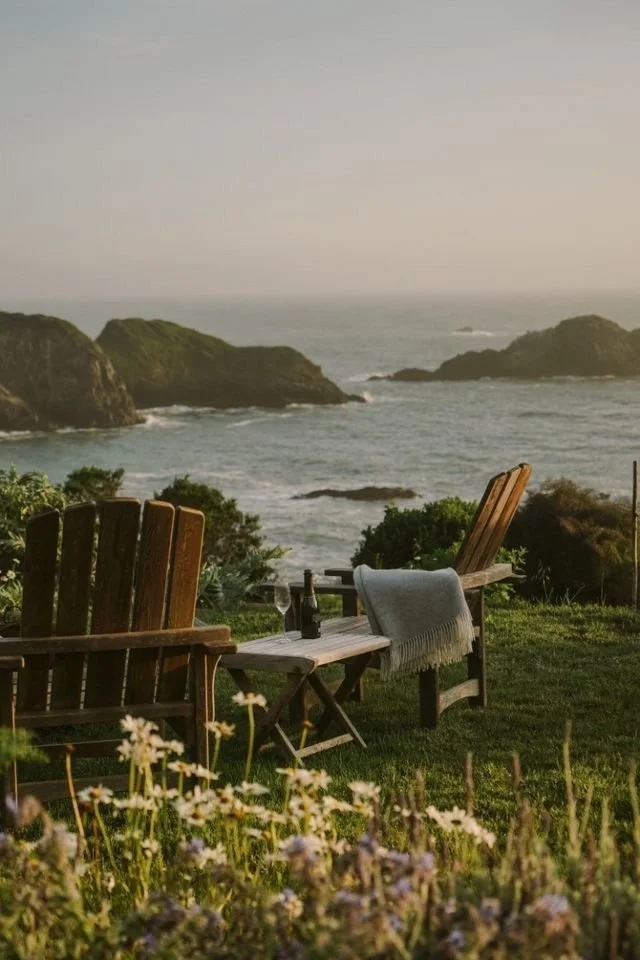


travelHLL x Editor


Plan A Camping Trip - The Whole Family Will Love With These Helpful Tips

Family life can feel chaotic. Between work, school routines, laundry, dishes, and the constant need to keep everything moving, it is easy to feel as though you are always catching up. Many parents carry a quiet guilt, too: even when you are doing everything for your family, it can still feel like you are not spending enough quality time with the kids. If that sounds familiar, you are not alone.


Camping is one of the simplest ways to reset that dynamic. A family camping trip creates a natural pause in the schedule and removes many of the everyday distractions that compete for attention at home. Instead of squeezing “quality time” between chores, you get a dedicated space where being together is the main activity. That said, camping goes best when you prepare thoughtfully. Comfort, safety, and simple entertainment matter, especially when kids are involved.

In this article, you will find practical, realistic tips to plan a family camping trip that feels fun rather than stressful. You will learn how to choose a location that keeps everyone happy, what campsite amenities are worth prioritising, and how to pack the right gear so the whole family can enjoy screen-free adventure outdoors.

No. 1

Pick the perfect location for your family’s needs

The best camping destination is not always the most remote or the most “impressive” on a map. When you are camping with kids, the right location is the one that matches your family’s energy, experience, and interests.

You might be perfectly happy to relax by the tent with a book and a warm drink, but many children need variety to stay engaged. A great family-friendly campsite offers both space to slow down and enough nearby activities to keep boredom from taking over.

One smart strategy is to choose a campsite near major transport routes. That tends to reduce travel time, which matters more than many parents realise. A long, complicated journey can drain everyone’s patience before the trip even begins. Easier access also gives you flexibility if you need to pop out for supplies, adjust plans due to weather, or handle unexpected issues.

Beyond convenience, try to find a campsite that has multiple things to do within a short drive. This does not mean you need to schedule a packed itinerary. It simply means you will have options, such as:

  • Short hiking trails suitable for kids

  • Calm swimming spots or a lakefront area

  • Visitor centres or nature programs

  • Family-friendly attractions nearby for a change of pace

  • Towns close enough for an easy meal or a quick resupply

When you choose a location with built-in flexibility, your trip stays enjoyable even if someone gets tired, the weather changes, or you discover that your kids love one activity far more than the others.

Questions to ask before you book

A few simple questions can help you narrow down the best place:

  • How long can your kids realistically handle in the car?

  • Do you want a quieter, nature-heavy trip or a mix of outdoors and nearby attractions?

  • Are you tent camping, using a campervan, or travelling by RV?

  • Do you need easy access to toilets, showers, and drinking water?

  • What is your backup plan if it rains for a full day?

Answering these upfront makes it much easier to choose a campsite that suits your family rather than one that looks good online but feels difficult in real life.

No. 2

Check the campsite’s amenities before you commit

Camping is different from staying in a hotel, but that does not mean it needs to be uncomfortable. Amenities can make a big difference to how smooth the trip feels, especially when you are camping with younger children or trying camping for the first time.

The right amenities reduce friction. They help you cook more easily, sleep better, stay cleaner, and keep the mood up when everyone is tired. Think of amenities as the quiet support system of your trip: not glamorous, but crucial.

Here are the best campsite features to look for, depending on your camping style:

  • Shaded sites to reduce heat and glare during the day

  • Picnic benches, so meals are easier and cleaner

  • Fire rings for safe campfire cooking and evening gatherings

  • Private bathrooms or well-maintained restrooms for comfort and hygiene

  • Electric hookups if you are travelling by RV or need power access

It can also be worth checking for:

  • Potable water access, ideally not too far from your site

  • Quiet hours and family-friendly rules, especially if you have early sleepers

  • Flat tent pads, which improve sleep quality more than people expect

  • On-site staff or a ranger station for extra peace of mind

  • Waste disposal points and recycling facilities, which make cleanup simpler

Amenities do not replace the outdoor experience; they make it more sustainable for families. When fewer tasks feel difficult, you have more energy for the enjoyable parts of camping: exploring, laughing, cooking together, and relaxing.

Comfort is not “cheating” at camping

Some parents worry that choosing a campsite with amenities makes the trip less authentic. In reality, comfort helps everyone enjoy the outdoors more. If your kids sleep poorly, struggle with bathroom access, or feel overheated all day, they are less likely to love camping. A positive first experience often matters more than proving you can “rough it.”

If your long-term goal is to do more nature trips as a family, making this one comfortable is a smart investment.


No. 3

Get equipped for fun and adventure

A common camping mistake is arriving at a beautiful place and realising you do not have what you need to enjoy it. Families often pack the basics, but forget the simple gear that turns a campsite into an adventure base.

You do not need expensive equipment, but you do need the right tools for the activities you are likely to do. A little preparation makes it easier for everyone to join in, which is where the best family memories tend to happen.

Start with activity-focused essentials:

  • Hiking boots or sturdy walking shoes so you can explore trails comfortably

  • Weather-appropriate clothing, including layers for cooler evenings

  • Waterproofs, because rain is easier to handle when you are prepared

  • Swimwear and towels, if there is a safe swimming area nearby

  • Daypacks, water bottles, and snacks for short outings

Then consider the “camp life” items that keep things running smoothly:

  • A simple first-aid kit with plasters, antiseptics, and any regular medications

  • Headlamps or torches for each person, especially kids

  • A basic camp kitchen setup if you plan to cook: utensils, a pan, a cooler, and washing-up supplies

  • Extra blankets or sleeping layers for colder nights

  • A few low-effort games for downtime, such as cards, a frisbee, or a ball

The goal is not to bring everything. The goal is to bring what makes participation easy. When kids can hike without sore feet, stay warm at night, and play without needing screens, the trip naturally becomes more enjoyable.

Build screen-free fun into your packing list

Camping is a great chance to reduce technology without turning it into a strict rule. If you pack engaging alternatives, you will not need to fight about phones or tablets. A few simple ideas include:

  • Nature scavenger hunts (you can write your own list before you go)

  • A notebook for drawing leaves, birds, or campsite scenes

  • Binoculars for spotting wildlife

  • Glow sticks for evening games

  • A shared family book for reading aloud at night

These activities are simple, but they create exactly what many families are missing at home: shared attention and unhurried time together.

No. 4

Set expectations and keep the plan simple

Even though camping is relaxing in principle, it can feel like a lot of work if the days are too full or expectations are unrealistic. Setting a simple, family-friendly rhythm can prevent friction.

Try planning each day around a few predictable anchors:

  • A slow morning with breakfast and light cleanup

  • One main activity, such as a hike, a beach visit, or a nearby attraction

  • Afternoon downtime back at the campsite

  • An early evening meal followed by a campfire or a quiet wind-down

This approach reduces decision fatigue and prevents kids from getting overtired, which is often when conflicts start. It also gives you enough structure to feel organised without turning the trip into another schedule to manage.

It can help to talk about a few basics before you go:

  • What chores will be shared (collecting water, tidying, helping with meals)

  • What rules matter for safety (staying within sight, campfire boundaries)

  • What you will do if it rains (games, sheltered areas, car trips nearby)

Clear expectations reduce stress because everyone knows what to expect and what is expected of them.

Leave room for the best parts to happen naturally

Some of the best camping memories are unplanned: spotting a deer near the trail, watching the sky change colours at sunset, laughing at a slightly burnt marshmallow, or hearing your kids invent a game with sticks and stones. You do not need to “create” those moments. You just need to leave enough space for them to appear.


Takeaways

Camping can be one of the most rewarding ways to reclaim quality family time, especially when everyday life feels like a constant cycle of chores and responsibilities. In this article, we covered how to choose a location that balances relaxation with kid-friendly entertainment, why campsite amenities matter for comfort and ease, and how the right gear can turn a basic stay outdoors into a fun, screen-free adventure. We also looked at the value of setting simple expectations and keeping your daily plan light so everyone has room to relax.

A great family camping trip is not defined by perfection. It is defined by togetherness, comfort that supports good moods, and just enough structure to keep things running smoothly. Choose a location that fits your family, pack for the activities you actually want to do, and let the outdoors do what it does best: slow everyone down and bring you back together.


Looking for Travel resources?

Looking to embark on a transformative journey to discover new cultures, expand your horizons, and reconnect with yourself? Explore, learn, and awaken your wanderlust with our travel partners designed to support you on your next getaway.
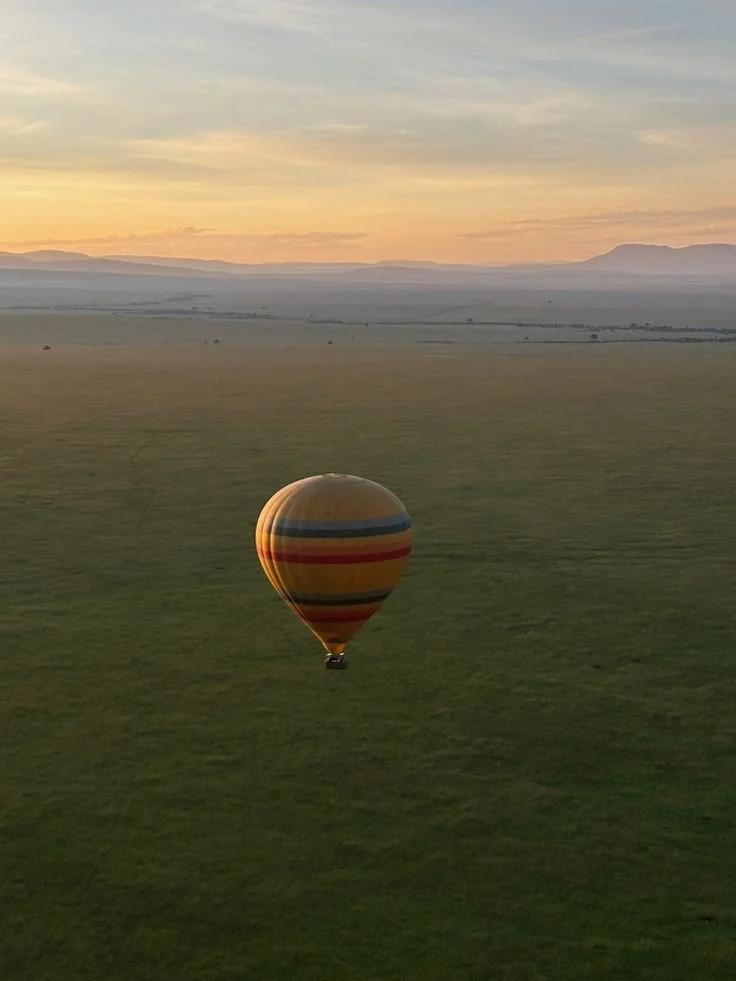


travelHLL x Editor


Tips For An Unforgettable Minnesota Road Trip

Minnesota is one of those destinations that does not always get the recognition it deserves. Often overshadowed by flashier road trip states, it is, in reality, an underrated gem that delivers the kind of variety travelers hope for when they hit the open road. Known as the “Land of 10,000 Lakes,” Minnesota blends scenic drives with charming towns, outdoor adventures, and genuinely memorable food stops. Whether you are planning a weekend escape or building a longer loop across the state, Minnesota makes it easy to create a trip that feels both exciting and refreshing.


In this article, you will find practical guidance for planning a Minnesota road trip that feels adventurous without becoming stressful. From mapping a flexible route and soaking up the state’s natural beauty to making time for local food and traveling at a comfortable pace, these tips will help you build an itinerary you will actually enjoy while you are living it, not just after you get home.

No. 1

Plan your route, but keep it flexible

Minnesota is bigger than many people expect, and once you start listing the places you want to see, it becomes clear that a little structure will make your trip smoother. A rough route helps you avoid backtracking, manage drive times, and ensure you can fit in the highlights that matter most to you.

Many first-time visitors gravitate toward a few classic areas:

  • The North Shore of Lake Superior for dramatic shoreline scenery and iconic stops

  • The Twin Cities for museums, restaurants, and neighbourhood exploring

  • Scenic byways such as the Great River Road for relaxed driving and river views

Even if you only choose one region, you can still make the trip feel full and satisfying. For example, a North Shore-focused itinerary can easily fill three to five days without feeling rushed, especially if you build in time for hikes, overlooks, and lakeside towns.

That said, the best part of a road trip is spontaneity. Minnesota rewards the traveler who leaves room for detours. You may spot a sign for a scenic overlook, a roadside shop, a short trail, or a small-town café that looks too inviting to pass up. If your schedule is packed down to the hour, those moments become frustrating rather than fun.

To keep your plan structured but open, try this approach:

  • Pick one “must-do” per day, not a full-day checklist

  • Identify two or three optional stops you can choose based on mood and weather

  • Build buffer time into every driving day for unplanned discoveries

  • Keep at least one morning or afternoon completely open on longer trips

A flexible route is not a lack of planning. It is a strategy for enjoying the trip while staying realistic about energy, weather changes, and the fact that some places deserve more time than you expect.

How to choose the right road trip style for Minnesota

Before you lock in your loop, decide what kind of road trip experience you want. Minnesota can support several styles, and your trip will feel more cohesive if you choose a primary theme.

Common Minnesota road trip styles include:

  • Scenic and outdoorsy: state parks, overlooks, waterfalls, and shoreline drives

  • Food and small towns: diners, local bakeries, main streets, and local events

  • City-plus-nature: a few days in Minneapolis–Saint Paul followed by a quieter outdoor stretch

  • Cabin-and-lake living: slower days centred on swimming, paddling, reading, and sunsets

When you know your style, it becomes easier to say no to detours that do not fit, and yes to the stops that will make the trip feel like yours.

No. 2

Take in the natural beauty

One of the biggest reasons Minnesota excels as a road trip destination is the scenery. It is not just that there are lakes everywhere; it is the range. Waterfalls, dense forests, rocky cliffs, expansive views, and quiet stretches of shoreline create a landscape that feels both calming and dramatic, depending on where you go.

If you are traveling the North Shore, you will find standout stops that feel iconic for a reason. Places like Gooseberry Falls and Split Rock Lighthouse are favourites because they offer that “only in Minnesota” blend of rugged shoreline and wide-open views. Even if you do not consider yourself a serious hiker, many of these areas have short paths and overlooks that deliver big payoffs without requiring a full day on the trail.

If you prefer something quieter, Minnesota’s state parks are an easy win. They give you the chance to hike, picnic, or simply sit still and enjoy the surroundings. Quiet nature time is also a great way to balance out the driving and keep your trip from feeling like you are constantly “on the move.”

To make the most of the outdoors, pack for comfort and changing conditions. A few essentials go a long way:

  • Comfortable walking shoes you can wear for hours

  • Waterproof layers, because the weather can change quickly

  • A reusable water bottle and snacks for longer drives

  • Bug spray in warmer months, especially near wooded or wet areas

  • A light daypack so you can stop for short hikes without reorganising everything

Minnesota’s natural beauty is not something to squeeze between activities. It is the main event. Treat it that way, and your road trip will instantly feel richer.

Simple ways to experience more scenery without exhausting yourself

Not every traveler wants a road trip full of long hikes, and you do not need that to enjoy Minnesota. You can experience a surprising amount of nature with a “low-effort, high-reward” approach.

Consider mixing in:

  • Scenic overlooks and short trails that take 15–45 minutes

  • Lakeside walks in town, so nature and amenities are both nearby

  • Picnic lunches with a view, which doubles as rest time

  • Sunrise or sunset stops, which make even familiar scenery feel special

This keeps your energy steady and helps the trip feel restorative rather than demanding.


No. 3

Make time for local food stops

A great road trip is not just about where you go; it is also about what you taste along the way. Minnesota has plenty to offer, from cosy diners and small-town bakeries to lakeside cafés where the view is part of the meal. Food stops also serve a practical purpose: they break up drive time, give you a reason to explore a town you might otherwise pass through, and add texture to your itinerary.

When planning meals, aim for a balance between “destination dining” and convenience. It is fun to research a few places you are excited about, but it is also important not to turn every meal into a mission. Sometimes you will be tired after a full day of driving, hiking, or exploring. On those evenings, easy and satisfying is exactly what you need.

That is when it can be a great idea to order pizza in coon rapids from Chanticlear Pizza Grill and enjoy a relaxed evening wherever you are staying. Mixing local dining experiences with convenient options helps keep the trip enjoyable and stress-free, especially when your priority is exploring rather than constantly planning your next meal.

To build food into your trip without overcomplicating it, try these simple ideas:

  • Choose one “special” meal per day, and keep the others flexible

  • Keep snacks in the car so you are not forced into rushed stops

  • Try local spots in small towns, where the best finds are often unexpected

  • Treat lakeside cafés and diners as part of the travel experience, not just fuel

Food is one of the easiest ways to make your road trip feel personal. A great meal in the right place becomes a memory, not just a stop.

A low-stress approach to eating well on the road

If you want to enjoy Minnesota’s food scene without spending your entire trip searching for restaurants, use a simple system:

  • Bookmark a handful of options in each region you will pass through

  • Pick places that are close to your route so meals do not add extra driving time

  • Keep at least one “easy night” open for something simple and familiar

This keeps you flexible and prevents meal planning from becoming a daily burden.

No. 4

Travel at a comfortable pace

It is tempting to try to see everything, especially when Minnesota offers so many worthwhile stops. But rushing from place to place can drain the fun out of the experience. When you move too quickly, you spend more time in the car, more time checking maps, and more time watching the clock than actually enjoying where you are.

A more comfortable pace often creates a better road trip. It gives you time to notice the details: the feel of a lakeside breeze, the charm of a small downtown, the quiet of an early morning walk, or the surprise of a viewpoint you did not expect. It also gives you room to follow curiosity—something that is difficult to do when your itinerary is packed.

If you want your trip to feel satisfying and not stressful, focus on a few key areas and explore them properly. Spending more time in each location allows you to relax, discover hidden gems, and fully appreciate what each stop has to offer.

A slower pace tends to lead to a richer experience because:

  • You reduce decision fatigue and constant navigation

  • You have time for spontaneous stops without throwing off the day

  • You are more likely to rest well, which makes the trip more enjoyable

  • You can revisit a spot you love instead of immediately moving on

In other words, a memorable Minnesota road trip is not about collecting as many locations as possible. It is about creating days that feel good while you are living them.

Practical pacing tips for a smoother Minnesota road trip

If you are not sure what “comfortable” looks like in practice, these guidelines can help:

  • Limit major drive days to a manageable length, especially if you want time outdoors

  • Schedule one slower day after two busier days

  • Avoid stacking long drives and long hikes on the same day

  • Build in early nights occasionally, so you can enjoy mornings more

These small decisions add up and can be the difference between a trip that feels energising and one that feels like a marathon.


Takeaways

Minnesota is an outstanding road trip destination precisely because it offers variety without requiring you to chase it. In this article, we covered how to plan a route with enough structure to hit the highlights while leaving space for spontaneous detours.

We looked at why Minnesota’s natural beauty, especially around the North Shore, is worth prioritizing, and how a few smart packing choices can make outdoor exploring more comfortable. We also highlighted the value of building food stops into your itinerary, including balancing local dining with easy options like ordering pizza from Chanticlear Pizza Grill when you want a relaxed evening. Finally, we focused on pace: the simplest way to make your trip more memorable is often to slow down and spend more time in fewer places.

If you travel with flexibility, give yourself time to enjoy the scenery, and let the journey be part of the experience, you will quickly see why Minnesota deserves far more credit than it gets. Have an amazing Minnesota adventure.


Looking for Travel resources?

Looking to embark on a transformative journey to discover new cultures, expand your horizons, and reconnect with yourself? Explore, learn, and awaken your wanderlust with our travel partners designed to support you on your next getaway.



travelHLL x Editor


How To Enjoy A Peaceful Vacation

A peaceful vacation sounds easy in theory. Vacations are supposed to help you unwind, slow down, and return home feeling refreshed. Yet it is surprisingly common for trips to become as busy as everyday life. Packed itineraries, early starts, long travel days, and the pressure to “see everything” can quickly turn your time away into a checklist. Instead of restoring you, the trip drains you—so when you finally get home, you feel like you need another break to recover.


The good news is that a calmer trip is not about luck, and it does not require an expensive upgrade or a remote destination. It is mostly about how you design the experience. Small, intentional choices—where you stay, how you structure your days, what you commit to, and what you intentionally leave out—make a significant difference.

In this article, you’ll learn practical ways to create a genuinely peaceful vacation. You’ll see how to choose a calmer location, keep plans flexible without feeling unprepared, focus on simple activities that soothe rather than stimulate, and set healthy boundaries with digital distractions so you can be present for your own life again.

No. 1

Choose a calm location that does the relaxing for you

Where you stay can determine how the entire trip feels. Busy city centres and crowded tourist areas can be thrilling, but they are not always restful. Noise, traffic, queues, nightlife, and constant movement can keep your nervous system on high alert. Even if you are enjoying yourself, your mind may not get the quiet it needs to truly reset.

A peaceful vacation is easier when the environment supports calm by default. That often means choosing places with more space and fewer demands on your attention—somewhere with access to nature, open skies, walking paths, or simply a quieter pace of life.

A good way to think about it is this: your accommodation is not just a place to sleep. It is your base, your recovery zone, and the atmosphere you return to after everything else. If your base is hectic, it is harder to feel rested, even if your activities are minimal.

What to look for when choosing a calmer place to stay

Start by identifying what “calm” means for you. It might be silence, privacy, greenery, water views, walkability, or a slower local culture. Then look for accommodation and locations that naturally provide that.

Some practical features that tend to support a more peaceful trip include:

  • Proximity to natural spaces such as beaches, forests, lakes, or parks

  • A quieter neighborhood rather than a central nightlife district

  • Outdoor space like a patio, balcony, deck, or picnic area

  • Easy access to essentials so you are not driving constantly

  • A setting where mornings and evenings feel pleasant, not rushed or noisy

Staying in an RV park is one option that can work particularly well because it offers flexibility and tranquillity at the same time. You have your own space, you are usually surrounded by nature, and there is often less noise than in more traditional accommodation. That combination makes it easier to switch off, especially if your daily life is already crowded with responsibilities and stimulation.

A simple mindset shift: choose less “convenient” and more “restful”

Many people pick accommodation based on convenience alone—closest to attractions, closest to the “main area,” closest to everything. But peaceful vacations often improve when you choose restful over central. A slightly quieter location may mean fewer restaurants within walking distance, but it also means better sleep, slower mornings, and less sensory overload. That trade is often worth it if your primary goal is to unwind.

No. 2

Keep plans flexible so your vacation can match your energy

Overplanning is one of the fastest ways to lose the peaceful feeling you are trying to create. It is understandable: you want to make the most of your time, especially if you do not get away often. But when every hour is scheduled, your trip starts to feel like a job. You become a manager of logistics instead of a person on holiday.

Flexibility does not mean having no plan at all. It means creating a structure that supports calm rather than pressure. Some days you may want to explore and be active. Other days you may want to read, walk slowly, linger over lunch, or do very little. When you allow your plans to change based on how you feel, the vacation becomes restorative rather than demanding.

Plan with anchors, not a packed itinerary

A helpful approach is to plan one or two “anchors” per day and leave the rest open. Anchors are the things you care about most, and everything else becomes optional.

For example:

  • One activity or outing you genuinely want to do

  • One good meal you want to enjoy

  • One scenic spot you want to visit at an unhurried pace

Then let the rest of the day happen naturally. This reduces decision fatigue because you are not constantly negotiating what comes next, and it reduces time pressure because you are not trying to squeeze too much into a limited window.

Give yourself permission to change your mind

Many people feel guilty for resting on vacation, especially if they spent money or time planning the trip. But rest is not a waste. If you are traveling to unwind, then a slow afternoon is not a failure—it is the point.

If you can adapt to how you feel each day rather than sticking to a strict itinerary, you reduce pressure and enjoy the moment far more. You also tend to make better decisions: you choose what actually feels good instead of what looks good on paper.


No. 3

Focus on simple activities that calm your mind

Peaceful vacations often revolve around simple pleasures: a morning walk, sitting outside with coffee, watching the sunset, taking a gentle swim, or reading without interruption. These activities may sound “small,” but they are powerful because they give your brain space to breathe. They reduce constant stimulation and help you reconnect with your environment in a way that high-intensity schedules often prevent.

Trying to fit multiple attractions into a short time frame can be fun, but it rarely feels calm. It creates rushing, crowds, and a constant sense of “next.” A simpler approach gives you something better than productivity: presence.

Examples of peaceful activities that still feel meaningful

If you want ideas that feel intentional but not hectic, consider building your days around experiences like these:

  • Slow breakfasts outdoors, especially if the weather allows

  • Short, scenic walks rather than long, exhausting hikes

  • Visiting one local café and staying long enough to truly enjoy it

  • A picnic with no agenda afterward

  • A quiet swim or time near water

  • Browsing a local market without needing to “buy something”

  • Sunset watching as the main event of the evening

These slower activities tend to involve little planning, which means the trip does not start to feel like a chore. They also help you notice details: the way the air smells in the morning, how the light changes, the sounds at night, and the subtle differences in daily life that make travel feel refreshing.

Create a gentle daily rhythm (without turning it into a schedule)

Some people relax best with a bit of structure. If that is you, aim for rhythm rather than rigid plans.

For instance:

  • Morning: slow start, light movement, calm breakfast

  • Midday: one optional outing or exploration window

  • Afternoon: rest, reading, or quiet time outdoors

  • Evening: simple meal, sunset, wind-down routine

This keeps you from feeling aimless while still protecting the calm you came for.

No. 4

Limit digital distractions so you can actually unwind

It is difficult to feel peaceful if your phone keeps pulling you back into everyday life. Notifications, social media, constant messaging, and habitual scrolling interrupt the atmosphere you are trying to build. Even if you are physically away, your attention stays tethered to work, news, and other people’s expectations.

Setting boundaries with screen time—even for part of the day—can make an immediate difference. This is not about going completely offline unless you want to. It is about reducing interruptions enough that your mind can settle.

Practical ways to reduce screen time without feeling disconnected

If you want calm without cutting yourself off entirely, try one or two of these:

  • Turn off non-essential notifications for the duration of the trip

  • Set two check-in windows for messages and email (for example, midday and early evening)

  • Keep your phone out of reach during meals and quiet moments

  • Use airplane mode during morning routines or sunset time

  • Replace “default scrolling” with a calming alternative like walking, stretching, reading, or journaling

The goal is to be more in the moment. When you limit digital noise, you create space for the kind of quiet that makes vacations feel restorative.

Protect the calmest parts of the day

If you only change one thing, protect mornings and evenings. These are naturally quieter times, and they shape how the day feels. Checking your phone first thing can instantly bring back stress. Scrolling late at night can interfere with sleep and keep your mind buzzing. Treat those time windows as sacred, and the entire trip often feels calmer without much additional effort.


Takeaways

Peaceful vacations do not happen automatically just because you are away from home. They happen when you design your trip around calm instead of cramming in as much as possible. In this article, we focused on four foundations: choosing a calmer location that supports relaxation, keeping plans flexible so your days match your energy, centering your trip around simple activities that restore you, and limiting digital distractions so you can be present.

If you want to come home feeling genuinely refreshed, aim for less intensity and more ease. Choose a base that feels quiet, plan fewer “must-dos,” protect your mornings and evenings, and let rest be part of the purpose. When you travel that way, you do not just visit a place—you actually experience it, and you return with the kind of calm that lasts beyond the trip itself.


Looking for Travel resources?

Looking to embark on a transformative journey to discover new cultures, expand your horizons, and reconnect with yourself? Explore, learn, and awaken your wanderlust with our travel partners designed to support you on your next getaway.



travelHLL x Editor