Posts in travel
Tips For Making The Most Of A Short City Trip

A short city trip can be one of the most satisfying ways to travel, but it is also the easiest to mismanage. With only a couple of days to work with, small planning choices have an outsized effect on how relaxed, efficient, and enjoyable your time feels.


In this article, we will explore practical, high-impact tips that help you see more while rushing less, including how to map your must-dos intelligently, what to reserve in advance, how to protect unplanned time, and how to choose lodging that supports your itinerary rather than complicating it. The goal is not to cram in every attraction, but to build a simple structure that keeps the trip feeling like a break.

No. 1

Group Attractions by Neighborhood, Not by Wish List

One of the most common mistakes on a short city break is planning in the order you discovered places, not in the order that makes geographic sense. Jumping between distant neighborhoods because two attractions happened to land on your list first can waste hours in transit, add unnecessary stress, and leave you feeling like you spent the trip commuting rather than exploring.

A better approach is to start with a map. Once you see where your top sights actually sit, it becomes much easier to design days that flow naturally. You will also reduce decision fatigue, because you will not constantly be recalculating routes or debating whether one more cross-town trip is “worth it.”

How to build a neighborhood-based itinerary

  • Pin everything you want to see in a maps app before you schedule anything

  • Identify clusters of sights that are within a 10–25 minute walk of each other

  • Assign each day a primary area, with one optional “stretch” stop if energy and time allow

  • Plan one anchor activity per morning and one per afternoon, then fill gaps with nearby stops

Why this works especially well on short trips

  • You spend less time on public transport or in traffic

  • You can return to your hotel more easily for a quick reset

  • Meals become simpler because you can choose a restaurant near where you already are

  • If something runs long, your plan does not collapse because you are still in the same area

Guides built around a specific area can help here. For example, a things to do in Times Square itinerary groups Broadway, Bryant Park, and Rockefeller into a single walkable route through Midtown Manhattan, which keeps you moving through one part of the city instead of criss-crossing it.

No. 2

Book Tickets for Popular Attractions Before You Land

Short trips punish improvisation in one specific way: if you lose two hours to a line or a sold-out time slot, you have lost a meaningful percentage of your entire trip. Museums, landmarks, and shows with timed entry can sell out days or weeks in advance, especially on weekends, holidays, and during peak travel seasons.

Booking ahead is not about over-structuring your time. It is about protecting it. When your biggest “must-do” items are confirmed, the rest of your itinerary becomes flexible and low-pressure because you are no longer reorganizing the entire day around ticket availability.

What to book in advance (and why)

  • Timed-entry museums and major exhibits
    These often limit capacity and sell out early.

  • Observation decks, towers, and landmark buildings
    Sunset slots are especially competitive.

  • Theatre shows, concerts, and special events
    Even if tickets remain, better seats and prices tend to disappear first.

  • Popular guided tours
    Small-group formats cap attendance, and the best guides book up.

A simple reservation strategy for a 2–3 day city trip

  • Reserve your top one or two priorities first

  • Choose time slots that fit your energy curve
    For many travelers, that means higher-focus attractions earlier in the day

  • Avoid stacking timed tickets back-to-back
    Give yourself buffer time for delays, security lines, and slower-than-expected walks

  • Save one “open” block each day so you can be spontaneous without risking your anchor plans

Check entry requirements for anything on your list as soon as your dates are confirmed, not once you have already arrived. Some attractions also offer combined tickets covering two or three sights at once, which can save both time and money if you are visiting more than one of them.


No. 3

Leave Room in the Schedule to Just Wander

It is tempting to treat a city break like a checklist, especially if it is your first time visiting. But the most memorable moments often happen in the space between plans: a street musician you stop to watch, a neighborhood market you did not know existed, a bookstore or café you wander into simply because it looks inviting.

A schedule packed end to end leaves no room for those moments, and it increases stress because you are always “behind” the itinerary. The fix is simple: plan less on purpose, and treat unstructured time as a real part of the trip rather than a sign you “missed something.”

What “wander time” can look like (without feeling unproductive)

  • A slow walk through a commercial street or historic district

  • A stop in a park to rest, people-watch, or snack

  • Browsing local shops for a small souvenir you will actually use

  • Sitting in a café long enough to notice the city’s rhythm

How much unplanned time you should protect

  • For a two-day trip, aim for 60–120 minutes per day

  • For a three-day trip, aim for one larger open block plus shorter daily buffers

  • If you are travelling with kids or older relatives, increase buffers automatically

An hour or two can be enough to give you room to slow down and see the parts of the city that did not make it to your itinerary.

No. 4

Check Which Sights Are Walkable From Your Hotel

Your hotel is not just where you sleep. On a short trip, it is your base of operations, and its location can either streamline everything or quietly drain your time. A hotel may look “close enough” on paper, but in reality it can involve long, unappealing walks, confusing transfers, or routes that are inconvenient late at night.

A hotel that is a short subway ride from the airport can also be far from the attractions you actually want to visit. That is not necessarily wrong, but you should decide knowingly rather than discovering on day one that you are spending an hour each way getting to your itinerary.

How to evaluate a hotel location in 10 minutes

  • Check walking distance to at least two of your top sights

  • Check public transport options at the nearest station or stop

  • Confirm how long it takes to get back at night, not just mid-day

  • Look at the area around the hotel for meal options and basic conveniences
    Pharmacy, coffee, casual food, and a grocery store can save time

What “central” really means for a short city trip

  • Central to your itinerary, not central to the map

  • Close to the neighborhoods you will spend the most time in

  • Easy to return to mid-day if you need a reset or to drop off purchases

Before you book your hotel, look for the walking distance between the hotel and where you are planning to visit so you can get an idea of how long you are going to spend getting around. The best thing to do is to book a hotel that's central to all of the attractions you want to see so you are not too far away.


No. 5

Build a Simple Daily Structure That Matches Your Energy

Even with good mapping and reservations, a short trip can still feel exhausting if you ignore how energy works in a new city. Many travelers walk more than usual, stand in lines, and stay out later than they do at home. A smart itinerary accounts for that reality.

Instead of planning a day as a straight line of activities, plan it as a rhythm. Put your highest-priority and highest-focus items where you are likely to have the most mental and physical bandwidth, then add lighter experiences when you tend to slow down.

A practical structure that fits most city breaks

  • Morning: one major attraction or a timed-entry ticket

  • Late morning: a walkable “secondary” stop nearby

  • Lunch: choose something convenient, not complicated

  • Afternoon: a museum, neighborhood stroll, or shopping area

  • Early evening: rest at the hotel or a relaxed aperitif stop

  • Night: one “big” dinner, show, or viewpoint, then keep the rest optional

Benefits of planning with an energy curve

  • You reduce the chance of skipping your top attraction due to fatigue

  • You make room for long meals, scenic walks, and spontaneous detours

  • You can keep evenings enjoyable instead of feeling like an endurance test

No. 6

Keep Logistics Lightweight: Transit, Meals, and Timing

Logistics are the hidden time thieves of a short trip. If you are constantly figuring out how to pay for transport, where to eat, or whether an attraction is even open, you will lose momentum. A small amount of preparation prevents repeated micro-decisions that add up.

A few fast, high-value logistics checks

  • Opening days and hours
    Many museums close one day per week, and some sights stop entry earlier than you expect.

  • Local transit basics
    Figure out whether you need a tap-to-pay card, a transit pass, or a specific app.

  • Meal planning without over-planning
    Save a short list of 5–8 reliable places near your itinerary clusters, then choose in the moment.

  • Weather planning
    Bring one compact option for rain or cold, so weather does not force you into last-minute shopping.

A short list that prevents common mistakes

  • A portable charger for navigation-heavy days

  • Comfortable shoes you have already worn for long walks

  • A small day bag that can handle water, layers, and tickets

  • A backup indoor option for bad weather, near where you will already be

Takeaways

A successful short city trip depends less on how many attractions you list and more on how you structure your time. Grouping sights by neighborhood and securing key reservations in advance protects your limited hours.

Leaving space to wander and choosing a hotel that is truly convenient will make the trip feel calmer and more memorable. A simple daily rhythm also helps you avoid burnout while still seeing the highlights.

Light logistics planning removes friction, so you spend your time experiencing the city instead of troubleshooting it. With a map-first itinerary and a little breathing room, even a two-day trip can feel genuinely restorative.


Looking for Travel resources?

Looking to embark on a transformative journey to discover new cultures, expand your horizons, and reconnect with yourself? Explore, learn, and awaken your wanderlust with our travel partners designed to support you on your next getaway.


travelHLL x Editor


6 Best Adult Summer Camps In The U.S. For 2026

Somewhere between relentless calendars, group chats, and the glow of yet another screen, many adults begin to miss a feeling they cannot quite name. It is the ease of lake mornings, the instant friendships, the permission to be silly, and the simple satisfaction of doing something purely for fun.


In this article, we will explore six of the best adult summer camps in the U.S., what makes each one distinct, who it tends to suit best, and how to choose the right experience for your personality, energy level, and travel style. Whether you want a high-energy party weekend, a screen-free reset, a surf-focused skills retreat, or a once-in-a-lifetime space-training adventure, these options prove that camp nostalgia can be both real and restorative.

No. 1

Why Adult Summer Camps Are Worth Planning Around

Adult camp is not just a trend; it is a structured way to unplug, move your body, and meet people without the usual small talk pressure of bars or networking events. The best programs recreate the supportive “instant community” of childhood camp while upgrading the details adults care about, like food quality, comfort, and a schedule that balances activity with downtime.

What adult summer camps typically deliver

  • A built-in social environment where you can arrive solo and still feel included

  • Activities that are playful rather than performance-driven

  • A change of setting that makes it easier to disconnect from routine

  • Low-effort planning since lodging, meals, and programming are packaged together

Quick checklist for picking the right vibe

  • Social intensity: do you want big-group energy or a quieter reset?

  • Activity level: do you want ropes courses and sports, or crafts and yoga?

  • Lodging style: rustic cabins, bunks, or upgraded accommodations?

  • Travel ease: drivable weekend or a longer destination trip?

  • Learning goal: do you want to leave with a new skill such as surfing?

No. 2

Camp Social — Poconos, Pennsylvania

If the part of camp you miss most is the friendships, Camp Social is designed entirely around them. It is a women-only adult summer camp in Pennsylvania’s Poconos, running all-inclusive sleepaway weekends where about 99% of campers arrive solo. That solo-friendly design is not a side feature; it is the core of the experience, with programming built to make meeting people feel natural rather than awkward.

Days are packed with classic camp activities, and nights are structured to keep the energy warm and communal. You sleep in real cabins, and the all-inclusive format reduces decision fatigue, because once you arrive, you can simply follow the schedule and enjoy.

What you can do at Camp Social

  • Archery and high ropes

  • Horseback riding

  • Canoe races and lake time

  • Yoga and wellness sessions

  • Arts and crafts

Who this camp tends to fit best

  • Solo travelers who want a highly social weekend without forced “icebreakers”

  • Women who want a supportive, community-forward environment

  • Campers who like a full schedule but still want cozy evenings and bonfires

What to plan for

  • Bring layers, since Poconos evenings can cool down quickly

  • Expect a broad age range and a friendly, “everyone is welcome” vibe

  • Prepare to be involved, because the weekend works best when you join in


No. 3

Camp No Counselors — Multiple Locations

Camp No Counselors is one of the best-known names in the adult summer camp category, running all-inclusive weekends at campgrounds in states including New York, California, Texas, and Florida. The concept leans hard into the classic sleepaway model: group bunks, full days of activities, and high-energy nights that feel closer to a festival than a quiet retreat.

Daytime is packed with kayaking, sports, arts and crafts, and ropes courses, while evenings shift into themed parties, live music, and DJ sets. It welcomes solo campers and groups alike, making it a strong choice if your goal is to meet a lot of people quickly and keep your weekend moving.

What the weekends are known for

  • A dense schedule with many parallel activity options

  • Party-forward nights with themes and entertainment

  • A big-crowd social atmosphere where you can meet dozens of people fast

Best for these types of campers

  • Extroverts who thrive in large groups

  • Friend groups looking for a “no planning required” weekend away

  • People who want camp classics plus nightlife energy

Tips to make it a better experience

  • Pace yourself with activities so you do not burn out by night two

  • Pack comfortable shoes for lots of walking between areas

  • If you are going solo, introduce yourself early; the vibe is welcoming, but initiative helps

No. 4

Club Getaway — Kent, Connecticut

About 90 minutes from New York City, Club Getaway has been running adult camp weekends in the Connecticut countryside for years. It is co-ed, active, and particularly convenient for East Coast travelers who want a real getaway without complicated logistics.

The programming has a strong adventure streak. You can zip line, tackle aerial ropes courses, and cool off in a lakeside inflatable water park. If you prefer a slower pace, there are yoga and fitness classes, plus creative activities like paint-and-sip and tie-dye. Evenings often include themed dinners and friendly competitions that make it easy to talk to people without feeling like you are “networking.”

Activity highlights to expect

  • Zip lining and aerial ropes

  • Lakeside inflatable water park

  • Yoga, fitness, and movement classes

  • Paint-and-sip and tie-dye

  • Evening themes, games, and competitions

Who tends to love Club Getaway

  • People who want a balanced schedule with both adventure and downtime

  • NYC-area travelers looking for a quick, drivable weekend

  • Couples and friend groups who want activities built into the cost

How to choose your pace

  • Pick one “big” activity per day, then sprinkle in lighter options

  • Save time for lake lounging if your week has been intense

  • Do at least one social evening event; it is where the camp feels most communal


No. 5

Camp Wylo — The Berkshires, Massachusetts

Set on a lakeside property in the Berkshire Mountains, Camp Wylo is a nostalgic take on classic summer camp for grown-ups. The premise is simple and powerful: unplug for a weekend and let yourself feel like a kid again. Rather than trying to do everything, the experience is designed as a reset, with space to breathe between activities.

You will stay in cabins and fill your day with archery, dodgeball, volleyball, mini golf, zip-lining, and waterfront time, plus quieter options like tie-dye, painting, and evening game nights. There is yoga if you want to slow down, and lawn games if you would rather stay lightly active.

What makes Camp Wylo feel different

  • A more mindful, screen-lite or screen-free spirit

  • A “simple pleasures” approach rather than a packed itinerary

  • Nostalgic activities that prioritize fun over competitiveness

A sample “Wylo-style” day

  • Morning: yoga or a calm lake walk

  • Midday: archery, mini golf, or a team sport

  • Afternoon: waterfront time and crafts

  • Evening: game night, low-key social time, and cabins

Best for

  • Adults who are tired and want true restoration, not just entertainment

  • Anyone craving a nostalgic cabin-and-lake experience

  • Campers who like having options without feeling over-scheduled

No. 6

Endless Summer Surf Camp — San Onofre, California

For a West Coast option with a tangible skill to bring home, Endless Summer Surf Camp has been teaching adults to surf at San Onofre State Beach for well over a decade. The adults-only sessions run across several days and work for complete beginners as well as more experienced surfers who want structured coaching.

Instruction covers paddling technique, reading waves, and ocean safety, which matters because confidence in the water is often the biggest barrier for first-timers. Lodging, meals, and equipment are included for overnight campers, making it feel like a surf trip with friends, but with professional guidance built in. Off the water, you will find skateboarding, ping pong, and downtime in a laid-back beachside lounge.

What you learn beyond “standing up”

  • Wave selection and timing

  • Safe entries and exits in changing conditions

  • Paddling efficiency and endurance basics

  • Ocean awareness that reduces stress and builds confidence

Great for these campers

  • Adults who want a camp experience that includes real skill-building

  • People who prefer small-group coaching to big-group social scenes

  • Travelers who want sunshine, movement, and a beach rhythm

Packing pointers

  • Bring sunscreen you will actually reapply

  • Pack a warm layer for early mornings and windy afternoons

  • Expect to be tired in the best way; surfing uses muscles you may not notice otherwise

No. 7

Adult Space Academy — Huntsville, Alabama

If your childhood dream leaned more toward the stars than the lake, Adult Space Academy at the U.S. Space & Rocket Center is the bucket-list pick. This 3-day, 2-night program gives adults a hands-on, astronaut-style experience, from the spinning Multi-Axis Trainer to building and launching model rockets and running a simulated space mission with a team.

A low ropes course adds classic team-building into the mix, but the overall feel is distinct from typical camp: more mission-based, more technical, and uniquely memorable. Overnight lodging and meals are part of the package, which keeps the focus on the experience rather than logistics.

What makes this camp unlike any other

  • Astronaut-style training equipment and simulations

  • Team missions that create fast bonding through shared problem-solving

  • A mix of learning, play, and hands-on building

Ideal for

  • Curious adults who love STEM, museums, and interactive learning

  • Friend groups looking for something truly different

  • Solo travelers who bond best through activities, not small talk

How to get the most out of it

  • Lean into teamwork; the missions are designed to be collaborative

  • Ask questions during training sessions; the program rewards curiosity

  • Treat it as a playful challenge, not a test you need to “ace”

No. 8

How to Choose the Right Adult Summer Camp

The best adult summer camp is the one that matches your real needs right now. For some people, that means loud music, bunks, and a schedule packed from breakfast to midnight. For others, it means cabins, crafts, and enough quiet time to hear themselves think.

Use these decision points before you book

  • Choose social level
    If you want maximum connection, pick a camp known for big-group energy or a solo-friendly majority.

  • Choose your activity style
    Adventure-forward camps fit people who need movement; creative or wellness options fit those who want restoration.

  • Choose your comfort threshold
    Cabins and bunks are part of the charm, but if you need privacy to recharge, check lodging layouts before committing.

  • Choose your outcome
    If you want a new skill, pick a camp with structured instruction like surfing or mission-based training.

Takeaways

Adult summer camps offer more than nostalgia; they provide a structured way to unplug, play, and build connection quickly. The best experiences combine clear programming with enough flexibility to match different energy levels.

These six camps span a wide range, from friendship-centered weekends and high-energy party retreats to surf instruction and astronaut-style training. Choosing the right one comes down to your preferred social intensity, activity style, and the kind of reset you actually need.

Pick a date, commit to participating, and let the environment do what it does best: make it easy to be present. A great camp weekend tends to linger in your memory because it restores a version of you that everyday life often crowds out.


Looking for resources?

At Hello Lovely Living, we aim to empower you to earn and save money and time while benefiting from our expansive network of home, life, wellness, travel, work-from-home, career, and business resources and opportunities. Discover a wealth of tools to support your journey.


lifestyle, travelHLL x Editor


Hotel Accident Victims: Rights, Duties, And Next Steps

Hotels are designed to feel safe, effortless, and welcoming, but even well-managed properties can hide preventable risks. A slick lobby tile, a loose handrail, poor lighting in a parking lot, or an unmarked step can turn a routine stay into a medical emergency and a legal dispute. In this article, we will explore the role of a victim in a hotel accident, including the legal standing of guests, how negligence is established, how a victim’s actions can strengthen or weaken a claim, and the practical steps that protect both health and rights after an injury.


Understanding victim responsibilities is not about shifting blame to the injured person. It is about recognizing how hotel injury claims are evaluated in the real world, where evidence, timing, documentation, and credibility often determine whether compensation is fair, reduced, or denied.

No. 1

The Legal Standing of a Hotel Guest

When a person checks into a hotel, they typically become a lawful guest under premises liability principles. Hotels are commercial properties that invite paying members of the public onto the premises, which usually places guests in a protected category of visitors. With that invitation comes a duty of care: the hotel must take reasonable steps to keep the property safe and to address hazards it knows about or should know about.

A hotel’s duty of care commonly extends across the entire guest experience, not just the room.

Areas where hotels must maintain reasonably safe conditions

  • Guest rooms and bathrooms

  • Hallways, stairwells, and elevators

  • Lobbies, restaurants, lounges, and conference areas

  • Parking lots, drop-off zones, and sidewalks

  • Pools, spas, gyms, and recreational facilities

  • Back-of-house access points that guests might reasonably enter, such as service corridors near meeting rooms

Slip-and-fall incidents are among the most frequently reported types of hotel injuries. These often occur in transitional areas such as entryways during rain, pool decks, recently mopped corridors, or bathrooms where water and smooth flooring meet.

For instance, a guest who tripped at hotel lounge seating due to a poorly marked step elevation would need to document the scene, notify staff promptly, and seek medical attention if necessary. These steps are not merely procedural formalities; they form the evidentiary backbone of any claim that may follow.

Common hotel hazards that lead to guest injuries

  • Wet floors with insufficient signage

  • Uneven carpeting, torn rugs, or curled mats

  • Broken steps, loose tiles, or damaged thresholds

  • Poor lighting in corridors, staircases, or parking areas

  • Unstable furniture, such as chairs with loose legs

  • Faulty locks or doors that create impact injuries or security-related harm

No. 2

How Negligence Is Established in a Hotel Accident

For a hotel to be legally responsible, it is typically not enough that someone was injured on the property. The central question is whether the hotel was negligent, meaning it failed to act as a reasonably careful hotel would under similar circumstances.

Negligence is usually evaluated through a combination of facts, documentation, and predictable safety expectations in the hospitality industry.

What a victim generally must show to support a claim

  • A dangerous condition existed

    • Example: a spill, broken handrail, or uneven flooring

  • The hotel knew or should have known about the hazard

    • This is often discussed as actual notice or constructive notice

  • The hotel failed to fix, clean, repair, or warn in a reasonable timeframe

    • Timing can be critical, especially for spills or temporary hazards

  • The dangerous condition caused the injury

    • Medical documentation and prompt evaluation often matter here

  • The victim suffered damages

    • Such as medical bills, missed work, and pain-related impacts

Evidence that commonly supports or undermines negligence

  • Maintenance logs and housekeeping schedules

  • Surveillance video from hallways, elevators, lobbies, or parking areas

  • Prior complaints or incident reports involving the same hazard

  • Photographs of the hazard and the surrounding environment

  • Testimony from staff, other guests, or first responders

Constructive notice is a key concept in many premises cases. If a hazard existed long enough that a reasonable inspection would have found it, a hotel may be treated as if it knew about it, even if no employee admits direct knowledge.


No. 3

The Victim’s Conduct and Comparative Fault

In many jurisdictions, the victim’s own actions are evaluated alongside the hotel’s conduct. This does not mean the injured person “caused” the accident, but it can affect how responsibility is allocated and whether compensation is reduced.

Comparative negligence systems generally reduce compensation in proportion to the victim’s share of fault. That means victim behavior, decision-making, and awareness can become major dispute points.

Examples of conduct that can reduce compensation

  • Ignoring a clearly visible warning sign

  • Running, roughhousing, or behaving recklessly in a known high-risk area

  • Walking while distracted, such as texting in a dim stairwell

  • Entering restricted areas marked for staff only

  • Wearing unsafe footwear for a slippery environment, depending on local legal standards

Examples of conduct that usually does not eliminate a claim

  • Failing to anticipate an unmarked hazard

  • Walking normally in an area open to guests

  • Using a hotel facility as intended, such as a pool deck or gym walkway

  • Noticing a hazard only after the injury occurred

Victim conduct becomes especially important when the hotel argues that the hazard was open and obvious. Even in those cases, the analysis can be nuanced because hotels may still have a duty to mitigate foreseeable harm in areas where guests must walk or where alternative routes are not practical.

No. 4

Immediate Steps After a Hotel Injury

The minutes and hours after an injury can shape the entire claim. The most important goals are to protect health, preserve evidence, and create a clear timeline. Victims who delay action often face disputes about what happened, whether the hazard existed, and whether the injury is connected to the incident.

Step 1: Get medical attention promptly

  • Seek on-site assistance if available

  • Visit urgent care or an emergency department when symptoms warrant it

  • Follow medical advice and keep copies of discharge notes and diagnoses

Prompt evaluation helps document causation, especially for injuries that may worsen over time, such as head trauma, back injuries, or soft-tissue damage.

Step 2: Report the incident to hotel management

  • Request that an incident report be created

  • Ask for a copy or, at minimum, the report number and the manager’s name

  • Provide factual details without speculating about blame

Hotels may respond quickly by cleaning, repairing, or changing signage. That can improve safety for others, but it can also erase critical evidence, which is why reporting and documentation should happen as soon as possible.

Step 3: Document the scene thoroughly

  • Photograph the hazard from multiple angles

  • Capture lighting conditions, nearby signs, and the surrounding walkway

  • Photograph footwear and any visible injuries if appropriate

  • Note the date, time, and exact location

Step 4: Collect witness information

  • Names and phone numbers of guests who saw the fall or hazard

  • Staff names and job roles if they assisted

  • Any statements made spontaneously, such as “that’s been like that all day,” should be written down immediately

Step 5: Preserve records and receipts

  • Medical bills and treatment plans

  • Travel disruption costs if relevant

  • Proof of missed work and wage loss documentation

  • Notes about pain levels, mobility limits, and daily impacts

A short, accurate timeline written the same day can be extremely helpful later when details become harder to recall.


No. 5

The Emotional and Financial Dimensions of Victimhood

A hotel injury is rarely confined to physical pain. It can also cause trip disruption, anxiety, and loss of independence, particularly when injuries limit movement or require follow-up care far from home.

Financially, even “moderate” injuries can snowball into large costs.

Common categories of damages in hotel injury matters

  • Medical treatment and rehabilitation

  • Prescription costs and assistive devices

  • Lost wages and reduced earning capacity

  • Out-of-pocket travel changes, depending on circumstances

  • Pain and suffering and loss of enjoyment, where allowed

A major practical risk is delay. Every jurisdiction has time limits for filing personal injury claims, and missing the statute of limitations can bar recovery entirely. Victims also risk losing evidence as surveillance footage is overwritten and witnesses become unreachable.

No. 6

Communicating With the Hotel and Insurers

After a report is made, hotel management or an insurer may contact the victim quickly. The goal may be to obtain a statement, gather information, or propose an early settlement.

Victims benefit from staying organized and careful in communication.

Best practices for communication after an injury

  • Keep statements factual and consistent

  • Avoid guessing distances, times, or causes if uncertain

  • Do not minimize symptoms, especially early on

  • Ask for key details in writing, such as claim numbers and contact emails

  • Keep copies of every email, letter, and report

A fast settlement offer is not always fair, particularly if the victim’s medical prognosis is uncertain. Injuries can evolve, and complications sometimes appear days later.

No. 7

When Professional Guidance Becomes Important

Premises liability cases can become technical. Hotels may rely on internal documentation, vendor contracts, surveillance footage, and insurance teams experienced in reducing payouts. In more serious injuries, professional guidance can help balance the information gap and ensure evidence is gathered before it disappears.

Situations where victims often seek legal help

  • Fractures, head injuries, spinal injuries, or surgery-related outcomes

  • Disputes about whether the hazard existed or was marked

  • Claims involving security failures, such as assaults due to broken locks or inadequate lighting

  • Cases where the hotel alleges significant victim fault

  • Situations involving multiple responsible parties, such as a cleaning contractor

Professional support can also help victims understand realistic compensation ranges, negotiate effectively, and avoid common documentation mistakes.

No. 8

How Hotels Can Reduce Risk and Why It Matters to Victims

While the focus here is the victim’s role, prevention matters. Hotels reduce injuries and claims by adopting clear inspection routines and prioritizing fixes before hazards cause harm. When hotels take safety seriously, victims are less likely to face disputes because the documentation and procedures are clearer.

Safety practices that reduce guest injuries

  • Scheduled inspections of walkways, stairs, and high-traffic flooring

  • Clear wet-floor protocols and rapid spill response

  • Lighting audits in parking areas and corridors

  • Routine maintenance of railings, thresholds, and elevators

  • Staff training on incident response and accurate reporting

For victims, stronger hotel safety programs can mean fewer hazards in the first place and clearer records when something does go wrong.

Takeaways

Victims play an active role in hotel accident outcomes, not because they control the hazard, but because their actions after the injury shape the evidence and timeline. Prompt reporting, medical care, photos, and witness details often determine whether negligence can be proven.

Hotels generally owe guests a duty of reasonable care across rooms, common areas, and exterior spaces. To succeed in a claim, it is usually necessary to show the hotel knew or should have known about the danger and failed to address it reasonably.

Victim conduct can affect compensation under comparative negligence rules, so careful, consistent documentation matters. For additional peace of mind, travel insurance can help cover unexpected medical expenses or trip disruptions while a claim is being evaluated.


Looking for resources?

At Hello Lovely Living, we aim to empower you to earn and save money and time while benefiting from our expansive network of home, life, wellness, travel, work-from-home, career, and business resources and opportunities. Discover a wealth of tools to support your journey.


lifestyle, travelHLL x Editor


Atlanta To Greenville: When to Book For The Cheapest Fares

The Atlanta to Greenville flight is short, frequent, and deceptively tricky to price. It looks like a simple hop on the map, but the fare patterns behave less like a commuter shuttle and more like a market shaped by business travel, weekend demand, and sudden event-driven spikes. In this article, we will explore when to book for the cheapest fares on the ATL to GSP route, how far in advance to shop, which travel days tend to cost less, and when driving becomes the smarter alternative.


This guidance is based on repeat-trip patterns that show up consistently on this corridor: pricing tends to bottom out in a specific mid-range booking window, then climbs quickly as departure approaches. The result is that timing matters more than brand loyalty, and a good deal is usually more about choosing the right week and acting quickly when the fare hits a realistic floor.

No. 1

Understand the Route: Why a 44-Minute Flight Can Cost $187

The distance between Hartsfield-Jackson Atlanta International Airport and Greenville-Spartanburg International Airport is only about 247 km, and the flight time can be under an hour. Yet the total travel experience includes taxiing, boarding, and airport time, which makes the perceived value of a ticket very sensitive to price. A $79 fare can feel like a bargain; a $187 fare for the same seat can feel irrational, even when it is “normal” by airline pricing logic.

Several factors make this corridor price-sensitive:

What drives pricing on short-haul routes

  • Business travelers often book late

    • Late bookings are less price-sensitive and push up last-minute fares

  • Weekend leisure demand concentrates on specific days

    • Friday and Sunday loads can fill quickly, raising average prices

  • Limited competition on certain frequencies

    • Even when multiple airlines serve the route indirectly, nonstop inventory can be the constraint

  • Airport friction changes the value equation

    • When the total door-to-door time advantage shrinks, fewer travelers are willing to pay a premium, so airlines adjust inventory management more aggressively

A key takeaway is that you cannot assume “short flight equals cheap flight.” On this route, the calendar and the seat inventory matter more than the distance.

No. 2

The Best Booking Window for Normal Weeks: 3–5 Weeks Out

For standard, non-holiday weeks, this route tends to offer its best pricing in a narrow window roughly three to five weeks before departure. That is when airlines have a clearer picture of demand, but inventory is not yet dominated by last-minute business travel.

Why 3–5 weeks often works best

  • Earlier than six weeks: you may pay for certainty

    • Airlines frequently price farther-out seats higher because they have no reason to discount yet

  • Inside two weeks: the fare often reflects business-traveler urgency

    • Remaining seats skew toward higher fare classes as departure nears

  • Three to five weeks: the “deal zone”

    • There is often enough inventory left to sell at competitive prices, and airlines still want to stimulate bookings

Practical booking rules for normal travel weeks

  • Start monitoring fares 6–7 weeks out

    • You are not necessarily buying yet; you are learning the baseline

  • Aim to purchase in the 21–35 day range

    • This is where the lowest prices commonly show up

  • Treat the last 14 days as a premium period

    • If you can avoid it, do so; if you cannot, budget accordingly

When comparing flight options between Atlanta – Greenville, if you see a fare in the $80–$90 range during normal weeks, that is frequently close to the floor for this route. Waiting for a tiny drop can backfire because a sudden inventory shift can raise the fare overnight.


No. 3

Holiday and Peak Weeks: Book 8–10 Weeks Ahead

Holiday travel breaks the “3–5 week” rule. Around Thanksgiving, Christmas, and spring break periods, demand is more predictable and more intense. Airlines recognize that many travelers have fixed dates, so fares often rise earlier and do not come back down.

When the holiday pricing curve changes

  • Thanksgiving week

  • Christmas to New Year’s

  • Spring break windows in March and April

  • Long-weekend patterns tied to school calendars

How far ahead to book for peak periods

  • Book 8–10 weeks out when dates are fixed

    • Those fares often represent the lowest you will see for that window

  • If you wait inside 3–4 weeks, expect fewer “good” options

    • Even if the fare is not extreme, flight times may be inconvenient

Day-selection matters more during holidays

  • The cheapest days are often the least popular travel days

    • Tuesday or Wednesday travel can still help, even in peak weeks

For holiday departures, the strategy shifts from “find the dip” to “avoid the climb.” If you need those dates, the earlier purchase is typically the rational one.

No. 4

Best Days to Fly: Tuesday and Wednesday Usually Win

Day-of-week patterns on this route are fairly consistent. Midweek departures tend to be cheaper than weekend-adjacent days because leisure demand is lower and business schedules are less concentrated.

Typical day-of-week pricing tendencies

  • Cheaper days

    • Tuesday and Wednesday often price $30–$50 below weekend peaks

  • More expensive days

    • Friday and Sunday commonly carry the highest fares due to weekend traffic

  • Neutral to mixed

    • Thursday and Monday can vary depending on business travel and event weekends

A simple approach to choosing dates

  • If you can move your trip by one day, test Tuesday/Wednesday first

  • If you must travel on Friday or Sunday, shop earlier and be ready to book when you see a reasonable fare

  • For day trips, evaluate the schedule as much as the fare

    • A slightly higher price may be worth it if it eliminates a long layover or awkward timing

The major advantage of flying on this route is time savings. If a cheaper fare forces an itinerary that adds hours, the value can disappear.


No. 5

Does the Day You Buy Matter? Not Much Compared to Lead Time

Many travelers look for a “best day of the week to book,” but on this route the day you purchase is not as meaningful as how far out you are and whether the flight is filling up. Price changes happen, but they are often tied to inventory shifts rather than predictable weekday cycles.

What matters more than the purchase day

  • Days until departure

    • Lead time is the dominant variable for typical weeks

  • Remaining seat inventory in lower fare classes

    • When those seats sell, the next price level can be dramatically higher

  • Sudden demand signals

    • A group booking, corporate travel, or event traffic can move prices quickly

A smarter shopping routine

  • Check fares on a consistent cadence

    • For example, once early in the week and once midweek

  • Compare nearby dates instead of refreshing the same date repeatedly

    • You often gain more by shifting a day than by waiting

  • Decide in advance what price you will accept

    • This prevents endless monitoring and missed opportunities

If you see a fare that is “good enough,” it is often better to book than to gamble for a marginal improvement.

No. 6

Events and Conventions: The Unpredictable Price Spikes

Greenville and the surrounding region draw conferences, sports weekends, and seasonal surges that can unexpectedly tighten inventory. These spikes can overwhelm normal booking-window logic, meaning even a perfect “3–5 weeks out” purchase might still be expensive if the weekend is in unusually high demand.

Event-driven warning signs

  • A specific weekend is consistently high no matter how far out you check

  • Flight options begin to look constrained (few departure times, fewer seats)

  • Nearby airport prices are also elevated, indicating broader regional demand

What to do if you suspect an event spike

  • Book earlier rather than waiting for a dip

  • Consider shifting your travel dates by a day, if possible

  • Check alternate itineraries

    • Sometimes a slightly different departure time is meaningfully cheaper

The key is to recognize when you are not dealing with normal demand. When something “quietly filled the inventory,” waiting usually does not help.

No. 7

Flying vs. Driving: Do the Real Cost Comparison

Driving is the honest competitor on this corridor. Door to door, it is about 240 km and roughly two and three-quarter hours without traffic. Flying can be faster for specific trip types, but it is rarely the cheaper option once you add airport parking and the indirect costs of air travel.

When flying tends to make sense

  • Same-day trips for one meeting

  • Tight schedules where time savings outweigh price differences

  • Travelers with TSA PreCheck who can reliably minimize airport time

When driving tends to win

  • Trips longer than a weekend, especially if airport parking is involved

  • Family travel, where four tickets usually exceed the all-in cost of driving

  • Itineraries with inconvenient flight times that reduce the time advantage

Cost items to include in your comparison

  • Airfare

  • Parking at ATL (often around $12/day, depending on lot and season)

  • Gas and potential tolls for driving

  • The value of your time

  • The convenience of having a car in Greenville

On this route, the plane is typically a time purchase, not a money purchase. The right choice depends on whether the time saved is worth the incremental cost.

No. 8

A Practical Booking Checklist (Use This Before You Buy)

If you want a reliable decision process, use a checklist rather than intuition. This keeps you from over-optimizing for a perfect fare that may never appear.

Quick checklist for cheaper ATL–GSP fares

  • Normal week travel

    • Target booking 3–5 weeks before departure

  • Holiday travel

    • Book 8–10 weeks ahead, especially for fixed dates

  • Travel day selection

    • Prefer Tuesday or Wednesday when you can

  • Event risk

    • If a weekend looks consistently expensive, treat it as event-driven and book earlier

  • Price floor awareness

    • A fare under $90 is often near the bottom for this route

  • Driving comparison

    • For longer trips, compare airfare plus parking against the all-in drive cost

A small amount of structure saves the most money because it reduces the two biggest risks: booking too early at inflated “certainty” prices or booking too late into business-traveler fare classes.

Takeaways

For most people flying Atlanta to Greenville, the cheapest fares tend to appear about three to five weeks before departure during normal weeks, while holiday travel often requires booking eight to ten weeks ahead. Once you are within two weeks of your trip, you are frequently paying a last-minute premium driven by business travelers and limited cheap-seat inventory.

Travel day selection matters, with Tuesday and Wednesday typically offering the best pricing and Friday and Sunday carrying the heaviest demand. The day you buy is far less important than lead time, inventory, and whether an event weekend is tightening availability.

Driving is the real alternative, especially for longer trips when you factor in ATL parking and the convenience of having a car at your destination. If you see a fare under $90 for a standard week, it is often close to the floor, and waiting for a minor drop can cost more than it saves.


Looking for Travel resources?

Looking to embark on a transformative journey to discover new cultures, expand your horizons, and reconnect with yourself? Explore, learn, and awaken your wanderlust with our travel partners designed to support you on your next getaway.



travelHLL x Editor


How Much A Campervan Road Trip In Iceland Actually Costs

Iceland attracts travelers who want an all-in-one adventure: waterfalls, lava fields, glaciers, black-sand beaches, and, if timing aligns, the northern lights. For many visitors, a campervan is the most practical way to experience the country because it combines transportation and accommodation into a single booking, offering flexibility that traditional itineraries rarely match.


In this article, we will explore what a campervan road trip in Iceland actually costs once you move past the headline daily rate. We will break down the major cost categories, explain why timing and route choice can change your budget dramatically, and outline realistic spending expectations for different travel styles so your numbers hold up from planning to the final fuel stop.

No. 1

What You Are Actually Paying For When You Rent a Campervan in Iceland

Most travelers begin by comparing the daily rental price, because it is the most visible number on booking pages. However, focusing only on the daily rate can lead to an incomplete budget, especially in Iceland where driving distances, weather, and road conditions influence several add-on costs.

A campervan budget is typically made up of several components that stack together over the length of your trip.

The base rental rate and what it may include

The advertised rental rate usually covers the vehicle itself, but inclusions vary widely between providers. Before you book, confirm what is included by default and what is treated as an optional extra.

Common inclusions to look for:

  • Mileage limits versus unlimited distance

  • Basic insurance level and deductible amount

  • Taxes and mandatory fees

  • Basic kitchen setup, or none at all

  • Heating options, especially important outside summer

Common add-ons that may cost extra:

  • Bedding packages and towels

  • Cooking kits and tableware

  • Wi-Fi devices

  • Additional driver fees

  • Portable toilets or camping chairs

When comparing options, checking what a camper van rental Iceland includes as standard is one of the fastest ways to avoid surprise charges at pickup.

Campsites and overnight rules

Campsites are a major part of a campervan trip budget, and Iceland’s camping infrastructure is generally reliable. Many campsites provide showers, kitchens, laundry, and designated parking, and most charge per person per night, sometimes with separate shower fees.

Cost factors that influence campsite spending:

  • Region and popularity of the location

  • Whether showers are included or coin-operated

  • Electricity hook-ups for larger vans

  • On-site facilities such as kitchens and laundry rooms

For travelers planning to stay at multiple registered sites, the Iceland Camping Card can help reduce overall accommodation costs depending on your route and number of nights.

Insurance and risk management costs

Insurance is not just a checkbox in Iceland. Wind, gravel, sand, and ash can cause vehicle damage that basic policies may not cover, and repair costs can be steep.

Insurance costs typically vary based on:

  • Vehicle class and value, such as 2WD versus 4x4

  • Coverage for gravel roads and flying stones

  • Sand and ash protection for certain coastal or volcanic areas

  • Theft protection and deductible reduction options

Choosing insurance is ultimately a risk decision, but it should be a deliberate one, not an afterthought at the counter.

No. 2

How the Season You Travel Changes the Price

In Iceland, timing affects nearly every line item in your budget, but the rental rate is the most sensitive. The difference between winter and peak summer pricing can be dramatic, even for the same vehicle category.

Peak summer pricing and demand

Peak season typically runs from June through August. This period brings:

  • The highest daily campervan rental rates

  • The greatest competition for popular vehicle types

  • Better access to Highland routes and remote areas

  • Long daylight hours, which encourages longer driving days and more sightseeing

Summer can be ideal for maximizing access and comfort, but it often requires booking early and budgeting for higher baseline costs.

Shoulder season value and trade-offs

May and September are often considered strong value months because they may combine:

  • Lower rental prices than midsummer

  • Fewer crowds at major attractions

  • Reasonable daylight hours

  • More moderate campsite demand

However, access can vary. Some Highland routes may remain closed in May, and weather in September can shift quickly. If your plan includes interior routes, verify road conditions and seasonal access before committing.

Winter savings and real-world constraints

Winter travel often features lower daily rates, but the economics are more complicated because conditions can increase other costs and risks.

Winter considerations that can affect total spend:

  • A 4x4 camper can be beneficial, adding to the rental cost

  • Driving is slower, which can change your route plan and fuel strategy

  • Weather disruptions can lead to itinerary changes and extra nights

  • Heating features become more important for comfort and safety

Winter can be rewarding, but it is rarely the best choice for travelers who want to cover the entire Ring Road quickly or rely on tight day-by-day plans.


No. 3

The One Cost Most First-Timers Underestimate

Fuel is often the budget breaker for first-time campervan travelers in Iceland. Many visitors underestimate how quickly distances add up when you factor in detours, scenic drives, and spontaneous stops.

Why fuel adds up faster than expected

On paper, the Ring Road loop is roughly 1,300 kilometers. In practice, a typical trip often includes:

  • Detours to waterfalls, canyons, and viewpoints

  • Extra driving for groceries, fuel stops, and campsite check-ins

  • Coastal roads and short scenic routes that extend total mileage

  • Occasional backtracking due to weather or timing

A 7 to 10 day itinerary with sightseeing detours can exceed the baseline Ring Road distance by a meaningful margin, especially if you include the Snæfellsnes Peninsula, the Golden Circle, or longer Eastfjords stretches.

How vehicle type affects fuel costs

Fuel spend depends heavily on the campervan’s size, weight, and drivetrain.

Key variables include:

  • Diesel versus petrol engine type

  • 2WD versus 4x4 drivetrain

  • Vehicle weight, especially for larger motorhomes

  • Wind exposure, which is common in Iceland and can reduce efficiency

If you are choosing between a compact camper and a larger van, remember that the difference is not only comfort and space. It can also change your fuel bill substantially over the course of a full loop.

No. 4

Additional Costs That Shape the Final Total

After rental and fuel, several smaller categories can still move your budget meaningfully, especially over 7 to 14 days.

Food costs and cooking strategy

A campervan can reduce food expenses if you cook regularly, but travelers should still plan intentionally. Grocery prices can be higher than expected in smaller towns, and dining out in Iceland can quickly inflate daily spend.

Budget drivers for food:

  • How often you cook versus eat out

  • Whether your rental includes a proper cooking setup

  • How frequently you stock up in larger towns

  • Whether you purchase snacks and drinks at tourist stops

A practical approach is to plan a grocery stop rhythm, cook at campsites with kitchen access when possible, and treat restaurant meals as a planned part of the experience rather than a default.

Gear, comfort, and convenience add-ons

Many rentals offer add-ons that are optional but tempting. Over a week, small daily charges can add up.

Common extras include:

  • Bedding and towel bundles

  • Wi-Fi devices

  • Camp chairs and tables

  • Extra gas canisters or kitchen kits

If you care about cost control, prioritize add-ons that improve comfort and safety and skip those that mostly add convenience.

Parking, showers, and attractions

While Iceland has plenty of free natural sights, you may still face:

  • Paid parking at certain popular sites

  • Shower tokens at some campsites

  • Entrance fees for specific attractions such as pools or museums

These are not usually the biggest expenses individually, but they can add noticeable friction to a budget if you did not allocate a buffer.


No. 5

Is a Campervan Actually Cheaper Than Hotels and a Rental Car?

This is the question that drives most campervan decisions, and the answer depends on how you travel. A campervan does combine accommodation and transportation, which can simplify planning and reduce certain costs, but it does not automatically guarantee savings.

When a campervan tends to be cost-effective

A campervan often compares well when:

  • You are traveling as a couple or small group and can split the rental cost

  • You plan to cook many meals rather than eat out

  • You want flexibility to change your route without rebooking hotels

  • You are traveling in the shoulder season with lower rental rates

For example, a week-long Ring Road trip in a compact camper during May or September can be financially comparable to booking hotels and renting a separate car, especially if you factor in the convenience of not coordinating nightly lodging.

When hotels plus a car may be cheaper

A traditional car-and-hotel plan can sometimes win on cost when:

  • You find discounted accommodations or use points

  • You travel in peak summer when campervan rates rise sharply

  • You prefer larger vehicles that have higher fuel use and campsite add-ons

  • You do not plan to cook and would rather eat out most days

Campervans are not always the cheapest option. However, many travelers still choose them because the value includes flexibility, independence, and the ability to sleep close to nature without rebuilding an itinerary every day.

No. 6

How to Build a Realistic Iceland Campervan Budget

If you want a budget that does not collapse mid-trip, build it from categories rather than guessing a single daily number.

A practical budgeting checklist

Use a simple structure so nothing gets overlooked:

  • Campervan rental rate multiplied by number of days

  • Insurance upgrades you are likely to select

  • Estimated fuel cost based on your route length and vehicle type

  • Campsite fees per night multiplied by nights camping

  • Food budget split into groceries and meals out

  • Add-ons such as bedding, Wi-Fi, extra drivers

  • Buffer for parking fees, showers, and weather-related changes

The best way to avoid surprise costs

A few planning habits consistently reduce unexpected spending:

  • Confirm inclusions in the base rental package before booking

  • Map your approximate route and estimate kilometers realistically, including detours

  • Plan a fuel cushion for wind, longer drives, and changing conditions

  • Keep a flexible buffer for weather, because Iceland can rearrange plans quickly

No. 7

In Short

The total expense of a campervan road trip in Iceland comes from the combined weight of your rental rate, fuel use, campsite fees, insurance choices, and what is included in your base package. Each of these elements shifts depending on the season, vehicle type, group size, and route, which is why two travelers can take similar-looking trips and end up with very different totals.

Looking at the daily rental rate alone rarely produces an accurate budget. A realistic estimate only appears when every major category is accounted for and when you add a buffer for the costs that tend to appear on the road rather than on the booking page.

Takeaways

A campervan trip in Iceland is not priced by rental cost alone, because fuel, campsites, insurance upgrades, and add-ons often shape the final total. Building your travel budget by category gives you a far more reliable planning number than relying on a single daily rate.

Seasonality matters more in Iceland than many first-time visitors expect, with peak summer pushing rental prices up while winter introduces weather and driving constraints that can change the economics. Shoulder season often offers the best balance of access and value, but it still requires route awareness and flexibility.

A campervan can be cost-effective, but it is not automatically cheaper than hotels plus a rental car, especially in peak months or with larger vehicles. The best results come from verifying inclusions, estimating realistic driving distances, and keeping a buffer for the expenses that emerge during a real road trip.


Looking for Travel resources?

Looking to embark on a transformative journey to discover new cultures, expand your horizons, and reconnect with yourself? Explore, learn, and awaken your wanderlust with our travel partners designed to support you on your next getaway.


travelHLL x Editor


Mindful Campervan Travel In New Zealand: A Slower Adventure

New Zealand is at its best when you give it time. Many of the country’s most unforgettable moments happen outside the headline attractions: a sudden break in the clouds over a mountain pass, an empty stretch of coast at sunrise, or a small-town bakery you only found because you weren’t rushing.


In this article, we will explore why campervan travel is emerging as a more mindful way to experience New Zealand, and how to plan a trip that feels calmer, more connected, and more respectful to the places you visit. Mindful travel is not about doing less for the sake of it; it is about paying closer attention, traveling with intention, and making choices that reduce stress while improving your relationship with the journey.

No. 1

Campervan Travel Encourages a Slower Pace

A classic mistake in New Zealand is trying to do everything at once. It is easy to create an itinerary that looks efficient on a map but feels relentless in real life, with constant packing, check-in deadlines, and long drives stacked day after day.

A campervan changes the rhythm because your transport and accommodation move together. That simple shift reduces the hidden “administrative” load of travel and creates more room for rest and spontaneity.

Why a campervan reduces travel fatigue

  • Fewer check-in and check-out deadlines

  • Less time spent packing and unpacking between stops

  • More flexibility when weather disrupts plans

  • Easier access to early mornings and quiet evenings in nature

  • A more comfortable base for breaks, meals, and downtime

Ways to build a slower, more mindful itinerary

  • Choose fewer regions and stay longer in each

  • Schedule rest mornings after long-drive days

  • Aim for shorter drive windows so scenic stops feel natural, not stressful

  • Treat “nothing planned” time as a feature, not a gap to fill

When your days are not dominated by logistics, you can focus on what you came for: the landscape, the atmosphere, and the feeling of being somewhere new.

No. 2

The Journey Becomes Part of the New Zealand Experience

In many destinations, the road is a means to an end. In New Zealand, the drive often is the experience. The scenery changes fast, the light is dramatic, and even short routes can feel cinematic.

Campervan travel makes it easier to appreciate that in-between beauty because you are not racing to make the next booking. You can stop for a short walk, linger at a viewpoint, or pull into a town simply because it looks inviting.

Iconic scenic routes that reward slower travel

  • The West Coast of the South Island

  • The road to Milford Sound

  • The Coromandel Peninsula loop

  • The Southern Lakes region drives

Safer, calmer driving habits that support mindful travel

  • Pull over only in marked rest areas or designated viewpoints

  • Let faster traffic pass rather than feeling pressured to speed up

  • Expect narrow roads, changing weather, and slower average speeds

  • Plan around daylight so you are not driving tired or in the dark unnecessarily

Mindfulness on the road is practical, not abstract. It looks like patient driving, realistic time estimates, and making space for stops that are not “productive,” but are genuinely memorable.


No. 3

A Campervan Offers Freedom Without Constant Decision-Making

Independent travel can sound relaxing, but it often creates decision overload. Where are you eating, when do you need to arrive, what if the weather changes, and how far is your accommodation from what you want to do?

A campervan simplifies a large portion of those questions because your essentials stay with you: your bed, food basics, clothing, and the ability to pause and reset without having to “solve” every hour of the day.

What becomes easier when your accommodation moves with you

  • Meals can be simple and consistent when you want them to be

  • You can take breaks without searching for cafes or waiting around

  • You can adjust the day around energy levels and weather

  • You spend less mental effort on micro-planning

Choosing a campervan that supports mindful travel

Choosing the right vehicle matters because an overly large or under-equipped campervan can add stress instead of reducing it. Comparing options for a campervan rental in NZ can help you match the vehicle to your route, budget, and comfort needs.

Consider the trade-offs in advance:

  • Compact vans are easier to drive and park, often with better fuel efficiency

  • Larger models can offer a fixed bed, extra storage, and better rainy-day comfort

  • Onboard toilets and self-containment features can expand overnight options in permitted areas

  • Extra size can mean more wind sensitivity and higher fuel costs

The most mindful choice is usually the one that fits your actual travel style, rather than the one that looks most luxurious in photos.

No. 4

Campervan Holidays Can Create a Stronger Connection With Nature

Hotels can be comfortable, but they often keep you one step removed from the natural environment. With a campervan, daily life tends to happen closer to the landscape: you wake up near it, eat beside it, and wind down with it.

That proximity can make ordinary moments feel surprisingly rich. A simple breakfast becomes part of the day’s scenery, and the quiet time between activities stops feeling like wasted time.

Small moments that often become the highlight

  • Waking up to birdsong rather than traffic

  • Watching fog lift off a lake in the early morning

  • Making coffee while the light changes across hills

  • Reading in the evening as the temperature drops and the sky clears

How limited resources naturally encourage awareness

A campervan also introduces gentle limits that can lead to more thoughtful habits:

  • Finite water supply encourages shorter, more mindful use

  • Limited storage reduces impulse buying and unnecessary clutter

  • Battery and power limits make you more selective about devices

  • Waste capacity forces you to plan and dispose properly

This is not about discomfort; it is about noticing what you use, and what you do not actually need.


No. 5

Mindfulness Requires Responsible Camping

Campervan travel becomes mindful only when it is responsible. New Zealand has worked hard to protect natural areas and manage tourism pressure, and regulations exist for a reason.

Freedom camping is regulated, and rules vary between councils. Some areas ban overnight stays entirely; others allow them only in specific zones, sometimes only for certified self-contained vehicles. Always follow signage and official local guidance rather than relying on old posts or secondhand tips.

Responsible campervan habits that protect access for everyone

  • Use designated campsites and legal overnight areas

  • Dispose of wastewater only at approved dump stations

  • Take all rubbish away and recycle where facilities exist

  • Keep noise low, especially in small communities and shared campgrounds

  • Avoid disturbing wildlife and damaging plants or dunes

  • Use public toilets or onboard facilities, never the outdoors

A practical “leave no trace” mindset for road trips

  • Arrive and leave quietly, especially in residential-adjacent areas

  • Keep your setup compact and avoid spreading into shared spaces

  • Treat every stop as if you will be judged by the next traveler’s experience

  • Assume that one careless night can lead to tighter restrictions for everyone

Mindful travel is not just internal calm; it is external respect.

No. 6

Slower Travel Can Support Local Communities

A rushed itinerary concentrates spending in the biggest tourism centres, often in the most obvious venues. Campervan travel makes it easier to stop in smaller towns and to spend money more intentionally.

When you slow down, you are more likely to notice local businesses and to choose experiences that keep value within the region.

Easy ways to spend more locally on a road trip

  • Buy produce from local markets and roadside stalls

  • Use community campgrounds rather than only major chains

  • Choose independent cafes and bakeries in small towns

  • Book locally operated tours and activities where possible

  • Pick up supplies from regional shops instead of only large supermarkets

Why staying longer often creates better travel memories

  • You have time for genuine conversations with locals

  • You can return to a place you liked instead of constantly moving on

  • You reduce the feeling of “passing through” without understanding the area

Mindful spending does not require a bigger budget. It is mainly about attention: noticing who you are supporting and making the local option your default when it is practical.

No. 7

Is Campervan Travel Better for the Environment?

It depends. Campervans use fuel, and larger vehicles can produce significant emissions, so it is not accurate to call every campervan holiday automatically eco-friendly.

However, it can be less wasteful than a fast, flight-heavy itinerary, especially if you plan well, share the vehicle with companions, and avoid long daily distances.

Choices that can reduce environmental impact

  • Travel fewer kilometres per day and stay several nights in one region

  • Avoid unnecessary domestic flights by choosing one island if time is short

  • Select a smaller, fuel-efficient campervan when it fits your needs

  • Drive smoothly at moderate speeds to reduce fuel consumption

  • Keep tyre pressure correct, which can improve efficiency

Low-effort habits that make a noticeable difference

  • Use refillable water bottles, cups, and containers

  • Choose simple meals with minimal packaging when possible

  • Conserve water and electricity inside the vehicle

  • Plan a logical route to reduce backtracking

  • Leave natural areas exactly as you found them

Sustainability is rarely perfect in travel. A more realistic goal is to make each decision a little more considerate than the default.

No. 8

How to Plan a More Mindful New Zealand Road Trip

A mindful itinerary is usually a smaller one. New Zealand may look compact, but road conditions, changing weather, and irresistible stops can turn a “three-hour drive” into a full-day experience.

A planning framework that keeps the trip calm

  • Reduce the number of destinations and increase the quality of time in each

  • Choose one island if your total travel time is limited

  • Add buffer time for weather, roadworks, and spontaneous detours

  • Build in rest days after long drives or demanding hikes

Pre-departure checks that prevent stress later

  • Confirm campsite rules and booking requirements in peak season

  • Check road conditions and closures, especially in alpine regions

  • Plan fuel stops for remote stretches

  • Prepare for ferry logistics if crossing between islands

  • Download offline maps for low-coverage areas, but still follow official signs on the road

A simple rule that improves almost every day

Avoid turning every day into a long drive. If you arrive earlier, you gain options: a short walk, a slow meal, a sunset viewpoint, or simply an evening that does not feel rushed.

Takeaways

Campervan travel in New Zealand supports mindfulness because it reduces logistical pressure and creates flexibility around weather, energy, and curiosity. When you slow down, the small moments between major attractions often become the most memorable.

The road itself is part of the experience, and a campervan makes it easier to enjoy that journey without constant check-ins and rigid scheduling. Choosing the right vehicle for your route and comfort level is essential, because the most mindful option is the one that feels manageable and practical.

Mindful campervan travel also depends on responsibility, from legal overnighting to waste disposal and respectful behavior near communities and wildlife. Plan a simpler route, stay longer in fewer places, and you will likely understand and appreciate New Zealand far more deeply.


Looking for Travel resources?

Looking to embark on a transformative journey to discover new cultures, expand your horizons, and reconnect with yourself? Explore, learn, and awaken your wanderlust with our travel partners designed to support you on your next getaway.



travelHLL x Editor


Slow Travel: A Meaningful, Stress-Free Way To Explore

Ever come back from a vacation feeling like you need another vacation? It is a familiar whirlwind: you rush from one landmark to the next, snap hundreds of photos, yet still feel a strange emptiness, as if you saw everything but experienced nothing.


In this article, we will explore how slow travel offers a more restorative, culturally rich alternative to checklist tourism, and how you can plan a trip that feels less frantic and far more memorable.

No. 1

What Slow Travel Means Today

Slow travel is less about moving at a literal slow pace and more about traveling with intention. At its core, it is a mindset shift: choosing depth over breadth, presence over performance, and connection over constant motion. Instead of trying to cover five cities in ten days, you might spend all ten days in one city or region, giving yourself enough time to understand the destination beyond its highlights.

This approach encourages you to move from being a passive observer to an active participant in daily life. You are not simply consuming sights; you are noticing patterns, learning local rhythms, and creating space for the kinds of moments that cannot be scheduled.

What Slow Travel Is and Is Not

  • Slow travel is prioritizing quality experiences over quantity of attractions

  • Slow travel is building time for rest, curiosity, and spontaneity

  • Slow travel is returning to places you enjoyed instead of constantly chasing “top sights”

  • Slow travel is not about avoiding popular sites entirely; it is about approaching them thoughtfully

  • Slow travel is not about spending more money; it often reduces costs by limiting transit and day trips

For a deeper dive, a  complete guide to slow travel can help you completely rethink how you plan your next getaway. The goal is to savour experiences rather than simply collect them.

No. 2

Planning a Trip Around Time, Not Just Places

One of the most practical changes slow travel brings is how you plan. Instead of starting with a list of attractions, you begin with time, energy, and what you want to feel during the trip. That might sound abstract, but it becomes very concrete once you translate it into pacing, geography, and daily structure.

A slow travel itinerary tends to look “lighter” on paper, yet fuller in lived experience. You might plan one anchor activity per day and leave open space for long meals, wandering, and the unexpected opportunities that appear when you are not racing the clock.

A Simple Slow Itinerary Framework

  • Choose one base location for a longer stay

  • Pick 3–5 “anchors” for the whole trip, not 3–5 per day

  • Build in buffer time each morning and late afternoon

  • Keep at least one completely unplanned day every 4–5 days

  • Plan local neighborhood exploration, not just headline attractions

How to Choose the Right Pace for You

  • If you burn out easily on trips, reduce the number of timed tickets and early mornings

  • If you love culture, prioritize workshops, markets, and performances over sightseeing loops

  • If you need rest, schedule recovery like it is an activity, because it is

  • If you travel with family, plan around attention spans and meal routines, not idealized plans


No. 3

Choosing Your Intentional Stay

Where you stay is not just a place to sleep; it is your temporary home and the anchor for your entire travel experience. Slow travel nudges you to select accommodation that helps you participate in the destination rather than hover above it.

For some travelers, that means renting an apartment in a residential neighborhood where you can shop at the local market and get to know the cadence of everyday life. For others, it means a countryside cottage designed for quiet mornings, long walks, and evenings that do not require entertainment.

Even in a busy city, you can choose a setting that supports calm and connection. You might book a charming historic inn, a boutique guesthouse, or a luxurious 5-star hotel in Baltimore, a beautiful, walkable district that pampers you while keeping you close to the city’s distinct character. The defining factor is whether the place encourages you to settle in, not just drop your bags and sprint out the door.

What to Look for in Slow-Travel Accommodation

  • A neighborhood with daily-life infrastructure such as cafés, pharmacies, and markets

  • Walkability, so you do not default to taxis or rideshares for every outing

  • A kitchen or kitchenette, enabling relaxed breakfasts and simple local meals

  • Laundry access for longer stays, reducing what you need to pack

  • Quiet features such as good curtains, minimal street noise, and comfortable seating

Accommodation Choices That Deepen Connection

  • Apartment or extended stay rentals that mirror local living

  • Guesthouses where hosts can share neighborhood recommendations

  • Small inns with communal spaces that encourage conversation

  • Countryside stays that make nature part of the daily routine

No. 4

Unplugging from the Everyday Without Going Off-Grid

A major part of traveling slowly is stepping away from the constant demands of everyday life through the art of unplugging. Notifications, work emails, and social feeds create a mental buzz that makes it difficult to fully arrive in a new place. Slow travel does not require you to disappear, but it does invite you to set boundaries so your attention becomes your own again.

When you reduce digital noise, your senses re-engage. You begin to notice the smell of a bakery in the morning, the rhythm of a language you do not speak fluently, the way light changes on old buildings, and the tiny exchanges that define local life.

Practical Ways to Unplug While Still Staying Safe

  • Turn off work email alerts and schedule a single check-in window if needed

  • Leave your work laptop at home or keep it powered off unless essential

  • Use airplane mode for set periods each day, especially during meals and walks

  • Download offline maps, then use them sparingly instead of constant GPS checking

  • Keep your phone out of reach during cafés, museums, and public squares

Replace Screen Time with Presence Rituals

  • Start the day with a short walk before looking at messages

  • Write a few notes in a small journal to anchor the day’s memories

  • Practice ordering food or asking directions without translation tools first

  • Spend ten minutes simply observing a street or plaza without photographing it


No. 5

Immersing in Local Culture Through Everyday Life

Once you slow down, you suddenly have space for genuine immersion. This is where slow travel becomes something you feel in your body, not just an idea. Rather than hopping between crowded sites, you begin to engage with ordinary moments that reveal a place’s personality.

Instead of sticking to a strict schedule, let curiosity lead. Spend an entire afternoon in one café watching the world go by. Wander through a neighborhood with no destination and allow yourself to get a little lost. These unhurried choices often become the memories that last.

Low-Pressure Ways to Immerse Yourself

  • Shop at a local market and cook one meal using regional ingredients

  • Visit small, independent galleries instead of only major museums

  • Attend a community event, talk, or seasonal festival if timing allows

  • Take public transport at least once to understand how locals move

  • Choose one park or public space and return to it on multiple days

Experiences That Create Real Connection

  • A local cooking class, where conversation happens naturally

  • A language exchange night or informal community meetup

  • A walking tour led by residents rather than large tour companies

  • An artisan workshop, such as pottery, weaving, or painting

  • Volunteering for a short, reputable community activity, if appropriate

Immersion does not require constant interaction. Reading on a park bench, learning the etiquette of a small café, or observing morning routines can be just as culturally revealing as a guided tour.

No. 6

The Benefits of Slow Travel Beyond the Postcard

Slow travel improves more than your itinerary; it changes how you feel during and after your trip. By avoiding the frantic pace of conventional tourism, you reduce stress and decision fatigue, which are major reasons people return home exhausted.

Spending longer in one place can also improve your confidence as a traveler. You learn where to buy necessities, how to navigate streets, and which cafés feel welcoming. With familiarity comes ease, and with ease comes a deeper ability to enjoy.

Personal Benefits You Are Likely to Notice

  • Less burnout because you are not constantly packing, commuting, and navigating

  • Better sleep due to a steadier routine and fewer early departures

  • Stronger memories because you have time to process experiences

  • More meaningful encounters because you are not rushing past people

  • Greater enjoyment of simple pleasures, like meals and neighborhood walks

Benefits for the Places You Visit

  • More support for small, local businesses instead of only large tourist operators

  • Reduced transit frequency, which can lower the footprint of your trip

  • More respectful cultural engagement because you are not treating the destination as a backdrop

  • Longer stays that distribute spending more evenly across a community

Ultimately, slow travel often produces the most personal kind of travel story: not a highlight reel, but a collection of lived moments. You may forget the exact sequence of famous monuments, yet remember the taste of fresh pasta from a cooking class or the warmth of a conversation with a shopkeeper years later.

No. 7

How to Try Slow Travel on Your Next Trip

You do not need to overhaul your travel style overnight. Slow travel is flexible, and even small changes can make a trip feel calmer and more substantial.

Easy Adjustments That Create a Slow-Travel Feeling

  • Cut your planned attractions by a third and see what opens up

  • Stay in one neighborhood rather than hopping between districts every day

  • Take one day trip at most, then spend the rest exploring locally

  • Plan meals as experiences, not just refuelling stops

  • Repeat something you enjoyed, such as returning to the same bakery or morning walk route

A Quick Pre-Trip Checklist

  • What do I want to feel on this trip: rested, inspired, connected, adventurous?

  • What is my realistic energy level each day?

  • Which experiences require reservations, and which can be left spontaneous?

  • What can I remove from the itinerary to create breathing room?

  • What would make this destination feel like a temporary home rather than a stopover?

Takeaways

Slow travel is a mindset that prioritises presence, depth, and connection over rushing through a checklist. By spending longer in fewer places, you give yourself time to engage with a destination’s rhythm and culture.

Choosing the right base, setting boundaries with technology, and making room for everyday experiences are the building blocks of traveling more meaningfully. Small decisions, such as planning fewer anchors per day and staying in walkable areas, can dramatically reduce stress.

The biggest benefits often appear after you return home, when you feel genuinely rested and can recall richer, more personal memories. The next time you plan a trip, schedule less and experience more so the journey feels like a renewal rather than a race.


Looking for Travel resources?

Looking to embark on a transformative journey to discover new cultures, expand your horizons, and reconnect with yourself? Explore, learn, and awaken your wanderlust with our travel partners designed to support you on your next getaway.


travelHLL x Editor


Adventure Travel Experiences Worth Adding To Your Bucket List

Adventure travel has a way of reshaping how you see the world and what you believe you are capable of. It is not only about adrenaline or dramatic landscapes; it is about choosing experiences that require you to be present, adaptable, and curious. The best trips leave you with more than photos because they change your perspective, strengthen your confidence, and give you stories that become part of who you are.


In this article, we will explore adventure travel experiences worth adding to your bucket list, with practical suggestions on what makes each one meaningful and how to approach it safely and intentionally. Whether you are drawn to wildlife encounters, challenging hikes, or cultural immersion, these ideas will help you plan journeys that feel both exciting and genuinely enriching.

No. 1

Experience Wildlife in Its Natural Environment

For many travelers, wildlife is the ultimate reason to go somewhere remote. Seeing animals in their natural habitat is profoundly different from seeing them behind barriers, because you are witnessing real behavior in a real ecosystem. It can also deepen your understanding of conservation, local livelihoods, and the delicate balance between tourism and protecting nature.

Wildlife experiences can be as iconic as spotting elephants on safari in Africa, as awe-inspiring as whale watching off the coast of Canada, or as specialized as searching for rare birdlife in South America. Each option offers a different kind of adventure, but the best ones share the same foundation: respect for the animals and the landscapes that support them.

Wildlife Adventures That Belong on a Bucket List

  • African safari experiences

    • Game drives in large reserves with expert guides

    • Opportunities to see elephants, lions, giraffes, and more in open terrain

  • Marine wildlife encounters

    • Whale watching in migration seasons

    • Snorkelling or diving in areas known for turtles, rays, or reef ecosystems

  • Birding and rainforest exploration

    • Spotting colourful species in biodiverse regions

    • Guided walks that teach you to observe without disturbing habitats

  • Cold-climate wildlife travel

    • Trips focused on species adapted to extreme environments

    • Education-focused tours that explain how ecosystems are changing

How to Make Wildlife Travel More Ethical and Rewarding

  • Choose operators that follow established wildlife viewing distances and guidelines

  • Avoid experiences that involve feeding, touching, or forcing interactions

  • Look for trips that support local conservation or community initiatives

  • Travel with a guide who can interpret behavior, not just point out sightings

  • Bring binoculars or a zoom lens so you can observe without getting too close

Wildlife travel is often unpredictable, and that is part of the appeal. The goal is not to control the moment, but to witness it and leave the place as intact as you found it.

No. 2

Hike Through Spectacular Landscapes

There are many breathtaking and rewarding hiking opportunities all around the world, from mountain trails and coastal paths to national parks and remote wilderness areas. Hiking adventures allow you to slow down and appreciate the scenery in a way that is not possible from a car or tour bus.

It also creates a kind of connection to a place that is difficult to replicate when you are moving quickly by car or following a tight tour schedule. On foot, the scenery unfolds gradually, and you experience the terrain with all your senses.

From alpine trails to coastal paths, hikes offer both physical accomplishment and mental reset. Whether you are walking through the Alps, exploring Iceland’s dramatic landscapes, or trekking in South America’s mountain ranges, hiking invites you to slow down, pay attention, and earn your views.

High-Impact Hiking Experiences to Consider

  • Multi-day hut-to-hut treks

    • Carrying a light pack while staying in mountain huts or simple lodges

    • Ideal for travelers who want challenge without full camping logistics

  • Day hikes with dramatic scenery

    • Waterfalls, volcanic terrain, cliffs, or glacial viewpoints

    • Great for travelers short on time or new to hiking

  • Remote wilderness hikes

    • Less crowded routes that prioritize solitude and nature immersion

    • Often requires more planning, navigation, and safety awareness

  • Coastal and ridge walks

    • Scenic routes with changing light, sea air, and expansive views

    • Often easier on the lungs than high-altitude trekking

Planning Tips That Improve Safety and Enjoyment

  • Research difficulty honestly, including elevation gain and terrain type

  • Prioritize footwear over almost everything else, because blisters ruin trips

  • Build in weather flexibility, especially in mountains and coastal areas

  • Pack layers, water, and high-energy snacks even for short routes

  • If trekking at altitude, schedule acclimatisation days and avoid rushing

The best hiking adventures are not always the most extreme. They are the ones that match your current ability while still nudging your limits in a way that feels energising rather than punishing.


No. 3

Explore Different Cultures Through Immersive Travel

Adventure is not limited to physical challenges. Cultural exploration can be just as transformative, especially when it takes you beyond surface-level sightseeing and into real interaction. Learning local customs, navigating unfamiliar social norms, and trying new foods can be a powerful reminder of how many ways there are to live a meaningful life.

Some of the most enjoyable adventure holidays are built around local experiences: markets that feel like living museums, meals that tell stories about geography and history, and festivals that reveal what a community values. Cultural immersion adds depth to any itinerary and helps turn travel into something more than a checklist.

Cultural Experiences That Elevate Any Trip

  • Market visits with a purpose

    • Guided food tours that explain ingredients, traditions, and preparation

    • Opportunities to purchase local crafts and support small businesses

  • Cooking and food-based learning

    • Classes focused on regional cuisine and techniques

    • Shared meals that create connection across language barriers

  • Festivals and celebrations

    • Seasonal events that showcase music, dance, and ritual

    • A chance to see a place at its most vibrant and communal

  • Historic sites with context

    • Visits led by knowledgeable local guides

    • Understanding not only what happened, but why it matters today

How to Travel More Respectfully in Cultural Spaces

  • Learn a few basic phrases and greetings before arrival

  • Ask before photographing people, especially in rural or sacred areas

  • Dress appropriately when visiting places of worship or traditional communities

  • Choose locally owned guides and businesses when possible

  • Listen more than you speak, especially when you are a guest in someone’s home region

Culture-focused adventures tend to linger in your memory because they engage your emotions and curiosity. They can also make you a more thoughtful traveler, which is one of the most valuable outcomes of all.

No. 4

Add a Personal Challenge to the Journey

Many travelers find that the most rewarding adventures include a specific goal. This does not have to be a record-setting feat; it can be something that feels meaningful to you. A personal challenge gives your trip structure and a sense of purpose, and it often creates the kind of momentum that builds confidence long after you return home.

Ideas for Personal Travel Challenges

  • Train for a trek or long-distance walk and complete it on your trip

  • Learn a new outdoor skill, such as navigation, climbing basics, or kayaking

  • Commit to a digital-light itinerary, limiting screens to essential use

  • Try a new activity each day for a week, even if it is small

  • Travel solo for part of the trip to strengthen independence

How to Choose a Challenge You Will Actually Enjoy

  • Pick something aligned with your curiosity, not what looks impressive online

  • Allow room for rest and recovery, because fatigue undermines progress

  • Measure success by effort and consistency, not perfection

  • Build in flexibility so the trip still feels like a holiday, not a test

A well-chosen challenge creates a sense of accomplishment that is difficult to replicate in everyday routines. It also gives you a story that is rooted in growth rather than simply observation.


No. 5

Make Adventure Travel Sustainable and Well-Planned

Adventure travel is most enjoyable when it is planned with both practicality and responsibility in mind. The further you go from major cities, the more your preparation matters, and the more your choices impact local environments and communities. Thoughtful travel does not reduce spontaneity; it protects it, because fewer preventable problems means more freedom to enjoy the experience.

Practical Considerations for Adventure Trips

  • Health and safety planning

    • Check vaccinations, travel advisories, and local emergency numbers

    • Bring a basic first-aid kit appropriate to your activities

  • Insurance that matches the activity

    • Ensure coverage includes hiking, wildlife tours, or water sports if relevant

  • Seasonal timing

    • Research weather windows, migration seasons, and peak crowd periods

  • Fitness and recovery

    • Prepare physically if the trip is demanding, and schedule downtime

Simple Ways to Reduce Your Impact

  • Stay on marked trails to prevent erosion and habitat disruption

  • Pack out what you bring in, including small items like wrappers and tissues

  • Choose refillable bottles and minimize single-use plastics

  • Respect wildlife distance rules and never pursue animals for photos

  • Support local operators and purchase locally made products

When your planning is solid, you can relax into the experience. That is where the best moments happen: when you are not scrambling, but fully present.

Takeaways

Adventure travel is valuable because it pushes you beyond routine and creates experiences that strengthen confidence and perspective. Wildlife encounters, hiking journeys, and cultural immersion each offer a different path to that same lasting impact.

The best bucket list trips are not necessarily the most extreme; they are the ones designed around meaning, preparation, and respect for the places you visit. Choosing ethical operators and planning for safety improves both your enjoyment and your contribution as a visitor.

If you want travel memories that stay vivid for years, prioritize experiences that combine challenge with connection. When you return home, the real reward is often the quieter one: a broader outlook and the belief that you can handle more than you thought.


Looking for Travel resources?

Looking to embark on a transformative journey to discover new cultures, expand your horizons, and reconnect with yourself? Explore, learn, and awaken your wanderlust with our travel partners designed to support you on your next getaway.



travelHLL x Editor


Wine Country Without The Worry: How To Savor A Tasting Day Fully

A wine tasting day can be an amazing and wholesome experience. Imagine the sun shining gently through the vines as someone hands you a glass of a wine you would have never selected on your own, and time just seems to expand. This type of experience should be enjoyed without that nagging feeling that there are details, admin, and restrictions you need to manage.


That nagging logistics is often why so many tasting experiences are average. People spend the morning worrying about directions, in the afternoon being careful with your pours because someone has to drive, and by the end of the day feeling glad it’s all over because you’re exhausted. That is not savoring a day out; that is managing it.

In this article, we will explore how to plan a wine tasting day that feels unhurried, comfortable, and genuinely memorable, with practical guidance on pacing, transportation, tasting technique, and building an itinerary that leaves space for enjoyment.

No. 1

Why a Tasting Day Deserves More Than a Rushed Itinerary

You are rewarded in wine country when you take your time. Luxury travel has moved away from chasing as many stops as possible, and savvy travelers increasingly want experiences that allow you to slow down and reconnect rather than tick boxes. An afternoon at a vineyard is most enjoyable when treated as a sensory experience, not as something to be rushed through.

Seeing it that way changes how you plan a day out. Rather than asking how many wineries you can reach, think about how you want to feel by day’s end: unhurried, present and satisfied. When you plan around the feeling, your decisions become simpler: fewer stops, more time at each, and less time spent in transit or checking the clock.

What “Rushed” Usually Looks Like

  • Overbooking wineries, then arriving late and feeling flustered

  • Spending more time driving and parking than tasting and enjoying

  • Skipping food to “fit everything in,” then feeling tired too early

  • Treating tastings like errands instead of experiences

  • Leaving without remembering what you actually loved

What a Well-Planned Day Feels Like Instead

  • You arrive with time to settle in and take in the setting

  • You can ask questions without feeling like you’re holding up the pour

  • You can sit, snack, and enjoy the view between flights

  • You remember the wines because your senses are not overloaded

  • The day ends with energy, not exhaustion

No. 2

The One Decision That Changes the Whole Day

The most rewarding decision for most wine-tasting experiences is to have transportation arranged. Once you’ve decided to get rid of the transportation issue, all of the other challenges are relatively easy to manage. No one needs to be the “designated driver,” drinking water more than wine or taking half-full glasses with resentment. Just show up, enjoy, and let someone else deal with traffic.

Booking a private car service for the day turns the drive itself into part of the pleasure rather than a chore bookending it. Since most vineyards are usually located out in the country, and they’re never close enough to each other to walk, you’ll need reliable transportation no matter how many vineyards you visit.

Why Transportation Is the Hidden Stress Multiplier

  • Routes can be rural, poorly signposted, or patchy for mobile signal

  • Parking can be limited, especially on weekends and peak seasons

  • Timing matters because most tastings run on reservations

  • Driving demands constant attention, which undercuts relaxation

  • Alcohol and driving concerns can create low-level anxiety all day

Options to Consider Before You Book Tastings

  • Private car service

    • Best for a seamless, premium experience with maximum flexibility

  • Local driver or dedicated chauffeur for the group

    • Works well when you want a consistent schedule without multiple pickups

  • Organized small-group wine tour

    • Helpful if you want a social experience and less planning responsibility

  • Staying within one estate or wine village

    • Ideal if you want to minimize transit and build the day around one location

Once transport is solved, you can plan the rest of the day with calm, because your timing becomes predictable and your group can fully participate in the tasting.


No. 3

How to Actually Taste, Not Just Drink

Once your logistical concerns have been addressed, you are free to focus on the wine and the experience. There is no need to be an expert when it comes to tasting wine; all you need to do is pay attention and be curious.

If there is one counterintuitive “rule” above all others which will help guide you, it is do not be afraid to spit. In a tasting setting, spitting does not imply rudeness. Rather, spitting provides you with the opportunity to taste as many as a dozen different wines while also remembering the first wine you tasted. It also helps you maintain your palate and energy, especially across multiple stops.

A Simple Tasting Framework You Can Use Anywhere

  • Look

    • Notice clarity, colour, and intensity before you swirl

  • Swirl

    • Aerate the wine to release aroma compounds

  • Smell

    • Take a short sniff, then a deeper one to identify key notes

  • Sip

    • Take a small sip and let it coat your palate

  • Notice structure

    • Pay attention to acidity, tannins, sweetness, and body

  • Finish

    • Observe what lingers and for how long after swallowing or spitting

Habits That Make the Experience Richer

  • Try to go from light to full-bodied, and white wines before reds. Save the boldest or sweetest wines until last.

  • Take time drinking each wine and recognize both its aroma and flavors and note the finish after swallowing the wine.

  • Ask the person pouring the next glass what they think you should be looking for, as most pourers love talking about their wines.

  • Go easy on perfumes, chewing gum, and avoid eating strong food before arriving at the winery, as these can dull your senses and limit your ability to clearly distinguish the aromas and flavors of the wines.

  • Don’t worry about being sophisticated; simply enjoy tasting more and remember that tasting is where the joy lies.

Questions Worth Asking the Person Pouring

  • What is distinctive about this vineyard or plot compared to others nearby?

  • What food would you pair with this wine at home?

  • Is this meant to be enjoyed young, or does it age well?

  • What is the winemaking style here, and how does it show up in the glass?

  • If I like this, what else should I try next?

These questions keep you engaged, help you learn quickly, and often lead to off-menu recommendations or small pours you might not otherwise try.

No. 4

Pacing Yourself So the Day Stays Lovely

Wine country can be a great experience, but it’s easy to lose track of how much you’re drinking (and thus how tired you’ll feel later) even if someone else is doing the driving. The most reliable trick is also the least glamorous: drink water alongside the wine. When you alternate each drink with water and leave time between pours, you stay hydrated and pace yourself without any effort.

Also, don’t skip eating. As a general rule, an actual meal, whether at home before you go out or eaten at the winery itself, makes the whole thing move along more slowly. Many wineries serve food on-site and would love to see a picnic basket arrive with you. Taking a break in between wines gives you a chance to reset your palate, so the next set of wines you taste will land as sharply as the first ones did.

A Practical Pacing Plan for a Full Day

  • Before the first tasting

    • Eat a real meal with protein and complex carbs

  • During each tasting

    • Alternate wine with water, even if you feel fine

  • Between wineries

    • Take at least 15–30 minutes to reset, stretch, and snack

  • Midday

    • Schedule a longer lunch so the day does not become a blur

  • Late afternoon

    • Consider one final tasting that is slower and more scenic, not the most intense

Signs You Should Slow Down

  • You stop noticing aromas and everything tastes “the same”

  • You feel unusually warm, sleepy, or unfocused

  • Your palate feels dulled or overly sensitive to alcohol

  • You are more interested in finishing the tasting than enjoying it

Pacing is not about restricting yourself; it is about protecting the quality of the experience so that each wine still feels distinct and enjoyable.


No. 5

Building an Itinerary That Breathes

Don’t think about booking five wineries and racing from one place to another. Choose three destinations maximum for a full day out, but choose only two if you like to linger. You’re choosing quality over quantity, so a little homework pays off: research each winery before you go and build the day around the ones that genuinely appeal.

A calm itinerary is also more resilient. If a tasting runs long, traffic slows, or you discover a place you love, you will have space to adapt without stress.

A Few Planning Notes Worth Keeping

  • Book reservations beforehand, especially during the weekend and when there will be a group of people greater than a couple.

  • Pair a large winery with expansive views alongside a small family-owned winery to provide contrast throughout your day.

  • Leave a loose gap in the afternoon so a good stop can run longer than planned.

A Balanced Two-Stop vs. Three-Stop Structure

  • Two-stop day

    • One structured tasting with education and a cellar story

    • One relaxed, scenic tasting with time to sit and snack

    • Best for couples, smaller groups, and people who value lingering

  • Three-stop day

    • One lighter, earlier tasting to warm up the palate

    • One main tasting before or after lunch

    • One final stop designed for ambience, views, or a favourite varietal

    • Best for groups that enjoy variety and want a fuller overview of the region

What to Look for When Choosing Wineries

  • Style match

    • Pick places that focus on wines you actually enjoy, plus one wild card

  • Experience type

    • Tasting bar, seated flight, vineyard tour, cellar tasting, blending class

  • Atmosphere

    • Quiet and intimate versus lively and social

  • Food options

    • On-site restaurant, light bites, picnic permission

  • Purchase and shipping policies

    • Useful if you want to buy bottles without worrying about travel logistics

No. 6

The Small Touches That Make It an Occasion

There are usually just a couple of small details that separate a very good day from a truly unforgettable one. Wear comfortable clothing and shoes to feel unrestricted and walk through the vineyards. Bring a small cooler or basket if you plan to buy bottles, so your finds survive the ride home. Put your phone away when possible and allow yourself time to enjoy the scenery and people you are with.

These are not rules so much as permissions to treat the day as something worth marking. When you plan for comfort and presence, you create the conditions for the kind of conversations and memories that make wine country special.

Simple Comfort and Enjoyment Essentials

  • Comfortable shoes suitable for gravel, grass, and uneven paths

  • A light layer, because tasting rooms and afternoons can cool quickly

  • Water in the car so hydration is automatic between stops

  • A small notebook or phone note for favourites and quick impressions

  • A cooler bag if you expect to buy bottles, especially in warmer weather

How to Make the Day Feel Personal

  • Choose one winery with a story you care about, such as a family history or a sustainability focus

  • Set a theme for the day, such as sparkling wines, Pinot Noir, or “hidden gems”

  • Pick a shared bottle at the end to remember the trip, instead of buying many without a plan

  • Build in a scenic stop that is not a winery, such as a viewpoint or quiet walk through vines

No. 7

Presence Is the Real Souvenir

It's not about the bottles you take home. It’s about being present. Being able to taste at your own pace, talk as much or little as you like, and watch the sun shine through the vineyard.

So take your foot off the gas pedal, and let someone else drive. Remove those small worries from a typical wine day, and you’ll be left with the reason you went in the first place: Time. And not just any time, but time that will feel richer than rushed.

Ways to Protect Presence Throughout the Day

  • Keep your schedule light enough that you do not need to watch the clock

  • Choose seated tastings when possible to encourage slower sipping

  • Take short pauses to look around before moving to the next pour

  • Let conversation lead, rather than trying to “cover everything”

  • End the day before you feel depleted, not after

Takeaways

A wine tasting day is most enjoyable when it is treated as a sensory experience rather than a checklist of stops. Planning for unhurried time helps you remember the wines, the setting, and the people you are with.

Arranging transportation changes the entire rhythm of the day by removing the biggest source of stress and limitation. With logistics handled, you can focus on tasting well, pacing yourself, and staying comfortable from the first pour to the last.

A breathable itinerary, steady hydration, and small comfort touches keep the experience elevated without making it complicated. When you protect presence, you leave with something better than bottles: a day that felt genuinely expansive.


Looking for Travel resources?

Looking to embark on a transformative journey to discover new cultures, expand your horizons, and reconnect with yourself? Explore, learn, and awaken your wanderlust with our travel partners designed to support you on your next getaway.


travelHLL x Editor


Why Travelers Choose Lesser-Known Ski Resorts Today

Iconic Alpine resorts in France, Switzerland, and Austria have long dominated winter holiday wish lists. They remain excellent choices, but a growing number of skiers and snowboarders are now looking beyond the traditional favorites in search of better value, less congestion, and a more distinctive sense of place.


In this article, we will explore why lesser-known ski destinations are rising in popularity, what travelers gain by stepping off the classic Alpine circuit, and how to choose an alternative resort that still delivers strong snow sports, comfort, and atmosphere. Whether you are planning your first ski trip or you are an experienced skier looking for something new, these destinations can offer a refreshing balance of quality and affordability.

No. 1

Better Value Without Compromising the Experience

One of the clearest reasons travelers choose alternative ski destinations is the ability to enjoy a memorable holiday without paying premium prices for the same basics. In headline resorts, travelers are often paying for brand reputation, limited accommodation supply, and consistently high demand across peak weeks.

In smaller or emerging destinations, the core elements of a great ski break can be significantly more affordable, including accommodation, lift passes, equipment hire, lessons, and meals. For many people, that difference does not simply reduce costs; it changes what is possible.

Where the Savings Typically Come From

Costs vary by country and resort, but travelers often find better overall value in:

  • Hotels and apartments that offer more space for the same budget

  • Lift passes priced for regional demand rather than international prestige

  • Ski schools with competitive lesson rates, especially for families

  • Dining that reflects local pricing rather than resort-inflated menus

  • Après-ski that feels more casual, with fewer high-priced venues

When the essentials cost less, you can spend more on what improves the trip, such as better lessons, an extra day of skiing, or a more comfortable room.

How Better Value Can Improve Your Holiday

A lower overall spend can lead to a better holiday experience because it reduces stress and adds flexibility. It may allow you to:

  • Extend your stay by a night or two

  • Upgrade to a ski-in/ski-out base or a more central location

  • Add a rest day for wellness, sightseeing, or recovery

  • Budget for childcare, private lessons, or guided off-piste days

  • Try extra activities without feeling like every choice is an added cost

Many smaller resorts also continue to invest in modern lifts, snowmaking facilities, and well-maintained pistes. The result is that travelers can still enjoy efficient infrastructure and reliable slope preparation, while benefiting from better overall value.

No. 2

Great Skiing Beyond the Alps

The Alps may be Europe’s best-known ski region, but they are far from the only mountains delivering an excellent winter sports product. Travelers who focus only on the classic Alpine countries can miss destinations that combine strong skiing with fresh scenery, local culture, and easier pricing.

This is where places outside the traditional Alpine circuit are increasingly appealing, particularly for travelers who want a ski holiday that is enjoyable and comfortable rather than status-driven.

Why Non-Alpine Destinations Are Gaining Momentum

Several factors are driving interest in ski regions beyond the Alps:

  • Greater price transparency and fewer “hidden” resort costs

  • Resorts designed to be beginner-friendly and family-oriented

  • Shorter queues and less crowding, especially outside school holidays

  • A different cultural experience on and off the mountain

  • Strong improvement in lifts, piste grooming, and snowmaking in key areas

Travelers looking to experience something different are increasingly discovering the appeal of Bulgaria ski holidays, where modern ski facilities meet beautiful mountain scenery at a more affordable price.

Bulgaria: A Standout Example of Emerging Ski Value

Bulgaria has become a widely discussed alternative because it offers a combination many travelers want: accessible prices, improving infrastructure, and a welcoming atmosphere. Resorts such as Bansko, Borovets, and Pamporovo have become popular choices for beginners, families, and experienced skiers alike.

What makes these resorts especially attractive is how well they meet common holiday priorities:

  • Beginner confidence: gentle runs and accessible instruction options

  • Variety: a mix of pistes that can suit progressing skiers

  • Scenery: forested slopes and dramatic winter landscapes

  • Hospitality: a friendly, often more personal feel than mega-resorts

  • Convenience: compact resort layouts that reduce daily friction

With reliable snow conditions in-season and a range of runs, they provide a compelling alternative to some of Europe’s busier ski destinations.


No. 3

A More Relaxed, Authentic Atmosphere

For many travelers, the difference between an iconic resort and a lesser-known one is not only cost. It is also the overall feel of the trip. Major destinations can be exciting, but they can also feel crowded, commercial, and intense, particularly during peak travel weeks.

Smaller or quieter resorts often provide the space to enjoy skiing in a calmer, more personal way. That can be a decisive factor for families, first-time visitors, and travelers who value time on the mountain more than nightlife.

What “More Relaxed” Usually Means in Practice

A calmer resort experience often includes:

  • Shorter lift queues, so you ski more and wait less

  • Less pressure to book every restaurant and activity well in advance

  • Easier logistics around rentals, lessons, and meeting points

  • More open pistes, especially on popular mid-mountain runs

  • A less hectic village feel in the evenings

This kind of ease can significantly improve the rhythm of your holiday. You can start your day without rushing, take breaks when you choose, and finish the afternoon without feeling you have battled crowds all day.

The Appeal of Local Culture Off the Slopes

Away from the pistes, lesser-known destinations frequently offer a more authentic glimpse into local life. Instead of feeling like one of thousands of tourists following the same routine, visitors can experience a resort that still feels connected to its region.

Depending on where you travel, that might mean:

  • More locally owned restaurants with regional specialities

  • Traditional architecture and a stronger sense of place in the village

  • Events, markets, or cultural touches that are aimed at residents as well as visitors

  • A friendlier atmosphere where service feels personal rather than transactional

Many travelers return home remembering not just the ski conditions, but the warmth and character of the destination.

No. 4

Less Crowding, Better Flow, More Time Skiing

Crowding has become a defining issue for popular winter resorts. Even with high-capacity lift systems, peak week demand can produce bottlenecks at base areas, long lift lines mid-morning, and busy slopes later in the day.

Lesser-known resorts often have more breathing room. That does not always mean empty pistes, but it usually means a better flow to the day, which is what most skiers and snowboarders actually want.

Practical Benefits of Lower Crowds

When a resort is less congested, you can often expect:

  • More consistent ski time throughout the day

  • Better opportunities to practice technique without constant overtaking

  • An easier learning environment for children and nervous beginners

  • Faster transitions between runs, lifts, and meeting points

  • A calmer atmosphere at lunch venues and mountain cafés

For many travelers, this improves the quality of the holiday more than any single luxury feature.

Who Benefits Most From Quieter Resorts

While anyone can enjoy less crowding, these groups often feel the biggest improvement:

  • Families managing different ability levels and lesson schedules

  • Beginners who need space to build confidence

  • Intermediate skiers who want to progress without pressure

  • Couples looking for a peaceful winter break rather than a party scene

  • Groups who want a simple, enjoyable trip without constant planning


No. 5

The Growing Appeal of Exploring Somewhere New

Today’s travelers increasingly prioritize uniqueness and personal relevance over “ticking off” the most famous location. Social media, travel forums, and detailed online reviews make it easier than ever to research resorts that might previously have been overlooked.

That shift has encouraged skiers to experiment: to choose a destination because it matches their needs, not because it is the loudest name on the map.

Why Alternative Resorts Feel More “Current”

Several trends are supporting this move:

  • People want travel that feels individual rather than generic

  • Many travelers value authenticity and cultural texture

  • Rising prices in iconic resorts are pushing people to compare options

  • Remote and flexible work patterns can allow off-peak travel

  • Greater access to resort information makes planning less intimidating

Choosing a lesser-known ski resort can deliver beautiful scenery, excellent skiing, and a fresh perspective on winter travel while avoiding some of the intensity associated with more established resorts.

How to Choose the Right Lesser-Known Destination

Not all smaller resorts are the same, so it helps to match your choice to your priorities. Before booking, review:

  • Ski area fit: piste variety and suitability for your ability level

  • Snow reliability: average snowfall, elevation, and snowmaking coverage

  • Lift network: modernity, speed, and how well it connects the mountain

  • Resort layout: walkability, transport links, and convenience for families

  • Non-ski options: spas, pools, winter walks, local sightseeing, and dining

  • Total cost: lift pass, rentals, lessons, food, and transfers combined

A little research up front can help ensure you get the value and experience you are looking for while avoiding surprises.

Takeaways

Lesser-known ski destinations are gaining popularity because they offer strong overall value, often reducing the cost of accommodation, lift passes, lessons, and dining without removing the essentials of a great ski holiday. For many travelers, this makes winter sports more accessible and less financially stressful.

Great skiing exists well beyond the traditional Alpine favorites, and destinations such as Bulgaria show how modern facilities and appealing mountain scenery can combine with affordability. Quieter resorts also tend to deliver a calmer, more authentic experience, with shorter lift queues and a friendlier pace both on and off the slopes.

As travelers increasingly seek distinctive experiences, exploring an alternative resort can provide a fresh perspective and more time actually skiing. Choosing well comes down to matching the resort to your priorities, from snow reliability and lift quality to atmosphere, culture, and total trip cost.


Looking for Travel resources?

Looking to embark on a transformative journey to discover new cultures, expand your horizons, and reconnect with yourself? Explore, learn, and awaken your wanderlust with our travel partners designed to support you on your next getaway.



travelHLL x Editor


How To Create A Calming And Comfortable Environment For Family Road Trips

Family road trips are back in a big way. With more families choosing the flexibility of driving over the friction of airports, the car has become more than transportation; it is a temporary living space where moods, energy levels, and patience are tested for hours at a time.


In this article, we will explore how to create a calming and comfortable in-car environment for children and parents, with practical strategies that reduce overstimulation, improve rest, and make the journey feel more like part of the holiday than something you simply endure.

No. 1

Start With the Right Mindset and a Realistic Plan

A peaceful drive begins before anyone buckles a seat belt. Many road trips fall apart emotionally because families plan logistics but overlook the human realities of long periods in close quarters. Children thrive on predictability, and unfamiliar routines can show up as restlessness, whining, or sudden meltdowns.

Instead of aiming for a “perfect” trip, aim for a well-supported one. That means anticipating sensory needs, building in flexibility, and designing the car environment so it actively reduces stress rather than amplifying it.

Build the Trip Around Your Child’s Rhythm

Planning around natural sleep and energy patterns often delivers a bigger return than planning around traffic alone. When kids are overtired, minor irritations quickly become major conflict.

Consider these scheduling strategies:

  • Align your first driving block with the most reliable nap window

  • Leave earlier than usual to increase the odds of a quieter morning in the car

  • Plan your longest stretch for a time when your child tends to be calm or sleepy

  • Avoid stacking too many activities late in the day before an early departure

Set Expectations Before You Hit the Road

Even young children respond well to simple, consistent expectations. A brief “what today looks like” talk can reduce anxiety and help them feel included.

Use language like:

  • We will drive for a while, then we will stop for snacks and the bathroom

  • You can choose a toy for the first part of the trip

  • After lunch, it is quiet time with music or a story

This approach is especially effective because it turns the trip into a sequence of predictable steps rather than one long unknown.

No. 2

Organize the Cabin Like a Small, Calm Living Space

When you pack for a trip, it is easy to think about luggage first and comfort second. But in practice, the cabin layout determines how often you have to reach awkwardly for supplies, how frequently you need to pull over, and how chaotic the back seat feels.

A calm cabin is usually a simple cabin. Reducing clutter and giving every essential item a place will minimize the “background stress” that builds over hours.

Create Zones for Essentials, Comfort, and Entertainment

Think of your back seat as having three categories of needs.

Essentials zone:

  • Wipes, tissues, hand sanitizer

  • Trash bag and spare zip bags

  • Water, basic snacks, and napkins

  • A small first-aid kit and motion sickness supplies

Comfort zone:

  • A light blanket and a small pillow or neck support (as appropriate for age)

  • Breathable layers so children can adjust as the temperature changes

  • A spare outfit that is easy to put on at a rest stop

Entertainment zone:

  • Two to four activity options per child (rotate rather than dumping everything at once)

  • Audiobooks, playlists, or kid-friendly podcasts

  • A simple “surprise” item to introduce when energy dips

Reduce Visual Clutter to Reduce Tension

A cluttered back seat can create a subtle sense of confinement. Items sliding around, bright packaging, and too many visible toys often increase stimulation and make it harder for children to settle.

To keep the space visually calm:

  • Use a seatback organizer to hide small items while keeping them reachable

  • Store most toys in a closed bag and offer them one at a time

  • Keep the floor area as clear as possible to avoid the feeling of being boxed in


No. 3

Manage Heat, Glare, and UV Exposure for Real Comfort

Temperature and light management are among the most important drivers of in-car mood. According to the National Highway Traffic Safety Administration, a vehicle interior can easily reach over 115 degrees Fahrenheit even on a mild 70-degree day. Because a child's body temperature can rise three to five times faster than an adult's, they are highly susceptible to heat stress.

Heat discomfort does not always look like “too hot.” It can show up as irritability, restlessness, poor naps, and resistance to staying buckled. If you solve heat and glare, you often solve several behavioral issues at once.

Use Physical Barriers to Improve Comfort and Rest

Utilizing protective barriers is a simple and effective solution to combat this issue. Investing in a custom-fit car sunshade rear window provides essential UV protection while drastically reducing harsh glare. Mimicking a dark, low-stimulation environment helps support a baby's circadian rhythm, improving nap duration and ensuring they wake up refreshed rather than cranky.

Health and safety should also heavily guide your comfort strategies. According to the Skin Cancer Foundation, untreated side windows can allow up to 50 percent of UVA radiation to penetrate the glass, leaving back-seat passengers fully exposed during long drives. The American Academy of Pediatrics strongly recommends physical barriers over chemical sunscreens for young infants in vehicles.

Beyond the heat, the unpredictable sensory shifts of vehicle travel, such as flashing sun glare and passing shadows through the windows, can overwhelm a sensitive child's nervous system and trigger sudden meltdowns. Keeping the rear cabin shaded is an easy way to mitigate these sensory spikes.

Practical Temperature-Control Habits That Actually Work

If you want fewer complaints and better naps, focus on preventing the cabin from overheating in the first place.

Try the following:

  • Pre-cool the cabin before loading kids, especially after the car has been parked

  • Use sun barriers consistently, not only on the hottest days

  • Keep airflow directed toward the back seat (not just front vents)

  • Pack cold water in a leak-proof bottle or cooler bag for quick relief at stops

  • Avoid overdressing children at the start; it is easier to add a layer than remove one while buckled

No. 4

Create a Sensory-Friendly Environment With Predictable Inputs

A road trip is full of stimulation: road noise, vibrations, changing light patterns, and the constant awareness of being restrained in a seat. For children with sensitive nervous systems, these inputs can be exhausting.

The goal is not silence or total control. The goal is steady, predictable sensory input, which helps the body stay regulated.

Curate a Calming Soundscape

The loud, unpredictable sounds of highway traffic can be overstimulating. A consistent audio environment can mask sharp changes in sound and help children settle.

Options that tend to work well:

  • Low-tempo music with a steady rhythm

  • Audiobooks with calm narration and familiar stories

  • Continuous white noise at a safe volume (especially for nap time)

  • A rotating playlist that becomes a “travel cue” for relaxation

Keep Touch and Clothing Comfortable

Scratchy fabrics, tight waistbands, and sweaty layers can create constant discomfort that children cannot always explain. This is especially true in car seats where movement is restricted.

Improve tactile comfort by:

  • Dressing children in breathable, loose cotton clothing

  • Packing a light jumper or jacket to avoid blasting heat when they get cold

  • Bringing a familiar soft item, such as a blanket or plush toy, for emotional regulation


No. 5

Plan Stops That Reset the Mood, Not Just the Fuel Gauge

Breaks are not interruptions; they are regulation opportunities. When children are expected to sit for too long, the body’s need for movement builds into frustration. If you time stops thoughtfully, you can reduce the intensity of the “back seat explosion” that tends to occur when everyone is tired.

Schedule Mindful Stops Based on Energy Levels

Plan breaks around your child's natural energy peaks. Stopping at a quiet park lets them burn off energy, making it much easier for them to settle back into their seats for quiet time afterward.

For many families, a useful pattern is:

  • Stop every 2 to 3 hours, even if it is brief

  • Aim for at least one stop that allows safe running or climbing

  • Choose quieter locations when possible to avoid overstimulation

What to Do During Stops for Maximum Calm

A stop works best when it has a simple structure. The more chaotic the stop, the harder it can be to transition back into the car.

Use a quick routine:

  • Bathroom first

  • Water and a small snack second

  • Two to ten minutes of movement third

  • Back in the car with a predictable “quiet-time” activity

No. 6

Prevent Common Road Trip Stressors Before They Escalate

Most in-car conflict is not caused by big issues; it is caused by small discomforts repeating without resolution. A few preventative steps can dramatically reduce how often you have to problem-solve while driving.

Use Food and Snacks Strategically

Hunger and blood sugar swings can quickly derail a calm atmosphere. Rather than offering large, sugary snacks, aim for steady energy.

Bring options such as:

  • Fruit, crackers, cheese, yogurt pouches

  • Nuts (age-appropriate), trail mix, or protein bars for adults

  • Simple snacks portioned into small containers to reduce mess

Keep a “Parent Reach Kit” Within Arm’s Reach

You will be calmer if you can solve small problems without twisting around while driving. Build a small kit in the front seat that includes:

  • Wet wipes and tissues

  • A spare pacifier if relevant

  • A small towel for spills

  • A basic snack and a spare water bottle

  • A phone charger and a pen

No. 7

Make the Journey Feel Like Part of the Vacation

The most memorable road trips are not the ones with no problems; they are the ones where the family has a shared rhythm. When kids feel comfortable and regulated, they are more likely to notice the scenery, laugh at small moments, and engage with the trip rather than fighting it.

Simple Rituals That Build Positive Momentum

Consider introducing one or two “only on road trips” traditions.

Ideas include:

  • A specific playlist that starts the vacation mood

  • A travel-only audiobook series

  • A short game that happens after each stop

  • A “scenery spotter” challenge (trucks, animals, landmarks)

These rituals create familiarity, which is one of the strongest foundations for calm.

Takeaways

A calming road trip starts with planning for people, not just miles, and building the day around your child’s natural rhythm. When expectations are clear and the cabin is organized, everyone has fewer stressors competing for attention.

Managing heat, glare, and UV exposure is one of the most effective ways to improve comfort and reduce meltdowns during long drives. Tools like a custom-fit car sunshade rear window help create a darker, cooler, lower-stimulation space that supports better naps and calmer moods.

A sensory-friendly environment comes from predictable sound, comfortable clothing, and well-timed stops that allow movement and reset. With a few simple routines and travel rituals, the drive can become a meaningful part of the holiday rather than a hurdle to get through.


Looking for Travel resources?

Looking to embark on a transformative journey to discover new cultures, expand your horizons, and reconnect with yourself? Explore, learn, and awaken your wanderlust with our travel partners designed to support you on your next getaway.



travelHLL x Editor


Beginner’s Guide To Exploring Florida By Boat

Florida is one of the easiest places in the U.S. to fall in love with boating. With warm weather, vast coastlines, calm bays, winding mangrove trails, and crystal-clear springs, new boaters can find a route that matches nearly any comfort level. Still, your first few outings will be more enjoyable when you understand a few essentials ahead of time, including licensing, safety, weather, and the type of boat that fits the day you want.


In this article, we will explore the most important decisions and skills for beginners who want to explore Florida by boat, from choosing between renting and owning to packing the right gear and reading marine forecasts. Whether your goal is a relaxed cruise, a family sandbar day, or a first fishing trip, the guidance below will help you feel confident before you ever leave the dock.

No. 1

Deciding Between Renting and Owning a Boat in Florida

Buying a boat is a classic Florida dream, but it is rarely the best first step for beginners. The upfront cost is only part of the equation; long-term ownership includes recurring expenses and responsibilities that can quickly outpace what new boaters expect. Renting, on the other hand, keeps things flexible while you figure out what kind of boating you actually enjoy.

A practical way to approach this decision is to treat your first season as a learning phase. Renting gives you time on the water without locking you into a specific boat type or ongoing costs, and it allows you to build skills at a manageable pace.

Renting vs. Owning: What You Are Really Paying For

Consider the full cost picture before committing.

  • Renting typically includes basic maintenance and routine wear handled by the operator

  • Owning usually includes:

    • insurance premiums

    • storage or marina slip fees

    • maintenance and repairs

    • trailer costs, towing vehicle considerations, and launch fees

    • depreciation, especially during the first year

Buying can make sense if you will boat frequently and already know the style of boating you prefer. For most beginners, renting offers a smarter path to experience without pressure.

Boat Clubs as a Middle Option

Boat clubs bridge the gap between casual renting and full ownership. Members pay a recurring fee and get access to a fleet, often with booking systems and orientation support. If you are near the Gulf Coast, checking out boat rentals in Naples, FL, can help you understand how pricing, scheduling, dock access, and boat variety work before you commit to anything long-term.

Why Testing Different Boats Matters

Many beginners assume a boat is a boat, then discover how different each style feels on the water.

  • A pontoon can feel stable and forgiving, especially for slow cruising

  • A center console can feel more capable in chop, but may require more confidence at the helm

  • A deck boat can be a comfortable middle ground for families and watersports

Trying multiple options helps you avoid buying a boat that looks great at the marina but does not match your real needs.

Seasonal Demand in Florida

Florida boating is year-round, but availability is not.

  • Winter often brings snowbirds, higher demand, and tighter rental calendars

  • Spring weekends and holidays book quickly in popular coastal areas

  • Summer can offer more availability, but requires planning around afternoon storms and heat

If you know the season you want most, book early and plan your departure times accordingly.

No. 2

Getting Your Florida Boating License and Safety Certification

Florida takes boating safety seriously, and beginners benefit from understanding the rules before their first outing. If you are required to take a course, do it early, not the night before your trip. The course is not just a bureaucratic step; it teaches fundamentals that prevent common beginner mistakes, especially around navigation, right-of-way, and emergency procedures.

Know Whether the Requirement Applies to You

Florida has rules tied to birthdate and vessel horsepower, and enforcement does happen. It is easy to assume a rental company will handle it, but the operator is responsible for compliance.

  • Some boaters must carry proof of completing a safety course

  • Requirements can vary based on age and horsepower

  • Some local jurisdictions may apply additional restrictions

Always verify requirements before you arrive at the dock so you are not delayed during check-in.

Online vs. In-Person Courses

Both options can work well; the best choice depends on your learning style.

  • Online courses:

    • flexible scheduling

    • self-paced learning

    • fast completion for motivated learners

  • In-person courses:

    • direct Q and A with instructors

    • helpful for hands-on learners

    • often includes scenario-based teaching that feels more practical

Keep Your Proof Accessible

Carry your card every time you operate a vessel. Keep it in a waterproof sleeve or ensure the digital version is accessible even without cell service. Routine checks are common in busy waterways, and forgetting your documentation can turn a simple day into an unnecessary interruption.


No. 3

Choosing the Right Boat for Beginners

Your first boat choice should match the waterways you will actually use, not just the boat you imagine owning someday. Beginners generally benefit from stability, easy docking, predictable handling, and a layout that supports the activities planned for the day.

A useful approach is to start with calm water environments, then move into more challenging conditions as your skills grow. The boat you choose can either speed up that learning curve or make it harder than it needs to be.

Best Beginner Boat Types and When to Choose Them

Use these quick guidelines to narrow your options.

  • Pontoons:

    • ideal for calm bays, intracoastal waterways, and slow rivers

    • great for groups, kids, and relaxed cruising

    • typically easy to move around on and board

  • Center consoles:

    • strong choice for fishing and coastal exploring

    • handles choppy water better than many pontoons

    • more exposure to sun and wind, so plan for shade and hydration

  • Deck boats:

    • comfortable seating with more speed than many pontoons

    • good for tubing and light watersports

    • family-friendly layout, often with a versatile bow area

Boat Size: Practical Beats Impressive

Beginners often benefit from smaller, easier-to-manage boats.

  • easier docking and maneuvering

  • lower fuel consumption

  • simpler trailering and launching

  • reduced stress when operating in crowded marinas

A boat that feels manageable helps you build confidence, which leads to better decision-making on the water.

Ask These Questions Before You Pick

A few targeted questions prevent mismatches.

  • How many people will be aboard, realistically, not ideally?

  • Will you be cruising, fishing, beaching at sandbars, or doing watersports?

  • Are the waterways shallow, narrow, or exposed to open-water chop?

  • Do you want shade, onboard storage, or a bathroom option?

No. 4

Must-Have Gear for Your First Trip Out

The best beginner boating gear does two things: it keeps everyone safe, and it prevents small problems from becoming big ones. Many first-time boaters focus on snacks and speakers, then forget essentials that matter when conditions change or equipment fails.

Safety Gear You Should Treat as Non-Negotiable

These items support both legal compliance and real-world readiness.

  • properly sized life jackets for every passenger

  • a throwable flotation device, if required for your vessel

  • a first-aid kit stocked for cuts, sun exposure, and motion sickness

  • a VHF marine radio, especially if you will travel beyond reliable cell service

  • a charged phone in a waterproof case, plus a backup battery

Life jackets must fit the wearer, not just meet a minimum count on board. Children need child-sized vests, and adults should have snug, secure fits.

Docking and Anchoring Essentials

Docking is where many beginner mishaps happen, usually at low speed but high stress. The right setup makes it far easier.

  • fenders to protect the hull at the dock

  • dock lines in good condition, plus an extra line for flexibility

  • an anchor sized to the boat and the bottom type you expect

  • a basic understanding of how wind and current affect your position

An anchor is not only for stopping; it is also a safety tool when you need to hold position away from hazards.

Comfort and Sun Protection

Florida sun is intense on open water, even on hazy days.

  • reef-safe sunscreen, reapplied regularly

  • hats and UV-protective clothing

  • polarized sunglasses to reduce glare and help spot shallow areas

  • more drinking water than you think you need

  • a cooler with ice to keep beverages safe and refreshing

Dehydration happens faster on a boat due to wind, heat, and reflected sunlight, so plan hydration as seriously as you plan fuel.


No. 5

Reading Florida Weather Before You Leave the Dock

Weather is the difference between an easy day and a stressful one, especially for beginners. Florida is famous for fast-developing storms, particularly in summer, and open water offers little protection from lightning or high winds.

A strong habit to build early is checking conditions from multiple angles and making conservative decisions. Turning around early is not a failure; it is good seamanship.

Use Marine Forecasts, Not Only Standard Weather Apps

Land-based apps often miss what matters most on the water.

Marine forecasts typically include:

  • wind speed and wind direction over water

  • wave height and wave period

  • small craft advisories

  • thunderstorm timing probabilities

That information helps you decide whether your boat and crew can handle the conditions comfortably.

Understand How Wind Changes Your Day

Wind affects more than waves. It impacts docking, anchoring, and comfort.

  • strong crosswinds can make docking significantly harder for new operators

  • wind against current can increase chop in narrow channels

  • a steady breeze can push a boat off an anchor if the setup is weak

If you are new, plan routes that keep you closer to protected water when winds increase.

Recognize When It Is Time to Head Back

Do not wait for conditions to become severe.

  • darkening clouds and sudden temperature drops can signal storms

  • wind shifts and rapid gusting often precede squalls

  • distant thunder means you should start moving toward safety immediately

No sandbar, restaurant stop, or fishing spot is worth staying out too long when weather turns.

No. 6

Planning Beginner-Friendly Routes in Florida

Choosing the right waterway is one of the fastest ways to build confidence. Florida has locations that are perfect for first-timers, as well as areas better suited to experienced boaters due to currents, inlets, and heavy traffic.

Best Types of Places for a First Outing

Focus on protected water and predictable navigation.

  • inland lakes with clear channel markers

  • calm intracoastal stretches with plenty of marina access

  • spring runs and slow rivers where speed is controlled

  • bays with easy exit points and multiple sheltered options

What to Avoid Until You Have More Experience

Some environments add complexity quickly.

  • ocean inlets with fast current and changing wave patterns

  • high-traffic weekends near popular sandbars

  • unfamiliar areas with shallow flats at low tide

  • long routes without fuel docks or safe pull-off points

If you want to explore these areas later, consider going with an experienced boater first or hiring a captain for a learning trip.

Takeaways

Getting started with boating in Florida is less about mastering everything at once and more about making a few smart choices early. When you match your boat type, route, and timing to your current comfort level, your first trips feel enjoyable instead of overwhelming.

Renting is often the best beginner move because it lets you try different vessels and avoid the ongoing costs of ownership. Before you leave the dock, confirm safety certification requirements, bring properly fitted life jackets, and pack gear that supports both comfort and emergencies.

Weather planning is the skill that protects your crew and your confidence the most. Use marine forecasts, respect wind and storm patterns, and make the conservative call to head in early when conditions change.


Looking for Travel resources?

Looking to embark on a transformative journey to discover new cultures, expand your horizons, and reconnect with yourself? Explore, learn, and awaken your wanderlust with our travel partners designed to support you on your next getaway.


travelHLL x Editor


Perfect Date Night In Shakopee, MN: Local Planning Guide

Shakopee rarely gets the attention it deserves as a date night destination. Many couples drive straight through on the way to Minneapolis, overlooking a town that offers riverfront scenery, relaxed dining, and a surprisingly strong mix of entertainment options. In this article, we will explore how to plan a memorable date night in Shakopee, MN by choosing the right restaurant, adding an activity that fits your vibe, timing the evening around the season, and keeping the whole plan within budget.


A great date night typically feels effortless, but it is almost always the result of thoughtful decisions. The best plans balance atmosphere and logistics: where to park, when to arrive, how loud the venue will be, and whether the night leaves room for conversation. Use the ideas below as a flexible menu you can mix and match, whether you are planning a first date, a weekly tradition, or a special occasion.

No. 1

Pick a Restaurant That Sets the Mood

Downtown Shakopee sits near the Minnesota River, and several restaurants benefit from the natural ambiance that comes with water views and sunset light. A well-chosen restaurant can do more than feed you; it can create a pace for the evening. If you want the date to feel warm and intentional, look for a place that supports conversation with comfortable seating, a manageable noise level, and service that does not rush you through the meal.

If you want a spot that leans into the river setting without feeling overly formal, Boardwalk Kitchen & Bar is worth considering. Patio seating keeps you close to the water, and the menu is broad enough that both people can find something they genuinely want, which matters more than many couples realize.

Restaurant Selection Checklist

Use these criteria to narrow down the best fit quickly.

  • Atmosphere that matches your goal: casual, upscale, or somewhere in between

  • Lighting that feels flattering and comfortable, especially after dark

  • Noise level that allows conversation without shouting

  • Menu variety that covers different preferences and dietary needs

  • Parking convenience, particularly on weekends or event nights

Timing Tips for the Best Table

A good reservation strategy can improve the experience without spending any extra money.

  • Book for just before sunset to capture the best natural light

  • Reserve a few days ahead for weekend dates to secure window or patio seating

  • Consider an early dinner if you want a calmer crowd and faster service

  • Plan a second stop afterward so the evening does not end abruptly at the check

Menu Planning for Two Different Appetites

Not every couple wants the same meal, and that is an opportunity rather than a problem when the menu has range.

  • Look for places that balance comfort food with lighter options

  • Check for clearly listed vegetarian or gluten-free dishes

  • Consider sharing an appetizer or dessert to create a “date” feel, even on a casual night

  • If one person is adventurous and the other is picky, choose a restaurant with familiar staples and a few creative specials

No. 2

Add Adventure With Outdoor Activities

Not every date has to happen at a table. In fact, adding an outdoor element often makes the night feel more personal because it naturally encourages conversation. A river walk, a short bike ride, or a low-pressure activity creates shared experiences you can reference later, which is especially helpful on newer relationships or first dates.

A walk along the Minnesota River at golden hour is a simple way to slow the pace and connect without distractions. It is low commitment, comfortable for most fitness levels, and easy to pair with dinner either before or after.

Easy Outdoor Ideas That Feel Romantic

These options are simple, but they add meaningful texture to the evening.

  • Take a sunset walk near the river and stop for photos or a quick scenic break

  • Pack a small blanket and sit for a few minutes to watch the light change

  • Do a short “dessert walk” after dinner instead of driving immediately home

  • End the night away from downtown lights for a quiet stargazing stop

Active Date Options for Couples Who Like Movement

If you both feel better when you are doing something, consider a date with a little motion built in.

  • Huber Park is a convenient option for adding a bike ride to your evening

  • Memorial Park can be a good choice if you want time on the water with paddleboarding or kayaking

  • Keep it comfortable by dressing in layers and bringing water, especially in summer

Weather Planning That Prevents Last-Minute Stress

Outdoor dates feel effortless when you plan for the obvious variables.

  • Check wind and temperature, not just precipitation

  • Bring an extra layer, even in spring and fall, when evenings cool quickly

  • Have a simple indoor backup: coffee, dessert downtown, or a lounge-style restaurant

  • If you are going on the water, confirm any rental availability and safety guidance in advance


No. 3

Explore Shakopee’s Best Entertainment Options

Shakopee has several well-known attractions, and they work extremely well for dates because they create shared energy and instant talking points. If you want the night to feel event-driven rather than schedule-driven, entertainment venues can carry the entire plan.

Valleyfair is ideal for couples who like thrills and do not mind being around crowds. Rides break the ice quickly because you are reacting together instead of trying to fill every moment with conversation.

Mystic Lake Casino offers a different kind of date night: bright, lively, and flexible. You can spend a set amount at the tables or slots, then move into dining or a scheduled show, which makes it easy to shape the night around your budget and your stamina.

Canterbury Park adds a classic Minnesota twist with live horse racing on select nights. Watching a race in person feels more vivid than any screen, and even a small, friendly bet can make the experience more engaging without making it high stakes.

Best “Big Night Out” Date Formats

If you want a date that feels like a complete evening, these formats tend to work well.

  • Dinner first, then Valleyfair for rides and late-night snacks

  • Casino time at Mystic Lake, then a meal on site to extend the night

  • Canterbury Park racing, followed by a relaxed drink or dessert to debrief the experience

  • Live music night with a simple dinner beforehand so you are not hungry mid-show

Crowd-Avoidant Alternatives That Still Feel Special

If neither of you wants a big venue, you can still build an evening with energy.

  • Look for smaller live music opportunities around town

  • Choose a restaurant with a quieter layout or off-peak reservation time

  • Build a two-stop date: dinner plus a scenic drive, or dessert plus a walk

No. 4

Plan Around the Season for the Best Atmosphere

Shakopee shifts dramatically with the seasons, and that is one of the easiest ways to make your date feel fresh. A plan that feels perfect in July can feel inconvenient in January, and vice versa. When you let the season guide the structure, the date feels natural rather than forced.

Summer Date Night Planning

Summer is ideal for outdoor pacing and patio dining.

  • Aim for patio seating and schedule dinner later to avoid peak heat

  • Use longer daylight hours for a walk before the meal

  • Keep the plan flexible so you can linger outside after dinner

Fall Date Night Planning

Autumn is built for cozy, low-pressure activities.

  • Pair dinner with a harvest-themed stop such as an orchard or pumpkin patch nearby

  • Lean into layers, warm drinks, and a shorter outdoor walk

  • Consider earlier start times since sunset comes sooner

Winter Date Night Planning

Winter dates are often best when they prioritize comfort and conversation.

  • Choose indoor venues with warm lighting and relaxed seating

  • Consider a fireside lounge atmosphere for a slower, more intimate pace

  • Plan driving time carefully and keep the itinerary simple if roads are icy

Spring Date Night Planning

Spring is a sweet spot for outdoor plans without the summer crowds.

  • Use the first weeks of mild weather for river trail walks and bike rides

  • Consider an earlier dinner, then a sunset stroll as the evening warms

  • Take advantage of blooming scenery as a natural backdrop for photos


No. 5

Budget Smart Without Making It Feel Cheap

A memorable date night is rarely about how much you spend. It is about intention, pacing, and choosing one or two “anchor” moments that feel special. Shakopee makes this easy because many of the best additions, like parks, trails, and scenic drives, are either low-cost or free.

High-Impact Ways to Save Money

These moves keep the date feeling elevated while lowering the total cost.

  • Start with happy hour deals and shift your dinner earlier

  • Choose one splurge item: a dessert, a specialty cocktail, or a shared appetizer

  • Pair a paid activity with a free one to balance the total spend

  • Set a simple spending limit in advance for casino play to keep it fun

Free or Low-Cost Add-Ons That Improve the Night

A date often feels “complete” when it includes a second location.

  • River walk before or after dinner

  • Scenic drive outside downtown for stargazing

  • A casual coffee stop or dessert pickup to enjoy on a bench or in the car

  • A short bike ride to create a shared activity without extra costs

When Tickets Are Involved, Plan Ahead

If you are visiting Valleyfair or Mystic Lake, a little research can protect your budget.

  • Check for bundled tickets or promotions before buying separately

  • Go on a less crowded night if you want a calmer experience and shorter waits

  • Build in buffer time so you are not paying extra because you feel rushed

No. 6

Build a Simple Itinerary That Feels Effortless

The easiest way to make a date night feel smooth is to plan the shape of it, not every minute. Think in phases: arrival, main activity, and a low-pressure close. This prevents the night from feeling like it ends suddenly after dinner, which is one of the most common “missed opportunities” in date planning.

Reliable Date Night Templates

Use one of these structures and swap in your preferred venues.

  • Walk first, then dinner, then a quick dessert stop

  • Dinner first, then live entertainment, then a scenic drive home

  • Activity first, then dinner, then a short river walk to close the night

  • Big attraction night, then a late snack or quiet conversation stop afterward

Small Details That Make a Big Difference

These are easy wins that improve the experience immediately.

  • Confirm parking and arrive 10–15 minutes early to reduce stress

  • Put phones away during the first 20 minutes to set the tone

  • Choose one “moment” to highlight: sunset timing, a shared dessert, or a post-dinner walk

  • Keep the plan flexible enough to extend the night if it is going well

Takeaways

Shakopee, MN offers an underrated mix of riverfront charm, cozy dining, and lively entertainment that works well for many types of couples. In this article, we explored how a thoughtful plan can turn a simple outing into a memorable date night.

Strong date nights begin with choosing a restaurant that fits your preferred mood and timing the reservation to match the atmosphere you want. Adding a simple outdoor activity or an entertainment destination like Valleyfair, Mystic Lake Casino, or Canterbury Park gives the night structure and shared experiences.

To keep the evening enjoyable and sustainable, plan around the season and budget with intention. A balanced approach, one splurge plus one free activity, often delivers the most memorable results with the least stress.


Looking for Travel resources?

Looking to embark on a transformative journey to discover new cultures, expand your horizons, and reconnect with yourself? Explore, learn, and awaken your wanderlust with our travel partners designed to support you on your next getaway.



travelHLL x Editor


Solo, Couple, Or Group: How Dynamics Shape The Campervan Experience

The great thing about traveling by van is that there really aren’t any rules about what you should do. For example, taking your partner with you is almost a given, but some people wouldn’t dream of traveling without their friends or other family members in tow. And if you prefer going solo? So long as you’re prepared, there’s nothing wrong with that either.


Yes, the places you head to may stay the same, but the way you explore them and the kinds of memories you create can change completely depending on who is (or isn’t) traveling beside you. Before you plan your next New Zealand roadie, it’s worth thinking about how your travel companions, if any, might shape your experience.

In this article, we show how travel styles affect your routine, choices, comfort, meals, and memories—so you can plan a trip that fits you before you check campervan rental prices in New Zealand and finalize your plans.

No. 1

Your Daily Routine Changes

Traveling solo means you decide when to wake up, where to stop, and how long to stay. Couples usually already have a shared rhythm, but larger groups will almost certainly need more discussion before making decisions. Something as simple as choosing a café or deciding whether to tackle another walking track becomes a compromise instead of a personal choice. 

No. 2

Decision-Making Becomes Part of the Adventure

To be clear, sometimes these compromises are good things. In many cases, simply create different rhythms for the trip, which leave you with new perspectives you might not have otherwise considered.

A solo traveler can follow a recommendation from another camper and be on the road again within minutes. Couples can usually balance two opinions and are more adept at finding acceptable compromises. Groups can be more challenging, and someone may have to step up to keep everyone moving.

In the latter two cases, keeping plans flexible makes these conversations far easier. Thankfully, if you’re traveling by campervan, there’s rarely any need to rush decisions.


No. 3

Space Feels Different Depending on Who's Sharing It

A campervan can feel surprisingly spacious when you’re the only one in it. The moment you add people to the mix, things get a bit more cozy.

Two people who know each other quite well might not find that to be a problem and develop an easy routine around cooking, relaxing, and sleeping. Larger groups, however, must quickly learn that keeping gear organized and respecting each other's space is essential.

If there are any campervan newbies, make it a point to emphasize simple habits like putting things away after use or the need to give everyone a quiet moment. These seemingly simple things can go a long way in making a compact campervan feel much bigger than it really is.

No. 4

Meals Become More Than Just Mealtimes

While solo travelers might enjoy the simplicity of preparing exactly what they feel like eating, couples and groups will have to agree on meal routines. If you’re with a good group, meals can become treasured shared events, with everyone helping prepare ingredients, cook, or wash up afterwards. 

The hope is that the more people involved, the less the workload falls on one person. As with many things in life, the key is to set expectations beforehand. That can mean deciding who cooks, who cleans, how often you eat out, and whether everyone is happy keeping meals simple when the day runs long.


No. 5

Everyone Notices Different Things

Of course, no two travelers experience the same place in exactly the same way. And when you’re traveling with others, their perspectives may lead you to think of things you may never have considered on your own.

The reverse is also true. When you’re not having to constantly compromise on decisions or consider the needs and space of your fellow travelers, you might finally have time to think more clearly and deeply. Even if you've visited a destination before, seeing it through a different lens, be it that of your companions or your own, can make it feel completely new.

No. 6

The Memories You Take Home Are Precious In All Cases

Solo adventures often leave you with a deeper sense of self. Trips with a partner become treasured shared stories you'll laugh about forever. Group holidays are often remembered through maddening challenges turned inside jokes and surprisingly memorable conversations around the campsite.

That's one of the nicest things about campervan travel. The same stretch of road can create completely different memories depending on who's sitting beside you.

Takeaways

When you’re going by van, each composition brings its own pace and rewards. Still, just because you enjoyed traveling one way in the past, it doesn’t mean you won’t enjoy doing it another way now. Keep an open mind, and you'll soon discover that whether you’re sharing the journey or keeping it for yourself, it can become just as memorable as the places themselves.


Looking for Travel resources?

Looking to embark on a transformative journey to discover new cultures, expand your horizons, and reconnect with yourself? Explore, learn, and awaken your wanderlust with our travel partners designed to support you on your next getaway.


travelHLL x Editor


Why Vacation Rentals In Kauai Hawaii Are The Best Way To Experience The Island

There is something about Kauai that feels different from the moment you land. The Garden Isle is greener, quieter, and more untouched than any other Hawaiian island. It moves at its own pace, invites you to slow down, and rewards travelers who really want to sink into island life. And while resort stays have their place, more travelers are realizing that the real Kauai experience happens when you stay somewhere that feels like your own home for the week.


That is why vacation rentals have become the go-to choice for people planning a trip to this stunning corner of Hawaii. In this article, we explore the many reasons why vacation rentals in Kauai offer the best, most authentic way to experience the island.

No. 1

Kauai Is an Island Best Enjoyed at Your Own Pace

Unlike some of Hawaii's busier islands, Kauai is meant to be explored slowly. Winding coastal drives, tucked-away beaches, and long afternoons by the water are the heart of the experience. A vacation rental gives you the flexibility to build your day around that rhythm rather than a resort schedule.

You can wake up when you want, brew your own coffee on the lanai, plan your day around a slow morning, and come back to your own private space in the evening. That kind of freedom is exactly what most travelers are looking for when they visit Kauai.

No. 2

More Space, More Comfort, More Memories

Family trips, group vacations, and even romantic getaways feel more special when everyone has room to relax. Vacation rentals in Kauai offer full kitchens, spacious living areas, private lanais, and often direct access to ocean views. This makes it much easier to enjoy the trip without feeling boxed into a hotel room.

Cooking a fresh dinner with local ingredients, sipping wine while watching the sunset, or having a quiet morning with the sound of the ocean nearby is part of what makes vacation rentals feel like an island home away from home.


No. 3

A More Authentic Way to Experience Hawaii

One of the biggest reasons travelers love vacation rentals is that they feel more local. You get to live like a resident for a week, shopping at nearby farmers’ markets, visiting neighborhood cafes, and exploring quiet spots that most resort guests never see. For travelers looking for beautifully maintained vacation Rentals Kauai Hawaii, there are options designed to make the island feel like home from the very first day.

The right rental can genuinely shape the whole trip. A well-chosen home often becomes the backdrop for the memories travelers hold onto long after the tan has faded. That is why so many repeat visitors, including families who return year after year, book with My Kauai Vacation Rental, a trusted name known for offering comfortable, well-located properties that give travelers a true taste of island living, right down to the sunrise views and quiet mornings on the lanai.

No. 4

Perfect for Adventurers and Slow Travelers Alike

Kauai has a rare mix of adventure and calm, which means every kind of traveler finds something to love. Surfers head to Hanalei Bay. Hikers explore the Kalalau Trail. Snorkelers spend hours at Poipu Beach. Nature lovers cruise the Napali Coast. Foodies chase shrimp trucks and shave ice stands.

Vacation rentals put you close to whatever version of Kauai you came to experience. According to Go Hawaii, the state's official tourism resource, Kauai is known for its dramatic natural beauty, remote landscapes, and small-town feel, making a home-style stay one of the best ways to enjoy the island properly.


No. 5

Better Value for Longer Stays

If you want more than three or four days on the island, vacation rentals often make more sense financially. You get more space, more amenities, and the ability to cook a few meals instead of relying entirely on restaurants. For families and groups, this makes a huge difference in the overall cost of the trip.

Even shorter stays often feel more valuable in a rental because you get the full comfort of a home rather than the limitations of a hotel room.

No. 6

A Private, Peaceful Retreat After a Full Day

Kauai's beauty is often best appreciated in quiet moments. After a day of hiking, snorkeling, or exploring the coast, coming home to a private, peaceful rental feels like part of the vacation itself.

You can wind down with a warm shower, enjoy a home-cooked meal, and step out onto the lanai as the stars come out. That kind of end-of-day calm is hard to recreate in a busy resort environment.

No. 7

Ideal for Families, Couples, and Long-Awaited Trips

Whether you are planning a family reunion, an anniversary trip, or a first visit to Hawaii, vacation rentals give you the flexibility to design the vacation that fits your group best. Kids can sleep on their own schedule. Couples can enjoy private mornings together. Groups can gather in the evenings without needing to book a separate meeting space.

That kind of flexibility is exactly why so many travelers say a rental made their Kauai trip unforgettable.

Takeaways

Kauai is one of the most beautiful places on earth, and it deserves a stay that lets you experience it fully. Vacation rentals give you the space, comfort, freedom, and authenticity that hotels simply cannot match. 

Whether you are chasing waterfalls, spending long days at the beach, or enjoying quiet mornings with a view, a private rental turns your Kauai trip into something you will remember for years. For anyone planning a visit to the Garden Isle, staying in a vacation rental is one of the smartest ways to make the most of the island.


Looking for Travel resources?

Looking to embark on a transformative journey to discover new cultures, expand your horizons, and reconnect with yourself? Explore, learn, and awaken your wanderlust with our travel partners designed to support you on your next getaway.



travelHLL x Editor


On The Road: 13 Secrets To The Perfect Trip

A solo road trip can be one of the most freeing ways to travel: you set the pace, choose the stops, and change plans whenever you like. At the same time, driving alone means you are responsible for the details that other travelers might share, from safety checks to smart packing and staying alert behind the wheel.


In this article, we will explore 13 practical secrets to planning a road trip that feels effortless, comfortable, and polished. You will find strategies for route planning, vehicle readiness, wardrobe and luggage organization, hydration and snacks, entertainment, and simple health habits that can make long drives noticeably easier.

No. 1

Plan the Details Before You Go

A great road trip starts before you turn the key. When you plan in advance, you reduce decision fatigue on travel day, avoid last-minute purchases, and eliminate that nagging feeling that you forgot something important.

Build a Trip Checklist That Works Anywhere

Create a single master checklist you can reuse and refine.

Include categories such as:

  • Documents and essentials

    • Driver’s license and insurance information

    • Payment methods and emergency cash

    • Reservations and confirmation numbers

  • Vehicle items

    • Charging cables and phone mount

    • Flashlight and basic roadside kit

    • Sunglasses and spare water

  • Personal care

    • Toiletries, medication, and hand sanitizer

    • Moisturizer and sunscreen

    • Lip balm for dry air conditioning

You may also want a separate route-and-stops list that includes fuel stops, meal breaks, and backup options if a destination is unexpectedly crowded or closed. If you prefer not to start from scratch, many websites offer printable travel checklists; customize one to suit your needs and bring it with you so repacking is easy and you do not leave items behind at a hotel.

No. 2

Be Confident in Your Car

Whether you are driving across town or across the state, your car should feel like a dependable travel partner. Confidence behind the wheel starts with comfort, reliability, and the right features for your route.

If you are choosing a vehicle, popular crossovers like the Toyota RAV4, Honda CR-V, or Nissan Rogue are excellent choices for road trips. These models offer smooth handling, available all-wheel drive, and efficient automatic transmissions, and they are known for strong fuel economy that helps keep travel costs down. You can compare the models you like most on a test drive at a dealership near you, such as Autoland Jacksonville.

Comfort Features That Matter on Long Drives

Prioritize the features that reduce fatigue and make hours on the road feel manageable:

  • Comfortable, supportive seats that do not cause lower-back strain

  • Clear sightlines and properly adjusted mirrors

  • Intuitive infotainment that you can use without distraction

  • Roomy cargo space so bags are easy to access and do not shift

If you are already taking your own car, do a quick comfort audit a few days before you leave. A small adjustment, like repositioning your seat or adding a lumbar cushion, can make a noticeable difference after the first two hours of driving.


No. 3

Make Safety a Priority

Even with modern safety technology, the most important safety feature is still an alert driver. Long stretches of road, warm weather, and repetitive scenery can increase drowsiness, especially when traveling alone.

Smart Safety Habits for Solo Drivers

Use a layered approach to safety rather than relying on a single tool:

  • Tell someone your route and check-in plan

  • Avoid driving late at night if you are naturally tired in the evenings

  • Keep your phone charged and easy to reach, but do not use it while driving

  • Use built-in driver attention monitors if your car has them

  • Consider simple alert devices if you are concerned about drowsy driving

Safest cars today come equipped with advanced driver-assistance systems, but fatigue can still be a risk. Planning your driving hours realistically is often more protective than any gadget.

No. 4

Curate Your Wardrobe for Comfort and Style

Road trip style is about balance: looking put-together while staying comfortable in changing temperatures, from warm sunlight to aggressive air conditioning.

Build a Simple Road Trip Outfit Formula

Layering is the most practical strategy. A reliable formula might include:

  • A breathable base layer such as a T-shirt or tank

  • A mid-layer such as a lightweight sweater or button-down

  • An outer layer such as a jacket or packable coat

  • Pants that do not pinch when seated for long periods

For example: jeans, a T-shirt, a lightweight sweater, and a jacket. You can remove layers while driving and add them back when stepping out.


No. 5

Choose Comfortable Footwear

Shoes can quietly make or break a road trip. Even a favorite pair may not hold up through long drives, roadside stops, and unexpected walking.

Road-Ready Shoe Guidelines

Opt for breathable, comfortable footwear made from natural materials, and bring a backup pair. Flat, lightweight shoes such as sneakers, loafers, ballet flats, or flat boots are ideal for driving because they help you feel stable and responsive on the pedals.

Consider packing:

  • One pair for driving and walking

  • One pair that looks slightly dressier for dinners or events

  • Socks that do not dig in, especially for long seated hours

No. 6

Plan Your Luggage Like a Pro

Organization reduces stress, especially when you are traveling alone and want quick access to what you need without unpacking everything at each stop.

Use a Three-Bag System

Bring bags in different sizes for better organization:

  • A small bag for essentials like your wallet and documents

  • A medium bag for items you may need during the drive

  • A larger bag for clothing and bulkier items

Packing cubes or simple zip pouches can further separate categories such as underwear, workout clothing, and toiletries, making hotel check-ins faster and your car less cluttered.

No. 7

Moisturize and Protect Your Skin

Long hours in air conditioning or heat can dry out your skin and leave you feeling depleted when you arrive. A small skincare plan is not about vanity; it is about comfort.

A Minimal Road Trip Skincare Kit

Pack the basics that address dryness and sun exposure:

  • A good moisturizer for face and hands

  • Sunscreen, especially vital in sunny states like Florida

  • Lip balm for wind and air conditioning

  • Optional hydrating face mask for after arrival

If you are driving in strong sun, remember that UV exposure can occur through windows. Sunscreen and sunglasses are practical protective tools, not just beach accessories.

No. 8

Keep Yourself Entertained Without Losing Focus

Entertainment keeps you alert, but it should not become distracting. The goal is steady engagement that supports safe driving.

Create a Balanced Audio Plan

A great playlist can make all the difference. Choose a mix of upbeat and moderate tracks to keep your energy up without pulling your attention away from the road. Audiobooks and podcasts are also excellent for long stretches of highway, especially when the pace of the narration is calming and consistent.

If you plan to stream, download content ahead of time so spotty reception does not force you to fiddle with your phone.

No. 9

Take Breaks to Stay Sharp

Driving nonstop may seem efficient, but it often leads to fatigue and slower reaction times. Breaks are not wasted time; they are part of the safety plan.

What to Do During a Good Rest Stop

Plan regular breaks to stretch, rest, and recharge. A supportive travel neck pillow can make short rest stops more comfortable and reduce strain, especially if you recline for a brief reset.

During breaks, aim for:

  • A short walk to wake up your legs and back

  • Water and a light snack

  • A quick posture check before returning to the driver’s seat

No. 10

Don’t Go Hungry or Dehydrated

A well-fed driver is a focused driver. Blood sugar swings and dehydration can make you feel tired, irritable, and less attentive behind the wheel.

Snack and Hydration Ideas That Travel Well

Pack easy-to-eat snacks like:

  • Nuts and trail mix with minimal added sugar

  • Protein bars you already know you tolerate well

  • Wraps or sandwiches that do not crumble excessively

Avoid overly messy or overly sugary foods that can spike and crash your energy. Bring bottled water you are used to drinking to stay hydrated and avoid digestive issues.

No. 11

Mind the Little Things That Add Comfort

Small comforts can make a big difference across a long day of driving. When you are comfortable, you tend to drive more patiently and make better decisions.

Micro-Comfort Items Worth Packing

Keep these within reach:

  • Sunglasses in your glove compartment to handle bright sunlight

  • A light scarf or wrap in case the air conditioning gets too cold

  • Tissues and wipes for quick clean-ups

  • A spare phone charger, ideally one that stays in the car

These items take up little space but prevent common annoyances that can sour an otherwise enjoyable drive.

No. 12

Don’t Forget to Stretch

Sitting in one position for long periods can lead to stiffness, tight hips, and back pain. Stretching is one of the easiest ways to arrive feeling more like yourself.

A Simple Road Trip Stretch Routine

During breaks, take a few minutes to stretch:

  • Forward bends for hamstrings and lower back

  • Gentle twists to release the mid-back

  • Light squats to activate hips and legs

  • Calf stretches against a curb or step

Keep movements slow and controlled. The purpose is to restore circulation and mobility, not to force flexibility.

No. 13

Think About Your Health Before the First Mile

If you experience circulation problems or have other health concerns, preparing ahead of time can dramatically improve comfort and reduce risk on long drives.

Health Prep That Supports Long-Distance Driving

Compression socks can help improve circulation during extended time seated. Some travelers also take preventive measures, but it is best to consult your doctor before trying anything new.

Other helpful considerations include:

  • Packing any required medications in a bag you can access quickly

  • Planning meal timing if you manage blood sugar or dietary restrictions

  • Scheduling your drive so you are not pushing through normal sleep hours

A little health planning makes the entire trip feel smoother, especially when you are traveling solo and want fewer surprises.

Takeaways

A successful solo road trip is built on preparation, from checklists and route planning to comfort-focused packing. When the basics are handled early, you can relax into the freedom that makes road travel so rewarding.

Your vehicle choice, safety habits, and break schedule directly affect how energized and confident you feel behind the wheel. Small steps such as stretching, smart snacks, and staying hydrated can significantly reduce fatigue.

Polished travel comes from simple systems: layered outfits, comfortable shoes, organized luggage, and a few micro-comfort items within reach. With the right planning and mindset, your road trip can be both comfortable and genuinely unforgettable.


Looking for Travel resources?

Looking to embark on a transformative journey to discover new cultures, expand your horizons, and reconnect with yourself? Explore, learn, and awaken your wanderlust with our travel partners designed to support you on your next getaway.


travelHLL x Editor


Why Maui, Hawaii Is the Ultimate Wellness Travel Destination

Not all travel restores you. Some trips are packed so full of obligations, logistics, and performance, a relentless march from one attraction to the next, that you return home more exhausted than when you left. True wellness travel works differently; it is built around experiences that reset your nervous system, nourish your body, and reconnect you with the present moment.


In this article, we will explore why Maui, Hawaii consistently stands out as an ideal wellness destination, from ocean-based calm and volcanic perspective to nourishing local food and culturally grounded ways of traveling with more intention. Maui does not force relaxation; it creates the conditions for it, making restoration feel natural rather than scheduled.

No. 1

Maui makes it easy to slow down without feeling bored

Maui is often described as a beach paradise, but its deeper value for wellness travelers is the way it supports a slower pace without sacrificing richness. You can spend a full day doing very little and still feel like you experienced something meaningful, because the island’s landscapes, weather, and rhythms naturally invite downshifting.

Rather than pushing you to chase constant stimulation, Maui rewards presence. The light changes, the wind patterns shift, the surf rises and falls, and the island feels different by the hour. That steady, sensory variation is one reason Maui can be restorative: it gives your mind something gentle to focus on, reducing the urge to multitask.

Simple ways to build “less rush” into your itinerary

A wellness-forward Maui trip usually looks lighter on the calendar and heavier on the essentials.

  • Choose one anchor activity per day, then leave space around it

  • Prioritize accommodations that support rest, such as quiet areas and comfortable sleep

  • Plan for transition time between locations because driving can take longer than expected

  • Include at least one unscheduled day where the goal is simply to be outside

  • Create a personal “rest baseline,” such as being back to your lodging by a set hour most nights

What “restorative travel” looks like on Maui

If you are used to vacations that feel like projects, Maui offers a different template.

  • Morning: slow start, hydration, a walk, or gentle stretching

  • Midday: one meaningful experience (snorkel, hike, farm visit, or beach time)

  • Afternoon: unstructured recovery time and a nourishing meal

  • Evening: early wind-down, low stimulation, and better sleep consistency

No. 2

Let the ocean recalibrate you

The place where Maui's restorative power is often felt first is the ocean. Water is one of the most powerful environments for nervous system restoration, and the combination of sensory immersion, rhythmic sound, and visual depth commonly supports a calmer mental state. Maui’s marine environment offers this in an exceptional form, especially when you approach it mindfully.

Experiencing the ocean with knowledgeable guidance can also change the entire encounter. Pride of Maui is a family-owned tour company with over 40 years of experience on Hawaiian waters, offering snorkeling excursions to two of Maui's most spiritually and ecologically significant marine sites: Molokini Crater and Turtle Town.

Molokini is a partially submerged volcanic caldera, one of only three in the world open to snorkelers, where visibility can exceed 100 feet and the reef teems with over 250 species of tropical fish. Turtle Town offers close encounters with Hawaiian green sea turtles, known as honu, which are considered sacred in Native Hawaiian culture, symbols of good luck, endurance, and the navigator's spirit.

Floating alongside one in open water is not a tourist activity; it can be a genuine moment of presence that stays with you long after you return home.

Ocean-based experiences that support wellness

Maui offers multiple ways to connect with the sea, depending on your comfort level and energy.

  • Snorkeling in clear, protected waters to reduce stress through gentle movement

  • Stand-up paddleboarding on calm bays for balance, breath, and steady focus

  • Sunrise ocean swims for an energizing start that still feels meditative

  • Beach walks at low tide, which naturally slow the pace and encourage observation

  • Whale watching between December and April as North Pacific humpbacks migrate through the Maui Channel

Between December and April, whale watching becomes one of Maui’s most awe-inducing experiences. Watching a humpback breach from the deck of a boat can interrupt ordinary thought completely, and that interruption, the quiet mental “reset,” is often what people are seeking when they say they want to feel restored.

How to snorkel more mindfully

Snorkeling can be thrilling, but it can also be grounding when you treat it as a presence practice.

  • Begin with slow breathing before you enter the water to reduce adrenaline

  • Float calmly before you start swimming so your body can settle

  • Keep movements minimal and controlled to avoid overstimulation and conserve energy

  • Focus on a single detail at a time, such as coral texture or fish movement

  • Follow reef-safe and wildlife-safe guidance to protect the ecosystem and your experience


No. 3

Rise above it all at Haleakalā

At 10,023 feet above sea level, the summit of Haleakalā, Maui's dormant volcano, sits above the clouds and offers one of the most perspective-shifting landscapes on earth. The crater floor is vast and otherworldly: rust-red cinder cones, rare silversword plants found nowhere else, and a silence so complete it feels intentional.

Watching the sunrise from the summit rim, the Pacific stretching in every direction below you, can gently dissolve whatever was weighing on you before you arrived. The National Park requires advance reservations for sunrise visits, so plan ahead; it is worth every logistical effort.

Why high-elevation environments feel mentally clarifying

Haleakalā is not just scenic. It changes your sense of scale, and that shift can be psychologically restorative.

  • Distance from daily routines helps reduce mental “noise”

  • The landscape’s minimalism encourages reflection rather than distraction

  • Cooler temperatures and thinner air naturally slow your pace

  • The quiet supports a rare form of attention: sustained, undivided focus

Practical tips for a more comfortable Haleakalā visit

A little preparation helps you enjoy the experience without turning it into an ordeal.

  • Dress in warm layers; summit temperatures can be very cold before dawn

  • Bring water and light snacks to avoid energy dips at elevation

  • Leave extra time for driving and parking, especially for sunrise

  • Consider going at sunset or daytime if sunrise reservations are not available

  • Plan a gentle day afterward if you are sensitive to early wake-ups or altitude

No. 4

Nourish your body with what the land provides

Conscious living includes nourishing yourself intentionally, and Maui makes that easier than many destinations because local food is not a trend here; it is part of the landscape. Maui's Upcountry region, the elevated agricultural heartland around Kula and Makawao, is where the island grows much of its food: lavender farms, organic produce plots, tropical flower nurseries, and cattle ranches that supply some of the finest grass-fed beef in Hawaii. The farm-to-table dining scene is strong, and when it is done well, it feels less like entertainment and more like alignment with place.

Wellness-minded eating on Maui does not need to be rigid. The goal is simple: choose foods that leave you energized, steady, and satisfied, so your days feel better and your sleep improves.

Wellness-aligned food experiences to seek out in Maui

These experiences tend to be both nourishing and memorable, without requiring a packed schedule.

  • A morning at an Upcountry farmers' market for local fruit, coffee, and conversation

  • Farm-to-table dining in Makawao, where menus change with the season and the produce

  • A plate lunch from a local roadside stand, simple, nourishing, and deeply satisfying

  • Maui-grown coffee tasting, available at several small farms in the Kula area

  • Fresh poke from a local fishmonger, made from fish caught that morning

Small food habits that can improve how you feel during the trip

Travel can disrupt routines, but a few simple anchors can keep your energy stable.

  • Start the day with protein and fruit rather than only pastries or sugar

  • Carry water and electrolytes if you are spending long hours outside

  • Plan one “slow meal” daily where you eat without screens or rushing

  • Balance indulgent meals with lighter options so digestion stays comfortable

  • Shop for snacks once so you are not forced into emergency choices later


No. 5

Connect with the spirit of Native Hawaiian culture

Wellness travel, at its most meaningful, includes cultural reconnection: engaging with wisdom traditions that hold a different relationship to time, nature, and community. Maui's Native Hawaiian heritage is not preserved behind glass. It is alive in chants performed at cultural events, the traditional fish ponds still tended along the coast, the place names that encode ancient knowledge of the land, and the communities of the remote eastern shoreline, particularly around Hāna, where connection to the 'āina (land) remains central to daily life.

Approaching these places with genuine curiosity and humility, rather than as tourist checkpoints, enriches the experience immeasurably and often becomes the most deeply remembered part of any Maui visit. Read a little about Hawaiian history before you arrive. Listen more than you speak. Let the island teach you something.

Ways to practice respectful, wellness-centered cultural travel

If wellness includes relationship, then how you show up matters as much as what you do.

  • Learn basic pronunciation of place names as a sign of respect

  • Treat natural sites as living environments, not photo backdrops

  • Follow posted guidance and local etiquette, especially near sacred places

  • Support local businesses and community-led experiences where possible

  • Ask permission when appropriate and avoid assuming access is guaranteed

Why cultural humility is part of restoration

Many travelers associate wellness only with spas, fitness, or self-care routines. On Maui, well-being is also relational: a sense of belonging to place, gratitude for the land and sea, and attention to what you take versus what you give. That mindset can be deeply stabilizing, and it often becomes the lasting “souvenir” of the trip.

No. 6

Build a Maui itinerary that supports real recovery

Maui can be incredibly healing, but it is still possible to over-schedule it. Long drives, early tours stacked back-to-back, and constant restaurant hopping can recreate the same exhaustion you were trying to escape. The most restorative Maui trips tend to be intentionally spacious.

A simple wellness-focused structure you can copy

This approach keeps the trip varied while protecting downtime.

  • Choose two “big” experiences for the entire trip (for example, Haleakalā and a snorkel day)

  • Add one gentle daily ritual (walk, stretch, journaling, breathwork, or a swim)

  • Keep afternoons open for naps, reading, or unstructured beach time

  • Include one screen-light evening routine to improve sleep quality

  • Leave room for weather flexibility so rain does not derail your mood

What to pack for wellness travel on Maui

Packing for restoration is different from packing for maximum options.

  • Reef-safe sunscreen and sun protection clothing for longer beach days

  • Comfortable walking sandals and one pair of closed-toe shoes for Upcountry or trails

  • A light jacket for Haleakalā and breezy evenings

  • A reusable water bottle to stay hydrated during drives and hikes

  • A journal or book to support quiet time without defaulting to your phone

Takeaways

Maui stands out as a wellness destination because it makes restoration feel natural, not forced. The island’s pace, scenery, and sensory richness support presence without requiring constant activity.

The ocean, from snorkeling to whale watching, can recalibrate your nervous system through movement, awe, and immersion. Haleakalā adds perspective and quiet that many travelers find mentally clarifying and emotionally grounding.

Maui’s local food culture and living Native Hawaiian heritage add depth to wellness beyond spa-style self-care. When you travel with intention, protect downtime, and engage respectfully, you are far more likely to return home genuinely renewed.


Looking for Travel resources?

Looking to embark on a transformative journey to discover new cultures, expand your horizons, and reconnect with yourself? Explore, learn, and awaken your wanderlust with our travel partners designed to support you on your next getaway.


travelHLL x Editor


Finding Your Perfect Retreat: Wellness Travel Ideas

Ever come back from a vacation feeling like you need another one? If your getaways leave you more tired than refreshed, it may be time to choose a different approach to travel. Wellness travel focuses on trips designed to restore your mind, body, and spirit so you return home feeling genuinely renewed, not depleted. It is less about checking off every attraction and more about creating experiences that help you feel present, balanced, and well.


In this article, we will explore how wellness travel works, why mindful escapes are rising in popularity, which destinations support outdoor rejuvenation, how local food and culture deepen restoration, and how to plan a getaway that actually delivers on rest.

No. 1

The rise of mindful escapes

Wellness-focused travel is not a brand-new concept, but it has evolved far beyond the occasional spa day. Today, it is often a direct response to modern life: constant notifications, long work hours, overstimulation, and the feeling that true rest is always postponed.

The rise of wellness travel shows more and more people want experiences that offer more than just a quick escape. They're looking for a bit of a transformation, even a small one. More travelers now want vacations that offer real recovery and, ideally, a small personal reset they can carry back into daily routines.

A mindful escape does not need to be dramatic or extreme. For some people, it means quiet. For others, it means movement, structure, or a change of scenery that invites healthier habits. What matters is that the trip is built around well-being rather than pure novelty or nonstop sightseeing.

What defines wellness travel today

Wellness trips tend to share a few characteristics that separate them from traditional itineraries:

  • A slower pace that allows for genuine downtime

  • Activities that reduce stress or support physical health

  • Environments that encourage presence, such as nature, silence, or limited screens

  • A focus on recovery, including sleep quality, nutrition, and movement

  • Space for reflection through journaling, meditation, or unstructured time

Popular types of mindful getaways

Different styles suit different needs, and choosing the right one is often the difference between feeling restored and feeling scheduled.

  • Yoga and meditation retreats
    These structured programs often take place in calming settings and include daily movement, breathwork, and mindfulness practices. They can be ideal if you want guidance, routine, and a supportive environment.

  • Digital detox trips
    These experiences reduce or eliminate screen time so you can reconnect with the physical world. Many travelers find that even a short break from constant connectivity improves mood, attention, and sleep.

  • Fitness-focused adventures
    Think hiking weekends, cycling tours, surf camps, or guided climbing experiences. These trips channel energy into movement and often build confidence by helping you feel stronger and more capable.

  • Spiritual or personal growth journeys
    For some, wellness includes spiritual grounding or deeper self-inquiry. This can include silent retreats, pilgrimages, workshops, or immersive experiences that encourage reflection and purpose.

Why these trips can improve mental well-being

Mindful escapes can be powerful because they interrupt the patterns that keep people stressed. When you step away from your usual environment and obligations, your nervous system has a chance to downshift. You may return with more than great photos, including:

  • Better stress management tools you can keep using at home

  • Improved awareness of what drains you and what restores you

  • A clearer mindset that makes decisions easier

  • Motivation to maintain healthier routines after you return

The big win with these mindful escapes is how much they help your mental health. Taking time to truly rest and do things that restore you can improve your mental health and your overall well-being. You come back not just with memories, but with new tools and a clearer outlook.

No. 2

Destinations for outdoor wellness

One of the simplest ways to recharge is to spend time outside. Nature exposure is strongly associated with reduced stress and improved mood, and it offers a break from indoor routines that can feel mentally “loud.” For wellness travel, the best destinations are often those that make outdoor time effortless, whether that means trails nearby, water access, or a setting that naturally encourages walking, breathing deeply, and slowing down.

Outdoor wellness does not require a wilderness expedition. It can be as simple as staying somewhere that supports daily movement and gives you easy access to fresh air and open space.

What to look for in an outdoor wellness destination

When choosing a location, prioritize practical factors that will make it easy to follow through on your intentions:

  • Walkable access to nature, such as trails, beaches, parks, or lakes

  • A climate that supports outdoor activity during your travel dates

  • Lodging that feels calming, quiet, and conducive to sleep

  • Availability of healthy food options and hydration-friendly habits

  • Opportunities for gentle movement and recovery, like yoga studios or spas

Examples of settings that support restoration

Different landscapes support different kinds of rest. Consider what your body and mind respond to most:

  • Coastal stays for ocean air, swimming, and long, grounding walks

  • Mountain towns for hiking, cooler air, and a sense of perspective

  • Forest cabins for quiet, shade, and reduced sensory stimulation

  • Desert environments for expansive views and distraction-free reflection

Cities with strong green space infrastructure can also be excellent. For example, Boulder, Colorado is widely known for its extensive network of hiking and biking trails that begin right at the edge of town. This makes it possible to combine outdoor adventure with city comforts such as wellness-minded cafés, quality accommodation, and classes that support recovery.

How to match the setting to your wellness goal

If you want your trip to feel restorative instead of randomly busy, align the environment with your purpose:

  • For deep relaxation, choose quiet, low-traffic areas with minimal noise

  • For energy and motivation, pick destinations where outdoor movement is built into the culture

  • For emotional reset, consider wide-open landscapes that encourage reflection

  • For improved sleep, prioritize places with dark nights, cooler temperatures, and calm lodging


No. 3

Incorporating local food and culture

A restorative getaway engages more than your muscles and your schedule. It engages your senses, your attention, and your relationship with everyday rituals like eating. Wellness travel is not about restriction; it is about nourishment and mindful enjoyment. Local food experiences can support well-being when they emphasize freshness, balance, and connection.

Exploring local culture can also be restorative because it interrupts routine and sparks curiosity. That mental shift is a key part of what makes travel feel renewing rather than merely distracting.

Ways to use food as a wellness tool

Rather than focusing on “perfect” eating, aim for choices that make you feel energized and steady:

  • Seek out farm-to-table restaurants that highlight seasonal ingredients

  • Build at least one meal per day around vegetables, protein, and hydration

  • Carry nourishing snacks for long excursions to avoid energy crashes

  • Choose experiences that make eating slower and more intentional

Wellness-friendly food activities to add to your itinerary

These options support both health and a sense of place:

  • Visit a local farmers’ market to try regional produce and meet vendors

  • Book a cooking class focused on local cuisine with fresh ingredients

  • Plan a picnic using market finds to make meals feel unhurried

  • Try a tea tasting, coffee cupping, or traditional beverage ritual

Cultural experiences that restore, not exhaust

Cultural exploration can add depth without making your schedule frantic. Consider activities that are immersive but not high-pressure:

  • A museum visit during a quiet weekday morning

  • A traditional craft workshop that encourages focus and flow

  • A walking tour in a historic district at a relaxed pace

  • A local music or cultural performance that feels reflective rather than loud

Many of the best getaways for R&R combine physical relaxation with cultural enrichment. When you feed your curiosity, you often feel more present and alive, which is its own form of wellness.

No. 4

Planning a restorative getaway with intention

Wellness travel works best when you plan with clarity. A trip can be beautiful and still leave you tired if it is packed with commitments, long drives, late nights, or constant decision-making. Restoration requires both intention and simplicity.

Planning does not mean over-scheduling. It means designing the trip so your energy is protected.

Step 1: Define your “why” before you book

Start by identifying what you actually need right now. Common goals include:

  • Stress relief after an intense work season

  • Better sleep and a calmer daily rhythm

  • A fitness reset that feels enjoyable, not punishing

  • Space to think, journal, or make a life decision

  • Reconnection with your body through movement and nature

When you are clear about your goal, it becomes easier to choose the right setting. A digital detox, for example, usually works better in a remote cabin than in a lively city hotel.

Step 2: Decide between a structured retreat and a DIY trip

Both approaches can be effective, but they serve different travelers.

Structured retreat benefits:

  • A built-in schedule that reduces decision fatigue

  • Expert guidance in yoga, meditation, or coaching

  • A supportive community that can keep you accountable

  • A setting designed for quiet and recovery

DIY wellness trip benefits:

  • More flexibility around budget, timing, and activities

  • Freedom to mix rest with exploration

  • The ability to tailor the pace to your energy day by day

  • More autonomy to choose food, lodging, and movement

Step 3: Build a realistic itinerary that protects downtime

The most common mistake with wellness travel is trying to do too much. A restorative itinerary typically includes:

  • One primary activity per day, not five

  • Buffer time between plans for naps, walks, or unstructured rest

  • At least one full “nothing day” on longer trips

  • Morning routines that start slowly, without rushing

Step 4: Pack for comfort, not for options

Packing with intention reduces stress and supports the mindset you want to maintain. Consider bringing:

  • Comfortable clothes suitable for movement and layering

  • A journal and pen for reflection

  • A book that feels calming rather than demanding

  • A reusable water bottle and any essentials for hydration

  • Minimal “work-like” items that pull you back into obligation

Step 5: Set a simple intention and keep returning to it

An intention is not a rigid rule. It is a gentle compass that helps you make choices during the trip. Examples include:

  • I will be present

  • I will listen to my body

  • I will rest without guilt

  • I will choose fewer things, more deeply

This small mindset shift often becomes the difference between a trip that is merely different and a trip that is truly restorative.


Takeaways

Wellness travel is most effective when it is designed around recovery rather than constant activity. If your vacations leave you drained, choosing a slower, more intentional style of travel can help you return home feeling genuinely refreshed.

Mindful escapes can take many forms, from yoga retreats and digital detoxes to outdoor adventures and spiritual journeys. The best choice is the one that matches your current needs, your energy level, and the environment that helps you feel calm and restored.

Planning is what turns a nice trip into a restorative one. Clarify your purpose, protect downtime, and build in nourishing food and cultural experiences so you come back with more resilience, clarity, and lasting benefits.


Looking for Travel resources?

Looking to embark on a transformative journey to discover new cultures, expand your horizons, and reconnect with yourself? Explore, learn, and awaken your wanderlust with our travel partners designed to support you on your next getaway.
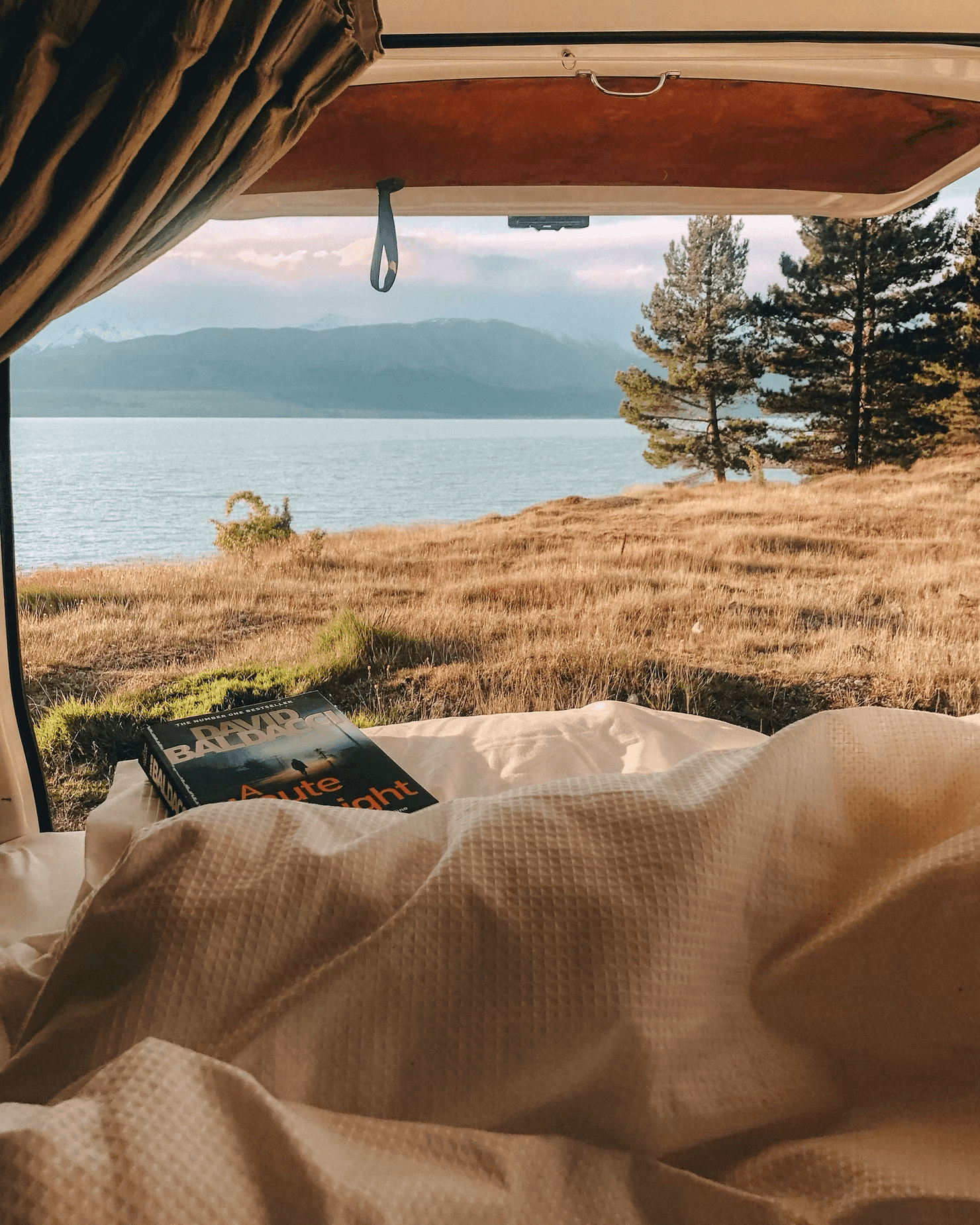


travelHLL x Editor


Common Travel Mistakes To Avoid For A Smooth Trip

Travel is one of the most rewarding ways to broaden your perspective, break routine, and collect experiences that stay with you long after you return home. Yet even well-traveled people can fall into predictable traps that lead to stress, lost time, and unnecessary costs. The good news is that most travel mistakes are not “bad luck” problems; they are planning and decision-making problems, which means they are highly fixable.


In this article, we will explore the most common travel mistakes and how to avoid them with practical, realistic strategies. Whether you are planning a quick weekend getaway or a long international holiday, these tips will help you travel lighter, spend smarter, and stay more present for the moments that matter.

No. 1

Overpacking your luggage

Overpacking is one of the fastest ways to make travel feel harder than it needs to be. A heavy suitcase slows you down, makes stairs and transit painful, increases the odds of baggage fees, and can even limit your spontaneity if you dread moving locations. Many travelers pack “just in case” items that never leave the bag, while forgetting that laundry services, local shops, and simple outfit repetition are normal parts of travel.

Build a packing strategy that works

Instead of packing more, pack smarter:

  • Choose a small colour palette so everything mixes and matches

  • Pack items that layer well for changing temperatures

  • Prioritize comfort and versatility over variety

  • Leave space for souvenirs or purchases you may make on the trip

Use a simple packing checklist

Before you start, outline your itinerary and create a list based on what you will actually do:

  • Activities: hikes, beaches, city walks, fine dining, business meetings

  • Weather: temperature range, rain likelihood, wind exposure

  • Logistics: how often you will move hotels, carry bags, or use public transit

A lighter bag saves energy and time, and it makes every transfer day significantly easier.

No. 2

Ignoring local transportation options

It is easy to default to taxis, rideshares, or rental cars, especially when you arrive tired and unfamiliar with a destination. However, ignoring local transportation can add up quickly in costs and can also limit your ability to experience a place naturally. Many cities are best explored by walking, using public transit, or renting a bike for a few hours.

Research transit before you arrive

A few minutes of planning can prevent confusion on day one:

  • Check whether the city uses tap-to-pay cards, transit passes, or mobile tickets

  • Download local transit apps or official maps

  • Learn the basic routes between your hotel and key neighborhoods

Consider destination-friendly alternatives

Depending on where you are going, these options may be more efficient than a car:

  • Metro and bus systems for major city sightseeing

  • Trams and ferries for scenic routes

  • Walking loops for compact neighborhoods

  • Bike rentals for waterfront or park-heavy areas

When you move as locals do, you often see more and spend less.


No. 3

Failing to plan for arrival and departure times

Check-in and checkout windows can quietly sabotage a trip. Arriving hours before check-in or leaving long after checkout can leave you hauling bags through a city, skipping activities, or wasting time sitting in a café just to avoid carrying luggage. This is especially common on short trips, where every hour matters.

Align your itinerary with hotel timing

Plan around the reality of your arrival:

  • Confirm early check-in or late checkout availability in advance

  • Schedule indoor attractions or meals near your accommodation if you must wait

  • Avoid booking a packed day that begins immediately after a red-eye flight

Use luggage storage when it makes sense

If you are traveling through a coastal area and want to keep exploring freely, using luggage storage santa monica can be a practical solution that allows you to enjoy the beach, shops, and nearby attractions without dragging your belongings everywhere. The same approach works in any city where you have hours to fill before a flight or after checking out.

This small planning step often turns an awkward day into a relaxing one.

No. 4

Skipping travel insurance

Many travelers avoid insurance to save money, assuming nothing will go wrong. Unfortunately, the financial risk of travel is not limited to rare disasters. Common problems like delayed flights, lost luggage, missed connections, minor medical issues, or trip interruptions can be expensive and stressful to handle out-of-pocket.

What travel insurance can help cover

Coverage varies by policy, but travel insurance may help with:

  • Medical emergencies or urgent care costs

  • Flight cancellations and long delays

  • Lost, stolen, or delayed baggage

  • Trip interruption due to illness or unforeseen events

How to choose a policy more wisely

Before purchasing, check:

  • Medical limits and whether pre-existing conditions are covered

  • Whether your destination activities are included, such as hiking or skiing

  • The claims process and required documentation

  • What your credit card already covers, if anything

Insurance is not about expecting problems; it is about preventing one issue from derailing your entire trip.


No. 5

Forgetting to check important documents

Few travel problems feel as immediate as discovering you have the wrong paperwork. Expired passports, missing visas, incorrect names on tickets, or forgotten IDs can stop a trip before it starts.

Document checks to do early

Do these checks as soon as you book travel:

  • Passport expiration date and validity requirements for your destination

  • Visa rules, transit rules, and entry requirements

  • Matching your exact legal name across bookings and identification

  • Any health-related entry requirements, depending on the country

Create backups that are actually useful

A simple system can save a lot of stress:

  • Store digital copies of your passport, ID, and insurance in secure cloud storage

  • Keep a printed copy in a separate bag from your original documents

  • Write down emergency contacts and addresses in case your phone dies

Organisation upfront prevents panic later.

No. 6

Overscheduling every day

A packed itinerary looks great on paper, but it can drain the enjoyment out of a trip. Overscheduling leads to rushing, decision fatigue, and the feeling that you are always “behind.” It also leaves no room for the unexpected experiences that often become the best memories.

Build breathing room into your plans

Instead of aiming to do everything, aim to do the right things well:

  • Choose one major activity per day as the priority

  • Group sights by neighborhood to reduce commuting time

  • Add buffer time for meals, rest, and unplanned detours

Leave space for the trip to surprise you

Some of the best travel moments come from:

  • A local recommendation that was not on your list

  • A market, street performance, or viewpoint you discovered by chance

  • A slow café break that lets you absorb the atmosphere

A realistic pace makes your trip feel richer, not smaller.

No. 7

Not researching local customs

Every destination has cultural expectations, from greetings and tipping to dining etiquette and dress norms. Skipping this research can lead to awkward moments, unintentional offence, or simply missing out on smoother interactions.

What to research before you go

A short cultural primer can go a long way:

  • Tipping practices and service expectations

  • Appropriate dress for religious sites and formal venues

  • Common greetings and polite phrases

  • Dining norms, including seating and payment customs

How respect improves your experience

When you show cultural awareness, you often receive:

  • Friendlier service and more patient assistance

  • Better local recommendations

  • More comfortable social interactions

Respect is not performative; it is practical and it improves travel.

No. 8

Depending only on internet access

Smartphones are powerful travel tools, but connectivity is never guaranteed. Dead zones, roaming issues, SIM problems, and drained batteries can leave you stranded if everything you need is online.

Prepare for offline scenarios

Before departure, set yourself up with:

  • Offline maps for key areas and routes

  • Downloaded reservations, boarding passes, and tickets

  • Screenshots of critical information like hotel addresses and check-in instructions

Keep essential details accessible

Write down or store offline:

  • Emergency contact numbers

  • Your accommodation address in the local language where relevant

  • Airline and transport customer support numbers

Offline preparation gives you confidence when technology fails.

No. 9

Exchanging currency at the airport

Airport exchange counters often have poor rates and high fees, which means you lose money before your trip even begins. While you may need some cash quickly, there are usually better options.

Better ways to handle currency

Consider these approaches:

  • Use an ATM at your destination for a fairer exchange rate

  • Exchange money through reputable financial institutions before travel

  • Use a travel-friendly credit card with low foreign transaction fees

Plan for “arrival expenses”

To avoid airport exchanges, anticipate what you will need immediately:

  • Transit fare from the airport

  • A small meal or water

  • Tips where customary

A small amount of cash arranged ahead of time keeps you flexible without overpaying.

No. 10

Forgetting to stay flexible

Even a well-planned itinerary can be disrupted by weather, delays, closures, or unexpected crowds. The mistake is not the disruption itself; it is letting frustration take over and erase the enjoyment of the trip.

Create simple backup plans

Flexibility is easier when you have alternatives ready:

  • Identify indoor activities in case of rain

  • Keep a short list of nearby attractions you can swap in

  • Avoid booking every day with non-refundable commitments

Reframe disruptions as part of travel

When plans change, you may discover:

  • A quieter neighborhood you would have missed

  • A local event or seasonal activity

  • A better time to visit a popular attraction

Flexibility protects your mood, and your mood shapes the entire trip.

Takeaways

Common travel mistakes usually come down to avoidable oversights, such as packing too much, ignoring transportation options, or failing to plan around check-in and checkout times. In this article, we explored practical ways to reduce friction so your trip feels calmer and more enjoyable.

The strongest travel plans balance preparation with breathing room, including document checks, offline backups, realistic schedules, and a basic understanding of local customs. Smart decisions around insurance and currency also reduce the chance that small problems become expensive ones.

Most importantly, great travel is rarely perfect, and that is part of its value. When you travel light, stay organized, and remain flexible, you create more space for the experiences that turn an ordinary itinerary into lasting memories.


Looking for Travel resources?

Looking to embark on a transformative journey to discover new cultures, expand your horizons, and reconnect with yourself? Explore, learn, and awaken your wanderlust with our travel partners designed to support you on your next getaway.


travelHLL x Editor


Best Day Trips From New York: 5 Must-Visit Getaways

New York City may be the headline act, but some of the most rewarding experiences in the region begin the moment you leave the skyline behind. Within a few hours, you can trade busy streets for thundering waterfalls, vineyard-lined lakes, mountain trails, and historic cities that feel worlds away from Midtown.


In this article, we will explore five standout destinations near New York that deserve a place on your itinerary: Niagara Falls, the Hudson Valley, Philadelphia, the Finger Lakes, and the Catskills. You will find practical planning guidance, what each location is best known for, and ideas to help you choose the right trip based on your travel style, season, and available time.

No. 1

Niagara Falls

Niagara Falls is one of North America’s most instantly recognisable natural landmarks, and it rarely disappoints in person. The scale is difficult to grasp until you are standing near the railings, hearing the roar of the water and feeling the cool mist rise from below. Even if you have seen countless photos, the atmosphere, sound, and sheer force of the falls create an experience that images cannot fully capture.

If you are planning a visit, looking into Niagara Falls tours will help you to make the most of your time and explore highlights you do not want to miss. Tours are especially useful if you want to combine multiple viewpoints efficiently, understand the geography of the area, or enjoy seasonal experiences without spending time troubleshooting logistics on arrival.

What to prioritise during a first visit

Different travellers are drawn to Niagara Falls for different reasons. If you only have a day or two, focus on a handful of high-impact activities.

Consider building your plan around:

  • Signature viewpoints that showcase the falls from multiple angles

  • A boat excursion for close-up views and an unforgettable sense of scale

  • Walking paths that allow you to experience the sound and mist at varying distances

  • Scenic stops that work well at sunrise or sunset, if you want softer light and fewer crowds

Tips for making the experience more comfortable

Niagara Falls is an outdoor destination that rewards smart preparation.

Keep these practical points in mind:

  • Expect mist near the main viewpoints and dress accordingly

  • Wear comfortable walking shoes, as you will likely cover more distance than expected

  • If you are visiting during peak season, aim for earlier arrival times to avoid the busiest windows

  • Bring a light layer, since temperatures can feel cooler near the water even on warm days

No. 2

The Hudson Valley

If you want a slower pace and a refreshing change in scenery, the Hudson Valley is one of the easiest and most satisfying escapes from New York. The region is known for river views, rolling landscapes, and towns that encourage lingering rather than rushing. It is also one of the best options if you want a flexible itinerary: you can plan a calm weekend of browsing shops and cafés, or a more active trip centred on hiking and outdoor exploration.

What makes the Hudson Valley particularly appealing is how many different experiences fit into a short driving radius. You can spend the morning walking a historic main street, the afternoon exploring an estate or local market, and the evening enjoying dinner with views of the river.

What the Hudson Valley is best for

This destination suits travellers who want variety without intensive planning.

It is a strong choice for:

  • Scenic drives with frequent stop-and-explore opportunities

  • Charming towns with independent stores and local dining

  • Historic estates and heritage sites

  • Seasonal experiences, especially autumn foliage and spring blooms

Easy ways to plan a day in the Hudson Valley

To avoid trying to do too much, choose one main activity and build around it.

Try a structure like:

  • Morning: coffee and a walk through a riverside town

  • Midday: market browsing, a historic property visit, or a nature trail

  • Afternoon: a scenic drive to viewpoints or quieter towns

  • Evening: relaxed dinner and a return trip, or an overnight stay if time allows


No. 3

Philadelphia

Philadelphia is close enough to be a practical side trip, yet distinct enough to feel like a true change of scene. It combines history, culture, and a strong food identity, making it a reliable option for travellers who want both meaningful landmarks and an enjoyable, walkable city atmosphere.

History enthusiasts are especially drawn to Philadelphia because so much of the American story is grounded here. But even if you are not building your trip around museums and monuments, the city’s neighbourhoods, dining, and cultural offerings make it easy to fill a day or weekend.

What makes Philadelphia a worthwhile addition

Philadelphia tends to appeal to a wide range of travellers because it delivers multiple “trip styles” at once.

It is well-suited for:

  • History-focused itineraries with landmark visits

  • Museum and gallery time for culture lovers

  • Food-led travel, from casual bites to memorable dining

  • Weekend breaks that balance sightseeing with relaxation

How to choose the right pace for your visit

Because Philadelphia offers a lot in a compact area, the biggest planning challenge is deciding how full you want your schedule to be.

Two helpful approaches:

  • The highlights day trip: focus on key landmarks, a museum, and one standout meal

  • The weekend city break: add neighbourhood exploration, additional museums, and a slower dining plan

No. 4

The Finger Lakes

The Finger Lakes region is a refreshing contrast to urban intensity. Known for sparkling lakes, waterfalls, hiking trails, and small towns, it is ideal for travellers who want nature, open space, and a calmer rhythm. Many visitors come to reset, spend time outdoors, and enjoy a more scenic, spacious environment than they can find in the city.

What makes the Finger Lakes special is the mix of landscapes: you can plan an itinerary that includes lakeside views, short hikes to falls, and relaxed afternoons in towns that feel welcoming and unhurried.

What to do in the Finger Lakes

Your itinerary can be as active or as relaxed as you prefer. The region supports both styles well.

Popular options include:

  • Waterfall walks and gorge trails

  • Lakeside picnics and scenic drives

  • Outdoor recreation such as hiking and cycling

  • Exploring small towns with local shops and cafés

Planning tips for a smoother trip

The Finger Lakes are best enjoyed with a bit of planning, particularly if you are trying to see multiple lakes or trails.

A few practical ideas:

  • Prioritise two or three key stops rather than trying to cover the entire region

  • Start outdoor activities earlier in the day for better parking and quieter trails

  • Pack layers and waterproof footwear if waterfalls and gorges are on your list

  • Consider staying overnight to avoid spending most of your time driving


No. 5

The Catskills

The Catskills have long been a favourite for travellers seeking fresh air, mountain scenery, and easy access to outdoor activities. It is one of the most convenient “nature-first” trips from New York, and it works across seasons. In warmer months, hiking and viewpoints are a primary draw. In colder months, the landscape still offers a welcome change of pace, with cosy towns and seasonal recreation.

The Catskills also appeal because they can be tailored to your comfort level. You can choose challenging hikes, gentle trails, scenic drives, or a quiet cabin-based reset that is more about reading and resting than ticking off attractions.

What the Catskills are known for

This region shines when you want a balance of scenery and flexibility.

The Catskills are ideal for:

  • Mountain views and scenic overlooks

  • Hiking suited to a range of abilities

  • Town visits, antiques, and local dining

  • Seasonal activities that vary throughout the year

How to plan a Catskills day trip

If you are only going for the day, a simple structure keeps the experience enjoyable rather than rushed.

A reliable outline:

  • Morning: arrive early and start with a trail or viewpoint

  • Midday: lunch in a nearby town and time to explore

  • Afternoon: a second short walk or a scenic drive route

  • Evening: head back before night driving if you prefer easier conditions

No. 6

How to choose the best destination for your itinerary

With so many options near New York, the best choice depends on your time, interests, and desired travel energy. Some destinations reward slow exploration, while others are best approached with a clear plan and a few priority stops.

Use these questions to decide quickly

Ask yourself:

  • Do you want nature, history, or a mix of both?

  • Are you planning a day trip, a weekend, or multiple overnights?

  • Do you want an active itinerary, or a restful one?

  • Are you travelling with kids, friends, or solo?

  • What season are you visiting, and what weather is most likely?

Quick destination matching guide

Use this simple pairing to narrow your choice:

  • Iconic natural spectacle: Niagara Falls

  • Scenic towns and relaxed exploring: The Hudson Valley

  • Culture and history city break: Philadelphia

  • Lakes, waterfalls, and outdoor calm: The Finger Lakes

  • Mountains and flexible outdoor plans: The Catskills

Takeaways

Exploring beyond New York City can dramatically expand what your trip feels like, especially if you want a blend of natural scenery, historic destinations, and slower-paced towns. In this article, we explored five nearby getaways that are well known for good reason and easy to match to different travel styles.

Niagara Falls offers unforgettable scale and atmosphere, while the Hudson Valley delivers scenic drives and charming communities close to the city. Philadelphia adds a culture-and-history option, and the Finger Lakes and Catskills provide two distinct paths to fresh air, trails, and restorative landscapes.

The best itinerary is the one that fits your time and energy, whether you add a single-day trip or build a weekend around one destination. With a few smart priorities and a realistic pace, these trips can make your New York visit richer, calmer, and more memorable.


Looking for Travel resources?

Looking to embark on a transformative journey to discover new cultures, expand your horizons, and reconnect with yourself? Explore, learn, and awaken your wanderlust with our travel partners designed to support you on your next getaway.


travelHLL x Editor