Why Local Businesses Are Becoming The Heart Of Modern Communities Again

In an age dominated by digital convenience and global e-commerce giants, a quiet but powerful shift is taking place—one that is reshaping the way we shop, connect, and build our communities. After years of relying on online platforms for nearly everything, people are beginning to rediscover the value of something much more tangible: local businesses. From cozy cafés that remember your name to independent bookstores that host community events, small businesses are once again becoming the backbone of our neighborhoods.



In this article, we’ll explore the reasons behind this growing movement, uncover why supporting local businesses feels more meaningful than ever, and highlight how these enterprises are breathing new life into our communities. Whether you're a consumer looking to make more intentional choices or a business owner hoping to connect with your local audience, this piece will offer valuable insights into the resurgence of local commerce.

No. 1

Local Spending Feels More Meaningful Than Ever

One of the most compelling reasons people are searching for terms like local business business and returning to small, community-based businesses is the emotional and ethical value tied to local spending. Unlike the impersonal nature of large online retailers, buying from a nearby shop feels personal—and purposeful.

Why Local Purchases Matter:

  • Direct impact: Your money helps a neighbor pay rent, support their family, and grow their dream.

  • Community investment: Spending locally keeps money circulating within your area, boosting the local economy.

  • Emotional connection: Knowing the story behind a product or the person behind the counter adds a layer of meaning to every purchase.

Let’s face it—clicking “add to cart” on a massive e-commerce site just doesn’t carry the same weight as buying a handmade item from someone you know. That sense of connection and contribution is what’s driving this shift back to local.

No. 2

Local Shops Make Neighborhoods Feel Alive

There’s something undeniably charming about a street lined with unique storefronts, each one offering something different. It’s a stark contrast to the uniformity of chain stores that dominate malls and commercial districts.

How Local Businesses Revitalize Communities:

  • Diverse storefronts: Independent shops bring personality and creativity to urban and suburban landscapes.

  • Increased foot traffic: More interesting places to visit means more people out and about, which encourages social interaction.

  • Stronger community ties: Local businesses often host events, sponsor local teams, and support neighborhood initiatives.

When you walk through a vibrant town center filled with local shops, you’re not just seeing businesses—you’re seeing a community in motion. Families stroll together, neighbors stop to chat, and the area feels safe, welcoming, and full of life.

No. 3

People Trust the Places They Can See

In a world where scams, data breaches, and faceless corporations are increasingly common, trust has become a valuable currency. And nothing builds trust quite like face-to-face interaction.

The Trust Factor of Local Businesses:

  • Personal service: You can speak directly to the owner or staff, ask questions, and get honest answers.

  • Easy returns and exchanges: No need to navigate complicated return policies or automated customer service bots.

  • Accountability: Local business owners are part of the community—they care about their reputation and relationships.

This human connection fosters loyalty and builds long-term relationships that digital platforms simply can’t replicate. People want to feel seen, heard, and valued—and local businesses deliver that experience.

 
 
hellolovelyliving aroma retail

Aroma Retail

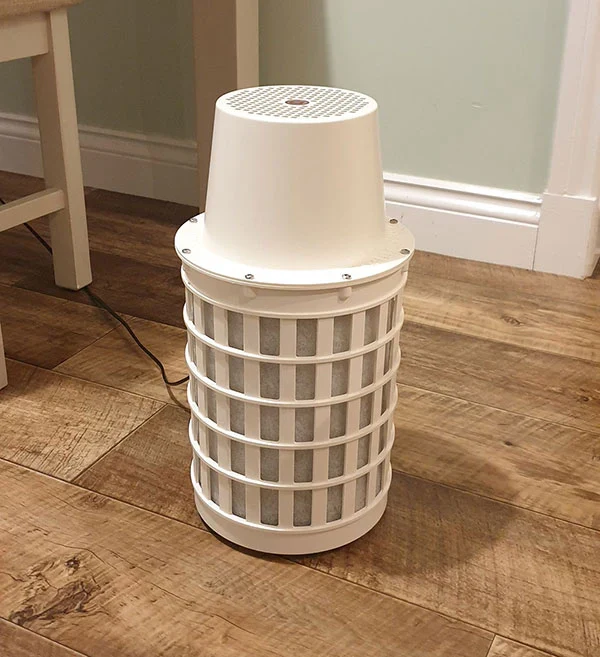
The Scent Machine Pro is an efficient whole-home and whole-business solution for safe aromatics—ready to diffuse free-standing or ported into HVAC.

Scent your entire home or business up to 10,000 sq. ft. on a timer and on-demand via an app in less than 5 minutes.


No. 4

The Role of Local Businesses in Community Building

Beyond commerce, local businesses play a vital role in shaping the social fabric of a neighborhood. They are often the first to step up when the community needs support and are deeply invested in the wellbeing of the area.

Ways Local Businesses Strengthen Communities:

  • Hosting events: From art shows to farmers markets, local businesses bring people together.

  • Supporting schools and charities: Sponsorships, donations, and volunteer work are common among small business owners.

  • Creating jobs: Hiring locally helps reduce unemployment and fosters economic stability.

These contributions go far beyond the transactional—they create a sense of belonging and shared purpose that enriches everyone’s lives.

No. 5

Why the Shift Back to Local Is Here to Stay

This isn’t just a passing trend. The renewed interest in local businesses is part of a larger cultural shift toward authenticity, sustainability, and community-focused living.

Driving Forces Behind the Movement:

  • Desire for authenticity: People are seeking real experiences and genuine interactions.

  • Environmental concerns: Local shopping reduces the carbon footprint associated with shipping and packaging.

  • Economic resilience: Communities with strong local economies are better equipped to weather economic downturns.

As more people recognize the value of supporting local, this movement is likely to grow stronger, creating more opportunities for small businesses to thrive.

Takeaways

As we’ve explored in this article, local businesses are doing more than just selling products—they’re rebuilding the very foundation of our communities. By choosing to support small, independent shops, we’re not only investing in quality and service but also in the people and places that make our neighborhoods unique.

Whether it’s the barista who knows your order by heart, the bookstore owner who recommends your next favorite read, or the florist who donates to local schools, these are the connections that bring warmth, trust, and humanity back into our daily lives.

So next time you need to make a purchase, consider skipping the big-box retailer or faceless online store. Instead, walk down your local high street, step into a shop, and experience the joy of supporting a business that supports your community in return.

Because when we shop local, we’re not just buying—we’re building something better, together.

Looking for Business resources?

Are you seeking ways to elevate your business to new heights? Dive into the array of resources provided by our esteemed business partners designed to empower your ventures.


Learn more


businessHLL x Editor


Expert Tips To Customize Your Kitchen With RTA Cabinets Online

Designing a kitchen that reflects your personal style while maintaining functionality can feel like a daunting task. From layout planning to material selection, every detail matters. Fortunately, the rise of Ready-to-Assemble (RTA) cabinets available online has revolutionized the way homeowners approach kitchen customization. These cabinets offer a flexible, cost-effective solution that makes it easier than ever to create a space that is both beautiful and practical.


In this article, we’ll provide expert guidance on how to personalize your kitchen using RTA cabinets purchased online. From assessing your kitchen needs and selecting the right cabinet style to maximizing storage and incorporating unique features, we’ll walk you through each step of the process. Whether you're planning a full renovation or a simple refresh, this guide will help you make informed decisions that align with your aesthetic and functional goals.

No. 1

Assessing Your Kitchen Needs

Before purchasing RTA cabinets online, it’s essential to evaluate your kitchen’s unique requirements. Understanding how you use your kitchen on a daily basis will help you make smarter design choices.

Key Considerations:

  • Storage needs: Do you need more space for cookware, pantry items, or utensils?

  • Workflow: How do you move through your kitchen while cooking or cleaning?

  • Appliance placement: Ensure cabinets won’t obstruct or clash with appliances.

  • Family lifestyle: Consider how many people use the kitchen and how often.

Taking accurate measurements and identifying must-have features will help you avoid costly mistakes later. This foundational step ensures that your cabinet choices will support both form and function.

No. 2

Selecting the Right Cabinet Style

The style of your cabinets sets the tone for your entire kitchen. RTA cabinet retailers typically offer a wide variety of designs, from minimalist to ornate, allowing you to find a look that complements your home’s aesthetic.

Popular Cabinet Styles:

  • Shaker: Clean lines and timeless appeal

  • Raised panel: Classic and elegant, ideal for traditional kitchens

  • Flat panel: Sleek and modern for contemporary spaces

  • Glass-front: Adds visual interest and display space

Don’t overlook the importance of hardware. Handles and knobs are more than functional—they’re design elements that can elevate your kitchen’s overall appearance.

No. 3

Choosing Quality Materials

Material selection is crucial when it comes to durability and long-term satisfaction. While RTA cabinets are often more affordable than custom-built options, that doesn’t mean you have to sacrifice quality.

Common Material Options:

  • Solid wood: Durable and high-end, but more expensive

  • Plywood: Strong and moisture-resistant, ideal for kitchen environments

  • MDF (Medium-Density Fiberboard): Budget-friendly and smooth, but less durable

Understanding the pros and cons of each material will help you make a choice that balances cost, longevity, and appearance.


hellolovelyliving bedrosians

Bedrosians

Elevate your kitchen's style with Bedrosians' stunning backsplash designs—where function meets flawless beauty.


No. 4

Planning the Layout

A well-planned layout is the backbone of a functional kitchen. Thanks to online design tools and software, visualizing your space has never been easier.

Layout Planning Tips:

  • Use the kitchen work triangle (sink, stove, refrigerator) for efficiency

  • Ensure adequate clearance between cabinets and appliances

  • Consider adding an island for extra prep space and storage

  • Use corner cabinets or pull-out shelves to maximize hard-to-reach areas

Taking the time to plan your layout ensures that your kitchen will not only look great but also work seamlessly for your daily routines.

No. 5

Maximizing Storage Solutions

Customization isn’t just about aesthetics—it’s also about making your kitchen more functional. Smart storage solutions can transform even the smallest kitchens into highly efficient spaces.

Smart Storage Features to Consider:

  • Pull-out shelves for easy access to deep cabinets

  • Lazy Susans for corner cabinets

  • Deep drawers for pots and pans

  • Tray dividers for baking sheets and cutting boards

  • Built-in spice racks or pantry pull-outs

These additions make it easier to stay organized and reduce clutter, enhancing the overall usability of your kitchen.

No. 6

Incorporating Unique Features

Adding unique design elements can give your kitchen a personalized touch that reflects your taste and lifestyle.

Creative Customization Ideas:

  • Glass-front cabinets to showcase dishware or collectibles

  • Open shelving for a modern, airy feel

  • Decorative moldings for a touch of elegance

  • Under-cabinet lighting to brighten workspaces

  • Accent finishes like distressed wood or two-tone color schemes

These features not only enhance visual appeal but also improve functionality, making your kitchen a space you’ll love spending time in.

No. 7

Budgeting Wisely

A well-planned budget is essential for a successful kitchen remodel. One of the biggest advantages of RTA cabinets is their affordability compared to custom cabinetry.

Budgeting Tips:

  • Compare prices across multiple online retailers

  • Factor in hidden costs like shipping, assembly hardware, and installation

  • Set aside a contingency fund (10–15% of your total budget) for unexpected expenses

  • Prioritize spending on high-impact areas like cabinet materials and hardware

Being financially prepared ensures that your project stays on track and avoids unnecessary stress.

No. 8

Maintaining Cabinets Over Time

Proper maintenance extends the life of your cabinets and keeps them looking new for years to come.

Maintenance Best Practices:

  • Clean with mild soap and warm water

  • Wipe spills immediately to prevent staining or warping

  • Avoid abrasive cleaners or scrubbers

  • Check and tighten hinges and handles regularly

  • Follow the manufacturer’s care instructions for best results

Routine care not only preserves the appearance of your cabinets but also protects your investment.

No. 9

Seeking Inspiration Online

The internet is a treasure trove of design inspiration. Browsing through kitchen galleries, social media, and design forums can spark ideas and help you refine your vision.

Ways to Stay Inspired:

  • Create a Pinterest board to collect your favorite designs

  • Follow home improvement influencers on Instagram or YouTube

  • Explore before-and-after transformations for real-world examples

  • Join online communities to ask questions and share experiences

Visualizing what’s possible will keep you motivated and focused throughout your project.

No. 10

Consulting with Experts

Even with all the tools and resources available online, sometimes professional advice can make all the difference. Many RTA cabinet retailers offer free consultations with experienced designers.

Benefits of Expert Guidance:

  • Get help with layout planning and style selection

  • Avoid common pitfalls and costly mistakes

  • Receive tailored recommendations based on your space and budget

  • Ensure your final design is both practical and cohesive

Taking advantage of expert support can streamline the process and give you confidence in your decisions.

Takeaways

Customizing your kitchen with RTA cabinets purchased online is a smart, flexible, and cost-effective way to create a space that reflects your personality and meets your everyday needs. As we’ve explored in this article, success lies in careful planning, thoughtful design, and attention to detail.

From assessing your kitchen’s unique requirements to selecting the right materials, styles, and storage solutions, every step you take brings you closer to the kitchen of your dreams. With the added benefit of online tools, expert consultations, and endless inspiration at your fingertips, there’s never been a better time to take control of your kitchen remodel.

Whether you’re updating a small space or redesigning your entire kitchen, RTA cabinets offer the perfect balance of style, functionality, and affordability. Take your time, trust the process, and enjoy the journey of creating a kitchen that’s truly your own.

Looking for Home resources?

Looking to enhance your living space and create a sanctuary that supports your well-being? Explore our home partners who offer a wide range of resources to elevate your home environment.

Learn more


homeHLL x Editor


Cutting-Edge Jumpsuit Styles Your Customers Want In Stock Now

The fashion world is currently experiencing a vibrant revival of trends from the 1980s and 1990s, and one of the standout comebacks is the ever-iconic jumpsuit. Once considered a niche or seasonal item, the jumpsuit has reemerged as a wardrobe essential—effortlessly blending comfort, versatility, and bold style. From streetwear to high fashion, this one-piece wonder is now a must-have for modern consumers who crave both function and flair.


In this article, we’ll explore why jumpsuits are back in high demand, break down the five most popular styles you should have in stock, and examine the latest trends in fabric, texture, and color. Whether you're a boutique owner looking to refresh your inventory or a fashion buyer curating the next season's collection, this guide will help you capitalize on the jumpsuit’s resurgence and meet your customers' evolving style needs.

No. 1

Why Jumpsuits Are Dominating Fashion Again

In an era where fashion is increasingly influenced by nostalgia and practicality, jumpsuits have found their sweet spot. They are the perfect fusion of retro flair and modern sensibility. The resurgence of this all-in-one outfit is not just about aesthetics—it’s about versatility, comfort, and the ease of styling.

Key Reasons for the Jumpsuit’s Popularity

  • Effortless styling: One piece, endless possibilities

  • Transitional wear: Easily styled for casual, professional, or formal occasions

  • Flattering silhouettes: Structured cuts and flowing fabrics suit a variety of body types

  • Trend alignment: Perfectly fits into the current 80s/90s revival movement

  • High accessorization potential: Ideal for upselling with belts, bags, and jewelry

Jumpsuits are no longer a fashion risk—they’re a fashion staple. And if your boutique isn’t already stocked with the right styles, now is the time to act.

No. 2

Top 5 Jumpsuit Styles to Stock Right Now

To stay ahead of the curve and cater to your fashion-forward clientele, it’s essential to understand which jumpsuit styles are trending and why. Here are the five most in-demand styles that should be front and center in your inventory.

1. Sculpted Utility Jumpsuits

Sculpted utility jumpsuits are characterized by their clean lines, structured tailoring, and utilitarian details like zippers, belts, and pockets. They are a modern twist on workwear, offering both edge and elegance.

Why They Sell:

  • Appeal to minimalist and fashion-forward shoppers

  • Easy to dress up or down

  • Ideal for layering with jackets or statement accessories

Styling Tip: Pair with combat boots and a leather jacket for an urban look, or heels and a clutch for a more elevated ensemble.

2. Luxe Knit & Ribbed Styles

Soft, stretchy, and undeniably chic, luxe knit and ribbed jumpsuits are the epitome of comfort-meets-style. These are perfect for customers who want to look polished without sacrificing coziness.

Why They Sell:

  • Great for lounging, travel, or casual outings

  • Offer a flattering fit for various body types

  • Easy to care for and long-lasting

Styling Tip: Add a longline cardigan and ankle boots for a cozy fall look, or dress it up with gold accessories and heels for a dinner date.

3. Cutout & Asymmetric Jumpsuits

For the bold and trend-conscious shopper, cutout and asymmetric jumpsuits are a must. These styles often feature one-shoulder designs, open backs, or side cutouts that add drama and flair.

Why They Sell:

  • Perfect for parties, events, and nights out

  • Appeal to younger, fashion-savvy demographics

  • Offer a unique silhouette that stands out

Styling Tip: Keep accessories minimal to let the jumpsuit shine. A sleek bun and statement earrings complete the look.


hellolovelyliving noissue

Noissue

Unleash your brand's creativity with custom packaging from Noissue! Make a memorable impression while staying eco-friendly. Elevate your unboxing experience today!


4. Tailored Wide-Leg Jumpsuits

These jumpsuits harken back to the glamour of the 1970s, with high waists, flowing legs, and precise tailoring. They are ideal for professional settings or formal occasions.

Why They Sell:

  • Flattering for most body shapes

  • Offer a sophisticated, timeless look

  • Can easily transition from day to night

Styling Tip: Pair with pointed-toe heels and a structured blazer for a power-dressing moment.

5. Denim Jumpsuits

Denim never goes out of style, and denim jumpsuits are no exception. Whether in classic blue, black, or even white, these jumpsuits offer a casual, cool-girl vibe that’s effortlessly stylish.

Why They Sell:

  • Durable and seasonless

  • Appeal to a wide age range

  • Easy to accessorize for different looks

Styling Tip: Add a belt bag and sneakers for a street-style look, or layer with a turtleneck and booties for colder months.

No. 3

Fabric, Texture, and Color Trends to Watch

Beyond style, the materials and hues you choose can make or break your jumpsuit sales. Here’s what’s trending now:

Popular Fabrics

  • Cotton blends: Breathable and easy to wear

  • Ribbed knits: Comfortable and form-fitting

  • Satin and silk: Adds a luxe touch for evening wear

  • Denim: Timeless and durable

Trending Textures

  • Matte finishes for a modern, understated look

  • Shimmer and metallics for party-ready styles

  • Textured knits for added dimension and interest

Color Palettes

  • Neutrals: Beige, black, ivory, and gray remain staples

  • Earth tones: Olive, rust, and terracotta are in high demand

  • Bold hues: Electric blue, fuchsia, and emerald for statement pieces

  • Pastels: Soft pinks, lilacs, and mint for spring and summer

Balancing your inventory with a mix of classic neutrals and trend-driven colors ensures you appeal to both conservative and adventurous shoppers.

No. 4

How to Market Jumpsuits Effectively

To maximize sales, it’s important to position jumpsuits not just as a product but as a styling opportunity. Think of them as a blank canvas that can be transformed with the right accessories and outerwear.

Marketing Tips

  • Use lifestyle imagery: Show real people wearing jumpsuits in everyday settings

  • Create styling guides: Offer tips on how to wear the same jumpsuit for work, weekend, or evening

  • Bundle with accessories: Suggest belts, bags, or jackets to complete the look

  • Highlight versatility: Emphasize how one jumpsuit can serve multiple purposes

By educating your customers and inspiring them with creative styling ideas, you increase the perceived value of each piece—and boost your average order value.

Takeaways

Jumpsuits are more than just a fleeting trend—they’re a fashion staple that continues to evolve with the times. As we’ve discussed in this article, the modern jumpsuit offers unmatched versatility, comfort, and style, making it a must-have for every fashion-conscious consumer.

By stocking the five essential styles—sculpted utility, luxe knit, cutout and asymmetric, tailored wide-leg, and denim—you’ll be prepared to meet the diverse needs of your clientele. Pair that with a smart selection of trending fabrics, textures, and colors, and you’ll position your boutique as a go-to destination for on-trend, wearable fashion.

Remember, the key to selling jumpsuits successfully lies in how you present them. Emphasize their adaptability, style potential, and timeless appeal. With the right inventory and marketing strategy, you’ll not only ride the wave of this fashion resurgence—you’ll lead it.

Now is the time to embrace the jumpsuit revolution. Your customers are ready. Are you?

Looking for Business resources?

Are you seeking ways to elevate your business to new heights? Dive into the array of resources provided by our esteemed business partners designed to empower your ventures.

Learn more


businessHLL x Editor


Why LA Is A Great Place To Move To With Family

Relocating to a new city is a major life decision—especially when you're moving with your family. If you're considering a move to Los Angeles, you're not alone. Known for its sunshine, diversity, and endless entertainment, LA might not be the first place that comes to mind for families, but it’s actually one of the most dynamic and enriching places to raise children.


In this article, we’ll walk you through why LA is a fantastic place to move with your family, and highlight some of the best kid-friendly activities the city has to offer. From sun-soaked beaches to interactive museums and world-famous theme parks, there’s something for every child (and parent!) to enjoy. But before you dive into all the fun, we’ll also touch on the practical first step: finding a reliable long-distance moving company to make your transition smooth and stress-free.

No. 1

Start with a Trusted Long-Distance Moving Company

Before you can enjoy everything LA has to offer, the first and most important step is to choose a reputable moving company that specializes in long-distance relocations. A professional team will ensure your family’s belongings are transported safely and on time, giving you peace of mind during what can otherwise be a stressful process.

Look for movers with:

  • Verified reviews and testimonials

  • Experience in long-distance moves

  • Transparent pricing and insurance options

  • Excellent customer service and communication

Once your move is in motion, you can begin exploring your new surroundings and discovering why Los Angeles is such a great place to raise a family.

No. 2

Explore LA’s Iconic Beaches

When the sun is shining—and in LA, that’s most of the year—there’s no better place to be than the beach. Los Angeles is home to some of the most beautiful and family-friendly beaches in the country.

Fun Activities for Kids at the Beach

  • In the water: Swimming, snorkeling, paddleboarding, and kayaking

  • On the sand: Building sandcastles, playing frisbee, beach volleyball, or simply running around

  • Nearby amenities: Many beaches have adjacent playgrounds, restrooms, and picnic areas

Bringing a picnic is a great way to extend your beach day and keep the kids energized. Plus, having snacks on hand is always a smart move when little ones start to get restless.

No. 3

Visit Local Museums for Hands-On Learning

Museums in LA aren’t just for adults—they’re designed to engage visitors of all ages. Many offer interactive exhibits that encourage kids to explore, touch, and learn through play.

Top Family-Friendly Museums in LA

  • California Science Center – Free admission and packed with hands-on science exhibits

  • Natural History Museum of Los Angeles County – Dinosaurs, gems, and nature walks

  • Kidspace Children’s Museum – Located in Pasadena, this museum is designed specifically for younger children

  • La Brea Tar Pits and Museum – A fascinating blend of science and history with real fossils

Many of these museums also offer seasonal workshops and educational programs that can keep your kids entertained and learning throughout the year.


hellolovelyliving viator

Viator

From guided tours of iconic landmarks to off-the-beaten-path adventures, explore a diverse selection of activities catered to your interests and preferences.


No. 4

Enroll in Local Sports Camps

If your children are active and enjoy sports, LA offers a wide variety of seasonal sports camps that cater to all skill levels. These camps are typically run by local schools, community centers, or private organizations and are especially popular during school breaks.

Benefits of Sports Camps

  • Keep kids active and healthy

  • Encourage teamwork and discipline

  • Help children make new friends

  • Introduce them to new sports in a supportive environment

Whether your child is into soccer, basketball, swimming, tennis, or baseball, there’s a camp for them. Even if they’re not naturally athletic, beginner-friendly camps can be a great way to build confidence and discover new interests.

No. 5

Spend a Day at World-Class Theme Parks

Few cities in the world can rival Los Angeles when it comes to theme parks. If you’re looking for a full day of fun and excitement, you’re in the right place.

Top Theme Parks in and Around LA

  • Disneyland Resort – The ultimate family destination with rides for all ages

  • Universal Studios Hollywood – A mix of thrilling rides and behind-the-scenes movie magic

  • Six Flags Magic Mountain – Perfect for families with older kids who love roller coasters

  • LEGOLAND California – A bit of a drive, but ideal for younger children

While theme parks can be a bit pricey, they offer unforgettable experiences and are perfect for celebrating birthdays, holidays, or just enjoying a weekend adventure. Plus, after a full day of rides and excitement, your kids will be more than ready for a good night’s sleep!

No. 6

Why LA Is a Great Place to Raise a Family

Beyond the activities, Los Angeles offers a vibrant, diverse community and a lifestyle that balances urban excitement with natural beauty. From the mountains to the ocean, from cultural festivals to farmers markets, LA provides a rich environment for children to grow, learn, and thrive.

Additional Family-Friendly Perks of Living in LA

  • Excellent schools: Both public and private options are available across the city

  • Diverse neighborhoods: Find a community that fits your family’s lifestyle and values

  • Outdoor lifestyle: Parks, hiking trails, and year-round sunshine encourage active living

  • Cultural exposure: LA is a melting pot of cultures, offering children a global perspective

Takeaways

Moving to Los Angeles with your family might seem like a bold choice, but it could also be one of the most rewarding decisions you ever make. As we’ve explored in this article, LA is bursting with opportunities for fun, learning, and connection. From its iconic beaches and interactive museums to sports camps and world-famous theme parks, the city offers something for every member of the family.

Start by choosing a reliable moving company to make your transition smooth, then dive into everything this incredible city has to offer. Whether you’re building sandcastles in Santa Monica, exploring dinosaurs at the Natural History Museum, or enjoying a magical day at Disneyland, LA is a place where family memories are made every single day.

So pack your bags, embrace the sunshine, and get ready for your next great adventure in the City of Angels.

Looking for Home resources?

Looking to enhance your living space and create a sanctuary that supports your well-being? Explore our home partners who offer a wide range of resources to elevate your home environment.

Learn more


homeHLL x Editor


How To Attract More Customers To Your Business And Drive Growth

In today’s hyper-competitive landscape, it’s no longer enough to simply have a great business idea or efficient internal operations. The true measure of success lies in your ability to consistently attract and retain customers. Without a steady stream of interested and engaged buyers, even the most innovative business models are destined to fall flat.


The digital age has ushered in a wave of new opportunities—but also unprecedented challenges. With the explosion of online businesses, rising customer expectations, and the rapid evolution of technologies like artificial intelligence (AI), standing out in a saturated market has become more difficult than ever.

In this article, we’ll explore the most effective strategies for attracting new customers to your business. From understanding your target audience and leveraging digital marketing to community engagement and incentive programs, we’ll cover the essential tactics that can help you rise above the noise. We’ll also dive into the foundational elements—such as branding, conversion optimization, and data tracking—that are critical for long-term success.

The Harsh Reality: Without Customers, Your Business Can’t Thrive

No matter how brilliant your product or how streamlined your operations, if you’re not bringing customers through the door (or to your website), your business will struggle to stay afloat. This is a truth that many entrepreneurs come to realize—often too late.

As the number of online businesses continues to surge, competition across all industries is intensifying. Attracting customers has become one of the most challenging aspects of running a business, and it’s only getting harder.

Today’s consumers are more informed, more selective, and more demanding than ever. They expect fast, personalized, and seamless experiences across multiple platforms. Meanwhile, businesses must juggle rising operational costs, limited resources, and the pressure to innovate—all while trying to capture attention in a noisy digital world.

The Modern Challenges of Customer Acquisition

Let’s take a closer look at the key obstacles businesses face when trying to attract customers:

  • Saturated markets with countless competitors offering similar products or services

  • Limited marketing budgets, especially for small and medium-sized enterprises

  • High customer expectations for speed, personalization, and convenience

  • Dominance of larger brands in paid advertising and search engine visibility

  • Constantly evolving technology, including AI and automation

  • Time and expertise constraints that hinder strategic execution

Despite these challenges, businesses that adopt a focused and flexible approach can still carve out a loyal customer base and grow sustainably.

No. 1

Target Audience Research

To attract the right customers, you must first understand who they are. This begins with thorough market research and a deep dive into your ideal customer’s preferences, behaviors, and pain points.

Steps to Conduct Effective Audience Research

  • Define your ideal customer profile: Age, gender, location, income, occupation

  • Understand their challenges: What problems do they need solved?

  • Identify their values and motivations: What drives their purchasing decisions?

  • Analyze competitors: Who are they targeting, and how can you differentiate?

By aligning your messaging and offerings with your audience’s specific needs, you’ll be able to connect more authentically and drive more meaningful engagement.

No. 2

Digital Strategies That Deliver Results

Digital marketing is one of the most powerful tools for customer acquisition—when executed strategically.

Content Marketing

Create and share valuable content that educates and informs your audience. This not only builds trust but also positions your brand as an authority in your niche.

  • Blog posts

  • How-to guides

  • Case studies

  • Infographics

  • Video tutorials

Distribute this content across your website and social media platforms to increase visibility and drive organic traffic.

Email Marketing

Once you’ve captured a lead, nurture them through personalized email campaigns. Offer exclusive content, discounts, and updates to keep them engaged and moving toward conversion.

Search Engine Optimization (SEO)

Optimize your website and content for search engines by targeting relevant keywords, improving site speed, and ensuring mobile responsiveness. A strong SEO strategy increases your chances of being discovered by potential customers.

Social Media Marketing

Choose platforms where your audience is most active and maintain a consistent presence. Use a mix of organic content and paid ads to boost reach and engagement.

No. 3

Community Engagement

While digital strategies are essential, building real-world connections can be equally powerful. Community engagement helps humanize your brand and fosters trust.

Ways to Engage with Your Community

  • Attend or host local events

  • Sponsor community initiatives or charities

  • Partner with complementary businesses for joint promotions

  • Collaborate with micro-influencers or brand ambassadors

  • Create online communities or forums for your audience

These efforts not only increase your visibility but also demonstrate your commitment to the people you serve.


hellolovelyliving later

Later

Plan, schedule, and grow your social media presence effortlessly with Later – the ultimate tool for social media marketing.


No. 4

Incentives That Inspire Action

Everyone loves a good deal. Strategic incentives can be a highly effective way to attract new customers and encourage repeat business.

Popular Incentive Ideas

  • First-time customer discounts

  • Limited-time offers or flash sales

  • Buy-one-get-one (BOGO) deals

  • Free samples or trials

  • Referral programs that reward both parties

Referral programs, in particular, are powerful because they leverage trust. People are far more likely to try a new product or service when it’s recommended by someone they know.

No. 5

Foundational Elements for Long-Term Success

Attracting customers is only part of the equation. To ensure sustainable growth, you need to focus on the foundational elements that support your marketing efforts.

Build a Strong Brand

Your brand is the face of your business.

It should be:

  • Consistent across all touchpoints

  • Aligned with your mission and values

  • Visually appealing and professional

  • Memorable and trustworthy

A strong brand builds recognition and credibility, making it easier to attract and retain customers.

Optimize the Customer Journey

Attracting attention is just the beginning. You must also guide prospects through a seamless journey that leads to conversion.

  • Ensure your website is user-friendly and mobile-optimized

  • Use clear calls-to-action (CTAs) to direct visitors

  • Simplify the checkout or sign-up process

  • Provide social proof through testimonials and reviews

Consider working with a professional website design agency to create a platform that not only looks great but also converts effectively.

Track, Measure, and Adapt

Don’t rely on guesswork. Use data analytics to monitor performance and refine your strategies.

  • Track website traffic and conversion rates

  • Analyze email open and click-through rates

  • Monitor social media engagement

  • Use A/B testing to optimize content and ads

Regularly reviewing your metrics allows you to identify what’s working and make informed decisions moving forward.

Takeaways

Attracting new customers in today’s competitive market is no easy feat. As we’ve explored in this article, it requires a multifaceted approach that combines strategic planning, digital innovation, community engagement, and a strong brand foundation.

Yes, the challenges are real—limited budgets, fierce competition, evolving technology—but they are not insurmountable. With the right mindset, tools, and tactics, you can rise above the noise and build a business that not only attracts customers but earns their loyalty.

Key Takeaways:

  • Understand your audience deeply and tailor your messaging

  • Leverage digital platforms to expand your reach

  • Engage with your community to build trust and visibility

  • Offer meaningful incentives to drive action

  • Build a strong brand and optimize the customer journey

  • Use data to track performance and continuously improve

Success doesn’t happen overnight, but with consistent effort and a willingness to adapt, your business can thrive in even the most competitive environments. Focus on delivering real value, and the customers will follow.

Looking for Business resources?

Are you seeking ways to elevate your business to new heights? Dive into the array of resources provided by our esteemed business partners designed to empower your ventures.

Learn more


businessHLL x Editor


3 Unique Methods For Pursing Personal Growth

The concept of personal growth is as nuanced as it is essential. It’s often described as a lifelong journey—one that’s deeply personal, highly subjective, and sometimes difficult to define. What feels like progress to one person may seem insignificant to another, and that’s precisely what makes self-development such a unique and individual experience.


Despite its complexity, personal growth doesn’t have to be overwhelming. In fact, the most sustainable and impactful transformations often come from small, intentional changes that are grounded in everyday life. Rather than chasing grand, all-encompassing goals, it’s often more effective to focus on manageable, meaningful steps that align with your values and lifestyle.

In this article, we’ll explore three distinct and practical methods for pursuing personal growth. Whether you're just beginning your journey or looking to deepen your self-awareness, these strategies can help you move forward with clarity, purpose, and intention.

No. 1

Pursuing Creative Skills

In today’s fast-paced world—especially amid the ongoing cost-of-living crisis—many people find themselves trapped in a cycle of work, exhaustion, and passive downtime. The result? A life that feels functional but unfulfilling, where weekends are spent recovering rather than recharging.

Why Creativity Matters

Engaging in creative activities offers a powerful antidote to this cycle. Whether it’s learning an instrument, painting, dancing, writing, or crafting, creative pursuits provide a sense of purpose, joy, and self-expression that can be deeply nourishing.

Creativity isn’t just about producing art—it’s about reconnecting with yourself and the world around you. It allows you to explore your thoughts and emotions in a non-linear way, often leading to insights and breakthroughs that structured thinking can’t provide.

Getting Started with Creative Hobbies

  • Revisit a childhood passion you abandoned

  • Take a local or online class in something new

  • Set aside a dedicated time each week for your creative practice

  • Join a community or group to stay motivated and inspired

Even if you’re tired after a long week, choosing to engage with something creative—even for just 30 minutes—can shift your mindset and bring a renewed sense of vitality to your life.

No. 2

Guided Practices with Experienced Practitioners

While personal growth is inherently individual, that doesn’t mean you have to go it alone. In fact, some of the most profound transformations come from working with others—especially those who are trained to guide you through the process.

Learning from Others

Platforms like Munay Live offer curated sessions rooted in ancient wisdom and holistic practices. These experiences are designed to help you reconnect with your body, mind, and spirit in a way that feels grounded and accessible. Whether it’s breathwork, meditation, or energy healing, guided practices can open doors to self-discovery that might otherwise remain closed.

Therapy and Mental Health Support

Sometimes, the most effective growth comes from simply talking to someone. Whether it’s a licensed therapist, counselor, or coach, having a neutral, supportive person to reflect your thoughts back to you can be incredibly clarifying.

If you struggle with anxiety, depression, or chronic stress, don’t hesitate to speak with your general practitioner. They can refer you to mental health professionals who specialize in helping people navigate these challenges. In some cases, medication may also be recommended—not as a cure, but as a tool to help you regain stability and clarity.

Benefits of Guided Support

  • Gain new perspectives and insights

  • Learn techniques to manage stress and emotions

  • Receive accountability and encouragement

  • Access ancient and modern healing modalities

Working with a practitioner can be a powerful catalyst for growth, especially when you feel stuck or unsure of your next step.


hellolovelyliving skillshare

Skillshare

Explore thousands of creative classes on one of the leading online learning platforms for creatives with 1 month free!


No. 3

Getting a Better Routine

It’s often said that success is built on routine—and when it comes to personal growth, this couldn’t be more true. Humans are creatures of habit, and our daily routines shape our mental, emotional, and physical well-being.

The Importance of Structure

Without a solid foundation, it’s difficult to build anything meaningful. That’s why establishing a healthy, consistent routine is one of the most effective ways to support your growth journey.

Start by examining how you spend your time. Are you getting enough sleep? Are you moving your body regularly? Do you have time set aside for reflection, connection, and rest?

Key Elements of a Growth-Oriented Routine

  • Sleep: Aim for a consistent bedtime and wake-up time to regulate your circadian rhythm.

  • Exercise: Incorporate movement into your day, whether it’s a walk, yoga, or strength training.

  • Nutrition: Fuel your body with whole, nourishing foods that support your energy and mood.

  • Social Connection: Make time for meaningful interactions with friends, family, or community.

  • Reflection: Journal, meditate, or simply sit in stillness to check in with yourself.

By making small adjustments to your routine, you can create a ripple effect that enhances every area of your life. Over time, these micro-changes accumulate into significant, lasting transformation.

Takeaways

Personal growth isn’t about becoming someone else—it’s about becoming more fully yourself. As we’ve explored in this article, the journey doesn’t have to be overwhelming or abstract. By pursuing creative outlets, seeking guidance from experienced practitioners, and building a supportive daily routine, you can make meaningful progress toward a more fulfilling and authentic life.

Final Thoughts:

  • Growth is deeply personal—define it on your own terms.

  • Small, consistent actions are more powerful than grand gestures.

  • Support, structure, and self-expression are key pillars of transformation.

Most importantly, remember that starting is often the hardest part. But once you take that first step—no matter how small—you’ve already begun the journey. Be patient with yourself, stay curious, and trust that growth is always possible, one moment at a time.

Good luck—you’ve got this.

Looking for Wellness resources?

Are you looking to enhance your wellness routine? Explore our wellness partners who offer a wide range of resources to support your journey toward holistic living and well-being.

Learn more


wellnessHLL x Editor


The Long-Term Dangers Of Humidity In The Home

Depending on where you live, humidity might be an unavoidable part of daily life. Whether it’s the sticky heat of summer or the damp air of winter caused by constant indoor heating, excess moisture in your home can lead to more than just discomfort—it can cause serious, long-term damage to your property and even affect your health.


In this article, we’ll explore the hidden dangers of high humidity in your home. From structural deterioration to mold growth and health concerns, we’ll break down the key problems that can arise—and provide insight into how to prevent or mitigate them before they lead to costly repairs.

No. 1

It Can Rot Your Home From the Inside

When moisture levels rise indoors, one of the first victims is your home’s wooden framework. Wood is a porous material, and when it absorbs water, it begins to degrade over time.

How Moisture Damages Wood

  • Rotting: Prolonged exposure to humidity weakens wood fibers, leading to rot.

  • Warping: Floors may become uneven, and doors may stick or fail to close properly.

  • Structural Weakness: Over time, compromised wood can lose its load-bearing capacity, increasing the risk of cracks or collapse.

Even if you seal wooden components, moisture can still infiltrate behind walls, under floors, and into hidden cavities. Once inside, it’s difficult to detect until the damage is done.

No. 2

It Can Stress Your Foundation

Humidity doesn’t just stay in the air—it eventually settles, and gravity pulls moisture downward. This makes basements and crawl spaces particularly vulnerable.

Foundation Risks from Humidity

  • Soil Expansion and Contraction: Moisture causes the soil around your foundation to shift, putting pressure on walls and footings.

  • Concrete Deterioration: Persistent dampness weakens concrete and erodes mortar joints.

  • Visible Warning Signs: Musty odors, damp patches, and white powdery residue (efflorescence) on basement walls are all red flags.

Unchecked humidity in these lower areas can compromise the integrity of your entire home. If you notice any of these signs, it’s crucial to take action to manage moisture levels.

No. 3

It Grows Mold and Mildew

Even if moisture isn’t visibly damaging your home’s structure, it can still create the perfect environment for mold and mildew to thrive—especially in dark, poorly ventilated areas.

Where Mold Hides

  • Behind drywall and wallpaper

  • Inside ceilings and insulation

  • In corners of bathrooms, kitchens, and basements

  • Within crawl spaces and attic voids

Once mold takes hold, it spreads quickly. Remediation can be expensive and invasive, often requiring the help of mold restoration specialists. Worse still, if the underlying humidity issue isn’t resolved, mold will likely return.


hellolovelyliving smell away

Smell Away

Say goodbye to stubborn odors with the Smell Away® Odor Neutralizing Machine! Perfect for homes, it eliminates pet smells, cooking odors, dampness, and more—leaving your space fresh and inviting.

Shop now for cleaner, healthier air!


No. 4

It Can Affect Your Health

Excess humidity doesn’t just harm your home—it can also impact your well-being. Moist environments promote the growth of mold spores, bacteria, and dust mites, all of which can compromise indoor air quality.

Health Risks Linked to High Humidity

  • Respiratory issues such as asthma and chronic coughing

  • Allergic reactions including sneezing, itchy eyes, and sinus irritation

  • Fatigue and general discomfort

  • Increased risk of infections in those with weakened immune systems

Children, the elderly, and individuals with pre-existing health conditions are especially vulnerable to the effects of poor indoor air quality caused by high humidity.

No. 5

How to Reduce Humidity in Your Home

Fortunately, there are several effective strategies for controlling indoor humidity and protecting both your home and your health.

Improve Ventilation

  • Install or upgrade exhaust fans in bathrooms, kitchens, and laundry rooms.

  • Open windows when weather permits to allow fresh air to circulate.

  • Use ceiling fans to keep air moving and prevent moisture buildup.

Use Dehumidifiers

  • Place portable dehumidifiers in high-moisture areas like basements or bedrooms.

  • Consider a whole-house dehumidifier if humidity is a widespread issue.

  • Empty and clean the units regularly to maintain efficiency.

Seal Entry Points

  • Inspect windows, doors, and vents for leaks.

  • Use weather stripping and caulk to seal gaps.

  • Ensure your attic and crawl spaces are properly insulated and ventilated.

Maintain Your HVAC System

  • Replace filters regularly to ensure optimal airflow.

  • Schedule annual maintenance to keep your system running efficiently.

  • Consider adding a humidity control feature to your thermostat.

Address Water Intrusion

  • Check for plumbing leaks and repair them promptly.

  • Ensure gutters and downspouts direct water away from your foundation.

  • Grade landscaping to slope away from the home.

Takeaways

Humidity might seem like a minor inconvenience, but as we’ve outlined in this article, it can lead to serious consequences if left unchecked. From rotting wood and foundation stress to mold growth and health hazards, excess moisture has the potential to damage your home from the inside out.

The good news is that with the right preventative measures—improving ventilation, sealing leaks, using dehumidifiers, and maintaining your HVAC system—you can keep humidity under control and protect your living environment.

Don’t wait until you see visible damage or feel the effects on your health. Take proactive steps now to ensure your home stays dry, safe, and comfortable all year long.

Looking for Home resources?

Looking to enhance your living space and create a sanctuary that supports your well-being? Explore our home partners who offer a wide range of resources to elevate your home environment.

Learn more


homeHLL x Editor


Moving To A New Home? Take These Steps If You Have Kids

Moving to a new home is a major life event—one that’s often filled with excitement, anticipation, and, let’s be honest, a fair amount of stress. When you add kids into the mix, the process becomes even more complex. Between managing logistics, emotions, and endless to-do lists, it’s easy to feel overwhelmed.


In this article, we’ll walk you through a few practical, family-focused strategies to help make your move smoother and more manageable. From securing the right home loan to packing with your children in mind and exploring your new neighborhood together, these tips are designed to reduce stress and create a more positive moving experience for the whole family.

No. 1

Secure Your Loan First

One of the most important steps in the moving process—especially when buying a home—is securing your mortgage early. Since purchasing a home is likely one of the largest financial commitments you’ll ever make, it’s essential to approach it with careful planning and the right loan product for your situation.

No. 2

Consider a VA Jumbo Loan

If you or your spouse is currently serving in the U.S. military or are a veteran with an honorable discharge, a VA jumbo loan could be an excellent option. This type of loan allows qualified borrowers to purchase higher-value homes without the need for a traditional down payment or private mortgage insurance (PMI). It’s a powerful benefit that can make your move more financially manageable.

Once your loan is secured, you’ll have one of the biggest items on your moving checklist completed—giving you peace of mind and the freedom to focus on the rest of your move.

No. 3

Pack Your Kids’ Rooms Last

Children often struggle with change, and moving to a new home can be especially unsettling for them. One way to ease this transition is by carefully planning the order in which you pack your home.

Why It Helps to Pack Their Rooms Last

Keeping your kids’ rooms intact for as long as possible helps maintain a sense of normalcy during a time of upheaval. Familiar surroundings can provide comfort and stability, which are especially important when everything else feels like it’s changing.

Label Boxes with Extra Detail

When you do start packing their rooms, be sure to label boxes clearly—and not just with your child’s name.

Include detailed descriptions such as:

  • Stuffed animals

  • Pajamas and clothing

  • Favorite books

  • Art supplies

  • Toys and action figures

  • School materials

This extra effort will pay off when you arrive at your new home and need to quickly recreate a comforting space for your children. Being able to find their favorite bedtime book or superhero toy right away can make a big difference in how they adjust.


hellolovelyliving the container store

The Container Store

Your ultimate destination for innovative storage and organization solutions for home or office—offering everything from stylish bins and shelves to custom closet systems.


No. 4

Learn About Your New Area Together

Whether you're moving across town or across the country, taking time to explore your new neighborhood can help your kids feel more excited and less anxious about the move.

Make It a Family Activity

Sit down with your children and research your new community together.

Use your computer, tablet, or smartphone to look up:

  • Local libraries

  • Parks and playgrounds

  • Swimming pools or splash pads

  • Indoor play gyms or trampoline parks

  • Dog parks (if you have pets)

  • Ice cream shops and family-friendly restaurants

  • Their new school and nearby landmarks

Create a Custom Google Map

To make your discoveries even more engaging, create a custom Google Map with all the places you’ve found. Drop pins for each location and save the map to your phone for easy access. You can even print out a copy for your kids to hang in their room or bring along during the move.

Takeaways

Moving with children doesn’t have to be chaotic or overwhelming. As we’ve outlined in this article, a few thoughtful strategies can go a long way in reducing stress and making the experience more enjoyable for everyone involved.

Quick Recap of Key Tips:

  • Secure your home loan early, and explore options like the VA jumbo loan if you qualify

  • Pack your kids’ rooms last to maintain their sense of routine and comfort

  • Label boxes clearly with detailed contents to make unpacking easier

  • Explore your new neighborhood together, and create a custom map to get your kids excited about the move

By involving your children in the process and planning with their needs in mind, you can transform a potentially stressful event into a meaningful family experience. And who knows? Along the way, you might even create some lasting memories that make your new house feel like home from day one.

Looking for Home resources?

Looking to enhance your living space and create a sanctuary that supports your well-being? Explore our home partners who offer a wide range of resources to elevate your home environment.

Learn more


homeHLL x Editor


How To Touch Up Wall Paint Without Leaving Patchy Marks

Touching up wall paint might seem like a simple task: dip a brush, dab the spot, and walk away. But more often than not, that tiny fix turns into a glaring patch that catches the light—and your eye—every time you walk by. Even if the color match is perfect, the result can still look off due to differences in sheen, texture, or application technique.


In this article, we’ll explore how to touch up wall paint the right way—without leaving behind patchy, mismatched marks. From understanding why touch-ups often go wrong to mastering the tools and techniques that help blend them seamlessly, this guide will help you achieve a flawless finish. Whether you're fixing a scuff, nail hole, or small dent, these expert tips will ensure your walls look freshly painted—not freshly patched.

No. 1

Why Touch-Up Paint Often Looks Patchy

Even with the exact same paint, touch-ups can still stand out.

Here's why:

1. Paint Aging and Fading

Paint changes over time. Exposure to sunlight, air, and everyday wear can dull or fade the original color. When you apply fresh paint, it may appear richer or cleaner, making the touched-up area more noticeable—even if the color is technically the same.

2. Sheen Shifts

Sheen is a major factor in how paint reflects light. While two paints may both be labeled "eggshell," the finish can change subtly as it ages. Fresh paint often has a sharper, more reflective sheen, which can make your touch-up glow like a spotlight under certain lighting conditions.

3. Lighting Angles

Light plays tricks on the eye. A touch-up that looks perfect from one angle may stand out from another, especially under directional lighting like track lights or sunlight. This is especially true if the paint was applied with a different tool or thickness than the original coat.

No. 2

Assessing Whether a Touch-Up Is the Right Solution

Before you break out the brush, take a moment to evaluate the situation.

When a Small Touch-Up Works

  • Minor scuffs or scratches

  • Nail holes or small dents

  • Areas where the wall hasn’t faded significantly

  • You have the original paint (and it’s still in good condition)

In these cases, a well-executed touch-up can blend in beautifully.

When to Repaint the Whole Wall or Section

  • The paint is several years old and has faded unevenly

  • The wall has a noticeable texture or roller pattern

  • The area to be repaired is larger than a few inches

  • You no longer have the original paint or can’t match the sheen

In these situations, repainting the entire wall—or at least the section between corners—will usually yield a more consistent, professional look.

No. 3

Preparing the Wall Surface Properly

Proper prep is the difference between a seamless touch-up and a glaring patch.

Cleaning Away Dust and Oils

Dust, fingerprints, and cooking residue can prevent new paint from adhering properly. Use a soft cloth with mild soap and water to clean the area. For stubborn marks, a melamine sponge (like a Magic Eraser) can remove grime without stripping the paint.

Sanding and Feathering Edges

If you’ve filled a hole or patched a dent, the surface may be slightly raised. Lightly sand the area with fine-grit sandpaper to smooth the patch and feather the edges into the surrounding wall. This helps the new paint blend more naturally.

Priming Small Spots (When Necessary)

Primer is essential when:

  • Covering dark or stained areas

  • Painting over joint compound or spackle

  • Working on high-absorption surfaces

Without primer, the touched-up area may absorb paint differently, resulting in a visible halo or sheen mismatch.


hellolovelyliving anthropologie

Anthropologie

Anthropologie is for creative people who pursue a sense of adventure and take a thoughtful, personal approach to interior décor and the harmony of home.


No. 4

How to Match Paint Correctly

Even the best technique can’t save a bad match.

Here’s how to get it right:

Using Leftover Paint From the Original Job

If you still have the original can of paint, you’re in luck. Stir it thoroughly before use—paint separates over time, and using the top layer without mixing can cause color inconsistencies.

Getting a Color Match From a Paint Store

No leftover paint? No problem. Most hardware or paint stores can create a custom match using a small chip from your wall. Try removing a sample from behind a switch plate or outlet cover. While it might not be perfect, modern color-matching technology gets impressively close.

Checking Sheen and Finish

Sheen is just as important as color. Two paints labeled “satin” may look very different depending on the brand or age. Always double-check the finish before applying. If possible, test a small area first to confirm the match.

No. 5

Tools and Techniques for Seamless Touch-Up Painting

Using the right tools—and applying the paint the right way—can make all the difference.

Choosing the Right Tool

  • Brush: Ideal for tiny spots and detail work

  • Mini roller: Best for matching the subtle texture of roller-applied walls

  • Sponge: Useful for blending edges on smooth or irregular surfaces

The goal is to replicate the texture of the original paint job. If the wall was rolled, use a roller. If it was brushed, stick with a brush.

The Feathering Technique

Instead of painting a solid patch, use a feathering motion:

  1. Start in the center of the repair.

  2. Apply light pressure and spread the paint outward.

  3. Gradually reduce pressure as you move away from the spot.

This technique softens the edges and helps the new paint blend seamlessly into the old.

Layering Thin Coats

Avoid the temptation to glob on a thick coat. Heavy applications can reflect light differently and create raised edges. Instead, apply two or three thin coats, allowing each to dry fully before adding the next.

No. 6

Drying Time, Lighting, and Final Inspection

Don’t judge your work too soon—paint changes as it dries.

Check the Wall Under Different Lighting

Observe the touch-up during the day and at night. Natural and artificial light can highlight differences in color and sheen. A patch that looks perfect in daylight might stand out under overhead lighting.

Allow Full Cure Time

Paint often darkens or softens slightly as it cures. Give it at least 24–48 hours before deciding if another coat is needed. What looks mismatched at first may even out once the paint settles.

No. 7

Common Mistakes to Avoid

Avoid these frequent pitfalls for a smoother finish:

  • Using too much paint on the brush or roller

  • Skipping cleaning or sanding

  • Ignoring sheen differences

  • Painting a hard-edged circle instead of feathering

  • Overlooking wall texture

These small errors can make even a good color match look obvious. Taking a few extra minutes to prep and apply properly will save you from frustration later.

No. 8

When to Call a Professional

Sometimes, no matter how careful you are, the touch-up just won’t blend.

This is especially true for:

  • Textured walls or specialty finishes

  • Glossy or decorative coatings

  • Large or unevenly faded areas

In these cases, it’s often worth hiring a professional painter to repaint the full wall or section. As noted by experts like Brothers Colors Painting St. Pete, pros have the tools and experience to deliver a flawless finish—especially when blending is tricky.

Takeaways

Touching up wall paint doesn’t have to be a frustrating guessing game. As we’ve explored in this article, the key to a seamless repair lies in preparation, precision, and patience. By understanding why touch-ups often fail and following the right steps—from cleaning and sanding to feathering and matching sheen—you can restore your walls without leaving behind a patchy reminder.

Final Touch-Up Checklist:

  • Clean the area thoroughly

  • Sand and feather edges if needed

  • Use primer on patched or dark spots

  • Match both color and sheen

  • Choose the right tool for the job

  • Apply thin, feathered coats

  • Inspect under different lighting

  • Allow full cure time before judging

With the right approach, your touch-up can disappear into the background—just as it should. So next time you spot a scuff or scratch, don’t stress. Armed with these expert tips, you’ll be ready to tackle it with confidence and skill.

Looking for Home resources?

Looking to enhance your living space and create a sanctuary that supports your well-being? Explore our home partners who offer a wide range of resources to elevate your home environment.

Learn more


homeHLL x Editor


How To Prep Your Home For Winter Without Overspending

As the crisp air of autumn gives way to winter’s chill, the thought of cozy nights indoors becomes more appealing. But with that comfort often comes a not-so-cozy reality: rising heating bills and the fear of costly home maintenance. Fortunately, preparing your home for winter doesn’t have to mean draining your savings.


In this article, we’ll guide you through a series of practical, budget-friendly strategies to winterize your home efficiently. From sealing drafts and maintaining your furnace to improving insulation and using your thermostat wisely, these smart solutions will help you stay warm without overspending. Whether you're a homeowner or a renter, these tips are designed to be accessible, effective, and easy to implement.

No. 1

Your First Mission: Stop the Drafts

Drafts are one of the most common culprits behind heat loss and high energy bills. These sneaky air leaks allow cold air to seep in and warm air to escape, making your heating system work overtime. Fortunately, stopping drafts is both simple and affordable.

What to Do About Drafty Windows

Windows are a major source of heat loss, but you don’t need to replace them to see improvement. Start with a basic inspection—look for cracks, gaps, or loose seals around the window frames.

Budget-friendly fixes:

  • Caulk: Use exterior-grade caulk to seal small gaps around the outside of window frames.

  • Weatherstripping: Apply self-adhesive foam or rubber tape to the inside edges where the window sash meets the frame.

  • Window insulation kits: These kits include clear plastic film that you apply over the window interior and shrink with a hairdryer. They’re inexpensive and surprisingly effective at reducing drafts and condensation.

Don’t Forget Your Doors

Exterior doors can be just as drafty as windows. Check the condition of the weatherstripping around the frame and replace it if it’s worn or damaged. Install a door sweep at the bottom of the door to block cold air from sneaking in underneath. These small upgrades can make a noticeable difference in your home’s warmth and energy efficiency.

No. 2

Show Your Furnace a Little Love

Your furnace is the workhorse of your winter comfort. Keeping it in top shape ensures it runs efficiently and safely throughout the cold months.

Why a Professional Tune-Up Matters

A yearly furnace inspection by a licensed technician is a wise investment. During a tune-up, the technician will:

  • Clean the burners and blower components

  • Inspect the heat exchanger for cracks

  • Test safety controls and carbon monoxide levels

  • Lubricate moving parts to reduce wear

This maintenance not only improves performance but also extends the life of your furnace and helps prevent costly breakdowns during the coldest days of the year.

One Easy DIY Task: Change the Filter

Between professional visits, changing your furnace filter is a simple but crucial task. A clogged filter restricts airflow, reduces efficiency, and lowers indoor air quality.

Filter change tips:

  • Check your filter monthly during peak usage

  • Replace it when it appears dirty or clogged

  • Use the correct size and type recommended by your furnace manufacturer

This five-minute task can significantly improve your system’s performance and reduce energy consumption.

No. 3

Beef Up Your Home’s Insulation

Insulation acts as your home’s thermal armor, keeping the heat inside where it belongs. While a full insulation upgrade can be pricey, there are several targeted improvements that deliver big results on a small budget.

Take a Peek in the Attic

Since heat rises, your attic is the most important place to check. If you can see the tops of your ceiling joists, your insulation is likely insufficient.

DIY attic insulation tips:

  • Add batt insulation (pre-cut rolls) or loose-fill insulation

  • Rent a blower from a home improvement store for easy installation

  • Focus on even coverage and avoid compressing the material

This upgrade can drastically reduce heat loss and improve overall comfort.

Find and Fill the Small Gaps

Heat escapes through more than just windows and doors. Look for gaps around:

  • Pipes and vents

  • Electrical wiring

  • Rim joists in the basement

Use expanding spray foam or rigid foam board to seal these areas. These materials are inexpensive, easy to apply, and highly effective at stopping air leaks.


hellolovelyliving houzz

Houzz

Make your home project a reality. Find inspiration, products, and the pros to make it happen - all in one place.


No. 4

Use Your Thermostat Smarter

Your thermostat is a powerful tool for managing energy use. With a few adjustments, you can save money without sacrificing comfort.

Thermostat tips:

  • Lower the temperature by 7–10°F for 8 hours a day (e.g., while you sleep or are away)

  • Use a programmable thermostat to automate temperature changes

  • Consider a smart thermostat for even more control and remote access

If a new thermostat isn’t in your budget, simply get into the habit of manually adjusting it. Turning the heat down when you leave the house or go to bed can lead to noticeable savings over the course of the season.

No. 5

Don’t Overlook Your Roof

Your roof is your home’s first line of defense against the elements. If it’s compromised, even the best insulation won’t keep your home warm.

Why a Roof Inspection Matters

  • Missing shingles or damaged flashing can let in cold air and moisture

  • Poor ventilation can lead to ice dams and mold growth

  • Leaks can cause structural damage and reduce insulation effectiveness

Schedule a quick inspection with a top rated roofing company in Lincoln NE or your local area. Catching small issues early can prevent costly repairs later and ensure your roof is winter-ready.

Takeaways

Winterizing your home doesn’t have to be overwhelming or expensive. As we’ve explored in this article, a few strategic, low-cost improvements can significantly enhance your home’s comfort and energy efficiency.

Key takeaways:

  • Seal drafts around windows and doors

  • Maintain your furnace with professional tune-ups and regular filter changes

  • Add insulation where it counts—especially in the attic

  • Use your thermostat wisely to reduce energy waste

  • Inspect your roof to ensure it’s ready to protect your home

By taking action now, you’ll not only stay warm all winter long—you’ll also enjoy peace of mind knowing you’re saving money and protecting your home. So grab your caulk gun, check your filter, and give your thermostat a little attention. A cozy, cost-effective winter is well within reach.

Looking for Home resources?

Looking to enhance your living space and create a sanctuary that supports your well-being? Explore our home partners who offer a wide range of resources to elevate your home environment.

Learn more


homeHLL x Editor


Budget-Friendly Exterior Projects That Add Curb Appeal In A Weekend

First impressions matter—and when it comes to your home, that first impression is all about curb appeal. Whether you're preparing to sell or simply want to take pride in your property, enhancing your home's exterior can make a world of difference. The good news? You don’t need a major renovation budget or weeks of work to make your home shine.


In this article, we’ll walk you through a series of quick, affordable exterior upgrades that can be completed in a single weekend. These projects are designed to deliver maximum visual impact with minimal cost and effort. From a fresh coat of paint on your front door to trimming overgrown shrubs, these simple updates will help your home stand out for all the right reasons.

No. 1

Give Your Front Door a Fresh Coat of Paint

Your front door is the focal point of your home’s exterior—it’s the first thing guests and passersby notice. A dull, chipped, or outdated door can drag down your entire curb appeal. Fortunately, this is one of the easiest and most cost-effective projects you can tackle.

Why it works:

  • A bold color adds personality and charm.

  • A fresh coat of paint instantly makes your home look well-maintained.

  • It’s a quick afternoon project with a high return on investment.

Tips for success:

  • Choose a color that complements your home’s overall palette. Popular choices include navy blue, deep red, cheerful yellow, or classic black.

  • Clean and sand the door before painting to ensure a smooth, long-lasting finish.

  • Use exterior-grade paint for durability.

For less than the cost of a dinner out, you can dramatically improve your home’s entrance and create a warm, welcoming vibe.

No. 2

Refresh Your Flower Beds

Neglected flower beds can make even the most beautiful home look tired. A few hours of landscaping can breathe new life into your yard and make your home feel vibrant and cared for.

Step-by-step refresh:

  • Remove weeds and any dead or overgrown plants.

  • Edge the beds to create clean, defined lines.

  • Cultivate the soil to promote healthy plant growth.

  • Add colorful annuals for an instant pop of color.

  • Apply fresh mulch to suppress weeds and retain moisture.

Budget tip:

You don’t need to splurge on expensive plants. A few strategically placed flowers and a bag or two of mulch can go a long way in transforming your garden beds.

No. 3

Power Wash Walkways and Siding

Over time, dirt, mildew, and grime accumulate on your home’s exterior surfaces, making them look dull and worn. A few hours with a power washer can strip away years of buildup and reveal the beauty underneath.

Areas to clean:

  • Siding

  • Driveways

  • Walkways

  • Porches or patios

How to do it:

  • Rent a power washer from your local hardware store.

  • Start on a low-pressure setting to avoid damaging surfaces.

  • Work from the top down for an even clean.

The transformation is immediate and incredibly satisfying. Your home will look brighter, fresher, and more inviting—without a single drop of paint.


hellolovelyliving rejuvenation

Rejuvenation

Rejuvenation believes in the power of thoughtful design - explore their extensive range of outdoor hardware, including stylish accessories that add character and charm to your home's exterior.


No. 4

Upgrade Your House Numbers

This small detail is often overlooked, but modern house numbers can make a big impact. Outdated or hard-to-read numbers detract from your home’s appearance and functionality.

Why update them?

  • Improves your home’s style and curb appeal.

  • Makes it easier for guests, delivery drivers, and emergency services to find your home.

  • Takes less than 10 minutes to install.

Style tips:

  • Choose a font and finish that complements your home’s architecture.

  • Consider placement—make sure the numbers are clearly visible from the street.

  • For a modern touch, opt for brushed metal, matte black, or backlit numbers.

This is a quick win that adds polish and personality to your home’s exterior.

No. 5

Tidy Up the Roofline

Your roofline frames your home and plays a key role in curb appeal. Clogged gutters, sagging downspouts, and debris buildup can make your property look neglected—and even lead to costly water damage.

What to do:

  • Clean out gutters and remove leaves, twigs, and debris.

  • Check for damage or leaks and make necessary repairs.

  • Ensure downspouts are secure and directing water away from your foundation.

Safety first:

If your home is more than one story or you’re not comfortable on a ladder, consider hiring Naperville gutter cleaning services to handle the job safely and efficiently.

A clean roofline not only enhances your home’s appearance but also protects its structural integrity.

No. 6

Trim Overgrown Shrubs and Trees

Overgrown landscaping can hide your home’s best features and create a cluttered, chaotic appearance. A simple pruning session can open up your yard and highlight your home’s architecture.

What to trim:

  • Bushes and shrubs that block windows or pathways

  • Tree branches that touch the roof or siding

  • Plants that have lost their shape or are growing unevenly

Pro tip:

Use clean, sharp tools and trim with intention—aim for symmetry and shape. This no-cost project delivers a surprisingly dramatic improvement in your home’s overall look.

Takeaways

Improving your home’s curb appeal doesn’t require a hefty budget or a team of contractors. As we’ve explored in this article, a handful of simple, affordable projects can make a significant difference in just a couple of days.

Weekend curb appeal checklist:

  • Paint your front door

  • Refresh flower beds

  • Power wash siding and walkways

  • Upgrade house numbers

  • Clean the roofline and gutters

  • Trim overgrown landscaping

These budget-friendly exterior updates not only enhance your home’s visual appeal but also increase its value and create a more welcoming environment for you and your guests. So roll up your sleeves, grab your tools, and give your home the facelift it deserves—one weekend is all it takes to make a lasting impression.

Looking for Home resources?

Looking to enhance your living space and create a sanctuary that supports your well-being? Explore our home partners who offer a wide range of resources to elevate your home environment.

Learn more


homeHLL x Editor


Understanding Neuroplasticity: How To Rewire Your Brain For Happiness

The human brain is one of the most remarkable organs in the body—complex, dynamic, and capable of extraordinary change. For decades, scientists believed that the brain’s structure was fixed after a certain age, unchangeable and rigid. But modern neuroscience has revealed a much more hopeful truth: our brains are adaptable throughout life, capable of learning, healing, and evolving.


In this article, we’ll explore the concept of neuroplasticity—what it is, how it works, and how you can harness it to create positive mental and emotional change. From developing new thought patterns to shaping your environment for growth, you’ll discover practical strategies to train your brain for happiness, resilience, and well-being.

No. 1

What Is Neuroplasticity?

Neuroplasticity refers to the brain’s innate ability to reorganize itself by forming new neural connections in response to experiences, thoughts, emotions, and behaviors. This means that your brain is not a static structure—it is constantly adapting based on how you use it.

For many years, it was believed that the brain stopped developing after childhood. Today, research has proven that the brain remains neuroplastic throughout life. It can:

  • Learn new skills

  • Adapt to new environments

  • Recover from injury

  • Shift thought patterns

  • Rewire emotional responses

This adaptability is the foundation of personal transformation. Whether you're overcoming anxiety, building confidence, or simply seeking more joy, neuroplasticity gives you the power to change from the inside out.

No. 2

The Brain’s Blueprint Is Not Final

Imagine walking through a field of tall grass. The first time, the journey is difficult—there’s no path. But with each repeated walk, a trail begins to form. Your brain works in much the same way. Every thought you think, every emotion you feel, and every behavior you repeat strengthens certain neural pathways.

Repetition Builds Pathways:

  • Negative thoughts (e.g., stress, fear, self-doubt) reinforce negative neural circuits.

  • Positive thoughts (e.g., gratitude, peace, joy) strengthen uplifting pathways.

The good news? You can choose which paths to reinforce. By intentionally practicing positive thinking and behaviors, you can weaken old, unhelpful patterns and build new, empowering ones.

No. 3

How Do We Train Our Brains to Be Happy?

Happiness is not just a fleeting emotion—it’s a skill that can be cultivated. Thanks to neuroplasticity, your brain can be trained to seek out and focus on the positive. But like any skill, it requires consistent practice.

Start Small with Gratitude

  • Begin a daily gratitude journal.

  • Write down one thing that brought you joy each day.

  • Gradually increase to two, then three things.

  • Over time, your brain will naturally start scanning for positive experiences.

Practice Mindfulness

Mindfulness is the practice of being fully present and aware of your thoughts without judgment. It creates a crucial space between stimulus and response, allowing you to choose how you react rather than acting on autopilot.

Benefits of mindfulness:

  • Reduces stress and anxiety

  • Enhances emotional regulation

  • Strengthens areas of the brain linked to empathy and happiness

Try Meditation

Meditation is a powerful tool for rewiring the brain. Contrary to popular belief, it’s not about emptying your mind—it’s about observing your thoughts with compassion and curiosity.

Meditation tips:

  • Start with just 5 minutes a day

  • Focus on your breath or a calming mantra

  • Use apps like Headspace or Calm for guided sessions

  • Be patient—consistency is more important than duration

Over time, meditation reshapes the brain’s structure, particularly in regions associated with emotional regulation, compassion, and well-being.


hellolovelyliving intelligent change

Intelligent Change

Join over 2 Million people starting every day happier with products that elevate daily life.

GET 10% OFF YOUR ORDER

Use code:

CRISTINAA10


No. 4

The Role of Environment and Surroundings

Your surroundings play a significant role in shaping your brain. Just as your thoughts influence neural pathways, so too does your environment. The people you interact with, the spaces you inhabit, and the energy you surround yourself with all contribute to your mental landscape.'

Curate Your Environment:

  • Spend time with uplifting, supportive people

  • Choose environments that inspire calm and creativity

  • Limit exposure to negativity—both online and offline

  • Create a peaceful space at home for reflection and mindfulness

Your brain is constantly absorbing information from its surroundings. Make sure that the input aligns with the person you want to become.

Professional Support and Innovation

For those seeking deeper transformation, professional support can be incredibly valuable. Centers like Delray Brain Science are pioneering the use of neuroscience-backed therapies to help individuals harness neuroplasticity for healing and growth. Through personalized care and innovative techniques, they assist people in redirecting mental patterns and achieving long-term well-being.

No. 5

Be Patient: Change Takes Time

Rewiring your brain is not a quick fix—it’s a gradual, ongoing process. Some days, you’ll feel the shift happening. Other days, it may feel like nothing is changing. But every effort you make is planting seeds for future transformation.

What to remember:

  • Progress is not always visible: Even when you can’t feel it, your brain is adapting.

  • Micro changes matter: Small shifts in thought and behavior lead to lasting change.

  • Consistency is key: Daily habits, even tiny ones, create powerful neural pathways.

Behind the scenes, your brain is firing new neurons, breaking down old patterns, and building a stronger, more resilient version of you. Trust the process.

Takeaways

Understanding neuroplasticity opens the door to a new kind of personal freedom. You are not trapped by your past thoughts, emotions, or behaviors. You are not defined by old patterns or limiting beliefs. With awareness, intention, and patience, you can reshape your brain—and your life.

In this article, we’ve explored how neuroplasticity empowers you to:

  • Shift from negative to positive thought patterns

  • Train your brain to seek happiness

  • Use mindfulness and meditation to rewire emotional responses

  • Shape your environment to support mental growth

  • Embrace the slow, steady process of transformation

The journey to a healthier, happier mind begins with a single step. Start today. Choose one small habit—whether it’s journaling, meditating, or simply noticing your thoughts—and commit to it. Over time, those small steps will develop new paths in your brain, leading you toward greater peace, purpose, and joy.

Your brain is always changing. The question is: Are you guiding that change in the direction you want to go?

Looking for Wellness resources?

Are you looking to enhance your wellness routine? Explore our wellness partners who offer a wide range of resources to support your journey toward holistic living and well-being.

Learn more


wellnessHLL x Editor


Top 3 Things That Can Endanger Your Business - And What To Do About Them

Running a successful business in today’s fast-paced, hyper-connected world requires more than just a great product or service. It demands vigilance, foresight, and a proactive approach to risk management. From online reputation to financial integrity and environmental responsibility, there are several critical areas where missteps can have serious consequences.


In this article, we’ll explore three major threats that can jeopardize your business—poor reputation, financial mismanagement, and environmental harm—and provide practical strategies to help you avoid them. Whether you're a startup founder or a seasoned business owner, understanding these risks and how to mitigate them is essential for long-term success and sustainability.

No. 1

Poor Reputation: The Silent Business Killer

In the digital age, your business reputation is one of your most valuable assets—and also one of the most vulnerable. Consumers today are more informed than ever, and they often rely on online reviews, social media mentions, and digital feedback before making purchasing decisions. A few negative reviews or a viral complaint can quickly spiral into a full-blown PR crisis, costing you customers, credibility, and revenue.

Why reputation matters:

  • First impressions are often digital: Most customers will Google your business before engaging with it.

  • Online reviews influence buying decisions: A single negative review can deter potential clients.

  • Social media amplifies both praise and criticism: One bad post can reach thousands in minutes.

How to protect your reputation:

  • Implement strong cybersecurity protocols: Data breaches can destroy trust. Secure your clients’ information to avoid backlash.

  • Monitor your online presence: Use reputation management software to track mentions of your brand across the web.

  • Respond professionally to criticism: Address negative feedback with empathy and solutions, not defensiveness.

  • Encourage positive reviews: Ask satisfied customers to leave reviews on platforms like Google, Yelp, or Trustpilot.

  • Invest in customer experience: A happy customer is your best defense against bad publicity.

By focusing on delivering exceptional service and maintaining transparency, you can build a reputation that not only withstands scrutiny but also becomes a key driver of growth.

No. 2

Financial Mismanagement: A Risk You Can’t Afford

Financial mismanagement is one of the most common—and most damaging—pitfalls for businesses of all sizes. From poor budgeting to cash flow issues and compliance failures, financial missteps can lead to operational disruptions, legal troubles, and even bankruptcy.

Common financial risks:

  • Overspending or lack of budgeting

  • Inaccurate forecasting

  • Poor cash flow management

  • Non-compliance with financial regulations

  • Fraud or embezzlement

How to avoid financial mismanagement:

  • Create a detailed budget: Track income and expenses monthly to ensure you’re staying within limits.

  • Forecast future costs: Anticipate upcoming expenses and plan accordingly.

  • Monitor cash flow: Ensure you have enough liquidity to cover daily operations.

  • Hire a qualified accountant or financial advisor: Expert guidance can prevent costly mistakes.

  • Use reliable accounting software: Tools like QuickBooks, Xero, or FreshBooks can streamline financial tracking.

When legal trouble arises:

If your business faces allegations of financial misconduct or fraud, it’s critical to seek professional legal assistance. Working with an experienced fraud solicitor can help you navigate complex legal terrain. These specialists can build a strong defense, represent your interests, and increase your chances of a favorable outcome.

Financial integrity isn’t just about avoiding penalties—it’s about building a sustainable, trustworthy business that investors, partners, and customers can rely on.

  • Invest in sustainable alternatives: From packaging to energy sources, look for greener options.

  • Educate your team: Make sure employees understand and support your sustainability goals.

By taking a proactive stance on environmental issues, you not only protect your business from reputational and regulatory risks but also position yourself as a forward-thinking, responsible brand.


hellolovelyliving monday.com

Your go-to work platform - streamline workflows and gain clear visibility across teams to make strategic decisions with confidence.


No. 3

Environmental Harm: A Growing Concern for Consumers

Today’s consumers are more environmentally conscious than ever. They expect the businesses they support to align with their values, including sustainability and ecological responsibility. Failing to meet these expectations—or worse, being exposed for environmentally harmful practices—can lead to public backlash, regulatory penalties, and lost business.

Why environmental responsibility matters:

  • Consumer expectations: People want to support eco-friendly brands.

  • Regulatory compliance: Environmental laws are becoming stricter globally.

  • Brand reputation: Green initiatives enhance your public image and marketability.

How to avoid environmental harm:

  • Develop clear environmental policies: Outline your commitment to sustainability in writing.

  • Audit your practices: Regularly evaluate your operations to ensure they're eco-friendly.

  • Vet your partners and suppliers: Only work with companies that share your environmental values.

  • Invest in sustainable alternatives: From packaging to energy sources, look for greener options.

  • Educate your team: Make sure employees understand and support your sustainability goals.

By taking a proactive stance on environmental issues, you not only protect your business from reputational and regulatory risks but also position yourself as a forward-thinking, responsible brand.

TAkeaways

Running a business involves navigating a complex landscape of challenges and responsibilities. While some risks are unavoidable, many of the most damaging ones—such as poor reputation, financial mismanagement, and environmental harm—can be mitigated with the right strategies and foresight.

In this article, we’ve outlined practical steps to help you safeguard your business from these common threats. By investing in your reputation, maintaining financial discipline, and committing to environmental responsibility, you not only reduce your exposure to risk but also lay the foundation for long-term success.

Remember, the most resilient businesses are those that don’t wait for problems to arise—they anticipate them, prepare for them, and act decisively to prevent them. Take the time to evaluate your current practices, implement the necessary changes, and build a business that’s not only profitable but also principled and future-ready.

Looking for Business resources?

Are you seeking ways to elevate your business to new heights? Dive into the array of resources provided by our esteemed business partners designed to empower your ventures.

Learn more


businessHLL x Editor


Learning To Slow Down For Those Gentle Days

In today’s fast-paced, always-connected world, slowing down can feel like a luxury—or worse, an impossibility. Whether you're juggling work responsibilities, personal challenges, or mental health conditions like ADHD or anxiety, the idea of pressing pause may seem out of reach. However, learning to slow down isn't just beneficial—it's essential for your emotional well-being and long-term mental health.


In this article, we’ll explore simple, effective strategies to help you embrace a slower, more mindful lifestyle. From practicing deep breathing and setting boundaries to enjoying life’s small pleasures and disconnecting from digital distractions, these methods are designed to help you regain balance, reduce stress, and reconnect with what truly matters.

No. 1

Practice Mindfulness and Deep Breathing

Sometimes, all it takes is a moment of stillness to reset your emotional state. Mindfulness and deep breathing are two powerful tools that can ground you in the present and help you manage stress more effectively.

Why it works:

  • Mindfulness encourages awareness of your thoughts and feelings without judgment.

  • Deep breathing activates the parasympathetic nervous system, reducing anxiety and promoting calm.

Techniques to try:

  • Box breathing: Inhale for 4 seconds, hold for 4, exhale for 4, hold again for 4.

  • Body scan meditation: Focus your attention on each part of your body, from head to toe.

  • Mindful journaling: Write down your thoughts and emotions to gain clarity and release tension.

  • Creative expression: Activities like drawing, painting, or playing music can serve as meditative outlets.

These practices are especially helpful during emotionally intense periods, such as attending residential rehab, going through a breakup, or managing overwhelming life transitions. Even just a few minutes a day can make a significant difference.

No. 2

Focus on One Task at a Time

Multitasking may seem productive, but it often leads to mental fatigue and reduced efficiency. When everything feels urgent, it’s easy to become overwhelmed and stuck in a cycle of stress.

The power of single-tasking:

  • Increases focus and productivity

  • Reduces anxiety and decision fatigue

  • Enhances the quality of your work

How to implement it:

  • Break down large goals into smaller, manageable steps.

  • Use time-blocking to dedicate specific periods to individual tasks.

  • Eliminate distractions by silencing notifications and creating a quiet workspace.

  • Celebrate small wins to build momentum and motivation.

For example, instead of saying, “I need to clean the house,” start with “I’ll clean the kitchen today.” After completing that task, take a break, reflect, and plan your next step. This approach makes daunting tasks feel achievable and gives your mind space to breathe.

No. 3

Set Boundaries to Protect Your Peace

In a world that often glorifies busyness, setting boundaries can feel selfish—but it’s actually one of the most compassionate things you can do for yourself and others. According to a UK survey, 85% of people report high levels of stress, much of it related to work and lack of personal time.

Why boundaries matter:

  • Prevent burnout and emotional exhaustion

  • Allow time for rest and self-care

  • Improve relationships by setting clear expectations

Practical boundary-setting tips:

  • Turn off your phone during meditation, meals, or personal time.

  • Communicate your needs clearly with family, friends, and coworkers.

  • Schedule “me time” just like any other appointment.

  • Say no without guilt when something doesn’t serve your well-being.

If you live with others, ask them to respect your quiet time. Whether it’s a 30-minute break to read or a full evening to unwind, protecting your peace is a vital part of learning to slow down.


hellolovelyliving luxury escapes

Luxury Escapes

Escape the ordinary. Discover extraordinary travel experiences with Luxury Escapes.


No. 4

Enjoy Life’s Simple Pleasures

Life isn’t just about productivity—it’s about joy, connection, and the little things that make us feel alive. When you’re constantly rushing from one task to the next, it’s easy to overlook these moments. But taking time to enjoy simple pleasures can have a profound impact on your mental and emotional health.

Ideas for simple joys:

  • Do a skincare ritual for an hour before bed

  • Take a long, relaxing bath

  • Have a video call with friends or family

  • Go for a walk in nature

  • Listen to your favorite music or podcast

As the saying goes, “All work and no play makes Jack a dull boy.” Life is meant to be lived—not just endured. Incorporating small moments of happiness into your routine can help you recharge and build resilience against stress.

No. 5

Disconnect from Technology for a While

Technology is a double-edged sword. While it keeps us connected and informed, it can also be a major source of stress, distraction, and comparison. Social media in particular has been linked to increased rates of anxiety and depression, especially when people compare their lives to the carefully curated images they see online.

Signs you may need a digital detox:

  • You feel anxious or irritable when you’re not online

  • You constantly compare yourself to others

  • You struggle to focus without checking your phone

  • You feel overwhelmed by information overload

How to disconnect:

  • Set screen time limits on your devices

  • Take a social media break for a few days or weeks

  • Replace screen time with offline activities like reading, cooking, or gardening

  • Practice self-reflection through journaling or quiet contemplation

Remember, most people only share the highlight reel of their lives online. Staying authentic to yourself and taking time away from screens can help you reconnect with your inner peace and gain a healthier perspective.

Takeaways

Slowing down isn’t about doing less—it’s about doing things more intentionally. It’s about creating space in your life for rest, reflection, and joy. Whether you're managing emotional challenges, dealing with a busy lifestyle, or simply seeking more balance, the tools to slow down are within your reach.

In this article, we explored practical strategies to help you embrace a calmer, more centered way of living. From mindfulness and deep breathing to setting boundaries and enjoying simple pleasures, these techniques can help you reduce stress, improve focus, and reconnect with what truly matters.

Start small. Take one deep breath. Put your phone down for a few minutes. Focus on one task. And most importantly, be kind to yourself. Slowing down is a journey, not a destination—and every step you take brings you closer to a more peaceful, fulfilling life.

Looking for Wellness resources?

Are you looking to enhance your wellness routine? Explore our wellness partners who offer a wide range of resources to support your journey toward holistic living and well-being.

Learn more


wellnessHLL x Editor


How To Furnish A Home For The First Time

Moving into a new home—whether it's your first apartment, a larger family house, or simply a fresh start—can be both exciting and overwhelming. The blank canvas of an empty space may seem daunting at first, but it also presents a unique opportunity: the chance to create a living environment that reflects your personality, lifestyle, and comfort.


In this article, we’ll guide you through the essential steps of furnishing your new home, from measuring your space and finding affordable furniture to adding those all-important finishing touches. Whether you're working with a tight budget or simply want to make smart, stylish choices, these tips will help you transform your new house into a warm, welcoming home.

No. 1

Check the Measurements: Start with a Solid Foundation

Before you buy a single piece of furniture, it’s crucial to understand the dimensions of your new space. Measuring each room allows you to plan effectively and avoid costly mistakes—like purchasing a sofa that won’t fit through the doorway or a dining table too large for the area.

Why measurements matter:

  • Prevents overcrowding or underutilized space

  • Helps you visualize furniture placement

  • Ensures smooth delivery and installation

What to measure:

  • Room dimensions (length, width, and height)

  • Doorways, hallways, and staircases

  • Window and outlet placements

  • Existing architectural features (e.g., fireplaces, built-ins)

Once you have your measurements, sketch a simple floor plan. Use this as a guide when shopping so you can choose pieces that not only fit but also flow well within the space.

No. 2

Finding Affordable Furniture: Style on a Budget

Furnishing a home doesn’t have to break the bank. If you're moving out for the first time or transitioning from hand-me-downs to furniture of your own, there are plenty of cost-effective ways to furnish your space without compromising on style.

Where to find budget-friendly furniture:

  • Second-hand stores: Thrift shops and consignment stores often carry high-quality, gently used items.

  • Estate sales: These can be treasure troves for unique and vintage pieces at a fraction of retail prices.

  • Online marketplaces: Platforms like Facebook Marketplace, Craigslist, or OfferUp offer local deals and negotiable prices.

  • Discount retailers: Stores like IKEA, Wayfair, and Target provide stylish options for every budget.

Tips for smart shopping:

  • Prioritize essential items first (bed, sofa, dining table)

  • Mix and match high and low-end pieces

  • Don’t rush—take your time to find items that fit your space and style

  • Look for multi-functional furniture (e.g., storage ottomans, sofa beds)

Furnishing your home gradually allows you to make thoughtful decisions and avoid impulse buys that may not serve you in the long run.

No. 3

Don’t Forget the Exterior: Make the Most of Your Outdoor Space

While it’s easy to focus solely on the interior, your outdoor space is an extension of your home and deserves attention too. Whether you have a backyard, patio, or balcony, investing in outdoor living can enhance your lifestyle and increase your home's functionality.

Ideas for enhancing your exterior:

  • DIY Timber Frame Kits: These are an affordable and practical way to build garden structures like sheds, pergolas, or workspaces.

  • Outdoor seating: Add garden furniture such as benches, loungers, or a dining set for relaxation and entertaining.

  • Barbecue area: Create an outdoor cooking space for family meals and gatherings.

  • Lighting: Solar-powered lights or string lights can add ambiance and safety.

By utilizing your outdoor space, you expand your living area and create new opportunities for leisure, dining, and even productivity.


hellolovelyliving lulu and georgia

Lulu & Georgia

At Lulu and Georgia, you'll find exclusive designer collaborations, uniquely curated collections, and one-of-a-kind vintage pieces to bring your home to life.


No. 4

Finishing Touches: Turn a House into a Home

Once the major furniture pieces are in place, it’s time to add the elements that truly make your space feel like home. These finishing touches reflect your personality and bring warmth, texture, and charm to each room.

Decorative ideas to personalize your space:

  • Wall art: Hang paintings, prints, or photos to add visual interest. If you're renting, use existing nail holes or removable adhesive strips to avoid damage.

  • Soft furnishings: Cushions, throws, and rugs add comfort and color while tying your décor together.

  • Ornaments and accessories: Incorporate vases, candles, books, and personal mementos to create a lived-in feel.

  • Plants: Indoor greenery not only beautifies a space but also improves air quality and mood.

These small details can make a big impact, turning an otherwise generic space into a cozy, inviting home that feels uniquely yours.

Takeaways

Furnishing a new home is a journey—one that blends creativity, practicality, and personal expression. While the blank canvas of an empty house may seem intimidating at first, it’s also a powerful opportunity to shape your environment in a way that supports your lifestyle and reflects your identity.

In this article, we’ve walked through the essential steps of homemaking: measuring your space, sourcing affordable furniture, utilizing outdoor areas, and adding meaningful finishing touches. Whether you're starting from scratch or simply upgrading your current setup, these tips will help you make informed, confident decisions.

Remember, your home doesn’t need to be “finished” overnight. Take your time, enjoy the process, and let your space evolve with you. With thoughtful planning and a bit of creativity, you’ll soon find yourself in a home that not only looks great but feels just right.

Looking for Home resources?

Looking to enhance your living space and create a sanctuary that supports your well-being? Explore our home partners who offer a wide range of resources to elevate your home environment.

Learn more


homeHLL x Editor


Health Conditions That Can Sneak Up You As You Age

Aging is a natural and inevitable part of life, often accompanied by a variety of physical changes. While some of these changes are harmless, others may signal the onset of more serious health conditions. It’s easy to dismiss new aches, pains, or symptoms as “just part of getting older,” but doing so can sometimes lead to missed opportunities for early intervention and better health outcomes.


In this article, we’ll explore several common health conditions that tend to develop with age—often silently—and explain why staying vigilant and proactive is essential. From cardiovascular issues to sensory impairments, we’ll cover the signs to look out for, the importance of routine screenings, and the steps you can take to manage these conditions effectively. By understanding what to expect and how to respond, you can take control of your health and maintain a higher quality of life as you age.

No. 1

High Blood Pressure: The Silent Threat

Often referred to as “the silent killer,” high blood pressure (hypertension) can develop gradually without noticeable symptoms. This makes it particularly dangerous, as it can quietly strain your heart and damage your arteries over time, increasing your risk of stroke, kidney disease, and vision problems.

Key facts about high blood pressure:

  • It often progresses without symptoms.

  • It increases the risk of heart disease and stroke.

  • Genetics, age, and lifestyle all play a role.

While you can’t control your age or family history, you can take steps to manage your blood pressure through:

  • Regular exercise

  • A heart-healthy diet (low in sodium and saturated fats)

  • Stress management techniques

  • Routine monitoring, especially during annual physicals

Early detection is crucial. Routine check-ups with your healthcare provider can help catch high blood pressure before it leads to more serious complications.

No. 2

High Cholesterol: A Hidden Health Hazard

Like high blood pressure, high cholesterol often develops without obvious symptoms. Over time, excess low-density lipoprotein (LDL) cholesterol can accumulate in your arteries, forming plaque that narrows and hardens the vessels—a condition known as atherosclerosis.

Risks associated with high cholesterol:

  • Increased likelihood of heart attacks and strokes

  • Reduced blood flow to limbs (peripheral artery disease)

  • Greater strain on the cardiovascular system

Contributing factors:

  • Age-related metabolic changes

  • Poor dietary choices

  • Sedentary lifestyle

  • Genetic predisposition

You can manage cholesterol levels by:

  • Eating a balanced diet rich in fiber and healthy fats

  • Engaging in regular physical activity

  • Avoiding tobacco products

  • Taking prescribed medications, if needed

Routine blood tests are the only way to know your cholesterol levels, making regular screenings essential for prevention and early treatment.

No. 3

Heart Disease: A Leading Cause of Age-Related Illness

Heart disease remains one of the top causes of illness and death among older adults. It encompasses a range of conditions, including coronary artery disease, heart failure, and arrhythmias, many of which are linked to high blood pressure and high cholesterol.

Warning signs of heart disease:

  • Chest discomfort or tightness

  • Shortness of breath

  • Fatigue or dizziness

  • Swelling in the legs or ankles

If you experience any of these symptoms, seek medical attention immediately. However, many people don’t experience noticeable symptoms until the disease has progressed significantly. That’s why preventive care and regular screenings are so important.

Risk factors include:

  • Smoking

  • Diabetes

  • Sedentary lifestyle

  • Family history of heart disease

Monitoring your heart health through EKGs, stress tests, and cholesterol panels can help detect issues early and guide effective treatment plans.


hellolovelyliving luminette

Luminette

Boost your energy. Optimize your sleep.

With the Luminette® light therapy glasses, experience year-round energy boost and improve your sleep patterns.

Save with code: STINA12


No. 4

Diabetes: A Common but Manageable Condition

Diabetes, particularly type 2 diabetes, is one of the most prevalent chronic conditions among older adults. It often develops slowly and without clear warning signs, making it easy to overlook until complications arise.

Early symptoms may include:

  • Increased thirst and frequent urination

  • Fatigue

  • Blurred vision

  • Slow-healing wounds

  • Tingling or numbness in the extremities

These signs are often mistaken for normal aging, which can delay diagnosis. However, routine blood glucose testing can detect elevated blood sugar levels before they become problematic.

Risk factors:

  • Age

  • Weight gain

  • Family history

  • Decreased physical activity

Managing diabetes involves:

  • Monitoring blood sugar levels

  • Adopting a healthy diet

  • Exercising regularly

  • Taking medications or insulin as prescribed

Early detection and lifestyle changes can significantly reduce the risk of complications such as nerve damage, kidney disease, and vision loss.

No. 5

Hearing Loss: A Quality-of-Life Concern

While not life-threatening, hearing loss can significantly impact your daily life, relationships, and mental health. Age-related hearing loss, or presbycusis, typically affects high-frequency sounds and can make it difficult to understand speech—especially in noisy environments.

Signs of hearing loss:

  • Difficulty hearing women’s or children’s voices

  • Frequently asking people to repeat themselves

  • Turning up the volume on the TV or radio

  • Avoiding social situations due to hearing difficulties

Hearing loss usually progresses slowly, so you may not notice it right away. A hearing test is how hidden hearing loss is found. That’s why annual hearing tests are recommended for adults over 65.

Managing hearing loss:

  • Hearing aids or assistive listening devices

  • Communication strategies (e.g., lip reading, reducing background noise)

  • Regular check-ups with an audiologist

Addressing hearing loss early can help you stay socially engaged and prevent related issues such as depression and cognitive decline.

No. 6

Vision Loss: Subtle Changes with Serious Impacts

Just like hearing, vision can deteriorate gradually with age. Conditions such as macular degeneration, glaucoma, cataracts, and diabetic eye disease can all impair your ability to see clearly, increasing your risk of accidents and reducing your independence.

Symptoms to watch for:

  • Blurred or distorted vision

  • Difficulty seeing at night

  • Trouble reading or recognizing faces

  • Sensitivity to light or glare

Many eye conditions are treatable—especially when caught early. Annual eye exams are essential for detecting problems before they lead to significant vision loss.

Treatment options:

  • Prescription glasses or contact lenses

  • Surgical procedures (e.g., cataract removal)

  • Medications or eye drops for conditions like glaucoma

Maintaining your vision health is crucial for preserving your mobility, safety, and overall well-being.

No. 7

The Importance of Routine Health Checks

All of the conditions discussed above share one critical trait: they often develop silently. You may not feel any different until the condition has already progressed, which is why routine health screenings are so important.

Benefits of regular check-ups:

  • Early detection of hidden conditions

  • Better treatment outcomes

  • Improved quality of life

  • Peace of mind

Essential screenings for older adults:

  • Blood pressure and cholesterol tests

  • Blood glucose checks

  • Hearing and vision exams

  • Heart health assessments

  • Cancer screenings (e.g., colonoscopy, mammogram, prostate exam)

Being proactive about your health means scheduling regular visits with your primary care physician and relevant specialists. Don’t wait for symptoms to appear—by then, it could be too late for simple interventions.

Takeaways

Aging comes with its fair share of challenges, but it doesn't have to mean a decline in your quality of life. By staying informed, recognizing the early signs of common age-related conditions, and committing to regular health screenings, you can take control of your well-being and enjoy a healthier, more vibrant future.

In this article, we’ve covered some of the most prevalent health issues that tend to arise with age—from high blood pressure and cholesterol to hearing and vision loss. While many of these conditions develop silently, they are often manageable with early detection and the right lifestyle adjustments.

Don’t let the subtle nature of these conditions catch you off guard. Be proactive, schedule your check-ups, and consult with healthcare professionals regularly. Your future self will thank you for the care and attention you give your health today.

Looking for Wellness resources?

Are you looking to enhance your wellness routine? Explore our wellness partners who offer a wide range of resources to support your journey toward holistic living and well-being.

Learn more


wellnessHLL x Editor


Take The Best Care Of Your Hearing With These Essential Tips

Hearing is one of our most valuable senses, yet it’s often the one we take most for granted—until problems arise. Many people only begin to consider their hearing health when they start to notice a decline. However, just like regular dental checkups or eye exams, proactive care for your hearing should be a part of your overall wellness routine.


In this article, we’ll explore why hearing health matters at every age, how to recognize the early signs of hearing loss, and what practical steps you can take to protect and preserve your hearing for years to come. Whether you currently experience hearing issues or not, these expert-backed tips will help you stay ahead of potential problems and maintain optimal auditory health.

Why Hearing Health Should Be a Priority

Looking after your hearing is something many people forget to do. When your hearing seems to be functioning well, it’s understandable that it doesn’t cross your mind often. For most, it’s only when issues begin to surface that hearing health becomes a concern.

However, caring for your hearing is essential—regardless of your age or whether you currently have any noticeable symptoms. Taking proactive steps now can prevent future complications and ensure that your quality of life remains high. So, how can you take the best care of your hearing? Let’s explore the key strategies.

No. 1

Get Your Hearing Checked Regularly

Even if you believe your hearing is perfectly fine, skipping regular hearing evaluations can be a missed opportunity to safeguard your long-term hearing health.

Why regular hearing checks matter:

  • Establish a baseline: Routine tests help audiologists track changes over time.

  • Early detection: Identifying hearing loss early allows for faster intervention.

  • Prevent further deterioration: Ignoring early signs can lead to worsening conditions.

If you notice any changes in your hearing—no matter how minor—schedule a hearing test immediately. Regular screenings are especially important for those over 50, individuals with a family history of hearing loss, or those frequently exposed to loud environments.

No. 2

Be Alert to the Signs of Hearing Loss

Hearing loss often develops gradually, making it difficult to detect in its early stages. Being aware of the subtle signs can help you take action before the condition worsens.

Common signs of hearing loss include:

  • Turning the volume up higher than usual on the TV or radio

  • Struggling to follow conversations in noisy environments

  • Frequently asking others to repeat themselves

  • Hearing a persistent ringing or buzzing (tinnitus)

  • Feeling like people are mumbling or speaking unclearly

  • Difficulty understanding speech over the phone

These symptoms may seem minor at first, but they can indicate underlying auditory issues. If you experience any of these signs, consult a hearing care professional for a comprehensive evaluation.

No. 3

Protect Your Ears from Loud Noises

One of the most preventable causes of hearing loss is exposure to loud noises. Unfortunately, many people don’t realize how easily their hearing can be damaged in everyday situations.

Common sources of harmful noise exposure:

  • Industrial or construction work environments

  • Loud concerts, clubs, or sporting events

  • Fireworks displays or power tools

  • Listening to music at high volumes through headphones

How to protect your ears:

  • Use ear protection: Wear earplugs or earmuffs in noisy environments.

  • Follow the 60/60 rule: Listen to music at no more than 60% volume for no more than 60 minutes at a time.

  • Take listening breaks: Give your ears time to recover after exposure to loud sounds.

  • Invest in noise-canceling headphones: These allow you to listen at lower volumes in noisy settings.

If you work in a high-noise environment, consult your employer about safety protocols and ensure you have access to proper hearing protection.


hellolovelyliving ringconn

Ringconn

Track your health in style with RingConn – the smart ring fitness tracker designed for your wellness journey.


No. 4

Use Headphones Responsibly

You don’t need to attend a rock concert to damage your hearing—prolonged use of headphones at high volumes can be just as harmful.

Safe listening tips:

  • Choose over-ear headphones instead of earbuds, which sit closer to the eardrum.

  • Keep volume levels low enough that you can still hear ambient noise.

  • Use apps or built-in smartphone features to monitor and limit volume levels.

  • Take regular breaks to give your ears a rest.

Being mindful of how you use headphones can significantly reduce your risk of noise-induced hearing loss.

No. 5

Look After Your Hearing Devices

If you’ve already been diagnosed with hearing loss and use hearing aids or other assistive devices, it is vital that you understand how to clean hearing aids effectively to ensure they function properly and last as long as possible.

Best practices for hearing aid care:

  • Store them properly: Keep your devices in a dry, secure place when not in use.

  • Avoid moisture: Remove hearing aids before showering, swimming, or using hair products.

  • Clean hearing aids regularly: Use specialized tools to remove earwax and debris.

  • Replace batteries as needed: Dead or weak batteries can affect performance.

  • Schedule professional cleanings: Your audiologist can perform deep cleanings and adjustments.

If your hearing aids aren’t performing as expected, don’t hesitate to have them inspected. A quick tune-up or repair can make a significant difference in your hearing experience.

No. 6

Don’t Ignore Changes in Your Hearing

One of the most important aspects of hearing health is staying proactive. If you notice even a small change—such as muffled sounds, ringing in your ears, or difficulty understanding speech—it’s essential to act quickly.

Delaying a hearing test or ignoring symptoms can lead to worsening conditions and may even affect your cognitive health. Studies have shown that untreated hearing loss is linked to increased risks of depression, social isolation, and even dementia.

By addressing hearing concerns early, you not only protect your ears but also support your overall mental and emotional well-being.

Takeaways

Taking care of your hearing should be a lifelong commitment—not just something you think about when problems arise. From scheduling regular hearing checks and recognizing early warning signs to protecting your ears from loud environments and maintaining your hearing aids, there are many proactive steps you can take to preserve your auditory health.

In this article, we’ve outlined essential strategies to help you take charge of your hearing wellness. Whether you’re currently experiencing issues or simply want to stay ahead of potential problems, these tips will empower you to make informed decisions and prioritize your hearing for the long term.

Remember, your hearing connects you to the world around you—conversations with loved ones, the joy of music, the sounds of nature. Protecting it is not just about health—it’s about preserving the richness of life itself. Start today, and your future self will thank you.

Looking for Wellness resources?

Are you looking to enhance your wellness routine? Explore our wellness partners who offer a wide range of resources to support your journey toward holistic living and well-being.

Learn more


wellnessHLL x Editor


8 Effective Ways To Reduce Stress And Keep Yourself Well

Stress is an inevitable part of life. Whether it stems from work, relationships, health concerns, or the general pace of modern living, stress can accumulate quickly and silently. If left unmanaged, it can take a toll on both your mental and physical health, leading to long-term consequences such as anxiety, burnout, and even chronic illness.


In this article, you’ll discover eight practical and effective strategies to reduce stress and support your overall well-being. These approaches are not only accessible but also empowering—designed to help you regain control, restore balance, and cultivate a healthier, more resilient mindset.

No. 1

Take a Vacation: Give Yourself Permission to Unplug

If you’ve been working long hours or juggling multiple responsibilities, a vacation might be exactly what you need. Time away from your daily routine allows you to disconnect, recharge, and indulge in experiences that bring you joy.

While travel can sometimes be stressful—especially if you’re managing a health condition like hearing loss—preparation is key. Research travel safety for hearing loss to ensure a smooth journey. With thoughtful planning, you can enjoy your trip with confidence and return home feeling refreshed, reenergized, and ready to tackle life with renewed clarity.

Benefits of taking a vacation:

  • Reduces cortisol levels (the stress hormone)

  • Enhances creativity and productivity

  • Improves mood and mental clarity

  • Strengthens relationships through shared experiences

No. 2

Hit the Gym: Move Your Body, Clear Your Mind

Exercise is one of the most powerful stress relievers available. Whether it’s a brisk walk on the treadmill, a high-intensity workout, or a relaxing yoga session, physical activity releases endorphins—your brain’s natural mood boosters.

Choose a gym close to your home or workplace to make it easier to stick to a routine. Set realistic fitness goals, track your progress, and celebrate small wins. Wearing comfortable, stylish activewear and listening to an energizing playlist can also boost motivation and make workouts more enjoyable.

Gym activities to try:

  • Cardio (treadmill, cycling, rowing)

  • Strength training (weights, resistance bands)

  • Group fitness classes (Zumba, HIIT, yoga)

  • Stretching and mobility exercises

No. 3

Meditate and Practice Deep Breathing: Calm the Chaos Within

A racing mind filled with intrusive thoughts can be a major source of stress. Meditation and deep breathing exercises are proven techniques to quiet mental noise and bring you back to the present moment.

Use apps like Headspace or Calm to access guided meditations tailored to your needs. Find a quiet, comfortable space, close your eyes, and focus on your breath. Let your thoughts drift by without judgment, like clouds passing in the sky.

Benefits of meditation and deep breathing:

  • Lowers blood pressure

  • Reduces anxiety and tension

  • Enhances emotional regulation

  • Improves focus and mindfulness


hellolovelyliving myfitnesspal

MyFitnessPal

Your health journey starts here!
Track your meals, workouts, and progress with MyFitnessPal.


No. 4

Go for a Nature Walk: Let the Outdoors Heal You

Spending time in nature has a grounding effect on the mind and body. A simple walk in the park, forest, or along a beach can significantly reduce stress and elevate your mood.

As you walk, engage your senses. Feel the sun on your skin, inhale the fresh air, and observe the colors and textures around you. Walking not only provides gentle exercise but also helps you reconnect with the present and let go of mental clutter.

Tips for a successful nature walk:

  • Wear supportive walking shoes

  • Choose a scenic, safe route

  • Walk at your own pace

  • Leave your phone behind or use it only for music or tracking steps

No. 5

Write in a Journal: Let Your Thoughts Flow Freely

When stress clouds your thoughts, journaling can be a powerful tool for clarity and emotional release. Putting pen to paper helps you process your feelings, identify stressors, and explore potential solutions.

Don’t worry about grammar or structure—just write. You can reflect on your day, express gratitude, or brainstorm ways to overcome challenges. Over time, journaling can help you recognize patterns and develop a deeper understanding of your emotional landscape.

Journaling prompts to try:

  • What’s weighing on my mind today?

  • What am I grateful for right now?

  • What’s one small step I can take to feel better?

  • What did I learn about myself this week?

No. 6

Connect with Others: Don’t Isolate Yourself

When stress hits, the instinct to withdraw can be strong. While solitude has its place, prolonged isolation can lead to feelings of loneliness and depression. Reaching out to others can provide comfort, perspective, and a sense of belonging.

Talk to a trusted friend, family member, or therapist. Be honest about how you’re feeling. Sometimes, just being heard is enough to lighten your emotional load. Social interaction also releases oxytocin, a hormone that promotes bonding and reduces stress.

Ways to connect:

  • Schedule regular catch-ups with friends

  • Join a club or community group

  • Volunteer for a cause you care about

  • Attend support groups or therapy sessions

No. 7

Go to Bed Early: Prioritize Quality Sleep

Lack of sleep can amplify stress and impair your ability to cope with daily challenges. When you’re well-rested, your mind is sharper, your mood is more stable, and your body is better equipped to handle stress.

Establish a calming bedtime routine. Dim the lights, avoid screens an hour before bed, and engage in relaxing activities like reading or gentle stretching. Aim for 7–9 hours of quality sleep each night to support optimal mental and physical health.

Sleep hygiene tips:

  • Stick to a consistent sleep schedule

  • Keep your bedroom cool, dark, and quiet

  • Avoid caffeine and heavy meals before bed

  • Use white noise or calming music if needed

No. 8

Make Lists and Prioritize: Organize Your Mind

Feeling overwhelmed often stems from trying to juggle too many tasks at once. Writing things down can help you regain control and reduce mental clutter.

Start each day by making a to-do list. Then, prioritize your tasks based on urgency and importance. Break larger projects into smaller, manageable steps. This not only boosts productivity but also gives you a sense of accomplishment as you check items off your list.

Tips for effective list-making:

  • Use a planner or digital app

  • Focus on 3–5 key tasks per day

  • Set realistic expectations

  • Celebrate progress, not perfection

Takeaways

Stress may be an unavoidable part of life, but how you respond to it makes all the difference. By incorporating even a few of these strategies into your routine, you can begin to reduce stress, improve your mental clarity, and enhance your overall well-being.

In this article, we explored eight powerful ways to manage stress—from taking a vacation and exercising regularly to journaling your thoughts and connecting with others. These tools are simple yet transformative, helping you create a life that feels more balanced, intentional, and fulfilling.

Remember, self-care isn’t selfish—it’s essential. When you prioritize your well-being, you’re better equipped to show up for yourself and others with energy, resilience, and grace. Start small, stay consistent, and trust that every positive step you take is a powerful investment in your future.

Looking for Wellness resources?

Are you looking to enhance your wellness routine? Explore our wellness partners who offer a wide range of resources to support your journey toward holistic living and well-being.

Learn more


wellnessHLL x Editor


Why Small Discomforts Deserve Your Full Attention

You’re probably brilliant at soldiering on. You power through the dull ache in your lower back, the faint ringing in your ears, the mid-afternoon dip that feels a little sharper than it used to. You tell yourself it’s nothing. You get on with your day. But here’s the gently provocative truth: the small things you ignore are often the earliest whispers that your body is trying to have a conversation with you. And when you start paying attention, everything about how you care for yourself shifts—quietly, but profoundly.


In this article, we’ll explore why the smallest discomforts often carry the biggest messages, how you can begin to listen without fear, and how subtle awareness can lead to powerful, lasting transformation. From understanding the difference between discomfort and danger to tracking your body’s patterns and knowing when to seek professional insight, this is your guide to building a more intuitive, responsive relationship with your health.

No. 1

Why the Smallest Signals Often Tell the Biggest Truths

Small discomforts rarely wave red flags. They whisper. They nudge. They show up inconsistently at first—a weird twinge on Monday, a moment of dizziness on Thursday, an afternoon slump that creeps in earlier every week. You can dismiss each one on its own, but when you look at them together, they form a map. And maps, even subtle ones, help you decide where to go next.

These small truths don’t demand fear; they ask for awareness. They give you the earliest chance to course-correct before something becomes a full-blown issue. When you learn to listen, you give yourself the gift of prevention instead of reaction.

No. 2

The Surprising Power of Noticing What You Usually Ignore

Tiny discomforts are like breadcrumbs. On their own, they seem insignificant. But when you follow them, they reveal patterns. You begin to see how that mild morning stiffness correlates with the nights you scroll too long before bed. Or how your headaches always land on the days you skip breakfast.

These aren’t dramatic revelations—they’re gentle clues. And when you give yourself permission to take them seriously, you build a rare kind of self-trust. You stop waiting for something to be “bad enough” to deserve your attention. You start caring for yourself not because you’re broken, but because you matter.

This simple shift rewires the entire concept of self-care. It becomes less about emergency response and more about daily maintenance. Less about fixing, more about honoring.

No. 3

The Difference Between Discomfort and Danger

One of the most underrated skills you can develop is the ability to distinguish between discomfort and danger. Discomfort says, “Something’s off.” Danger says, “You need help now.” But many of us are conditioned to downplay our needs, lumping everything into the “ignore it” category.

Learning the difference allows you to respond proportionately. Not every ache is a crisis. Not every twinge is a warning. But every sensation is information. The more calmly and curiously you interpret it, the easier it becomes to act with clarity rather than panic.

This isn’t about becoming hyper-vigilant. It’s about becoming fluent in your body’s language.


hellolovelyliving hurom

Hurom

Experience the power of slow juicing with Hurom – fresh, nutritious, and full of flavor!


No. 4

How You Can Approach Personal Health Questions Without Fear

Fear is often the biggest barrier—not the discomfort itself. You feel a strange twinge or hear a faint buzz, and your mind immediately jumps to the worst-case scenario. So you shut it down. You wait. You hope it disappears.

But what if you approached these moments with curiosity instead of dread?

Curiosity leaves room for nuance. It allows you to say, “This is new. I wonder what my body is trying to tell me.” That small statement stops the spiral. It brings the issue out of the shadows and into the light, where you can actually work with it.

And most of the time, the solution isn’t frightening—it’s practical:

  • More hydration

  • Better sleep

  • Improved posture

  • A real lunch instead of a rushed snack

The tiniest shifts often become the most stabilizing ones.

No. 5

How to Track Your Body’s Patterns Without Turning It Into a Project

You don’t need to micromanage every sensation or turn your well-being into a spreadsheet. This isn’t about control—it’s about clarity.

Try this simple approach:

  • Make a note once or twice a week in your phone or journal.

  • Track how you slept, what felt off, or what felt surprisingly good.

  • Look for gentle patterns over time, not dramatic trends.

You’re not building a medical file. You’re learning to recognize your own rhythms. And once you see the connections, you can make choices that support you instead of working against your natural flow.

No. 6

When to Explore Professional Check-Ins: Including What Happens During a Hearing Evaluation

At some point, listening to your body also means letting someone trained listen with you. Not because something is wrong, but because you’re choosing clarity over fear.

Professional check-ins can include:

  • Routine physicals

  • Blood work and screenings

  • Hearing evaluations

  • Mental health consultations

If you’ve ever hesitated about what happens during a hearing evaluation, here’s what to expect: it’s calm, structured, and information-focused. You’ll answer a few questions, complete a series of listening tasks, and walk away with insight—not judgment.

It’s not about drama. It’s about data. And data helps you make empowered decisions about your health.

No. 7

What Becomes Possible When You Stop Minimizing Your Own Needs

Most people don’t realize how much energy they spend pretending they’re fine. When you stop minimizing your discomfort, you free up an enormous amount of mental bandwidth.

Suddenly:

  • You’re not pushing through headaches—you’re preventing them.

  • You’re not crashing mid-week—you’re managing your pace.

  • You’re not ignoring your body—you’re responding with care.

The result? A version of your life that feels less chaotic and more considered. Not because you’re doing more, but because you’re finally listening to yourself.

No. 8

The Slow, Quiet Transformation That Happens When You Finally Listen

The biggest transformations rarely come from dramatic decisions. They come from small, consistent moments where you choose awareness over dismissal.

You hydrate because the headache is whispering again.
You stretch because your shoulders are inching up toward your ears.
You book a check-in not because you’re scared, but because you’re committed to clarity.

Over time, this quiet loyalty to yourself becomes the foundation for a calmer, more grounded life. The shift is subtle, but you feel it in everything:

  • Your energy

  • Your confidence

  • Your relationships

  • Your decisions

No. 9

The Moment Small Discomforts Become Invitations

Every tiny ache, buzz, twinge, or dip is an invitation—not to catastrophize, but to care. When you treat small discomforts as early signals instead of background noise, you start making micro-adjustments that protect your future self.

You create a life where well-being isn’t a reaction to crisis, but a natural rhythm of how you live.

And the real power lies in the repetition: The more often you listen, the easier it becomes to honor what your body is asking for. You stop negotiating with yourself about whether you deserve care. You start building a life where care is simply part of the rhythm.

Takeaways

You don’t need to wait for a crisis to start caring for yourself. The signs are already there—subtle, persistent, and deeply personal. When you stop ignoring the whispers and start paying attention, you unlock a new level of self-awareness that transforms everything.

In this article, we’ve explored how small discomforts are often the earliest indicators of imbalance, how to distinguish between discomfort and danger, and how to approach your health with curiosity instead of fear. We’ve also looked at practical ways to track your body’s rhythms and when to seek professional insight.

The truth is, your body is always communicating. The question is: are you ready to listen?

Because when you do, your life doesn’t just get healthier—it gets quieter, clearer, and more aligned with who you truly are.

Looking for Wellness resources?

Are you looking to enhance your wellness routine? Explore our wellness partners who offer a wide range of resources to support your journey toward holistic living and well-being.

Learn more


wellnessHLL x Editor


6 Careers That Risk Your Health - And How To Protect Yourself

When we think about career choices, we often focus on salary, growth opportunities, and job satisfaction. But one crucial factor that’s frequently overlooked is the impact a job can have on your health. While most employers don’t intentionally put their workers at risk, research has shown that certain professions come with significant health hazards—some of which can be life-threatening.


In this article, we’ll explore several careers that pose serious health risks, from construction to law enforcement. More importantly, we’ll provide practical steps you can take to protect yourself while continuing to pursue your professional goals. Whether you're already in one of these fields or considering entering one, understanding the risks and how to mitigate them is essential for long-term well-being.

No. 1

Construction and Roof Work

Construction and roofing are among the most dangerous jobs globally, and for good reason. The most immediate and severe risk is falling from heights, which remains a leading cause of fatalities in the construction industry. But the dangers don’t end there.

Common health risks include:

  • Falls from elevated surfaces

  • Being struck by falling objects

  • Silicosis from inhaling concrete dust

  • Noise-induced hearing loss

  • Skin cancer from prolonged sun exposure

How to protect yourself:

  • Always tie off when working above 6 feet—use harnesses and secure anchor points.

  • Wear N95 masks in environments with silicate dust and opt for long-sleeved, UPF 50+ clothing to protect against UV rays.

  • Use earplugs or earmuffs to reduce exposure to loud tools and machinery.

By following proper safety protocols and wearing the right protective gear, you can significantly reduce your risk of injury or long-term health complications.

No. 2

Musicians

It might surprise some to learn that being a musician carries its own set of health risks—chief among them is hearing loss. Continuous exposure to loud music, especially at live gigs or in studio settings, can cause permanent damage to your ears.

Key risks:

  • Hearing loss from prolonged noise exposure

  • Tinnitus (ringing in the ears)

  • Stress and irregular sleep patterns from touring

How to protect your hearing:

  • Wear noise-canceling headphones or earplugs during performances to reduce sound levels by 20–30 decibels.

  • Schedule regular hearing tests for musicians to detect early signs of damage.

  • Limit exposure to high-decibel environments and take breaks between sets or rehearsals.

Protecting your hearing is essential if you want to enjoy a long and sustainable career in music.

No. 3

Nursing

Nurses are the backbone of the healthcare system, but their work often comes at a personal cost. From physical injuries to exposure to infectious diseases, the risks are numerous and varied.

Common health hazards:

  • Needle-stick injuries that can transmit diseases like HIV or Hepatitis C

  • Violence or aggression from patients

  • Exposure to airborne illnesses

  • Musculoskeletal injuries from lifting patients

How to stay safe:

  • Work in facilities that use blunt-tip needles and safety syringes to reduce accidental punctures.

  • Ensure your workplace has post-exposure prophylaxis (PEP) protocols to minimize infection risks.

  • Wear back braces when lifting or moving patients.

  • Use masks and personal protective equipment (PPE) during flu seasons or outbreaks.

Nursing is a demanding profession, but with the right precautions, you can protect your health while caring for others.


hellolovelyliving vitacost

Vitacost

Save big on vitamins, supplements, and healthy essentials at Vitacost – your one-stop shop for wellness!


No. 4

Truck Driving

Truck driving may not seem dangerous at first glance, but it carries hidden health risks that can be just as serious as those in more obviously hazardous jobs.

Major concerns include:

  • Heart disease and obesity from prolonged sitting

  • Blood clots (deep vein thrombosis)

  • Poor posture and chronic back pain

  • Mental fatigue and stress

How to mitigate these risks:

  • Use anti-fatigue mats and lumbar-supporting seats to improve posture and circulation.

  • Take breaks every 20–30 minutes to walk around and stretch.

  • Adopt a healthier diet by choosing fiber-rich foods like fruits, vegetables, legumes, and whole grains.

  • Stay hydrated and avoid sugary or processed snacks during long hauls.

By incorporating movement and better nutrition into your routine, you can protect your cardiovascular health and overall well-being.

No. 5

Oil and Gas Workers

Working on oil and gas rigs can be extremely lucrative—but it’s also one of the most dangerous professions in the world. From explosions to toxic gas exposure, the risks are severe and often unpredictable.

Key dangers:

  • Blowouts and fires

  • Exposure to toxic gases (some odorless)

  • Heavy machinery accidents

  • Slips, trips, and falls

How to stay protected:

  • Work only with reputable companies that invest in proper safety protocols and equipment.

  • Wear gas monitors with alarms that alert you to dangerous levels of invisible gases.

  • Use steel-toe boots and task-specific gloves to reduce injury from heavy tools and machinery.

  • Never cut corners on safety procedures—your life may depend on it.

Vigilance and strict adherence to safety standards are non-negotiable in this high-risk field.

No. 6

Law Enforcement

Law enforcement professionals face a unique combination of physical and psychological risks. While the dangers of violence and accidents are well-known, the toll of chronic stress is often underestimated.

Common risks:

  • Vehicular accidents

  • Gunshot wounds or physical assaults

  • Mental health challenges from high-stress environments

  • Heart disease linked to chronic stress

How to protect yourself:

  • Wear Level 3A or Level 4 body armor as part of your daily uniform—not just during high-risk operations.

  • Participate in mental health support programs specifically designed for law enforcement personnel.

  • Practice stress-reduction techniques such as mindfulness, exercise, and adequate sleep.

  • Maintain a strong support network both inside and outside the force.

Acknowledging the mental and emotional toll of the job is the first step toward long-term resilience and health.

Takeaways

Every career comes with its own set of challenges, but some professions carry significantly higher health risks than others. Whether it's the physical strain of construction, the auditory dangers of music, or the emotional toll of law enforcement, understanding these risks is the first step toward protecting yourself.

In this article, we’ve explored several high-risk careers and outlined practical strategies to minimize their impact on your health. From wearing the right protective gear to seeking regular medical checkups and making lifestyle adjustments, there are many ways to safeguard your well-being without abandoning your career.

Your health is your most valuable asset. No job is worth sacrificing it. By staying informed and proactive, you can continue doing the work you love—without compromising your future.

Looking for Business resources?

Are you seeking ways to elevate your business to new heights? Dive into the array of resources provided by our esteemed business partners designed to empower your ventures.

Learn more


businessHLL x Editor