Posts in travel
Top Mistakes New Boat Owners Make

Buying your first boat is a milestone. It represents freedom, adventure, and the promise of unforgettable weekends on the water—whether that means quiet mornings fishing, family outings, or longer coastal cruises. At the same time, new ownership comes with responsibilities that can surprise even enthusiastic beginners. Boats demand proactive care, and small oversights can quickly become expensive repairs—or worse, genuine safety risks.
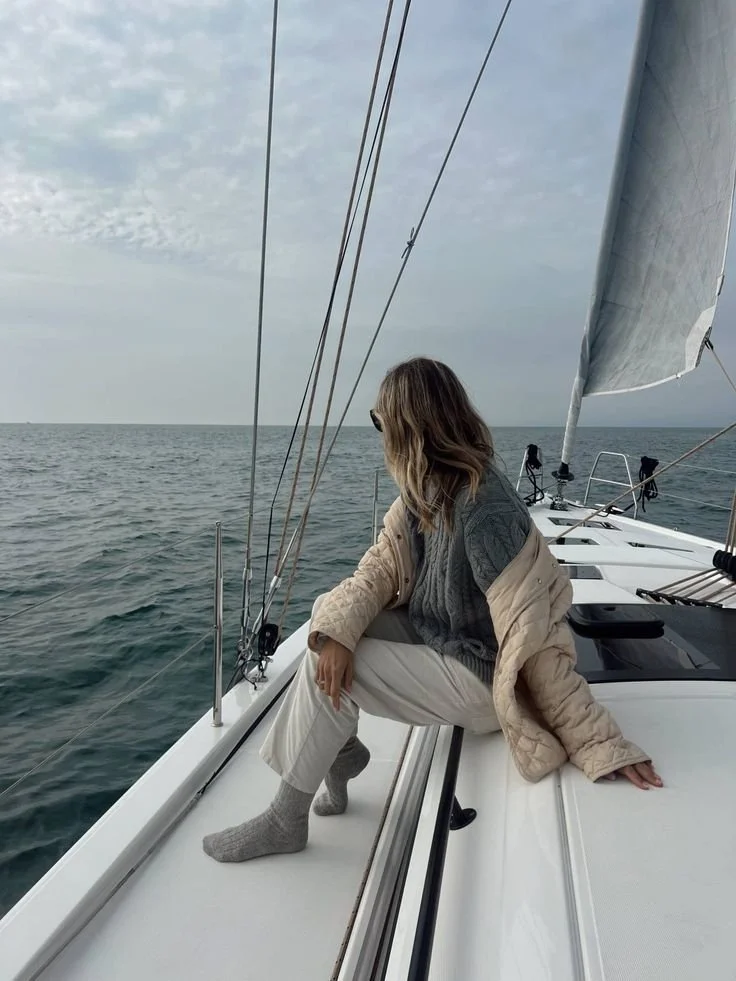


In this article, you’ll learn the most common mistakes new boat owners make and how to avoid them with practical, realistic habits. The goal isn’t perfection; it’s building a routine that protects your investment, keeps passengers safe, and ensures your time on the water stays enjoyable rather than stressful.

No. 1

Not Maintaining the Boat Properly

Few things sink new-owner excitement faster than preventable problems: corrosion, dead batteries, stiff steering, clogged lines, or an engine that refuses to start at the dock. Many of these issues trace back to one core cause—maintenance that is delayed, inconsistent, or skipped entirely.

Start with safe transport and handling

Proper care begins before the boat even reaches the water. If your boat needs relocating—especially over long distances—using professional boat movers can help prevent damage during transport and launching. Scraped hulls, damaged propellers, and stress fractures can happen more easily than most people expect when a boat is being loaded, unloaded, or shifted in tight marina spaces.

Get a full inspection—especially for second-hand purchases

If you bought your boat used, a thorough inspection is essential. Even if the vessel looks clean and well-presented, hidden problems can exist below deck or inside mechanical systems.

At minimum, you’ll want to confirm the condition of:

  • the hull (including any signs of blistering, cracks, or repairs)

  • through-hull fittings and seacocks (for leaks and corrosion)

  • bilge pumps and float switches

  • steering and throttle controls

  • the battery, electrical system, and fuse panels

  • fuel lines and clamps

  • the engine and cooling system

If you’re not experienced, paying for a marine survey or professional mechanic inspection can be one of the smartest first-year expenses you make.

Build a simple maintenance schedule you will actually follow

Maintenance becomes manageable when it’s predictable. A practical approach is to break tasks into “before every trip,” “monthly,” and “seasonal.”

Before every trip:

  • check oil (if applicable) and look for leaks

  • inspect belts/hoses visually

  • confirm battery charge and electrical basics

  • test bilge pump operation

  • ensure safety gear is onboard and accessible

Monthly (or every few outings):

  • inspect fuel lines and connections

  • clean battery terminals and check mounting

  • lubricate key moving parts (as recommended by your manual)

  • check for corrosion on fittings and connectors

Seasonal:

  • engine service (oil, impeller, filters—per manufacturer schedule)

  • hull inspection and cleaning

  • anti-fouling considerations (if stored in water)

  • winterisation or recommissioning (depending on climate)

Don’t overlook storage—it’s part of maintenance

The right boat storage is not an optional extra; it is a form of protection. Poor storage accelerates wear through UV damage, moisture intrusion, mould growth, and corrosion.

Good storage practices include:

  • using a properly fitted cover (not a loose tarp that traps moisture)

  • ventilating enclosed spaces to reduce mildew

  • removing valuables and electronics when appropriate

  • keeping batteries maintained (charger/maintainer as needed)

  • flushing engines (especially after saltwater use)

When your boat is stored well, it starts more reliably, smells fresher, stays cleaner, and costs less over time.

No. 2

Overloading the Boat

Overloading is one of the easiest mistakes to make because it often begins innocently: “Let’s just bring a few extra drinks,” “We might need that cooler,” “Toss the inflatable on too.” The issue is that boats respond far more dramatically to weight than cars, especially smaller crafts.

Understand capacity limits and what they really mean

Your boat’s maximum weight capacity includes everything:

  • passengers

  • fuel

  • water (if applicable)

  • coolers and ice

  • fishing or water-sports gear

  • anchors, chains, and spare parts

  • luggage and food

Capacity is not merely a guideline. Exceeding it can lead to reduced stability, poor handling, and increased risk in choppy water.

Pack with stability in mind, not just convenience

Even within weight limits, distribution matters. If too much weight is concentrated on one side or toward the stern, the boat may list, take waves poorly, or struggle to get on plane.

Use these habits:

  • keep heavy items low and centred

  • avoid stacking weight high (it raises the centre of gravity)

  • balance passengers side-to-side

  • secure loose gear so it doesn’t shift underway

When in doubt, bring less. Comfort and safety improve dramatically when the boat isn’t burdened.


No. 3

Getting Lost (Or “Not Knowing Exactly Where You Are”)

On land, getting lost usually means a wrong turn and a minor delay. On the water, it can mean drifting into restricted zones, running aground, getting caught in worsening weather, or burning far more fuel than you planned.

Plan your route before you leave

Even for short trips, map your intended course in advance.

Know:

  • your launch point and return point

  • major landmarks and channel markers

  • areas with shallow water, sandbars, or hazards

  • tides and currents (if relevant)

  • weather patterns for the time window you’ll be out

A little pre-planning reduces stress and makes you far more confident when conditions change.

Don’t rely on a single navigation method

Phones can overheat, lose signal, or run out of battery. GPS units can fail. Paper charts can be hard to interpret if you’ve never used them.

The safest approach is redundancy:

  • a charged phone with offline maps (in a waterproof case)

  • a dedicated marine GPS/chartplotter if you boat often

  • basic familiarity with buoys and markers

  • a paper chart as a backup (especially in remote areas)

Carry communication gear you can trust

If something goes wrong, you need a way to call for help that isn’t dependent on cell service. An emergency radio is strongly recommended—particularly if you’re boating in coastal areas or places with patchy reception. Practise using it before you need it.

No. 4

Running a Dry Engine (Cooling System Neglect)

Many marine engines depend on a constant supply of cooling water. If the cooling system is compromised—by blocked intakes, a failed impeller, or incorrect operation—you can overheat the engine quickly, sometimes causing severe damage.

Know the warning signs

Problems can present as:

  • overheating alarms

  • reduced performance

  • unusual smells (hot rubber or burning)

  • steam or excessive heat from the engine compartment

  • weak or absent “tell-tale” water flow (on many outboards)

If you suspect an overheating issue, shut down and investigate rather than “pushing through.”

Prevent the problem before it starts

Key prevention habits include:

  • checking water intakes for weeds/debris

  • servicing the impeller on schedule

  • flushing the engine after saltwater use

  • verifying cooling water flow at startup

  • avoiding running the engine out of water unless explicitly supported by proper flushing equipment

Because the engine is so central to safe boating, cooling-system care should be treated as non-negotiable.


No. 5

Running Out of Gas

Running out of fuel sounds simple, but it remains a common—and avoidable—mistake. It becomes more dangerous the farther you are from shore, and more stressful when weather conditions worsen or daylight fades.

Use the “rule of thirds”

A widely used safety guideline is:

  • one-third of your fuel for the trip out

  • one-third for the return

  • one-third in reserve for detours, currents, weather, or emergencies

This isn’t overly cautious; it reflects the reality that conditions on the water can change fast, and fuel consumption can be higher than expected.

Track fuel consumption realistically

Fuel gauges can be unreliable, especially on older boats.

Where possible:

  • log engine hours and fuel used

  • refuel earlier than you think you need to

  • account for headwinds, currents, and higher speeds (all increase burn)

If you’re planning a longer outing, identify marinas or fuel docks on your route before leaving.

No. 6

Skipping Basic Safety Preparation (The Mistake Behind Many Others)

While the earlier issues are common, many incidents escalate because safety basics weren’t in place.

Before you depart, make sure you have:

  • properly sized life jackets for every passenger (and that people will wear them when needed)

  • a first aid kit

  • a throwable flotation device

  • a fire extinguisher

  • navigation lights (working)

  • an anchor setup appropriate for your boating area

  • a simple float plan shared with someone on land (where you’re going and when you’ll return)

Safety preparation isn’t about expecting disaster—it’s about making sure small problems stay small.

Takeaways

New boat ownership is exciting, but it’s also a responsibility that rewards consistency. Maintain your boat properly from day one—starting with careful handling (including professional boat movers when needed), thorough inspections, and a realistic maintenance schedule. Store it correctly with the right boat storage approach to reduce wear, prevent moisture damage, and protect your investment.

On the water, avoid overloading, plan routes in advance, carry dependable communication tools, protect your engine by monitoring cooling systems, and manage fuel conservatively so you never get stranded. With these habits in place, you’ll spend less time troubleshooting and more time enjoying what you bought the boat for in the first place: safe, confident, memorable days on the water.


Looking for Travel resources?

Looking to embark on a transformative journey to discover new cultures, expand your horizons, and reconnect with yourself? Explore, learn, and awaken your wanderlust with our travel partners designed to support you on your next getaway.




travelHLL x Editor


How To Plan A Stress-Free RV Trip With Your Family

An RV holiday can be one of the most rewarding ways to travel as a family. You get the freedom of the open road, the comfort of having your essentials with you, and the chance to build real quality time into the journey—not just the destination. At the same time, an RV trip can go from exciting to exhausting if you underestimate how much coordination it takes to keep everyone comfortable, safe, and happy (especially with children on board).


The good news is that most RV-trip stress is preventable. A few smart decisions—made before you leave and reinforced while you travel—can turn your holiday into the kind of experience you’ll want to repeat.

In this article, you’ll learn how to plan a smooth, enjoyable RV trip with your family by using technology wisely, booking the right RV parks, and packing games and entertainment that actually work on the road. You’ll also find extra planning tips that help you avoid common pitfalls, reduce travel-day tension, and create a rhythm that feels like a holiday for everyone.

No. 1

Use Tech to Plan Your Journey (But Don’t Follow It Blindly)

Technology can be your best travel companion—if you use it thoughtfully. The biggest advantage of modern navigation apps and GPS systems is that they reduce uncertainty. They can tell you how long your route will take, where traffic is building up, and what alternative roads are available. That’s invaluable in an RV, where last-minute turns, tight streets, and limited parking can quickly become stressful.

Rely on GPS, not paper maps—yet double-check RV suitability

Traditional maps can be difficult to use on the go, and they don’t help you respond to real-time issues like accidents, closures, or congestion. A GPS or navigation app is the sensible choice. However, you should avoid following it blindly.

Some routes may be technically “faster” but completely unsuitable for a large vehicle.

You might be sent down:

  • narrow country lanes with limited passing space

  • steep gradients that put strain on your RV

  • low bridges or restricted-height tunnels

  • roads with weight limits

  • city-centre shortcuts with tight turns and dense traffic

If you’re travelling with hungry, tired kids in the car, that’s the last situation you want. To prevent that, make a habit of checking your route before you set off each day.

Build a simple daily route, routine

A practical routine takes only a few minutes and can save hours:

  • review the full route in advance (not just the next turn)

  • confirm that your chosen roads are RV-friendly

  • note at least one alternative route in case of diversions

  • identify fuel stops and rest stops along the way

  • check arrival time against your family’s energy levels (and meal times)

This way, if you hit a diversion, you can make an educated decision instead of reacting under pressure.

Use technology to reduce family travel stress

Tech isn’t only for navigation. It can also help you manage the realities of family travel. Consider using:

  • weather apps (to plan activities and driving conditions)

  • campground/RV park apps (to find availability and amenities)

  • offline maps (in case of poor signal)

  • a shared notes app for packing lists and schedules

  • audiobooks or music streaming for calmer driving time

The key is to use tech as a support system, not a substitute for judgment. Your RV is not a standard car—and your family’s comfort matters as much as speed.

No. 2

Book an RV Park (Freedom Is Great—But Structure Helps)

One of the smartest moves you can make on a family RV trip is to include planned stops at an RV park. While spontaneous travel sounds romantic, constant uncertainty can be exhausting with kids—especially when you’re trying to find a place to park, access facilities, and settle down at the end of a long day.

Why an RV park makes family travel easier

An RV park provides something that’s easy to underestimate until you’re on the road: a reliable base where everyone can reset. Most family travel friction comes from fatigue—children getting restless, adults feeling rushed, and everyone needing food, a shower, or space to unwind. RV parks help with that.

Depending on the location, you may get access to:

  • electrical hookups and water supply

  • shower and toilet facilities

  • laundry access (a major win on longer trips)

  • playgrounds or open spaces for children

  • on-site shop basics or nearby amenities

  • a safe, designated place to park and sleep

Not only does this help you recharge, but it also gives your kids room to “let loose” in a safe environment—something they often need after long hours sitting in the RV.

Book in advance—especially for peak dates

If you want specific dates, school holiday periods, or a popular area, booking an RV Park ahead is wise. If you leave it too late, you may find there’s no availability, or you’ll be forced into a stop that doesn’t match your route, budget, or comfort needs. That can throw off your whole schedule and create stress you could have avoided.

Even if your trip includes spontaneous days, try to anchor the journey with a few pre-booked stops. That small amount of structure can make the entire holiday feel calmer and more predictable.

Choose RV parks based on your family’s priorities

Not every RV park is the same. Before booking, check:

  • drive-in access (tight entrances can be stressful in a larger RV)

  • quiet hours and family suitability

  • play areas or kid-friendly facilities

  • proximity to the activities you care about

  • reviews that mention safety, cleanliness, and helpful staff

A good RV park doesn’t just provide a place to sleep—it becomes part of the holiday experience.


No. 3

Take Games (Because Together-Time Needs a Plan)

An RV trip is a rare chance for genuine family connection. You’re away from the usual routines, and you’re sharing long stretches of time together. That can be wonderful—if you create the right conditions. Without a plan for entertainment, though, children can become restless quickly, and travel days can feel much longer than they need to.

Pack games for both driving time and evenings

Games are not just for passing time—they’re a way to create shared moments. They encourage conversation, laughter, and simple togetherness, which is often what families want most from a holiday.

Bring options that work in different contexts:

For the RV (evenings and downtime):

  • compact card games

  • travel-sized board games

  • drawing pads, colouring books, puzzle books

  • “would you rather” prompts or conversation cards

For the road (safe, non-distracting):

  • audiobooks the whole family can enjoy

  • music playlists everyone helped choose

  • word games like “I Spy,” alphabet games, or category challenges

  • storytelling games (“each person adds one sentence”)

Try to include a mix of quick games and longer ones. Quick games are ideal when kids have short attention spans or when you’re waiting for meals. Longer games are great for evenings when you want to slow down and reconnect.

Use games to support routine (not just fill silence)

One of the best ways to reduce stress on an RV trip is to create predictable rhythms for children.

Games can become part of that:

  • a road-trip game after breakfast

  • an audiobook “quiet hour” in the afternoon

  • a family card game after dinner

This makes the holiday feel both exciting and secure—especially for younger children who thrive on consistency.

No. 4

Add a Realistic Family Driving Plan (The Hidden Key to a Smooth RV Holiday)

Many first-time RV families overestimate how much ground they can cover in a day. An RV drives differently from a car, and traveling with children naturally includes more stops. If you plan for long driving days back-to-back, everyone will arrive tired—and tiredness is where stress multiplies.

Keep driving days shorter than you think you “should”

A simple way to make your RV trip more enjoyable is to keep daily driving distances realistic.

Build time for:

  • bathroom breaks

  • snack stops

  • traffic delays

  • scenic stops (because the journey is the point)

  • getting settled before dark

Arriving earlier gives you time to set up calmly, eat without rushing, and let kids play. That alone can shift the mood of the entire trip.

Plan stops that help kids burn energy

Children cope better with long drives when they have chances to move. Where possible, choose breaks that include:

  • parks and playgrounds

  • short walking trails

  • viewpoints or nature areas

  • open spaces where they can run safely

These stops don’t need to be elaborate. Even 20 minutes of movement can make the next hour in the RV far easier.


No. 5

Pack With Comfort and Safety in Mind (Not Just “Essentials”)

Packing for an RV trip is different from packing for a hotel stay. You’re carrying your home with you, which is convenient—but it also means clutter can build fast. The goal is to pack deliberately: enough to stay comfortable, but not so much that you lose organisation and space.

Focus on comfort multipliers

A few items can dramatically improve daily life on the road:

  • refillable water bottles

  • a small first-aid kit (including motion-sickness supplies if needed)

  • easy-access snacks (stored where you can reach them quickly)

  • layers for changing weather

  • wet wipes and hand sanitiser

  • a small torch/flashlight for evenings

These are not glamorous, but they prevent many of the tiny discomforts that cause big mood changes—especially with kids.

Keep the RV organized from day one

Organisation reduces stress.

Consider:

  • separate bags or containers for each child

  • one “travel day” bin with snacks, wipes, chargers, and games

  • a laundry bag to stop clothes from spreading everywhere

  • a clear system for shoes and outdoor gear

When everyone knows where things go, you spend less time searching and more time enjoying the trip.

Takeaways

A family RV trip can be an incredible adventure—provided you plan it with realism and comfort in mind. The most successful trips blend freedom with just enough structure to prevent decision fatigue and last-minute stress.

Use technology to plan your route, monitor traffic, and prepare alternative options—but always double-check that your roads are RV-friendly. Book at least some RV park stays in advance so you have reliable places to rest, reset, and let the kids play safely. Pack games and shared entertainment so together time doesn’t rely on screens or improvisation, and keep driving days manageable so everyone arrives with energy left to enjoy the destination.

When you combine smart planning with flexibility, your RV holiday becomes what it should be: relaxed, memorable, and genuinely enjoyable for the whole family.


Looking for Travel resources?

Looking to embark on a transformative journey to discover new cultures, expand your horizons, and reconnect with yourself? Explore, learn, and awaken your wanderlust with our travel partners designed to support you on your next getaway.


travelHLL x Editor


From Hotels To RVs: A Guide For First-Time RV Travelers Who Want Comfort And The Outdoors

If you typically vacation in hotels, the idea of an RV trip can feel both exciting and slightly intimidating. Hotels are designed for convenience: you check in, drop your bags, and someone else handles the cleaning, the bed-making, and the daily logistics. RV travel, on the other hand, offers something very different—more independence, more nature, and a stronger sense of adventure, but also a little more responsibility.


That difference is exactly why so many hotel lovers feel drawn to the “Call of the Wild.” An RV can take you to places where hotels simply don’t exist: lakeside mornings, quiet forest roads, dark-sky stargazing, and destinations where the journey is just as meaningful as the arrival.

In this article, you’ll learn how to transition from hotel-style travel to RV travel without losing comfort or confidence. We’ll cover mindset shifts, packing strategies, basic setup skills, how to choose a great RV site, and how to fully embrace the outdoor experience—while still keeping your trip relaxing, clean, and enjoyable.

No. 1

Adjust Expectations (RVs Aren’t Hotels—And That’s the Point)

Comparing hotels and recreational vehicles is a bit like comparing apples and oranges: they serve different purposes, and they shine in different ways. If you approach RV travel expecting a hotel on wheels, you may feel disappointed. If you approach it as a simpler, more flexible way to travel—one that keeps you close to nature—you’ll likely find it surprisingly rewarding.

Expect simplicity, not constant luxury

Many RVs are comfortable, well-designed, and stocked with essentials, but they’re not built to replicate a full-service resort. Living space is smaller, storage is limited, and you may need to do everyday tasks yourself, such as:

  • wiping down surfaces and keeping the space tidy

  • handling waste and water responsibly

  • setting up camp (hookups, leveling, outdoor gear)

  • managing power usage and conserving resources

That said, “simple” does not mean “uncomfortable.” Plenty of RVs have excellent beds, climate control, solid kitchens, and cosy living areas. The comfort comes less from luxury amenities and more from having everything you need in your own space—always available, always familiar.

Trade gyms and spas for nature and calm

Hotels often provide extras like gyms, spas, and room service. RV travel replaces those with a different kind of value:

  • waking up in quieter environments

  • spending time outdoors naturally (without scheduling it)

  • enjoying views from your “front door”

  • feeling less rushed and more grounded

Many travelers find that being surrounded by nature is both relaxing and energising—especially when the pace of the trip allows for genuine rest rather than constant activity.

Embrace the mindset shift: you’re not “checking in,” you’re “setting up”

In a hotel, the trip starts when you’re handed a key card. In an RV, the trip starts when you park, level, connect, and create your little home base. That hands-on element can feel unfamiliar at first, but it often becomes part of the enjoyment: you’re not just staying somewhere—you’re actively shaping your experience.

No. 2

Pack Smarter, Not Heavier (Space Is Your New Currency)

Packing for an RV trip is not the same as packing for a hotel. In a hotel, you can bring more “just in case” items because your luggage stays in a room, and storage is rarely a problem. In an RV, every extra item takes up valuable space—and clutter can make the entire experience feel cramped and stressful.

Choose multipurpose essentials

You may need a few additional items compared to a hotel stay (for cooking, outdoor time, and self-sufficiency), but you don’t need to bring everything. A smarter method is to focus on versatile items that do more than one job.

Useful examples include:

  • lightweight layers instead of bulky single-use outfits

  • a compact rain jacket rather than multiple outer layers

  • quick-dry towels that work for showers and swimming

  • one durable pair of shoes for walking and camp tasks

Soft bags beat hard suitcases

Soft bags are generally better than hard-shell suitcases because they compress, fold, and fit into awkward storage spaces. Once unpacked, they can often be rolled up and stored neatly—something you can’t easily do with rigid luggage.

Plan outfits by day (and by activity)

Overpacking is one of the biggest first-timer mistakes. Instead, plan outfits realistically:

  • one main daytime outfit per day

  • one warmer layer for evenings

  • one “messy” outfit for setup, fire-building, or hiking

  • minimal extras

This keeps your RV organized and makes mornings easier, especially if you’re travelling with family.

Stock simple food staples

One of the greatest advantages of RV travel is having your own kitchen. To make that kitchen useful from day one, bring a small stock of basics that can become quick meals even in remote areas.

Solid staples include:

  • pasta or rice

  • eggs

  • bread, butter, and spreads

  • canned tomatoes or sauces

  • coffee/tea and breakfast basics

  • a few snacks for the road

This reduces reliance on expensive convenience stops and helps you stay comfortable even when shops are far away.


No. 3

Learn Basic RV Setup (A Little Practice Prevents a Lot of Stress)

An RV trip becomes dramatically more enjoyable when you understand a few essential setup tasks. You don’t need to become an expert mechanic—but you do want to feel calm and capable when you arrive at your site.

Practice parking and leveling

Parking and leveling your rig is one of the most important skills because it affects:

  • sleep quality (nobody enjoys sliding toward one side of the bed)

  • appliance performance (some fridges work best when level)

  • general stability and comfort

If possible, practice in an empty parking lot before your trip. Even one session can reduce anxiety and make your arrival smoother.

Understand hookups: power, water, and waste

Many RV sites offer hookups, and knowing how to connect quickly makes everything feel easier.

Before you travel, learn:

  • how shore power works (and what you can run safely)

  • how to connect fresh water

  • how to manage grey water and black water

  • what to do if you have partial hookups only

A quick walkthrough video from your rental provider (or the RV owner) can be invaluable. If you’re renting, ask for a checklist and a short demonstration—most providers are happy to help.

Make a “first 15 minutes” arrival routine

Hotel travelers are used to a frictionless start. To recreate that ease, create a simple arrival routine, such as:

  • park in position

  • level the RV

  • connect power and water (if available)

  • do a quick interior check (fridge, lights, vents)

  • set up outdoor seating

This helps you feel settled quickly and reduces that “what do we do now?” feeling that can happen on the first day.

No. 4

Find a Good Site (The RV Park Matters as Much as the RV)

Just as choosing the right hotel can shape the quality of your trip, choosing the right RV site can make or break your experience. The best RV parks make life easier: they’re well-maintained, clearly organized, and designed to support both comfort and outdoor fun.

Research like you would for a hotel

Before booking, look for:

  • strong reviews from recent campers

  • clean restrooms and showers (even if your RV has its own)

  • clear check-in procedures

  • quiet hours and family/pet policies

  • site layout (space, privacy, shade, proximity to amenities)

Evaluate amenities that match your travel style

Not every amenity matters to every traveler. Decide what’s genuinely important to you, such as:

  • full hookups (water, sewer, electric)

  • laundry facilities (especially for longer trips)

  • Wi-Fi or cell service (if you need it)

  • a camp store for basics

  • playgrounds or open areas for children

  • pet-friendly rules and designated areas

Example of a well-located option

For instance, a site like Bearded Buffalo Resort is described as offering comfortable accommodations, being family-friendly and pet-friendly, and being well-positioned for outdoor activities such as canoeing, hiking, and fishing. It’s also close to nearby attractions such as Hermosa and Newcastle, which can be ideal if you want a balance of nature and local exploration.

The key idea: don’t just book the first available site. The right RV park can provide comfort, convenience, and a better overall atmosphere—especially if it’s your first RV trip.


No. 5

Embrace the Outdoor Experience (That’s Where the Real Upgrade Happens)

If you want the RV experience to feel like a true getaway—and not just “a smaller room you have to clean”—the outdoors needs to become part of your daily rhythm.

Spend time outside every day

One of the easiest ways to enjoy RV travel is to create small outdoor rituals:

  • morning coffee outside

  • a short walk after breakfast

  • reading under an awning

  • sunset viewing from your site

  • stargazing after dinner

These moments are often the highlights because they’re simple, restorative, and hard to replicate in hotel travel.

Try easy outdoor activities (no extreme adventure required)

You don’t need to be an expert hiker or outdoorsperson. Start with low-pressure activities such as:

  • gentle hikes or nature trails

  • cooking outdoors (even one meal)

  • fishing, canoeing, or swimming (where available)

  • visiting local scenic viewpoints

These activities tend to be low-cost, family-friendly, and satisfying without being exhausting.

Disconnect a little to reconnect more

It can also help to take a break from constant technology. RV parks often create natural opportunities to socialise with fellow campers and enjoy a slower pace of life. Even a partial digital break—like limiting social media scrolling—can make your holiday feel longer, calmer, and more meaningful.

Takeaways

Switching from hotel vacations to RV travel is less about downgrading comfort and more about upgrading freedom. The experience works best when you adjust expectations, pack intentionally, learn a few basic setup skills, and choose a well-reviewed RV site that supports the kind of trip you want.

Most importantly, RV travel rewards those who embrace the outdoors. When you step outside more, slow the schedule, and let nature become part of your daily routine, you get the true benefit of the RV lifestyle: flexibility, simplicity, and the kind of calm that doesn’t come from luxury services—but from waking up exactly where you want to be.


Looking for Travel resources?

Looking to embark on a transformative journey to discover new cultures, expand your horizons, and reconnect with yourself? Explore, learn, and awaken your wanderlust with our travel partners designed to support you on your next getaway.


travelHLL x Editor


How To Make Your Very First RV Road Trip A Success

An RV road trip is one of the most rewarding ways to explore a country. It combines the freedom of the open road with the comfort of having your own space wherever you go—your bed, your kitchen, your bathroom, and your everyday essentials traveling with you. For many people, RV travel feels like bringing a small version of home along for the journey, which can make long distances, remote destinations, and spontaneous detours far more enjoyable.


That said, first-time RV travel comes with a learning curve. Driving a larger vehicle, navigating unfamiliar routes, managing power and water systems, and finding reliable overnight stops can feel daunting if you leave everything to chance. A little preparation goes a long way—not only to prevent avoidable problems, but also to make the experience genuinely relaxing.

In this article, you’ll learn how to prepare for your very first RV road trip with confidence. We’ll cover how to practise before departure, how to plan routes that suit RV travel, and why booking RV parks in advance can make your journey smoother. You’ll also find additional advice on safety, packing, budgeting, and daily routines—so your first trip becomes a journey you remember for the right reasons.

No. 1

Practice Before You Hit the Road

It’s easy to imagine yourself effortlessly cruising down the highway, coffee in hand, with stunning scenery outside the window. In reality, the first hour behind the wheel of an RV can feel very different from driving a standard car—especially if you’re in a larger Class A motorhome, towing a vehicle, or handling crosswinds on open roads.

Get comfortable with driving and handling

Before you set off on a multi-day trip, give yourself time to build confidence in low-pressure conditions. If possible:

  • practice in an empty car park to understand turning radius and reversing

  • test braking distances (an RV takes longer to stop)

  • learn how the RV responds to wind and large passing vehicles

  • rehearse lane changes and mirror use

  • practice parking within marked bays to judge width and length

If you’re traveling with someone else, decide early who will drive in which conditions. Some people prefer highways, while others feel more comfortable taking the wheel in smaller towns.

Learn the essential systems (so nothing surprises you later)

Driving is only half the equation. A successful RV trip also depends on knowing how to operate the vehicle’s living systems—especially when you arrive tired after a long day and just want everything to work.

Before departure, make sure you understand:

  • how to connect to shore power (and what adapters you need)

  • how to charge the RV and monitor battery levels

  • how the freshwater system works (filling, pump operation, conserving water)

  • how to connect and secure sewer hoses at dump points

  • how to empty and flush black/grey tanks safely

  • how to operate slide-outs (if your RV has them)

  • how to level the RV at a pitch (manual blocks or auto-leveling systems)

Knowing these fundamentals in advance prevents the classic beginner mistake: arriving at night, in bad weather, unsure how to hook up power or handle waste. That kind of stress can sour the experience quickly—whereas confidence makes everything feel easy.

No. 2

Plan Your Trip With Care (Routes, Stops, and Realistic Driving Days)

Once you’re comfortable driving and operating the RV, the most enjoyable part begins: planning where you want to go. The difference between a smooth RV trip and a stressful one often comes down to route choices and pacing—not ambition.

Choose a route suitable for RVs

RV travel requires more caution than car travel because certain roads can be physically impossible—or risky—to navigate.

A thoughtful route helps you avoid:

  • low bridges and height-restricted underpasses

  • narrow lanes and tight city streets

  • steep grades that strain engines and brakes

  • tunnels with restrictions (especially for propane)

  • sharp switchbacks and difficult mountain passes

  • dangerous roads with limited pull-offs or few services

Where possible, plan routes that keep you on RV-friendly highways and well-maintained roads. If you’re heading into mountainous or rural areas, check road conditions ahead of time and confirm height/weight limits.

Build a pace that matches the reality of RV driving

A common first-trip mistake is planning driving days as if you’re in a car. RV travel is slower: fuel stops take longer, breaks are more frequent, and you may want daylight for parking and hookups.

A more comfortable approach is to:

  • limit driving time to a realistic number of hours per day

  • plan rest days (especially on trips longer than a week)

  • avoid arriving at your destination late in the evening

  • schedule fuel and grocery stops before you reach remote areas

A road trip becomes dramatically more enjoyable when you’re not constantly racing the clock.

Include “buffer time” in your itinerary

Even well-planned trips face unexpected delays:

  • roadworks or detours

  • weather changes

  • long waits at dump stations

  • slower-than-expected mountain driving

  • last-minute repairs or supply runs

If you build your itinerary too tightly, small issues become major stressors. If you leave space, those same issues become minor inconveniences.


No. 3

Book RV Parks in Advance (Especially for Your First Trip)

Spontaneity is part of the RV lifestyle, but for your first road trip, advance booking can be the difference between an easy evening and a frustrating one. After hours of driving, you want certainty—a safe place to park, reliable hookups, and facilities that match your needs.

Why booking ahead makes the trip smoother

Booking an RV parks (or RV resort) in advance helps you:

  • guarantee a spot in popular regions and peak seasons

  • confirm access to power, water, and sewer hookups

  • check whether there is WiFi (if you work remotely or need navigation support)

  • ensure you can recharge devices and run appliances comfortably

  • plan your driving days with clear start and end points

  • reduce stress when arriving tired or in poor weather

It also allows you to choose the type of site you prefer—pull-through vs. back-in, shaded vs. open, quiet zones vs. family areas.

Check what “full hookup” really includes

Not all parks define services the same way.

Before confirming, verify:

  • amp level (30-amp vs 50-amp)

  • whether the sewer hookup is at your pitch or at a shared dump station

  • water pressure and potable water availability

  • if WiFi is strong enough for video calls (often it isn’t)

  • quiet hours, generator rules, and pet policies

  • shower and laundry facilities (useful even if your RV has its own)

If you’re traveling in a larger rig, also confirm the maximum length and whether the roads inside the park are suitable for your vehicle.

No. 4

Pack and Stock Smart (So You Don’t Overload or Forget Essentials)

Packing for an RV is different from packing for a hotel trip. You have more space, but you also have weight limits—and everything moves while you drive.

Keep weight and balance in mind

Overpacking can affect handling, fuel efficiency, and safety. Aim to bring what you’ll genuinely use, and store heavier items low and evenly distributed.

Helpful packing principles include:

  • secure cupboards and drawers with latches (or add them)

  • use non-slip liners in cabinets

  • store heavy items low and near the centre of the RV

  • keep frequently used items accessible (torch, first aid kit, basic tools)

A practical first-trip checklist (essentials)

You don’t need to buy everything at once, but these basics reduce stress:

  • water hose (potable-rated), pressure regulator, and filter

  • power adapters (depending on region/park standards)

  • leveling blocks and wheel chocks

  • sewer hose, gloves, and tank treatment

  • basic tool kit, a tyre pressure gauge, and duct tape

  • first aid kit and any regular medication

  • torch/headlamp and spare batteries

  • roadside safety items (warning triangle, reflective vest)

For comfort:

  • weather-appropriate bedding

  • outdoor chairs and a small table

  • simple cooking tools you actually like using

  • reusable water bottles and snack containers


No. 5

Make Safety and Maintenance Non-Negotiable

The most memorable RV trips are the ones where nothing “dramatic” happens—because you prevented problems before they started.

Do a pre-departure inspection

Before each driving day, check:

  • tyre pressure (including spares)

  • lights and indicators

  • mirrors and cameras

  • fluid levels (as applicable)

  • that slide-outs and awnings are fully secured

  • that loose items inside are stowed safely

Know your RV’s dimensions

Write down and keep visible:

  • height

  • length

  • width

  • weight (and towing capacity, if relevant)

This helps you make quick decisions when you see signage about low clearances or weight restrictions—without guessing.

No. 6

Plan for Comfort: Routines, Downtime, and “Small Wins”

A first RV trip can feel like constant setup: parking, leveling, hooking up, cooking, cleaning, and dumping tanks. The trick is to build simple routines that keep the trip enjoyable.

Create an easy daily flow

Many RV travellers find success with a rhythm like:

  • arrive before dark

  • set up hookups in a consistent order

  • cook simple meals on driving days

  • save bigger sightseeing days for when you’re already settled

  • build in quiet evenings to recharge

Those “small wins”—arriving early, being organised, keeping meals simple—add up to a holiday that feels calm instead of chaotic.

Takeaways

An RV road trip offers a rare combination of freedom and comfort—but your first one is most enjoyable when you prepare properly. Practice driving and reversing before you leave, learn the essential systems (power, water, and waste) so you’re not troubleshooting far from home, and plan routes that suit RV dimensions and handling. Most importantly, pace your trip realistically: shorter driving days, buffer time, and planned stops make the journey feel like an adventure rather than a grind.

Booking RV parks in advance—especially early in your RV experience—adds certainty at the end of each day. With reliable hookups, a safe place to park, and facilities you can count on, you’ll be free to focus on what matters: seeing new places, traveling at your own pace, and enjoying the unique satisfaction of bringing your “home” along for the ride.


Looking for Travel resources?

Looking to embark on a transformative journey to discover new cultures, expand your horizons, and reconnect with yourself? Explore, learn, and awaken your wanderlust with our travel partners designed to support you on your next getaway.


travelHLL x Editor


4 Smart Strategies For Budget-Friendly Travel

Travel is an essential part of life for many people. A well-planned trip can help you step away from work pressures, reset your routine, and return home feeling mentally refreshed. It can also broaden your perspective—introducing you to new cultures, new landscapes, and the kind of experiences that become lifelong memories.


Yet, for many travelers, cost is the main barrier. International flights, accommodation, meals, local transport, and activities can add up quickly. It’s easy to assume that meaningful travel is only possible with a big budget—but that simply isn’t true. With the right approach, you can dramatically reduce costs while still enjoying comfort, authenticity, and memorable experiences.

In this article, you’ll learn practical, reliable strategies for budget-friendly travel that don’t feel restrictive. Instead of “going without,” the goal is to make smart decisions: choosing the right timing, selecting affordable places to stay, cutting transport expenses, and eating well without overspending. These methods work whether you’re planning a weekend away, a family holiday, or a longer international adventure.

No. 1

Be Flexible With Your Plans (Timing, Destination, and Duration)

Flexibility is one of the most powerful tools for saving money on travel. The more rigid your dates, destination, or itinerary, the more likely you are to pay premium prices—especially in places where demand surges during school holidays or peak tourist season.

Travel in shoulder seasons to save money and avoid crowds

Travel operators, airlines, and hotels raise prices when demand is high. If you can travel outside peak periods, you can often get the same experience at a fraction of the cost—plus you’ll enjoy quieter attractions and shorter queues.

Consider traveling during:

  • Spring (shoulder season in many destinations)

  • Autumn (often cheaper, with comfortable weather)

  • early weekdays rather than weekends

  • off-peak school term times (if your situation allows)

In many countries, shoulder season weather is still pleasant, especially compared to mid-summer heat or winter extremes. You may also find that local people have more time for visitors, creating a more welcoming and less “tourist-saturated” feel.

Choose less touristy destinations for better value

Big-name cities and famous resorts tend to come with inflated prices. Alternative destinations—nearby towns, smaller islands, or less-hyped regions—often deliver a richer, more authentic experience for far less money.

To find better-value destinations, you can:

  • look for “second cities” (the nation’s second- or third-largest city often costs less)

  • search for places within 1–2 hours of major tourist hubs

  • prioritise regions with strong public transport and free attractions

  • compare prices using travel deal and comparison platforms

Use comparison tools and deal alerts strategically

Comparison sites can be useful, but they’re most effective when paired with flexibility. Try searching with “flexible dates” enabled, and set alerts for price drops when possible. Even adjusting your trip by a day or two can sometimes reduce flight costs significantly.

Keep your itinerary light to reduce hidden spending

Overplanning often leads to unnecessary expenses: rushed taxi rides, pricey convenience meals, and costly “we don’t have time to find a cheaper option” decisions. A calmer schedule gives you time to choose local transport, shop at markets, and find budget-friendly experiences.

No. 2

Find Affordable Accommodation (Without Feeling Like You “Settled”)

For many trips, accommodation is the single biggest expense—often even more than flights. The good news is that the accommodation market is broader than ever, and you can often find options that are affordable, comfortable, and better suited to real travel than a standard hotel room.

Use platforms with price filters and map tools

Websites such as Booking.com or AirBnb allow you to filter stays by budget, property type, location, and amenities. This makes it easier to decide what matters most—whether that’s a kitchen, walkability, parking, or family space.

When searching, look beyond the nightly rate and check for:

  • cleaning fees

  • deposits

  • local taxes

  • parking charges

  • extra costs for additional guests

  • Wi-Fi fees (rare now, but still appears in some places)

A place that looks cheap at first glance can become expensive once fees are added—so always calculate the true total.

Prioritize self-catering when it fits your travel style

Self-catering accommodation can drastically reduce meal spending because it gives you the option to prepare breakfast, pack lunches, and enjoy simple dinners at “home.” You don’t have to cook every meal for this to be worthwhile—just having the flexibility to eat in sometimes can make a major difference.

Self-catering also helps with:

  • dietary requirements

  • children who prefer familiar foods

  • avoiding the pressure of finding restaurants every day

  • cutting down on impulse spending

Consider alternative stays: campsite, cabin, or RV park

Hotels and resorts aren’t the only options. Depending on your destination and comfort preferences, you might find excellent value in:

  • a campsite (especially if you enjoy nature-based travel)

  • a cabin (often family-friendly and spacious)

  • an RV park (which can combine affordability with community facilities)

An RV park can be particularly cost-effective because it may give you access to practical amenities and a convenient base—especially for road trips or longer stays. It can also reduce the everyday costs of traveling, since you may be able to prepare food and keep your routine simpler.

Explore housesitting for a free stay

If you have flexibility and enjoy slower travel, housesitting can reduce accommodation costs to zero. In exchange for caring for someone’s home (and sometimes pets), you can stay for free—often in desirable areas. It won’t suit every traveler, but it’s a powerful option for longer trips or remote working while traveling.


No. 3

Save on Transport Costs (Before You Leave and Once You Arrive)

Transport is the second major expense category for many travelers, and it’s also one of the easiest to optimise. With a few strategic decisions, you can reduce costs without making travel uncomfortable.

Book flights with a plan—either early or opportunistic

There are two approaches that often work:

  • Book early if you know your dates and destination, especially during popular travel periods.

  • Book last-minute if you’re flexible and willing to travel wherever the deal is best.

To increase your chances of finding affordable flights:

  • compare different airlines and routes

  • consider flying into a nearby airport and using local transport

  • pack light to avoid baggage fees

  • travel midweek if possible

  • check whether a slightly longer layover dramatically lowers the fare

Consider alternatives to flying

Not every great trip requires a plane. Depending on where you live, you might be able to plan an amazing holiday using:

  • a road trip

  • train travel (often scenic and lower stress)

  • coach or bus routes

  • regional ferries

Staying within your own country can be a budget-friendly way to travel more often. It also reduces time lost to airports and makes it easier to bring what you need without excess luggage fees.

Use local transport instead of taxis

Once you arrive, transport costs can sneak up quickly—especially if you rely on taxis or ride-hailing apps for short trips. In many destinations, walking and public transport are part of the experience, not a compromise.

To keep spending under control:

  • walk when attractions are close together

  • use local buses or metro systems

  • purchase day passes or travel cards where available

  • choose accommodation with good transport links

As a bonus, using local transport often gives you a more authentic feel for the destination—more street-level detail, more spontaneous discoveries, and fewer “tourist bubble” moments.

No. 4

Plan Meals Wisely (Eat Well, Try Local Food, Spend Less)

Food is one of the great joys of travel. Trying local dishes and discovering new flavours can be a highlight of any trip. The key is to spend intentionally—so you can enjoy great meals without draining your budget.

Avoid tourist traps and eat where locals eat

Restaurants near major attractions often charge more for lower quality, because they rely on one-time visitors.

To find better value:

  • walk a few streets away from main tourist areas

  • look for places filled with locals

  • check menus for transparent pricing

  • ask accommodation hosts where they eat

  • consider lunch specials, which are often cheaper than dinner

This approach doesn’t just save money—it often improves your meals. Local restaurants tend to deliver better flavour, better atmosphere, and a more genuine connection to the culture.

Use markets and street food for value and authenticity

Local markets and street food stalls can offer the best balance of affordability and cultural interest. You can sample local specialities, try a variety of foods, and keep costs predictable.

Good budget-friendly food options include:

  • market fruit, pastries, and snacks

  • street food dishes made fresh on the spot

  • small family-run cafés

  • bakeries for breakfast and lunch

  • grocery stores for picnic supplies

A picnic lunch—especially in a scenic spot—can feel like an experience, not a compromise.

Set a daily spending budget (and make room for one “splurge”)

A simple daily budget helps you stay on track without feeling restricted. It can also reduce decision fatigue because you know what you can comfortably spend.

A helpful approach is:

  • plan for affordable breakfasts (self-catering if possible)

  • choose one main meal out per day

  • keep snacks on hand to avoid expensive convenience purchases

  • allow for one special meal or “splurge” during the trip

This creates balance: you enjoy local cuisine, but you’re not paying restaurant prices every day.


No. 5

Bonus Tips That Make Budget Travel Easier (and More Enjoyable)

While the four strategies above cover the biggest savings, a few extra habits can make budget travel feel even smoother.

Travel insurance can save money in the long run

It’s tempting to skip travel insurance, but unexpected disruptions—delays, illness, cancellations, lost luggage—can become extremely expensive. Insurance protects your budget from the costs you can’t predict.

Build your trip around free and low-cost activities

Some of the best travel experiences are free:

  • beaches, parks, and hiking trails

  • museums with free entry days

  • historic neighbourhood walks

  • local festivals and markets

  • viewpoints and scenic routes

When you mix free experiences with a few paid activities, your trip feels full without feeling expensive.

Pack smart to avoid last-minute purchases

Forget one key item—like a charger, raincoat, or swimwear—and you’ll often pay inflated tourist prices to replace it. A simple packing checklist can prevent those avoidable costs.

Takeaways

Budget travel isn’t about restricting yourself—it’s about making smarter choices so you can travel more often and enjoy the experience without financial stress. By staying flexible with timing and destination, choosing affordable accommodation (including options like a campsite, cabin, or RV park), cutting transport costs through strategic booking and public transit, and planning meals with intention, you can dramatically reduce the price of your trip without compromising the fun.

If you adopt even one or two of these strategies, you’ll likely notice an immediate difference in your travel budget—and a surprising boost in how relaxed and confident you feel while traveling. The result is what matters most: meaningful experiences, lasting memories, and the freedom to explore without worrying about your bank balance.


Looking for Travel resources?

Looking to embark on a transformative journey to discover new cultures, expand your horizons, and reconnect with yourself? Explore, learn, and awaken your wanderlust with our travel partners designed to support you on your next getaway.


travelHLL x Editor


How To Plan A Family Holiday Without Overdoing It

Planning a family holiday is one of those life moments that can feel thrilling and overwhelming at the same time. On one hand, you’re picturing the memories you’ll make—shared meals, new places, and the kind of laughter that doesn’t always fit into a busy week. On the other hand, you may also be thinking about logistics: costs, travel time, children’s needs, packing lists, and the pressure to make everything “worth it.”


The truth is that a successful family trip rarely comes from trying to cram in too much. Overplanning often leads to stress, fatigue, and disappointment—especially when travelling with children, who can be less interested in ticking off attractions and more interested in feeling comfortable, rested, and included.

In this article, you’ll learn how to plan a family holiday in a way that balances excitement with simplicity. We’ll cover how to choose a destination that works for everyone, how to budget with confidence, and how to reduce stress while still creating a trip that feels special. The goal is not perfection—it’s a holiday that your family genuinely enjoys from start to finish.

No. 1

Choosing a Good Destination

The destination you choose sets the tone for the entire holiday. A great location can make the trip feel effortless, while the wrong choice—no matter how beautiful—can turn even a short break into something that feels like hard work. When you’re travelling as a family, it’s not just about where you want to go, but where you can realistically thrive as a group.

Think “family-fit,” not just “popular”

It’s easy to be influenced by social media, travel trends, or recommendations from friends. But the best destination is the one that suits your family’s energy, preferences, and needs.

Consider questions like:

  • How long can your children comfortably travel in one day?

  • Do they do better with active days or slower, relaxed schedules?

  • Is the destination stroller-friendly (if relevant), and does it have accessible facilities?

  • Are there child-friendly meal options nearby?

  • What’s the climate like, and will it affect naps, sleep, or general comfort?

A beach holiday might sound perfect—until you realise your child dislikes sand, hates heat, or struggles with unfamiliar sleeping arrangements. Likewise, a city break might be exciting, but if your kids are too young for long walking days, it can quickly become exhausting.

Don’t neglect your own needs

Parents often plan around children (understandably), but your needs matter too. If the destination doesn’t offer any enjoyment for the adults, the trip can feel like work in a different location—especially when you’re managing tired kids, unfamiliar routines, and the constant “what next?” decision-making.

Try to find a destination that includes:

  • at least a few activities you genuinely enjoy

  • comfortable accommodation (sleep is everything)

  • easy access to food and essentials

  • downtime opportunities for everyone

It’s worth remembering that the parts of travel that feel like a chore at home can feel even heavier when you’re away—laundry, constant spending, packing/unpacking, and navigating unfamiliar places. The more your destination supports ease, the more enjoyable the holiday becomes for everyone.

Plan a few child-friendly activities—but leave breathing room

When you’re on the road with kids, it helps to have a loose plan, especially for travel days and the first day of arrival. Children often settle more easily when they know what to expect and have something to look forward to.

A simple approach is to plan:

  • one “anchor activity” per day (zoo, beach, pool, playground, easy hike)

  • flexible time around it for snacks, rest, and spontaneous choices

This reduces the risk of boredom while also avoiding the trap of trying to do too much. A holiday that feels spacious is often the one everyone remembers most fondly.

No. 2

Budget Wisely (So You Don’t Pay for the Holiday Twice)

Budgeting can be the least glamorous part of planning, but it’s one of the most important. If you’ve ever returned from a trip feeling financially stretched, you’ll know how quickly post-holiday stress can cancel out the joy you just experienced.

A realistic budget protects your trip in two major ways:

  1. It prevents overspending and regret.

  2. It gives you clarity—so you can relax and enjoy yourself while you’re away.

Start with the full picture of costs

Many families budget for accommodation and transport but underestimate the smaller costs that add up quickly. To avoid surprises, build your budget around categories such as:

  • Transport: flights, fuel, parking, tolls, taxis, public transport

  • Accommodation: nightly rates, resort fees, deposits, and cleaning fees

  • Food: groceries, snacks, eating out, coffee stops, “emergency” convenience purchases

  • Activities: entry tickets, tours, rentals, experiences, rainy-day backups

  • Travel insurance: essential for peace of mind and unexpected disruptions

  • Extras: souvenirs, tips, photos, laundry, childcare add-ons

Once you can see the whole picture, you can make better choices—like choosing a destination where activities are low-cost (beaches, parks, walking trails), or selecting accommodation that reduces your daily spending.

Reduce reliance on eating out

One of the fastest ways to blow a travel budget is constant eating out—especially with children, who often want snacks more frequently and may not always eat a full restaurant meal. While dining out can absolutely be part of the fun, it’s rarely necessary for every meal.

A practical strategy is to balance it:

  • eat out once per day (or every other day)

  • keep breakfasts simple at your accommodation

  • pack snacks for outings to avoid overpriced impulse buys

  • choose one “special” family meal to look forward to

Consider an RV park for flexibility and savings

If you want an option that can significantly reduce costs without reducing enjoyment, consider staying at an RV park. This can make a major difference, particularly for families who want more control over meals, more space to unwind, and an easier day-to-day routine.

An RV park setup can help because:

  • you can often prepare food “at home,” reducing restaurant spending

  • there’s typically space for kids to play, explore, and burn energy

  • many locations are near outdoor activities, trails, and family-friendly attractions

  • the atmosphere is often relaxed and community-oriented, which suits families well

The financial benefit is only part of it. When you simplify meals and create a base where everyone can comfortably recharge, the entire holiday tends to run more smoothly. You may also find that planning becomes less stressful because you’re not trying to coordinate every meal and every moment.

Build in a buffer (because something always comes up)

Even a well-planned trip will have extras: a rainy day activity, a last-minute change, or a “we need this now” purchase. A small buffer helps you avoid stress when the unexpected happens.

A good rule is to set aside a percentage of your budget—whatever feels realistic—to cover:

  • sudden changes in weather

  • extra fuel or transport

  • pharmacy items (plasters, pain relief, motion sickness support)

  • an unplanned treat that makes the day better

When you have a buffer, you’re less likely to feel like every purchase is a threat to your finances, and more likely to stay present and enjoy the trip.


No. 3

Keep Planning Simple so the Holiday Stays Enjoyable

A common mistake in family holiday planning is trying to design an “ideal” trip, rather than a realistic one. Children may get tired, plans may change, and energy levels may fluctuate. That’s normal. Planning with flexibility makes the difference between a stressful holiday and a restorative one.

Focus on what makes your family feel good

Every family has different needs. Some love busy schedules and new experiences; others feel best with calm mornings, familiar routines, and plenty of downtime. A simple way to plan effectively is to identify your family’s “non-negotiables,” such as:

  • consistent sleep and meal times (as much as possible)

  • daily outdoor time (or daily quiet time)

  • short travel distances between activities

  • a comfortable base to return to

When you build around these, your holiday becomes easier to enjoy, and you reduce the likelihood of meltdowns, arguments, and exhaustion.

Use a light structure rather than a strict itinerary

Instead of scheduling every hour, try planning your days like this:

  • Morning: one main activity

  • Afternoon: rest, free play, flexible options

  • Evening: easy dinner and something calm

This rhythm works well for most families because it respects energy levels. It also creates the feeling of “we did something,” without the pressure of doing everything.


Takeaways

A family holiday should feel exciting—but it shouldn’t feel like a project that drains you before you even leave. The best trips come from thoughtful simplicity: choosing a destination that truly fits your family, budgeting in a way that protects your peace of mind, and planning just enough structure to keep things smooth without overloading the schedule.

If you want to make your next holiday genuinely enjoyable, start by doing less—but doing it better. Pick a destination that meets both children’s and adults’ needs, build a realistic budget that includes hidden costs, and consider options like an RV park to reduce spending while increasing comfort and flexibility. With the right balance, you’ll come home with what matters most: shared memories, lighter stress, and a family that actually feels refreshed.


Looking for Travel resources?

Looking to embark on a transformative journey to discover new cultures, expand your horizons, and reconnect with yourself? Explore, learn, and awaken your wanderlust with our travel partners designed to support you on your next getaway.


travelHLL x Editor


Exclusive Travel Experiences For Special Occasions

Special occasions deserve more than a standard celebration. Whether you’re honoring a milestone birthday, an anniversary, a graduation, an engagement, or a long-awaited reunion, the way you mark the moment matters. A typical dinner reservation can be lovely—but pairing your celebration with a thoughtfully chosen trip elevates it into an experience with texture, anticipation, and a sense of “we’ll remember this forever.”


Travel changes the emotional weight of a date on the calendar. New scenery pulls you out of routine. Shared discovery makes the celebration feel vivid and specific. And the destination itself becomes part of the story—something you’ll reference for years with a smile: “Remember where we were when…?”

In this article, you’ll find polished ideas for exclusive travel experiences designed around life’s biggest moments. We’ll cover romantic getaways for couples, milestone birthday trips, destination proposals, luxury group travel for family celebrations, adventure-forward experiences for thrill seekers, and practical ways to capture memories that last long after the bags are unpacked.

No. 1

Why Special-Occasion Travel Feels So Meaningful

A special trip does more than provide entertainment—it creates a clean break from everyday responsibilities. Even short journeys can feel significant because they shift the setting, pace, and priorities. You give the occasion your full attention instead of squeezing it between errands and notifications.

Exclusive travel doesn’t always mean “expensive.” It means intentional: choosing a destination, itinerary, and style of experience that matches the moment you’re celebrating.

The most unforgettable trips often share a few common elements:

  • A setting that feels distinct from your normal life (coastal air, mountain views, historic cities, remote islands)

  • A pace that fits the occasion (slow and romantic, energetic and social, adventurous and bold)

  • One or two signature moments (a private dinner, a sunrise excursion, a surprise proposal spot, a group outing)

  • Comfort and ease, so you can focus on connection instead of logistics

With that mindset, you can design a celebration that feels elevated—without turning it into a production.

No. 2

Romantic Getaways Designed for Couples

Few experiences feel as effortless and memorable as escaping to a beautiful destination with someone you love. Romantic travel is a classic choice for anniversaries, engagements, vow renewals, “just because” weekends, and relationship milestones that deserve dedicated time.

Choosing the right romantic setting

Many couples gravitate toward destinations known for:

  • peaceful beaches and warm weather

  • charming coastal towns with walkable streets

  • dramatic ocean views or cliffside lookouts

  • quiet resorts with privacy and slow mornings

These environments naturally encourage relaxation and closeness. They also reduce decision fatigue—when the scenery is gorgeous and the rhythm is calm, you don’t have to “work” to make the trip feel romantic.

The most memorable moments are often simple

A romantic getaway doesn’t need an overbuilt itinerary. In fact, many couples remember the quiet moments most:

  • watching the sunrise with coffee in hand

  • walking a quiet shoreline after dinner

  • taking a boat ride that turns into a long conversation

  • sharing a candlelit meal with an ocean view

These experiences are powerful precisely because they’re unhurried. They create a calm intimacy that everyday life often interrupts.

Shared novelty strengthens connection

Exploring unfamiliar places together builds shared memories—inside jokes, discoveries, and little traditions. That novelty can strengthen bonds because it invites teamwork and presence: navigating a new town, finding a hidden beach, or trying a new cuisine becomes part of your relationship’s story.


No. 3

Celebrating Milestone Birthdays in Style

Milestone birthdays tend to inspire a bigger, bolder kind of celebration. Turning thirty, forty, fifty, sixty—or any “new chapter” age—often comes with reflection and renewed energy. It’s a natural time to choose an experience that feels like a reward and a reset.

According to Tropic Ocean Airways, a private charter in West Palm Beach, “Instead of hosting a traditional party, celebrating a milestone birthday while traveling adds an adventurous twist. Imagine spending the day exploring scenic coastlines, relaxing on pristine beaches, or enjoying a private dinner with friends overlooking the ocean. These experiences make the celebration feel extraordinary.”

Why group travel works so well for birthdays

Group trips are especially popular for milestone birthdays because they combine celebration with connection. Rather than a short gathering at home, you get unstructured time together—breakfasts, beach afternoons, late-night conversations, and spontaneous laughter.

To keep group travel enjoyable (instead of exhausting), it helps to plan:

  • one anchor activity per day (boat tour, special dinner, guided experience)

  • built-in free time so people can rest or explore independently

  • a shared home base (villa, boutique hotel block, or resort area close to activities)

Make the destination match the person

The most successful milestone trips feel personal. Consider choosing experiences that reflect the guest of honor’s interests:

  • Nature lover: coastal landscapes, marine life excursions, scenic trails

  • Food-focused traveler: cooking classes, tastings, restaurant-driven destinations

  • Culture enthusiast: music, museums, historic sites, local festivals

  • Wellness-minded: spa days, yoga by the water, slow mornings and early nights

When the trip matches someone’s personality, the celebration feels authentic—not generic.

No. 4

Destination Proposals That Create Magical Memories

For many couples, a proposal is one of life’s most emotionally charged moments. The location you choose can add meaning, privacy, and a sense of cinematic beauty—without needing anything extravagant beyond thoughtful planning.

Why destination proposals feel so powerful

Destination proposals are popular because they blend intimacy and adventure. You’re already outside routine, which makes the moment feel heightened. A breathtaking setting—secluded beach, scenic coastal cliff, peaceful island, mountaintop overlook—frames the proposal with beauty and focus.

The role of surprise (and simplicity)

The element of surprise often makes destination proposals especially memorable. A well-planned “normal” outing can become extraordinary at the right moment:

  • a sunset walk that turns into a proposal

  • a boat ride with a quiet stop at a secluded shoreline

  • a dinner reservation that includes a private viewpoint beforehand

  • a casual day trip that ends with a planned moment

The key is to keep the experience emotionally centered. The destination is the stage; the relationship is the reason.

Practical tip: plan for the aftermath

A proposal is not just the question—it’s what comes next. Consider planning a celebratory “next step” that keeps the moment from feeling rushed:

  • champagne or dessert waiting back at the hotel

  • a private dinner reservation

  • a photo session the following morning

  • a low-key activity that lets you both decompress and enjoy the new chapter


No. 5

Luxury Group Travel for Family Celebrations

Family celebrations—reunions, anniversaries, retirements, and multi-generational trips—become more meaningful when everyone can spend real time together. Travel creates that time naturally, because you’re sharing meals, surroundings, and experiences across several days rather than a few hours.

Why a destination gathering works better than “hosting at home”

At home, the host often carries the burden of planning, cleaning, cooking, and coordinating. On a trip, that workload can be shared—or outsourced—so the focus shifts back to togetherness.

Luxury group travel, in particular, offers comfort and convenience:

  • spacious accommodations with common areas

  • easier meal planning (chef, resort dining, or catered options)

  • activities that can be tailored to different ages and energy levels

  • privacy and downtime built into the day

Choose destinations with variety

For multi-generational groups, flexibility is everything. Look for locations that offer a broad menu of options, such as:

  • beaches for swimming and relaxation

  • scenic landscapes for easy sightseeing

  • walkable areas for casual exploring

  • cultural attractions for those who prefer museums, music, or local history

This allows each person to enjoy the trip without forcing one “perfect itinerary” on everyone.

No. 6

Adventure Experiences for Thrill Seekers

Not every celebration is meant to be slow and quiet. Some people want to mark a special occasion with adrenaline, discovery, and stories they can’t stop retelling. Adventure travel can be the ideal format for birthdays, graduations, bachelor/bachelorette trips, and “we finally did it” milestones.

What makes adventure celebrations unforgettable

Adventure creates memory through intensity. When you try something new—especially alongside people you trust—the experience bonds the group and sharpens the moment.

Adventure-focused travel might include:

  • snorkeling in clear waters and exploring marine life

  • hiking scenic coastal trails with panoramic views

  • kayaking through hidden coves

  • boat excursions to remote beaches

  • guided wildlife encounters or nature tours

These experiences often feel meaningful because they require presence. You can’t multitask your way through them.

The emotional payoff of doing something hard (and fun)

For many travelers, celebration isn’t only about comfort—it’s about proving something to yourself. Completing a challenging hike, trying a new water activity, or pushing past fear can turn the trip into a personal milestone, not just a social one.

No. 7

Capturing Moments That Last a Lifetime

One of the most beautiful aspects of special-occasion travel is how long it lives in your memory. The trip ends, but the photos, stories, and shared references remain. Capturing those moments doesn’t require professional production—just intention. Simple snapshots of a sunset, a group dinner, or a quiet moment by the ocean can tell a powerful story about the celebration. These images often become treasured reminders of the trip.

Simple ways to preserve the story

Often, the best memory-keepers are small:

  • a sunset photo at the same spot each evening

  • a quick snapshot of the group dinner table

  • a candid moment during an excursion

  • a short video clip of laughter, ocean waves, or a toast

These “ordinary” images become extraordinary later because they hold emotion, not perfection.

Journals and digital keepsakes

Many travelers also like to document their trips through:

  • short daily journal entries

  • shared albums for friends and family

  • social media posts that highlight the best moments

Writing even a few lines about what made the day special can preserve details that photos can’t: a quote, a joke, a feeling, a small surprise that made the trip yours.

Takeaways: Make the Occasion the Memory, Not Just the Date

A special occasion is more than a reason to celebrate—it’s a chance to create a lasting memory that reshapes how you remember that season of your life. Exclusive travel experiences do this beautifully because they combine connection, novelty, and intentional time. Whether you’re planning a romantic escape, a milestone birthday trip, a destination proposal, a family reunion, or an adventure-forward celebration, the best trips share one trait: they are designed with purpose.

If you choose a destination that matches the moment—and leave space for both signature experiences and simple, quiet joy—you won’t just celebrate the occasion. You’ll turn it into a story you’ll be glad you lived.


Looking for Travel resources?

Looking to embark on a transformative journey to discover new cultures, expand your horizons, and reconnect with yourself? Explore, learn, and awaken your wanderlust with our travel partners designed to support you on your next getaway.


travelHLL x Editor


The Most Popular Travel Destinations For 2026

Every year, a handful of places quietly shift from “hidden gem” to “everywhere on your feed.” You spot it first on Instagram: the same viewpoint appearing again and again, the same beach clubs, the same mountain cabins, the same café-lined streets—until it becomes obvious that a new wave of travel trends has arrived. A few years back, it felt like everyone was flocking to Mykonos and Santorini. Now the question is changing: what are the up-and-coming travel destinations for 2026?


Some locations on this list have already seen a major surge in visitors over the past twelve months and are poised to keep rising. Others are predicted to peak soon as travellers look for fresh experiences, fewer crowds, and destinations that feel more authentic, outdoorsy, or culturally rich.

In this article, you’ll discover five standout places gaining real momentum for 2026—what makes them special, what kind of traveller they suit, and how to plan a trip that feels less like a checklist and more like a story you’ll want to tell for years.

No. 1

South Africa: The “Bush and Beach” Dream, Made Real

The last year has been a strong one for South African tourism, and it’s not hard to see why. South Africa offers a rare combination of experiences that feel wildly different—but sit within the same trip. The concept of a Bush and Beach holiday is the main attraction: you can spend your mornings on safari, then unwind by the ocean with the kind of scenery that looks almost unreal.

Why it’s trending for 2026

South Africa has always had world-class wildlife experiences, but more travellers are now recognising how much the country offers beyond the safari. Cape Town, in particular, has become a major drawcard because it blends:

  • dramatic coastal landscapes

  • iconic mountain views

  • excellent food and wine regions nearby

  • a thriving arts and design scene

  • easy access to day trips that feel cinematic

For travellers who want variety—adventure and comfort, nature and city life—South Africa hits a sweet spot.

When to go

South Africa’s spring and summer months are especially appealing, with warm days, clear skies, and generally low rainfall in many areas. That reliable weather makes it easier to plan a trip that includes both outdoor exploration and relaxed downtime.

Who will love it

South Africa suits travellers who want:

  • a once-in-a-lifetime wildlife experience

  • a city break that still feels close to nature

  • a trip that mixes luxury touches with rugged adventure

If your ideal holiday includes seeing animals in their natural habitat and still having great restaurants and beaches on the same itinerary, South Africa belongs at the top of your 2026 list.

No. 2

Japan: Timeless, Yes—But Still Rising

Japan is the one destination here that often appears on “most popular places” lists year after year. Even so, it remains one of the most exciting places to travel—and it continues to evolve in ways that keep it feeling new. Japan isn’t just trending; it’s enduring, and that’s exactly why it still deserves a spot among the top destinations for 2026.

What keeps Japan in the spotlight

One reason Japan stays relevant is range. You can create completely different trips depending on your mood and season:

  • neon cities and night markets

  • quiet towns with traditional architecture

  • onsens (hot springs) and mountain retreats

  • coastal drives and island hops

  • food experiences that are genuinely world-class

It’s also one of the most underrated places in the world for a road trip. Hiring a car—or even a small Japanese camper—opens up the country beyond the big-name routes and lets you explore at your own pace.

Seasonal travel that actually delivers

Japan works in almost any season:

  • Early spring: cherry blossom season and mild days

  • Summer: vibrant festivals, lush landscapes, and long daylight hours

  • Autumn: crisp air and incredible foliage

  • Winter: snow scenes, ski trips, and cosy mountain towns

And Japan keeps adding new attractions that fuel repeat visits. A recent example is PokePark Kanto, which is likely to become a major draw for fans and families, adding yet another reason to build Japan into your 2026 travel plans.

Who will love it

Japan is ideal for travellers who want:

  • structure and convenience without sacrificing depth

  • a mix of modern energy and cultural tradition

  • a destination that rewards curiosity, not just sightseeing

You could spend two weeks in Japan and still feel like you’ve only just started.


No. 3

The Dolomites: Italy’s Most Photogenic Outdoor Escape

Italy will always be popular, but rather than listing the entire country, the smarter move for 2026 is to zoom in on the region that’s seeing a genuine surge: the Dolomites in Northern Italy.

Over the last twelve months, this mountain range has experienced a noticeable tourism boom. The reason is simple: travellers are shifting away from “city-only” itineraries and leaning into trips that prioritise nature, movement, and scenery—without losing comfort.

Why the Dolomites are exploding in popularity

The Dolomites deliver that perfect blend of:

  • breathtaking hikes with accessible trails

  • alpine villages that look like storybook settings

  • lakes that photograph like they’ve been edited (even when they haven’t)

  • stylish lodges, cabins, and wellness stays

  • genuinely good food at both casual and high-end levels

You’ll also see plenty of influencers staying in luxurious lodges or glamorous glamping sites—but the region isn’t only for high budgets. Once you reach the Dolomites, you can tailor the experience: campsites, shared lodges, and modest guesthouses exist alongside premium stays.

Summer hikes and winter ski seasons

Another reason the Dolomites are a strong bet for 2026 is that they work year-round:

  • In warmer months, the region is a hiking paradise.

  • In winter, the Dolomites become a ski destination with snow-topped drama and well-developed resort areas.

Reports suggest the region has been welcoming massive numbers of travellers—one cited figure mentions a 2.6% increase in tourism and over 37 million travellers last year. Even if exact numbers vary by source and measurement, the direction is clear: the Dolomites are no longer a niche pick.

Who will love it

The Dolomites suit:

  • travellers who want “active relaxation”

  • couples looking for scenic, romantic stays

  • anyone choosing nature and wellness over nightlife and crowds

No. 4

Vietnam: From Backpacker Stop to Main-Character Destination

Vietnam has long been loved by travelers who enjoy culture, street food, and budget-friendly adventures. But for years, it carried a reputation as a “quick stop” on a Southeast Asia route—more backpacker staple than headline holiday. That perception is changing rapidly.

Visiting Vietnam has been on the rise as more people discover how much variety the country offers, from buzzing cities to serene coastal escapes.

What’s changing

Hanoi and Ho Chi Minh City remain major anchors (and for good reason), but more attention is now shifting toward coastal and island-style destinations that offer a slower pace. Two names increasingly showing up are:

  • Phu Quoc

  • Nha Trang

Both combine sea views and holiday energy with more relaxation than the big city hubs. This is part of Vietnam’s wider evolution: it can still be adventurous and affordable, but it’s also becoming easier to travel in comfort.

Road trips and budget-friendly travel

Vietnam is also ideal for a road trip—especially for travellers who enjoy freedom and spontaneity. Car hire can be relatively affordable compared to many Western destinations, and there are major roads that allow you to move between regions efficiently. For travellers who want a big experience without a big price tag, Vietnam continues to stand out.

Who will love it

Vietnam is perfect for:

  • food lovers and culture seekers

  • travellers who want value without feeling like they’ve compromised

  • people who like mixing busy city days with coastal downtime

If Vietnam has been “on your list someday,” 2026 may be the moment to turn that into a real booking—especially as the country becomes even more tourist-friendly.


No. 5

Sumba: The Quiet Alternative to Bali

Staying in Southeast Asia, one destination is starting to pop up more often in trend forecasts and traveller conversations: Sumba.

Many conscious travellers describe Sumba as an antidote to Bali—not because Bali has lost its beauty, but because popularity has changed the experience in certain areas. Bali remains hugely appealing, especially for content creators and nightlife seekers, but crowding and overtourism can make it harder to access the peaceful, nature-first experience people imagine when they think of Indonesia.

Why Sumba is rising

Sumba’s appeal is that it offers:

  • dramatic coastlines and quiet beaches

  • lagoons and scenic viewpoints without the constant bustle

  • a slower rhythm that feels restorative

  • a sense of discovery that’s harder to find in overexposed destinations

This is not the island you choose primarily for parties or big tourist infrastructure. It’s the destination you choose when you want calm: long walks, ocean air, low-noise travel days, and landscapes that don’t feel like they’ve been turned into a theme park.

Who will love it

Sumba is best for:

  • travellers who want peaceful island time

  • nature lovers who prefer quiet over crowds

  • people who want “old Bali energy” without the Bali intensity

As more travellers prioritise sustainability, authenticity, and slower experiences, Sumba’s profile is likely to keep climbing through 2026 and beyond.

No. 6

Your 2026 Travel Bucket List Starts Here

Classic destinations will always have their place—there’s a reason the usual favourites remain popular year after year. But travel is also about novelty, timing, and catching a place at just the right moment: when it’s accessible, exciting, and still capable of surprising you.

This list exists to spotlight destinations that are rising for clear reasons. South Africa offers an unbeatable bush-and-beach combination; Japan remains a richly layered country that stays fresh with every return; the Dolomites are redefining what an Italian holiday can look like; Vietnam is stepping into the spotlight as a complete, well-rounded destination; and Sumba is emerging as the quieter, nature-first alternative for travellers craving calm.

Takeaways

The up-and-coming travel destinations for 2026 aren’t just about what’s trending online—they reflect how travellers are changing. More people want meaningful experiences, natural beauty, flexible itineraries, and places that feel both inspiring and liveable. Whether you’re chasing snowy peaks, sunlit coastlines, iconic wildlife, or culturally immersive road trips, the destinations above offer standout adventures with momentum on their side.

Add a few of them to your bucket list, plan early where possible, and—if you can—aim to visit before the rest of the world fully catches up.


Looking for Travel resources?

Looking to embark on a transformative journey to discover new cultures, expand your horizons, and reconnect with yourself? Explore, learn, and awaken your wanderlust with our travel partners designed to support you on your next getaway.


travelHLL x Editor


Exploring The Best Street Food Spots In Saudi Arabia

Saudi Arabia is known for warm hospitality, rich culture, and deep-rooted traditions—and in recent years, it has also become an increasingly exciting destination for food lovers. Beyond the well-known restaurant scene, it’s the street food that often delivers the most memorable and authentic experiences. These everyday dishes are simple, flavorful, and freshly prepared, reflecting the rhythms of local life: families gathering, friends meeting after work, and visitors discovering the Kingdom one bite at a time.


In this article, you’ll explore must-try Saudi street foods, the best areas and markets to taste them in major cities, and practical tips to help travelers and pilgrims enjoy these flavors safely and confidently—while experiencing Saudi culture beyond the usual tourist path.

Tip: UK pilgrims can book Umrah Packages from Islamic Travel Agency for an easy and smooth travel experience.

No. 1

Saudi Street Food: Tradition on Every Plate

When you stroll through the streets of Jeddah, Riyadh, or other Saudi cities, your senses are immediately pulled into the experience: the scent of warm bread, roasted meats, toasted spices, simmering broths, and sweet syrups drifting from small shops and roadside stalls. These places are not only where people eat—they’re where people connect. It’s common to see locals stopping by after work, friends gathering late at night, and families picking up comfort food that tastes like home.

Saudi street food is unique because it reflects daily life in the Kingdom of Saudi Arabia (KSA). Many dishes are made with bold spices and straightforward ingredients, elevated through time-tested techniques—slow cooking, careful seasoning, and generous hospitality.

It is also:

  • Affordable, which makes it accessible for everyone

  • Fresh, because busy stalls cook constantly

  • Varied, with options ranging from savory pastries to rice dishes to desserts

  • Culturally rich, tied to celebrations, seasons, and social traditions

For travelers, street food is one of the easiest ways to explore Saudi culture in a direct, satisfying way—without needing a formal setting or a big budget.


No. 2

Foods You Must Try in the Streets of Saudi Arabia

Below are some of the most beloved dishes you’ll encounter. While some are also served at home or in restaurants, they’re commonly available through casual eateries, local markets, and food areas where people gather.

Kabsa

Kabsa is often considered a symbol of Saudi hospitality. It appears at special gatherings, family celebrations, and even regular meals because it is filling, flavorful, and designed for sharing.

This spiced rice dish is typically made with:

  • chicken (very common)

  • lamb (especially for guests and celebrations)

  • sometimes fish (in coastal regions)

It’s often cooked with onions, tomatoes, garlic, and sometimes carrots for color and sweetness. Traditionally, Kabsa is served on a large platter, placed at the center, and shared—turning the meal into a social moment rather than an individual plate.

Jareesh

Jareesh is widely recognized as comfort food in Saudi Arabia, often enjoyed on special occasions or during cooler evenings. It is made from crushed wheat that is slowly cooked with meat (lamb, chicken, or other options) until it becomes soft and porridge-like.

What makes Jareesh special is its texture and warmth—nourishing, hearty, and satisfying without being heavy. It’s commonly finished with ghee and spices, then served in a large bowl and topped with fried onions or nuts.

Ma’amoul

Ma’amoul is a festive favorite—especially during Eid and Ramadan. These are small filled pastries made from semolina or flour dough, typically shaped in decorative molds.

Popular fillings include:

  • dates (the most traditional)

  • nuts

  • figs

They’re usually served with tea or Arabic coffee, and they carry a strong cultural meaning: celebration, generosity, and hospitality. Many families also offer Ma’amoul as a gift during visits and gatherings, making it both a dessert and a social tradition.

Harees

Harees is commonly served during Ramadan, Eid festivals, and family gatherings. It is soothing, easy to digest, and deeply associated with community meals.

The dish is made from coarsely ground wheat and meat, cooked slowly for hours until it becomes very soft and cohesive. The seasoning is usually light—often salt and subtle spices—so the natural flavor of wheat and meat remains central. It is typically served warm with ghee or butter on top.

Mutabbaq

Mutabbaq is one of the most popular street foods you’ll find across Saudi Arabia. Think of it as a stuffed pancake or filled flatbread that’s cooked hot on a griddle until crisp on the outside and soft inside.

Fillings often include:

  • minced meat

  • eggs

  • onions

  • spices

It’s usually cut into pieces and served with yogurt, pickles, or spicy sauces. This dish is perfect when you want something quick, hot, and satisfying—especially in lively street food areas.

Saleeg

Saleeg is a traditional local dish known for its creamy, comforting texture. It’s made by cooking rice in a rich broth until soft, often finished with milk or cream for a smooth consistency. It’s commonly served warm in a large bowl, making it well-suited to family-style dining.

While Saleeg is strongly associated with home cooking and regional traditions, you can also find it in local eateries—especially where traditional dishes are featured.

Shawarma

Shawarma is an iconic street food across Saudi Arabia, loved for its flavor, convenience, and availability. Thinly sliced meat is typically wrapped in pita or flatbread and paired with sauces, pickles, and vegetables.

It is widely available in cities throughout the Kingdom and is often the go-to choice for:

  • quick lunches

  • late-night meals

  • easy, budget-friendly dining while traveling

Because it’s so common, it’s also an easy entry point for visitors who are new to Saudi street food.


No. 3

Best Places to Taste Street Food in Saudi Arabia

Every city has markets and districts known for local food culture. If you want the best street food experience, go where people naturally gather, eat, and socialize—especially in the evening.

Riyadh: Popular Areas for Street Food

  • Tahlia street food area

  • King Abdullah Financial District (Food trucks)

  • Al Batha market

  • Diriyah food zones

Riyadh’s street food scene reflects its scale and diversity: traditional dishes, modern food trucks, and busy market energy in one city.

Jeddah: Popular Markets and Areas

  • Aziziyah district

  • Palestine street

  • Jeddah corniche food stalls

  • Al Balad (historic district)

Jeddah’s coastal identity and historic neighborhoods give its street food culture a unique atmosphere—especially in Al Balad, where food and heritage often blend together.

Makkah: Well-Known Places

  • Ajyad area

  • Ibrahim Al Khalil street

  • Al Aziziyah district

Because Makkah welcomes millions of visitors, the food scene is shaped by convenience and constant movement. Many travelers find street food especially helpful between prayers and visits.

Madinah: Recognized Street Food Markets

  • Sultana street

  • Quba road street food

  • Central area around Masjid an-Nabawi

Madinah often feels calmer than Makkah, and its food areas can be an excellent place to enjoy a warm meal and slow down after a day of worship and walking.

Dammam and Al Khobar

  • Half Moon Bay food area

  • Al Khobar corniche

  • Dammam corniche

In the Eastern Province, corniche areas are popular for evening outings, casual bites, and open-air food experiences.

No. 4

Beyond Taste: Why Street Food Counts

Street food in Saudi Arabia is more than a quick bite—it’s a way to connect with local culture, tradition, and everyday life. Eating shawarma, mutabbaq, or harees in the streets of Makkah or Madinah can be especially meaningful for travelers and pilgrims. It offers comfort during busy days and provides a window into Saudi hospitality beyond formal settings.

For many visitors, these meals become quiet highlights: the warmth of fresh bread, the generosity of portion sizes, the kindness of vendors, and the sense of community that shows up in the simplest places.

No. 5

Street Food Tips for Travelers

To enjoy Saudi street food safely and comfortably, keep these practical tips in mind:

  • Choose busy stalls where locals are eating (high turnover usually means fresher food).

  • Start with small portions so you can try more dishes without wasting food.

  • Carry cash, especially in older markets where card payment may not be universal.

  • Drink bottled water only if you’re unsure about local water sources.

  • Go during peak hours when food is freshly prepared and stalls are most active.

  • Ask about spice levels if you’re sensitive to heat.

  • Be adventurous but cautious—try new dishes, but trust your judgment about cleanliness and food handling.

Takeaways

Saudi Arabia’s street food scene is one of the most flavorful ways to experience the Kingdom—because it reflects real life: the meals people rely on, the sweets shared in celebration, and the comforting dishes that bring families together. From Kabsa and Jareesh to Ma’amoul, Harees, Mutabbaq, Saleeg, and Shawarma, each bite carries a story of tradition, hospitality, and everyday culture.

If you want to explore Saudi Arabia beyond landmarks and shopping centers, follow the aroma of spices and bread into the markets, corniches, and busy streets. Street food rewards curiosity with authenticity—and turns ordinary moments into lasting travel memories.

Islamic Travel Agency is a UK-based travel agency that has been providing Umrah services to the UK Muslim community for over 15 years. If you live in the UK and wish to perform Umrah during Ramadan, explore Islamic Travel Agency’s last 10 days Ramadan Umrah packages for 2026. Book your Umrah package as early as possible to secure the best deals and options.


Looking for Travel resources?

Looking to embark on a transformative journey to discover new cultures, expand your horizons, and reconnect with yourself? Explore, learn, and awaken your wanderlust with our travel partners designed to support you on your next getaway.



travelHLL x Editor


5 Best Luxury African Safari Tours To Book In 2026

Africa’s most sought-after safari experiences are evolving. In 2026, “luxury” no longer means only high-thread-count linens and fine dining in the bush; it increasingly means space, access, privacy, and precision. The best itineraries are built around exclusive concessions, expertly guided encounters, and camps that deliver both comfort and conservation credibility. Not every tour offers that level of quality, though—and the differences between extraordinary and merely adequate can be dramatic once you’re on the ground.


In this article, you’ll find five of the best luxury African safari tour styles to prioritize for 2026, along with what makes each one genuinely exceptional: where to go, what to expect, and who each experience suits. Whether you want front-row access to the Great Migration, an intimate gorilla trek, or water-based wildlife viewing in the Okavango, the goal is the same: to book a safari that feels rare, seamless, and deeply personal.

No. 1

The Serengeti’s Most Exclusive Private Safari Camps (Tanzania)

The Serengeti remains the gold standard for classic safari immersion, and in 2026 its most exclusive private camps are pushing luxury beyond aesthetics into something more meaningful: solitude, flexibility, and extraordinary wildlife access. Elite properties such as Singita Grumeti and Nomad Tanzania’s Lamai camp offer more than beautiful design and gourmet cuisine. They are defined by location within (or adjacent to) private conservancies and carefully managed zones where guest numbers—and vehicle density—are tightly controlled.

Why private camps in the Serengeti stand out

For travelers who’ve experienced crowded game-drive circuits elsewhere, the private-camp difference is immediate. In top-tier areas, you are far less likely to queue at sightings or feel like wildlife moments have become “shared events.” Instead, your experience is paced around nature, not other vehicles.

Key advantages often include:

  • Lower vehicle density in wildlife-rich regions

  • More flexible schedules, with longer drives or spontaneous detours

  • High-caliber guiding, often with senior naturalists and tracker teams

  • Refined privacy, from secluded sundowners to quiet bush breakfasts

Personalized guiding and tailored days

Luxury at this level is deeply curated. Many camps create a more “bespoke expedition” feel by matching travelers with guides who adapt game drives, walking safaris, and bush dinners to individual preferences. Some guests want big cats and dramatic action. Others prioritize birding, photography, or tracking behavior over time. The best camps make those preferences central to the itinerary, not an afterthought.

Exclusive encounters—and sustainability

Situated within traversal zones shared by few vehicles, guests may witness predator kills, river crossings, and nocturnal activity without the crowds that can dilute such moments. Importantly, leading operators pair access with conservation partnerships designed to keep these experiences sustainable for the long term. For discerning travelers who value depth over spectacle, the Serengeti’s elite camps remain a benchmark for what a luxury safari should feel like.

No. 2

Rwanda’s Best Luxury Gorilla Trekking Safaris (Volcanoes National Park)

If the Serengeti is expansive and cinematic, Rwanda is intimate and intensely emotional. Gorilla trekking in Volcanoes National Park is the kind of wildlife experience that can quietly reset your sense of perspective. In 2026, the most exclusive luxury gorilla programs elevate the trek from a bucket-list sighting into a highly supported, deeply immersive journey—without compromising the strict regulations that protect the gorillas.

What makes Rwanda’s gorilla luxury truly different

Gorilla permits are limited, and the experience is tightly controlled: only eight visitors per habituated group per day. That limitation is not a marketing feature—it’s the core of what makes the encounter feel respectful, quiet, and profoundly personal.

For 2026 travel, securing permits far in advance is non-negotiable, especially in peak months. Luxury operators add value by coordinating permits, logistics, porters, private transfers, and pre-trek briefings so you can focus on the experience rather than the complexity behind it.

Elite lodges and proximity to trailheads

Properties such as Bisate Lodge and Singita Kwitonda Lodge (often cited among the region’s premier stays) emphasize two things that matter in the real world: proximity and pacing. Being close to trailheads reduces early-morning stress and long drives on trek days, which can be physically demanding even for fit travelers.

Customization: fitness, gorilla families, and add-on experiences

Top operators tailor the itinerary around:

  • Fitness level and hiking comfort

  • Preferred gorilla families (where feasible)

  • Porter coordination to conserve energy and improve safety

  • Complementary experiences like golden monkey tracking

  • Cultural and conservation visits, including the Dian Fossey Research Center

Rwanda rewards travelers who understand that true rarity requires both premium investment and early commitment. When done well, it becomes one of the most meaningful wildlife encounters on Earth—delivered with calm, careful luxury.


No. 3

Botswana’s Okavango Delta: Luxury Water Safaris With Unrivaled Access

Few safari experiences rival gliding through the Okavango Delta at dawn in a traditional mokoro, with papyrus reeds parting silently and elephants wading through amber-lit shallows nearby. Botswana’s UNESCO-listed inland delta is one of Africa’s most extraordinary ecosystems—an aquatic wilderness where wildlife viewing is shaped by channels, islands, and seasonal floods rather than roads.

Why the Okavango is a top luxury choice for 2026

The Delta is ideal for travelers who want a safari that feels exclusive and varied. The best camps operate in private concessions with strict bed limits, preserving both ecological integrity and guest experience. In practice, that means fewer vehicles, quieter sightings, and a stronger sense of “being alone with the landscape.”

Premier camps (including Wilderness Safaris’ Vumbura Plains and &Beyond Sandibe) are known for their placement in prime wildlife corridors, where you may encounter:

  • leopard in riparian woodland

  • wild dog packs on the move

  • elephant herds crossing channels

  • sitatunga and other Delta specialties

  • exceptional birdlife, especially during flood seasons

Water-based activities curated around conditions

Unlike many destinations where game drives dominate, Okavango itineraries often include a portfolio of experiences:

  • guided mokoro excursions

  • motorboat safaris (water-level dependent)

  • walking safaris on islands and floodplains

  • occasional scenic flights or “helicopter flips” over the delta’s channels

The strongest operators plan your days around seasonal water levels, wildlife movement, and your preferences—whether that’s photography, predator tracking, birding, or simply long, quiet hours on the water.

The seasonality advantage

In the dry season, wildlife concentrates around permanent channels, creating remarkable density. When flooding transforms the landscape into an emerald archipelago, the Delta becomes a paradise for birders and travelers who love dramatic scenery. Either way, the Okavango delivers a form of luxury grounded in authenticity: access that feels privileged, not performative.

No. 4

Tanzania’s Crater Highlands: Best-Kept Safari Lodges and Elevated Views

From Botswana’s water-defined wilderness, Tanzania’s Crater Highlands offer a different kind of dimension of luxury African safari tours—volcanic, elevated, and intensely scenic. Here, ancient calderas, montane forests, alkaline lakes, and Rift Valley escarpments coexist within close proximity, creating a safari circuit that feels geologically dramatic as well as wildlife-rich.

Why the Crater Highlands belong on a 2026 luxury list

The Ngorongoro Crater is often described as a natural amphitheater of wildlife: a self-contained ecosystem where sightings can be remarkably consistent. On the crater floor, guests may encounter:

  • lions and hyenas in high density

  • elephants moving between forest and grassland

  • the rare black rhinoceros

  • flamingo-fringed lake shores (seasonal)

What elevates the luxury experience is not only the wildlife but the lodge's positioning. Properties perched on the rim leverage altitude and panoramic views—cold mornings, drifting mist, and wide horizons that feel almost cinematic.

Lodges that balance drama and design

High-end properties such as &Beyond Ngorongoro Crater Lodge and the Highlands Ngorongoro are known for architectural flair—often combining stone, canvas, and indigenous materials in ways that feel both refined and rooted in place. The best lodges also maintain strong ecological standards, an increasingly important factor for travelers who want luxury without compromising sustainability.

When to go: shoulder seasons for selectivity

For 2026, serious travelers should consider shoulder-season travel windows—often February and/or June—when wildlife viewing remains excellent, and availability can allow more genuine selectivity. With fewer competing bookings, you’re more likely to secure the exact room category, guide style, and pacing you want.


No. 5

The “Right Fit” Luxury Safari: Matching the Tour to Your Travel Style

The fifth “best safari” is not a single destination—it’s the itinerary that aligns with what you value most. Luxury travel becomes exceptional when it reflects your priorities rather than forcing you into a generic template.

Define what you truly want from a safari

Before you book, be honest about what matters most:

  • Solitude over spectacle (private concessions, low bed count, flexible rules)

  • Migration events over resident wildlife (timing and location are everything)

  • Walking immersion over vehicles (guiding quality and safety protocols matter)

  • Cultural depth alongside wildlife (community engagement, not staged visits)

  • Photography-first itineraries (specialist guides, dedicated vehicles, longer sessions)

Suggested matches by traveler type

Different regions naturally suit different travel styles:

  • Culture and community engagement: Laikipia or Ethiopia’s Omo Valley can be rewarding when approached respectfully and through reputable operators.

  • Remote wilderness adventure: Zambia’s Luangwa Valley or Namibia’s Damaraland offer a wilder feel, with deliberately minimal infrastructure and a more “unscripted” atmosphere.

  • Family-friendly luxury: Botswana’s private concessions often balance child-appropriate programming with authentic game viewing, plus strong safety standards.

  • Photography-focused travel: prioritize camps known for excellent guiding, flexible drive times, and the ability to stay longer at sightings without pressure.

A high-end safari should feel like a collaboration between you and the operator—designed around your pace, interests, and comfort level.

Takeaways: Booking the Best Luxury African Safari Tours for 2026

A truly exceptional luxury safari in 2026 is defined less by extravagance and more by access, expertise, and intentional design.

The Serengeti’s elite private camps deliver solitude and curated guiding in one of the world’s most iconic ecosystems. Rwanda offers an intimate, permit-limited gorilla encounter that can be genuinely life-changing when planned well. Botswana’s Okavango Delta stands apart for water-based exploration and private-concession exclusivity. Tanzania’s Crater Highlands blend reliable wildlife with dramatic landscapes and rim-top lodges that feel both elevated and atmospheric.

Ultimately, the “best” tour is the one that fits your travel style—your desired pace, your tolerance for adventure, your interest in culture, and your definition of luxury. If you plan early, prioritize low-impact operators, and choose places that offer real privacy and expert guiding, your 2026 safari can move beyond a vacation and become one of the most unforgettable journeys you ever take.


Looking for Travel resources?

Looking to embark on a transformative journey to discover new cultures, expand your horizons, and reconnect with yourself? Explore, learn, and awaken your wanderlust with our travel partners designed to support you on your next getaway.


travelHLL x Editor


A Practical Guide To Winter Getaways

Winter travel has a way of making the familiar feel new again. Cities glow with seasonal lights, mountain towns settle into a cozy rhythm, and warm-weather destinations feel even more rewarding when you’ve left cold temperatures behind. For some travelers, winter is about snow-covered peaks, hot drinks, and ski days that end by the fireplace. For others, it’s the perfect excuse to swap heavy coats for sunshine, ocean breezes, and outdoor dining.


Either way, winter trips require slightly different planning than vacations during milder seasons. Weather can change quickly, daylight hours can be shorter, and peak travel periods can drive up costs. The good news is that a little organization goes a long way. With the right destination, packing strategy, and budget plan, a winter getaway can be smooth, comfortable, and genuinely memorable.

In this article, you’ll find practical, experience-based tips for planning a winter escape—whether you’re chasing powdery snow, cultural city breaks, or a warm coastal retreat. We’ll cover how to choose a destination, pack smartly, manage your costs, stay safe in winter conditions, and make the most of seasonal activities without feeling overwhelmed.

No. 1

Selecting the Ideal Destination

The best winter destination is the one that fits your priorities. Winter is not a single travel “type”—it’s an entire range of experiences, from blizzards and ski lifts to tropical sunsets. Before browsing deals, it helps to decide what you want the trip to feel like.

Start with your winter travel style

Ask yourself a few simple questions:

  • Do you want cold-weather adventure (skiing, snowboarding, skating, hiking)?

  • Are you craving warmth and relaxation (beaches, pools, boat tours, outdoor dining)?

  • Would you enjoy a seasonal city break (museums, markets, shows, restaurants, architecture)?

  • Are you traveling for a holiday week, a quiet reset, or a celebration?

Once you’re clear on your travel style, research weather patterns and seasonal highlights. A destination that is perfect in summer may feel very different in December. Likewise, a snowy town may be magical—but only if you enjoy cold weather and have the right gear.

Match activities to timing

Winter destinations often have seasonal events and limited-time experiences, so it’s smart to check what’s actually available during your dates. For example, if you’re planning a trip to Fort Lauderdale, exploring the things to do in Fort Lauderdale in December is essential before finalizing your plan. Seasonal guides help you align your itinerary with the best events, weather expectations, and local attractions.

No. 2

Packing Essentials for Winter Trips

Packing can make or break a winter getaway. Cold-weather trips require layering and weather protection, while warm-weather escapes still come with winter-specific needs (like extra sunscreen or travel-size skincare for drier air).

For cold climates: pack for comfort and safety

Harsh conditions can become risky when you’re underprepared. If you’re heading into snow, wind, or low temperatures, prioritize:

  • A warm, insulated jacket (preferably wind-resistant)

  • Thermal base layers (top and bottom)

  • Waterproof boots with solid traction

  • Thick socks (wool or thermal blends work well)

  • Gloves or mittens and a warm hat

  • A scarf or neck gaiter for wind protection

Even if you’re not doing winter sports, these essentials keep you comfortable while walking around towns, visiting scenic spots, or commuting in cold weather.

For sunny winter getaways: pack light, but pack smart

If you’re escaping to warmth, avoid overpacking “just in case.” Instead, focus on versatile, breathable clothing and the right accessories:

  • Comfortable walking shoes or sandals

  • Lightweight layers for evenings (some beach areas cool down at night)

  • Sunblock and lip balm (sun exposure is still intense in winter)

  • Sunglasses (especially near water, where glare increases)

Use a checklist to reduce stress

A simple checklist prevents the classic travel mistake: forgetting the one thing that’s hard to replace quickly. Include essentials such as chargers, medications, documents, and weather-specific items.


No. 3

Budget Planning and Cost Management

Winter can be one of the most expensive seasons to travel, largely due to holiday demand and limited availability in popular destinations. But planning early—and planning strategically—can keep costs manageable.

Book early when possible

Flights and accommodations often get pricier closer to peak dates. Booking in advance typically helps you access:

  • Better flight times and fewer layovers

  • More lodging options in your preferred area

  • Competitive rates before demand surges

Compare pricing and stay flexible

Securing multiple quotes (especially for hotels, rental cars, and tours) can reveal significant savings. If your schedule allows, consider:

  • Traveling mid-week instead of weekends

  • Avoiding major holiday weeks

  • Choosing slightly off-peak dates when crowds are smaller

Create a realistic trip budget

A winter trip budget should include categories that travelers sometimes forget:

  • Airport transfers and local transportation

  • Winter gear rentals or lift tickets (if applicable)

  • Extra dining costs during peak weeks

  • Travel insurance (highly recommended in winter)

  • Activity fees and museum passes

A simple budget reduces overspending and helps you prioritize what matters most—whether that’s comfort, experiences, dining, or shopping.

No. 4

Accommodation Choices

Where you stay shapes your entire winter trip. A cozy cabin can make a snowy getaway feel magical, while a beachfront hotel can turn a warm escape into a true reset.

Choose lodging that supports your itinerary

Consider convenience and practicality, not just aesthetics:

  • Ski resorts can reduce transportation hassle and offer direct access to slopes.

  • Cabins provide privacy and atmosphere, especially for couples or families.

  • City hotels near public transport simplify sightseeing in winter weather.

  • Beachfront villas offer quiet, views, and effortless relaxation.

Use reviews and policies as decision tools

Reading recent reviews gives insight into cleanliness, noise levels, and service quality.

In winter, it’s also wise to check:

  • cancellation policies (weather changes can affect plans)

  • heating and hot water reliability (for cold destinations)

  • parking or shuttle availability (especially in snow-heavy regions)

A beautiful property isn’t worth it if logistics are stressful every day.


No. 5

Travel Insurance and Safety Measures

Winter weather increases the odds of delays, cancellations, and unexpected disruptions. That doesn’t mean you should avoid winter travel—only that you should plan with reality in mind.

Why winter is a smart time for travel insurance

Travel insurance can help protect you from costs related to:

  • flight delays and missed connections

  • trip cancellations due to weather or illness

  • medical emergencies away from home

Before purchasing, review what’s covered and what documentation you’ll need if you file a claim.

Build a simple safety routine

To avoid unnecessary stress:

  • check weather forecasts before travel days and major excursions

  • keep emergency contact numbers accessible

  • note local health services near where you’ll stay

  • leave extra time for winter driving or airport security

In snowy destinations, even short distances can take longer than expected.

No. 6

Transportation Tips

Transportation in winter can be smooth—or surprisingly complicated—depending on conditions. The best strategy is flexibility.

Match transportation to the environment

  • In heavy snow areas, you may need a rental car with appropriate tires or features.

  • Trains can be an excellent choice for long distances, offering warmth and comfort.

  • Pre-booked airport transfers reduce arrival stress—especially late at night or during storms.

If you’re renting a car in winter conditions, confirm what equipment is included and whether you need to request anything in advance.

No. 7

Enjoying Seasonal Activities

Winter getaways offer experiences you simply can’t replicate in other seasons. The key is to plan early so popular activities don’t sell out.

Outdoor winter activities

For snow destinations, consider:

  • skiing or snowboarding

  • ice skating

  • sledding or tubing

  • scenic winter hikes (when safe and permitted)

Indoor and cultural options

Not every winter day is built for the outdoors. Great alternatives include:

  • spas and wellness centers

  • museums and galleries

  • theater, concerts, and seasonal performances

  • local markets and food tours

Local festivals are also worth prioritizing. They often combine regional cuisine, traditions, and entertainment—making your trip feel more distinctive than a generic itinerary.

No. 8

Eating Well When Away From Home

Food is part of what makes travel feel meaningful. Winter is especially rich in seasonal dishes, warm drinks, and regional specialties.

Practical dining tips

  • Try local seasonal menus—you’ll often get the best flavors and value.

  • Pack snacks for day trips to avoid low-energy moments during long outings.

  • If you have dietary needs, research options in advance so you aren’t scrambling later.

  • Reserve tables at popular restaurants during peak weeks.

This approach keeps meals enjoyable instead of stressful, especially in crowded tourist areas.

No. 9

Maintaining Health and Wellness

Winter travel can challenge your immune system, energy, and routines—particularly with dry air, temperature swings, and long travel days.

Simple wellness habits that help

  • Drink water consistently (it’s easy to forget in cold weather).

  • Choose balanced meals to keep energy steady.

  • Wash hands regularly to reduce the chance of getting sick while traveling.

  • For higher-altitude trips, acclimatize gradually to avoid altitude sickness.

  • Carry required medications in original packaging to avoid airport delays.

Small health habits protect your trip investment—because nothing disrupts a vacation faster than feeling unwell.

No. 10

Capturing Memories

A winter trip often produces vivid moments: snowy landscapes, glowing evenings, seasonal food, or unexpected adventures. Capturing those memories adds lasting value to the experience.

Ways to document your trip

  • Take photos with your phone—or bring a dedicated camera for more creative control.

  • Film short clips of everyday moments (street scenes, waves, mountain views).

  • Keep a travel journal, even if it’s just a few lines per day.

A thoughtful alternative to buying more souvenirs is printing your favorite photos afterward. They make personal gifts and help you relive the trip long after you’re home.

Takeaways

A winter getaway can be one of the most rewarding ways to travel, whether you’re seeking snow-filled adventure or a warm-weather reset. The difference between a stressful trip and a smooth one usually comes down to planning: choosing a destination that fits your preferences, packing appropriately for the conditions, budgeting carefully around peak-season pricing, and building flexibility into transportation and scheduling.

When you also plan for seasonal activities, prioritize health and safety, and leave room for spontaneous enjoyment, winter travel becomes less about managing obstacles and more about experiencing the season at its best. With the right preparation, both adults and children can enjoy a winter trip that feels comfortable, memorable, and genuinely refreshing.


Looking for Travel resources?

Looking to embark on a transformative journey to discover new cultures, expand your horizons, and reconnect with yourself? Explore, learn, and awaken your wanderlust with our travel partners designed to support you on your next getaway.


travelHLL x Editor


Top Resort Areas For Buying Property In Turkey

Turkey’s Mediterranean (and adjacent Aegean) coastline is not one uniform “seaside market,” but a set of fundamentally different micro-economies. The same decision—buying an apartment near the water—can represent either a highly liquid, tourism-driven asset designed for short-term rental turnover or a quieter residence optimized for lifestyle, long-term tenants, and capital preservation. In other words, the most important question is rarely “where is it prettier?” but which economic model supports the location you’re choosing.


Buying in a resort area is never just about sunshine and beaches. It is directly tied to strategy:

  • Do you want short-term rental income with high seasonal demand?

  • Are you focused on capital appreciation and market momentum?

  • Is your priority value preservation and lower volatility?

  • Or are you relocating and seeking comfort, services, and stability first?

In this article, we’ll break down four major coastal scenarios—Antalya, Alanya, Mersin, and Izmir—and show how each market works in practice, what kind of buyer it fits, and where expectations often diverge from reality. The goal is clarity: not hype, not “best city” claims, but a sharper match between your goals and the local fundamentals.

No. 1

The Coastal Thesis: Location Is a Business Model

Before comparing cities, it helps to think like an operator. A seaside property can be:

  • a hospitality product (short-term rental, tourist demand, high turnover, constant marketing),

  • a housing product (long-term rental, employment-driven demand, lower vacancy),

  • a lifestyle asset (personal use, emotional utility, quality of life),

  • or a store of value (scarcity-driven, premium segment, stable appreciation).

Each coastal region in Turkey tends to lean heavily into one of these models. When buyers get disappointed, it’s often because they purchase with one model in mind (e.g., “quick rental returns”) in a market structured for another (e.g., “long-term, local tenants”).

A useful way to frame your decision is to define your “primary win”:

  • Monthly cash flow

  • Future resale potential

  • Low-risk preservation

  • Relocation comfort

Then choose the city that naturally supports that outcome.

No. 2

Antalya: The Liquidity Leader (Tourism, Infrastructure, Competition)

Antalya is widely considered the most liquid resort real estate market in Turkey. Liquidity here is driven by a clear engine: a major international airport with direct flights from a huge number of global destinations and a tourism sector that functions like an economic backbone rather than a seasonal side note.

Why Antalya works (especially for rental strategy)

Antalya’s value proposition rests on three pillars:

  • Consistent tourist flow supported by flight connectivity

  • Mature infrastructure (healthcare, retail, dining, transport)

  • Established resort neighborhoods with predictable demand patterns

Districts such as Konyaaltı and Lara remain flagship areas, combining proximity to the sea, city convenience, and newer residential complexes with higher service standards.

Yield profile and operational reality

Short-term rental yields are commonly cited in the 8–10% annual range, with a season that often runs April through November.

However, it’s important to interpret yield numbers correctly:

  • Gross yield is not net yield.

  • Property management, turnover costs, furnishing, maintenance, platform fees, and vacancy can materially change the outcome.

  • Competition is intense, so “average” units can underperform unless they’re positioned and managed professionally.

Antalya can be a strong market for buyers who treat the property as a business—with marketing, pricing strategy, and guest experience handled properly.

The main trade-off

The downside is precisely what makes Antalya attractive: it’s crowded with investors. The market is more saturated, which can limit “easy wins.” Many investors still reach breakeven in roughly 10–12 years (often cited as a reasonable horizon), but expectations of rapid price surges should be tempered. This is a mature, competitive market—excellent for liquidity, less ideal for speculation.

Best fit: Investors prioritizing liquidity and proven tourism demand, comfortable with competition and professional management.


No. 3

Alanya: The Accessible Entry Point (Mid-Budget, High Demand, Stable Rentals)

Alanya has become the Mediterranean coast’s most accessible entry point for foreign buyers. For many investors, it’s where the math finally works: with a budget around €70,000–100,000, buyers can often find a two-bedroom apartment in a residential complex with a pool and basic amenities—an achievable threshold compared with many European seaside markets.

This is also where the dream of owning an apartment near the water shifts from vague aspiration to a measurable plan. An apartment by the sea in Turkey is often approached here as a practical asset rather than a luxury fantasy, especially for mid-budget investors who want rental demand and resale liquidity. For an overview of seaside options and layouts, see: https://myestateinvest.com/en/apartment-by-the-sea-in-turkey/

Demand structure: foreign buyers and rental stability

Alanya’s market is heavily oriented toward international demand, particularly from Europe. This matters because it can stabilize rental activity and resale liquidity, especially for:

  • smaller, functional layouts (studios and 1+1 units)

  • modern complexes with amenities

  • locations with convenient access to beaches and services

Another strength is livability. Alanya’s compact structure, alongside hospitals, schools, shopping centers, and general year-round infrastructure, supports both seasonal use and permanent relocation.

The trade-off: mass-market positioning

Alanya’s brand is also its limitation. The “mass-market resort” image can cap long-term appreciation relative to premium coastal enclaves. While liquidity and rental continuity can be strong, Alanya is typically best viewed as:

  • a cash-flow and usability market, not

  • a “buy now, double in two years” speculation story.

Best fit: Mid-budget buyers seeking a clear rental model, stable demand, and easier resale—prioritizing income and liquidity over premium scarcity-driven appreciation.

No. 4

Mersin: The Underpriced Growth Story (Port Economy, Long-Term Rentals, Upside)

Mersin is a compelling outlier: a coastal city whose economy is not primarily driven by tourism.

Instead, Mersin benefits from:

  • a major port,

  • industrial facilities,

  • logistics and trade infrastructure.

That non-tourism base is crucial because it creates structural long-term rental demand, often supported by local employment and business activity rather than seasonal visitor waves.

Price advantage and development pace

Property prices in Mersin are frequently described as 40–50% lower than Antalya, while many new developments remain comparable in quality—modern complexes, planned layouts, and amenity-focused projects.

The city is also expanding quickly:

  • new districts are being developed,

  • the waterfront is being improved,

  • transport infrastructure continues to evolve.

Why “less tourism” can be an advantage

Mersin is not yet a mass tourist magnet, and for many investors that’s precisely the point. Lower tourist attention can mean:

  • less “hype pricing,”

  • more room for organic appreciation,

  • and a tenant base that isn’t dependent on holiday seasonality.

Mersin is often attractive to investors with a long-term lens—the kind of buyer who is comfortable entering before the market becomes internationally fashionable. Over time, the city may follow a trajectory similar to other large coastal metros that gradually strengthened their real estate positioning as infrastructure improved and demand broadened.

Best fit: Investors prioritizing long-term rentals, lower entry prices, and potential appreciation tied to urban growth rather than tourism.


No. 5

Izmir (Aegean): Premium Lifestyle, Scarcity, and Capital Preservation

Izmir represents a different philosophy of seaside real estate. If Antalya is a tourism machine and Alanya is the practical entry point, Izmir is more often a lifestyle-first, premium-leaning market.

There’s typically less “all-inclusive resort” noise here.

Instead, Izmir draws:

  • affluent Turkish buyers

  • European expats

  • those who value environment, culture, and everyday quality of life.

Areas such as Çeşme, Alaçatı, and the Karaburun Peninsula are often framed as limited-supply, high-standard environments. That scarcity tends to support steadier value behavior over time.

Performance profile: moderate, stable growth

Price growth is often described as moderate (around 5–7% annually) but relatively consistent.

In practical terms, this makes Izmir a market where buyers frequently aim for:

  • capital preservation,

  • premium long-term tenants, or

  • personal use with strong lifestyle utility.

What Izmir is not

Izmir is generally not positioned as a high-yield, mass short-term rental market in the same way as Antalya. While rentals exist, the broader investment story is usually less about squeezing maximum yield and more about owning a high-quality coastal asset in a market with cultural appeal and constrained supply.

Best fit: Buyers who prioritize lifestyle, stability, and premium positioning—often valuing preservation over aggressive yield.

No. 6

How to Choose: A Practical Decision Framework

If you’re deciding between these markets, use a simple filter.

Ask:

1) What is my rental strategy?

  • Short-term rentals: Antalya (strong), Alanya (possible), Izmir (selective), Mersin (less central)

  • Long-term rentals: Mersin (strong), Antalya/Alanya (also viable), Izmir (premium segment)

2) What kind of appreciation am I expecting?

  • Mature market, steady pricing: Antalya

  • Stable, mid-market demand: Alanya

  • Growth story with lower base: Mersin

  • Scarcity and premium stability: Izmir

3) Do I want lifestyle utility or financial yield first?

  • Lifestyle-first often aligns with Izmir (and certain parts of Antalya)

  • Yield-first tends to align with Antalya or Alanya

  • Balanced long-term fundamentals often align with Mersin

4) How much operational work am I willing to do?

Short-term rentals are a hospitality business.

If you don’t want to manage:

  • guest messaging

  • cleaning turnover

  • furnishing and repairs

  • seasonality pricing

  • listing optimization

Then markets designed for long-term tenants (like Mersin’s economic base) may feel more comfortable.

Takeaways: In 2026, Winners Match the Market to the Audience

Turkey’s coastal real estate markets reward precision. Antalya, Alanya, Mersin, and Izmir are not interchangeable beach destinations—they are distinct investment environments with different demand engines, tenant profiles, and return patterns.

Antalya remains the liquidity leader for tourism-driven rentals, though competition is intense and “easy appreciation” is less likely in a mature market. Alanya continues to serve as an accessible entry point where a seaside purchase can function as a liquid, mid-budget asset—often ideal for stable rental income rather than speculative gains. Mersin stands out as an underpriced coastal city supported by a real economy, making it attractive for long-term rental demand and gradual appreciation. Izmir offers a premium lifestyle thesis, where scarcity and cultural appeal support steady value and quality of life.

The overarching lesson is simple: success belongs to those who align the property with its true economic model and target audience. In 2026, performance is defined less by proximity to the beach and more by sober calculation—choosing the right city for the right strategy, then executing with realistic expectations.


Looking for Travel resources?

Looking to embark on a transformative journey to discover new cultures, expand your horizons, and reconnect with yourself? Explore, learn, and awaken your wanderlust with our travel partners designed to support you on your next getaway.


travelHLL x Editor


Top Hobbies For Travel Enthusiasts

Studies show that hobbies can have a positive impact on our mental health. Making time for interests you genuinely enjoy can help lower stress, improve mood, build confidence, and add structure and purpose to your days. But hobbies can do more than support well-being at home—they can also transform the way you travel.


When you travel with a hobby in mind, you’re not just “visiting” a place. You’re engaging with it. You slow down. You pay attention. You meet people you wouldn’t otherwise meet, go to locations you might not have found, and return home with more than photos on your phone—you return with skills, stories, and a deeper sense of connection.

In this article, you’ll find a curated set of hobby ideas that pair especially well with travel, along with practical tips to help you get started, stay safe, and get more meaning (and joy) out of each trip.

No. 1

Why Travel and Hobbies Are Such a Good Match

Many people see travel as an escape: a break from routine, responsibilities, and noise. Hobbies can serve a similar purpose, but they also offer something travel sometimes lacks—continuity. A hobby gives you a thread you can follow from place to place, creating a sense of progression and personal growth even while you’re on the move.

When you combine travel with a hobby, you often get:

  • Better mental restoration: you’re not only “switching off,” you’re “switching to” something absorbing and satisfying.

  • A more mindful travel experience: hobbies naturally encourage presence, observation, and curiosity.

  • A stronger sense of identity on the road: you’re a photographer, a diver, a writer—not just a tourist.

  • New communities and conversations: hobbies create instant common ground with locals and other travelers.

  • Memories that last longer: active engagement tends to stick more than passive sightseeing.

With that in mind, here are several travel-friendly hobbies that can support mental well-being while opening doors to unforgettable places.

No. 2

Photography: Turn “Holiday Snaps” into a Creative Practice

Many of us take photos on vacation, but developing photography as a true hobby can elevate travel in a way few other activities can. Photography encourages you to look more carefully at the world: light, texture, color, composition, movement, and emotion. It’s both creative and grounding—an ideal combination for mental well-being.

Travel is a particularly powerful environment for photographers because it offers variety and surprise. Each destination gives you new subjects and new challenges: wide landscapes, street scenes, markets, architecture, wildlife, night skies, local festivals, and the quiet details that reveal everyday life.

Why photography can help your mental health

Photography can support well-being by:

  • encouraging mindful observation (which can reduce anxious rumination)

  • providing a sense of mastery as your skills improve

  • boosting creativity and self-expression

  • helping you savor moments instead of rushing past them

Practical ways to improve while traveling

You don’t need expensive equipment to grow. Even with a smartphone, you can set mini “projects” that sharpen your eye:

  • Photograph a destination using only one lens (or one focal length).

  • Capture a color theme (blues, earth tones, neon signs).

  • Tell a story in 10 images: arrival, food, people, movement, quiet, night.

  • Practice one skill per day (portraits, silhouettes, reflections, long exposure).

As you travel more, you’ll likely discover what excites you most—street photography, nature, portraits, architectural details, or documentary-style storytelling.


No. 3

Scuba Diving: A Hobby That Takes You Under the Surface—Literally

Scuba diving is one of those activities many travelers try once in a tropical location, love instantly, and then forget about when real life resumes. But diving can become an ongoing hobby—especially if you travel regularly or live within reach of training sites.

Diving offers a perspective that’s difficult to match on land. It’s quiet, immersive, and often awe-inspiring. You witness marine life up close, observe behaviors you’ve only seen on screens, and gain a sense of scale that reshapes how you think about oceans and ecosystems. Many divers also describe a unique calm underwater—your breathing slows, your focus narrows, and daily stress feels distant.

Places that can shape your travel plans

A serious interest in diving can take you to destinations you might never have prioritized otherwise. Top dive spots include the Great Barrier Reef, the Red Sea, the Galapagos Islands, the Philippines, Iceland, and Thailand’s Andaman Coast.

Safety and accessibility: what to know

It’s important to be aware of the risks involved in scuba diving. If you’re a beginner, you’ll need to take classes and go through safety briefings before venturing into the water. You’ll also need specialist equipment to help you breathe and see clearly.

If you want a lower-barrier option, snorkeling is a great alternative—more accessible, easier to fit into short trips, and still capable of delivering incredible experiences in the right locations.

No. 4

Fishing: Serene, Restorative, and Surprisingly Adventurous

Fishing might be one of the most peaceful outdoor activities you can try—and that serenity is a major reason it can support mental well-being. The rhythm of the water, the patience, the quiet concentration, and the sense of being outdoors can be genuinely restorative.

But fishing also has an adventurous side, especially if you’re a self-confessed globetrotter. A love of fishing can take you almost anywhere in the world, from icy waters to tropical coastlines. Different destinations offer different species, techniques, gear, and cultures around fishing—meaning the hobby can keep expanding with you.

If you enjoy fishing, or you’re eager to take it up and want to travel for the best opportunities to catch different types of fish and experience new adventures at sea, there’s a vast range of tours available. Trips run by Oasis Alaska Charters are a fantastic example. You can choose from halibut, salmon or combination fishing charters that not only give you the chance to land the catch of the day but also provide easy access to spectacular views and mesmerizing scenery. Other great places to fish include Lake Tahoe, Costa Rica, Mexico, and Hovoya, Norway.

Why fishing can be good for your mental state

Fishing supports well-being because it often includes:

  • gentle movement and time in nature

  • long periods of calm focus (a break from constant stimulation)

  • a clear reward loop (learning, waiting, trying again, improving)

  • social connection if you join charters or fish with others

If you’re new to it, guided trips can be the simplest way to begin because they remove the guesswork around spots, licensing, safety, and equipment.


No. 5

Painting and Sketching: A Slow, Beautiful Way to Document a Place

Photography is one way to capture travel memories, but painting and sketching offer something different: time. When you sit down to draw a street corner, a coastline, or a café scene, you’re forced to notice details you’d otherwise miss. It’s a slower, more intimate way of recording experience—less about collecting images and more about building a relationship with a place.

Painting and sketching also come with mental health benefits. Many people find drawing soothing and regulating: it settles the nervous system, encourages focus, and provides a gentle sense of achievement.

How travel can help you grow as an artist

A passion for art can take you all over the world, from popular city breaks to far-flung, off-grid locations. Travel can also broaden your horizons and hone your skills by giving you opportunities to visit museums, galleries, pop-ups, and creative festivals.

To keep it practical while traveling:

  • carry a small sketchbook and one reliable pen or pencil

  • try short “thumbnail sketches” instead of long sessions

  • paint simple subjects—doorways, cups, shoes, street signs—to build confidence

  • attend local life-drawing or urban sketching meetups if available

You don’t need to be “good” at art for it to be valuable. The process itself is the point.

No. 6

Writing: Journaling, Blogging, and Storytelling on the Move

Journaling and blogging are increasingly popular hobbies, and for good reason. Writing things down can be cathartic, but it can also encourage creativity, reduce stress levels, and even open doors to earning opportunities if you want to take it further.

For travel lovers, writing is a natural companion. New places tend to spark observation and reflection: the taste of unfamiliar food, the awkwardness of a language barrier, the kindness of strangers, the sensory overload of a night market, the quiet of an early train. Writing turns those moments into meaning.

Ways to write while traveling (without pressure)

Writing doesn’t have to mean polished essays. Try formats that fit your energy:

  • a daily “five sentences” journal

  • lists: best meal, funniest moment, biggest surprise

  • short scene descriptions (sounds, smells, colors)

  • a postcard-style note to yourself

  • a blog post per destination, not per day (less pressure, more depth)

You can write with pen and paper or embrace the digital nomad approach and use your smartphone, tablet, or laptop. The best method is the one you’ll actually stick with.

No. 7

Cooking: Let Travel Upgrade Your Palate and Your Confidence

Trying new food is one of the best parts of travel for many people. It’s also common to return home, crave a dish you fell in love with, and attempt to recreate it—only to realize you’re missing key techniques, ingredients, or cultural context.

If that sounds familiar, travel can be the perfect catalyst for developing cooking as a hobby. Immersing yourself in different cuisines helps you learn new flavor combinations, methods, and ingredients. It also changes how you shop and cook at home: you become more flexible, more curious, and more confident experimenting.

Taking cooking classes is a brilliant way to learn about international cuisines, master new skills, understand the cultural role of food, and refine your culinary technique. You can join organized tours that specialize in food and cooking, search for classes in your chosen destination, or look for homestays with families who want to share their knowledge. Eating out is another way to experience new foods and cooking techniques. From street stalls to Michelin-starred restaurants, there are countless chances to treat your taste buds and learn as you go.

How to make cooking-focused travel more meaningful

If you want your travel meals to become real skills, try:

  • visiting a local market before a class (learn what’s seasonal and typical)

  • asking about substitutions you can make back home

  • learning one “signature dish” per country instead of many

  • keeping a simple food diary: dish names, ingredients, textures, techniques

This turns eating into a form of cultural literacy—delicious, practical, and surprisingly empowering.

Takeaways: Choose a Hobby That Changes the Way You Travel

Traveling is one of the most popular hobbies in the world, but it also opens doors to discovering and developing new interests. When you pair travel with a hobby, you gain more than entertainment: you gain a tool for well-being, a reason to stay curious, and a way to connect with places more deeply.

Photography, scuba diving, fishing, painting and sketching, writing, and cooking are all excellent options for travel enthusiasts because they blend personal growth with exploration. They give your trips structure without rigidity, meaning without pressure, and memories that go beyond the standard checklist. If you’re on a mission to travel more while boosting your mental well-being, learning new skills, and broadening your horizons, choosing a hobby to bring along might be the most rewarding decision you make.


Looking for Travel resources?

Looking to embark on a transformative journey to discover new cultures, expand your horizons, and reconnect with yourself? Explore, learn, and awaken your wanderlust with our travel partners designed to support you on your next getaway.


travelHLL x Editor


The Top 5 Tourist Bangkok Destinations For 2026

Bangkok is the kind of city that rewards curiosity. It’s intense, colorful, and constantly moving—where gilded temples sit just minutes from ultra-modern malls, and where a quiet moment of devotion can exist beside a street buzzing with traffic and food stalls. Whether you’re stopping over on the way to Australia or planning a dedicated holiday in Thailand, a few days in the Thai capital can easily become the highlight of your trip—if you plan smart and choose experiences that show you different sides of the city.


In this article, you’ll find five of the best tourist destinations in Bangkok for 2026, chosen to give you a balanced taste of history, river scenery, spiritual culture, shopping, and local-market energy. These aren’t the only places worth visiting (Bangkok has far too many for a single list), but they are consistently memorable and visitor-friendly—especially if this is your first time in the city or you’re returning and want a reliable “greatest hits” itinerary.

No. 1

Grand Palace (Wat Phra Kaew / “Wat Prakeow”)

Grand Palace – In Thai, it is known as ‘Wat Prakeow’. This iconic location simply must be seen when you are in Bangkok, and there are guided tours, which is the best way to enjoy the tour. The English-speaking guides explain the long and colourful history of Thai royalty.

The Emerald Buddha is definitely the centrepiece, which has to be seen to be appreciated. Allow half a day for this tour, and Google can help you get the details you need. After a hard day sightseeing, check out the ราคาสปา (Spa prices) and book a sensual session.

The Grand Palace complex is not only one of Bangkok’s most famous attractions—it’s one of the most visually stunning places in Thailand. The architecture is richly detailed, with gold, mosaic tiles, and ornate roofs that practically sparkle in the sun. Even if you’ve visited temples elsewhere in Southeast Asia, the scale and craftsmanship here can feel genuinely jaw-dropping.

A guided tour is strongly recommended, especially if you want the experience to be more than just a photo stop. Good English-speaking guides can help you understand what you’re seeing: why certain buildings are important, the role of Thai kings throughout history, and how Buddhism and monarchy have shaped Thai identity. That context transforms a “nice-looking palace” into a meaningful cultural experience.

Tips for visiting the Grand Palace in 2026

  • Go early to avoid the harsh midday heat and the heaviest crowds.

  • Dress respectfully (shoulders and knees covered). This is strictly enforced.

  • Allow at least half a day, especially if you want to explore without rushing.

  • Stay hydrated and consider bringing sunscreen—there are open courtyards with limited shade.

  • If anyone outside tells you the palace is “closed today,” be cautious. That’s a common tourist scam.

This is the landmark that most people associate with Bangkok for a reason. If you see only one cultural site in the city, make it this one.

No. 2

Chao Phraya River Dinner Cruise

Chao Phraya River Dinner Cruise – Most of the big hotels along the Chao Phraya River have dinner cruise boats that take you on a 90-minute cruise up the river, then the return journey. The package includes a delicious Thai buffet with all the firm favorites, plus a traditional Thai dance show.

You will see many Buddhist temples bathed in light, which makes for great photos, and the entire trip is well worth the cost—just over 3 hours on an incredible vessel that provides you with everything you need. The cruises usually leave the pier at around 6 pm, so make sure you are there before 5:30 pm.

If your daytime schedule is filled with temples, markets, and walking tours, the Chao Phraya dinner cruise is a relaxing way to see Bangkok from a different angle—cooler air, shimmering reflections on the water, and city landmarks lit beautifully after sunset.

Many cruises offer a similar format: a buffet (often with a mix of Thai and international dishes), music or a traditional Thai dance performance, and a steady route that passes some of the city’s most photogenic sights. Temples and riverside buildings look especially dramatic at night, and you’ll have plenty of opportunities to take photos without fighting daytime crowds.

How to get the best experience

  • Arrive early (as noted, around 5:30 pm is wise). Boarding can take time.

  • Choose a cruise with open-air seating if you want the best views and photos.

  • Don’t overpack your schedule beforehand—this is better enjoyed when you’re not exhausted.

  • If you’re celebrating something, tell the cruise operator; some offer small add-ons.

A river cruise isn’t the most “local” experience on this list, but it is undeniably enjoyable—and it’s a great option for couples, families, or anyone who wants a scenic evening without the stress of navigating nightlife logistics.


No. 3

Erawan Shrine (Ratchaprasong / Ploenchit Area)

Erawan Shrine – Located on Ploenchit Road, near the British Embassy, the shrine sits outside the Erawan Hotel, and it is famous for granting wishes; therefore, many Thais make merit at this iconic Buddhist Shrine. There are no guided tours, as the shrine sits on the side of the street, and most foreigners get a few images with the shrine in the background. Click here for an interesting blog on Bangkok.

Erawan Shrine is one of Bangkok’s most fascinating spiritual landmarks because it is so public, so accessible, and so alive with daily ritual. It sits right in a busy commercial district—surrounded by traffic, shopping, and office buildings—yet it maintains a strong sense of reverence.

Locals come here to pray, make offerings, and ask for blessings—often in moments of hope, gratitude, or transition. Even if you’re not religious, it can be a powerful cultural experience to witness: the scent of incense, the bright marigold garlands, and the steady rhythm of devotion happening in the middle of a modern city.

There are no guided tours because it’s a street-side shrine, but you don’t need one. You simply need to observe respectfully, take a few photos if appropriate, and give the space the same courtesy you would in any sacred place.

Visitor etiquette

  • Keep your voice low and avoid blocking worshippers.

  • If you take photos, do so discreetly and respectfully.

  • Be mindful of where you step; offerings may be placed around the shrine.

It’s a quick stop, but it adds depth to your Bangkok trip because it shows you something real and ongoing—not staged for visitors.

No. 4

Siam Paragon

Siam Paragon – A high-end shopping mall, this is where high-end Thais come to shop and drink coffee with their friends; every major designer brand has a store in the classy mall, so if you have a soft spot for Louis Vuitton or Chanel, you can find what you’re looking for at Siam Paragon. Of course, this might not interest you in the slightest, yet many tourists do visit this shopping mall.

Bangkok is famous for markets and street food, but it’s also one of Asia’s great cities for modern retail—especially if you enjoy browsing luxury brands, trying stylish cafés, or escaping the heat for an hour or two. Siam Paragon is one of the most well-known high-end malls in the city, and it attracts both locals and visitors.

Even if designer shopping isn’t your priority, Siam Paragon can still be worth a visit for practical reasons: it’s central, comfortable, and full of restaurants and cafés that make it easy to regroup between sightseeing stops. For travelers who like mixing cultural attractions with modern city life, it’s a convenient contrast to temples and markets.

Why tourists still enjoy Siam Paragon

  • Reliable air-conditioning (a real luxury after walking in the Bangkok heat)

  • Plenty of dining options for different tastes and budgets

  • Easy access and a good place to meet friends or family members

It’s not “essential” in the way the Grand Palace is, but it’s a popular destination because it delivers an easy, polished Bangkok experience.


No. 5

Jatuchak Weekend Market (Chatuchak)

Jatuchak Weekend Market – This is Thailand’s largest weekend market and a firm favorite with locals and tourists alike. You could not see all of this market in a single day, and they sell everything from Thai teak furniture to puppy dogs and everything in between. You can barter with the vendors, and most speak acceptable English and are happy to haggle.

Chatuchak Weekend Market is the opposite of a curated mall. It’s chaotic in the best way—massive, crowded, and overflowing with things you didn’t know you wanted.

For many travelers, this becomes one of the most memorable Bangkok experiences because it feels like a treasure hunt. You’ll find home décor, clothing, art, souvenirs, crafts, plants, food, antiques, and countless unexpected items as you weave through the lanes.

You truly can’t see it all in one day, so it helps to go in with a flexible mindset. Pick a few things you’re interested in (clothes, ceramics, gifts, décor), explore those areas first, then let yourself wander.

Haggling is part of the culture in many stalls, and vendors are often open to friendly negotiation—especially if you’re buying more than one item. Keep the tone warm and light; being respectful goes much further than trying to “win” the bargain.

Chatuchak survival tips:

  • Go early to avoid the hottest part of the day.

  • Wear comfortable shoes—you will walk a lot.

  • Bring cash and keep valuables secure.

  • Take breaks: hydrate, grab a snack, and step into shade when you can.

  • If you see something you love, consider buying it—finding the same stall again can be difficult.

If you want a lively local atmosphere with endless browsing, Chatuchak is a must.

Takeaways

There are so many tourist attractions in Bangkok that it would not be possible to mention each in this short blog; Google can help you decide what to see and what to leave for the next visit.

That said, the five destinations above offer a strong foundation for a 2026 Bangkok itinerary: the Grand Palace for iconic history and artistry, the Chao Phraya dinner cruise for an unforgettable evening view of the city, the Erawan Shrine for a glimpse into everyday spiritual life, Siam Paragon for modern comfort and high-end shopping, and Chatuchak Weekend Market for the ultimate browse-and-bargain adventure.

If you’re only in Bangkok for a few days, aim for variety. Balance early mornings with relaxing evenings, mix cultural sites with lighter activities, and leave room for spontaneity—because Bangkok is at its best when you let it surprise you.


Looking for Travel resources?

Looking to embark on a transformative journey to discover new cultures, expand your horizons, and reconnect with yourself? Explore, learn, and awaken your wanderlust with our travel partners designed to support you on your next getaway.


travelHLL x Editor


How To Make The Most Out Of A Beach Vacation in Florida

Beach vacations in Florida are some of the most relaxing and enjoyable experiences you can have when traveling. There’s something uniquely restorative about warm sand under your feet, the steady rhythm of the waves, and long, sunlit days that invite you to slow down and reset. Whether you regularly opt for this type of vacation or you’re used to something different and want to try something new, there are plenty of ways to get the most out of every beach vacation from here on out.


From maximizing your enjoyment by staying hydrated to engaging in fun activities like snorkeling or beach games, you won’t have any issues making the most out of your upcoming beach vacation. In this article, you’ll find a more detailed, practical guide to planning your Florida beach getaway—from what to pack and how to stay comfortable, to what to do once you arrive, along with key etiquette tips that help keep Florida’s beaches beautiful for everyone.

No. 1

Essential Packing and Preparation

To help ensure your safety and comfort when going on a beach vacation, make sure you’ve packed all of the SPF. A high-SPF sunscreen is crucial when it comes to beach vacations because your skin is going to get exposed to a lot of UV rays.

Florida sun can be deceptively intense, especially if there’s a breeze or thin cloud cover that makes the heat feel less obvious. Even if you don’t typically burn, consistent sun exposure can catch up quickly.

A few simple sunscreen strategies can make a big difference:

  • Apply sunscreen before you leave your accommodation (not only once you arrive).

  • Reapply every two hours, and more often after swimming or sweating.

  • Don’t forget easy-to-miss areas such as ears, tops of feet, backs of legs, and the part in your hair.

Making sure you have your sunglasses and a waterproof first aid kit also ensures you’re all ready for the vacation ahead. Sunglasses aren’t just about comfort or style; they help protect your eyes from glare—especially on bright afternoons when the sun reflects off the water.

A waterproof first aid kit is equally useful for small cuts, blisters from walking, or minor scrapes from shells and rocks. If you’re traveling with kids, it becomes even more valuable because little mishaps tend to happen at the most inconvenient times.

Comfort is key when packing, so utilize sand-free beach bags, comfortable water shoes, and beach tents and/or umbrellas to help shelter in the shade. Smart storage is key when you’re vacationing on the beach, too, so keep your valuables like your keys, wallet, and phone in a dry bag. A cooler is a good way to keep snacks and refreshments cool.

To take your comfort and preparation one step further, consider these additions (they keep the spirit of your original list while making it more complete):

  • Reusable water bottle(s): Staying hydrated is one of the easiest ways to feel better, longer—especially during peak sun hours.

  • Quick-dry towel or lightweight blanket: Useful for sitting comfortably without lugging heavy items around.

  • Extra swimwear and a cover-up: Changing into dry clothes is a simple luxury that makes the whole day more comfortable.

  • A small trash bag: Helps you “leave no trace” without hunting for bins.

  • A phone power bank: Great for longer days when you’re taking photos, using maps, or coordinating plans.

Packing well doesn’t mean packing more—it means packing smarter. When you bring the right basics, you spend less time managing discomfort and more time enjoying the beach.


No. 2

Activities to Maximize Beach Vacation Fun

There will be plenty of activities to take advantage of while you’re on a beach vacation. To help maximize your fun, here are a few suggestions to consider.

The best Florida beach days often follow a simple rhythm: a little activity, a little relaxation, then something fun again. Mixing things up keeps everyone engaged—whether you’re traveling solo, as a couple, or with family.

Explore the Area

Exploring the local area is always fun, whether you’re into your water sports or you’d prefer to stay grounded on the sand. Florida’s coastline offers far more than just a place to lay out a towel—it’s full of opportunities to see marine life, enjoy scenic views, and experience the water beyond the shoreline.

You’ve got a wonderful opportunity in St. Pete fishing charters, which offers beachside charters and private boat tours to enjoy the beach from a different perspective. This is a great option if you want to make one day of your trip feel like a “main event,” especially if you’re celebrating something or simply want a memorable experience beyond the usual beach routine.

If fishing isn’t your style, exploring can still be as simple as:

  • Walking the shoreline early in the morning when it’s quieter and cooler

  • Looking for seashells or unique stones (where permitted)

  • Checking out nearby piers, boardwalks, or beachside cafés

  • Trying a new beach each day to experience different vibes and scenery

Exploration doesn’t have to be expensive or time-consuming. Often, it’s the small discoveries—like a perfect sunset spot or a tucked-away stretch of sand—that become the highlights of the trip.

Relax

If you’re someone who prefers the calming and relaxed aspect of a beach vacation, then there’s nothing stopping you from simply doing just that. Florida beaches are ideal for slowing down, especially when you give yourself “permission” to rest instead of feeling like you need to stay busy every minute.

Enjoy some beach yoga, read through several books on your Kindle, or simply walk along the shoreline and be 100% mindful. Even a short walk can feel surprisingly grounding when you put your phone away and focus on the sensory experience: the salt in the air, the sound of waves, and the feel of sand shifting under your feet.

To make relaxation easier, it helps to build a comfortable setup:

  • Choose a shaded spot (umbrella, tent, or a natural shaded area)

  • Bring a supportive chair or cushioned towel

  • Pack snacks you actually enjoy so you’re not forced to leave when you get hungry

  • Plan a “peak heat” break midday (shade, indoor lunch, or a quick nap)

Relaxation becomes much more satisfying when you’re not battling sunburn, dehydration, or hunger.

Creative Play

If you’ve got the kids with you, or you just fancy being a kid again for the day, look at building sandcastles or playing beach games with your partner or group, depending on size. Creative play is one of the easiest ways to make beach memories—because it’s low-pressure, low-cost, and naturally social.

Some ideas that keep the spirit of your original suggestions while expanding your options include:

  • Sandcastle competitions (kids vs. adults, or teams)

  • Beach paddle ball, frisbee, or catch

  • Scavenger hunts (shells, driftwood, interesting stones—without harming wildlife)

  • Simple water games close to shore (always mindful of currents and safety)

Creative play also balances out the more “quiet” parts of a beach trip, which is especially helpful if you’re traveling with a group where energy levels vary.


No. 3

Beach Etiquette and Tips

Florida beaches are beautiful and should be kept as such. With that in mind, here are some beach etiquette tips to be aware of. These are small considerations, but they have a big impact—especially in popular areas where many people are sharing the same stretch of sand.

Leave No Trace

Be sure to pick up your rubbish and be respectful of the local environment. It’s always good to be mindful of how you found the beach when you arrived and how you left it.

To make “leave no trace” easy, try these habits:

  • Bring a small bag for wrappers, cans, and food waste

  • Check your area before you go (bottle caps and plastic bits can be easy to miss)

  • Secure lightweight items on windy days so they don’t blow away

  • Avoid leaving food out, which can attract birds and disrupt local ecosystems

Leaving the beach clean is one of the simplest ways to be a thoughtful traveler—and it protects the very beauty you came to enjoy.

Respect Others

Be respectful of others when sharing a beach, even if there aren’t that many people on it. Not everyone is going to want to hear your music, so be mindful of the space.

Respect can look like a few basic choices:

  • Keep music low, or use headphones

  • Give people room—especially families and anyone relaxing quietly

  • Don’t set up umbrellas or chairs directly in front of someone’s view if you have other options

  • Be considerate with games (avoid sending balls flying into other groups)

Beach etiquette is really about sharing a public space with ease. When everyone practices basic courtesy, the atmosphere stays relaxed and welcoming.

Takeaways

Beach vacations are a lot of fun—so be sure to make use of all the time you have during your time in Florida this year. With a little preparation, you can stay comfortable, protect your skin, and keep your belongings safe while enjoying everything the coastline has to offer.

Pack the essentials (especially high-SPF sunscreen, sunglasses, and smart storage like a dry bag), plan a mix of activities and downtime, and explore opportunities such as St. Pete fishing charters for a different perspective on the beach. Most importantly, follow good beach etiquette—leave no trace and respect others—so Florida’s beaches remain beautiful and enjoyable for every traveler who comes after you.


Looking for Travel resources?

Looking to embark on a transformative journey to discover new cultures, expand your horizons, and reconnect with yourself? Explore, learn, and awaken your wanderlust with our travel partners designed to support you on your next getaway.


travelHLL x Editor


The Ultimate Albania Road Trip

There is a particular kind of freedom that only a road trip can deliver — the ability to stop at a roadside stall because the tomatoes looked too good to pass, to take a detour because a sign pointed toward a waterfall with a name you can't pronounce, and to arrive somewhere extraordinary without ever having planned to. Albania, it turns out, is the perfect country for exactly that kind of travel.


Sandwiched between Montenegro, Kosovo, North Macedonia, and Greece, and kissed by both the Adriatic and Ionian seas, Albania packs an almost absurd amount of scenery, history, and flavor into a country roughly the size of Maryland.

Ancient ruins sit beside Ottoman bazaars. Mediterranean beaches give way — within an hour's drive — to alpine peaks that feel genuinely wild. And unlike much of southern Europe, Albania is still affordable, still relatively uncrowded, and still genuinely surprising.

The catch? Public transport here will only take you so far. Buses link the big cities well enough, but the mountain passes, hidden beaches, monastery trails, and UNESCO village lanes that make Albania extraordinary are almost impossible to reach without your own wheels. A road trip is not simply the best way to see Albania. For large parts of the country, it is the only way.

In this article, you’ll find a complete 10-day, start-to-finish driving loop that begins and ends in Tirana, covering the Adriatic Coast, the Albanian Riviera, UNESCO cities in the south, the wild mountain interior, and the lake district to the east. It’s designed to be driven, savoured, and repeated.

Trip At a Glance

 
hellolovelyliving albania road trip


Step One: Getting Your Car

Every great road trip begins before the engine turns over — with the right vehicle. For this itinerary, which mixes coastal motorway stretches with mountain passes and village lanes, a compact SUV strikes the ideal balance: enough ground clearance for gravel sections near Theth or Valbona, enough fuel efficiency to keep costs sensible, and enough space for two people and luggage to travel comfortably.

We recommend booking through Rent Point Albania, which operates out of Tirana International Airport (TIA), Tirana City, and Durres Port. They can also deliver a vehicle to your hotel or accommodation address within a 30 km radius — a genuinely useful option if you’re arriving late and want to skip the airport counter queue entirely.

What sets Rent Point Albania apart from the international chains is the transparency. Every rental includes full Kasko insurance, unlimited kilometres within Albania, and VAT — no asterisks, no hidden fees at collection. Their fleet runs from compact city cars (from €11/day) up to 9-seat passenger vans for groups, with mid-range SUVs like the Skoda Karoq, Seat Arona, and Kia Stonic sitting comfortably in the €19–27/day bracket. For a 10-day road trip, that works out cheaper than most people expect.

Rent Point Albania — Practical Details

  • Pickup locations: Tirana Airport (TIA) · Tirana City · Durres Port · Custom address (within 30 km)

  • Fleet highlights: Kia Stonic / Seat Arona (SUV, from €19/day) — ideal for this itinerary

  • Included in price: Full Kasko insurance · Unlimited km · VAT · 24/7 roadside assistance

  • Documents needed: Passport + driving licence. No International Driving Permit required.

  • Cross-border trips: Green Car Insurance available for €40. Border crossing fee: €30.

  • Book online: rentpoint.al | WhatsApp / Call: +355 695 875 689

Tip: They have waited over two hours at the airport for delayed flights at no extra charge — multiple guests have noted this in reviews.

The Route: Day by Day

This loop is designed to be driven anticlockwise — north and west before swinging south and looping back east. Anticlockwise keeps the sea on your right (passenger) side for the coastal stretches, making photography easier from the driver's perspective, and saves the mountain interior for the second half when your eye is already calibrated for Albanian scenery.

Day 1 — Tirana: Before You Leave the Capital

Pick up your car in the morning — Rent Point Albania's Tirana city office is centrally located and easy to reach from any hotel in Blloku or the city centre. Don’t bolt north immediately. Tirana is a better city than its reputation among road-trippers suggests, and a morning here sets the tone for the trip.

Start with breakfast at the National Museum of History's cafe on Skanderbeg Square — good espresso, extraordinary facade. Walk the colourful apartment blocks of Blloku, the former Communist-era Party of Labour quarter now packed with cafes and independent shops.

Visit the Pyramid, Enver Hoxha's former mausoleum, which is now a youth arts and climbing centre. By noon, you’ll have a working sense of where Albania has been and where it is going.

Drive north in the afternoon: the A1 motorway to Shkoder is 110 km and takes about 90 minutes on smooth tarmac. Shkoder is your base for the first night and your gateway to the Albanian Alps.

  • Stay: Shkoder — guesthouses in the old town from €25/night

  • Drive: Tirana to Shkoder, 110 km / ~1.5 hrs via A1

  • Don't miss: Rozafa Castle at sunset — medieval fortress above the confluence of three rivers, free to wander

Day 2 — The Albanian Alps: Theth Valley

This is the day that recalibrates your understanding of what a road can be. The drive from Shkoder to Theth covers 72 km but takes around 2.5 to 3 hours — the road climbs over the Qafa e Thorës pass at 1,200 metres on a surface that alternates between repaired tarmac and cheerful improvisation. It is spectacular and entirely manageable in a standard SUV. A low-clearance city car would suffer; anything with decent suspension will do fine.

Theth village sits in a valley so cinematic it looks assembled from a greatest-hits catalogue of alpine clichés — except everything here is entirely genuine. The kulla (stone tower houses), the orthodox church in the meadow, the glacial streams, the eagles riding thermals above the treeline. There are no chains here, no tour buses from cruise ships. The guesthouses are run by the same families that built the kulla.

  • Do: Walk to the Blue Eye spring (Syri i Kaltert) — 2 km from the village, startlingly clear turquoise water

  • Do: Hike to the Grunas Waterfall — 45 min return, easy trail

  • Do: Ask your guesthouse host about the Kulla e Ngujimit — the old blood-feud refuge tower, with a story that goes deep into Albanian customary law

  • Stay: Theth — family guesthouses, meals included, €30–40/night

Note: The road to Theth may be impassable November to April — check local conditions if visiting in shoulder season.

Day 3 — Valbona to Shkoder: The Other Side of the Pass

The full-day hike from Theth to Valbona over the 1,800 m Valbona Pass is one of the finest alpine walks in the Balkans. But this is a road trip guide — so here is the driver's alternative: backtrack to Shkoder and take the southeastern road to Bajram Curri, then drop down into the Valbona Valley from the north. It adds distance but delivers views of the Accursed Mountains (Bjeshket e Nemuna) from a completely different angle, and the valley itself — pine forests, the Valbona River, traditional guesthouses — rewards the detour.

In the afternoon, loop south back toward the coast via the lake road past Koman. If time allows, consider the Koman Lake ferry — a three-hour journey through drowned canyon scenery that is widely described as one of the most dramatic boat rides in Europe. It does not fit into a strict driving itinerary, but if your schedule has a day to spare, divert here.

  • Drive: Theth–Shkoder–Bajram Curri–Valbona: ~180 km, ~4 hrs

  • Alternative: Book the Koman Lake ferry (departs 9am daily) and arrange car transport separately — feasible with advance planning


Day 4 — The Adriatic Coast: Durres to Vlora

Drop back to the SH1 coastal road and head south. Durres is Albania's main port city and a functional transit point rather than a destination — but the Roman amphitheatre in its city centre (one of the largest in the Balkans, still partially buried beneath apartment blocks) is worth 45 minutes of your time. The attached archaeological museum has recently been renovated and is excellent.

South of Durres, the Adriatic coast road rolls through a patchwork of beach resorts — some overdeveloped, some genuinely lovely — before arriving at Vlora, the city where Albania declared independence in 1912. The Independence Museum is compact and well-curated. The seafront promenade, lined with palm trees and cafes facing the bay, is the right place to eat dinner.

  • Drive: Shkoder to Durres (~100 km, 1.5 hrs) then Durres to Vlora (~148 km, 2 hrs via SH4 coastal)

  • Stay: Vlora — hotels from €40/night, seaside rooms worth the premium

  • Don't miss: Kanina Castle above Vlora — a Byzantine fortress with panoramic views of the bay, 7 km inland, largely unvisited

Day 5 — The Albanian Riviera: Vlora to Saranda

This is the day most road-trippers will talk about for years. The Llogara Pass (1,027 m) rises from sea level in 20 km of hairpin bends through pine forest, then descends to the Ionian coast on the other side. The view from the top — where a cluster of restaurants and a national park visitor centre mark the summit — stretches south along a coastline that genuinely rivals the Amalfi and Croatian coasts at a fraction of the price and with a fraction of the crowds.

The Albanian Riviera runs from Palasa in the north to Ksamil in the south, threading through villages like Dhermi, Himara, and Borsh along a road that winds between cliffs and turquoise coves. Stop at Gjipe Beach (a 40-minute walk from the roadside parking area, worth every step), swim at Drymades, eat grilled fish at a family taverna in Himara overlooking the water. This is what the Riviera is for.

End the day in Saranda — the southernmost resort town, overlooking Corfu, just 27 km across the channel.

  • Drive: Vlora to Saranda via the Riviera: ~135 km, 3+ hrs (allow all day)

  • Must stop: Llogara Pass viewpoint, Gjipe Beach, Himara town

  • Stay: Saranda — wide choice from hostels to boutique hotels, €35–80/night

Day 6 — Butrint and Ksamil: Ruins and Turquoise Water

Saranda earns a second day. Drive 18 km south to Butrint, a UNESCO World Heritage Site that layers Greek, Roman, Byzantine, Venetian, and Ottoman history on a forested peninsula between a lagoon and the Vivari Channel. Butrint is one of the most beautifully situated archaeological sites in Europe and startlingly uncrowded given its quality — you can walk through Roman mosaics and a perfectly preserved Greek theatre with almost no one else around.

Return via Ksamil, a cluster of tiny islands and beaches that look engineered by a graphic designer trying to make a point about colour temperature. The water is genuinely that blue. Boat hire to the islands runs about €5 return. Lunch at one of the family-run restaurants on the beach road — grilled octopus, tzatziki made with Albanian mountain yogurt, cold Albanian beer.

  • Drive: Saranda to Butrint: 18 km / 25 min

  • Entry: Butrint National Park, approx. €8 — worth twice the price

  • Don't miss: The Venetian Tower at the channel crossing and the Lion's Gate inside the park


Day 7 — Gjirokastra: The Stone City

Turn inland and north. Gjirokastra is 54 km from Saranda on a winding road that climbs into the mountains and delivers you to one of the most architecturally intact Ottoman-era cities in the world. The whole old town is UNESCO-listed, and for once, that designation actually understates the case. The stone houses here — each one a small fortress, tiered up the hillside below the castle — have slate roofs that seem to grow directly from the rock.

The castle dominates everything from above, housing a military museum with a captured US Air Force plane from the Cold War (Albania shot it down in 1957; the US denied it existed). Below, the bazaar is genuinely functioning — silversmiths, tailors, cheese vendors — rather than a tourist performance. Eat at one of the traditional tavernas serving qofte (spiced minced meat), fergese (peppers and white cheese), and local wine from the Permet valley.

  • Drive: Saranda to Gjirokastra: 54 km / ~1 hr

  • Stay: Gjirokastra old town — stone guesthouses from €30/night, several with castle views

  • Allow: A full afternoon and the next morning — Gjirokastra is unhurried and rewards slow walking

Day 8 — Permet, Berat, and the Osum Canyon

The road east from Gjirokastra to Permet runs along the Drino Valley through a landscape of olive groves, stone villages, and distant snow-capped peaks. Permet is a small town famous for two things: its roses (the basis of a local liqueur called Rakia Trumce) and its access to the Benja Thermal Pools — natural hot springs at 32°C in a river gorge, accessed by a swaying suspension bridge, free to use, and busy only on summer weekends.

North of Permet lies Skrapar and the Osum Canyon — 26 km of near-vertical limestone walls carved by the Osum River, Albania's answer to the Grand Canyon. Rafting is available from March through June. Year-round, the canyon rim walk from Corovode offers views that require recalibration of your sense of scale. Continue northwest to Berat by evening.

  • Drive: Gjirokastra to Permet: ~60 km / 1.5 hrs. Permet to Berat via Skrapar: ~110 km / 2.5 hrs

  • Stop: Benja Thermal Pools (12 km from Permet town on a partially unpaved road)

  • Stay: Berat — the UNESCO-listed 'City of a Thousand Windows,' hotels and guesthouses from €30/night

Day 9 — Berat and the East: Lake Ohrid Corridor

Berat deserves its UNESCO listing twice over. The Mangalem quarter, a cluster of Ottoman houses above the Osum River, faces the Gorica quarter across the water — each window of the traditional houses subdivided into smaller panes in a style that has made this city the subject of more architectural essays than you might expect. The Castle above contains several Byzantine churches with intact frescoes and a handful of families who still live within the walls, as they have for centuries.

In the afternoon, head east toward the Lake Ohrid corridor — specifically the Albanian shore of Lake Ohrid near Pogradec, a lakeside town that sees a fraction of the visitors that the Macedonian side receives. The lake is one of the oldest in the world (over 5 million years), extraordinarily clear, and home to species found nowhere else on earth. Eat grilled Ohrid trout (koran) by the water before turning in.

  • Drive: Berat to Pogradec: ~105 km / 2 hrs

  • Stay: Pogradec — lakeside hotels from €35/night

  • Must eat: Koran (Ohrid trout) — the lake's signature fish, grilled whole with lemon and olive oil

Day 10 — Elbasan, Kruja, and Back to Tirana

The final morning allows a run north through Elbasan — an industrial city that hides a remarkably intact Ottoman bazaar inside the walls of a 15th-century Byzantine castle — before the last proper stop of the trip: Kruja.

Kruja is 32 km north of Tirana and the closest thing Albania has to a national shrine. The castle houses the Skanderbeg Museum, dedicated to Gjergj Kastrioti, the 15th-century Albanian nobleman who united the country's feudal lords and held off the Ottoman Empire for 25 years. The bazaar below the castle sells kilims, copperwork, antiques, and embroidery — the quality of the genuine article significantly higher than anything available in the capital's souvenir shops.

Return to Tirana in the afternoon. Drop the car at the airport or city office with Rent Point Albania, review what you covered in 10 days, and start planning the return visit.

  • Drive: Pogradec to Elbasan: ~55 km / 1 hr. Elbasan to Kruja: ~85 km / 1.5 hrs. Kruja to Tirana: 32 km / 40 min

  • Note: The Elbasan castle bazaar is most lively on weekday mornings — time your visit accordingly

Driving in Albania: What to Know

Roads

Albania's main roads have improved dramatically over the past decade. The A1 and A2 motorways (Tirana to Shkoder, Tirana to Durres) are excellent. National roads linking major cities are generally paved and in good condition. Mountain roads — particularly to Theth, into the Valbona Valley, and on the approach to some Riviera beaches — are narrower, sometimes unpaved, and require more attention. An SUV handles all sections of this itinerary comfortably.

Rules and customs

  • Speed limits: 130 km/h on motorways, 90 km/h on national roads, 40–50 km/h in towns

  • Seatbelts are compulsory front and rear. Fines are issued and enforced.

  • Drink-driving limit is 0.1g/L — among the lowest in Europe. Treat this as zero.

  • Priority is to the right at unmarked intersections. In practice, larger vehicles often assert priority; adjust accordingly.

  • Albanian drivers are decisive and confident. Follow local rhythm, don’t hesitate, and use your horn as a communication tool rather than an expression of frustration.

  • Petrol stations are plentiful in towns and along main roads. Fill the tank when you can in mountain areas.

Parking

Street parking in Tirana is marked with blue lines and costs around 50 lek/hour (under €0.50). Outside the capital, parking is almost entirely informal and free. At beaches and popular sites, unofficial attendants may appear — €0.50–1 is sufficient.

Emergency numbers

  • General emergency: 112

  • Police: 129

  • Road assistance/accident: Contact Rent Point Albania directly at +355 695 875 689

Planning Notes

When to go

May, June, and September offer the best combination of weather, road conditions, and manageable crowds. July and August are hot at the coast (35°C+) but comfortable in the mountain interior; beach spots get busy. March and April are beautiful, but some mountain roads remain closed. October is increasingly popular and rewards travelers with autumn color in the alpine areas.

Money

Albania uses the lek (ALL). Most tourist businesses also quote in euros, particularly for accommodation and car rentals. ATMs are widely available in cities and towns; rural areas and mountain villages are cash-only. Daily budget: €60–80/person is comfortable; €100+ is generous.

Accommodation

Albania has no major international hotel chains outside Tirana, which is entirely to its credit. Accommodation runs from family guesthouses (€20–40/night, meals often included) to boutique hotels in Berat, Gjirokastra, and Saranda (€50–100/night). Book ahead in July and August for coastal towns; elsewhere, arriving without a reservation is usually fine.

Language

Albanian (Shqip) is the official language and not closely related to any other European language, which makes basic courtesy phrases rewarding to learn and appreciated by locals. English is spoken by younger Albanians in tourist areas, and Italian is widely understood along the coast (Albania's closest cultural neighbour, historically). Greek is common in the south. Carry an offline translation app.

Takeaways

Albania rewards drivers in a way that few places in Europe still do: big landscapes, small surprises, and the sense that you’re travelling through a country that hasn’t been polished into predictability. This 10-day loop is built to give you range — from the switchbacks of the Llogara Pass to the stone streets of Gjirokastra, from the thermal pools near Permet to the deep calm of Lake Ohrid.

If you take one thing from this guide, let it be this: leave room for detours. Albania’s best moments are often the unplanned ones — the roadside fruit stand, the unmarked viewpoint, the village cafe where someone insists you try “just one more” homemade raki. Drive slowly, stay curious, and you’ll understand why this is the kind of road trip people don’t just remember — they return to.


Looking for Travel resources?

Looking to embark on a transformative journey to discover new cultures, expand your horizons, and reconnect with yourself? Explore, learn, and awaken your wanderlust with our travel partners designed to support you on your next getaway.
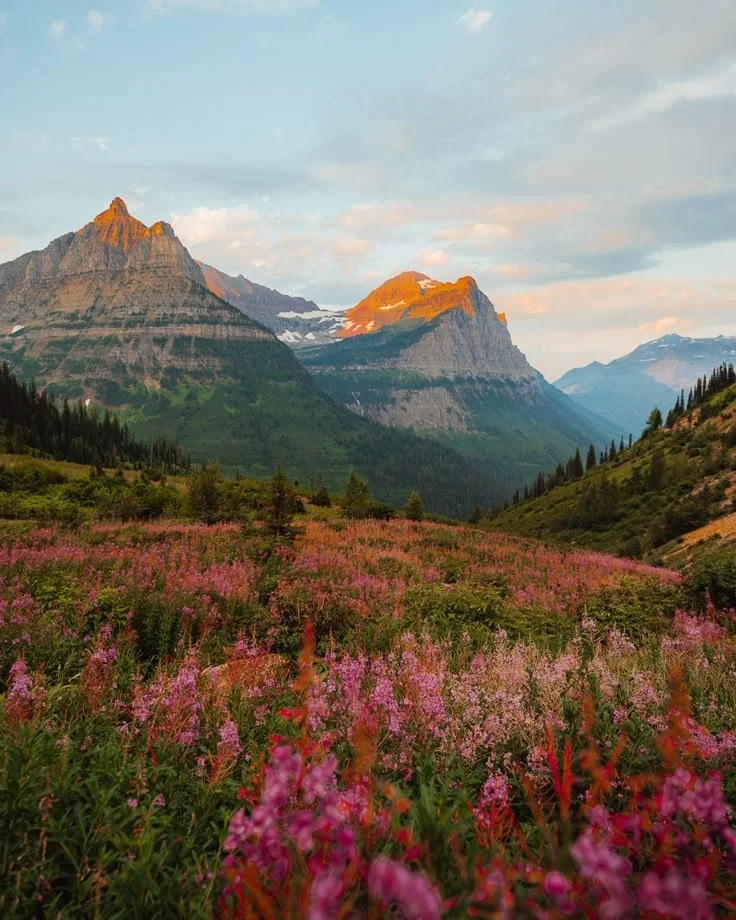


travelHLL x Editor


How To Curate A Business Retreat That Sparks Creativity

The era of the sterile, fluorescent-lit conference room is fading. For years, the corporate world operated under the assumption that productivity required rigidity. We believed that locking a team in a windowless room with a whiteboard was the best way to generate the next big idea.


However, the modern conscious entrepreneur understands that true innovation rarely happens in a vacuum. It happens when the mind is relaxed, the environment is stimulating, and the team’s collective nervous system is allowed to reset. When we prioritize the human element of business, the results speak for themselves.

Planning a business retreat is no longer just about logistics or quarterly reviews—it is an exercise in intentional design. It’s about curating an experience that nurtures the human beings behind the job titles. When we approach business travel with a mindset of wellness and exploration, we don’t just get better work out of our teams; we get happier, more balanced people who are ready to contribute their best work.

In this article, we’ll explore how space influences innovation, how to choose a destination with purpose, and how to design an itinerary that supports both breakthrough thinking and genuine restoration.

No. 1

The Psychology of Space and Innovation

There is a tangible link between our physical surroundings and our cognitive performance. When we remain in the same environment day after day, our thinking patterns tend to loop. We solve problems the same way because we’re looking at the same four walls. To break these loops, we need to change the scenery and introduce new stimuli to our brains.

This isn’t just anecdotal; it’s supported by data on how environmental factors influence brain function. Experts at Forbes discuss how to design a workspace that inspires creativity, noting that stimulating settings rich in culture and aesthetic beauty are proven to reignite creative problem-solving. By moving your team to a space that offers openness and novelty, you are literally priming their brains to think differently. A fresh environment acts as a catalyst, sparking new neural pathways that lead to breakthrough ideas.

No. 2

Selecting a Destination with Intention

The first step in planning a conscious retreat is choosing a location that balances energy with serenity. You want a destination that feels alive—offering cultural inspiration just outside the door—but you also need a sanctuary where work can happen without constant distraction. This balance is critical for maintaining flow throughout the retreat.

Thailand has become a premier destination for achieving exactly that. The capital city offers a unique blend of chaotic energy and spiritual calm that can be incredibly conducive to brainstorming. When searching for the perfect Venue for meeting in Bangkok, it’s essential to look beyond standard hotel chains. You need a space that understands the nuance of modern business: a place that offers high-tech connectivity for presentations, while also providing aesthetic beauty and comfort for the breaks in between.

The ideal venue acts as a container for your retreat. It should handle logistics seamlessly so your team can focus fully on the flow of ideas. Whether it’s a ballroom with natural light or an intimate breakout room with plush seating, the physical comfort of the space communicates something powerful: your team’s well-being is valued.

No. 3

Cultivating Clarity for Better Leadership

A retreat is also a crucial opportunity for leadership to step back from the daily grind and reassess the bigger picture. In the rush of daily operations, decision fatigue sets in—leading to reactive choices rather than proactive strategies. Leaders often find themselves putting out fires instead of planting seeds for the future.

Taking time away helps leaders move from a state of stress to a state of clarity. This mental shift is vital for high-level decision-making. A change of scenery does more than refresh the spirit—it creates the mental space leaders need to move beyond reactive habits and, in line with the conscious business principles we advocate, find clarity to make smarter decisions with less stress. By removing the immediate pressures of the office, leaders can review data more objectively and realign their teams with a renewed sense of purpose.


hellolovelyliving luxury escapes

Luxury Escapes

Escape the ordinary. Discover extraordinary travel experiences with Luxury Escapes.


No. 4

Designing a Mindful Itinerary

Once the location and mindset are established, the itinerary must be crafted with care. The mistake many companies make is packing the schedule from 8:00 AM to 8:00 PM with meetings. That approach leads to burnout, not breakthroughs. A conscious retreat schedule should breathe, allowing time for integration and organic connection.

Consider structuring your days to honor both productivity and rest:

  • The Morning Reset: Start the day with optional movement or mindfulness. This could be a group yoga session or simply a slow breakfast without screens to set a calm tone.

  • Deep Work Blocks: Schedule your most intensive brainstorming sessions for late morning, when mental energy is typically highest. Keep these sessions focused.

  • Cultural Immersion: In the afternoon, leave the hotel to explore. Visit a local market, tour a temple, or take a cooking class. These shared experiences build bonds effectively.

  • Unstructured Downtime: Give your team two hours of complete freedom. Some may want to nap; others may want to swim or read. This downtime is often where the subconscious mind processes ideas.

  • Communal Dining: End the day with a meal that celebrates local flavors. Food is a universal connector, and breaking bread together creates conversations that bridge the personal and professional.

By blending professional objectives with personal well-being, you transform a simple business trip into a pivotal moment for your company culture. It sends a clear message that success isn’t just about the bottom line—it’s also about the vitality of the people who build it.

Takeaways

A creativity-sparking retreat is rarely the result of “more meetings.” It comes from thoughtful design: choosing an environment that stimulates fresh thinking, selecting a destination that balances inspiration with calm, and building an itinerary that protects rest as fiercely as it protects output. When you honor the psychology of space, create room for leadership clarity, and schedule experiences that help people feel genuinely human again, the retreat becomes more than a trip—it becomes a turning point for your team’s energy, cohesion, and vision.

Looking for Business resources?

Are you seeking ways to elevate your business to new heights? Dive into the array of resources provided by our esteemed business partners designed to empower your ventures.


business, travelHLL x Editor


Balancing Productivity And Wellness In Bangkok

The traditional boundaries of the nine-to-five have dissolved. They’ve been replaced by a more fluid lifestyle—one that values flexibility, intention, and experience. For the modern entrepreneur, the office is no longer a fixed coordinate; it’s a mindset. This shift has given rise to the “workation,” a travel trend that merges professional obligations with the restorative benefits of a getaway.


Bangkok, with its vibrant street life and serene wellness sanctuaries, has emerged as a premier destination for this lifestyle. However, mastering the art of the workation requires more than booking a flight. It demands a deliberate approach to how you divide your energy between hustle and healing. Without a plan, the chaos of a new city can easily overwhelm the structure needed for sustained business growth.

In this article, you’ll learn how to create a reliable work setup, design a mindful schedule, and protect your downtime—so Bangkok fuels both your performance and your well-being.

No. 1

The Rise of the Location-Independent Professional

The concept of working from anywhere is shifting from a niche aspiration to a global standard. Recent data underscores this transformation in how we view employment and travel.

In fact, reports indicate that 55% of business travelers took at least two trips that blended business and leisure in the last year. This surge suggests professionals are no longer waiting for retirement—or a fixed holiday calendar—to explore the world.

Instead, they’re integrating travel into their monthly routines. They seek destinations that offer high-speed connectivity alongside high-quality living.

For the conscious entrepreneur, this means finding a place that supports both business ambition and personal well-being. Bangkok offers a rare juxtaposition of chaotic energy and spiritual calm, making it an ideal testing ground for this new way of living.

No. 2

Curating Your Professional Sanctuary

One of the biggest pitfalls of a workation is assuming you can work effectively from anywhere. While a beachside hammock looks great on Instagram, it rarely supports deep work—or high-stakes virtual meetings.

To maintain professional momentum while traveling, you must be intentional about your environment. Trying to conduct a quarterly review from a bustling hostel lobby is a recipe for frustration.

Creating a “pop-up” office space is essential. This might mean booking accommodation with a dedicated desk, or simply knowing where to find professional amenities when you need them.

For moments that require absolute focus, privacy, or a space to host a hybrid team meeting, relying on hotel lobbies or noisy coffee shops can be risky. You need an environment that signals to your brain that it’s time to focus.

Securing access to professional Conference Rooms in Sukhumvit ensures you have a dedicated sanctuary for serious business. By anchoring your workflow in a professional setting located in the heart of Bangkok’s business district, you create a physical boundary between work mode and leisure time.

These spaces often provide the essential infrastructure that casual spots lack, such as reliable high-speed internet, audio-visual capabilities, and catering services. This separation is crucial: it allows you to be fully present in your meetings without the background noise of a cafe—and equally present in your relaxation once you step out of the room.

No. 3

Designing a Mindful Workflow

To truly benefit from a workation, you can’t simply replicate your at-home routine in a new time zone. You need a schedule that respects both your biological rhythm and the local environment. Without structure, work can bleed into every hour of the day, leaving you more exhausted than when you arrived.

Consider adopting a “segmented day” approach to maximize both productivity and exploration:

  • The Morning Sprint: Use the quiet morning hours for your most cognitively demanding tasks. If you’re working across time zones, this may be your deep-work window before emails start flooding in from abroad. Use this time for creative strategy or writing.

  • The Midday Reset: Instead of a sad desk lunch, step out for a sensory break. In Bangkok, this could mean a quick visit to a nearby park like Benjakitti or a street food lunch. These experiences engage your senses and pull you out of your head.

  • Hydration and Climate: Bangkok is tropical and humid, and mental fatigue often stems from dehydration. Drink enough water and spend time in climate-controlled environments during the hottest part of the day to maintain stamina.

  • The Hard Stop: Set a specific time when the laptop closes. This boundary is non-negotiable. It signals to your brain that the workday is done and the vacation portion of your stay has begun.

  • Ergonomic Awareness: Pay attention to posture. Even if you’re working from a hotel suite, avoid hunching over a coffee table for eight hours. Physical comfort directly impacts mental clarity.


hellolovelyliving venture one

Venture One by Capital One

Travel smarter with the Capital One VentureOne card—earn miles on every purchase and enjoy flexible rewards you can use for flights, hotels, and more.

With Venture, enjoy $250 to use on Capital One Travel in your first cardholder year, plus earn 75K bonus miles once you spend $4K within 3 months.


No. 4

The Importance of Conscious Unplugging

The success of a workation isn’t measured only by the emails you send—it’s also measured by the quality of rest you achieve. Bangkok is a city of contrasts, offering high-energy urban experiences alongside profound opportunities for stillness. Once you’ve closed your laptop, it’s vital to shift gears fully.

Many entrepreneurs struggle with an “always-on” mentality and feel guilty if they aren’t reachable 24/7. Yet true wellness requires periods of complete disconnection. Exploring local travel resources can provide inspiration for mindful off-hours activities, such as visiting quiet temples or booking a traditional Thai massage.

Consciously letting go of notifications and digital clutter is essential for genuine recovery. That might mean leaving your phone in the hotel safe while you explore a night market, or committing to a morning meditation session without screens.

By treating downtime with the same respect as work time, you return to your desk recharged and more creative. A workation in Bangkok offers the perfect canvas for this balance: it allows you to build your empire and nourish your soul in equal measure.

Takeaways

A successful workation in Bangkok is not an accident—it’s the result of thoughtful structure, intentional environments, and disciplined rest. When you curate a professional sanctuary (instead of forcing productivity in chaotic spaces), design a workflow that fits the city’s rhythm, and practice conscious unplugging, you turn Bangkok into more than a backdrop.

You turn it into a system that supports both performance and recovery. In doing so, you don’t just “work while traveling”—you create a lifestyle where ambition and well-being can coexist, sustainably and by design.

Looking for Wellness resources?

Are you looking to enhance your wellness routine? Explore our wellness partners who offer a wide range of resources to support your journey toward holistic living and well-being.


business, travelHLL x Editor


Prepping Your Car For A Road Trip: Don't Forget These 3 Steps Before You Go

Preparing for a road trip isn’t just about packing the car with plenty of snacks, extra water bottles, and making sure there’s a blanket available for when you need a nap. It’s not only about pre-planning your rest stops, or making sure you’ve got alternative routes ready in case traffic gets too bad.


You also need to make sure the car you’re taking is genuinely ready for the journey. And while there are a few obvious things most people remember to do before setting off, some important pre-trip checks often get missed. We’re simply here to put them back on your radar.

In this article, you’ll find the top three vehicle checks that are most commonly forgotten before a road trip—quick, practical steps that can help prevent delays, damage, and avoidable stress once you’re on the move.

As such, here are the top 3 most commonly forgotten vehicle checks to get done before you go on a road trip.

No. 1

Check Your Fluid Levels

You’ve probably checked all over the car by this point, made sure your tyres have the right pressure, and confirmed you’ve got a proper tool kit in the back for handling an issue on the side of the road.

But don’t forget about your fluid levels as well. You need to be sure you’ve got the right amount of engine oil, brake fluid, and coolant in the car before you set off.

And of course, make sure you’ve got enough fuel in the tank as well. So many road trips have suffered from false starts simply because the driver has had to stop at a station only an hour into the journey.

If you’re headed somewhere remote—where you’d be in real trouble if the engine ran dry—make filling up your first priority before the journey really gets underway.

No. 2

Protect Your Paintwork

Going to be heading off-road at any point? Might get bogged down in the mud along the way?

There’s a chance you could run into these conditions on a road trip, especially with changeable weather—and accidents can always happen.

Take the wrong turn and end up on a dirt road, or park on a grassy verge when you’re off for a hike—your car can take a beating without you even intending it to.

As such, you may want to protect your paintwork with some ppf installation before you go. Adding an extra protective layer to the body of your vehicle can go a long way in helping ensure pebbles, rocky crags, and sharp branches don’t leave marks that aren’t easily fixed.


Expedia

From weekend getaways to once-in-a-lifetime adventures, Expedia makes booking travel effortless—explore, compare, and go further with confidence.


No. 3

Learn How to Use Your Emergency Tools

You don’t want to discover you have no idea how to use jump cables or a car jack when you’ve broken down and need them working as soon as possible. Get familiar with them before you go.

Have a quick practice with the tools in your driveway or garage, or at the very least watch a tutorial that walks you through the steps clearly. A little preparation now can save a lot of panic later.

Remember, your car is going on your road trip too—so make sure it’s ready for the journey!

Takeaways

A smooth road trip starts before you turn the key. Alongside the obvious checks, taking a few minutes to confirm your fluid levels, protect your paintwork, and learn how to use your emergency tools can prevent minor issues from becoming major interruptions. With these commonly forgotten tasks handled, you’ll be able to focus less on what could go wrong—and more on enjoying the drive.

Looking for Travel resources?

Looking to embark on a transformative journey to discover new cultures, expand your horizons, and reconnect with yourself? Explore, learn, and awaken your wanderlust with our travel partners designed to support you on your next getaway.
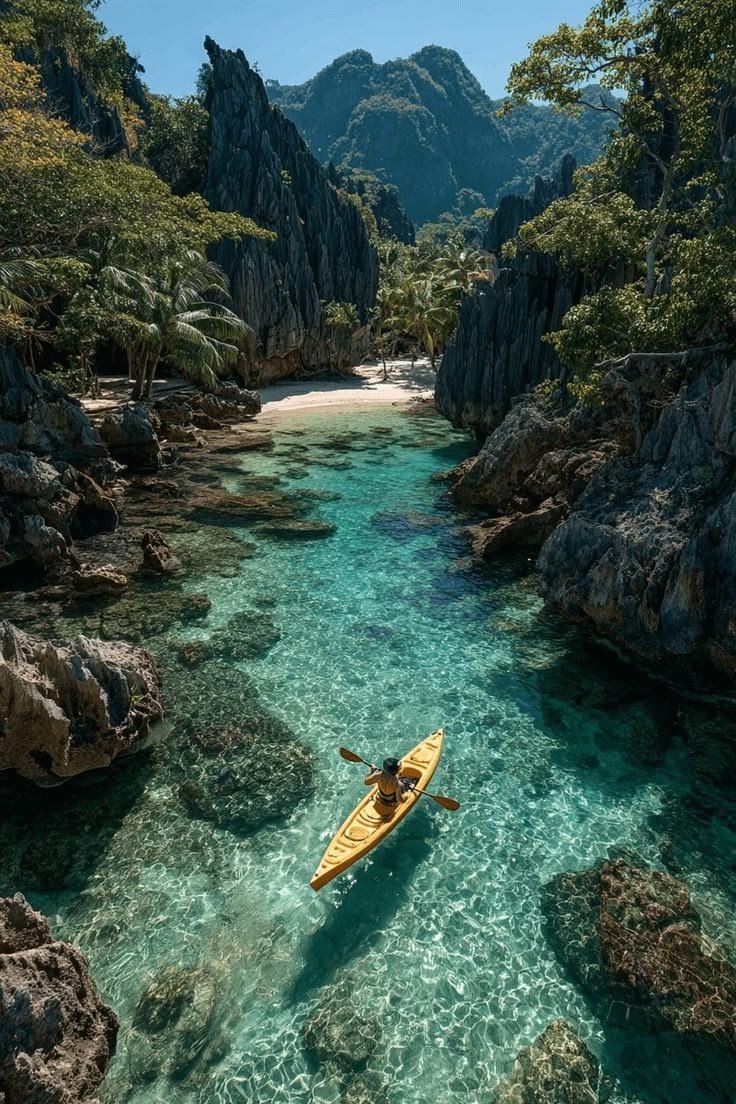


travelHLL x Editor


Travel Better: Thoughtful Choices That Elevate Your Trips

Travel does not need to be extravagant to be memorable. In fact, the best trips often come down to smart decisions rather than big budgets. Where you invest your time and money shapes how the entire experience feels.


Instead of chasing luxury for the sake of it, focus on comfort, pacing, and experiences that genuinely suit your travel style.

In this article, you’ll learn how to make strategic upgrades, choose experiences that fit the destination, avoid overscheduling, invest in convenience, and prioritize what you personally value—so your trips feel smoother, richer, and more memorable without unnecessary spending.

No. 1

Be Strategic With Comfort

Long-haul flights and overnight journeys can impact the first few days of your trip. Arriving tired affects your mood, energy, and ability to explore.

If you are flying internationally or across multiple time zones, upgrading to business class on key legs of your journey can be a practical decision rather than a flashy one. The extra space and better rest can mean you land ready to enjoy your destination instead of spending days recovering.

You do not need to upgrade every flight. Choosing comfort strategically often delivers the best value.

No. 2

Choose Experiences That Match the Destination

Every location offers something unique. Mountain towns call for hiking. Historic cities invite walking tours. Coastal or lakeside destinations often shine when viewed from the water.

If you are traveling somewhere with easy access to lakes or marinas, exploring pontoon boat deals can be a smart way to enjoy a full day outdoors without committing to expensive private charters. Renting a boat with friends or fellow travelers can be surprisingly cost-effective and offers greater flexibility than guided tours.

Experiencing a destination from the water completely changes your perspective. It adds depth to the trip without turning it into a luxury-only experience.

No. 3

Avoid Overscheduling

Many travelers fall into the trap of overpacking. Back-to-back for the trip they have planned. Tours, early alarms, and long attraction lines quickly turn excitement into exhaustion, and it’s important to make sure you tackle this.

Plan one or two anchor activities per day and allow the rest of your time to unfold naturally. This gives you room for spontaneous discoveries, local recommendations, or simply sitting in a café and observing daily life.

Slower pacing often leads to richer memories.


hellolovelyliving viator

Viator

From guided tours of iconic landmarks to off-the-beaten-path adventures, explore a diverse selection of activities catered to your interests and preferences.


No. 4

Invest in Convenience

Sometimes the smartest travel choice is convenience. This includes things like choosing to pre-book airport transfers. Choose accommodations close to the areas you want to explore. Travel light to avoid luggage stress.

These practical decisions reduce friction, cut down stress, and give you more mental space to enjoy the experience. When you do this, you make sure you are putting your mind at rest and giving yourself the mental space to enjoy the trip properly.

You are not just paying for a service. You are paying for ease.

No. 5

Focus on What You Value Most

Every traveler prioritizes something different. Some value comfort. Others value adventure. Some want cultural immersion. Others want pure relaxation.

The key is clarity. When you understand what matters most to you, it becomes easier to allocate your budget and time wisely.

Travel is not about impressing anyone. It is about creating experiences that feel right for you.

Thoughtful upgrades, balanced pacing, and destination-specific activities can turn an ordinary trip into something genuinely memorable.

When you travel with intention, even simple choices can elevate the entire journey.

Takeaways

Memorable travel is rarely about spending the most—it’s about spending wisely. By being strategic with comfort, picking activities that suit the place you’re visiting, leaving room to breathe in your schedule, and paying for convenience when it truly helps, you can dramatically improve how a trip feels from start to finish. Most importantly, when you focus on what you value, your budget supports your experience—rather than distracting from it.

Looking for Travel resources?

Looking to embark on a transformative journey to discover new cultures, expand your horizons, and reconnect with yourself? Explore, learn, and awaken your wanderlust with our travel partners designed to support you on your next getaway.
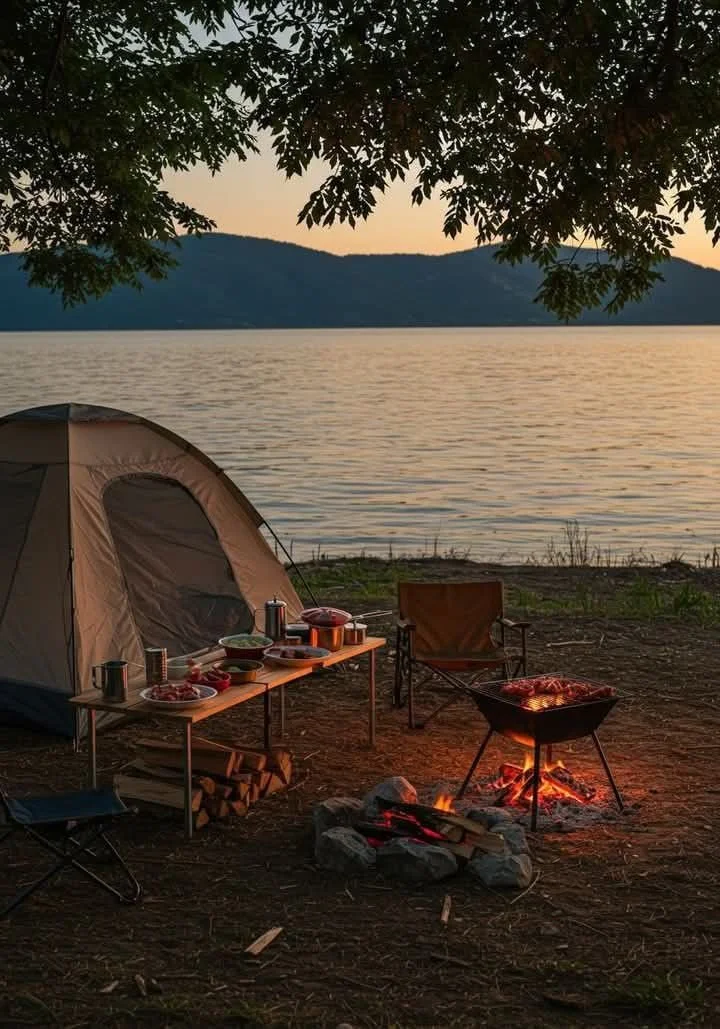


travelHLL x Editor