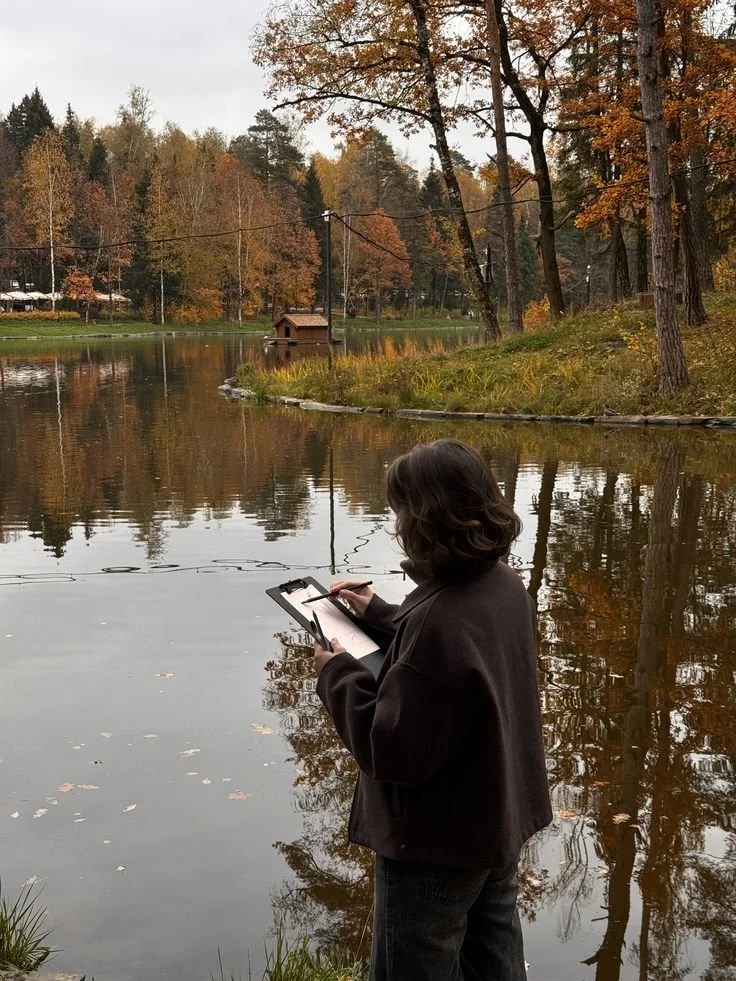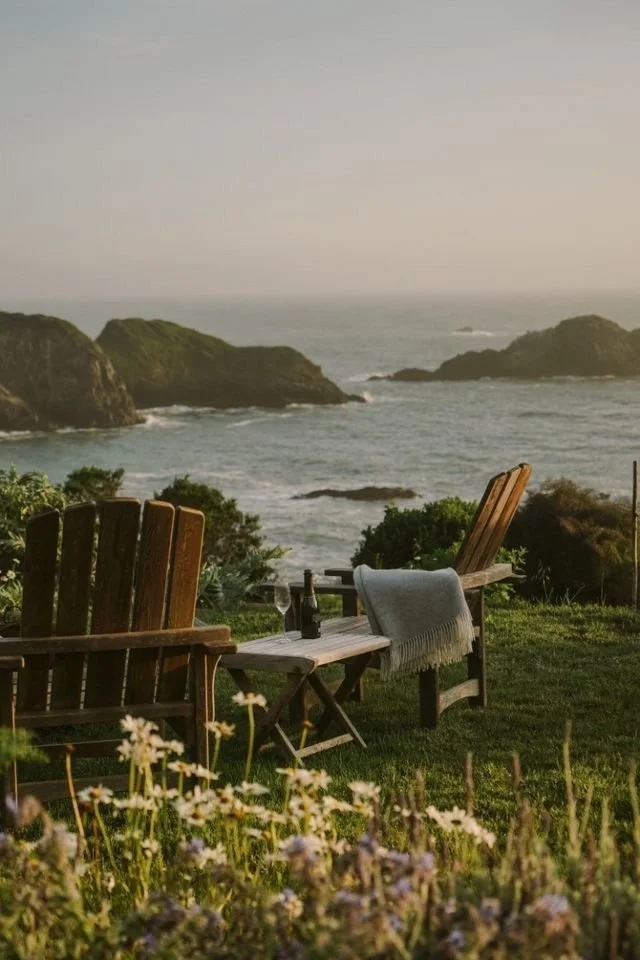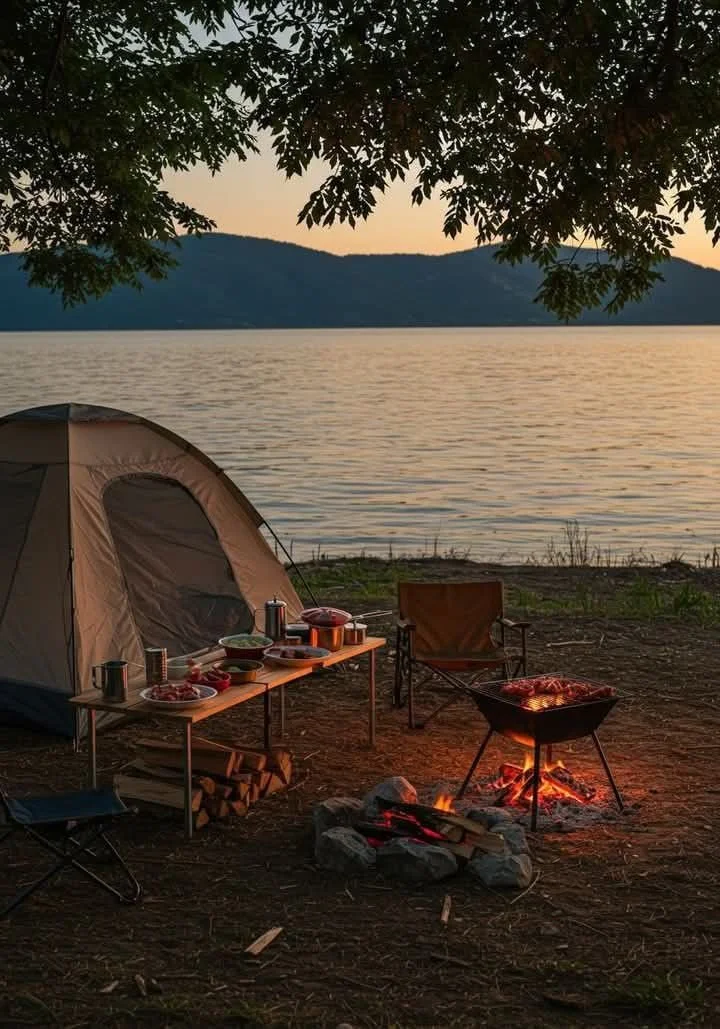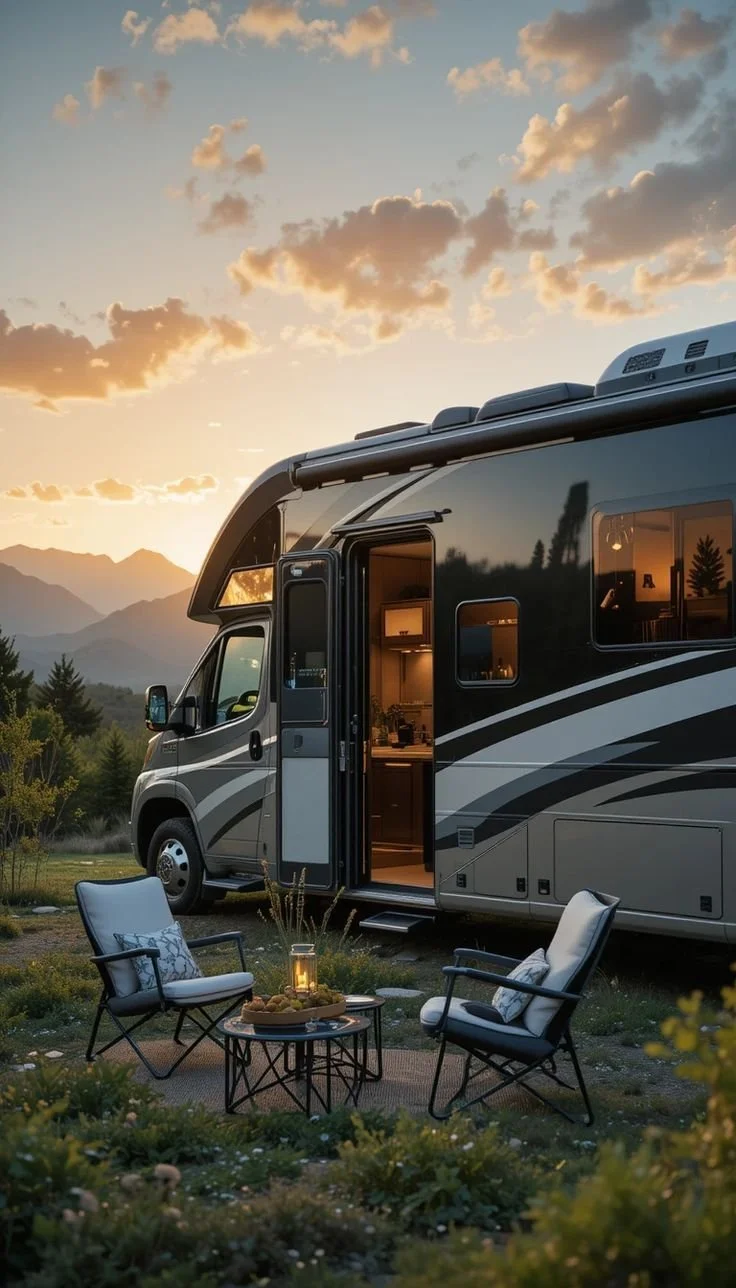
Fresh Vacation Ideas When You’re Tired of the Same Trip Every Year

Do you tend to find yourself booking the same type of vacation every year? Familiar trips can be genuinely enjoyable: you already know what to pack, where to stay, and what the rhythm of the days will feel like. That sense of predictability is comforting, especially when life is busy.



But familiarity can also quietly turn into repetition. If you’re starting to feel like you’re stuck in a rut, it may not be that you dislike traveling—it may simply be that your travel style needs a refresh. The good news is that trying something new doesn’t have to mean planning an intimidating, expensive, or overly complicated adventure. Often, it’s about choosing a different format for your time away.

In this article, you’ll find five vacation styles that can instantly change the scenery, reset your mindset, and help you fall back in love with traveling—whether you want culture, adrenaline, freedom, luxury, or simplicity.

No. 1

City break: swap routine for culture, food, and atmosphere

A city break is one of the easiest ways to change your travel experience without reinventing your whole approach. When people think about vacations, they often default to beach resorts or the same family-friendly destination they always return to. Cities, however, offer a different kind of energy: they’re ideal for short, high-impact trips where you can see and do a lot without needing a long time off work.

City travel is especially rewarding if you enjoy culture and variety. In a single weekend, you can combine museums, neighbourhood walks, local markets, iconic sights, and memorable meals. You also get the subtle pleasure of being surrounded by daily life that feels different from your own—cafés, commutes, evening promenades, and the rhythms of a place that isn’t built solely for tourists.

To make a city break feel smoother and less rushed, consider these planning tips:

  • Pick a neighbourhood-based itinerary instead of trying to cover the entire city.

  • Choose one major attraction per day and let everything else be flexible.

  • Book accommodation close to the areas you’ll spend the most time in.

  • Build in “wandering time” for cafés, parks, and unexpected discoveries.

  • Consider traveling in the shoulder season for better prices and fewer crowds.

Whether you choose a local city you’ve never truly explored or one of the best European cities, the appeal is the same: cities offer layered experiences. Even if you return one day, you’ll rarely feel like you’re repeating the exact same trip.

No. 2

Active vacation: change the pace and create stronger memories

If your usual vacations are restful and slow, an active trip can be the reset you didn’t realise you needed. This style of travel is about doing something physical and immersive—often outdoors—so your mind gets a break from the usual mental noise.

An active vacation doesn’t have to mean intense athletic challenges. It can be as simple as choosing a destination where movement is built into the day: hiking trails, cycling routes, kayaking, skiing, snorkelling, paddleboarding, or guided adventure tours. Many travelers find that the combination of exertion and fresh air produces a deeper sense of relaxation later. You’re tired in a satisfying way, not a drained way.

Benefits of active trips often include:

  • a more vivid sense of accomplishment

  • fewer hours spent scrolling or thinking about work

  • stronger “I did something” memories

  • natural bonding if you’re traveling with friends or family

  • a healthier balance between indulgence and movement

To avoid the most common mistake—overdoing it—aim for a pace you can sustain. A helpful structure is to alternate “big” days with lighter days—for example, one long hike followed by a half-day activity and a relaxed dinner. The goal is to feel energised by the end of the trip, not like you need a second vacation to recover.


No. 3

RV vacation: reclaim freedom with a road trip lifestyle

If you love the idea of a road trip, an RV vacation can be one of the most refreshing changes you can make. It’s especially appealing if you feel boxed in by rigid hotel schedules or if you want to explore multiple places without constantly packing and unpacking.

The beauty of traveling by RV is that the journey becomes part of the vacation, not just the time between destinations. You can follow a popular route with planned highlights, or you can keep things loose and let curiosity lead the way. Either approach tends to feel more personal than a standard “fly in, check in, fly out” trip.

An RV trip can work well for couples, families, and even solo travelers because it gives you:

  • flexible start and end times for each day

  • a consistent base (your own space, your own routines)

  • easy access to nature

  • the ability to stop spontaneously

  • more control over meals and downtime

A smart way to plan is to map your route around the best RV parks, so you always have access to the facilities you need and nearby activities such as hiking. This also reduces stress, because you’re not improvising essentials every night.

If you’re new to RV travel, keep the first trip simple. Choose a short route with fewer stops, stay longer in each location, and prioritise comfort over distance. RV travel is at its best when you’re not rushing.

No. 4

Island paradise: plan a once-in-a-lifetime luxury escape

Sometimes, the change you need isn’t a different pace—it’s a different level of experience. That’s where an island paradise vacation comes in. Whether it’s one of the luxurious islands in the Maldives, a trip to the Seychelles, or a far-flung escape to Fiji, this style of travel is designed to feel extraordinary.

These trips tend to be less about ticking off landmarks and more about atmosphere: warm ocean air, calm mornings, slow afternoons, and the kind of scenery that makes everyday life feel far away. For many travelers, the appeal is emotional as much as visual. It’s a genuine reset, especially if you’re burned out or you’ve been postponing rest for years.

To make a luxury island trip feel truly worth it:

  • Plan early to secure better rates and better accommodation options.

  • Choose the island based on the experience you want (seclusion, nightlife, diving, wellness).

  • Stay long enough to unwind; short luxury trips can feel like a tease.

  • Mix relaxation with one or two meaningful activities (reef tour, spa, cultural visit).

  • Factor in travel time so the journey doesn’t overshadow the destination.

If you’ve been waiting for the “right time,” consider that the right time is often when you decide to plan it. A pinch-me vacation doesn’t need to be impulsive; it can be intentional.


No. 5

Staycation: do something different without going far

Doing something different doesn’t always require doing something big. A staycation can be one of the most satisfying resets, particularly if your life has been hectic and you want a calmer pace. It also works well if you have limited vacation days, a tight budget, or you simply want to reduce travel stress.

A staycation can mean staying in your own home with planned activities, or it can mean booking a local hotel, cottage, or nearby retreat. It can also involve exploring a local town or a part of your region you’ve always overlooked.

Staycations are often more relaxing because they remove the friction points of travel:

  • no long flights

  • fewer packing decisions

  • no jet lag

  • easier planning

  • more flexibility to change your mind

To make a staycation feel special (and not like a normal week at home), treat it like a real trip:

  • Put an out-of-office on and protect the time.

  • Choose two or three “anchor” activities (a new restaurant, a museum, a nature walk).

  • Try a different routine (slow mornings, afternoon café time, evening sunsets).

  • Avoid chores that make it feel like a work week in disguise.

  • Consider spending one night away locally to create a clear mental break.

Sometimes the best vacation isn’t the one with the longest distance—it’s the one with the most genuine rest.

Takeaways

If your vacations are starting to feel repetitive, the solution is often to change the format, not necessarily the destination. In this article, we explored five ways to refresh your travel routine: a city break for culture and variety, an active vacation to change your pace, an RV vacation for freedom and flexibility, an island paradise for a once-in-a-lifetime luxury reset, and a staycation for a low-stress change of scenery.

Pick the style that matches what you’re missing right now—energy, calm, novelty, comfort, or simplicity. When your vacation style aligns with what you actually need, traveling stops feeling like habit and starts feeling exciting again.


Looking for Travel resources?

Looking to embark on a transformative journey to discover new cultures, expand your horizons, and reconnect with yourself? Explore, learn, and awaken your wanderlust with our travel partners designed to support you on your next getaway.



travelHLL x Editor


Why Your Camping Trips Never Feel Like A Real Vacation

There’s something uniquely frustrating about returning from a camping trip and realizing you still feel tired. You planned to unplug, breathe fresh air, and come home restored. Instead, you’re unpacking dusty gear, catching up on laundry, and wondering why “getting away” somehow felt like managing a second household outdoors.


The problem is rarely the destination. Most of the time, it’s the way the trip is structured: too much setup, too many moving parts, and too many small tasks that quietly pile up until they take over the experience.

In this article, you’ll learn how to reshape your camping trip so it feels like genuine time off. The goal isn’t to remove everything that makes camping camping. It’s to reduce the unnecessary effort, create a smoother rhythm, and choose an environment that supports rest rather than constant management.

No. 1

Recognize when camping stops being restorative

Many camping trips start with good intentions. You arrive excited, the scenery is beautiful, and the first few hours feel like a reset. Then, at some point, it hits you: camping as a vacation doesn’t feel like a break. It feels like a list of tasks in a different location.

That feeling often comes from the same cycle:

  • you set up camp

  • you organize gear

  • you cook, clean, and pack things away

  • you repeat the process the next day

  • you start thinking ahead to the pack-down before you’ve even enjoyed the moment

When the trip becomes a loop of preparation and cleanup, your brain never fully switches off. You might be outdoors, but you’re still “on.”

A helpful shift is to treat rest as something you design for, not something that automatically happens because you left home. A vacation doesn’t require doing nothing, but it does require the mental space to stop managing everything.

No. 2

Reduce the workload by simplifying your systems

Camping becomes draining when every small need requires effort. You get thirsty and have to find the cooler under three bags. Dinner means a complicated cooking plan. Clean-up requires multiple trips to a water source. None of these tasks are terrible on their own, but together they can dominate the day.

Simplification doesn’t mean buying expensive gear. It means creating systems that reduce friction.

Here are practical ways to make that happen:

  • Pack in “modules” instead of loose items (kitchen kit, sleep kit, hygiene kit).

  • Keep frequently used items accessible, not buried (headlamps, snacks, wipes, water).

  • Use a one-pot or two-meal rotation rather than trying to cook like you’re at home.

  • Choose meals that generate minimal dishes.

  • Set up one “drop zone” for everyone’s everyday items so things don’t scatter.

If you camp often, you can go one step further and keep a ready-to-go camping box at home. That way, you’re not rebuilding the entire trip from scratch every time. Less decision-making before the trip means you arrive with more energy.


No. 3

Make setup easier so it doesn’t consume the best part of the day

One of the biggest reasons camping can feel exhausting is that the most energetic part of your day gets spent on setup. Pitching tents, inflating sleeping pads, organizing bedding, finding missing pegs, re-packing the car because you can’t find the stove—it adds up.

If you’re arriving late in the afternoon, the problem intensifies. You rush to get camp ready before it gets dark, and relaxation becomes something you plan to do “after everything is sorted.” Often, that moment never really comes.

To make setup less dominant:

  • Arrive earlier when possible, even if it means leaving home sooner.

  • Do a quick gear check the day before, not the morning of.

  • Practise setting up your tent once at home so it’s not a puzzle on arrival.

  • Keep a small “first hour” kit accessible (lamp, chairs, water, snacks).

  • Set up only what you need at first, then add comfort items later if you feel like it.

This approach protects the best window of the day. When setup becomes smoother, the trip starts to feel like it has space in it again.

No. 4

Plan rest on purpose, not as an afterthought

A lot of people unconsciously replicate their normal routines while camping: wake up, do tasks, stay busy, make meals, clean up, then sleep. That can be satisfying in a “productive” way, but it doesn’t always restore you.

If your goal is to feel refreshed, you need rest built into the day in a way that’s hard to push aside.

Try planning one rest anchor each day, such as:

  • a slow breakfast with no agenda afterward

  • a midday quiet hour (reading, napping, journaling)

  • a single long walk without “achieving” anything

  • a calm evening routine that starts before you’re exhausted

Rest is often less about time and more about permission. When you treat it as a real part of the plan, it actually happens.


No. 5

Align expectations when travelling with others (especially family)

Group camping can fail for a simple reason: people arrive with different visions of what the trip should feel like. One person wants total downtime. Another wants hikes, activities, and constant movement. Neither is wrong, but the mismatch creates tension and decision fatigue.

This is where camping with kids can feel harder than expected. Children may need stimulation, snacks, bathrooms, and a steady sense of what happens next. Adults may want quiet and fewer interruptions. If you try to satisfy everyone without any structure, you become the “trip manager,” which is the opposite of rest.

Small alignment conversations can prevent this:

  • Decide on one daily “must-do” and keep everything else optional.

  • Split the day into active time and slow time so both needs are met.

  • Rotate responsibilities (meals, cleanup, packing the day bag).

  • Give everyone a simple role (even young kids can help with small tasks).

The key is to remove constant negotiation. When the day has a predictable rhythm, the trip becomes calmer for everyone.

No. 6

Choose an environment that supports ease, not constant problem-solving

Where you stay shapes your experience more than most people expect. A beautiful location can still be exhausting if the campsite setup is awkward, facilities are far away, or the environment forces you to solve basic needs all day long.

A well-designed family campground reduces friction because it provides structure you don’t have to build yourself. Facilities are already in place. Spaces are designed to work. There’s a natural flow to how days operate, and that makes it easier to relax.

Benefits often include:

  • easier access to bathrooms and showers

  • designated cooking or picnic areas

  • better layouts that reduce noise and stress

  • kid-friendly spaces that don’t require constant improvising

  • a general sense that you’re supported rather than “making it work”

This doesn’t mean you need luxury. It means you choose a place where the baseline needs are simple. When you don’t have to manage every detail, you finally get the mental quiet you were looking for.

No. 7

Keep comfort items that genuinely improve recovery

Some camping advice glorifies discomfort as if it’s the point. But if your goal is to come home rested, comfort is not a weakness. It’s a tool.

The most important comfort items are the ones that improve sleep and reduce daily friction:

  • a warmer sleeping setup than you think you’ll need

  • a sleeping pad that supports your body properly

  • a reliable light source that doesn’t require fumbling

  • layers that keep you comfortable across temperature swings

  • a simple seating setup so you’re not always crouching or standing

Sleep is the foundation. If you’re sleeping poorly, everything else feels harder. If you sleep well, even basic camping feels lighter.

No. 8

End the trip in a way that doesn’t erase the benefits

Many camping trips become tiring again right at the end. Packing is rushed, gear goes back dirty, and you arrive home facing a backlog. That final push can undo the calm you built.

A better approach is to treat your departure like part of the vacation, not a stressful exit.

You can make that easier by:

  • packing a little the evening before

  • keeping “clean gear” separate from “needs washing” gear

  • bringing a laundry bag and a trash bag so mess stays contained

  • planning a simple final meal (so you’re not cooking a big cleanup)

  • leaving a small buffer day at home if possible, even half a day

The goal is to return without immediately entering recovery mode.

Takeaways

Camping doesn’t automatically equal rest. It becomes restorative when the trip is designed to reduce friction, protect your energy, and support downtime instead of constant management. The biggest improvements usually come from simplifying your systems, making setup faster, planning rest on purpose, and aligning expectations with the people you travel with.

Most importantly, choose a setting that makes everyday needs easy to meet. A well-run family campground can remove a surprising amount of effort because facilities, layout, and built-in options reduce the need for you to manage every detail. With a few thoughtful changes, camping stops feeling like a project and starts feeling like what it was meant to be: genuine time off.


Looking for Travel resources?

Looking to embark on a transformative journey to discover new cultures, expand your horizons, and reconnect with yourself? Explore, learn, and awaken your wanderlust with our travel partners designed to support you on your next getaway.



travelHLL x Editor


Why More Travelers Are Swapping Hotels For Luxury RV Trips

Hotel trips can start to blur together after a while. It’s often the same check-in routine, the same corridor-to-room experience, and the same subtle sense that you’re fitting your downtime into someone else’s system. Hotels are convenient and familiar, but that sameness can become obvious after the first day or two—especially if you’re traveling with family, sharing a room, or hoping the trip will feel genuinely restorative.


So it makes sense that many travelers are looking for something that feels different without becoming more complicated. Luxury RV travel fits that gap surprisingly well. It offers comfort, privacy, and structure when you want it, but also freedom when you don’t.

In this article, you’ll learn why luxury RV trips are becoming a popular alternative to traditional hotel stays, how they change the rhythm of travel, and what makes the experience feel more personal, flexible, and relaxing.

No. 1

Hotel routines get old faster than you expect

The first night in a hotel can feel great: crisp sheets, a clean bathroom, and that “vacation has started” feeling. But for many people, the shine wears off quickly. By day two or three, the experience can become repetitive in ways you don’t notice until you’re already living it.

Common friction points tend to stack up:

  • fixed check-in and check-out windows that shape the whole trip

  • busy breakfast areas where “relaxing” means queueing

  • noisy hallways and thin walls that make downtime feel interrupted

  • constant packing and unpacking, even on short stays

  • the feeling that you’re always moving through shared spaces rather than settling in

Even when the destination is excellent, the daily pattern can start to feel like you’re repeating the same day in a different place. That’s often when a trip can begin to resemble a boring family vacation rather than something that feels energizing.

Luxury RV travel changes the structure. You control when the day starts and how it unfolds. You can wake up in a quiet spot, make breakfast at your own pace, and leave when you’re ready rather than when the hotel timetable requires it. That flexibility doesn’t just make logistics easier; it changes your mood. It creates breathing room, which is often what people are actually craving when they book time away.

No. 2

You get real space instead of just a place to sleep

Hotels are often designed as efficient resting spaces: a bed, a bathroom, maybe a small desk, and limited storage. That works well for solo travelers or quick business trips. But for longer breaks—or any trip involving more than one person—space becomes the difference between “fine” and genuinely comfortable.

Anyone who has tried to unwind in a single hotel room with multiple people knows the reality:

  • there’s limited room to move without stepping around bags

  • storage is minimal, so clutter builds quickly

  • privacy is hard to find, even when you need a moment

  • indoor time can feel cramped if the weather turns bad

  • meals can become expensive or repetitive when you rely on restaurants

A luxury RV, by contrast, is designed to be lived in. You’re not just sleeping there; you’re traveling with a space that supports your day-to-day comfort. That means you can unpack properly, organise your things, cook simple meals when you want to, and settle into a space that feels more personal than temporary.

The sense of space often extends beyond the vehicle, too. When you pull into an RV resort with small-town charm, you’re not confined to a lobby, elevator, and a room number. You typically gain outdoor breathing room, a calmer pace, and a setting that feels less crowded. You can sit outside, slow down, and enjoy the environment without feeling surrounded by constant foot traffic.

This shift matters because comfort isn’t just about luxury finishes. It’s about how easy it is to live in the space without friction. When a trip feels easy in that way, you stop counting the days until you get home to your routine. You start enjoying the routine you’ve built on the road.


No. 3

The journey becomes part of the fun

One of the biggest differences between hotel-based travel and RV travel is where the enjoyment begins. With a hotel trip, the journey is often treated like a barrier between your normal life and the “real” vacation. You get through the flight, manage the transfer, arrive, check in, and then you can finally relax.

With an RV road trip, the travel itself becomes the experience. You’re not rushing through the “getting there” part because you’re already in your own space. Your essentials are with you, the pace is yours, and every stretch of road has the potential to become a memory rather than a delay.

That’s where RV travel wins people over: it restores spontaneity without creating chaos.

Instead of locking everything into a fixed plan, you can adapt based on what you discover:

  • a scenic viewpoint that wasn’t in the itinerary

  • a local market you want to explore

  • a quieter lake road instead of a crowded highway route

  • an extra day somewhere that feels unexpectedly perfect

  • a detour because the weather is better in a different direction

This kind of flexibility is difficult with hotels because accommodation is often booked tightly, cancellations can be costly, and changing locations adds extra logistical effort. With an RV, your base comes with you. That makes it easier to follow curiosity.

And for many travelers, curiosity is what creates the best stories. You’re not only collecting highlights; you’re collecting moments you didn’t plan for.

No. 4

It feels more relaxed without trying so hard

A hotel trip can quietly encourage overplanning. When you’re paying for a limited number of nights in one location, it’s easy to feel like you should fill every day with activities to “make it worth it.” That mindset can turn a break into something that resembles a schedule.

It usually looks like this:

  • booking excursions back-to-back

  • trying to fit in every restaurant recommendation

  • rushing out early because the day feels “wasted” otherwise

  • navigating crowds because you’re following peak-time patterns

  • ending the day exhausted, then repeating it again tomorrow

Luxury RV travel tends to reduce that pressure. Because your space, food options, and comforts are always with you, you can slow down without feeling like you’re missing out. You can choose a big sightseeing day, but you can also choose a quiet one without it feeling like a failure.

This is one of the most underrated benefits: the trip becomes easier to live in.

When you want a simple day, it can be simple:

  • a slow breakfast without a timetable

  • a short drive to somewhere calm

  • reading or napping without interruptions

  • cooking something familiar instead of searching for options

  • an early night without noise from the next room

The relaxed feeling isn’t forced. It happens naturally because the environment supports it. And that’s often what people mean when they say they want a “real break.” Not a different kind of busyness—just space to reset.


No. 5

You can personalize the trip without sacrificing comfort

Some travelers assume RV trips are only for people who are happy to “rough it.” That might be true for certain styles of travel, but luxury RV experiences are built around comfort. The point is not to downgrade; it’s to change what comfort looks like.

Hotels deliver comfort in a standardised way. It’s reliable, but it’s also uniform.

RV travel lets you customize:

  • your daily pace

  • your meals

  • your environment

  • your privacy

  • your mix of nature and convenience

You can make the trip feel social or quiet, structured or spontaneous, active or restful. And because you’re traveling with your own space, you don’t have to compromise as much when preferences differ between travelers.

This can be especially valuable for:

  • families balancing adults’ rest with children’s energy

  • couples who want privacy without feeling isolated

  • travelers who like nature but still want a comfortable bed

  • anyone who values flexibility more than luxury branding

No. 6

It often creates better connection, not just better photos

Hotels can be beautiful, but they can also encourage people to pass through rather than connect. You arrive, you consume the destination’s highlights, and you leave. RV travel tends to slow the experience down and make it feel more grounded.

Because you spend more time in between places, you often:

  • notice smaller towns you would have skipped

  • spend more time outdoors without planning a whole “outing”

  • have more unstructured conversation time with your travel group

  • engage with local spaces in a more natural way

That doesn’t mean every moment is magical, but it does mean the trip has more texture. It feels less like a checklist and more like a lived experience.

Takeaways

Luxury RV trips are gaining popularity because they solve a problem many travelers feel but don’t always name: hotel travel can become repetitive, structured, and slightly restrictive after the novelty fades. An RV changes the rhythm. It gives you control over your schedule, real space to live in rather than simply sleep in, and the freedom to treat the journey as part of the holiday rather than an obstacle.

Just as importantly, RV travel often feels more relaxing because it removes the pressure to overplan. You bring your essentials with you, you can slow down without guilt, and you can shape each day based on energy, weather, and curiosity. For travelers who want comfort with autonomy, swapping hotels for a luxury RV experience can make a trip feel like a genuine break again.


Looking for Travel resources?

Looking to embark on a transformative journey to discover new cultures, expand your horizons, and reconnect with yourself? Explore, learn, and awaken your wanderlust with our travel partners designed to support you on your next getaway.


travelHLL x Editor


Top Mistakes New Boat Owners Make

Buying your first boat is a milestone. It represents freedom, adventure, and the promise of unforgettable weekends on the water—whether that means quiet mornings fishing, family outings, or longer coastal cruises. At the same time, new ownership comes with responsibilities that can surprise even enthusiastic beginners. Boats demand proactive care, and small oversights can quickly become expensive repairs—or worse, genuine safety risks.


In this article, you’ll learn the most common mistakes new boat owners make and how to avoid them with practical, realistic habits. The goal isn’t perfection; it’s building a routine that protects your investment, keeps passengers safe, and ensures your time on the water stays enjoyable rather than stressful.

No. 1

Not Maintaining the Boat Properly

Few things sink new-owner excitement faster than preventable problems: corrosion, dead batteries, stiff steering, clogged lines, or an engine that refuses to start at the dock. Many of these issues trace back to one core cause—maintenance that is delayed, inconsistent, or skipped entirely.

Start with safe transport and handling

Proper care begins before the boat even reaches the water. If your boat needs relocating—especially over long distances—using professional boat movers can help prevent damage during transport and launching. Scraped hulls, damaged propellers, and stress fractures can happen more easily than most people expect when a boat is being loaded, unloaded, or shifted in tight marina spaces.

Get a full inspection—especially for second-hand purchases

If you bought your boat used, a thorough inspection is essential. Even if the vessel looks clean and well-presented, hidden problems can exist below deck or inside mechanical systems.

At minimum, you’ll want to confirm the condition of:

  • the hull (including any signs of blistering, cracks, or repairs)

  • through-hull fittings and seacocks (for leaks and corrosion)

  • bilge pumps and float switches

  • steering and throttle controls

  • the battery, electrical system, and fuse panels

  • fuel lines and clamps

  • the engine and cooling system

If you’re not experienced, paying for a marine survey or professional mechanic inspection can be one of the smartest first-year expenses you make.

Build a simple maintenance schedule you will actually follow

Maintenance becomes manageable when it’s predictable. A practical approach is to break tasks into “before every trip,” “monthly,” and “seasonal.”

Before every trip:

  • check oil (if applicable) and look for leaks

  • inspect belts/hoses visually

  • confirm battery charge and electrical basics

  • test bilge pump operation

  • ensure safety gear is onboard and accessible

Monthly (or every few outings):

  • inspect fuel lines and connections

  • clean battery terminals and check mounting

  • lubricate key moving parts (as recommended by your manual)

  • check for corrosion on fittings and connectors

Seasonal:

  • engine service (oil, impeller, filters—per manufacturer schedule)

  • hull inspection and cleaning

  • anti-fouling considerations (if stored in water)

  • winterisation or recommissioning (depending on climate)

Don’t overlook storage—it’s part of maintenance

The right boat storage is not an optional extra; it is a form of protection. Poor storage accelerates wear through UV damage, moisture intrusion, mould growth, and corrosion.

Good storage practices include:

  • using a properly fitted cover (not a loose tarp that traps moisture)

  • ventilating enclosed spaces to reduce mildew

  • removing valuables and electronics when appropriate

  • keeping batteries maintained (charger/maintainer as needed)

  • flushing engines (especially after saltwater use)

When your boat is stored well, it starts more reliably, smells fresher, stays cleaner, and costs less over time.

No. 2

Overloading the Boat

Overloading is one of the easiest mistakes to make because it often begins innocently: “Let’s just bring a few extra drinks,” “We might need that cooler,” “Toss the inflatable on too.” The issue is that boats respond far more dramatically to weight than cars, especially smaller crafts.

Understand capacity limits and what they really mean

Your boat’s maximum weight capacity includes everything:

  • passengers

  • fuel

  • water (if applicable)

  • coolers and ice

  • fishing or water-sports gear

  • anchors, chains, and spare parts

  • luggage and food

Capacity is not merely a guideline. Exceeding it can lead to reduced stability, poor handling, and increased risk in choppy water.

Pack with stability in mind, not just convenience

Even within weight limits, distribution matters. If too much weight is concentrated on one side or toward the stern, the boat may list, take waves poorly, or struggle to get on plane.

Use these habits:

  • keep heavy items low and centred

  • avoid stacking weight high (it raises the centre of gravity)

  • balance passengers side-to-side

  • secure loose gear so it doesn’t shift underway

When in doubt, bring less. Comfort and safety improve dramatically when the boat isn’t burdened.


No. 3

Getting Lost (Or “Not Knowing Exactly Where You Are”)

On land, getting lost usually means a wrong turn and a minor delay. On the water, it can mean drifting into restricted zones, running aground, getting caught in worsening weather, or burning far more fuel than you planned.

Plan your route before you leave

Even for short trips, map your intended course in advance.

Know:

  • your launch point and return point

  • major landmarks and channel markers

  • areas with shallow water, sandbars, or hazards

  • tides and currents (if relevant)

  • weather patterns for the time window you’ll be out

A little pre-planning reduces stress and makes you far more confident when conditions change.

Don’t rely on a single navigation method

Phones can overheat, lose signal, or run out of battery. GPS units can fail. Paper charts can be hard to interpret if you’ve never used them.

The safest approach is redundancy:

  • a charged phone with offline maps (in a waterproof case)

  • a dedicated marine GPS/chartplotter if you boat often

  • basic familiarity with buoys and markers

  • a paper chart as a backup (especially in remote areas)

Carry communication gear you can trust

If something goes wrong, you need a way to call for help that isn’t dependent on cell service. An emergency radio is strongly recommended—particularly if you’re boating in coastal areas or places with patchy reception. Practise using it before you need it.

No. 4

Running a Dry Engine (Cooling System Neglect)

Many marine engines depend on a constant supply of cooling water. If the cooling system is compromised—by blocked intakes, a failed impeller, or incorrect operation—you can overheat the engine quickly, sometimes causing severe damage.

Know the warning signs

Problems can present as:

  • overheating alarms

  • reduced performance

  • unusual smells (hot rubber or burning)

  • steam or excessive heat from the engine compartment

  • weak or absent “tell-tale” water flow (on many outboards)

If you suspect an overheating issue, shut down and investigate rather than “pushing through.”

Prevent the problem before it starts

Key prevention habits include:

  • checking water intakes for weeds/debris

  • servicing the impeller on schedule

  • flushing the engine after saltwater use

  • verifying cooling water flow at startup

  • avoiding running the engine out of water unless explicitly supported by proper flushing equipment

Because the engine is so central to safe boating, cooling-system care should be treated as non-negotiable.


No. 5

Running Out of Gas

Running out of fuel sounds simple, but it remains a common—and avoidable—mistake. It becomes more dangerous the farther you are from shore, and more stressful when weather conditions worsen or daylight fades.

Use the “rule of thirds”

A widely used safety guideline is:

  • one-third of your fuel for the trip out

  • one-third for the return

  • one-third in reserve for detours, currents, weather, or emergencies

This isn’t overly cautious; it reflects the reality that conditions on the water can change fast, and fuel consumption can be higher than expected.

Track fuel consumption realistically

Fuel gauges can be unreliable, especially on older boats.

Where possible:

  • log engine hours and fuel used

  • refuel earlier than you think you need to

  • account for headwinds, currents, and higher speeds (all increase burn)

If you’re planning a longer outing, identify marinas or fuel docks on your route before leaving.

No. 6

Skipping Basic Safety Preparation (The Mistake Behind Many Others)

While the earlier issues are common, many incidents escalate because safety basics weren’t in place.

Before you depart, make sure you have:

  • properly sized life jackets for every passenger (and that people will wear them when needed)

  • a first aid kit

  • a throwable flotation device

  • a fire extinguisher

  • navigation lights (working)

  • an anchor setup appropriate for your boating area

  • a simple float plan shared with someone on land (where you’re going and when you’ll return)

Safety preparation isn’t about expecting disaster—it’s about making sure small problems stay small.

Takeaways

New boat ownership is exciting, but it’s also a responsibility that rewards consistency. Maintain your boat properly from day one—starting with careful handling (including professional boat movers when needed), thorough inspections, and a realistic maintenance schedule. Store it correctly with the right boat storage approach to reduce wear, prevent moisture damage, and protect your investment.

On the water, avoid overloading, plan routes in advance, carry dependable communication tools, protect your engine by monitoring cooling systems, and manage fuel conservatively so you never get stranded. With these habits in place, you’ll spend less time troubleshooting and more time enjoying what you bought the boat for in the first place: safe, confident, memorable days on the water.


Looking for Travel resources?

Looking to embark on a transformative journey to discover new cultures, expand your horizons, and reconnect with yourself? Explore, learn, and awaken your wanderlust with our travel partners designed to support you on your next getaway.



travelHLL x Editor


How To Plan A Stress-Free RV Trip With Your Family

An RV holiday can be one of the most rewarding ways to travel as a family. You get the freedom of the open road, the comfort of having your essentials with you, and the chance to build real quality time into the journey—not just the destination. At the same time, an RV trip can go from exciting to exhausting if you underestimate how much coordination it takes to keep everyone comfortable, safe, and happy (especially with children on board).


The good news is that most RV-trip stress is preventable. A few smart decisions—made before you leave and reinforced while you travel—can turn your holiday into the kind of experience you’ll want to repeat.

In this article, you’ll learn how to plan a smooth, enjoyable RV trip with your family by using technology wisely, booking the right RV parks, and packing games and entertainment that actually work on the road. You’ll also find extra planning tips that help you avoid common pitfalls, reduce travel-day tension, and create a rhythm that feels like a holiday for everyone.

No. 1

Use Tech to Plan Your Journey (But Don’t Follow It Blindly)

Technology can be your best travel companion—if you use it thoughtfully. The biggest advantage of modern navigation apps and GPS systems is that they reduce uncertainty. They can tell you how long your route will take, where traffic is building up, and what alternative roads are available. That’s invaluable in an RV, where last-minute turns, tight streets, and limited parking can quickly become stressful.

Rely on GPS, not paper maps—yet double-check RV suitability

Traditional maps can be difficult to use on the go, and they don’t help you respond to real-time issues like accidents, closures, or congestion. A GPS or navigation app is the sensible choice. However, you should avoid following it blindly.

Some routes may be technically “faster” but completely unsuitable for a large vehicle.

You might be sent down:

  • narrow country lanes with limited passing space

  • steep gradients that put strain on your RV

  • low bridges or restricted-height tunnels

  • roads with weight limits

  • city-centre shortcuts with tight turns and dense traffic

If you’re travelling with hungry, tired kids in the car, that’s the last situation you want. To prevent that, make a habit of checking your route before you set off each day.

Build a simple daily route, routine

A practical routine takes only a few minutes and can save hours:

  • review the full route in advance (not just the next turn)

  • confirm that your chosen roads are RV-friendly

  • note at least one alternative route in case of diversions

  • identify fuel stops and rest stops along the way

  • check arrival time against your family’s energy levels (and meal times)

This way, if you hit a diversion, you can make an educated decision instead of reacting under pressure.

Use technology to reduce family travel stress

Tech isn’t only for navigation. It can also help you manage the realities of family travel. Consider using:

  • weather apps (to plan activities and driving conditions)

  • campground/RV park apps (to find availability and amenities)

  • offline maps (in case of poor signal)

  • a shared notes app for packing lists and schedules

  • audiobooks or music streaming for calmer driving time

The key is to use tech as a support system, not a substitute for judgment. Your RV is not a standard car—and your family’s comfort matters as much as speed.

No. 2

Book an RV Park (Freedom Is Great—But Structure Helps)

One of the smartest moves you can make on a family RV trip is to include planned stops at an RV park. While spontaneous travel sounds romantic, constant uncertainty can be exhausting with kids—especially when you’re trying to find a place to park, access facilities, and settle down at the end of a long day.

Why an RV park makes family travel easier

An RV park provides something that’s easy to underestimate until you’re on the road: a reliable base where everyone can reset. Most family travel friction comes from fatigue—children getting restless, adults feeling rushed, and everyone needing food, a shower, or space to unwind. RV parks help with that.

Depending on the location, you may get access to:

  • electrical hookups and water supply

  • shower and toilet facilities

  • laundry access (a major win on longer trips)

  • playgrounds or open spaces for children

  • on-site shop basics or nearby amenities

  • a safe, designated place to park and sleep

Not only does this help you recharge, but it also gives your kids room to “let loose” in a safe environment—something they often need after long hours sitting in the RV.

Book in advance—especially for peak dates

If you want specific dates, school holiday periods, or a popular area, booking an RV Park ahead is wise. If you leave it too late, you may find there’s no availability, or you’ll be forced into a stop that doesn’t match your route, budget, or comfort needs. That can throw off your whole schedule and create stress you could have avoided.

Even if your trip includes spontaneous days, try to anchor the journey with a few pre-booked stops. That small amount of structure can make the entire holiday feel calmer and more predictable.

Choose RV parks based on your family’s priorities

Not every RV park is the same. Before booking, check:

  • drive-in access (tight entrances can be stressful in a larger RV)

  • quiet hours and family suitability

  • play areas or kid-friendly facilities

  • proximity to the activities you care about

  • reviews that mention safety, cleanliness, and helpful staff

A good RV park doesn’t just provide a place to sleep—it becomes part of the holiday experience.


No. 3

Take Games (Because Together-Time Needs a Plan)

An RV trip is a rare chance for genuine family connection. You’re away from the usual routines, and you’re sharing long stretches of time together. That can be wonderful—if you create the right conditions. Without a plan for entertainment, though, children can become restless quickly, and travel days can feel much longer than they need to.

Pack games for both driving time and evenings

Games are not just for passing time—they’re a way to create shared moments. They encourage conversation, laughter, and simple togetherness, which is often what families want most from a holiday.

Bring options that work in different contexts:

For the RV (evenings and downtime):

  • compact card games

  • travel-sized board games

  • drawing pads, colouring books, puzzle books

  • “would you rather” prompts or conversation cards

For the road (safe, non-distracting):

  • audiobooks the whole family can enjoy

  • music playlists everyone helped choose

  • word games like “I Spy,” alphabet games, or category challenges

  • storytelling games (“each person adds one sentence”)

Try to include a mix of quick games and longer ones. Quick games are ideal when kids have short attention spans or when you’re waiting for meals. Longer games are great for evenings when you want to slow down and reconnect.

Use games to support routine (not just fill silence)

One of the best ways to reduce stress on an RV trip is to create predictable rhythms for children.

Games can become part of that:

  • a road-trip game after breakfast

  • an audiobook “quiet hour” in the afternoon

  • a family card game after dinner

This makes the holiday feel both exciting and secure—especially for younger children who thrive on consistency.

No. 4

Add a Realistic Family Driving Plan (The Hidden Key to a Smooth RV Holiday)

Many first-time RV families overestimate how much ground they can cover in a day. An RV drives differently from a car, and traveling with children naturally includes more stops. If you plan for long driving days back-to-back, everyone will arrive tired—and tiredness is where stress multiplies.

Keep driving days shorter than you think you “should”

A simple way to make your RV trip more enjoyable is to keep daily driving distances realistic.

Build time for:

  • bathroom breaks

  • snack stops

  • traffic delays

  • scenic stops (because the journey is the point)

  • getting settled before dark

Arriving earlier gives you time to set up calmly, eat without rushing, and let kids play. That alone can shift the mood of the entire trip.

Plan stops that help kids burn energy

Children cope better with long drives when they have chances to move. Where possible, choose breaks that include:

  • parks and playgrounds

  • short walking trails

  • viewpoints or nature areas

  • open spaces where they can run safely

These stops don’t need to be elaborate. Even 20 minutes of movement can make the next hour in the RV far easier.


No. 5

Pack With Comfort and Safety in Mind (Not Just “Essentials”)

Packing for an RV trip is different from packing for a hotel stay. You’re carrying your home with you, which is convenient—but it also means clutter can build fast. The goal is to pack deliberately: enough to stay comfortable, but not so much that you lose organisation and space.

Focus on comfort multipliers

A few items can dramatically improve daily life on the road:

  • refillable water bottles

  • a small first-aid kit (including motion-sickness supplies if needed)

  • easy-access snacks (stored where you can reach them quickly)

  • layers for changing weather

  • wet wipes and hand sanitiser

  • a small torch/flashlight for evenings

These are not glamorous, but they prevent many of the tiny discomforts that cause big mood changes—especially with kids.

Keep the RV organized from day one

Organisation reduces stress.

Consider:

  • separate bags or containers for each child

  • one “travel day” bin with snacks, wipes, chargers, and games

  • a laundry bag to stop clothes from spreading everywhere

  • a clear system for shoes and outdoor gear

When everyone knows where things go, you spend less time searching and more time enjoying the trip.

Takeaways

A family RV trip can be an incredible adventure—provided you plan it with realism and comfort in mind. The most successful trips blend freedom with just enough structure to prevent decision fatigue and last-minute stress.

Use technology to plan your route, monitor traffic, and prepare alternative options—but always double-check that your roads are RV-friendly. Book at least some RV park stays in advance so you have reliable places to rest, reset, and let the kids play safely. Pack games and shared entertainment so together time doesn’t rely on screens or improvisation, and keep driving days manageable so everyone arrives with energy left to enjoy the destination.

When you combine smart planning with flexibility, your RV holiday becomes what it should be: relaxed, memorable, and genuinely enjoyable for the whole family.


Looking for Travel resources?

Looking to embark on a transformative journey to discover new cultures, expand your horizons, and reconnect with yourself? Explore, learn, and awaken your wanderlust with our travel partners designed to support you on your next getaway.



travelHLL x Editor


From Hotels To RVs: A Guide For First-Time RV Travelers Who Want Comfort And The Outdoors

If you typically vacation in hotels, the idea of an RV trip can feel both exciting and slightly intimidating. Hotels are designed for convenience: you check in, drop your bags, and someone else handles the cleaning, the bed-making, and the daily logistics. RV travel, on the other hand, offers something very different—more independence, more nature, and a stronger sense of adventure, but also a little more responsibility.


That difference is exactly why so many hotel lovers feel drawn to the “Call of the Wild.” An RV can take you to places where hotels simply don’t exist: lakeside mornings, quiet forest roads, dark-sky stargazing, and destinations where the journey is just as meaningful as the arrival.

In this article, you’ll learn how to transition from hotel-style travel to RV travel without losing comfort or confidence. We’ll cover mindset shifts, packing strategies, basic setup skills, how to choose a great RV site, and how to fully embrace the outdoor experience—while still keeping your trip relaxing, clean, and enjoyable.

No. 1

Adjust Expectations (RVs Aren’t Hotels—And That’s the Point)

Comparing hotels and recreational vehicles is a bit like comparing apples and oranges: they serve different purposes, and they shine in different ways. If you approach RV travel expecting a hotel on wheels, you may feel disappointed. If you approach it as a simpler, more flexible way to travel—one that keeps you close to nature—you’ll likely find it surprisingly rewarding.

Expect simplicity, not constant luxury

Many RVs are comfortable, well-designed, and stocked with essentials, but they’re not built to replicate a full-service resort. Living space is smaller, storage is limited, and you may need to do everyday tasks yourself, such as:

  • wiping down surfaces and keeping the space tidy

  • handling waste and water responsibly

  • setting up camp (hookups, leveling, outdoor gear)

  • managing power usage and conserving resources

That said, “simple” does not mean “uncomfortable.” Plenty of RVs have excellent beds, climate control, solid kitchens, and cosy living areas. The comfort comes less from luxury amenities and more from having everything you need in your own space—always available, always familiar.

Trade gyms and spas for nature and calm

Hotels often provide extras like gyms, spas, and room service. RV travel replaces those with a different kind of value:

  • waking up in quieter environments

  • spending time outdoors naturally (without scheduling it)

  • enjoying views from your “front door”

  • feeling less rushed and more grounded

Many travelers find that being surrounded by nature is both relaxing and energising—especially when the pace of the trip allows for genuine rest rather than constant activity.

Embrace the mindset shift: you’re not “checking in,” you’re “setting up”

In a hotel, the trip starts when you’re handed a key card. In an RV, the trip starts when you park, level, connect, and create your little home base. That hands-on element can feel unfamiliar at first, but it often becomes part of the enjoyment: you’re not just staying somewhere—you’re actively shaping your experience.

No. 2

Pack Smarter, Not Heavier (Space Is Your New Currency)

Packing for an RV trip is not the same as packing for a hotel. In a hotel, you can bring more “just in case” items because your luggage stays in a room, and storage is rarely a problem. In an RV, every extra item takes up valuable space—and clutter can make the entire experience feel cramped and stressful.

Choose multipurpose essentials

You may need a few additional items compared to a hotel stay (for cooking, outdoor time, and self-sufficiency), but you don’t need to bring everything. A smarter method is to focus on versatile items that do more than one job.

Useful examples include:

  • lightweight layers instead of bulky single-use outfits

  • a compact rain jacket rather than multiple outer layers

  • quick-dry towels that work for showers and swimming

  • one durable pair of shoes for walking and camp tasks

Soft bags beat hard suitcases

Soft bags are generally better than hard-shell suitcases because they compress, fold, and fit into awkward storage spaces. Once unpacked, they can often be rolled up and stored neatly—something you can’t easily do with rigid luggage.

Plan outfits by day (and by activity)

Overpacking is one of the biggest first-timer mistakes. Instead, plan outfits realistically:

  • one main daytime outfit per day

  • one warmer layer for evenings

  • one “messy” outfit for setup, fire-building, or hiking

  • minimal extras

This keeps your RV organized and makes mornings easier, especially if you’re travelling with family.

Stock simple food staples

One of the greatest advantages of RV travel is having your own kitchen. To make that kitchen useful from day one, bring a small stock of basics that can become quick meals even in remote areas.

Solid staples include:

  • pasta or rice

  • eggs

  • bread, butter, and spreads

  • canned tomatoes or sauces

  • coffee/tea and breakfast basics

  • a few snacks for the road

This reduces reliance on expensive convenience stops and helps you stay comfortable even when shops are far away.


No. 3

Learn Basic RV Setup (A Little Practice Prevents a Lot of Stress)

An RV trip becomes dramatically more enjoyable when you understand a few essential setup tasks. You don’t need to become an expert mechanic—but you do want to feel calm and capable when you arrive at your site.

Practice parking and leveling

Parking and leveling your rig is one of the most important skills because it affects:

  • sleep quality (nobody enjoys sliding toward one side of the bed)

  • appliance performance (some fridges work best when level)

  • general stability and comfort

If possible, practice in an empty parking lot before your trip. Even one session can reduce anxiety and make your arrival smoother.

Understand hookups: power, water, and waste

Many RV sites offer hookups, and knowing how to connect quickly makes everything feel easier.

Before you travel, learn:

  • how shore power works (and what you can run safely)

  • how to connect fresh water

  • how to manage grey water and black water

  • what to do if you have partial hookups only

A quick walkthrough video from your rental provider (or the RV owner) can be invaluable. If you’re renting, ask for a checklist and a short demonstration—most providers are happy to help.

Make a “first 15 minutes” arrival routine

Hotel travelers are used to a frictionless start. To recreate that ease, create a simple arrival routine, such as:

  • park in position

  • level the RV

  • connect power and water (if available)

  • do a quick interior check (fridge, lights, vents)

  • set up outdoor seating

This helps you feel settled quickly and reduces that “what do we do now?” feeling that can happen on the first day.

No. 4

Find a Good Site (The RV Park Matters as Much as the RV)

Just as choosing the right hotel can shape the quality of your trip, choosing the right RV site can make or break your experience. The best RV parks make life easier: they’re well-maintained, clearly organized, and designed to support both comfort and outdoor fun.

Research like you would for a hotel

Before booking, look for:

  • strong reviews from recent campers

  • clean restrooms and showers (even if your RV has its own)

  • clear check-in procedures

  • quiet hours and family/pet policies

  • site layout (space, privacy, shade, proximity to amenities)

Evaluate amenities that match your travel style

Not every amenity matters to every traveler. Decide what’s genuinely important to you, such as:

  • full hookups (water, sewer, electric)

  • laundry facilities (especially for longer trips)

  • Wi-Fi or cell service (if you need it)

  • a camp store for basics

  • playgrounds or open areas for children

  • pet-friendly rules and designated areas

Example of a well-located option

For instance, a site like Bearded Buffalo Resort is described as offering comfortable accommodations, being family-friendly and pet-friendly, and being well-positioned for outdoor activities such as canoeing, hiking, and fishing. It’s also close to nearby attractions such as Hermosa and Newcastle, which can be ideal if you want a balance of nature and local exploration.

The key idea: don’t just book the first available site. The right RV park can provide comfort, convenience, and a better overall atmosphere—especially if it’s your first RV trip.


No. 5

Embrace the Outdoor Experience (That’s Where the Real Upgrade Happens)

If you want the RV experience to feel like a true getaway—and not just “a smaller room you have to clean”—the outdoors needs to become part of your daily rhythm.

Spend time outside every day

One of the easiest ways to enjoy RV travel is to create small outdoor rituals:

  • morning coffee outside

  • a short walk after breakfast

  • reading under an awning

  • sunset viewing from your site

  • stargazing after dinner

These moments are often the highlights because they’re simple, restorative, and hard to replicate in hotel travel.

Try easy outdoor activities (no extreme adventure required)

You don’t need to be an expert hiker or outdoorsperson. Start with low-pressure activities such as:

  • gentle hikes or nature trails

  • cooking outdoors (even one meal)

  • fishing, canoeing, or swimming (where available)

  • visiting local scenic viewpoints

These activities tend to be low-cost, family-friendly, and satisfying without being exhausting.

Disconnect a little to reconnect more

It can also help to take a break from constant technology. RV parks often create natural opportunities to socialise with fellow campers and enjoy a slower pace of life. Even a partial digital break—like limiting social media scrolling—can make your holiday feel longer, calmer, and more meaningful.

Takeaways

Switching from hotel vacations to RV travel is less about downgrading comfort and more about upgrading freedom. The experience works best when you adjust expectations, pack intentionally, learn a few basic setup skills, and choose a well-reviewed RV site that supports the kind of trip you want.

Most importantly, RV travel rewards those who embrace the outdoors. When you step outside more, slow the schedule, and let nature become part of your daily routine, you get the true benefit of the RV lifestyle: flexibility, simplicity, and the kind of calm that doesn’t come from luxury services—but from waking up exactly where you want to be.


Looking for Travel resources?

Looking to embark on a transformative journey to discover new cultures, expand your horizons, and reconnect with yourself? Explore, learn, and awaken your wanderlust with our travel partners designed to support you on your next getaway.



travelHLL x Editor


How To Make Your Very First RV Road Trip A Success

An RV road trip is one of the most rewarding ways to explore a country. It combines the freedom of the open road with the comfort of having your own space wherever you go—your bed, your kitchen, your bathroom, and your everyday essentials traveling with you. For many people, RV travel feels like bringing a small version of home along for the journey, which can make long distances, remote destinations, and spontaneous detours far more enjoyable.


That said, first-time RV travel comes with a learning curve. Driving a larger vehicle, navigating unfamiliar routes, managing power and water systems, and finding reliable overnight stops can feel daunting if you leave everything to chance. A little preparation goes a long way—not only to prevent avoidable problems, but also to make the experience genuinely relaxing.

In this article, you’ll learn how to prepare for your very first RV road trip with confidence. We’ll cover how to practise before departure, how to plan routes that suit RV travel, and why booking RV parks in advance can make your journey smoother. You’ll also find additional advice on safety, packing, budgeting, and daily routines—so your first trip becomes a journey you remember for the right reasons.

No. 1

Practice Before You Hit the Road

It’s easy to imagine yourself effortlessly cruising down the highway, coffee in hand, with stunning scenery outside the window. In reality, the first hour behind the wheel of an RV can feel very different from driving a standard car—especially if you’re in a larger Class A motorhome, towing a vehicle, or handling crosswinds on open roads.

Get comfortable with driving and handling

Before you set off on a multi-day trip, give yourself time to build confidence in low-pressure conditions. If possible:

  • practice in an empty car park to understand turning radius and reversing

  • test braking distances (an RV takes longer to stop)

  • learn how the RV responds to wind and large passing vehicles

  • rehearse lane changes and mirror use

  • practice parking within marked bays to judge width and length

If you’re traveling with someone else, decide early who will drive in which conditions. Some people prefer highways, while others feel more comfortable taking the wheel in smaller towns.

Learn the essential systems (so nothing surprises you later)

Driving is only half the equation. A successful RV trip also depends on knowing how to operate the vehicle’s living systems—especially when you arrive tired after a long day and just want everything to work.

Before departure, make sure you understand:

  • how to connect to shore power (and what adapters you need)

  • how to charge the RV and monitor battery levels

  • how the freshwater system works (filling, pump operation, conserving water)

  • how to connect and secure sewer hoses at dump points

  • how to empty and flush black/grey tanks safely

  • how to operate slide-outs (if your RV has them)

  • how to level the RV at a pitch (manual blocks or auto-leveling systems)

Knowing these fundamentals in advance prevents the classic beginner mistake: arriving at night, in bad weather, unsure how to hook up power or handle waste. That kind of stress can sour the experience quickly—whereas confidence makes everything feel easy.

No. 2

Plan Your Trip With Care (Routes, Stops, and Realistic Driving Days)

Once you’re comfortable driving and operating the RV, the most enjoyable part begins: planning where you want to go. The difference between a smooth RV trip and a stressful one often comes down to route choices and pacing—not ambition.

Choose a route suitable for RVs

RV travel requires more caution than car travel because certain roads can be physically impossible—or risky—to navigate.

A thoughtful route helps you avoid:

  • low bridges and height-restricted underpasses

  • narrow lanes and tight city streets

  • steep grades that strain engines and brakes

  • tunnels with restrictions (especially for propane)

  • sharp switchbacks and difficult mountain passes

  • dangerous roads with limited pull-offs or few services

Where possible, plan routes that keep you on RV-friendly highways and well-maintained roads. If you’re heading into mountainous or rural areas, check road conditions ahead of time and confirm height/weight limits.

Build a pace that matches the reality of RV driving

A common first-trip mistake is planning driving days as if you’re in a car. RV travel is slower: fuel stops take longer, breaks are more frequent, and you may want daylight for parking and hookups.

A more comfortable approach is to:

  • limit driving time to a realistic number of hours per day

  • plan rest days (especially on trips longer than a week)

  • avoid arriving at your destination late in the evening

  • schedule fuel and grocery stops before you reach remote areas

A road trip becomes dramatically more enjoyable when you’re not constantly racing the clock.

Include “buffer time” in your itinerary

Even well-planned trips face unexpected delays:

  • roadworks or detours

  • weather changes

  • long waits at dump stations

  • slower-than-expected mountain driving

  • last-minute repairs or supply runs

If you build your itinerary too tightly, small issues become major stressors. If you leave space, those same issues become minor inconveniences.


No. 3

Book RV Parks in Advance (Especially for Your First Trip)

Spontaneity is part of the RV lifestyle, but for your first road trip, advance booking can be the difference between an easy evening and a frustrating one. After hours of driving, you want certainty—a safe place to park, reliable hookups, and facilities that match your needs.

Why booking ahead makes the trip smoother

Booking an RV parks (or RV resort) in advance helps you:

  • guarantee a spot in popular regions and peak seasons

  • confirm access to power, water, and sewer hookups

  • check whether there is WiFi (if you work remotely or need navigation support)

  • ensure you can recharge devices and run appliances comfortably

  • plan your driving days with clear start and end points

  • reduce stress when arriving tired or in poor weather

It also allows you to choose the type of site you prefer—pull-through vs. back-in, shaded vs. open, quiet zones vs. family areas.

Check what “full hookup” really includes

Not all parks define services the same way.

Before confirming, verify:

  • amp level (30-amp vs 50-amp)

  • whether the sewer hookup is at your pitch or at a shared dump station

  • water pressure and potable water availability

  • if WiFi is strong enough for video calls (often it isn’t)

  • quiet hours, generator rules, and pet policies

  • shower and laundry facilities (useful even if your RV has its own)

If you’re traveling in a larger rig, also confirm the maximum length and whether the roads inside the park are suitable for your vehicle.

No. 4

Pack and Stock Smart (So You Don’t Overload or Forget Essentials)

Packing for an RV is different from packing for a hotel trip. You have more space, but you also have weight limits—and everything moves while you drive.

Keep weight and balance in mind

Overpacking can affect handling, fuel efficiency, and safety. Aim to bring what you’ll genuinely use, and store heavier items low and evenly distributed.

Helpful packing principles include:

  • secure cupboards and drawers with latches (or add them)

  • use non-slip liners in cabinets

  • store heavy items low and near the centre of the RV

  • keep frequently used items accessible (torch, first aid kit, basic tools)

A practical first-trip checklist (essentials)

You don’t need to buy everything at once, but these basics reduce stress:

  • water hose (potable-rated), pressure regulator, and filter

  • power adapters (depending on region/park standards)

  • leveling blocks and wheel chocks

  • sewer hose, gloves, and tank treatment

  • basic tool kit, a tyre pressure gauge, and duct tape

  • first aid kit and any regular medication

  • torch/headlamp and spare batteries

  • roadside safety items (warning triangle, reflective vest)

For comfort:

  • weather-appropriate bedding

  • outdoor chairs and a small table

  • simple cooking tools you actually like using

  • reusable water bottles and snack containers


No. 5

Make Safety and Maintenance Non-Negotiable

The most memorable RV trips are the ones where nothing “dramatic” happens—because you prevented problems before they started.

Do a pre-departure inspection

Before each driving day, check:

  • tyre pressure (including spares)

  • lights and indicators

  • mirrors and cameras

  • fluid levels (as applicable)

  • that slide-outs and awnings are fully secured

  • that loose items inside are stowed safely

Know your RV’s dimensions

Write down and keep visible:

  • height

  • length

  • width

  • weight (and towing capacity, if relevant)

This helps you make quick decisions when you see signage about low clearances or weight restrictions—without guessing.

No. 6

Plan for Comfort: Routines, Downtime, and “Small Wins”

A first RV trip can feel like constant setup: parking, leveling, hooking up, cooking, cleaning, and dumping tanks. The trick is to build simple routines that keep the trip enjoyable.

Create an easy daily flow

Many RV travellers find success with a rhythm like:

  • arrive before dark

  • set up hookups in a consistent order

  • cook simple meals on driving days

  • save bigger sightseeing days for when you’re already settled

  • build in quiet evenings to recharge

Those “small wins”—arriving early, being organised, keeping meals simple—add up to a holiday that feels calm instead of chaotic.

Takeaways

An RV road trip offers a rare combination of freedom and comfort—but your first one is most enjoyable when you prepare properly. Practice driving and reversing before you leave, learn the essential systems (power, water, and waste) so you’re not troubleshooting far from home, and plan routes that suit RV dimensions and handling. Most importantly, pace your trip realistically: shorter driving days, buffer time, and planned stops make the journey feel like an adventure rather than a grind.

Booking RV parks in advance—especially early in your RV experience—adds certainty at the end of each day. With reliable hookups, a safe place to park, and facilities you can count on, you’ll be free to focus on what matters: seeing new places, traveling at your own pace, and enjoying the unique satisfaction of bringing your “home” along for the ride.


Looking for Travel resources?

Looking to embark on a transformative journey to discover new cultures, expand your horizons, and reconnect with yourself? Explore, learn, and awaken your wanderlust with our travel partners designed to support you on your next getaway.


travelHLL x Editor


4 Smart Strategies For Budget-Friendly Travel

Travel is an essential part of life for many people. A well-planned trip can help you step away from work pressures, reset your routine, and return home feeling mentally refreshed. It can also broaden your perspective—introducing you to new cultures, new landscapes, and the kind of experiences that become lifelong memories.


Yet, for many travelers, cost is the main barrier. International flights, accommodation, meals, local transport, and activities can add up quickly. It’s easy to assume that meaningful travel is only possible with a big budget—but that simply isn’t true. With the right approach, you can dramatically reduce costs while still enjoying comfort, authenticity, and memorable experiences.

In this article, you’ll learn practical, reliable strategies for budget-friendly travel that don’t feel restrictive. Instead of “going without,” the goal is to make smart decisions: choosing the right timing, selecting affordable places to stay, cutting transport expenses, and eating well without overspending. These methods work whether you’re planning a weekend away, a family holiday, or a longer international adventure.

No. 1

Be Flexible With Your Plans (Timing, Destination, and Duration)

Flexibility is one of the most powerful tools for saving money on travel. The more rigid your dates, destination, or itinerary, the more likely you are to pay premium prices—especially in places where demand surges during school holidays or peak tourist season.

Travel in shoulder seasons to save money and avoid crowds

Travel operators, airlines, and hotels raise prices when demand is high. If you can travel outside peak periods, you can often get the same experience at a fraction of the cost—plus you’ll enjoy quieter attractions and shorter queues.

Consider traveling during:

  • Spring (shoulder season in many destinations)

  • Autumn (often cheaper, with comfortable weather)

  • early weekdays rather than weekends

  • off-peak school term times (if your situation allows)

In many countries, shoulder season weather is still pleasant, especially compared to mid-summer heat or winter extremes. You may also find that local people have more time for visitors, creating a more welcoming and less “tourist-saturated” feel.

Choose less touristy destinations for better value

Big-name cities and famous resorts tend to come with inflated prices. Alternative destinations—nearby towns, smaller islands, or less-hyped regions—often deliver a richer, more authentic experience for far less money.

To find better-value destinations, you can:

  • look for “second cities” (the nation’s second- or third-largest city often costs less)

  • search for places within 1–2 hours of major tourist hubs

  • prioritise regions with strong public transport and free attractions

  • compare prices using travel deal and comparison platforms

Use comparison tools and deal alerts strategically

Comparison sites can be useful, but they’re most effective when paired with flexibility. Try searching with “flexible dates” enabled, and set alerts for price drops when possible. Even adjusting your trip by a day or two can sometimes reduce flight costs significantly.

Keep your itinerary light to reduce hidden spending

Overplanning often leads to unnecessary expenses: rushed taxi rides, pricey convenience meals, and costly “we don’t have time to find a cheaper option” decisions. A calmer schedule gives you time to choose local transport, shop at markets, and find budget-friendly experiences.

No. 2

Find Affordable Accommodation (Without Feeling Like You “Settled”)

For many trips, accommodation is the single biggest expense—often even more than flights. The good news is that the accommodation market is broader than ever, and you can often find options that are affordable, comfortable, and better suited to real travel than a standard hotel room.

Use platforms with price filters and map tools

Websites such as Booking.com or AirBnb allow you to filter stays by budget, property type, location, and amenities. This makes it easier to decide what matters most—whether that’s a kitchen, walkability, parking, or family space.

When searching, look beyond the nightly rate and check for:

  • cleaning fees

  • deposits

  • local taxes

  • parking charges

  • extra costs for additional guests

  • Wi-Fi fees (rare now, but still appears in some places)

A place that looks cheap at first glance can become expensive once fees are added—so always calculate the true total.

Prioritize self-catering when it fits your travel style

Self-catering accommodation can drastically reduce meal spending because it gives you the option to prepare breakfast, pack lunches, and enjoy simple dinners at “home.” You don’t have to cook every meal for this to be worthwhile—just having the flexibility to eat in sometimes can make a major difference.

Self-catering also helps with:

  • dietary requirements

  • children who prefer familiar foods

  • avoiding the pressure of finding restaurants every day

  • cutting down on impulse spending

Consider alternative stays: campsite, cabin, or RV park

Hotels and resorts aren’t the only options. Depending on your destination and comfort preferences, you might find excellent value in:

  • a campsite (especially if you enjoy nature-based travel)

  • a cabin (often family-friendly and spacious)

  • an RV park (which can combine affordability with community facilities)

An RV park can be particularly cost-effective because it may give you access to practical amenities and a convenient base—especially for road trips or longer stays. It can also reduce the everyday costs of traveling, since you may be able to prepare food and keep your routine simpler.

Explore housesitting for a free stay

If you have flexibility and enjoy slower travel, housesitting can reduce accommodation costs to zero. In exchange for caring for someone’s home (and sometimes pets), you can stay for free—often in desirable areas. It won’t suit every traveler, but it’s a powerful option for longer trips or remote working while traveling.


No. 3

Save on Transport Costs (Before You Leave and Once You Arrive)

Transport is the second major expense category for many travelers, and it’s also one of the easiest to optimise. With a few strategic decisions, you can reduce costs without making travel uncomfortable.

Book flights with a plan—either early or opportunistic

There are two approaches that often work:

  • Book early if you know your dates and destination, especially during popular travel periods.

  • Book last-minute if you’re flexible and willing to travel wherever the deal is best.

To increase your chances of finding affordable flights:

  • compare different airlines and routes

  • consider flying into a nearby airport and using local transport

  • pack light to avoid baggage fees

  • travel midweek if possible

  • check whether a slightly longer layover dramatically lowers the fare

Consider alternatives to flying

Not every great trip requires a plane. Depending on where you live, you might be able to plan an amazing holiday using:

  • a road trip

  • train travel (often scenic and lower stress)

  • coach or bus routes

  • regional ferries

Staying within your own country can be a budget-friendly way to travel more often. It also reduces time lost to airports and makes it easier to bring what you need without excess luggage fees.

Use local transport instead of taxis

Once you arrive, transport costs can sneak up quickly—especially if you rely on taxis or ride-hailing apps for short trips. In many destinations, walking and public transport are part of the experience, not a compromise.

To keep spending under control:

  • walk when attractions are close together

  • use local buses or metro systems

  • purchase day passes or travel cards where available

  • choose accommodation with good transport links

As a bonus, using local transport often gives you a more authentic feel for the destination—more street-level detail, more spontaneous discoveries, and fewer “tourist bubble” moments.

No. 4

Plan Meals Wisely (Eat Well, Try Local Food, Spend Less)

Food is one of the great joys of travel. Trying local dishes and discovering new flavours can be a highlight of any trip. The key is to spend intentionally—so you can enjoy great meals without draining your budget.

Avoid tourist traps and eat where locals eat

Restaurants near major attractions often charge more for lower quality, because they rely on one-time visitors.

To find better value:

  • walk a few streets away from main tourist areas

  • look for places filled with locals

  • check menus for transparent pricing

  • ask accommodation hosts where they eat

  • consider lunch specials, which are often cheaper than dinner

This approach doesn’t just save money—it often improves your meals. Local restaurants tend to deliver better flavour, better atmosphere, and a more genuine connection to the culture.

Use markets and street food for value and authenticity

Local markets and street food stalls can offer the best balance of affordability and cultural interest. You can sample local specialities, try a variety of foods, and keep costs predictable.

Good budget-friendly food options include:

  • market fruit, pastries, and snacks

  • street food dishes made fresh on the spot

  • small family-run cafés

  • bakeries for breakfast and lunch

  • grocery stores for picnic supplies

A picnic lunch—especially in a scenic spot—can feel like an experience, not a compromise.

Set a daily spending budget (and make room for one “splurge”)

A simple daily budget helps you stay on track without feeling restricted. It can also reduce decision fatigue because you know what you can comfortably spend.

A helpful approach is:

  • plan for affordable breakfasts (self-catering if possible)

  • choose one main meal out per day

  • keep snacks on hand to avoid expensive convenience purchases

  • allow for one special meal or “splurge” during the trip

This creates balance: you enjoy local cuisine, but you’re not paying restaurant prices every day.


No. 5

Bonus Tips That Make Budget Travel Easier (and More Enjoyable)

While the four strategies above cover the biggest savings, a few extra habits can make budget travel feel even smoother.

Travel insurance can save money in the long run

It’s tempting to skip travel insurance, but unexpected disruptions—delays, illness, cancellations, lost luggage—can become extremely expensive. Insurance protects your budget from the costs you can’t predict.

Build your trip around free and low-cost activities

Some of the best travel experiences are free:

  • beaches, parks, and hiking trails

  • museums with free entry days

  • historic neighbourhood walks

  • local festivals and markets

  • viewpoints and scenic routes

When you mix free experiences with a few paid activities, your trip feels full without feeling expensive.

Pack smart to avoid last-minute purchases

Forget one key item—like a charger, raincoat, or swimwear—and you’ll often pay inflated tourist prices to replace it. A simple packing checklist can prevent those avoidable costs.

Takeaways

Budget travel isn’t about restricting yourself—it’s about making smarter choices so you can travel more often and enjoy the experience without financial stress. By staying flexible with timing and destination, choosing affordable accommodation (including options like a campsite, cabin, or RV park), cutting transport costs through strategic booking and public transit, and planning meals with intention, you can dramatically reduce the price of your trip without compromising the fun.

If you adopt even one or two of these strategies, you’ll likely notice an immediate difference in your travel budget—and a surprising boost in how relaxed and confident you feel while traveling. The result is what matters most: meaningful experiences, lasting memories, and the freedom to explore without worrying about your bank balance.


Looking for Travel resources?

Looking to embark on a transformative journey to discover new cultures, expand your horizons, and reconnect with yourself? Explore, learn, and awaken your wanderlust with our travel partners designed to support you on your next getaway.


travelHLL x Editor


How To Plan A Family Holiday Without Overdoing It

Planning a family holiday is one of those life moments that can feel thrilling and overwhelming at the same time. On one hand, you’re picturing the memories you’ll make—shared meals, new places, and the kind of laughter that doesn’t always fit into a busy week. On the other hand, you may also be thinking about logistics: costs, travel time, children’s needs, packing lists, and the pressure to make everything “worth it.”


The truth is that a successful family trip rarely comes from trying to cram in too much. Overplanning often leads to stress, fatigue, and disappointment—especially when travelling with children, who can be less interested in ticking off attractions and more interested in feeling comfortable, rested, and included.

In this article, you’ll learn how to plan a family holiday in a way that balances excitement with simplicity. We’ll cover how to choose a destination that works for everyone, how to budget with confidence, and how to reduce stress while still creating a trip that feels special. The goal is not perfection—it’s a holiday that your family genuinely enjoys from start to finish.

No. 1

Choosing a Good Destination

The destination you choose sets the tone for the entire holiday. A great location can make the trip feel effortless, while the wrong choice—no matter how beautiful—can turn even a short break into something that feels like hard work. When you’re travelling as a family, it’s not just about where you want to go, but where you can realistically thrive as a group.

Think “family-fit,” not just “popular”

It’s easy to be influenced by social media, travel trends, or recommendations from friends. But the best destination is the one that suits your family’s energy, preferences, and needs.

Consider questions like:

  • How long can your children comfortably travel in one day?

  • Do they do better with active days or slower, relaxed schedules?

  • Is the destination stroller-friendly (if relevant), and does it have accessible facilities?

  • Are there child-friendly meal options nearby?

  • What’s the climate like, and will it affect naps, sleep, or general comfort?

A beach holiday might sound perfect—until you realise your child dislikes sand, hates heat, or struggles with unfamiliar sleeping arrangements. Likewise, a city break might be exciting, but if your kids are too young for long walking days, it can quickly become exhausting.

Don’t neglect your own needs

Parents often plan around children (understandably), but your needs matter too. If the destination doesn’t offer any enjoyment for the adults, the trip can feel like work in a different location—especially when you’re managing tired kids, unfamiliar routines, and the constant “what next?” decision-making.

Try to find a destination that includes:

  • at least a few activities you genuinely enjoy

  • comfortable accommodation (sleep is everything)

  • easy access to food and essentials

  • downtime opportunities for everyone

It’s worth remembering that the parts of travel that feel like a chore at home can feel even heavier when you’re away—laundry, constant spending, packing/unpacking, and navigating unfamiliar places. The more your destination supports ease, the more enjoyable the holiday becomes for everyone.

Plan a few child-friendly activities—but leave breathing room

When you’re on the road with kids, it helps to have a loose plan, especially for travel days and the first day of arrival. Children often settle more easily when they know what to expect and have something to look forward to.

A simple approach is to plan:

  • one “anchor activity” per day (zoo, beach, pool, playground, easy hike)

  • flexible time around it for snacks, rest, and spontaneous choices

This reduces the risk of boredom while also avoiding the trap of trying to do too much. A holiday that feels spacious is often the one everyone remembers most fondly.

No. 2

Budget Wisely (So You Don’t Pay for the Holiday Twice)

Budgeting can be the least glamorous part of planning, but it’s one of the most important. If you’ve ever returned from a trip feeling financially stretched, you’ll know how quickly post-holiday stress can cancel out the joy you just experienced.

A realistic budget protects your trip in two major ways:

  1. It prevents overspending and regret.

  2. It gives you clarity—so you can relax and enjoy yourself while you’re away.

Start with the full picture of costs

Many families budget for accommodation and transport but underestimate the smaller costs that add up quickly. To avoid surprises, build your budget around categories such as:

  • Transport: flights, fuel, parking, tolls, taxis, public transport

  • Accommodation: nightly rates, resort fees, deposits, and cleaning fees

  • Food: groceries, snacks, eating out, coffee stops, “emergency” convenience purchases

  • Activities: entry tickets, tours, rentals, experiences, rainy-day backups

  • Travel insurance: essential for peace of mind and unexpected disruptions

  • Extras: souvenirs, tips, photos, laundry, childcare add-ons

Once you can see the whole picture, you can make better choices—like choosing a destination where activities are low-cost (beaches, parks, walking trails), or selecting accommodation that reduces your daily spending.

Reduce reliance on eating out

One of the fastest ways to blow a travel budget is constant eating out—especially with children, who often want snacks more frequently and may not always eat a full restaurant meal. While dining out can absolutely be part of the fun, it’s rarely necessary for every meal.

A practical strategy is to balance it:

  • eat out once per day (or every other day)

  • keep breakfasts simple at your accommodation

  • pack snacks for outings to avoid overpriced impulse buys

  • choose one “special” family meal to look forward to

Consider an RV park for flexibility and savings

If you want an option that can significantly reduce costs without reducing enjoyment, consider staying at an RV park. This can make a major difference, particularly for families who want more control over meals, more space to unwind, and an easier day-to-day routine.

An RV park setup can help because:

  • you can often prepare food “at home,” reducing restaurant spending

  • there’s typically space for kids to play, explore, and burn energy

  • many locations are near outdoor activities, trails, and family-friendly attractions

  • the atmosphere is often relaxed and community-oriented, which suits families well

The financial benefit is only part of it. When you simplify meals and create a base where everyone can comfortably recharge, the entire holiday tends to run more smoothly. You may also find that planning becomes less stressful because you’re not trying to coordinate every meal and every moment.

Build in a buffer (because something always comes up)

Even a well-planned trip will have extras: a rainy day activity, a last-minute change, or a “we need this now” purchase. A small buffer helps you avoid stress when the unexpected happens.

A good rule is to set aside a percentage of your budget—whatever feels realistic—to cover:

  • sudden changes in weather

  • extra fuel or transport

  • pharmacy items (plasters, pain relief, motion sickness support)

  • an unplanned treat that makes the day better

When you have a buffer, you’re less likely to feel like every purchase is a threat to your finances, and more likely to stay present and enjoy the trip.


No. 3

Keep Planning Simple so the Holiday Stays Enjoyable

A common mistake in family holiday planning is trying to design an “ideal” trip, rather than a realistic one. Children may get tired, plans may change, and energy levels may fluctuate. That’s normal. Planning with flexibility makes the difference between a stressful holiday and a restorative one.

Focus on what makes your family feel good

Every family has different needs. Some love busy schedules and new experiences; others feel best with calm mornings, familiar routines, and plenty of downtime. A simple way to plan effectively is to identify your family’s “non-negotiables,” such as:

  • consistent sleep and meal times (as much as possible)

  • daily outdoor time (or daily quiet time)

  • short travel distances between activities

  • a comfortable base to return to

When you build around these, your holiday becomes easier to enjoy, and you reduce the likelihood of meltdowns, arguments, and exhaustion.

Use a light structure rather than a strict itinerary

Instead of scheduling every hour, try planning your days like this:

  • Morning: one main activity

  • Afternoon: rest, free play, flexible options

  • Evening: easy dinner and something calm

This rhythm works well for most families because it respects energy levels. It also creates the feeling of “we did something,” without the pressure of doing everything.


Takeaways

A family holiday should feel exciting—but it shouldn’t feel like a project that drains you before you even leave. The best trips come from thoughtful simplicity: choosing a destination that truly fits your family, budgeting in a way that protects your peace of mind, and planning just enough structure to keep things smooth without overloading the schedule.

If you want to make your next holiday genuinely enjoyable, start by doing less—but doing it better. Pick a destination that meets both children’s and adults’ needs, build a realistic budget that includes hidden costs, and consider options like an RV park to reduce spending while increasing comfort and flexibility. With the right balance, you’ll come home with what matters most: shared memories, lighter stress, and a family that actually feels refreshed.


Looking for Travel resources?

Looking to embark on a transformative journey to discover new cultures, expand your horizons, and reconnect with yourself? Explore, learn, and awaken your wanderlust with our travel partners designed to support you on your next getaway.



travelHLL x Editor


Why Playful Family Days Matter

Family life can quickly become an endless loop of routines: school runs, work, shopping, meals, homework, bedtime—and then it all starts again. None of that is inherently negative. In many ways, routine is what keeps everyone fed, safe, and on schedule. The problem is that when most days follow the same pattern, it’s easy to drift into survival mode. Weeks blur together, stress builds quietly, and “time together” can start to mean “time managing tasks in the same room.”


That’s why playful family days matter. They create space for joy, connection, and relief—without needing to be extravagant or time-consuming. A playful day doesn’t have to be a full weekend trip or a carefully curated itinerary. It can be a few intentional hours that remind everyone what it feels like to enjoy one another’s company.

In this article, you’ll learn what playful family days actually do for your family’s wellbeing, why they help children and adults alike, and how to plan them realistically. You’ll also find practical ideas and simple planning strategies so that fun doesn’t become “one more thing” on the to-do list.

No. 1

Playful Family Days Create Shared Memories That Last

Most of the moments families remember aren’t the everyday routines. You rarely look back with fondness at the 200th packed lunch you made, or the hundredth time you reminded someone to put their shoes on. Those tasks are necessary, but they’re not distinctive. They blend into the background of daily life.

Instead, the most vivid memories tend to come from days that felt a little different—days when everyone focused on fun, novelty, and togetherness.

Why “different” days stand out

Playful family days create what you might think of as emotional bookmarks.

They stand out because:

  • They break the pattern. Novelty makes memories more vivid.

  • They carry emotion. Laughter, excitement, and shared surprise stick in the mind.

  • They create shared reference points. Families bond through “remember when…” stories.

  • They give everyone something to retell. Those stories become part of family identity.

These shared experiences create a beautiful sense of connection. They give you stories to revisit later—sometimes years later, when children are older and family life has changed. And importantly, these memories don’t have to come from expensive trips. Even small adventures can have lasting impact: a spontaneous picnic, a silly game in the living room, or an afternoon exploring somewhere new.

The quiet message behind shared memories

Beyond the fun itself, playful days communicate something powerful to children:

  • “You matter enough for us to make time.”

  • “Our family enjoys being together.”

  • “Home isn’t only about responsibility—it’s also about joy.”

These messages help children feel secure and valued. Over time, they influence how kids view relationships, family, and connection.

No. 2

They Help Everyone Relax (Yes, Even Adults)

One reason playful days are so beneficial is that they lower the pressure to be productive. In day-to-day life, parents often carry a heavy mental load: remembering schedules, planning meals, anticipating needs, managing behaviour, and making sure everything keeps moving. Even weekends can feel like “catch-up time” rather than recovery time.

When the goal of the day is simply to have fun, the emotional atmosphere changes. There’s less pressure to be organised, efficient, or on top of everything. Instead of striving to accomplish, you’re allowed to experience.

Why relaxation is essential (not optional)

Relaxation isn’t laziness. It’s recovery. When families never truly reset, stress accumulates and often shows up as:

  • irritability and short tempers

  • low patience (for children and adults)

  • increased conflict between siblings

  • emotional distance (“we’re together but not connected”)

  • exhaustion that doesn’t improve with sleep alone

A playful day can provide a reset because it gives everyone a break from constant demands. It’s not just the activity that helps—it’s the shared permission to let go for a while.

Why places like waterparks work so well

Spending time somewhere like a waterpark is almost guaranteed to encourage playfulness.

It has all the ingredients:

  • water (sensory fun that instantly changes your mood)

  • movement (without feeling like structured exercise)

  • laughter and spontaneity

  • a setting where everyone is naturally engaged

The best part is that a waterpark day usually doesn’t require complicated planning. You pick a day, pack the basics, and go. The environment does the heavy lifting—meaning parents don’t have to “create” the fun, they just have to show up and be present.

This is a helpful principle to apply elsewhere: choose activities where fun is built in, so the day doesn’t depend entirely on your energy.


No. 3

They Break Up Routine (Without Removing the Stability Routine Provides)

Routine is useful. Children often thrive when life is predictable. Adults also benefit from structure because it helps manage time, commitments, and responsibilities. The goal isn’t to eliminate routine—it’s to balance it.

Too much routine, without breaks, can make time feel like it’s racing by. Days blur together, and you may find yourself rushing through life without pausing to appreciate what you have and who you’re with.

Playful family days act like punctuation marks. They break up the sameness and give everyone something to look forward to.

Why this prevents burnout

Preventing burnout isn’t only an adult problem. Kids experience it too—especially in busy households where school, activities, and social pressures fill the week. When you plan occasional playful days, you reduce emotional strain by creating:

  • anticipation (something enjoyable on the horizon)

  • a sense of reward after effort

  • emotional “breathing room”

  • a reminder that life includes enjoyment, not just responsibilities

And again, it doesn’t have to be an all-day event. A few hours can absolutely do the trick. In fact, shorter playful outings are often easier to repeat regularly, which is what makes them effective long-term.

No. 4

They Strengthen Relationships Through Low-Pressure Connection

Many parents want more closeness and better communication with their children, but formal “talks” don’t always work—especially with kids who dislike being questioned or teens who shut down when they feel analysed.

Playful family days create an alternative pathway to connection. When you’re doing something enjoyable side-by-side, conversation tends to happen naturally. Children often open up when they feel relaxed and unobserved.

Connection that doesn’t feel forced

Play encourages:

  • teamwork (planning, exploring, collaborating)

  • shared laughter (which builds trust)

  • casual conversation (which feels safer than formal discussions)

  • emotional warmth (a sense of “we’re good together”)

Even if you don’t have deep conversations on every playful day, the emotional tone still matters. Warmth and enjoyment build a foundation that makes communication easier at other times.


No. 5

How to Make Playful Family Days Easier to Plan

A major obstacle for many families isn’t a lack of desire for fun—it’s friction. Planning can feel like a job. If a “fun day” requires lots of organising, packing, budgeting, and coordinating, it may never happen.

The solution: make fun easier.

1) Keep a “Family Fun List”

Decision fatigue is real. Create a simple list of options your family enjoys so you don’t have to brainstorm every time you get a free afternoon.

You can keep it in your phone notes.

Include ideas like:

  • park, picnic, and playground

  • bike ride with a snack stop

  • beach/lake afternoon

  • waterpark or swimming pool

  • mini golf or bowling

  • zoo, aquarium, or museum

  • local festival or farmers’ market

  • at-home movie afternoon with themed snacks

  • baking or “make your own pizza” night

  • living-room fort building

2) Use the “one main activity” rule

Overplanning often kills joy. Instead of stacking multiple activities into one day, choose one main thing and build around it. This keeps the day calmer and reduces the chance of stress.

For example:

  • “Waterpark, then home.”

  • “Park and picnic.”

  • “A short hike, then a café.”

  • “Bowling and dinner.”

3) Prepare a grab-and-go basics kit

You don’t need military-level organisation, but having a few basics ready makes leaving the house far easier.

Consider keeping a small “outings kit” with:

  • water bottles

  • suncream

  • wipes/tissues

  • small snacks

  • plasters (bandages)

  • a light jacket or rain layer (season-dependent)

When the essentials are easy, spontaneous fun becomes more realistic.

4) Make it a rhythm rather than a rare event

Playful family days work best when they happen regularly enough to be part of your family culture. That doesn’t mean every weekend.

It could be:

  • a few hours every other week

  • one planned outing per month

  • seasonal traditions (summer water day, autumn walk, winter lights, spring picnic)

Consistency matters more than scale.

No. 6

Practical Ideas for Playful Family Days (Low-Cost and High-Impact)

To make planning even easier, here are a few flexible ideas.

Outdoor play (simple and restorative)

  • nature walk with a “spot five things” challenge

  • park games: frisbee, football, tag, scavenger hunt

  • a picnic with one special treat

  • sunset walk with hot chocolate

Creative and cozy play (great for home days)

  • family baking challenge

  • craft afternoon (painting, collage, DIY)

  • living-room camping with blankets and flashlights

  • board game or puzzle tournament

“Mini-adventures” close to home

  • explore a new neighbourhood

  • visit a local market and let each person pick one snack

  • try a new playground or trail

  • take a “photo walk” where everyone captures a theme (shapes, colours, funny signs)

The best playful day is the one your family will actually do. Start with what feels easy, then build from there.

Takeaways

Playful family days are important because they create balance in a life that can otherwise feel dominated by routine. They help you build shared memories, give everyone permission to relax, and break up the week in a way that protects against burnout. Most importantly, they strengthen connection—not through pressure or perfect planning, but through simple, joyful experiences you share.

If you want a practical next step, choose one low-effort idea from your “Family Fun List,” set aside two or three hours, and treat it like a real appointment. Over time, those small pockets of play add up to something meaningful: a family culture where joy is not an occasional extra, but a normal part of life.


Looking for resources?

At Hello Lovely Living, we aim to empower you to earn and save money and time while benefiting from our expansive network of home, life, wellness, travel, work-from-home, career, and business resources and opportunities. Discover a wealth of tools to support your journey.


lifestyleHLL x Editor


Practical Ways To Spend More Time Outdoors

Studies show that spending time outside is good for our bodies and souls. Fresh air, natural light, and contact with green space can help us feel calmer, more focused, and more energised—yet many of us still spend most days indoors. Work, commuting, family responsibilities, screens, and endless to-do lists can make “getting outside more” feel like a luxury rather than a realistic habit.


In this article, you’ll discover practical, achievable ways to spend more time outside without turning your life upside down. The key is to make outdoor time easier to start, simpler to maintain, and natural to return to—whether that means adding short breaks to your workday, planning trips that revolve around nature, or choosing hobbies that give you a reason to step out the door.

No. 1

Schedule Outdoor Breaks

If you work indoors, it can be tricky to find time to get outside and reap the rewards of fresh air and scenic views. The hours fly by, and before you know it, you’ve spent all day under artificial light, barely moving beyond your desk, the kitchen, and the nearest screen.

One of the simplest ways to build a healthier rhythm is to schedule outdoor breaks. When outdoor time is left to chance, it often disappears. When it’s planned—like a meeting or appointment—you’re far more likely to follow through.

Even if this simply means taking a quick walk during your lunch break, it can make a noticeable difference to your mindset and energy levels. Being outside can reduce stress and anxiety, promote calm, clear your mind, and help you feel more like yourself again—especially on long or demanding days.

Make outdoor breaks realistic (not idealistic)

To make this work long term, it helps to keep the barrier to entry low. Outdoor breaks don’t need to be long to be valuable. For many people, the most sustainable approach is to start small and be consistent.

Here are a few easy ideas that fit into most schedules:

  • Take a 5–10 minute walk around the block between tasks.

  • Drink your morning coffee outside instead of at your desk.

  • Use part of your lunch break for a short stroll and eat afterward.

  • Step outside for a quick fresh air reset after finishing a difficult task.

  • If you’re working from home, begin the day by standing outside for two minutes of daylight before opening your laptop.

These micro-breaks are especially effective because they don’t require special equipment, planning, or a dramatic time commitment. They simply shift part of what you’re already doing—resting, thinking, eating—into an outdoor setting.

Bring the outdoors into work culture

If you have an office job, it’s a brilliant idea to consider activities like walking meetings and outdoor teambuilding. Not every conversation needs to happen in a meeting room. A walk can reduce tension, stimulate ideas, and make discussions feel less intense—particularly for one-to-one check-ins, brainstorming sessions, or informal planning.

If you manage a team, even encouraging “get outside for five minutes” breaks can improve morale and help people return to work with a clearer head.

No. 2

Plan Outdoor Vacations

When you hear the word “vacation,” what kinds of images pop into your head? For many of us, it’s bright blue swimming pools, coastal resorts, and cultural city breaks packed with museums and restaurants. Those trips can be wonderful—but if your goal is to spend more time outside, it’s worth considering travel that naturally places you in the middle of nature.

Outdoor vacations offer an ideal opportunity to explore, relax, appreciate the beauty and wonders of the natural world, and enjoy a slower pace of life. They also make it easier to disconnect from indoor routines, because being outside becomes the default rather than something you “try” to fit in.

From camping and taking advantage of stunning views and accessible amenities at an RV park to adventure breaks and retreats in nature, there are options to suit everyone.

Choose a trip style that matches your personality

Not everyone wants the same kind of outdoor escape. Some people want comfort and convenience; others want challenge and adrenaline. The key is to pick a style of trip that feels inviting rather than intimidating.

Consider options like:

  • Camping trips for quiet mornings, starry nights, and a simple routine.

  • Cabin stays near lakes, forests, or national parks for comfort with easy access to trails.

  • Adventure weekends focused on hiking, surfing, climbing, kayaking, or cycling.

  • Nature retreats that include yoga, mindfulness, or guided outdoor experiences.

If you’ve struggled to spend time outside at home, planning a nature-focused vacation can be a powerful reset. It gives you a concentrated dose of what your body and mind may be craving—space, movement, light, and calm.

Road tripping and RV travel: freedom, comfort, and flexibility

Road tripping is an excellent choice for those keen to wander at their leisure, try a range of activities, discover new places, and design a bespoke itinerary. There’s something uniquely satisfying about moving through landscapes slowly, stopping when something catches your eye, and building your days around curiosity rather than rigid schedules.

Traveling in an RV affords luxury and convenience. You can keep essentials close, store outdoor gear easily, and stay in scenic locations without constantly checking in and out of accommodations. For many people, this combination—comfort plus proximity to nature—makes outdoor travel far more appealing and sustainable.


No. 3

Try New Hobbies

Many popular hobbies involve spending time outside and making the most of nature. Whatever your interests, it’s usually possible to find ways to get out and about—whether you’re drawn to athletic pursuits, creative outlets, or gentle movement.

If you’re looking for inspiration, why not try active pursuits like kayaking, hiking, climbing, surfing, cycling, and running? If you prefer something slower and more reflective, creative activities like painting, photography, sketching, and writing can be incredibly satisfying outdoors.

You could also take outdoor yoga and Pilates classes, join a running club, or indulge your inner adventurer with hobbies such as geocaching.

Why outdoor hobbies are so effective

The beauty of hobbies is that they provide a built-in reason to step outside. Instead of relying on willpower (“I should go out”), you’re pulled outdoors by interest (“I want to do this”). That’s a much stronger motivator—and it’s why hobbies are often the missing link for people who love nature but struggle to make time for it.

Research suggests that hobbies can improve your mental well-being. They offer opportunities to develop and learn new skills, make friends, gain confidence, and broaden your horizons. Outdoor hobbies add additional benefits because they encourage you to leave the house, take breaks from your desk, and pay attention to your surroundings.

Outdoor hobbies that work even in a city

You don’t need mountains or beaches to benefit from nature. Even in the middle of a city, it’s possible to get a boost by visiting:

  • local parks and gardens

  • riverside or canal paths

  • tree-lined neighbourhood walks

  • community sports fields

  • outdoor markets and pedestrian areas

If you live in an urban area, choosing a hobby like photography, jogging, sketching, or walking-based exploration can turn familiar streets into something new. You’ll start noticing details—light, colour, seasonal changes, birds, plants, architecture—that you might otherwise miss.

No. 4

Make Spending Time Outside Easier to Maintain

Even great ideas fail when they’re inconvenient. If your shoes are hard to find, your coat is buried in a closet, or you feel like you need to “prepare” to go outside, you’ll default to staying in—especially on busy days.

A few small systems can make outdoor time almost automatic:

Reduce friction with simple preparation

  • Keep a grab-and-go outdoor kit by the door (shoes, jacket, sunglasses, sunscreen).

  • Store a water bottle where you’ll see it before leaving.

  • Choose a default walking route so you don’t waste energy deciding where to go.

  • Set a daily alarm titled “Step outside” rather than a vague reminder like “be healthy.”

  • Pair outdoor time with something you enjoy (podcast, music, a phone call with a friend).

Use “minimum viable outdoors” on hectic days

On days when time is tight, aim for the smallest version of outdoor time that still counts.

For example:

  • 3 minutes outside between meetings

  • one loop around the building

  • a short walk to pick up one item from a local shop

  • sitting on a bench for five minutes with no scrolling

These tiny moments matter because they keep the habit alive. Consistency is what changes your lifestyle, not occasional big bursts of effort.


Takeaways

Spending time outside is beneficial for your body, mind, and soul, yet most people spend the majority of their days indoors. The good news is that you don’t need to move to the countryside or overhaul your schedule to change that. Small, intentional choices—like scheduling outdoor breaks, planning outdoor vacations, and exploring hobbies that encourage you to step outside—can add up quickly.

If you want to begin today, start with the simplest step: put one short outdoor break on your calendar. Once you’ve proven to yourself that you can make time for fresh air, you can build from there—one walk, one outing, one nature-focused plan at a time.


Looking for resources?

At Hello Lovely Living, we aim to empower you to earn and save money and time while benefiting from our expansive network of home, life, wellness, travel, work-from-home, career, and business resources and opportunities. Discover a wealth of tools to support your journey.


lifestyleHLL x Editor


When Your Child Keeps Quitting Hobbies: How To Respond Without Pushing Too Hard

If you have a child who genuinely enjoys their hobbies, that’s a wonderful starting point. Curiosity, play, and enthusiasm are all healthy signs. At the same time, many parents notice a frustrating pattern: a child becomes excited about a new activity, dives in for a few weeks, and then suddenly wants to quit—only to move on to the next “big thing.” If this sounds familiar, it can be hard to know what to do. Do you insist they stick with it? Do you let them quit? Do you worry they’re developing a habit of giving up?


In this article, you’ll learn how to approach hobby-hopping with more clarity and less conflict. We’ll look at the most common reasons children want to quit, how to talk to them in a way that actually gets honest answers, when it makes sense to encourage persistence, and how to show support without turning every hobby into pressure. The goal isn’t to force commitment at all costs—it’s to help your child build self-awareness, resilience, and confidence.

No. 1

Consider Why They Want to Quit

Before you decide how to respond, you need to understand the real reason your child wants to stop. Children rarely quit “just because.” More often, quitting is a signal—of frustration, discomfort, social stress, boredom, or feeling overwhelmed.

Initially, your child may want to quit because they’re struggling to keep up. This can happen in team sports, music lessons, clubs, or any structured activity where progress is visible and comparisons are easy. Some children also quit because of interpersonal issues—like not getting along with a coach, teacher, or teammates.

Ask better questions (and ask them calmly)

If your child has invested time, effort, or money into a hobby, it’s reasonable to explore what’s happening. The trick is how you ask. If you approach the conversation like a cross-examination—“Why do you always quit everything?”—you’ll likely get shutdown, defensiveness, or vague answers. Instead, aim for curiosity and calm.

Try questions like:

  • “What part of it is making you want to stop?”

  • “When did it start feeling less fun?”

  • “Is it the activity itself, or something about the people there?”

  • “Do you feel like you’re behind, or like it’s too easy?”

  • “Is anything else making you feel stressed right now?”

Sometimes kids—and even teenagers—can’t clearly name what they feel. They might just say, “I don’t know,” or “I hate it.” That doesn’t mean there’s no reason; it often means they don’t yet have the language for it.

Look for the hidden root cause

A desire to quit can be connected to things that don’t look related on the surface, such as:

  • School pressure: exams, homework, friendship drama, bullying, or a demanding teacher

  • Fatigue: poor sleep, an overly packed schedule, or burnout

  • Anxiety about performance: fear of looking “bad,” embarrassment, perfectionism

  • Social stress: feeling left out, teased, or not fitting in

  • Family change: moving house, separation, illness, new siblings, financial stress

  • Mismatch: the hobby simply doesn’t suit their temperament or interests

If you do a bit of gentle investigative work, you’re far more likely to uncover what’s actually going on. And once you know the reason, you can respond appropriately—rather than guessing.

No. 2

Communicate with Others (Without Undermining Your Child)

In many cases, it helps to speak with the adult overseeing the activity, such as your child’s coach, instructor, or club leader. This can give you a clearer picture, especially because children often behave differently in different settings. At home, they may seem fine; in the activity environment, they might be withdrawn, stressed, or disengaged.

That said, it’s important to handle this step carefully. You’re looking for information, not a “case” against your child.

What to ask a coach or instructor

If you decide to reach out, you might ask:

  • “Have you noticed any changes in their participation recently?”

  • “Do they seem comfortable with the group dynamic?”

  • “Are they struggling with any particular skill?”

  • “How do they respond to feedback or correction?”

  • “Is there anything you think would help them feel more settled?”

You may discover something practical—like your child feels lost in a large group, they need more beginner-friendly instruction, or they’re discouraged because others have done the activity longer.

This information can help you decide whether:

  • the hobby needs adjusting (different class, different team, different coach)

  • your child needs extra support (practice plan, confidence-building)

  • it’s genuinely time to move on (the mismatch is real)


No. 3

Support Them Without Creating Pressure

Believe it or not, one of the biggest reasons children quit is not lack of interest, but the feeling that they’re failing—or that they’re alone in it. Sometimes what they need most is to know you’re on their side.

Support does not mean turning the hobby into a high-stakes project. It means signalling: “I see you. I’m with you. You don’t have to carry this on your own.”

Show support in practical, low-pressure ways

Depending on the hobby, you can:

  • Ask them to teach you one small part of it (“Show me how you do that drill.”)

  • Attend games/performances when possible (without critiquing afterward)

  • Create time for casual practice at home

  • Celebrate effort rather than outcome (“I saw you keep trying—that matters.”)

The original idea of buying them football helmets if they play football is a good example of supportive investment. Even if the team provides gear, having their own equipment can make them feel valued and prepared. A football they can practise with at home can also build competence—and competence builds confidence.

The key is tone: avoid making support feel like a transaction (“I bought this so you can’t quit”). Make it feel like encouragement.

No. 4

Teach the Difference Between “Quit” and “Change”

One of the most helpful mindset shifts you can give your child is this: stopping something is not always failure. Sometimes it’s refinement. Children are learning who they are. Sampling hobbies can be a normal developmental stage—especially in younger kids.

But there’s also a real skill in learning to persist through the “messy middle,” when something stops being new and starts requiring practice.

A simple rule that works for many families

Consider setting a commitment period before quitting is on the table.

For example:

  • finish the season

  • complete the term of lessons

  • attend a set number of sessions (e.g., 6–8)

This isn’t about trapping them. It’s about teaching follow-through and giving them enough time to get past early frustration.

You can frame it as:

  • “Let’s not decide on a bad day.”

  • “Let’s finish what we started, then choose with a clear head.”

  • “We’ll reassess after you’ve had time to settle in.”

This approach protects your child from impulsive quitting while still respecting their autonomy.


No. 5

Watch for Red Flags That Mean Quitting Might Be the Right Choice

Sometimes quitting is the healthiest option. The goal is not blind perseverance; the goal is wellbeing.

It may be time to step away if:

  • the environment is unsafe (physically or emotionally)

  • there is bullying, humiliation, or inappropriate behaviour by adults

  • your child is showing intense anxiety symptoms tied to the activity

  • the activity is harming their sleep, school functioning, or mental health

  • there’s a persistent mismatch despite adjustments and support

If your child’s distress seems severe or prolonged, consider speaking to a school counsellor, GP, or child psychologist. You’re not “overreacting” by taking their emotional health seriously.

No. 6

Help Them Build Skills That Transfer to Any Hobby

Even if your child changes hobbies frequently, you can still use each experience to teach lasting skills. The hobby may change, but the growth can remain.

Focus on transferable lessons:

  • how to practice something you’re not good at yet

  • how to ask for help

  • how to cope with feedback

  • how to manage nerves

  • how to be part of a team

  • how to set a small goal and work toward it

When you talk about the hobby, try shifting from outcome language (“Did you win?”) to process language:

  • “What did you learn today?”

  • “What felt hard, and what helped?”

  • “What do you want to try differently next time?”

This builds resilience without lecturing.

Takeaways: Aim for Understanding First, Persistence Second

When a child keeps quitting hobbies, it’s tempting to focus on the behaviour—“They never stick with anything.” But the more effective approach is to focus on the cause. Most quitting is communication. Your job isn’t to clamp down immediately or to allow every impulse to dictate the next move. Your job is to understand what’s driving the change, then guide your child toward a healthier response.

If you take the time to explore why they want to quit, communicate with the people involved, and show steady, non-pressuring support, you’ll be in a much better position to decide what to do next. Sometimes the right answer is to encourage them to push through a rough patch. Sometimes it’s to adjust the environment. And sometimes it’s to let them move on—with intention, not avoidance.

Consistency grows when kids feel safe, supported, and understood. Build that foundation, and you’ll likely see fewer abrupt drop-offs—and more genuine, lasting engagement with the things they love.


Looking for resources?

At Hello Lovely Living, we aim to empower you to earn and save money and time while benefiting from our expansive network of home, life, wellness, travel, work-from-home, career, and business resources and opportunities. Discover a wealth of tools to support your journey.


lifestyleHLL x Editor


Managing Your Finances As You Age

Money worries have a way of creeping in as life changes. Income may become less predictable, healthcare costs can rise, and major decisions—like when to stop working or how to support family—can carry higher stakes than they did in your twenties or thirties. If you’ve noticed financial pressure increasing with age, you’re not alone. The good news is that many of the most stressful money problems are preventable with earlier planning and a clearer system.


In this article, you’ll learn practical, straightforward ways to strengthen your finances as you get older—without overcomplicating your life. The focus here is stability: preparing for retirement, simplifying money management, and reviewing protections like life insurance so your finances stay aligned with your current needs (not the needs you had a decade ago).

No. 1

Consider Retirement (Earlier Than You Think You Need To)

One of the most effective ways to avoid financial strain later in life is to take retirement planning seriously—well before retirement feels imminent. Even if you enjoy your work and don’t plan to stop anytime soon, planning ahead gives you options, and options reduce stress.

A helpful first step is to consult financial professionals who understand retirement strategy and long-term planning.

A qualified adviser can help you:

  • estimate how much you may need for retirement based on your lifestyle

  • project how long your savings might last under different scenarios

  • plan for inflation, which quietly erodes buying power over time

  • structure your assets in a way that supports both growth and stability

  • identify gaps in your plan before those gaps become emergencies

Working with someone experienced can also help you make decisions about assets you already own. For example, you may discover that selling, downsizing, or restructuring certain assets could make retirement far more comfortable—especially if those assets are expensive to maintain or aren’t producing meaningful income.

Retirement planning isn’t only about “a number in a bank account.” It’s also about designing a life you can afford and enjoy, without constantly worrying about whether one unexpected bill will throw everything off course.

Key questions to ask yourself now

To make retirement planning more concrete, start with a few honest questions:

  • What does a “comfortable” retirement look like for me—modest, travel-focused, family-focused, or somewhere in between?

  • Do I want to work part-time later, or stop entirely?

  • What regular costs might increase with age (medical care, home support, mobility aids, etc.)?

  • Do I have dependents who may still rely on me financially?

If you can answer these clearly—even roughly—you’ll find it easier to build a plan that fits reality, rather than wishful thinking.

No. 2

Simplify Tasks (Because Complexity Creates Mistakes)

As you age, mental bandwidth becomes a valuable resource. The goal isn’t to become “perfect” with money—it’s to create a system that is simple enough to manage consistently.

One of the most common causes of financial stress isn’t a lack of income. It’s disorganization: missed payments, scattered accounts, unclear spending patterns, forgotten renewals, and paperwork that piles up until it feels unmanageable.

That’s why simplifying financial tasks into smaller steps is so powerful. It keeps you in control, reduces overwhelm, and makes it easier to spot problems early.

Practical ways to simplify your finances

Consider implementing a few of the following changes:

  • Consolidate accounts where appropriate (fewer bank accounts and platforms to monitor)

  • Automate essential payments like utilities, insurance premiums, and loan repayments

  • Use calendar reminders for annual renewals, tax deadlines, and policy reviews

  • Keep key documents in one place, physically and/or digitally (a simple folder system is often enough)

  • Set a monthly “money check-in”—even 20 minutes—to review spending, bills, and upcoming expenses

If you prefer support, a financial professional can help you create a manageable structure. If you’d rather do it yourself, accounting or budgeting software can be an excellent tool.

When you track income and spending through software, you get a clearer picture of:

  • where your money is going

  • what your fixed costs really are

  • what you can safely spend each month

  • where you may need to cut back (without guessing)

  • how your financial situation could change over time

Just as importantly, a simplified system helps you plan for unexpected costs—car repairs, health-related expenses, home maintenance—without going into panic mode.

A simple framework that works for many people

If you want an easy structure to follow, use a three-bucket approach:

  • Essentials: housing, bills, groceries, medication, transport

  • Lifestyle: dining out, hobbies, entertainment, travel

  • Future: emergency fund, retirement savings, insurance, debt reduction

You don’t need to micromanage every purchase. You just need enough visibility to steer your finances instead of reacting to them.


No. 3

Look into Life Insurance (And Make Sure It Still Fits Your Life)

Life insurance is one of those topics many people avoid—until they’re forced to deal with it. But reviewing your policy as you age is a practical step that can protect your family and prevent you from paying for coverage that no longer makes sense.

It’s normal for premiums to increase as you get older. However, rising costs should trigger an important question: Is this policy still appropriate for my current needs?

Life changes can affect what coverage you actually require. For example:

  • children grow up and become financially independent

  • mortgages get paid down (or paid off)

  • your savings increase

  • your health changes

  • your responsibilities shift (for instance, supporting a partner, a parent, or a grandchild)

If your current life insurance is based on an older version of your life, you may be overpaying—or you may be under-protected in ways you haven’t considered.

What to review in your policy

When reviewing life insurance as you age, look at:

  • Coverage amount: Does it match your current responsibilities?

  • Premium cost: Is it still affordable long term?

  • Policy type: Is it term life, whole life, or another structure—and does it still suit your goals?

  • Beneficiaries: Are they up to date and aligned with your wishes?

  • Exclusions and conditions: Are there limitations you weren’t aware of?

This isn’t about assuming “the worst will happen.” It’s about removing uncertainty. The right policy can provide peace of mind. The wrong policy can quietly drain your budget while offering limited real-world benefit.

If you’re unsure what you’re paying for or why your costs have increased, consider speaking with an adviser who can explain your options in plain language. Even a single review can reveal opportunities to adjust coverage, reduce unnecessary spending, or strengthen protection where it matters.

No. 4

Build Financial Confidence Through Small, Consistent Decisions

Aging doesn’t automatically cause financial problems. But it does increase the consequences of poor planning, because there’s often less time to recover from setbacks. That’s why small steps taken now can create a disproportionate benefit later.

If you want a simple action plan to start this week, focus on the basics:

  • Book a retirement planning session (or at least run your own numbers and set a savings target)

  • Simplify your accounts and automate key payments

  • Use software or a spreadsheet to track your spending for one month

  • Review your life insurance policy and update beneficiaries if needed

  • Create an emergency fund goal (even if you build it slowly)

None of this requires perfection. It just requires follow-through.


Takeaways: Prepare Now to Protect Your Future

If you’re experiencing financial issues as you age—or you worry that you might—the most effective solution is preparation. Retirement planning gives you options. Simplifying your financial tasks reduces mistakes and stress. Reviewing life insurance ensures you’re not paying for coverage that no longer matches your life, while still protecting the people who matter most.

Financial stability isn’t built in one dramatic move. It’s built through clear decisions, repeated consistently. Start now, keep it simple, and you’ll set yourself up not only for a more comfortable retirement, but for greater confidence in the choices you’re making today.


Looking for resources?

At Hello Lovely Living, we aim to empower you to earn and save money and time while benefiting from our expansive network of home, life, wellness, travel, work-from-home, career, and business resources and opportunities. Discover a wealth of tools to support your journey.


Simple Strategies For Maintaining Mental Wellbeing In Seniors At Home

Forget the glossy brochures and the patronizing “activities” aisle. Keeping an older person mentally healthy at home usually doesn’t hinge on buying a sudoku book, a coloring-in set, or yet another oversized remote control. It hinges on something far more human: purpose.


Families often twist themselves into knots trying to entertain Mom or Dad—filling time, plugging silence, buffering boredom. But constant distraction isn’t the same thing as wellbeing. In fact, it can backfire, because it quietly sends a message: “You’re here to be managed.” Most adults, at any age, don’t thrive on being managed. They thrive on being needed.

In this article, you’ll learn practical, realistic ways to support mental health for older adults ageing at home—without infantilising them, overwhelming yourself, or relying on generic “senior activities” that end up gathering dust. The goal is engagement over entertainment, structure over chaos, and dignity over fuss.

No. 1

Meaningful Activities for Seniors Ageing at Home

Older adults don’t suddenly lose their personalities because they’ve hit eighty. If your dad hated crafts at forty, he probably won’t wake up at eighty-five with a burning passion for papier-mâché. This is where families get stuck: they see a parent going flat and assume the solution is to buy “activities for seniors.”

So they do what the brochures suggest:

  • puzzles

  • coloring books

  • big-button radios

  • generic craft kits

  • “brain training” apps

And then they wonder why the stuff sits untouched on the coffee table for months.

Here’s what often happens: the activities aren’t wrong—they’re just irrelevant. They don’t connect to identity, pride, or lived experience. And when you offer irrelevant activities repeatedly, it can feel like being treated as a child.

Think of a client (we’ll call him Bruce) whose family was desperately trying to “keep him busy.” They bought jigsaw puzzles. He threw them straight in the bin. Not because he was ungrateful, but because it felt insulting. Bruce had been a chippy in Newcastle his whole life. He built things. He solved real problems with his hands. Handing him kiddie-fied distractions wasn’t support—it was a loss of respect dressed up as help.

They changed the plan immediately. Instead of “keeping him busy,” they gave him something worth doing:

  • sorting and organizing his old toolboxes in the garage

  • restoring a few hand tools he was proud of

  • helping a young neighbour learn basic woodwork

His mood shifted noticeably within days.

The principle is simple: find what they actually value, then build activities around that.

Try this instead of generic activities:

  • Ask for their advice on a real problem you have (not a fake one).

  • Give them a job with a clear outcome: “Can you help me sort these photos?” beats “Do you want to do something?”

  • Invite them to teach: skills, stories, recipes, household fixes, budgeting, and gardening.

People need to feel useful. They need to feel necessary. That’s not a senior-specific need—it’s a human one.

No. 2

Daily Routines for Elderly Mental Health

People imagine retirement as a long holiday. For many, it’s not a holiday—it’s a vacuum. Structure disappears, and with it goes the quiet stability that keeps anxiety and low mood in check.

The brain loves predictability. If someone has woken at 6 AM for forty years, that rhythm isn’t just a habit—it’s wiring.

Remove the rhythm, and you often get:

  • sleeping until late morning

  • skipped meals

  • too much daytime napping

  • aimless wandering through the house

  • higher anxiety in the afternoons (“sundowning” can also worsen with poor routine)

  • lower motivation and more irritability

A routine doesn’t need to feel like a military schedule. It just needs anchors—consistent times for waking, meals, movement, and sleep.

Practical routine anchors:

  • Wake up within the same 60-minute window daily

  • Regular meal times (even small meals)

  • A morning task (watering plants, feeding a pet, checking the mail)

  • A planned social touchpoint (call, visit, neighbour chat)

  • A predictable wind-down routine at night

Even minimal structure can reduce the feeling that life is “shrinking.” Routine gives the day a shape, and that shape helps the mind settle.


No. 3

Navigating Home Care Packages in Australia

Sooner or later, many families need backup. Not because they’ve failed—because one household can’t sustainably provide round-the-clock support without burning out.

This is where people hit the brick wall of systems and paperwork. My Aged Care can be a beast: long waits, confusing language, and a process that seems designed to test your patience.

Still, it’s worth pushing through, because getting proper support at home aged care services in place early can prevent a crisis later. Don’t wait for a fall or a hospital admission to start the process. If you wait for a crisis to force action, you begin miles behind.

Do the boring but essential steps:

  • start the application process

  • organize assessments

  • get help lined up for cleaning, transport, basic care, and check-ins

Once support workers start coming, treat them as part of the care team. A good worker doesn’t just do tasks—they notice changes:

  • appetite dropping

  • mood flattening

  • confusion increasing

  • withdrawal from normal routines

They become extra eyes and ears on the ground, which is invaluable when you can’t be there every day.

No. 4

Senior Nutrition and Elderly Cognitive Health

Let’s be blunt: tea and toast isn’t a proper meal. And poor nutrition can mimic cognitive decline so convincingly that families assume dementia has suddenly accelerated.

I’ve seen the same pattern repeatedly:

  • the older person becomes confused, lethargic, and grumpy

  • the family panics about Alzheimer’s

  • you check the kitchen and find nothing but outdated milk and a lonely vegetable

Often, the fix starts with basics:

  • more protein

  • more iron-rich foods

  • more consistent meals

  • fewer skipped breakfasts

  • better hydration

Hydration matters more than most people realize. Dehydration increases the risk of urinary tract infections (UTIs), and UTIs can cause delirium in older adults. Delirium can look like a severe mental health crisis: confusion, agitation, paranoia, sudden personality change. It’s frightening—and it’s sometimes preventable.

If cooking is becoming difficult, remove the obstacle rather than arguing with pride. Outsource meals when needed. Options like Lite n’ Easy or Meals on Wheels can be the difference between “barely coping” and “functioning.”

Feed the brain, and the mind often clears.


No. 5

Incidental Exercise and Mobility for Older Adults

We coddle older people too much. It’s usually well-intentioned—“Sit down, Mom, I’ll do it”—but it can quietly steal their independence.

Movement isn’t only about gym sessions. Incidental exercise is powerful, especially for seniors:

  • standing up from a chair (a functional squat)

  • walking to the letterbox

  • hanging laundry (upper-body mobility and grip work)

  • light gardening

  • tidying a bench or organising a drawer

When physical capacity drops, mental health often follows. People who can’t move easily start doing less. When they do less, they see fewer people. When they see fewer people, their mood drops. It snowballs.

Aim for “safe movement” daily:

  • a short walk, even slowly

  • gentle stretching during TV ads

  • standing and walking during phone calls

  • supervised tasks that preserve independence rather than removing it

A ten-minute walk to the letterbox beats a full day in a recliner. Every time.

(And yes—if there are fall risks, balance issues, or medical concerns, adjust the plan sensibly. The point is not reckless independence; it’s maintaining function wherever possible.)

No. 6

Preventing Caregiver Burnout in Aged Care

You can’t pour from an empty cup. It’s a cliché because it’s true.

Families burn out fast when they try to do everything:

  • resentment builds

  • patience thins

  • the older person senses they’re “a burden”

  • guilt spreads through the household

  • everyone’s mental health declines

Caregiving is emotionally heavy even on good days. So plan relief, not as a luxury, but as a requirement.

Practical burnout prevention:

  • book respite services before you’re desperate

  • rotate responsibilities among family members

  • schedule breaks the way you schedule appointments

  • maintain your own friendships and routines

  • get support early rather than waiting until you’re at breaking point

Your wellbeing affects theirs. If you crack, the whole arrangement becomes unstable. Taking a break isn’t selfish—it’s protective.

No. 7

Reducing Social Isolation for Seniors

Loneliness isn’t just sad—it’s dangerous. Chronic social isolation carries health risks comparable to smoking heavily. And it doesn’t always show up as “I’m lonely.”

It can show up as:

  • irritability

  • clinginess

  • withdrawal

  • constant complaining

  • sleeping more

  • refusing to go out

But there’s a catch: dropping someone at a generic seniors club doesn’t automatically solve isolation. Belonging isn’t about being in a room with other older people. It’s about connection.

What matters more than quantity is quality:

  • A ten-minute phone call where you actually listen beats a two-hour visit where you scroll your phone.

  • A shared task beats “sitting together” with nothing to do.

  • Familiar communities beat forced social settings.

Help them find their actual tribe:

  • If they served, local RSL communities often have welfare programs

  • If they love reading, public libraries often run senior-friendly groups

  • Community centers can connect them to targeted interests, not just “older people activities”

One of the most powerful things you can do is invite their story. Ask questions about their past. Record their memories. Get them to teach the family something they know. Respect creates connection, and connection protects mental health.

Takeaways: Engagement Restores Spark

If you want an older person to stay mentally healthy at home, stop trying to entertain them like a bored child. Start engaging them like the capable adult they still are.

Purpose beats distraction. Dignity beats “busy work.” Routine beats drift. Food, hydration, movement, and meaningful social contact aren’t glamorous, but they are reliable. And just as importantly, you can’t sustain care without sustaining the caregiver—so protect your own capacity, too.

Treat older adults as people with history, pride, preferences, and value. Give them reasons to get up. Give them roles that matter. Put these strategies into practice and you’ll often see something return that families fear they’ve lost: their spark.


Looking for Travel resources?

Looking to embark on a transformative journey to discover new cultures, expand your horizons, and reconnect with yourself? Explore, learn, and awaken your wanderlust with our travel partners designed to support you on your next getaway.



wellnessHLL x Editor


Back To Basics: Simple, Reliable Ways To Take Care Of Your Health

When it comes to health, the internet and the media can feel like a constant stream of contradictions. One week, a certain food is praised as a “superfood.” The next, it’s labeled as something to avoid. Add in personal anecdotes—what worked wonders for a friend, coworker, or influencer—and it can start to feel like you’re navigating a minefield where every choice is a potential mistake.


The truth is that bodies are different. Your schedule, stress levels, medical history, sleep quality, and even your environment shape how you feel day to day. That’s why the most sustainable path forward often isn’t the trendiest plan—it’s returning to the fundamentals that support almost everyone, almost all the time.

In this article, you’ll find practical, back-to-basics habits that can help you feel better physically and mentally without overwhelming rules or unrealistic expectations. These are simple building blocks—hydration, movement, food, sleep, preventive care, social connection, skin health, and mental wellbeing—that create noticeable improvements when practiced consistently.

No. 1

Drink More Water (Yes, It Really Matters)

One of the best things you can do for your body and mind is stay properly hydrated. A common guideline is around 2 liters of water per day, which is roughly eight glasses, though your ideal intake may vary depending on your size, activity level, and climate.

Hydration supports nearly every system in your body. You naturally lose water throughout the day when you:

  • breathe

  • sweat

  • urinate

  • digest food

If you regularly feel sluggish by late afternoon, develop headaches, or notice difficulty concentrating, dehydration could be part of the picture—especially if you’re also drinking caffeine or spending time in warm conditions.

If plain water feels boring, you’re not alone.

Consider making it more appealing by:

  • adding lemon, cucumber, or berries

  • using flavored pods (ideally low in sugar)

  • drinking sparkling water if it helps you stay consistent

  • keeping a bottle nearby so sipping becomes automatic

Hydration isn’t about perfection; it’s about reducing the number of days your body is simply running on “low.”

No. 2

Attend Checkups (Preventive Care Saves Trouble Later)

Routine checkups are easy to postpone when life is busy—yet they’re one of the most powerful tools you have for protecting your long-term health. As you age, you’ll likely be invited (or advised) to attend screenings and tests that can detect problems before symptoms appear. That early window is where treatment is often simpler and outcomes are better.

It’s also important to book an appointment when something feels “off,” even if the issue seems minor. Persistent fatigue, ongoing pain, unusual symptoms, or frequent illnesses can sometimes point to an underlying condition that needs attention. In some cases, it may be as straightforward as an infection that requires antibiotics; in others, it may be a sign you need further evaluation.

And don’t limit checkups to your primary care doctor. Your overall wellbeing also depends on:

  • eye exams, especially if you notice headaches, blurry vision, or screen fatigue

  • hearing checks, particularly if conversations become harder to follow or you turn up the volume more than you used to

  • dental care, which affects more than your smile—gum health is linked to broader health outcomes

Preventive care isn’t “overreacting.” It’s basic maintenance.


No. 3

Head Out With Friends (Social Health Is Real Health)

Socializing might not seem like a health habit, but it plays a major role in emotional resilience and stress regulation. Spending time with supportive people can lift your mood, interrupt rumination, and remind you that you’re not carrying everything alone.

If friends invite you out, try saying yes occasionally—even if you don’t feel like it at first. Consistency matters here. When people stop hearing “maybe next time,” they sometimes stop asking, and isolation can quietly become the default.

If your schedule is packed, aim for realistic connection:

  • a quick coffee

  • a walk together

  • a phone call during errands

  • a casual meal rather than a big night out

Social time doesn’t have to be long to be meaningful. The goal is to stay connected enough that support feels normal, not distant.

No. 4

Exercise (Find What You’ll Actually Keep Doing)

Exercise can genuinely make you feel better—physically and mentally—even when motivation is low. Movement increases circulation, supports cardiovascular health, improves strength, and can reduce stress. It also helps many people sleep better, which creates a positive cycle.

You don’t need to train like an athlete. What matters most is finding a form of movement you can repeat without dread.

Options include:

  • brisk walking

  • swimming

  • cycling

  • strength training at home

  • classes (yoga, pilates, dance, boxing)

  • short mobility routines

A common barrier is time. But even 15 minutes can make a difference, especially when done consistently. Think of exercise as a “daily signal” to your body: we’re keeping things working, we’re maintaining energy, we’re protecting future mobility.

If you struggle to start, try this approach:

  • pick a small, specific goal (10–15 minutes)

  • attach it to an existing habit (after work, after coffee, before dinner)

  • increase gradually, rather than going hard for one week and quitting the next

Consistency beats intensity.


No. 5

Protect Your Skin (Your Largest Organ Deserves Routine Care)

Skin care is often dismissed as cosmetic, but your skin is your body’s largest organ and your first line of defense. A basic routine can support skin health, reduce irritation, and help you feel more put-together—especially when stress or lack of sleep shows up on your face.

A simple morning and evening routine might include:

  • gentle cleanser

  • moisturizer suited to your skin type

  • sunscreen in the morning (one of the most impactful steps)

At night, it’s especially important to remove makeup so your skin can breathe and repair itself. Leaving makeup on regularly can contribute to clogged pores, irritation, and the appearance of premature aging over time.

Finding the right moisturizer can take trial and error. Start with something gentle and fragrance-free if your skin is sensitive, and adjust based on how your skin feels after a week or two.

No. 6

Eat Right (Focus on Balance, Not Perfection)

Food can become confusing fast—especially when online advice swings between extremes. Instead of chasing strict rules, aim for a balanced diet that supports energy, immunity, and a stable mood.

A healthy, sustainable plate generally includes a mix of:

  • carbohydrates (for energy)

  • proteins (for repair and satiety)

  • fats (for hormones and brain health)

  • fruits and vegetables (for fiber, vitamins, minerals)

  • dairy or alternatives, if they work for you

The challenge is that busy schedules often push people toward a “grab-and-go” pattern. Convenience isn’t the enemy, but it can crowd out nutrient-dense foods if it becomes the default.

To make healthy eating easier, consider:

  • keeping simple staples on hand (eggs, yogurt, frozen vegetables, canned beans, rice)

  • aiming to add one fruit or vegetable to each meal rather than overhauling everything

  • cooking once and eating twice (leftovers are a strategy, not a failure)

  • using online recipes when you’re stuck—there are more options now than ever

Eating well isn’t about being strict. It’s about making “good enough” choices more often than not.

No. 7

Get Enough Sleep (It’s a Health Tool, Not a Luxury)

Most adults do best with six to eight hours of sleep per night, though many thrive closer to seven or eight. When sleep is consistently short, it can affect mood, focus, appetite, immune function, and pain tolerance. It’s also one of the fastest ways to feel irritable and emotionally drained.

If you’re not sleeping well, it helps to identify the real cause.

Common issues include:

  • children waking you up

  • stress and racing thoughts

  • screen time too close to bedtime

  • an uncomfortable sleep environment

  • an old mattress or an unsuitable pillow

Mattresses often need replacing every eight to ten years, so if yours is old and uncomfortable, upgrading it may be an investment in daily wellbeing—not a splurge.

Small changes can help, such as:

  • keeping a consistent bedtime

  • limiting caffeine later in the day

  • dimming lights and screens before sleep

  • keeping the bedroom cool and quiet

Sleep is when your body does much of its recovery work. Protect it.

No. 8

Mental Health Matters (Because Everything Connects)

Physical health and mental health are deeply linked. When you don’t feel well mentally, it becomes harder to do the basics—work, cook, exercise, socialize, and keep up with appointments. When physical health suffers, anxiety and low mood often follow. They influence each other like a feedback loop.

If you’re feeling persistently overwhelmed, low, anxious, or emotionally stuck, support can make a real difference. Sometimes that support starts with lifestyle changes and conversations with trusted people. Other times, it’s best to speak with a professional—especially when symptoms are affecting your day-to-day functioning.

If you believe your issues are deeper-rooted and need expert input, you could check out an outpatient mental health clinic. It can give you a safe space to talk through what’s happening, identify patterns, and develop strategies that help you manage challenges more effectively over time.

Getting help isn’t a sign of weakness. It’s a practical decision—one that can help you find your footing again.

Takeaways: Small Changes Now Create Big Benefits Later

Health doesn’t have to be a maze of conflicting opinions. When things feel confusing, going back to basics is often the smartest move: drink more water, keep up with checkups, move your body in ways you enjoy, protect your sleep, eat with balance, take care of your skin, stay connected to people who lift you up, and treat mental health as essential—not optional.

The most important takeaway is this: you don’t need to change everything at once. Choose one or two habits from this list and start small. Over time, those small changes compound—and you’ll notice the biggest difference not just in how you look, but in how you feel, function, and handle everyday life.


Looking for Wellness resources?

Are you looking to enhance your wellness routine? Explore our wellness partners who offer a wide range of resources to support your journey toward holistic living and well-being.


wellnessHLL x Editor


Occupational Therapy Vs Physical Therapy: What’s The Difference?

When you’re recovering from an injury, managing chronic pain, or trying to improve how you function day to day, it’s common to be referred to either occupational therapy (OT) or physical therapy (PT). Because both are rehabilitation services—and both aim to improve quality of life—many people assume they’re basically the same. In reality, they differ in focus, methods, and goals, and understanding those differences can make your recovery plan far more effective.


In this article, you’ll learn what separates OT from PT, how each discipline approaches evaluation and treatment, what conditions each one commonly treats, and how to decide which therapy (or combination) best fits your needs. You’ll also see real-life examples to make the distinctions clear, and you’ll leave with practical questions you can ask your provider so you can start treatment with confidence.

No. 1

A Quick Definition: What PT and OT Have in Common

Before getting into the differences, it helps to clarify what OT and PT share.

Both occupational therapists and physical therapists:

  • use evidence-based interventions to improve function

  • create individualized plans based on evaluation findings

  • track progress with measurable goals

  • educate patients on body mechanics, habits, and self-management

  • work across settings such as clinics, hospitals, schools, home health, and rehabilitation centers

Both fields are patient-centered and goal-driven. The main difference is what “function” means in each discipline.

No. 2

Key Differences Between OT and PT

Physical therapy: restoring movement and reducing pain

Physical therapy primarily focuses on improving movement quality, strength, mobility, balance, and physical performance. PT is often recommended after orthopedic injuries, surgeries, or any condition that limits how well you move.

Physical therapists typically address:

  • joint mobility and range of motion

  • muscle strength and endurance

  • balance, gait (walking), and coordination

  • posture and movement mechanics

  • pain management and symptom reduction

Treatment plans commonly include therapeutic exercise, manual therapy, stretching and mobility work, neuromuscular re-education, and movement correction. For example, someone experiencing chronic discomfort may seek care like neck pain treatment to improve mobility and reduce stiffness. In that scenario, PT often focuses on restoring cervical range of motion, improving postural control, and reducing the mechanical contributors to pain.

In simple terms: PT helps your body move better so you can do what you need and want to do.

Occupational therapy: improving daily life skills and independence

Occupational therapy focuses on helping people participate more fully and safely in the activities that make up everyday life. Those “occupations” are not limited to paid work; they include anything that occupies your time and gives your day structure and meaning.

OT commonly supports:

  • dressing, bathing, grooming, and toileting

  • cooking, cleaning, and home management tasks

  • school tasks and handwriting (pediatric OT)

  • workplace tasks and ergonomic strategies

  • driving readiness and community mobility

  • memory, planning, attention, and other cognitive skills

  • fine motor coordination and hand function

OT is especially valuable when an injury, disability, surgery, or neurological condition makes daily activities difficult—even if overall strength is improving.

If you are wondering what is occupational therapy, it is best understood as therapy designed to improve how you function in your daily life—not just how your body moves. OT may involve building skills, practicing tasks in a structured way, recommending adaptive tools, and modifying the environment so you can be independent and safe.

In simple terms: OT helps you do the tasks of life with more independence, safety, and confidence.


No. 3

The Most Important Difference: Treatment Goals

A useful way to distinguish PT from OT is to look at the “end goal” each discipline prioritizes.

PT goals often center on physical impairments

Physical therapy frequently targets underlying impairments such as:

  • reduced range of motion

  • weakness after immobilization or surgery

  • poor movement mechanics causing recurring pain

  • difficulty walking, climbing stairs, or returning to sports/fitness

The PT plan is often structured around physical milestones (e.g., “restore shoulder flexion to X degrees,” “walk without an assistive device,” “improve quad strength,” “reduce pain from 7/10 to 2/10”).

OT goals often center on real-world task performance

Occupational therapy goals focus on how well you can perform specific daily activities, for example:

  • preparing meals safely with limited hand strength

  • getting dressed independently after a stroke

  • returning to typing and mouse use after wrist surgery

  • managing fatigue and pacing with a chronic condition

  • using adaptive equipment to reduce strain and improve safety

OT goals often sound like: “independently complete morning routine,” “return to work tasks with modifications,” or “safely manage medications and scheduling.”

They frequently overlap—and that’s a good thing

Both disciplines often work together in comprehensive rehabilitation plans. Many patients need both: PT to rebuild physical capacity and OT to translate that capacity into real-life function.

No. 4

What a Typical OT vs PT Session May Look Like

Because they target different outcomes, OT and PT sessions can feel different even when they share some tools (exercise, education, home programs).

A PT session might include:

  • mobility drills for stiff joints

  • strengthening for key muscle groups

  • manual therapy to address soft tissue restrictions

  • gait training or balance work

  • technique coaching (lifting, posture, movement patterns)

  • pain education and self-management strategies

An OT session might include:

  • practicing daily tasks (dressing, showering strategies, meal prep)

  • hand therapy for grip strength, dexterity, and fine motor control

  • training in adaptive equipment (splints, reachers, ergonomic tools)

  • cognitive strategies for attention, planning, and memory

  • energy conservation techniques

  • workplace or home setup recommendations

In both settings, the best care is collaborative: your therapist should explain why you’re doing something and how it connects to your goals.


No. 5

Conditions Commonly Treated by PT vs OT

While there is overlap, some conditions more commonly lead to one referral than the other.

PT commonly treats:

  • back pain, neck pain, and joint pain

  • post-surgical rehabilitation (ACL repair, joint replacements, rotator cuff repairs)

  • sports injuries and overuse conditions

  • balance disorders and fall risk

  • mobility limitations after illness or hospitalization

OT commonly treats:

  • stroke recovery (especially upper extremity function and daily task training)

  • hand and wrist injuries (fine motor skills, coordination, splinting)

  • arthritis management for daily function and joint protection

  • neurological conditions affecting daily participation

  • sensory processing and developmental concerns (especially in pediatrics)

Again, many patients benefit from both. A stroke survivor, for instance, may work with PT on gait and balance while working with OT on dressing, cooking, handwriting, and upper-extremity coordination.

No. 6

How To Determine Which Therapy You Need

Choosing between occupational therapy and physical therapy depends on your symptoms, diagnosis, and the functional problems you want to solve.

Consider PT if your main challenges involve:

  • pain that limits movement

  • difficulty walking, climbing stairs, or standing for long periods

  • weakness after an injury or surgery

  • reduced range of motion or stiffness

  • returning to sport, exercise, or physically demanding work

Physical therapy is often the best starting point when mobility, strength, alignment, and pain are the central barriers. PT can help restore physical capacity so daily activity becomes possible again.

Consider OT if your main challenges involve:

  • difficulty completing daily tasks (dressing, cooking, bathing)

  • hand weakness, poor coordination, or fine motor limitations

  • difficulty returning to work duties (especially upper extremity or task-specific needs)

  • fatigue management, pacing, or adapting routines

  • needing assistive devices or environmental modifications for safety

OT is often ideal when independence and practical daily performance are the biggest concerns—even if you can “move” reasonably well in a clinical sense.

Consider both if you need full-spectrum rehab

Many recovery plans are strongest when OT and PT work together. For example:

  • After surgery: PT rebuilds strength and movement; OT helps you safely manage bathing, dressing, cooking, and work tasks while you heal.

  • After injury: PT restores mechanics and mobility; OT helps you return to job tasks, tool use, or fine motor activities.

  • With chronic conditions: PT supports strength, conditioning, and pain management; OT supports pacing, routine design, and adaptive strategies that make life sustainable.

Consulting with a healthcare provider can help determine the right combination based on your needs, your medical history, and your environment.

No. 7

Long-Term Outcomes: What Success Looks Like in OT and PT

It’s also important to think beyond short-term symptom relief. Both therapies are designed to evolve as you progress.

  • PT success often looks like: moving with less pain, improved strength and endurance, better balance, and returning to activity with fewer flare-ups.

  • OT success often looks like: increased independence, safer and easier routines, improved hand function and coordination, and returning to meaningful roles (parent, worker, student, caregiver) with greater confidence.

For those interested in the field, exploring opportunities like physical therapist jobs can offer insight into the growing demand for rehabilitation professionals and the expanding role of therapy in preventive care and long-term wellness.

No. 8

Practical Questions to Ask Your Provider or Therapist

If you’re unsure where to start, these questions can clarify the best direction:

  • What is the primary limitation—pain and mobility, or daily task performance and independence?

  • Do I need therapy for lower body function (walking, balance) or upper body function (hands, coordination), or both?

  • Would I benefit from OT, PT, or a combined plan?

  • What are the short-term goals for the first 2–4 weeks?

  • What should I be able to do at discharge that I can’t do today?

Clear goals help ensure therapy is not just “exercise,” but purposeful rehabilitation tied to your life.

Takeaways

Occupational therapy and physical therapy both play essential roles in recovery, function, and long-term wellness—but they’re not interchangeable. Physical therapy focuses on restoring movement, strength, and mobility while reducing pain. Occupational therapy focuses on helping you regain independence in daily tasks through skill-building, adaptive strategies, and environmental modifications.

When you understand how OT and PT differ—and how they can work together—you can make more informed decisions about your care, ask better questions, and pursue a treatment plan that supports not only healing, but lasting, results.


Looking for Wellness resources?

Are you looking to enhance your wellness routine? Explore our wellness partners who offer a wide range of resources to support your journey toward holistic living and well-being.


wellnessHLL x Editor


Exclusive Travel Experiences For Special Occasions

Special occasions deserve more than a standard celebration. Whether you’re honoring a milestone birthday, an anniversary, a graduation, an engagement, or a long-awaited reunion, the way you mark the moment matters. A typical dinner reservation can be lovely—but pairing your celebration with a thoughtfully chosen trip elevates it into an experience with texture, anticipation, and a sense of “we’ll remember this forever.”


Travel changes the emotional weight of a date on the calendar. New scenery pulls you out of routine. Shared discovery makes the celebration feel vivid and specific. And the destination itself becomes part of the story—something you’ll reference for years with a smile: “Remember where we were when…?”

In this article, you’ll find polished ideas for exclusive travel experiences designed around life’s biggest moments. We’ll cover romantic getaways for couples, milestone birthday trips, destination proposals, luxury group travel for family celebrations, adventure-forward experiences for thrill seekers, and practical ways to capture memories that last long after the bags are unpacked.

No. 1

Why Special-Occasion Travel Feels So Meaningful

A special trip does more than provide entertainment—it creates a clean break from everyday responsibilities. Even short journeys can feel significant because they shift the setting, pace, and priorities. You give the occasion your full attention instead of squeezing it between errands and notifications.

Exclusive travel doesn’t always mean “expensive.” It means intentional: choosing a destination, itinerary, and style of experience that matches the moment you’re celebrating.

The most unforgettable trips often share a few common elements:

  • A setting that feels distinct from your normal life (coastal air, mountain views, historic cities, remote islands)

  • A pace that fits the occasion (slow and romantic, energetic and social, adventurous and bold)

  • One or two signature moments (a private dinner, a sunrise excursion, a surprise proposal spot, a group outing)

  • Comfort and ease, so you can focus on connection instead of logistics

With that mindset, you can design a celebration that feels elevated—without turning it into a production.

No. 2

Romantic Getaways Designed for Couples

Few experiences feel as effortless and memorable as escaping to a beautiful destination with someone you love. Romantic travel is a classic choice for anniversaries, engagements, vow renewals, “just because” weekends, and relationship milestones that deserve dedicated time.

Choosing the right romantic setting

Many couples gravitate toward destinations known for:

  • peaceful beaches and warm weather

  • charming coastal towns with walkable streets

  • dramatic ocean views or cliffside lookouts

  • quiet resorts with privacy and slow mornings

These environments naturally encourage relaxation and closeness. They also reduce decision fatigue—when the scenery is gorgeous and the rhythm is calm, you don’t have to “work” to make the trip feel romantic.

The most memorable moments are often simple

A romantic getaway doesn’t need an overbuilt itinerary. In fact, many couples remember the quiet moments most:

  • watching the sunrise with coffee in hand

  • walking a quiet shoreline after dinner

  • taking a boat ride that turns into a long conversation

  • sharing a candlelit meal with an ocean view

These experiences are powerful precisely because they’re unhurried. They create a calm intimacy that everyday life often interrupts.

Shared novelty strengthens connection

Exploring unfamiliar places together builds shared memories—inside jokes, discoveries, and little traditions. That novelty can strengthen bonds because it invites teamwork and presence: navigating a new town, finding a hidden beach, or trying a new cuisine becomes part of your relationship’s story.


No. 3

Celebrating Milestone Birthdays in Style

Milestone birthdays tend to inspire a bigger, bolder kind of celebration. Turning thirty, forty, fifty, sixty—or any “new chapter” age—often comes with reflection and renewed energy. It’s a natural time to choose an experience that feels like a reward and a reset.

According to Tropic Ocean Airways, a private charter in West Palm Beach, “Instead of hosting a traditional party, celebrating a milestone birthday while traveling adds an adventurous twist. Imagine spending the day exploring scenic coastlines, relaxing on pristine beaches, or enjoying a private dinner with friends overlooking the ocean. These experiences make the celebration feel extraordinary.”

Why group travel works so well for birthdays

Group trips are especially popular for milestone birthdays because they combine celebration with connection. Rather than a short gathering at home, you get unstructured time together—breakfasts, beach afternoons, late-night conversations, and spontaneous laughter.

To keep group travel enjoyable (instead of exhausting), it helps to plan:

  • one anchor activity per day (boat tour, special dinner, guided experience)

  • built-in free time so people can rest or explore independently

  • a shared home base (villa, boutique hotel block, or resort area close to activities)

Make the destination match the person

The most successful milestone trips feel personal. Consider choosing experiences that reflect the guest of honor’s interests:

  • Nature lover: coastal landscapes, marine life excursions, scenic trails

  • Food-focused traveler: cooking classes, tastings, restaurant-driven destinations

  • Culture enthusiast: music, museums, historic sites, local festivals

  • Wellness-minded: spa days, yoga by the water, slow mornings and early nights

When the trip matches someone’s personality, the celebration feels authentic—not generic.

No. 4

Destination Proposals That Create Magical Memories

For many couples, a proposal is one of life’s most emotionally charged moments. The location you choose can add meaning, privacy, and a sense of cinematic beauty—without needing anything extravagant beyond thoughtful planning.

Why destination proposals feel so powerful

Destination proposals are popular because they blend intimacy and adventure. You’re already outside routine, which makes the moment feel heightened. A breathtaking setting—secluded beach, scenic coastal cliff, peaceful island, mountaintop overlook—frames the proposal with beauty and focus.

The role of surprise (and simplicity)

The element of surprise often makes destination proposals especially memorable. A well-planned “normal” outing can become extraordinary at the right moment:

  • a sunset walk that turns into a proposal

  • a boat ride with a quiet stop at a secluded shoreline

  • a dinner reservation that includes a private viewpoint beforehand

  • a casual day trip that ends with a planned moment

The key is to keep the experience emotionally centered. The destination is the stage; the relationship is the reason.

Practical tip: plan for the aftermath

A proposal is not just the question—it’s what comes next. Consider planning a celebratory “next step” that keeps the moment from feeling rushed:

  • champagne or dessert waiting back at the hotel

  • a private dinner reservation

  • a photo session the following morning

  • a low-key activity that lets you both decompress and enjoy the new chapter


No. 5

Luxury Group Travel for Family Celebrations

Family celebrations—reunions, anniversaries, retirements, and multi-generational trips—become more meaningful when everyone can spend real time together. Travel creates that time naturally, because you’re sharing meals, surroundings, and experiences across several days rather than a few hours.

Why a destination gathering works better than “hosting at home”

At home, the host often carries the burden of planning, cleaning, cooking, and coordinating. On a trip, that workload can be shared—or outsourced—so the focus shifts back to togetherness.

Luxury group travel, in particular, offers comfort and convenience:

  • spacious accommodations with common areas

  • easier meal planning (chef, resort dining, or catered options)

  • activities that can be tailored to different ages and energy levels

  • privacy and downtime built into the day

Choose destinations with variety

For multi-generational groups, flexibility is everything. Look for locations that offer a broad menu of options, such as:

  • beaches for swimming and relaxation

  • scenic landscapes for easy sightseeing

  • walkable areas for casual exploring

  • cultural attractions for those who prefer museums, music, or local history

This allows each person to enjoy the trip without forcing one “perfect itinerary” on everyone.

No. 6

Adventure Experiences for Thrill Seekers

Not every celebration is meant to be slow and quiet. Some people want to mark a special occasion with adrenaline, discovery, and stories they can’t stop retelling. Adventure travel can be the ideal format for birthdays, graduations, bachelor/bachelorette trips, and “we finally did it” milestones.

What makes adventure celebrations unforgettable

Adventure creates memory through intensity. When you try something new—especially alongside people you trust—the experience bonds the group and sharpens the moment.

Adventure-focused travel might include:

  • snorkeling in clear waters and exploring marine life

  • hiking scenic coastal trails with panoramic views

  • kayaking through hidden coves

  • boat excursions to remote beaches

  • guided wildlife encounters or nature tours

These experiences often feel meaningful because they require presence. You can’t multitask your way through them.

The emotional payoff of doing something hard (and fun)

For many travelers, celebration isn’t only about comfort—it’s about proving something to yourself. Completing a challenging hike, trying a new water activity, or pushing past fear can turn the trip into a personal milestone, not just a social one.

No. 7

Capturing Moments That Last a Lifetime

One of the most beautiful aspects of special-occasion travel is how long it lives in your memory. The trip ends, but the photos, stories, and shared references remain. Capturing those moments doesn’t require professional production—just intention. Simple snapshots of a sunset, a group dinner, or a quiet moment by the ocean can tell a powerful story about the celebration. These images often become treasured reminders of the trip.

Simple ways to preserve the story

Often, the best memory-keepers are small:

  • a sunset photo at the same spot each evening

  • a quick snapshot of the group dinner table

  • a candid moment during an excursion

  • a short video clip of laughter, ocean waves, or a toast

These “ordinary” images become extraordinary later because they hold emotion, not perfection.

Journals and digital keepsakes

Many travelers also like to document their trips through:

  • short daily journal entries

  • shared albums for friends and family

  • social media posts that highlight the best moments

Writing even a few lines about what made the day special can preserve details that photos can’t: a quote, a joke, a feeling, a small surprise that made the trip yours.

Takeaways: Make the Occasion the Memory, Not Just the Date

A special occasion is more than a reason to celebrate—it’s a chance to create a lasting memory that reshapes how you remember that season of your life. Exclusive travel experiences do this beautifully because they combine connection, novelty, and intentional time. Whether you’re planning a romantic escape, a milestone birthday trip, a destination proposal, a family reunion, or an adventure-forward celebration, the best trips share one trait: they are designed with purpose.

If you choose a destination that matches the moment—and leave space for both signature experiences and simple, quiet joy—you won’t just celebrate the occasion. You’ll turn it into a story you’ll be glad you lived.


Looking for Travel resources?

Looking to embark on a transformative journey to discover new cultures, expand your horizons, and reconnect with yourself? Explore, learn, and awaken your wanderlust with our travel partners designed to support you on your next getaway.



travelHLL x Editor


Navigating The Path To Conscious Recovery In Nashville

Admitting that you—or someone you love—has a drug or alcohol use disorder is a turning point that requires real honesty and courage. It can feel overwhelming to name the problem out loud, especially when substances have become a way to cope with stress, trauma, anxiety, grief, or even daily routine. But that moment of clarity also opens the door to something powerful: choice. Treatment is not a punishment for past decisions; it’s a decision to reclaim your future with support, structure, and evidence-based care.


Choosing professional help through a rehab center is one of the clearest ways to take back control. It means stepping away from patterns that no longer serve you and moving toward a healthier, more self-aware life. Substance use disorders are long-term but treatable, and many people recover—especially when they have the right clinical support and an aftercare plan that fits their real life.

In this article, you’ll learn what addiction treatment in Nashville can look like, what the major program levels are, how costs are typically structured, and how insurance or financial assistance may help. You’ll also see why Nashville’s setting—its natural spaces, creative culture, and supportive recovery community—can be a meaningful environment for healing. Most importantly, we’ll frame recovery as what it truly is: an investment in freedom, health, and a life you can actually sustain.

No. 1

Recovery Starts With Agency: A Conscious First Step

Recovery begins when you decide that your well-being matters more than your old coping mechanisms. That decision isn’t always dramatic; sometimes it’s quiet. It may be the moment you realize you’re tired of hiding, tired of apologizing, tired of losing time, money, energy, and trust. Choosing treatment is an act of self-protection. It’s setting boundaries with the past so you can build a future that isn’t organized around cravings, withdrawal, or damage control.

A structured program helps because it removes guesswork at a time when your nervous system may be exhausted. Instead of relying on willpower alone, treatment gives you a framework: medical oversight when needed, therapeutic direction, accountability, and a safe environment to stabilize. Over time, structure becomes stability—and stability becomes momentum.

No. 2

The Soul’s ROI: Reframing Rehab Costs as an Evolutionary Investment

When people look at the price of rehab, they often evaluate it like a purchase: “Can I afford this?” A better question is: “Can I afford what addiction keeps costing me?”

Addiction takes a measurable toll on:

  • Physical health (sleep disruption, liver strain, heart issues, immune suppression, chronic pain)

  • Mental health (anxiety, depression, paranoia, shame cycles, cognitive fog)

  • Relationships (broken trust, conflict, isolation, codependency patterns)

  • Career and finances (missed work, reduced performance, legal costs, impulsive spending)

  • Safety and future stability (accidents, risky decisions, housing insecurity)

Rehab can look expensive in a single invoice, but untreated addiction is often more expensive over time—financially, emotionally, and physically. Treatment is not just “paying for sobriety.” You’re paying for professional expertise, clinical oversight, proven therapies, and a protected space to rebuild your internal baseline.

Recovery’s return on investment is often experienced as:

  • more consistent energy and sleep

  • clearer thinking and better decision-making

  • emotional regulation and resilience under stress

  • repaired relationships and healthier boundaries

  • restored self-respect and future planning

The goal isn’t simply abstinence; it’s wholeness. Sobriety is the foundation. A meaningful, stable life is the structure you build on top of it.


No. 3

Understanding the Landscape: Addiction Treatment Tiers in Nashville

There are several types of rehab programs in Nashville, from medically supported detox and residential care to flexible outpatient programs and therapy-based support. The “right” level depends on the severity of substance use, medical risk, mental health needs, relapse history, and the stability of your home environment.

Key factors that influence what level of care you need

  • How long and how heavily you’ve been using

  • Whether withdrawal could be medically risky

  • Co-occurring mental health conditions (depression, trauma, bipolar disorder, anxiety)

  • Your environment (exposure to triggers, unsafe relationships, unstable housing)

  • Your relapse history and current support system

A quality assessment (often called an intake evaluation) should guide placement. The best programs don’t just sell a bed—they match you to the care level that gives you the best chance at sustained recovery.

No. 4

Inpatient vs. Outpatient: Choosing Your Level of Support

Inpatient / Residential Treatment

Inpatient (also called residential) treatment means living at the facility throughout the program. This environment provides separation from triggers, daily structure, and continuous support—especially valuable early in recovery.

Common features include:

  • 24/7 staff support and monitoring

  • structured daily schedule (groups, individual therapy, education, skills practice)

  • relapse prevention planning

  • peer community and accountability

  • coordination of psychiatric care when needed

Cost range (as provided): In Nashville, residential programs often cost $15,000 to $50,000 for a month, typically covering lodging, meals, medical oversight, and therapy.

Residential treatment can be especially appropriate if you:

  • have a long history of heavy use

  • have relapsed multiple times

  • don’t have a stable or safe home environment

  • need a high level of structure to stabilize

Intensive Outpatient Programs (IOP)

Intensive outpatient programs allow you to live at home while attending structured treatment several days per week. You get therapeutic depth without the full-time residential setting.

IOP may include:

  • group therapy multiple times weekly

  • individual therapy sessions

  • skill-building (coping strategies, emotional regulation, relapse prevention)

  • family sessions or education components

This option tends to cost less than residential care and can work well if:

  • your home is stable and supportive

  • your withdrawal risk is low or already managed

  • you need treatment while maintaining work, school, or caregiving responsibilities

The tradeoff is exposure to daily triggers. If the environment that supported use is still present, outpatient care may require stronger guardrails and accountability.


No. 5

Luxury and Holistic Amenities in Middle Tennessee

Some facilities in Middle Tennessee are priced higher because they include additional services and amenities designed to support comfort, privacy, and a more holistic recovery experience. Importantly, these offerings vary widely—“luxury” can mean anything from upgraded accommodations to comprehensive integrative programming.

High-end centers may include:

  • chef-prepared meals, sometimes designed to address nutritional deficiencies

  • equine therapy, which can support emotional regulation, trust-building, and mindfulness

  • yoga and meditation, often used to reduce stress reactivity and support nervous system recovery

  • fitness and wellness programming, which can help restore energy and routine

  • private rooms or enhanced privacy options

These amenities can be helpful, but they should not replace clinical quality. The most important question to ask is: What evidence-based therapies are used, and how is treatment individualized? Comfort can support engagement, but outcomes are driven by clinical care, program integrity, and aftercare planning.

No. 6

Financial Sovereignty: Navigating Insurance and Assistance

Paying for treatment can feel confusing—especially when you’re already stressed. But understanding your financial options is part of regaining control. When you ask clear questions and verify details, you reduce surprises and make better decisions.

Insurance coverage and the ACA

The Affordable Care Act (ACA) requires marketplace health insurance plans to cover substance use disorder treatment as an essential health benefit. Many people with PPO insurance plans in Tennessee may have substantial coverage for both inpatient and outpatient services. PPO plans can also offer more flexibility when selecting specialized facilities, including options outside a narrow local network.

That said, coverage details vary. Before enrolling, it’s wise to confirm:

  • what levels of care are covered (detox, residential, IOP, outpatient)

  • deductible amounts and whether they’ve been met

  • co-pays or coinsurance responsibilities

  • pre-authorization requirements

  • in-network vs. out-of-network rates

  • coverage limits (number of days, sessions, or program caps)

A reputable treatment center can often help verify benefits, but you should still speak directly with your insurance provider so you understand your financial responsibility.

Financial assistance options

If cost is a barrier, ask treatment centers about:

  • sliding-scale fees (rates adjusted based on income)

  • payment plans (structured monthly payments)

  • scholarships or grants (sometimes available for those who qualify)

  • referrals to community resources or lower-cost programs

Needing help does not mean you’re not serious about recovery. It means you’re being practical—exactly the kind of thinking that supports long-term stability.

No. 7

Why Nashville? Healing in the Heart of Music City

Location matters more than people assume. Environment shapes mood, routine, stress response, and access to support. Nashville offers a blend of therapeutic calm and cultural energy that can be uniquely supportive during recovery.

Nature as nervous system medicine

Nashville’s natural spaces—such as Radnor Lake and Percy Warner Park—offer more than scenic value.

Time in nature can:

  • reduce stress and rumination

  • improve sleep quality

  • support gentle movement and mood regulation

  • provide a non-triggering way to fill time that used to belong to substances

When recovery includes rebuilding your relationship with your body, nature can be an anchor—quiet, steady, and restorative.

Creative culture and expressive therapies

Nashville’s creative identity also supports therapies that go beyond talk alone. Many programs and providers incorporate expressive modalities such as music therapy, which can help people:

  • process emotions that feel hard to name

  • reconnect with pleasure and meaning without substances

  • practice communication and self-expression

  • build new coping tools through rhythm, breath, and guided reflection

For some, creativity becomes a bridge back to identity—the part of you that existed before addiction narrowed your life.

No. 8

Beyond the Price Tag: Designing Your Post-Recovery Reality

Completing a program is not the finish line. It’s the foundation. Sustainable recovery depends on what happens next: your environment, your coping strategies, your support network, and the systems you build to stay accountable.

Aftercare: the multiplier on your rehab investment

Strong aftercare planning often includes:

  • ongoing individual therapy

  • group support and peer accountability

  • relapse prevention strategies customized to your triggers

  • psychiatric follow-ups when appropriate

  • sober living options (if home is unstable)

  • routines that support sleep, nutrition, movement, and stress regulation

Without aftercare, many people return to the same pressures and patterns that fueled substance use in the first place. With aftercare, you build continuity—and continuity builds confidence.

Building a support network in Nashville

Nashville has a robust recovery community. Continuing support can come from:

  • local recovery meetings and peer groups

  • sober activity communities (fitness, hiking, volunteering, workshops)

  • alumni programs offered by treatment centers

  • mentorship relationships and accountability partners

You don’t need a massive social circle. You need a reliable one—people and practices that keep you grounded when life gets loud.

Recovery as a daily practice

Recovery isn’t a single decision you make once. It’s a set of decisions you reinforce. Over time, those decisions become identity: “This is who I am now. This is how I live.”

No. 9

Stepping Into Your New Era

Deciding to enter treatment is a powerful act of self-respect. It’s not just choosing sobriety—it’s choosing awareness, stability, and a future that isn’t controlled by cravings or consequences. Nashville offers a wide range of treatment options, from highly structured residential programs to outpatient care that supports real-life responsibilities, along with a setting that encourages reflection and renewal.

When you understand the tiers of care, the cost drivers, and your insurance or assistance options, you can make decisions that are grounded—not rushed, not fear-based, and not shaped by shame. Recovery is an investment, but it’s also a return: clearer mornings, steadier relationships, healthier boundaries, and the freedom to pursue goals that addiction once kept out of reach.

Takeaways

Conscious recovery is ultimately a commitment to living differently—on purpose. The path may include detox, residential care, outpatient therapy, holistic supports, and long-term community connection, but the destination is the same: a life you can maintain with dignity and self-trust. If you’re considering addiction treatment in Nashville, let this be your reminder that needing help is not a weakness. It’s wisdom. And choosing treatment is not an expense you regret—it’s the kind of investment that can give you your life back.


Looking for Wellness resources?

Are you looking to enhance your wellness routine? Explore our wellness partners who offer a wide range of resources to support your journey toward holistic living and well-being.


wellnessHLL x Editor


5 Strategic Ways Property Owners Can Reduce Their Tax Burden

Real estate is often marketed as the ultimate wealth-building engine, yet every spring a surprising number of investors give away a substantial share of their returns simply because they treat taxes as unavoidable. The annual tax bill is not a fixed penalty for doing well—it’s a variable cost that can be planned for, shaped, and, in many cases, reduced. When tax strategy becomes an afterthought, you effectively spend a portion of each year working for the IRS instead of for your own balance sheet.


Shifting from passive taxpayer to active strategist does take effort. You need better recordkeeping, earlier planning, and occasionally professional support. But the payoff is real: more cash flow, more reinvestment capacity, and faster compounding across your portfolio.

In this article, you’ll learn five practical, high-impact ways real estate investors can keep more money working inside their portfolio: accelerating depreciation through cost segregation, deferring gains via a Section 1031 exchange, correctly classifying repairs versus improvements, leveraging the 20% pass-through deduction, and reducing the drag of local property taxes by challenging inflated assessments.

No. 1

Rethink the Depreciation Timeline (Cost Segregation)

Most investors buy a rental home or commercial building and accept the default depreciation schedule without question: 27.5 years for residential rentals and 39 years for commercial property. Those timelines are standard—but they aren’t always optimal. If you treat them as non-negotiable, you may be forfeiting deductions you could otherwise claim much sooner.

Why the default schedule can be a missed opportunity

Depreciation is a “paper expense” that reduces taxable income without requiring additional cash outlay in the year you claim it. The issue is timing. Stretching depreciation across nearly three or four decades can under-deliver in the years when deductions matter most—especially when you’re trying to stabilize cash flow, offset high-income years, or accelerate reinvestment.

What cost segregation actually does

Cost segregation is a tax strategy that breaks a property into individual components and assigns each component a shorter depreciation life when the tax code allows. Instead of depreciating the entire building over 27.5 or 39 years, you may be able to reclassify certain elements into buckets such as:

  • 5-year property (e.g., certain carpeting, removable fixtures, specialized electrical equipment)

  • 7-year property (some equipment-related components depending on use)

  • 15-year property (often land improvements like parking lots, sidewalks, fencing, exterior lighting)

The result is accelerated depreciation—meaning larger deductions earlier in the ownership timeline, which can materially reduce current taxable income.

The benefit: front-loaded deductions and stronger cash flow

By “front-loading” depreciation, you may lower taxable income in the years where cash is most valuable—early acquisition years, renovation years, or expansion phases. More cash retained today typically means more down payments, more improvements, and more properties acquired tomorrow.

The catch: this is not a guesswork strategy

The IRS scrutinizes aggressive depreciation claims. You can’t estimate fixture values casually or rely on vague breakdowns. If you pursue cost segregation, you must know exactly what you need to have, so the safest route is a well-supported engineering-based study that can withstand scrutiny.

In other words:

  • documentation matters

  • classification must be defensible

  • reports must be detailed and credible

If you’re going to use this method, treat it like a serious financial tool, not a shortcut.

No. 2

Use the Section 1031 Exchange to Defer Capital Gains

Selling a property that has appreciated can be a win—until taxes take a large bite out of the gain. Capital gains taxes (and, depending on circumstances, depreciation recapture) can significantly reduce the cash you have available to reinvest. That friction slows down the compounding that makes real estate so powerful in the first place.

What a 1031 exchange does

A Section 1031 exchange allows you to defer capital gains taxes by reinvesting proceeds from the sale of one investment property into another “like-kind” investment property. The keyword is defer: you’re not necessarily eliminating the tax, but you are postponing it—often for years, sometimes for decades, if exchanges continue.

Why it’s one of the strongest wealth-building tools in real estate

The compounding effect is the point. Instead of paying taxes at each sale and shrinking your reinvestment base, you keep more principal working.

Over multiple transactions, this can allow you to:

  • upgrade into larger properties

  • move into stronger markets

  • consolidate several properties into one (or diversify one into several)

  • reposition a portfolio without the usual tax drag

What to know before you rely on it

1031 exchanges are powerful, but they are procedural.

They require:

  • a qualified intermediary (you cannot take receipt of the sale proceeds)

  • adherence to strict timelines

  • careful compliance with IRS rules around identification and closing

This is not a “figure it out later” strategy. The planning must happen before you sell, not after. It requires a qualified intermediary and strict adherence to tight deadlines, but it remains one of the most effective wealth-compounding tools available when done correctly.


No. 3

Draw a Clear Line Between Repairs and Capital Improvements

Many investors lose money not because they lack sophisticated strategies, but because they misclassify expenses. This is one of the most common—and most avoidable—tax problems in real estate.

Repairs: often deductible now

Routine maintenance and repairs are typically fully deductible in the year incurred, which means they reduce taxable income immediately.

Examples often include:

  • repairing a broken window

  • fixing a leaking pipe

  • servicing or repairing an HVAC unit

  • patching a roof leak

  • repainting due to wear and tear

These costs keep the property in efficient operating condition rather than materially adding to its value.

Improvements: generally depreciated over time

Capital improvements, by contrast, usually must be depreciated because they add value, extend useful life, or adapt the property to a new use.

Examples may include:

  • replacing an entire roof

  • adding a garage

  • major structural renovations

  • significant remodels that go beyond maintenance

Because improvements are recovered gradually through depreciation, misclassifying an improvement as a repair can create compliance risk—while misclassifying a legitimate repair as an improvement can unnecessarily delay deductions.

How to protect yourself and maximize deductions legally

This is where organization becomes a profit center. To improve your tax outcome (and your audit resilience), implement habits like:

  • keeping itemized invoices that clearly describe the work performed

  • separating repair line items from upgrade line items in contractor billing

  • tracking work by property, date, and purpose

  • documenting “before and after” conditions when appropriate

When you “push hard to classify work as repairs whenever legally appropriate,” the emphasis should be on legally appropriate. The goal is to claim what the tax code allows—fully, confidently, and with documentation.

No. 4

Claim the 20% Pass-Through (QBI) Deduction When Eligible

The Qualified Business Income (QBI) deduction can be one of the most valuable tax breaks available to owners of pass-through entities such as LLCs, partnerships, and S corporations. For eligible taxpayers, it can allow a deduction of up to 20% of qualified business income.

Why real estate investors often overlook it

Many real estate owners assume rental income is “passive” and therefore automatically ineligible. The reality is more nuanced. Depending on how your rental activities are structured and managed, you may be able to treat them as a trade or business for QBI purposes—particularly if you meet criteria under IRS guidance and safe harbor rules.

What often makes the difference: involvement and documentation

Eligibility can hinge on whether your rental operation shows regular, continuous activity consistent with a business. That’s why documentation matters so much. If you want to support a claim, you may need records showing:

  • time spent on management, leasing, maintenance coordination, and operations

  • logs of hours and tasks

  • proof of consistent involvement throughout the year

Yes, it can feel tedious. But the financial benefit—potentially a 20% deduction—can be substantial enough to justify the administrative discipline.


No. 5

Push Back on Local Assessors (Property Tax Appeals)

Federal taxes get the most attention, but local property taxes can be a constant drain on cash flow. They don’t show up once a year like income taxes; they’re built into your monthly expenses and often rise quietly over time.

Why assessments are frequently wrong

Municipal assessors often rely on mass appraisal methods. These models can miss the realities that affect your specific property, such as:

  • deferred maintenance

  • unique functional issues

  • neighborhood-level micro-trends

  • vacancy problems or rent constraints

  • condition differences versus “comparable” properties

In other words, the assessment may reflect an idealized version of your property rather than the asset you actually own.

When it’s worth appealing

If your tax bill seems inflated relative to market value or compared to similar properties, an appeal may be worth pursuing. A strong appeal often rests on evidence, such as:

  • an independent appraisal with localized comparables

  • documented repair needs and property condition issues

  • market data showing recent valuation changes

  • rent rolls or income data (for income-producing property), where applicable

The compounding effect of winning

A successful property tax appeal can do more than save money this year—it can reset your baseline for future years. That matters because many municipalities increase taxes from the current assessed value. Lowering that starting point can generate savings for years, improving:

  • net operating income (NOI)

  • cash-on-cash returns

  • overall property valuation (since NOI influences value for many assets)

Takeaways: Treat Tax Strategy as Portfolio Strategy

Proactive tax planning is one of the clearest separators between average landlords and highly successful real estate investors. The difference is not merely income; it’s intention. Investors who plan early and document carefully tend to keep more cash, scale faster, and withstand market volatility with less stress.

Cost segregation can accelerate deductions and improve early cash flow. A Section 1031 exchange can keep your gains compounding rather than shrinking at each sale. Correctly classifying repairs versus improvements prevents you from delaying deductions unnecessarily. The QBI deduction can reduce taxable income meaningfully when your rentals qualify as a trade or business. And challenging inflated property tax assessments can protect your monthly cash flow year after year.

If you implement these strategies consistently—throughout the year, not just at tax time—you stop leaving money on the table and start reinvesting those savings into what matters most: the steady, compounding growth of your portfolio.


Looking for Business resources?

Are you seeking ways to elevate your business to new heights? Dive into the array of resources provided by our esteemed business partners designed to empower your ventures.


businessHLL x Editor


How To Become A Personal Trainer And Start Your Fitness Career

The fitness industry is expanding rapidly, and the demand for knowledgeable, motivating professionals is rising with it. More people are prioritizing health, building consistent workout routines, and seeking expert support—whether that’s in a gym, a studio class, or through online coaching. Behind many of these transformations is a personal trainer: someone who provides structure, accountability, and safe, effective guidance.


If you enjoy exercise, love learning about the human body, and feel energized by helping others succeed, personal training can be a rewarding career path. It allows you to turn your passion for movement into meaningful work while supporting clients as they become stronger, healthier, and more confident.

In this article, you’ll learn what personal trainers actually do, the foundational skills you need, how certification works, where to gain hands-on experience, and how to build a sustainable fitness career—either in-person, online, or through a hybrid model.

No. 1

Understanding the Role of a Personal Trainer

A personal trainer helps clients improve their fitness through individualized programs, coaching, and ongoing support. While “getting people in shape” is the simplified version, the real role is broader and more professional.

Personal trainers commonly:

  • Assess a client’s current fitness level, movement patterns, and limitations

  • Create training plans aligned with goals like fat loss, muscle gain, improved stamina, mobility, or athletic performance

  • Teach exercise technique and help clients build confidence using gym equipment

  • Modify workouts when clients experience pain, fatigue, schedule changes, or plateauing progress

  • Track progress and adjust programming based on results and feedback

  • Provide motivation and accountability—often the difference between quitting and staying consistent

A great trainer is part coach, part educator, and part strategist. You’re not only telling someone what to do—you’re teaching them why it works and how to do it safely.

The impact (and responsibility)

Because clients trust trainers with their bodies and goals, professionalism matters. Good trainers prioritize safe technique, realistic expectations, and long-term habits. The most rewarding part is seeing clients succeed—but the most important part is helping them succeed without injury or burnout.

No. 2

Learning the Basics of Fitness (Before You Train Anyone)

Before you coach real people, you need a strong foundation. Even if you’ve worked out for years, training others is different from training yourself. You’ll need to understand the “why” behind exercise selection, progression, recovery, and safety.

Key areas to learn include:

1) Anatomy and movement fundamentals

Personal trainers should understand how the body moves and which muscles are involved in common exercises. This includes:

  • Major muscle groups and their functions

  • Joint actions (hinging, squatting, pushing, pulling, rotating)

  • Posture, alignment, and movement compensations

This knowledge helps you choose the right exercises and spot technique issues before they become problems.

2) Strength training principles

Most clients benefit from resistance training, whether their goal is weight loss, muscle gain, or overall health. You’ll want to understand:

  • Progressive overload (how to safely increase difficulty over time)

  • Sets, reps, tempo, and rest periods

  • Exercise variations and regressions/progressions

  • Program structure (full-body vs. split routines, weekly volume, intensity)

3) Cardiovascular fitness

Cardio can support fat loss, endurance, heart health, and recovery. Trainers should be comfortable coaching:

  • Low-intensity steady-state cardio

  • Interval training formats

  • Basic heart rate/intensity concepts

  • How to match cardio to a client’s goals and recovery capacity

4) Mobility, flexibility, and recovery

Clients don’t just need hard workouts—they need smart recovery. A trainer should understand:

  • Warm-ups that prepare joints and tissues

  • Stretching basics and mobility drills

  • Rest days, sleep, and managing fatigue

  • How to avoid overtraining and reduce injury risk

5) Nutrition awareness (within your scope)

Many trainers discuss healthy habits, but it’s crucial to stay within your professional scope depending on your location and credentials. In general, trainers should understand:

  • Basic nutrition principles (protein, calories, hydration, balanced meals)

  • Behavior change and consistency

  • When to refer clients to a registered dietitian or qualified professional

This foundation makes your coaching safer and more effective—and builds trust with clients.


No. 3

Choosing a Certification Program

Certification is one of the most important steps in becoming a personal trainer. Many gyms and studios require it, and clients often look for credentials as a sign of professionalism and competence.

A good certification program should teach:

  • Exercise science basics (anatomy, physiology, movement)

  • Client assessment and goal setting

  • Program design for different populations

  • Coaching cues and technique standards

  • Safety procedures and risk awareness

  • Professional conduct and ethics

You’ll typically study course materials and pass an exam to demonstrate competency. Some people complete certifications in-person, while others prefer online study formats.

Many learners explore training options and courses through platforms such as Americansportandfitness.com. Choosing a program that fits your learning style and schedule can help you stay consistent and complete your certification efficiently.

Tips for choosing the right program

When comparing certification options, consider:

  • Will local gyms accept it as a hiring credential?

  • Does it include practical coaching guidelines, not just theory?

  • Are study materials clear and well-structured?

  • Is there ongoing support (continuing education, recertification pathways)?

If your goal is long-term success, pick a certification that gives you both knowledge and credibility.

No. 4

Gaining Real Experience (Where Skills Are Actually Built)

Passing an exam is only the start. Real confidence comes from coaching real people. After becoming certified, many trainers begin in gyms or fitness centers to develop experience and build a client base.

Why the gym floor matters

Working with different types of clients teaches you what textbooks can’t, such as:

  • How to cue exercises in a way that makes sense to beginners

  • How to adapt training when someone is sore, stressed, or short on time

  • How to handle different personalities and motivation styles

  • How to make progress when equipment is limited or the gym is crowded

  • How to keep sessions flowing smoothly and professionally

You might train someone who is brand new to exercise in the morning and coach an experienced lifter in the evening. That variety forces you to grow quickly.

How to get experience faster

To improve quickly, consider:

  • Shadowing experienced trainers (if your gym allows it)

  • Practicing session plans with friends or volunteers

  • Recording your coaching cues and refining them

  • Focusing on one skill at a time (e.g., better warm-ups, clearer squat cues)

  • Asking clients for feedback so you can improve your delivery and structure

Experience is also where you sharpen your communication—often the most important skill in personal training.


No. 5

Building a Career in Personal Training

Once you’ve gained foundational experience, you can shape your career based on your strengths and lifestyle preferences. Personal training isn’t one single path—it’s a flexible profession with multiple directions.

Option 1: Work full-time in a gym or studio

This can be a great choice if you want:

  • steady foot traffic and client leads

  • a structured environment

  • mentorship opportunities

  • access to equipment and facilities

Option 2: Train private clients independently

Many trainers eventually move toward independent work, which can offer:

  • more control over pricing and schedule

  • a specific niche (e.g., postnatal training, strength coaching, mobility)

  • the ability to build a personal brand

This path requires business skills—marketing, client retention, scheduling, and basic finance—but can be highly rewarding.

Option 3: Coach online

Online coaching has grown significantly and allows you to train clients across different locations. Online trainers may provide:

  • customized training plans

  • video form checks

  • habit and accountability coaching

  • regular check-ins and progress tracking

This model can scale well, but it also requires strong communication, clear systems, and a professional online presence.

Continuing education (how great trainers stay great)

Fitness trends change, and research evolves. The best trainers keep learning—often by taking new courses in areas such as:

  • sports performance training

  • fat loss and body recomposition

  • injury prevention and corrective exercise

  • strength programming

  • working with older adults or special populations

The more you learn, the more valuable—and confident—you become.

No. 6

Turning a Love for Fitness Into a Career

Becoming a personal trainer can be genuinely fulfilling because the results are human. You see clients become stronger, move without pain, regain confidence, and accomplish goals they once thought were impossible. Over time, you’re not just improving workouts—you’re helping reshape someone’s daily life.

The career rewards often come from:

  • watching clients hit milestones (first push-up, first 5K, first pull-up)

  • building long-term relationships based on trust

  • seeing your coaching create real, sustainable change

  • developing expertise in a field that keeps evolving

Takeaways

Personal training is more than a job for people who like the gym—it’s a professional path built on education, communication, and responsibility. If you’re serious about helping others, the steps are clear: learn the fundamentals of how the body works, earn a respected certification, gain hands-on coaching experience, and continue developing your skills as both a trainer and a professional.

With dedication and consistent learning, you can build a fitness career that fits your lifestyle—whether you train clients on the gym floor, run a private practice, coach online, or combine all three. And each time a client reaches a goal they once doubted was possible, you’ll be reminded that this work doesn’t just change bodies—it changes lives.


Looking for Wellness resources?

Are you looking to enhance your wellness routine? Explore our wellness partners who offer a wide range of resources to support your journey toward holistic living and well-being.