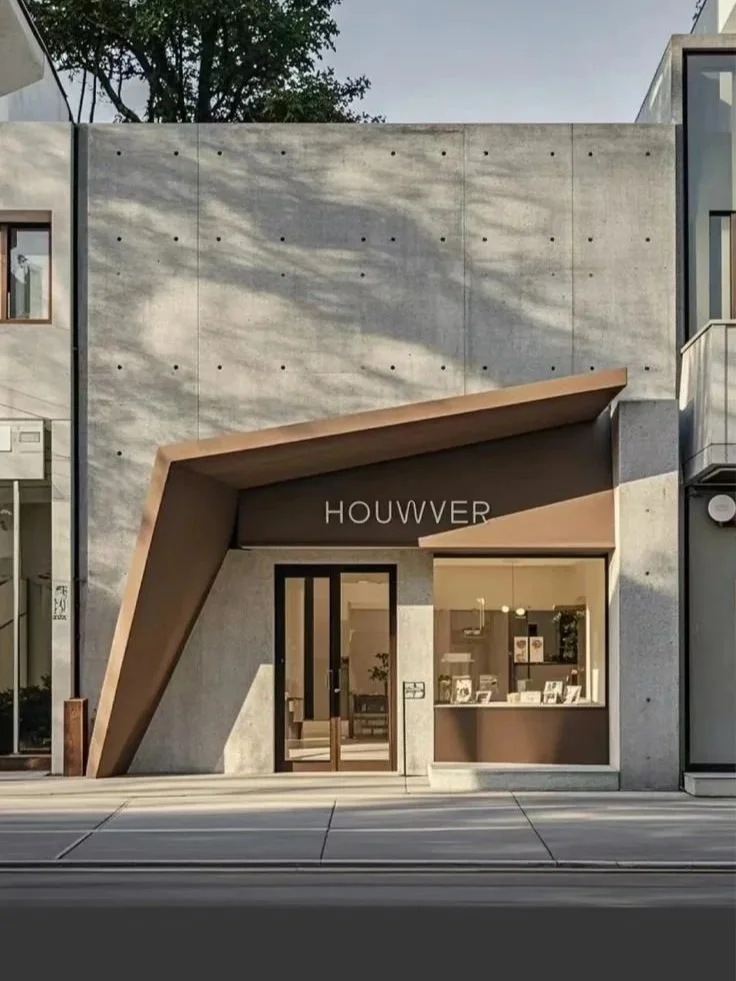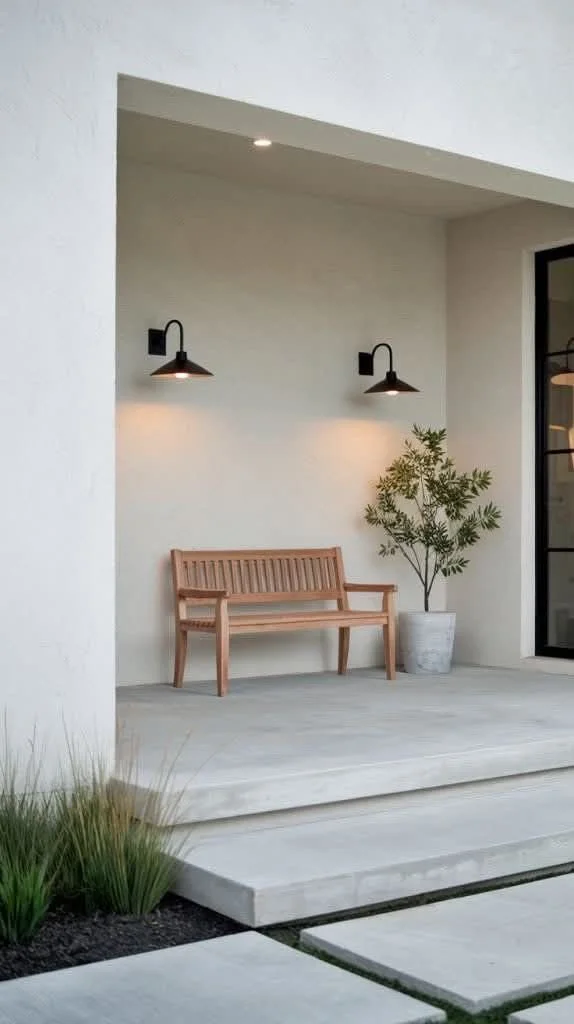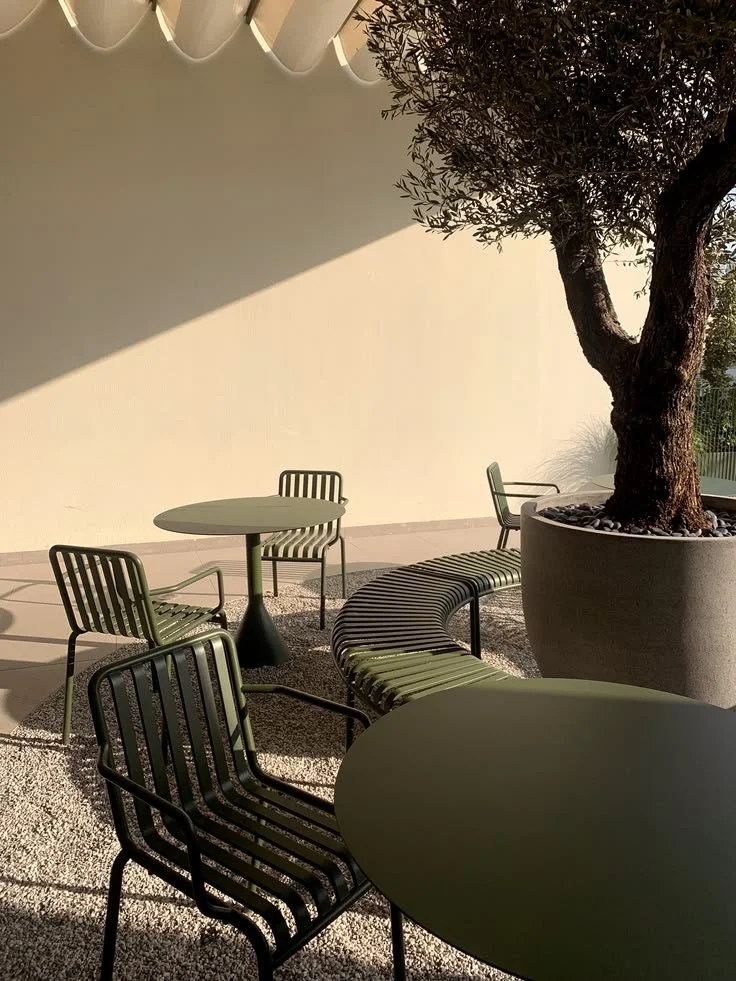
The era of the sterile, fluorescent-lit conference room is fading. For years, the corporate world operated under the assumption that productivity required rigidity. We believed that locking a team in a windowless room with a whiteboard was the best way to generate the next big idea.

However, the modern conscious entrepreneur understands that true innovation rarely happens in a vacuum. It happens when the mind is relaxed, the environment is stimulating, and the team’s collective nervous system is allowed to reset. When we prioritize the human element of business, the results speak for themselves.
Planning a business retreat is no longer just about logistics or quarterly reviews—it is an exercise in intentional design. It’s about curating an experience that nurtures the human beings behind the job titles. When we approach business travel with a mindset of wellness and exploration, we don’t just get better work out of our teams; we get happier, more balanced people who are ready to contribute their best work.
In this article, we’ll explore how space influences innovation, how to choose a destination with purpose, and how to design an itinerary that supports both breakthrough thinking and genuine restoration.
No. 1
The Psychology of Space and Innovation
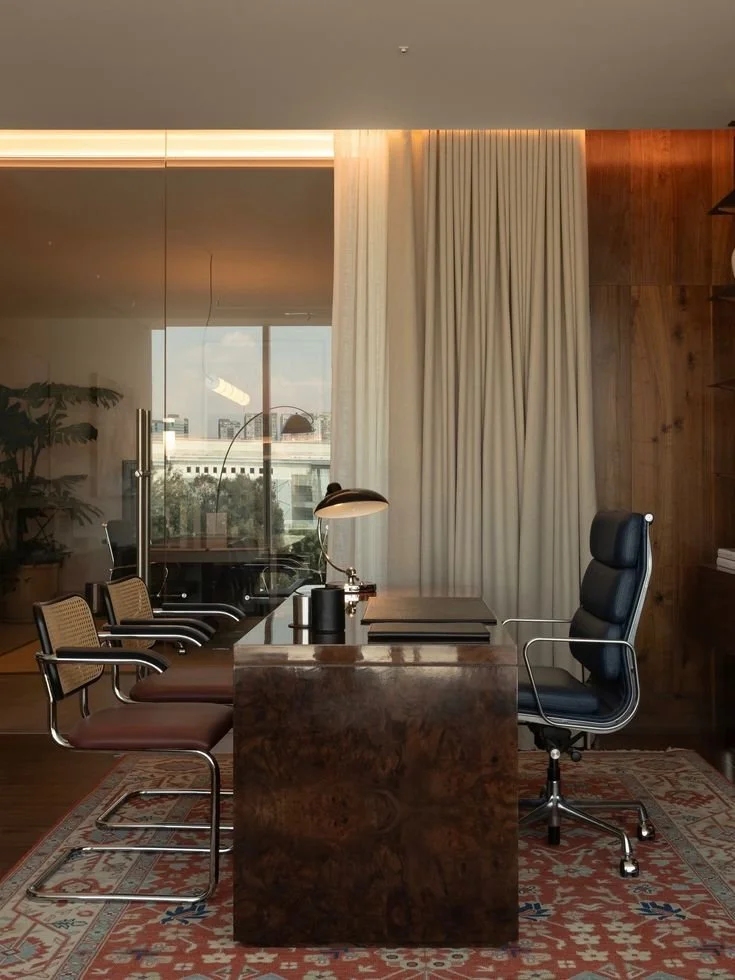
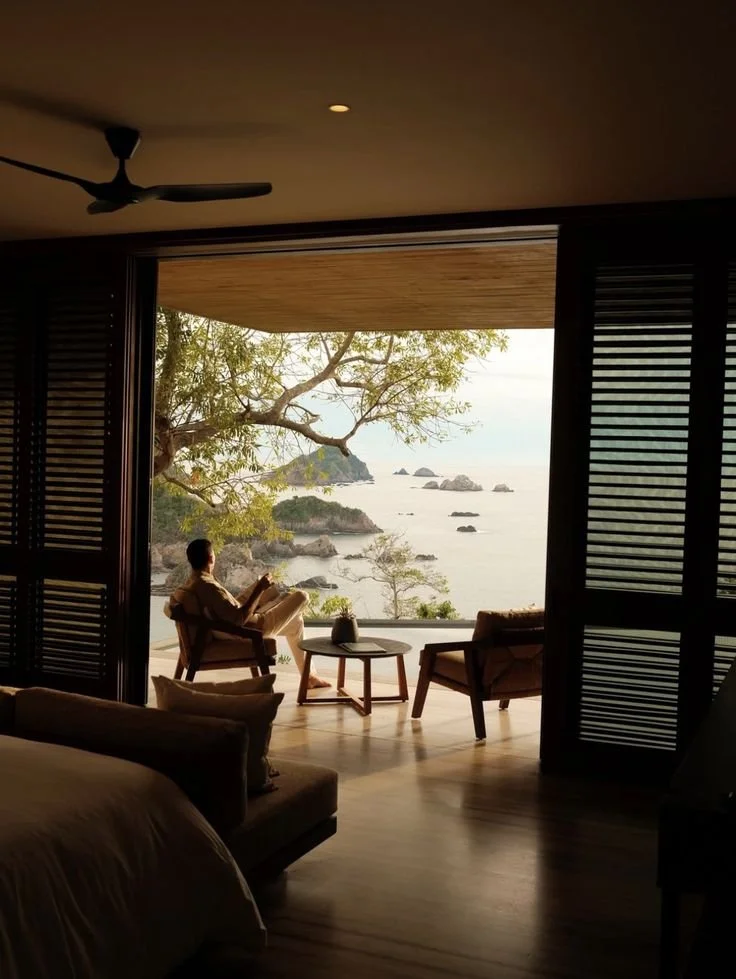
There is a tangible link between our physical surroundings and our cognitive performance. When we remain in the same environment day after day, our thinking patterns tend to loop. We solve problems the same way because we’re looking at the same four walls. To break these loops, we need to change the scenery and introduce new stimuli to our brains.
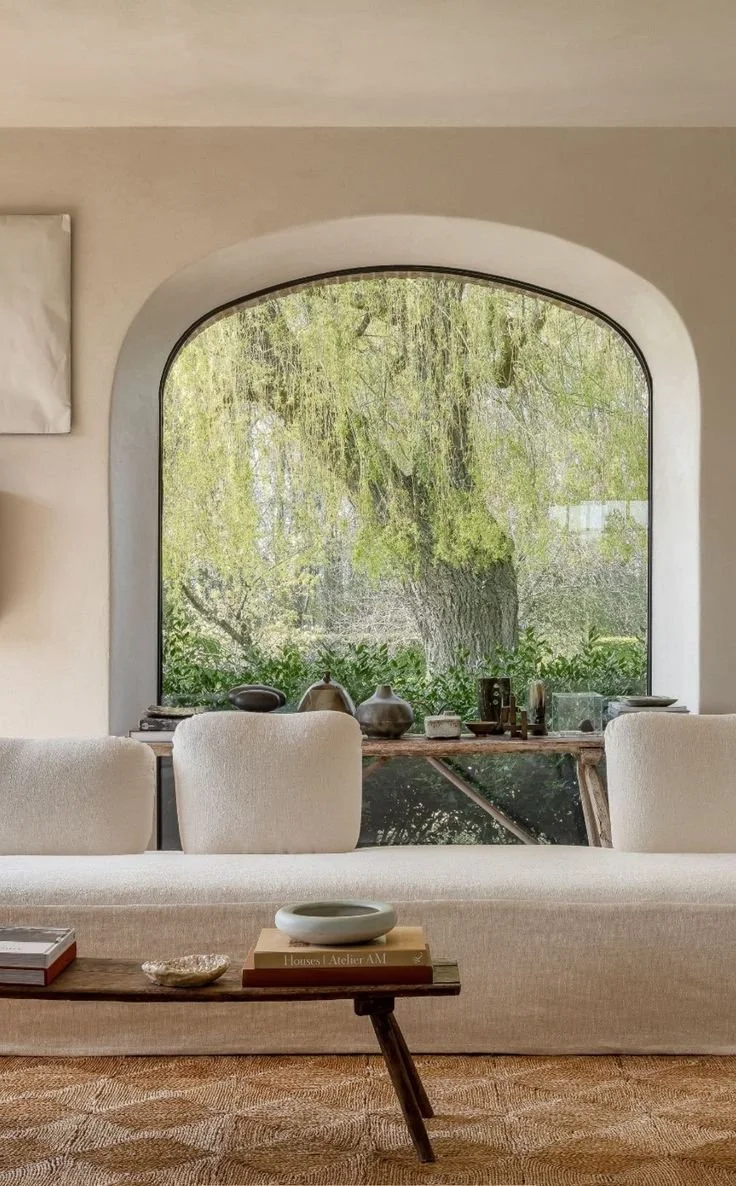
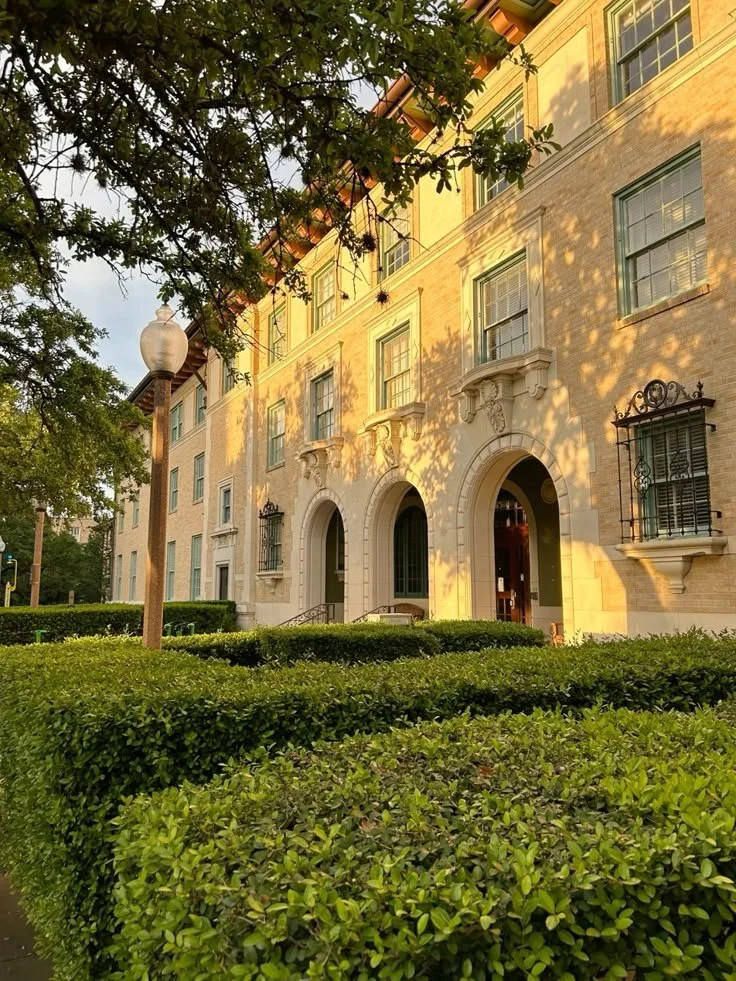
This isn’t just anecdotal; it’s supported by data on how environmental factors influence brain function. Experts at Forbes discuss how to design a workspace that inspires creativity, noting that stimulating settings rich in culture and aesthetic beauty are proven to reignite creative problem-solving. By moving your team to a space that offers openness and novelty, you are literally priming their brains to think differently. A fresh environment acts as a catalyst, sparking new neural pathways that lead to breakthrough ideas.
No. 2
Selecting a Destination with Intention
The first step in planning a conscious retreat is choosing a location that balances energy with serenity. You want a destination that feels alive—offering cultural inspiration just outside the door—but you also need a sanctuary where work can happen without constant distraction. This balance is critical for maintaining flow throughout the retreat.
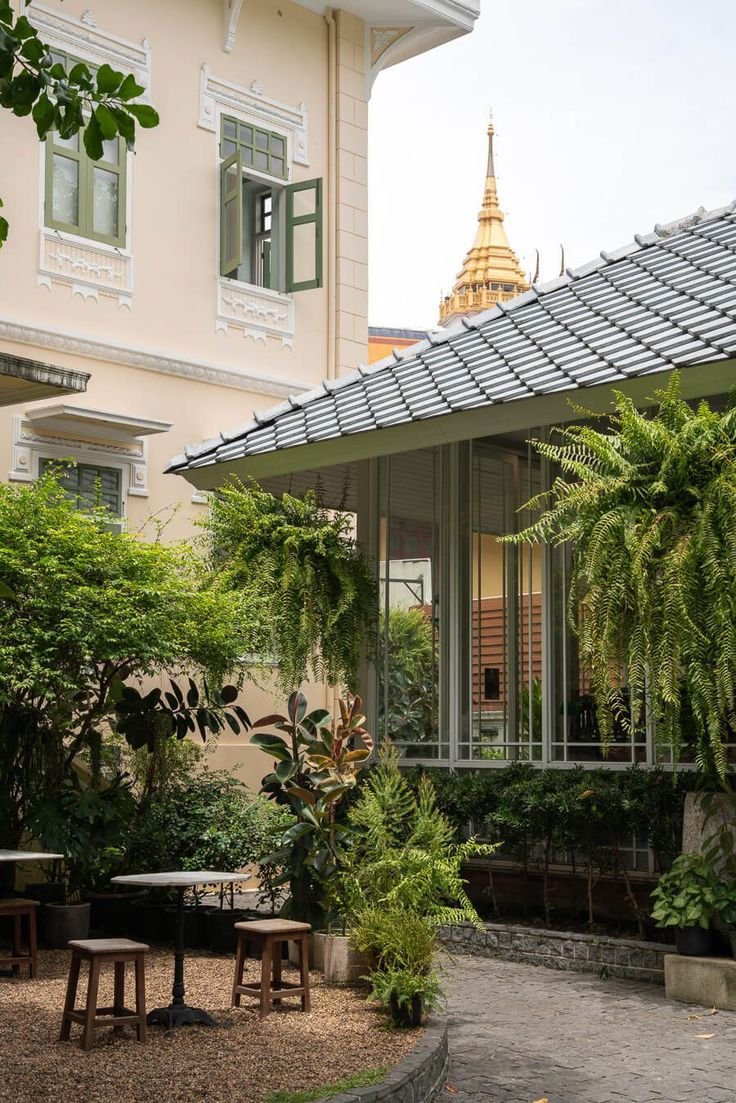
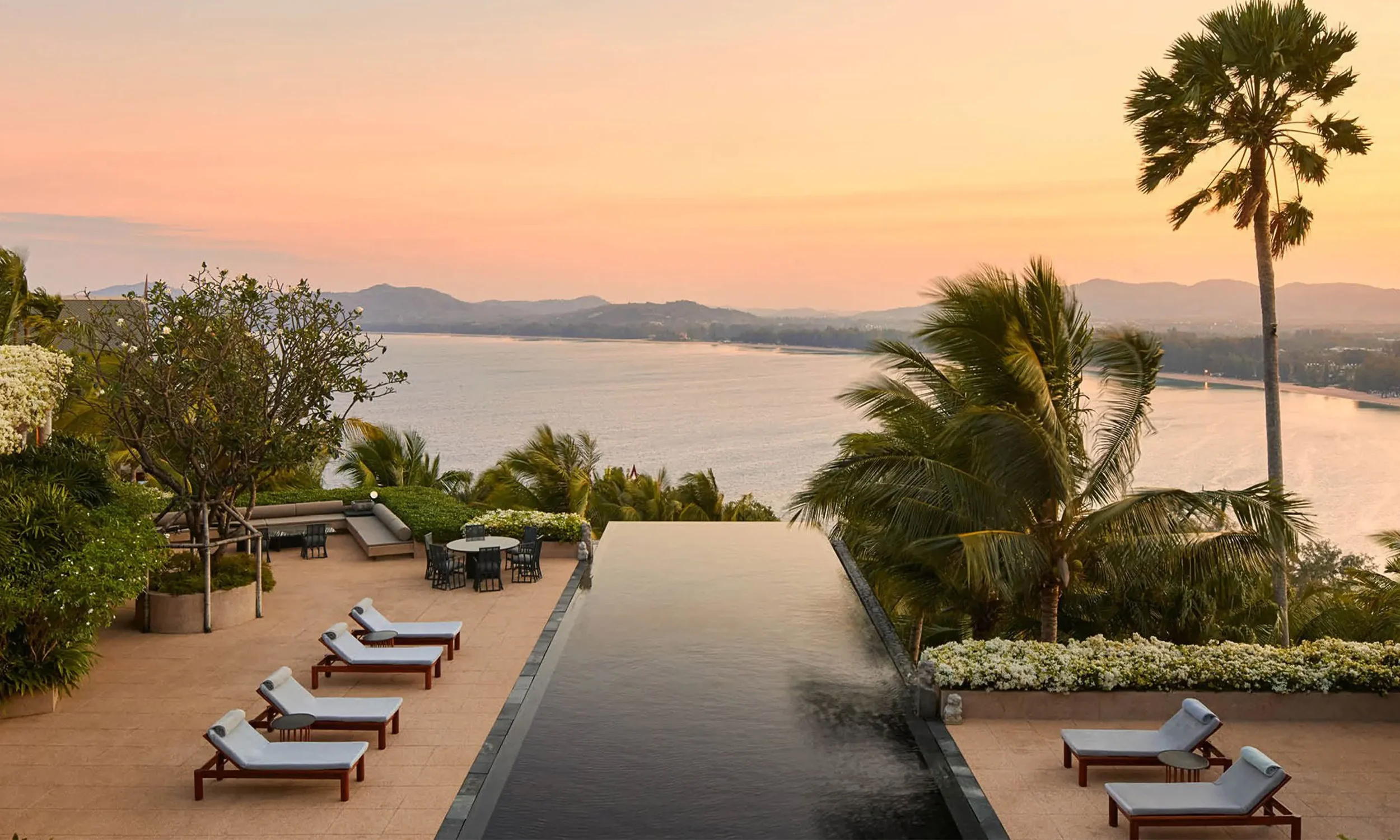
Thailand has become a premier destination for achieving exactly that. The capital city offers a unique blend of chaotic energy and spiritual calm that can be incredibly conducive to brainstorming. When searching for the perfect Venue for meeting in Bangkok, it’s essential to look beyond standard hotel chains. You need a space that understands the nuance of modern business: a place that offers high-tech connectivity for presentations, while also providing aesthetic beauty and comfort for the breaks in between.
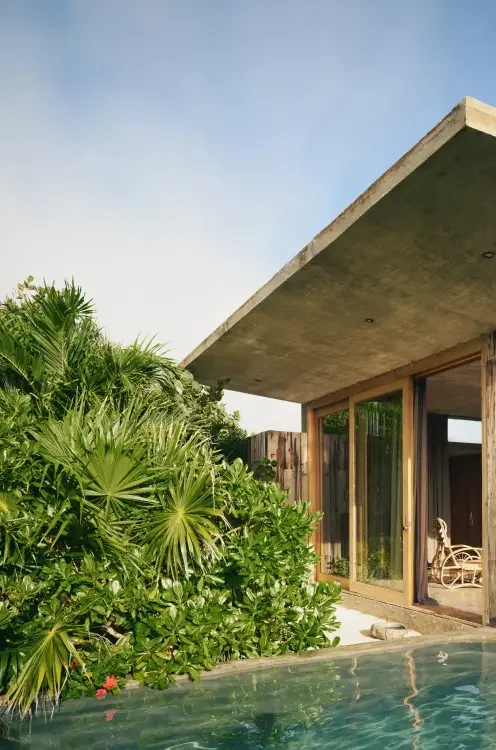
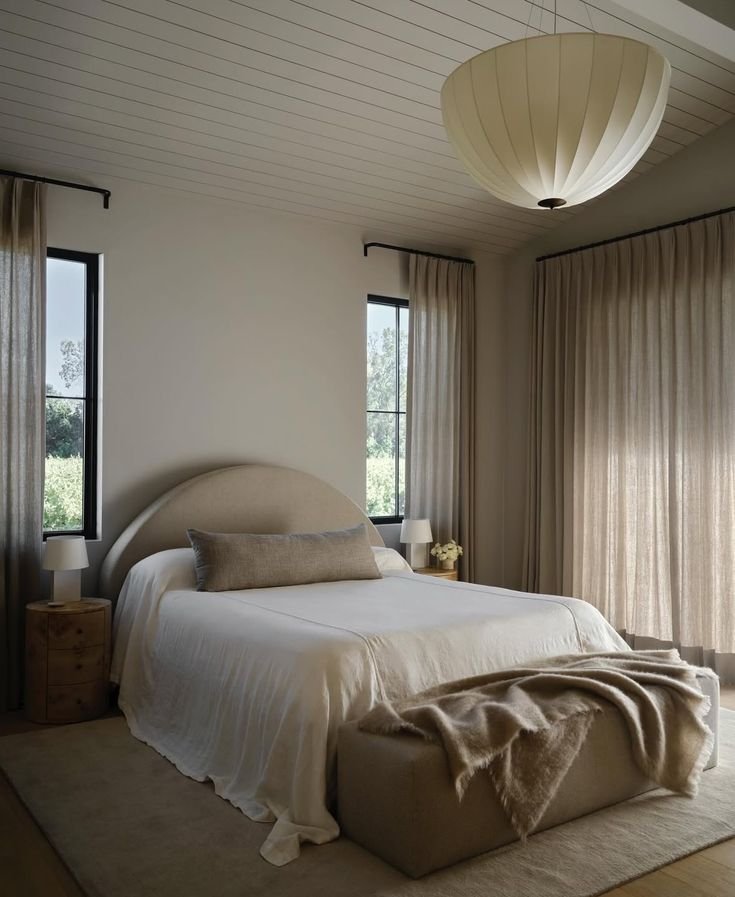
The ideal venue acts as a container for your retreat. It should handle logistics seamlessly so your team can focus fully on the flow of ideas. Whether it’s a ballroom with natural light or an intimate breakout room with plush seating, the physical comfort of the space communicates something powerful: your team’s well-being is valued.
No. 3
Cultivating Clarity for Better Leadership
A retreat is also a crucial opportunity for leadership to step back from the daily grind and reassess the bigger picture. In the rush of daily operations, decision fatigue sets in—leading to reactive choices rather than proactive strategies. Leaders often find themselves putting out fires instead of planting seeds for the future.
Taking time away helps leaders move from a state of stress to a state of clarity. This mental shift is vital for high-level decision-making. A change of scenery does more than refresh the spirit—it creates the mental space leaders need to move beyond reactive habits and, in line with the conscious business principles we advocate, find clarity to make smarter decisions with less stress. By removing the immediate pressures of the office, leaders can review data more objectively and realign their teams with a renewed sense of purpose.
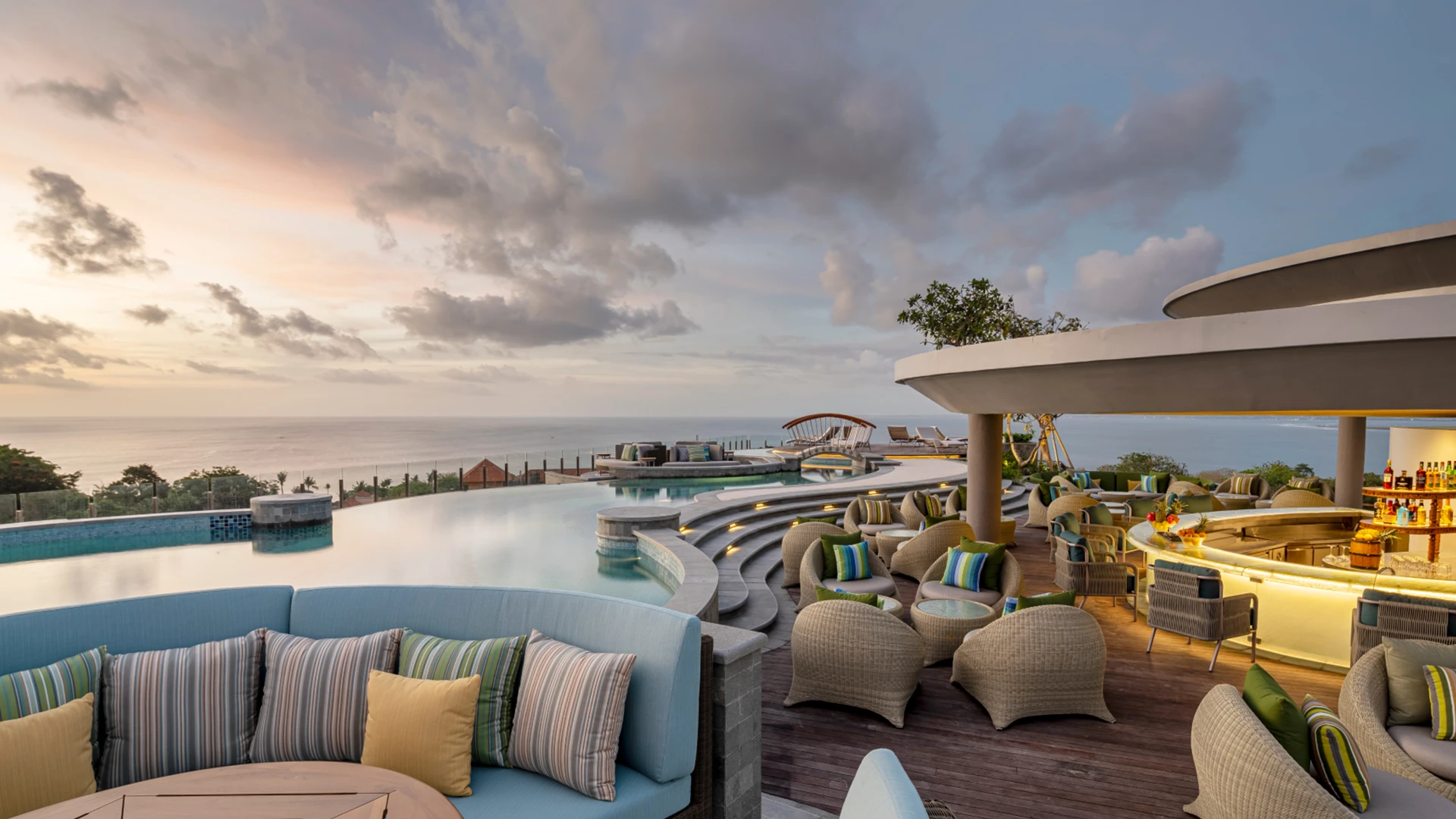
Luxury Escapes
Escape the ordinary. Discover extraordinary travel experiences with Luxury Escapes.
No. 4
Designing a Mindful Itinerary
Once the location and mindset are established, the itinerary must be crafted with care. The mistake many companies make is packing the schedule from 8:00 AM to 8:00 PM with meetings. That approach leads to burnout, not breakthroughs. A conscious retreat schedule should breathe, allowing time for integration and organic connection.
Consider structuring your days to honor both productivity and rest:
The Morning Reset: Start the day with optional movement or mindfulness. This could be a group yoga session or simply a slow breakfast without screens to set a calm tone.
Deep Work Blocks: Schedule your most intensive brainstorming sessions for late morning, when mental energy is typically highest. Keep these sessions focused.
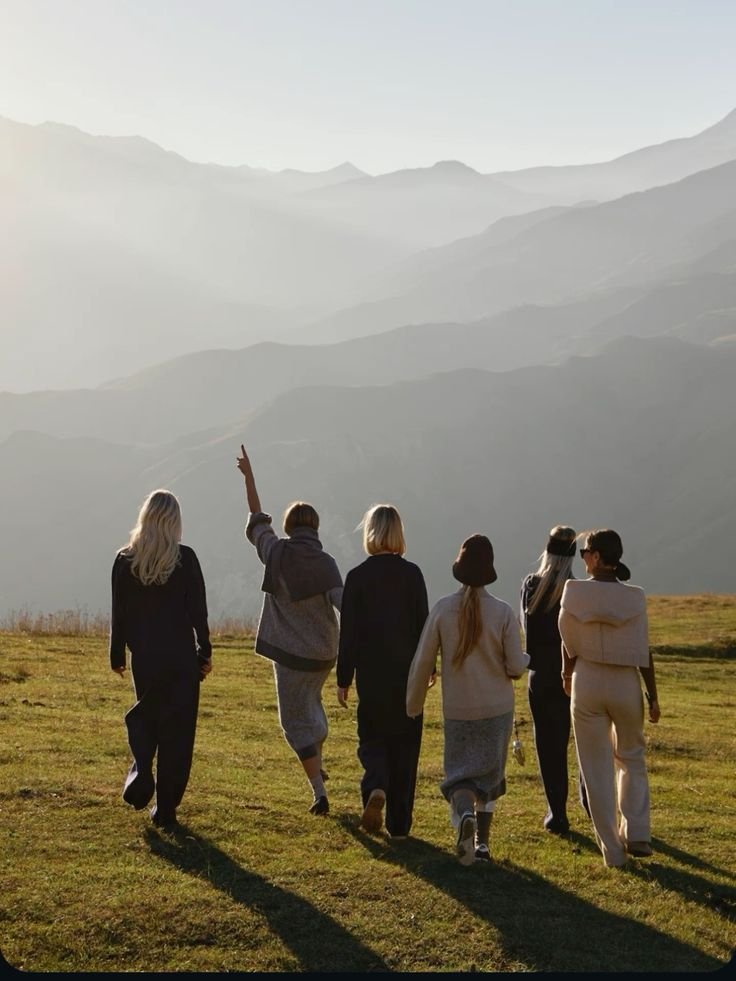
Cultural Immersion: In the afternoon, leave the hotel to explore. Visit a local market, tour a temple, or take a cooking class. These shared experiences build bonds effectively.
Unstructured Downtime: Give your team two hours of complete freedom. Some may want to nap; others may want to swim or read. This downtime is often where the subconscious mind processes ideas.
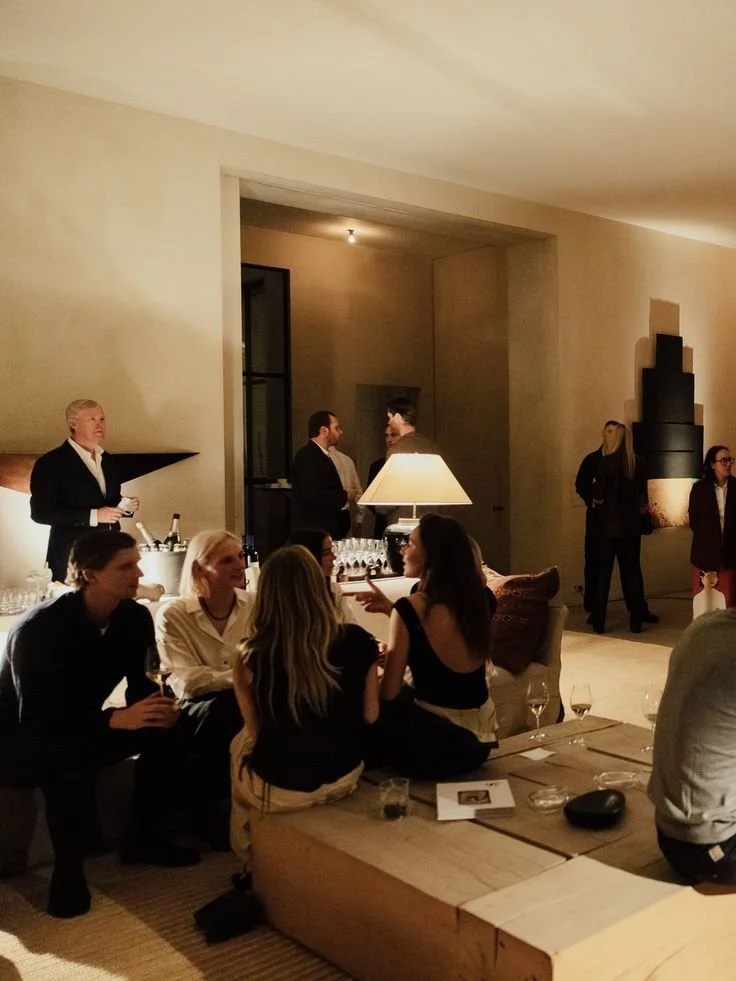
Communal Dining: End the day with a meal that celebrates local flavors. Food is a universal connector, and breaking bread together creates conversations that bridge the personal and professional.
By blending professional objectives with personal well-being, you transform a simple business trip into a pivotal moment for your company culture. It sends a clear message that success isn’t just about the bottom line—it’s also about the vitality of the people who build it.
Takeaways
A creativity-sparking retreat is rarely the result of “more meetings.” It comes from thoughtful design: choosing an environment that stimulates fresh thinking, selecting a destination that balances inspiration with calm, and building an itinerary that protects rest as fiercely as it protects output. When you honor the psychology of space, create room for leadership clarity, and schedule experiences that help people feel genuinely human again, the retreat becomes more than a trip—it becomes a turning point for your team’s energy, cohesion, and vision.
Looking for Business resources?
Are you seeking ways to elevate your business to new heights? Dive into the array of resources provided by our esteemed business partners designed to empower your ventures.