Life can get overwhelming, and it’s easy to feel like stress is just part of the deal. However, taking care of your mental health doesn’t need to be complicated. With a few simple habits, you can create more calm in your day and feel better in the long run.

Stress can show up in many different ways. You might have trouble sleeping, experience mood swings, or even feel physical aches and pains.
The good news is that small changes can make a big impact on how you feel. In this article, let’s explore some practical ways you can reduce stress and support your mental well-being.
No. 1
Make Time for Movement
Exercise is one of the most natural and effective stress relievers. You don’t need to run a marathon or spend hours at the gym to feel the benefits. A short walk, a few stretches, or a quick home workout can help release tension and boost your mood.
Physical activity encourages your body to produce endorphins—those feel-good chemicals that help combat stress. It also gives you a mental break and helps you stay present. Just 20 minutes a day can make a noticeable difference in how you feel.
No. 2
Stick to a Simple Routine
Structure brings comfort and clarity. When your day has a steady rhythm, it becomes easier to manage responsibilities and avoid feeling overwhelmed. Try waking up and going to bed at the same time each day and notice how your energy and focus improve. Regular mealtimes can also create natural pauses for rest and reflection.
Your routine doesn’t have to be rigid. The goal is to build habits that support your well-being. Even a little planning ahead can ease mental pressure and help you feel more in control.
No. 3
Connect with Others
Social connection plays a vital role in mental health. Spending time with family, friends, or neighbors—even if it’s just a quick chat—can lift your spirits and reduce stress.
If you’re feeling isolated, don’t hesitate to reach out. Call someone you trust, join a local group, or participate in community activities. Being heard and supported can make a world of difference.
For those who need more consistent care, professional support can be life-changing. Assisted living facilities, for example, offer personalized services that help individuals manage stress, health challenges, and daily routines in a compassionate, supportive environment.

Circles
A safe place to share
or listen anonymously.
Listen, relate and connect with others
in an audio-only setting that shows
only your first name.
No. 4
Unplug and Recharge
Screens are a big part of modern life, but too much screen time can increase anxiety and disrupt your sleep. Try setting boundaries—especially in the evening—to give your mind a chance to unwind. Take regular breaks during the day to step away from your phone or computer.
Spending intentional time offline—whether gardening, reading, listening to music, or simply sitting outside—can help your mind slow down and recharge.
Takeaways
Your mental health doesn’t have to be a mystery or a burden. By taking small, intentional steps—like moving your body, building a simple routine, connecting with others, and unplugging—you can create more balance, focus, and resilience in your life.
These habits don’t require perfection or massive effort. Just a little consistency and self-compassion can go a long way in helping you feel more grounded and better equipped to handle whatever life throws your way.
Looking for Wellness Resources?
Are you looking to enhance your wellness routine? Explore our wellness partners who offer a wide range of resources to support your journey toward holistic living and well-being.
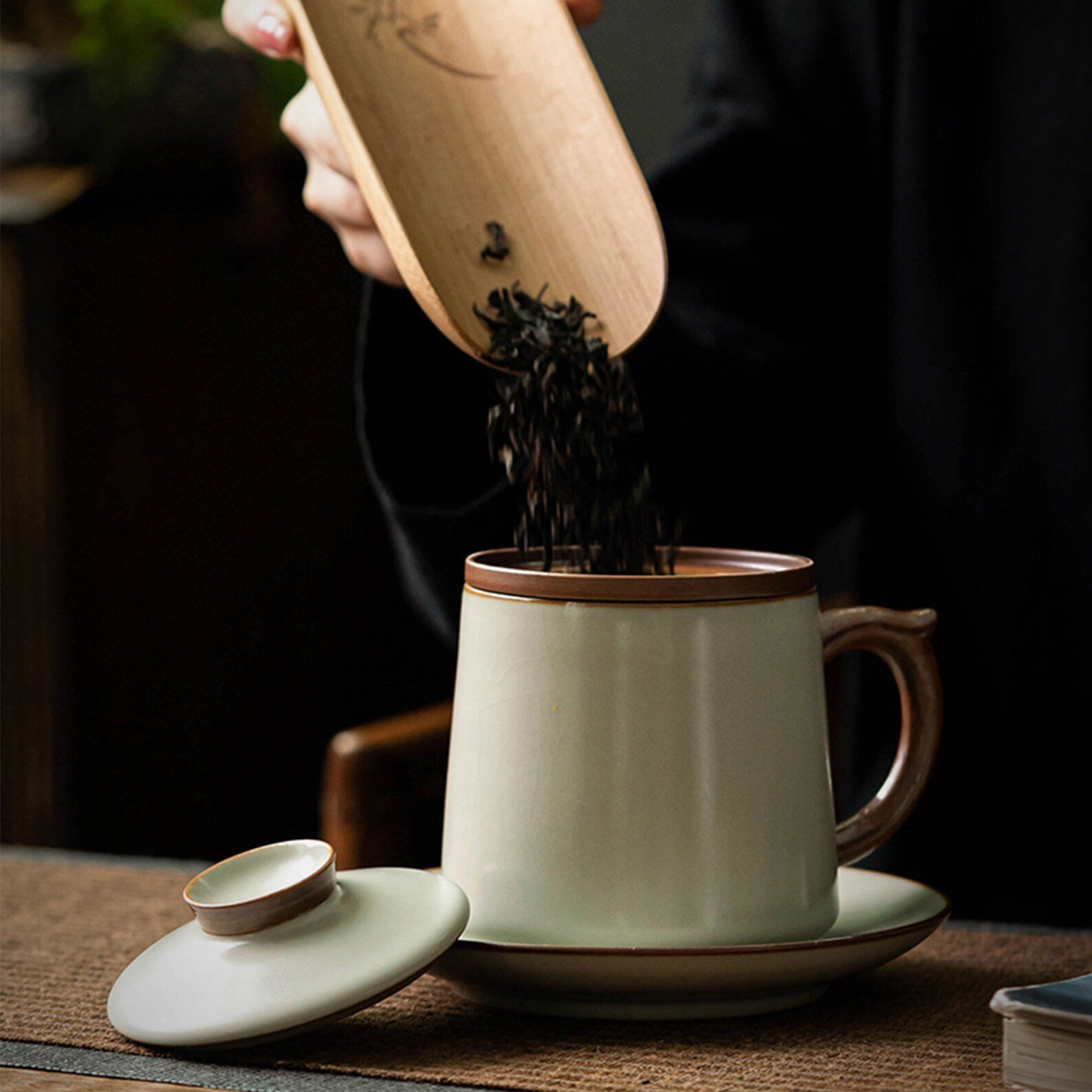
In this article, we will explore how to brew loose-leaf tea simply and consistently using a ceramic tea infuser mug, including how to choose between black, green, and oolong tea, what equipment actually matters, and how to dial in strength and flavour without overthinking the process.

In this article, we will explore how getting into nature benefits your wellbeing, including the most impactful mental and physical health advantages, plus realistic strategies for making time outdoors part of your routine throughout the year.

In this article, we will explore how peptides are reshaping restorative wellness, why they are increasingly discussed in clinical settings, and what safety and regulatory considerations matter most in Australia.

In this article, we will explore practical, respectful ways to help aging parents stay active and independent without becoming overprotective. The aim is to support quality of life through movement, routine, and autonomy, while still recognizing legitimate safety concerns and knowing when professional input is necessary.

In this article, we will explore why low-acid coffee deserves a place in a self-care routine, what actually makes certain coffees less acidic, how that difference can affect digestion and enjoyment, and how to choose and use a low acid option without sacrificing taste or the ritual itself.

In this article, we will explore why people seek honest feedback on Kottakkal medicine for diabetes management, how Ayurveda frames diabetes-related imbalance, what real-world usage patterns commonly look like, and how to approach safety, monitoring, and medical collaboration responsibly.

In this article, we will explore practical, sustainable nutrition tips that help you stay vibrant at any age, including when it makes sense to seek professional guidance, how to build a balanced plate, why hydration is essential, and how fruits and vegetables support long-term wellbeing.

In this article, we will explore what cataracts are, how modern cataract surgery works, which lens options you may be able to choose from, what recovery typically looks like, and when it makes sense to schedule an evaluation.

In this article, we will explore why dental insurance is becoming essential for modern family healthcare, including the rising cost of treatment, the growing recognition of oral-systemic links, and the shift toward more holistic benefits planning.

In this article, we will explore four popular herbal supplement options for supporting everyday liver wellness, compare how they are formulated and labeled, and outline a simple framework for evaluating products in a way that is realistic, safety-minded, and easy to apply.

In this article, we will explore how misaligned teeth can interfere with daily cleaning, contribute to decay and gum disease, influence jaw health, complicate chewing and digestion, affect speech, and, in some cases, relate to breathing and sleep quality.
In this article, we will explore why there is no single “best” diet for Crohn’s disease, what factors actually determine food tolerance, and how to build a more reliable, individualized approach that evolves with symptoms over time.

In this article, we will explore the hidden pitfalls that derail low carb meal plans early, along with practical, sustainable fixes that help you stay consistent well past the initial burst of motivation.

In this article, we will explore why a complete, properly sequenced microneedling treatment plan matters, what professional follow-up should look like, and how thoughtful aftercare supports smoother healing and longer-lasting results.

In this article, we’ll explore how to manage dark circles and what to do when skincare is not enough to resolve the issue.

In this article, we will explore what collagen does, why it decreases, how that shows up on your face, and what you can do through lifestyle, nutrition, skincare, and targeted treatments to support firmer, healthier-looking skin over time.

In this article, we will explore how to look after your teeth through every stage of life, with practical, age-appropriate guidance to help prevent decay, gum disease, enamel wear, and avoidable dental emergencies.

In this article, we will explore practical wellness habits that fit a busy work life, with a focus on small actions that improve energy, focus, and resilience without demanding large blocks of time.
In this article, we will explore how to plan for recovery without money panic by breaking rehab expenses into understandable parts, learning what questions to ask, and identifying realistic ways to reduce out-of-pocket costs.

In this article, we will explore why a radiant smile is one of the most powerful beauty assets you can develop, how it shapes facial harmony and first impressions, and what practical steps can help you restore and maintain smile confidence for the long term.

In this article, we will explore how modern hair restoration has evolved to prioritize natural-looking results alongside a faster, more comfortable recovery that better fits real life.

In this article, we will explore how life-saving education supports a deeper, more durable form of wellness, one rooted in capability, preparedness, and community care.

In this article, we will explore how reflexology works, the principles behind reflex points, the ways foot-focused care may support stress management and energy levels, and practical methods for integrating reflexology-inspired habits into everyday life.

In this article, we will explore why chronic dry mouth matters, how to spot subtle warning signs, what may be causing the problem, and what modern evaluation and treatment can look like.

In this article, we will explore what testosterone does in a man’s body, why healthy levels matter, what symptoms can signal a problem, and how to support optimal production through evidence-based habits.

In this article, we will explore the potential benefits of nattokinase and serrapeptase for skin repair, with a specific focus on how these enzymes may support the body’s response to pilonidal cysts.
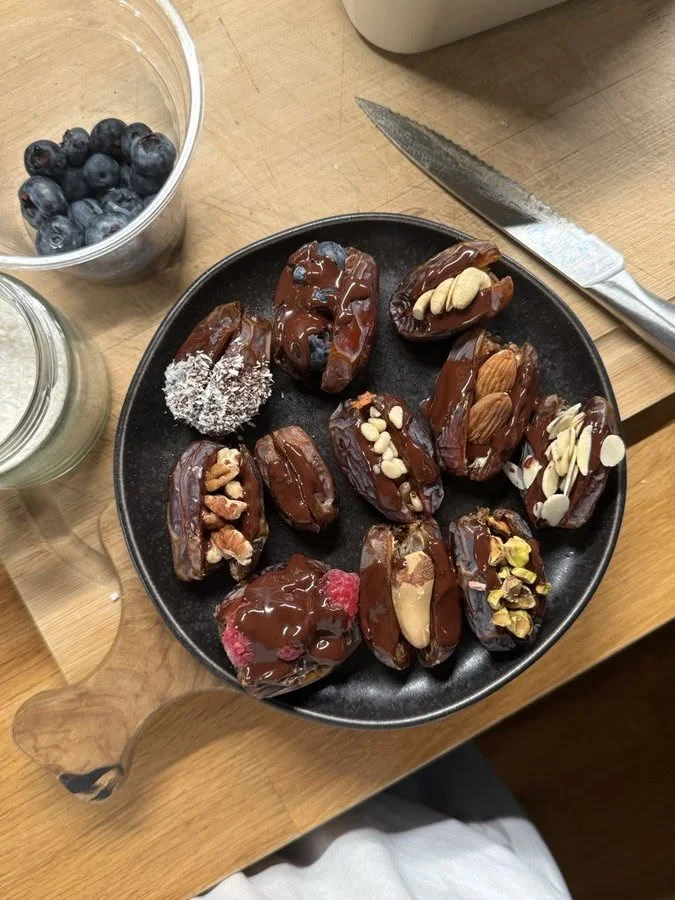
In this article, we will explore how a realistic Sunday meal prep routine can support older adults with better nutrition, easier weekdays, and less food waste, without turning the kitchen into an exhausting “batch-cook marathon.”

In this article, we will explore the key signs that knee problems may require more than rest, pain relief, or minor adjustments, and when it may be time to discuss knee replacement surgery with a specialist.

In this article, we will explore how to build a practical routine that supports your skin’s comfort and resilience, without relying on complicated steps or unrealistic “miracle” fixes.
In this article, we will explore how to build a routine that fits your real life, supports your energy and responsibilities, and stays flexible enough to survive busy days without collapsing.