The Sound Of Success: Healthy Lifestyle Tips For Musicians

Whether you’re a professional performer or a passionate hobbyist, music is likely more than just a pastime—it’s a core part of your identity. It fuels your creativity, provides emotional release, and connects you with others on a deep level. But while music offers countless benefits, it also comes with unique physical, mental, and lifestyle challenges that can impact your overall well-being.



In this article, we’ll explore practical and powerful ways to align your lifestyle with the demands of being a musician. From protecting your hearing and physical health to managing stress and financial uncertainty, these wellness strategies are designed to help you thrive both on and off the stage.

No. 1

Start with Hearing Health

Unless you’re Beethoven reincarnated, your hearing is one of your most valuable assets as a musician. Yet, constant exposure to loud environments—rehearsals, performances, and even studio sessions—can lead to gradual hearing loss if not managed properly.

Key steps to protect your hearing:

  • Wear ear protection: Use high-fidelity earplugs or custom ear defenders during performances and practice sessions.

  • Limit exposure: Take breaks from loud environments and avoid prolonged exposure to high decibel levels.

  • Monitor your hearing: Schedule regular hearing tests to detect early signs of damage.

  • Consider musician-specific hearing aids: If hearing loss occurs, special features for musicians can help you continue detecting a wide range of pitches and tones.

Proactively protecting your hearing ensures that you can continue to enjoy and create music for years to come—without compromise.

No. 2

Protect Your Human Instruments

As a musician, your body is your most important tool. Whether you sing or play an instrument, certain parts of your body require extra care and attention to stay in peak condition.

For vocalists:

  • Hydrate consistently: Drink plenty of water and herbal teas to keep your vocal cords lubricated.

  • Avoid strain: Refrain from yelling or speaking loudly for extended periods.

  • Warm up and cool down: Gentle vocal warm-up exercises before and after singing sessions help prevent injury.

For instrumentalists:

  • Strengthen your hands: Use targeted exercises to build endurance and dexterity.

  • Watch for warning signs: Tingling or numbness could indicate early stages of repetitive strain injuries or arthritis.

  • Use proper technique: A lighter grip and relaxed posture can reduce tension and prevent long-term damage.

  • Take breaks: Regular rest intervals during practice sessions are essential for muscle recovery.

Your body is your instrument—treat it with the same care and respect you give to your music.

No. 3

Establish Healthy Routines

Musicians often lead unconventional lives, especially when touring or recording late into the night. While spontaneity fuels creativity, structure and balance are essential for long-term health.

Build a routine that supports your lifestyle:

  • Limit alcohol: Reducing consumption helps protect your vocal cords and prevents lost productivity due to hangovers.

  • Prioritize nutrition: Fuel your body with whole foods, lean proteins, and plenty of fruits and vegetables.

  • Maintain regular sleep: Even if your hours are unconventional, consistency is key to supporting your circadian rhythm.

  • Exercise regularly: Whether it’s yoga, running, or bodyweight workouts, movement supports both physical and mental health.

  • Take social media breaks: Protect your mental space from negativity and overstimulation, especially if you have a public profile.

Incorporating mindfulness practices such as meditation or journaling can also help you stay grounded and inspired.


hellolovelyliving vitacost

Vitacost

Save big on vitamins, supplements, and healthy essentials at Vitacost – your one-stop shop for wellness!


No. 4

Prepare for Financial Challenges

For professional musicians, financial uncertainty is a very real concern. Injuries, illnesses, or shifts in public interest can quickly disrupt your income. Planning ahead can help you navigate these challenges with confidence.

Smart financial strategies for musicians:

  • Invest in insurance: Health and income protection policies can offer peace of mind.

  • Diversify your income: Consider tutoring, podcasting, music reviews, or selling merchandise as supplemental revenue streams.

  • Save for emergencies: Build a financial cushion to weather unexpected setbacks.

  • Protect your gear: Insure your instruments and equipment to avoid costly replacements.

Financial stability reduces stress and allows you to focus on your craft without fear of sudden disruptions.

No. 5

Adapt to Your Life Schedule

The life of a musician doesn’t follow a 9-to-5 routine. Late-night gigs, travel, and irregular hours are part of the package. That’s why it’s crucial to adapt your wellness habits to fit your unique schedule.

Tips for staying balanced on the go:

  • Stay connected: Regular check-ins with loved ones can offer emotional support and motivation.

  • Customize your sleep: Even if your sleep hours differ from others, maintaining a consistent pattern is vital.

  • Find portable workouts: Embrace flexible fitness options like running, cycling, or yoga that can be done anywhere.

  • Schedule downtime: Take intentional breaks from music to rest, recharge, and reignite your passion.

Burnout is a real risk in creative professions. Giving yourself permission to rest is not a weakness—it’s a strategy for longevity.

Takeaways

Being a musician is a beautiful, demanding, and deeply fulfilling journey. But to sustain your creativity and performance over time, you must treat your health as a priority—not an afterthought.

In this article, we’ve explored how to build a lifestyle that supports both your artistic ambitions and your personal well-being. From protecting your hearing and physical health to managing stress, finances, and unconventional schedules, these strategies are designed to help you thrive in every aspect of your life.

Remember, your music is a gift—but it’s one that depends on the health and harmony of the person behind the instrument. By nurturing your body, mind, and spirit, you’re not just preserving your ability to perform—you’re elevating the quality of your life.

And that, truly, is music to your ears.

Looking for Business resources?

Are you seeking ways to elevate your business to new heights? Dive into the array of resources provided by our esteemed business partners designed to empower your ventures.


Learn more


business, wellnessHLL x Editor


Creating A Calmer Life By Simplifying Your Health Routine

In today’s fast-paced world, health often feels like one more thing on an already overwhelming to-do list. Between endless advice, new wellness trends, and conflicting information, it’s easy to feel like staying healthy is a full-time job. But the truth is, your health is something to be consistently mindful of, and the best results often come from simple, sustainable habits—not complicated routines.


In this article, we’ll explore how simplifying your health routine can help you feel more in control of your life, reduce stress, and build a foundation for long-term well-being. Whether you’re already in good health or just beginning to prioritize it, these high-impact habits will help you eliminate the unnecessary complexity and focus on what truly matters.

No. 1

Streamline Your Nutrition

Nutrition is the cornerstone of good health, but it doesn’t have to be complicated. Forget the endless calorie tracking, restrictive fad diets, and overwhelming meal plans. Instead, focus on the basics and build a routine that’s easy to maintain.

Practical ways to simplify your nutrition:

  • Stick to whole foods: Prioritize fruits, vegetables, lean proteins, and whole grains.

  • Repeat meals: Create a rotation of simple, nutritious meals that you enjoy and can prepare quickly.

  • Hydrate consistently: Carry a reusable water bottle and aim to drink throughout the day.

  • Cut back on sugary and high-caffeine drinks: Replace them with herbal teas, sparkling water, or infused water.

The goal is to remove the mental load of decision-making and make healthy eating feel natural—not forced. When your meals are simple and satisfying, you’re more likely to stick with them long term.

No. 2

Simplify Movement

Exercise doesn’t need to be intense or time-consuming to be effective. In fact, natural, consistent movement can be more beneficial than sporadic high-intensity workouts. The key is to integrate activity into your daily life in ways that feel enjoyable and sustainable.

Easy ways to move more every day:

  • Walk whenever possible: Take the stairs, walk the dog, or stroll during breaks.

  • Choose activities you enjoy: Whether it’s dancing, swimming, yoga, or gardening, movement should feel like a reward—not a punishment.

  • Be consistent: A 20-minute walk every day is more effective than a 90-minute workout once a week.

  • Listen to your body: Rest when needed and avoid pushing through pain or fatigue.

When movement becomes part of your lifestyle, it’s easier to maintain—and more beneficial to your overall well-being.

No. 3

Optimize Your Sleep

Sleep is one of the most powerful tools for healing and restoring your body and mind. Yet, it’s often the first thing we sacrifice when life gets busy. By creating a simple, consistent sleep routine, you can dramatically improve your energy, mood, and health.

Tips for better sleep:

  • Stick to a schedule: Go to bed and wake up at the same time every day—even on weekends.

  • Create a calming bedtime ritual: Read, stretch, meditate, or listen to soothing music to help your body wind down.

  • Design a sleep-friendly environment: Use blackout curtains, keep your room cool, and eliminate noise and light distractions.

  • Avoid screens before bed: Blue light from phones and computers can interfere with your natural sleep cycle.

The more quality sleep you get, the more refreshed and resilient you’ll feel each morning.


hellolovelyliving hurom

Hurom

Experience the power of slow juicing with Hurom – fresh, nutritious, and full of flavor!


No. 4

Simplify Mental Health Practices

Mental health is just as important as physical health, and simplifying your approach to it can make a big difference. Rather than trying to overhaul your entire mindset overnight, focus on small, consistent practices that support emotional balance and clarity.

Ways to support your mental well-being:

  • Schedule daily quiet time: Even 10 minutes of stillness or reflection can help you reset.

  • Practice mindfulness: Use meditation apps, journaling, or deep breathing exercises to stay grounded.

  • Seek professional support: Whether it’s therapy, counseling, or specialized care such as Suboxone clinics, don’t hesitate to reach out.

  • Limit mental clutter: Reduce your exposure to negative news, toxic social media, or overwhelming commitments.

Mental clarity often comes from simplifying your environment and focusing on what truly nurtures your well-being.

Takeaways

Health doesn’t need to be complicated to be effective. In this article, we’ve explored how simplifying your approach to nutrition, movement, sleep, and mental wellness can help you feel more in control, less stressed, and more aligned with your goals.

By focusing on high-impact, low-effort habits, you can create a routine that supports your well-being without overwhelming your schedule. Think of your health routine as a foundation—not a burden. When it’s built on simplicity, consistency, and mindfulness, it becomes a source of strength and calm in your life.

So take a deep breath, let go of the pressure to do it all, and start with what matters most. Your future self will thank you.

Looking for Wellness resources?

Are you looking to enhance your wellness routine? Explore our wellness partners who offer a wide range of resources to support your journey toward holistic living and well-being.

Learn more


wellnessHLL x Editor


What Insurance Companies Don’t Want You To Know After An Accident

Accidents don’t just cause physical pain—they disrupt your entire life. One moment you’re going about your day, and the next, you’re dealing with doctors, unexpected medical bills, emotional trauma, and a constant loop of “what ifs.” In the midst of that chaos, insurance companies move swiftly—not to help you, but to protect their bottom line.


In this article, we’ll uncover the silent strategies insurance companies use to minimize payouts and pressure you into quick settlements. More importantly, we’ll show you how to protect yourself, your rights, and your future. If you’ve been injured in an accident, understanding these tactics could be the difference between a fair recovery and a lifetime of regret.

No. 1

Every Delay Helps Them, Not You

After an accident, it’s easy to think you have time to sort things out. You might believe there’s no rush to file paperwork or document your injuries. That’s exactly what insurance companies are hoping for.

Why delays work in their favor:

  • Evidence fades: The longer you wait, the harder it becomes to prove the accident caused your injuries.

  • Doubt increases: They can argue that your injuries were caused by something else entirely.

  • You’re more likely to settle: When you're overwhelmed, a lowball offer might seem like the easiest way out.

Time is a powerful tool—and in the hands of an insurance company, it becomes a weapon. Every hour you delay gives them more leverage and weakens your claim.

No. 2

They’re Gathering Information — to Use Against You

Insurance adjusters are trained to sound calm, friendly, and helpful. They’ll ask questions that seem harmless, even compassionate:

  • “How are you feeling today?”

  • “Is there anything you think you could have done differently?”

  • “Were you on any medication at the time?”

These aren’t casual check-ins—they’re calculated prompts designed to gather statements that can later be used to discredit your claim.

How your words can be twisted:

  • Saying “I’m okay” can be used to suggest your injuries aren’t serious.

  • Admitting fault, even slightly, can reduce or eliminate your compensation.

  • Mentioning medication might be used to imply impairment or negligence.

This is where having dedicated personal injury lawyers becomes critical. With legal support, you’re no longer alone in the room—and you’re no longer vulnerable to manipulation.

No. 3

The First Offer Is Designed to Look Good… and Be Wrong

It’s no coincidence that insurance companies often present a settlement offer quickly. They know you’re stressed, possibly out of work, and facing mounting bills. A lump sum can feel like a lifeline.

But here’s the truth: that first offer is rarely fair.

What the initial settlement often fails to cover:

  • Ongoing physical therapy and rehabilitation

  • Future surgeries or medical procedures

  • Lost wages from extended recovery time

  • Chronic pain or long-term disability

  • Emotional distress and reduced quality of life

Once you accept a settlement, it’s final. There’s no going back, even if your condition worsens or new costs arise. The insurance company walks away, but you’re left to carry the burden.


hellolovelyliving intelligent change

Intelligent Change

Join over 2 Million people starting every day happier with products that elevate daily life.

GET 10% OFF YOUR ORDER

Use code:

CRISTINAA10


No. 4

You’re Not Being Difficult. You’re Protecting Yourself

It’s important to understand that insurance companies are not inherently evil—but they are businesses. And like any business, their goal is to protect profits. That means minimizing payouts wherever possible.

But you have every right to protect your own interests, too.

How to safeguard your future:

  • Document everything: Photos, medical records, witness statements—keep it all.

  • Follow medical advice: Skipping appointments or ignoring treatment plans can hurt your claim.

  • Don’t rush decisions: Take your time, consult professionals, and don’t let stress dictate your choices.

You’re not being unreasonable by asking questions, seeking legal help, or refusing a low offer. You’re doing what’s necessary to ensure your recovery is fully supported.

Takeaways

Accidents are traumatic enough without the added stress of navigating insurance claims. In this article, we’ve exposed the silent strategies insurance companies use to protect themselves—delays, leading questions, and quick settlements designed to close your case before the real costs are known.

But now you know the truth:

  • Time is not your friend unless you act quickly.

  • Friendly adjusters are not on your side.

  • That first offer is rarely the best one.

  • You have every right to stand up for yourself.

If you’ve been injured, don’t go it alone. Seek professional legal guidance, document your experience thoroughly, and remember—you deserve a process that supports your healing, not one that rushes you into silence.

Your recovery is worth fighting for. Don’t let anyone convince you otherwise.

Looking for resources?

At Hello Lovely Living, we aim to empower you to earn and save money and time while benefiting from our expansive network of home, life, wellness, travel, work-from-home, career, and business resources and opportunities. Discover a wealth of tools to support your journey.

Learn more


lifestyleHLL x Editor


How Recognition And Innovation Help Businesses Grow Stronger

Growth doesn't happen by accident—it’s the result of intentional leadership, engaged employees, and a culture that values both people and progress. In today’s fast-paced business landscape, companies that thrive are those that understand the importance of empowering their teams while staying open to change. Two key drivers of this success are employee recognition and innovation.


In this article, we’ll explore how acknowledging your team’s contributions and fostering a mindset of innovation can transform your workplace. By connecting appreciation with adaptability, you can create an environment where growth feels organic, not forced—and where people are inspired to give their best every day.

No. 1

The Power of Appreciation

At the heart of every successful business is a team of people who want to feel seen, heard, and valued. Most employees aren’t just working for a paycheck—they want to know that their efforts matter. That’s why employee recognition should never be treated as a luxury or a bonus. It's a foundational tool for building loyalty, motivation, and a sense of purpose within your team.

Simple, impactful ways to show appreciation:

  • A sincere thank-you during a team meeting

  • A handwritten note recognizing a job well done

  • A personalized email highlighting specific contributions

  • Public recognition in a company newsletter or Slack channel

The key is authenticity. When appreciation feels genuine, it fuels energy, focus, and pride. Companies that embed recognition into their culture often see:

  • Stronger teamwork

  • Higher employee retention

  • Increased productivity

  • Greater job satisfaction

It doesn’t require a massive budget—just a consistent commitment to valuing your people. And the return on that investment is immeasurable.

No. 2

Innovation as a Mindset

While recognition keeps employees engaged, innovation ensures your business stays relevant. In an era where technology evolves rapidly and market demands shift constantly, adaptability is no longer optional—it’s essential. But innovation doesn’t always mean reinventing the wheel. Often, it’s about improving what already exists.

A compelling example comes from Spatial, a company that designs advanced cabin crew and pilot training simulators. Their innovation lies not in disruption, but in refinement—blending engineering precision with real-world usability to help airlines train more safely and efficiently.

How to cultivate an innovation mindset:

  • Encourage curiosity and continuous learning

  • Create space for experimentation and risk-taking

  • Embrace feedback loops to refine ideas

  • Reward creative problem-solving

Innovation is about asking better questions, testing new tools, and learning from the outcomes. When employees feel empowered to explore and iterate, they become active contributors to the company’s evolution.

No. 3

Connect People and Progress

At first glance, recognition and innovation might seem like separate goals. But in reality, they are deeply interconnected. When employees feel appreciated, they are more likely to share ideas. When those ideas are taken seriously, it reinforces their sense of value—and the cycle continues.

Ways to link recognition with innovation:

  • Solicit open feedback from frontline employees who know the day-to-day challenges

  • Reward suggestions that lead to process improvements

  • Celebrate experimentation, even when the outcome isn’t perfect

  • Create forums for idea-sharing, such as innovation challenges or suggestion boxes

Some of the best innovations come from those who are closest to the work. They see inefficiencies that leadership might overlook. By giving them a voice—and recognizing their input—you create a culture where progress is a shared mission.


hellolovelyliving monday.com

Your go-to work platform - streamline workflows and gain clear visibility across teams to make strategic decisions with confidence.


No. 4

Lead With Consistency

Both appreciation and innovation thrive under consistent leadership. It’s not enough to celebrate wins once in a while or ask for feedback sporadically. Leaders must show up with steady communication, transparency, and follow-through.

Hallmarks of consistent leadership:

  • Regular recognition of individual and team achievements

  • Clear communication about changes and the reasons behind them

  • Follow-up on employee suggestions and feedback

  • Visible commitment to continuous improvement

When leaders combine gratitude with curiosity, they create an environment where trust flourishes. Employees feel safe to speak up, take initiative, and grow. And businesses benefit from a culture that naturally adapts to change.

Takeaways

Strong businesses are built on two essential pillars: valuing people and pursuing improvement. Recognition fuels engagement, while innovation drives relevance. Together, they create a workplace where growth isn’t something you chase—it’s something that happens naturally.

In this article, we’ve explored how appreciation and innovation are not just complementary—they’re interdependent. When employees feel seen and heard, they’re more likely to contribute ideas. When those ideas are nurtured, they lead to better systems, stronger teams, and sustainable success.

So, whether you're a team leader, a business owner, or an aspiring manager, remember this: invest in your people, encourage new thinking, and lead with consistency. When you do, progress becomes part of your company’s DNA—and your business becomes one that’s built to last.

Looking for Business resources?

Are you seeking ways to elevate your business to new heights? Dive into the array of resources provided by our esteemed business partners designed to empower your ventures.

Learn more


businessHLL x Editor


What Can You Do To Make Your Boss Take Health And Safety Seriously?

A safe and healthy work environment is not just a legal requirement—it’s a fundamental right. While employers are legally and ethically responsible for protecting their teams from workplace injuries, illnesses, and chronic conditions, the unfortunate reality is that many treat health and safety as an afterthought. This negligence can lead to serious consequences, not only for the company but especially for the employees who are directly affected.


In this article, we’ll explore how you, as an employee, can take proactive steps to advocate for a safer workplace. Even if you’re not in a managerial position, your voice matters. From identifying hazards to recommending training programs, there are several impactful actions you can take to help foster a culture of safety and accountability in your organization.

No. 1

Report the Hazards You Spot

While it’s ultimately your employer’s responsibility to ensure a safe workplace, a culture of silence often allows dangerous conditions to persist. Employees may hesitate to speak up out of fear of being labeled a troublemaker or “rocking the boat.” However, ignoring even minor issues—like loose floor tiles, exposed wires, or inadequate lighting—can lead to serious accidents over time.

How to effectively report hazards:

  • Document everything: Take notes, photos, and videos if possible.

  • Create a paper trail: Submit your concerns in writing (email is ideal) to ensure there's a record.

  • Be specific: Clearly explain the hazard, its location, and the potential risks.

  • Follow up: If nothing is done, escalate your concerns to HR or a higher authority.

By reporting hazards thoroughly and professionally, you not only protect yourself but also your colleagues. Your initiative could prevent a future injury.

No. 2

Research Solutions for Common Problems

While it may not be in your job description to solve safety issues, coming prepared with solutions can make your concerns more actionable and harder to ignore. If there’s a recurring hazard in your workplace—such as poor air quality, repetitive strain injuries, or inadequate equipment—do some research and present potential remedies to your employer.

Examples of proactive solutions:

  • Ergonomic chairs and desks to reduce strain and injury

  • Air purifiers to improve indoor air quality

  • Anti-fatigue mats for employees who stand for long periods

  • Noise-canceling dividers in loud work environments

Consulting resources like OSHA or industry-specific safety guidelines can lend credibility to your suggestions. When you approach your employer with both a problem and a solution, you demonstrate initiative and a commitment to more ergonomic workspaces—not just complaining.

No. 3

Don’t Be Afraid to Hold Them Accountable

If you’ve raised safety concerns and offered solutions, but your employer continues to ignore the issues, it may be time to take further action. Accountability is crucial in ensuring that your rights—and the rights of your coworkers—are respected.

Steps to hold your employer accountable:

  • Keep detailed records of your reports and any responses (or lack thereof)

  • Report to external agencies such as OSHA if internal efforts fail

  • Consult legal professionals if you experience injury or retaliation

If you’re injured on the job due to negligence, working with a qualified personal injury attorney Gwen-Marie Davis Hicks can help you seek justice and compensation. Legal action not only protects your rights but can also prompt your employer to take safety more seriously moving forward.


hellolovelyliving ergonofis

Ergonofis

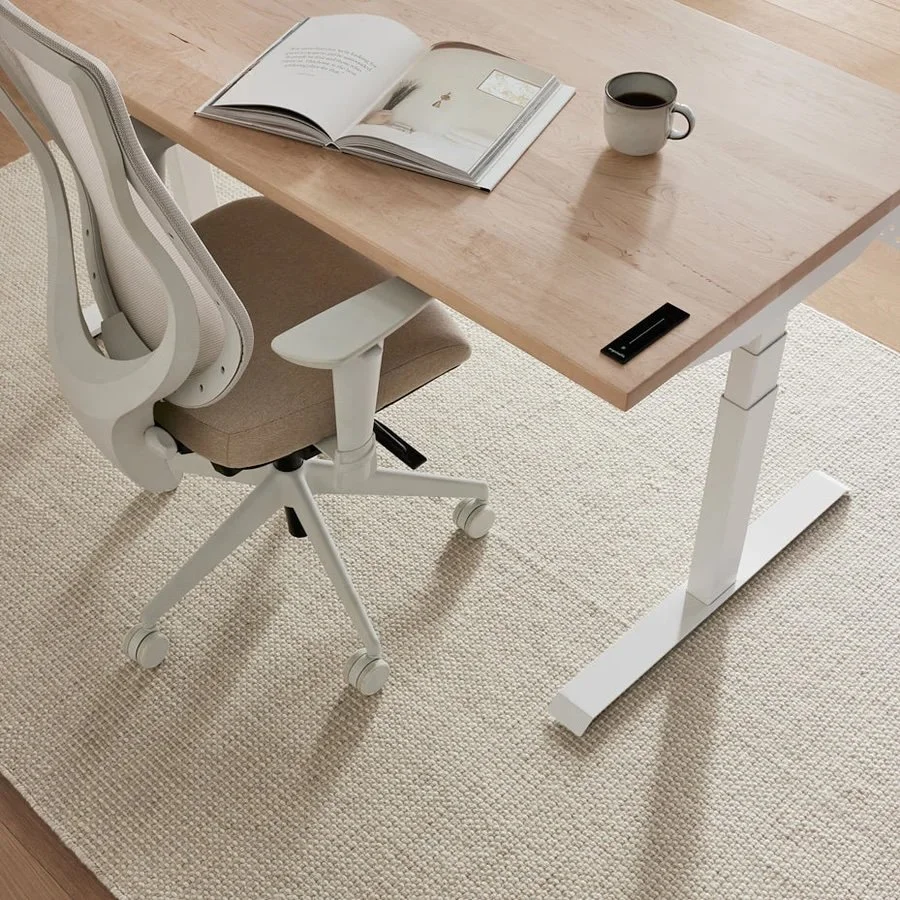
Office furniture and accessories designed in Canada. Discover high-end standing desks equipped with groundbreaking Swipe technology.


No. 4

Recommend Safety Training

A workplace that prioritizes safety is one where everyone is informed and engaged. By recommending regular safety training, you help create a shared sense of responsibility among your colleagues and management. Training can reduce accidents, improve morale, and foster a culture of vigilance.

Ideas for implementing safety training:

  • Suggest refresher courses on common workplace hazards

  • Propose monthly safety meetings or toolbox talks

  • Volunteer to become a safety officer if training is available

  • Highlight the benefits of training in terms of productivity and reduced liability

Taking the lead on safety initiatives not only improves your work environment but can also enhance your professional reputation. Demonstrating leadership in this area may open doors for career advancement and show your employer that you’re committed to the well-being of the team.

Takeaways

Workplace safety is a shared responsibility, and while employers are legally obligated to provide a safe environment, employees play a vital role in maintaining and advocating for those standards. In this article, we’ve explored several ways you can take initiative—from reporting hazards and researching solutions to recommending training and holding your employer accountable.

Don’t underestimate the power of your voice. Speaking up not only protects your health but also contributes to a culture where safety is prioritized, and everyone feels valued. If your concerns are ignored, know that you have legal avenues and resources to support you.

A safe workplace is a productive, respectful, and empowering one. By taking action today, you’re not just protecting yourself—you’re helping to build a better work environment for everyone.

Looking for Business resources?

Are you seeking ways to elevate your business to new heights? Dive into the array of resources provided by our esteemed business partners designed to empower your ventures.

Learn more


businessHLL x Editor


Everyday Driving Mistakes That Can Cost You More Than You Think

If you had to rate your driving skills on a scale from 1 to 10, what would you honestly give yourself? Most drivers would confidently score themselves somewhere near a 9 or 10. But the reality is, over time—and with the comfort that comes from routine—many of us unknowingly develop bad habits behind the wheel. We become complacent, take shortcuts, and before we know it, our once-sharp driving skills have dulled, and we’re taking risks we wouldn’t have considered years ago.


In this article, we’ll break down some of the most common driving mistakes that even experienced drivers make. These are the habits that creep in quietly but can have serious consequences. By identifying and correcting these behaviors, you can become a safer, more responsible driver—not just for your own sake, but for everyone else on the road.

No. 1

Distracted Driving: The Silent Killer

We all know that texting while driving is dangerous, but distraction comes in many forms—and it’s not just about smartphones. Distracted driving includes anything that takes your focus off the road, even for a second.

Common distractions include:

  • Fiddling with GPS or infotainment systems

  • Eating or drinking while driving

  • Turning around to deal with children or pets

  • Engaging in deep conversation with passengers

According to the National Highway Traffic Safety Administration (NHTSA), thousands of lives are lost each year due to distracted driving. The next time you’re tempted to reach for something you dropped or adjust your navigation mid-drive, ask yourself: is it worth the risk? The answer is always no. Pull over safely or wait until you’re parked.

No. 2

Tailgating and Speeding: Dangerous and Pointless

Tailgating and speeding are two of the most aggressive and hazardous driving behaviors on the road. Many drivers mistakenly believe that riding someone’s bumper or pushing the speed limit will get them to their destination faster. In reality, it only increases the likelihood of an accident.

Why you should avoid these habits:

  • Reduced reaction time: The closer you are to the car ahead, the less time you have to react.

  • Increased stopping distance: At high speeds, your vehicle needs more distance to come to a complete stop.

  • Legal consequences: Speeding and aggressive driving can lead to fines, license suspension, or even criminal charges.

Speed limits and safe following distances exist for a reason—they’re not suggestions, they’re safeguards. Arriving a few minutes later is always better than not arriving at all.

No. 3

Driving Under the Influence: A Life-Altering Mistake

Driving under the influence of alcohol or drugs—including certain prescription medications—is one of the most dangerous decisions a person can make. Even if you feel “fine,” your judgment, coordination, and reaction time are likely impaired.

Consequences of DUI include:

  • Fines and legal fees

  • License suspension or revocation

  • Jail time

  • Permanent criminal record

  • Injury or death to yourself or others

If you’re facing DUI charges, having a reputable experienced DUI law firm on your side can help mitigate the legal consequences—but it can’t undo the damage. The best solution is prevention: never drive under the influence. Use a designated driver, call a rideshare service, or stay where you are.


hellolovelyliving vitacost

Vitacost

Save big on vitamins, supplements, and healthy essentials at Vitacost – your one-stop shop for wellness!


No. 4

Rolling Stops and Ignoring Traffic Signals: Small Actions, Big Risks

Rolling through stop signs or failing to use turn signals might seem like minor infractions, but they can have major consequences. These behaviors disrupt the flow of traffic and endanger pedestrians and other drivers.

Why full stops and signals matter:

  • They ensure predictability: Other drivers rely on your signals to anticipate your actions.

  • They protect pedestrians: A rolling stop can easily turn tragic if someone is crossing the street.

  • They are legally required: Failing to comply with traffic signs and signals can result in tickets and points on your license.

Respect the rules of the road. They exist not to inconvenience you, but to keep everyone safe. Come to a complete stop at stop signs, obey traffic lights, and always use your turn signals—even when the road seems empty.

Takeaways

Driving is a privilege, not a right—and with that privilege comes responsibility. In this article, we’ve highlighted some of the most common driving mistakes that can lead to accidents, legal trouble, or worse. From distracted driving and tailgating to DUI and ignoring traffic signals, these behaviors are often overlooked but carry serious consequences.

The good news? Every one of these mistakes is preventable. By staying alert, respecting traffic laws, and making conscious decisions behind the wheel, you can protect yourself and others. So the next time you get in your car, take a moment to reflect: are you driving as safely as you think you are?

Make the commitment today to be a more mindful, responsible driver. Because when it comes to road safety, every decision matters—and every life counts.

Looking for resources?

At Hello Lovely Living, we aim to empower you to earn and save money and time while benefiting from our expansive network of home, life, wellness, travel, work-from-home, career, and business resources and opportunities. Discover a wealth of tools to support your journey.

Learn more


lifestyleHLL x Editor


Taking Back Control After An Injury

An accident or injury—no matter how temporary—can be a deeply disruptive experience. It can alter your daily routine, limit your independence, and shake your sense of identity. Whether it’s a broken bone, a sprain, or something more serious, the physical limitations often come with emotional and psychological challenges that are just as significant.


In this article, we’ll explore how to regain control after an injury, offering practical strategies and motivational insights to help you rebuild your strength, confidence, and sense of purpose. From continuing your recovery journey to setting new personal goals, these tips are designed to support you through the healing process and beyond. Recovery isn’t just about healing your body—it’s about empowering your mind and spirit, too.

No. 1

Continue Your Recovery: Healing Is a Journey, Not a Destination

Even when your injury appears to have physically healed, true recovery often continues long after the visible wounds have faded. It’s essential to respect your body’s pace and continue with any recommended therapy or rehabilitation exercises. These steps are not only about regaining mobility—they’re about restoring your strength and preventing future setbacks.

Key reminders for ongoing recovery:

  • Follow professional advice, even if you feel “back to normal”

  • Avoid rushing into high-impact activities too soon

  • Incorporate gentle movement like stretching, walking, or yoga

  • Celebrate small victories as you regain strength and flexibility

Many people make the mistake of jumping back into their old routines too quickly, only to experience re-injury or prolonged discomfort. Recovery is a marathon, not a sprint. With patience and persistence, you’ll build a stronger, more resilient version of yourself.

No. 2

Process What Happened: Healing the Mind Alongside the Body

Physical injuries often come with emotional scars. Whether the injury was traumatic or simply frustrating, it can leave you feeling vulnerable, anxious, or even angry. These emotions are valid, and acknowledging them is a crucial part of the healing process.

Ways to support emotional recovery:

  • Seek counseling or therapy to explore your feelings and fears

  • Talk to others who have experienced similar setbacks

  • Journal your thoughts to gain clarity and emotional release

  • Practice mindfulness to stay grounded in the present

In some cases, your injury may have resulted from negligence or an accident that wasn’t your fault. If so, seeking legal guidance from a personal injury lawyer or skilled medical malpractice attorney may help you pursue compensation. Taking legal action can provide not only financial support but also a sense of closure and justice, helping you move forward with greater peace of mind.


hellolovelyliving tripaneer

Tripaneer

Explore Top Health & Wellness Retreats on the world’s leading marketplace to explore and book unforgettable travel experiences.


No. 3

Set New Goals: Redefining Success on Your Terms

One of the most empowering steps you can take after an injury is to set new, realistic goals for yourself. These goals don’t have to be monumental—they just need to be meaningful to you. Whether it’s walking a certain distance, returning to a favorite hobby, or simply feeling confident in your body again, having a clear objective gives you something to strive for.

Tips for setting effective post-injury goals:

  • Be specific and measurable (e.g., “Walk 1 mile without pain” vs. “Get better”)

  • Break goals into smaller milestones to track your progress

  • Focus on who you are now, not who you were before the injury

  • Celebrate each achievement, no matter how small

Goal-setting helps shift your mindset from what you’ve lost to what you can still achieve. It reframes the recovery journey as an opportunity for personal growth and transformation.

Takeaways

Recovering from an injury is never easy—it challenges you physically, mentally, and emotionally. But with the right mindset and support, it’s entirely possible to come out stronger on the other side. In this article, we’ve discussed the importance of continuing your recovery, processing the emotional impact, and setting new goals to guide your journey forward.

Remember, healing isn’t just about returning to who you were before. It’s about evolving into someone even more resilient, empowered, and self-aware. Take things one step at a time, trust the process, and give yourself the grace to grow through the experience.

They say what doesn’t kill you makes you stronger—and in the case of injury recovery, that strength comes not just from your body, but from your spirit.

Looking for resources?

At Hello Lovely Living, we aim to empower you to earn and save money and time while benefiting from our expansive network of home, life, wellness, travel, work-from-home, career, and business resources and opportunities. Discover a wealth of tools to support your journey.

Learn more


lifestyleHLL x Editor


Small But Powerful Home Safety Upgrades For Comfort

Your home should be a sanctuary—a place where you feel safe, secure, and at ease. While many people associate home upgrades with aesthetics or convenience, enhancing your home’s safety can also significantly improve your comfort. Whether it’s physical comfort through mobility aids or mental comfort through smart security systems, small improvements can make a big difference in your daily life.


In this article, we’ll explore practical and effective home safety upgrades that not only protect you and your loved ones but also contribute to a more comfortable and stress-free living environment. From cutting-edge smart technology to simple hazard prevention, these upgrades are designed to support well-being, independence, and peace of mind.

No. 1

Smart Security Tech: Peace of Mind at Your Fingertips

Safety and comfort at home often begin with feeling secure. Thanks to advances in smart technology, protecting your home has never been more accessible or affordable. Modern smart security systems utilize Wi-Fi and Bluetooth to provide real-time monitoring and instant alerts, giving you control and visibility no matter where you are.

Popular smart security features include:

  • Ultra HD 4K security solutions for crystal-clear footage

  • Video doorbells that allow you to see and speak to visitors remotely

  • Motion-activated lights and smart floodlights for nighttime visibility

  • Remote-controlled lighting to simulate occupancy when you’re away

These systems not only deter potential intruders but also offer mental comfort, knowing your home is being monitored 24/7. For families, elderly individuals, or those living alone, this layer of protection can be invaluable.

No. 2

Grab Bars and Handrails: Support for Daily Comfort

Comfort isn’t just about plush furniture or cozy blankets—it’s also about feeling safe while moving around your home. For individuals recovering from injury, aging in place, or living with mobility challenges, grab bars and handrails can provide essential support.

Ideal locations for grab bars and handrails:

  • Bathrooms: Near toilets, inside showers, and beside bathtubs

  • Hallways: Especially in areas with steps or uneven flooring

  • Staircases: Both indoors and outdoors

These simple installations help prevent slips and falls, offering physical comfort and preserving independence and dignity. They’re also affordable and easy to install, making them a smart upgrade for any household.

No. 3

Home Lighting Upgrades: Safety That Shines

Lighting plays a crucial role in both home safety and emotional well-being. Poor lighting can lead to accidents, especially at night, while well-lit spaces feel more welcoming and secure. Thanks to smart home technology, upgrading your lighting is easier and more effective than ever.

Recommended lighting upgrades:

  • LED lights for brighter, energy-efficient illumination

  • Motion-sensor lights in hallways, bathrooms, and staircases

  • Smart bulbs that can be controlled via smartphone or voice assistant

  • Night lights in bedrooms and bathrooms to reduce nighttime falls

Over 60% of households now own at least one smart device, and lighting is among the most popular. These upgrades not only enhance visibility but also add a layer of convenience that contributes to a more comfortable and safe living space.


hellolovelyiving aircraft

Aircraft

Achieve spotless floors with Aircraft hard floor cleaners! Designed for efficiency and effectiveness, their products ensure a clean and safe environment for everyone.

Elevate your home or office cleanliness today!


No. 4

Removing Tripping Hazards: A Simple Step Toward Safety

Your home may feel safe, but hidden hazards can pose serious risks—especially when it comes to tripping and falling. Everyday objects like loose rugs, cluttered hallways, and tangled cords can turn into accidents waiting to happen.

Common tripping hazards to address:

  • Loose area rugs without non-slip backing

  • Electrical cords stretched across walkways

  • Toys or pet items left on the floor

  • Cluttered entryways and hallways

By conducting a simple home safety audit and removing these hazards, you can significantly reduce the risk of injury. This not only improves physical safety but also brings mental comfort, knowing your home is a secure environment for everyone.

No. 5

Emergency Contact Systems: Help When You Need It Most

Accidents can happen in an instant, and when they do, being able to call for help is critical. Traditional phones aren’t always within reach, especially during a fall or medical emergency. That’s where emergency contact systems come into play.

Top emergency contact solutions:

  • Voice-activated home hubs like Amazon Alexa or Google Assistant

  • Wearable smart emergency pendants with fall detection

  • Smartwatches with built-in SOS features

  • Medical alert systems connected to emergency services

These tools can automatically alert family members or emergency responders, even if you’re unable to reach a phone. For seniors, individuals with disabilities, or anyone living alone, these systems offer peace of mind and life-saving functionality.

Takeaways

Upgrading your home for safety doesn’t mean sacrificing comfort—in fact, the two often go hand in hand. In this article, we’ve highlighted several practical home safety upgrades that also enhance your quality of life. From smart security systems that offer peace of mind to grab bars that support independence, each improvement contributes to a more secure and comfortable living environment.

Whether you're preparing your home for aging in place, recovering from an injury, or simply seeking a more stress-free lifestyle, these upgrades are worth considering. Start with one or two changes and build from there—your future self will thank you.

Remember, a safer home is a more comfortable home. And comfort, both physical and mental, is essential to living well.

Looking for Home resources?

Looking to enhance your living space and create a sanctuary that supports your well-being? Explore our home partners who offer a wide range of resources to elevate your home environment.

Learn more


homeHLL x Editor


Designing A Relaxing Backyard Space For Mental Wellness

In today’s fast-paced world, finding moments of peace and stillness can feel like a luxury. Yet, the solution to daily stress and mental fatigue may be closer than you think—right in your own backyard. With thoughtful design and intentional choices, your outdoor space can become a sanctuary for mental wellness, offering a daily escape from the pressures of modern life.


In this article, we’ll explore how to transform your backyard into a calming retreat that nurtures your mental and emotional well-being. From creating cozy nooks for quiet reflection to incorporating sensory elements like water and fragrance, each idea is designed to help you reconnect with nature and yourself. Whether you have a sprawling garden or a modest patio, these tips will guide you in crafting a space that promotes peace, clarity, and relaxation.

No. 1

The Healing Power of Nature in Your Backyard

The connection between nature and mental health is more than just a trend—it’s backed by science. Studies consistently show that spending time outdoors can:

  • Lower cortisol levels (the stress hormone)

  • Reduce symptoms of anxiety and depression

  • Improve mood and emotional resilience

  • Enhance focus and cognitive function

A well-designed backyard encourages you to unplug from digital distractions and immerse yourself in the natural world. The gentle rustle of leaves, the scent of blooming flowers, and the warmth of the sun can all contribute to a profound sense of calm. By creating a space that invites you to slow down and breathe deeply, you’re investing in your long-term mental wellness.

No. 2

Elements of a Serene Backyard Oasis

Designing a peaceful outdoor space doesn’t require a complete overhaul or a large budget. It’s about making intentional choices that engage your senses and support your desire for stillness and reflection. Here are several ways to cultivate a tranquil backyard environment.

Create a Quiet Reading Nook

One of the simplest yet most effective ways to encourage relaxation is to carve out a quiet corner dedicated to solitude. This can be as elaborate or as minimal as you like:

  • A cushioned chair under a shady tree

  • A hammock strung between two posts

  • A small patio with a cozy bench and side table

  • A soft blanket laid out on the grass

Surround your nook with fragrant plants like lavender, jasmine, or rosemary to enhance the sensory experience. These natural aromas are known to promote calm and reduce anxiety. Add a small side table for your favorite book or a cup of tea, and you’ve created a personal escape just steps from your door.

Add the Soothing Sound of Water

Few things are as universally calming as the sound of flowing water. Incorporating a water feature into your backyard can help mask ambient noise and create a meditative atmosphere. Options include:

  • A tabletop fountain for small patios

  • A bubbling rock feature for a natural look

  • A cascading wall fountain for a modern touch

Place your water feature near your seating area to fully enjoy its tranquil effects. The gentle trickle of water can help lower your heart rate, ease tension, and make your backyard feel like a true retreat.

Embrace Ultimate Comfort with a Hammock

There’s something inherently therapeutic about the gentle sway of a hammock. Whether nestled between two trees or supported by a freestanding frame, a hammock invites you to slow down and let go of tension.

Benefits of adding a hammock include:

  • Encouraging midday naps and rest

  • Providing a cozy spot for reading or meditation

  • Enhancing the sensory experience with movement and comfort

Choose a hammock made from breathable fabric and add a pillow or throw blanket for extra coziness. It’s a small addition that can have a big impact on your ability to unwind.


hellolovelyliving rejuvenation

Rejuvenation

Rejuvenation believes in the power of thoughtful design - explore their extensive range of outdoor hardware, including stylish accessories that add character and charm to your home's exterior.


Enjoy Your Sanctuary Without the Work

A relaxing backyard should be a place of peace—not another chore on your to-do list. If maintaining your outdoor space feels overwhelming, consider outsourcing lawn care and routine maintenance. Hiring professional lawn care services near York PA can help ensure your yard remains beautiful and stress-free.

For example, if you live in or around York, PA, finding reliable lawn care services can free up your weekends and allow you to fully enjoy your sanctuary. Services might include:

  • Weekly mowing and edging

  • Seasonal fertilizing and aeration

  • Weed control and garden bed maintenance

By delegating these tasks, you reclaim your time and energy, allowing your backyard to remain a source of joy rather than obligation.

No. 3

Design Tips for a Wellness-Focused Backyard

To further enhance the calming effect of your outdoor space, consider these additional design tips:

  • Use natural materials: Wood, stone, and rattan create a grounded, organic feel.

  • Incorporate soft lighting: String lights, lanterns, or solar path lights add warmth and ambiance.

  • Choose calming colors: Greens, blues, and earth tones promote relaxation.

  • Add personal touches: Include artwork, wind chimes, or meaningful objects that bring you joy.

  • Encourage barefoot connection: A patch of soft grass or a smooth stone path invites you to connect physically with the earth.

These small details can make a big difference in how your space feels and how often you use it.

Takeaways

Transforming your backyard into a peaceful retreat doesn’t require a major renovation—just a shift in perspective and a few thoughtful additions. In this article, we’ve explored how simple elements like a cozy reading nook, the sound of water, a comfortable hammock, and low-maintenance landscaping can turn your outdoor space into a haven for mental clarity and emotional balance.

By designing a backyard that supports your well-being, you’re not just enhancing your home—you’re investing in your health. Whether you’re sipping tea under a tree, listening to a bubbling fountain, or swaying gently in a hammock, your backyard can become a daily refuge from the noise of the world.

Start planning your ideal outdoor sanctuary today, and discover the transformative power of nature—right in your own backyard.

Looking for Home resources?

Looking to enhance your living space and create a sanctuary that supports your well-being? Explore our home partners who offer a wide range of resources to elevate your home environment.

Learn more


homeHLL x Editor


Discover Barcelona: Culture, Food, Architecture, And Lifestyle

Barcelona is a city that dances to its own rhythm. Perched on the sun-drenched northeastern coast of Spain, this captivating Catalan capital is a place where history and modernity collide in the most enchanting ways. From ancient Roman ruins to the surreal creations of Antoni Gaudí, from bustling food markets to serene Mediterranean beaches, Barcelona offers a sensory-rich experience that few cities can rival.


In this article, we’ll take you on a journey through the essential elements that make Barcelona truly unforgettable. You’ll explore its vibrant culture, indulge in its world-class cuisine, admire its architectural marvels, and immerse yourself in the relaxed yet energetic lifestyle that defines this iconic city. Whether you're planning your first visit or returning for a deeper dive, this guide will help you uncover the magic of Barcelona.

No. 1

The Heartbeat of Catalan Culture

Barcelona is not just a Spanish city—it is the proud capital of Catalonia, a region with its own distinct identity, language, and traditions. This cultural uniqueness is woven into every aspect of life in the city, from the language spoken on the streets to the festivals that light up the calendar year.

You’ll hear Catalan spoken alongside Spanish, see the Senyera (Catalan flag) fluttering from balconies, and feel the communal spirit during vibrant local celebrations like La Mercè, Barcelona’s largest festival. These traditions are more than just cultural expressions—they are a declaration of identity and pride.

Art is omnipresent in Barcelona. The city has long been a haven for creative minds, including Pablo Picasso and Joan Miró, both of whom have dedicated museums showcasing their work and deep ties to the city. But you don’t need to step inside a gallery to experience art here. The streets themselves are alive with murals, sculptures, and street performances, turning every walk into an artistic exploration.

Music is another cornerstone of Catalan culture. From the grandeur of the Palau de la Música Catalana, a UNESCO World Heritage Site, to the intimate flamenco performances at Tablao Cordobés, music in Barcelona is both a celebration and a storytelling medium that connects past and present.

No. 2

A Feast for the Senses: Barcelona's Cuisine

Barcelona’s culinary scene is a delightful fusion of tradition, innovation, and Mediterranean freshness. Catalan cuisine emphasizes seasonal ingredients, simple preparation, and bold, authentic flavors. It’s a food lover’s paradise where every bite tells a story.

Begin your gastronomic adventure at La Boqueria, the iconic market on La Rambla. Here, the vibrant stalls overflow with Iberian ham, local cheeses, fresh seafood, and colorful produce. It’s a feast for the eyes and the palate, and a perfect introduction to the city’s food culture.

No visit is complete without indulging in tapas, the small plates meant for sharing. These flavorful dishes offer a chance to sample a wide variety of local specialties. Be sure to try:

  • Patatas bravas – crispy potatoes with a spicy tomato sauce

  • Pimientos de Padrón – blistered green peppers with sea salt

  • Pan con tomate – rustic bread rubbed with tomato, garlic, and olive oil

For a heartier meal, order paella de mariscos (seafood paella) or fideuà, a Catalan variation made with short noodles instead of rice. Pair your meal with a glass of Cava, Catalonia’s sparkling wine, or a refreshing sangria for the full experience.

No. 3

Architectural Marvels: From Gothic to Gaudí

Barcelona’s architecture is a visual journey through time, where medieval grandeur meets avant-garde imagination. The city’s built environment is a testament to its rich history and artistic spirit.

Start in the Barri Gòtic (Gothic Quarter), a maze of narrow alleyways, hidden courtyards, and centuries-old buildings. Here, you’ll find the Barcelona Cathedral, a towering Gothic masterpiece that took over 150 years to complete. Its intricate façade and serene cloisters offer a glimpse into the city’s medieval past.

But it’s the work of Antoni Gaudí that truly defines Barcelona’s skyline. As the leading figure of Modernisme (Catalan Art Nouveau), Gaudí transformed the city with his visionary designs. His magnum opus, the Sagrada Família, is a basilica unlike any other—still under construction after more than a century, its spires and facades are rich with religious symbolism and natural motifs.

Other must-see Gaudí landmarks include:

  • Park Güell – a whimsical park adorned with colorful mosaics and organic shapes

  • Casa Batlló – a fantastical building with a dragon-like roof and skeletal balconies

  • Casa Milà (La Pedrera) – known for its undulating stone façade and wrought-iron balconies

Each of these sites offers a unique perspective on Gaudí’s genius and the city’s architectural diversity.


hellolovelyliving hopper

Hopper

The #1 most downloaded travel app in North America. Save up to 40% on travel costs + earn free travel rewards.

GET A $25 HOPPER TRAVEL VOUCHER

Use coupon code:
HELLOLOVELYLIVING


No. 4

The Barcelona Lifestyle: Relaxed and Social

Barcelona’s lifestyle is a harmonious blend of Mediterranean ease and urban energy. Life here is meant to be savored, not rushed. The locals, known as Barcelonins, embrace a daily rhythm that prioritizes balance, connection, and enjoyment.

Afternoons often include a leisurely lunch, followed by a siesta or a stroll through one of the city’s many parks. Evenings are for socializing, whether over tapas in a bustling bar or a quiet drink in a hidden courtyard. The city comes alive at night, with locals and visitors alike filling the streets, plazas, and beachfront promenades.

Barceloneta Beach, the city’s most famous urban beach, is a hub of activity year-round. From sunbathing and swimming to volleyball and paddleboarding, it’s a place where relaxation and recreation go hand in hand.

A lesser-known but deeply rooted aspect of Barcelona’s social fabric is its network of private social clubs. The well-established network of social clubs in Barcelona plays a key role in the city's community life, offering private spaces for residents to gather, relax, and connect. Whether you're enjoying a quiet coffee or attending a local event, these clubs offer a window into the true spirit of the city.

Takeaways

In summary, Barcelona is a city that effortlessly blends the old with the new, the traditional with the avant-garde. Its rich culture, exquisite cuisine, architectural wonders, and laid-back lifestyle make it a destination like no other. Every corner of the city tells a story—whether it’s through a Gaudí mosaic, a plate of tapas, or the laughter echoing through a sunlit plaza.

In this article, we’ve explored the many facets that make Barcelona a must-visit destination. From its deep-rooted Catalan identity and artistic legacy to its culinary excellence and social charm, the city offers an experience that is both enriching and unforgettable.

So, whether you're a first-time visitor or a seasoned traveler, Barcelona will welcome you with open arms and leave you yearning for more. Add it to the top of your travel list—you won’t regret discovering all that this remarkable city has to offer.

Looking for Travel resources?

Looking to embark on a transformative journey to discover new cultures, expand your horizons, and reconnect with yourself? Explore, learn, and awaken your wanderlust with our travel partners designed to support you on your next getaway.

Learn more


travelHLL x Editor


5 Business Expansion Tips To Grow Your Company Even More

Running a business is no small feat. It requires constant decision-making, strategic thinking, and the ability to juggle multiple responsibilities at once. When you're ready to take your business to the next level, the pressure can intensify. Expansion often brings with it a surge of new tasks, increased risk, and the looming fear of failure—especially when there’s no guarantee of immediate payoff.


In this article, we’ll explore five practical and effective business expansion tips that can help you grow your company without becoming overwhelmed. These strategies are designed to simplify the process, reduce unnecessary stress, and position your business for long-term success. Whether you're looking to enter new markets, increase profitability, or outpace the competition, these insights will guide you through a smoother, more confident expansion journey.

Why Expand Your Business?

Before diving into how to expand, it’s important to understand why expansion is worth considering—even if your business is currently stable. If your revenue streams are steady and operations are running smoothly, you might wonder whether growth is necessary. However, strategic expansion can unlock a range of powerful benefits:

  • Greater Revenue Potential: Expanding into new markets or offering new products allows you to reach more customers, increasing your income over time.

  • Cost Efficiency: A larger business can often negotiate better deals with suppliers, reducing your cost per unit and improving your margins.

  • Competitive Advantage: Growth often means more resources, better brand visibility, and improved customer loyalty—all of which help you stay ahead of competitors.

  • Higher Profitability: With increased revenue and reduced costs, your bottom line improves, making your business more financially resilient.

These advantages make expansion a compelling goal. However, to reap these rewards, you need a clear, well-executed strategy.

Business Expansion Tips: 5 Top Picks for Smarter Growth

No. 1

Explore Related Markets

Your current market may be thriving, but that doesn’t mean it’s your only opportunity. One of the most effective ways to expand is by tapping into adjacent or related markets. These are markets that share similar characteristics with your existing customer base but may require slight adjustments to your offerings.

For example, if you sell fitness apparel, branching into fitness accessories or supplements could be a natural extension. These related markets often come with lower barriers to entry since you already understand the target audience.

Key benefits of exploring related markets:

  • Leverage existing brand recognition

  • Maximize current resources and infrastructure

  • Diversify revenue streams

While this approach requires some upfront investment, the long-term payoff can be substantial if executed strategically.

No. 2

Use Professional Services to Support Growth

You don’t have to do everything alone—nor should you. As your business scales, the complexity of operations increases. That’s where professional services come in. Outsourcing specific functions to experts can free up your time and ensure that critical tasks are handled with precision.

Common services that support expansion include:

  • Marketing agencies for campaign management and brand building

  • Financial consultants for budgeting, forecasting, and investment planning

  • IT and colocation services for businesses expanding into new geographic areas

For example, if you're opening a new location, partnering with data centers for colocation services ensures your digital infrastructure remains secure and scalable.

Pro Tip: Evaluate your current pain points and identify which areas would benefit most from external expertise.

No. 3

Stick to Your Business Goals

Expansion for the sake of growth can be risky. Every move you make should align with your short-term and long-term business goals. Without clear objectives, it’s easy to lose focus and invest in initiatives that don’t support your core mission.

Using the SMART goal framework (Specific, Measurable, Achievable, Relevant, Time-bound) can help you stay on track.

For example:

  • Short-term goal: Increase monthly sales by 15% within six months through a new product launch.

  • Long-term goal: Expand into two new regional markets within the next two years.

When your expansion efforts are tied to well-defined goals, your strategy becomes more focused, measurable, and ultimately, more successful.


hellolovelyliving upwork

Upwork

Finding talent doesn’t have to be a chore. Post a job and hire the best—without breaking the bank.


No. 4

Understand Your Competitors

Your competitors aren’t just rivals—they’re also a valuable source of insight. Conducting a thorough competitor analysis can reveal gaps in the market, highlight successful strategies, and help you avoid common pitfalls.

Key areas to analyze include:

  • Marketing tactics: What platforms and messages are they using?

  • Product offerings: Are there features or services they provide that you don’t?

  • Customer engagement: How do they interact with and retain their audience?

By understanding what your competitors are doing well (and where they’re falling short), you can position your business more effectively and craft a differentiated expansion strategy.

No. 5

Use the Right Expansion Strategies

There’s no one-size-fits-all approach to business growth. The right strategy for your company depends on your industry, resources, and goals. That’s why it’s crucial to evaluate multiple expansion strategies before committing to one.

Popular business expansion strategies include:

  • Franchising: Ideal for businesses with a replicable model and strong brand identity

  • Product diversification: Launching new products or services to attract different customer segments

  • Geographic expansion: Opening new locations or targeting new regions

  • E-commerce scaling: Enhancing your online presence to reach a broader audience

When assessing your options, consider:

  • Cost-effectiveness

  • Time to ROI (Return on Investment)

  • Resource requirements

  • Scalability

Taking the time to analyze these factors ensures you choose a strategy that aligns with your capabilities and delivers sustainable growth.

TAkeaways

Business expansion is one of the most exciting—and challenging—phases of entrepreneurship. While it can feel overwhelming at first, the right strategies can make the process more manageable and far more rewarding.

In this article, we’ve covered five essential business expansion tips that can help you grow strategically:

  • Explore related markets to diversify and scale

  • Leverage professional services to streamline operations

  • Align expansion with SMART business goals

  • Analyze competitors to gain a strategic edge

  • Choose the right growth strategies based on your resources and objectives

By implementing these tips, you’ll not only reduce the stress of expansion but also position your business for long-term success. Remember, growth doesn’t have to mean chaos. With a clear plan, the right support, and a strategic mindset, you can expand your business confidently—and see the rewards sooner than you think.

Looking for Business resources?

Are you seeking ways to elevate your business to new heights? Dive into the array of resources provided by our esteemed business partners designed to empower your ventures.

Learn more


businessHLL x Editor


It’s Not Too Late To Perfect Your Home’s Exterior Before The Year Ends

As the colder months settle in and we begin to spend more time indoors, the exterior of our homes often becomes an afterthought. However, this seasonal shift is precisely when the flaws and wear on your property’s exterior become more visible—and more urgent to address. Whether it's a leaky roof, outdated windows, or a neglected driveway, these issues not only affect your home’s curb appeal but can also compromise its structural integrity and comfort.


In this article, we’ll explore a range of practical and impactful exterior home improvement projects that you can still complete before the year ends. From reinforcing fences to upgrading lighting and heating systems, these upgrades will not only enhance your home’s appearance but also prepare it for the challenges of winter. It’s not too late to act—and doing so now can help you enter the new year with confidence, comfort, and style.

No. 1

Fix Roofing Issues

When tackling exterior improvements, it’s wise to start at the top—literally. Your roof is your home’s first line of defense against the elements, and any damage or wear can quickly escalate into costly problems if left unaddressed.

Calling a professional to get help with your roofing needs is the most efficient and reliable way to assess and resolve roofing concerns. An expert can perform a thorough inspection, identify hidden issues, and complete repairs quickly and to a high standard. This ensures your home remains protected during bouts of harsh winter weather.

In addition to repairing the roof itself, don’t overlook your gutters. Clogged or damaged gutters can lead to water overflow, which may damage your walls, foundation, or landscaping. Whether it’s clearing debris, installing gutter guards, or repairing broken sections, ensuring proper water drainage is essential for long-term protection.

No. 2

Upgrade the Windows

While the roof protects your home from above, your windows play a crucial role in maintaining energy efficiency and comfort. Outdated or damaged windows can result in significant heat loss, leading to higher energy bills and a colder interior.

Although winter may not seem like the ideal time for window replacements, it can actually be a strategic opportunity. Many contractors have more availability during the off-season, which could mean faster installation and better pricing. If a full replacement isn’t feasible, consider installing secondary glazing. This temporary solution adds insulation and can be removed once warmer weather returns.

For added protection against the elements, installing shutters is a smart move. Not only do they enhance your home’s aesthetic, but they also provide an extra layer of defense against wind and cold. Despite the season, these upgrades are still very much within reach.

No. 3

Add Lighting and Heating Features

Just because the days are shorter doesn’t mean you have to retreat indoors completely. With the right lighting and heating elements, your outdoor spaces can remain functional and inviting throughout the colder months.

Installing permanent outdoor lighting—such as light tracks, wall-mounted fixtures, or motion-sensor spotlights—enhances visibility and safety. It also contributes to your home’s security by deterring intruders and illuminating dark corners.

To make your deck or patio more comfortable, consider adding an outdoor heater. Whether it’s a freestanding propane heater or a mounted electric unit, this addition allows you to enjoy your outdoor space even on chilly evenings. It’s a great way to extend your living area and create a cozy atmosphere for solo relaxation or winter gatherings.


hellolovelyliving rejuvenation

Rejuvenation

Rejuvenation believes in the power of thoughtful design - explore their extensive range of outdoor hardware, including stylish accessories that add character and charm to your home's exterior.


No. 4

Resurface the Driveway

Your driveway is one of the first things people notice about your home, and its condition can significantly impact curb appeal and safety. Small cracks and surface damage may seem minor, but winter weather can quickly worsen them as moisture seeps in and freezes.

Resurfacing your driveway now can prevent more extensive—and expensive—repairs down the line. It also provides a smoother, safer surface for both vehicles and pedestrians. This is especially important during the darker months when visibility is reduced, and icy conditions increase the risk of slips and falls.

By addressing driveway issues before winter fully sets in, you protect your investment and enhance your home’s overall appearance.

No. 5

Treat the Landscapes

Your landscaping doesn’t have to go dormant just because the temperature drops. In fact, winter is an excellent time to tidy up your garden and prepare it for the next growing season.

If you’ve planted evergreen trees or hardy perennials, your yard can still look vibrant with minimal maintenance. For areas where plants have died off, clear the debris and consider starting a compost pile. This not only tidies the space but also enriches your soil for future planting.

Adding low-maintenance features like hanging baskets or winter-hardy potted plants can bring immediate color and charm to your exterior. Choosing mature plants ensures instant visual impact, helping your outdoor spaces feel alive and cared for, even in the heart of winter.

No. 6

Reinforce Your Fences

Winter weather can be brutal on fencing. High winds, heavy snow, and freezing temperatures can weaken or topple poorly maintained structures. If your fence has started to wobble or lean, now is the time to address it.

Reinforcing or replacing your fence not only protects your property but also enhances its aesthetic and security. Clear reinforced fences are a popular modern option, offering durability without sacrificing style. Alternatively, wrought iron gates and other sturdy designs can add a touch of elegance to your front yard while serving a practical purpose.

A strong, secure fence defines your property’s boundaries, keeps pets and children safe, and adds a polished finish to your exterior.

No. 7

Add Home Security Features

One of the most important aspects of exterior home maintenance is ensuring your property is secure. With break-ins more common during the winter months—when longer nights provide cover for intruders—now is the perfect time to upgrade your home security.

Installing surveillance cameras, motion-activated lights, and smart doorbells can significantly reduce your vulnerability. These tools not only deter potential thieves but also provide peace of mind when you're away from home.

Ensure your exterior is well-lit and free of hiding spots. Trim back overgrown shrubs and keep entry points visible. A well-maintained and well-monitored exterior sends a clear message: this home is protected.

No. 8

Clean and Refresh

While it might seem counterintuitive to clean your home’s exterior in winter, doing so can have a surprisingly positive impact. Pressure washing your siding, deck, and walkways removes dirt, mold, and mildew that could cause long-term damage if left untreated.

This simple task can instantly refresh your home’s appearance, making it look well-kept and inviting. It also helps prevent pests and clears out potential blockages in your gutters, improving overall function and hygiene.

Taking the time to clean your exterior now sets the tone for a more organized and enjoyable winter season. It also encourages you to take pride in your property, even when the weather isn’t ideal.

Takeaways

As the year draws to a close, it’s easy to let exterior home improvements fall by the wayside. But neglecting these tasks can lead to bigger problems—and missed opportunities for comfort, safety, and style.

In this article, we’ve outlined several impactful ways to enhance your home’s exterior before the year ends. From fixing your roof and upgrading windows to reinforcing fences and refreshing your landscaping, each project contributes to a more beautiful, functional, and secure living environment.

It’s not too late to act. With a little planning and the right professional support, you can complete these upgrades in time to enjoy the benefits all winter long—and start the new year with a home that truly reflects your care and pride.

So don’t wait for spring. Take action now, and let your home shine through the season.

Looking for Home resources?

Looking to enhance your living space and create a sanctuary that supports your well-being? Explore our home partners who offer a wide range of resources to elevate your home environment.

Learn more


homeHLL x Editor


Could Smart Fitness Tools Be The Key To A More Balanced Wellness Routine?

In a world where wellness is no longer a luxury but a daily necessity, the integration of technology into our health routines is transforming how we move, rest, and recover. The rise of smart fitness tools—from wearable trackers to AI-powered workout apps—has redefined what it means to live a balanced, health-conscious life.


In this article, we’ll explore how smart fitness tools empower you to create a more sustainable, personalized wellness routine. We’ll dive into how these technologies offer real-time feedback, track progress, and support both physical and mental wellbeing. Whether you're a fitness enthusiast or just beginning your health journey, discover how data-driven insights can help you stay consistent, avoid burnout, and make meaningful progress toward your goals.

No. 1

Smart Fitness Tools: A Gateway to Sustainable Wellness

Smart fitness tools make it easier than ever to track, adjust, and stay consistent with your wellness routine. From smartwatches that monitor sleep quality to apps that guide your workouts in real time, these tools offer more than convenience—they provide clarity.

Rather than relying on guesswork, you gain evidence-based insights about your body that can improve performance, recovery, and overall health. This shift from intuition to data-driven decision-making helps you maintain progress without overexertion or mental fatigue.

Key Takeaways

  • Smart tools help maintain balance in your wellness routine.

  • Personalized data enables more effective and sustainable habits.

  • Technology supports steady improvement without added complexity.

No. 2

How Smart Fitness Tools Transform Wellness Routines

Smart fitness tools are reshaping how we approach health and fitness. They offer a level of personalization and adaptability that traditional routines often lack, making wellness more accessible and sustainable.

Personalization and Real-Time Feedback

Modern fitness tools collect essential data—such as heart rate, sleep quality, and activity levels—to tailor your experience. You receive real-time metrics that help you adjust your workouts on the fly, optimizing intensity, rest intervals, and duration.

Many platforms now use AI-powered analytics to interpret your data and offer personalized recommendations. Over time, this feedback loop reveals patterns you might miss, such as energy dips or form inconsistencies that impact recovery.

For example:

  • Wearable sensors can alert you when your exertion exceeds safe levels.

  • Smart apps can recommend rest days based on your recovery metrics.

  • Heart rate monitors can guide you to stay within optimal zones for fat burning or endurance.

These features allow you to fine-tune your training strategy in real time, accelerating progress while reducing the risk of injury or burnout.

Integrating Technology for a Holistic Approach

When you connect your fitness tools across different areas of your routine—like nutrition apps, sleep trackers, and workout platforms—you create a unified wellness ecosystem. This integration gives you a comprehensive view of how your habits interact and influence overall balance.

For instance:

  • Syncing your meal logs with your energy output helps you understand how nutrition supports performance.

  • Linking your sleep data with your training schedule reveals how rest impacts recovery and motivation.

  • Using platforms like Perspire TV combines structured workouts with real-time tracking, offering flexibility without sacrificing guidance.

This holistic approach eliminates the need for manual tracking and fragmented apps. Instead, you get a centralized dashboard of accurate, actionable information that supports your wellness goals.

Tracking Progress and Setting Goals

One of the most powerful features of smart fitness tools is their ability to track progress with precision. Metrics such as:

  • Average pace

  • Active minutes

  • Sleep duration

  • Heart rate variability

…are displayed in intuitive dashboards that highlight trends and improvements over time.

You can set specific, measurable goals—like increasing your weekly running distance, improving sleep quality, or hitting a daily step count. These goals can be adjusted as your capacity grows, ensuring they remain both challenging and achievable.

By reviewing your data regularly, you can:

  • Identify which habits support progress.

  • Spot early signs of overtraining.

  • Adjust routines before hitting a plateau.

This evidence-based approach keeps you focused, motivated, and on track for long-term success.

No. 3

Establishing Balance with Smart Fitness Solutions

Smart fitness tools do more than track your steps—they help you understand the dynamic relationship between your physical and mental wellness. By offering measurable data and guided feedback, they promote consistency, recovery, and resilience.

Blending Physical Fitness with Mental Wellbeing

Smart wearables and connected platforms can help you balance movement with mental recovery. Devices like heart rate monitors and sleep trackers reveal how stress, rest, and exertion interact.

Understanding these metrics allows you to:

  • Adjust training levels before fatigue sets in.

  • Recognize when poor sleep is affecting performance.

  • Schedule rest days to prevent burnout.

Many apps now integrate mindfulness tracking alongside physical activity. You can receive reminders to:

  • Take short breaks.

  • Practice breathing exercises.

  • Stretch when tension builds.

Smart Tools That Support Mental Wellness

Several smart fitness tools are designed not only to enhance physical performance but also to support mental and emotional wellbeing. Below are three key tools and how they contribute to a more balanced wellness routine:

  • Heart Rate Variability Monitor: This tool tracks your body’s stress response by measuring the variation in time between heartbeats. By analyzing this data, it helps detect when your body needs recovery, allowing you to adjust your training intensity or take restorative breaks before burnout occurs.

  • Sleep Tracker: A sleep tracker measures both the quality and duration of your sleep. With this information, you can identify patterns that may be affecting your energy levels, mood, and performance. It encourages better rest balance by helping you optimize bedtime routines and recovery periods.

  • Mindfulness App: These apps guide you through relaxation sessions such as breathing exercises, meditation, or gentle stretching. They help reduce mental strain, improve focus, and support emotional resilience—especially when integrated into your daily routine alongside physical activity.

By incorporating these tools into your wellness strategy, you gain a clearer understanding of how your body and mind respond to stress, rest, and exertion. This awareness allows you to design a fitness routine that supports both physical strength and mental clarity.


hellolovelyliving myfitnesspal

MyFitnessPal

Your health journey starts here!

Track your meals, workouts, and progress with MyFitnessPal.


No. 4

Encouraging Long-Term Healthy Habits

Smart fitness systems often use behavioral psychology to promote lasting habits.

Features like:

  • Activity reminders

  • Progress milestones

  • Automatic goal adjustments

…encourage daily consistency without overwhelming you.

Many platforms now include adaptive learning, analyzing your trends, and suggesting new challenges when you're ready. This prevents stagnation and keeps your routine engaging.

For example:

  • Increasing your step count by 5% weekly feels manageable and measurable.

  • Adjusting your sleep goal by 15 minutes can improve rest without disruption.

These incremental changes help transform isolated workouts into an organized, sustainable routine that fits your lifestyle.

Consistency supported by data fosters accountability. You stay focused on steady progress rather than chasing unrealistic results.

Takeaways

Smart fitness tools are more than gadgets—they’re partners in your wellness journey. They help you track performance, set realistic goals, and identify trends that inform smarter decisions. By replacing guesswork with data, you gain clarity and confidence in your routine.

In this article, we explored how integrating technology into your wellness plan can support both physical and mental balance. From real-time feedback to holistic integration, these tools empower you to create a personalized system that adapts to your needs.

But remember: even the smartest tools are only as effective as the intention behind them. Use them as guides, not replacements, for your own awareness and judgment. When you combine technology with mindfulness, consistency, and self-reflection, you unlock a path to sustainable, balanced health—one smart step at a time.

Looking for Wellness resources?

Are you looking to enhance your wellness routine? Explore our wellness partners who offer a wide range of resources to support your journey toward holistic living and well-being.

Learn more


wellnessHLL x Editor


Elevate Your Wellness And Style With An Ergonomic Stressless Office Chair

In today’s world of hybrid work, content creation, and intentional living, our homes are no longer just places of rest—they are sanctuaries, studios, and spaces of self-expression. Nowhere is this more evident than in the modern workspace, where design meets wellness, and functionality merges with aesthetic appeal.


In this article, we explore how the iconic Stressless office chair not only supports your body ergonomically but also elevates your environment into a visually stunning, wellness-driven space. From the science of seating to the art of styling, discover how conscious furniture choices can transform your daily life and your Instagram feed alike.

No. 1

The Rise of the Conscious Workspace

There’s a quiet revolution reshaping how we approach our living and working spaces. It’s no longer just about trends or appearances—it’s about conscious living. This movement prioritizes wellness, sustainability, and intentional design, recognizing that every item in our environment has the potential to either nourish or deplete us.

Selecting premium Stressless office chair designs for workspaces isn’t just a design decision—it’s a declaration. It says you value your physical wellbeing, your creative energy, and your visual environment. Much like choosing organic food or clean skincare, creating custom furniture solutions that align with wellness goals becomes not about trends but about cultivating spaces that genuinely nurture and support your health and align with your values—the essence of conscious consumption.

No. 2

The Ergonomic Revolution Meets Mindful Design

The story of Stressless began in 1971 in Norway, where Ekornes introduced a revolutionary recliner with a patented comfort system that automatically adjusted to the body’s movements. What started as a breakthrough in ergonomic engineering has evolved into a holistic philosophy that understands the deep connection between physical comfort, mental clarity, and creative flow.

Why Stressless Office Chairs Are a Game Changer:

  • The Glide System: Allows smooth reclining that follows your body’s natural movements.

  • The Plus System: Offers automatic lumbar and neck support, adapting to every position.

  • 360-Degree Swivel: Encourages gentle movement throughout the day, preventing stiffness.

  • Timeless Materials: High-quality leather and fabrics age gracefully, reflecting conscious consumption.

Chairs like the Magic, Mayfair, and Sunrise models are more than just seating—they’re tools for sustainable productivity and elevated living. Whether you're deep in focus or pausing to reflect, these chairs support every moment with grace and intention.

No. 3

Designing Instagram-Worthy Spaces That Support Wellness

The idea that photogenic spaces are somehow less authentic is outdated. In fact, rooms that look beautiful on Instagram often embody the same principles that make them truly livable: intentional layout, natural light, and furniture that balances form and function.

Tips for Creating Visually and Emotionally Nourishing Spaces:

  • Zone your space: Use rugs and furniture placement to define areas without clutter.

  • Let light in: Sheer curtains, mirrors, and reflective surfaces amplify natural light.

  • Embrace biophilic design: Add plants, wood, and stone to bring nature indoors.

  • Choose furniture with presence: Your Stressless chair isn’t just functional—it’s a focal point.

When you design with wellness in mind, the result is a space that feels good to live in and looks good to share. It’s not about perfection—it’s about alignment.


hellolovelyliving ergonofis

Ergonofis

Office furniture and accessories designed in Canada. Discover high-end standing desks equipped with groundbreaking Swipe technology.


No. 4

The Art of Layering: Depth, Texture, and Personality

What separates a staged photo from a soulful space is layering. Depth, texture, and personal touches create a three-dimensional experience that’s both visually compelling and emotionally resonant.

Easy Ways to Add Layers:

  • Textiles: Swap throw pillows and blankets seasonally for fresh energy.

  • Rugs: Layer rugs to define zones and add texture.

  • Color-drenching: Paint walls, ceilings, and trim in the same hue for dramatic cohesion.

  • Curved furniture: Softens the space and enhances flow, both visually and energetically.

These layers create a space that’s not only Instagram-worthy but also deeply personal and comforting.

No. 5

Conscious Curation: The Five-Element Surface Styling Formula

Styling surfaces like coffee tables and consoles can feel overwhelming. The key is balance—a curated mix that reflects your personality without feeling cluttered.

The Five-Element Formula:

  1. Tray or Base: Grounds the arrangement and provides structure.

  2. Natural Element: Fresh flowers, succulents, or dried botanicals.

  3. Candle or Light Source: Adds warmth and ambiance.

  4. Books: Beautiful covers that reflect your interests.

  5. Personal Object: A meaningful item that tells your story.

This formula ensures your surfaces are both functional and photogenic, supporting your lifestyle and your aesthetic.

No. 6

Lighting as Mood Architecture

Lighting is the unsung hero of both wellness and photography. It shapes how we feel in a space and how that space is captured in images.

Lighting Tips for Conscious Spaces:

  • Layer your lighting: Combine overhead, task, and accent lighting.

  • Use warm bulbs (2700K–3000K): Creates a cozy, inviting atmosphere.

  • Install dimmers and smart bulbs: Adjust brightness and color temperature to match your mood.

  • Maximize natural light: Use mirrors and reflective surfaces to amplify daylight.

Smart lighting supports circadian rhythms, enhances focus, and creates a backdrop that’s always ready for your next post.

No. 7

Multifunctional Furniture: The Conscious Living Essential

In modern homes, furniture needs to do more than just look good—it needs to adapt. Multifunctional pieces reduce clutter, increase flexibility, and support a variety of activities throughout the day.

Conscious Furniture Choices:

  • Storage Ottomans: Hide clutter while offering seating and surface space.

  • Modular Shelving: Evolves with your needs and displays curated objects.

  • Console Tables: Organize entryways and offer seasonal styling opportunities.

These pieces support intentional living by making your space work smarter, not harder.

No. 8

The Sustainability Dimension of Conscious Furniture Selection

True conscious living includes environmental responsibility. Every furniture purchase is an opportunity to vote with your wallet for a more sustainable future.

Why Stressless is a Sustainable Choice:

  • Longevity: Designed to last 20–25 years, reducing waste and overconsumption.

  • Ethical sourcing: Partnerships with tanneries and suppliers that meet strict environmental standards.

  • Natural materials: Leather, wood, and textiles that age beautifully and biodegrade responsibly.

Choosing quality over quantity is not only better for the planet—it’s better for your home and your peace of mind.

No. 9

The Wellness Ripple Effect of Thoughtful Spaces

When your space supports your body and spirit, the benefits ripple through every area of your life. A well-designed environment fosters mental clarity, emotional balance, and creative flow.

Benefits of a Conscious Workspace:

  • Ergonomic support: Reduces pain and increases focus.

  • Decluttered design: Lowers anxiety and improves decision-making.

  • Biophilic elements: Connect you to nature, reducing stress.

  • Personalization: Builds confidence and a sense of agency.

Your Stressless chair becomes more than a place to sit—it becomes a foundation for a lifestyle rooted in intention and wellness.

No. 10

Practical Integration for Everyday Consciousness

You don’t need a complete overhaul to create a conscious, Instagram-worthy space. Small, intentional changes can have a big impact.

Where to Start:

  • Upgrade your lighting: Add smart bulbs and layered sources.

  • Refresh your textiles: New pillows or throws can transform a room.

  • Invest in one premium piece: A Stressless chair can anchor your space and elevate your experience.

  • Declutter and curate: Keep only what supports your lifestyle and values.

Remember, authenticity is the new luxury. Spaces that evolve with you, reflect your values, and support your wellbeing are not only more livable—they’re more inspiring to share.

Takeaways

Your home is more than a backdrop—it’s a living, breathing reflection of your values, your creativity, and your wellbeing. In this article, we’ve explored how the right ergonomic chair, particularly from the Stressless collection, can serve as the cornerstone of a conscious, beautiful, and functional workspace.

When you choose furniture that honors your body, your environment, and your sense of style, you’re not just decorating—you’re designing a life. A life that feels good, looks beautiful, and supports your highest self.

So go ahead—recline, create, and curate. Your conscious workspace is waiting.

Looking for Home resources?

Looking to enhance your living space and create a sanctuary that supports your well-being? Explore our home partners who offer a wide range of resources to elevate your home environment.

Learn more


homeHLL x Editor


How A Baby Carrier Makes Outings Easier For New Parents

Welcoming a newborn into your life is a beautiful, transformative experience—but it also comes with its fair share of challenges, especially when it comes to stepping outside the house. Those first outings, no matter how short, can feel like monumental tasks. Between diaper bags, strollers, and unpredictable baby moods, even a quick trip to the store becomes a logistical puzzle.


In this article, we’ll explore how a baby carrier can simplify those early outings, offering not only convenience but also emotional connection, freedom, and confidence for new parents. From practical wins to heartwarming bonding moments, discover why this simple tool can make all the difference in your parenting journey.

No. 1

Making Sense of First Outings

Venturing out with a newborn often feels more complicated than expected. The stroller might not fit through the front door. The diaper bag is bursting at the seams. Your baby squirms, cries, or needs to be held constantly. New parents juggle car seats, pacifiers, wipes, and a fragile sense of calm—all while trying to remember what errand they were running in the first place.

Even a short walk can feel like a major expedition. You start to worry about the weather, crowds, or whether your baby will nap on time. If your little one cries in public, the stress can feel overwhelming. That first errand or peaceful stroll becomes a balancing act of nerves and preparation.

But here’s the truth: you’re not alone. Every new parent experiences this learning curve. The stress, the overpacking, the second-guessing—it’s all part of the journey. And while it may feel like chaos now, there are tools that can help ease the transition. One of the most powerful? A baby carrier.

No. 2

Why a Baby Carrier Changes Everything

Now, picture this: instead of wrestling with a bulky stroller or juggling bags, you wrap your baby close to your chest in a soft, supportive carrier. Suddenly, your hands are free, your baby is calm, and the world feels a little more manageable.

How a Baby Carrier Simplifies Outings:

  • Hands-free mobility: Open doors, carry groceries, and manage tasks with ease.

  • Soothing closeness: Babies feel secure nestled against your chest, reducing fussiness.

  • No stroller stress: Skip the hassle of folding, lifting, and maneuvering through tight spaces.

  • Easier feeding: Breastfeeding or bottle-feeding becomes more discreet and convenient.

  • Natural rocking: Your movement gently soothes your baby, often lulling them to sleep.

With a baby carrier, everyday errands become smoother, and spontaneous walks feel doable. You’re no longer confined to rigid schedules or overwhelmed by logistics. Instead, you’re moving through the world with your baby close, calm, and comforted.

No. 3

Growing Together on the Go

A baby carrier isn’t just a practical tool—it’s a bridge to deeper bonding. When your baby rests against your chest, they hear your heartbeat, feel your warmth, and sense your rhythm. This closeness fosters emotional security and trust, laying the foundation for a strong parent-child connection.

Emotional Benefits of Babywearing:

  • Enhanced bonding: Physical closeness promotes attachment and emotional development.

  • Shared experiences: Discover the world together, from birdsong to sunlight through leaves.

  • Calmer babies: Many infants nap better and cry less when worn close to a parent.

  • Mindful moments: Even a short walk becomes a meaningful memory.

As you walk, your baby learns the world through your eyes, and you rediscover it through theirs. A breeze becomes a new sensation. A passing dog becomes a source of wonder. These shared experiences create small, beautiful memories that enrich both your lives.


hellolovelyliving myfitnesspal

MyFitnessPal

Your health journey starts here!

Track your meals, workouts, and progress with MyFitnessPal.


No. 4

Real-Life Smiles and Practical Wins

Many parents are surprised by how empowering a baby carrier can be. Suddenly, you can run errands, do laundry, or sip a warm cup of tea—all while keeping your baby close and content. You don’t feel stuck at home waiting for the next nap or feeding window. You start to feel like yourself again.

Everyday Wins with a Baby Carrier:

  • Quick errands become manageable and stress-free.

  • Household chores are easier with both hands free.

  • Social visits feel more relaxed without a stroller.

  • Public outings become less intimidating with a calm, close baby.

People smile when they see a baby peacefully rocking in a carrier. And you smile too—because you realize you’re not just carrying your baby, you’re carrying confidence. For many families, the baby carrier becomes a quiet kind of freedom. You can move, breathe, and enjoy the world again.

No. 5

A Gentle Recommendation from the Heart

If you’re searching for a baby carrier that’s soft, supportive, and easy to use, the Hope and Plum Lark Baby Carrier is a wonderful option. With no complicated straps or stiff frames, it offers gentle support for your baby while giving you the freedom to move naturally.

Why Parents Love the Hope and Plum Lark Carrier:

  • Simple design: Easy to wear, easy to adjust.

  • Comfortable fit: Soft fabric that supports both baby and parent.

  • Everyday functionality: Ideal for errands, walks, or quiet moments at home.

Choosing a baby carrier is like choosing a daily companion. You want something dependable, comforting, and easy to use. It might feel unfamiliar at first—but with time, it becomes second nature. Soon, wearing your baby will feel as natural as holding them in your arms.

Takeaways

Parenting in the early days can feel overwhelming, and that’s completely normal. You deserve tools that bring ease, comfort, and connection without adding stress. In this article, we’ve explored how a baby carrier can transform your outings—from chaotic to calm, from stressful to soothing.

A baby carrier won’t solve every challenge, but it can soften many of them. It allows you to move freely, bond deeply, and embrace the beautiful messiness of early parenthood. With your baby close and your hands free, even the smallest outing becomes a meaningful adventure.

So take a breath, wrap your little one close, and step outside. The world is waiting—and now, you’re ready to explore it together.

Looking for resources?

At Hello Lovely Living, we aim to empower you to earn and save money and time while benefiting from our expansive network of home, life, wellness, travel, work-from-home, career, and business resources and opportunities. Discover a wealth of tools to support your journey.

Learn more


lifestyleHLL x Editor


6 Ways You Can Find Treatment For Rare Diseases

Living with a rare disease can be a daunting and isolating experience. With limited treatment options, scarce medical expertise, and a lack of public awareness, patients and their families often face an uphill battle in finding the care they need. However, there are several strategic pathways that can help you access potentially life-changing treatments, even when options seem limited.


In this article, we’ll explore six practical and impactful approaches to finding treatment for rare diseases. Whether you’re newly diagnosed or have been searching for answers for years, these methods can guide you toward better care, greater support, and improved quality of life.

No. 1

Seek Out Specialized Centers and Academic Medical Institutions

One of the most effective ways to receive expert care for a rare disease is by connecting with specialized centers and academic medical centers. These facilities often lead the way in diagnosing and treating rare conditions, thanks to their access to cutting-edge research and multidisciplinary care teams.

Why Specialized Centers Matter:

  • Multidisciplinary expertise: Teams of specialists collaborate to provide comprehensive care.

  • Access to research: These institutions are often involved in clinical trials and experimental therapies.

  • Centers of excellence: Many hospitals have dedicated programs for specific rare diseases.

Resources like the National Organization for Rare Disorders (NORD) offer directories of treatment centers and specialists. Additionally, undiagnosed disease programs at major academic hospitals can help identify elusive conditions and recommend targeted treatments.

No. 2

Participate in Clinical Trials

Clinical trials are a vital resource for rare disease patients, often providing access to new treatments not yet available on the market. These trials evaluate the safety and effectiveness of experimental drugs, devices, or procedures and are a cornerstone of medical advancement.

Benefits of Clinical Trials:

  • Early access to innovative therapies

  • Close medical monitoring and support

  • Contribution to scientific research

You can search for relevant studies through ClinicalTrials.gov, a global database of ongoing trials. Your specialist may also be aware of upcoming trials that are not yet widely listed. Additionally, patient advocacy groups often share trial opportunities specific to your condition.

Note: Participation may involve risks, including side effects or the possibility of receiving a placebo. Always consult your physician before enrolling.

No. 3

Connect with Patient Advocacy Organizations

Patient advocacy organizations are powerful allies in the rare disease journey. These groups offer a wealth of resources, including educational materials, treatment directories, and emotional support networks.

What Advocacy Groups Offer:

  • Access to specialists and treatment centers

  • Information on clinical trials and early access programs

  • Financial assistance and patient navigation services

  • Community support and shared experiences

Many advocacy organizations also collaborate with researchers and pharmaceutical companies to fund studies and accelerate drug development. Being part of such a community not only empowers you with knowledge but also connects you with others who truly understand your challenges.


hellolovelyliving hurom

Hurom

Experience the power of slow juicing with Hurom – fresh, nutritious, and full of flavor!


No. 4

Explore Early Access Programs (EAPs)

When no approved treatments are available, Early Access Programs (EAPs)—also known as compassionate use or expanded access programs—can offer a critical lifeline. These programs allow patients with serious or life-threatening conditions to access investigational drugs before they receive full regulatory approval.

According to Early Access Care (https://earlyaccesscare.com/services/named-patient-programs), a leading provider of early access solutions, Named Patient Programs (NPPs) are designed to deliver investigational therapies to patients globally, including in the EU, UK, Asia, Africa, and the Americas.

Key Features of Early Access Programs:

  • Access to promising therapies during clinical development

  • Support from physicians and regulatory authorities

  • Customized logistics, including labeling, translation, and informed consent

To qualify, your physician must submit a request explaining the medical necessity. While some pharmaceutical companies provide the drug free of charge, others may require payment. Organizations like Early Access Care offer full-service support, including warehousing, distribution, and compliance with local regulations.

No. 5

Consider Off-Label Medication Use

Off-label use refers to the practice of prescribing an FDA-approved medication for a condition it wasn’t originally approved to treat. This is a common and legal approach in rare disease care, where traditional treatment options may not exist.

Why Off-Label Use is Valuable:

  • Expands treatment possibilities using existing medications

  • Based on scientific rationale, case studies, or emerging research

  • Often recommended by specialists familiar with rare conditions

While insurance coverage can be tricky, many providers will approve off-label treatments if your physician presents strong clinical justification. Patient assistance programs may also help cover costs.

Working with a specialist who stays current with medical literature and collaborates with other experts can significantly increase your chances of finding effective off-label solutions.

No. 6

Consult with International Treatment Options

In some cases, the most promising treatments may be approved in other countries before they are available domestically. Exploring international treatment options can open doors to therapies that are still under review in your home country.

Considerations for International Care:

  • Different regulatory timelines may allow earlier access to new drugs

  • Some countries offer more flexible compassionate use policies

  • Medical tourism requires careful planning, including travel, translation, and follow-up care

While this route can be complex and costly, it has provided life-saving options for many rare disease patients. Advocacy organizations often maintain information on reputable international treatment centers and can help guide your decision-making process.

Takeaways

Finding treatment for a rare disease is rarely straightforward—but it is possible. In this article, we’ve explored six powerful strategies to help you access care, from specialized centers and clinical trials to early access programs and international options.

To recap, here are your key pathways:

  • Seek out specialized medical centers and academic institutions

  • Participate in clinical trials for early access to new therapies

  • Connect with patient advocacy organizations for support and resources

  • Explore Early Access Programs (EAPs) like those offered by Early Access Care

  • Consider off-label medication use with guidance from a knowledgeable physician

  • Research international treatment options for therapies not yet approved locally

Above all, remain proactive, informed, and connected. The rare disease community is filled with resilient individuals, dedicated advocates, and compassionate professionals who are working every day to expand access to care. With the right support and a strategic approach, you can find the treatment path that’s right for you.

Looking for Wellness resources?

Are you looking to enhance your wellness routine? Explore our wellness partners who offer a wide range of resources to support your journey toward holistic living and well-being.

Learn more


wellnessHLL x Editor


Boosting Your Wellbeing After Giving Birth

Giving birth is one of the most transformative experiences a person can go through—physically, emotionally, and mentally. While the arrival of your newborn brings immense joy and love, it also introduces a whirlwind of changes that can leave you feeling overwhelmed, exhausted, and unsure of how to care for yourself amidst the demands of motherhood.


In this article, we’ll explore essential ways to support your wellbeing after giving birth. From physical recovery and emotional nourishment to giving yourself grace during this intense transition, these foundational tips are designed to help you heal, recharge, and thrive in your postpartum journey.

No. 1

Give Yourself a Break

First and foremost, be gentle with yourself. The postpartum period is not a sprint—it’s a slow, winding path of healing and adjustment. You’ve just accomplished something monumental, and expecting to "bounce back" in a matter of weeks is not only unrealistic but unfair to your body and mind.

What This Means in Practice:

  • Release expectations of returning to your pre-pregnancy self immediately.

  • Allow time for rest and bonding with your baby without guilt.

  • Avoid comparing your journey to others—every postpartum experience is unique.

Trying to do too much too soon can hinder your recovery and leave you feeling even more depleted. Instead, focus on small, meaningful moments with your baby and give yourself permission to heal at your own pace.

No. 2

Support Your Physical Recovery

Your body has just performed a miracle. Whether you delivered vaginally or via C-section, your body needs time, care, and patience to recover. The early weeks are especially critical for rest and gentle nurturing.

Key Ways to Support Physical Healing:

  • Prioritize rest: Sleep when your baby sleeps, and don’t hesitate to ask for help.

  • Stay hydrated: Water supports healing, especially if you’re breastfeeding.

  • Eat nourishing meals: Focus on whole foods rich in protein, fiber, and healthy fats to aid recovery.

  • Incorporate gentle movement: Once cleared by your doctor, light walking can boost circulation and mood.

  • Rebuild pelvic floor strength: Pregnancy and birth can weaken these muscles. Ask your healthcare provider about pelvic floor therapy or safe exercises to restore stability.

Listening to your body is crucial. If something doesn’t feel right, don’t push through it—consult your doctor and take the time you need to heal properly.

No. 3

Nourish Your Emotional Health

It’s completely normal to experience a rollercoaster of emotions after giving birth. Between hormonal shifts, sleep deprivation, and the constant demands of a newborn, your mental health can take a hit—even if you’re overjoyed to be a new parent.

Ways to Support Your Emotional Wellbeing:

  • Talk openly: Share your feelings with your partner, family, or trusted friends.

  • Practice mindfulness: Even five minutes of deep breathing or meditation can help ground you.

  • Create small moments of stillness: A quiet cup of tea, a short walk, or a warm bath can offer emotional relief.

  • Seek professional support: If you’re feeling persistently down, anxious, or disconnected, speak with a therapist. Postpartum depression and anxiety are common and treatable.

You are not alone in this. Prioritizing your mental health is not only important for you—it directly impacts your ability to care for and connect with your newborn baby.


hellolovelyliving albeebaby

Albeebaby

Sweet dreams start here. Explore Babyletto cribs at Albee Baby—where style, safety, and comfort come together for your little one’s perfect nursery.


No. 4

Remember: Your Needs Matter Too

It’s easy to fall into the mindset that your baby’s needs come first—always. But the truth is, your wellbeing is just as important. When you take care of yourself, you’re better equipped to care for your child with patience, energy, and love.

A Balanced Approach:

  • Accept help when it’s offered—whether it’s meals, babysitting, or emotional support.

  • Set boundaries with visitors or commitments that feel overwhelming.

  • Celebrate small wins: A shower, a healthy meal, or a quiet moment can be victories in the postpartum world.

Your journey into motherhood is a profound transformation. Honor it by treating yourself with the same compassion and care that you give to your baby.

Takeaways

The postpartum period is a time of tremendous change. It’s messy, beautiful, exhausting, and awe-inspiring—all at once. In this article, we’ve highlighted key ways to support your wellbeing after giving birth:

  • Give yourself grace and let go of unrealistic expectations

  • Support your body’s recovery with rest, nutrition, and gentle movement

  • Nourish your emotional health through connection, mindfulness, and, if needed, professional support

  • Remember that your needs matter, and self-care is not selfish—it’s essential

You’ve brought life into the world, and now it’s time to nurture your own. Healing doesn’t happen overnight, but with patience, support, and self-compassion, you’ll find your rhythm again. You deserve to feel whole, strong, and supported—because a healthy, happy you is the greatest gift you can give your baby.

Looking for Wellness resources?

Are you looking to enhance your wellness routine? Explore our wellness partners who offer a wide range of resources to support your journey toward holistic living and well-being.

Learn more


wellnessHLL x Editor


Making Your Home Work For You With These Top Tips

How do you truly feel about your home? Is it a sanctuary you love returning to after a long day, or does it feel more like a space you merely exist in? If you find yourself dreading the moment you walk through the door, it might be time to re-evaluate your living environment. The good news? You don’t need a full renovation to fall in love with your home again. Sometimes, small, thoughtful changes can completely transform how you feel about your space.


In this article, we’ll explore practical and meaningful ways to make your home work for you. From tackling overdue repairs to adding personal touches, decluttering, and maintaining cleanliness, these strategies are designed to help you create a space that feels more like your own—calm, functional, and reflective of who you are.

No. 1

Carry Out Repairs to Restore Function and Comfort

One of the first steps in making your home feel more livable is addressing any outstanding repairs. If you’ve been putting off fixing that leaky faucet, squeaky door, or cracked tile, you’re not alone. However, letting these issues pile up can lead to your home feeling more like a burden than a haven.

Why Timely Repairs Matter:

  • Prevent small issues from becoming major problems

  • Reduce daily stress caused by malfunctioning items

  • Improve the overall safety and functionality of your space

The longer you delay repairs, the more overwhelming they become. Eventually, your home may start to resemble a fixer-upper, which can significantly impact your mental well-being. By tackling repairs as they arise, you maintain control and ensure your home remains a place of comfort—not chaos.

No. 2

Add a Personal Touch to Make It Feel Like Yours

Take a moment to look around your home. Does it reflect your personality and style? If not, it might be time to add some personal flair. Whether you own your home or rent, there are always ways to make the space feel more like you.

Ideas for Personalizing Your Home:

  • Hang meaningful artwork or family photos

  • Use color schemes that evoke positive emotions

  • Incorporate textures and fabrics that feel cozy and inviting

  • Display items that tell your story—souvenirs, books, or heirlooms

If you're renting, always check with your landlord before making permanent changes. Many are open to minor updates, especially if they enhance the space. Personal touches don’t have to be expensive or elaborate—they just need to make you feel at home.

No. 3

Declutter to Clear Your Space and Your Mind

Clutter isn’t just a visual nuisance—it can affect your mental clarity and emotional well-being. A cluttered home often leads to a cluttered mind, making it difficult to relax or focus. That’s why regular decluttering is essential.

How to Declutter Effectively:

  1. Tackle one room at a time to avoid feeling overwhelmed.

  2. Sort items into four categories:

    • Keep

    • Donate

    • Sell

    • Throw away

  3. Use storage solutions like bins, shelves, or even a self storage unit for items you want to keep but don’t use daily.

Decluttering not only creates a more organized space but can also be financially rewarding. Selling items you no longer need can generate extra cash for home improvements or personal treats.


hellolovelyliving rejuvenation

Rejuvenation

Jumpstart your next home project with Rejuvenation's Home Project Guides! Expert tips, inspiration, and resources to bring your vision to life.

Start planning today!


No. 4

Keep It Clean to Maintain a Peaceful Environment

Cleanliness plays a huge role in how you feel about your home. A tidy, well-maintained space promotes a sense of calm and order, while a messy environment can lead to stress and frustration.

Tips for Keeping Your Home Clean:

  • Create a weekly cleaning schedule to stay on top of tasks without burnout.

  • Break chores into daily mini-tasks (e.g., vacuum on Mondays, bathrooms on Wednesdays).

  • Keep cleaning supplies accessible in each area of the home.

  • Consider hiring professional cleaners if time is limited—many companies offer flexible plans from weekly to monthly services.

A clean home doesn’t just look better—it feels better. You’ll spend less time searching for lost items and more time enjoying your space.

Takeaways

Your home is more than just a place to sleep—it’s your personal retreat, your creative space, and your sanctuary. If it’s not serving you in those ways, it’s time to take action. In this article, we’ve explored four key strategies to help you transform your home into a space that truly works for you:

  • Carrying out repairs to maintain function and reduce stress

  • Adding personal touches to reflect your unique identity

  • Decluttering regularly to clear both your space and your mind

  • Keeping your home clean to foster peace and productivity

You don’t need a massive budget or a complete overhaul to love where you live. With a few intentional changes, you can create a home that supports your lifestyle, uplifts your mood, and welcomes you with open arms every single day.

We hope you found this article helpful and inspiring. Now it’s your turn—take the first step toward making your home truly yours.

Looking for Home resources?

Looking to enhance your living space and create a sanctuary that supports your well-being? Explore our home partners who offer a wide range of resources to elevate your home environment.

Learn more


homeHLL x Editor


How One Small Workplace Habit Can Change Your Whole Day

Some days feel like they’re destined to derail before you’ve even opened your laptop. Other days surprise you—in the best way—thanks to one small, seemingly insignificant thing you did without even thinking. That’s the quiet magic of small workplace habits. They may not look powerful on the surface, but they often determine whether your day flows smoothly, spirals sideways, or lands somewhere in between.


In this article, we’ll explore the subtle but transformative impact of micro-habits at work. From grounding routines that anchor your mindset to the lessons hidden in minor slip-ups, we’ll look at how small adjustments can lead to big improvements in your confidence, focus, and resilience. Whether you’re navigating a hectic schedule or recovering from a tough moment, these insights can help you reclaim control—one small step at a time.

No. 1

The Simple Routines That Keep You Grounded on Hectic Workdays

Let’s be real: not every morning allows for a 10-step routine complete with journaling, green juice, and yoga. But even on your busiest days, you can still carve out one grounding habit—a small ritual that gives you a sense of calm and control before the chaos begins.

Examples of Grounding Micro-Habits:

  • Check your calendar before your inbox to set your priorities intentionally.

  • Take two quiet minutes at your desk to breathe deeply before diving in.

  • Identify your one “must-do” task for the day and let everything else fall in line behind it.

These tiny routines don’t eliminate stress, but they give you a mental foothold. They create a subtle sense of order that tells your brain, “I’ve got this,” even when the day ahead looks overwhelming. You don’t need perfection—you just need one dependable habit that steadies you before the storm hits.

No. 2

When a Minor Slip-Up Becomes a Turning Point

Here’s the paradox of the workplace: sometimes the smallest missteps teach us the biggest lessons. It doesn’t have to be a full-blown disaster. Often, it’s a minor oversight—a skipped step, a rushed action, or a moment of inattention—that wakes you up in a way you didn’t expect.

Real-Life Examples:

  • Forgetting a routine safety check you normally do without thinking.

  • Skipping a pause before lifting or operating equipment because you were in a hurry.

  • Overlooking a detail in a task you’ve done a hundred times before.

These moments, while frustrating, are often more instructive than dramatic failures. Even something as simple as reading about forklift accident claims in a safety bulletin can serve as a healthy reminder—not to scare you, but to gently refocus your attention. They reinforce the idea that mindfulness in the small things is never wasted effort.

No. 3

How to Rebuild Confidence After a Tough Moment at Work

Everyone stumbles. Whether it’s a mental lapse, a workflow disruption, or an emotional dip, losing your balance is part of being human. The key is not in avoiding every mistake, but in how you respond afterward.

Steps to Rebuild Confidence:

  1. Be honest with yourself: What exactly happened? What felt off?

  2. Reflect with curiosity, not blame: What would you want to do differently next time?

  3. Make one small adjustment: Not a dramatic overhaul—just one thoughtful shift.

Maybe it’s slowing down. Maybe it’s double-checking your work. Maybe it’s communicating a little earlier. These tiny resets, stacked day after day, rebuild your confidence naturally. You’re not spiraling—you’re learning. And that’s a powerful place to be.


hellolovelyliving monday.com

Your go-to work platform - streamline workflows and gain clear visibility across teams to make strategic decisions with confidence.


No. 4

The Real Power of One Small Workplace Habit

The truth is, your workdays don’t transform because you suddenly become superhuman. They change because you choose one small, steady habit and let it guide you through the rest of your day. Over time, that habit becomes your anchor—the thing that protects you, supports you, and reminds you that you can handle whatever comes next.

Why Small Habits Matter:

  • They’re sustainable even on your busiest days.

  • They create a sense of control in unpredictable environments.

  • They build resilience by reinforcing positive momentum.

  • They help you recover faster from setbacks.

You don’t need to overhaul your entire routine to feel better at work. You just need one habit that brings you back to center—again and again.

TAKEAWAYS

Workdays are unpredictable. Some will test your patience, others will surprise you, and many will fall somewhere in between. But if there’s one thing you can count on, it’s the power of small habits to shape your experience.

In this article, we’ve explored how grounding routines, mindful awareness, and tiny adjustments can help you navigate even the most chaotic days with more clarity and confidence. You don’t need to be perfect. You just need to be intentional.

So the next time your day feels like it’s about to run off the rails, pause. Breathe. Choose one small habit to anchor you. And trust that even the tiniest shift can change the entire course of your day—for the better.

Looking for Business resources?

Are you seeking ways to elevate your business to new heights? Dive into the array of resources provided by our esteemed business partners designed to empower your ventures.

Learn more


businessHLL x Editor


Feeling At Ease When Traveling - Is It Possible?

Traveling is often portrayed as a blissful escape—an opportunity to explore new places, meet new people, and create unforgettable memories. But for many, the reality includes a fair amount of stress, anxiety, and unease. If you’ve ever found yourself worrying during your travels, unable to fully relax or enjoy the experience, you’re not alone.



In this article, we’ll explore practical and realistic strategies to help you feel more at ease when you travel. While these tips aren’t a magical cure for travel-related stress, they can make a significant difference in how calm and confident you feel on your next adventure.

No. 1

Have a Plan for Everything

One of the most common sources of travel anxiety is the fear of the unknown. Even if you’re excited about your trip, uncertainty can creep in and cause unnecessary stress. That’s why one of the most effective ways to ease your mind is to create a detailed plan.


What to Include in Your Travel Plan:

  • Accommodation: Book your stay in advance—whether it’s a hotel, Airbnb, or RV parks—so you’re not scrambling for a place to sleep.

  • Transportation: Know how you’re getting from the airport to your lodging, and research local transit options.

  • Activities: Pre-book tours, tickets, and experiences to avoid last-minute disappointments.

  • Daily Itinerary: Even a loose schedule can help you feel more in control.

Having a plan doesn’t mean every minute must be scheduled. It simply gives you a framework to rely on, reducing the mental load of decision-making while you’re on the go.

No. 2

Research Before You Go

Beyond basic planning, deep research into your destination before you go can help eliminate surprises and make you feel more prepared. The more you know about where you’re going, the more confident you’ll feel navigating unfamiliar surroundings.

Key Areas to Research:

  • Local customs and culture: Understanding social norms can help you feel more comfortable and respectful.

  • Public transportation: Learn how to get around efficiently and safely.

  • Cuisine and dining options: Know what to expect and where to find food that suits your preferences or dietary needs.

  • Safety tips: Check travel advisories and read up on areas to avoid.

  • Weather and packing needs: Prepare for the climate so you’re not caught off guard.

This kind of research not only reduces anxiety but also enhances your overall experience by helping you connect more deeply with the place you’re visiting.


hellolovelyliving viator

Viator

From guided tours of iconic landmarks to off-the-beaten-path adventures, explore a diverse selection of activities catered to your interests and preferences.



No. 3

Relax, Will You?

This might sound easier said than done, but learning to relax is essential if you want to enjoy your travels. Stress and tension can cloud even the most beautiful destinations, so it’s important to give yourself permission to unwind.

How to Encourage Relaxation While Traveling:

  • Practice mindfulness: Take a few minutes each day to breathe deeply and ground yourself in the moment.

  • Limit screen time: Disconnect from work emails and social media to be more present.

  • Build in downtime: Don’t overpack your itinerary—leave space for rest and spontaneity.

  • Use calming techniques: Listen to soothing music, journal your thoughts, or try guided meditation apps.

Relaxation isn’t always automatic, especially if you’re naturally anxious or traveling somewhere unfamiliar. But with conscious effort, you can train your mind to let go and enjoy the ride.

Takeaways

Travel doesn’t have to be a source of stress. While it’s normal to feel some anxiety when stepping out of your comfort zone, there are plenty of ways to make the experience more enjoyable and less overwhelming. In this article, we’ve shared three key strategies to help you feel more at ease when you travel:

  • Plan thoroughly to reduce uncertainty

  • Research your destination to build confidence

  • Practice relaxation techniques to stay calm and present

These aren’t just travel tips—they’re tools for transforming your mindset. With a little preparation and a willingness to let go of perfection, you can turn your next trip into a truly enriching and peaceful experience.

So take a deep breath, pack your bags, and remember: the world is waiting—and you deserve to enjoy every moment of it.

Looking for Travel resources?

Looking to embark on a transformative journey to discover new cultures, expand your horizons, and reconnect with yourself? Explore, learn, and awaken your wanderlust with our travel partners designed to support you on your next getaway.

Learn more


travelHLL x Editor