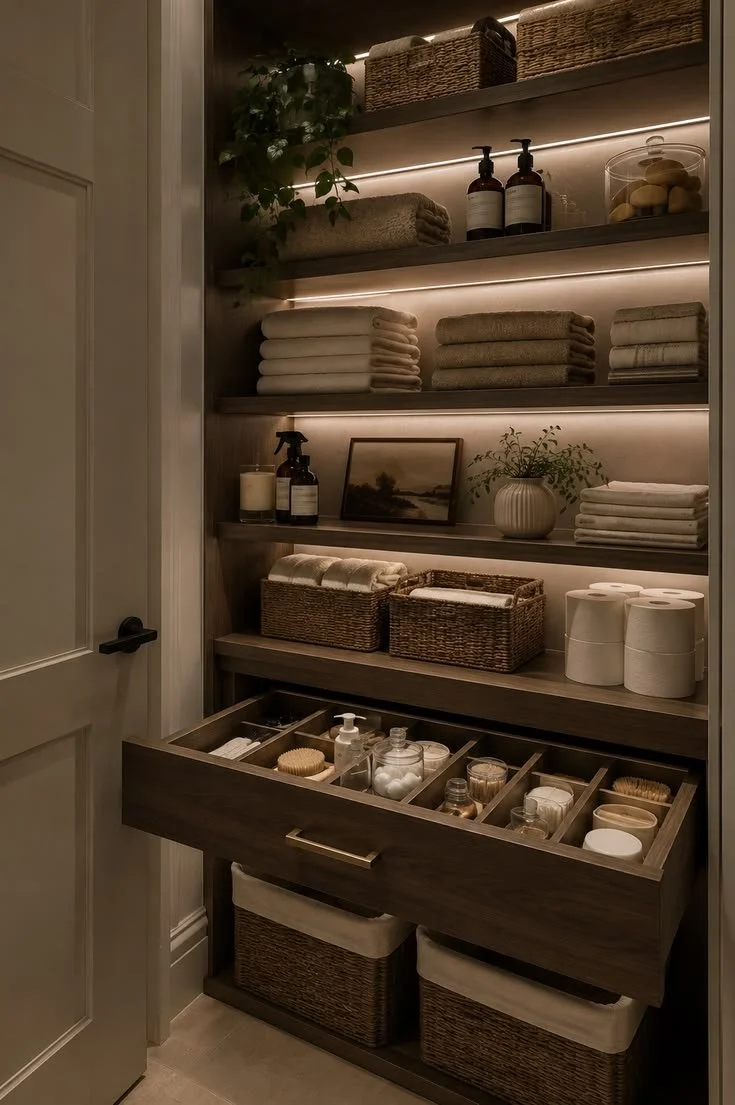
Wellness culture can make self-care feel like a full-time job, with cold plunges, elaborate supplement stacks, and hour-long morning routines before most people have had their first cup of tea. The reality is much more manageable, and often more effective: small, consistent habits that fit your life can change how grounded, organized, and confident you feel. In this article, we will explore how to build daily rituals that are simple enough to repeat, meaningful enough to matter, and flexible enough to support you through busy seasons without turning into another item on your to-do list.

The most sustainable routines don’t rely on constant motivation. Instead, they work because they remove friction, reinforce your values, and create a few predictable moments in the day where you can reset your mind and body. Whether you’re trying to feel calmer, more focused, or simply more like yourself, the goal is not perfection; it’s consistency that feels supportive rather than restrictive.
Below, you’ll find practical ideas you can tailor to your schedule, personality, and energy levels, along with lists and prompts that make it easier to turn good intentions into habits that actually stick.
No. 1
Start the Day With Simple Habits
How you begin the morning tends to shape the hours that follow. That doesn’t mean you need a rigid schedule, but having one or two anchoring habits can shift your mindset before the day’s demands kick in. Think of these as “non-negotiables” that are small by design, so they’re realistic on weekdays, travel days, and low-energy mornings.
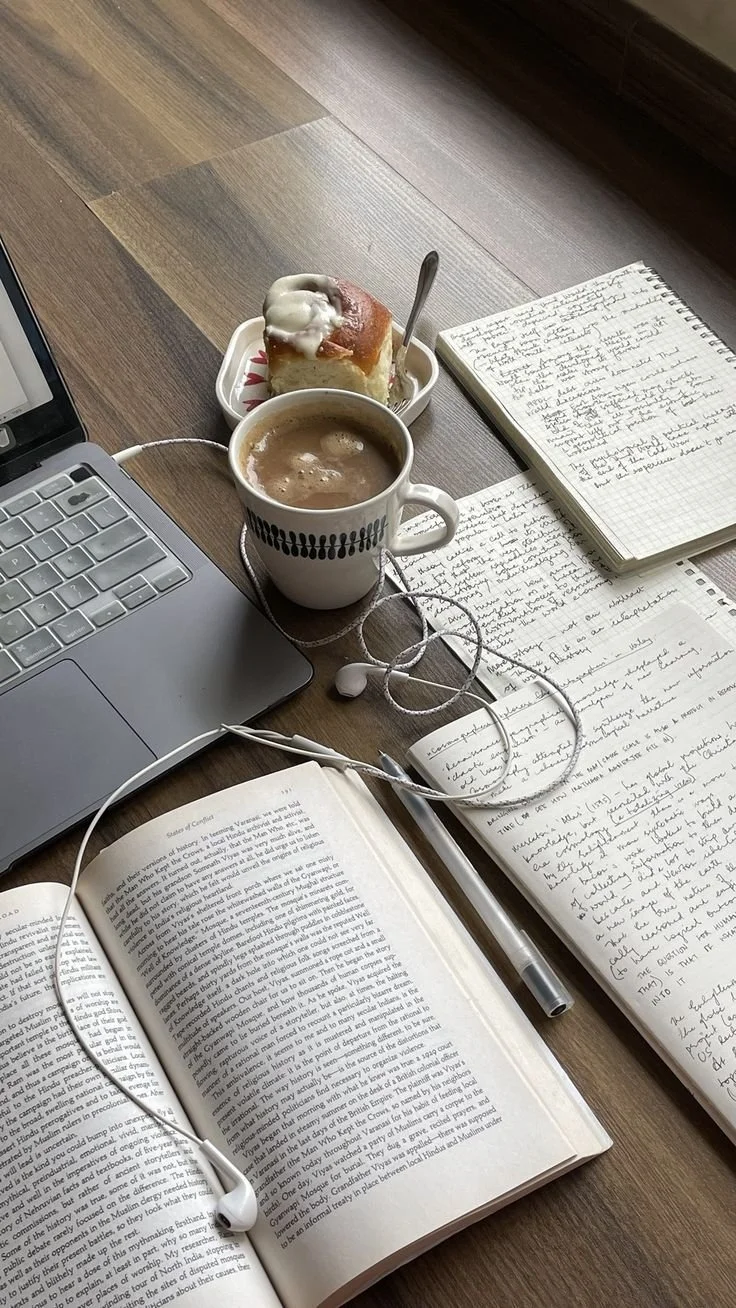
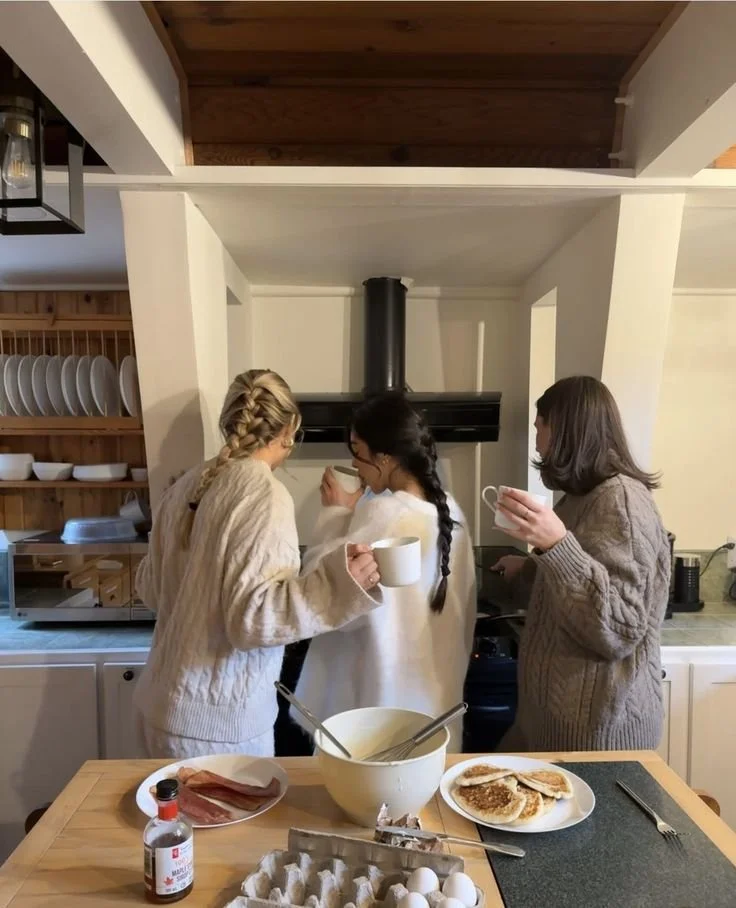
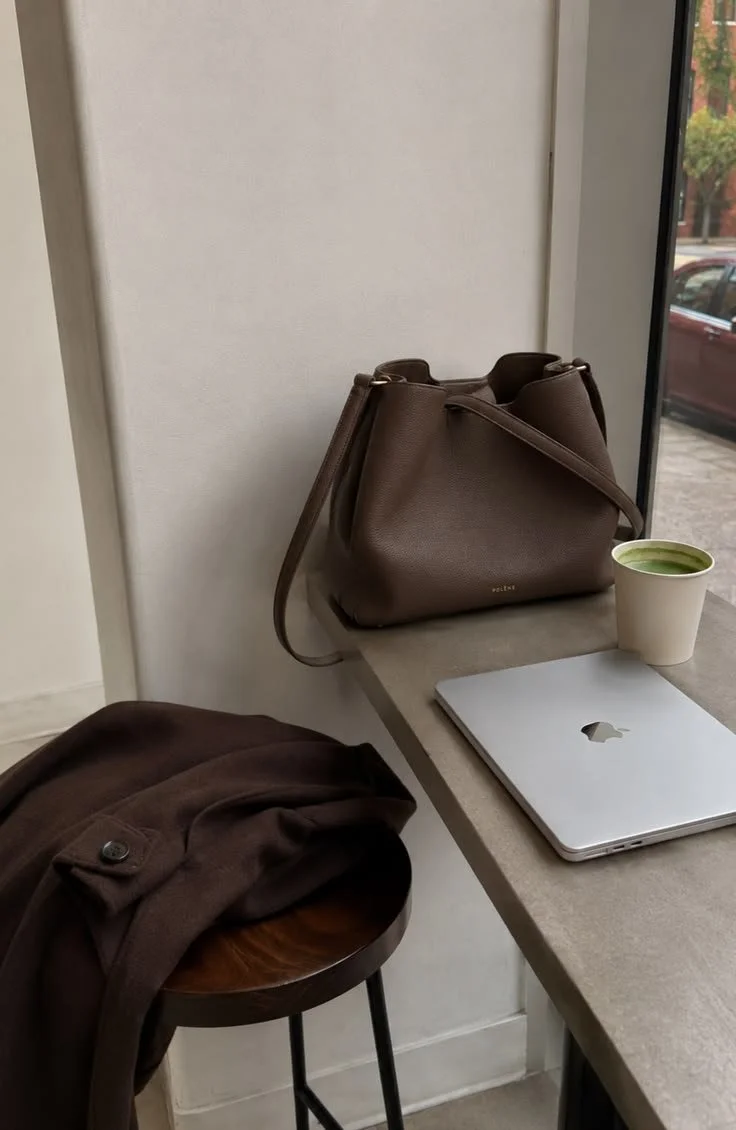
There are a few straightforward practices that make a real difference: eating a proper breakfast rather than skipping it, stepping outside for even five minutes of fresh air, doing some light movement (a walk or a short workout), or simply sitting quietly with a hot drink before reaching for your phone. What matters is doing them consistently enough that they become automatic.
Morning anchors that take 10 minutes or less
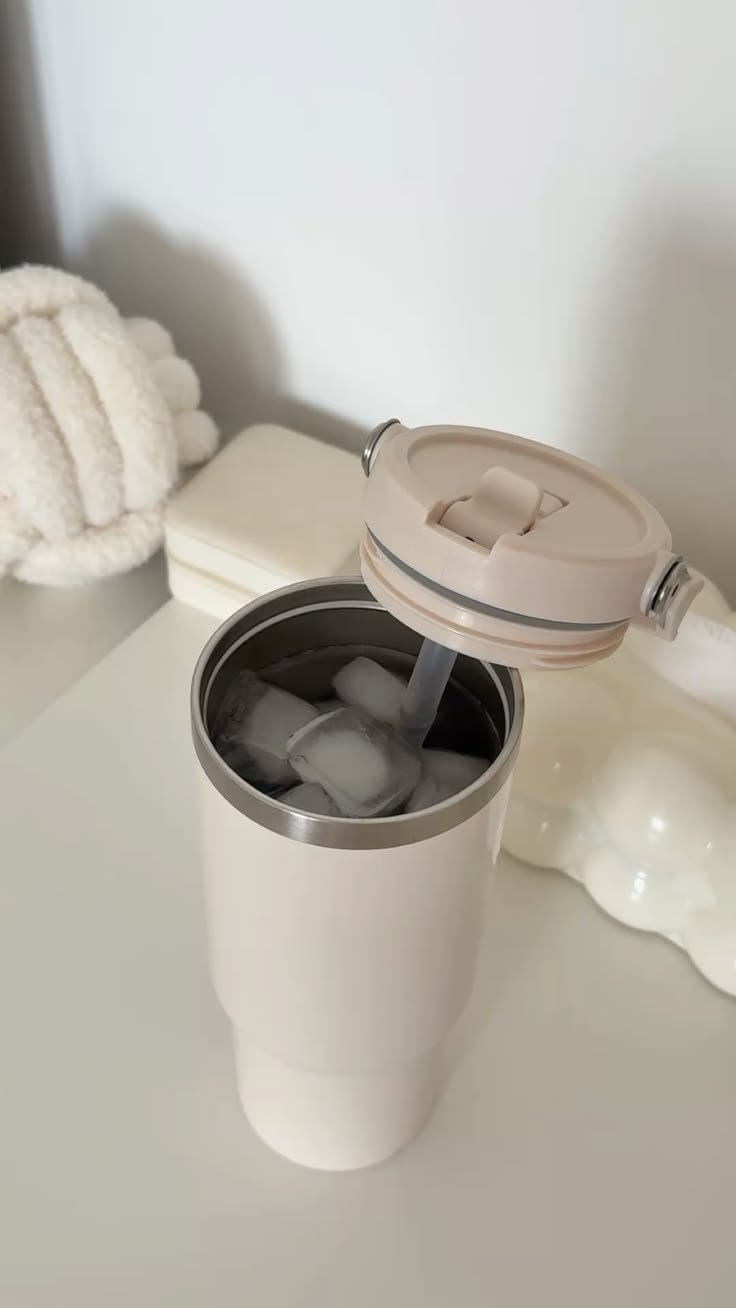
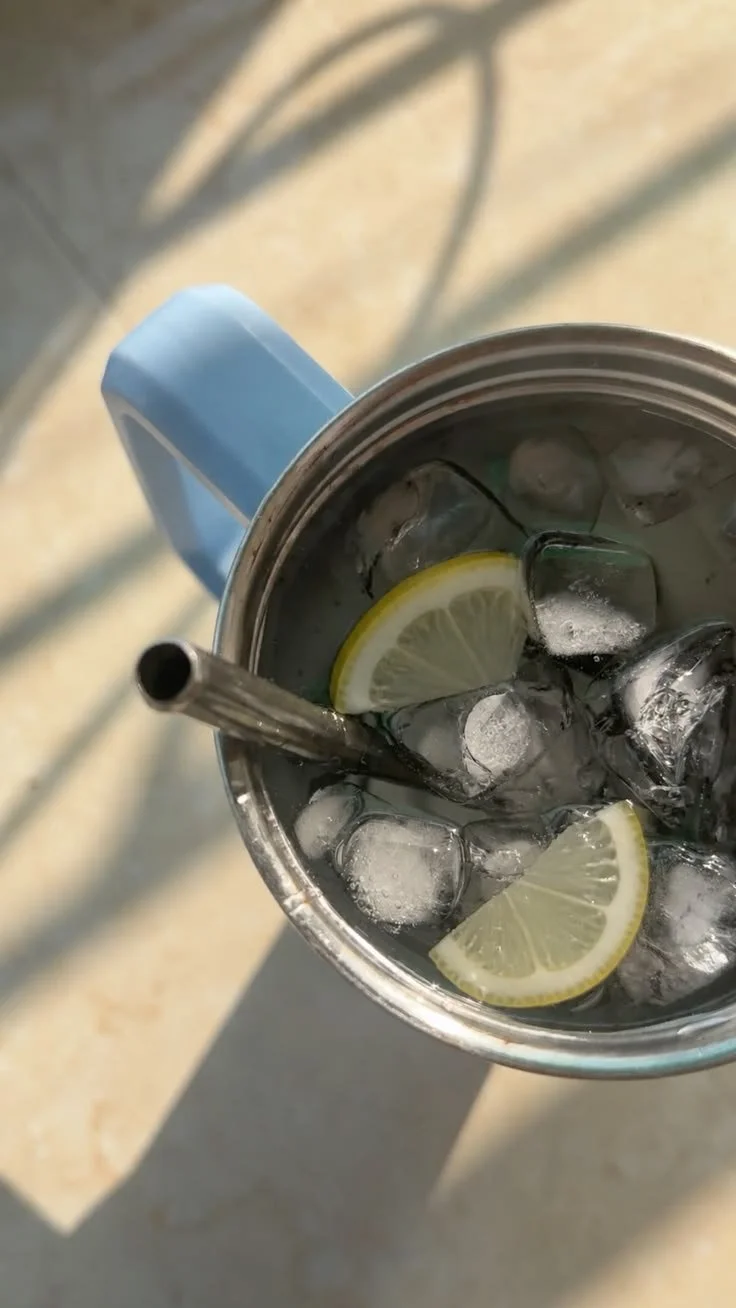
Hydrate before caffeine
Keep a glass or bottle by the sink or coffee machine so you don’t forget
Get one dose of daylight
Step onto a porch, balcony, or sidewalk and take a few slow breaths
Do a quick mobility reset
Neck rolls, shoulder circles, and a gentle forward fold can reduce stiffness
Eat something with protein and fiber
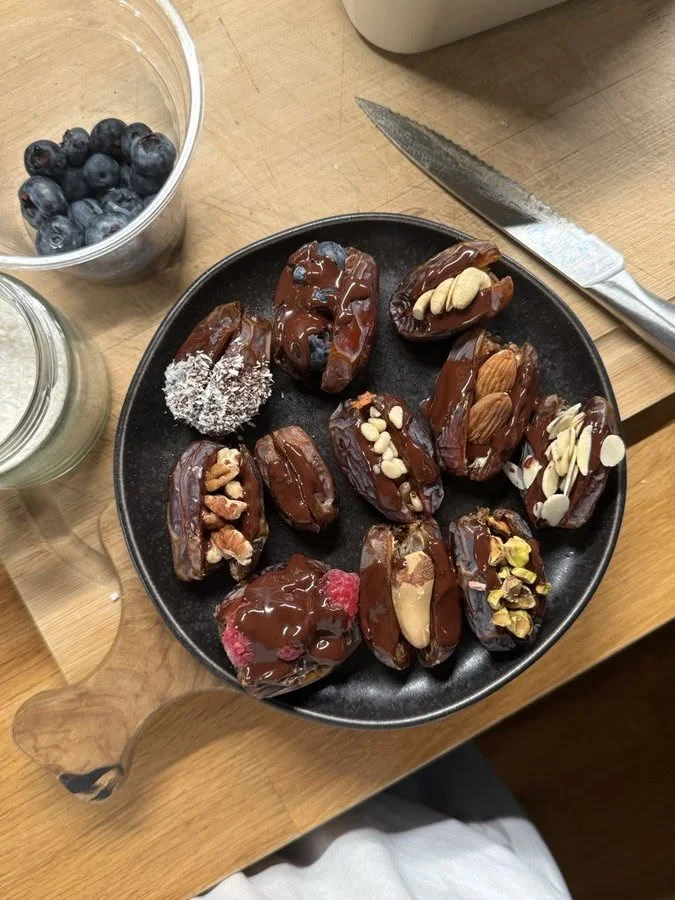
Examples: eggs and fruit, Greek yogurt with berries, oatmeal with nut butter
A simple “no-phone-first” framework
If you want to reduce morning anxiety and distraction, try:
No phone for the first 5 minutes, then expand to 10
Check messages after you’ve eaten or gotten dressed
Use an actual alarm clock if you tend to scroll in bed
How to keep your morning routine from falling apart
Choose defaults, not decisions
Create a repeatable breakfast rotation you don’t have to think about
Plan for “minimum viable” days
Decide what your routine looks like when you’re rushed (for example: water, deodorant, 3 minutes of stretching)
Treat consistency as the win
The goal is repetition, not intensity, especially when building a habit
No. 2
Making Time for Yourself
Carving out moments of genuine enjoyment throughout the day is easier than it sounds, and the returns are real. Mindful everyday rituals don’t have to be long or elaborate. Think a ten-minute break with a book at lunch or the small act of getting dressed in an outfit that makes you feel good rather than just functional.
These micro-moments of care signal to yourself that your comfort and enjoyment matter, which is a more powerful psychological shift than it might initially seem. Choosing to engage with your day rather than moving through it on autopilot is one of the simplest and most effective ways to support your overall sense of well-being.
The key is to design these moments so they happen even when you’re busy. That usually means attaching them to something you already do, like lunch, your commute, or the transition between work and evening.
Midday rituals that help you reset
Create a lunch “closing ritual”
After eating, stand up, stretch, refill your water, and take three slow breaths
Take a 10-minute walk with a purpose
One loop around the block, one song, or one podcast segment
Add a sensory cue
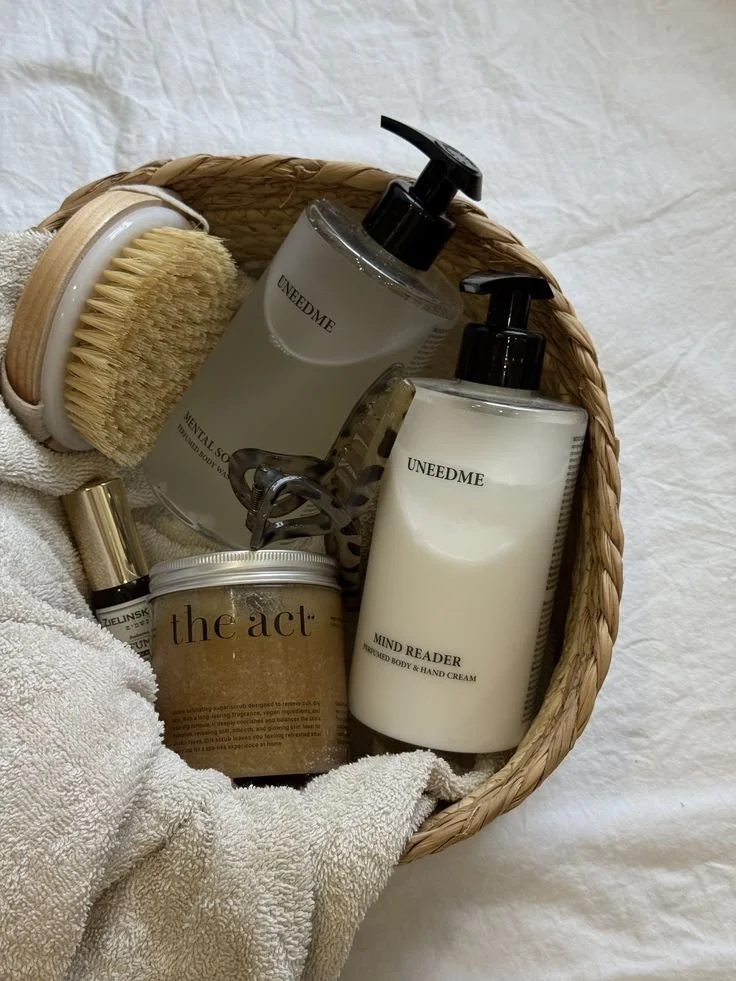
Hand lotion, mint tea, or a quick desk tidy can become a consistent reset signal
Quick prompts for a mental refresh
Ask yourself:
What is one thing I can finish in the next 15 minutes?
What is one thing I can delay without consequences?
What would make the next hour feel easier?
Boundaries that protect your time without drama
Keep a “soft no” script ready
“I can’t today, but I can next week.”
“I’m at capacity, but I appreciate you thinking of me.”
Reserve a daily buffer
Even 15 minutes of unscheduled time prevents the day from feeling like one long sprint
No. 3
Small Details That Boost Confidence
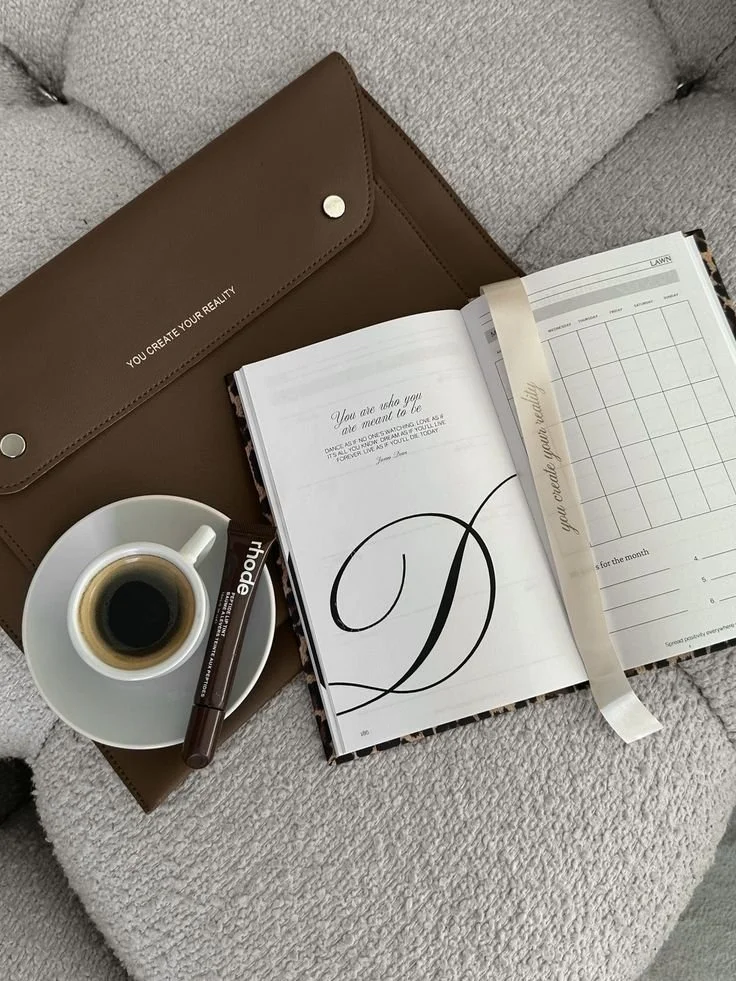
Personal touches are often what transform a routine from something you get through to something you actually look forward to. The details you choose to incorporate into your everyday life, whether that’s a favorite fragrance, a signature lip color, or a piece of jewelry that means something to you, have a quiet but cumulative effect on how you carry yourself.
Science backs this up: small acts of intentional self-expression are linked to greater confidence and positive mood. Jewelery is a particularly easy way to introduce this kind of personal touch into daily dressing. A pair of classic sapphire rings worn as part of an everyday jewellery stack is the kind of considered detail that requires no effort to maintain but consistently adds a sense of polish and intention to how you present yourself.
The broader point is this: rituals don’t need to be grand to be meaningful. The daily habits that tend to stick, and genuinely improve how you feel, are the ones that are simple enough to repeat without friction and consistent enough to become part of who you are.
Style rituals that work even on low-energy days
Pick a “uniform” you genuinely like
A go-to outfit formula reduces decision fatigue while keeping you feeling put-together
Choose one signature detail
A watch, earrings, or a ring can act as a consistent finishing touch
Make getting ready feel calmer
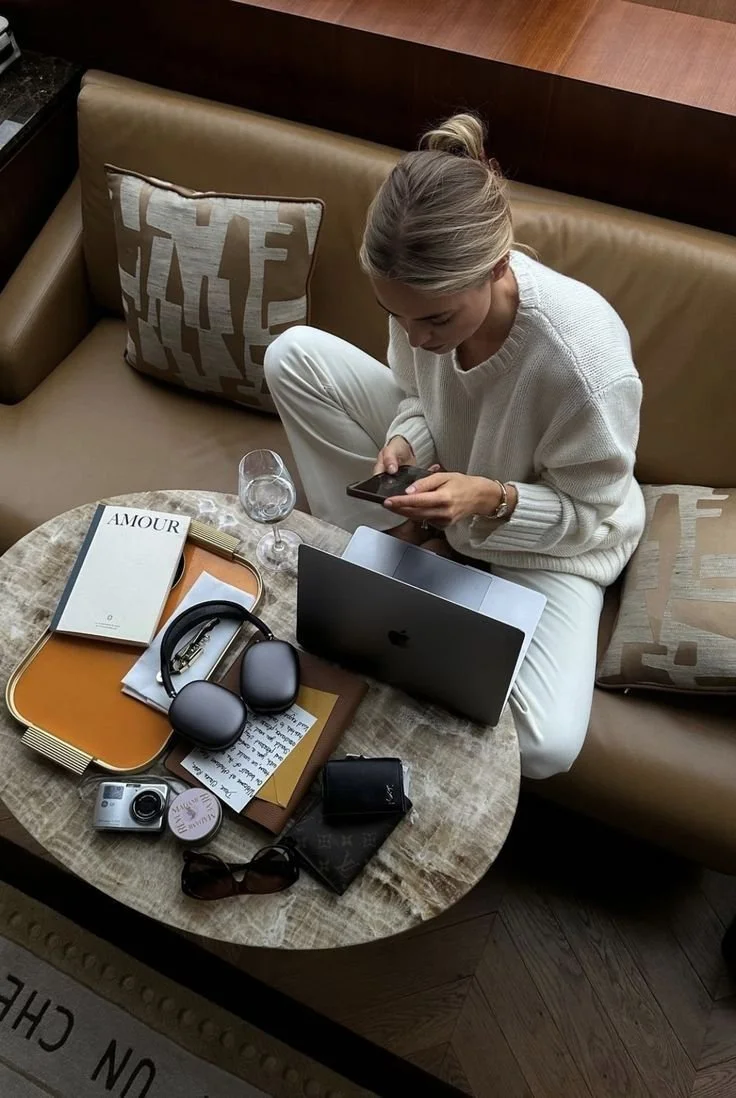
Keep a small tray or dish for daily items so they’re easy to find
A confidence checklist you can build into daily life
Physical:
Posture check, water intake, and a short walk
Emotional:
One supportive text to a friend, a short journal entry, or a quiet moment alone
Practical:
A quick plan for the next three priorities, so your day feels directed
Personal:
One small choice that reflects you, not just what’s required
Why meaningful accessories can become part of a wellness routine
They reduce the “friction” of feeling polished
A single piece can elevate basics without additional time or effort
They act as identity cues
Wearing something personal can reinforce confidence during stressful days
They create continuity
A familiar detail can make you feel more like yourself when life is in flux
The F.Hinds sapphire rings collection highlights meaningful style angles that many people associate with sapphire, including its symbolism of loyalty and enduring love, as well as a range of tones beyond classic blue, such as black and pink, depending on your personal style and how you want the piece to feel day to day.
No. 4
How to Turn Rituals Into Habits That Stick
A ritual becomes sustainable when it’s tied to a cue and rewarded with a positive feeling, even a subtle one like relief, calm, or a sense of completion. Instead of trying to “build discipline,” you can design your environment so the habit becomes the easiest option.
If your rituals keep collapsing after a few days, it’s usually not a character flaw. More often, the habit is too big, too vague, or too dependent on perfect conditions.
The cue-routine-reward method (simple and practical)
Cue
A trigger that already happens (coffee brewing, laptop opening, brushing teeth)
Routine
The smallest version of the habit you want (2 minutes of stretching, 5 minutes of planning)
Reward
A quick positive payoff (a calmer body, a checked box, a favorite playlist)
Ways to reduce friction immediately
Set up the night before
Put walking shoes by the door, prep your water bottle, lay out clothes
Make it visible
Place the item you need where you’ll see it (journal on pillow, vitamins by kettle)
Lower the bar
Commit to the smallest version of the ritual, then do more only if you want to
A weekly review ritual that keeps you aligned
Once a week, note:
What made me feel my best this week?
What drained me the most?
What is one ritual I want to protect next week?
Takeaways
Daily rituals help you feel your best when they’re realistic, repeatable, and anchored to your existing schedule. Start small enough that you can stay consistent even on your busiest days.
Confidence often comes from micro-choices that reinforce self-expression, not from elaborate overhauls. A simple accessory, a favorite fragrance, or a calm morning anchor can create a reliable sense of polish and control.
Looking for wellness resources?
Are you looking to enhance your wellness routine? Explore our wellness partners who offer a wide range of resources to support your journey toward holistic living and well-being.