Anyone who cares even a little about their health understands the importance of hydration. We’ve all heard the expert advice—drink at least 3 liters of water a day—and many of us now carry stylish reusable bottles to ensure we’re drinking water when we’re out and about. But despite our best intentions (and our cute metal bottles), staying properly hydrated is far more challenging than it seems.

Three liters of water is no small feat. That’s the equivalent of refilling a standard water bottle three to four times a day. Between work, errands, and the general chaos of life, most people struggle to finish even one full bottle. Yet, hydration is more than just a wellness trend—it’s a critical factor in how our bodies and minds function.
While most people associate dehydration with dry mouth or fatigue, the effects go much deeper. In fact, failing to drink enough water can lead to some surprising and often overlooked side effects.
In this article, we explore three unexpected consequences of dehydration that might just convince you to refill that bottle more often.
No. 1
The Mental Toll
You don’t often hear about the mental impact of dehydration, but it’s one of the most significant consequences. Even mild dehydration can impair mood, concentration, and cognitive performance. Studies have especially shown that dehydration can:
Reduce your ability to handle stress
Impair decision-making and task management
Increase the production of stress hormones like cortisol
In some cases, dehydration has even been linked to heightened symptoms of depression and anxiety. Remarkably, something as simple as a few sips of water can help ease the onset of a panic attack.
So, the next time you’re feeling mentally foggy or emotionally overwhelmed, consider whether you’ve had enough water. Your brain might just be running on empty.
No. 2
Sleep Struggles
Sleep and hydration are closely intertwined in a delicate, often overlooked cycle.
On one side, going to bed dehydrated can lead to:
Headaches
Muscle cramps
Restlessness
On the flip side, poor sleep quality can interfere with your body’s ability to retain water. This happens because sleep deprivation disrupts the release of vasopressin, a hormone that helps your body conserve water. There’s also evidence that poor sleep can negatively impact kidney function.
While you can’t hydrate in your sleep, drinking enough water throughout the day can help you enter the night fully hydrated. This promotes deeper, more restful sleep and helps break the cycle of dehydration-induced insomnia.

ThermoFlask
Stay refreshed in style with ThermoFlask soft-touch water bottles!
Designed for comfort, built to keep your drinks at the perfect temperature all day long.
No. 3
Hearing Setbacks
This one may surprise you: dehydration can affect your hearing. That’s right—insufficient hydration can lead to issues such as:
Tinnitus (ringing in the ears)
Muffled hearing
Vertigo
Why? Because your inner ear relies on a delicate balance of fluids to function properly. Dehydration can disrupt this balance and reduce blood flow, which is essential for maintaining auditory health.
Of course, if you’re experiencing any of these symptoms, it’s important to consult a hearing specialist for a comprehensive hearing examination to rule out other causes like infection. Still, if hydration is a factor, increasing your water intake could help alleviate or prevent these issues.
Takeaways
Hydration is more than just a health buzzword—it’s a fundamental pillar of physical and mental well-being. While most people are aware of the basic symptoms of dehydration, the less obvious side effects—like impaired cognition, poor sleep, and even hearing issues—are often ignored.
Drinking enough water might seem like a chore in your busy day, but it’s a small habit with massive benefits. By staying hydrated, you’re not just quenching your thirst—you’re protecting your mind, body, and long-term health.
So, the next time you glance at your half-empty bottle, take a moment to refill it. Your brain, your sleep patterns, and even your ears will undoubtedly thank you for making these positive lifestyle changes.
Looking for Wellness resources?
Are you looking to enhance your wellness routine? Explore our wellness partners who offer a wide range of resources to support your journey toward holistic living and well-being.

In this article, we will explore how to brew loose-leaf tea simply and consistently using a ceramic tea infuser mug, including how to choose between black, green, and oolong tea, what equipment actually matters, and how to dial in strength and flavour without overthinking the process.

In this article, we will explore how getting into nature benefits your wellbeing, including the most impactful mental and physical health advantages, plus realistic strategies for making time outdoors part of your routine throughout the year.
In this article, we will explore how peptides are reshaping restorative wellness, why they are increasingly discussed in clinical settings, and what safety and regulatory considerations matter most in Australia.

In this article, we will explore practical, respectful ways to help aging parents stay active and independent without becoming overprotective. The aim is to support quality of life through movement, routine, and autonomy, while still recognizing legitimate safety concerns and knowing when professional input is necessary.

In this article, we will explore why low-acid coffee deserves a place in a self-care routine, what actually makes certain coffees less acidic, how that difference can affect digestion and enjoyment, and how to choose and use a low acid option without sacrificing taste or the ritual itself.

In this article, we will explore why people seek honest feedback on Kottakkal medicine for diabetes management, how Ayurveda frames diabetes-related imbalance, what real-world usage patterns commonly look like, and how to approach safety, monitoring, and medical collaboration responsibly.

In this article, we will explore practical, sustainable nutrition tips that help you stay vibrant at any age, including when it makes sense to seek professional guidance, how to build a balanced plate, why hydration is essential, and how fruits and vegetables support long-term wellbeing.

In this article, we will explore what cataracts are, how modern cataract surgery works, which lens options you may be able to choose from, what recovery typically looks like, and when it makes sense to schedule an evaluation.

In this article, we will explore why dental insurance is becoming essential for modern family healthcare, including the rising cost of treatment, the growing recognition of oral-systemic links, and the shift toward more holistic benefits planning.

In this article, we will explore four popular herbal supplement options for supporting everyday liver wellness, compare how they are formulated and labeled, and outline a simple framework for evaluating products in a way that is realistic, safety-minded, and easy to apply.

In this article, we will explore how misaligned teeth can interfere with daily cleaning, contribute to decay and gum disease, influence jaw health, complicate chewing and digestion, affect speech, and, in some cases, relate to breathing and sleep quality.

In this article, we will explore why there is no single “best” diet for Crohn’s disease, what factors actually determine food tolerance, and how to build a more reliable, individualized approach that evolves with symptoms over time.

In this article, we will explore the hidden pitfalls that derail low carb meal plans early, along with practical, sustainable fixes that help you stay consistent well past the initial burst of motivation.

In this article, we will explore why a complete, properly sequenced microneedling treatment plan matters, what professional follow-up should look like, and how thoughtful aftercare supports smoother healing and longer-lasting results.

In this article, we’ll explore how to manage dark circles and what to do when skincare is not enough to resolve the issue.

In this article, we will explore what collagen does, why it decreases, how that shows up on your face, and what you can do through lifestyle, nutrition, skincare, and targeted treatments to support firmer, healthier-looking skin over time.

In this article, we will explore how to look after your teeth through every stage of life, with practical, age-appropriate guidance to help prevent decay, gum disease, enamel wear, and avoidable dental emergencies.

In this article, we will explore practical wellness habits that fit a busy work life, with a focus on small actions that improve energy, focus, and resilience without demanding large blocks of time.

In this article, we will explore how to plan for recovery without money panic by breaking rehab expenses into understandable parts, learning what questions to ask, and identifying realistic ways to reduce out-of-pocket costs.

In this article, we will explore why a radiant smile is one of the most powerful beauty assets you can develop, how it shapes facial harmony and first impressions, and what practical steps can help you restore and maintain smile confidence for the long term.

In this article, we will explore how modern hair restoration has evolved to prioritize natural-looking results alongside a faster, more comfortable recovery that better fits real life.

In this article, we will explore how life-saving education supports a deeper, more durable form of wellness, one rooted in capability, preparedness, and community care.

In this article, we will explore how reflexology works, the principles behind reflex points, the ways foot-focused care may support stress management and energy levels, and practical methods for integrating reflexology-inspired habits into everyday life.

In this article, we will explore why chronic dry mouth matters, how to spot subtle warning signs, what may be causing the problem, and what modern evaluation and treatment can look like.

In this article, we will explore what testosterone does in a man’s body, why healthy levels matter, what symptoms can signal a problem, and how to support optimal production through evidence-based habits.

In this article, we will explore the potential benefits of nattokinase and serrapeptase for skin repair, with a specific focus on how these enzymes may support the body’s response to pilonidal cysts.
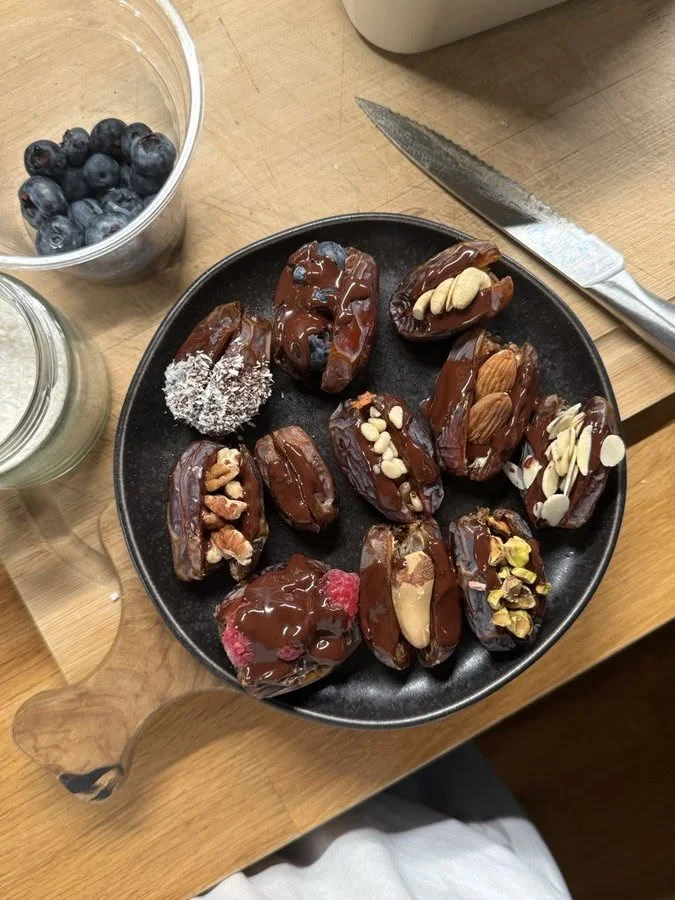
In this article, we will explore how a realistic Sunday meal prep routine can support older adults with better nutrition, easier weekdays, and less food waste, without turning the kitchen into an exhausting “batch-cook marathon.”

In this article, we will explore the key signs that knee problems may require more than rest, pain relief, or minor adjustments, and when it may be time to discuss knee replacement surgery with a specialist.

In this article, we will explore how to build a practical routine that supports your skin’s comfort and resilience, without relying on complicated steps or unrealistic “miracle” fixes.

In this article, we will explore how to build a routine that fits your real life, supports your energy and responsibilities, and stays flexible enough to survive busy days without collapsing.